


The Best Movies Of The 21st Century

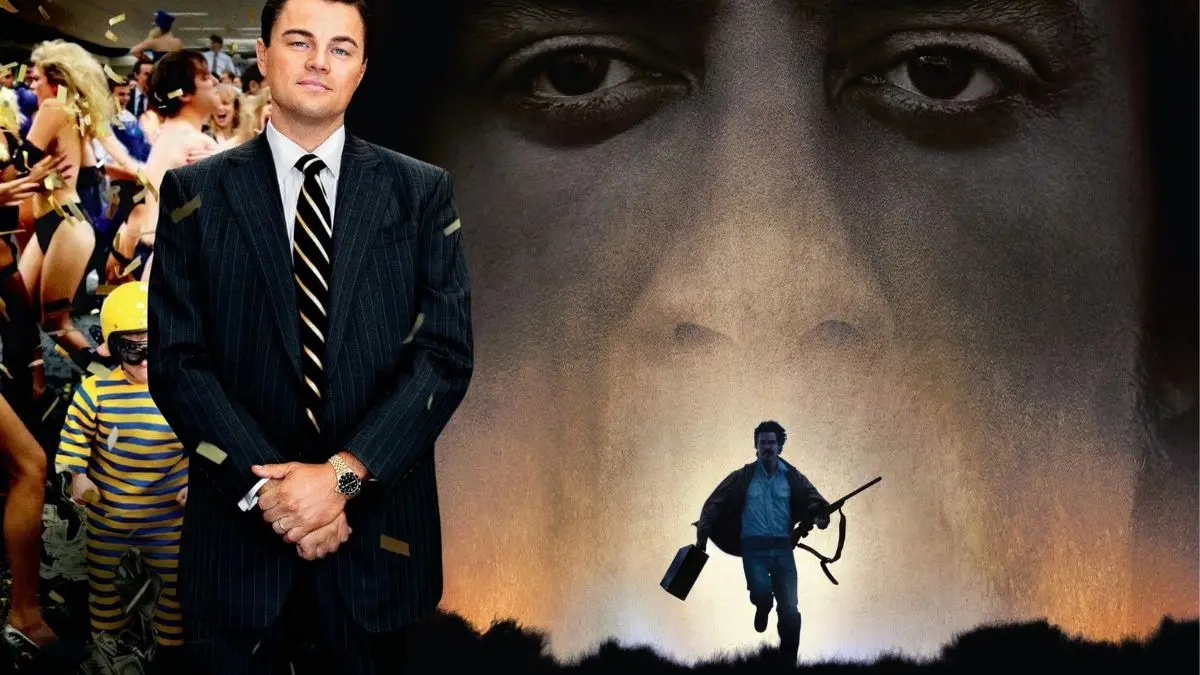


The past few decades have delivered a wave of films that redefined genres, broke box office records, and picked up the industry’s biggest awards. These movies paired visionary direction with unforgettable performances and bold craft choices, setting new standards for what cinema can do. From intimate character studies to globe-spanning epics, each title below left a lasting mark on filmmakers and audiences around the world. Here are standout films that continue to shape the conversation about modern cinema.
‘The Lord of the Rings: The Return of the King’ (2003)
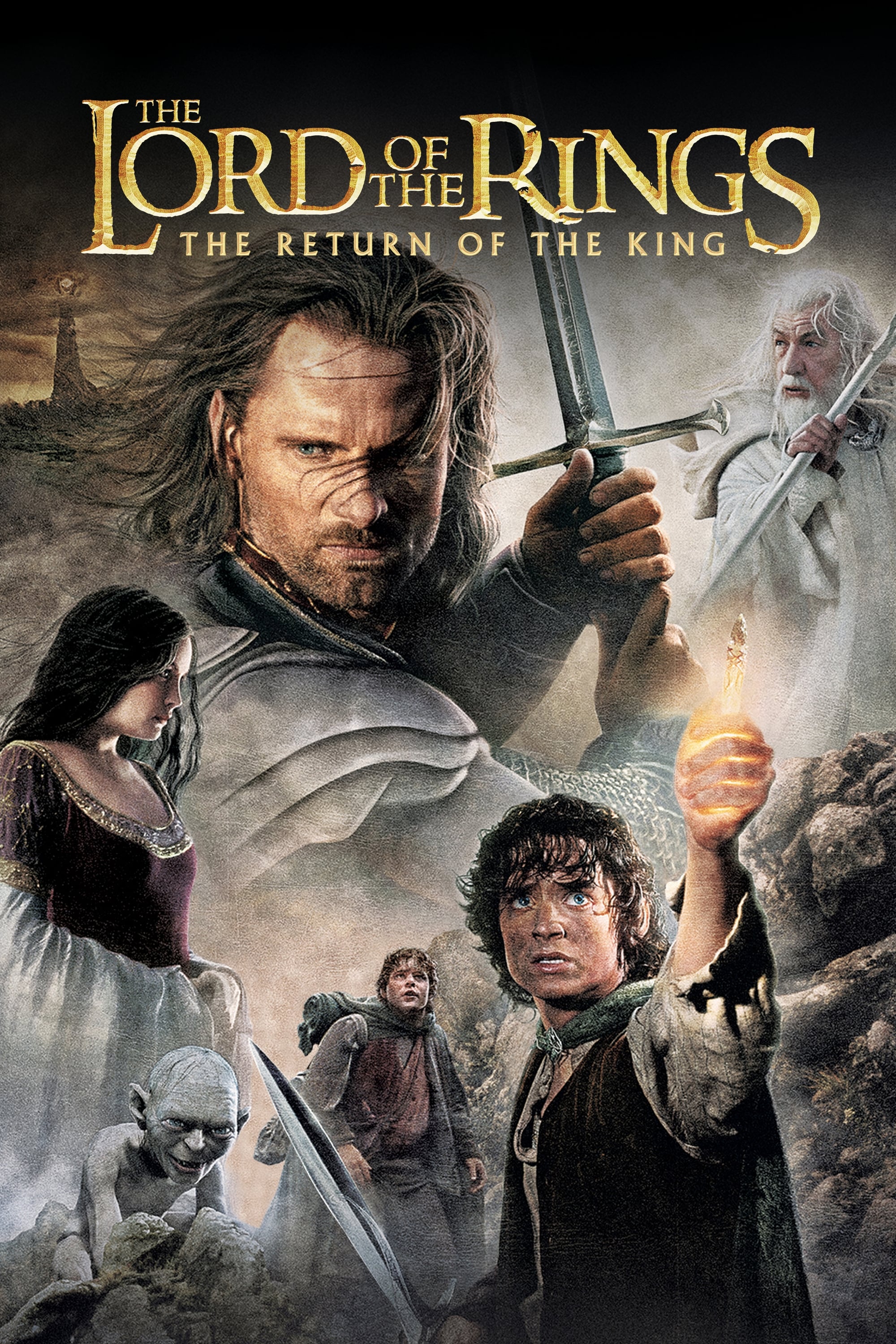
Peter Jackson completed the trilogy with a sweeping fantasy epic that united practical effects, large scale miniatures, and groundbreaking digital work. The film won 11 Oscars including Best Picture and tied the all-time record for wins. It was a major box office success worldwide and capped an ambitious production shot back to back across New Zealand. Howard Shore’s score and the ensemble cast anchored the emotional payoff of the saga.
‘Spirited Away’ (2001)
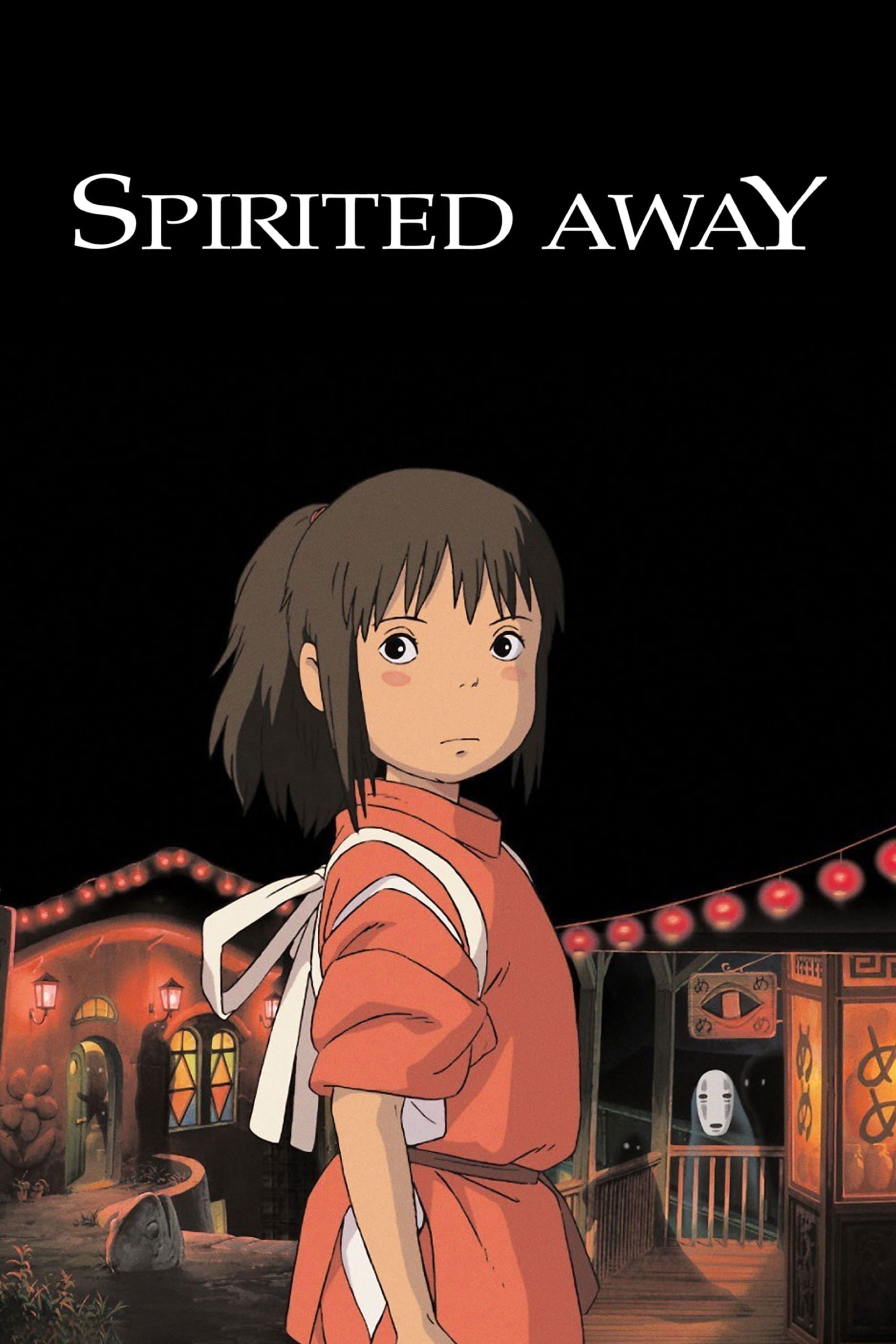
Hayao Miyazaki’s hand-drawn animated fantasy from Studio Ghibli became a cultural phenomenon far beyond Japan. It won the Academy Award for Best Animated Feature and earned widespread recognition for its richly detailed world. The film’s environmental themes and coming-of-age story connected with viewers of all ages. Joe Hisaishi’s music and meticulous background art helped make every frame memorable.
‘The Dark Knight’ (2008)
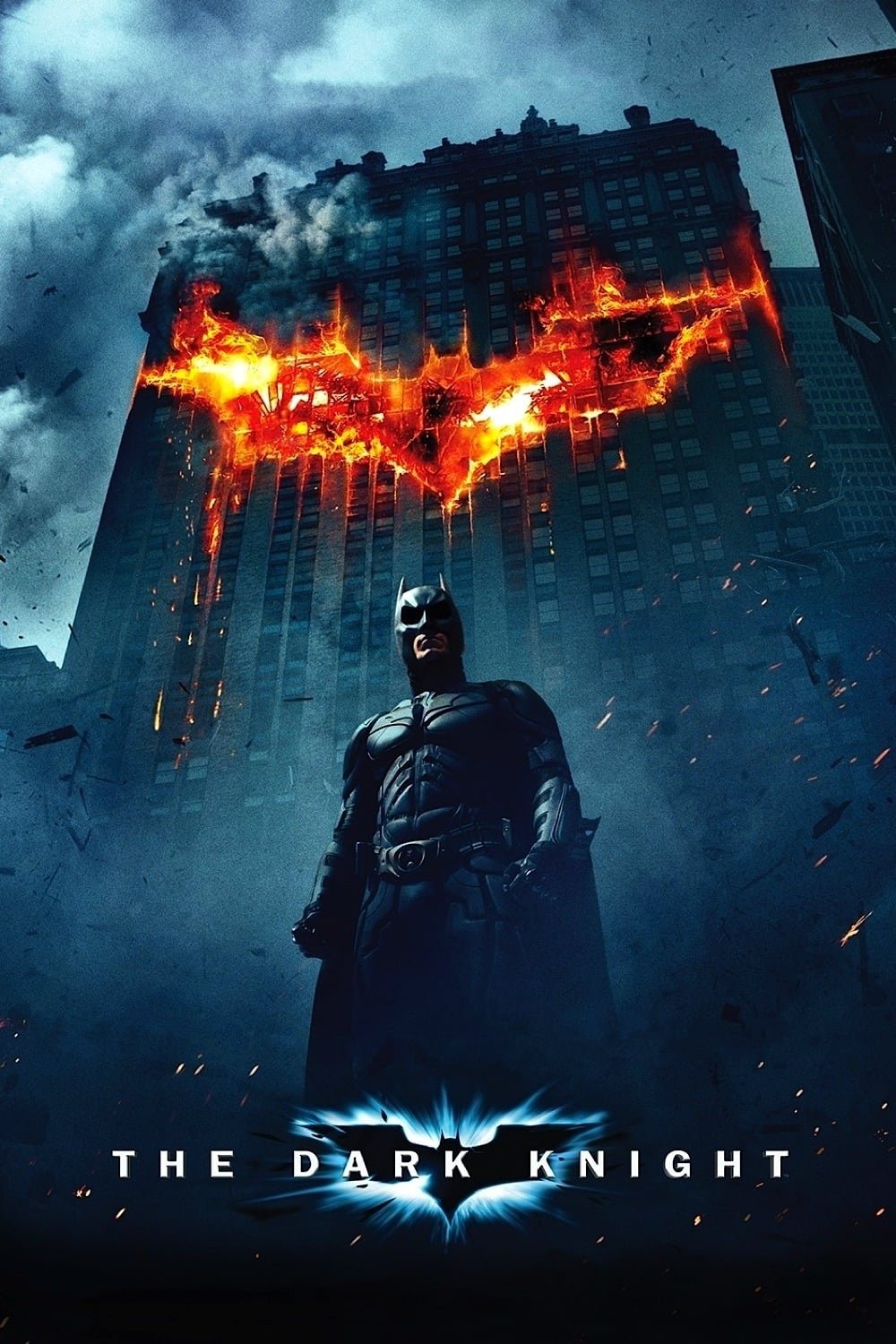
Christopher Nolan’s crime thriller elevated the superhero template with grounded action and moral complexity. Heath Ledger’s performance as the Joker earned a posthumous Oscar and influenced the genre’s approach to villains. The production used large format cameras for key sequences and staged practical set pieces in real city locations. Its commercial success shaped studio strategies for comic book films for years to come.
‘No Country for Old Men’ (2007)
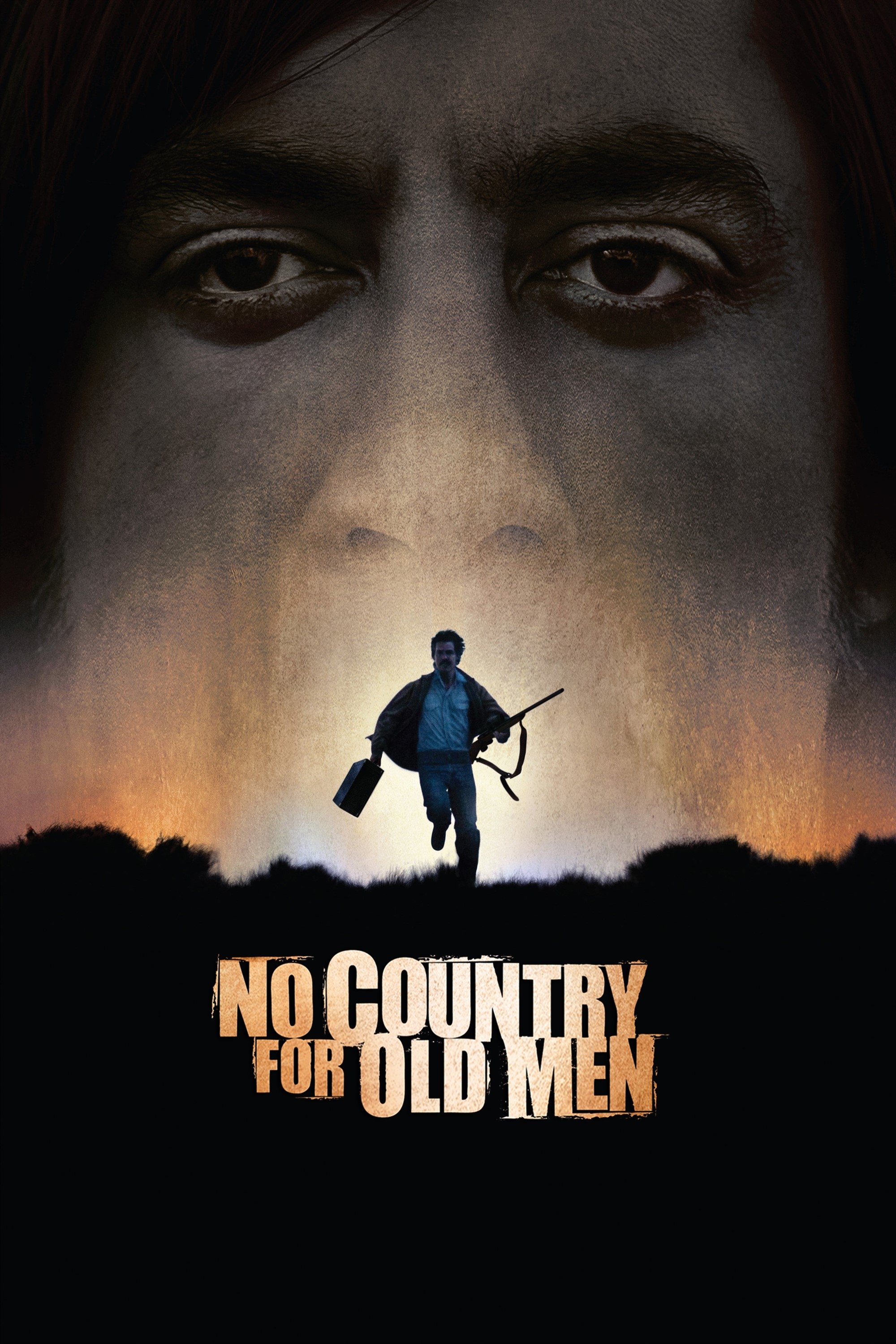
The Coen brothers adapted Cormac McCarthy’s novel into a tense cat and mouse story set along the Texas border. Javier Bardem won an Oscar for his chilling portrayal of Anton Chigurh. The film’s restrained score and precise sound design heightened the sense of dread. Roger Deakins’ cinematography emphasized stark landscapes and quiet violence.
‘Mad Max: Fury Road’ (2015)
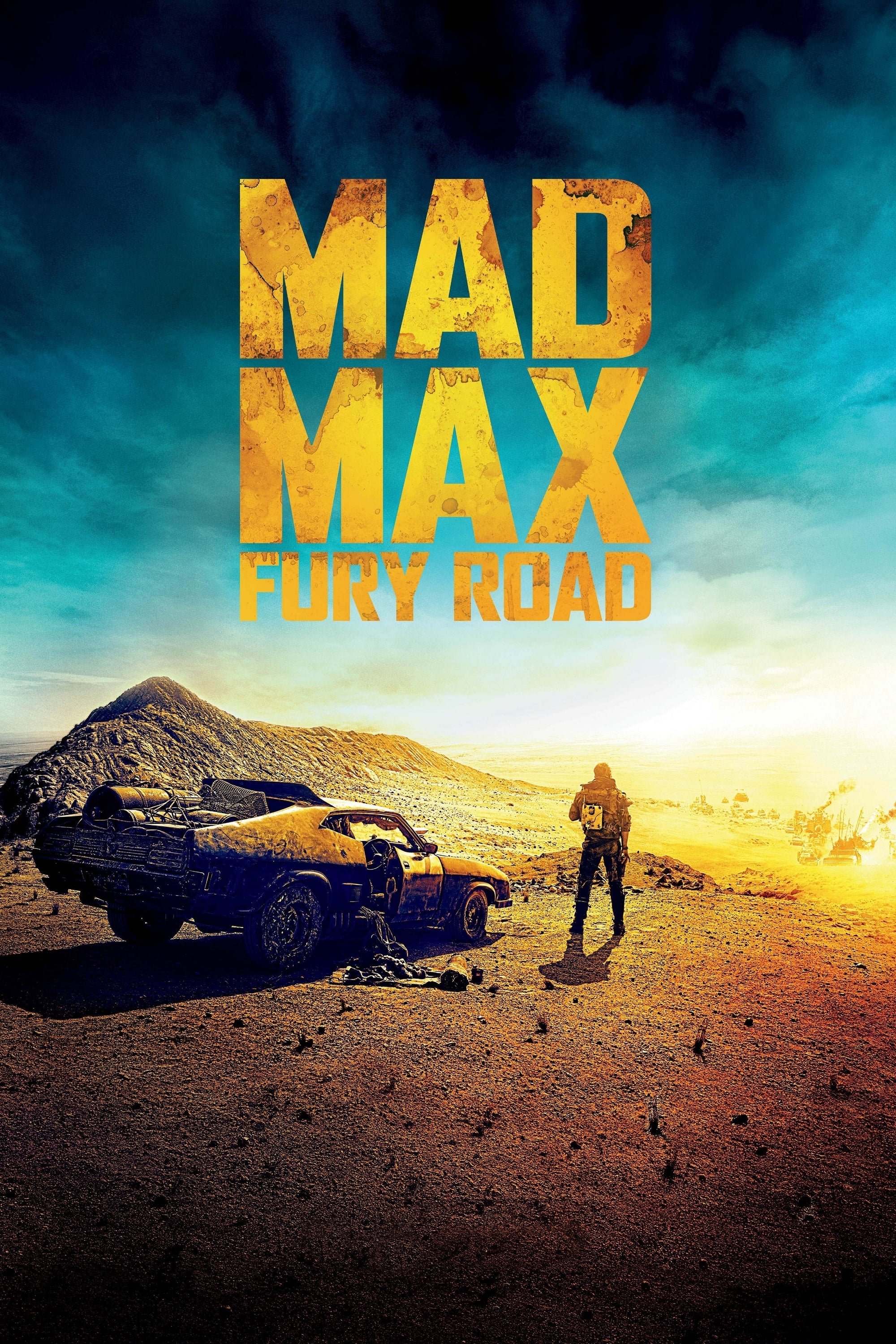
George Miller revived his action series with practical stunts, real vehicles, and in-camera effects across desert locations. The film collected multiple Oscars in editing, sound, and design categories. Tom Hardy and Charlize Theron led a production noted for its demanding shoot and choreography. The result became a reference point for modern action filmmaking.
‘City of God’ (2002)
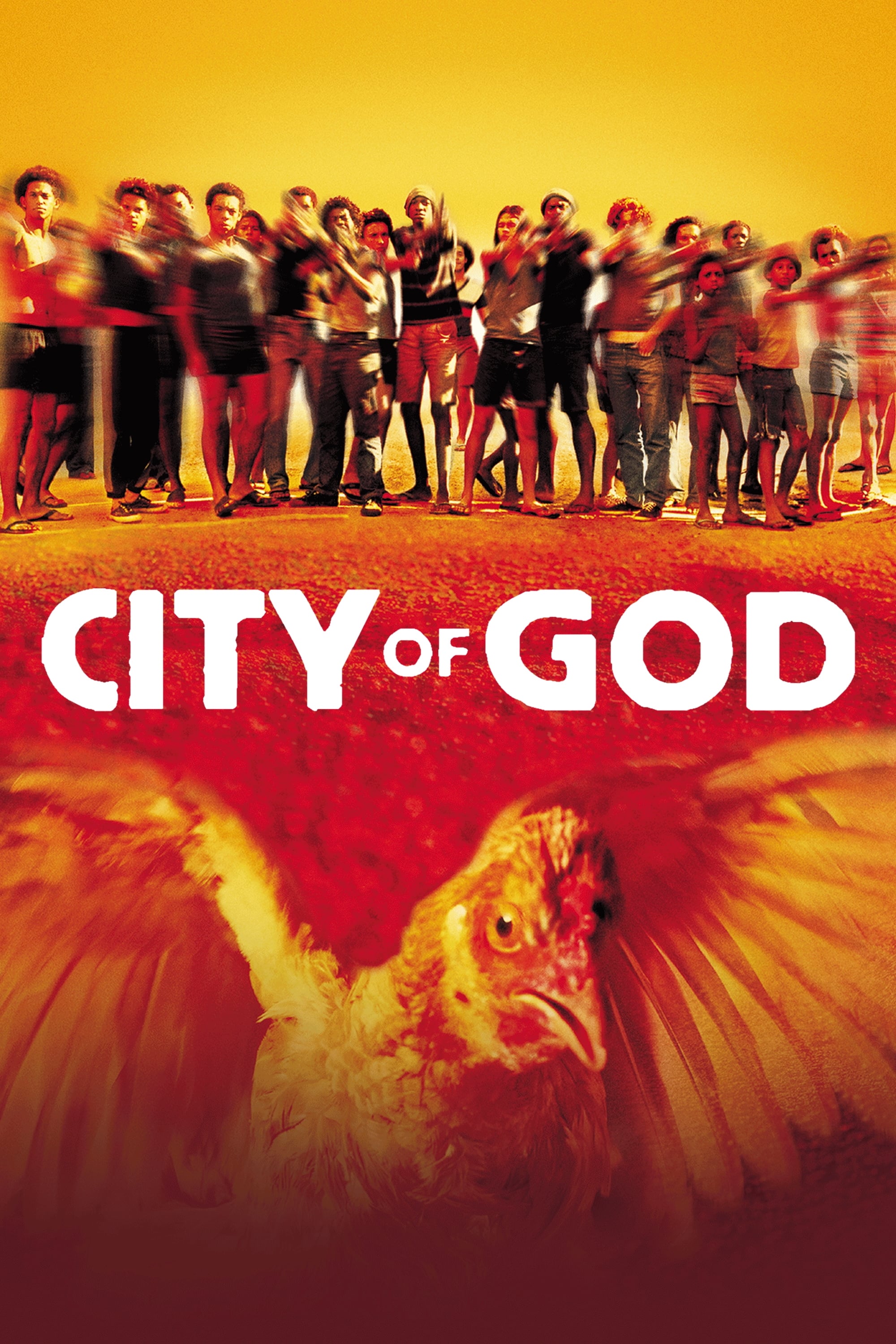
Fernando Meirelles and Kátia Lund delivered a kinetic look at life in the favelas of Rio de Janeiro. The film’s cast included many nonprofessional actors who trained through workshops. Its fast cutting, saturated color, and time-shifting structure created a distinctive style. The movie earned multiple Oscar nominations and brought international attention to Brazilian cinema.
‘There Will Be Blood’ (2007)
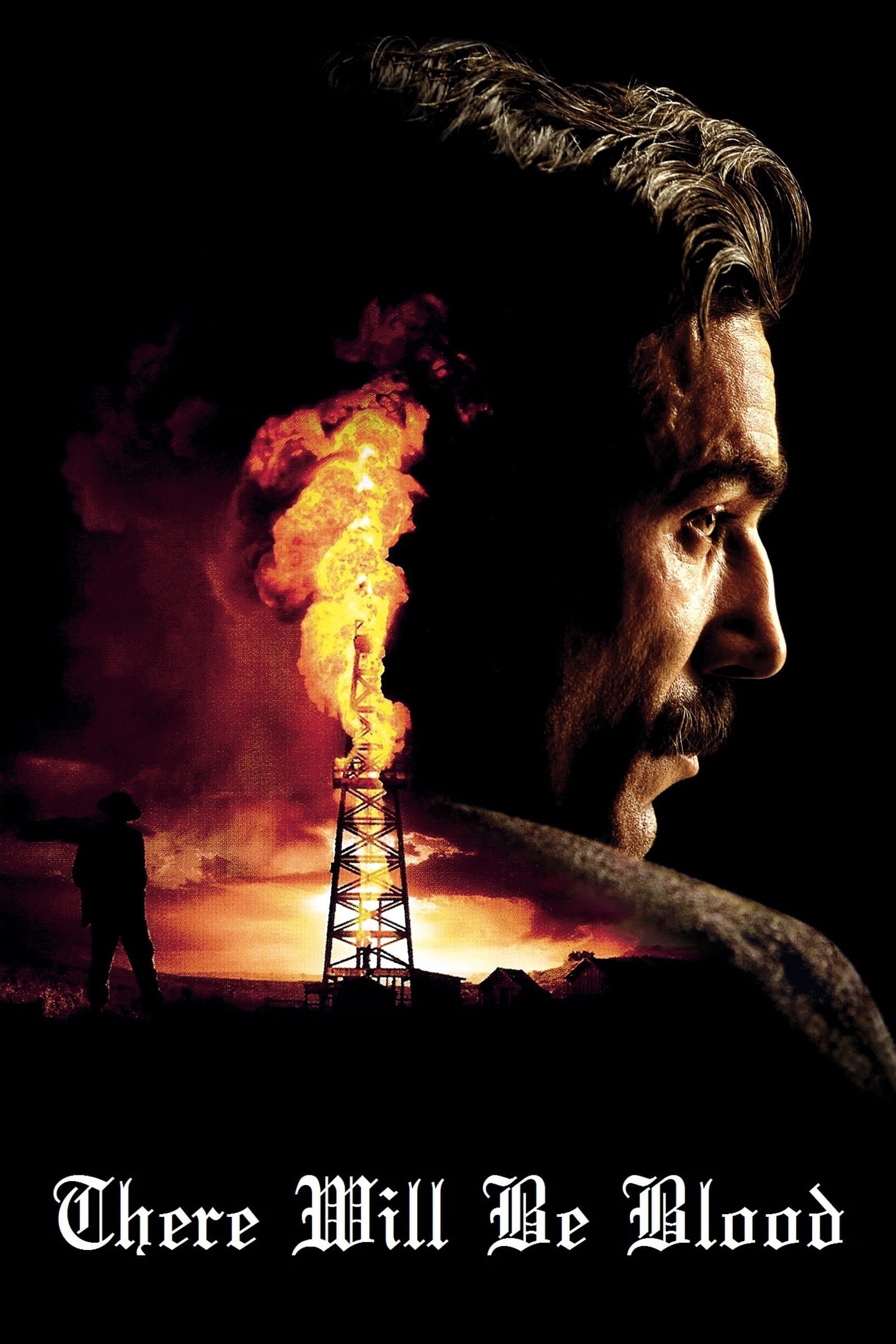
Paul Thomas Anderson’s drama centered on the rise of an oilman in the American West. Daniel Day-Lewis won the Oscar for Best Actor for a towering lead performance. Jonny Greenwood’s score used modern orchestral textures to build unease. The production shot in rugged locations, emphasizing isolation and industry.
‘Inception’ (2010)
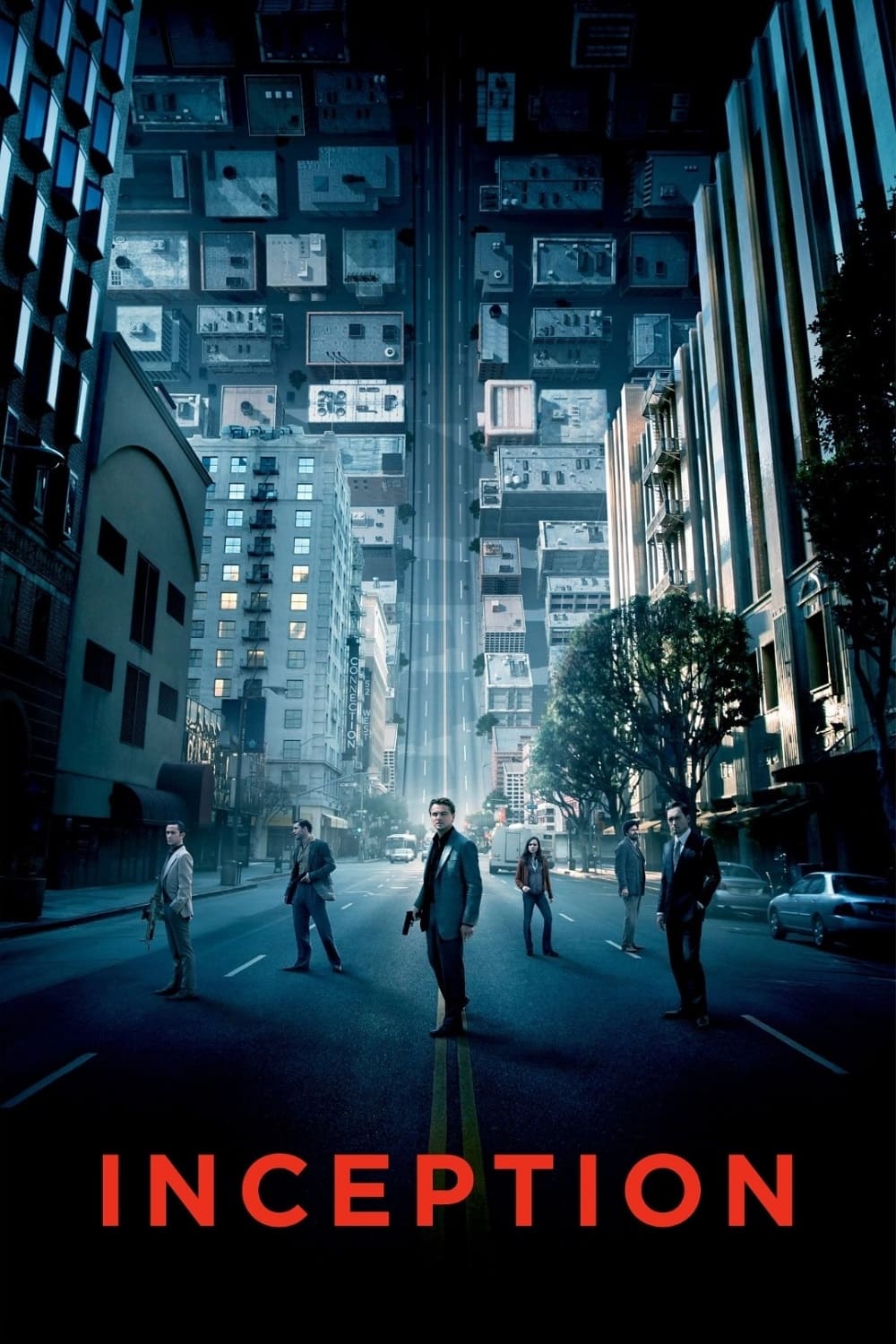
Christopher Nolan’s sci-fi heist combined practical effects with visual effects to depict layered dreamscapes. The rotating hallway fight and folding city became signature set pieces. Hans Zimmer’s score popularized a new sonic palette in blockbuster trailers and films. The movie earned several technical Oscars and strong global box office returns.
‘Eternal Sunshine of the Spotless Mind’ (2004)
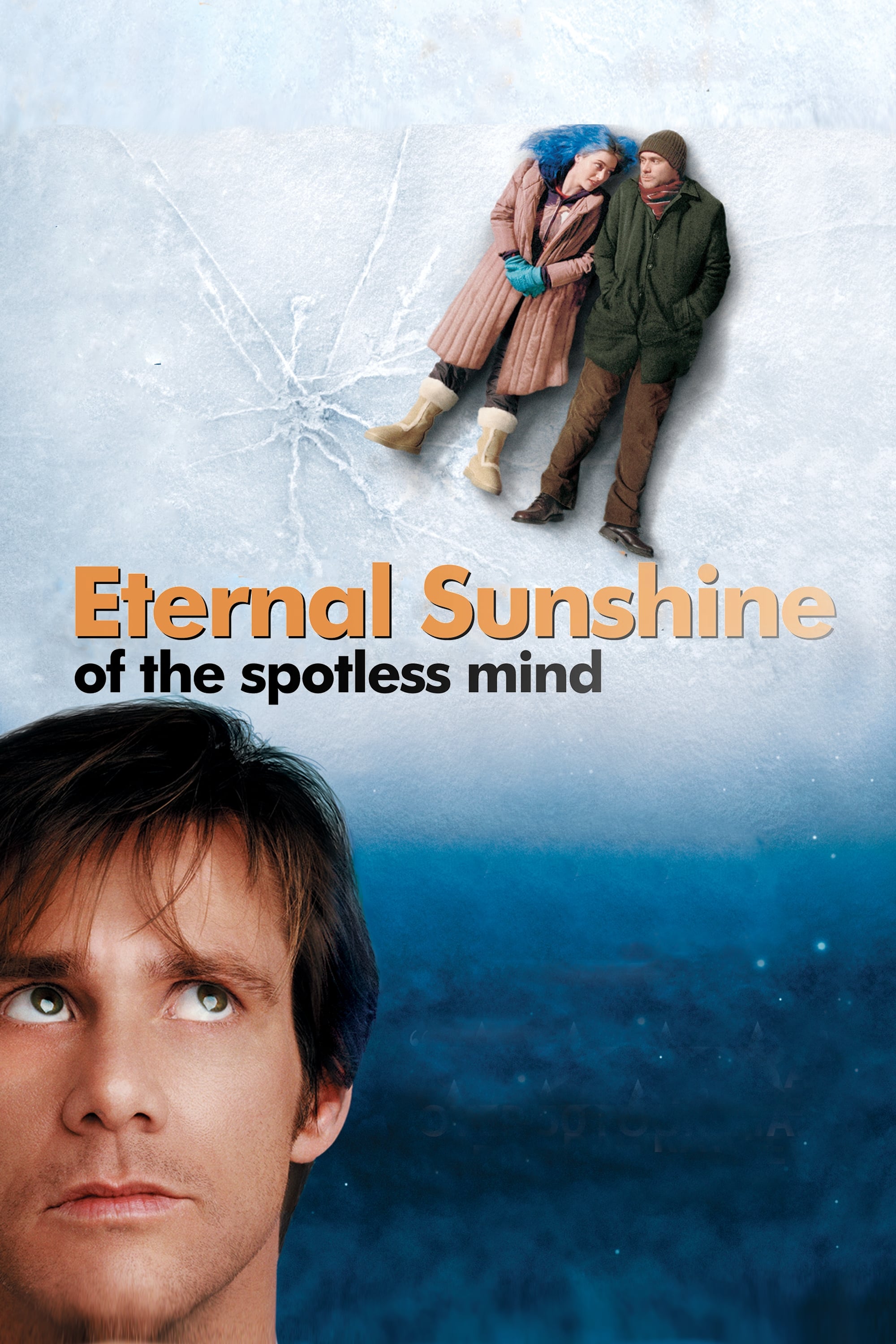
Michel Gondry’s romantic drama used in-camera tricks, long takes, and clever staging to visualize memory erasure. Charlie Kaufman’s screenplay won the Oscar for Original Screenplay. The film’s practical effects approach kept the surreal imagery grounded in real spaces. Jim Carrey and Kate Winslet led a cast praised for nuanced performances.
‘Pan’s Labyrinth’ (2006)
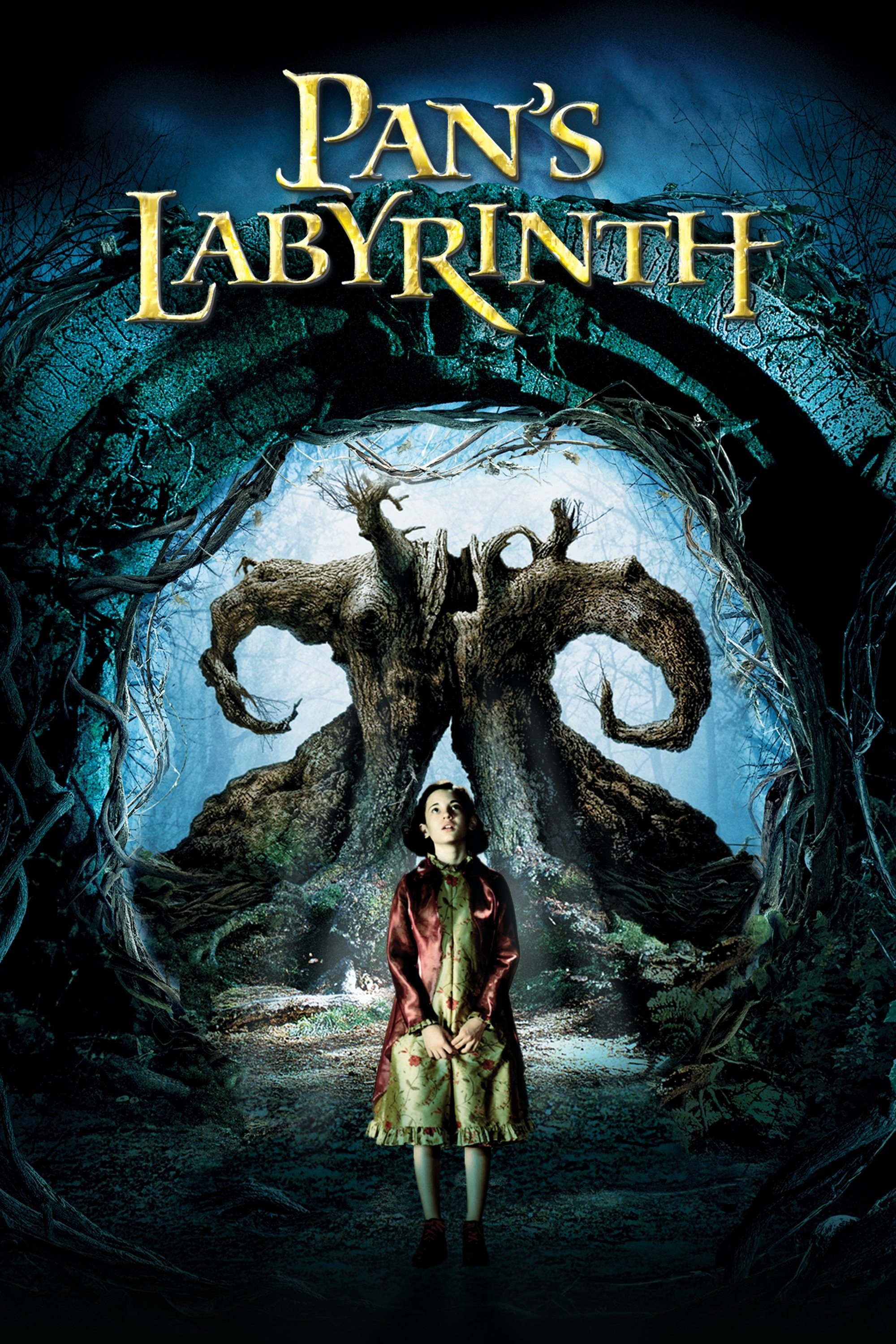
Guillermo del Toro blended historical drama with dark fantasy through detailed creature work and makeup. The faun and the pale man were created with prosthetics and minimal digital augmentation. The film won multiple Oscars for cinematography, art direction, and makeup. Its storytelling balanced fairy tale symbolism with the realities of conflict.
‘Oldboy’ (2003)
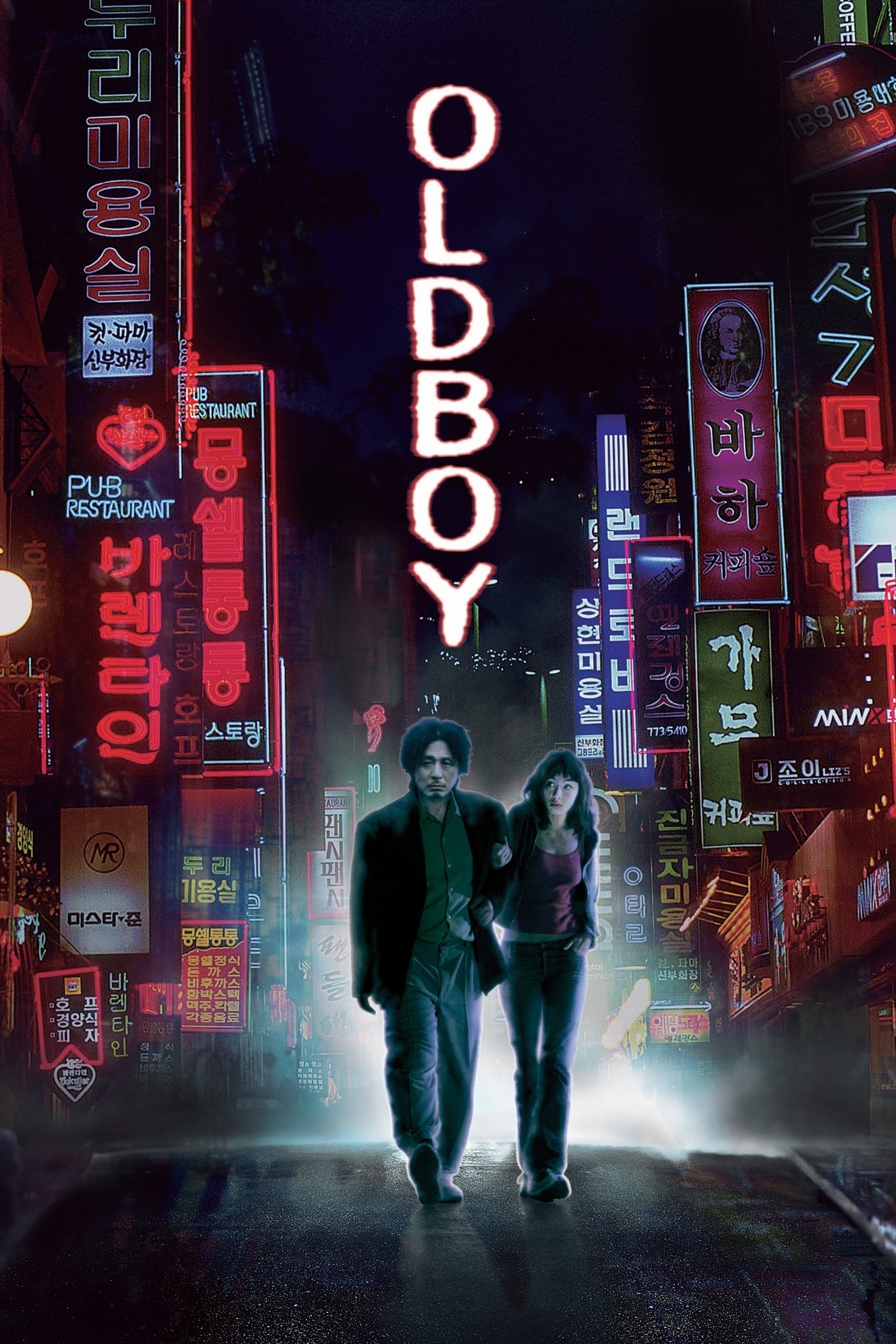
Park Chan-wook’s thriller became a landmark of Korean cinema with audacious style and intricate plotting. The corridor fight sequence used a single extended shot that influenced action choreography worldwide. The movie won the Grand Prix at Cannes and expanded international interest in Korean films. Its themes of revenge and identity sparked extensive critical discussion.
‘The Social Network’ (2010)
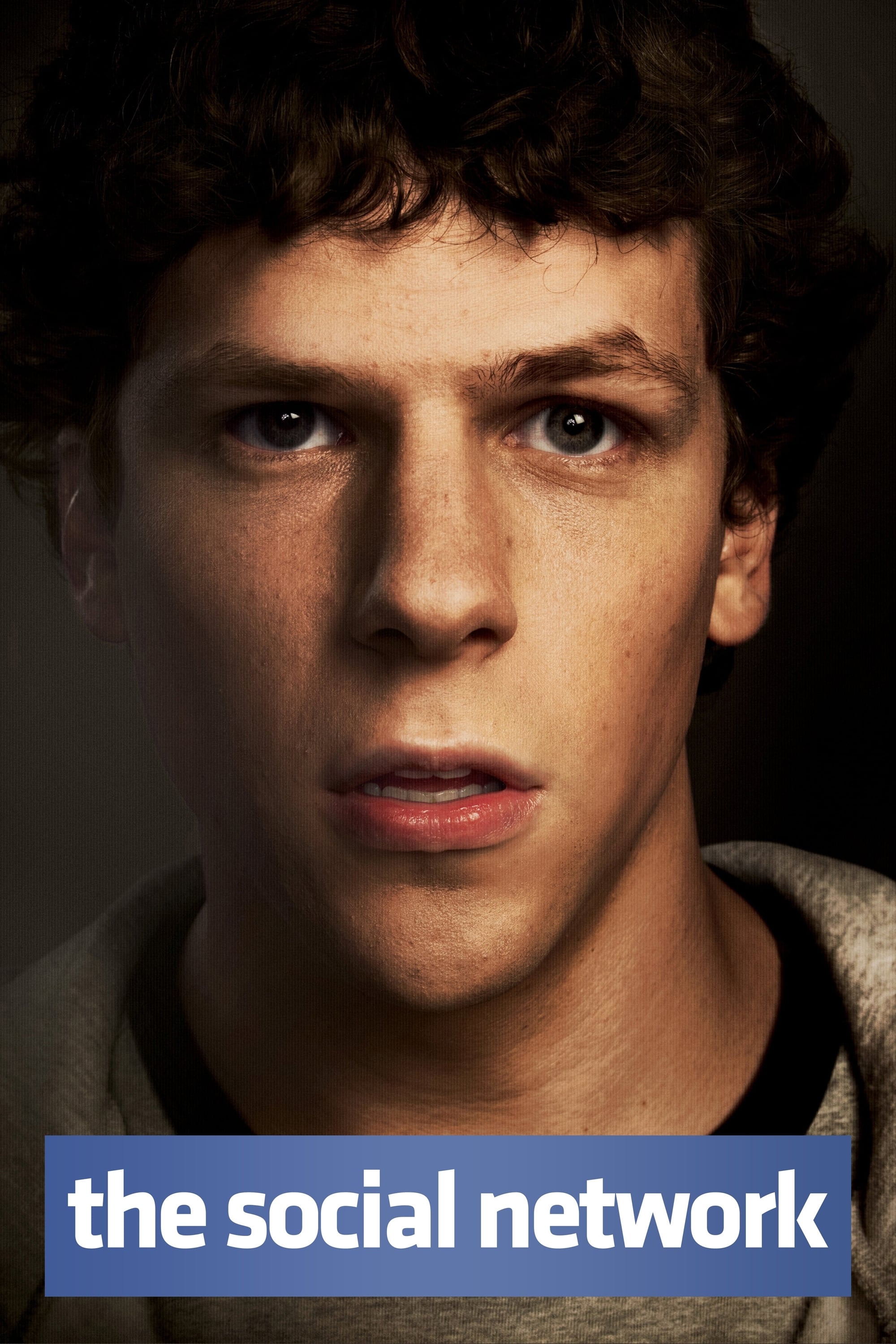
David Fincher’s drama chronicled the creation of a transformative tech platform through depositions and flashbacks. Aaron Sorkin’s screenplay won the Oscar for Adapted Screenplay. Trent Reznor and Atticus Ross introduced an electronic score that defined the film’s mood and later collaborations. The production used digital cinematography and meticulous editing to craft a propulsive narrative.
‘Moonlight’ (2016)
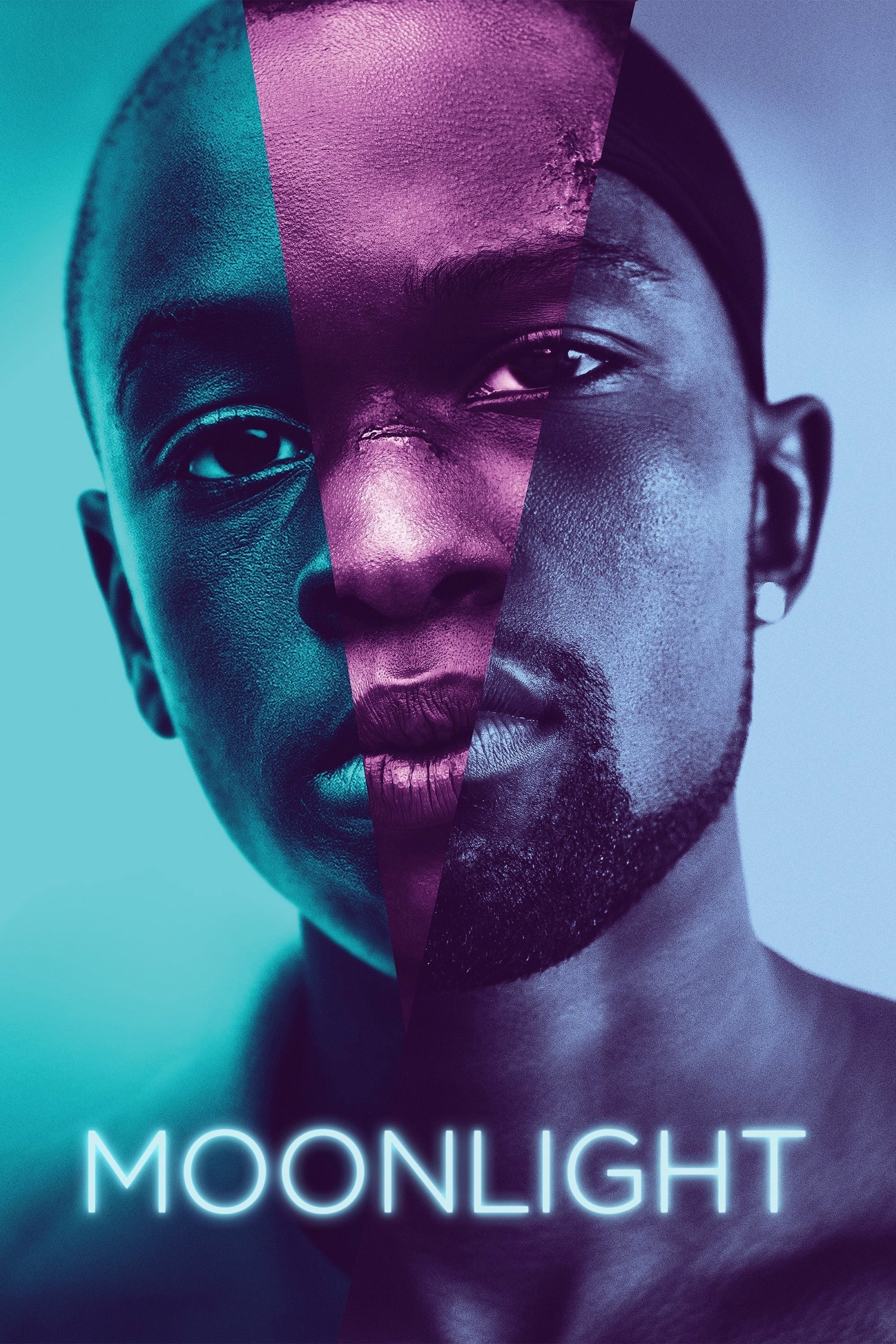
Barry Jenkins’ coming-of-age story won Best Picture in a memorable ceremony and earned widespread acclaim for its intimate storytelling. The film used a triptych structure to follow one character across different stages of life. James Laxton’s cinematography and color work highlighted skin tones with great care. The cast received praise for shared character continuity and layered performances.
‘Everything Everywhere All at Once’ (2022)
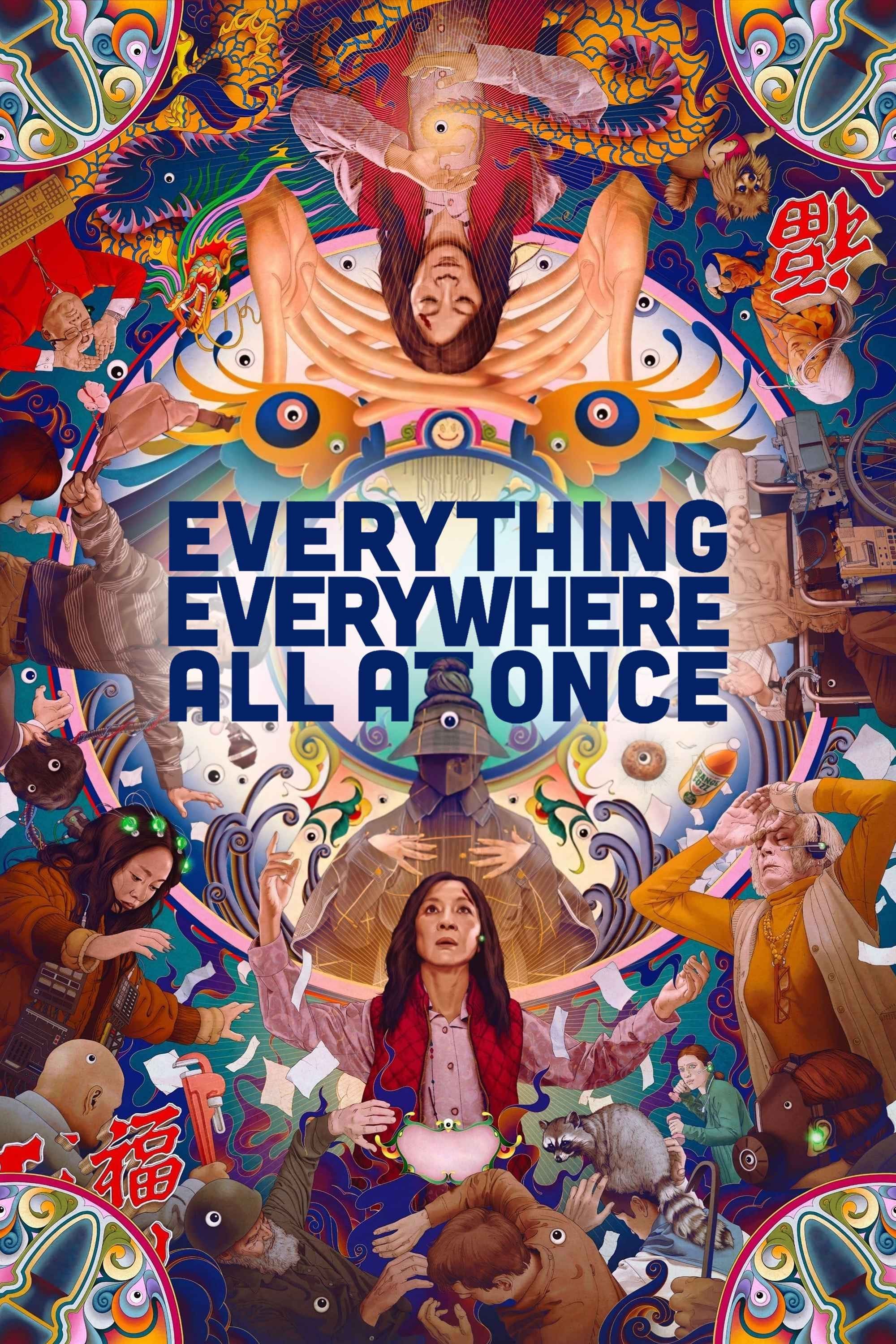
Dan Kwan and Daniel Scheinert delivered an inventive multiverse film that swept major Oscars including Best Picture. Michelle Yeoh and Ke Huy Quan earned acting awards, and the movie became an indie box office breakout. The small visual effects team relied on resourceful techniques to build complex sequences. Its success demonstrated the reach of creative storytelling from a modest budget.
‘The Departed’ (2006)
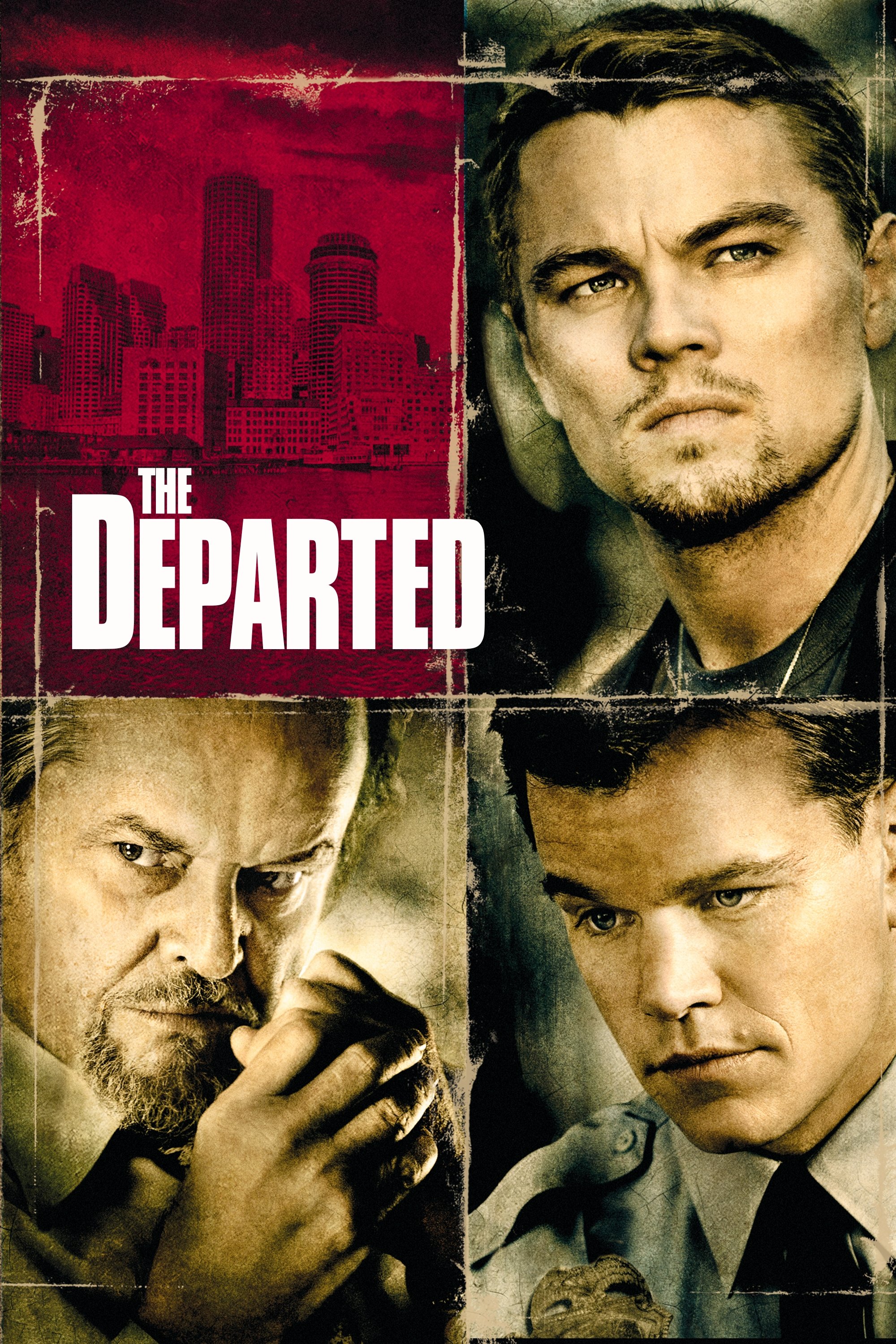
Martin Scorsese remade a Hong Kong crime thriller into a Boston undercover drama with intersecting identities. The production shot on location and mixed practical set work with city exteriors. The film won Best Picture and Best Director at the Oscars. Its ensemble cast delivered prominent awards attention across major ceremonies.
‘Crouching Tiger, Hidden Dragon’ (2000)
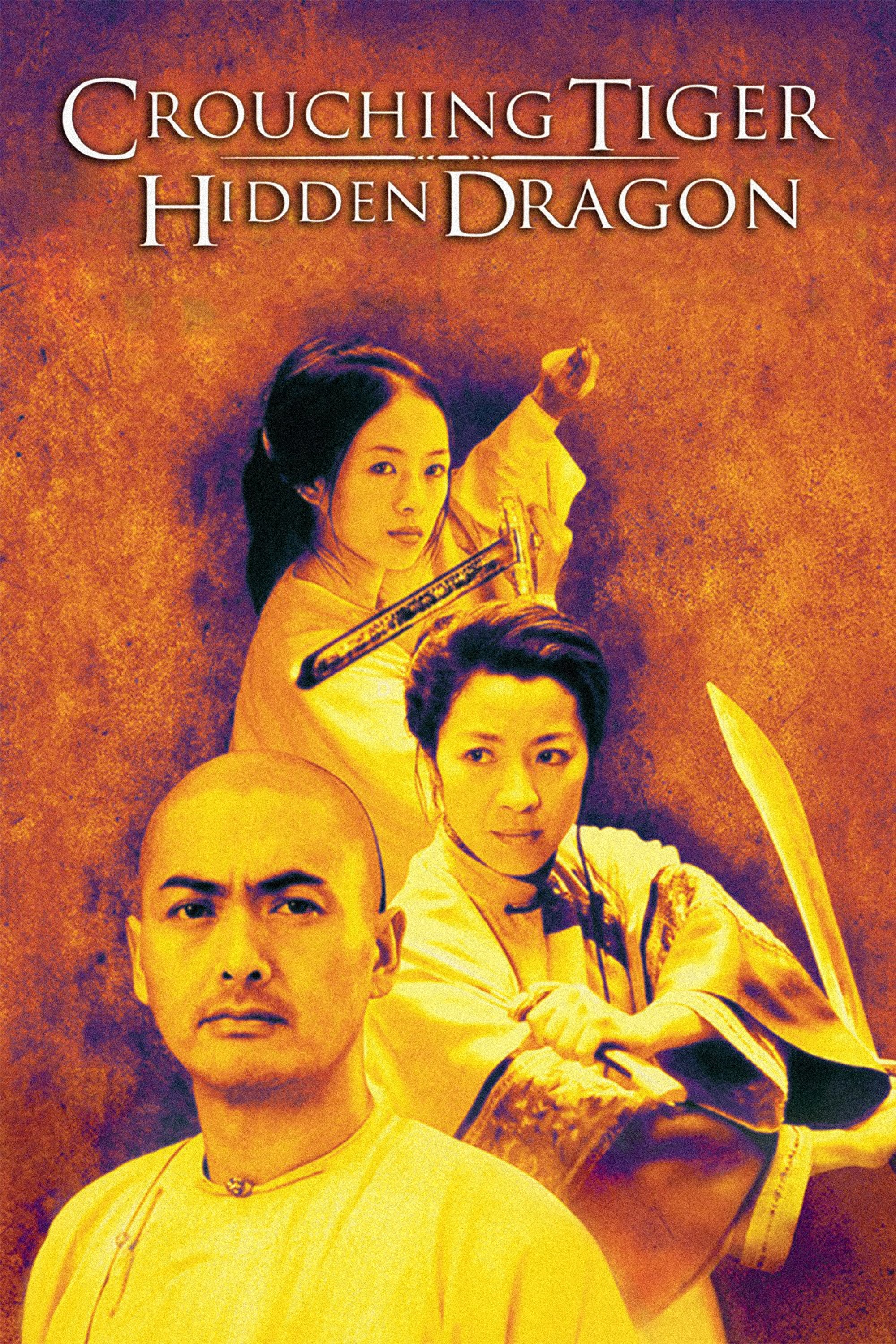
Ang Lee brought wuxia to mainstream global audiences with balletic wire work and lyrical swordplay. The production used extensive training and choreography to stage airborne combat. It became a massive international hit and won the Oscar for Best Foreign Language Film. The score and cinematography helped establish a lasting aesthetic for the genre.
‘Children of Men’ (2006)
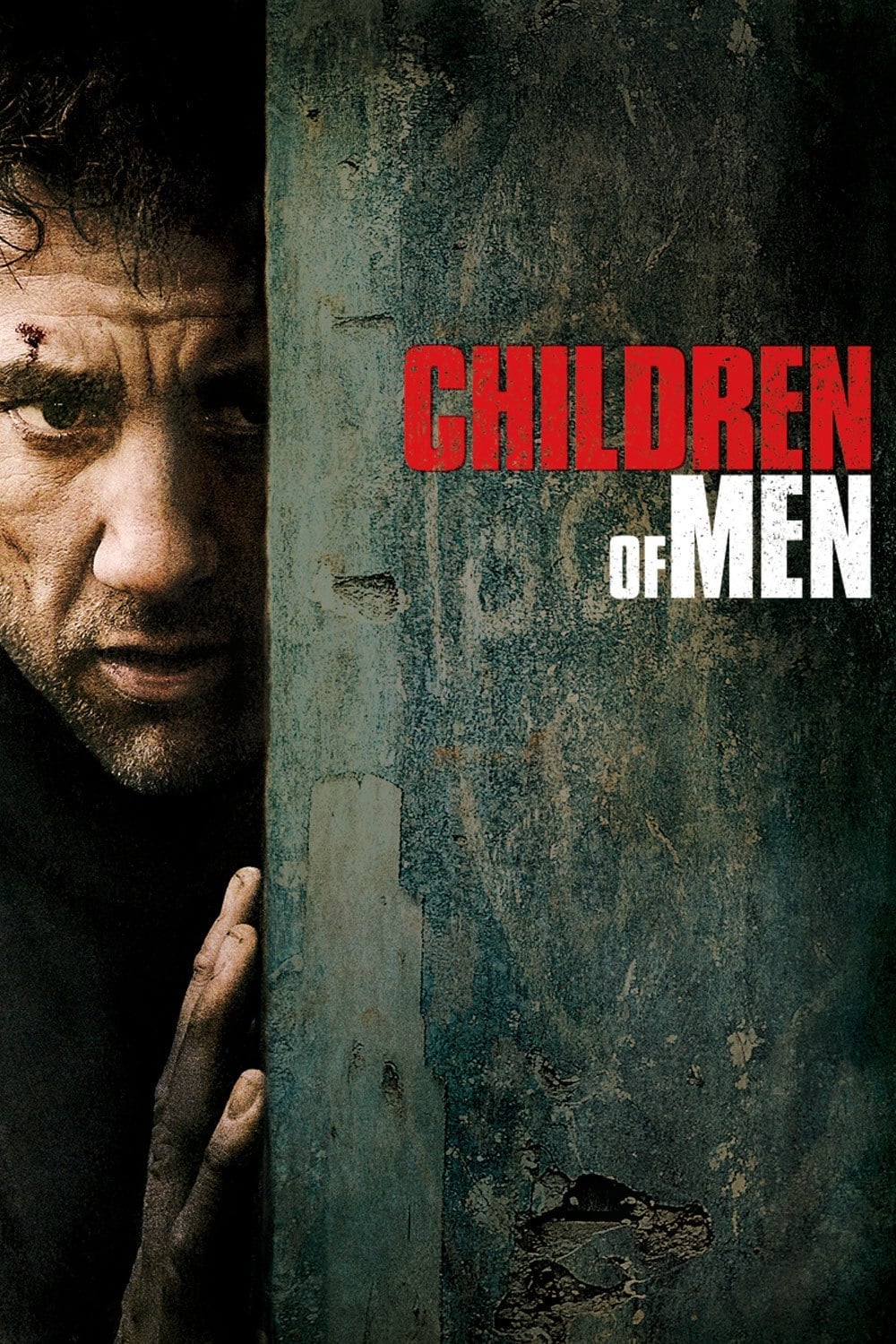
Alfonso Cuarón engineered long takes that required detailed coordination across camera teams, stunt performers, and special effects. The film’s handheld style emphasized urgency during complex action passages. Its production design imagined a near future with grounded textures and lived in spaces. The result earned multiple Oscar nominations for cinematography and editing.
‘Her’ (2013)
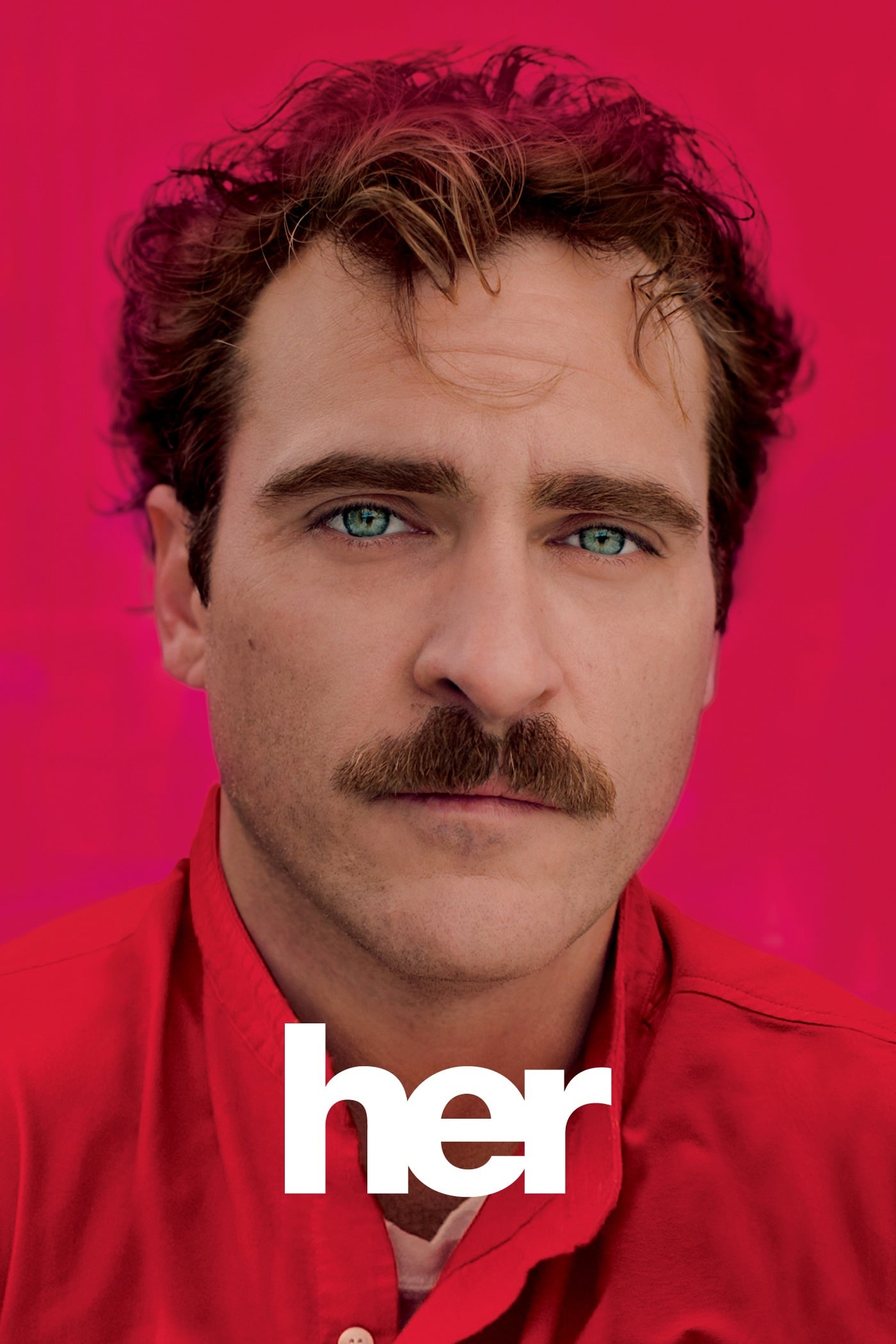
Spike Jonze crafted a near future romance centered on an operating system relationship. The production blended locations in Los Angeles and Shanghai to create a soft urban look. Joaquin Phoenix led a cast that anchored the story with intimate performance work. The film won the Oscar for Original Screenplay.
‘The Lives of Others’ (2006)
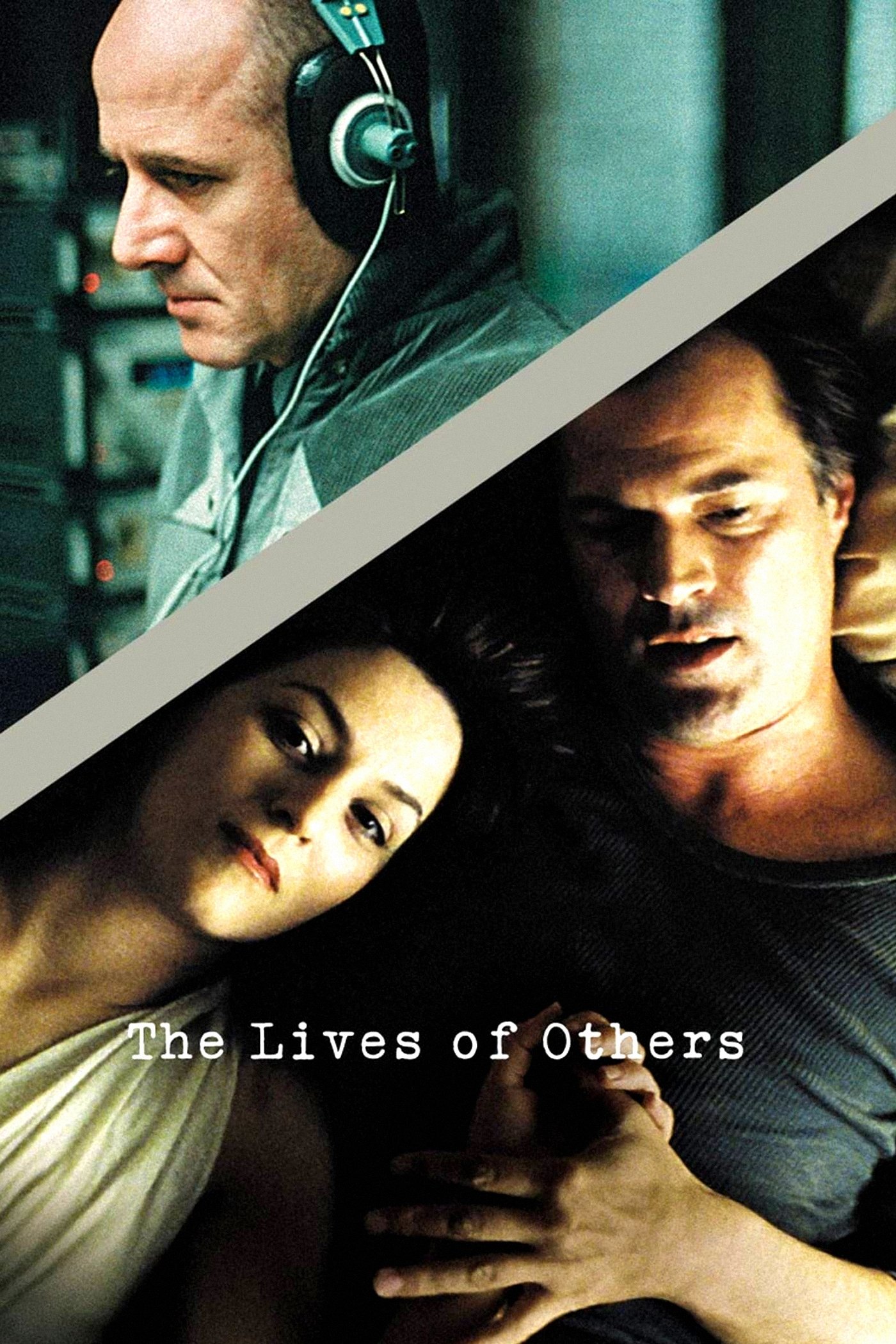
Florian Henckel von Donnersmarck’s drama explored surveillance and art under a restrictive state apparatus. The production recreated interiors with period equipment and detailed props. It won the Oscar for Best Foreign Language Film. The movie gained international acclaim for its careful pacing and restrained performances.
‘Slumdog Millionaire’ (2008)
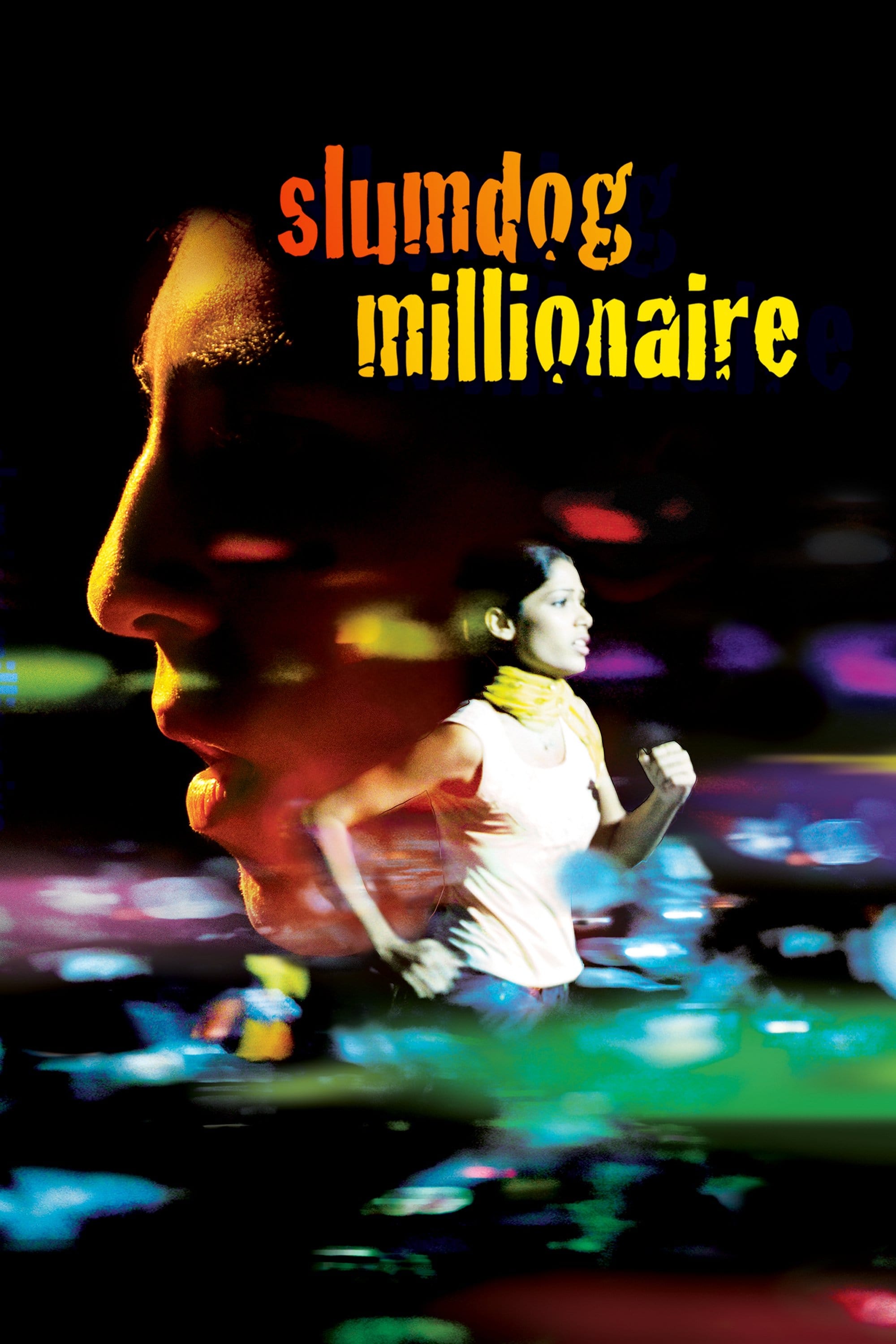
Danny Boyle and Loveleen Tandan used kinetic camera work and a vibrant color palette across Mumbai locations. The soundtrack combined original compositions with contemporary tracks to drive momentum. The film won Best Picture and several other Oscars including Best Director. It achieved significant box office success worldwide.
‘Inside Out’ (2015)
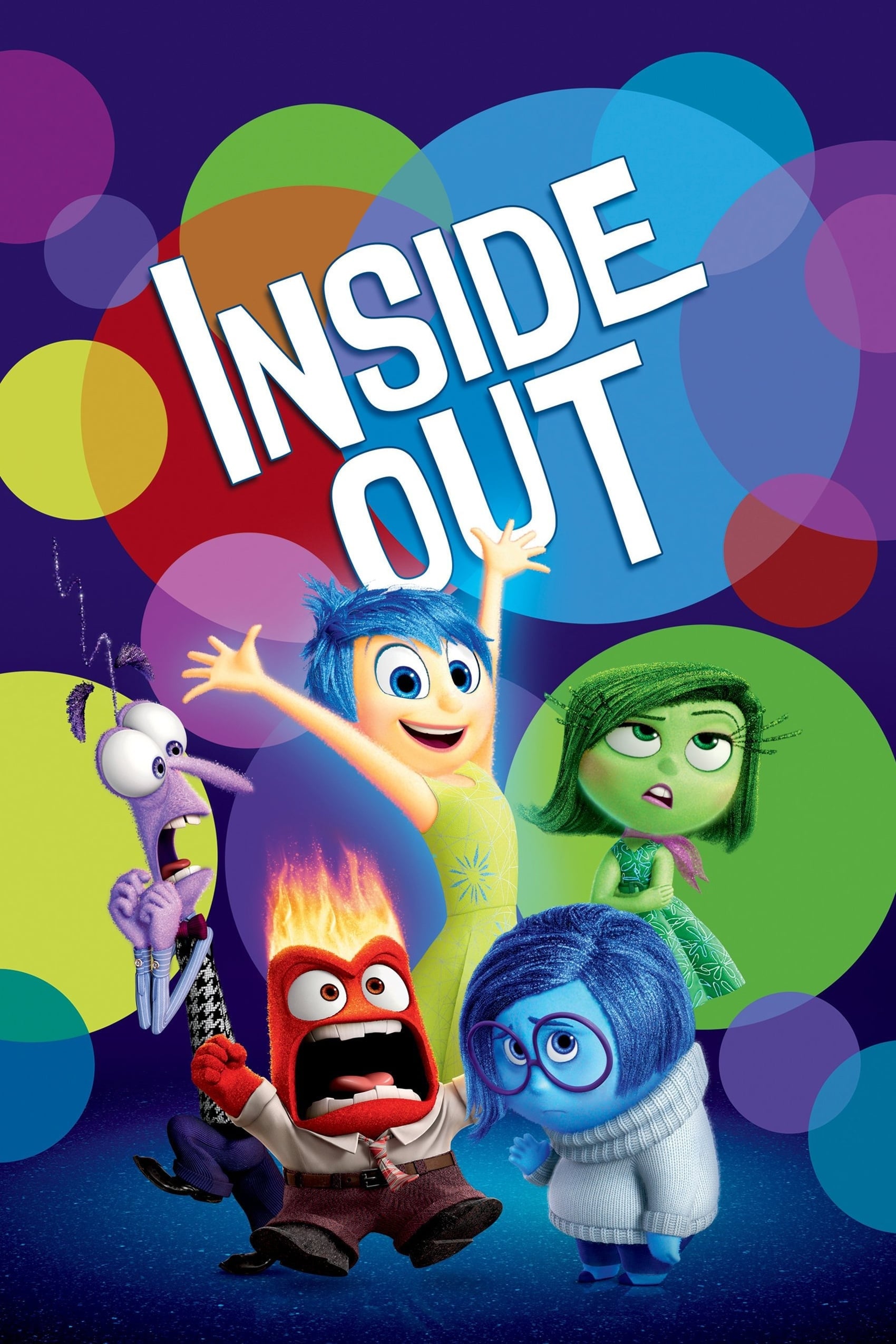
Pixar visualized emotions as characters and built a world of memory, imagination, and personality. The team consulted psychologists to shape the story’s framework. The film won the Oscar for Best Animated Feature. Its color design and character animation became reference points for family storytelling.
‘Get Out’ (2017)
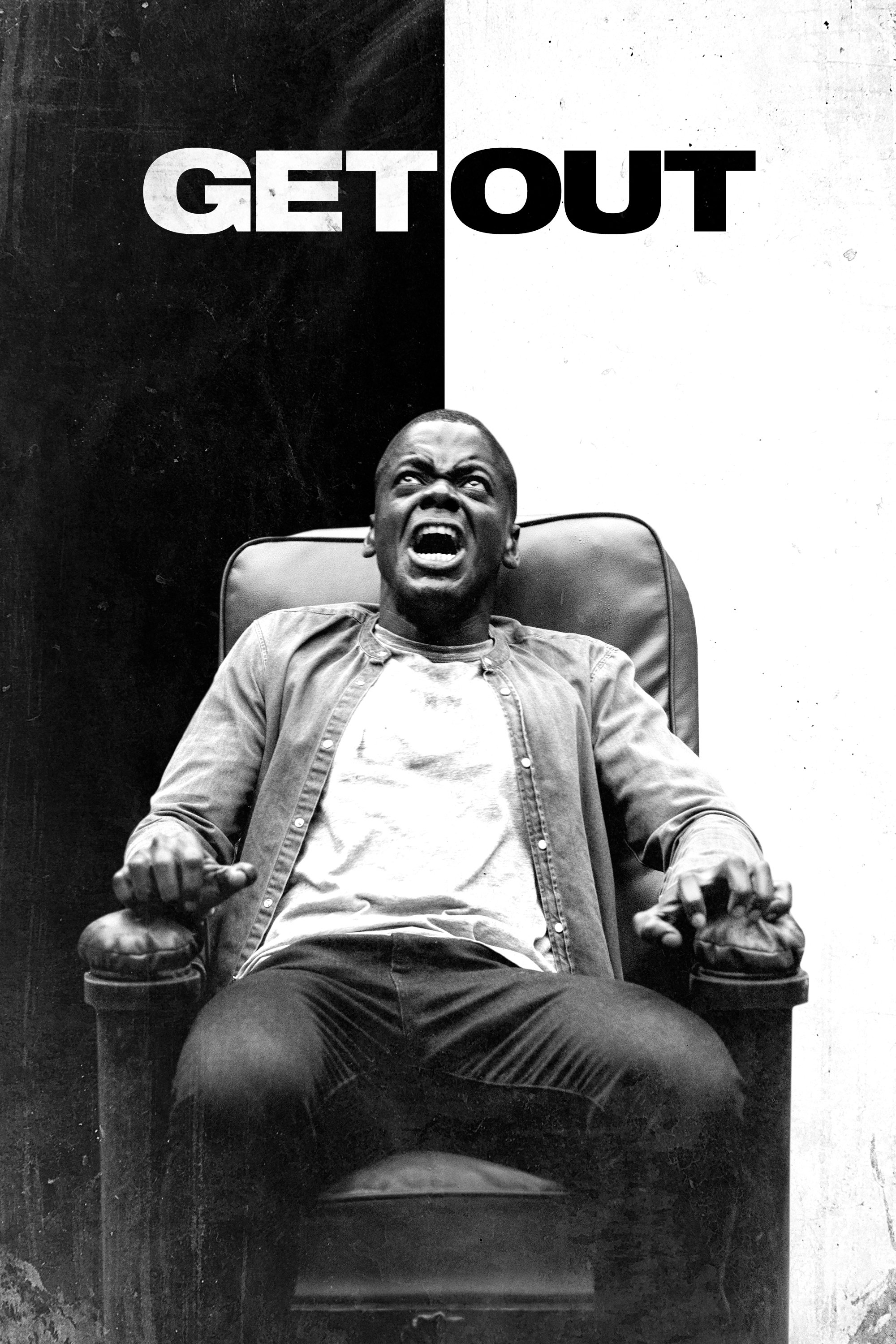
Jordan Peele fused social satire with genre mechanics in a tightly constructed thriller. The production shot efficiently with a focused schedule and economical locations. It won the Oscar for Original Screenplay and received Best Picture and Best Director nominations. The movie also became a strong commercial success for a modest budget.
‘Roma’ (2018)
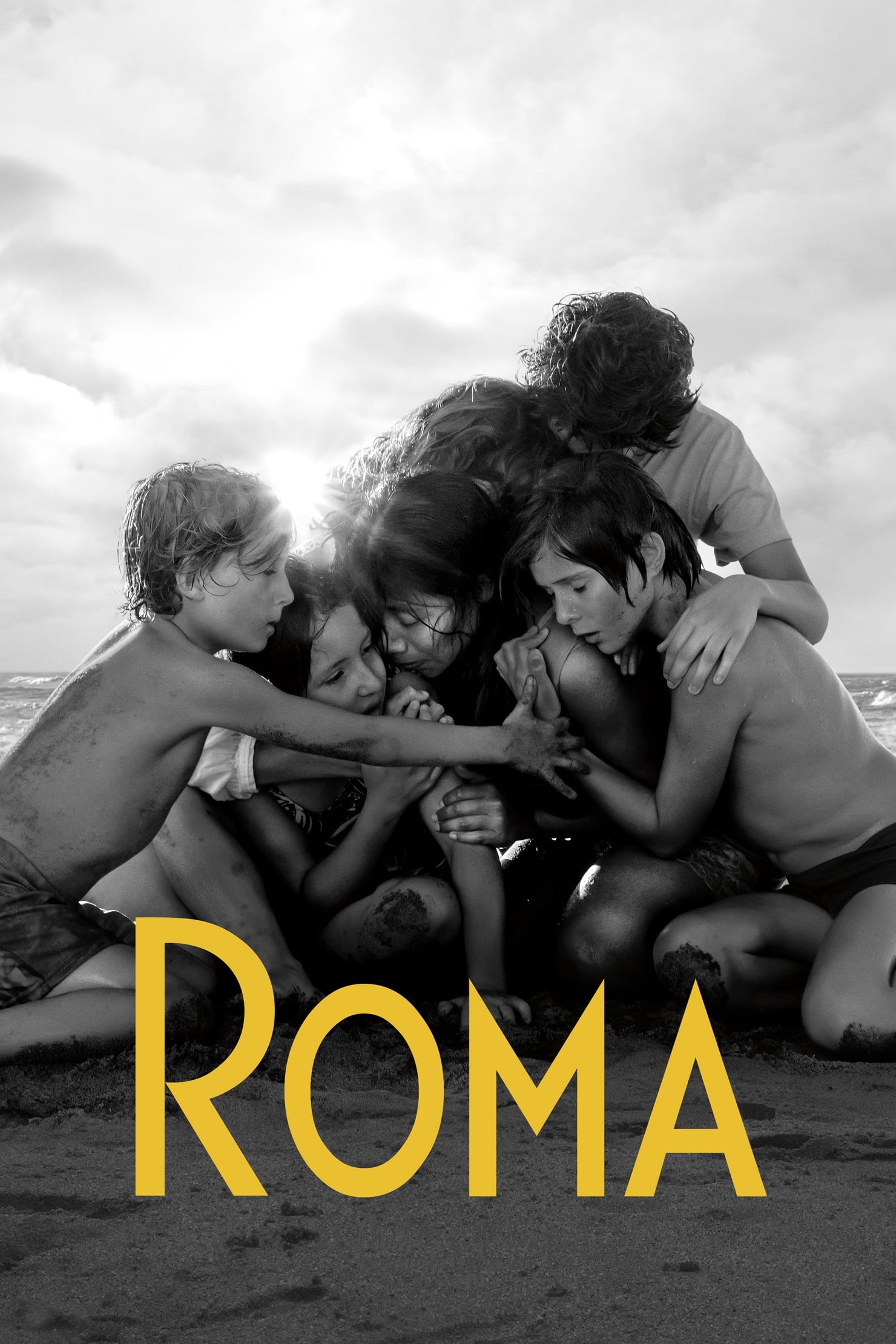
Alfonso Cuarón shot in crisp black and white with a large format digital camera and mixed professional and first time performers. Sets and streets were reconstructed to match personal memories with exacting detail. The film won Oscars for Director, Cinematography, and Foreign Language Film. Its release strategy combined limited theatrical runs with a global streaming rollout.
‘The Grand Budapest Hotel’ (2014)
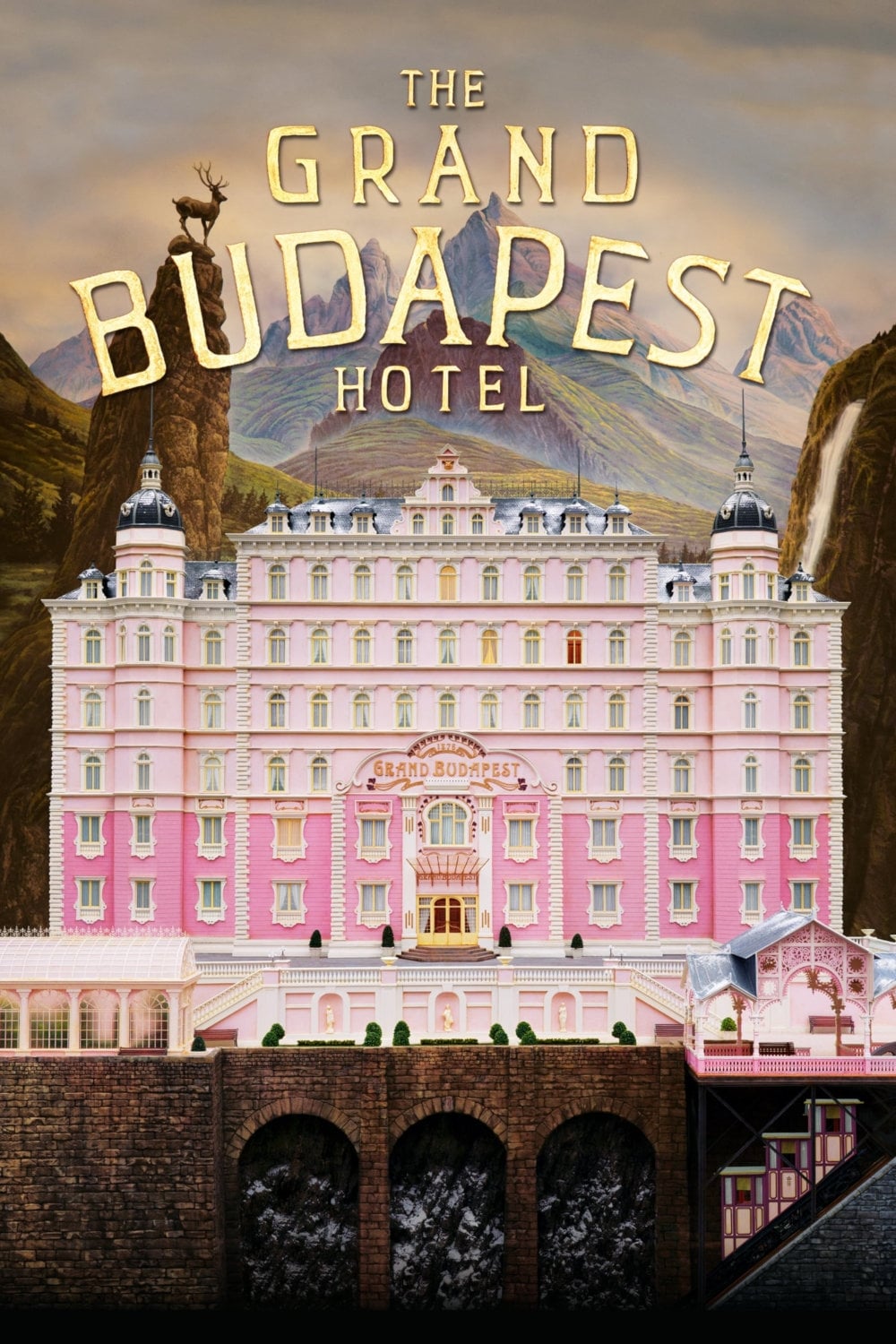
Wes Anderson crafted a nesting story structure supported by miniatures, matte paintings, and shifting aspect ratios. The art department built intricate pastry like props and a pastel color scheme. The movie won multiple Oscars for costume, production design, makeup, and score. It also performed well at the international box office.
‘Gravity’ (2013)
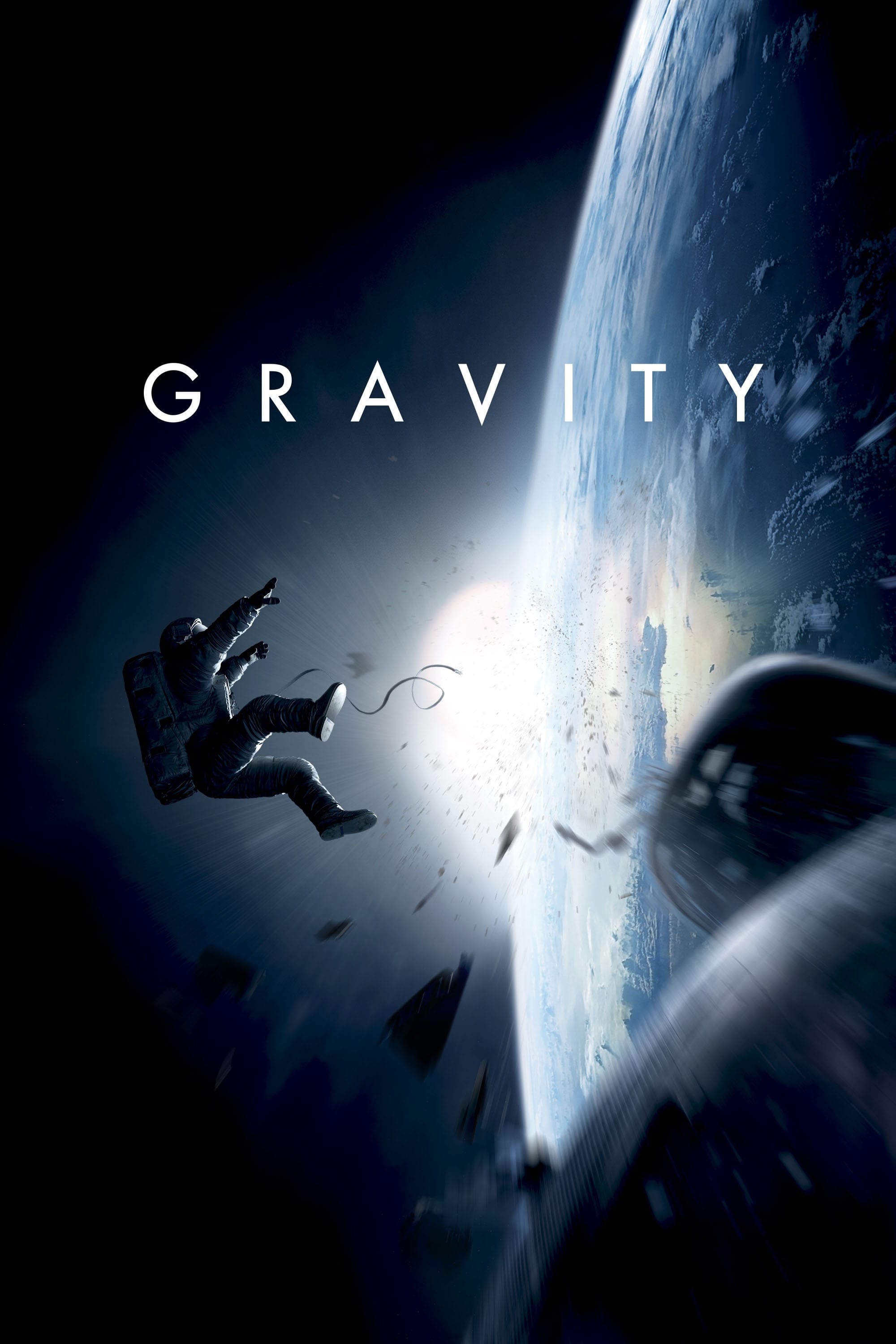
Alfonso Cuarón and Emmanuel Lubezki designed long digital shots that required new rigging, lighting, and rendering techniques. The team created a light box stage to simulate reflections and movement. The film won seven Oscars including Director, Cinematography, and Visual Effects. Its sound design used strategic silence and directional audio to enhance immersion.
’12 Years a Slave’ (2013)
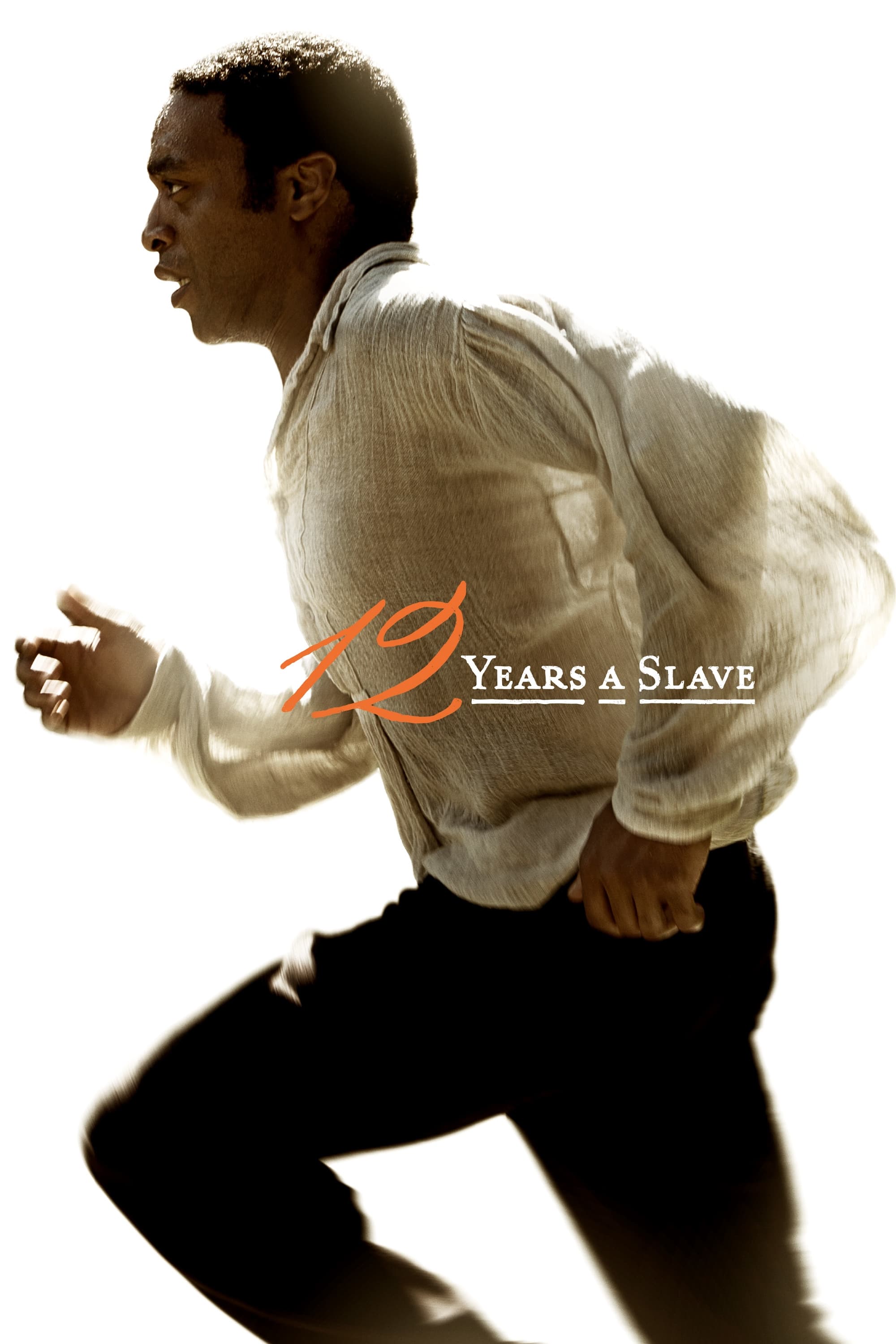
Steve McQueen adapted Solomon Northup’s memoir with a focus on lived detail and material culture. The production used Southern locations and precise costume work to ground the narrative. The film won Best Picture at the Oscars and earned awards for Supporting Actress and Adapted Screenplay. It drew widespread recognition across festivals and critics groups.
‘Whiplash’ (2014)

Damien Chazelle expanded his short into a feature about a student drummer and a demanding instructor. The shoot relied on tight coverage and rapid editing to match musical intensity. The film won three Oscars including Supporting Actor and Editing. It became a breakout success after a prominent festival premiere.
‘The Pianist’ (2002)
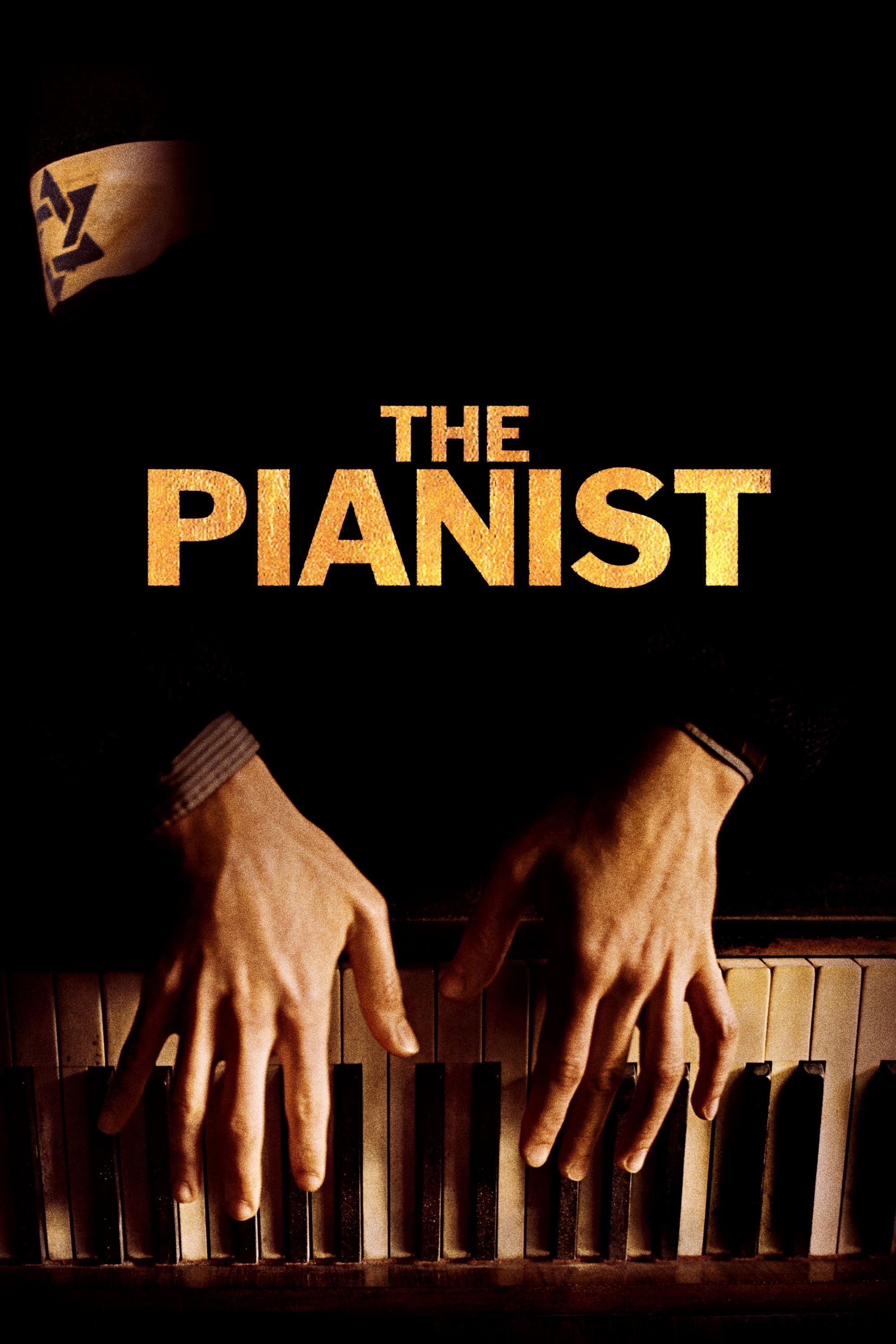
Roman Polanski told the story of a Polish Jewish pianist with a restrained visual approach and careful period reconstruction. Adrien Brody won the Oscar for Best Actor for his performance. The film also won awards for Director and Adapted Screenplay. Its production used a mix of set builds and real locations to capture ruined cityscapes.
‘The Hurt Locker’ (2008)
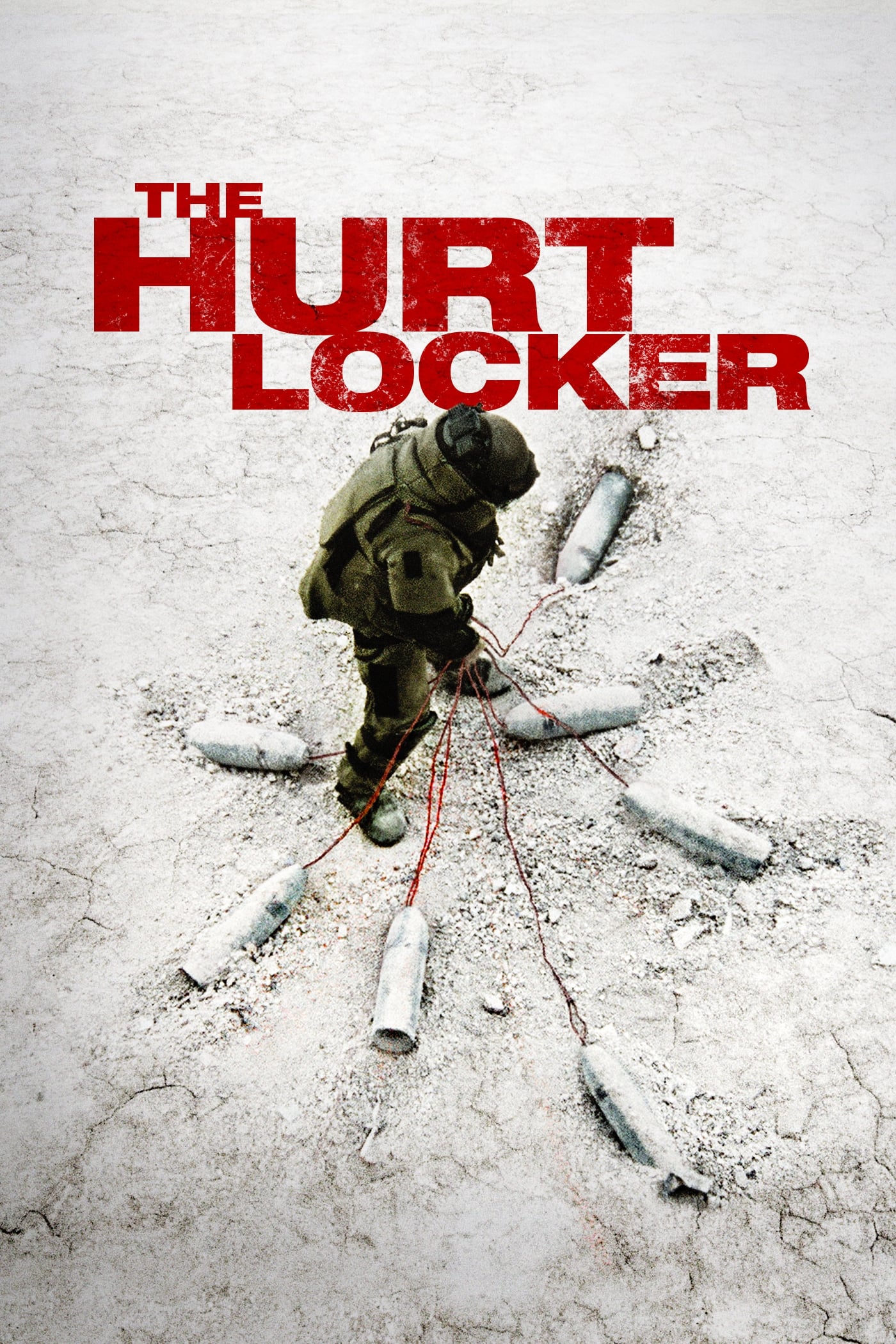
Kathryn Bigelow filmed with multiple handheld cameras to capture bomb disposal missions with documentary immediacy. The production worked in Jordan to approximate the setting with challenging conditions. The film won Best Picture and Best Director at the Oscars. It gained acclaim for editing and sound work that shaped tense sequences.
‘Mulholland Drive’ (2001)
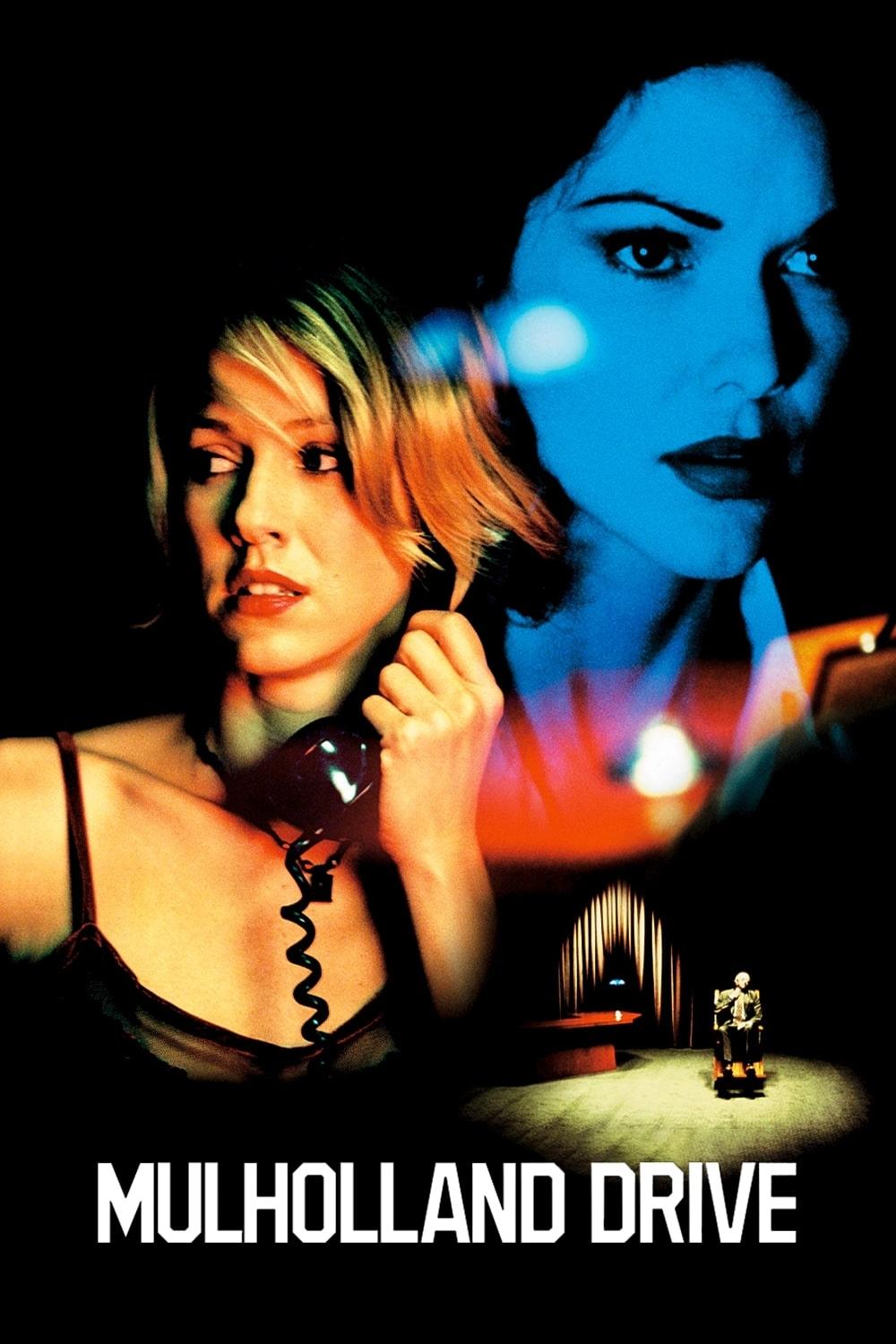
David Lynch shaped a mystery that was first conceived as a television pilot and later expanded into a feature. The production used Los Angeles locations that double as character cues throughout the story. Naomi Watts earned major breakthrough recognition for her lead role. The film won the Best Director prize at Cannes after its festival premiere.
‘Amélie’ (2001)
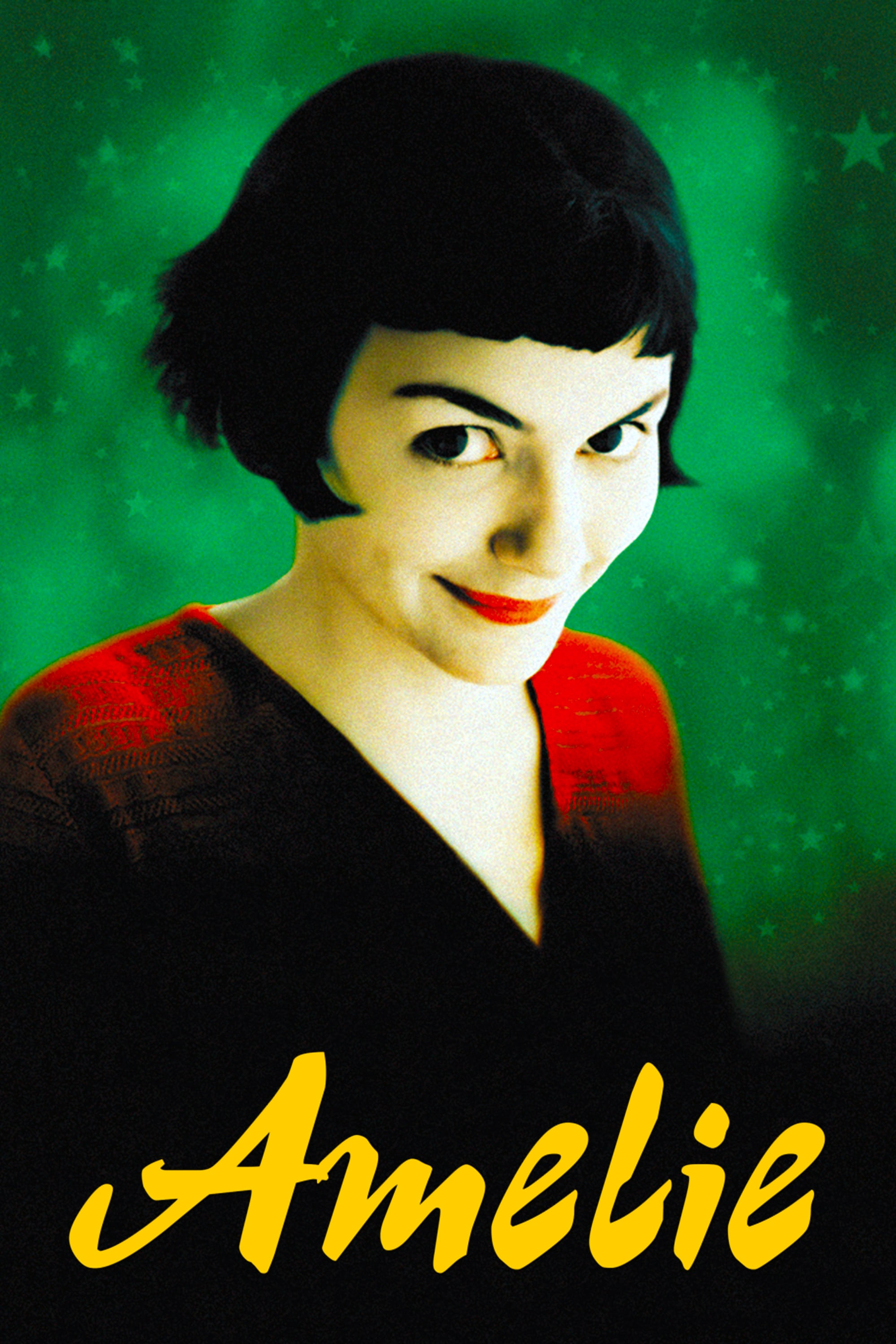
Jean Pierre Jeunet created a stylized Paris using digital color grading and carefully designed sets. Audrey Tautou became internationally known through the title role. The movie earned multiple Oscar nominations and strong European awards attention. Its soundtrack by Yann Tiersen helped define the film’s playful tone.
‘Zodiac’ (2007)
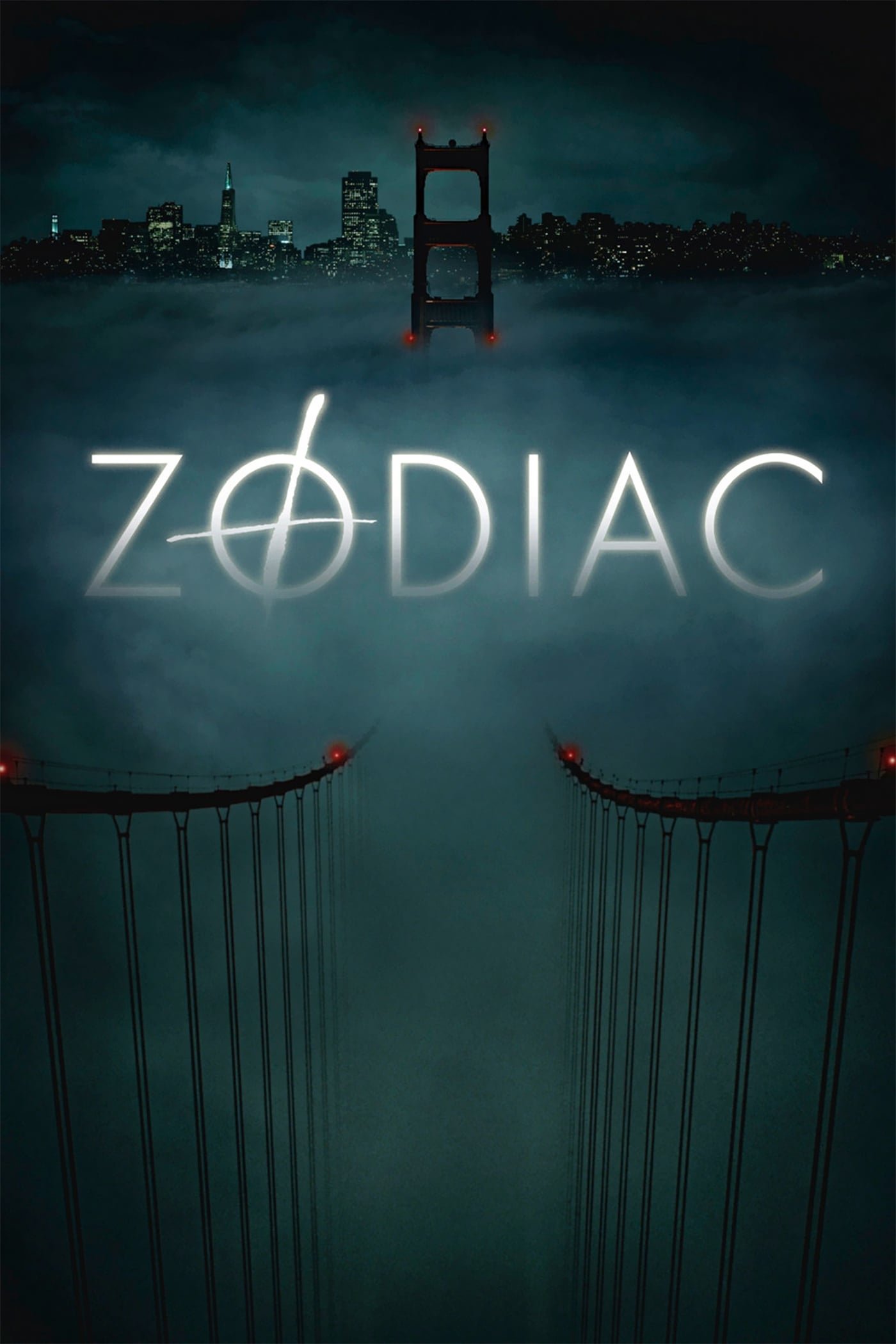
David Fincher used extensive digital effects for period streets and newspapers while keeping the look grounded. The production built detailed timelines from public records and interviews. Jake Gyllenhaal, Robert Downey Jr., and Mark Ruffalo anchored a procedural structure. The film drew praise for meticulous editing and a restrained visual style.
‘Brokeback Mountain’ (2005)
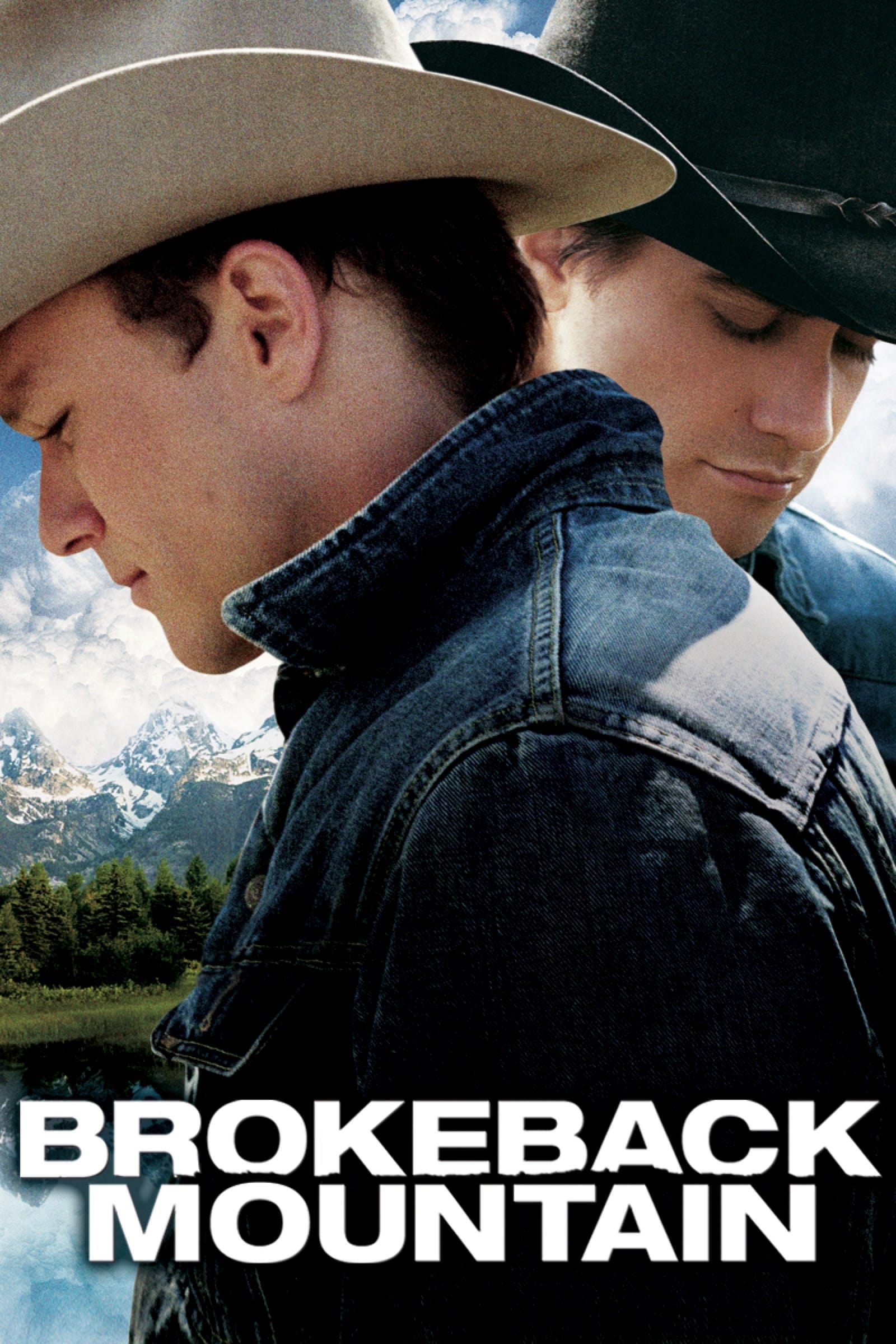
Ang Lee adapted a short story about two ranch workers whose relationship spans decades. The production shot across Western landscapes that emphasize isolation and routine labor. Heath Ledger and Jake Gyllenhaal received major acting nominations. The film won Oscars for Director, Adapted Screenplay, and Original Score.
‘WALL·E’ (2008)
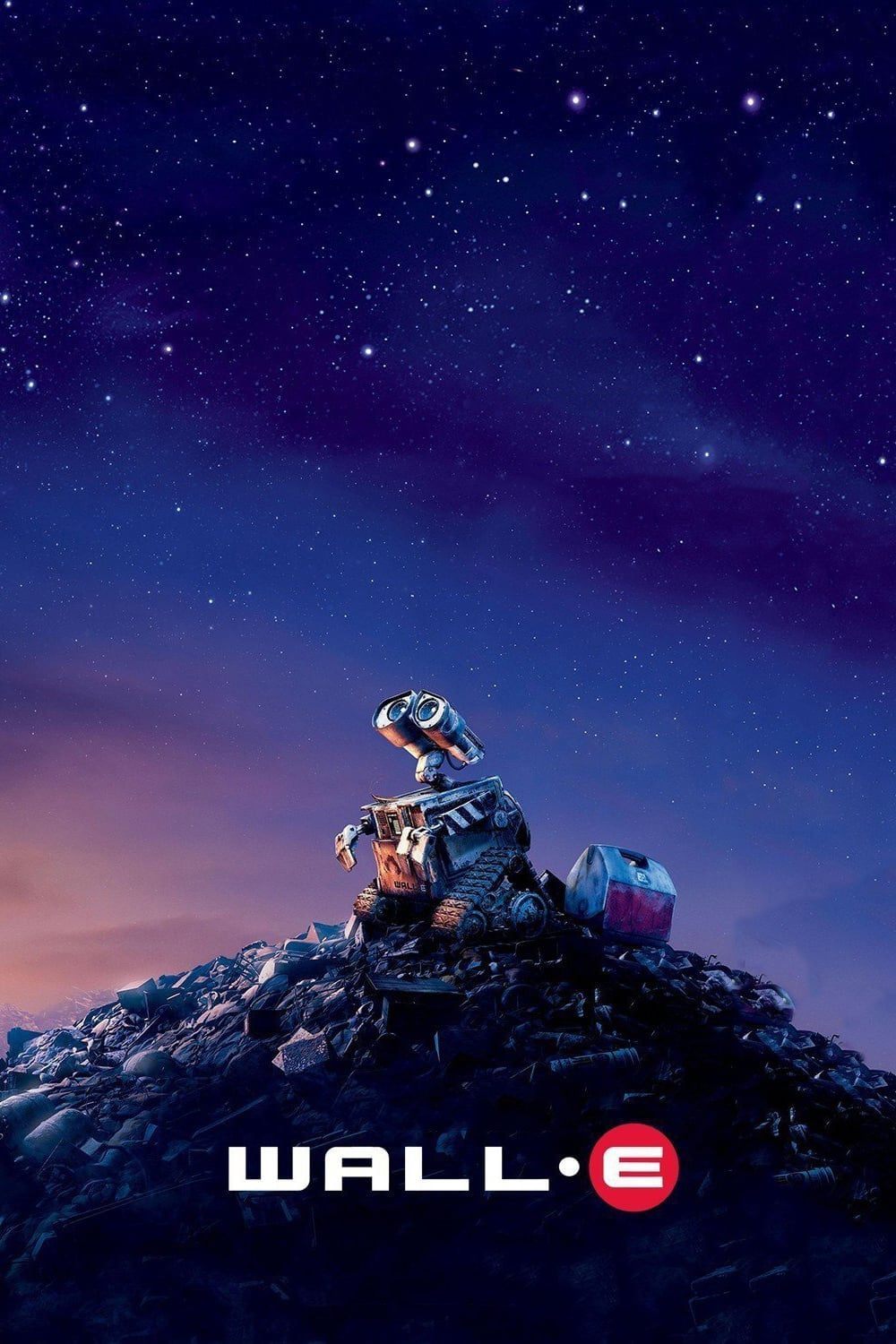
Pixar opened with long stretches of visual storytelling that minimized dialogue. The team studied silent film techniques to guide character expression and staging. Ben Burtt crafted the lead character’s voice from customized sound design. The movie won the Oscar for Animated Feature and earned additional nominations.
‘A Separation’ (2011)
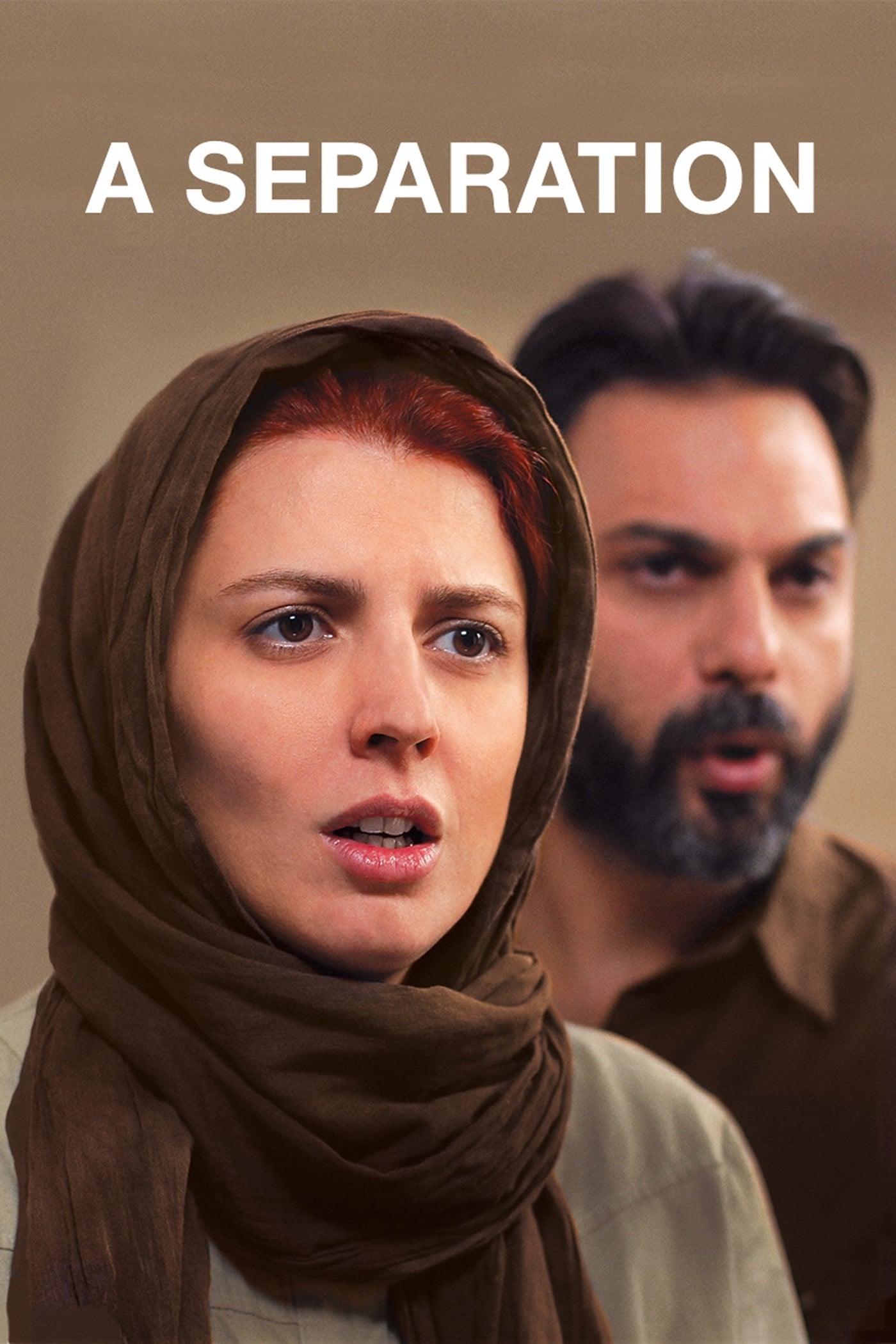
Asghar Farhadi wrote and directed a family drama built around legal and moral conflicts. The production kept the camera close to the actors to heighten everyday tension. The film won the Oscar for International Feature and several major festival awards. Its ensemble cast received widespread recognition for naturalistic performances.
‘The Handmaiden’ (2016)
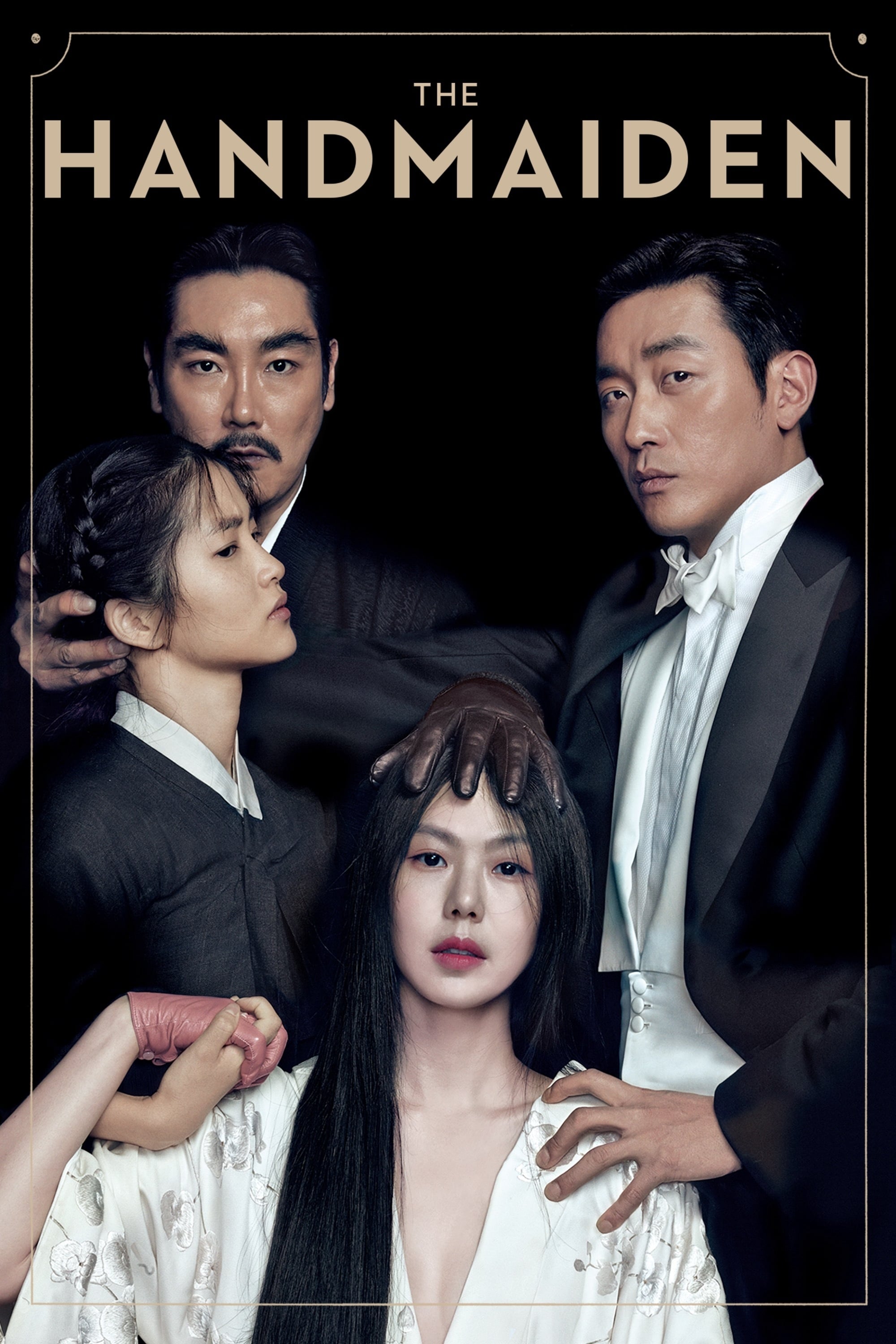
Park Chan wook reimagined a British novel in a new cultural and historical setting. The production divided the story into multiple parts that reveal key events from different perspectives. Ryu Seong hee’s production design and Jo Yeong wook’s music shaped an exacting tone. The movie won significant awards across Asia and Europe and became a global arthouse hit.
‘Shoplifters’ (2018)

Hirokazu Kore eda explored a makeshift family living on the margins of a major city. The ensemble worked with a script that balanced careful planning with moments of improvisation. The film won the Palme d’Or at Cannes. Its release expanded international attention on the director’s long running body of work.
‘La La Land’ (2016)
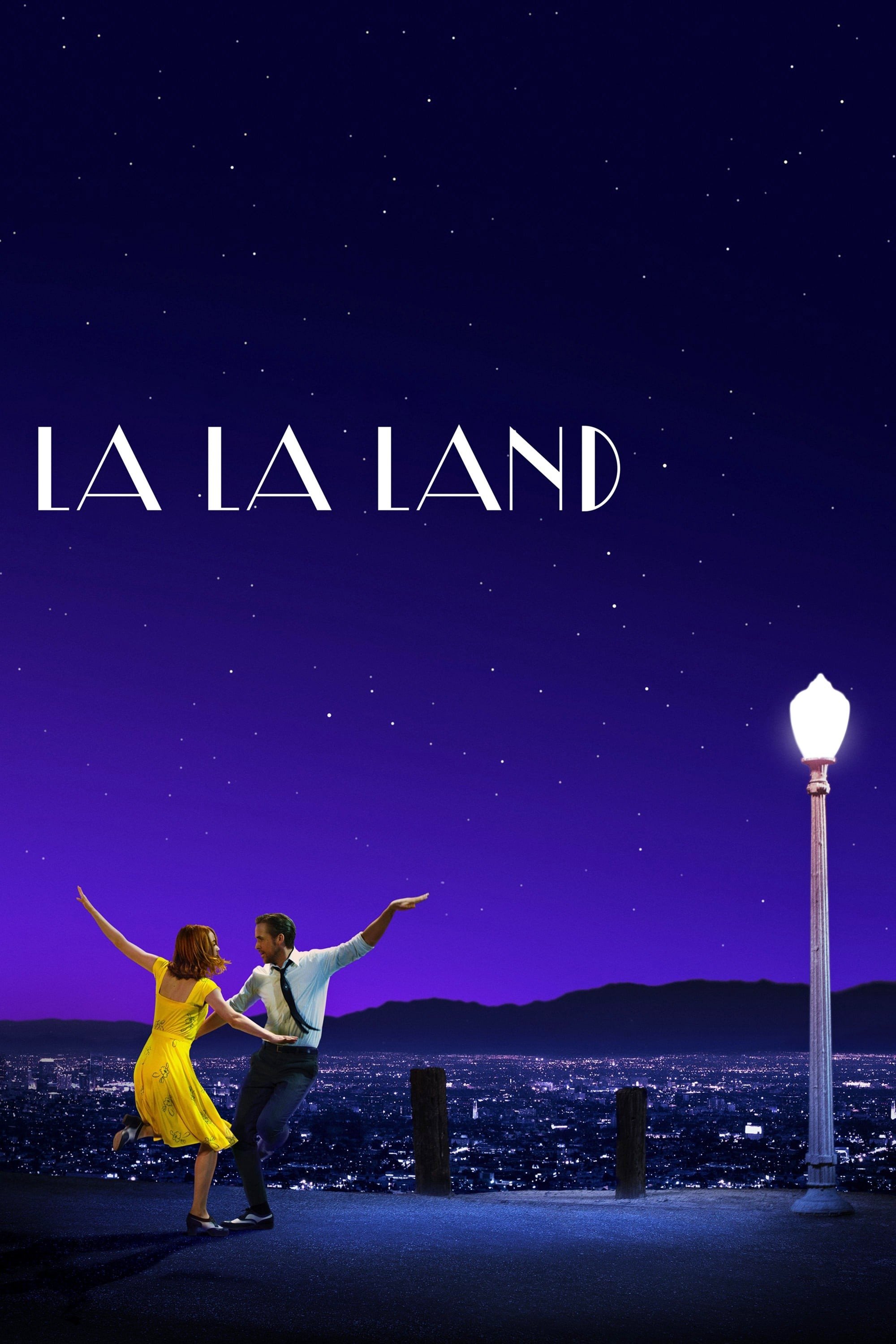
Damien Chazelle staged original musical numbers with long takes and wide frames. The production recorded vocal performances both live on set and in studio for different scenes. The film won multiple Oscars including Director and Actress. Its opening freeway sequence required extensive choreography across dozens of cars and performers.
‘Boyhood’ (2014)

Richard Linklater filmed the same cast across more than a decade to capture real time growth. The production reunited once a year for short shoots that built the final narrative. Patricia Arquette and Ethan Hawke earned major awards for supporting roles. The movie received the top prize from multiple critics groups and significant Oscar attention.
‘Portrait of a Lady on Fire’ (2019)
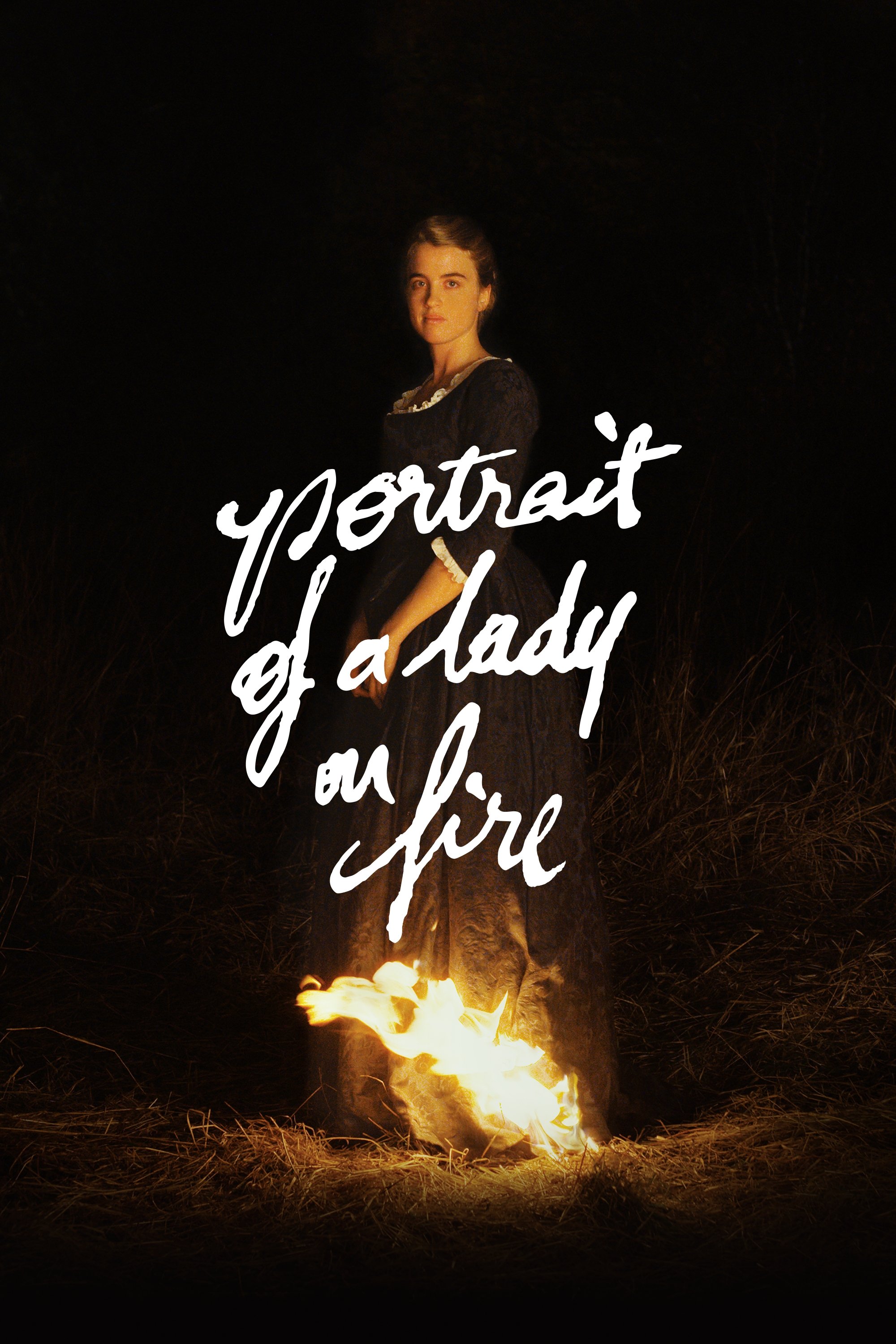
Céline Sciamma focused on an artist and her subject within a tightly controlled location. The team avoided non diegetic music for most of the runtime to heighten stillness and detail. The film won Best Screenplay at Cannes and several European awards. Its cinematography emphasized natural light and color to reflect shifting perspectives.
‘Spotlight’ (2015)

Tom McCarthy directed a newsroom drama that reconstructs investigative reporting through interviews and court records. The production shot in real offices and matched period interiors with careful prop work. The film won the Oscars for Best Picture and Original Screenplay. Its ensemble approach highlights process and documentation at every step.
‘The Wolf of Wall Street’ (2013)
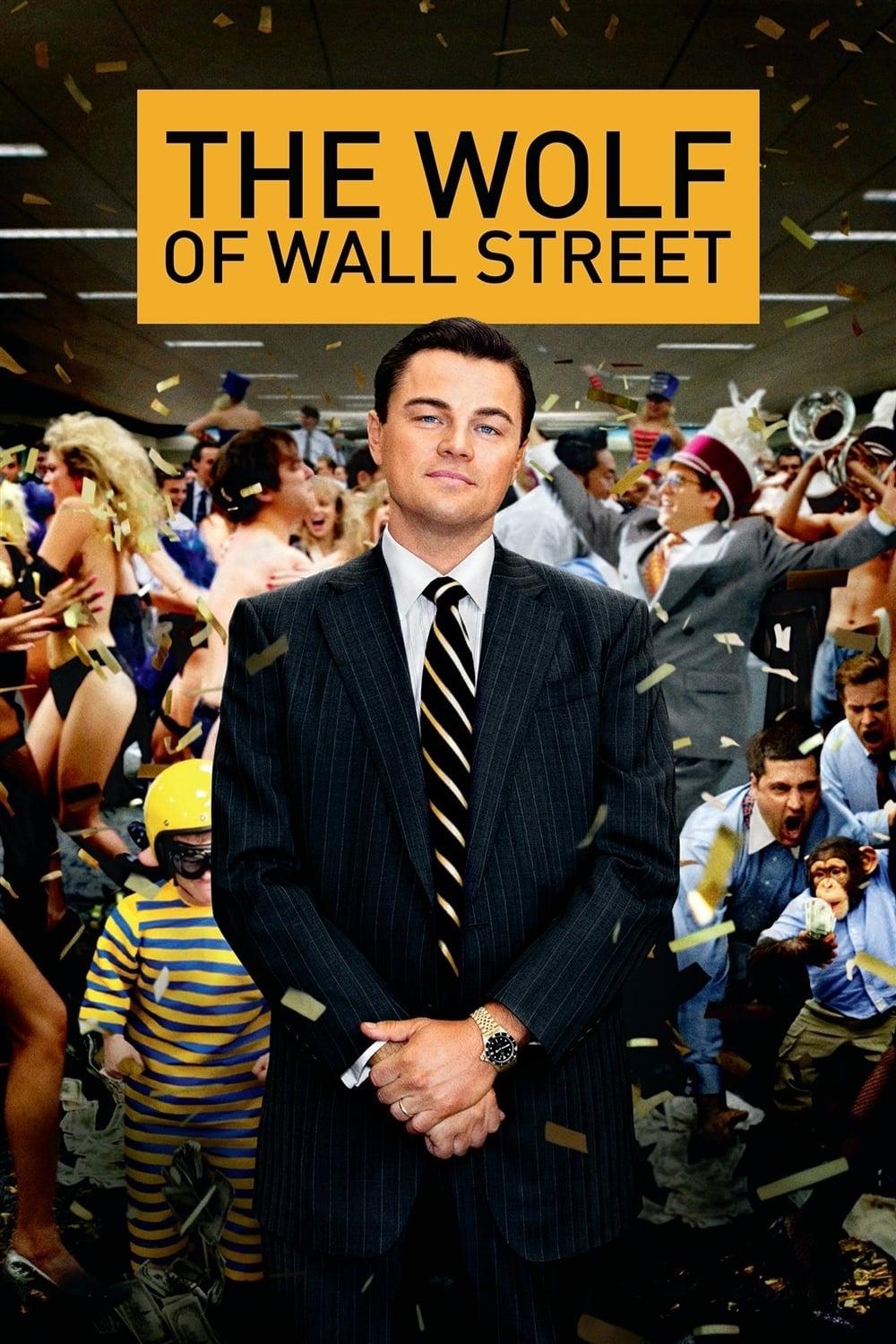
Martin Scorsese chronicled a brokerage firm’s rise through a rapid montage heavy style. The production used both practical sets and New York locations. Leonardo DiCaprio and Jonah Hill received Oscar nominations for their performances. The movie became one of the director’s highest grossing releases.
‘Drive’ (2011)
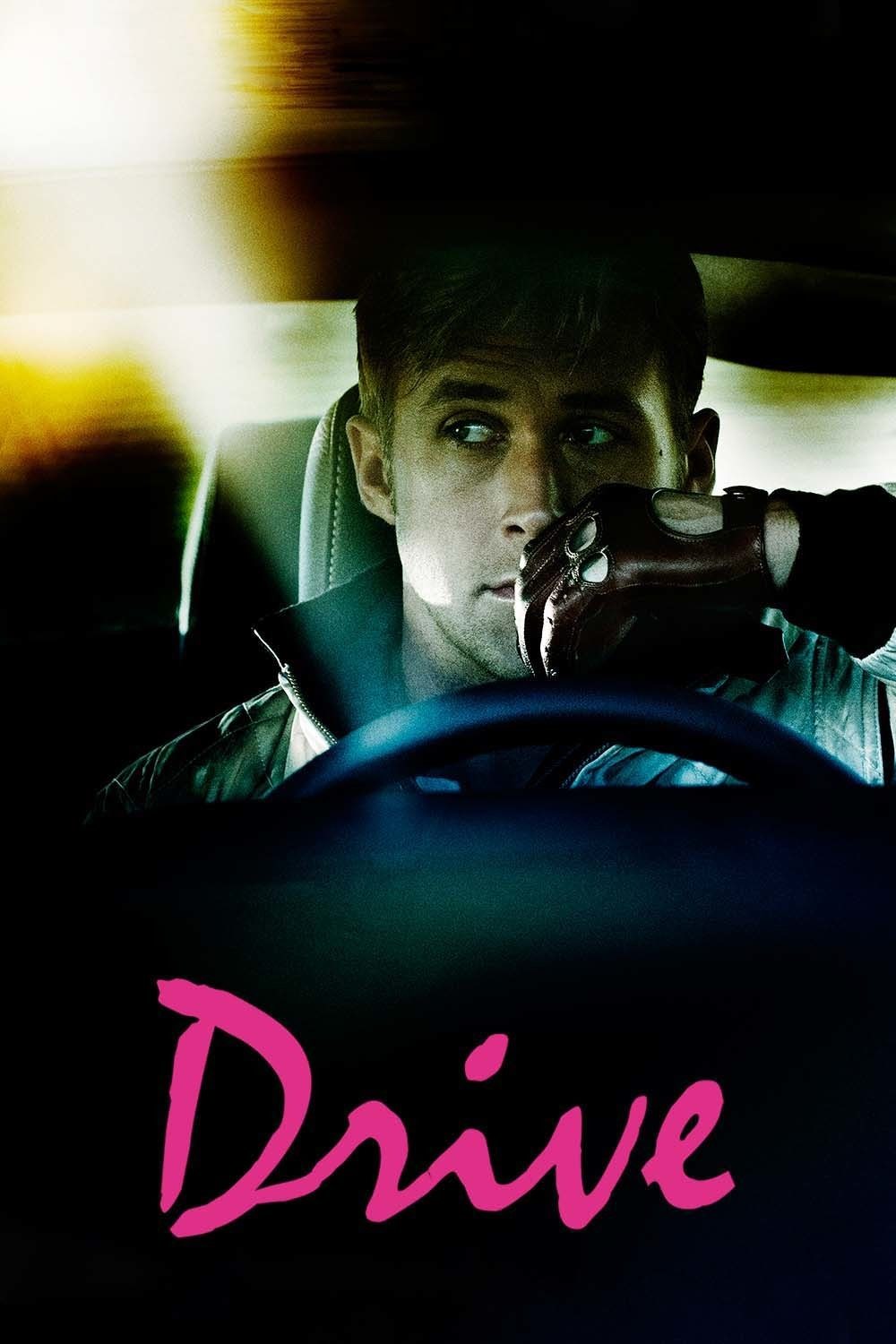
Nicolas Winding Refn paired minimalist dialogue with stylized night photography across Los Angeles. The production mixed handheld and mounted rigs for car sequences that favor precision over speed. Ryan Gosling and Carey Mulligan led a cast supported by an electronic driven soundtrack. The movie won Best Director at Cannes and built a strong cult following.
‘Dune’ (2021)
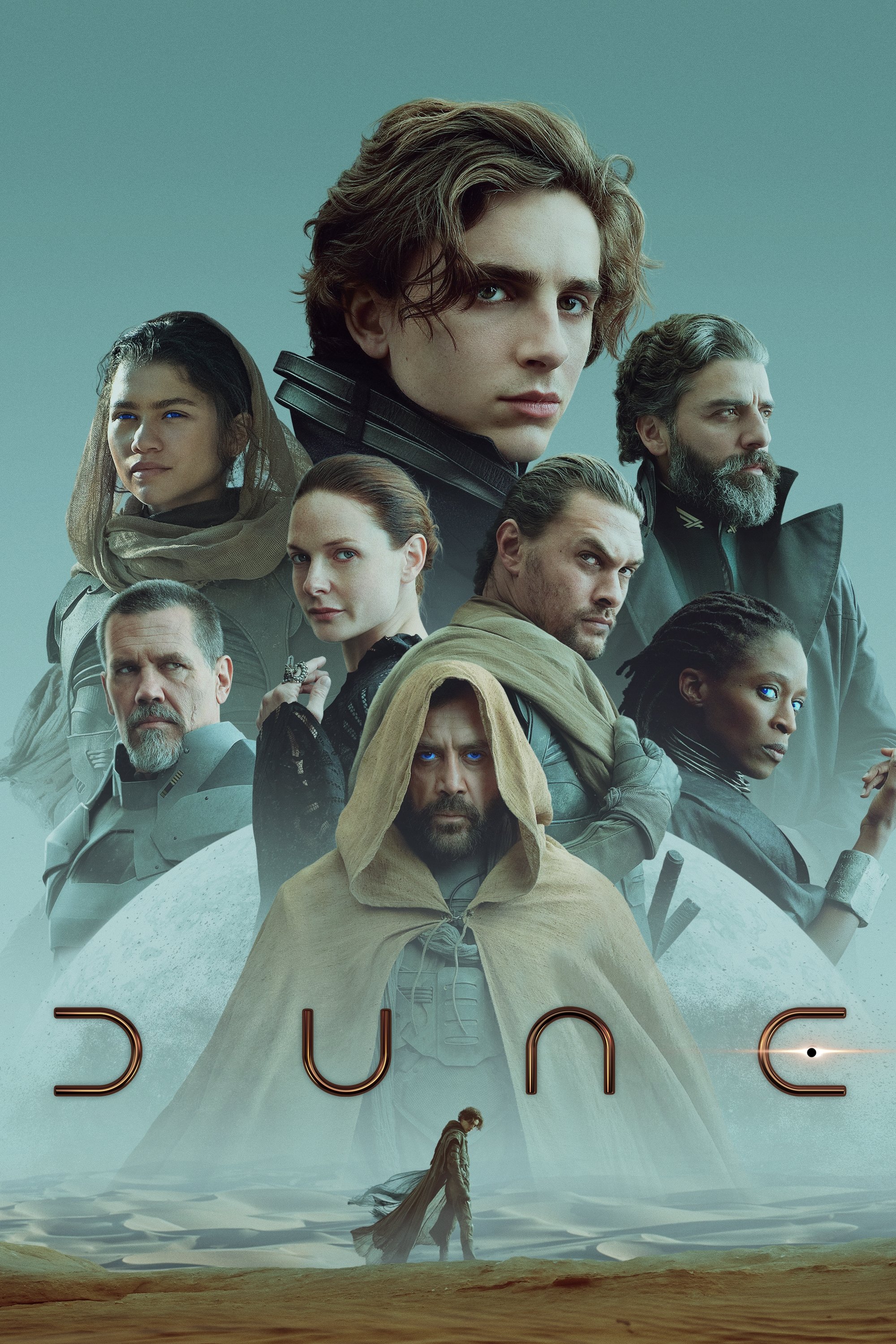
Denis Villeneuve adapted the first half of a classic science fiction novel with a focus on large format imagery. The production combined location photography with massive set builds and detailed sound design. The film won several Oscars in technical categories including Visual Effects and Score. A planned multipart structure guided casting, world building, and release strategy.
Share your own picks for the best 21st century movies in the comments.

