The Best Non-English Movies of All Time


World cinema spans every continent and culture, offering stories told in dozens of languages with styles shaped by local history and artistic traditions. This guide brings together non-English films that made a lasting impact through craft, storytelling, and influence, highlighting what they’re about, how they were made, and why they matter.
You’ll find animation, thrillers, historical epics, intimate dramas, and genre-bending experiments. Each entry gives a concise snapshot of the plot and production context—directors, key collaborators, techniques, and accolades—so you can quickly understand what sets each title apart and decide what to watch next.
‘Parasite’ (2019)
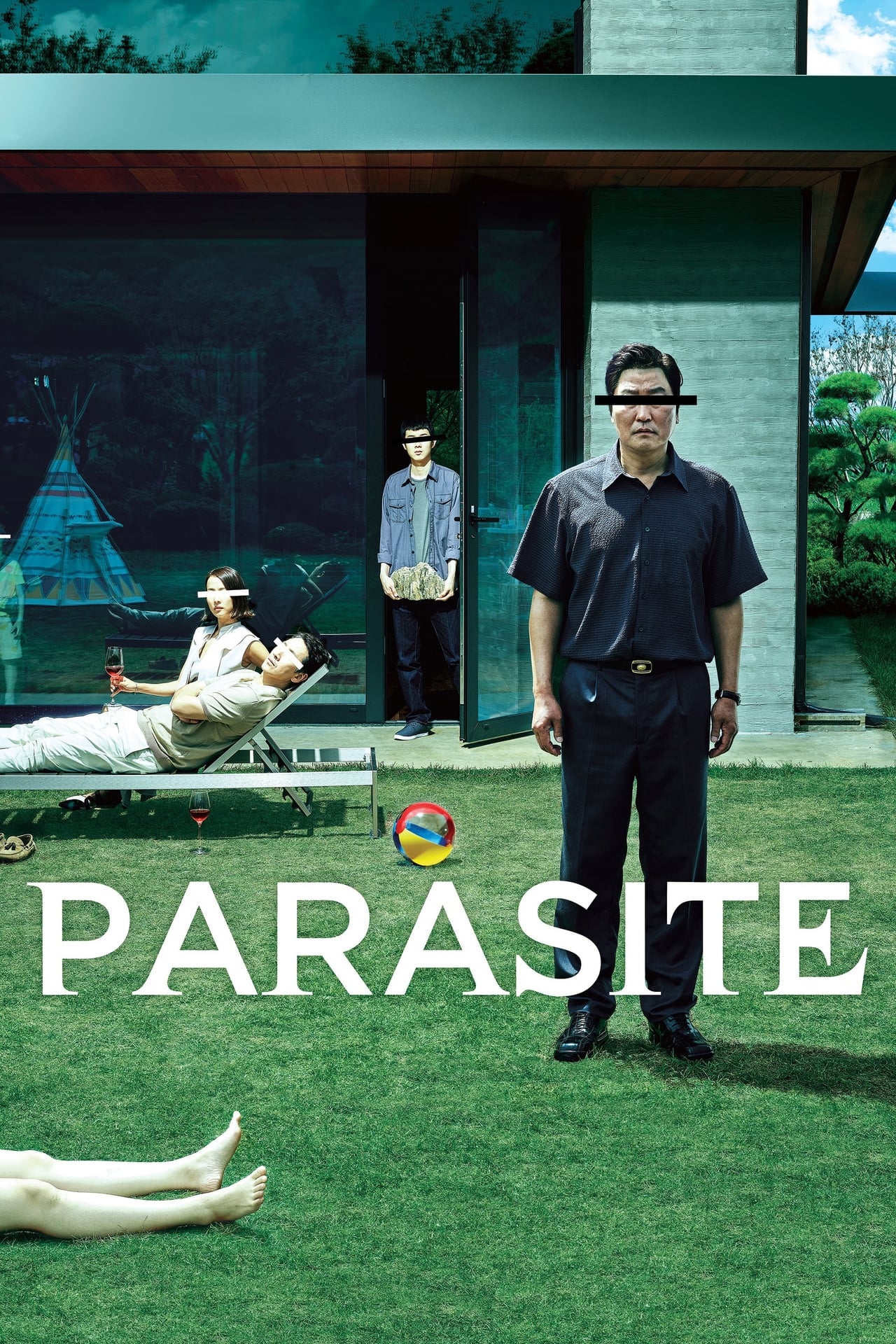
Bong Joon-ho’s thriller follows two families in Seoul whose lives intersect through a domestic job scheme that spirals into deception and violence. The film uses precise blocking, a semi-basement home and a hillside mansion to visualize social stratification and hidden boundaries.
Shot by Hong Kyung-pyo and edited for razor-sharp tonal shifts, it blends crime, dark comedy, and family drama without switching languages. It won the Palme d’Or and later the Academy Award for Best Picture, a landmark for a Korean-language feature on the global stage.
‘Seven Samurai’ (1954)
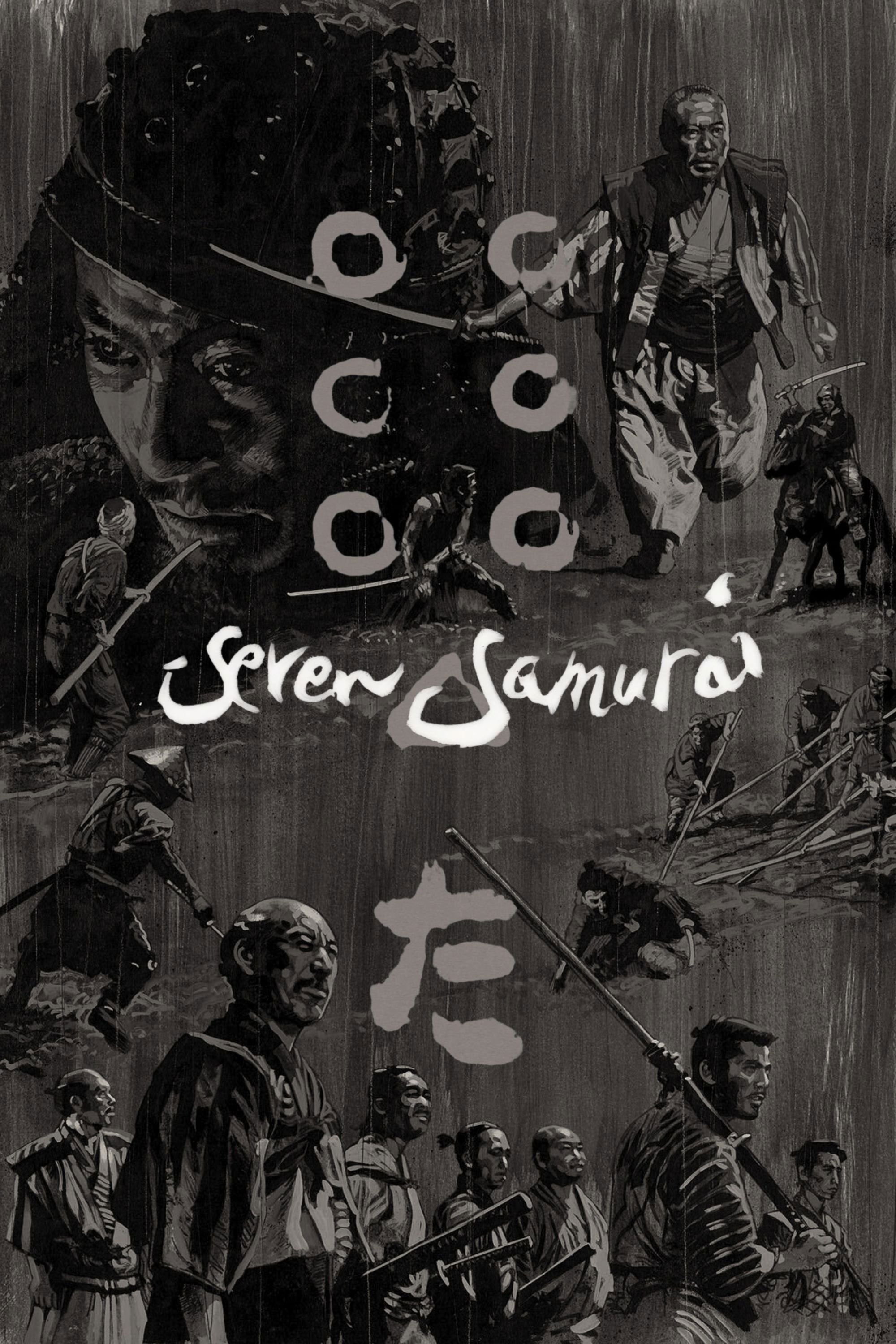
Akira Kurosawa’s epic chronicles villagers hiring rōnin to defend against bandits, mapping each samurai’s skill and temperament to tactical roles. Multi-camera battle staging, weather effects, and long-lens choreography shaped the grammar of action and ensemble storytelling.
With Toshiro Mifune and Takashi Shimura leading a large cast, it pairs character arcs with meticulous geography of the village and fields. Its structure inspired countless remakes and homages across Westerns, war films, and team-up narratives far beyond Japan.
‘Spirited Away’ (2001)
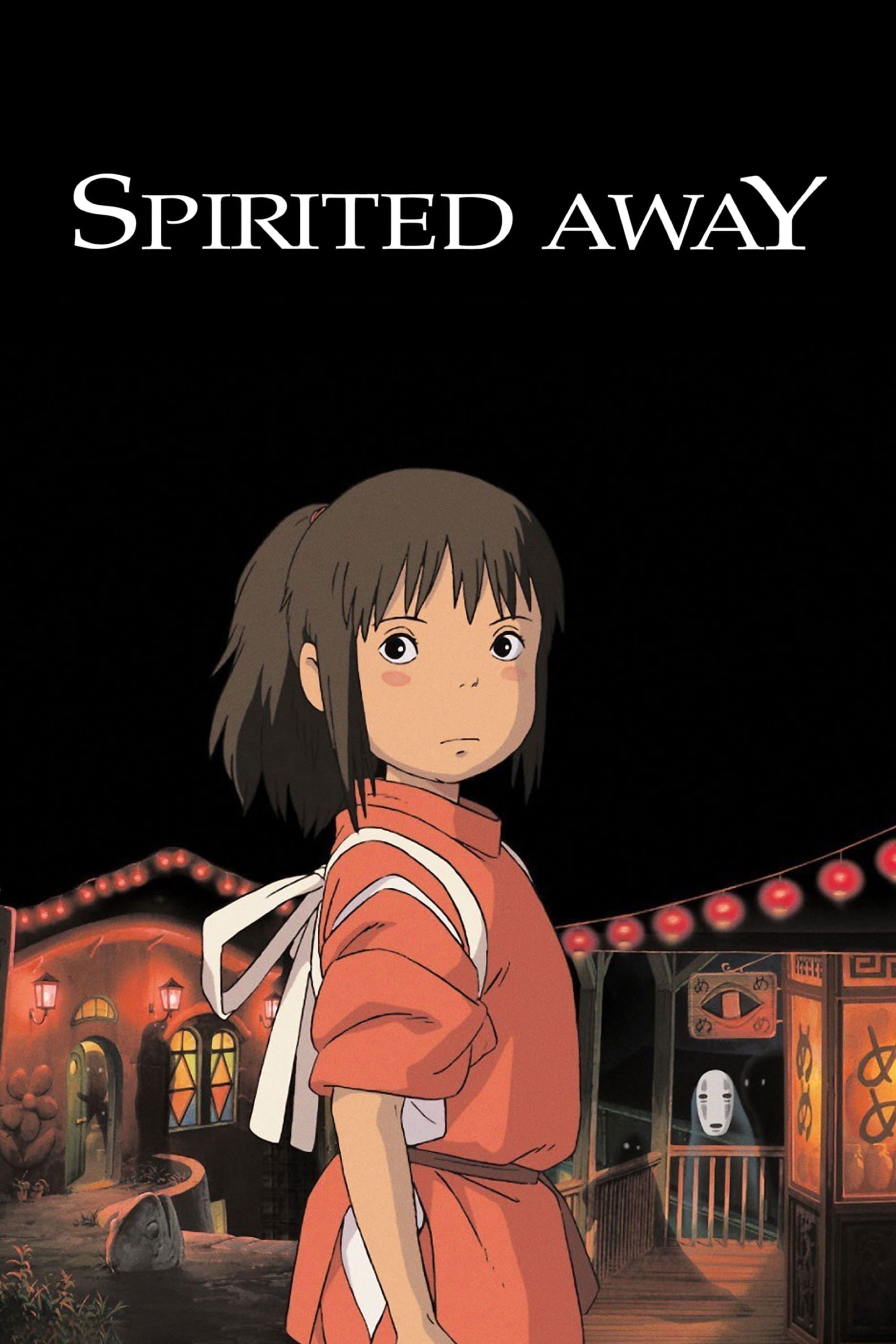
Hayao Miyazaki’s hand-drawn fantasy follows Chihiro, a girl who enters a spirit bathhouse to rescue her parents. Studio Ghibli’s craftsmanship shows in layered backgrounds, fluid character animation, and a living architecture filled with soot sprites, river spirits, and shape-shifting deities.
Joe Hisaishi’s score and carefully timed sound design guide a journey through work, responsibility, and remembrance. The film became a cultural touchstone for Japanese animation worldwide and earned the Academy Award for Best Animated Feature.
‘City of God’ (2002)
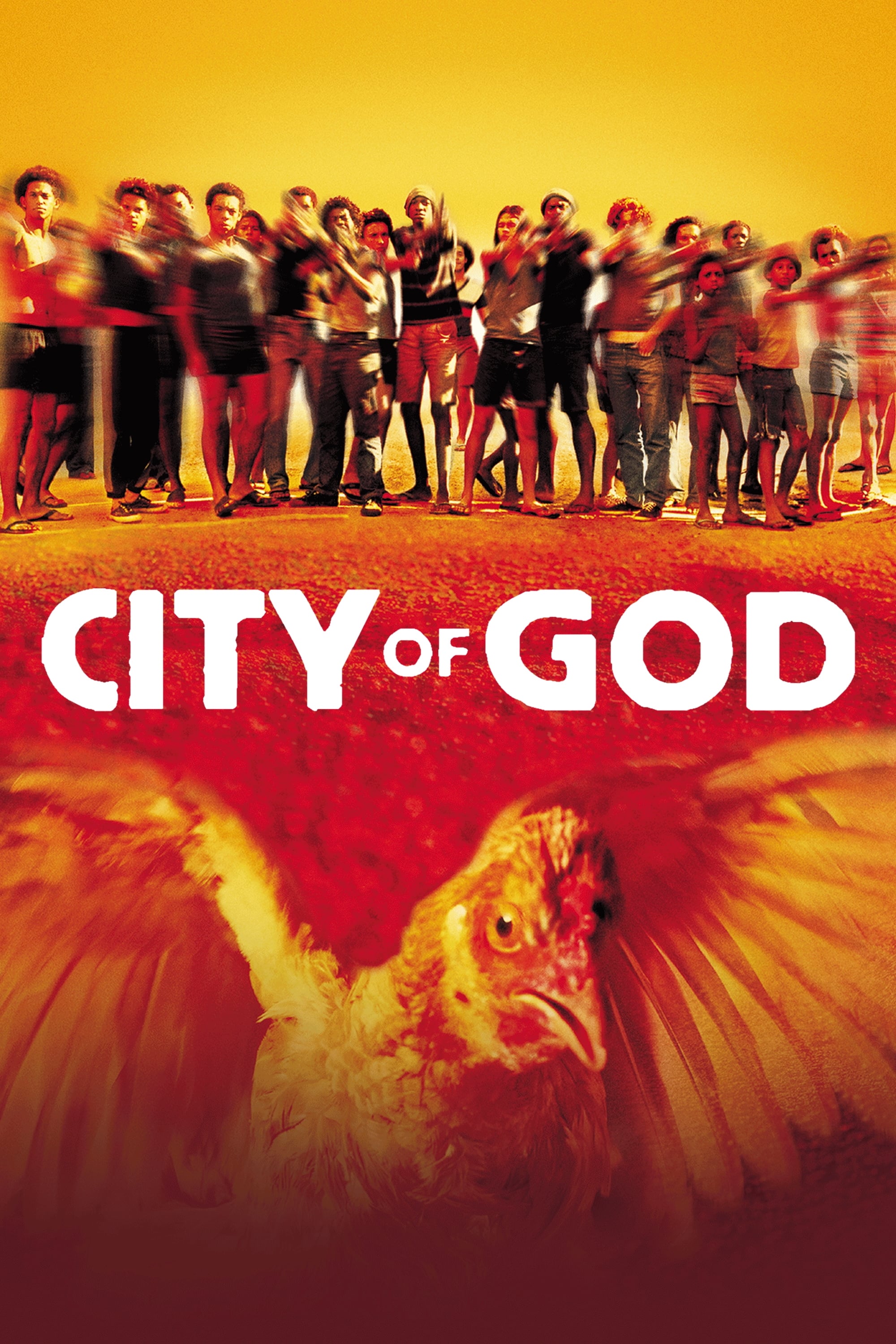
Set in Rio de Janeiro’s favelas, Fernando Meirelles and Kátia Lund trace intersecting lives of residents pulled into gangs, photography, and survival. Nonprofessional actors and on-location shooting give immediacy to the community’s streets, rooftops, and alleys.
Kinetic camera moves, whip-smart editing, and a chaptered structure build a panoramic crime saga rooted in Paulo Lins’s novel. It garnered multiple international nominations and recognition for its craft, particularly cinematography and cutting.
‘Rashomon’ (1950)
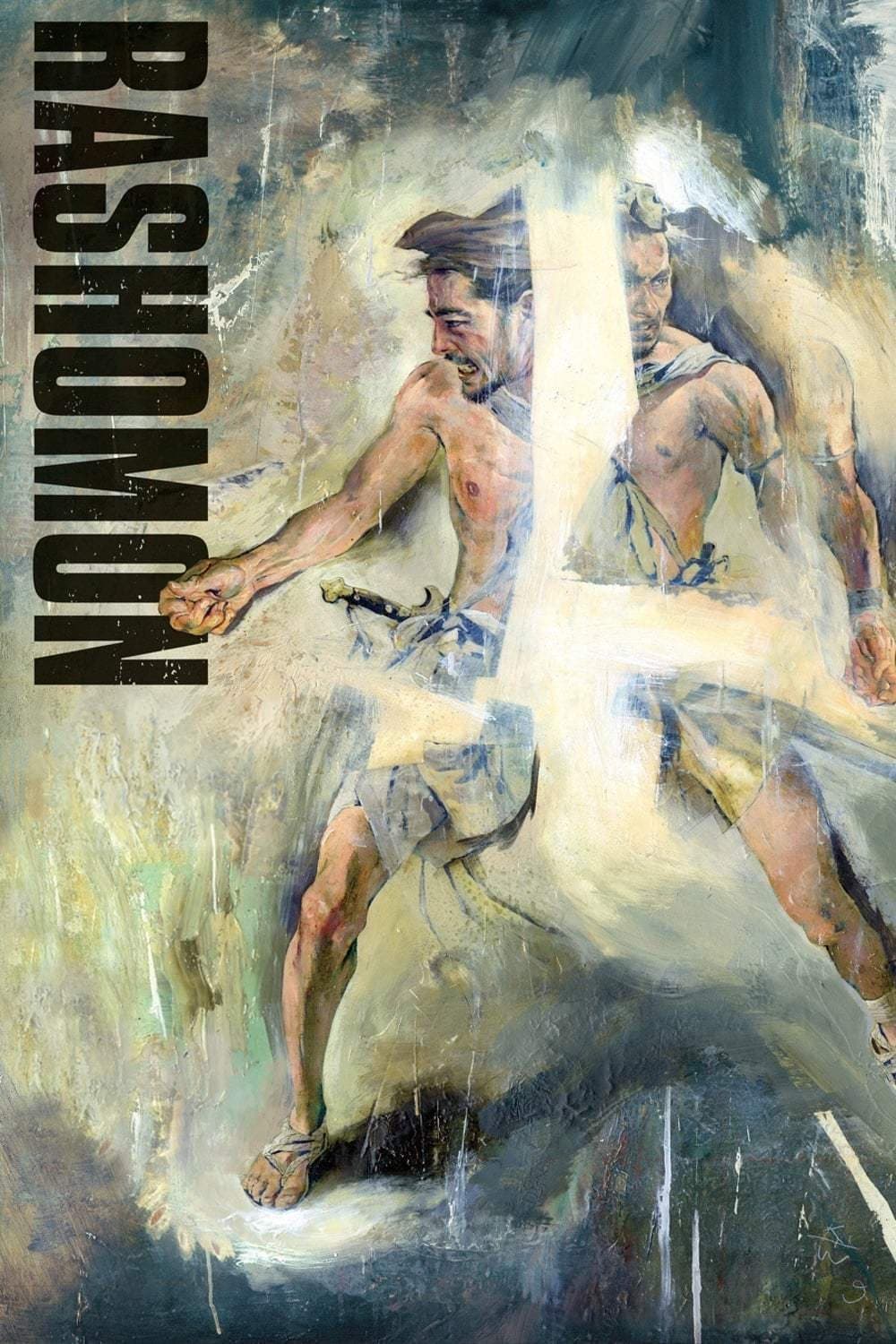
Akira Kurosawa’s landmark uses conflicting testimonies about a crime to explore perception and truth. Forest locations, sunlight through leaves, and bold close-ups create a visual language that supports unreliable narration.
Kazuo Miyagawa’s cinematography and Fumio Hayasaka’s score frame a story told from mutually incompatible viewpoints. The film helped introduce Japanese cinema to festivals abroad and coined the term “Rashomon effect” for contradictory accounts of the same event.
‘Oldboy’ (2003)
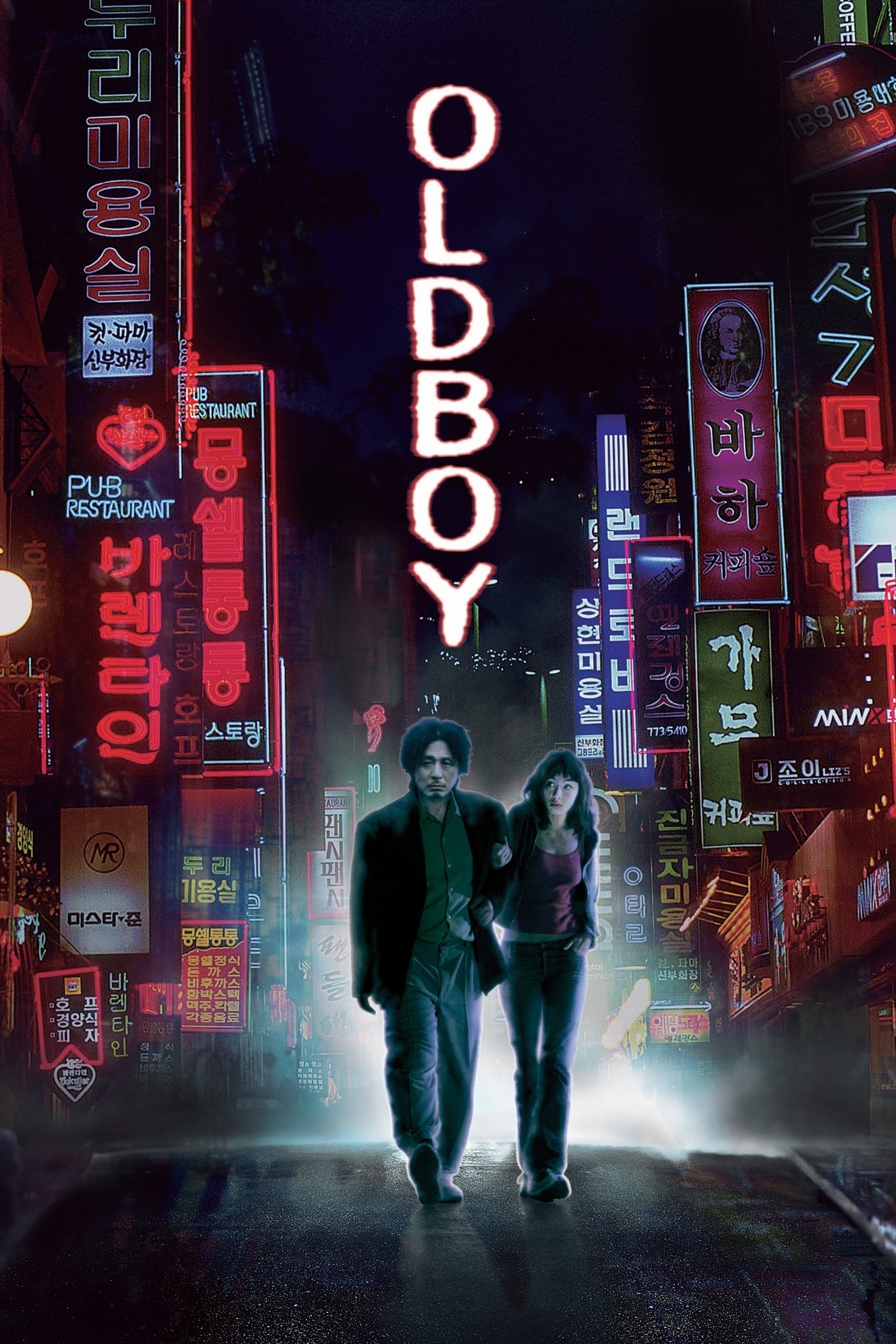
Park Chan-wook’s revenge tale centers on a man mysteriously imprisoned and released, then drawn into a carefully engineered vendetta. Its craft includes a celebrated corridor fight staged as a lateral tracking shot and vivid production design that mirrors psychological descent.
With performances by Choi Min-sik and Yoo Ji-tae, the film balances operatic severity with intricate plotting. It received the Grand Prix at Cannes and solidified the reputation of the Korean New Wave in global genre cinema.
‘The Lives of Others’ (2006)
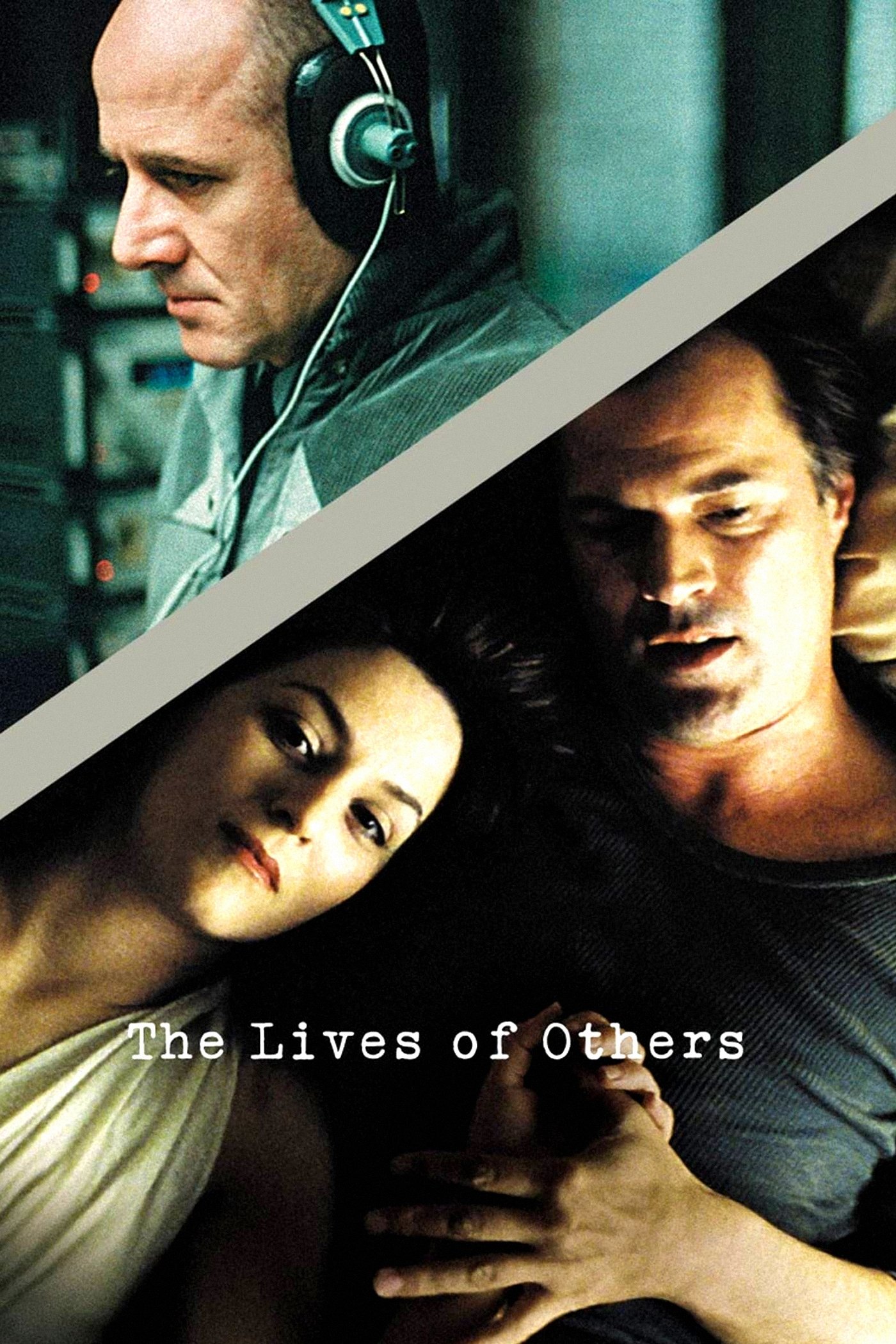
Florian Henckel von Donnersmarck follows a Stasi officer assigned to spy on an artist couple in East Berlin, charting how surveillance reshapes identities. Ulrich Mühe’s performance anchors a meticulous portrait of state apparatus and intimate domestic spaces.
Subtle sound cues—typewriter keys, floorboard creaks—become story engines, while muted palettes convey institutional chill. The film won the Academy Award for Best Foreign Language Film and is frequently cited in discussions of ethics and power under authoritarian rule.
‘A Separation’ (2011)
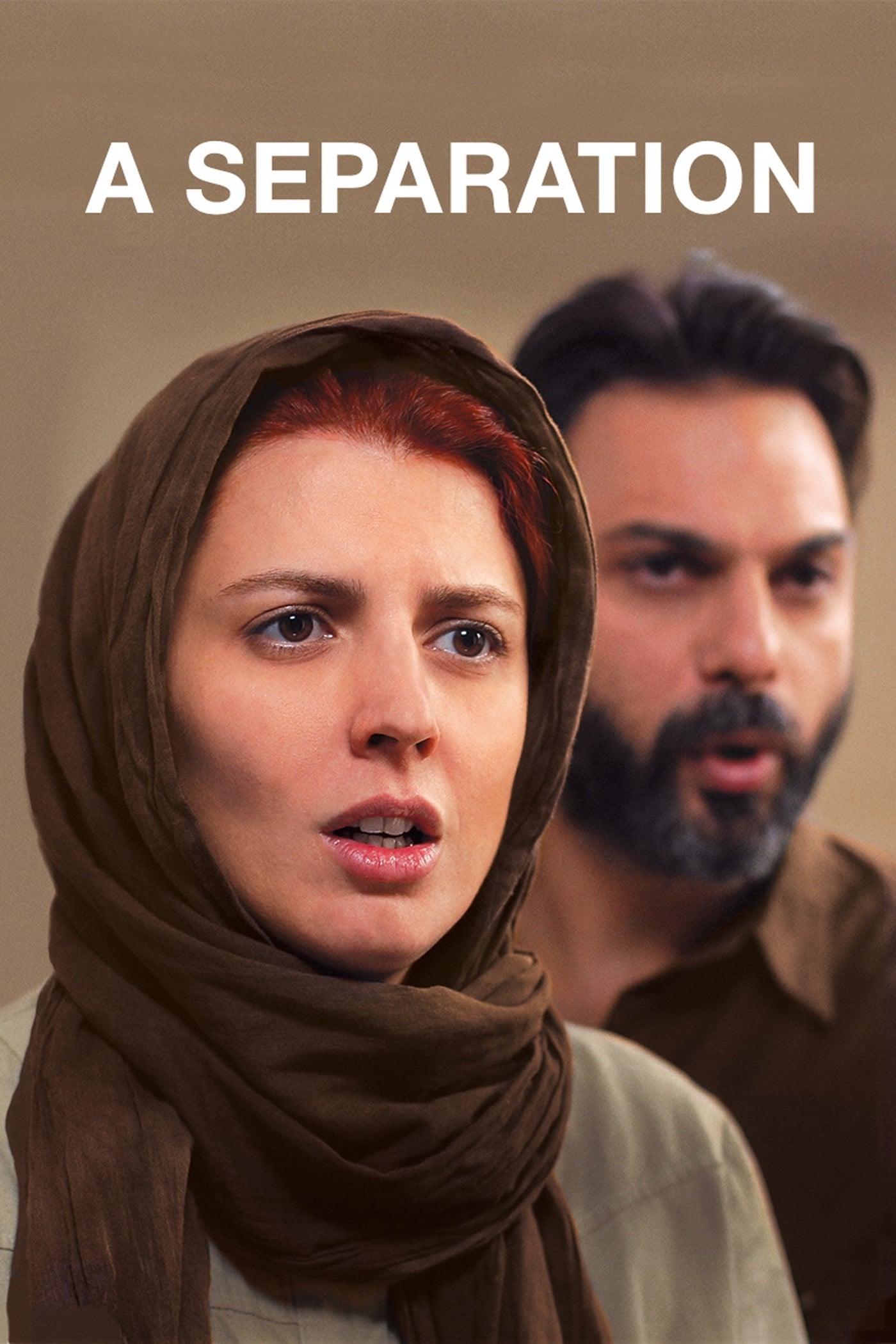
Asghar Farhadi’s drama begins with a couple’s dispute over emigration and care for an elder, spiraling into legal and moral entanglements. Naturalistic performances and handheld camerawork draw attention to small decisions with far-reaching consequences.
Dialogues layer social, religious, and class considerations without exposition dumps, rewarding close attention. It won the Berlinale’s Golden Bear and an Academy Award, bringing Iranian cinema to a wider audience through character-driven suspense.
‘In the Mood for Love’ (2000)
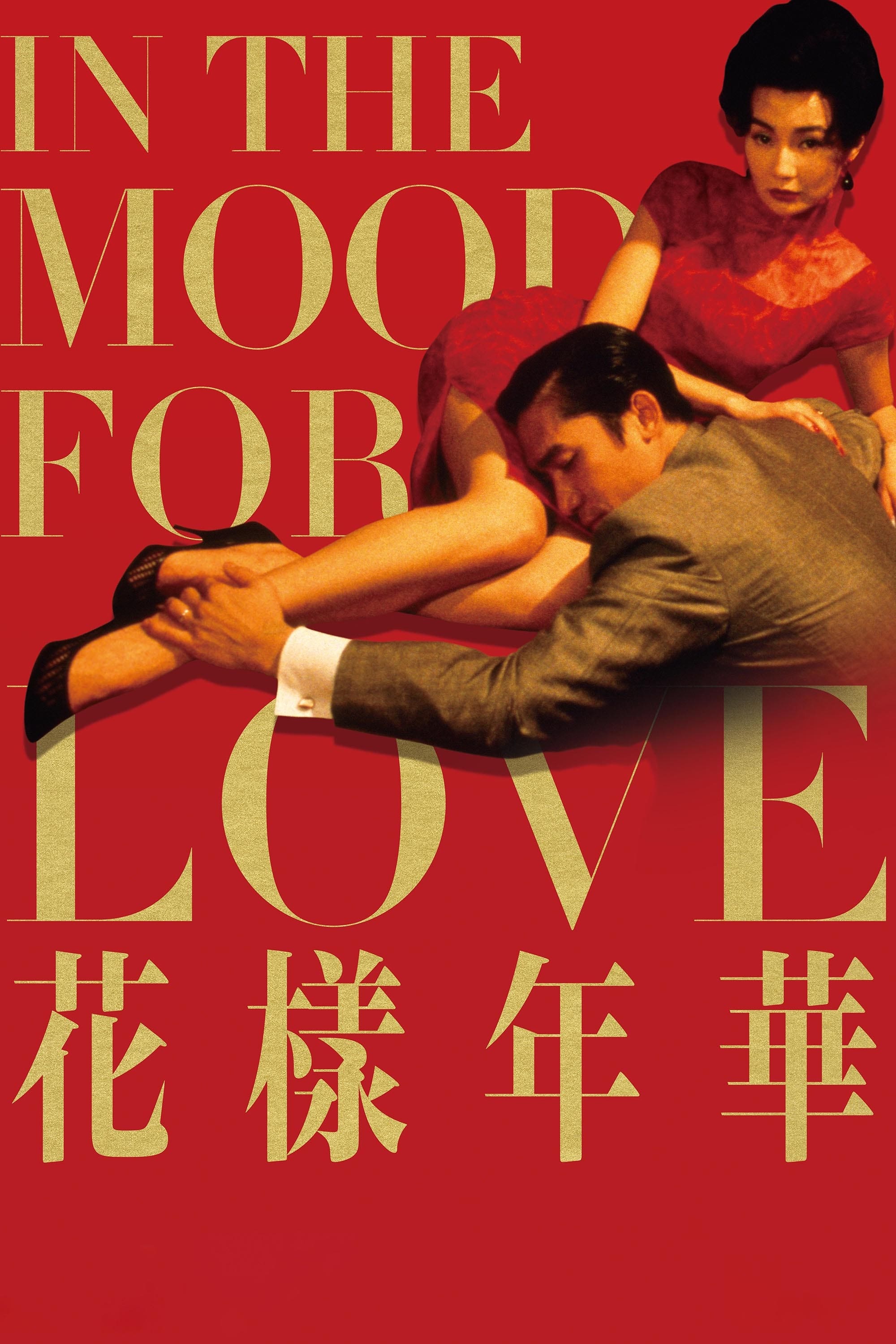
Wong Kar-wai observes two neighbors who suspect their spouses are unfaithful, developing a restrained bond under rented rooms’ tight corridors and noodle-shop routines. Cheongsam patterns, mirrors, and slow-motion tracking shots weave a choreography of glances.
Christopher Doyle and Mark Lee Ping-bing’s cinematography, with saturated reds and ambers, shapes mood as narrative. Nat King Cole songs and Shigeru Umebayashi’s waltz recur as motifs, making time itself feel like the central character.
‘Amélie’ (2001)
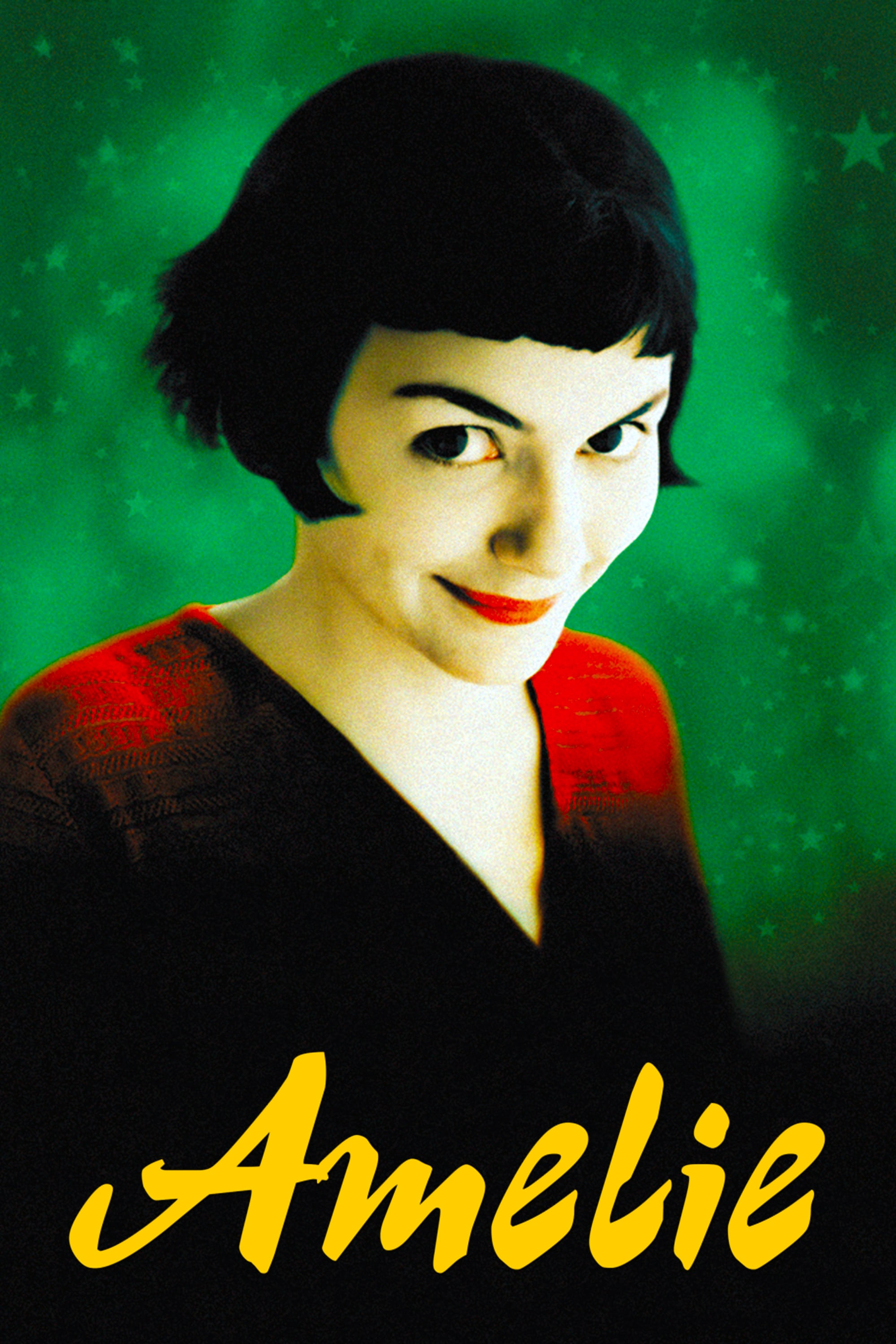
Jean-Pierre Jeunet follows a shy Parisian who sets out to improve the lives of those around her through playful schemes. Careful color grading and wide-angle compositions create a heightened Montmartre, while voiceover builds a web of neighborhood connections.
Yann Tiersen’s accordion-tinged score and rhythmic editing reinforce a sense of bustling city life. The film became a worldwide hit for contemporary French cinema and boosted renewed tourism interest in its locations.
‘Pan’s Labyrinth’ (2006)
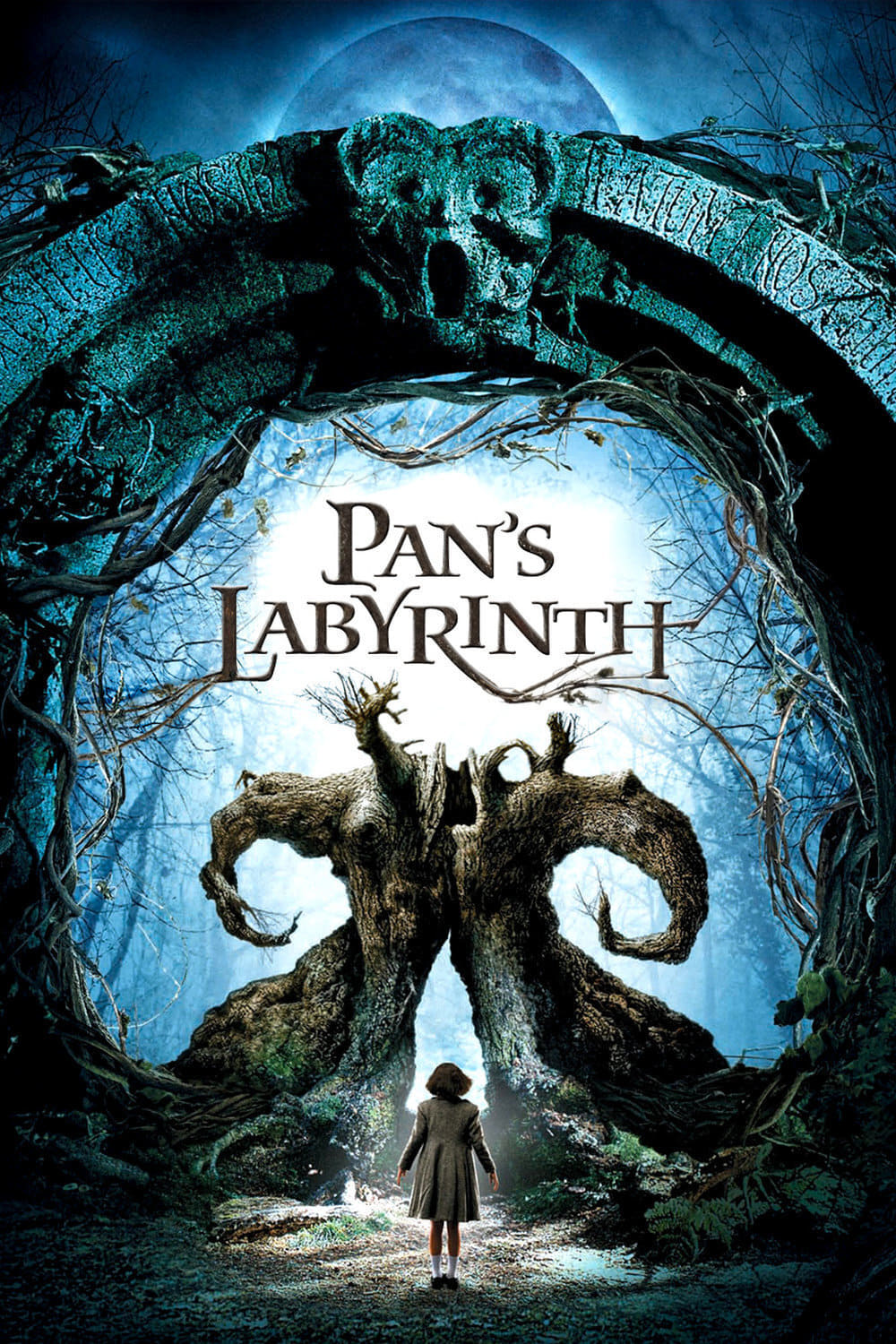
Guillermo del Toro interlaces a child’s encounters with fauns and fairies with a brutal story of postwar repression. Practical creature work led by Doug Jones and elaborate sets turn myths into tactile spaces.
The production won Academy Awards for makeup, production design, and cinematography. Spanish-language storytelling and fantasy elements merge into a dark fable that travels between underground labyrinths and a mill overseen by a ruthless officer.
‘Cinema Paradiso’ (1988)

Giuseppe Tornatore tells of a filmmaker recalling childhood in a Sicilian town and his friendship with a projectionist. Scenes inside the local theater chart a community’s relationship with film through censorship cuts, communal laughter, and first crushes.
Ennio Morricone’s music underscores memory and mentorship, while a later director’s cut deepens the central relationship. It won the Academy Award for Best Foreign Language Film and remains a key reference for cinephiles.
‘Bicycle Thieves’ (1948)
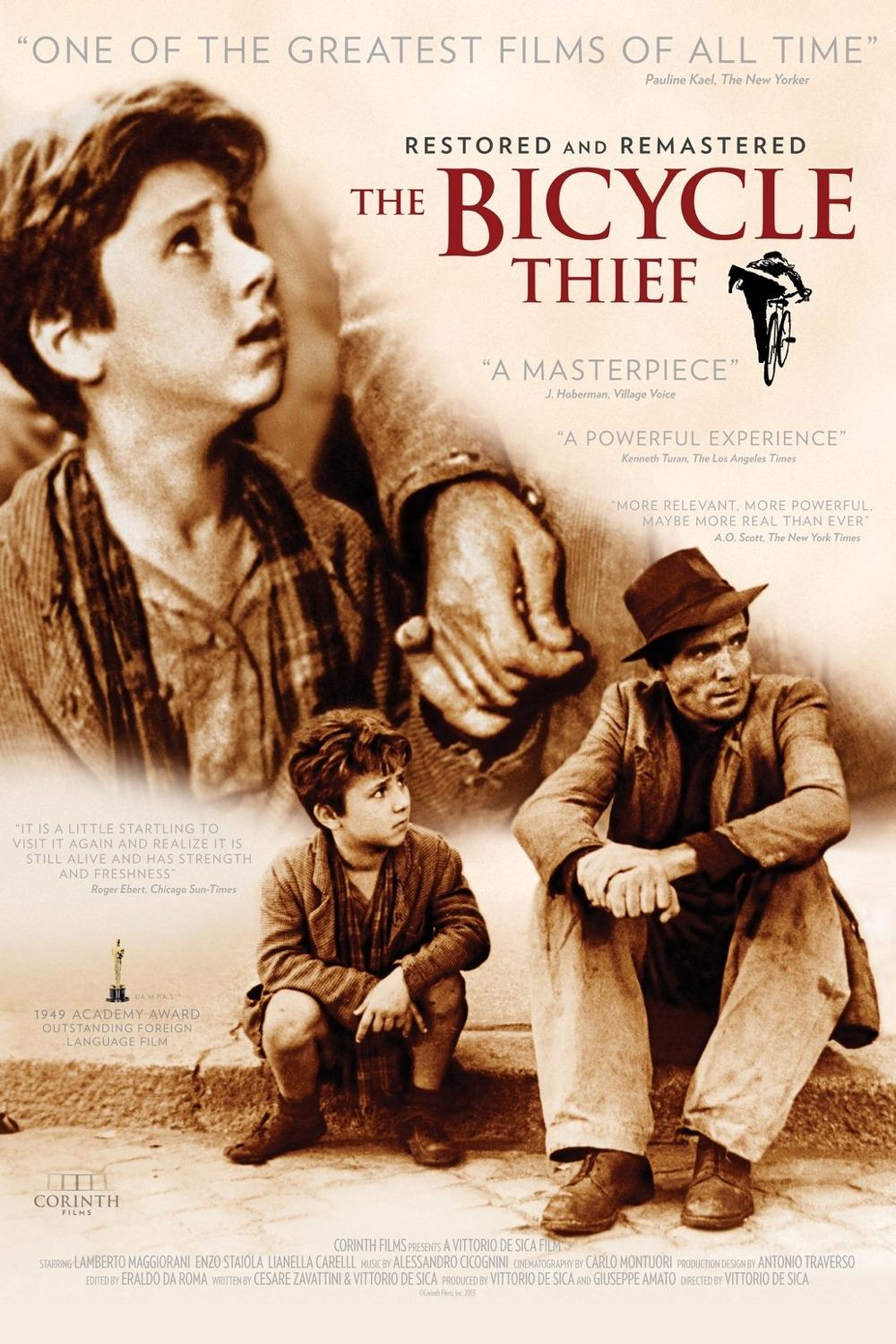
Vittorio De Sica’s neorealist story follows a father searching the city with his son after a bicycle theft threatens his livelihood. Nonprofessional actors, on-location shooting, and everyday settings foreground economic precarity and dignity.
The film’s uncluttered visual style influenced generations of social-realist directors. Its final scenes, set among markets and crowded streets, remain a primer on humanistic storytelling without melodrama.
‘The 400 Blows’ (1959)
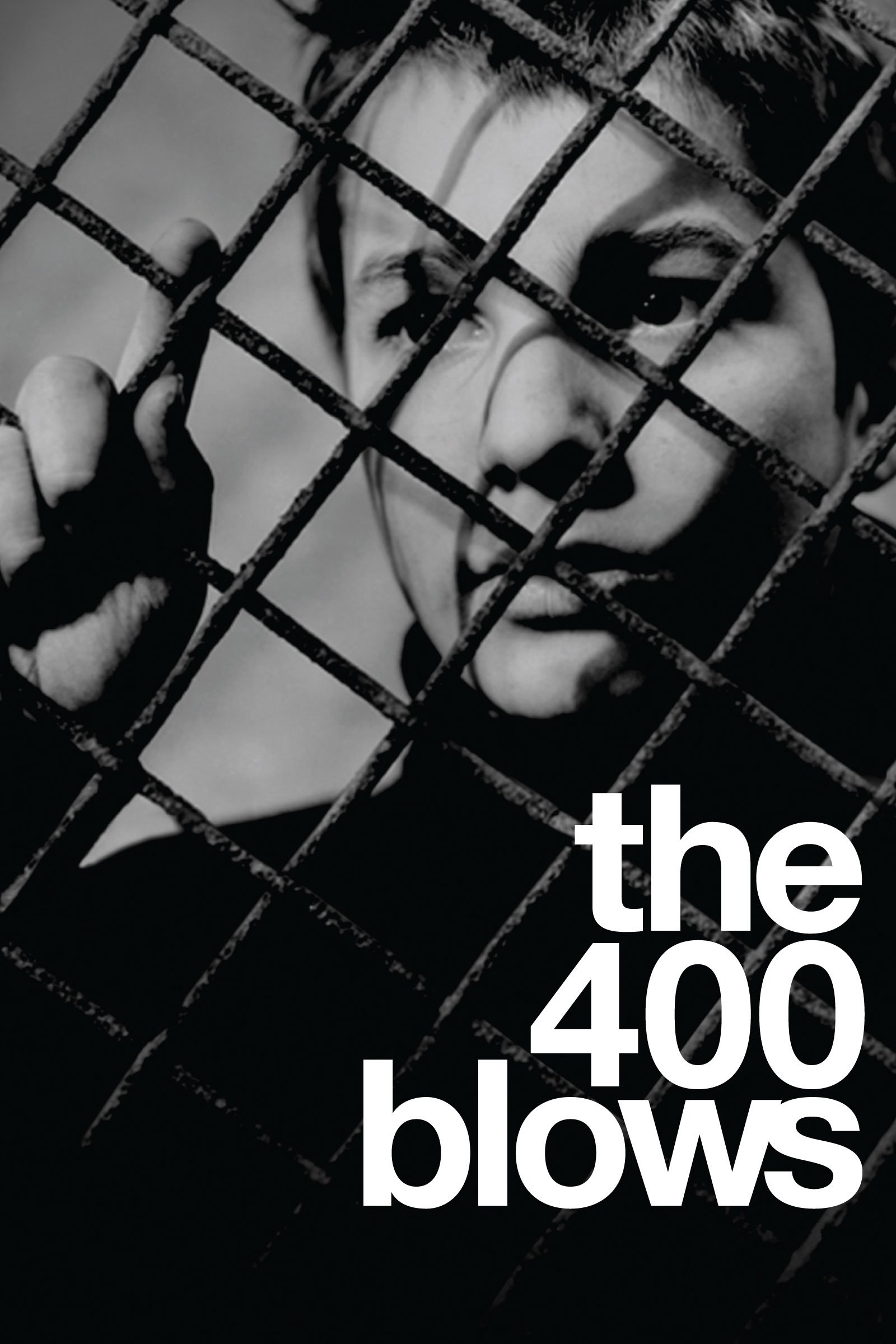
François Truffaut’s debut introduces Antoine Doinel, a boy navigating school, family strain, and small rebellions. Mobile cameras, location sound, and freeze-frames helped define the French New Wave’s break from studio conventions.
Autobiographical elements give specificity to Paris neighborhoods and cramped apartments. The film’s closing image became one of cinema’s most studied endings and launched a series that followed Antoine into adulthood.
‘Ikiru’ (1952)
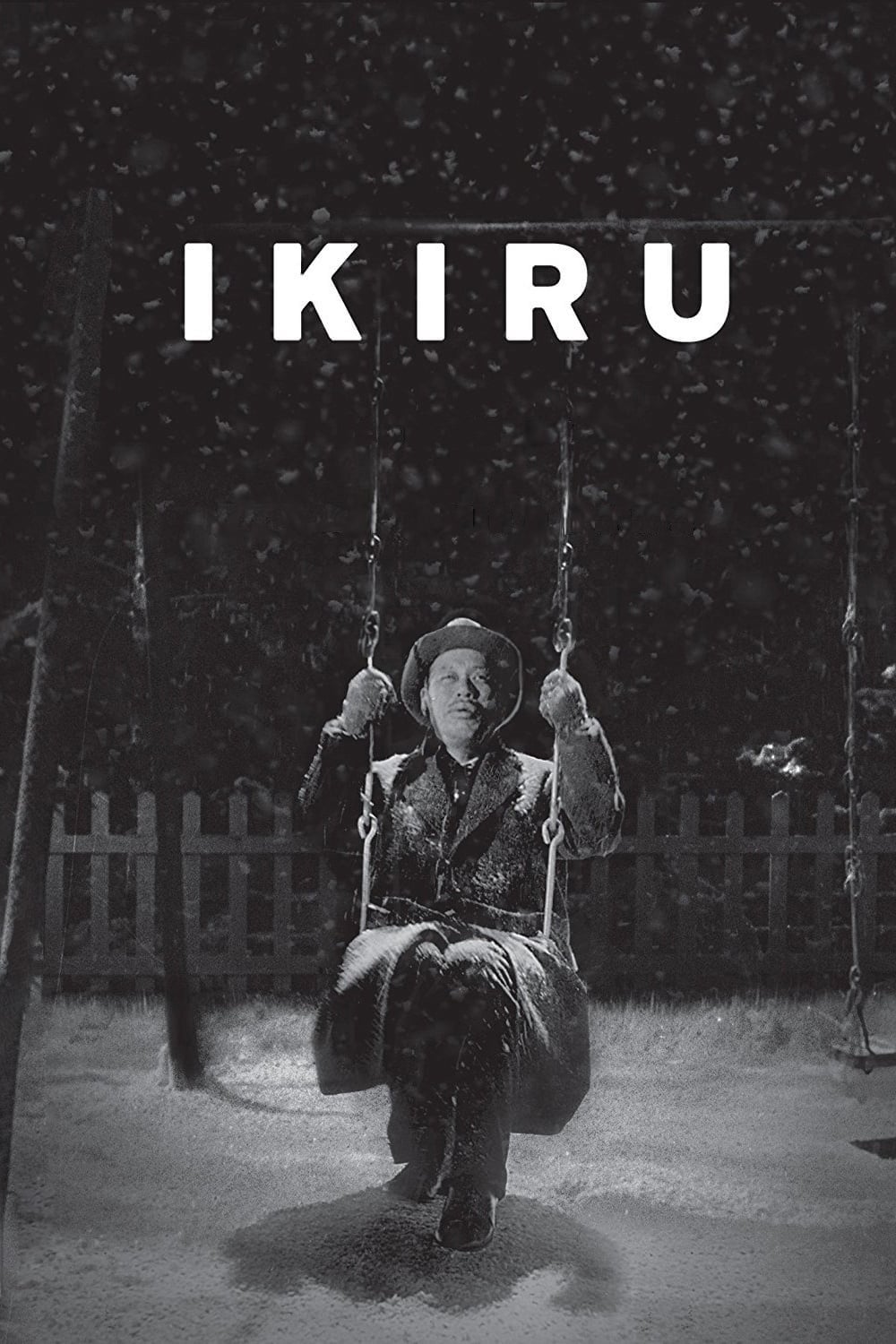
Akira Kurosawa traces a civil servant who, after a life-altering diagnosis, resolves to leave something meaningful behind. Takashi Shimura’s delicate performance and a bifurcated structure create a reflective character study of bureaucracy and purpose.
Muted interiors contrast with public parks and municipal offices as process becomes drama. The film’s influence is visible in later works about end-of-life meaning and administrative inertia, including English-language adaptations.
‘Yojimbo’ (1961)
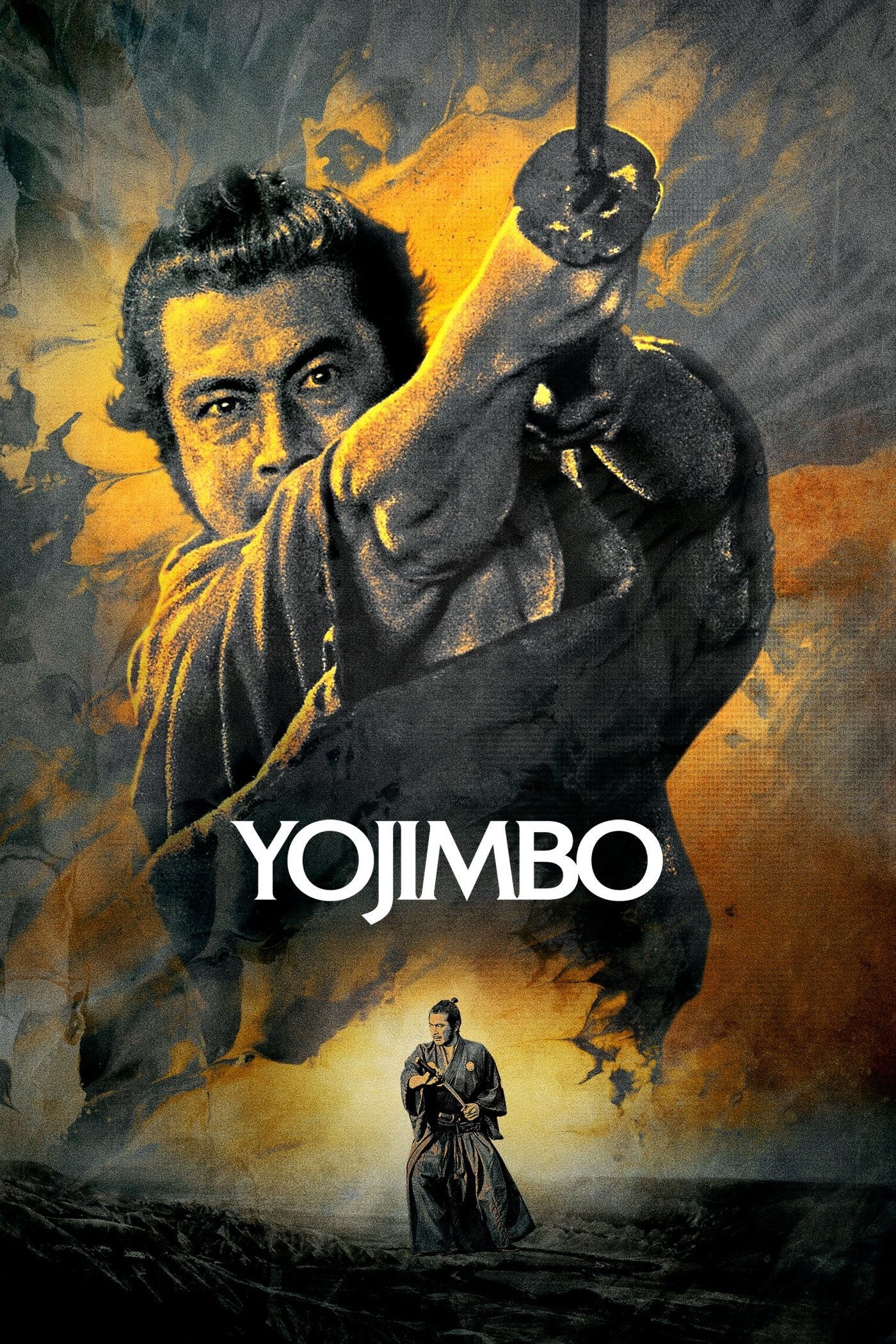
A nameless ronin arrives in a lawless town and pits rival gangs against each other, reshaping the power balance through strategy and intimidation. Toshiro Mifune’s physical performance and widescreen compositions emphasize space, dust, and decisive movement.
Sharp sound cues—door clatters, wind, footsteps—become tools for tension. The story template inspired Westerns and crime films worldwide, most famously reinterpreted in later remakes and unofficial spin-offs.
‘The Seventh Seal’ (1957)
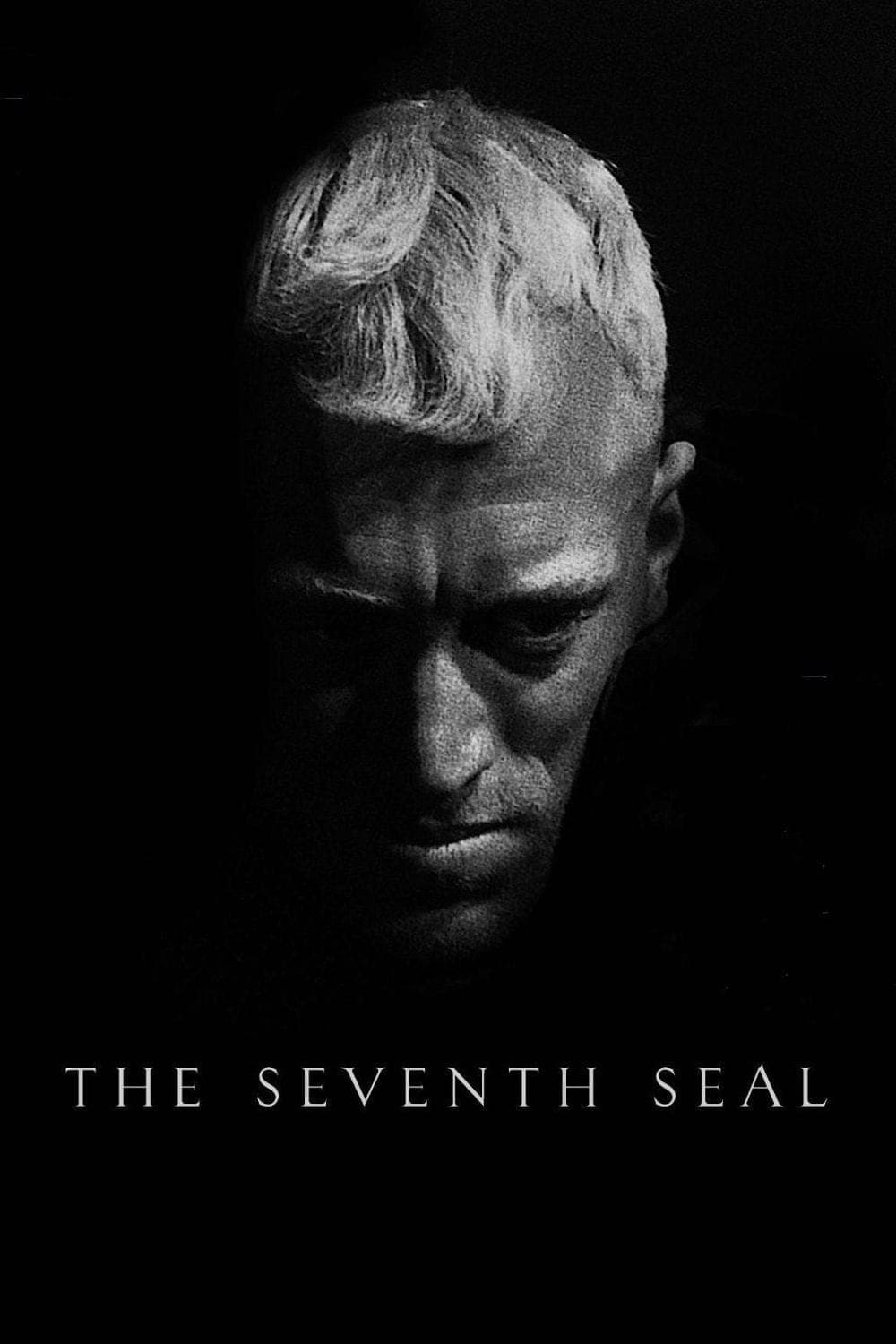
Ingmar Bergman stages a medieval knight playing chess with Death while plague haunts the land. Stark black-and-white imagery, seaside locations, and theatrical blocking fuse philosophy with folklore.
Max von Sydow and Bengt Ekerot’s scenes together anchor a meditation on doubt, faith, and storytelling. Iconic tableaux—processions, masks, and a cliffside finale—entered the global visual lexicon of spiritual cinema.
‘Persona’ (1966)
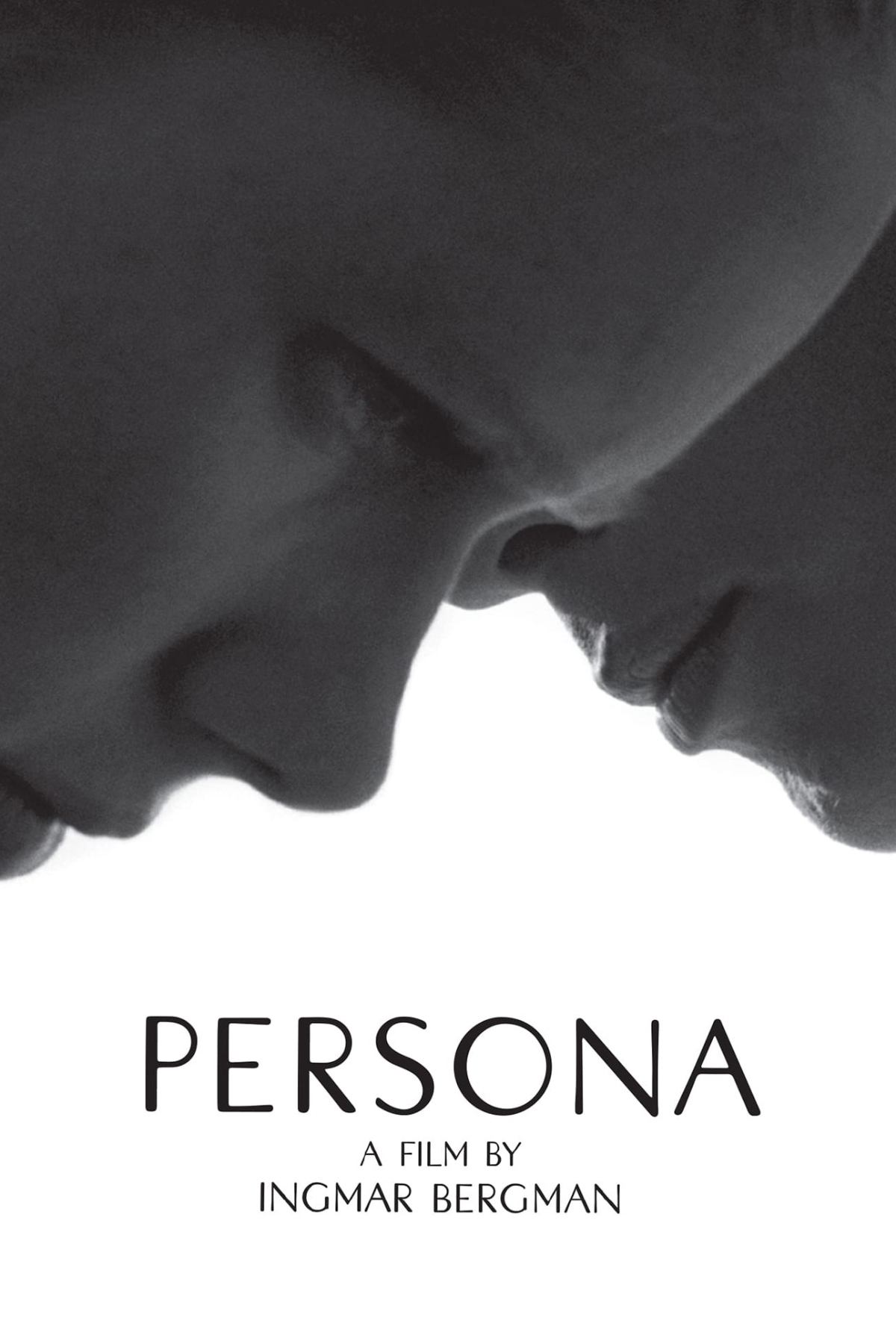
Bergman’s experimental drama brings together a stage actress who stops speaking and the nurse assigned to care for her. Close-ups, split compositions, and ruptures in the filmstrip itself question identity and performance.
Bibi Andersson and Liv Ullmann trade monologues and silences that destabilize perspective. Sound design and image interludes blur dream and reality, making the film a central text in the study of modernist cinema.
‘Stalker’ (1979)

Andrei Tarkovsky follows a guide leading two clients into the Zone, a restricted area said to grant wishes. Long takes, shifting palettes, and industrial locations produce a meditative science-fiction journey.
Sparse effects and layered ambient sound foreground philosophical dialogue and landscape. The production’s arduous history adds to the film’s aura, while its imagery has influenced art, music, and game worlds.
‘Come and See’ (1985)
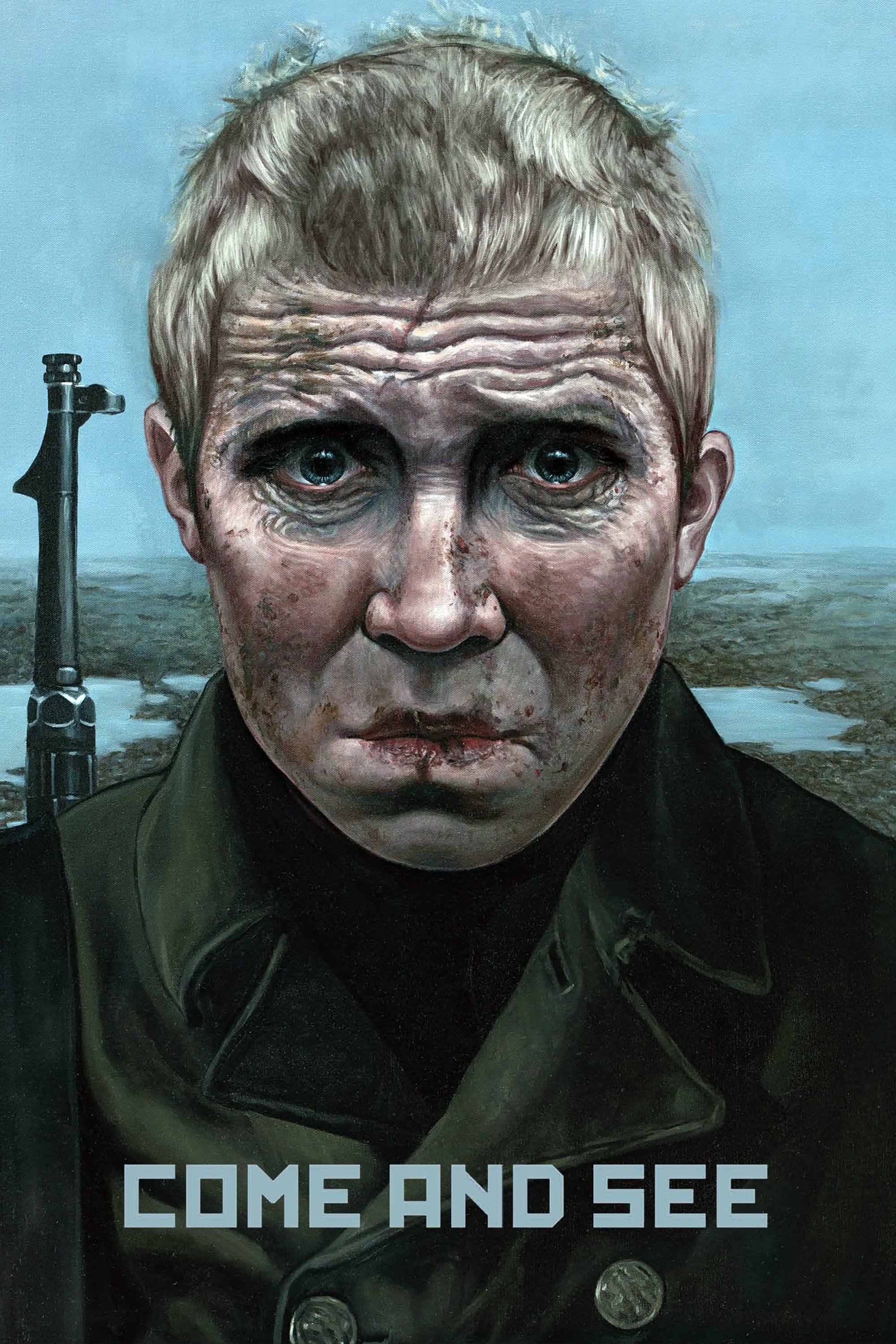
Elem Klimov depicts a Belarusian boy pulled into partisan warfare and its atrocities. Handheld camera, subjective sound, and extreme close-ups convey trauma without sensationalism.
Aleksei Rodionov’s cinematography and a lead performance by Aleksei Kravchenko ground the film in lived texture. It is frequently screened in historical contexts for its unflinching approach to occupation and civilian suffering.
‘The Battle of Algiers’ (1966)
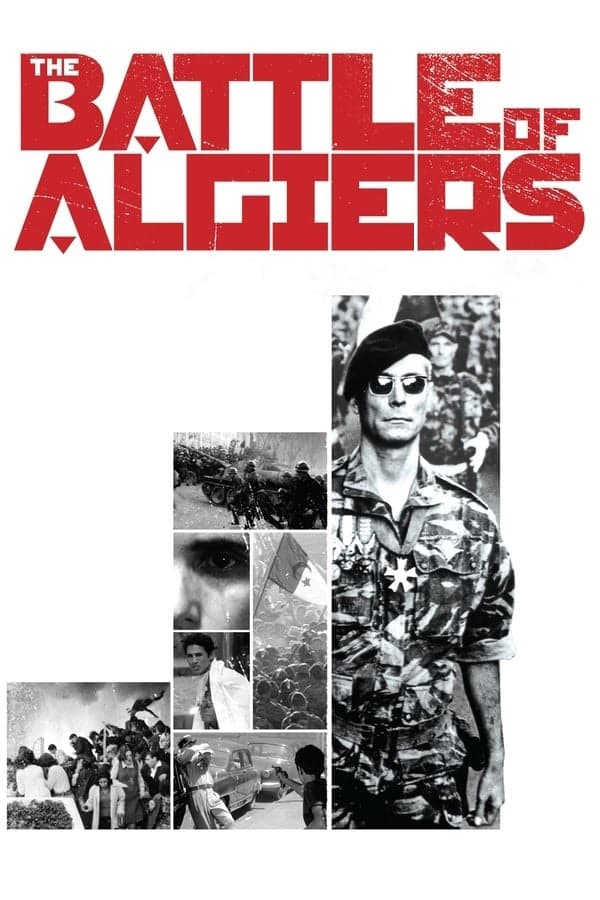
Gillo Pontecorvo reenacts urban insurgency and counterinsurgency with documentary-like immediacy. Nonprofessional actors, newsreel style, and on-location shooting lend authenticity to street chases, bombings, and checkpoints.
Ennio Morricone collaborated on the score, which uses percussion to ratchet tension. Military institutions have studied the film for insights into asymmetric conflict and civic response.
‘Wings of Desire’ (1987)
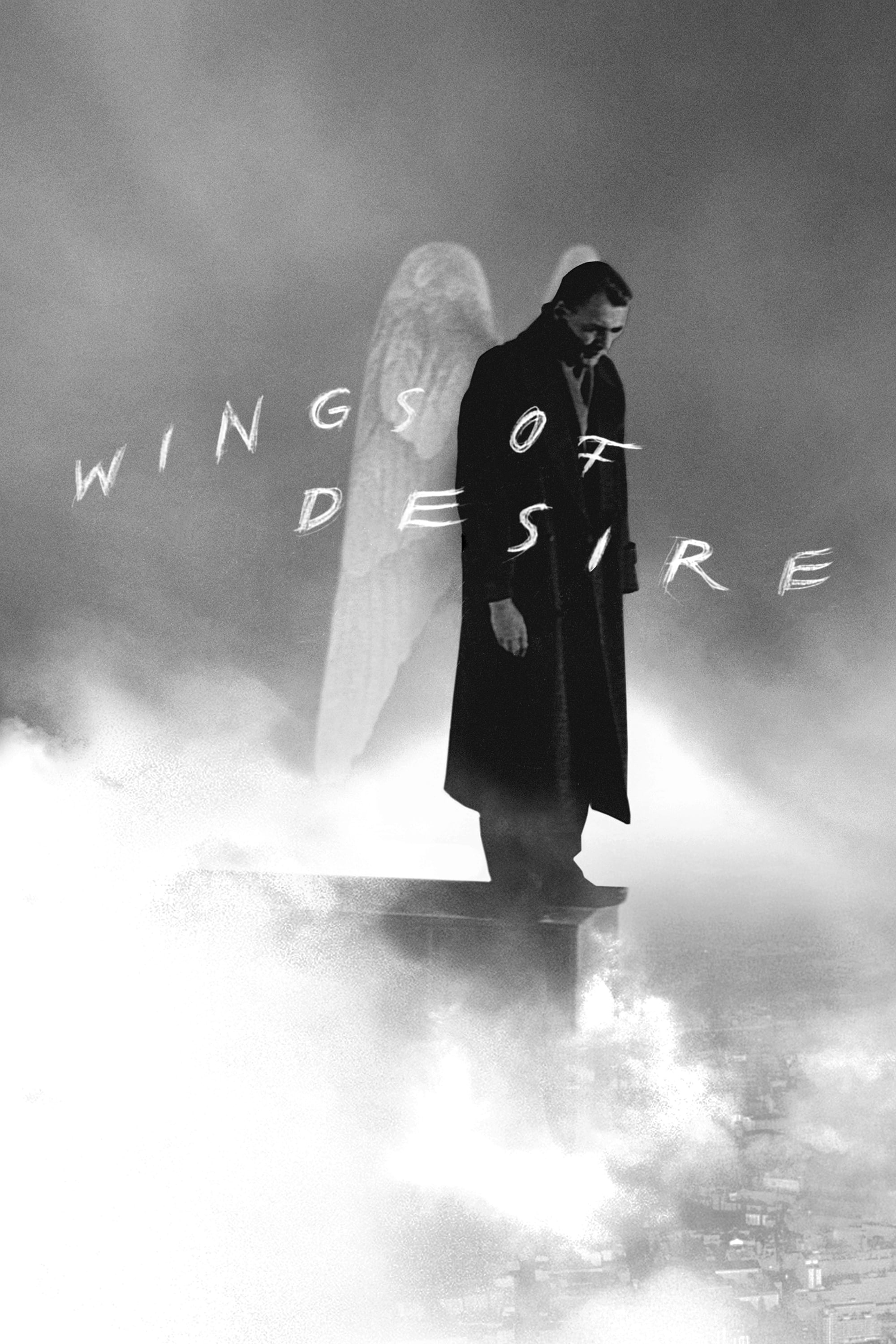
Wim Wenders imagines angels who listen to human thoughts in a divided Berlin, one of whom chooses mortality. Henri Alekan’s cinematography shifts between monochrome and color to mark different realms.
The film blends poetry and urban observation, with Peter Falk playing himself as a wry guide. It later inspired a sequel and a separate English-language reinterpretation that moved the premise to another city.
‘La Haine’ (1995)
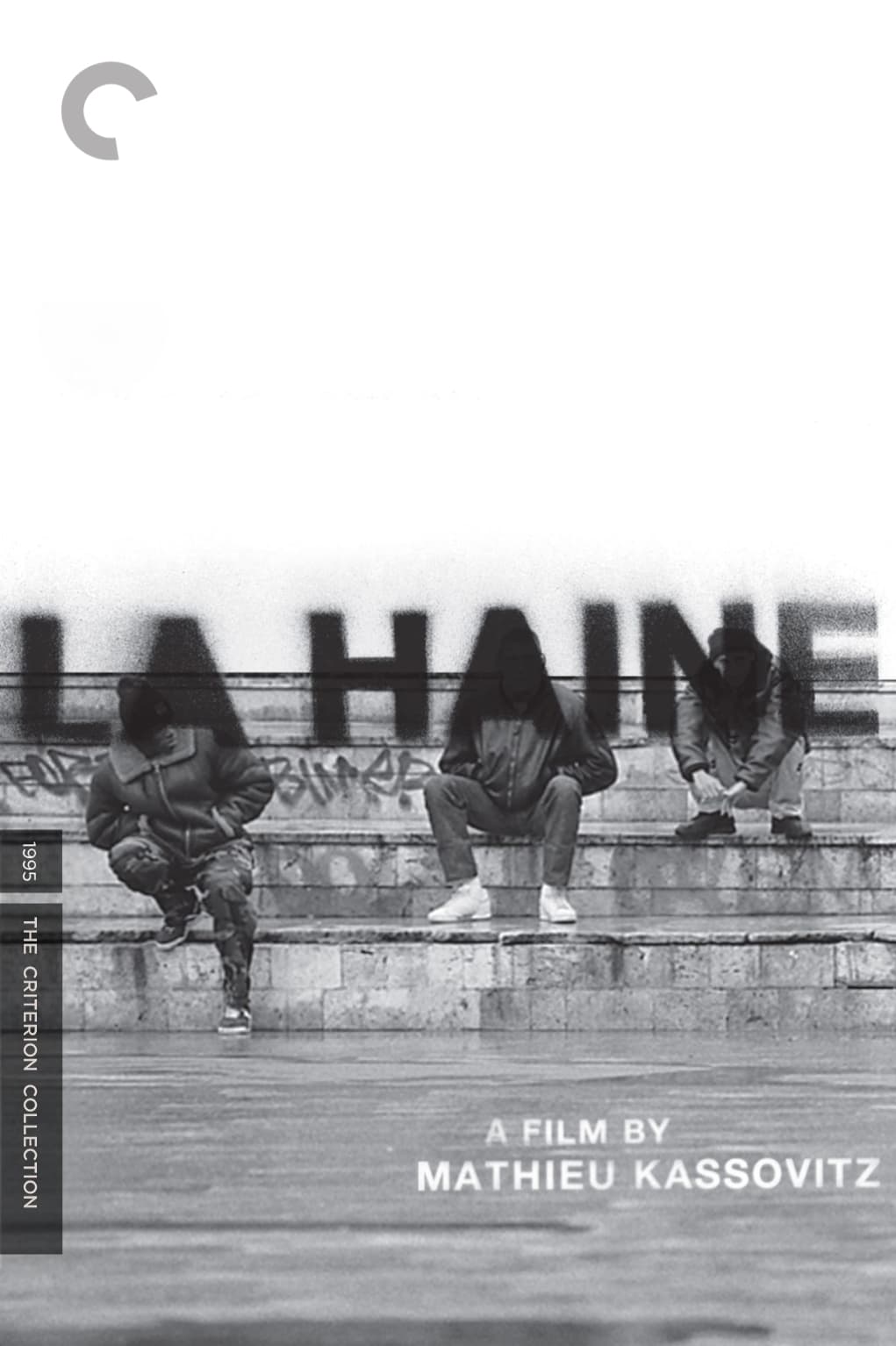
Mathieu Kassovitz tracks three friends in the Paris banlieues over a single day, focusing on policing, media, and identity. High-contrast black-and-white images and a ticking-clock structure maintain relentless momentum.
Vincent Cassel, Hubert Koundé, and Saïd Taghmaoui embody intersecting perspectives across communities and institutions. The film remains a reference point for discussions of youth, space, and social policy in contemporary France.
‘The Intouchables’ (2011)

Olivier Nakache and Éric Toledano dramatize the bond between a quadriplegic aristocrat and his caregiver from a working-class background. The script draws on the life of Philippe Pozzo di Borgo and Abdel Sellou.
Music by Ludovico Einaudi and warm, detailed production design emphasize routine, mobility, and trust. The film became a major box-office success for French-language cinema and inspired multiple remakes in other countries.
‘Life Is Beautiful’ (1997)
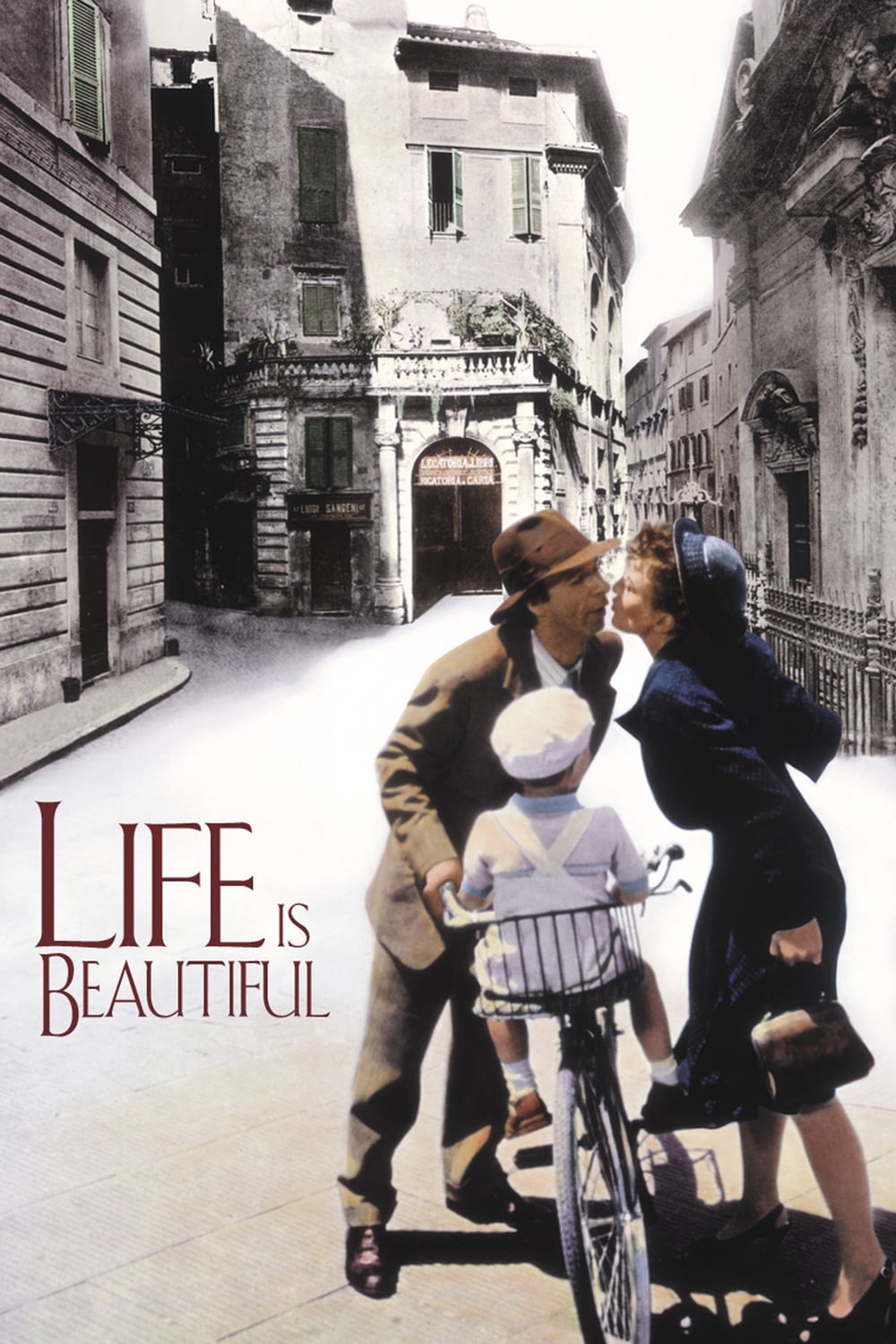
Roberto Benigni’s film portrays a father who uses imagination to shield his son in a concentration camp. It balances humor with historical horror through careful control of tone and viewpoint.
The production received multiple Academy Awards, including Best Actor for Benigni. Its approach to representing atrocity through a family story remains widely discussed in film studies and ethics debates.
‘Grave of the Fireflies’ (1988)
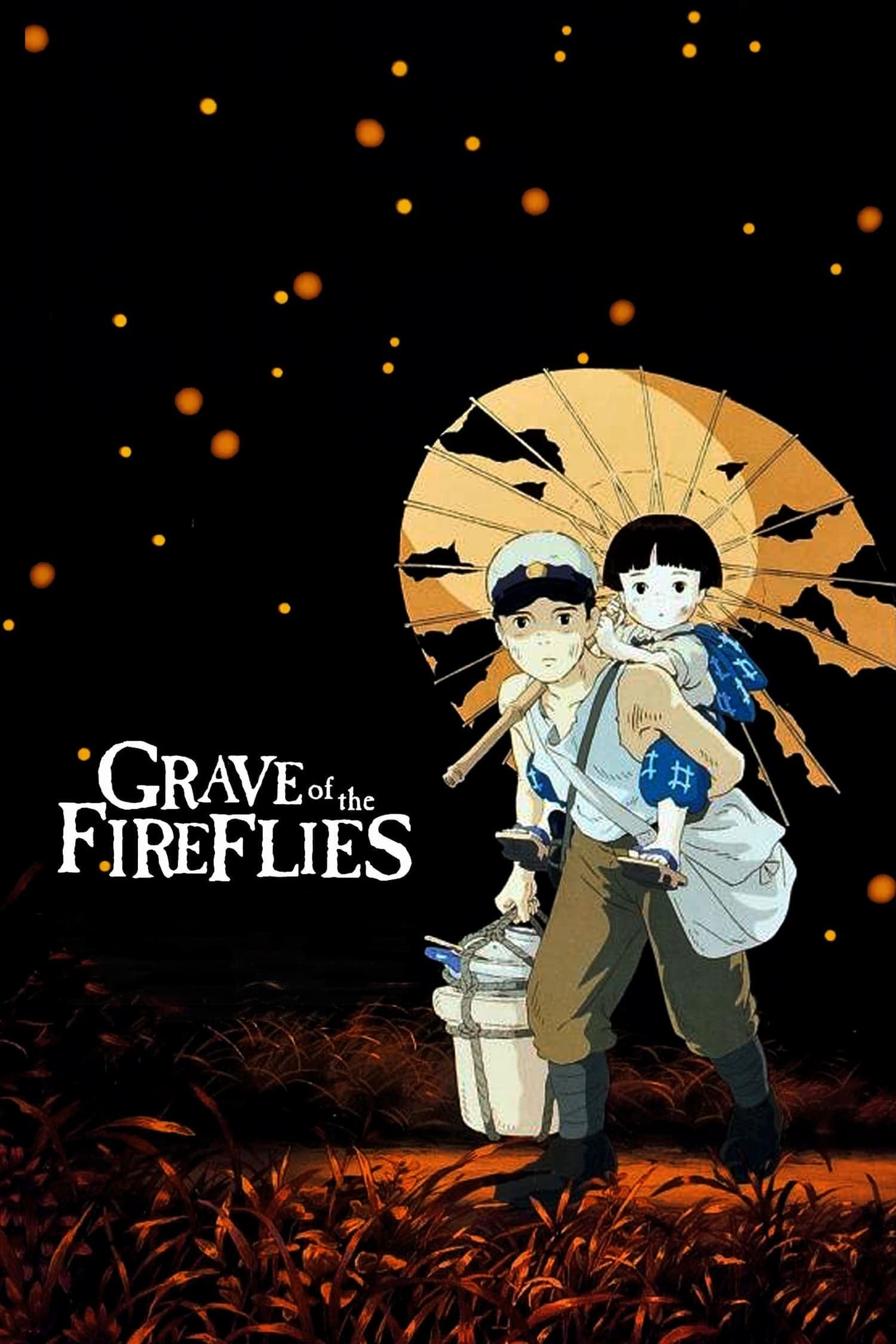
Isao Takahata tells of siblings struggling to survive after their city is destroyed. Hand-drawn detail captures shelters, illness, and hunger with unadorned clarity.
Adapted from Akiyuki Nosaka’s semi-autobiographical story, it pairs lyrical imagery with material scarcity. As a Studio Ghibli release, it demonstrated the capacity of animation for grounded, historical tragedy.
‘Crouching Tiger, Hidden Dragon’ (2000)
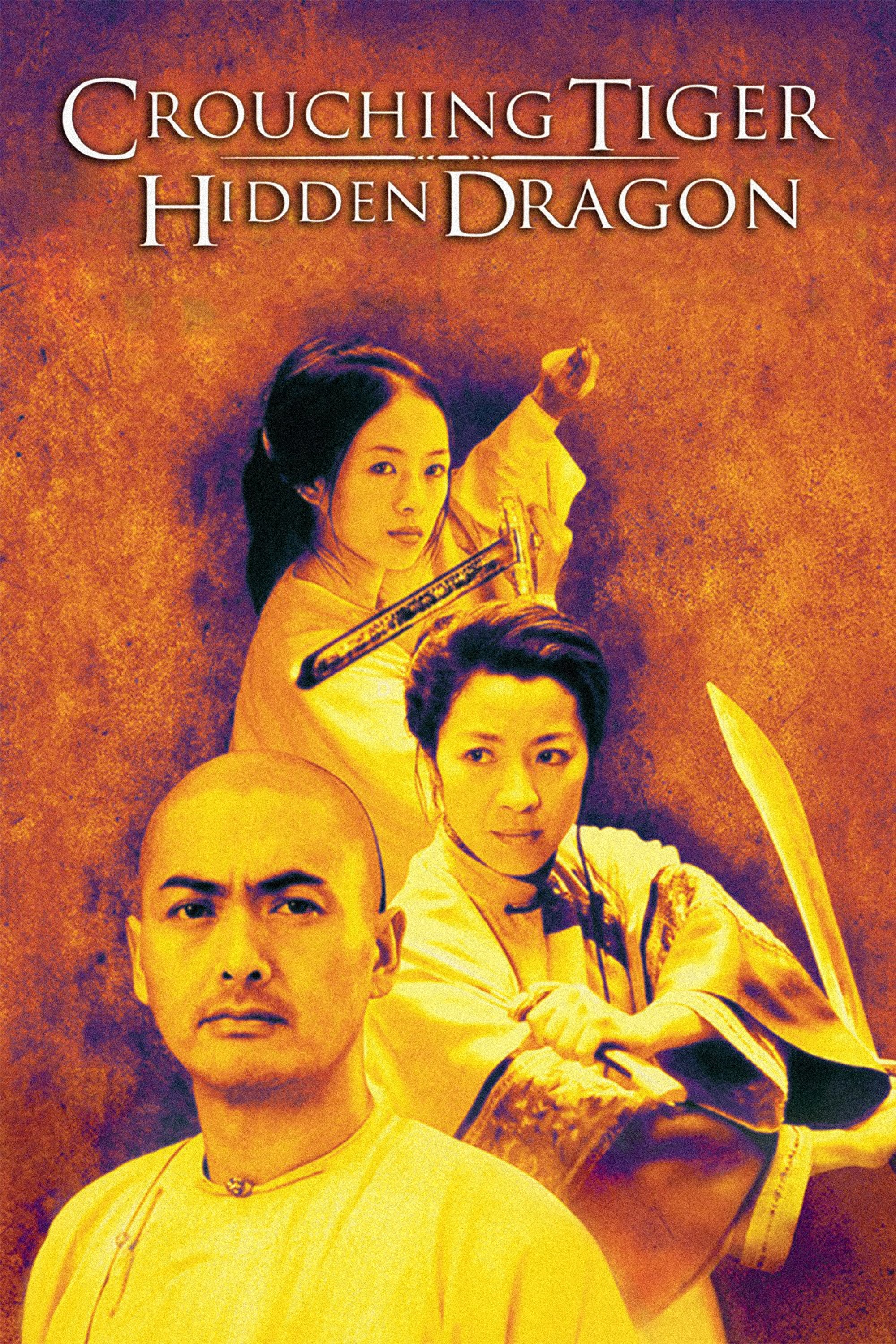
Ang Lee’s wuxia epic follows warriors whose destinies entwine around a legendary sword and a rebellious prodigy. Yuen Wo-ping’s wire work and choreography redefine gravity on bamboo forests and rooftops.
Shot across Asia with an international cast, it brought Mandarin-language cinema to a wide audience. The film earned numerous awards and expanded global appetite for period martial-arts stories with romantic undercurrents.
‘Farewell My Concubine’ (1993)
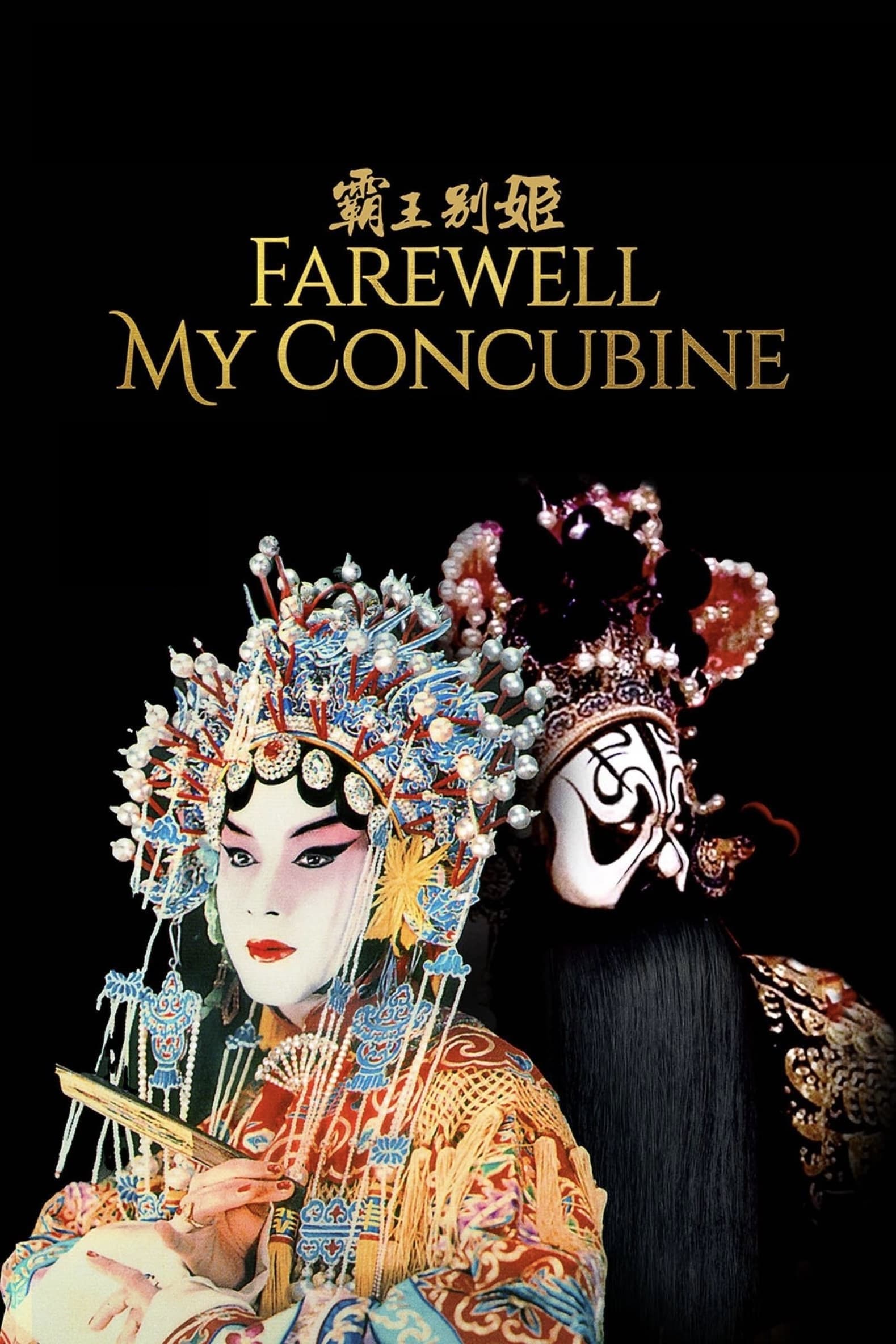
Chen Kaige spans decades through the intertwined lives of two Peking Opera performers and a woman who disrupts their bond. Opera training, stage makeup, and repertoire mirror political and personal upheavals.
Leslie Cheung, Zhang Fengyi, and Gong Li anchor expansive storytelling through rehearsal rooms and grand stages. It won the Palme d’Or and remains a milestone for Chinese-language historical drama.
‘Raise the Red Lantern’ (1991)
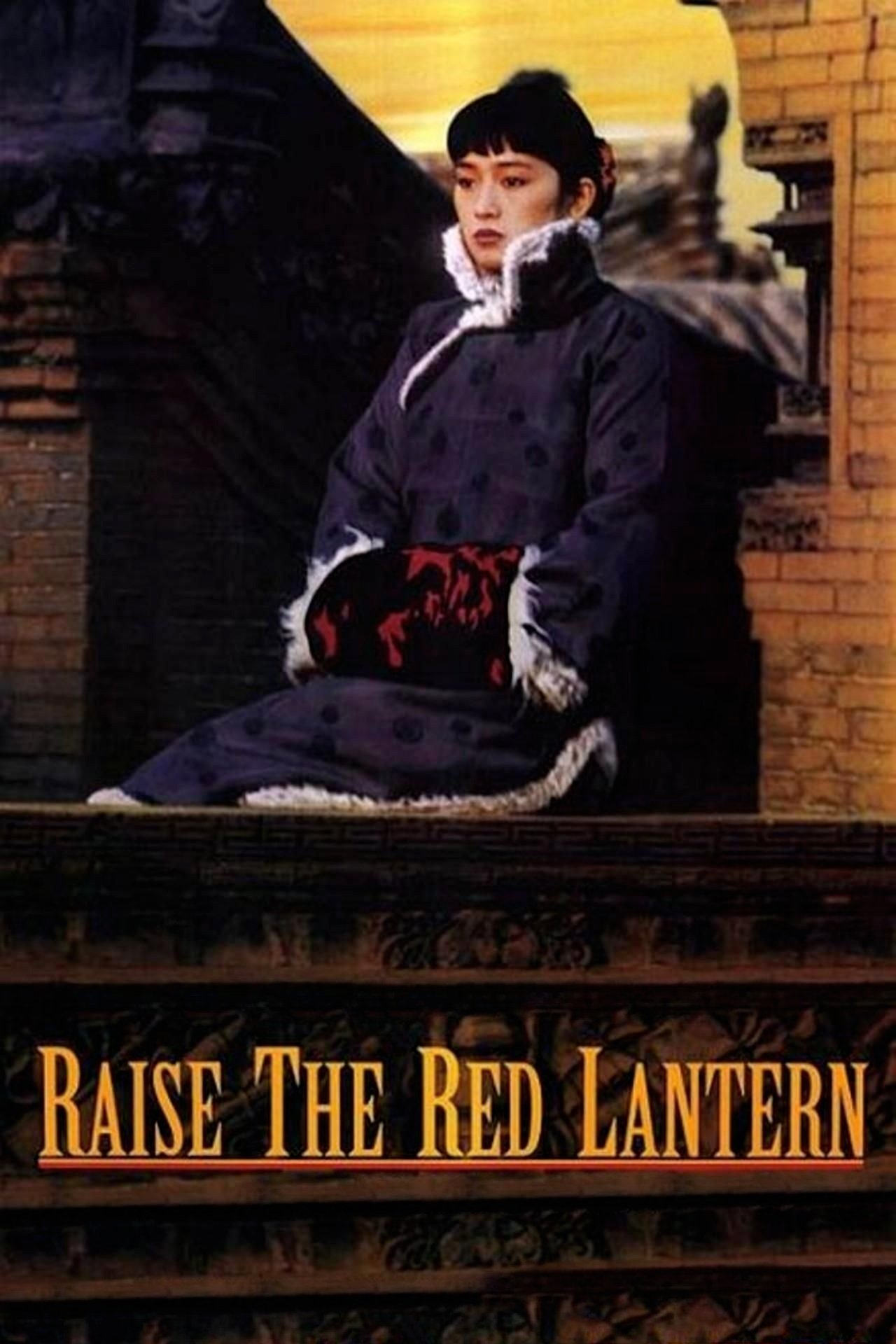
Zhang Yimou examines a young woman entering an aristocratic household where ritualized lanterns signal nightly favor. Color design, courtyard architecture, and ritual objects chart a system of control and rivalry.
Gong Li’s performance and stately compositions highlight repetition as narrative. The film drew international notice for production design and commentary on power within domestic spaces.
‘Yi Yi’ (2000)
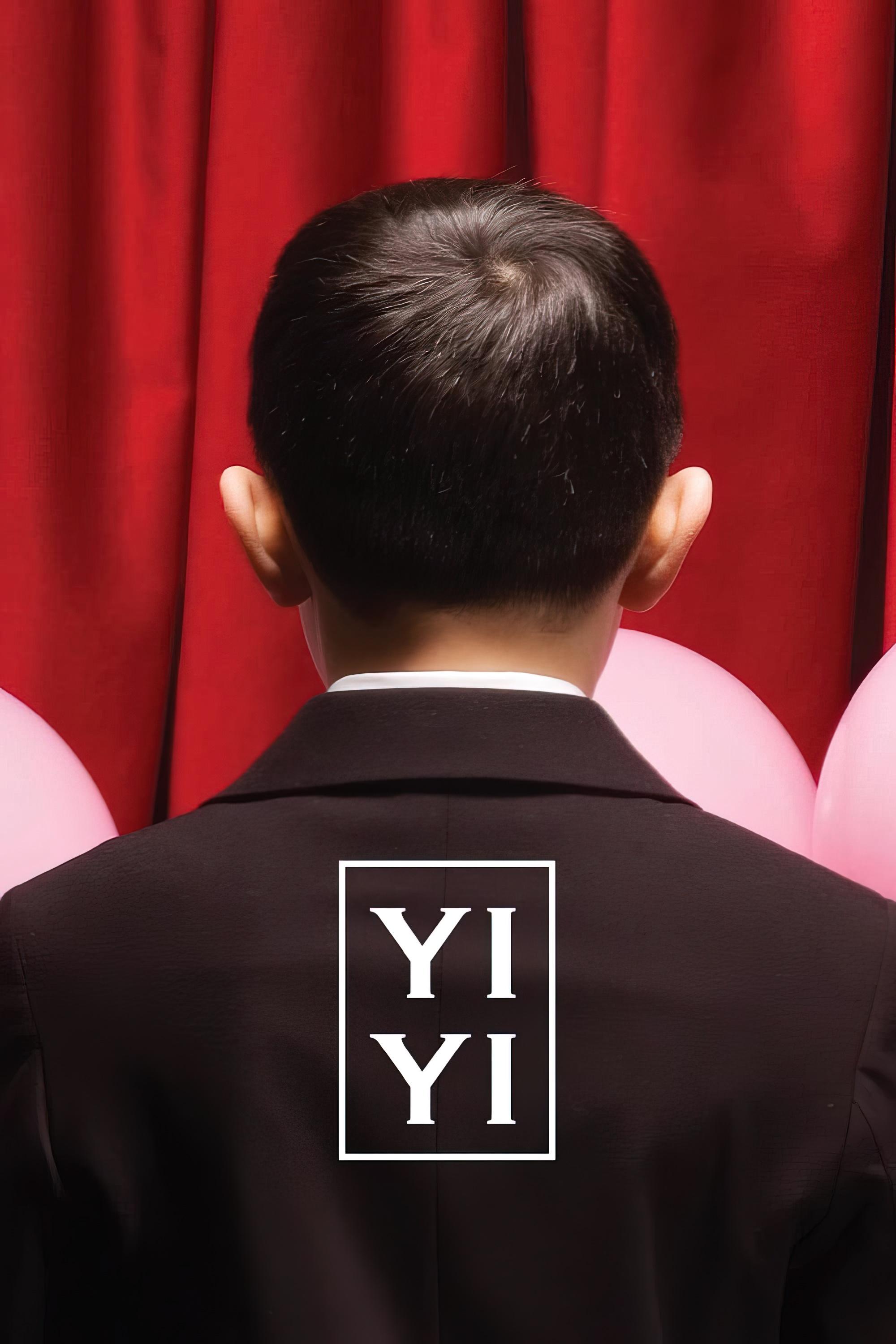
Edward Yang portrays a middle-class Taipei family across work stress, schoolyard dilemmas, and tentative romances. Carefully framed long shots let multiple storylines unfold in the same image.
An ensemble led by Nien-Jen Wu, Kelly Lee, and Jonathan Chang carries humor and melancholy with restraint. The film received global critics’ prizes and is often used in classrooms to illustrate observational storytelling.
‘A Brighter Summer Day’ (1991)
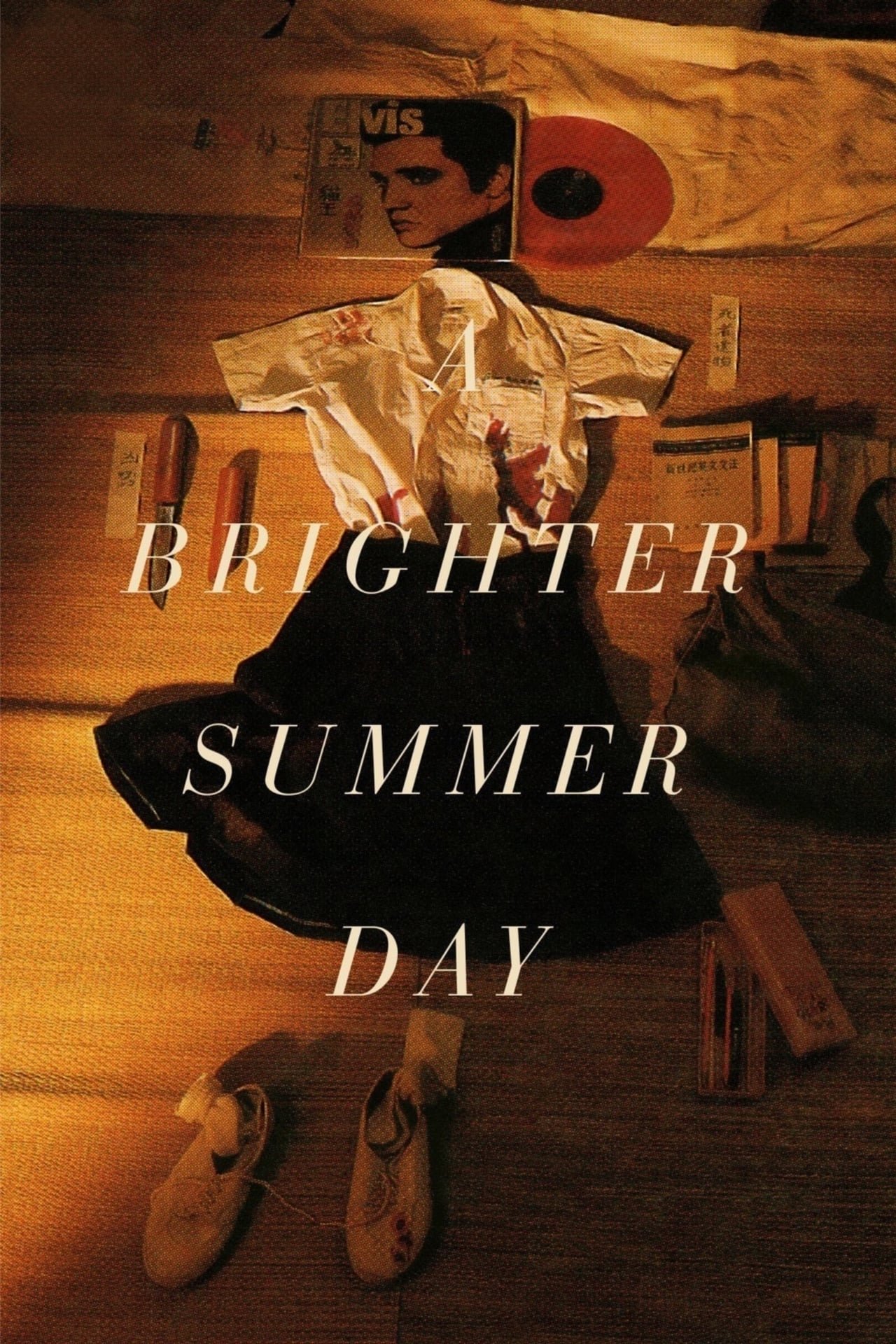
Edward Yang reconstructs a youth gang killing and its social roots amid migration, language shifts, and school rivalries. The extended runtime allows dozens of characters to breathe in classrooms, alleys, and music clubs.
Meteorology, electricity blackouts, and American pop culture become narrative textures. Restorations have made its intricate compositions more widely visible, solidifying its reputation as a cornerstone of Taiwanese cinema.
‘Infernal Affairs’ (2002)
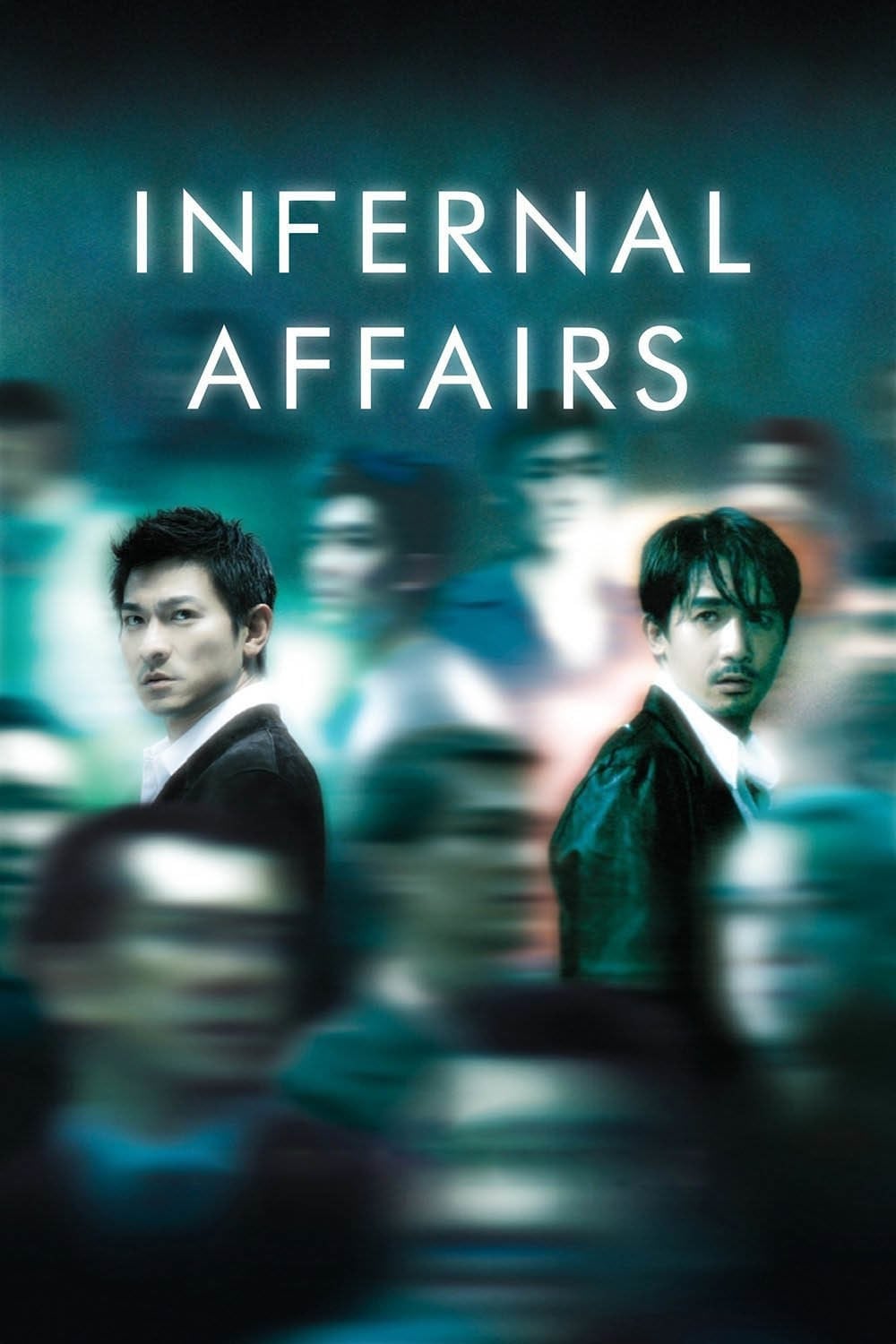
Andrew Lau and Alan Mak craft a double-mole thriller about an undercover cop in a triad and a triad plant in the police. Cross-cutting, mirrored scenes, and recurring ringtones keep identities in delicate balance.
Tony Leung Chiu-wai and Andy Lau headline a cast that navigates loyalty and performance. The film spawned sequels and inspired the English-language remake ‘The Departed’, which transported the premise to another city.
‘A Prophet’ (2009)
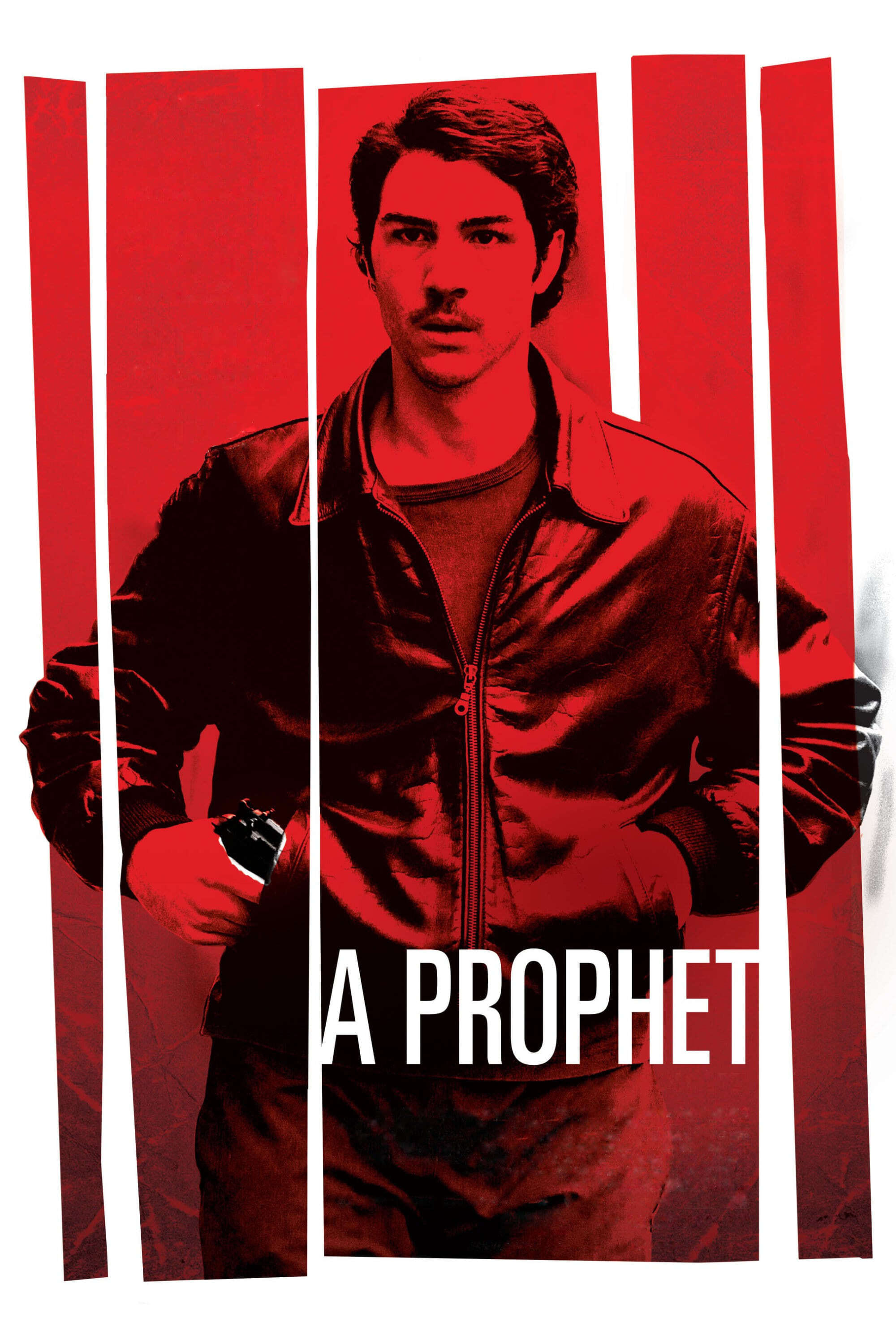
Jacques Audiard follows a young inmate who rises within a prison’s competing factions while learning new languages and alliances. Tahar Rahim’s breakthrough performance and immersive soundscapes detail rituals of survival.
Visions, symbolic encounters, and transactional mentorships complicate a straightforward rise narrative. The film swept major European awards and is frequently cited for its granular depiction of institutional ecosystems.
‘The Secret in Their Eyes’ (2009)
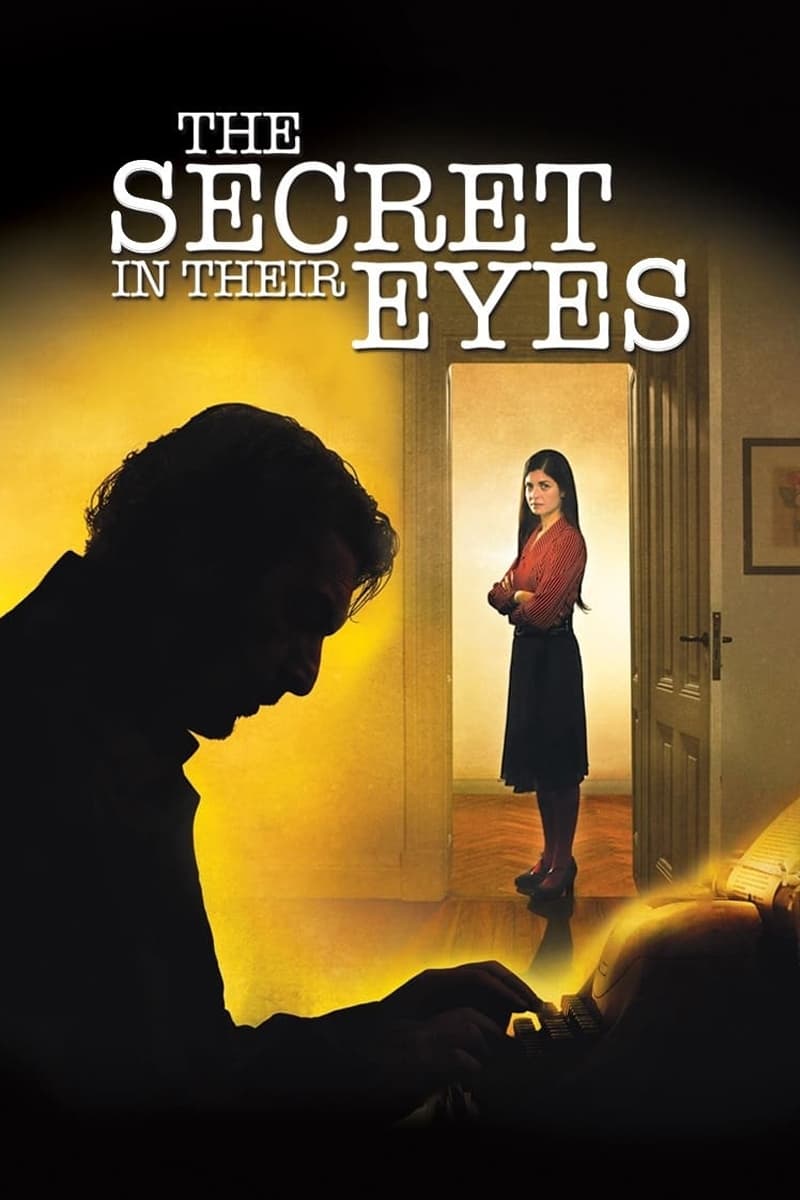
Juan José Campanella interlaces a murder investigation with an unresolved love story across judicial offices and stadiums. A celebrated shot appears to glide from aerial view into a packed arena before joining a chase at ground level.
Ricardo Darín, Soledad Villamil, and Guillermo Francella anchor shifting timelines without heavy exposition. The film won the Academy Award for Best Foreign Language Film and later inspired an English-language reinterpretation.
‘The Handmaiden’ (2016)
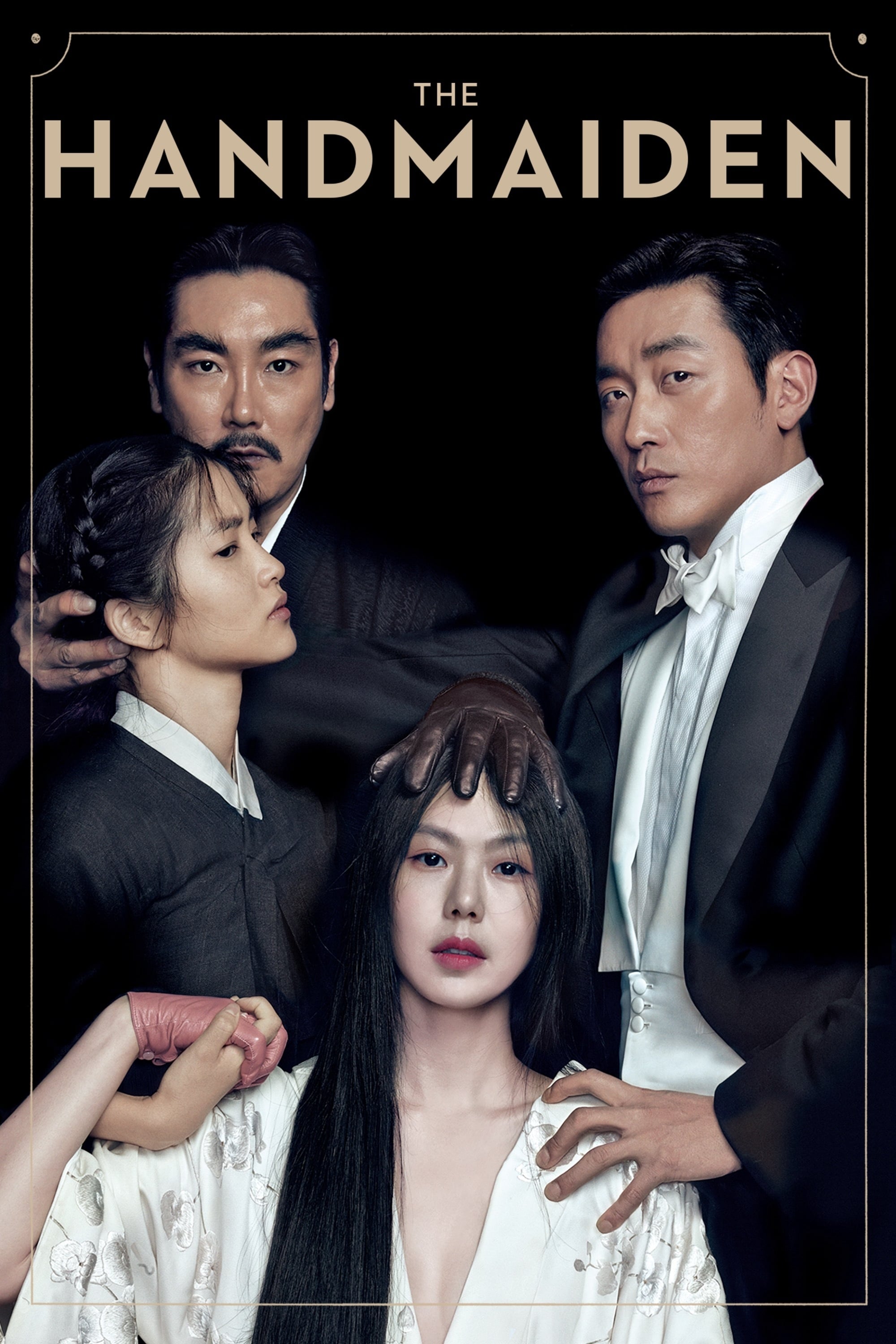
Park Chan-wook relocates Sarah Waters’s ‘Fingersmith’ to colonial-era Korea and Japan, structuring the story in three parts. Set decoration, calligraphy, and costumes reveal class, deception, and desire.
Kim Min-hee, Kim Tae-ri, and Ha Jung-woo lead a plot of forged identities and competing schemes. The film’s editing reconfigures earlier scenes from new vantage points, encouraging forensic rewatching.
‘Your Name.’ (2016)
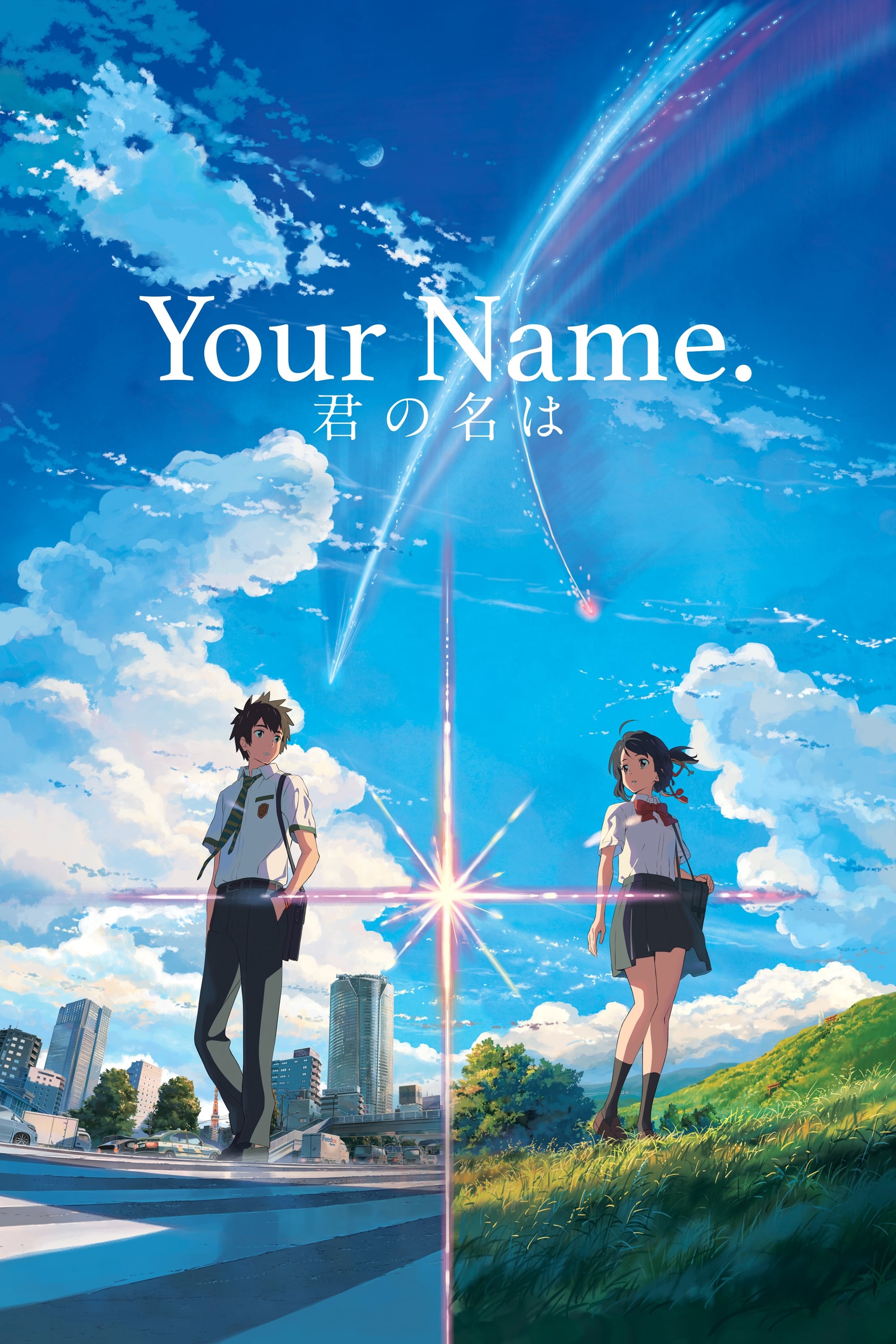
Makoto Shinkai tells of two teenagers who begin swapping bodies and communicating across distance. Hyper-detailed cityscapes, rural vistas, and sky studies are animated with precision, accompanied by songs from Radwimps.
Temporal twists fold into a contemporary romance that leans on memory and meteorology. It became a global phenomenon for Japanese animation and spurred renewed interest in location pilgrimages to featured sites.
‘Shoplifters’ (2018)
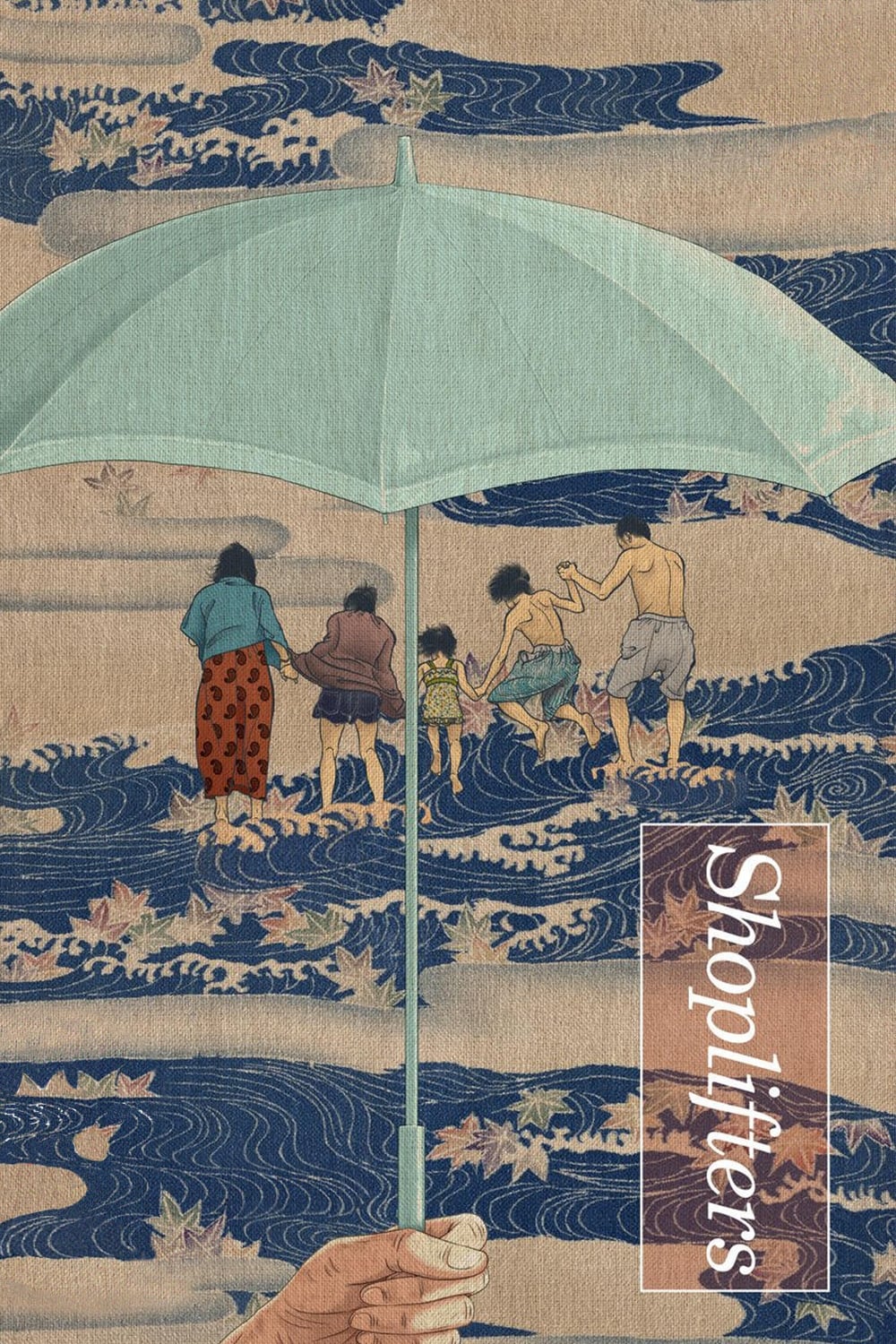
Hirokazu Kore-eda observes a makeshift family whose petty thefts coexist with affection and shared hardship. Naturalistic performances and cramped interiors underline economic realities while avoiding sensationalism.
A pivotal discovery forces the group to confront legal and moral definitions of kinship. The film won the Palme d’Or and continued Kore-eda’s long engagement with everyday ethics.
‘Roma’ (2018)
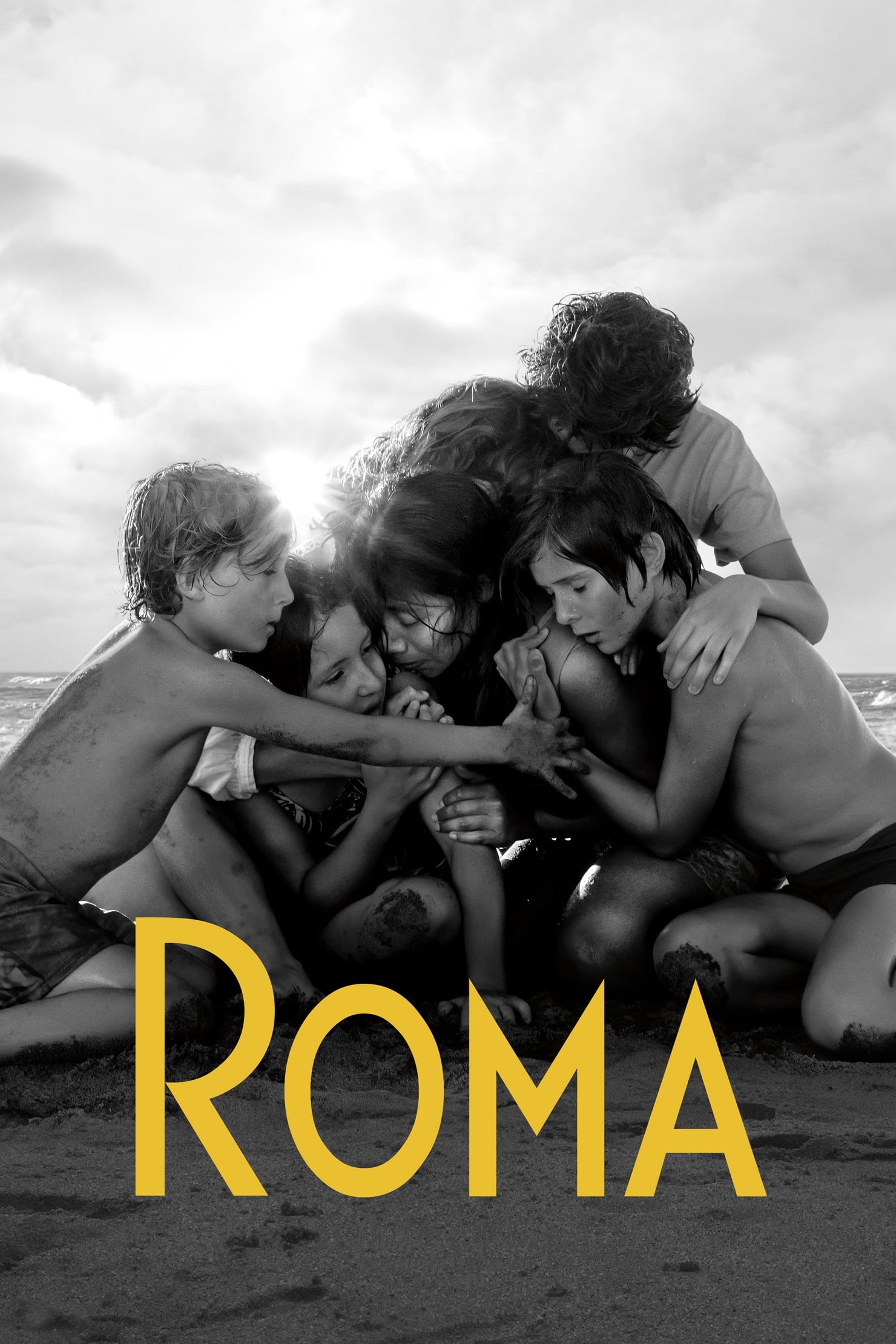
Alfonso Cuarón centers on Cleo, a domestic worker in Mexico City, balancing personal upheaval with the family she serves. Monochrome digital photography and long takes track daily rituals, protests, and natural forces.
Dialogue blends Spanish and Mixtec, while carefully reconstructed locations evoke a specific neighborhood. Released globally through a streaming platform, it reignited debates about theatrical windows and festival eligibility.
‘Portrait of a Lady on Fire’ (2019)
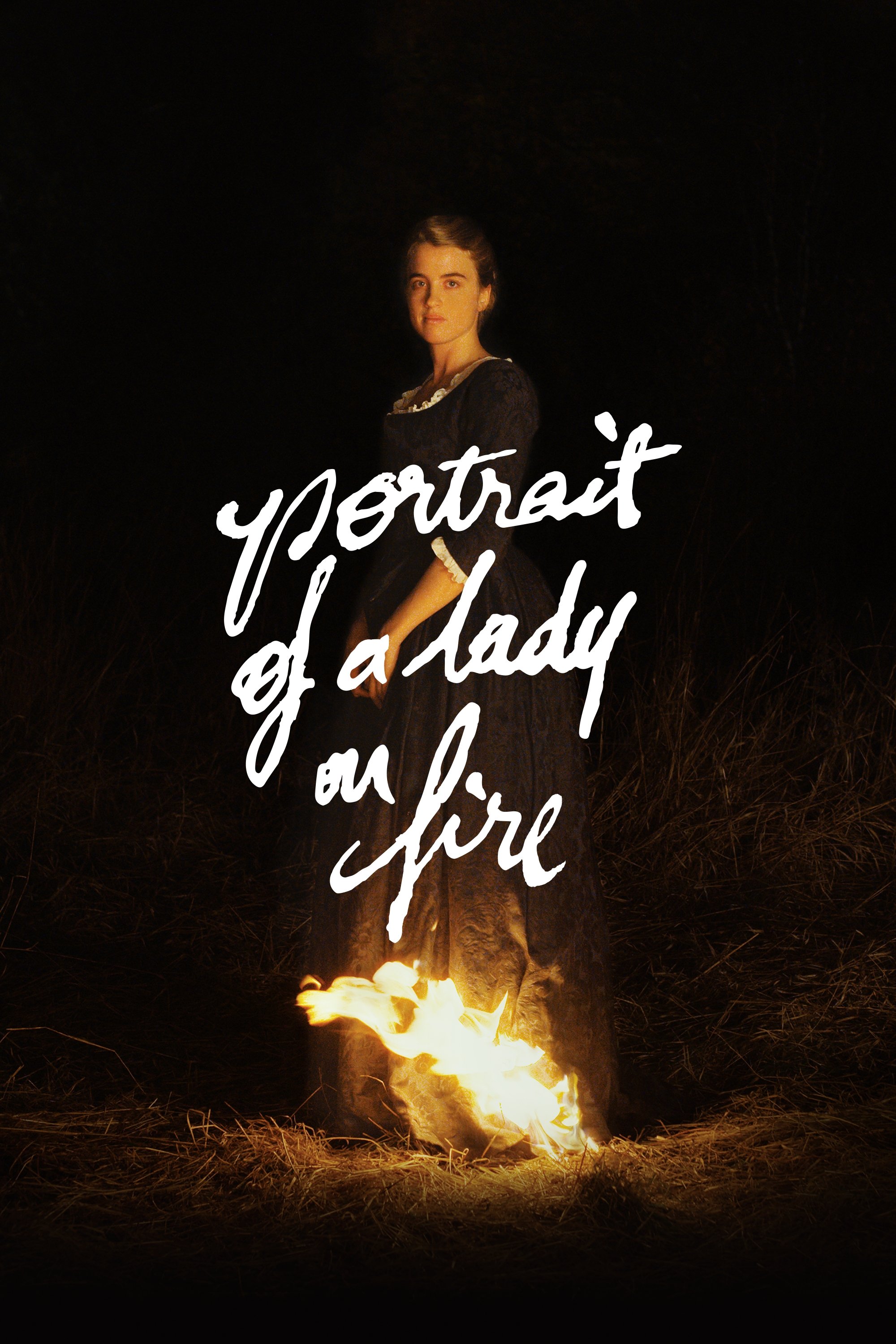
Céline Sciamma follows a painter commissioned to create a secret portrait of a reluctant subject on a remote coast. Painterly blocking, flame motifs, and the absence of men for most scenes create a focused environment.
No non-diegetic music is heard until a key moment, sharpening the impact of sound. Adèle Haenel and Noémie Merlant’s performances prioritize gaze and gesture, aligning form with story.
‘Burning’ (2018)

Lee Chang-dong adapts Haruki Murakami’s ‘Barn Burning’, tracing a triangle among a drifting young man, a traveler, and a wealthy acquaintance. Ambiguous clues, greenhouses, and a cat that may or may not exist generate haunting uncertainty.
Yoo Ah-in, Steven Yeun, and Jeon Jong-seo craft shifting power dynamics. The film’s open questions spurred extensive critical analysis on class, desire, and unreliable perception.
‘The Great Beauty’ (2013)
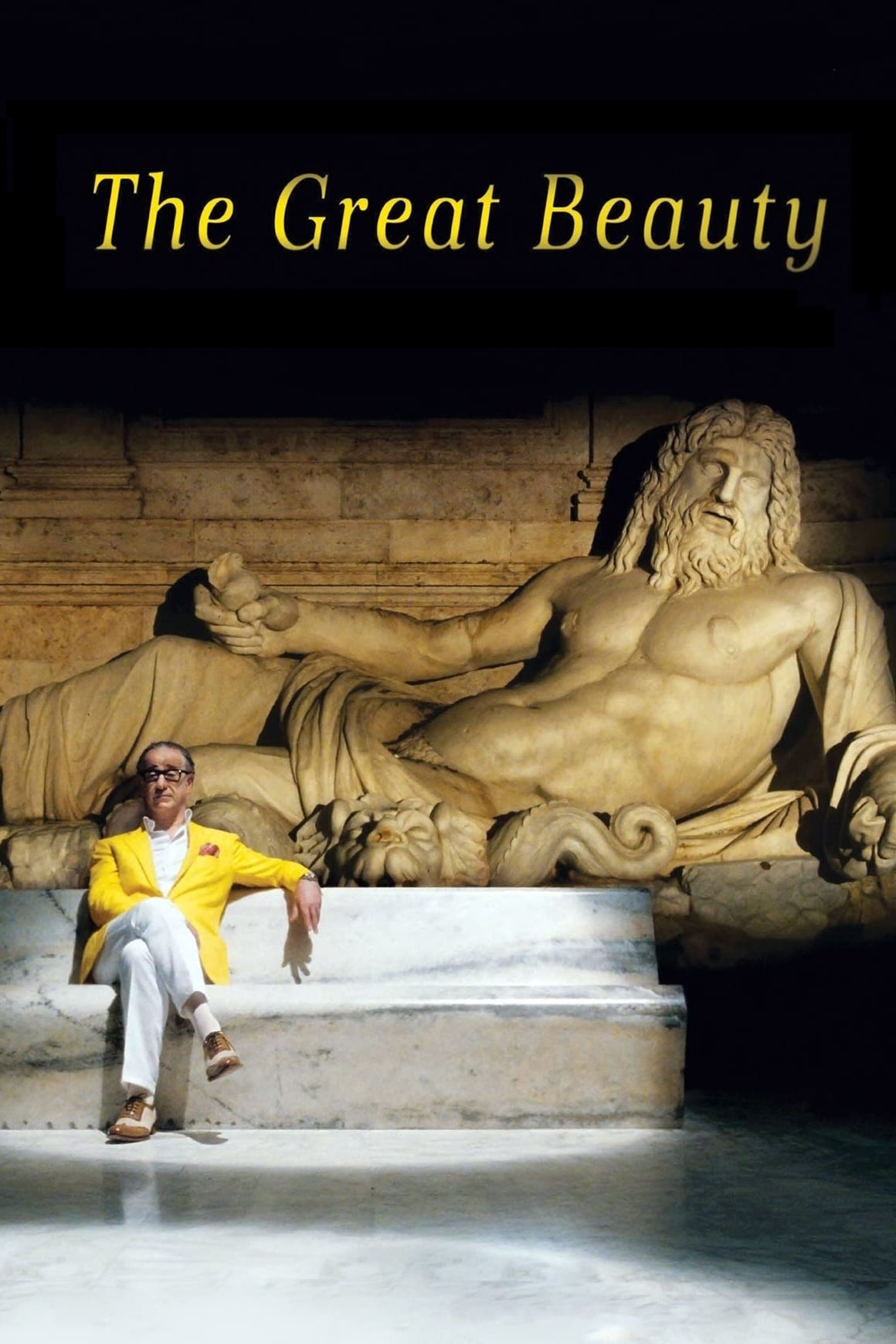
Paolo Sorrentino trails a journalist moving through Rome’s nightlife and art circles while reflecting on past choices. Long tracking shots, architectural tableaux, and choral music construct a baroque portrait of a city and a state of mind.
Toni Servillo’s performance anchors a carousel of parties, performance art, and private rituals. The film won the Academy Award for Best Foreign Language Film and renewed comparisons to earlier Italian classics.
‘Amores Perros’ (2000)

Alejandro González Iñárritu interweaves three stories linked by a car crash and the presence of dogs. Rodrigo Prieto’s handheld cinematography and abrasive soundscapes bring urgency to apartments, fashion sets, and criminal hideouts.
The film marked a major debut for Mexican cinema on the world stage. Its triptych structure informed later multi-strand narratives by the same director and others.
‘Y Tu Mamá También’ (2001)

Alfonso Cuarón charts a road trip taken by two friends and an older woman, narrated by an omniscient voice that adds social context. Natural light, improvised-feeling dialogue, and documentary glances at roadside life create immediacy.
Gael García Bernal, Diego Luna, and Maribel Verdú navigate class, desire, and friendship in motion. The film’s candid treatment of sexuality and politics broadened international attention to contemporary Mexican cinema.
‘All About My Mother’ (1999)
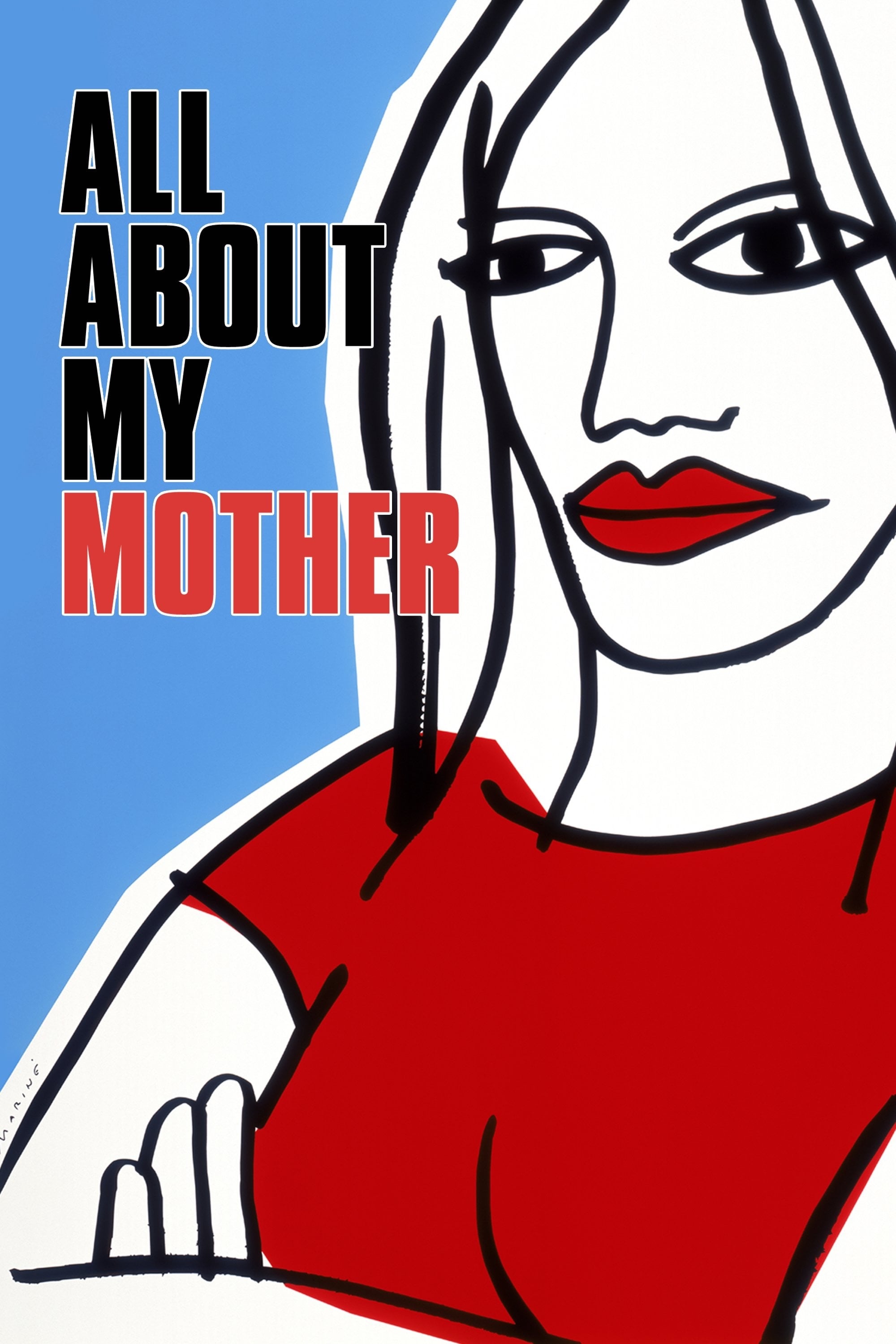
Pedro Almodóvar follows a nurse who seeks out people connected to her late son, including actors, friends, and former lovers. Theater references and bright color palettes situate grief within communities of care.
Carmen Maura, Marisa Paredes, and Penélope Cruz form an ensemble with interlocking stories. The film won the Academy Award for Best Foreign Language Film and deepened Almodóvar’s reputation for compassionate melodrama.
‘Talk to Her’ (2002)
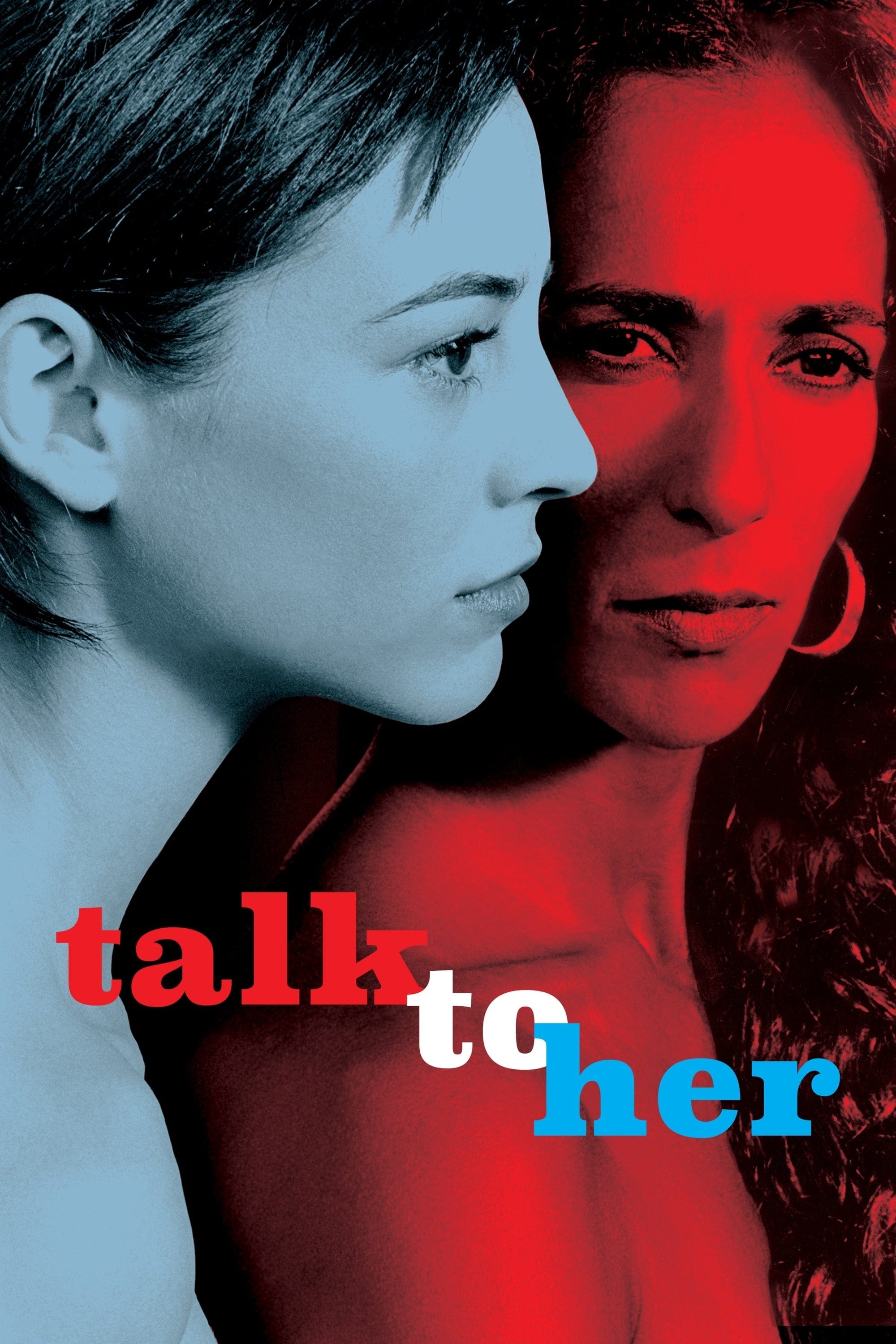
Almodóvar explores two men whose lives intersect around women in comas, blending dance, silent-film pastiche, and intimate monologues. Narrative reveals are timed through letters, performances, and medical routines.
The film’s structure invites ethical reflection without didactic framing. It received major awards for screenplay and direction and is often discussed in bioethics and film seminars.
‘The Spirit of the Beehive’ (1973)
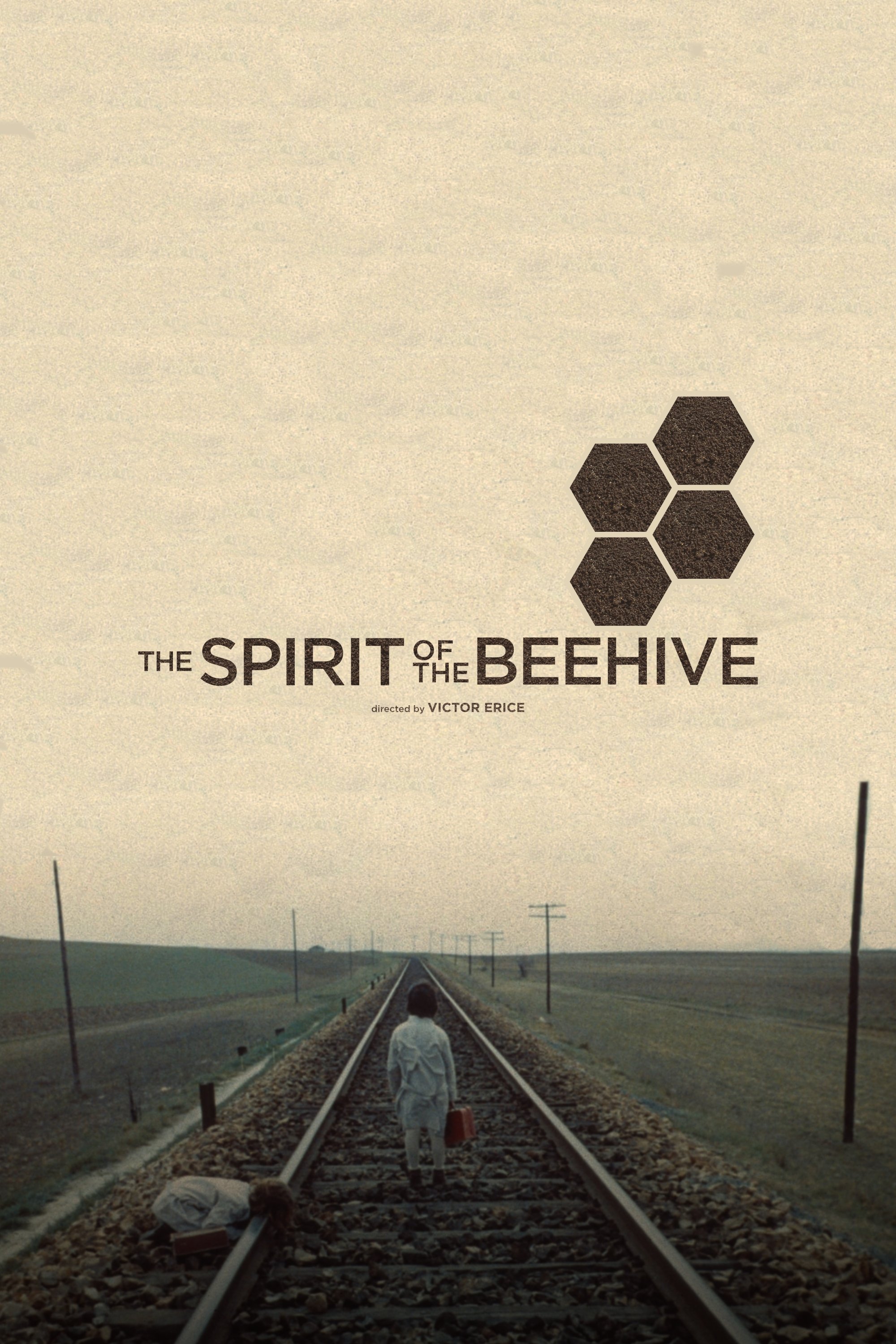
Víctor Erice portrays a child in rural Castile whose encounter with a screening of ‘Frankenstein’ sparks a quest for understanding. Honeycomb motifs and empty meseta landscapes create an atmosphere of curiosity and silence.
Minimal dialogue and natural light focus attention on gesture and environment. The film is a cornerstone of Spanish cinema and a touchstone for depictions of childhood interiority.
‘M’ (1931)

Fritz Lang charts a citywide manhunt for a child killer, showing both police dragnets and criminal underworlds. Early sound design uses off-screen whistles and voice echoes as investigative tools.
Peter Lorre’s performance and shadowy street compositions bridge silent-era expressionism and sound cinema. The film remains central to studies of surveillance, media panic, and communal justice.
‘Metropolis’ (1927)
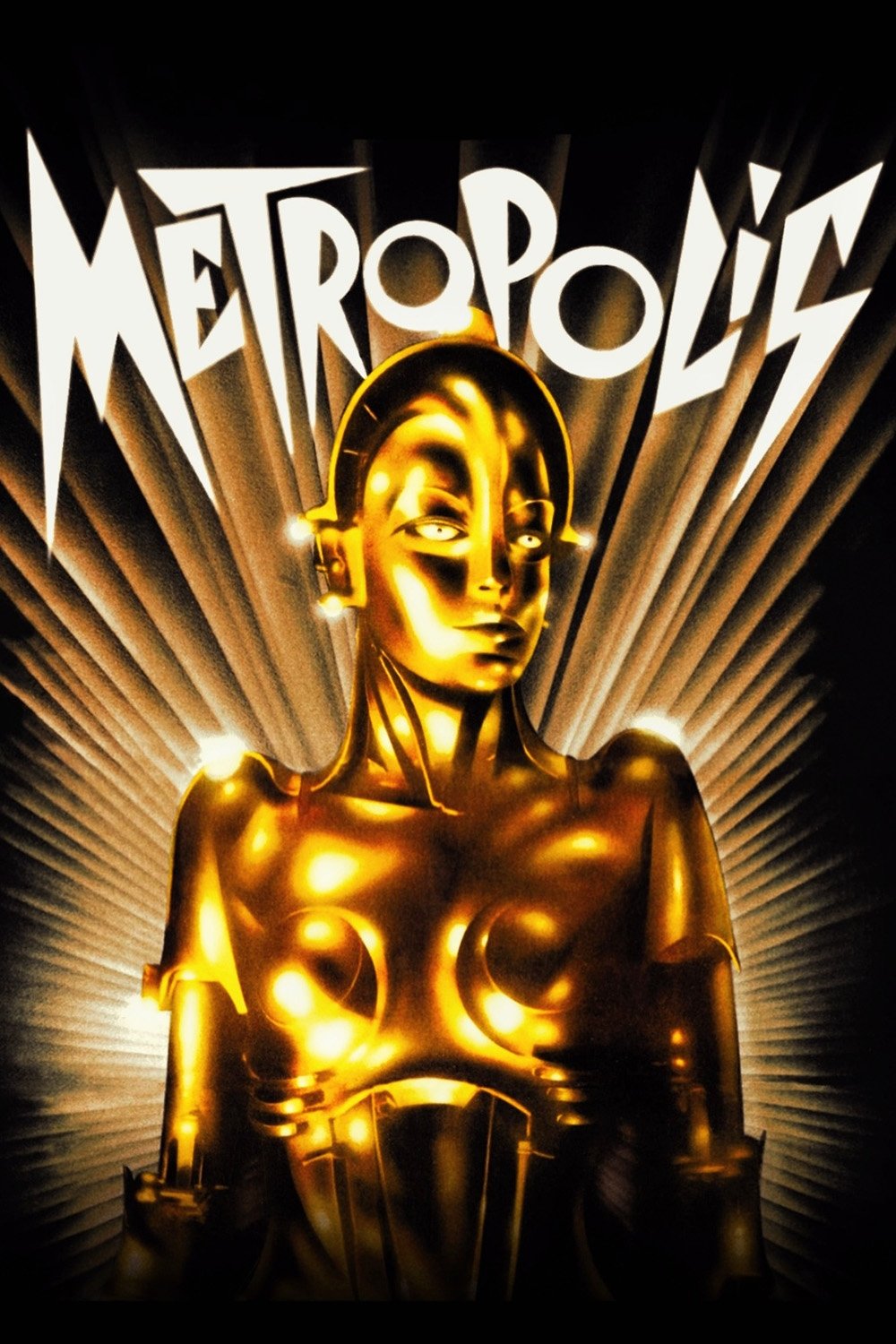
Fritz Lang imagines a future city split between elites and workers, centered on a mediator who must unite them. Miniatures, matte shots, and the Schüfftan process generated landmark special effects.
Restorations restored lost sequences and tinted passages, clarifying character motivations and class allegory. Its robot double and cityscape influenced science-fiction design in film, comics, and architecture.
‘Andrei Rublev’ (1966)
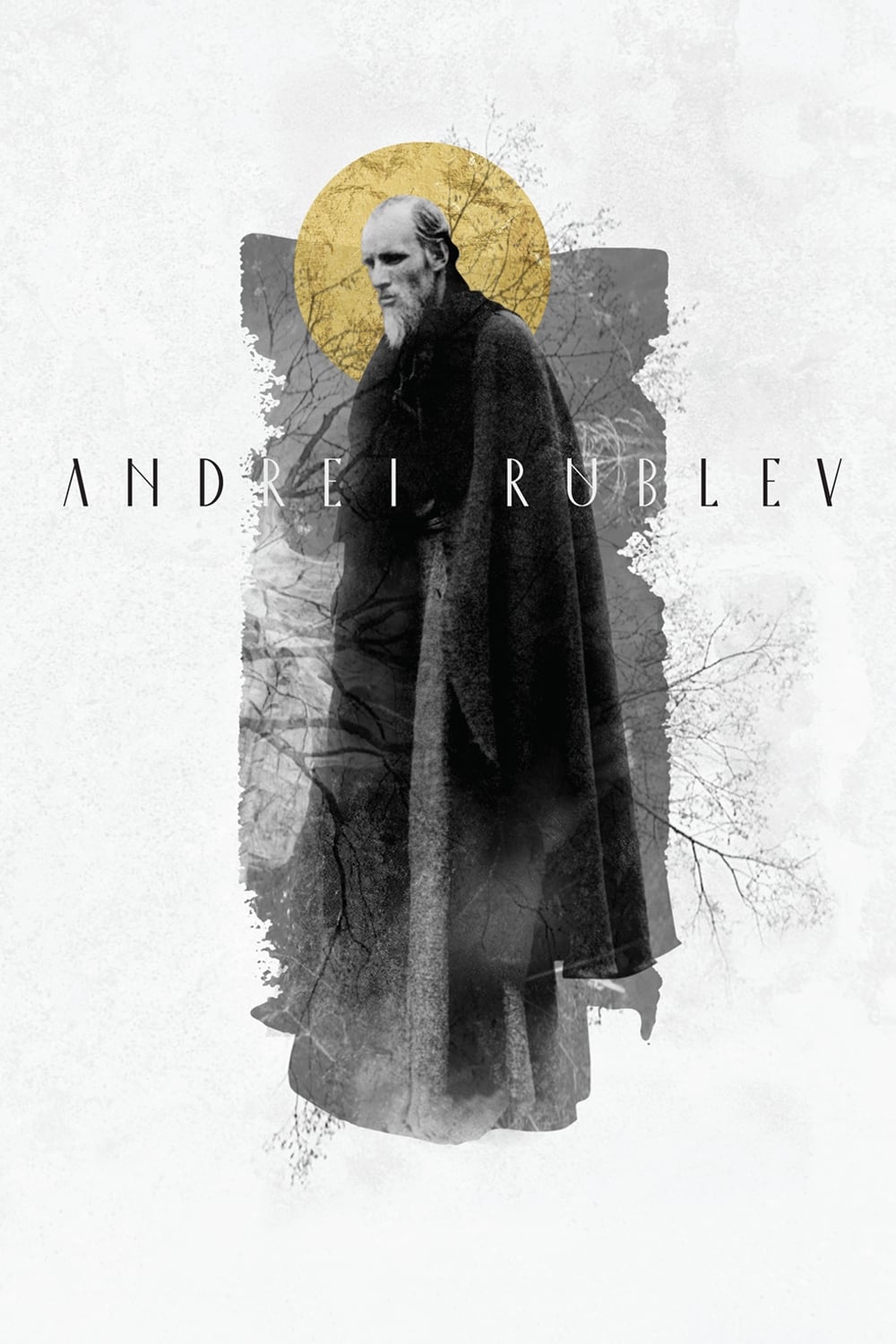
Andrei Tarkovsky presents episodes from the life of a medieval icon painter amid war, famine, and spiritual crisis. Extended sequences of silence, processions, and craft making turn artistic labor into drama.
A prologue in flight and an epilogue in color icons bracket the black-and-white main body. Censorship and limited circulation gave the film a complex release history before broader recognition.
‘The Wages of Fear’ (1953)
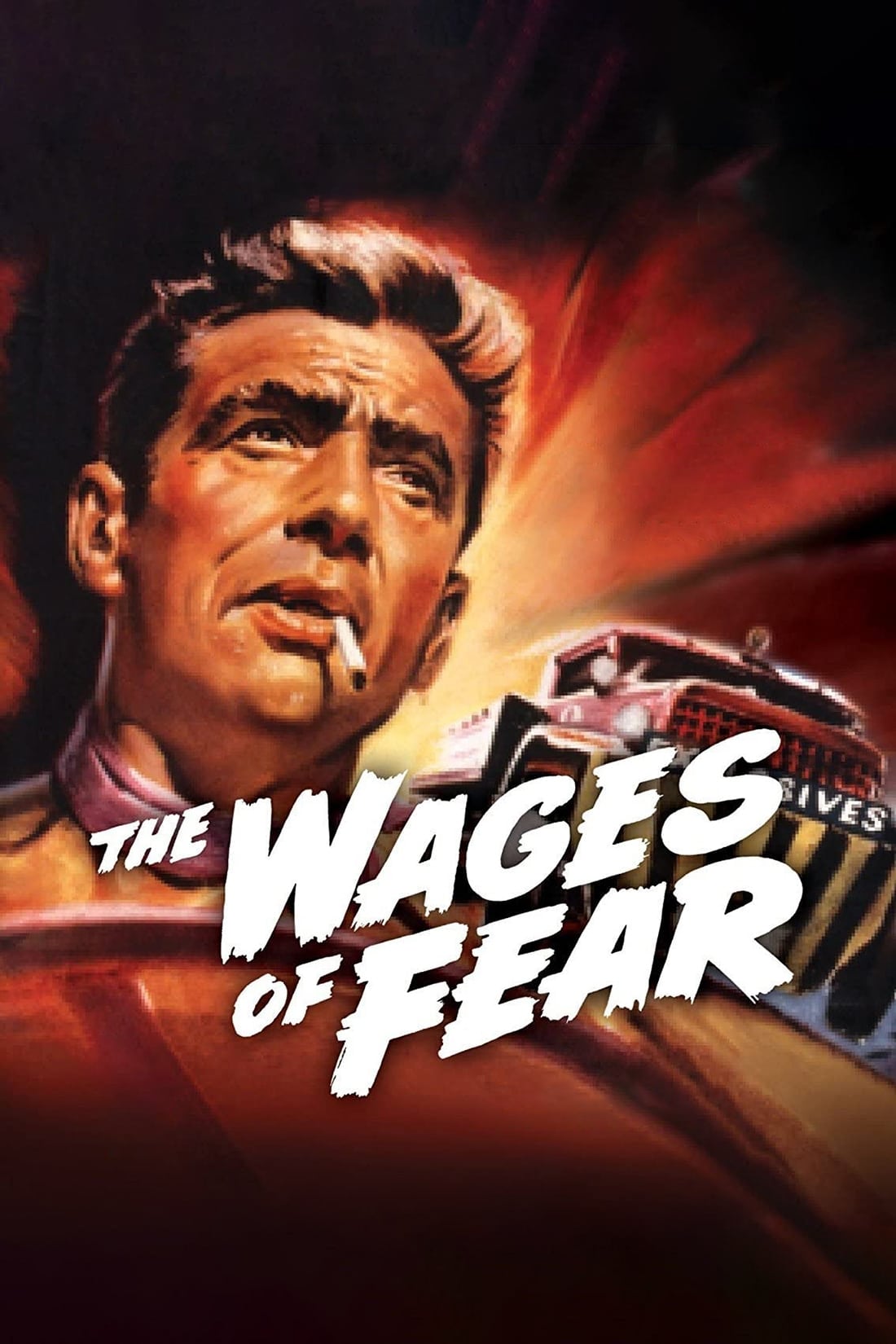
Henri-Georges Clouzot follows drivers transporting nitroglycerin over treacherous roads for an oil company. Mechanical breakdowns, mud, and narrow passes become set-piece challenges staged with nerve-shredding precision.
A multinational cast underscores the story’s frontier economics and moral compromises. The film won top festival prizes and inspired the English-language remake ‘Sorcerer’, which reimagined its hazardous journey.
Share your favorites and the titles you think belong here in the comments!