


The Best Space Movies of All Time

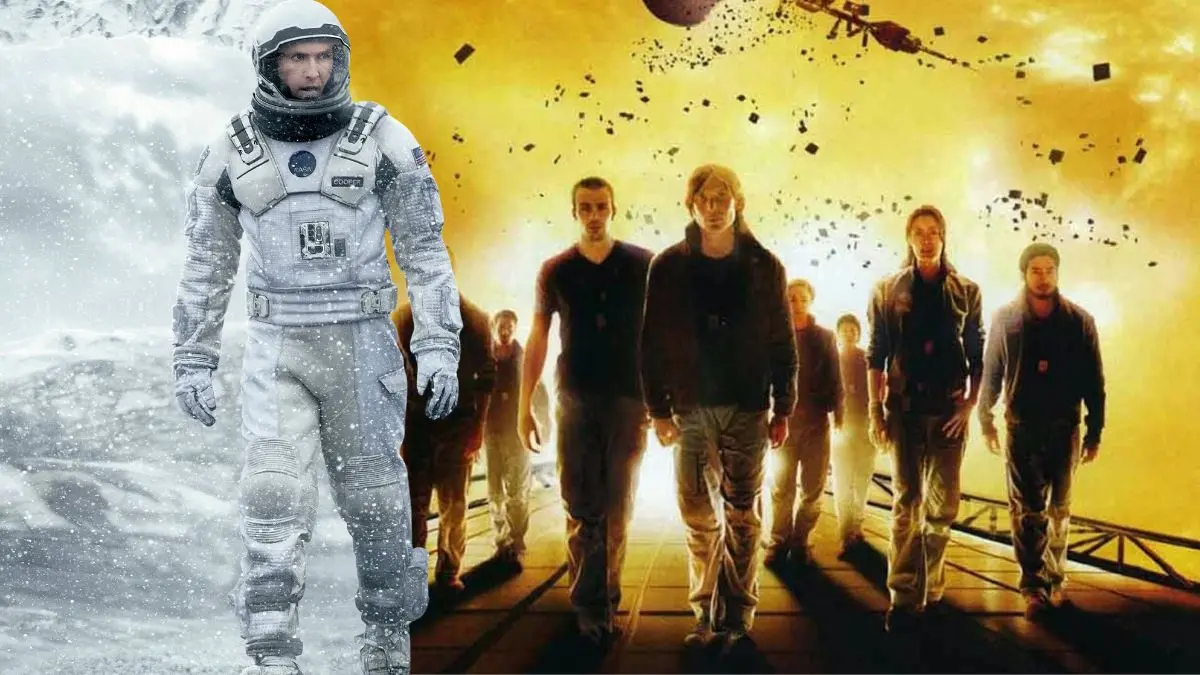


Space stories have given filmmakers a canvas for meticulous realism, bold imagination, and groundbreaking craft. These films span suspenseful survival tales, first-contact dramas, meticulous mission recreations, and operatic adventures that pushed sound, visual effects, and production design forward. From intimate character studies to epic sagas, they capture the silence, danger, and wonder beyond Earth. Here are essential picks that shaped how audiences picture life among the stars.
‘2001: A Space Odyssey’ (1968)
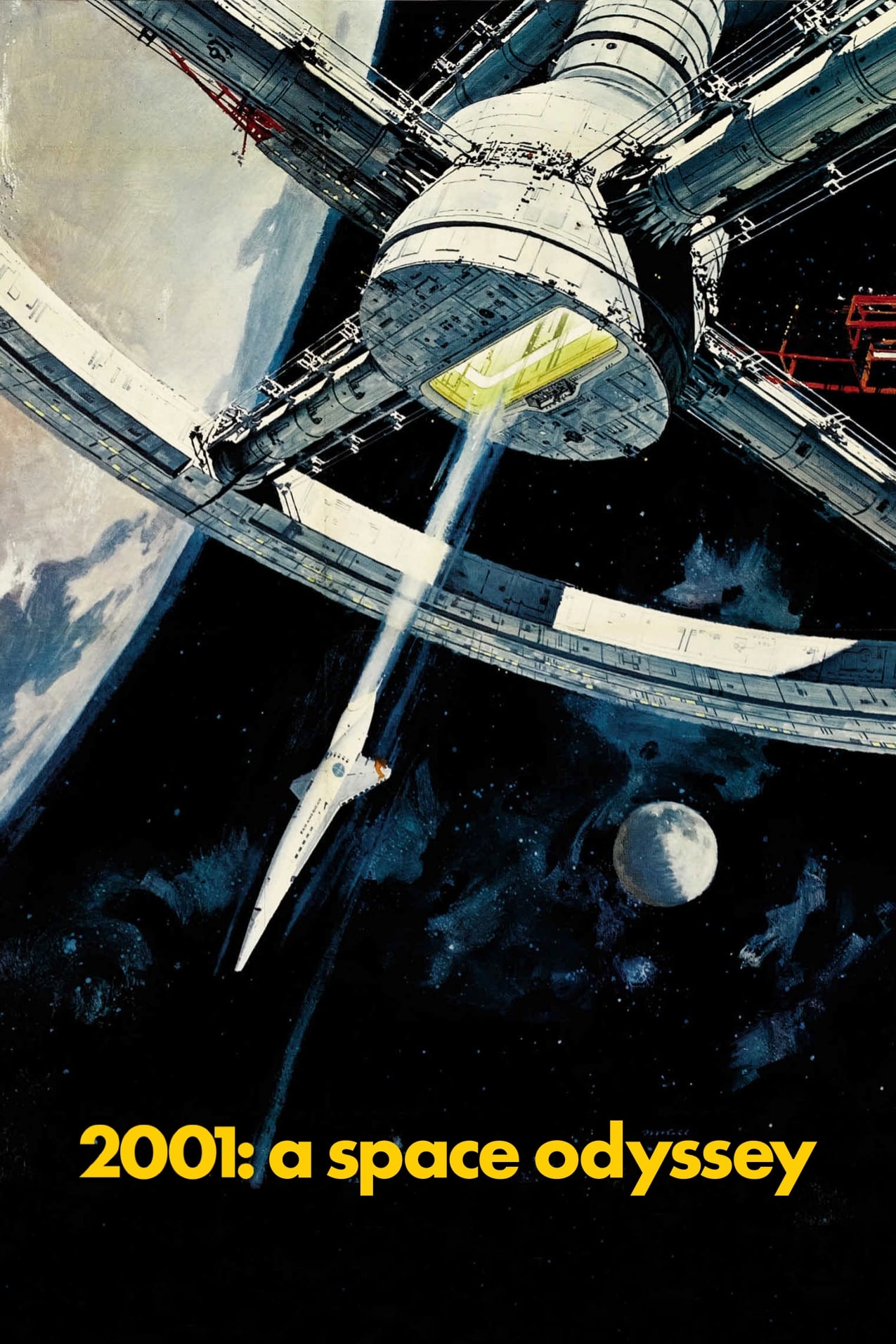
Stanley Kubrick and Arthur C. Clarke built a landmark that fused speculative science with meticulous visual effects pioneered through slit-scan photography and large-scale models. The film tracks an enigmatic artifact, a deep space voyage aboard the Discovery One, and the malfunction of the HAL 9000 computer. Douglas Trumbull’s effects work and Geoffrey Unsworth’s cinematography defined a new standard for cinematic spaceflight. Classical music cues and minimal dialogue emphasize a hypnotic, procedural approach to exploration.
‘Alien’ (1979)
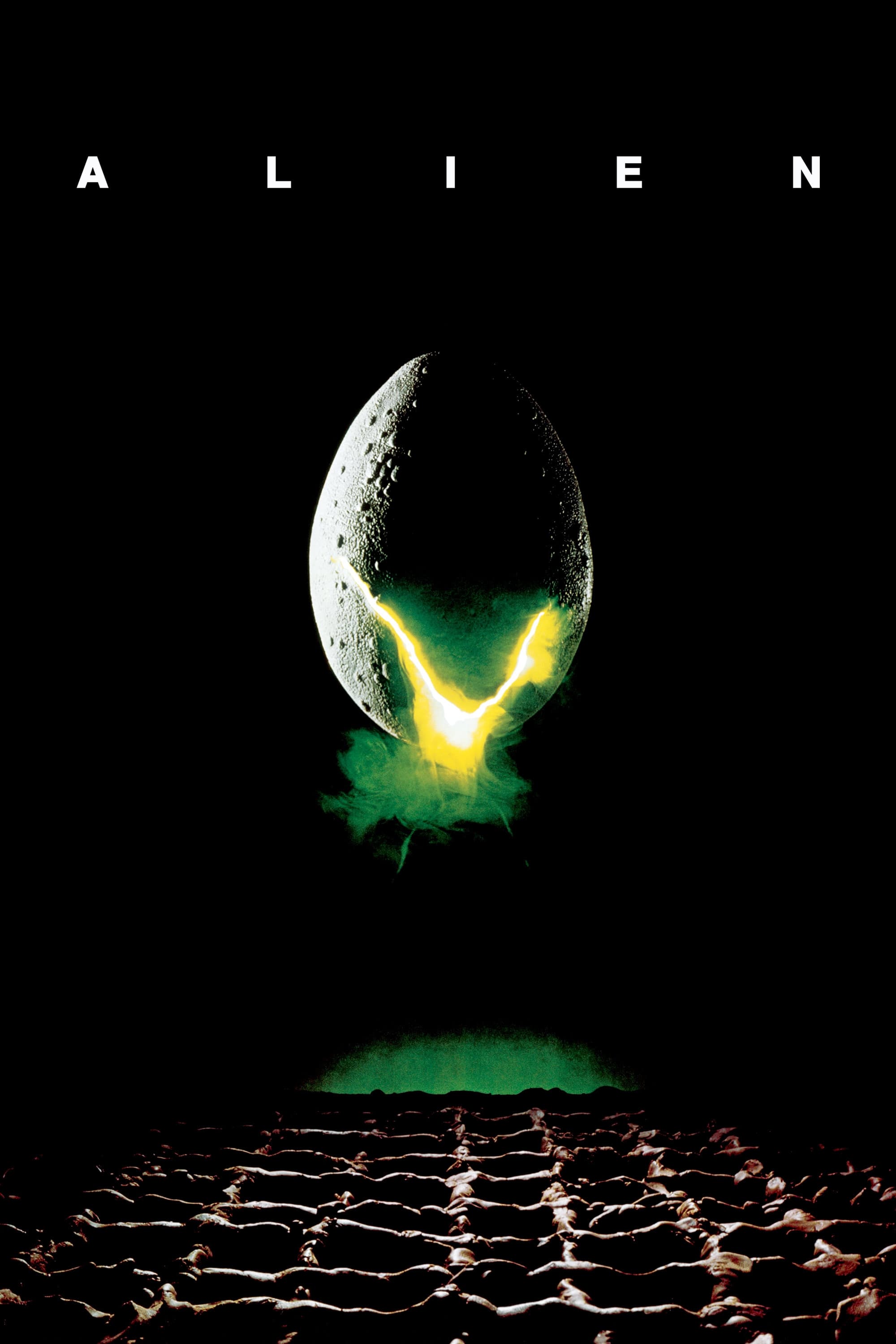
Ridley Scott’s claustrophobic thriller follows the commercial starship Nostromo after it diverts to investigate a mysterious transmission. H. R. Giger’s biomechanical design shaped the xenomorph and the derelict craft, creating an industrial nightmare aboard tight corridors and air shafts. Sigourney Weaver’s Ellen Ripley emerges through shipwide protocols, crew hierarchy, and survival-focused decision making. Miniatures, practical creature effects, and controlled sound design intensify each motion tracker ping and airlock cycle.
‘The Empire Strikes Back’ (1980)
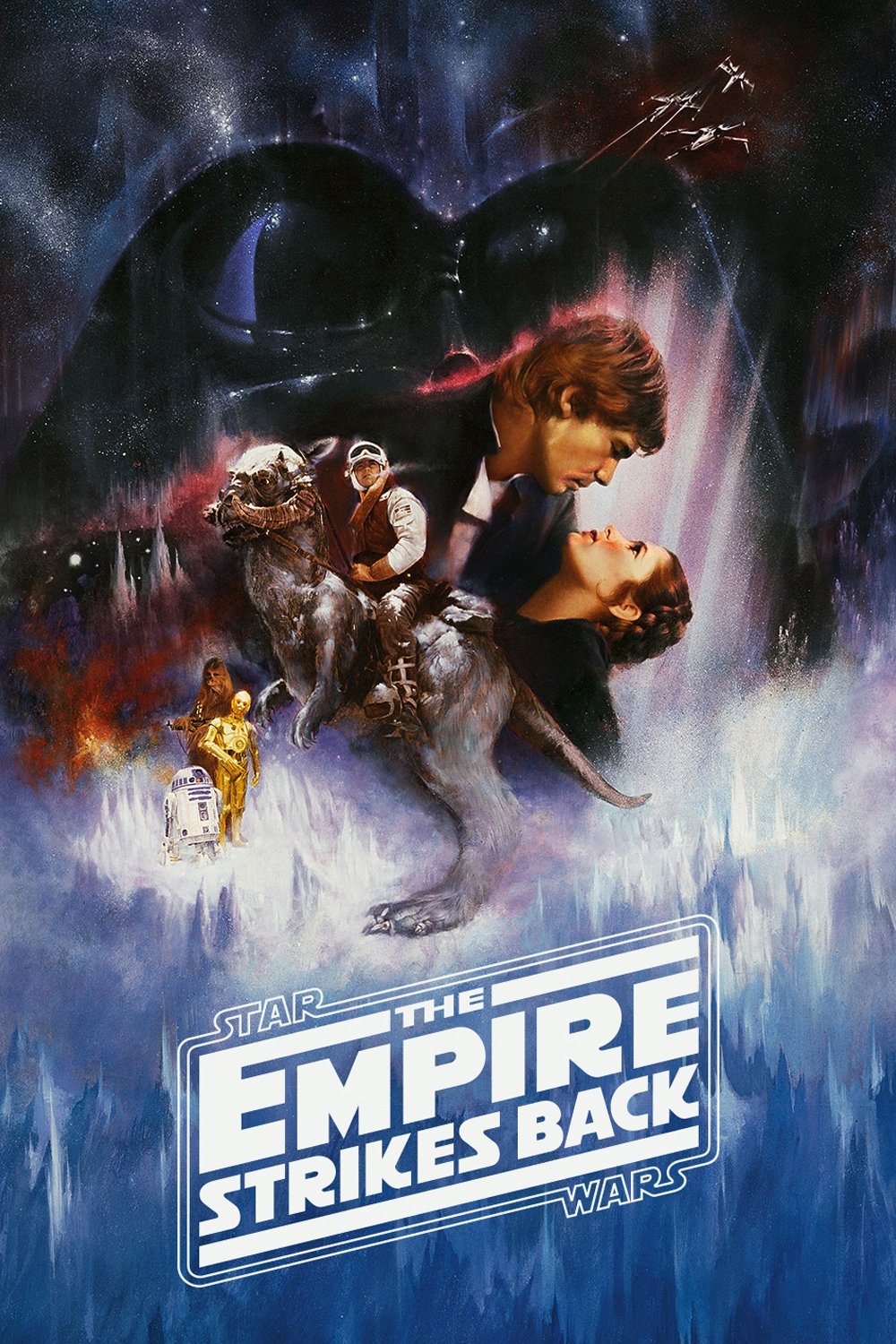
The saga expands with the Rebel Alliance evacuating Hoth, a desperate pursuit across an asteroid field, and a covert escape to Cloud City. Irvin Kershner emphasizes character and consequence while Industrial Light and Magic advances motion-control models and composite shots. The film deepens lightsaber combat, starfighter chases, and bounty hunter tracking as strategic moves shape the conflict. John Williams’ score introduces motifs that become central to the series’ identity.
‘Interstellar’ (2014)
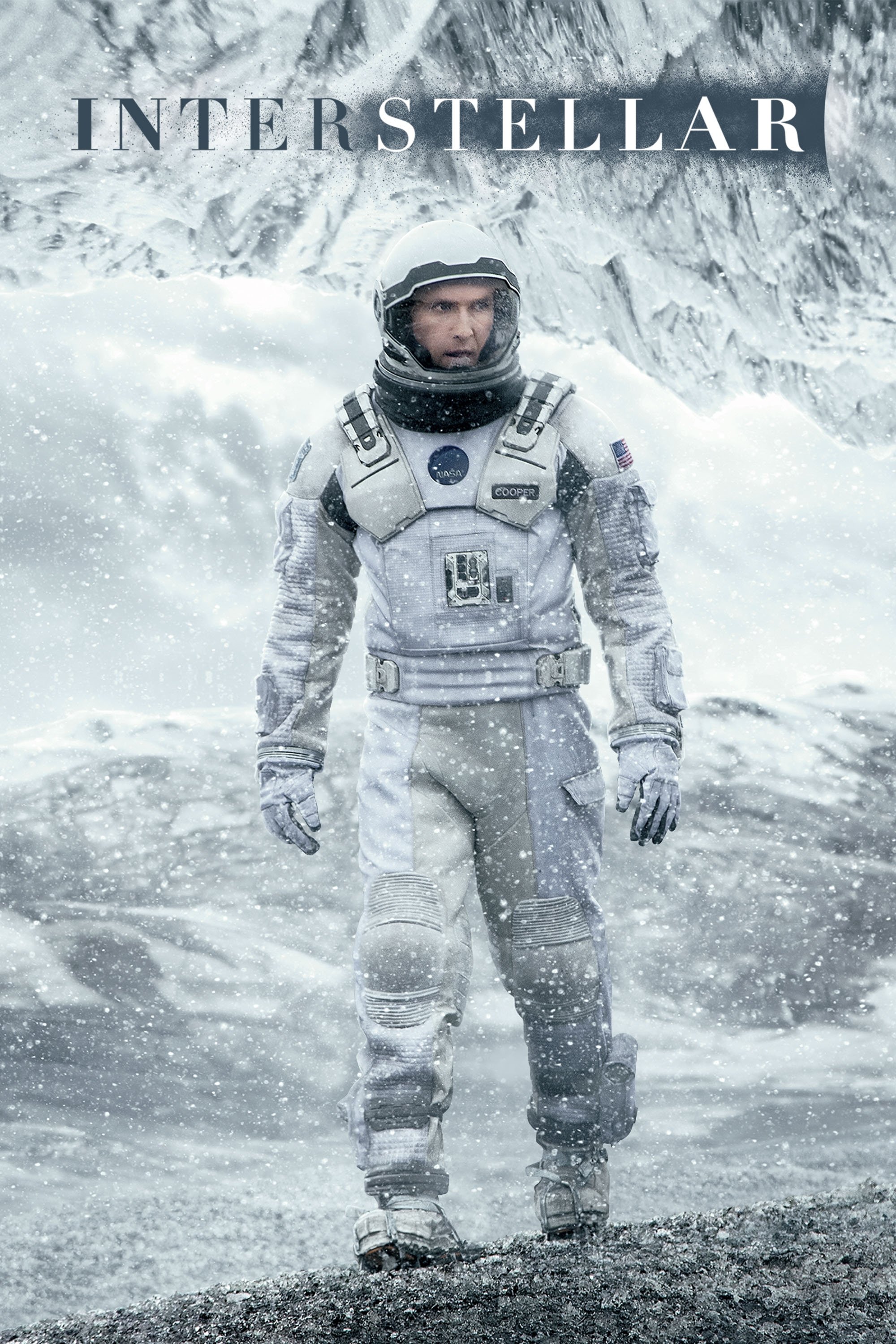
Christopher Nolan’s odyssey follows a small crew departing a failing Earth to search for habitable worlds through a distant wormhole. Physicist Kip Thorne contributed calculations that informed the depiction of gravitational lensing around the black hole called Gargantua. Practical spacecraft sets, large-format photography, and restrained computer graphics ground the mission logistics and time dilation challenges. Hans Zimmer’s organ-driven score underscores navigation decisions, docking maneuvers, and limited consumables under pressure.
‘Gravity’ (2013)
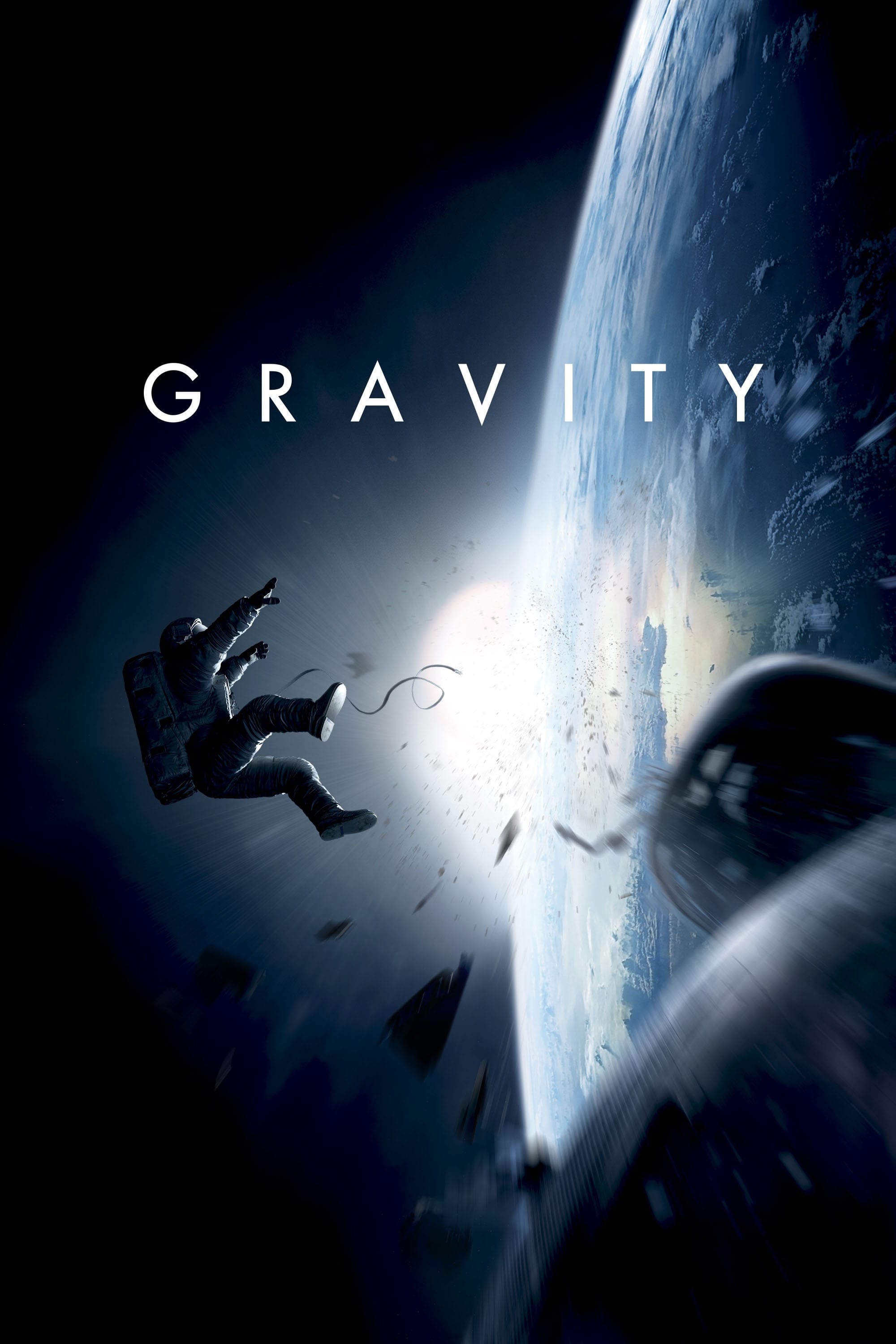
Alfonso Cuarón’s survival story begins with an orbital repair task that is interrupted by fast-moving debris. The production integrated long takes, LED light boxes, and wire work to simulate microgravity within complex digital environments. Sandra Bullock’s character cycles through checklists, reentry math, and suit procedures while improvising across multiple vehicles. The soundscape uses vibrations and breathing to convey hazards that cannot carry noise in a vacuum.
‘Apollo 13’ (1995)
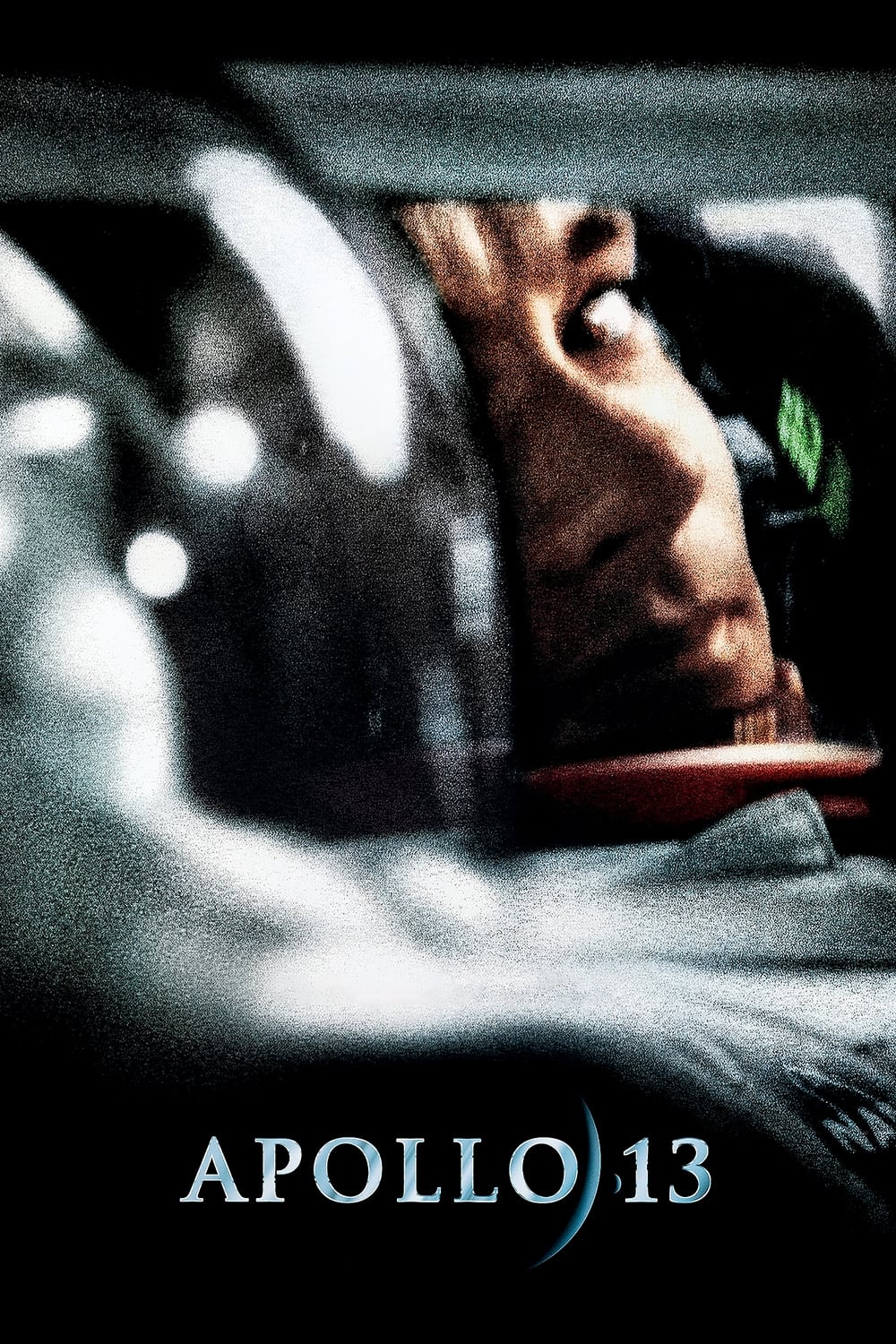
Ron Howard reconstructs the near-disaster mission after an oxygen tank explodes and disables key systems. NASA checklists, consumables management, and trajectory corrections drive a sequence of engineering fixes from mission control to the command module. The team fabricates a carbon dioxide scrubber using only available materials, capturing real constraints and discipline. Launch, burn windows, and splashdown procedures are staged with authentic hardware and terminology.
‘The Right Stuff’ (1983)

The story chronicles test pilots at Edwards Air Force Base and the selection of the Mercury astronauts as human spaceflight begins. A mix of aviation records, cockpit instrumentation, and training regimens grounds the narrative in operational detail. The film shows capsule design compromises, press coverage, and the demands of public demonstrations. Aerial photography and in-cockpit perspectives trace the transition from experimental flight to orbital missions.
‘Moon’ (2009)
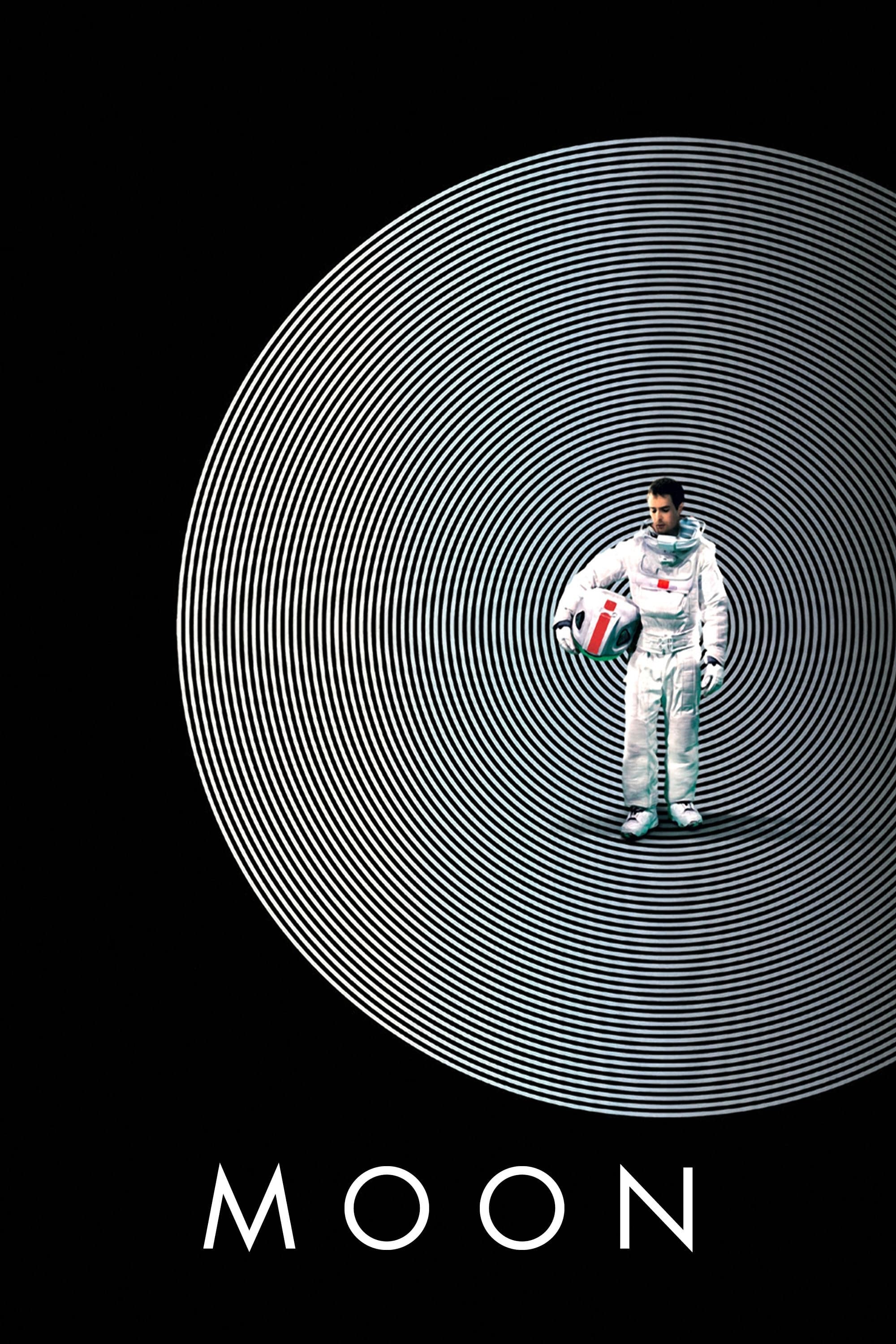
A lone contractor nears the end of a multiyear helium-3 harvesting shift on a lunar base as anomalies begin to surface. Miniature work and practical sets give the rover, cranes, and habitats a tactile presence. The film tracks maintenance schedules, corporate oversight, and medical scans through routine video messages and malfunction reports. A quiet score and limited cast focus attention on checklists, resource tracking, and identity questions.
‘The Martian’ (2015)
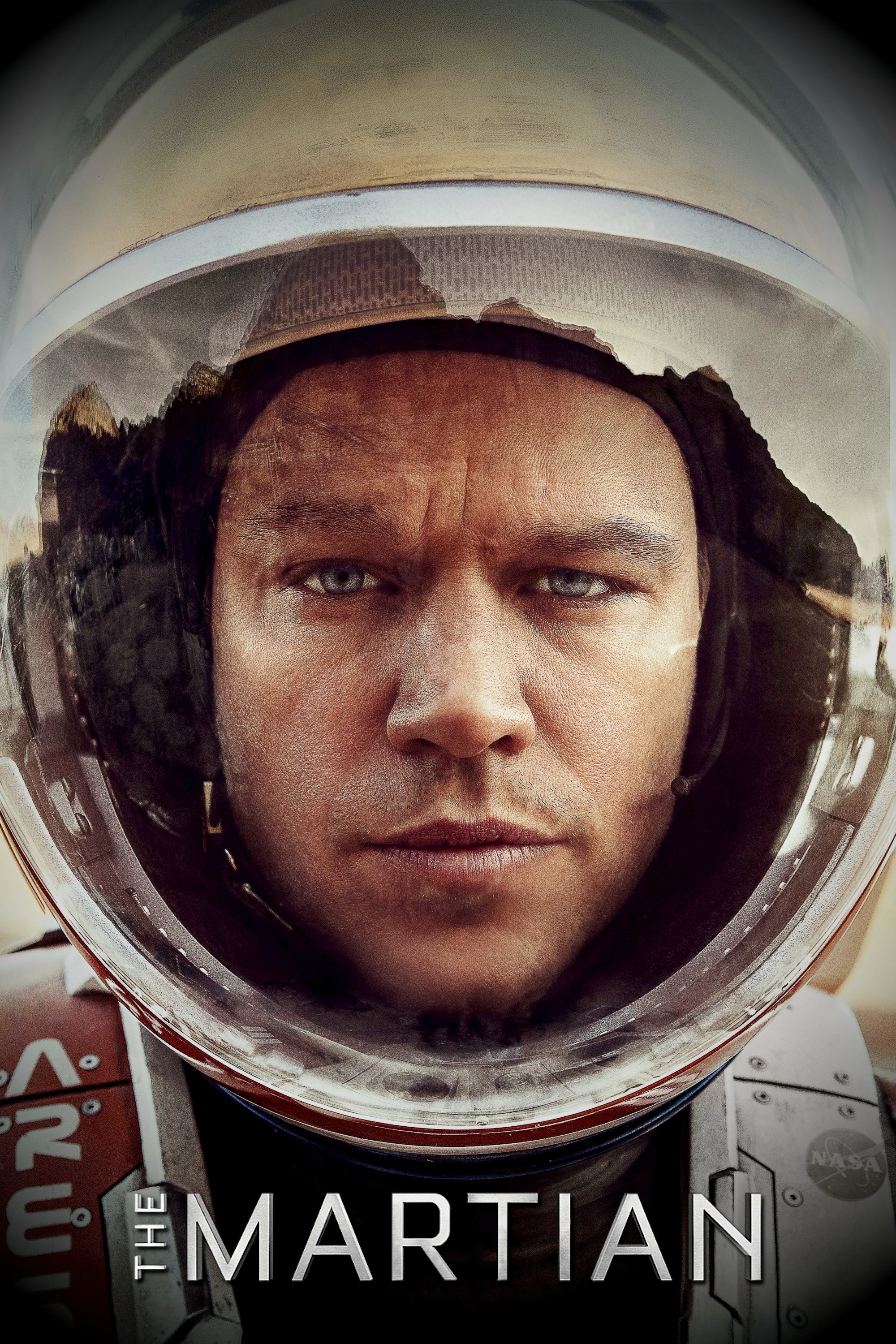
A botanist-astronaut uses mission leftovers to survive after being stranded during an evacuation from the Ares program’s base. The story emphasizes habitat life support, crop cultivation using reclaimed resources, and orbital mechanics for rescue timing. Cross-cutting between NASA and JPL shows planning for supply trajectories and vehicle modifications. The production visualizes surface operations, rover range, and communications delays with methodical clarity.
‘Contact’ (1997)
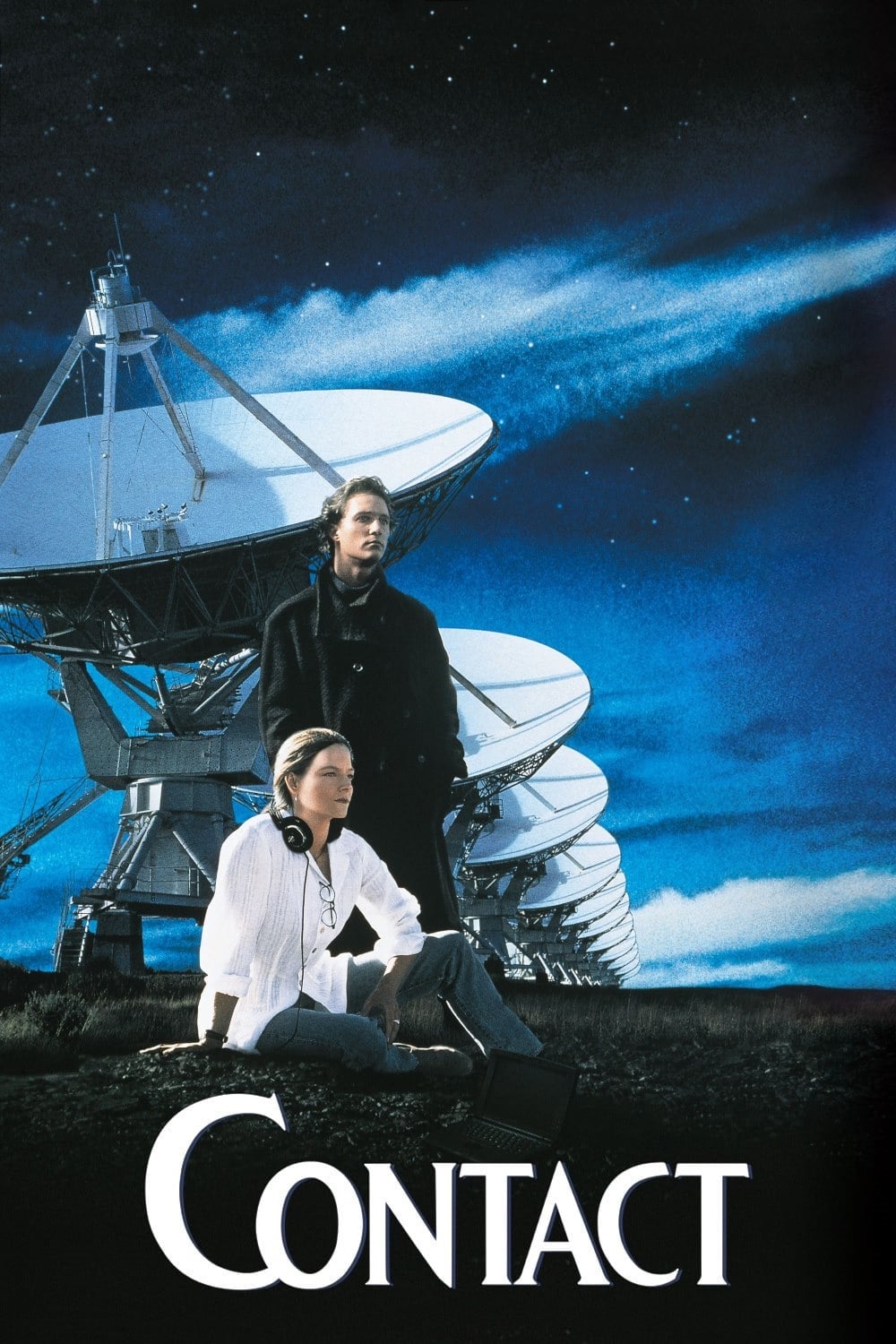
A radio astronomer detects a patterned transmission that encodes detailed instructions for building a machine. SETI protocols, multinational coordination, and political oversight shape each step from verification to construction. The film depicts signal analysis tools, funding battles, and the complexity of international committees. Visual effects and sound design carry the experience of transit and the ambiguity of the mission’s outcome.
‘Star Trek II: The Wrath of Khan’ (1982)
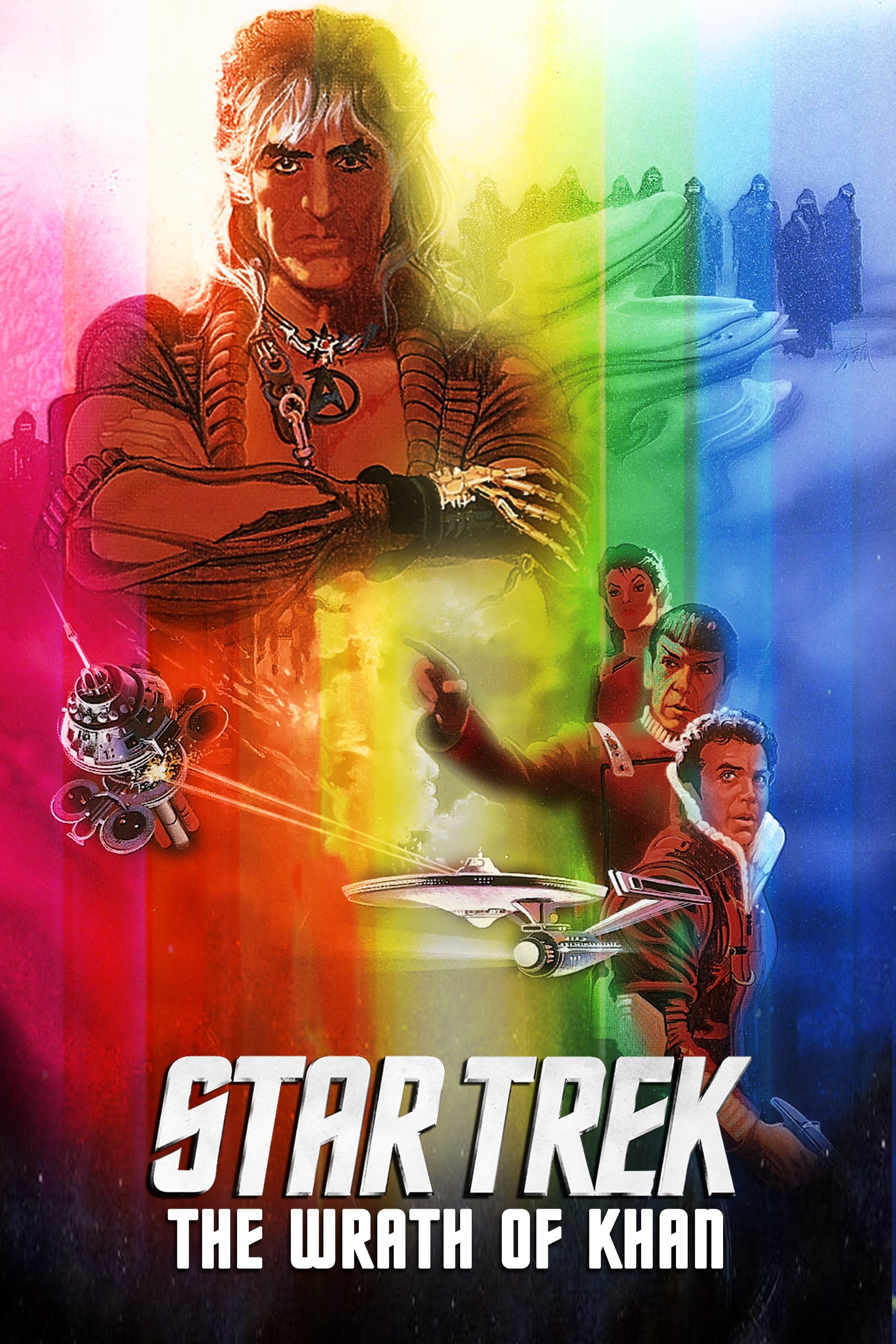
The Enterprise faces a foe armed with the Genesis device while training cadets and navigating regulated sectors. Naval-inspired command structures, simulation exams, and starship procedures frame each tactical choice. Miniature work and early computer graphics present nebula combat and a real-time demonstration of terraforming. The story underscores mentorship, regulated codes, and consequences within a long-running exploratory service.
‘Sunshine’ (2007)
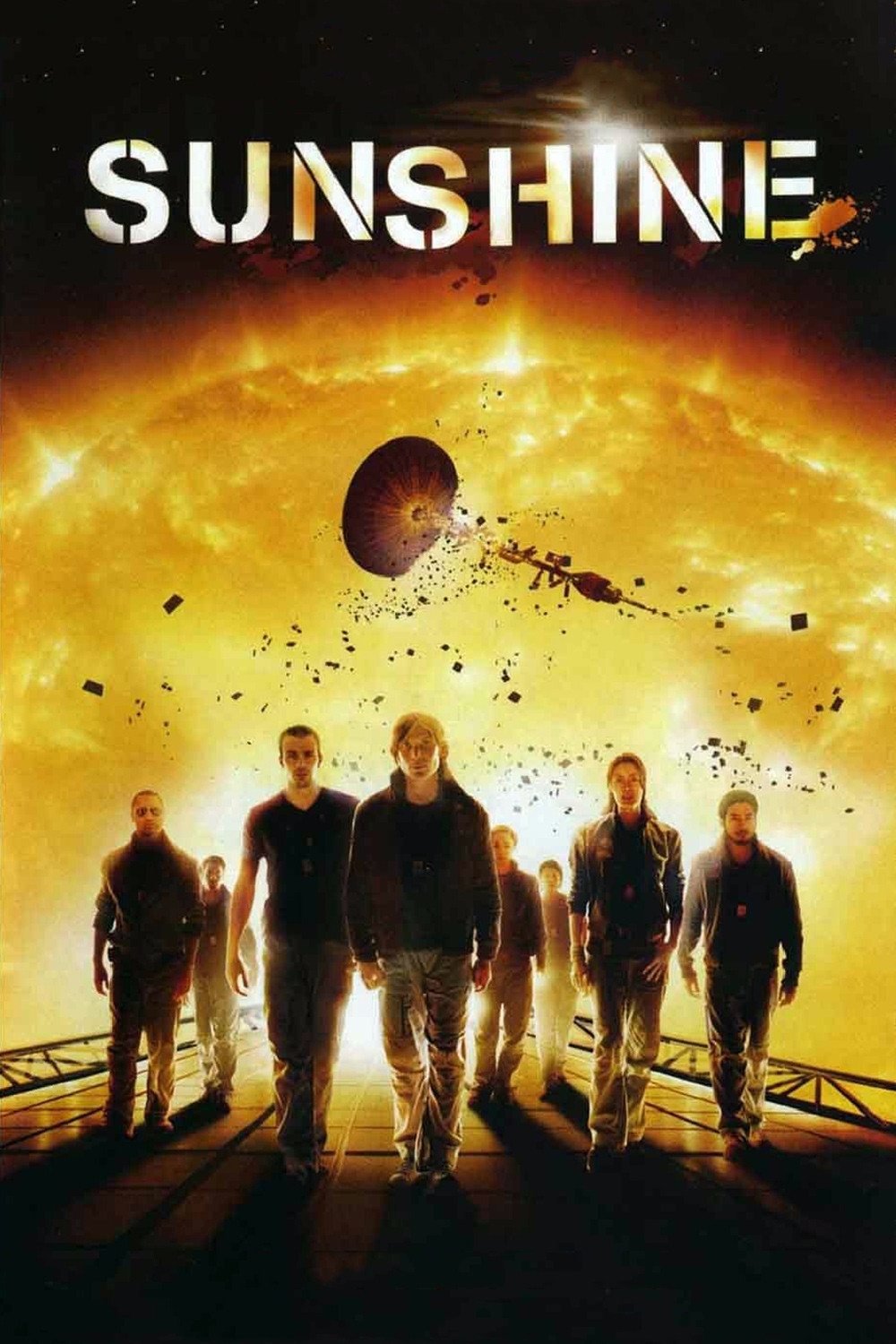
A multinational crew travels aboard the Icarus II to deliver a stellar payload while managing a fragile ecosystem. The ship’s shield operations, oxygen garden, and airlock discipline are treated as critical systems with strict margins. Danny Boyle stages incident investigations through logs, sensor readings, and decision votes under limited time. Production design integrates reflective materials, suit visors, and control interfaces to visualize heat and radiation exposure.
‘Ad Astra’ (2019)
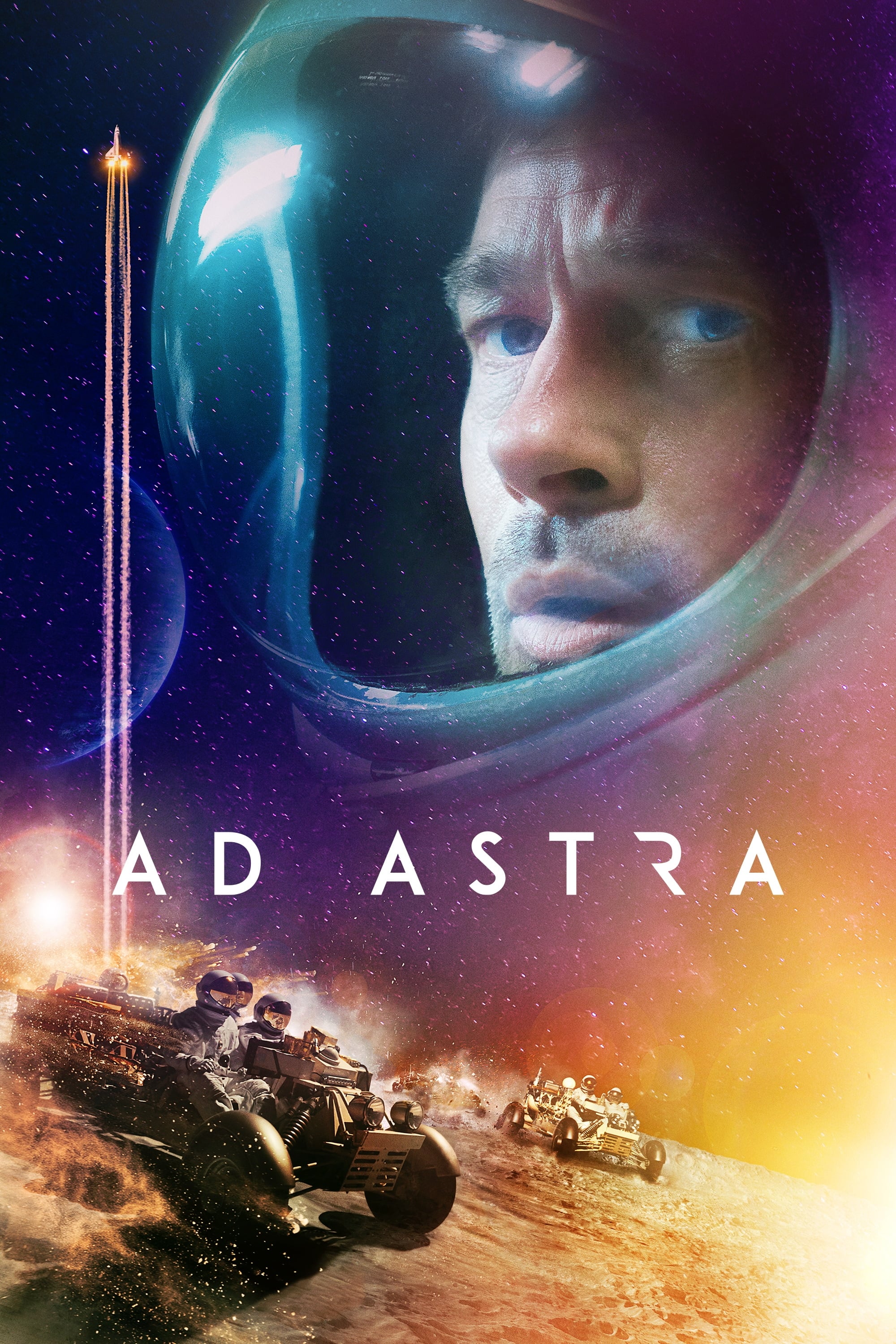
An astronaut undertakes a classified journey through multiple outposts to locate the source of destructive power surges. The film maps a near-future infrastructure that includes commercial flights, lunar rovers, and contested zones. Mission reports, psychological evaluations, and secure communications define the character’s access and constraints. Realistic thrust burns and long-distance relays structure the travel legs and rendezvous points.
‘WALL·E’ (2008)
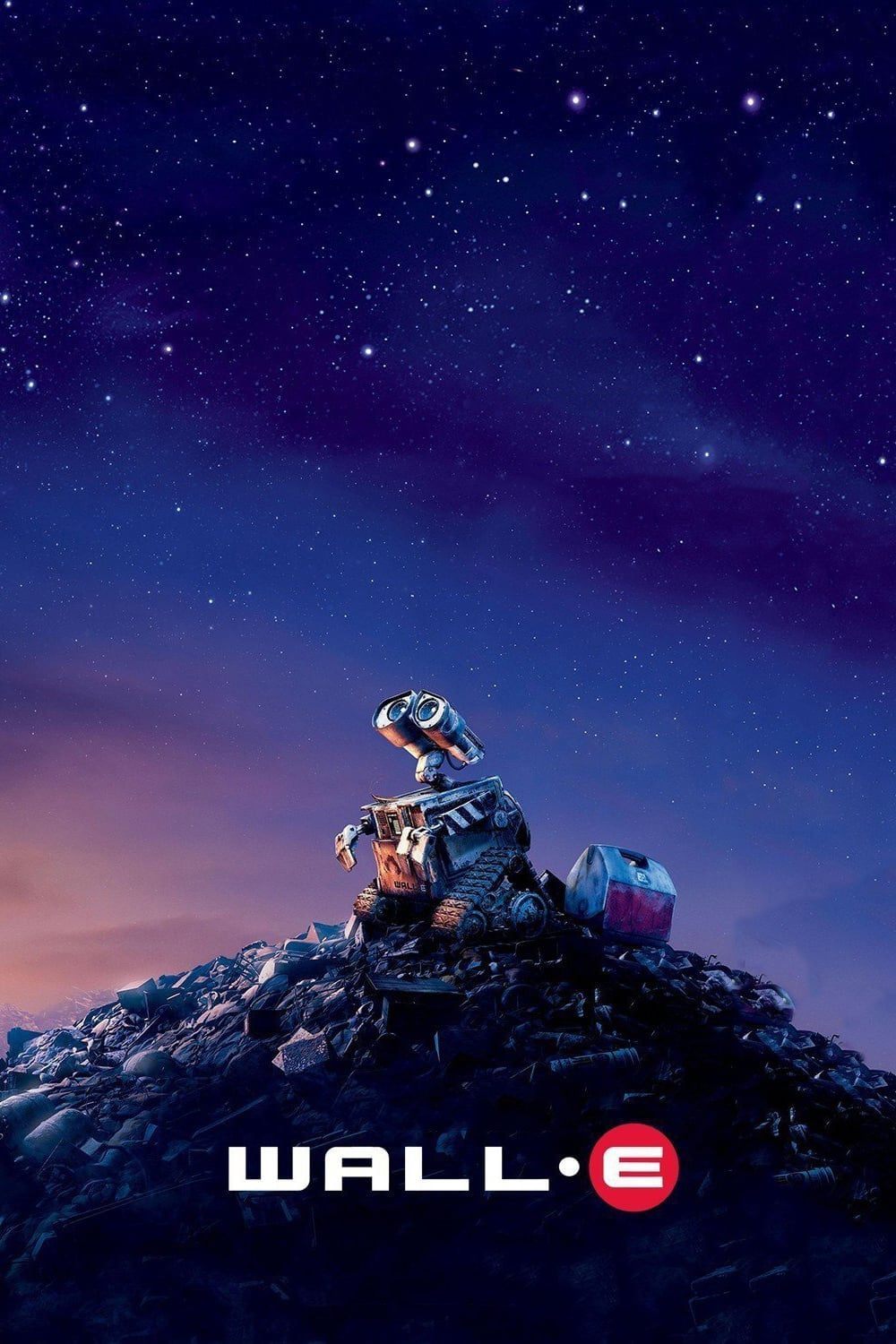
A lone waste-collecting robot persists with compacting and cataloging tasks until a probe arrives from a generational ship. The narrative tracks automated protocols, plant verification, and captaincy procedures aboard a vast liner. Physical comedy coexists with clear depictions of microgravity movement, repair drones, and environmental monitoring. Sound design and visual storytelling convey mission directives and course corrections without heavy dialogue.
‘Star Wars’ (1977)
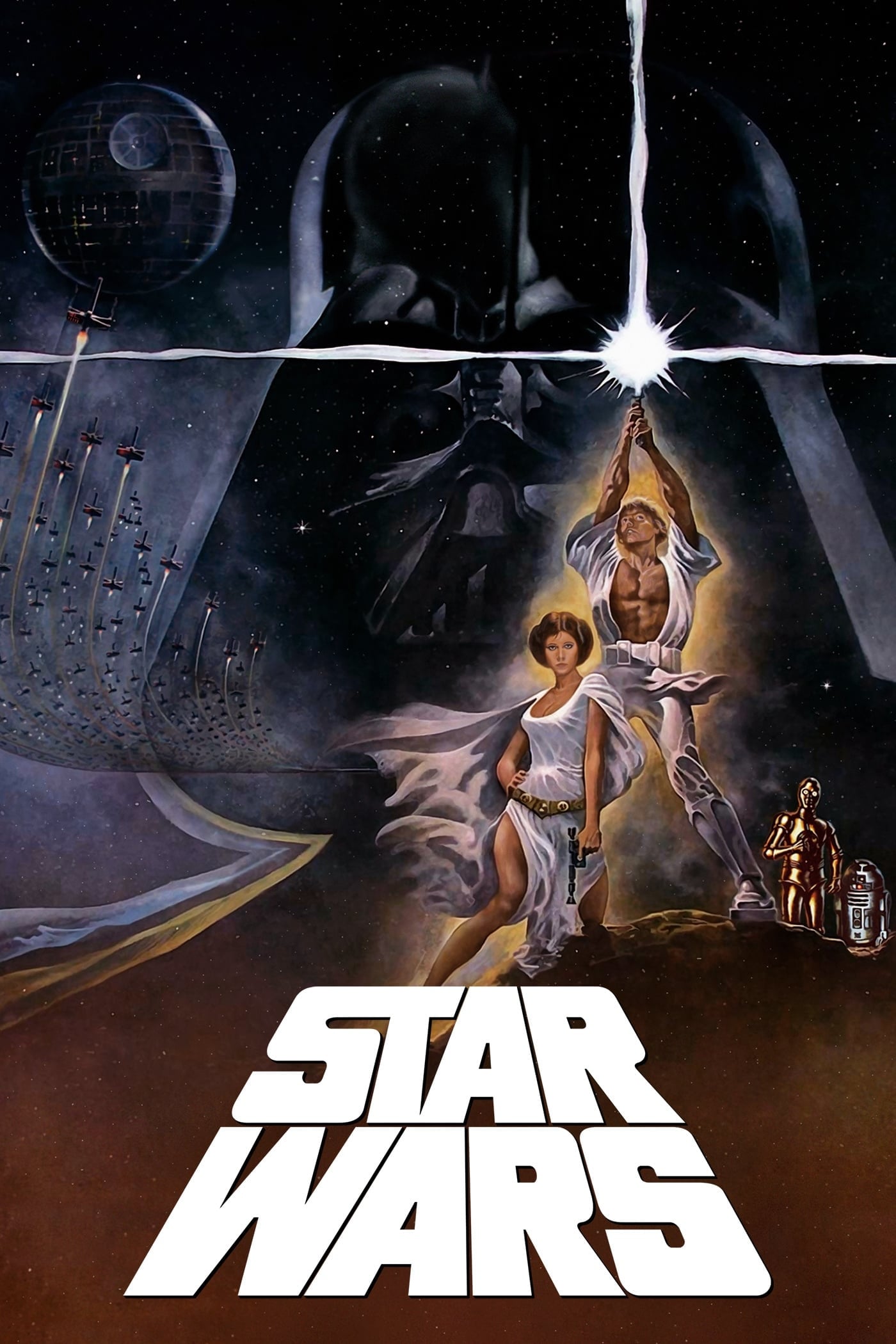
George Lucas introduced a galactic civil war where a farm boy joins a rebellion against an empire. Practical models and motion control photography created starfighter battles and capital ships. John Williams scored themes that identify characters and factions during chases and duels. The production blended desert locations, studio sets, and optical composites to build a lived in universe.
‘Return of the Jedi’ (1983)
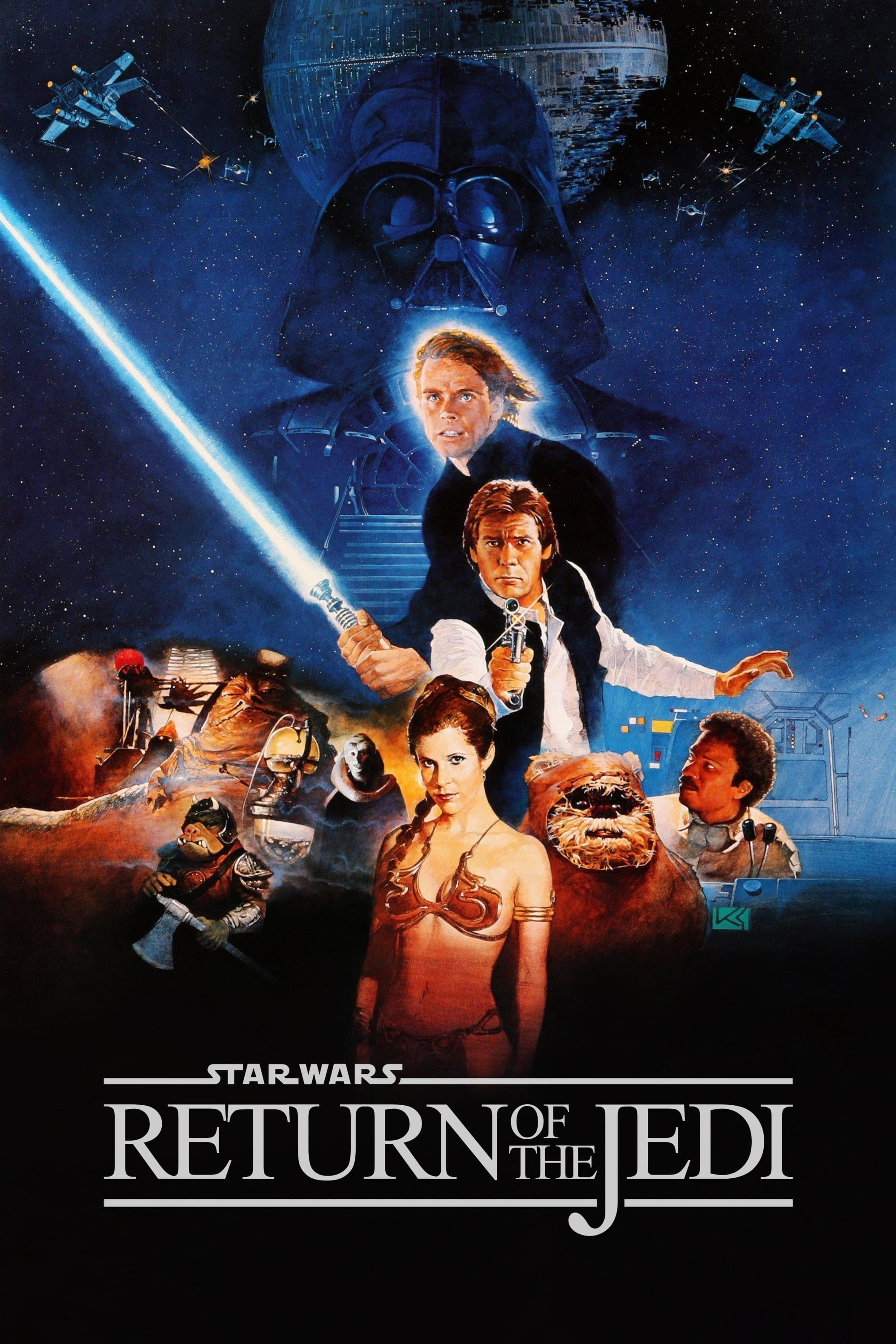
The Rebels plan a strike against a shield generator while a second battle station nears completion. The film stages parallel action in space, on a forest moon, and within an imperial throne room. Miniatures and blue screen work support a large fleet engagement with coordinated maneuvers. Creature effects expand the criminal underworld through masks, puppetry, and animatronics.
‘Star Trek’ (2009)

A new timeline follows Starfleet cadets who respond to a surprise attack that targets planetary populations. The production designed the Enterprise with bright engineering spaces and a bridge filled with interactive displays. A mix of practical sets and digital extensions supports warp travel and orbital jumps. The story aligns command decisions with academy training and field promotions during an emergency.
‘Star Trek: First Contact’ (1996)
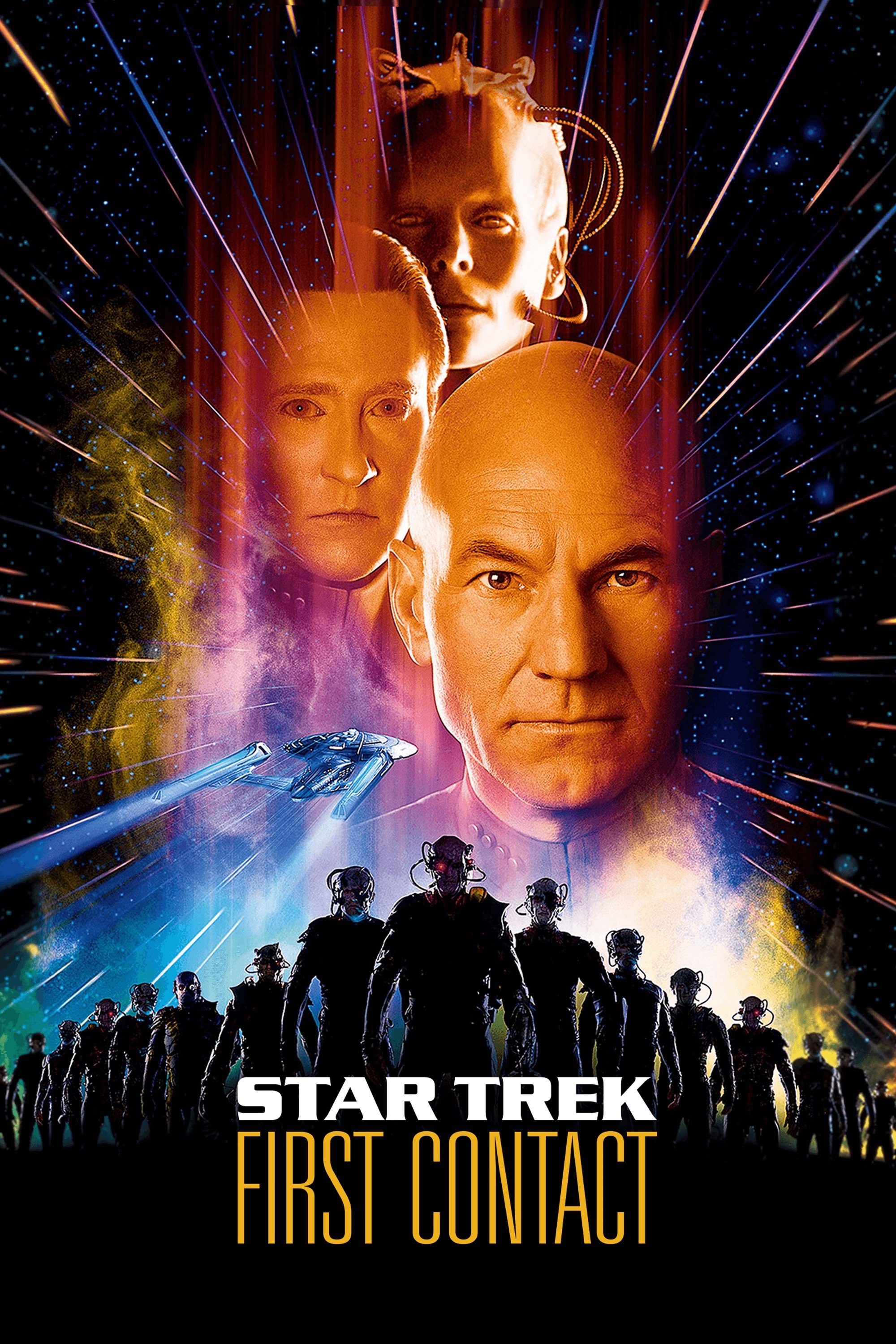
The Enterprise pursues an enemy that attempts to alter human history through temporal incursion. Shipboard tactics include security containment, environmental controls, and hull walks with magnetic boots. The film depicts the first human warp flight and a pivotal meeting that unites future worlds. Makeup effects and set design contrast sterile corridors with industrial engineering decks.
‘Forbidden Planet’ (1956)
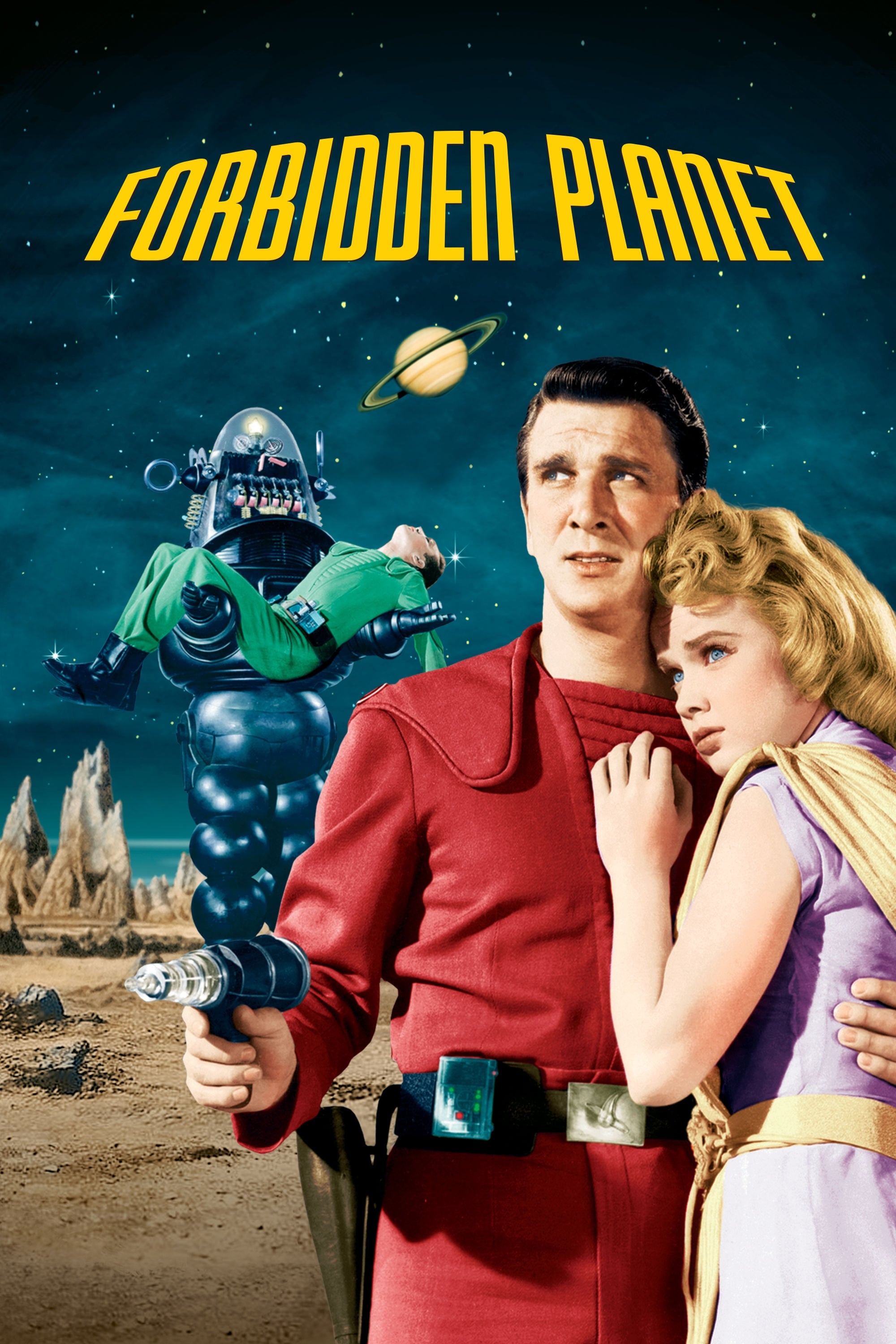
A rescue mission reaches a distant world where advanced technology lies hidden beneath the surface. Cinemascope photography presents matte landscapes and a massive underground power system. Electronic music and sound effects accompany force fields, laboratories, and a programmable robot assistant. The narrative connects psychological themes to an alien machine that can replicate any thought.
‘The Last Starfighter’ (1984)
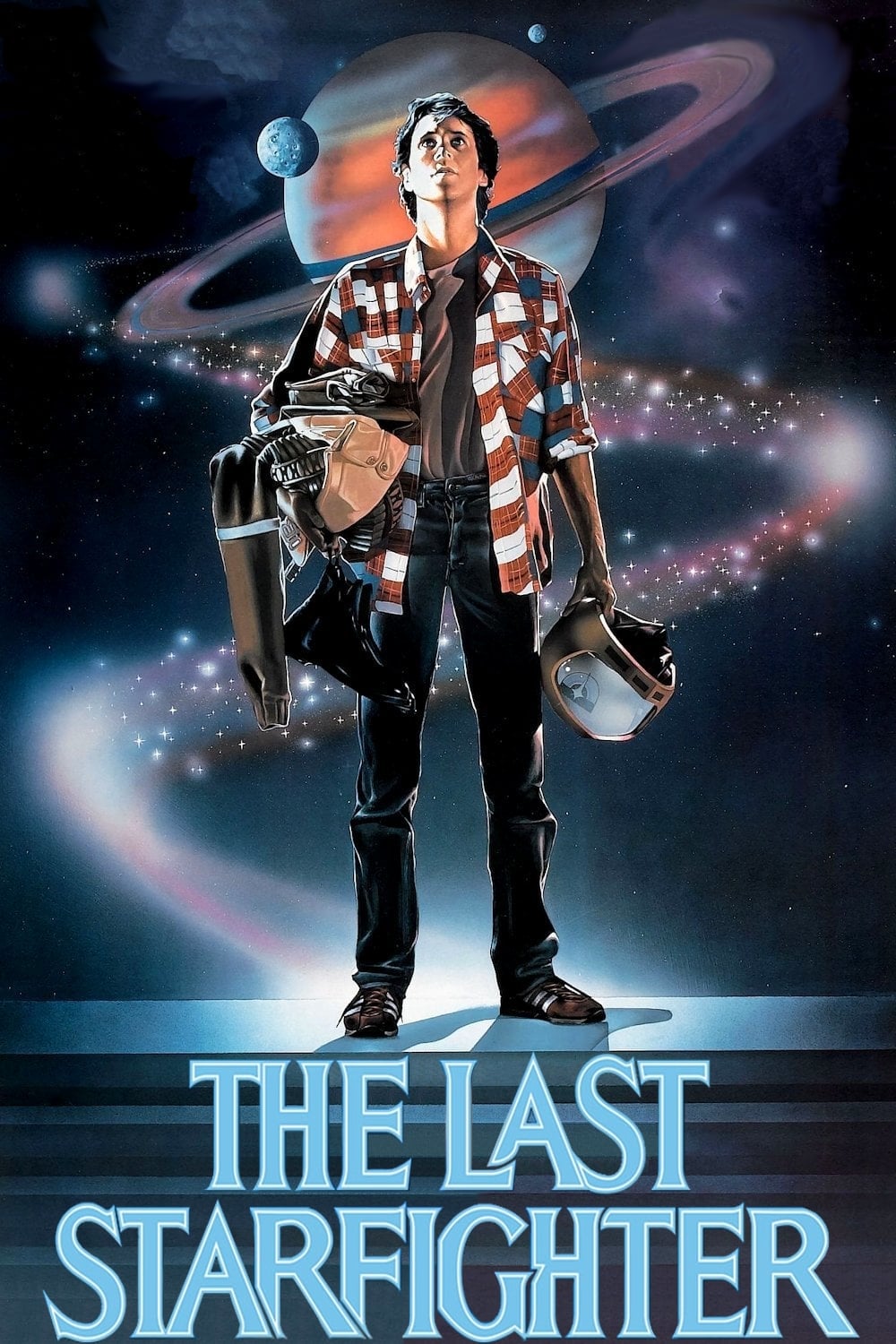
An arcade champion is recruited by an alien defense force after reaching a perfect score. Early computer graphics visualize enemy fleets, gunstar maneuvers, and asteroid fields. Practical spacecraft interiors support targeting sequences and shield management. The plot follows pilot training, infiltration attempts, and a final assault that uses a secret weapon.
‘Event Horizon’ (1997)
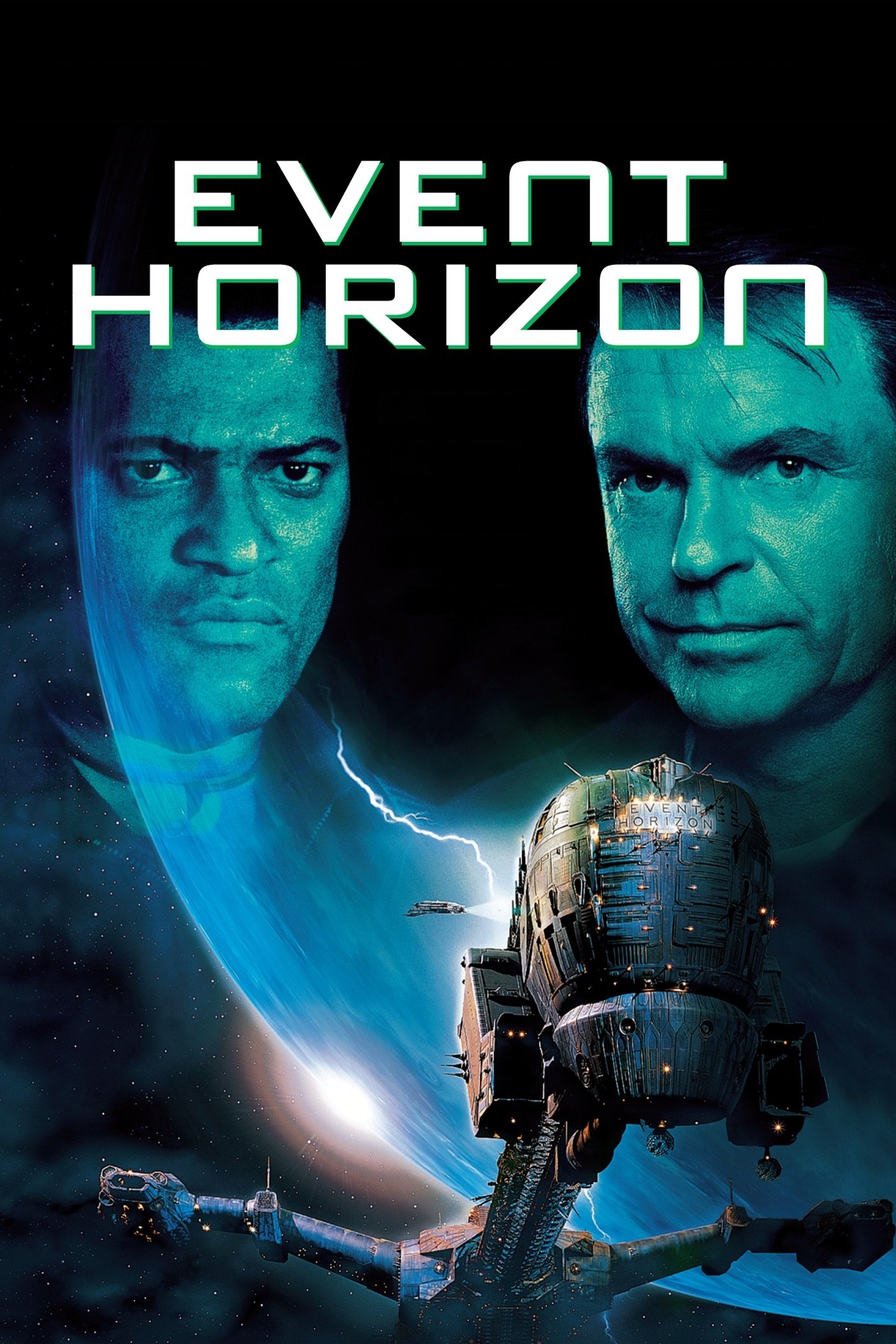
A salvage crew investigates a ship that vanished during an experimental gravity drive test. Production design blends medical bays, airlocks, and a drive chamber with intricate moving parts. The crew reviews logs, sensor data, and video fragments to reconstruct the incident. Visual effects show dimensional distortions during power spikes and course corrections.
‘Europa Report’ (2013)
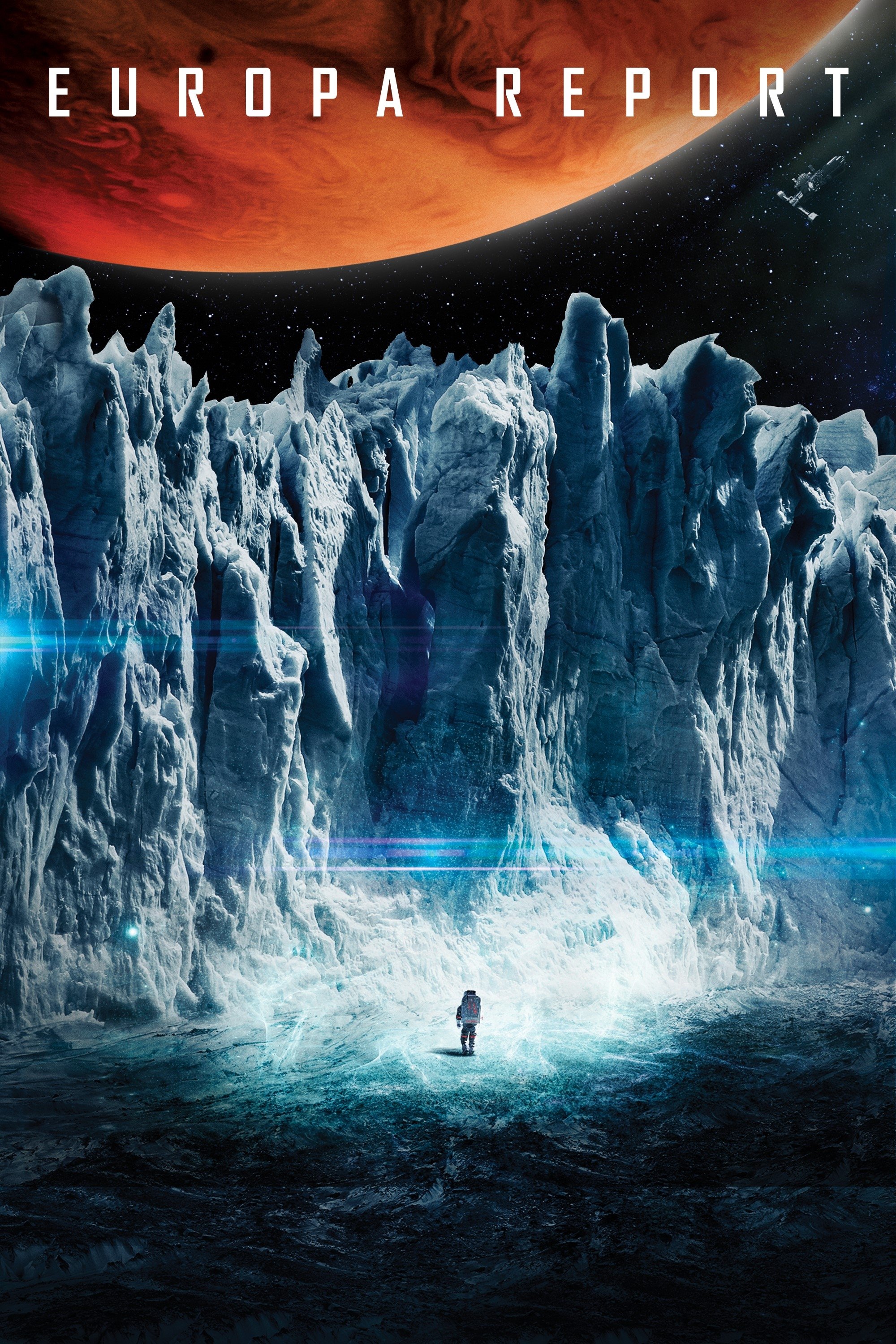
A private mission heads to a Jovian moon after remote sensing suggests subsurface activity. The film uses onboard cameras, telemetry overlays, and time stamped logs to show each system check. EVA procedures, radiation exposure, and ice drilling challenges shape the crew’s choices. The narrative respects signal blackouts and communication delays during critical events.
‘Galaxy Quest’ (1999)
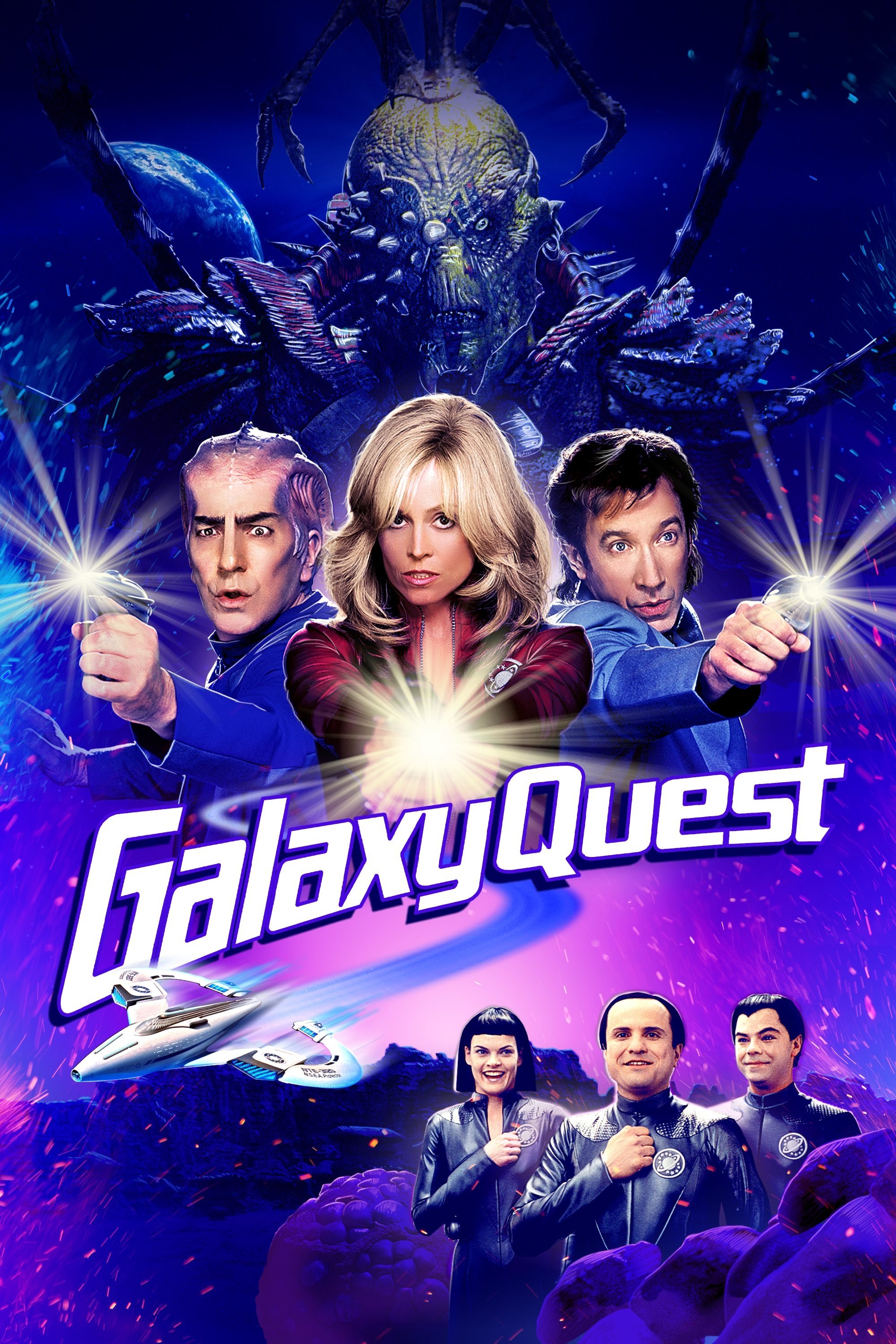
Actors from a canceled show are mistaken for real explorers by an alien species that built working replicas of their ship. The production creates a functional command deck with mapped controls and a manual relay maze. Space combat is staged through damaged shields, improvised repairs, and deceptive maneuvers. The story tracks a staged convention appearance that turns into a genuine rescue mission.
‘High Life’ (2018)

A small crew travels on a deep space vessel that conducts human subject research under strict rules. The ship’s garden provides oxygen and food while maintenance tasks keep life support stable. Surveillance systems record routines and enforce protocols through locked modules and scheduled access. The mission plan includes a flyby of a black hole that pushes equipment to limits.
‘Serenity’ (2005)
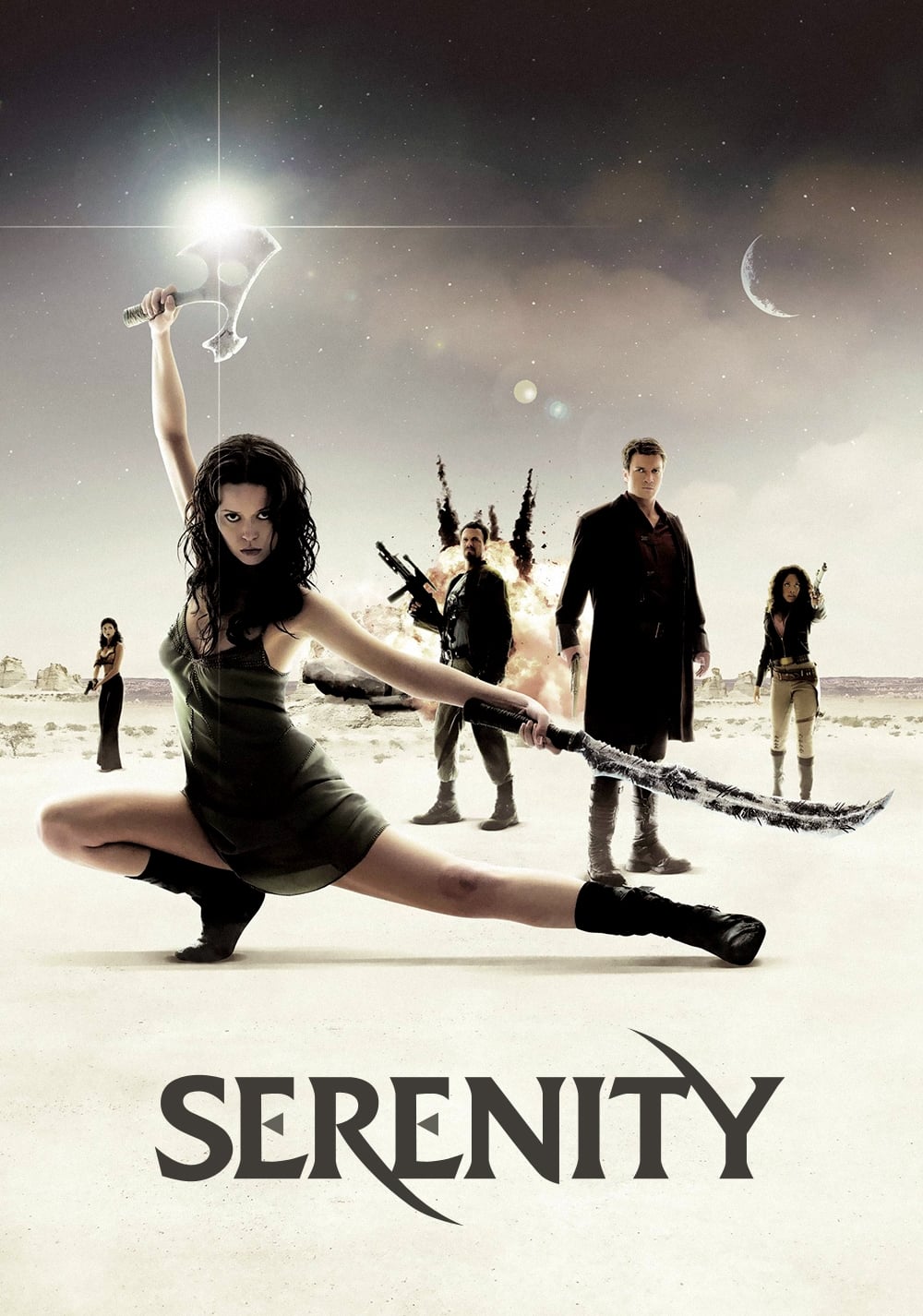
A transport crew tries to protect a passenger whose abilities draw attention from a covert agency. The film maps trade routes, secure worlds, and border zones while showing refits to a Firefly class ship. Zero atmosphere scenes use wire work and sound design to convey silence and recoil. A hidden broadcast system becomes a tool to release restricted information.
‘Life’ (2017)
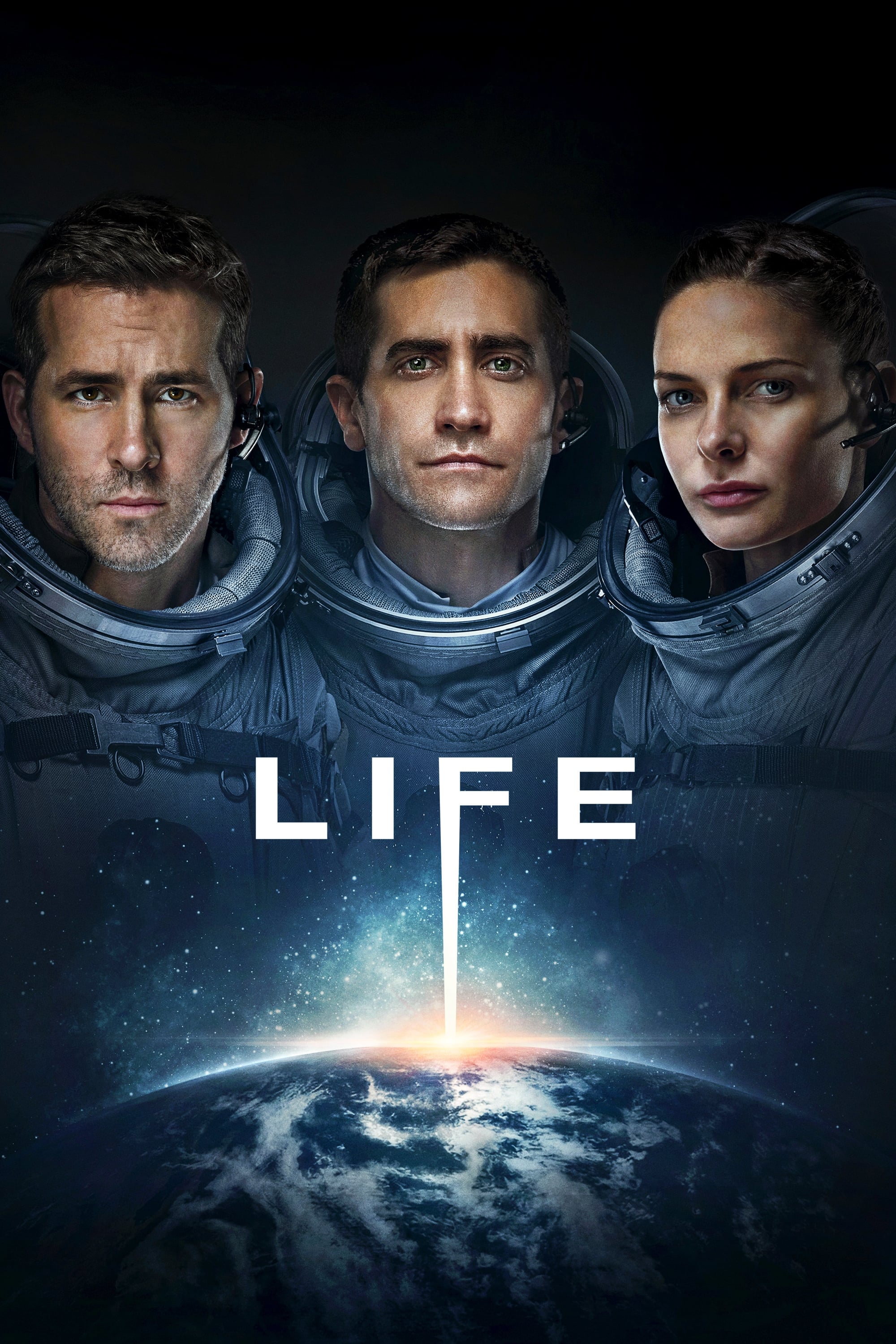
An international crew retrieves a sample that shows active cellular behavior in microgravity. Lab procedures include glovebox handling, atmospheric isolation, and metabolic experiments. The station architecture provides modules, hatches, and external trusses that define escape paths. The situation evolves through containment failures tracked by biometric readouts and camera feeds.
‘Prometheus’ (2012)
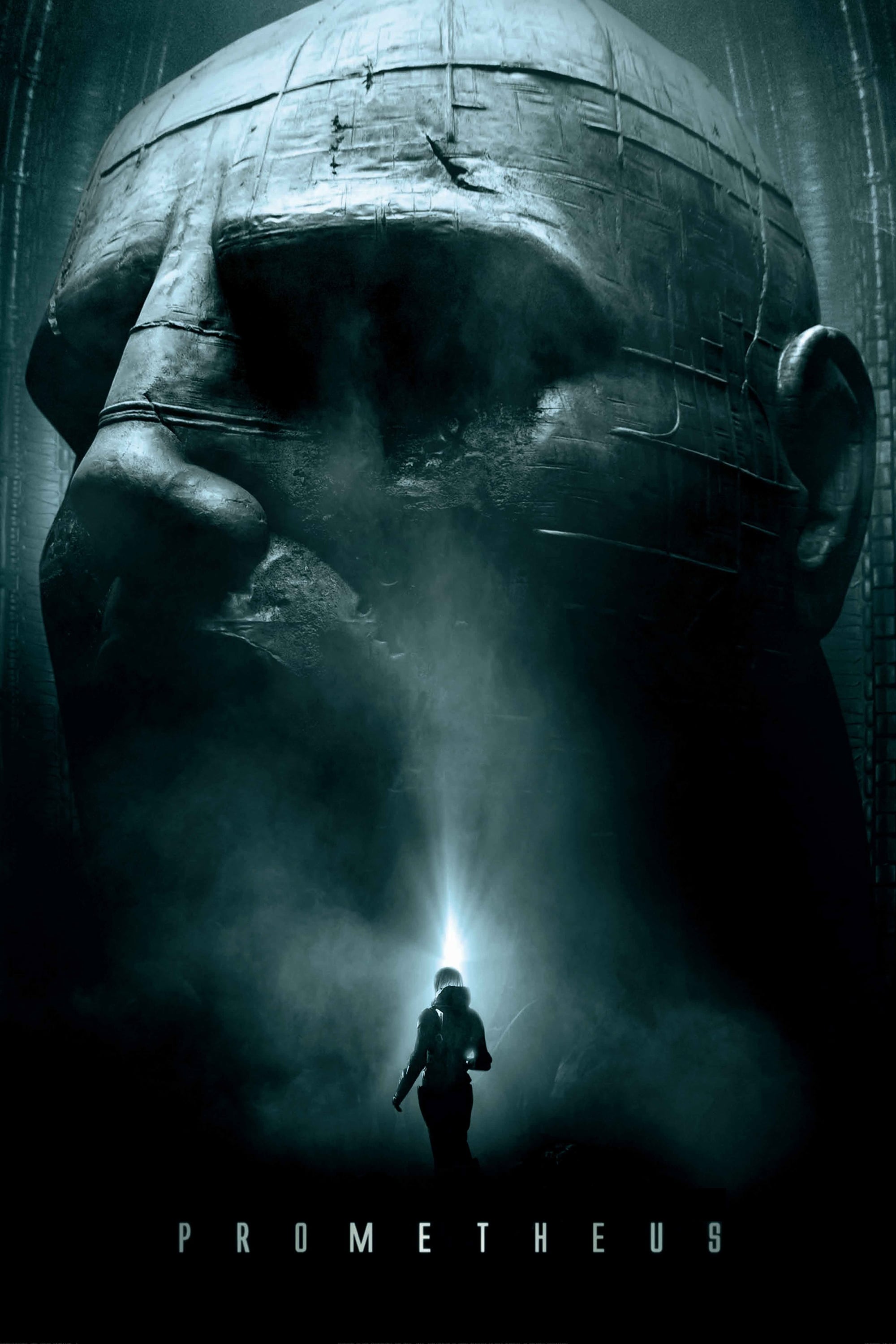
Explorers follow a star map to a distant world where they find structures with advanced bioengineering. The ship carries mapping drones, surgical pods, and atmospheric analysis tools that support the expedition. Helmet cams and holographic scans document corridors and storage urns within the complex. The crew confronts conflicting directives from corporate oversight and scientific objectives.
‘The Fifth Element’ (1997)
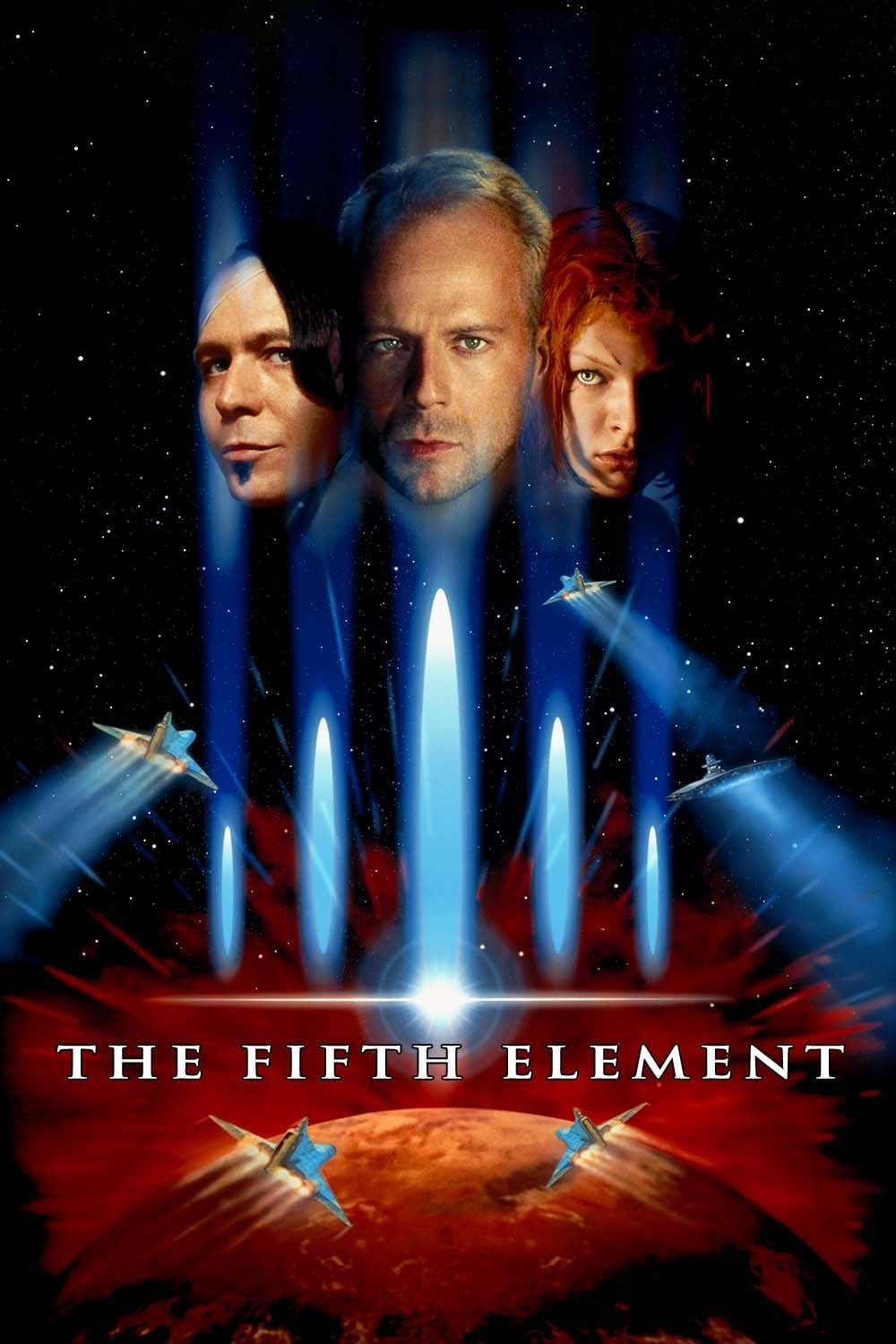
A cab driver becomes involved with a security operation to locate four elemental artifacts and a supreme being. The film presents dense traffic lanes, interplanetary cruises, and police checkpoints. Costumes, makeup, and sets build a vertical city with distinct transport systems. Action beats include boarding procedures, hostage negotiation, and a staged concert that hides a handoff.
‘Starship Troopers’ (1997)
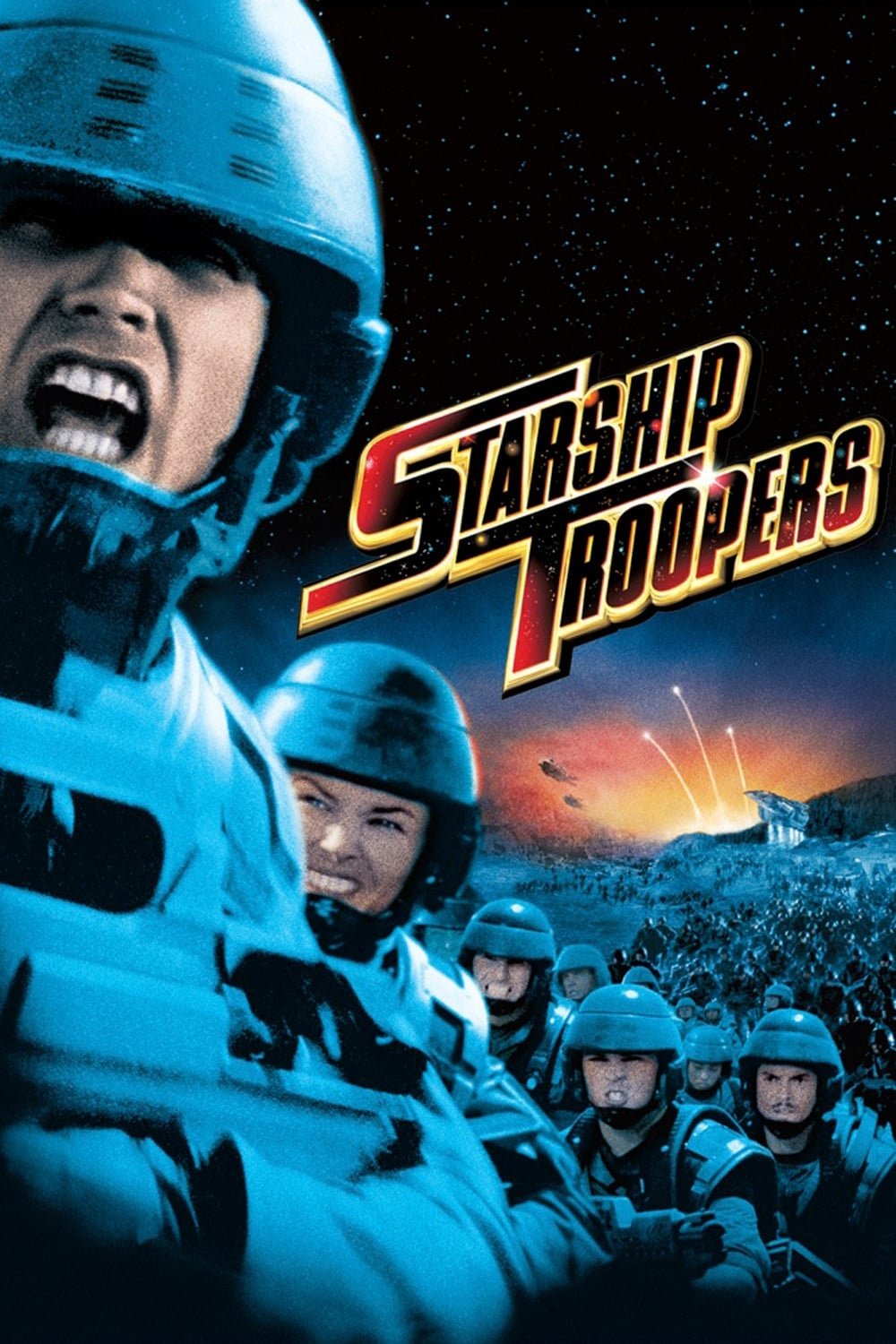
A military cohort advances through training, deployment, and large scale planetary operations against a hostile species. The production uses practical armor, live pyro effects, and digital creatures to stage assaults. Propaganda broadcasts and classroom briefs outline strategy, ranks, and service paths. Fleet carriers, drop craft, and radio relays support coordinated strikes across multiple theaters.
‘Aliens’ (1986)
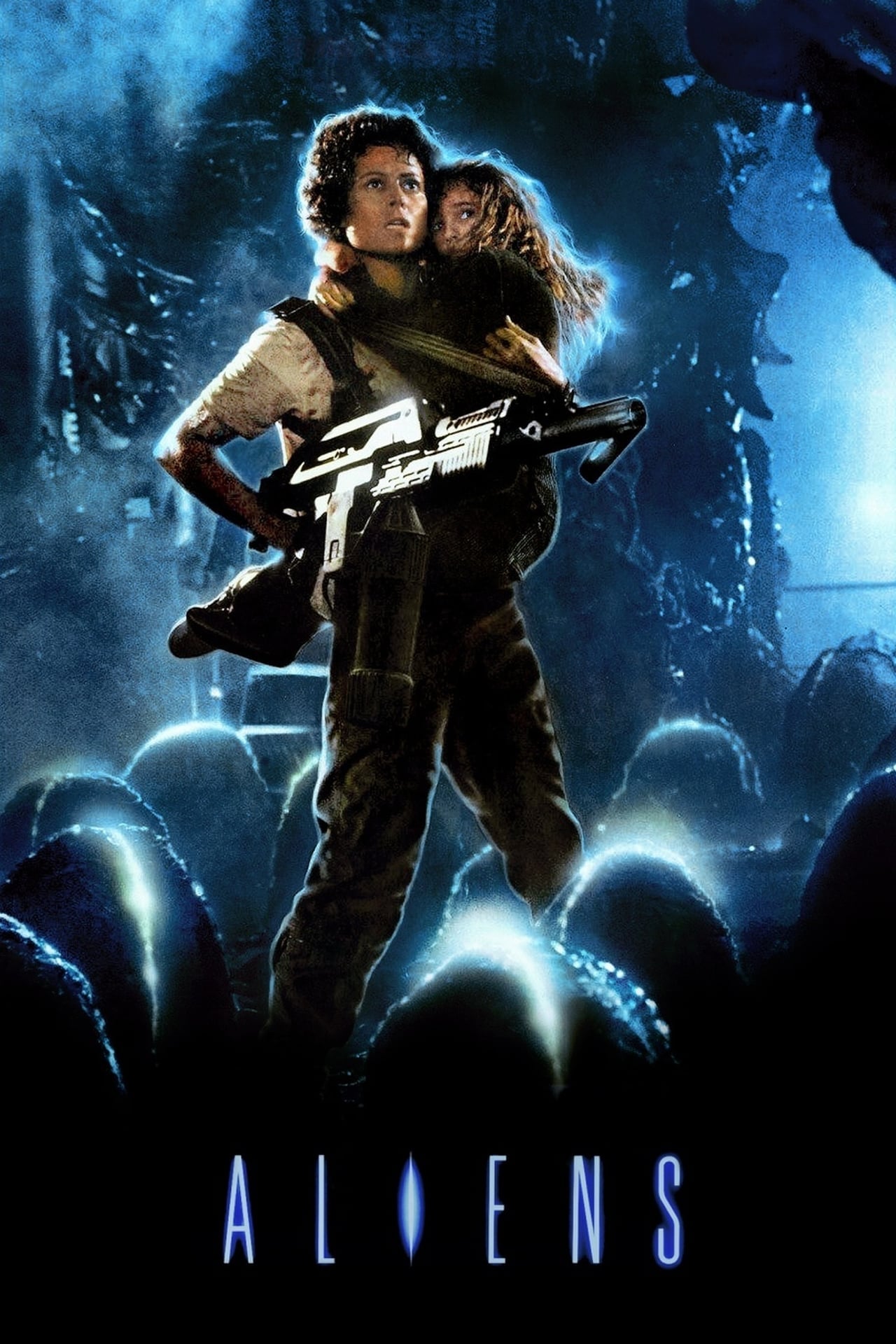
James Cameron follows a rescue and reconnaissance mission to a terraforming colony that has gone silent. The film expands shipboard dropship procedures, pulse rifle loadouts, and motion tracker tactics for close quarters. Miniatures, suit effects, and rear projection combine to stage atmospheric processor set pieces. The narrative tracks chain of command, evac windows, and the risks of cryosleep for long haul travel.
‘First Man’ (2018)
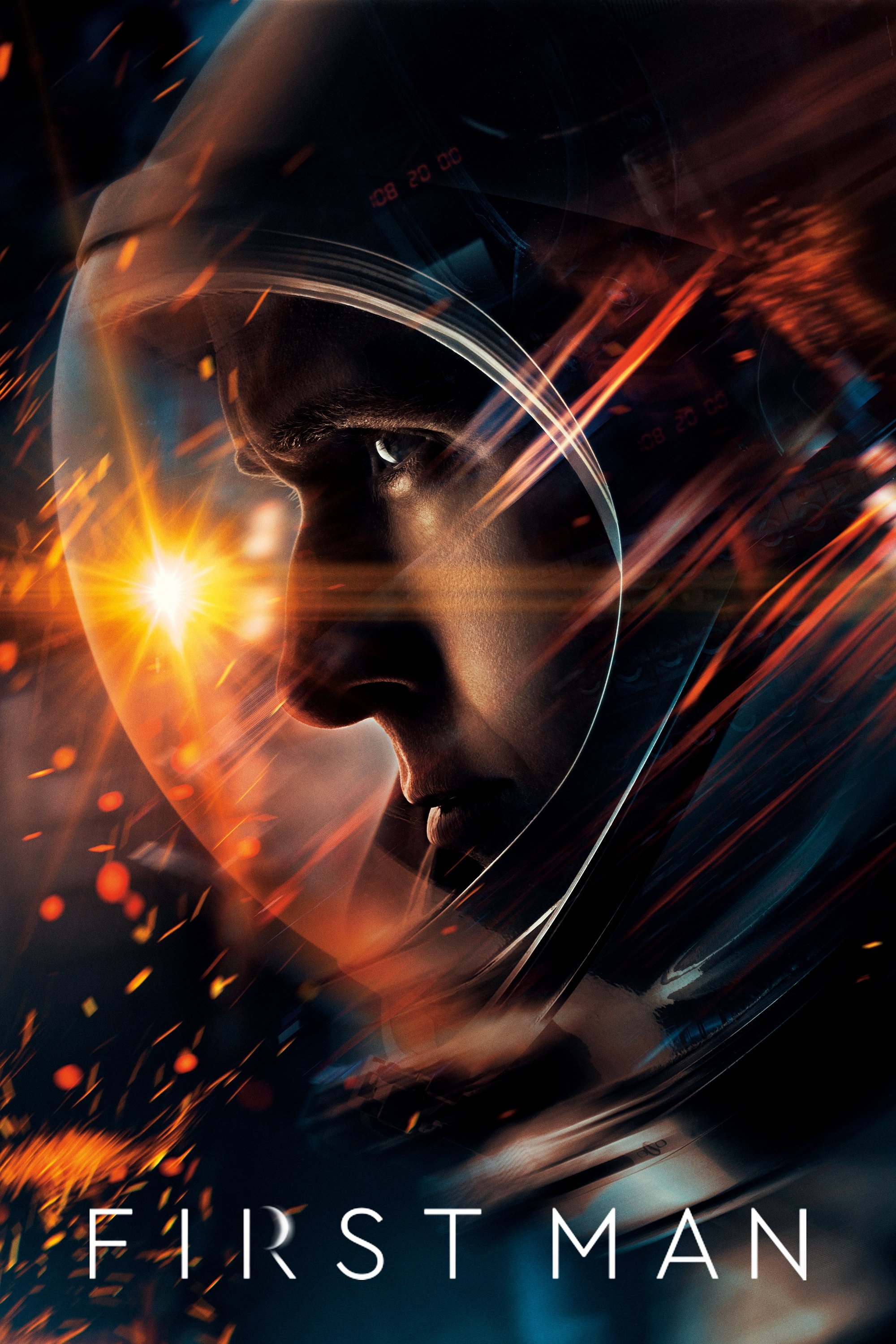
Damien Chazelle reconstructs NASA’s Gemini and Apollo programs through Neil Armstrong’s training and flight logs. The film uses IMAX photography for lunar sequences and practical cockpits that vibrate with test stand realism. Mission profiles show rendezvous, docking, and reentry parameters alongside checklists and failure drills. The score and sound design emphasize guidance computer readouts, thruster firings, and limited cockpit visibility.
‘Hidden Figures’ (2016)

The story centers on mathematicians whose calculations enabled crewed orbital flights in the early space race. It details trajectory math, heat shield tolerances, and the move from human computers to IBM mainframes. Historical settings include Langley research facilities and mission control procedures. The film highlights security clearances, segregated workplaces, and the process of validating launch windows.
‘A Trip to the Moon’ (1902)
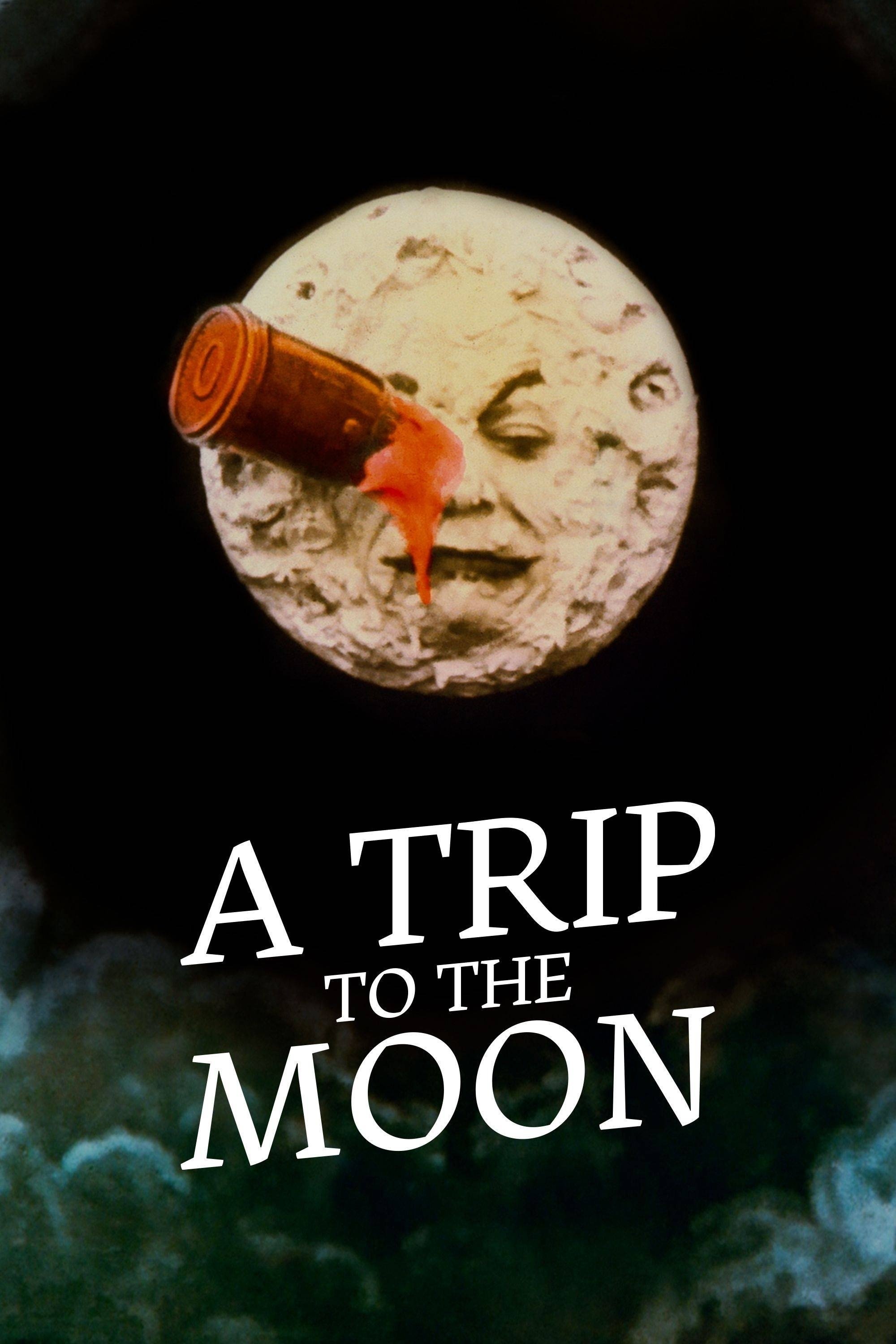
Georges Méliès crafts one of cinema’s earliest space adventures using painted backdrops and stage trick photography. A group of astronomers designs a capsule and launches it using a giant cannon, then explores a lunar landscape. The production showcases early special effects like multiple exposures and substitution splices. Miniature sets and theatrical choreography map a full voyage with departure, landing, and return.
‘Planet of the Apes’ (1968)
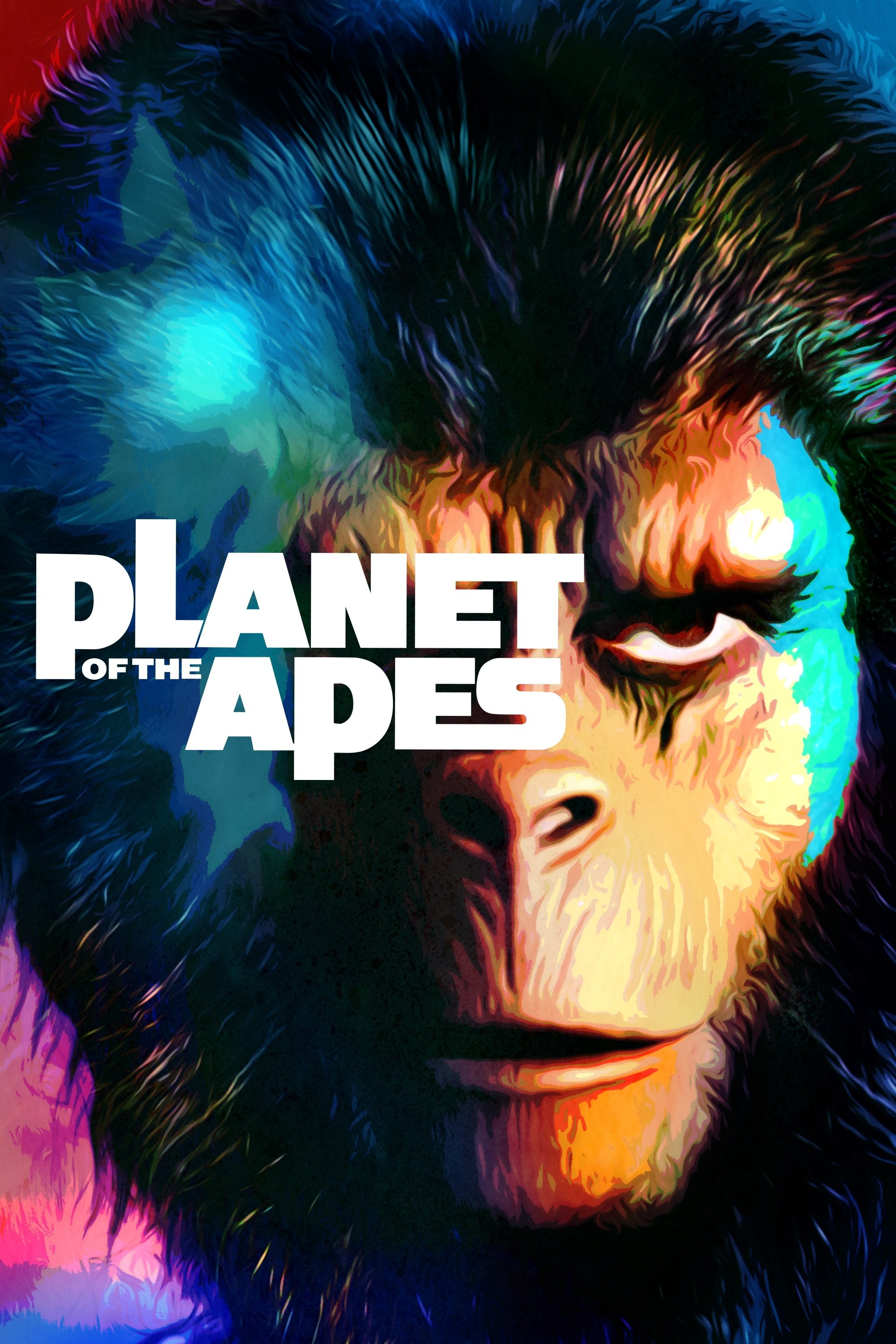
A deep space crew crash lands on an unfamiliar world and attempts to locate their ship and supplies. The film employs groundbreaking prosthetic makeup to depict a stratified society of apes. Wide desert locations and ruined coastal structures set a stark exploration route. The mission logs and survival kits frame the crew’s search for potable water and navigation clues.
‘Armageddon’ (1998)
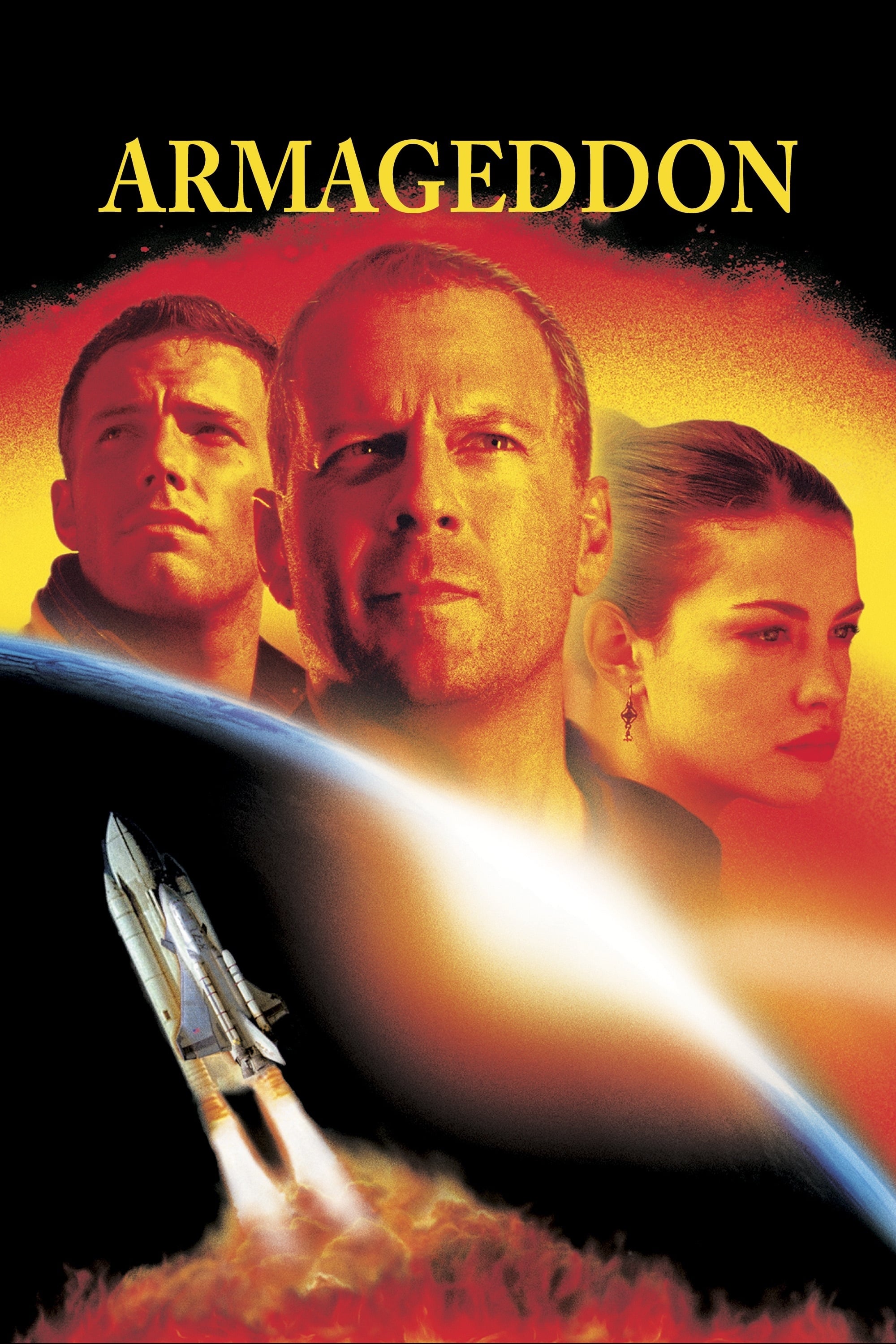
A rapid deployment team is trained for an intercept mission targeting an Earth bound asteroid. The narrative covers shuttle pair launches, orbital refueling, and a slingshot trajectory to the rock. Production design builds drilling rigs, detonation protocols, and suit telemetry for EVA work. Large scale miniatures and pyrotechnics depict debris fields and surface instability during drilling operations.
‘Deep Impact’ (1998)
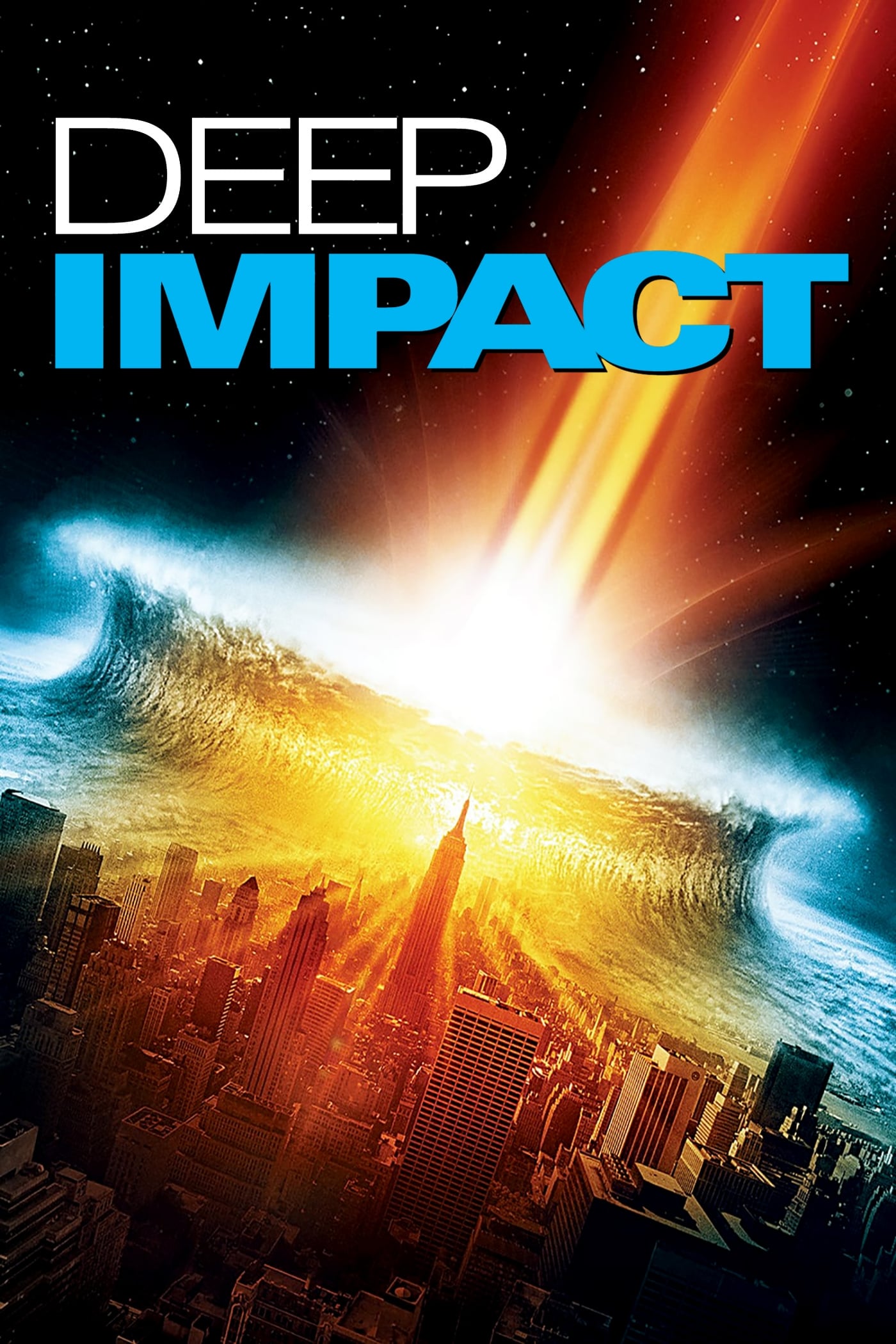
Scientists and authorities coordinate a dual mission that includes a nuclear standoff vehicle and global preparedness plans. The film shows telescope surveys, orbital insertion burns, and crew selection under compressed timelines. News broadcasts and government briefings illustrate contingency planning for coastline evacuations. Spaceflight sequences emphasize comet outgassing hazards and shield failure scenarios.
‘Silent Running’ (1972)
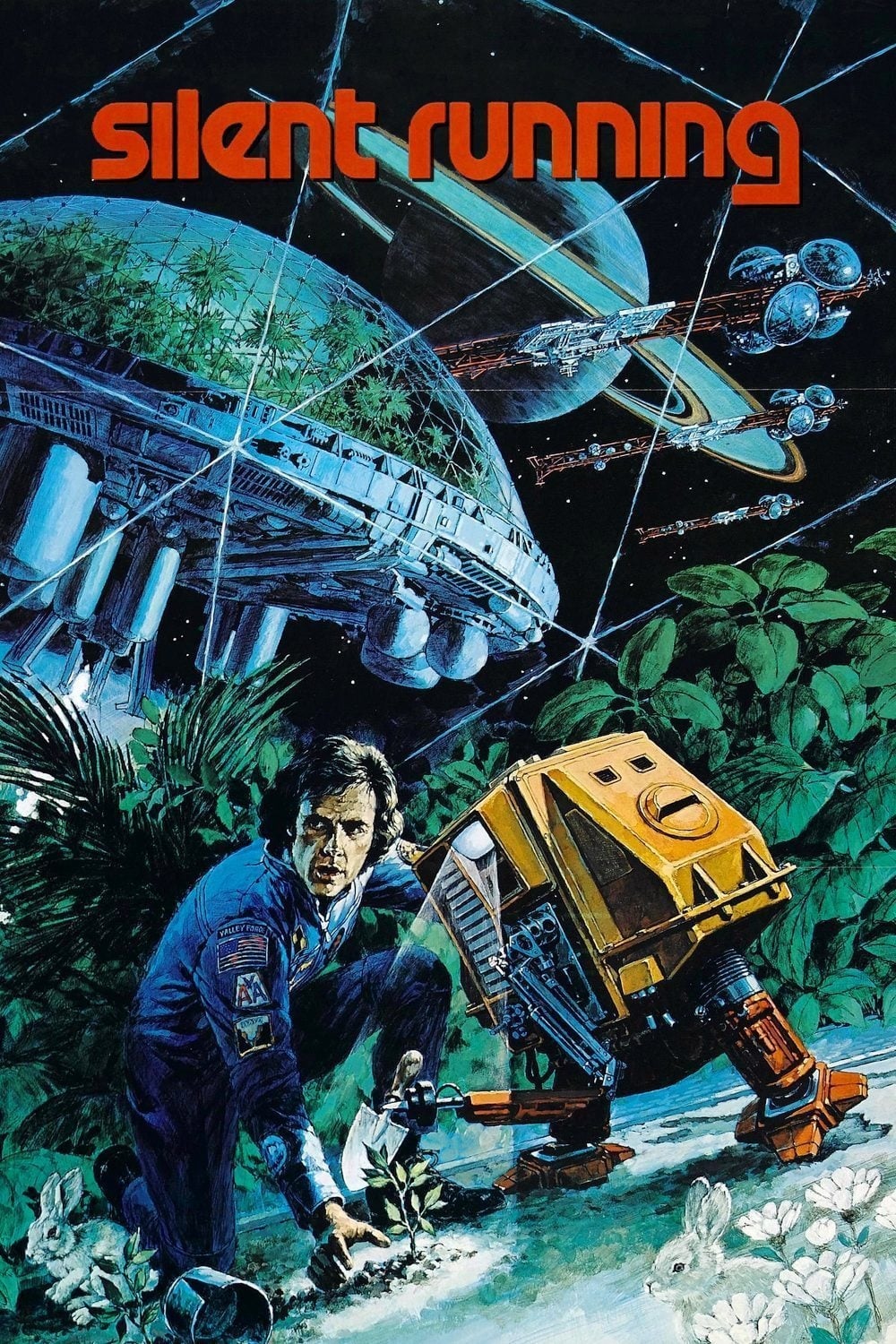
A space freighter carries geodesic domes that preserve Earth’s last forests under artificial environments. The plot follows conservation protocols, drone maintenance, and improvised horticulture after orders change. Miniatures and practical sets create catwalks, service bays, and greenhouse habitats. The film uses extended quiet time to show routine inspections and resource accounting aboard a long haul vessel.
‘Outland’ (1981)
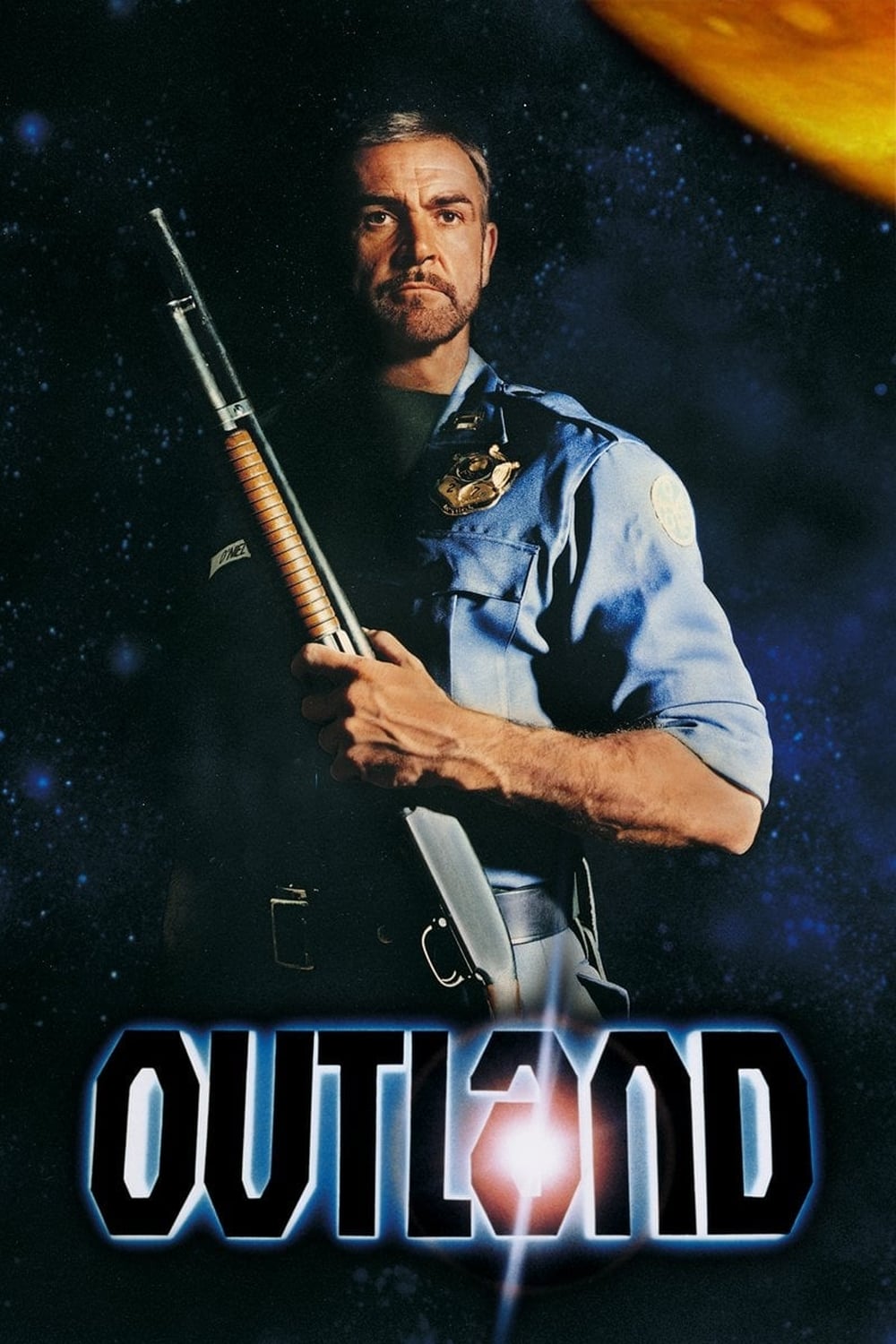
A law officer arrives at a mining outpost on Io where accidents hint at systemic abuses. Production design integrates pressure suits, shuttle docks, and cramped barracks tied to shifts and quotas. Surveillance systems and decompression risks shape security tactics in low gravity settings. The story tracks supply chains, corporate contracts, and smuggling routes through manifests and cargo bays.
‘Dark Star’ (1974)
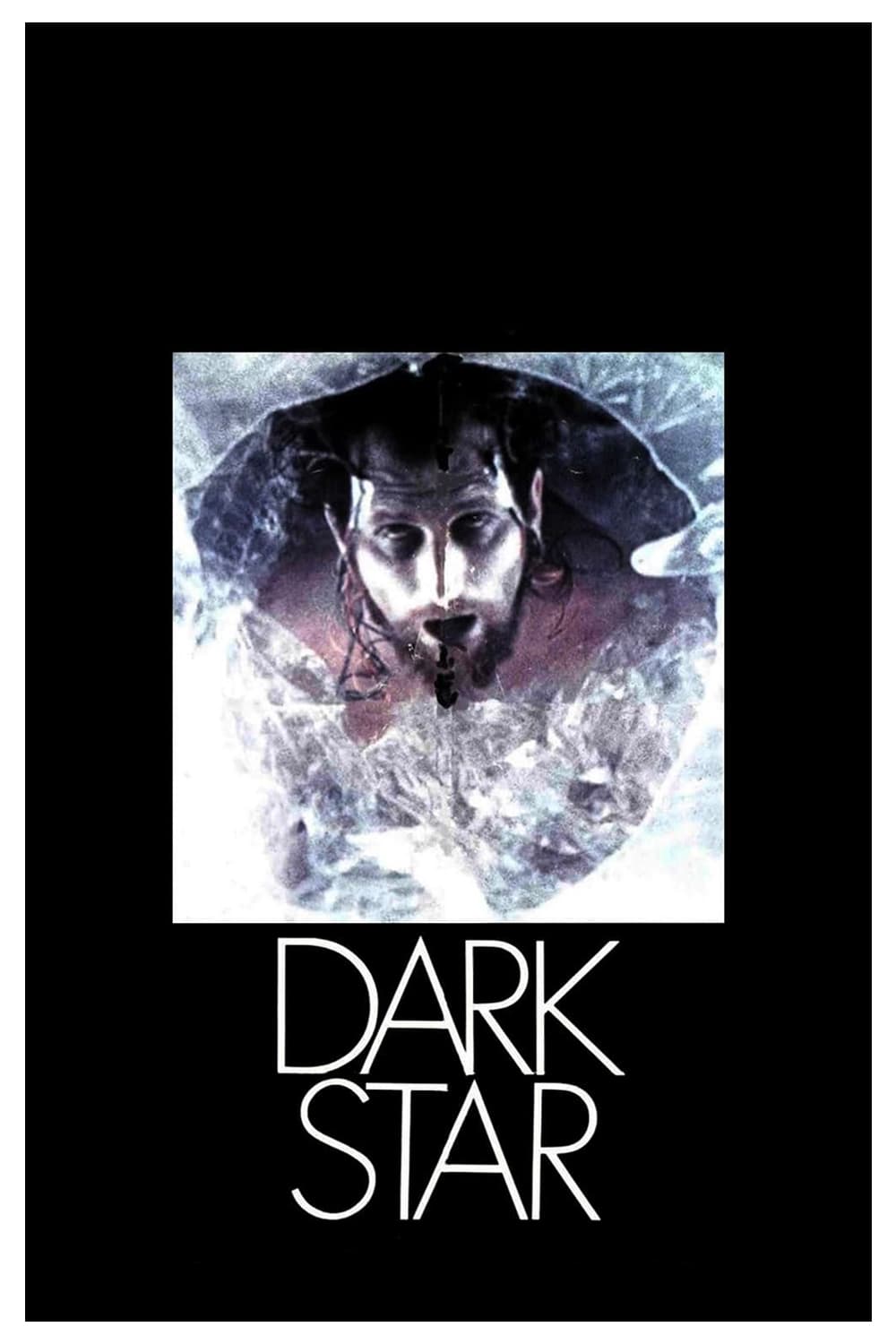
A small crew rides a budget starship tasked with destroying unstable planets using autonomous bombs. The film satirizes malfunction reports, shipboard boredom, and glitchy AI through maintenance scenes. Foam sets and DIY electronics sell corridors, airlocks, and control panels on a shoestring. Philosophical banter with a bomb explores logic loops and command authorization.
‘The Black Hole’ (1979)
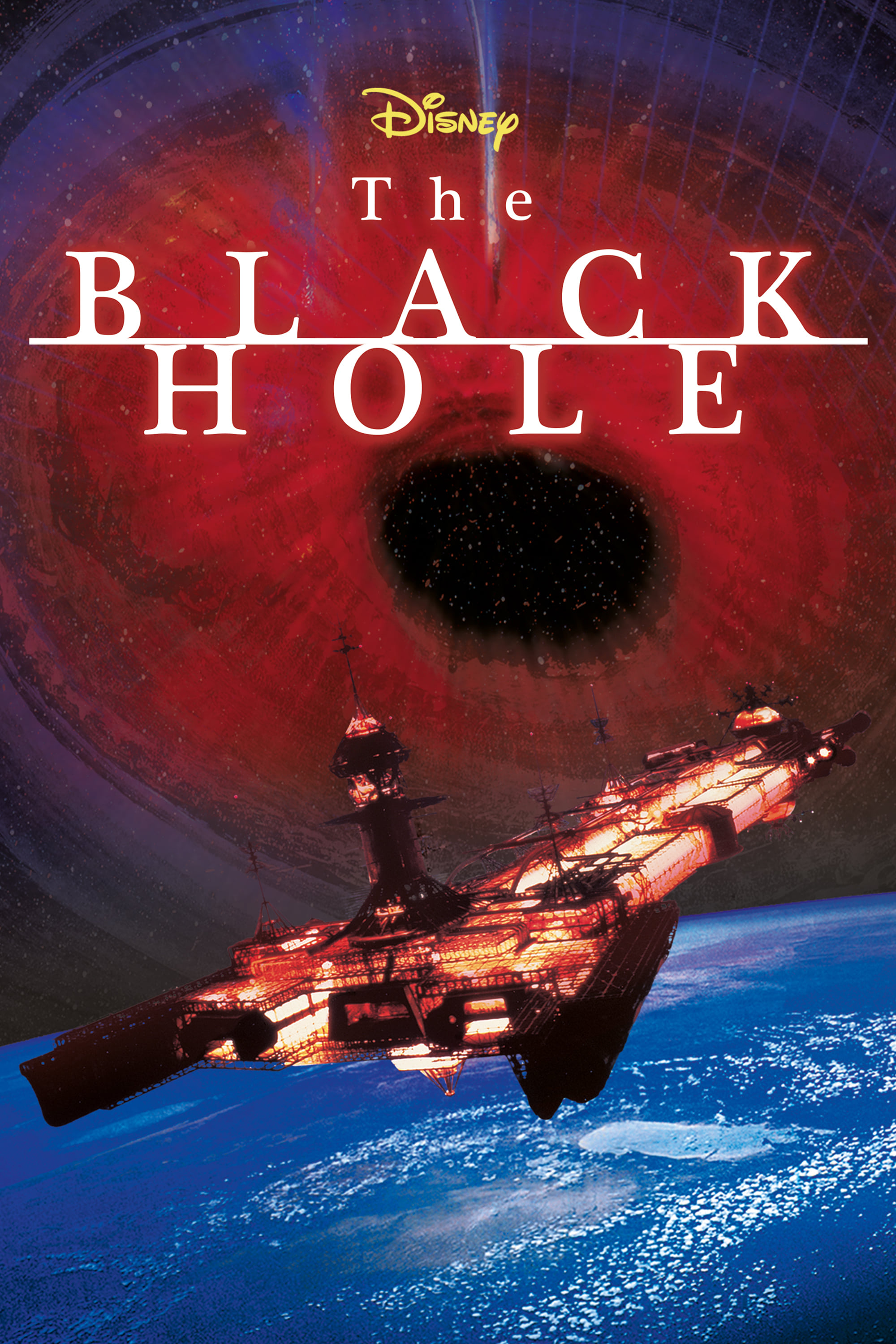
A research vessel encounters a lost ship hovering near an extreme gravitational field. The production mixes glossy sets, rotating centrifuges, and droid choreography with optical effects. Scientific readouts and tractor beam mechanics illustrate the peril of station keeping near singularities. The narrative follows a captain’s plan, crew dissent, and a final attempt to break free.
‘Aniara’ (2018)

A colony ship diverts after a debris incident and loses its window to correct course. The film maps dwindling fuel reserves, mass allocation, and psychological services over extended years. Communal spaces, hydroponics, and recycling systems become central to survival planning. Logs and ceremonies mark the passage of time as governance structures shift aboard the drifting vessel.
‘Passengers’ (2016)
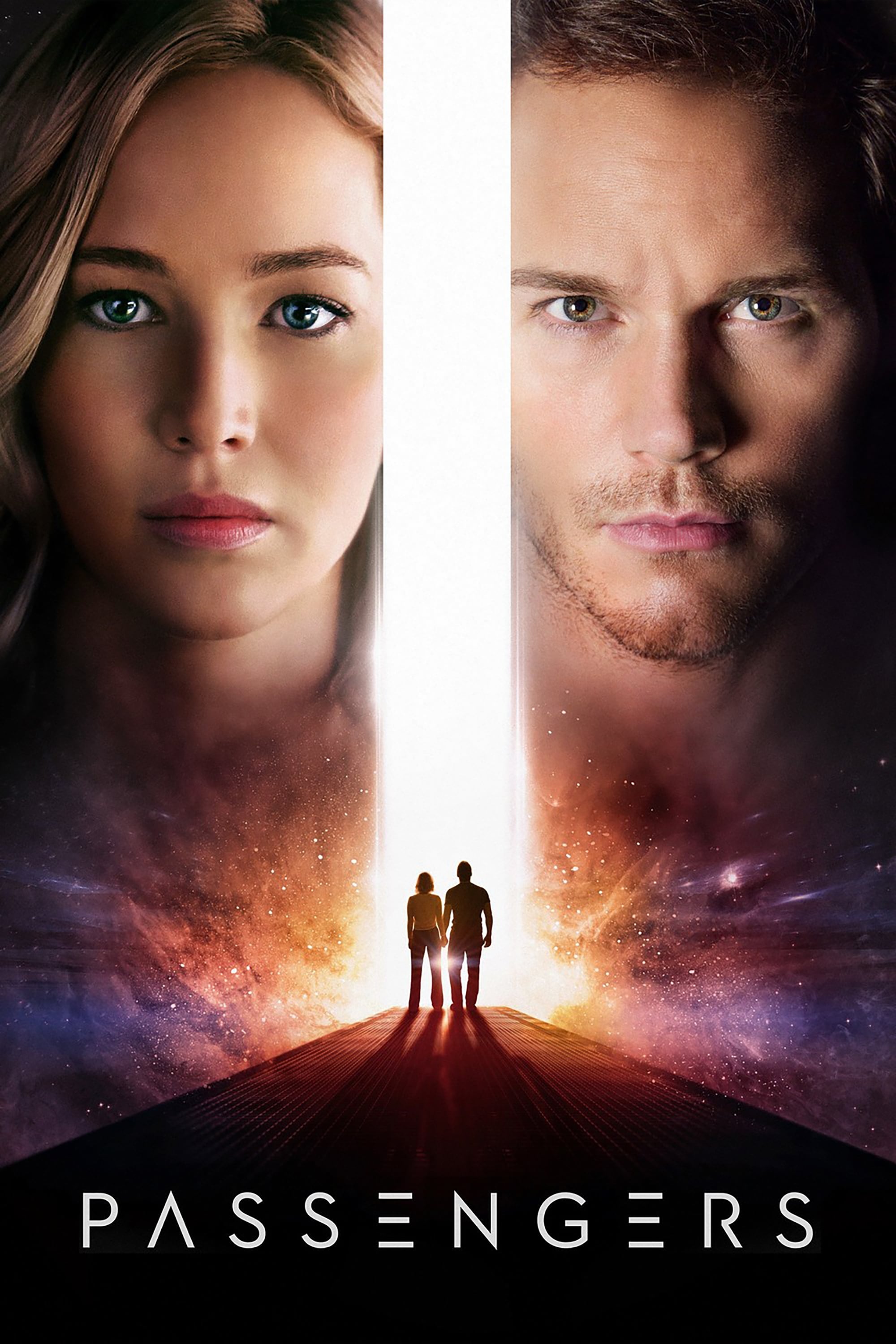
An interstellar cruiser carries thousands of sleepers toward a distant colony when a malfunction alters two passengers’ timelines. Design highlights include a rotating gravity ring, automated medical pods, and a fusion drive. The crew’s absent command structure forces ad hoc maintenance and diagnostics. EVA repairs, shield adjustments, and trajectory math drive the attempt to stabilize the ship.
‘Stowaway’ (2021)
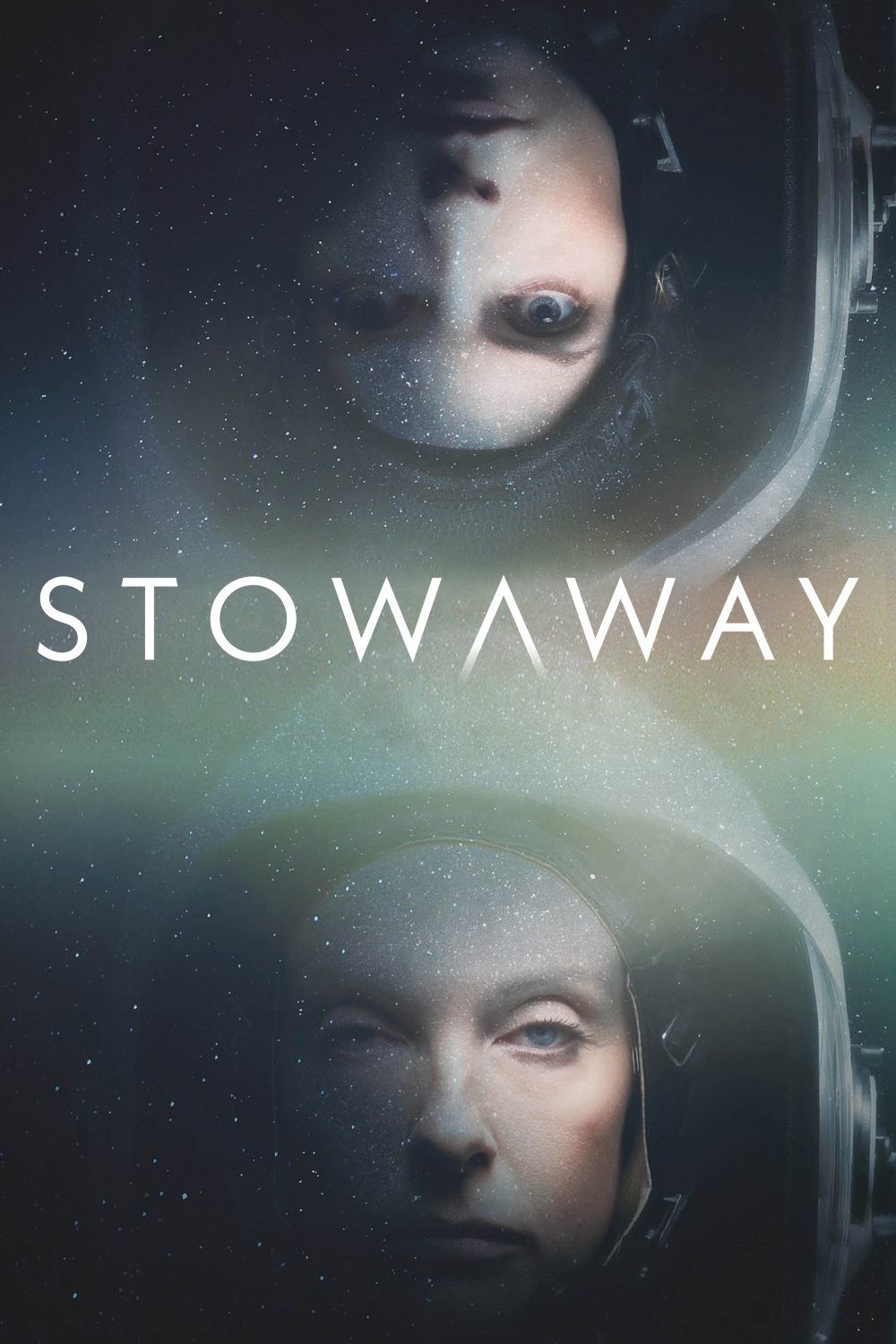
A Mars transfer mission discovers an unintended extra person onboard after departure. The film details oxygen budgeting, CO₂ scrubbing, and the risks of removing algae based life support. Tethered climbs and external truss work show the hazards of microgravity outside the hull. The crew evaluates burn schedules and center of mass changes as the situation tightens.
‘Rogue One: A Star Wars Story’ (2016)
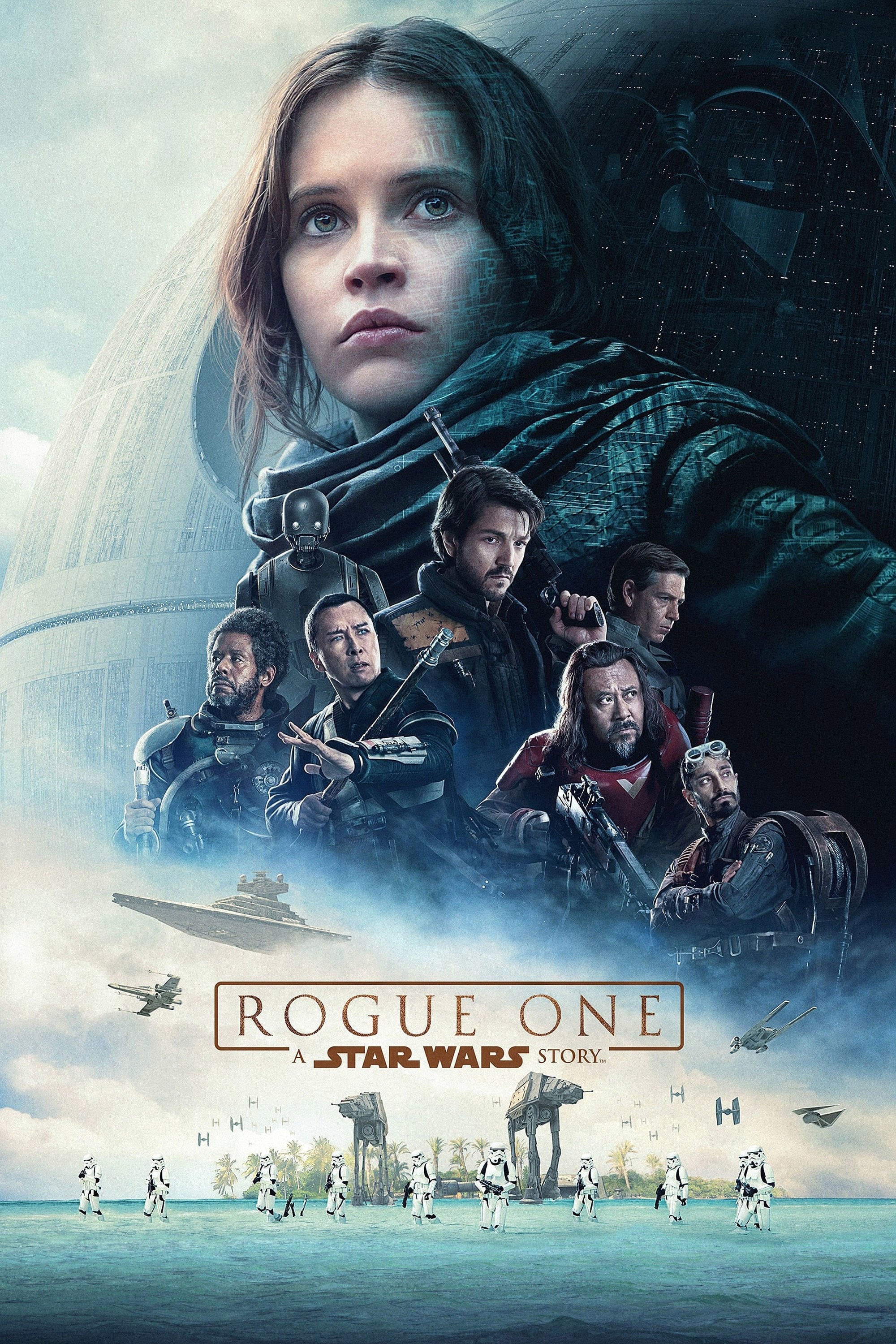
A covert team aims to extract critical schematics from a fortified archive to support a larger rebellion. The film stages infiltration using stolen clearances, call sign spoofs, and orbital shield gates. Ground battles coordinate with fleet actions that include ion disables and hyperspace blocks. Practical locations, creature work, and scale models support large composite space engagements.
Share your favorite space films and the scenes that stuck with you most in the comments.

