


The 15 Dumbest Things in DC Movies



DC movies cover many different eras and approaches, from pulpy serials and stylized fantasies to grounded crime epics and sprawling shared universes. Across all that history there have been story beats, creative pivots, and production choices that fans still bring up whenever these films come up in conversation. The range is wide, and the context behind each choice is often as interesting as the moment itself.
This list gathers memorable examples that turned into talking points. You will see scenes that hinge on unusual logic, last minute fixes that left visible seams, and third acts built around familiar devices. The entries span everything from the Burton and Schumacher period to the Nolan trilogy, the connected runs that followed, and the most recent one offs, so you can trace how these patterns showed up over time.
The Martha truce in ‘Batman v Superman: Dawn of Justice’
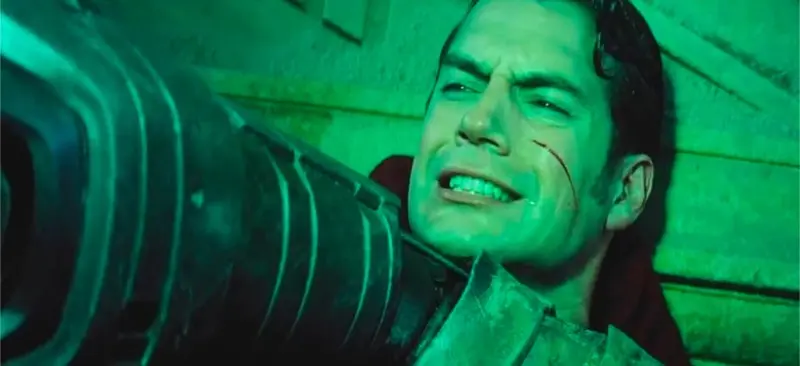
In the warehouse lead up to the final fight, Batman prepares to kill Superman with a kryptonite spear until Superman pleads for someone to save Martha. The name triggers Bruce Wayne’s memory of Martha Wayne, which interrupts the attack and reframes Clark’s plea as a call to save his own mother, Martha Kent. The scene ties back to the opening flashback with the alleyway murder and to Bruce’s fixation on his parents.
The plot then pivots to a rescue mission where Batman and Alfred locate Martha Kent, while Diana faces the larger threat. The shared name provides the hinge that turns two adversaries into allies, setting up the formation of a team and clearing the way for the climactic battle against a greater danger.
Lex Luthor’s chain of schemes in ‘Batman v Superman: Dawn of Justice’
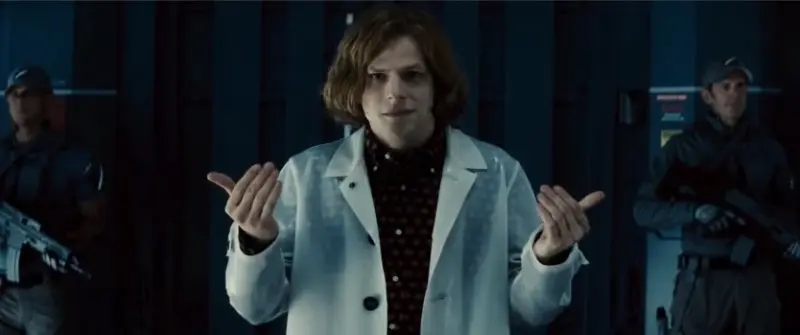
Lex orchestrates multiple tracks at once, including importing kryptonite, sending taunting notes to Bruce Wayne, and manipulating access to alien technology inside the Kryptonian ship. He kidnaps Martha Kent to force a confrontation and pushes Clark into a rooftop meeting where he demands Batman’s death as leverage.
He also detonates a bomb in the Capitol during a hearing on Superman, using a wheelchair packed with explosives, which shifts public perception and intensifies scrutiny. Inside the ship he combines General Zod’s body with his own blood in the Genesis Chamber to create Doomsday, which escalates events to an existential threat that requires all three heroes to respond.
The CG upper lip in ‘Justice League’
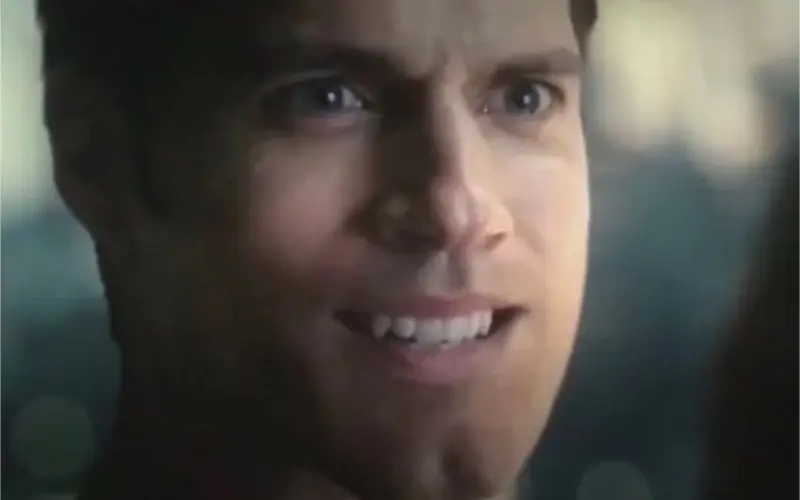
During reshoots, Henry Cavill was under contract for a mustache for ‘Mission: Impossible – Fallout’, which could not be shaved. Visual effects artists digitally removed the facial hair in the new scenes, creating shots where the upper lip and mouth movements look different from adjacent footage.
These altered moments are visible in the opening phone video and in several dialogue scenes. The effect became a calling card for how the production bridged two directing periods and two sets of footage, leaving a mix of original material and reshot material that do not always blend perfectly.
Steppenwolf and the Mother Boxes in ‘Justice League’
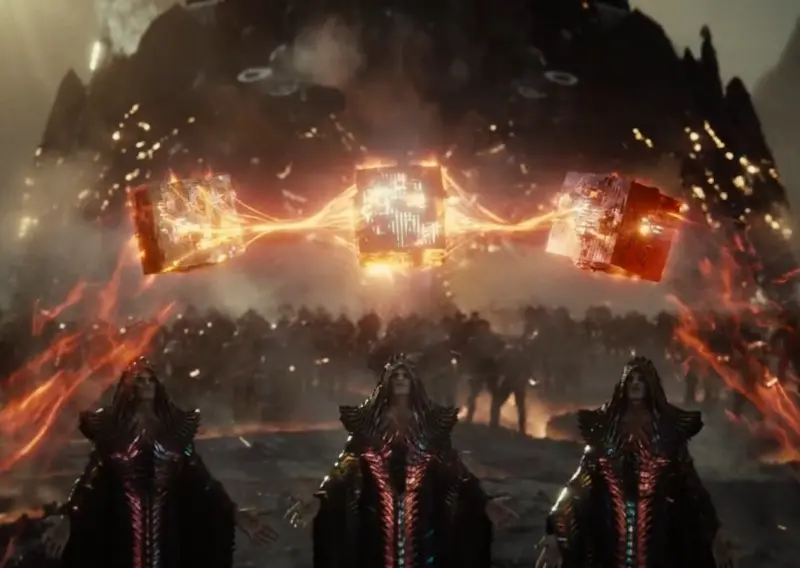
The theatrical cut introduces Steppenwolf as a conqueror who seeks three Mother Boxes to form the Unity. The boxes are split among Amazons, Atlanteans, and the world of men, with brief prologue fragments that sketch a past battle and a burial by humans in a forest.
Much of the runtime follows a pattern of theft, regrouping, and defense, ending with a showdown near a decommissioned facility as civilians are evacuated. Darkseid is largely absent in this version, leaving Steppenwolf’s motivations and history summarized in a handful of lines and visions while the heroes focus on preventing the Unity.
The chopped and remixed theatrical cut of ‘Suicide Squad’
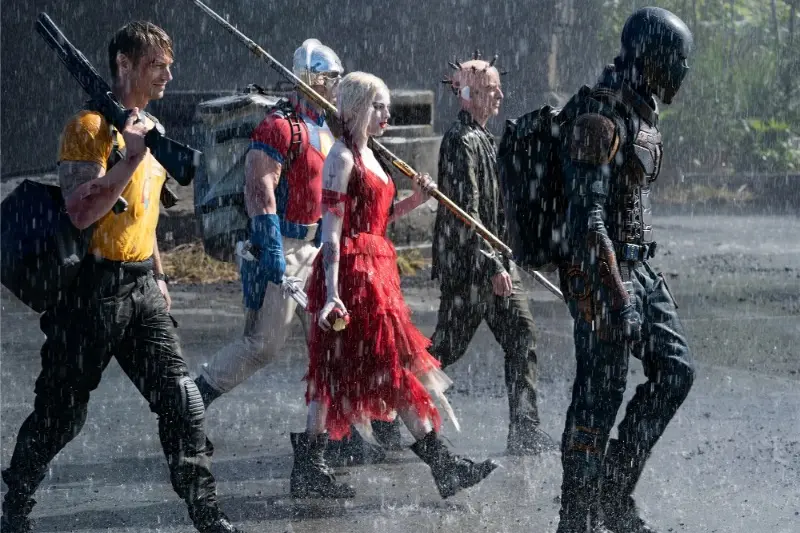
‘Suicide Squad’ reached theaters after additional photography and a new editorial approach that leaned hard on music cues and punchy transitions. The Joker appears in scattered sequences that support Harley’s backstory rather than as the main antagonist, and the finished cut positions the team against a different threat.
Marketing included dialogue and character beats that do not appear in the final assembly, which left audiences comparing trailers to what ended up in the movie. The result is a version where character intros land in quick bursts and subplots feel abbreviated, especially around the Joker and Harley material.
Enchantress and the sky beam in ‘Suicide Squad’
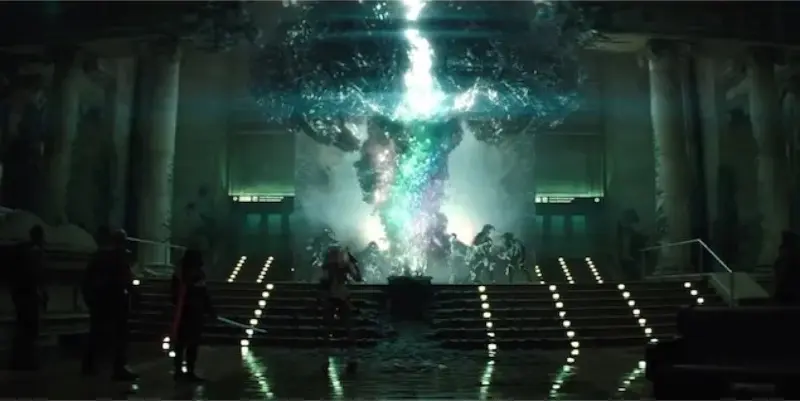
The mission centers on Enchantress and her brother Incubus building a destructive device in Midway City that sends energy into the sky while converting soldiers and bystanders into loyal creatures. Task Force X moves through the city to extract a target and ultimately confronts the source at the epicenter.
Enchantress promises a new age by dismantling modern defenses and infrastructure while assembling a vortex that grows in intensity. The resolution hinges on Rick Flag destroying Enchantress’s heart and the team closing in to end the spell, which restores June Moone and shuts down the machine.
Steve Trevor’s return through body swap in ‘Wonder Woman 1984’
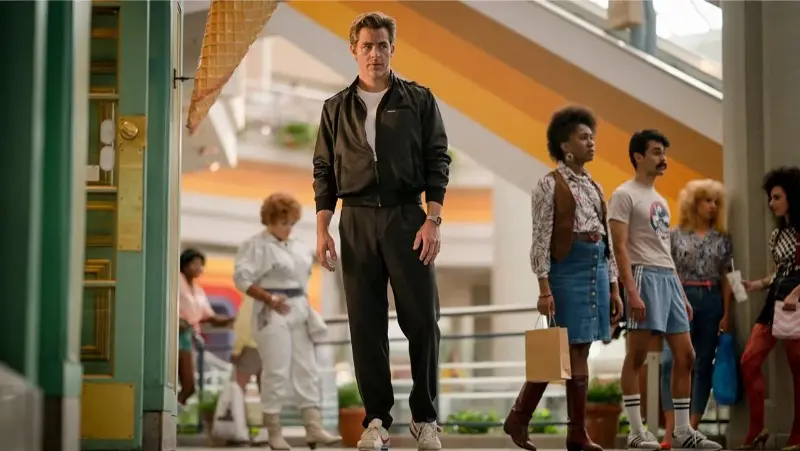
Diana wishes for Steve Trevor’s return through the Dreamstone, and he comes back by inhabiting the body of an unnamed man. The film presents Steve as Diana sees him while other characters see the original man, which creates a dual identity that continues across action scenes and quiet moments.
The story carries this setup through their reunion and fish out of water sequences until Diana renounces the wish. The unnamed man later appears as himself during the holiday scene, indicating that Steve’s presence has ended and the body’s owner has resumed his life.
Batman and the fusion bomb getaway in ‘The Dark Knight Rises’
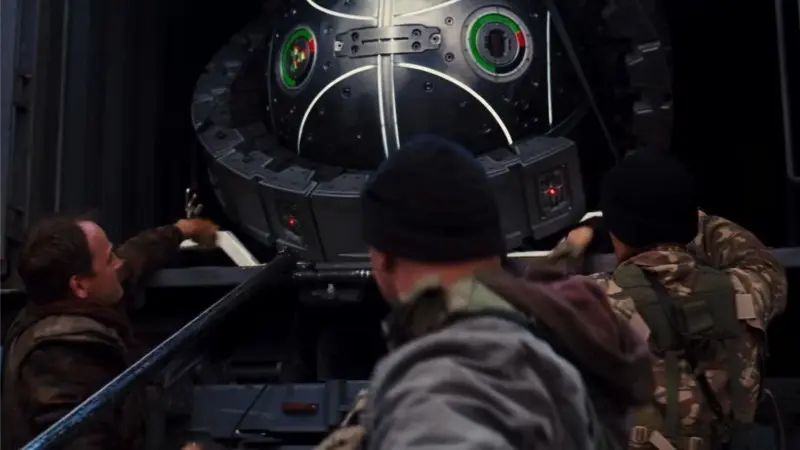
Bane and Talia convert a fusion project into a ticking bomb that threatens Gotham. In the finale, Batman uses the Bat aircraft to carry the device out over the bay, seemingly sacrificing himself to remove the blast from the city.
Later, Lucius Fox learns that the Bat’s autopilot had been patched under Bruce Wayne’s name. The closing montage shows Gordon finding a repaired signal, Blake discovering the cave, and Alfred spotting Bruce alive with Selina in Florence, which reframes the flight as a survivable plan.
The fully digital suit in ‘Green Lantern’
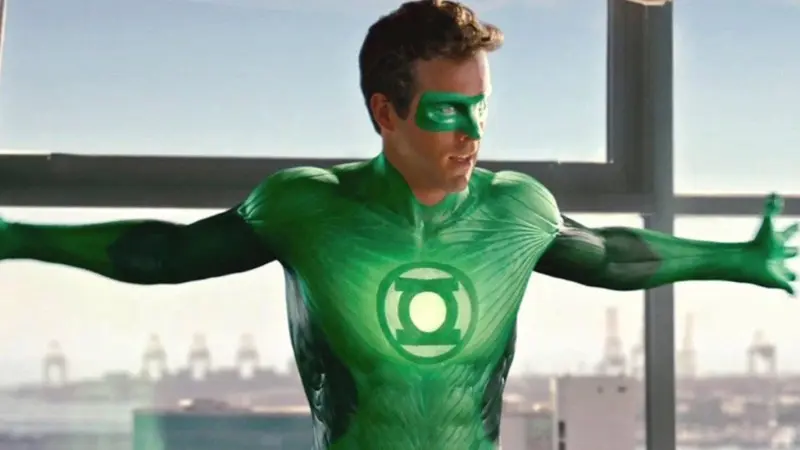
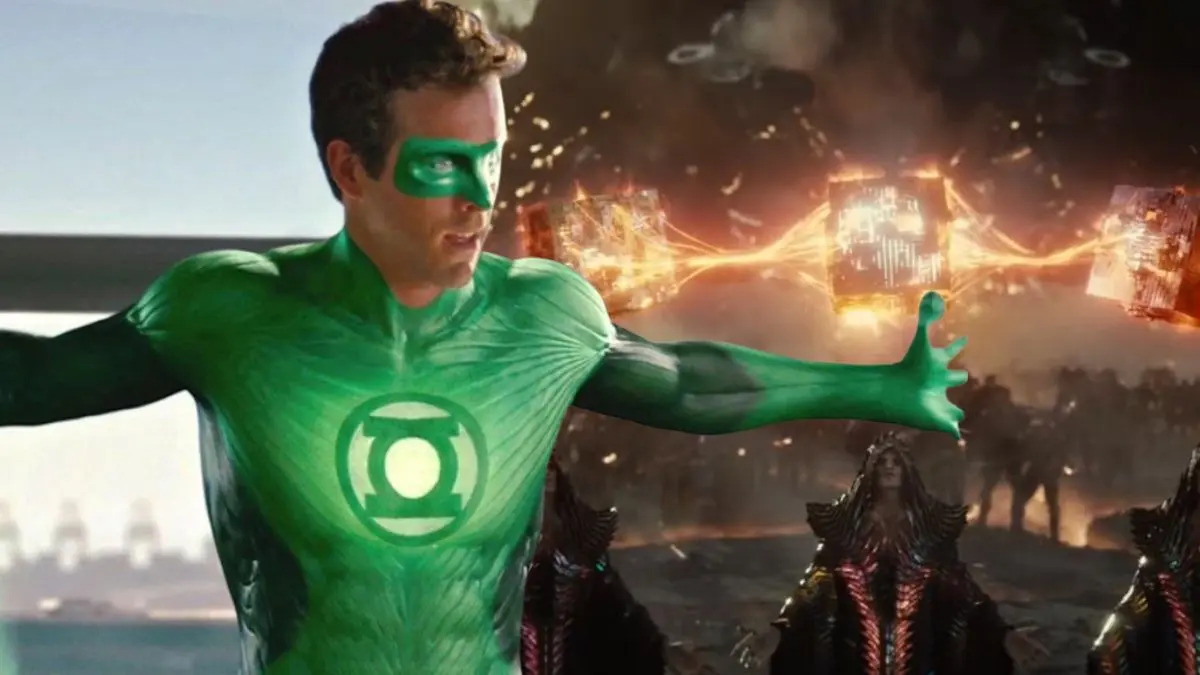
Hal Jordan’s costume is rendered as pure energy rather than a physical suit, so the production replaced practical fabric with a computer generated design on the actor’s body. The mask and textures were tracked to facial features and muscle movement to create a living construct effect.
The look includes glowing lines and a symbol that pulse with power, especially during training on Oa with the Corps. The digital choice stands out in earthbound scenes and close ups, where the skin to suit transition and the animated cowl draw attention to the compositing work.
The Bat credit card in ‘Batman & Robin’
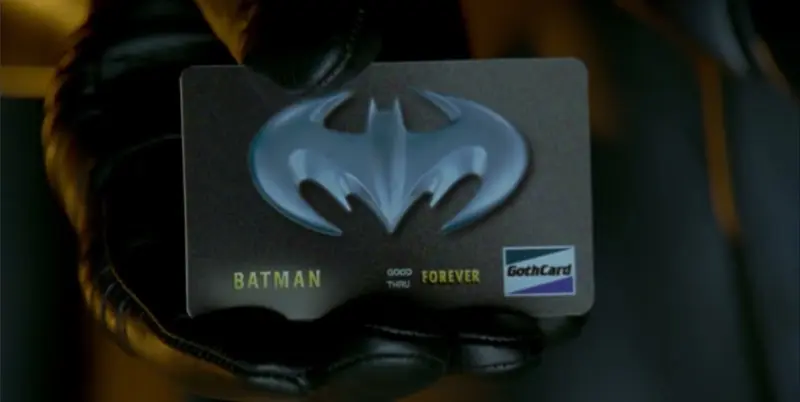
During a charity auction, Batman and Robin bid against each other for the chance to escort Poison Ivy. Batman produces a Bat branded credit card as a gag to keep bidding, complete with a cheeky expiration line that matches the series’ tone.
The moment sits alongside Mr. Freeze’s ice themed one liners and a parade of gadget reveals, including skates that pop from boots and vehicles in matching color schemes. The movie’s production emphasized broad spectacle and merchandising, which is why props and costume variants appear in rapid succession.
Cosmetics conspiracy and the basketball scene in ‘Catwoman’
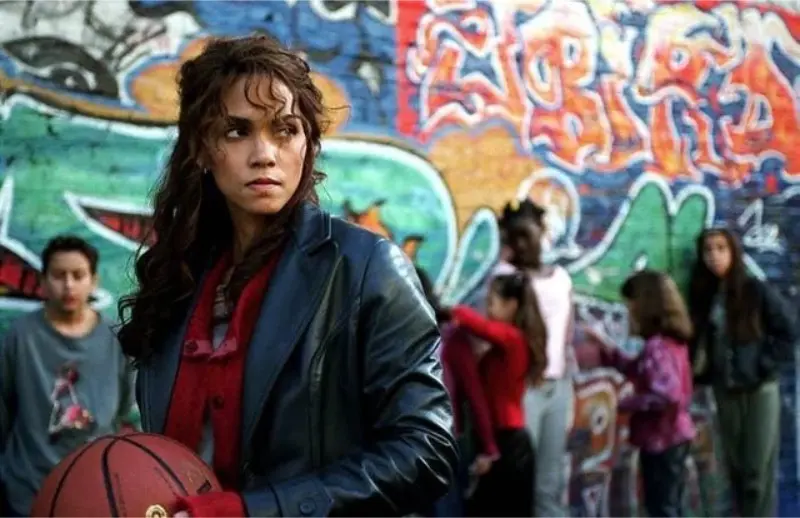
Patience Phillips discovers that a new cosmetics product from her company causes severe side effects, and the executives plan to release it anyway while suppressing the evidence. The story follows her transformation and investigation, with Sharon Stone’s character using the product and gaining a hardened skin effect.
Midway through, Patience and detective Tom Lone play an impromptu game of one on one at an outdoor court that doubles as flirtation. The sequence uses quick cuts, zooms, and stylized movement that depart from the surrounding scenes, making it one of the film’s most talked about interludes.
The drumming octopus in ‘Aquaman’

As Arthur prepares to duel Orm in the Ring of Fire, a quick cutaway reveals an octopus playing drums to hype the arena. The creature nods to Topo from the comics, who aided Aquaman in various stories with musical and practical skills.
The cameo lands right before the fight begins and adds a blink and you miss it flourish to the underwater spectacle. It functions as a direct reference for longtime readers while also adding an eccentric beat to the worldbuilding of Atlantis.
The falling babies rescue with a microwave in ‘The Flash’
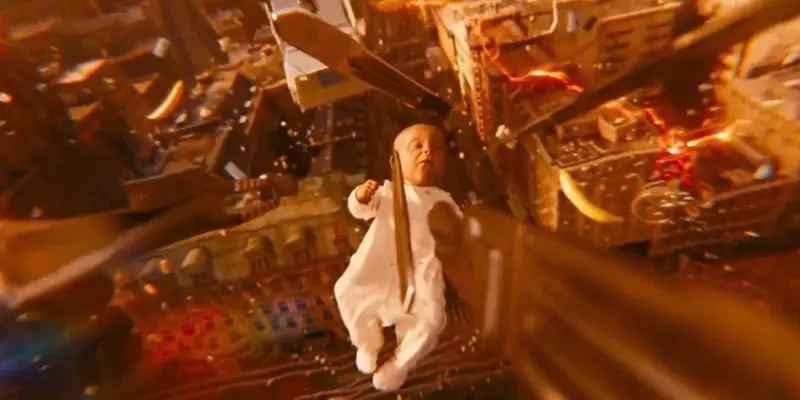
The opening sequence stages a hospital collapse with infants dropping toward danger while Barry scrambles to save them at super speed. He moves objects into place as protective barriers and briefly places a baby in an unplugged microwave as a shield while clearing the debris.
The scene explains Barry’s calorie burn limitation and the way time slows from his perspective. It sets the tone for how the movie uses speed to choreograph complex gags and rescues while introducing the audience to the rules that govern his abilities.
The Chronobowl cameo parade in ‘The Flash’
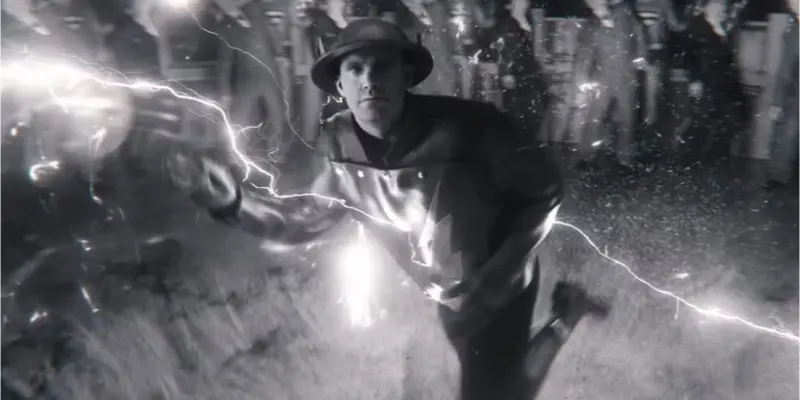
Time travel appears as a stadium like space called the Chronobowl where rings display events and alternate timelines. The movie populates it with digital recreations of legacy characters, including versions of Superman tied to earlier eras and a sequence with Nicolas Cage’s Superman fighting a giant spider.
This all unfolds as timelines collide and reality buckles near the finale. The montage ends with a reset that places a different Bruce Wayne outside the courthouse, which underlines how the time meddling has scrambled familiar identities.
Unicorns tamed with candy in ‘Shazam! Fury of the Gods’
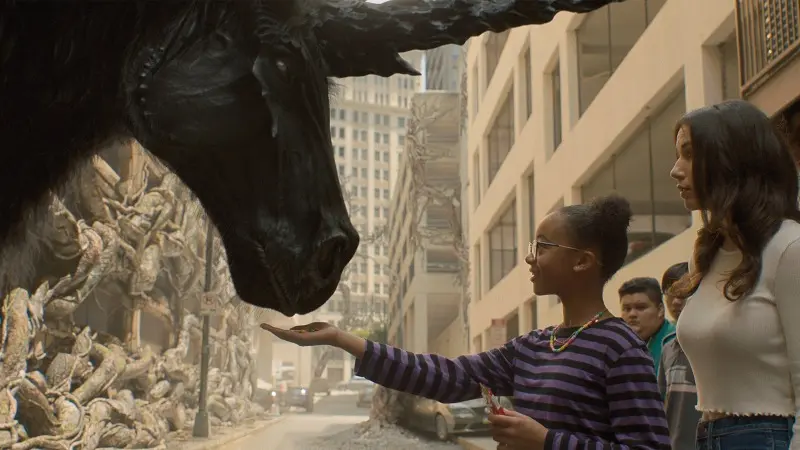
During the citywide attack, the kids discover that unicorns are hostile but can be pacified with candy. Darla uses Skittles to lure and befriend one, then rides it into battle while shouting the brand’s slogan as a rallying cry.
The idea builds on a running gag about sugary snacks and turns it into a tactical tool against other creatures. The unicorns then charge through the streets under friendly control, converting a joke setup into a centerpiece of the final fight.
Share the one that made you shake your head the most in the comments and tell us which moment you would swap in or out.

