


The Most Complex Female TV Villains Ever Created

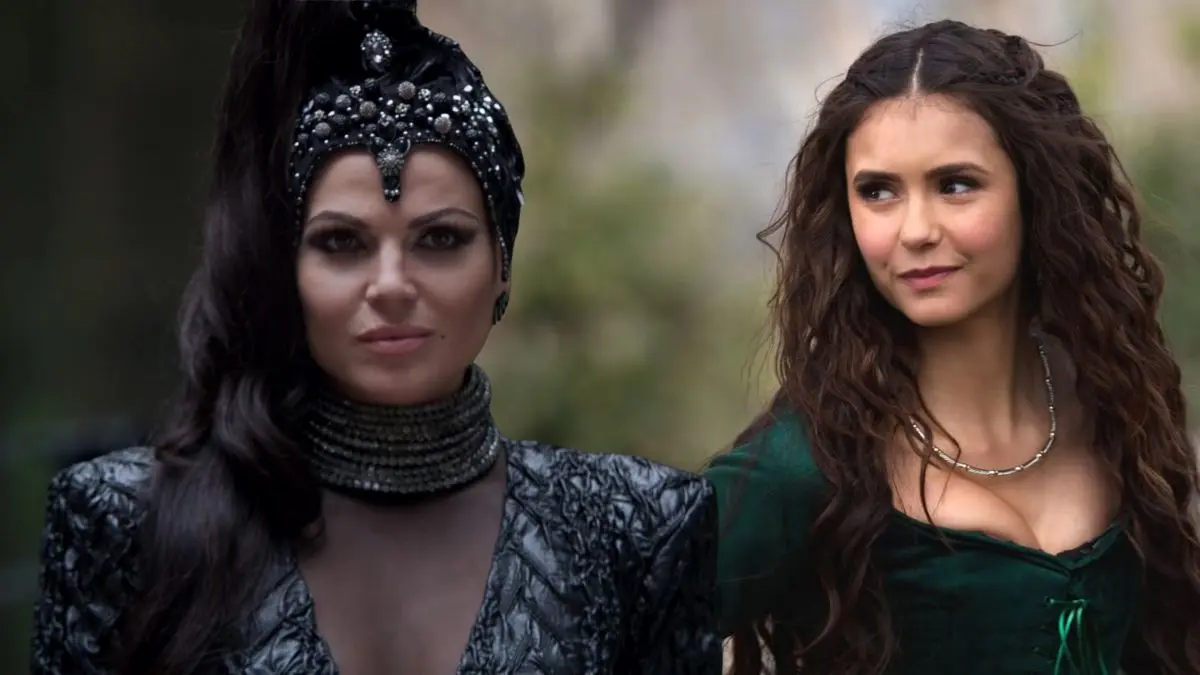


Some TV antagonists are easy to read, but the most memorable ones are layered with history, contradictions, and choices that keep the story in motion. These characters drive entire seasons through strategy, survival, and power plays that make sense once you understand the rules they live by. They are not simple foils. They are engines that turn every scene.
Below are ten female villains whose actions are grounded in specific goals, personal codes, or shifting alliances. Each one is tied closely to the world of her series, and each one reveals how institutions like family, government, religion, or business can shape a person into an adversary. Where relevant, you will see quiet nods to the network that carried the show and the studio muscle that helped bring it to screens.
Cersei Lannister from ‘Game of Thrones’
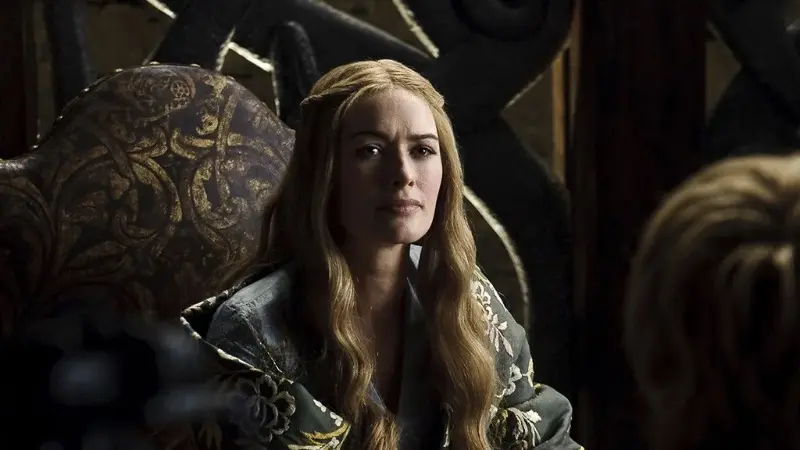
Cersei’s power centers on lineage, succession, and the protection of her children, which makes her decisions track cleanly with the politics of the Seven Kingdoms. Key moves include orchestrating alliances through marriage contracts, using the Faith Militant to neutralize rivals, and eliminating opposition at the Sept of Baelor through wildfire. The show aired on HBO, with Warner Bros. involved behind the scenes.
Her arc is driven by a prophecy about her children and social norms that strip autonomy from women in noble houses. That pressure explains her reliance on espionage through Qyburn’s little birds and her readiness to deploy force once legal tools fail. Her rule depends on supply lines, fear, and negotiated loyalty, and her downfall follows the collapse of those same systems.
Serena Joy Waterford from ‘The Handmaid’s Tale’

Serena is a chief architect of Gilead’s laws and simultaneously a person constrained by the same rules she helped create. She uses print and televised messaging to normalize state control of bodies, then tests the limits of those policies when they threaten her family line. The show streams on Hulu, with MGM’s television arm involved and a long film legacy associated with the brand.
Her moves include negotiating diplomatic optics with Canada, managing household hierarchies, and navigating the Council’s attention. The tension in her story arises from legal frameworks she endorses that later curtail her status, which explains her shifting posture toward allies and her use of public relations to preserve influence.
Livia Soprano from ‘The Sopranos’
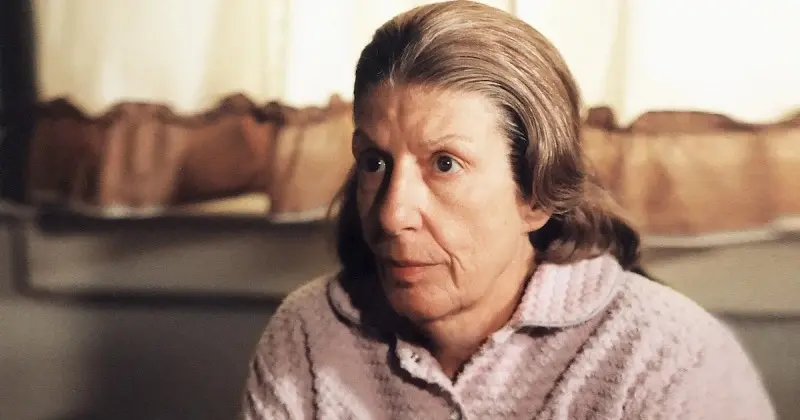
Livia practices indirect control through suggestion, rumor, and carefully chosen silences that unsettle rivals and family members. She leverages elder care arrangements, inheritance expectations, and community ties to push Tony into reactive choices without issuing explicit orders. The series ran on HBO, with Warner Bros. support in distribution and home media.
Her methods reflect an ecosystem where face saving and neighborhood reputation carry measurable weight. By exploiting nursing home logistics and conversations with key associates, she creates outcomes that look accidental from the outside. Her influence shows how power can function through omission rather than overt command.
Marisa Coulter from ‘His Dark Materials’
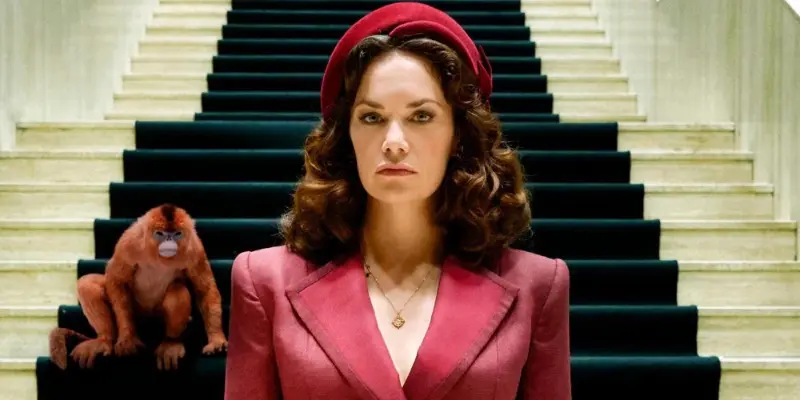
Mrs. Coulter wields institutional authority through the Magisterium and through experimental programs that target children. She combines theological justification with scientific research to control the flow of information about Dust, which allows her to shape policy and field operations. The show aired on BBC One and HBO, with New Line under Warner Bros. connected to the production side.
Her choices are consistent with a leader who must maintain doctrinal purity while hiding personal vulnerabilities. She balances covert missions, diplomatic meetings, and laboratory oversight, adjusting her approach whenever religious doctrine clashes with strategic necessity. Her daemon relationship illustrates how self control becomes both tool and cost.
Nina Myers from ’24’
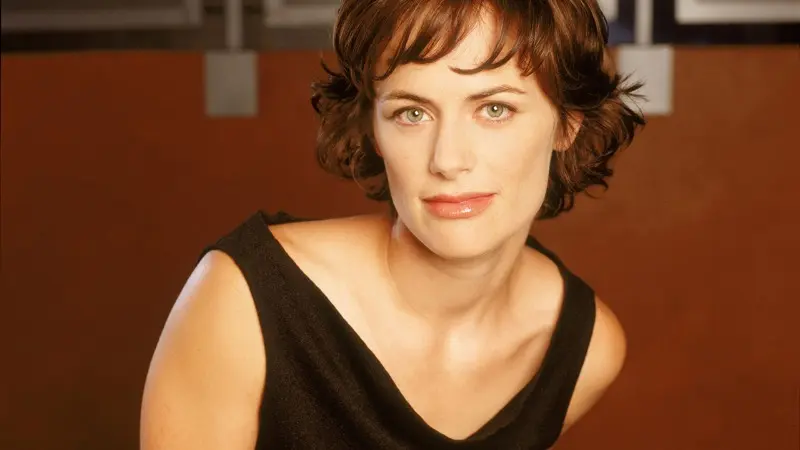
Nina is embedded within a federal counterterrorism unit while feeding intelligence to external actors, which makes her movements legible through the lens of tradecraft. She manipulates clearance protocols, timing, and chain of command to redirect field teams and compromise evidence without drawing early scrutiny. The series aired on Fox, with production history tied to the 20th Century studio family.
Her decisions often track to transactional goals such as immunity deals and extraction corridors, rather than ideology. She demonstrates how internal access can outperform brute force, and her eventual exposure follows a paper trail of authorizations and mission irregularities that stop making sense once her cover is broken.
Katherine Pierce from ‘The Vampire Diaries’

Katherine survives by leveraging compulsion, forged identities, and control of vampire lineage dynamics. She uses leverage over cure rumors, traveler lore, and town politics to keep every faction slightly off balance, which buys her time to escape or ascend. The series ran on The CW, with Warner Bros. and CBS television units connected to production and distribution, while Warner Bros. is also known for a significant film pipeline.
Her strategy is consistent with someone who treats relationships as assets to be banked and traded. She plans around vervain access, daylight ring logistics, and supernatural rules that govern entry and ownership. When those systems change, she adapts by creating new contingencies rather than fighting from a fixed position.
Regina Mills from ‘Once Upon a Time’
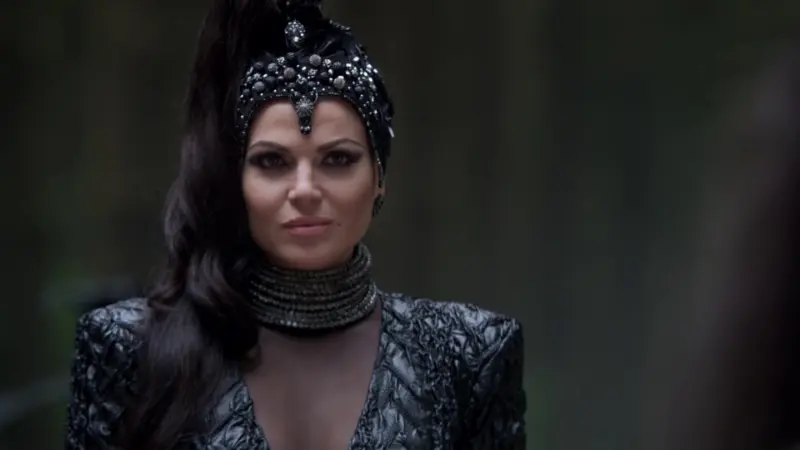
Regina’s path from royal authority to small town power player runs through memory curses, adoption law, and municipal leadership. She uses a town charter, school governance, and carefully placed allies to maintain control while dealing with the consequences of past magic. The series aired on ABC, and the Disney umbrella behind it carries a long film distribution heritage.
Her evolution is structured around the mechanics of curses and the legal realities of Storybrooke. Because magic has rules, her problem solving shifts from brute force to technical interpretation, which includes counter spells, true love’s conditions, and the management of magical artifacts. The result is a character who governs through both ordinance and spellcraft.
Charlotte Hale from ‘Westworld’

Charlotte begins as a corporate executive who uses intellectual property law, shareholder votes, and park governance to pressure the Delos board. Later, an artificial host version of Charlotte scales those tactics into a broader plan that treats humans and hosts as assets. The show aired on HBO, with Warner Bros. infrastructure present across the franchise.
Her methods involve data exfiltration, host control architectures, and remote operations that rely on networked systems. She executes strategies through supply chains, security protocols, and companion algorithms, and her objectives update as she assesses risk to her new identity. Corporate policy becomes a battlefield as real as any park.
Fiona Goode from ‘American Horror Story: Coven’
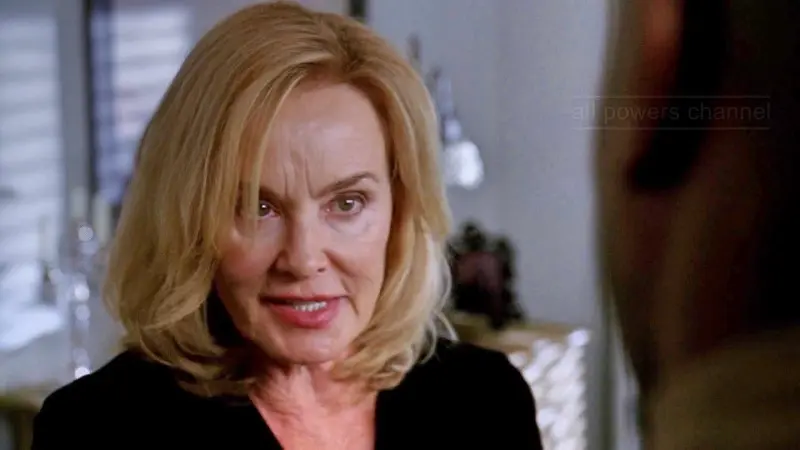
Fiona leads by manipulating coven bylaws, succession tests, and alliances with outside groups. She secures status by controlling knowledge of who might be the next Supreme while negotiating truces that protect the school. The series ran on FX, with 20th Television tied to production and the broader 20th Century banner known for film distribution.
Her choices track to a leader who must prolong personal power under a rule set that punishes weakness. She exploits ritual timing, protection spells, and reputation within the witching community. When health declines threaten authority, she pivots to strategies that delay succession rather than confront it openly.
Catherine de Medici from ‘The Serpent Queen’
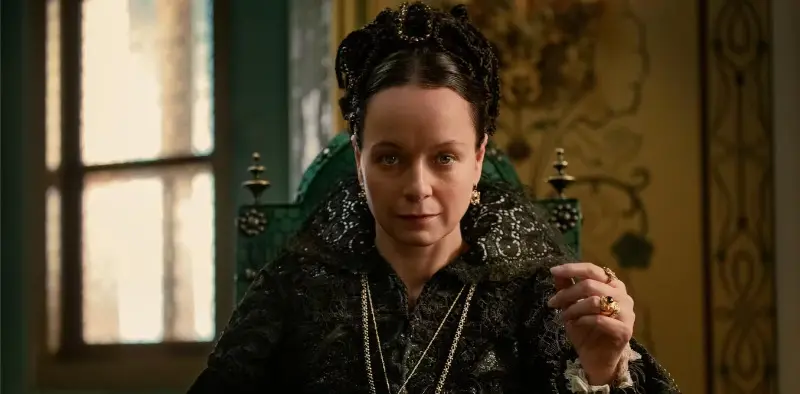
Catherine consolidates influence through marriage alliances, court patronage, and religious policy during a volatile period in France. She uses spies, financial management, and control of access to the monarch to shape outcomes that appear to flow from court custom. The show airs on Starz, and Lionsgate’s presence links the series to a major film distributor.
Her tactics are grounded in the administrative reality of early modern courts, where proximity, ceremony, and dowries carry decisive weight. She treats prophecy and rumor as tools for crowd management while building a network of loyalists who can execute without public credit. The character’s decisions follow the logic of survival inside a moving political machine.
Share your picks for the most complex female TV villains in the comments.

