


The Most Extraordinary Anime of All Time


From groundbreaking films to unforgettable series, anime has delivered worlds that feel richly lived in and stories that stick with you long after the credits. The titles below span genres and eras, showing how creators and studios keep pushing the medium forward with bold ideas, meticulous craft, and distinctive visual voices. Each entry highlights concrete reasons these works stand out, from awards and innovations to cultural impact and production details. Dive in and see how different studios shaped anime history in their own way.
‘Neon Genesis Evangelion’ (1995–1996)
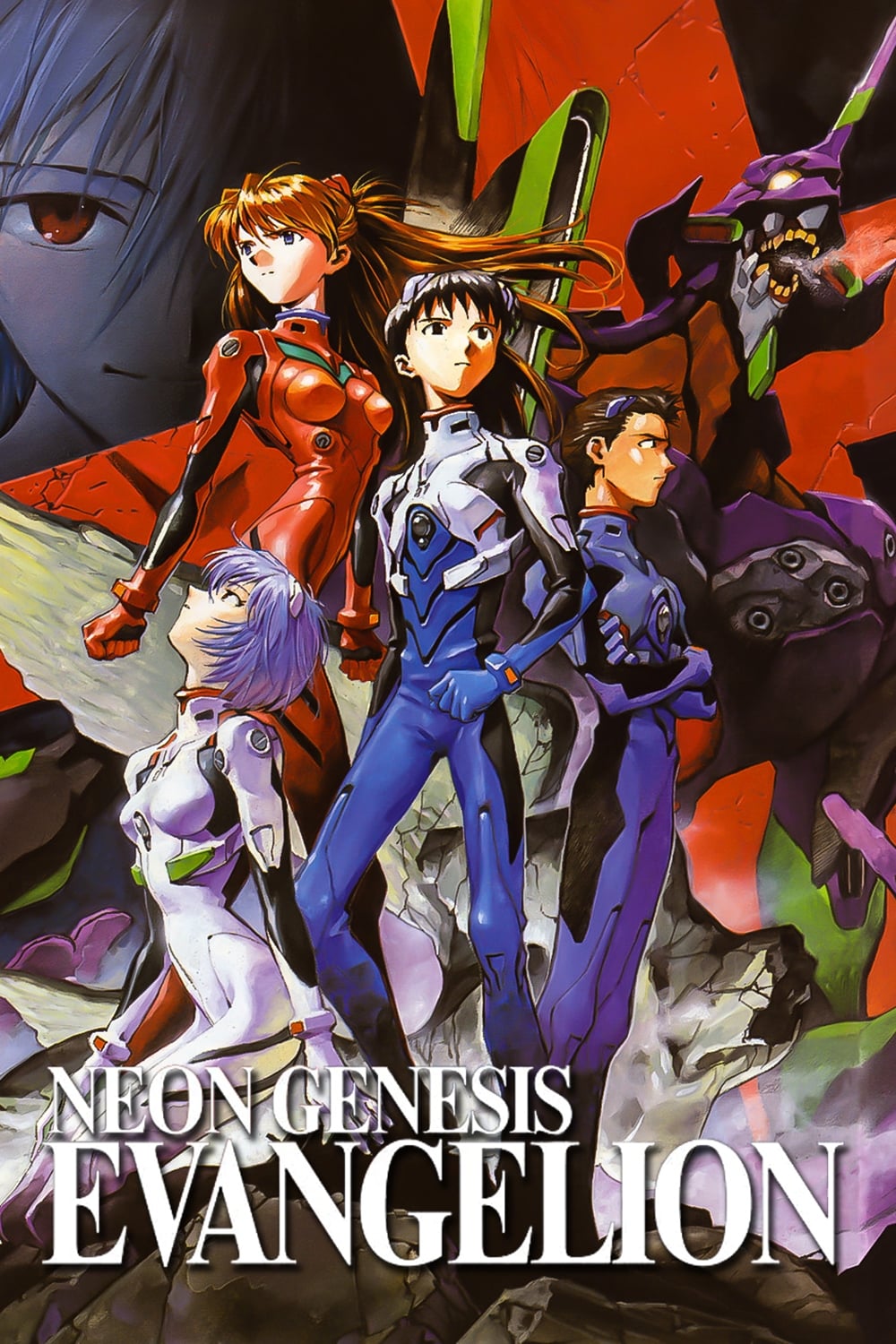
This series follows teenage pilots in bio-mecha fighting mysterious beings while uncovering a web of psychological and conspiratorial secrets. Gainax used limited animation techniques in striking ways that emphasized mood and inner conflict. The show’s finale led to two different endings across television and film, which spurred extensive discussion and analysis. Its production notes reveal how the staff reworked late episodes under tight schedules and still established a lasting design language.
‘Fullmetal Alchemist: Brotherhood’ (2009–2010)
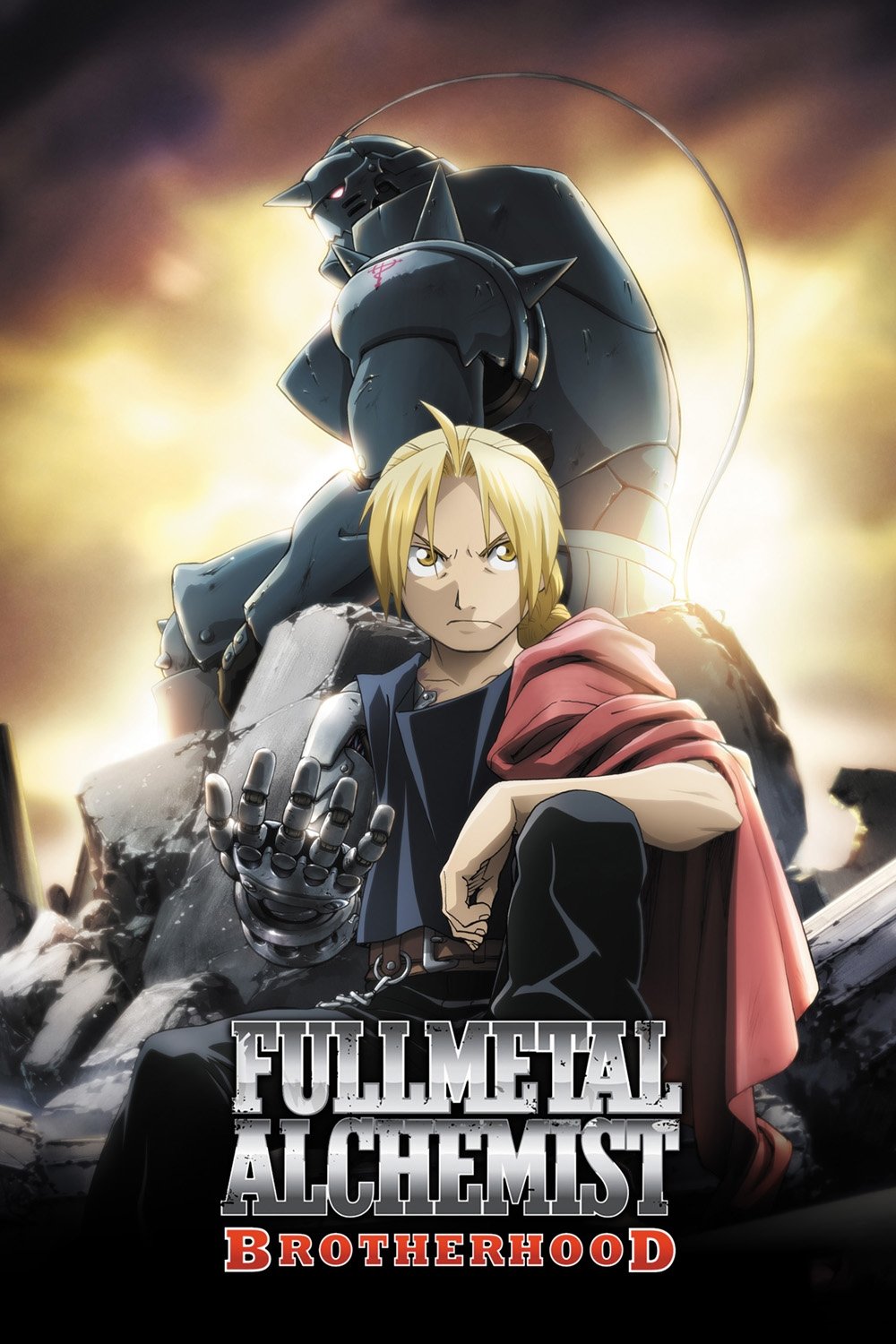
Two brothers pursue alchemy to restore what they lost, setting off a journey that threads together military intrigue, philosophy, and personal sacrifice. Bones adapted the complete manga storyline with careful pacing that connected arcs across multiple nations and factions. The series mapped out a consistent power system for alchemy that supported complex set pieces. Its broadcast and home releases included well documented production materials and staff interviews that clarified creative choices.
‘Cowboy Bebop’ (1998–1999)
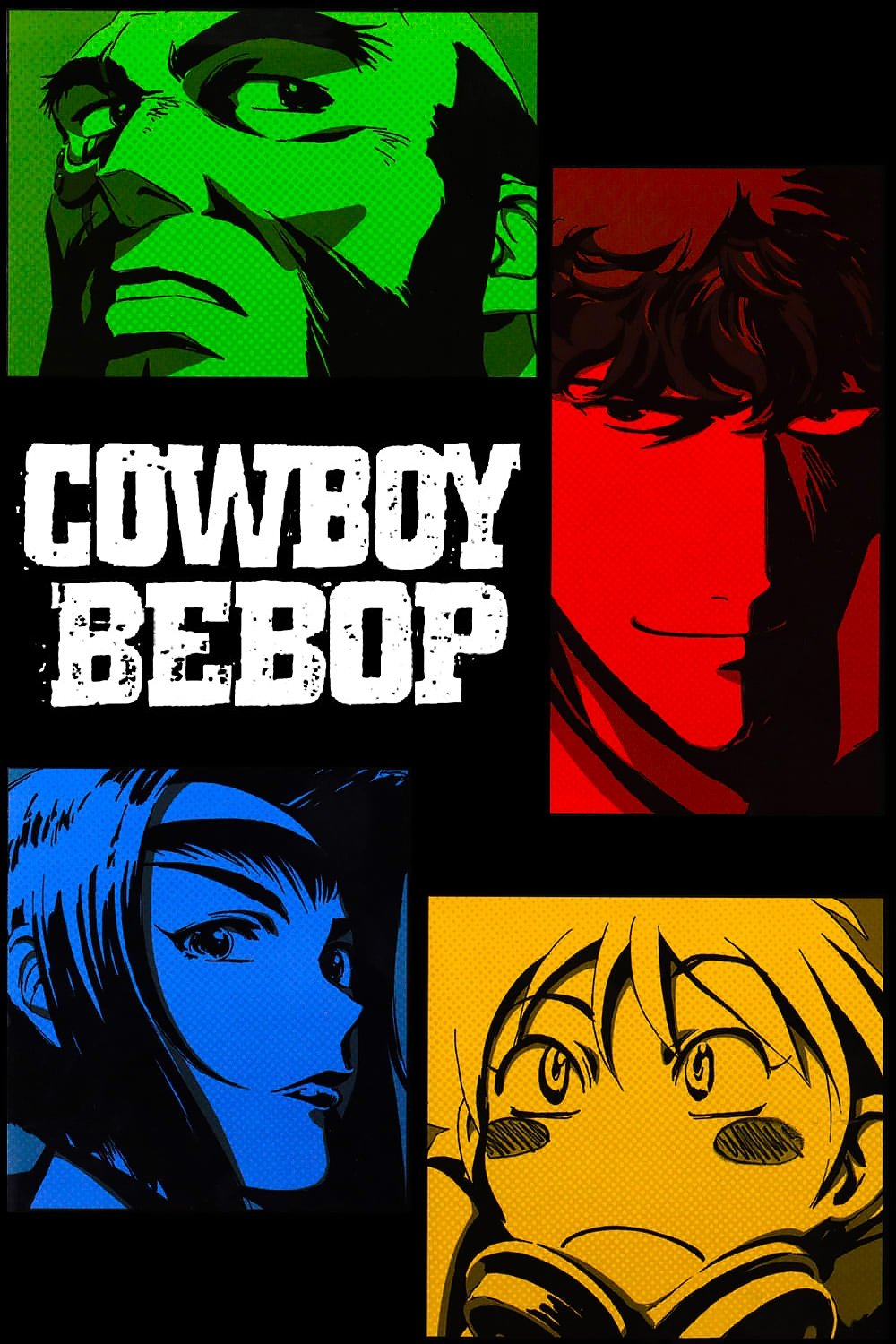
A small crew of bounty hunters drifts from job to job as past lives catch up with them. Sunrise blended science fiction with noir structure and episodic adventures that gradually converged on a final confrontation. The show’s use of music shaped scene rhythm and episode identity, with tracks recorded before animation in several cases. International TV syndication helped it reach new audiences and drove repeat airings that cemented its reputation.
‘Spirited Away’ (2001)
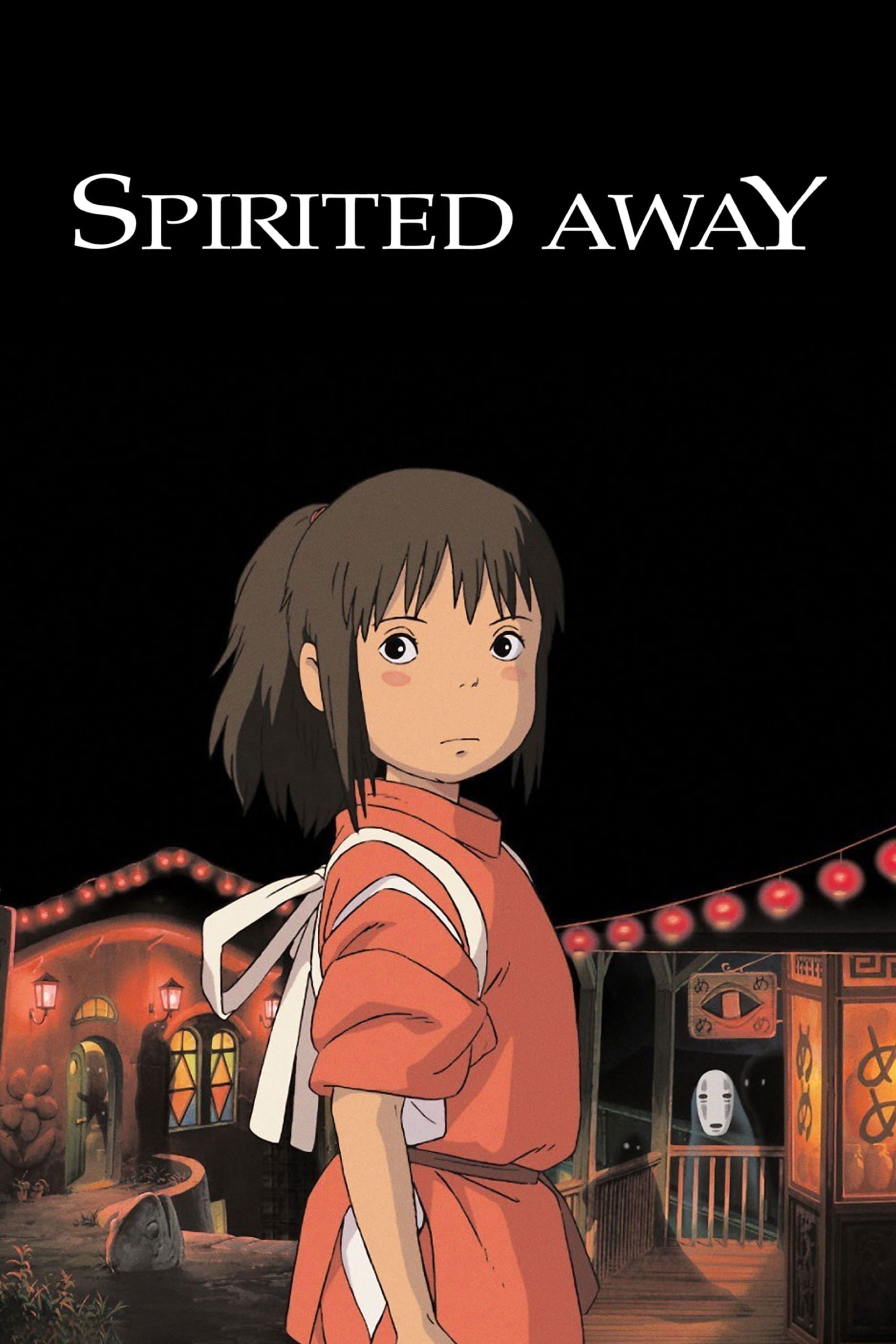
A young girl navigates a spirit bathhouse to free her parents and return home. Studio Ghibli combined hand drawn character work with selectively used digital tools, keeping a warm painterly look across complex layouts. The film received major festival recognition and an Academy Award for Best Animated Feature, expanding global visibility for Japanese animation. Production records note a fastidious approach to background art that reinforced the story’s liminal setting.
‘Princess Mononoke’ (1997)
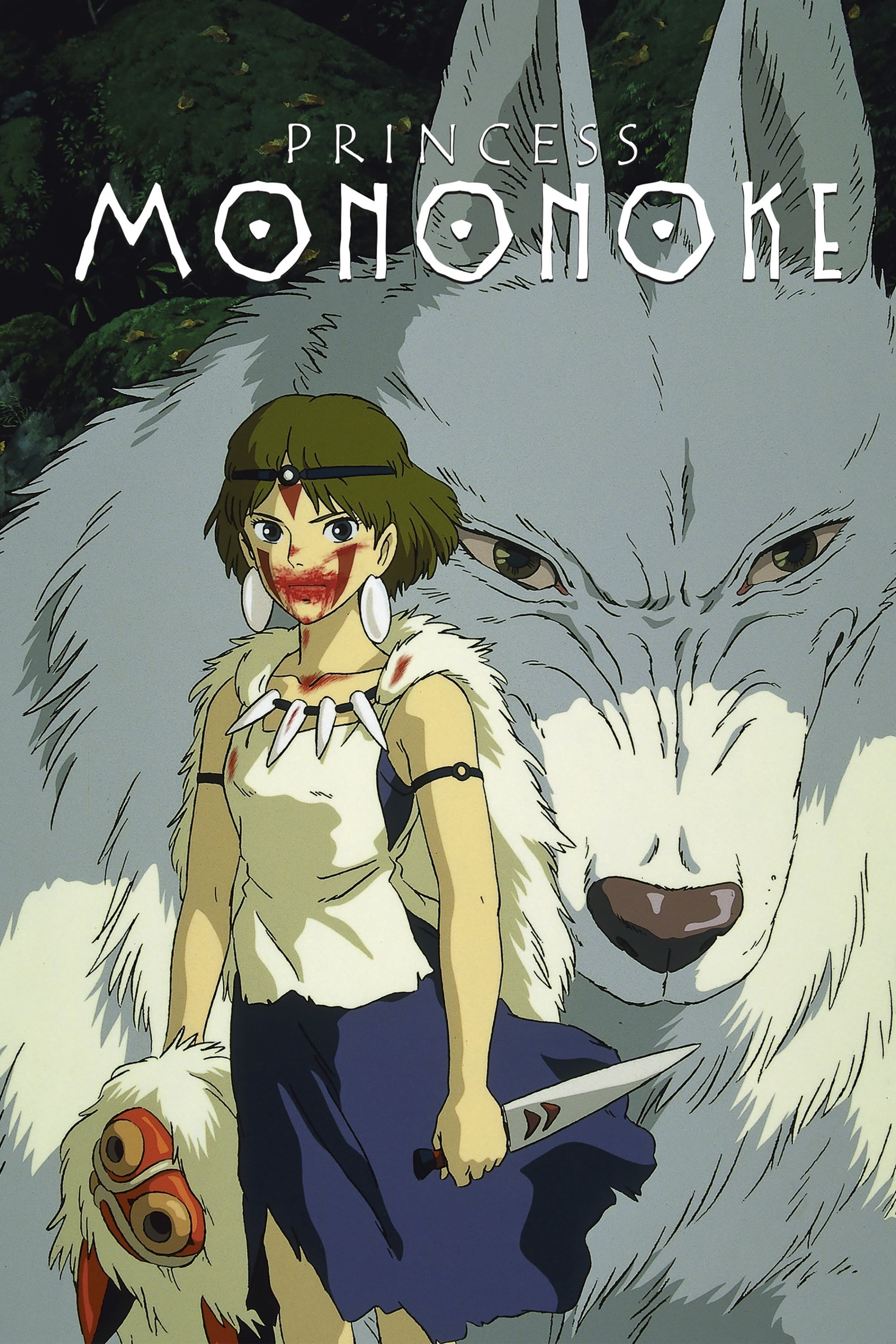
A wandering prince becomes entangled in a conflict between a forest’s guardians and an ironworking settlement. Studio Ghibli integrated dynamic action with nuanced ecology and industry themes while maintaining clear geography across large scale battles. The film’s distribution marked a significant push for wider theatrical releases of anime outside Japan. Its art direction documented specific plant life and terrain to ground a mythic narrative in tangible detail.
‘Akira’ (1988)
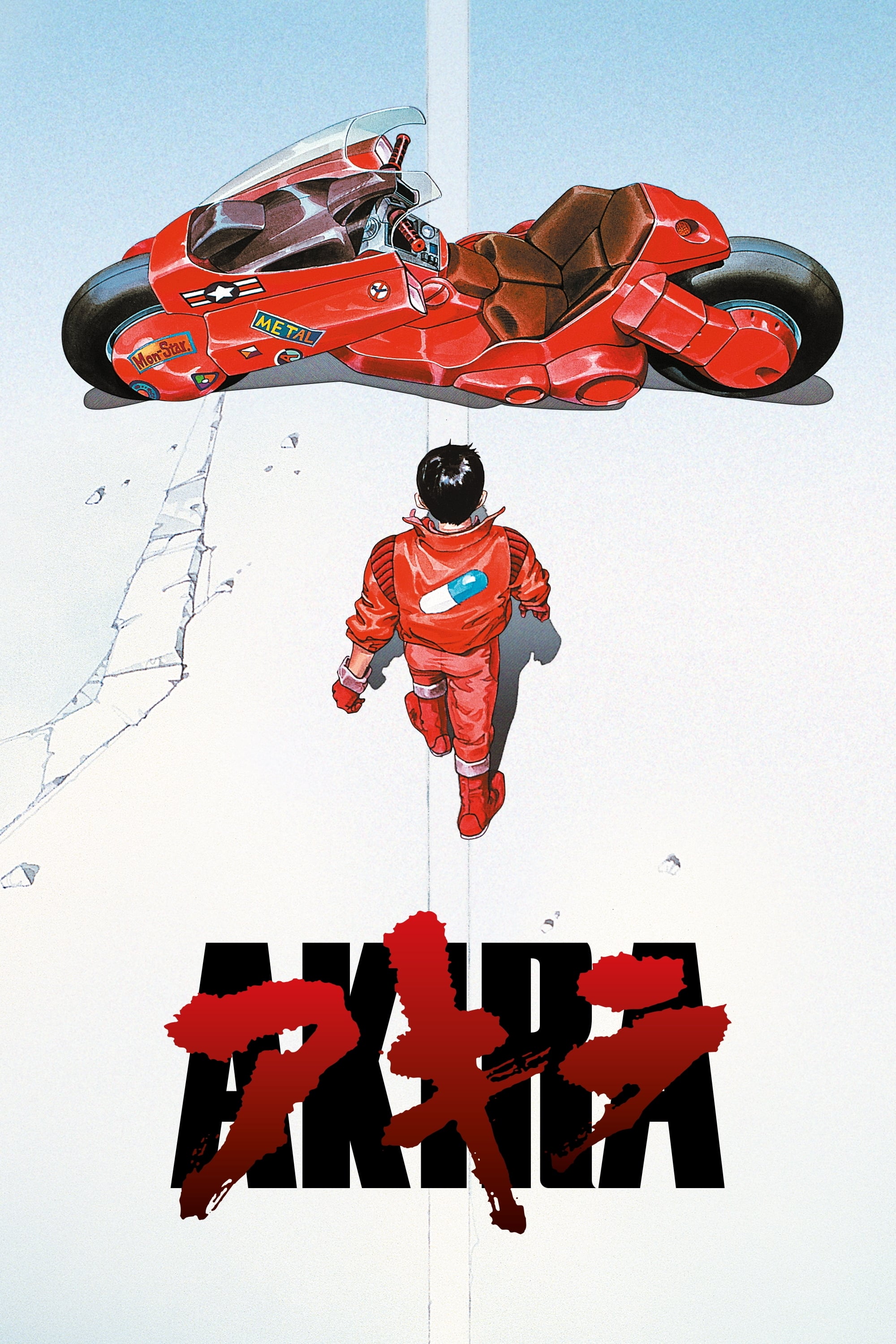
A biker gang’s clash with a telekinetic awakening reshapes a futuristic city. TMS Entertainment coordinated an unusually large budget for the time and implemented pre recorded dialogue that influenced animation timing. The film standardized a look for neon drenched urban sprawl that later productions referenced. Its technical sheets show high cel counts and multi layer composites that drove a fluid sense of speed.
‘Ghost in the Shell’ (1995)
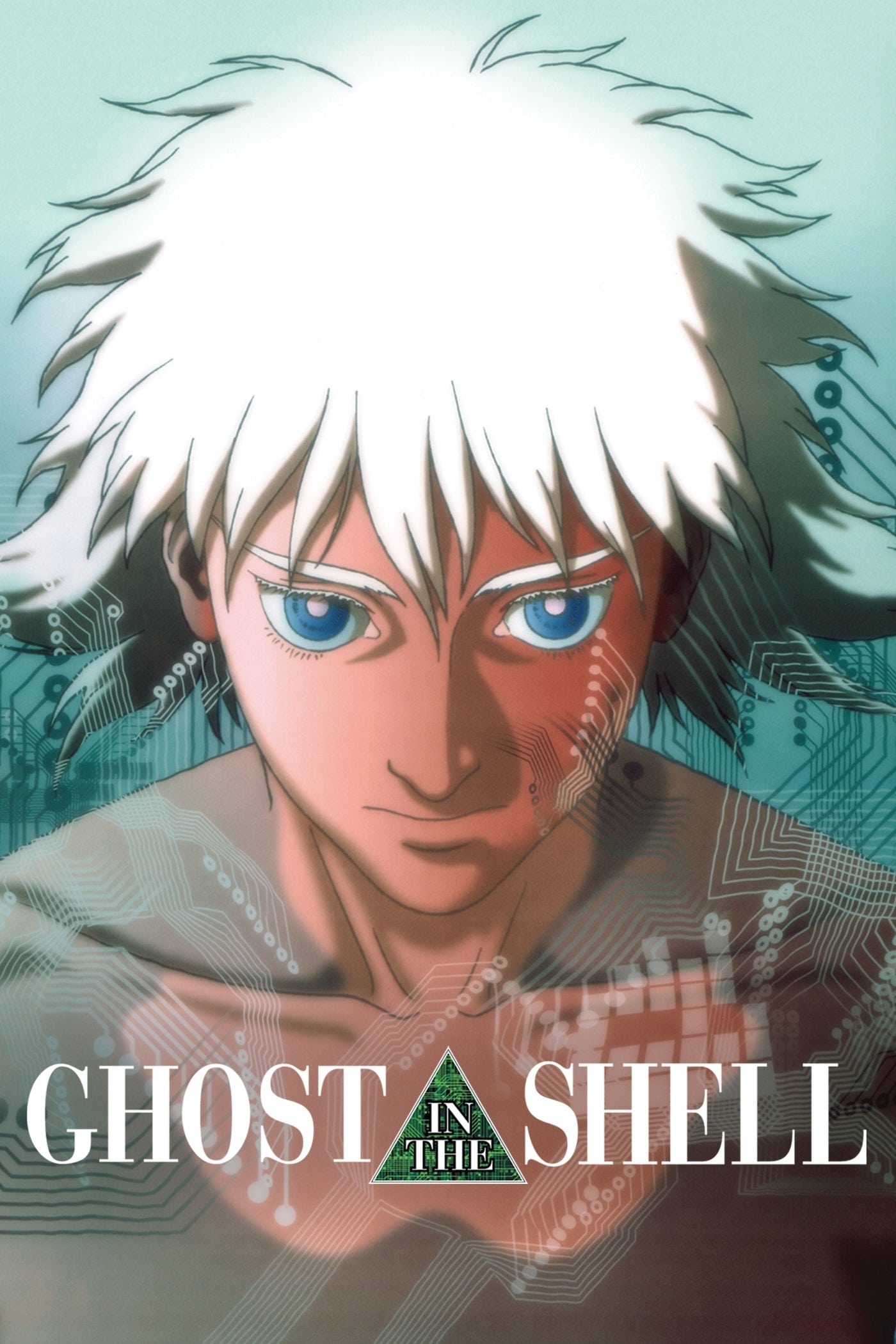
A cybernetic task force investigates a hacker whose identity challenges legal and philosophical boundaries. Production I.G fused traditional animation with early digital compositing to create seamless city vistas and holographic effects. The film adapted key ideas from the manga while tightening the investigation into a focused narrative. Its score and sound design supported a precise depiction of networked surveillance and artificial bodies.
‘Death Note’ (2006–2007)
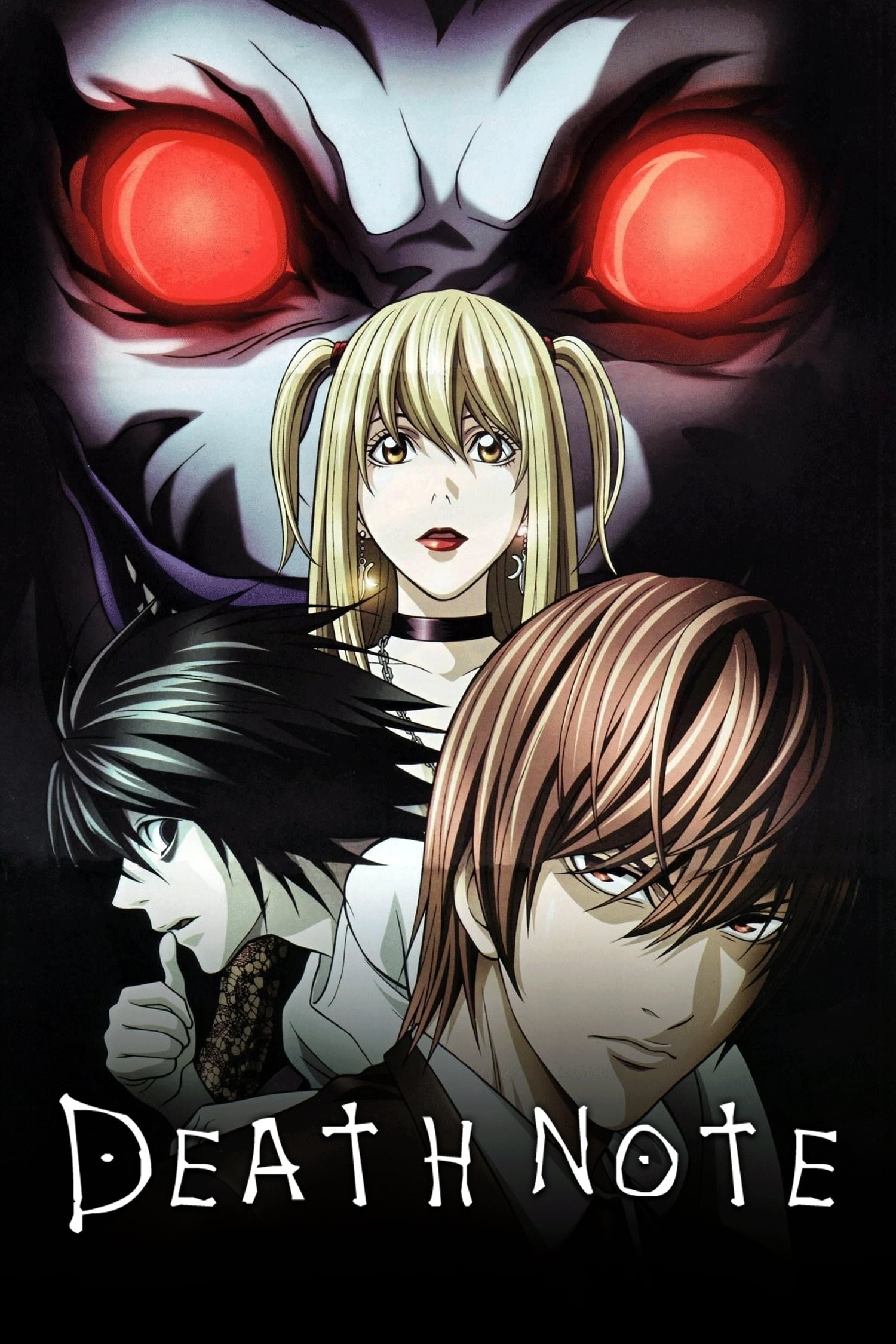
A student discovers a notebook that can kill and enters a cat and mouse duel with a master detective. Madhouse kept tension high through carefully staged conversations that turned small gestures into turning points. The series documented rules for the notebook that governed every twist in the plot. Its broadcast run included recaps and specials that clarified timeline and evidence chains for viewers.
‘Steins;Gate’ (2011)
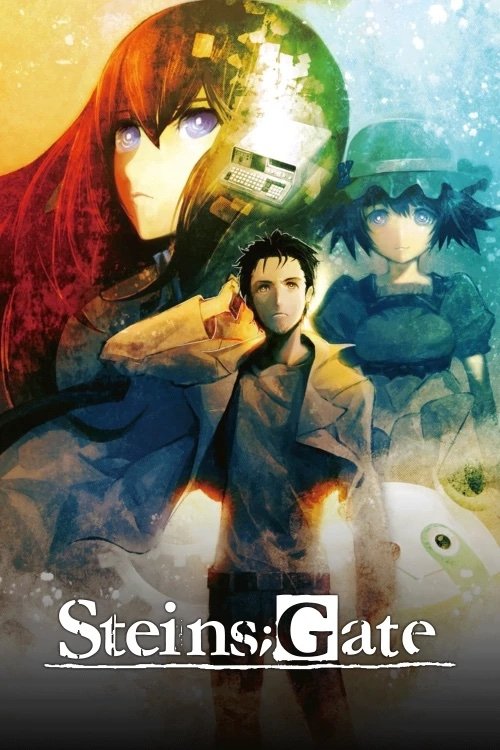
A group of friends accidentally discovers a method for sending messages to the past and then confronts shifting outcomes. White Fox managed multiple branching timelines while retaining emotional continuity across a single cast. The adaptation integrated visual novel cues into episode structure without breaking television flow. Supplemental materials detailed how the creative team tracked time loops to maintain internal logic.
‘Monster’ (2004–2005)

A surgeon faces the fallout of a life altering decision and pursues the consequences across several countries. Madhouse adapted the manga with a deliberate pace that mirrored investigative procedure. The production mapped real world locations to maintain consistent architecture and signage. Its long run allowed subplots to culminate with clarity rather than compression.
‘Gurren Lagann’ (2007)
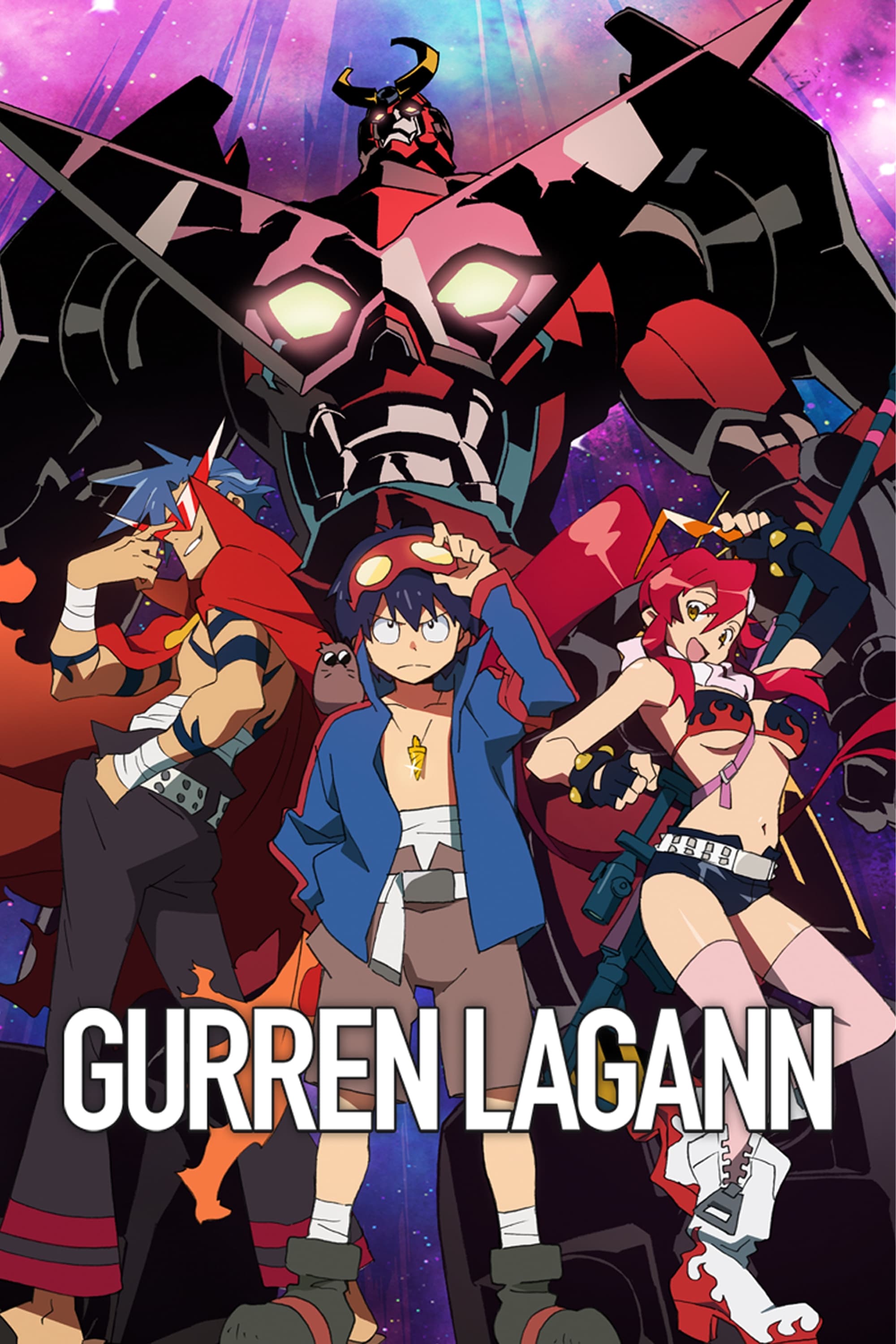
Two friends break out of an underground village and escalate from skirmishes to cosmic scale battles. Gainax staged mecha action with evolving designs that mirrored character growth. The show’s episode naming and preview structure tracked a steady rise in scope. Later compilation films archived new cuts and sequences that documented the staff’s refinement process.
‘Mob Psycho 100’ (2016–2022)
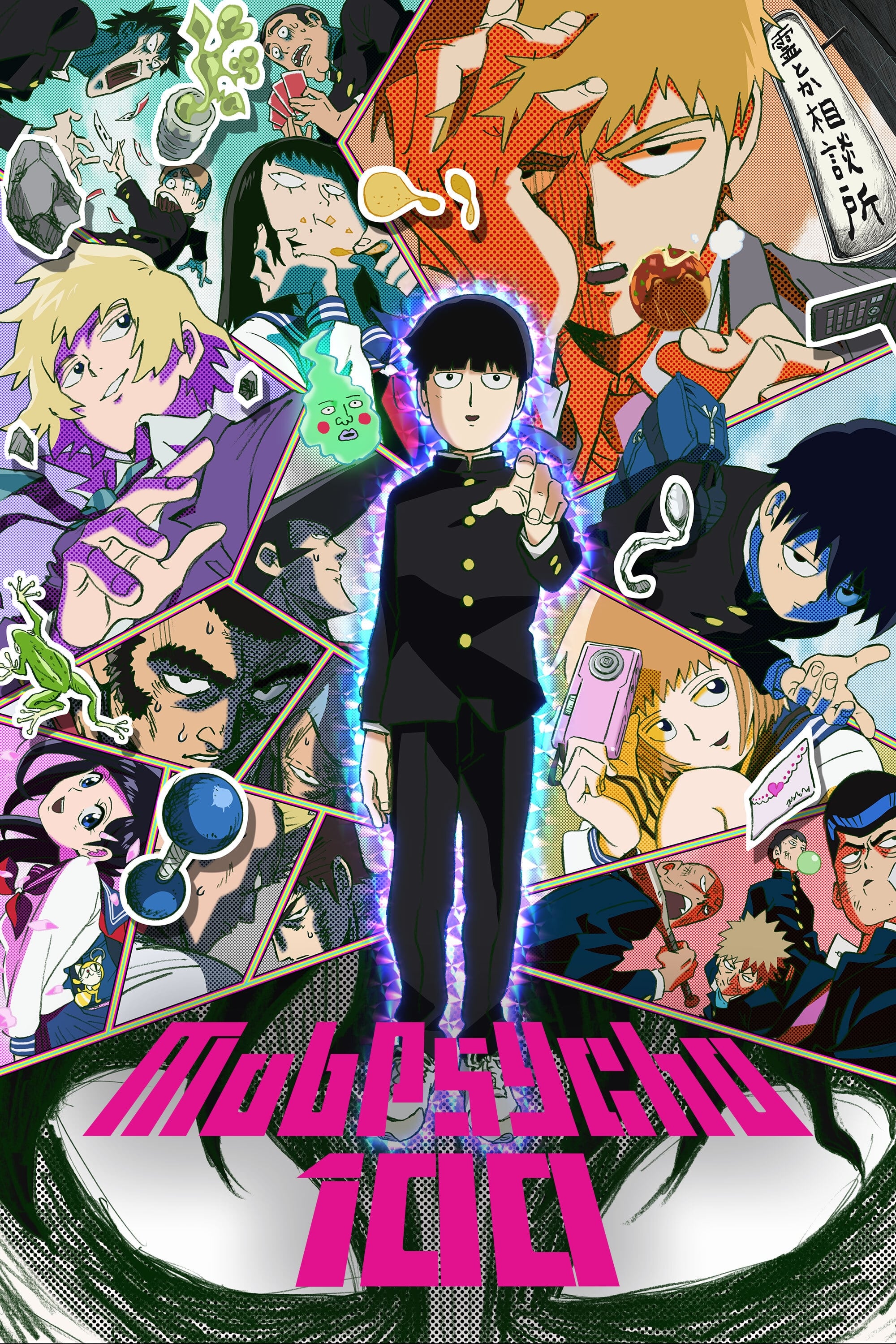
An adolescent esper learns to handle overwhelming power while navigating everyday life. Bones emphasized shape language and experimental sequences that switched styles to match emotional peaks. The production scheduled action heavy episodes with additional key animation resources to preserve detail. Seasonal breaks allowed the team to revisit layouts and maintain a consistent visual identity.
‘Violet Evergarden’ (2018)
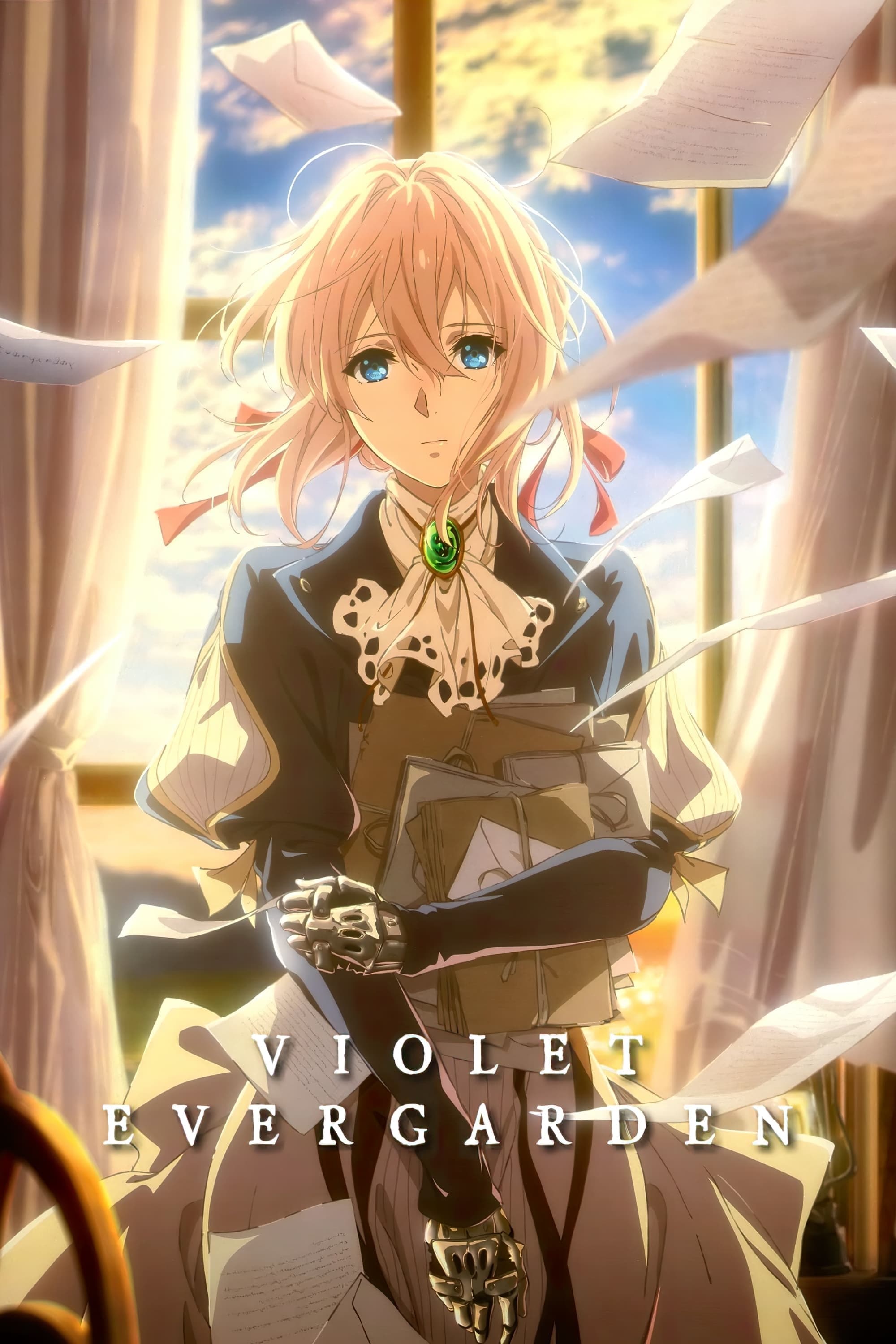
A former child soldier learns to write letters for others and uncovers her own feelings in the process. Kyoto Animation focused on small gestures and intricate prop work that gave each assignment a distinct texture. The series used repeated motifs like hands and typewriters to chart character growth. Follow up specials and a feature extended unresolved threads without contradicting the main story.
‘Legend of the Galactic Heroes’ (1988–1997)
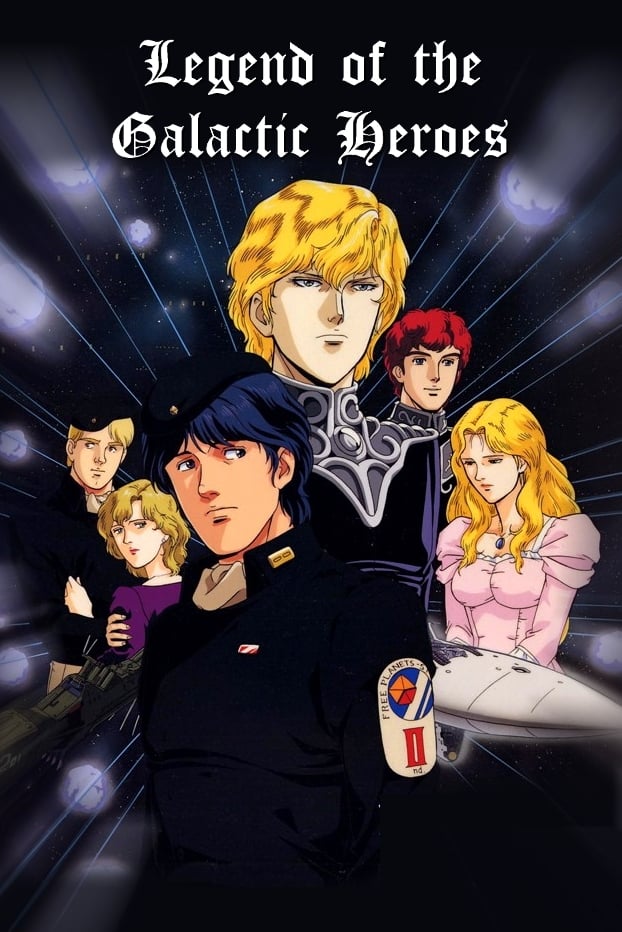
Two rival commanders shape a sprawling interstellar war across political and personal fronts. Artland and Madhouse produced a long running OVA that adapted dozens of novels with a clear chronology. The series tracked military logistics and governance alongside its battles, presenting detailed charts and briefings. Its release model sustained high episode counts while preserving narrative coherence.
‘Naruto: Shippuden’ (2007–2017)
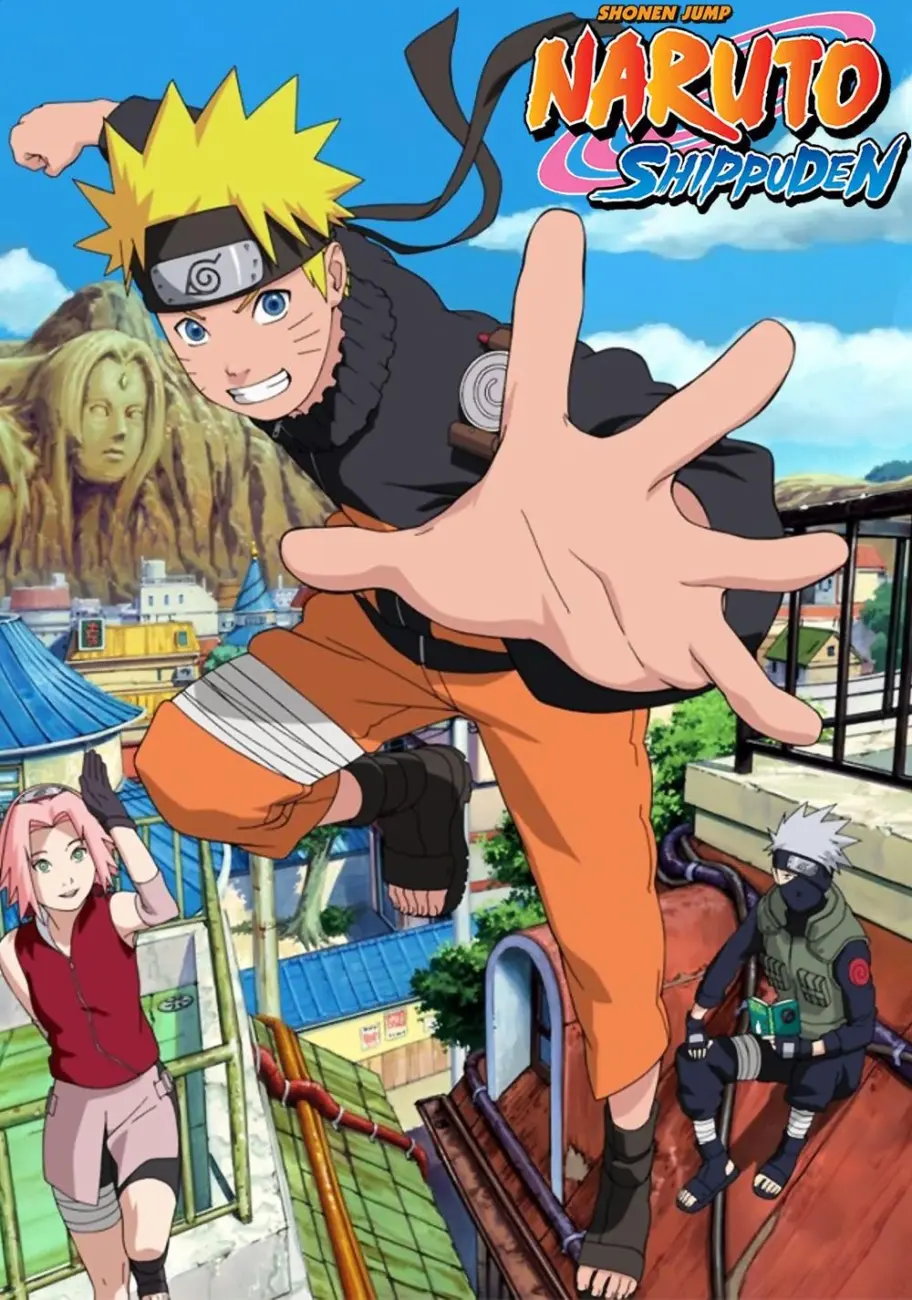
A young ninja returns to his village and faces escalating conflicts that reveal hidden players and histories. Studio Pierrot developed a large ensemble while keeping combat rules understandable through consistent power classifications. The series aligned major arcs with seasonal broadcast planning to maintain momentum. Its production pipeline supported lengthy fight sequences that mixed hand drawn and digital effects.
‘Dragon Ball Z’ (1989–1996)

Earth’s defenders confront escalating threats that redefine the limits of martial arts and energy combat. Toei Animation standardized transformation stages and tournament structures that later series adopted. The show’s edited broadcasts introduced many viewers to long form shonen storytelling. Remastered cuts reorganized episodes and clarified pacing for modern releases.
‘Sailor Moon’ (1992–1997)
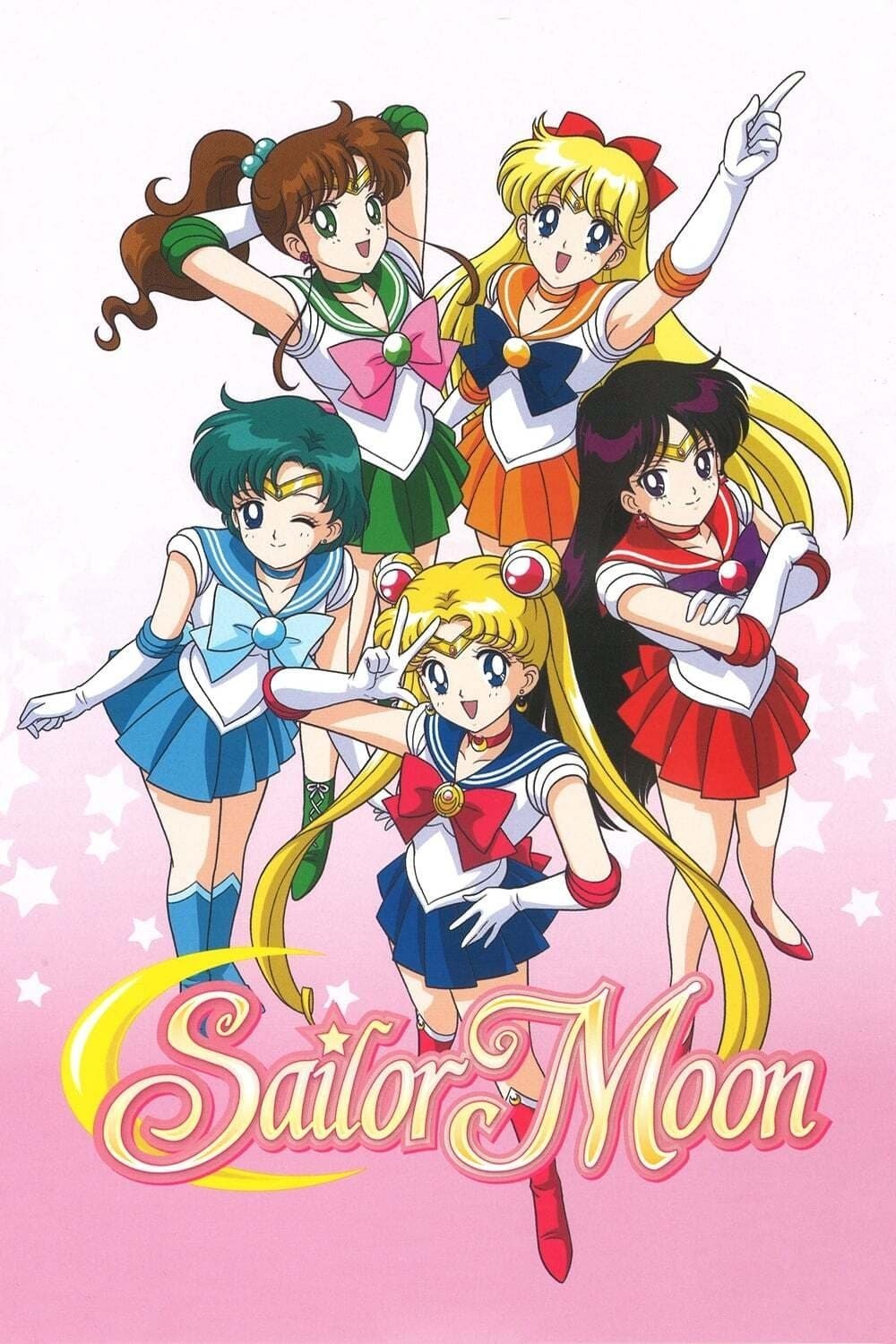
A group of magical guardians protects Earth while balancing school and friendship. Toei Animation established a weekly monster format that allowed character subplots to unfold steadily. The series coordinated transformation and attack sequences that became recognizable set pieces. Merchandise and music singles tied closely to broadcast scheduling and helped track arc transitions.
‘Puella Magi Madoka Magica’ (2011)
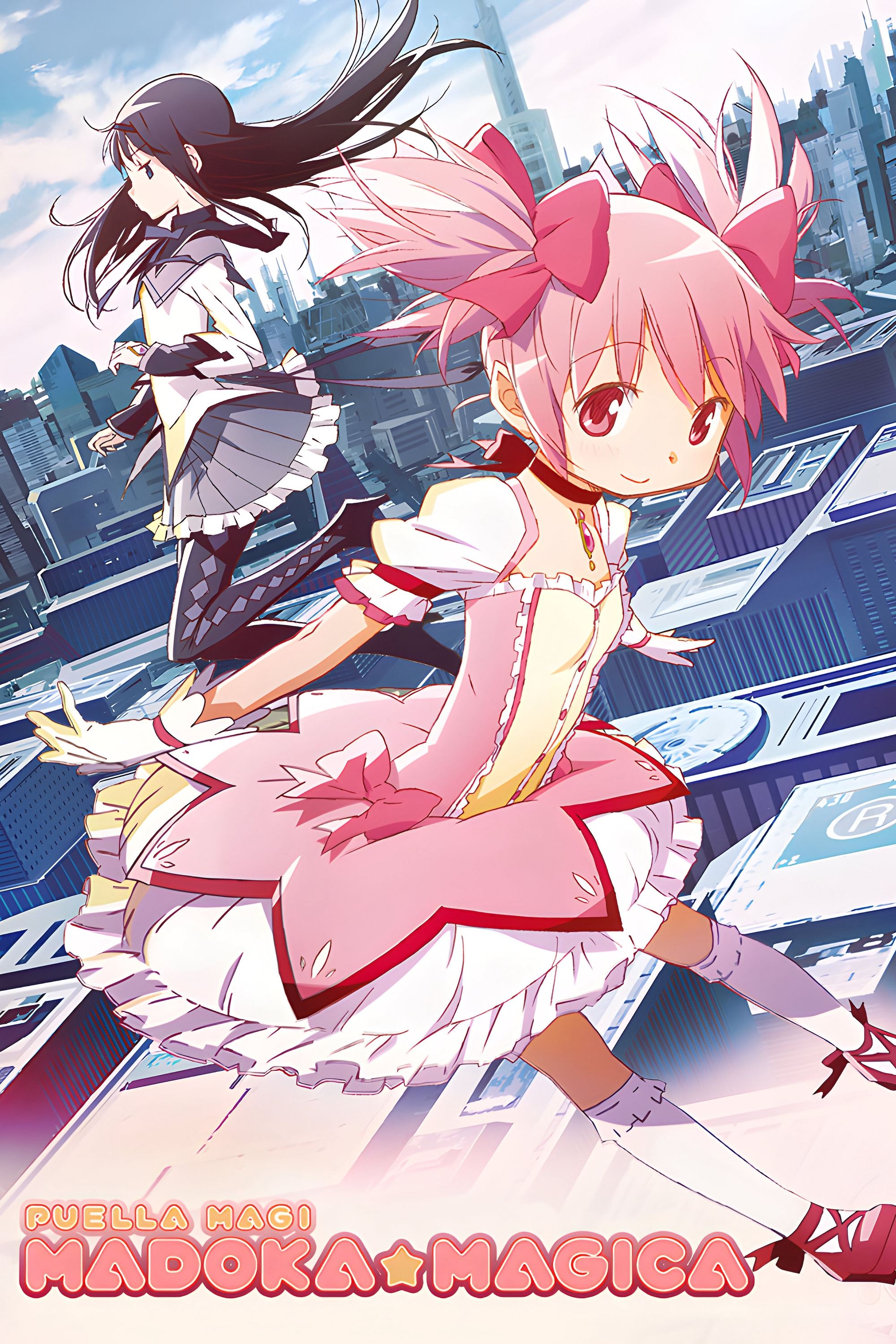
A contract offered to schoolgirls changes their lives in irreversible ways. Shaft used strong compositional choices and collage inspired visuals for witch domains that contrasted with everyday settings. The story’s rules were laid out through careful dialogue and visual clues rather than exposition dumps. Compilation films and a sequel expanded the framework without discarding earlier groundwork.
‘Code Geass: Lelouch of the Rebellion’ (2006–2007)
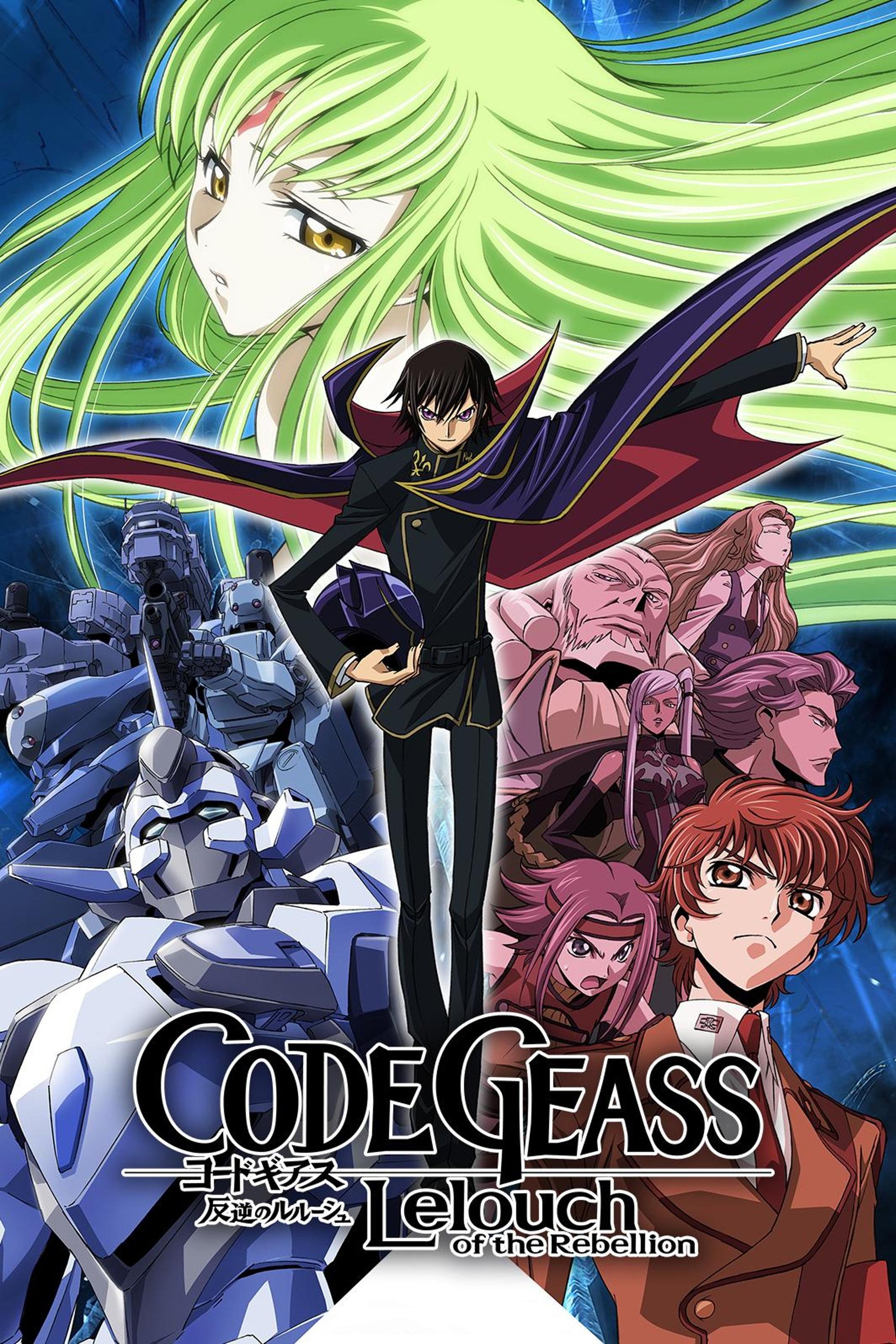
An exiled prince gains a power that can command others and engineers a rebellion. Sunrise built chess like set pieces around mecha tactics and political maneuvers. The show maintained a detailed timeline that synchronized school life with covert operations. Home video extras and picture dramas filled in perspectives that the main narrative only hinted at.
‘The Tatami Galaxy’ (2010)
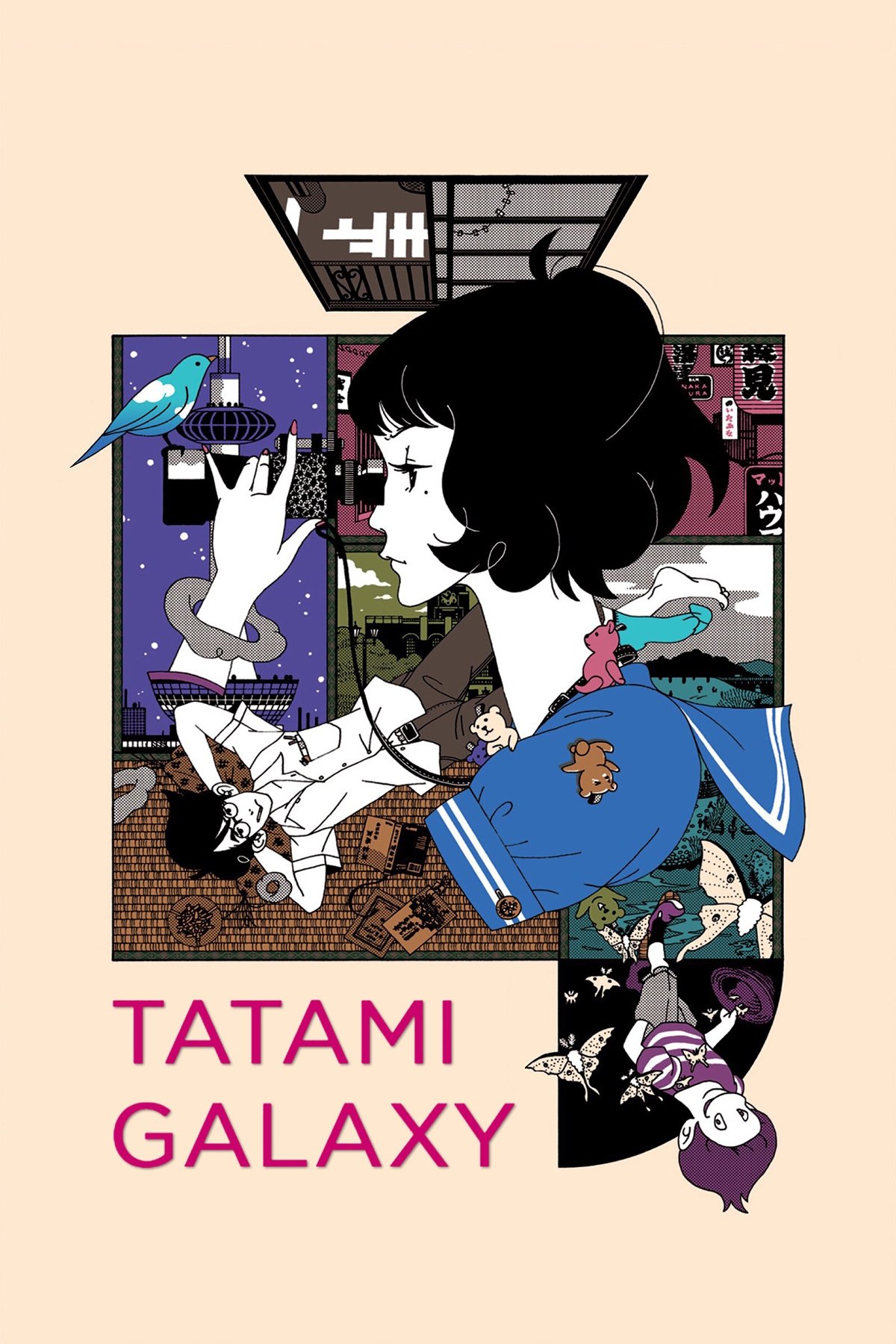
A college student revisits alternate versions of his campus life in a looping structure. Madhouse kept each episode aligned to a distinct club or choice while repeating core scenes with purposeful variation. Rapid dialogue delivery worked in tandem with visual cues so viewers could track changes. Production notes describe how layouts and color palettes shifted to mark each timeline.
‘Ping Pong the Animation’ (2014)
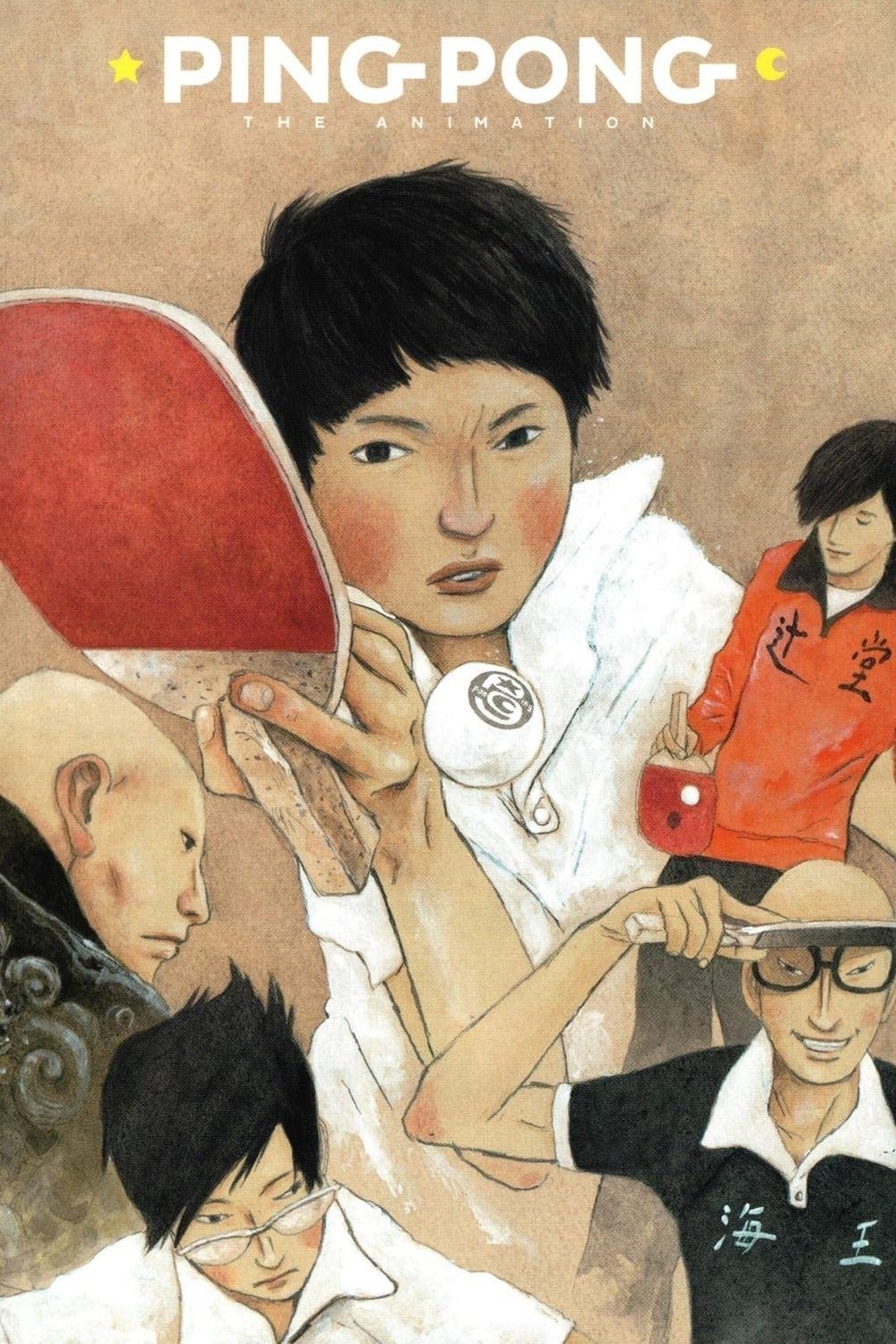
Two players take different paths through the pressures of competition and personal expectation. Tatsunoko Production embraced loose line work and motion that prioritized physical truth over polish. Matches were staged with clear shot planning that tracked momentum and strategy. The adaptation kept key monologues intact and used them to align character focus with camera choices.
‘March Comes in Like a Lion’ (2016–2018)
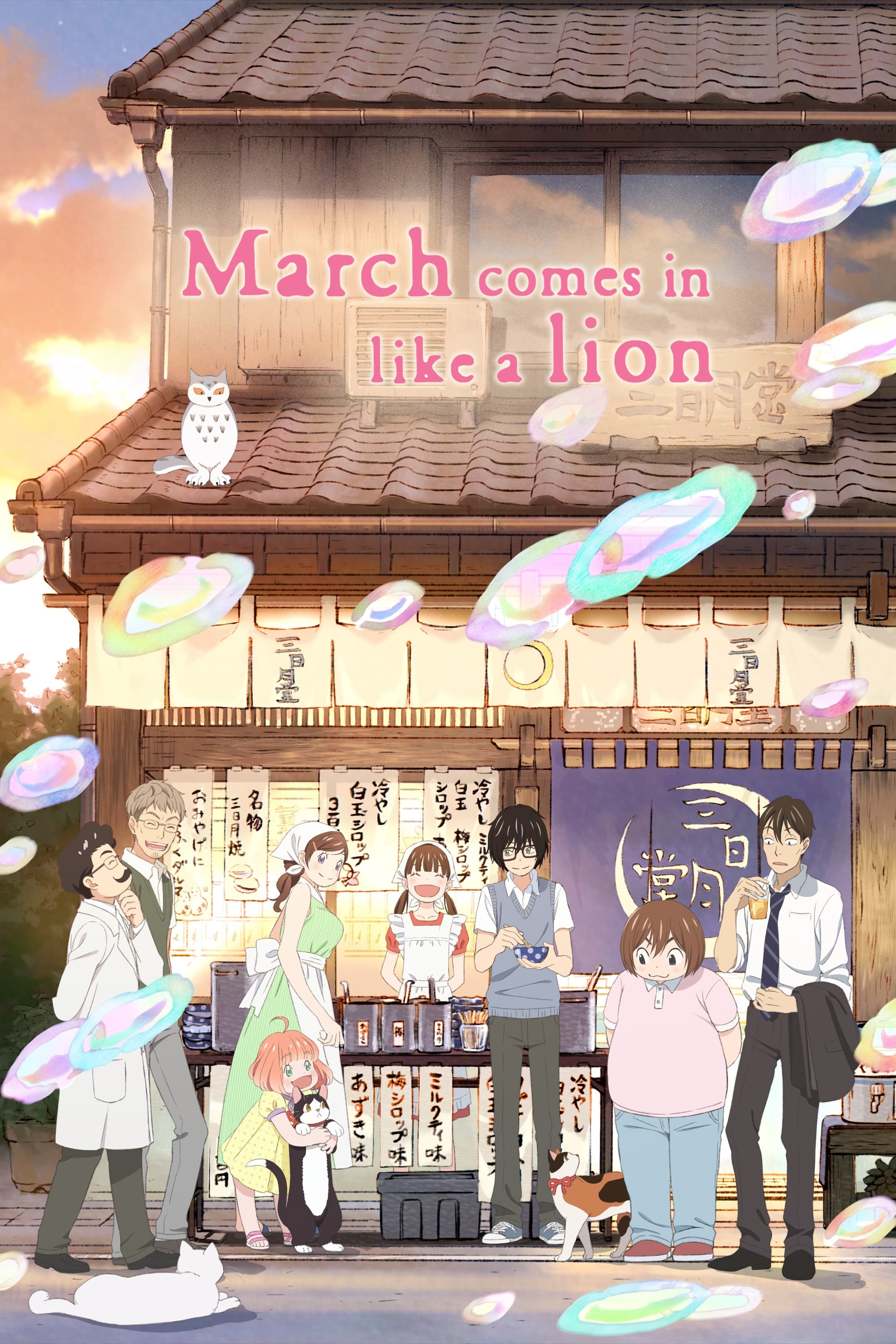
A young shogi professional navigates isolation, mentorship, and found family. Shaft balanced quiet domestic scenes with stylized interior sequences that visualized anxiety and relief. The series explained shogi concepts in approachable terms without slowing the plot. Its season structure gave room for community subplots that supported the protagonist’s growth.
‘Fate/Zero’ (2011–2012)
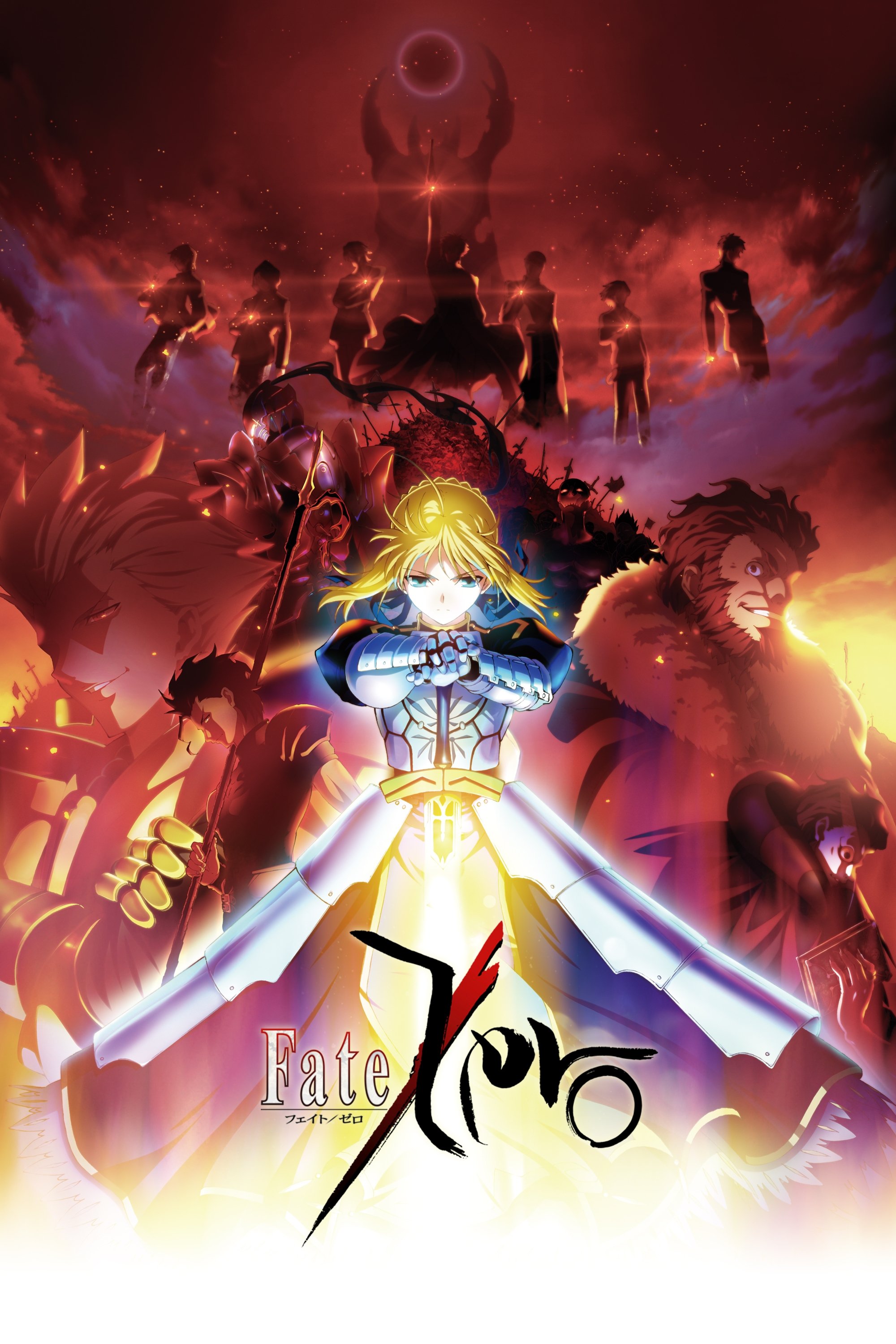
Mages and heroic spirits compete in a ritual that grants a wish at a great cost. Ufotable implemented digital pipelines that delivered clean lighting and effects for nighttime battles. The production followed a two cour split that allowed pre planning for complex action. Supplementary materials documented weapon designs and origin references for each servant.
‘Hunter x Hunter’ (2011–2014)
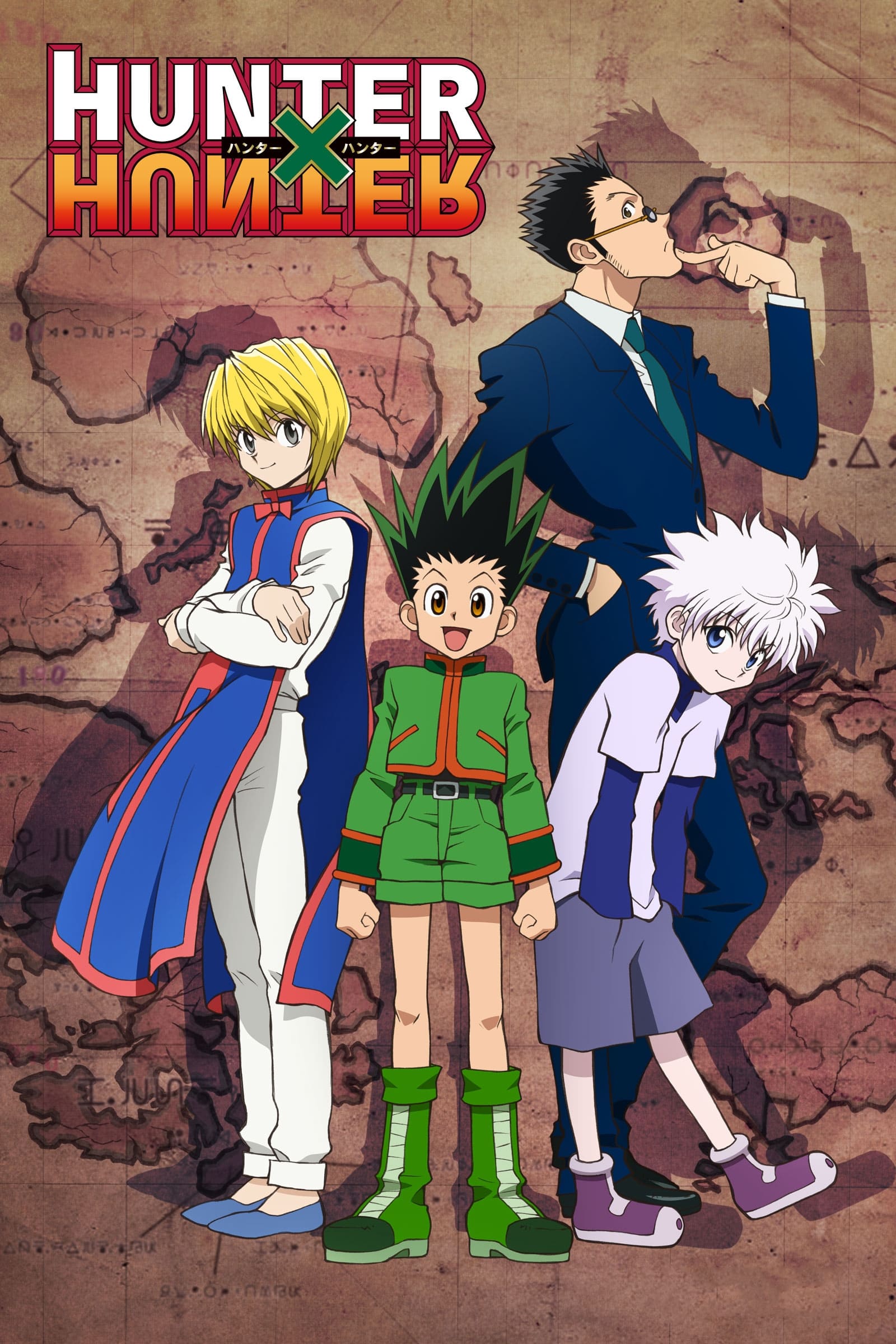
A boy’s journey to find his father leads into examinations, expeditions, and high risk conflicts. Madhouse adapted a wide range of arcs while maintaining clarity across shifting rules and power systems. The series adjusted art direction to fit new settings without breaking continuity. Its scheduling around manga chapters helped the adaptation avoid major filler while still reaching a natural pause.
‘Devilman Crybaby’ (2018)
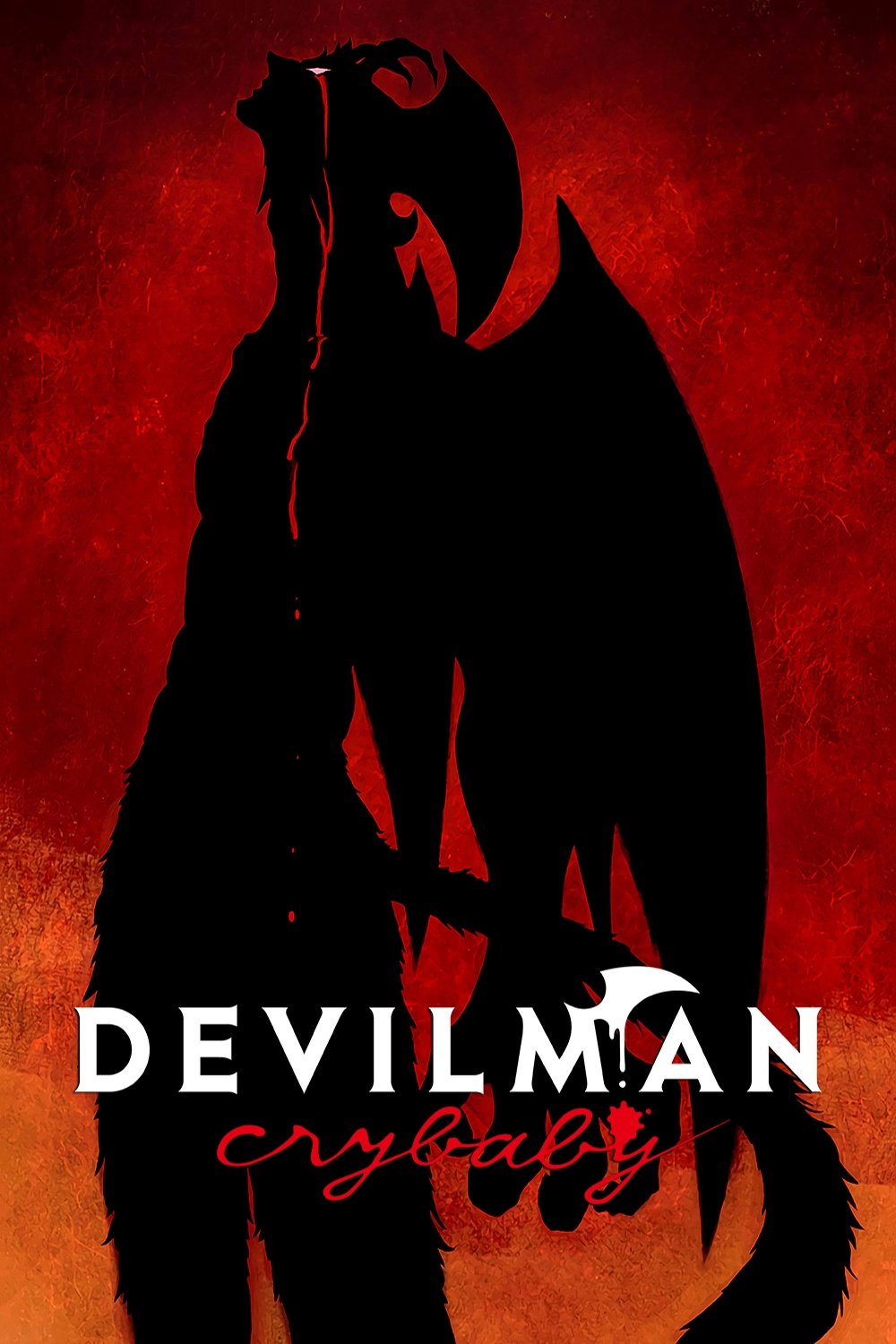
A sensitive teenager becomes a demonic hybrid and witnesses society’s rapid collapse. Science SARU used limited lines with fluid movement to emphasize emotion and speed. The production’s streaming release allowed the team to pace episodes for binge viewing while keeping clear cliffhangers. Its soundtrack and editing choices connected scenes across parallel character spirals.
‘Paranoia Agent’ (2004)
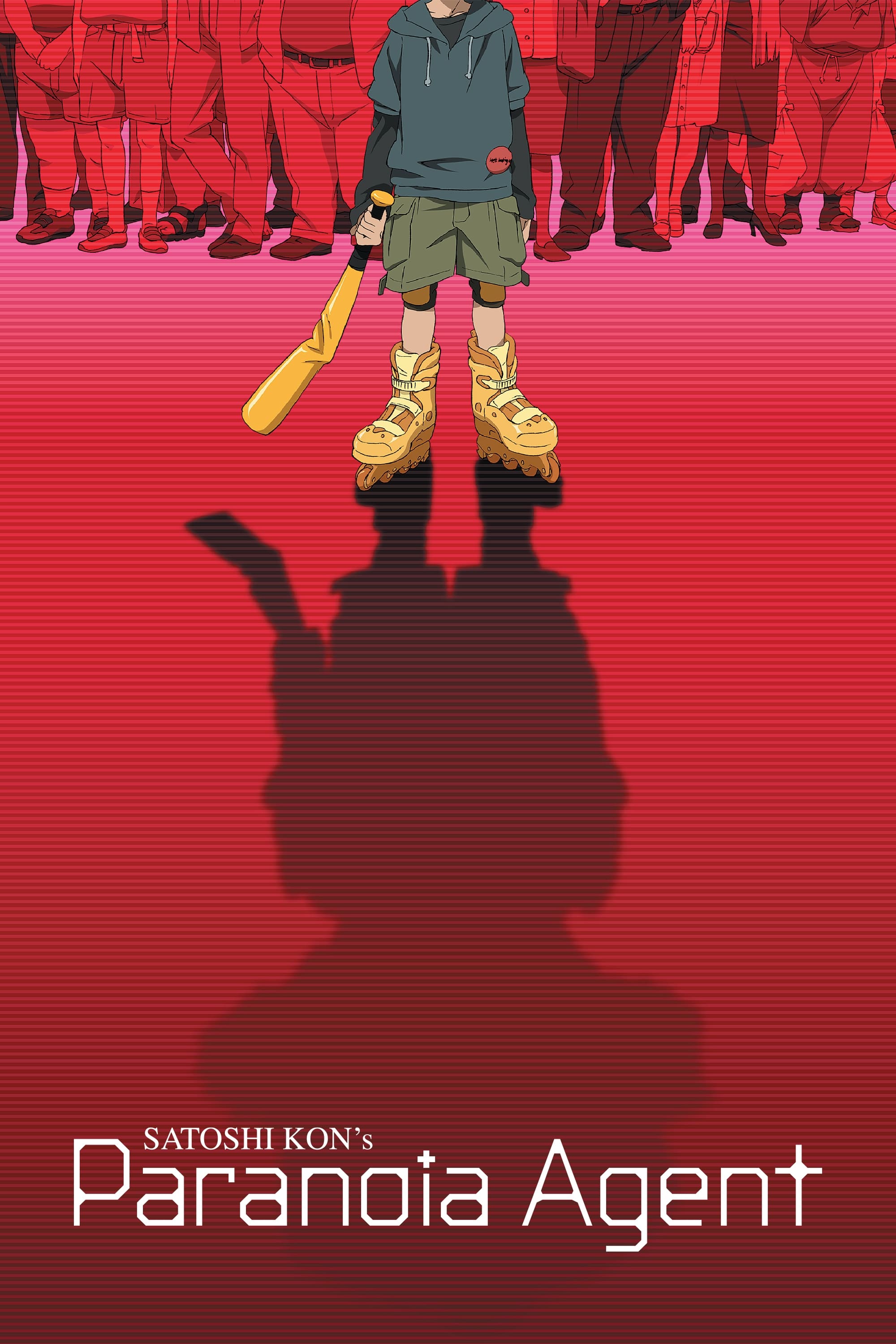
An investigation into a series of assaults becomes a study of rumor, memory, and social pressure. Madhouse coordinated shifting art styles for episodes that mirrored the subjects under scrutiny. The broadcast order emphasized how separate stories converged on shared anxieties that the production bibles mapped out clearly. Staff interviews noted how sound cues were written into storyboards to guide pacing.
‘FLCL’ (2000–2001)
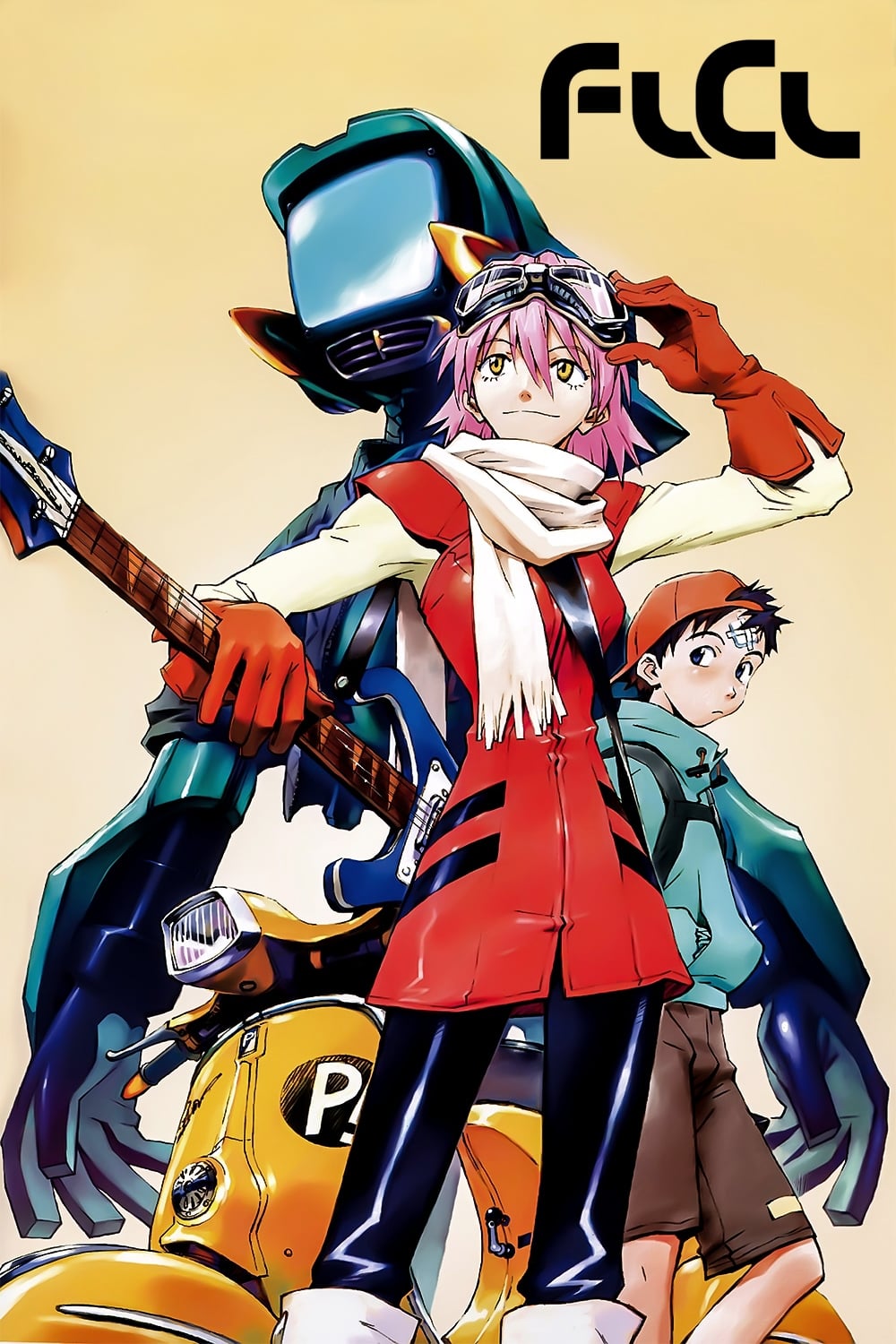
A boy’s quiet town turns chaotic when a mysterious visitor arrives with a Vespa and a bass guitar. Gainax and Production I.G planned short episode counts that concentrated budget on complex layouts and dynamic smears. The show’s music was recorded by a single band and woven into scene timing early in preproduction. Home releases documented revised composites that cleaned up motion without changing cuts.
‘My Neighbor Totoro’ (1988)
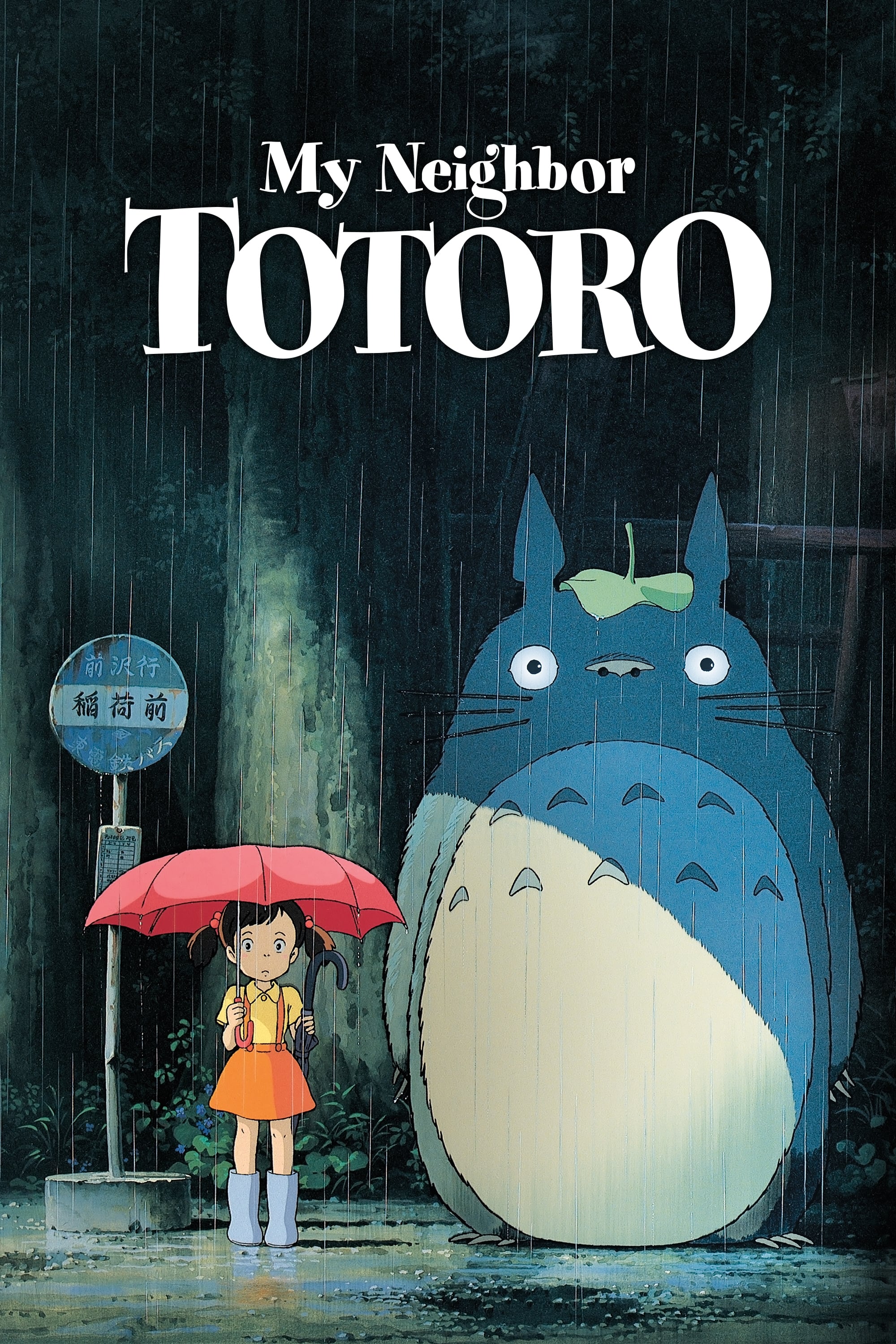
Two sisters move to the countryside and encounter friendly spirits while their family adjusts to a new routine. Studio Ghibli built soft background paintings that matched hand drawn character movement for a cohesive look. The film’s release paired with another feature and then expanded through repeated theatrical runs. Production materials detail how specific rural locations informed vehicle designs and props.
‘Perfect Blue’ (1997)
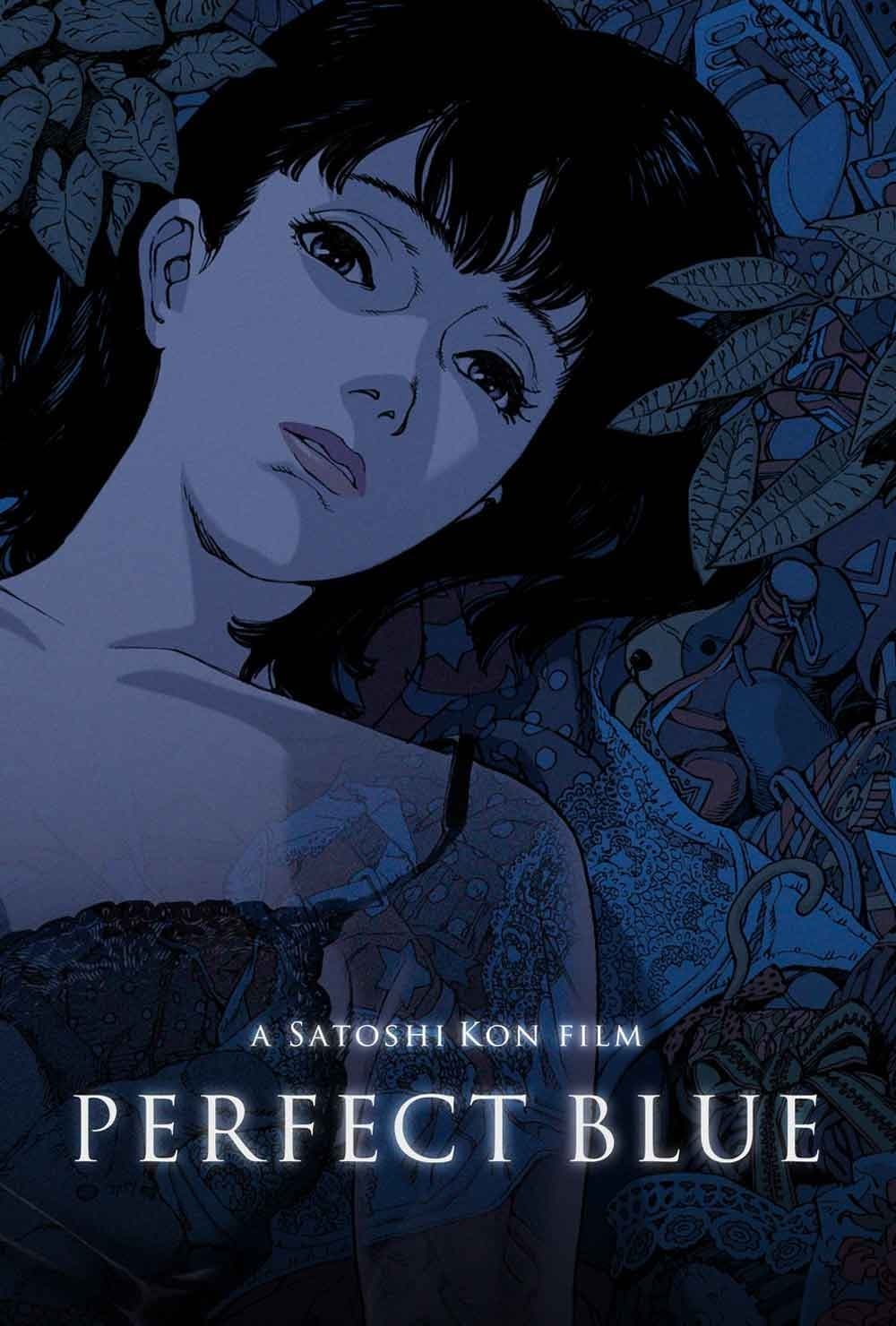
A performer’s career shift triggers a blurring of public image and private life. Madhouse staged scenes with mirrored shots so viewers could track what the protagonist sees against what is recorded. The adaptation condensed the source novel into a tight schedule while retaining key beats in documented script drafts. The team used limited digital tools to composite screens and reflections with precise alignment.
‘Millennium Actress’ (2001)
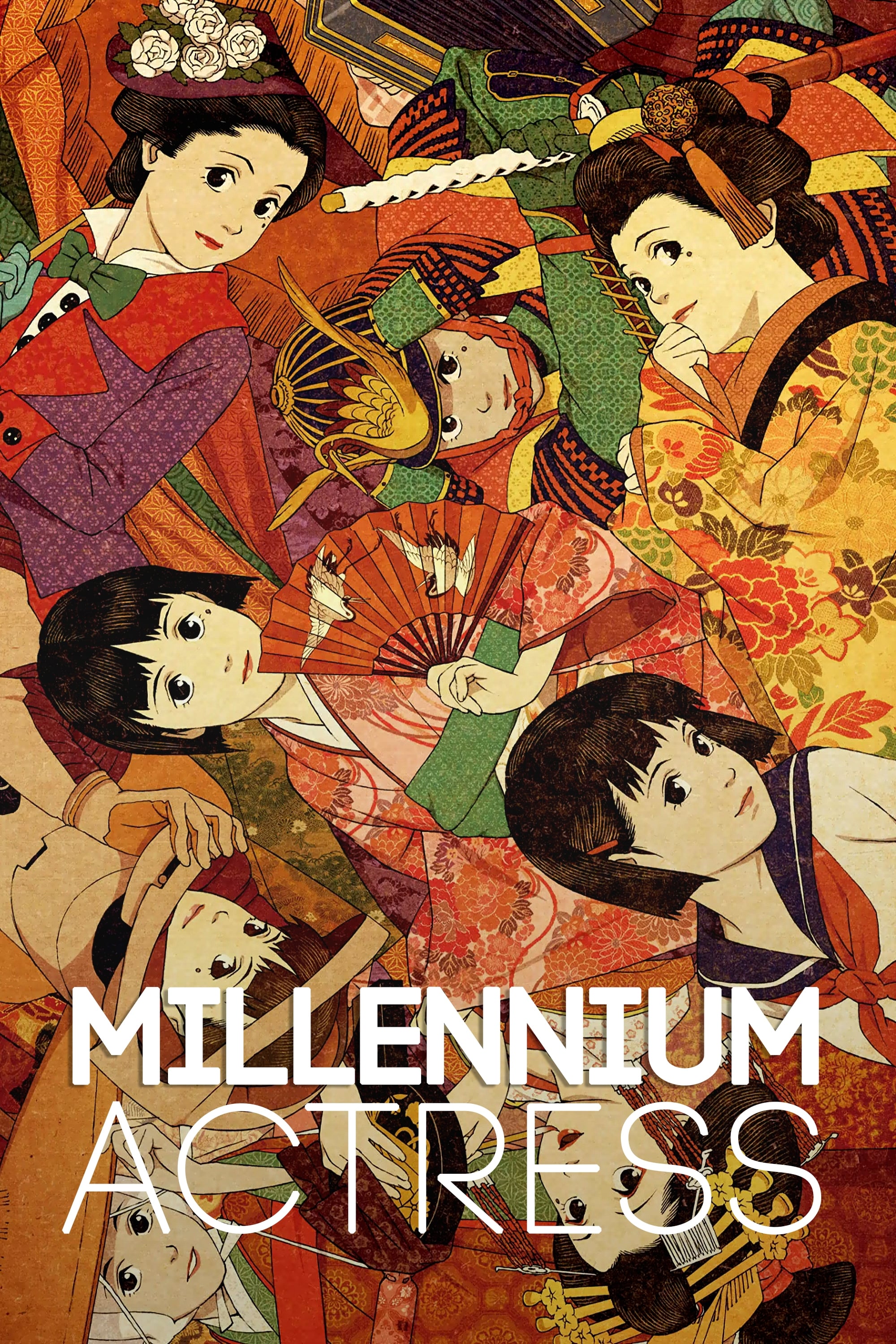
A documentary interview unlocks an actress’s life story across eras and genres. Madhouse planned transitions that replaced cuts with camera movements so memories and film roles overlapped smoothly. The production kept costumes and props cataloged by decade to maintain continuity. Editing notes show how scene borders were removed to keep the chase through time easy to follow.
‘Grave of the Fireflies’ (1988)
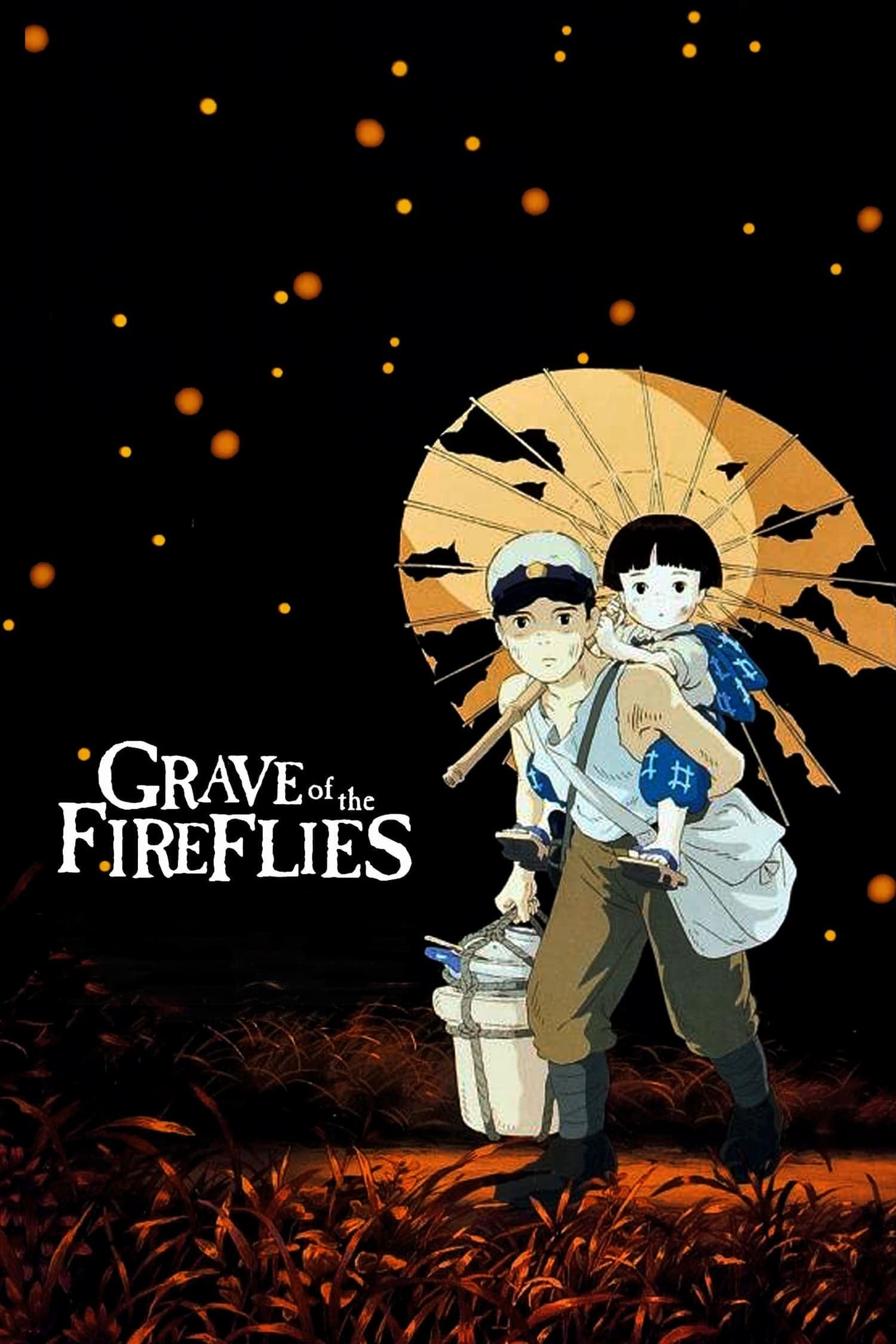
Two siblings try to survive in the final months of war. Studio Ghibli focused on daily routines and food scarcity with carefully researched household items. The film released as a double bill with another feature and later saw dedicated retrospectives. Animators documented how subtle light changes and firefly effects were layered to mark passing days.
‘Your Name.’ (2016)
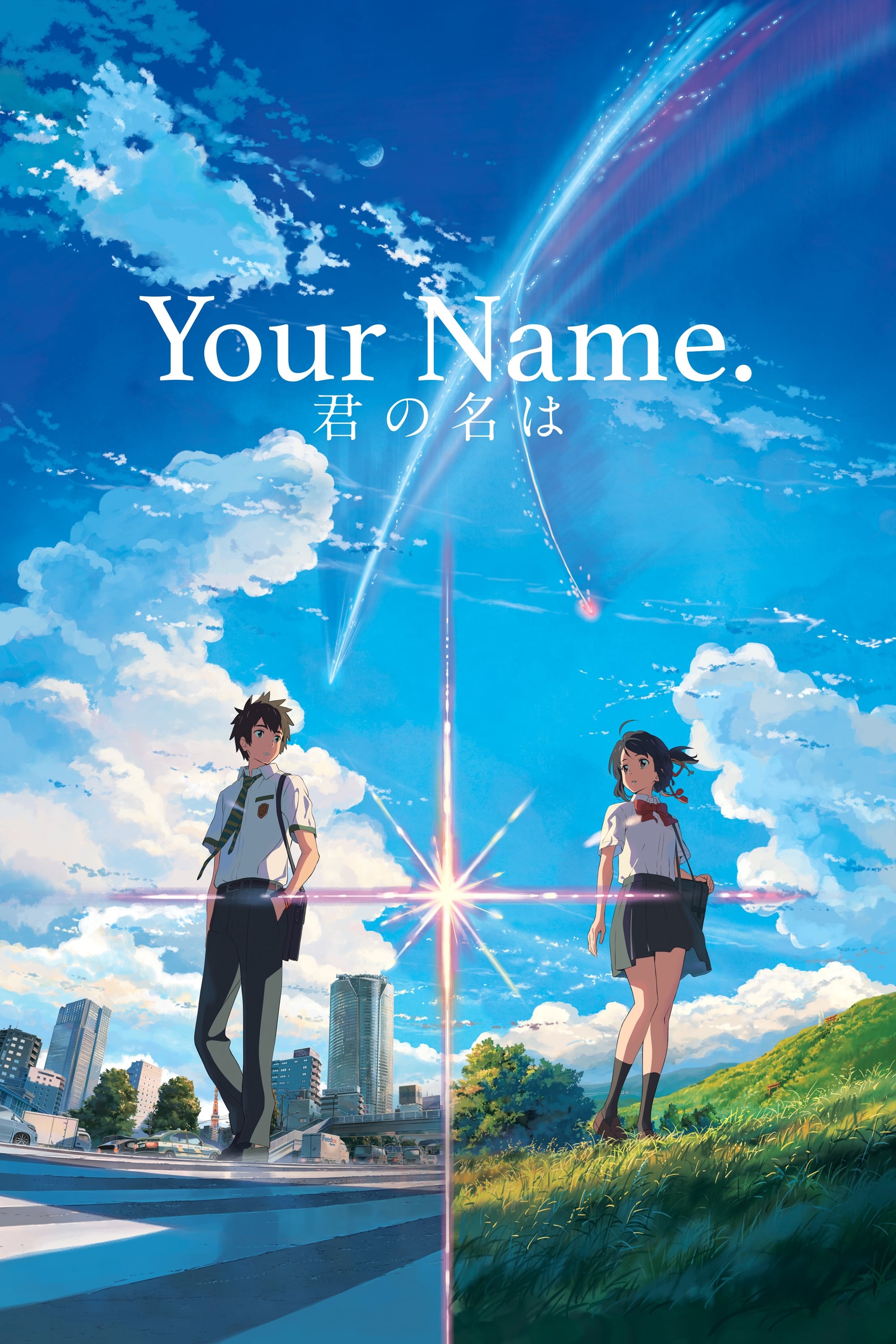
Two teenagers experience inexplicable body swaps that connect distant lives. CoMix Wave Films built a digital pipeline that preserved natural lighting over highly detailed city and rural backgrounds. The team used phone interfaces and calendar markers to keep the timeline clear across perspective shifts. A wide international rollout recorded strong attendance that led to additional theater bookings.
‘Demon Slayer: Kimetsu no Yaiba’ (2019–2024)
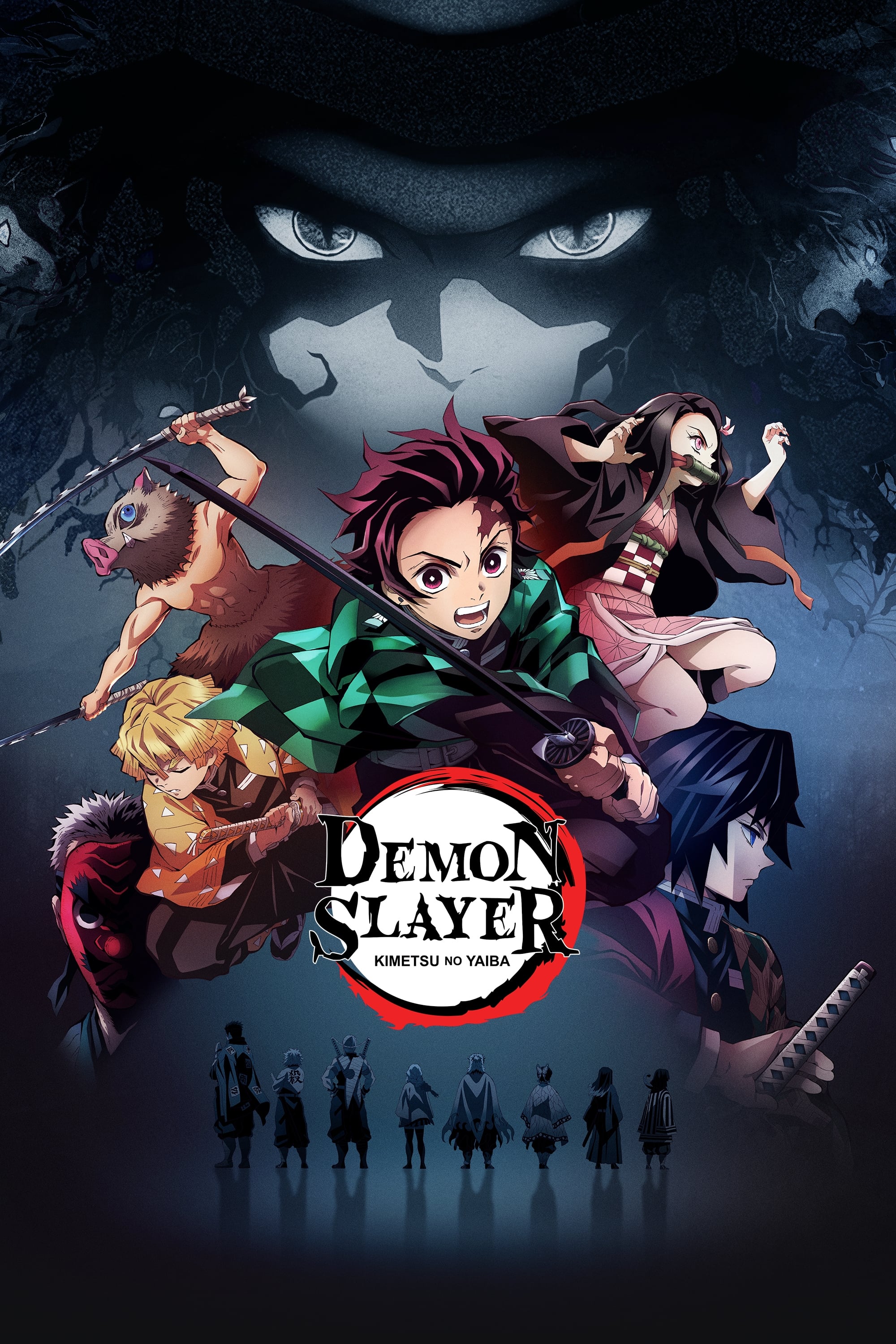
A young swordsman trains to protect his sister and faces a hierarchy of demons. Ufotable combined 3D backgrounds with hand drawn effects to create flowing blade patterns that matched traditional motifs. The television seasons aligned with a feature release that carried the story forward and then fed into later arcs. Production booklets list color design rules that linked each breathing style to a visual identity.
‘Attack on Titan’ (2013–2023)
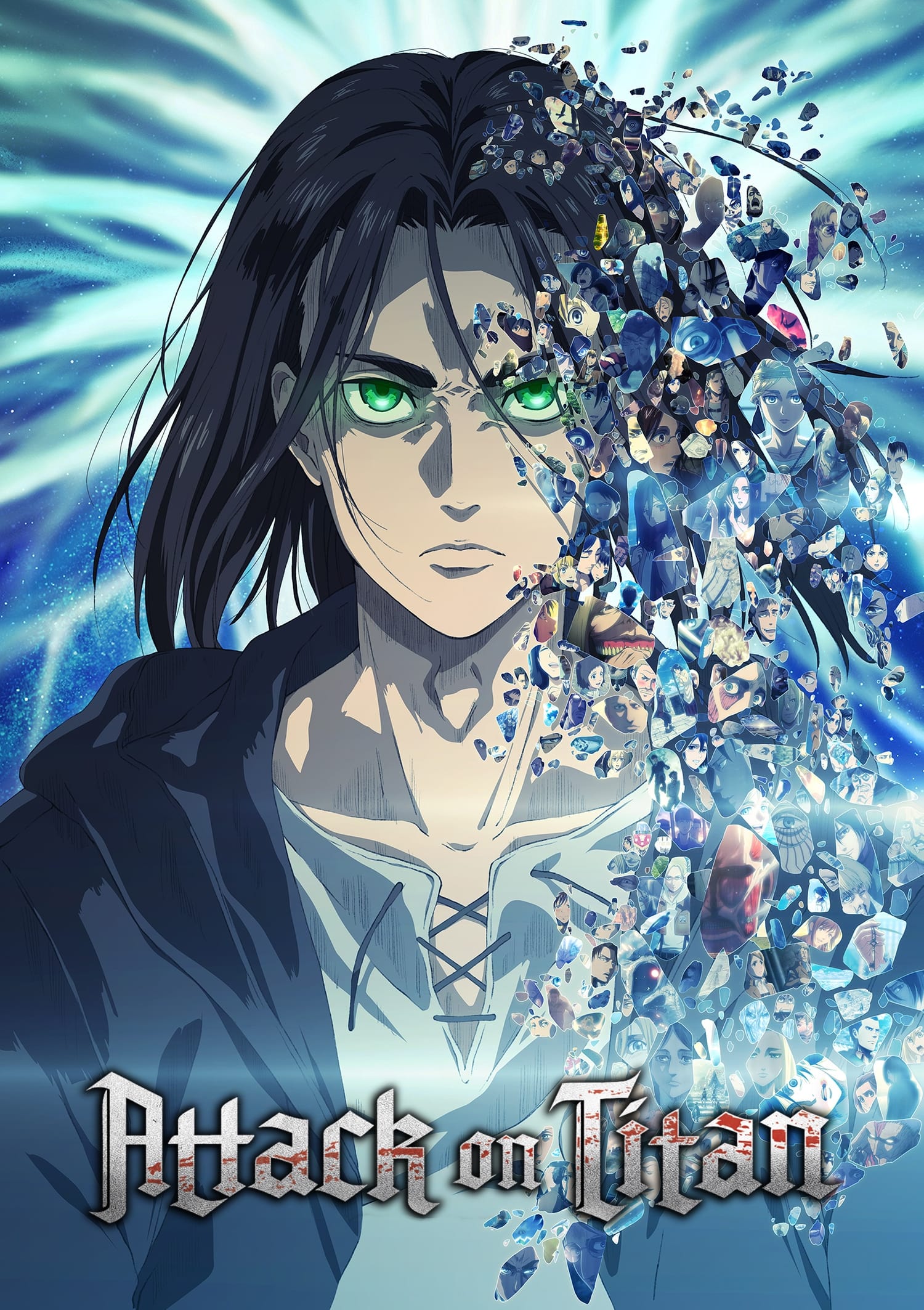
Humanity fights for survival inside walls while uncovering the world’s deeper history. The first seasons were produced at Wit Studio before later installments moved to MAPPA, and both teams documented pipeline changes that supported large action sequences. Storyboards tracked 3D maneuver gear routes through full city grids so geography stayed consistent. The release plan included split cours that gave time for complex animation setups.
‘JoJo’s Bizarre Adventure’ (2012–2022)
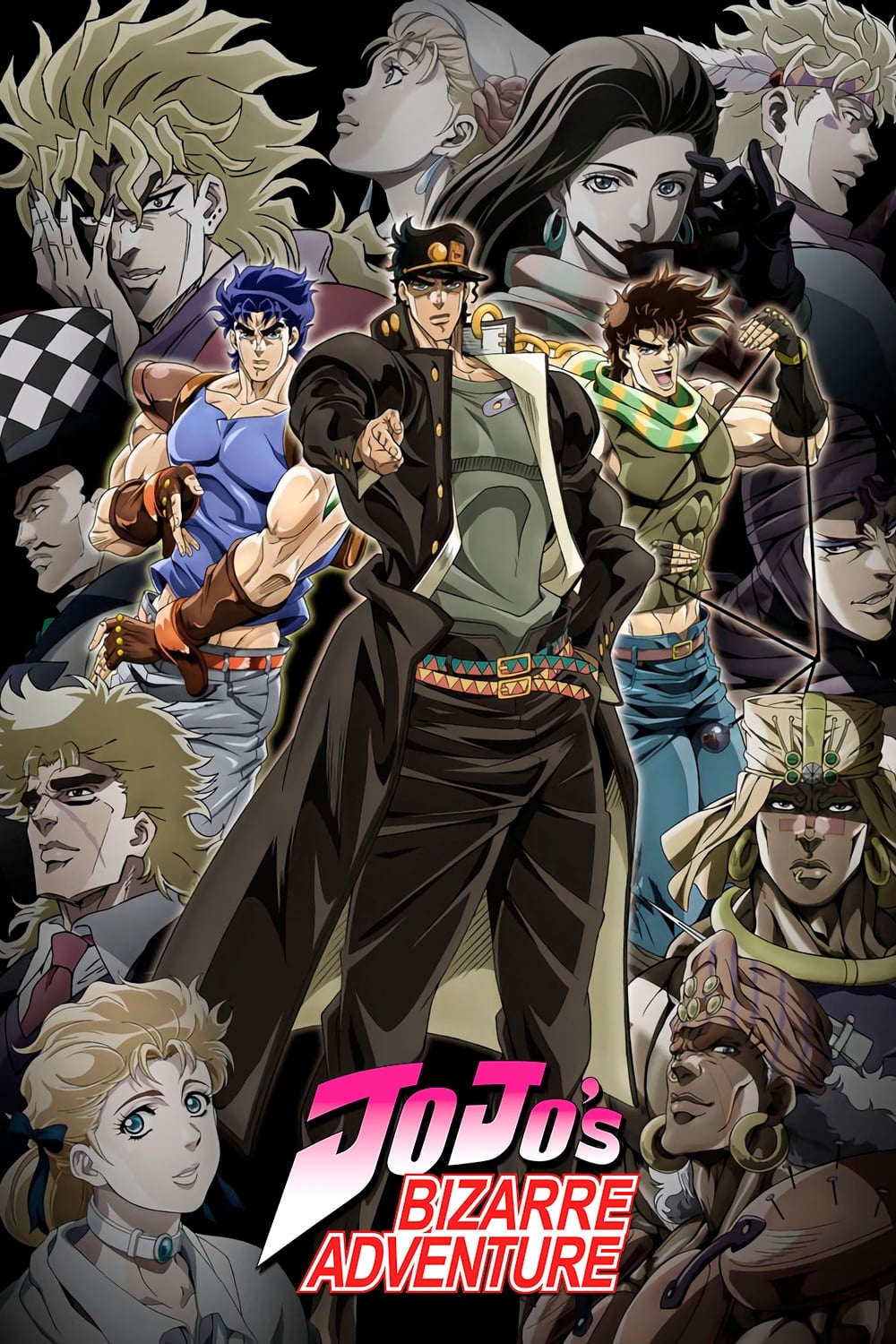
Generations of a family face supernatural threats with powers that follow evolving rules. David Production adopted a color shifting approach that reflected manga panel energy while keeping scene readability. Each part used unique opening sequences that foreshadowed later reveals with specific shot choices. Staff notes maintained a rulebook for abilities so battles resolved within established constraints.
‘Made in Abyss’ (2017–2022)
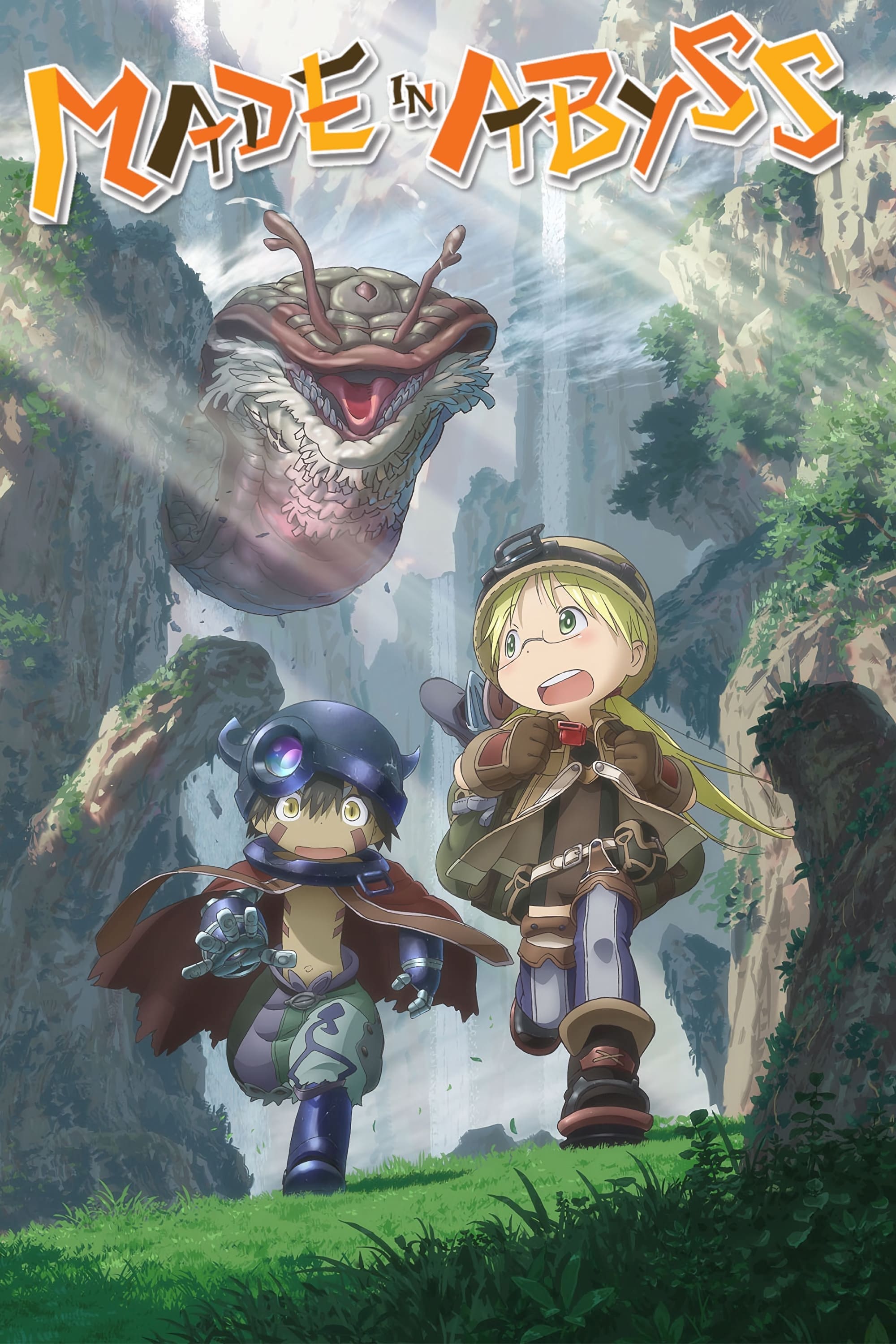
Two explorers descend into a vast chasm where each layer changes biology and time. Kinema Citrus documented environmental rules for every stratum and tied them to sound design and creature motion. The project included feature entries that continued the main plot with consistent staff and assets. Art books recorded material studies for stone, metal, and fabric so props aged predictably.
‘Kino’s Journey’ (2003)
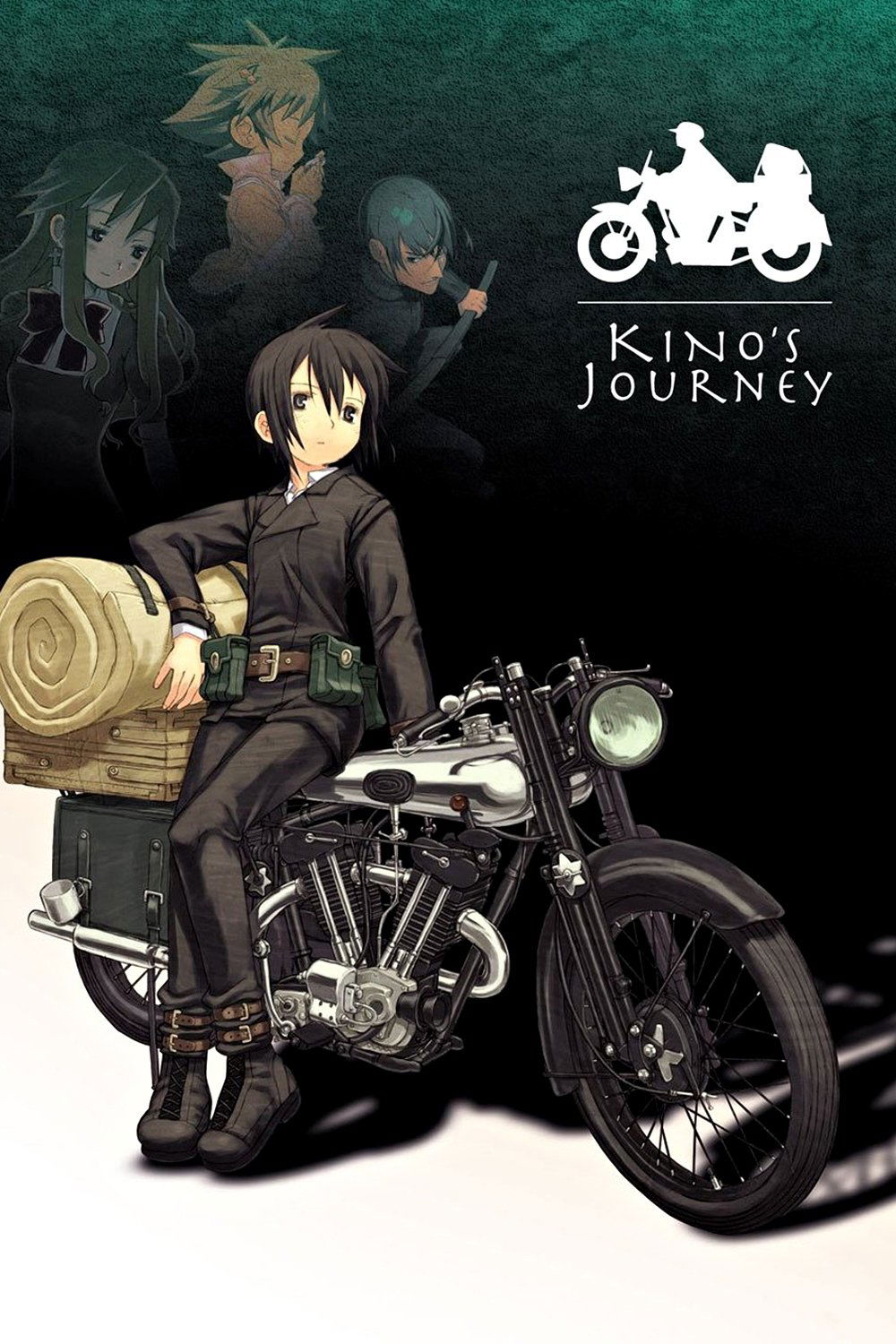
A traveler and a talking motorcycle visit countries with unusual customs and strict time limits. A.C.G.T kept episodes self contained while preserving a travel log format that aligned with the original short stories. The series tracked routes and weather notes that guided color keys for each stop. Production commentary explained how minimal animation drew attention to dialogue and setting rules.
‘Samurai Champloo’ (2004–2005)
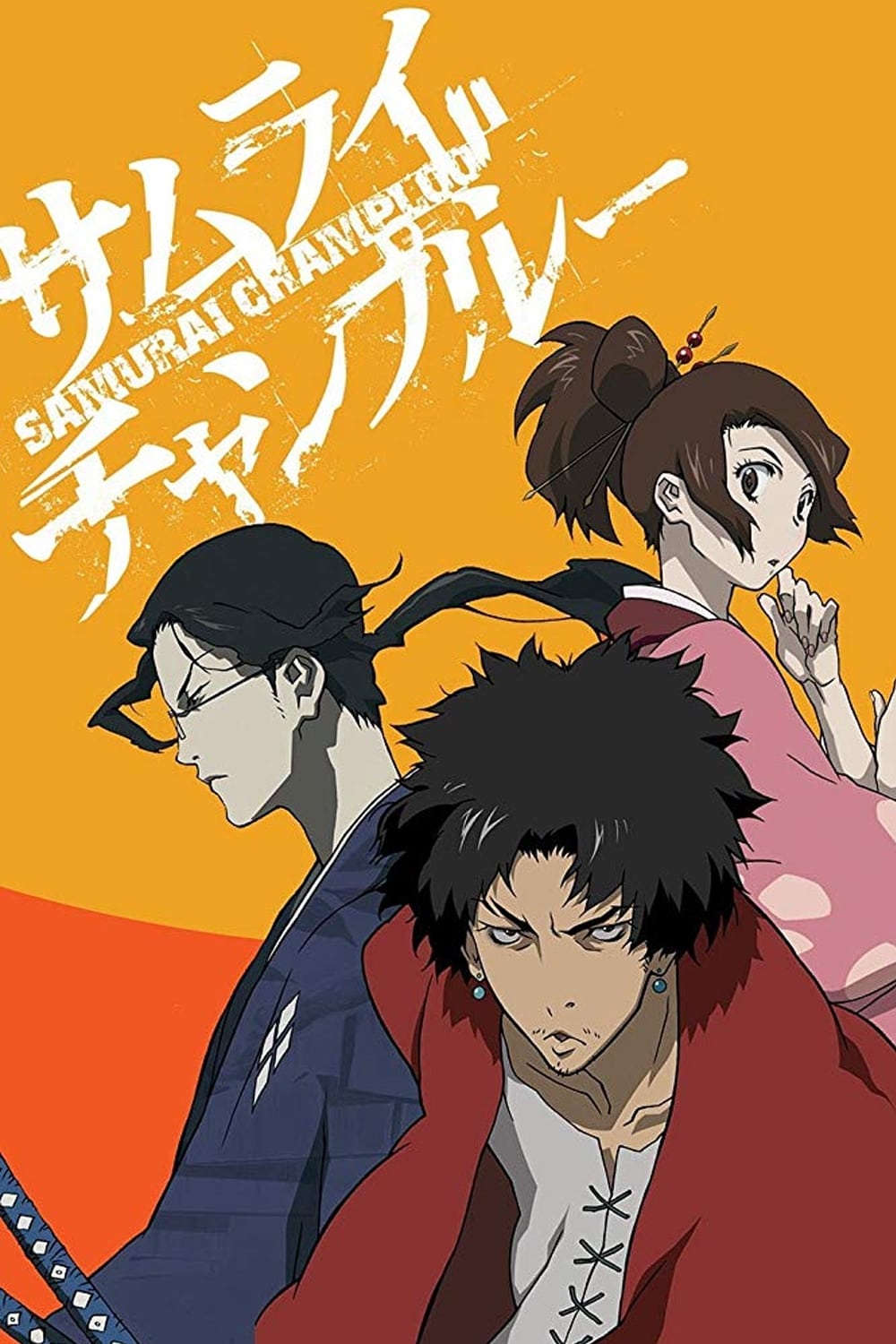
Three companions cross Edo period Japan while hip hop beats frame swordplay and chance meetings. Manglobe combined period research with modern editing and turntable style transitions that gave scenes a steady rhythm. The episode order allowed for experiments like documentary framing and baseball structure without breaking the journey. Music licensing and recording details were planned early to anchor the show’s identity.
‘Paprika’ (2006)
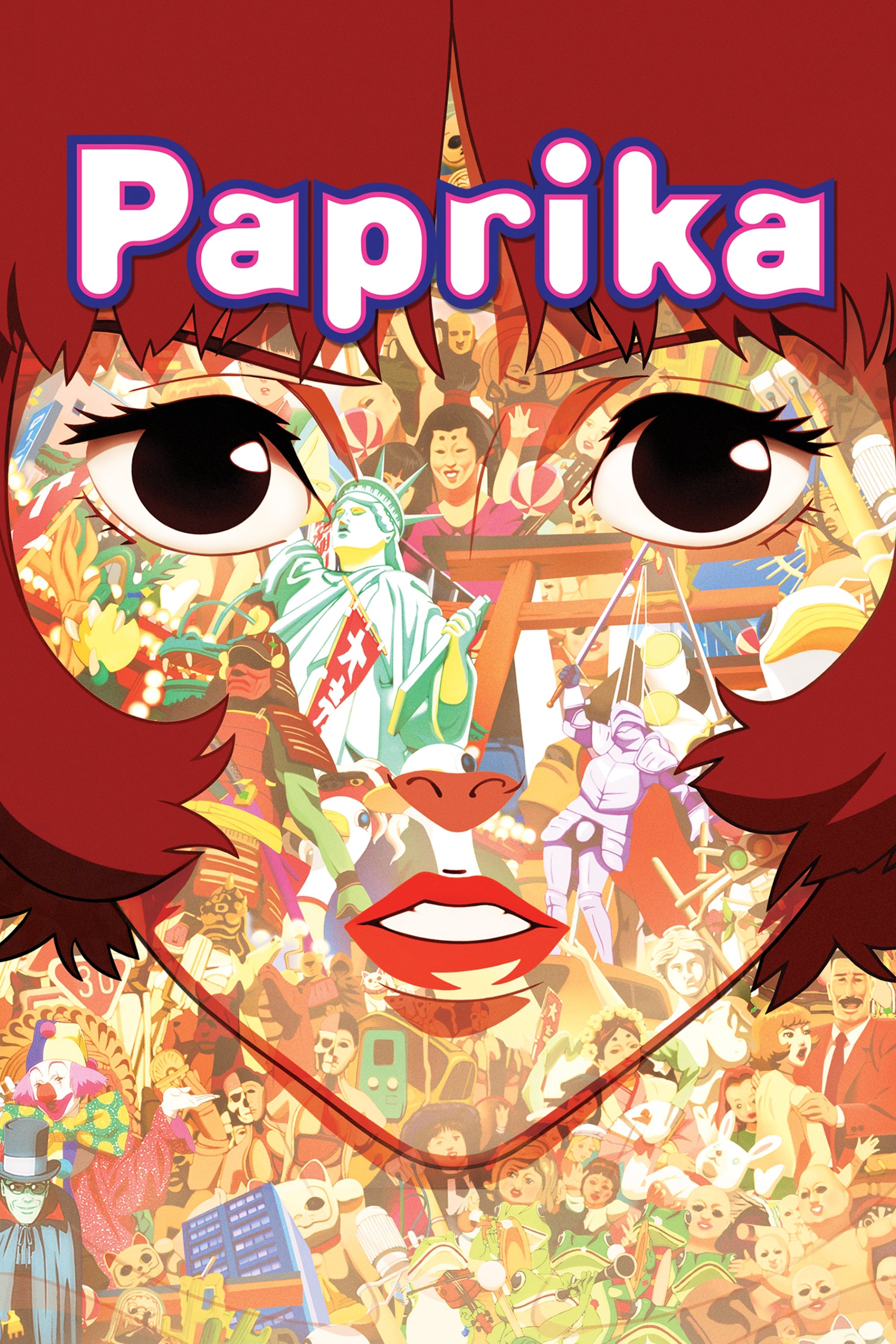
A device that lets therapists enter dreams is stolen and reality begins to distort. Madhouse integrated 3D elements into hand drawn crowds and signage so transitions between dreams and streets felt continuous. The team tracked recurring motifs that returned in new contexts to help viewers follow the investigation. Sound design notes explain how specific effects linked dream layers to character states.
‘The Tale of the Princess Kaguya’ (2013)
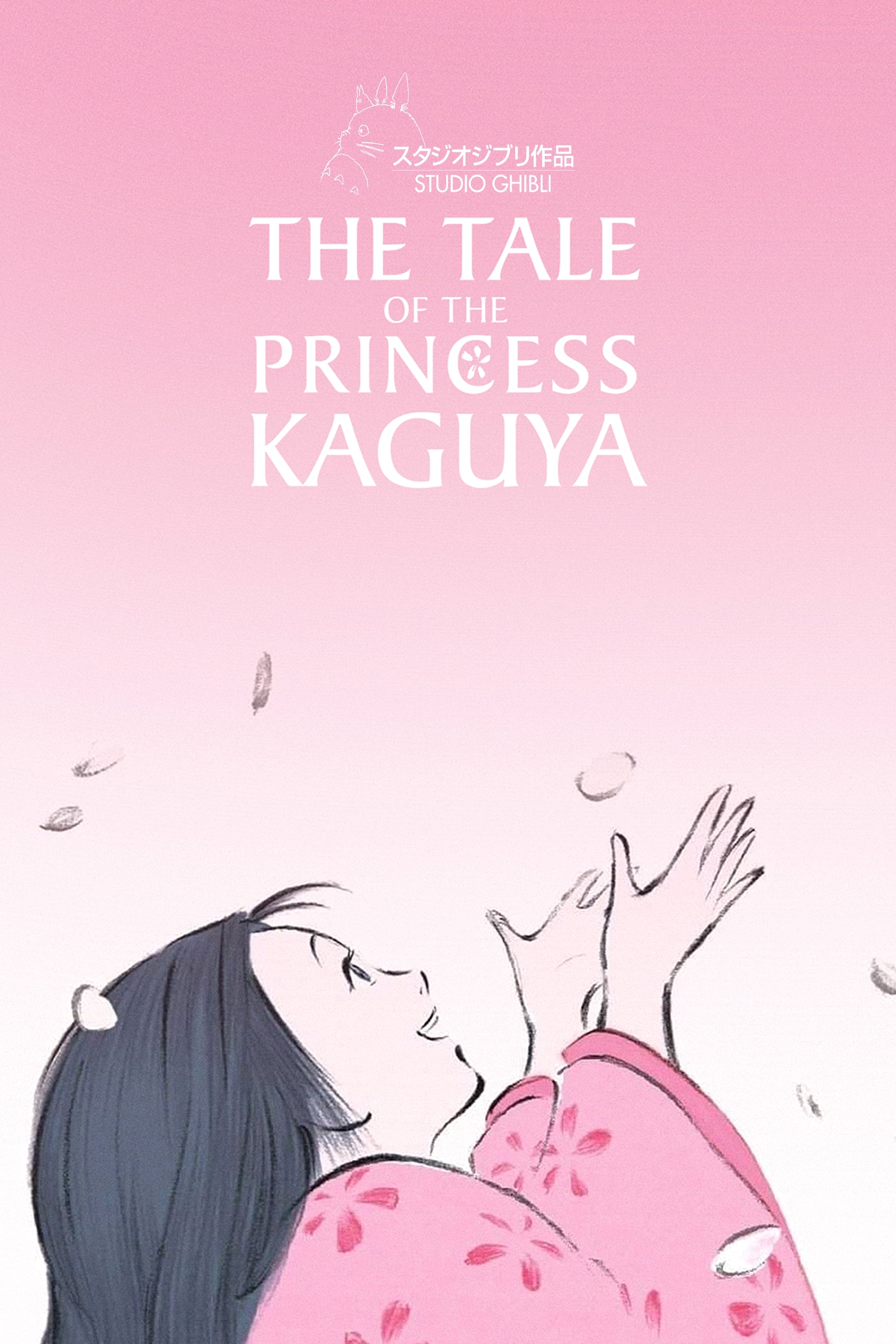
A mysterious child grows into a noblewoman whose life follows an old folktale. Studio Ghibli used charcoal lines and watercolor textures that allowed motion to break beyond clean outlines during moments of emotion. The production kept a slower frame rate in select scenes to emphasize brushwork. Festival screenings documented strong reception and highlighted the film’s distinctive visual method.
Share which extraordinary anime you would add next in the comments.

