


10 Most Hated DCEU Moments Everyone Wants To Forget



The DC Extended Universe set out to connect iconic heroes across films and shows, and it produced plenty of big swings that people still talk about. Along the way it also delivered a handful of scenes, edits, and marketing choices that quickly turned into lightning rods among viewers. These moments sparked headlines, trended on social feeds, and sometimes even pushed studios to change course.
What follows is a look at the specific creative choices and production moves that stirred the loudest backlash. Each entry focuses on what happened on screen or behind the scenes, how the decision came about, and what ripple effects followed for the characters, the filmmakers, or the larger franchise.
Superman’s CGI upper lip in ‘Justice League’
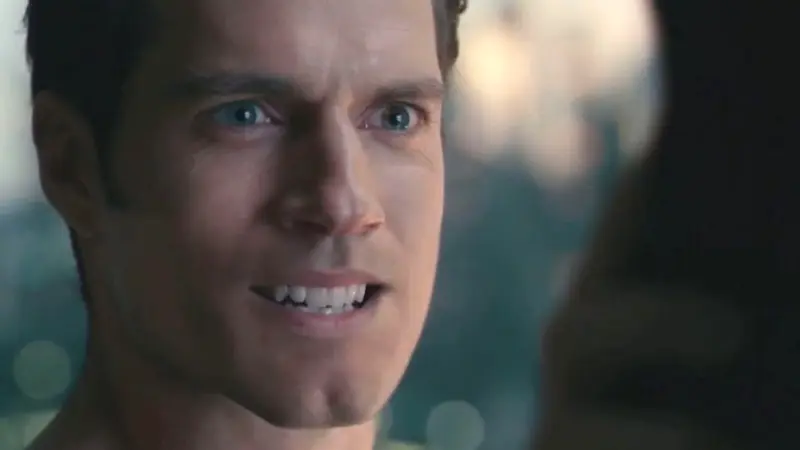
During reshoots the lead actor returned while contractually keeping a mustache for another film, so the visual effects team digitally removed the facial hair in multiple scenes. The altered mouth shape is visible in closeups, especially in early dialogue, creating a distracting look that drew immediate attention from audiences once the film arrived in theaters.
The unusual situation became a talking point across entertainment outlets and fan forums, overshadowing plot details and character beats. The VFX work was later contrasted with footage shot earlier, and the difference in facial continuity was used by fans to identify which scenes came from the reshoot phase.
The Martha reveal in ‘Batman v Superman: Dawn of Justice’
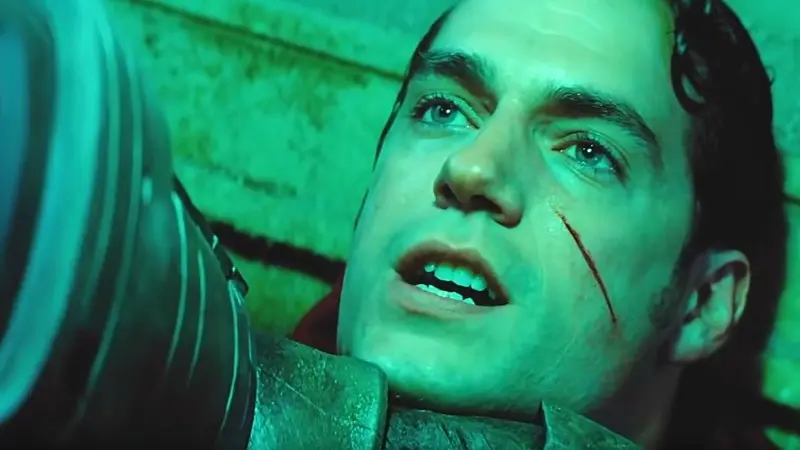
A key confrontation ends when one hero hears the name Martha and realizes their mothers share the same first name, which defuses the fight. The script uses the moment to shift the characters from enemies to uneasy allies as another threat looms.
Viewers widely questioned the believability of the turn, which led to edits and memes that circulated for months after release. The scene also became shorthand in discussions about how the film balanced character psychology with plot mechanics.
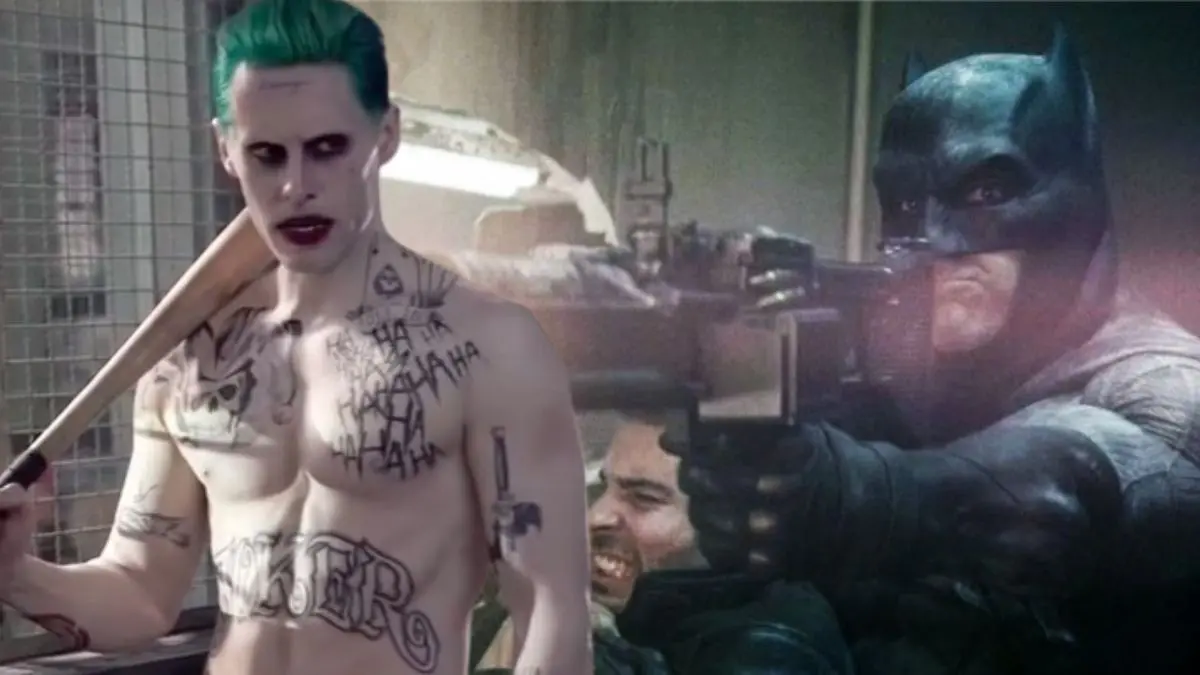
Joker’s tattoos and gangster reimagining in ‘Suicide Squad’
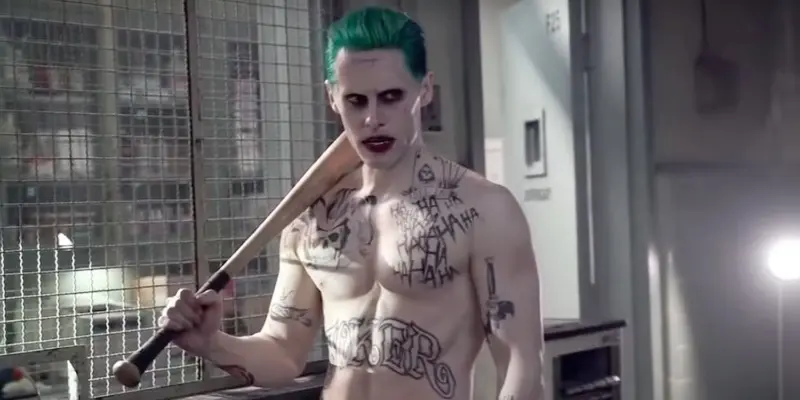
The film introduces a version of the Joker covered in tattoos and outfitted with street level crime boss styling rather than the more theatrical look used in past iterations. Production photos and trailers highlighted the grills, body art, and flashy wardrobe as part of a modernized persona.
The redesign sparked intense debate about character authenticity and tone, and it set expectations for a larger role that did not materialize in the final cut. The gap between the teased interpretation and the limited screen time fueled ongoing conversations about what was shot versus what ended up in the movie.
Enchantress sky beam finale in ‘Suicide Squad’
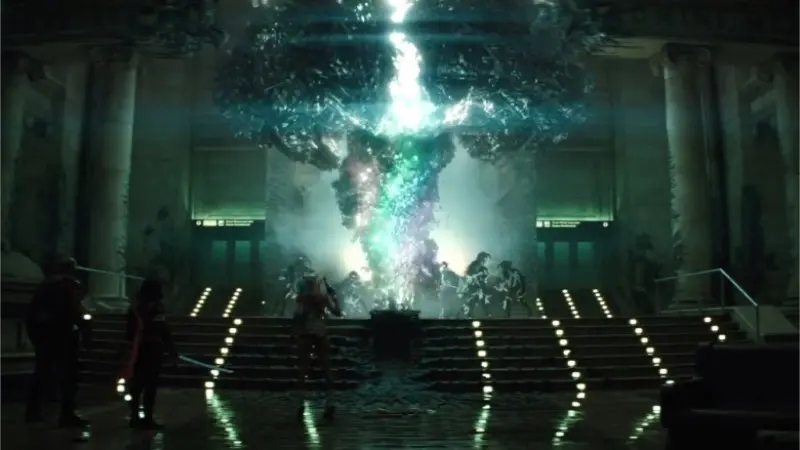
The climactic battle centers on a swirling beam in the sky and a mass destruction threat positioned over the city. The objective for the team becomes stopping a ritual at the epicenter while other forces clash around them.
Audiences criticized the generic visuals and the reliance on a familiar end of the world template that had appeared in other comic book films. The finale’s style also drew scrutiny because early marketing had promised a dirtier, street level mission before the scope expanded in the finished version.
The Doomsday trailer reveal for ‘Batman v Superman: Dawn of Justice’
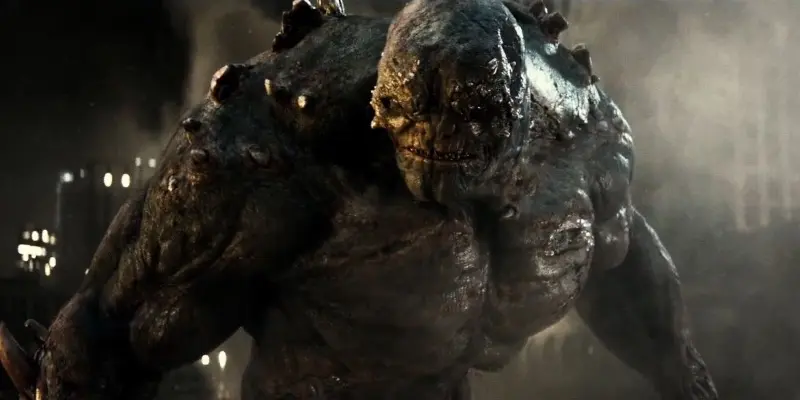
A major trailer openly shows the creation of Doomsday, revealing a third act villain long before audiences saw the film. The preview also stacks multiple money shots together, including the heroes standing side by side for the first time.
Fans and commentators argued that the marketing removed the surprise of a late game antagonist and collapsed several narrative turns into a single preview. The trailer strategy became a case study for how much blockbuster campaigns should hold back when promoting crossover events.
Batman’s lethal methods in ‘Batman v Superman: Dawn of Justice’
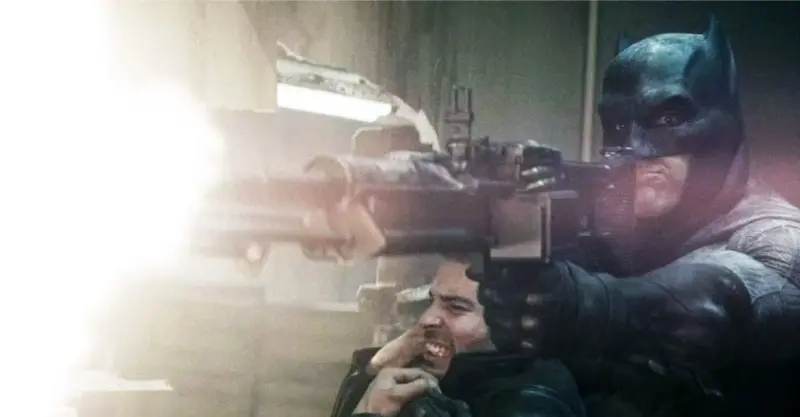
Several action sequences depict Batman using heavy weaponry that leads to on screen deaths, including vehicle mounted guns and explosive tactics. The depiction differs from interpretations that avoid lethal force as a core principle.
The creative choice prompted comparisons to earlier cinematic versions and long running comic arcs where the character’s code is handled differently. It also fueled debate about how the story frames trauma, escalation, and the consequences of vigilante methods inside this continuity.
The theatrical cut tone shift in ‘Justice League’
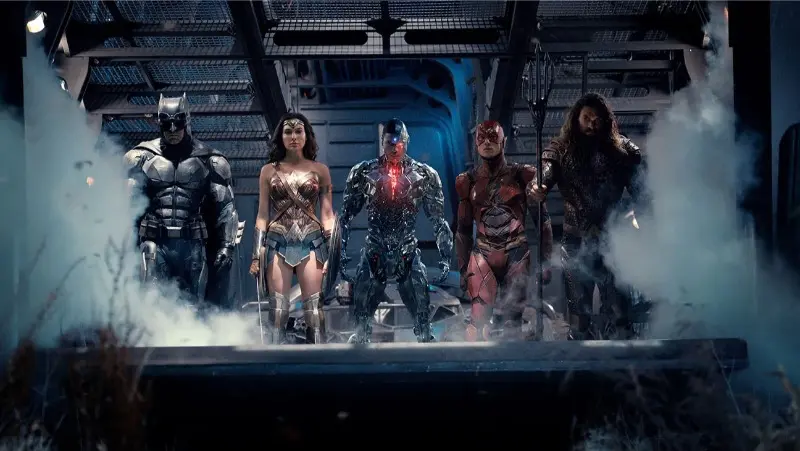
After a change in leadership behind the camera the studio combined footage from two creative visions, resulting in rapid tone shifts within the same movie. Scenes alternate between broad quips and earnest mythic beats, and the runtime mandate compressed character setups.
The uneven mix led to calls for the original assembly to be finished and shown, which became a sustained fan movement that shaped the franchise’s future. The eventual release of an alternate cut on streaming created side by side comparisons that highlighted different story emphasis, color timing, and character arcs.
Body swap romance in ‘Wonder Woman 1984’
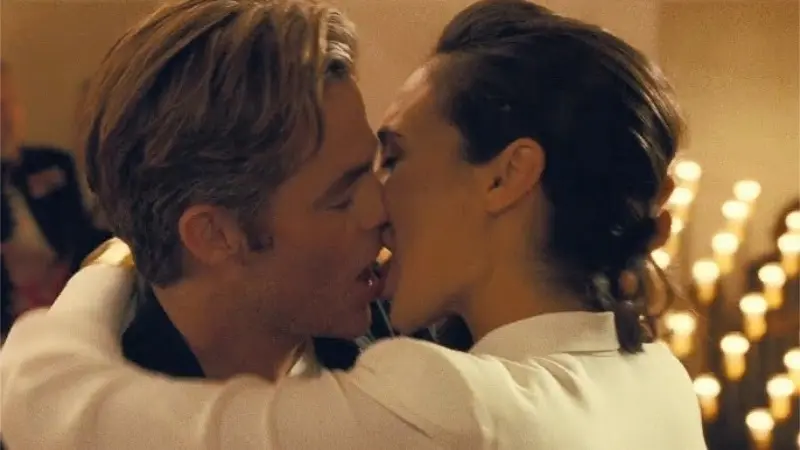
The story brings back a central character by placing his consciousness into the body of another man without that man’s awareness. The film proceeds with lighthearted romance and adventure while rarely addressing the ethical stakes for the person whose life is being used.
The setup triggered critical essays and viewer threads that examined consent and agency inside a wish fulfillment narrative. The conversation continued long after release, with many pointing to how the plot device complicated an otherwise straightforward emotional reunion.
Taste the rainbow unicorn charge in ‘Shazam! Fury of the Gods’
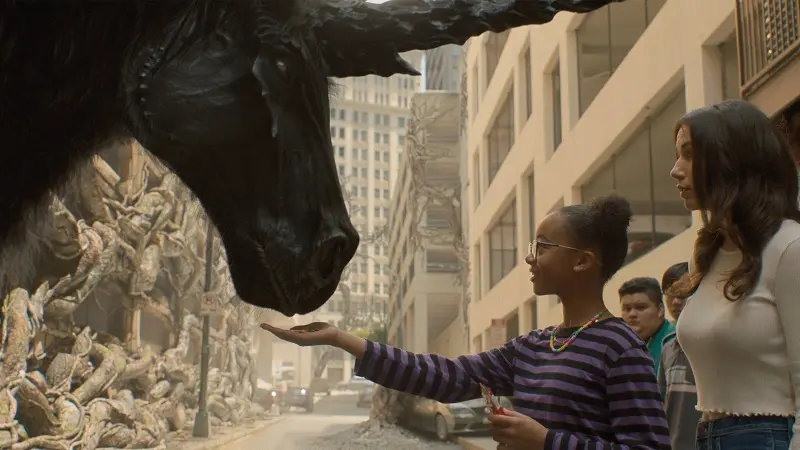
A late sequence arms a group with mystical creatures that can be calmed and directed using candy, culminating in a charge accompanied by a recognizable slogan. The moment plays for laughs while folding brand imagery directly into the action.
The scene drew complaints about overt product placement and tonal whiplash during a battle designed to resolve multiple character arcs. It also became a clip frequently shared online as shorthand for the film’s approach to humor inside high stakes sequences.
CGI baby rescue and cameo roulette in ‘The Flash’
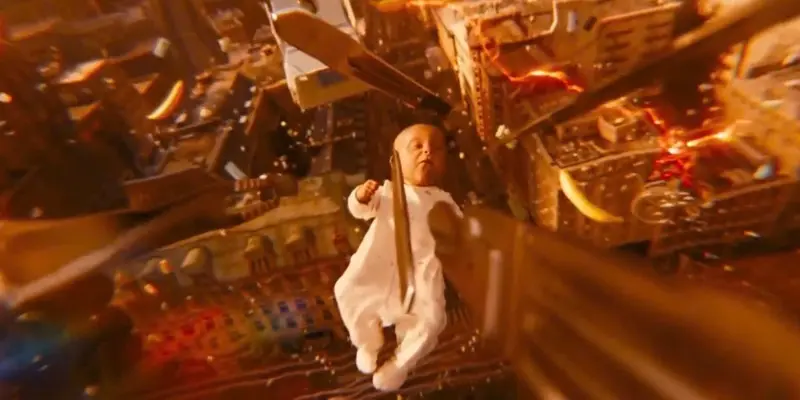
An opening set piece features a collapsing hospital where the hero saves a cluster of infants mid fall using stylized slow motion and computer generated imagery. The sequence’s digital look became an instant flashpoint as audiences scrutinized character models and compositing.
Later appearances by legacy characters through multiverse portals relied on digital recreations and brief surprises, which ignited discussions about ethics, permissions, and the line between homage and novelty. The creative choices were dissected across reviews and fan breakdowns, often overshadowing the main plot’s emotional beats.
Share the moments you think deserve a spot on this list in the comments.

