


The 10 Most Hated MCU Moments Everyone Wants to Forget



Some Marvel moments landed so awkwardly that fans still bring them up whenever the conversation turns to what went wrong. These are the scenes and twists that sparked petitions, rewatches with a wince, and plenty of rewrites in headcanon as viewers tried to square them with everything the MCU had built.
Below are ten specific beats that drew heavy blowback, along with the narrative setup around each one and what Marvel Studios did afterward. You will find where they occur, what the creative team intended, and how those choices rippled through later stories and tie-ins across film and Disney Plus shows.
The Mandarin Twist In ‘Iron Man 3’
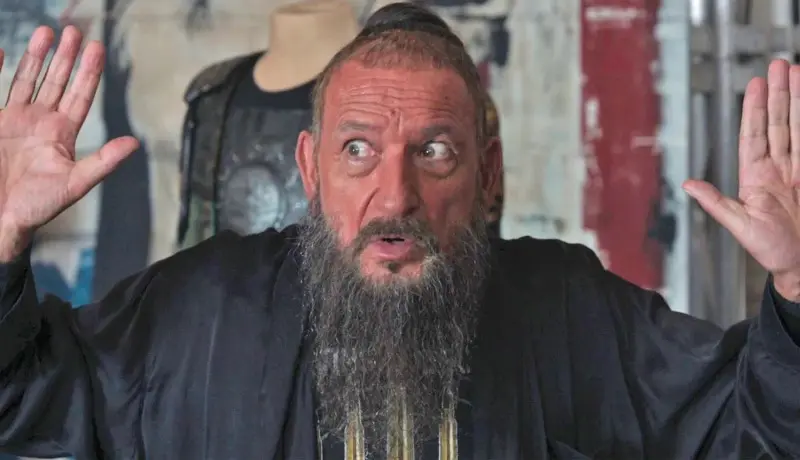
The film presents Trevor Slattery as the face of a global terror campaign before revealing he is a hired actor, while Aldrich Killian claims the Mandarin identity. The twist was designed to subvert expectations set by marketing and by the Ten Rings setup that began in ‘Iron Man’. It reframed the conflict around Extremis experiments and corporate revenge rather than a comic book warlord.
Backlash centered on the gap between the long teased Ten Rings threat and the final payoff. Marvel later produced ‘All Hail the King’ to revisit Trevor and used ‘Shang-Chi and the Legend of the Ten Rings’ to introduce a distinct Wenwu and the real Ten Rings organization, effectively repositioning the concept for future stories.
Black Widow’s Backstory Confession In ‘Avengers: Age of Ultron’
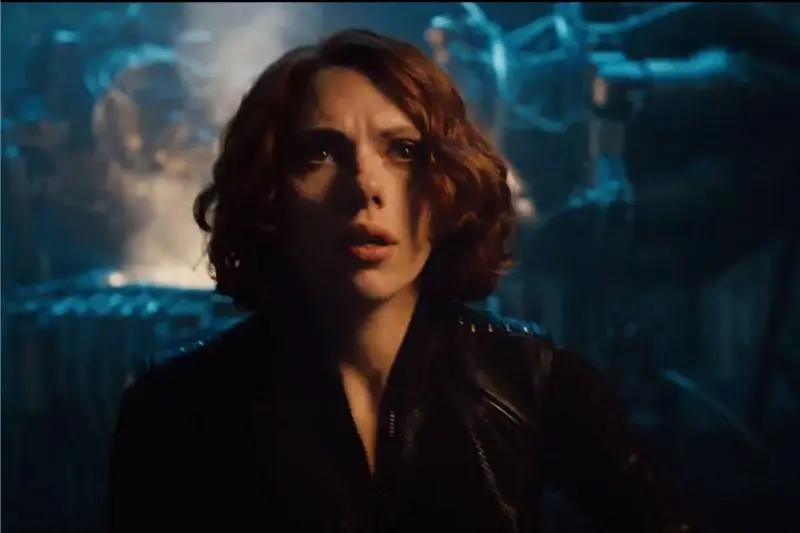
Natasha tells Bruce about the Red Room sterilization and links it to her sense of being a monster. The scene is meant to deepen her trauma arc while advancing the Banner romance thread that threads through the farmhouse and party sequences. It ties her spy origins to the film’s larger theme of control and creation.
The moment drew sustained criticism for how it framed her pain and for the abrupt romance subplot. Subsequent projects shifted focus to her found family with the Avengers and later explored the Red Room with Yelena and Dreykov in ‘Black Widow’, providing additional context that broadened her characterization.
“Fat Thor” In ‘Avengers: Endgame’
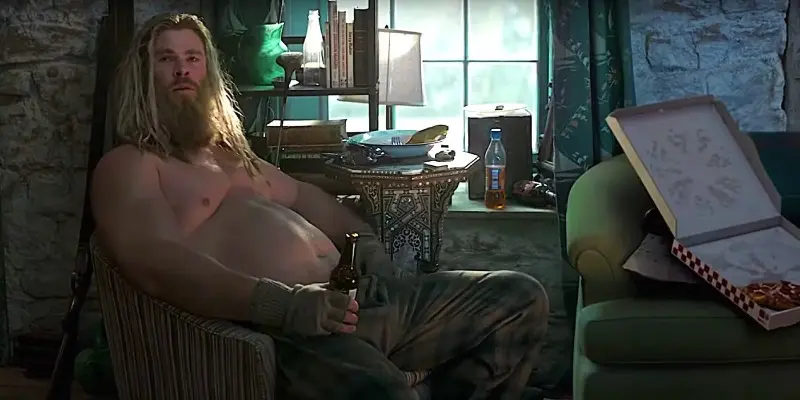
Thor copes with guilt and grief by withdrawing to New Asgard and leaning on alcohol and video games. The creative choice tracks his failure to stop Thanos and sets up his eventual readiness to fight again, while offering moments of humor with Rocket and Korg. It intersects with the time heist plot and the rekindling of his worthiness.
Viewer response flagged the repeated gags and the handling of his mental health. Later appearances moved him back toward active heroism in ‘Thor: Love and Thunder’ and aligned him with the Guardians, while keeping traces of the loss that shaped him after the snap.
Black Widow’s Death In ‘Avengers: Endgame’
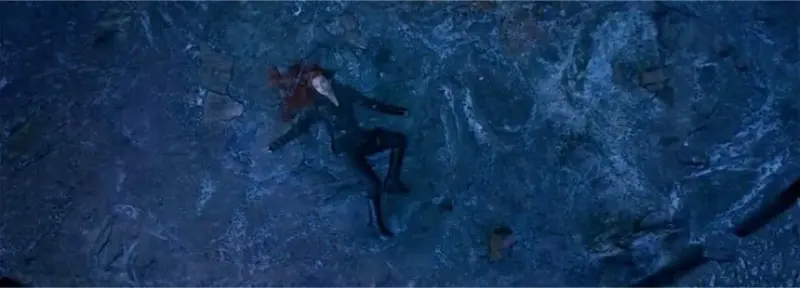
Natasha and Clint battle to sacrifice themselves for the Soul Stone on Vormir, and Natasha wins that fight. The scene resolves their shared ledger and clears a path for the rest of the team to restore everyone. It mirrors the earlier death that secured the Soul Stone in ‘Avengers: Infinity War’.
The fallout focused on the absence of an on-screen funeral and on how the moment limited her future in the timeline. Marvel later honored her with a memorial scene in ‘Hawkeye’ through Yelena’s grief and gave Natasha a lead mission in ‘Black Widow’, set earlier, to close out threads with the Red Room and Budapest.
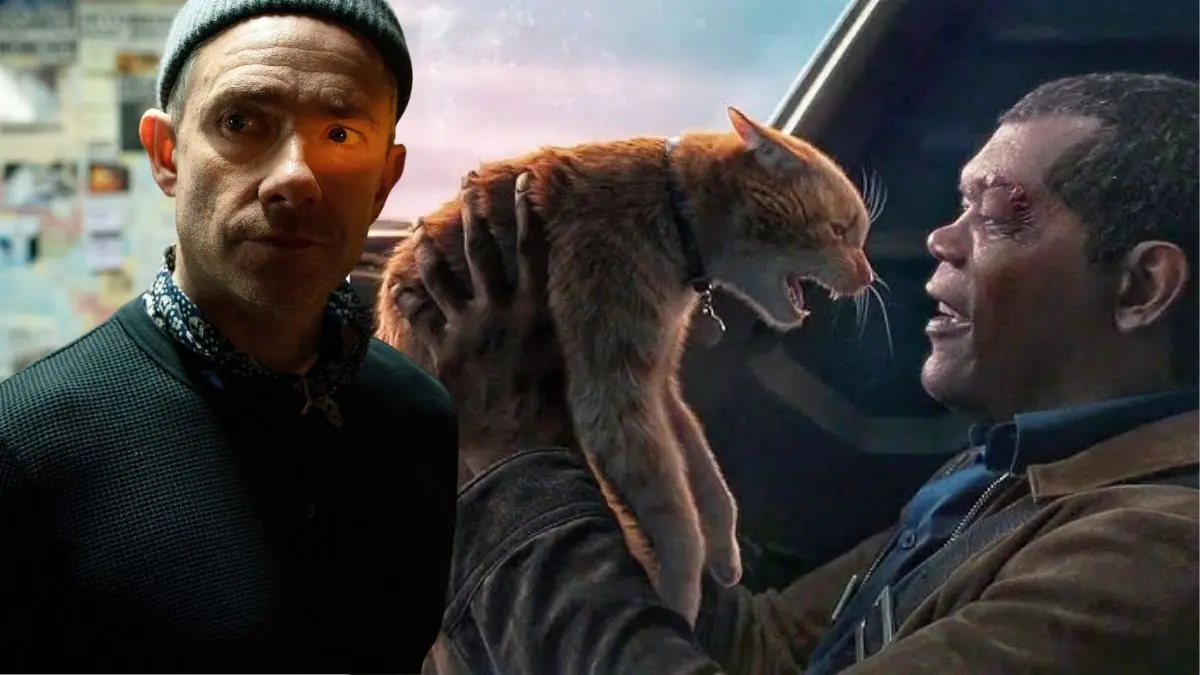
Nick Fury’s Eye Origin In ‘Captain Marvel’
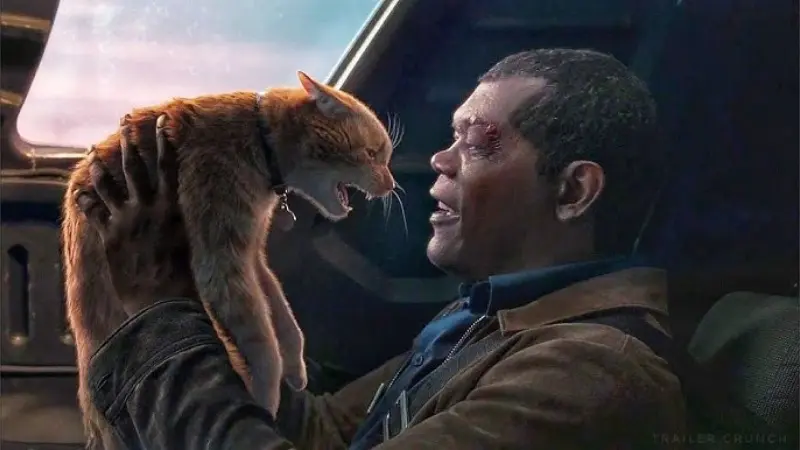
The film reveals that Goose, a Flerken disguised as a cat, scratches Fury’s eye during the search for the Tesseract. The gag plays against past hints that implied a violent betrayal and ties into the movie’s lighter tone. It occurs near the end as Carol and Fury finalize their plan for the Skrull refugees.
Audience pushback centered on the tonal mismatch with the character’s mystique built across earlier entries. Later stories kept the injury as canon while leaving most of Fury’s spy history intact, allowing ‘Secret Invasion’ to examine his compromises and losses without revisiting the cause of the damaged eye.
The Pietro “Boner” Reveal In ‘WandaVision’
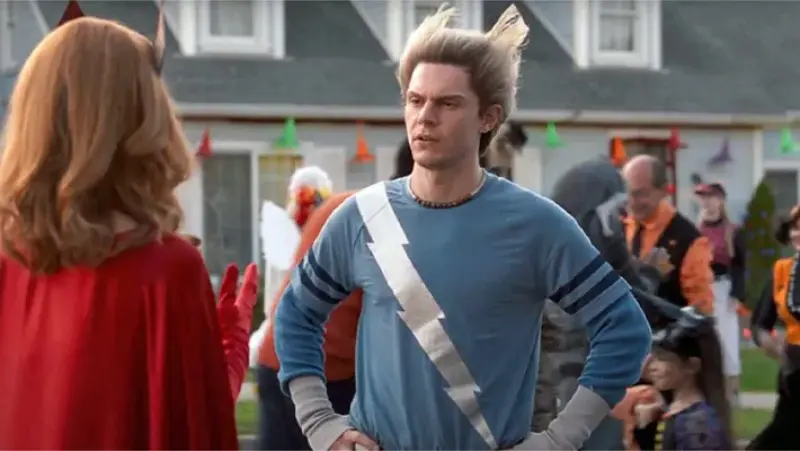
Evan Peters appears as Wanda’s brother during the Hex storyline, echoing his role in the Fox X-Men films. The show later reveals he is a Westview resident named Ralph Bohner under Agatha’s control. The twist plays with the meta casting and the sitcom trope of a surprise relative at the door.
The reveal frustrated viewers who expected a doorway to mutants or multiversal crossover. Subsequent projects established alternate realities through ‘Spider-Man: No Way Home’ and ‘Doctor Strange in the Multiverse of Madness’, making clear that the Pietro appearance was a contained feint rather than an early mutation reveal.
The ‘She-Hulk: Attorney at Law’ KEVIN Finale
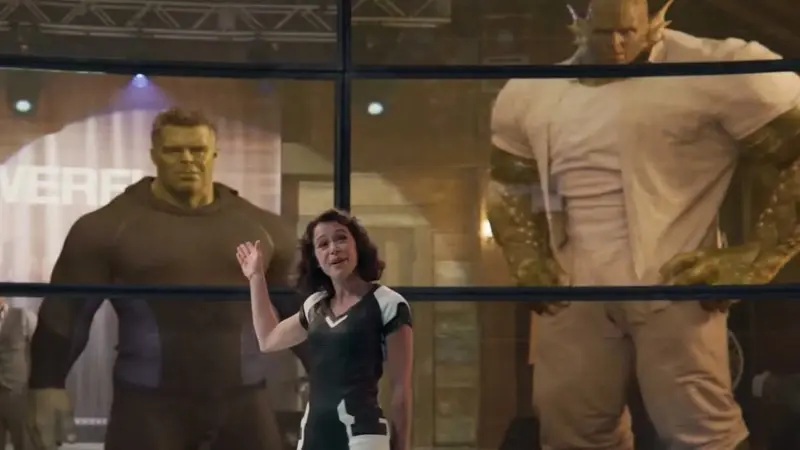
Jen smashes out of her own show’s interface to confront KEVIN, an in-universe riff on a studio mastermind. The finale rewrites the third-act conflict on the fly, trims out a super-serum brawl, and resets certain plot threads to emphasize Jen’s legal and personal wins. It functions as a satire of superhero endings and of franchise formula.
Reactions were split on the abrupt subversion and the way it sidelined setup for a climactic fight. Afterward, the character appeared in ‘Daredevil: Born Again’ promotional synergy and remains positioned for future street-level stories, with the finale’s choices left as a permanent meta flourish inside the MCU canon.
The Opening Death And Skrull Retcon In ‘Secret Invasion’
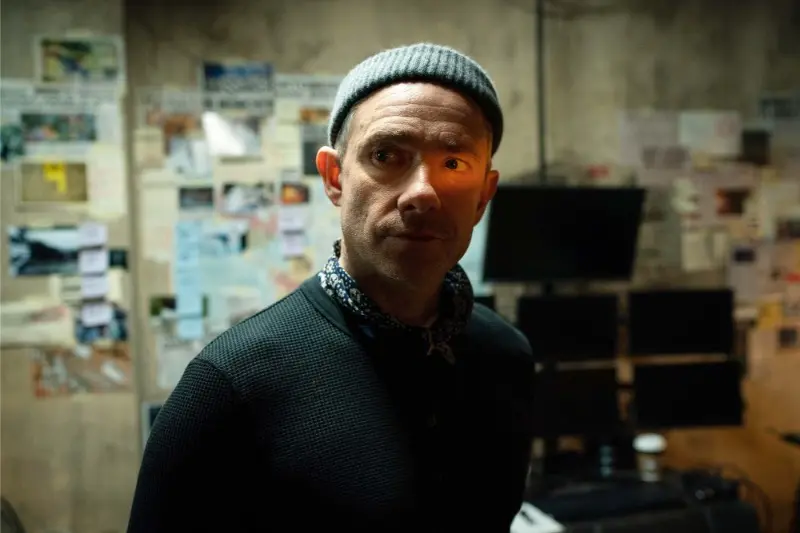
The premiere kills Everett Ross early on, revealing his identity as a Skrull infiltrator alll along. At the end of the episode, Maria Hill gets killed during a botched operation in Moscow, framing Fury’s return to Earth as fraught and costly. Later episodes reveal that James Rhodes has been replaced by a Skrull for an unknown period, raising timeline questions about his past appearances. These turns aim to underscore paranoia and the theme of compromised identities.
The decisions prompted strong complaints about shock value and continuity uncertainty. Later tie-ins acknowledged Hill’s legacy through mentions in ‘The Marvels’, while the Rhodey reveal created open questions that future films and shows will need to timestamp, including how it intersects with his injury and his relationships with the Avengers.
MODOK’s Look And Arc In ‘Ant-Man and the Wasp: Quantumania’
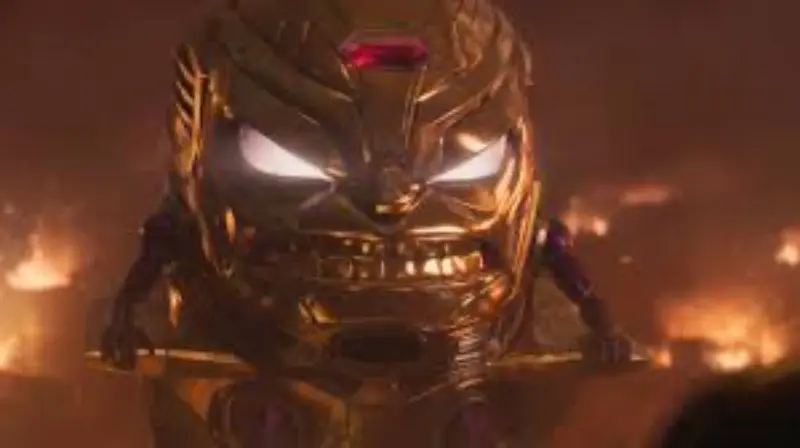
Darren Cross returns as MODOK after surviving the Pym Tech incident and being rebuilt in the Quantum Realm by Kang. The design emphasizes a stretched human face with mechanized limbs and weapons, and the character swings from assassin to last-minute ally. His scenes intersect with Cassie’s resistance plot and Kang’s conquest.
Viewers criticized the visual presentation and the tonal whiplash from threat to comic relief. The film concludes his story decisively, leaving the door open only through variants or multiversal counterparts, while other media continued to present alternate takes on MODOK outside the main continuity.
The Illuminati’s Quick Defeat In ‘Doctor Strange in the Multiverse of Madness’
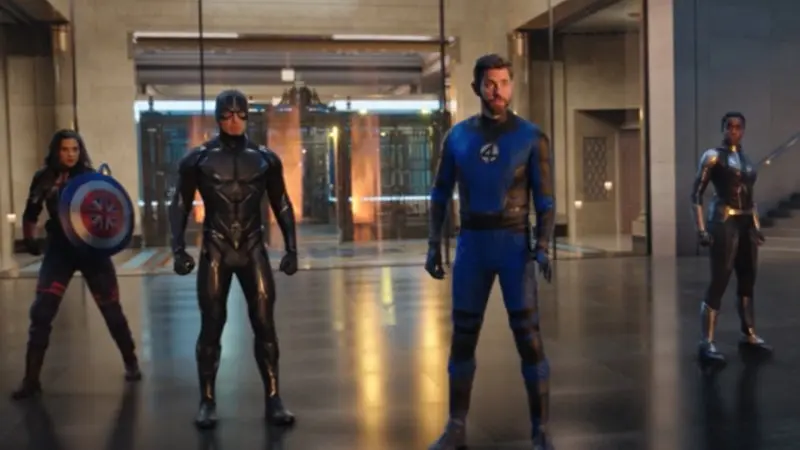
Stephen visits Earth-838 and meets the Illuminati, including alternate versions of familiar heroes. Wanda arrives and eliminates the team efficiently while pursuing America Chavez, showcasing the danger of the Darkhold’s influence. The sequence is designed to stress the stakes of dreamwalking and to shock with unexpected outcomes.
Fans questioned the use of high profile cameos for a brief detour and debated Wanda’s trajectory from protector to pursuer. Later stories distanced the main universe from the Darkhold after its destruction and kept the multiverse thread active, leaving room for other councils or variants to appear without revisiting the same lineup.
Share the MCU moments you would add or swap in the comments so we can compare notes with your picks.

