


The Most Influential Sci-Fi Movies of All Time

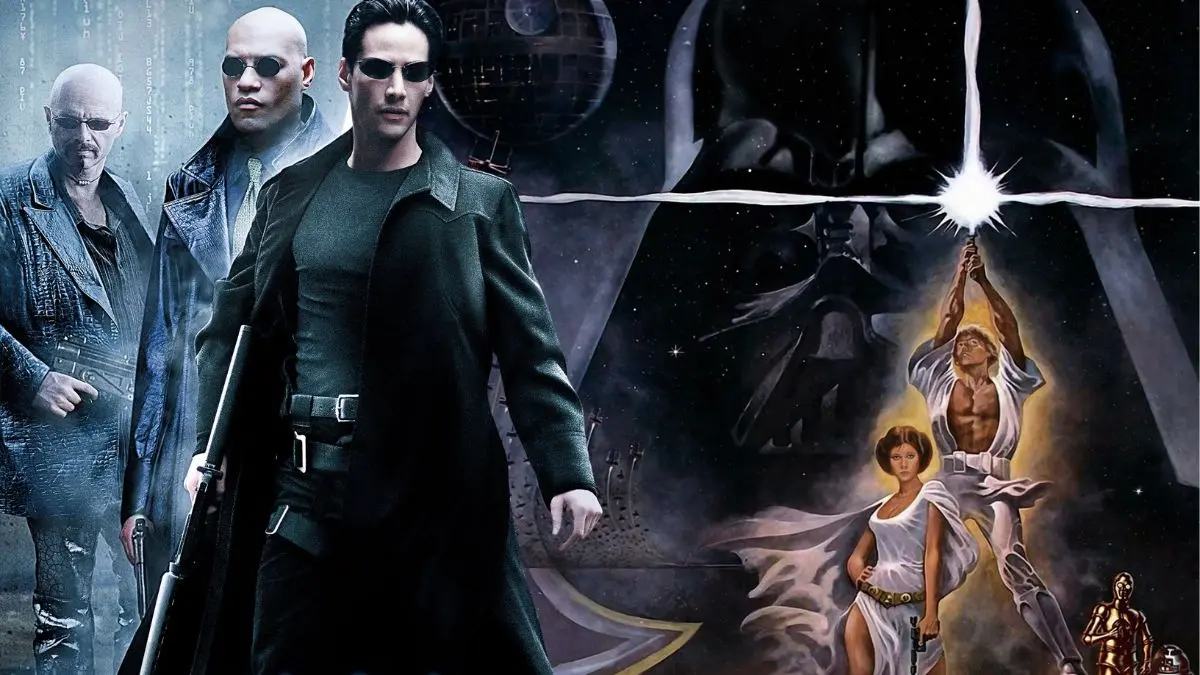


Science fiction movies have shaped how we think about technology, space, and the future, and their ideas keep echoing across pop culture. From silent era experiments to modern conversation starters, these films pushed boundaries in storytelling, design, and special effects that other genres soon followed. Many also sparked spin offs, academic debates, and new production techniques that filtered into everything from advertising to video games. They even found fresh audiences through late night runs on AMC and BBC Two, which helped turn some of them into enduring touchstones.
‘A Trip to the Moon’ (1902)
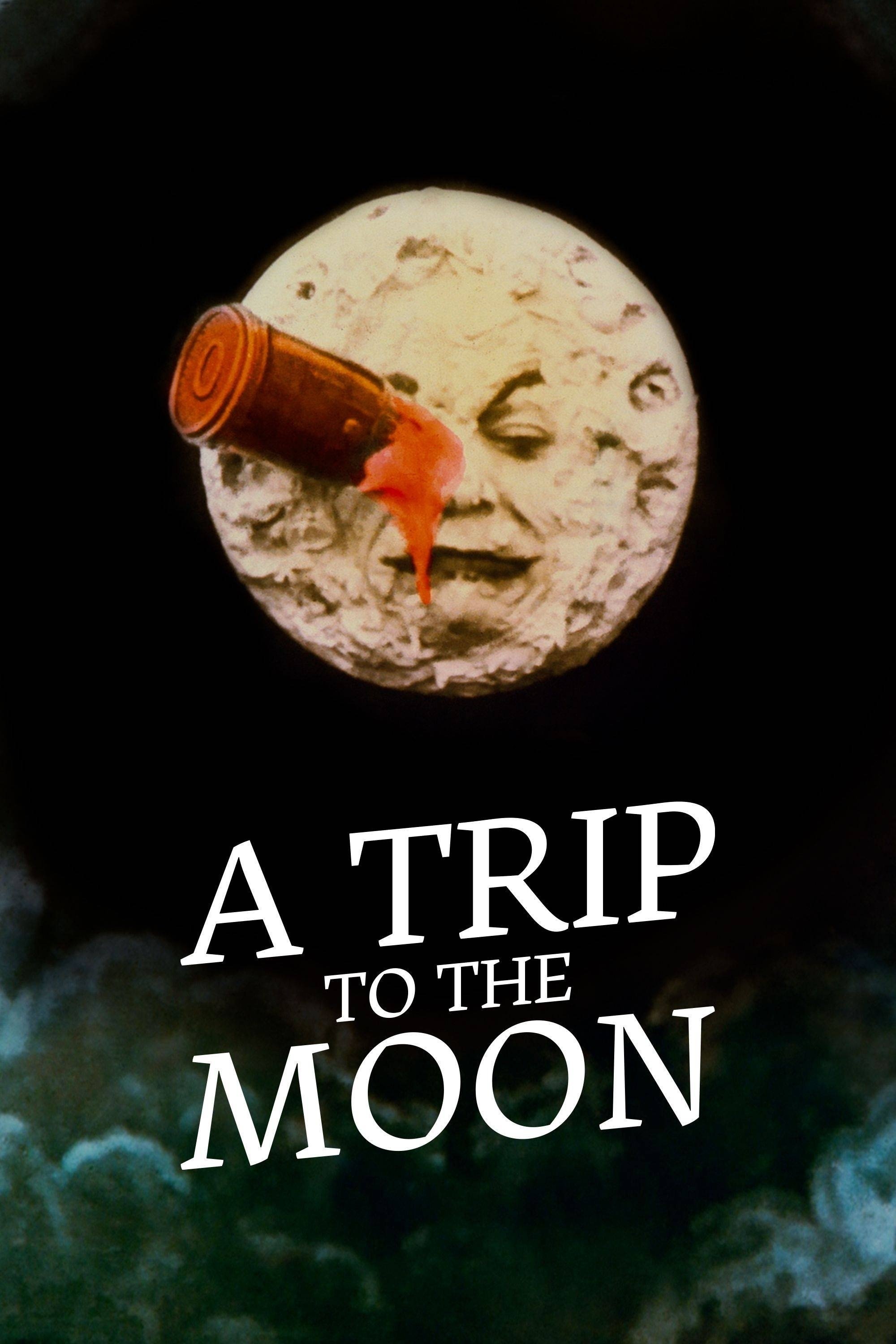
Georges Méliès used theatrical trick photography to visualize a lunar voyage with hand painted color frames that astonished early audiences. The film introduced iconic imagery like the rocket landing in the Moon’s eye that became a staple of science fiction iconography. Méliès combined stage magic with stop motion and multiple exposures to craft sequences beyond the technology of his day. Its popularity showed that imaginative spectacle could draw crowds and encouraged filmmakers to expand narrative ambition.
‘Metropolis’ (1927)
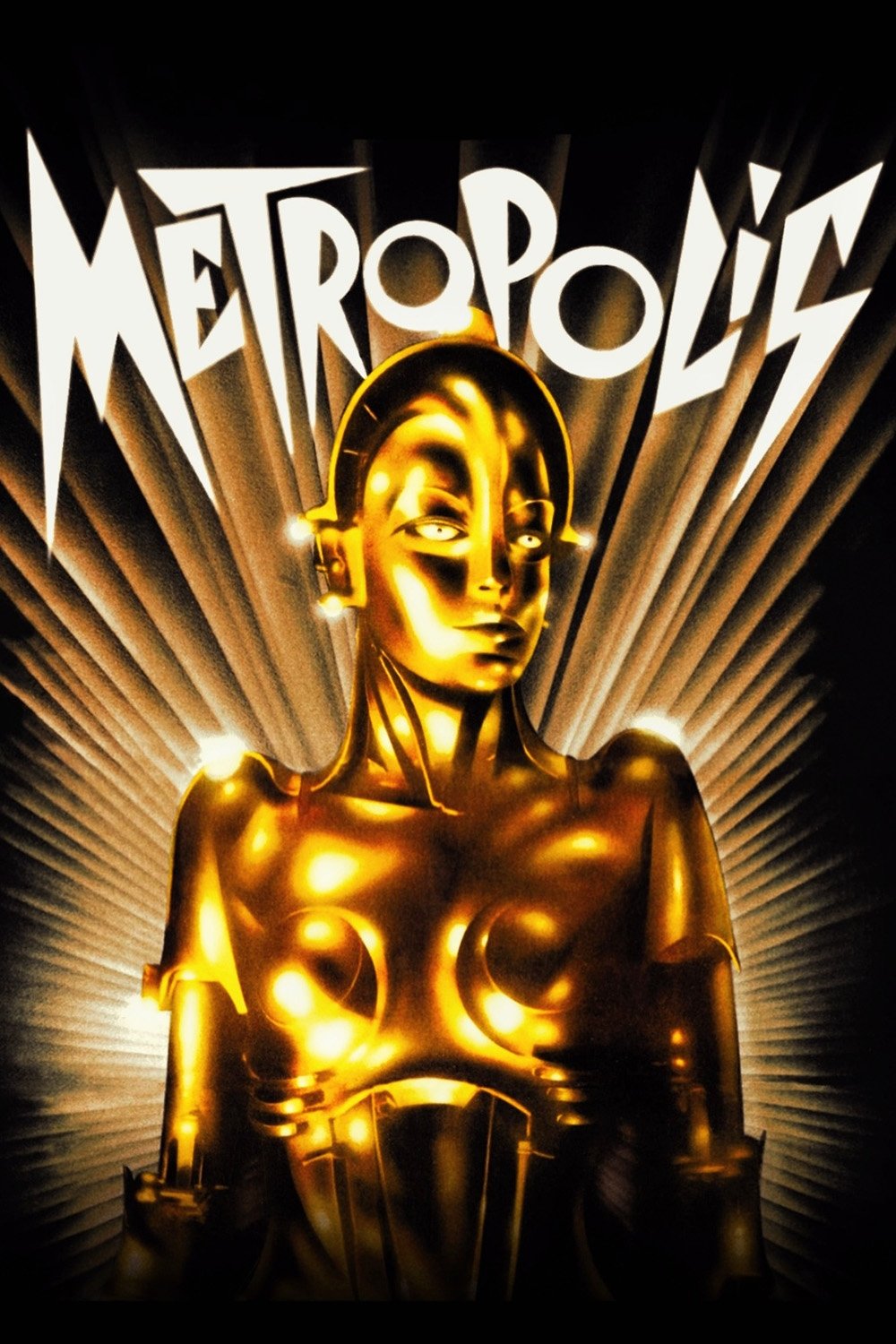
Fritz Lang’s vision of a stratified future city set a template for industrial dystopias and modern production design. Miniature models and the Schüfftan process allowed towering skylines and machine halls to feel vast and mechanical. The film’s robot Maria created one of the earliest cinematic androids with a look that echoes in later designs. Restorations brought back lost footage, allowing new generations to study its full narrative architecture.
‘The Day the Earth Stood Still’ (1951)
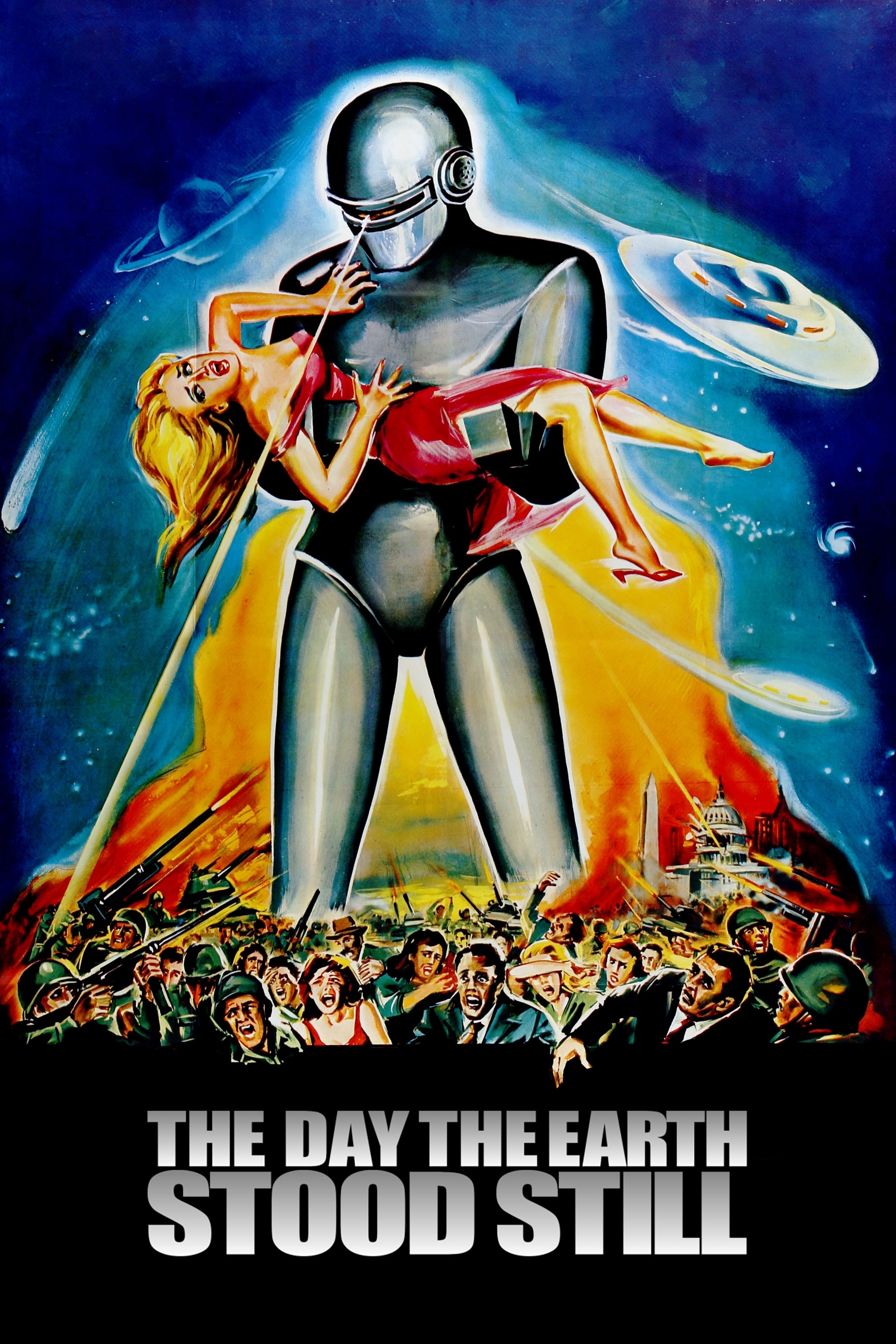
This Cold War parable used a visiting alien to frame nuclear anxiety and international cooperation through a grounded, contemporary setting. Its theremin heavy score helped define a sonic palette that audiences associated with science fiction for years. The robot Gort became a model for imposing yet restrained mechanical guardians. The phrase linked to the alien message entered public vocabulary and kept the film culturally visible.
‘Forbidden Planet’ (1956)
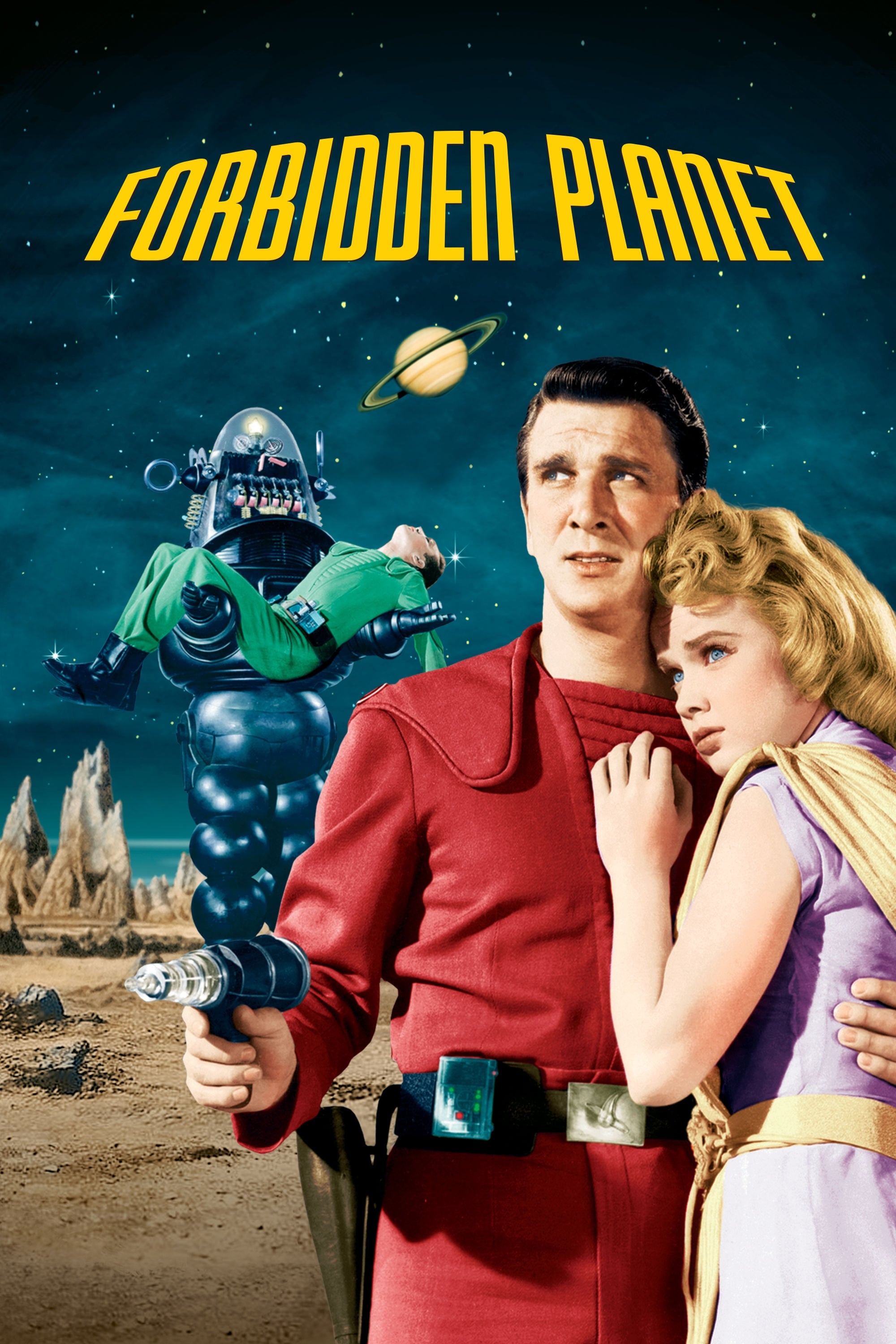
Drawing on Shakespeare’s story framework, the film placed advanced technology and psychology on a distant world. Robby the Robot set new standards for practical costume engineering and character design. Electronic tonalities created a pioneering fully electronic film score. Its depiction of faster than light travel and alien ruins influenced later space exploration narratives.
‘2001: A Space Odyssey’ (1968)
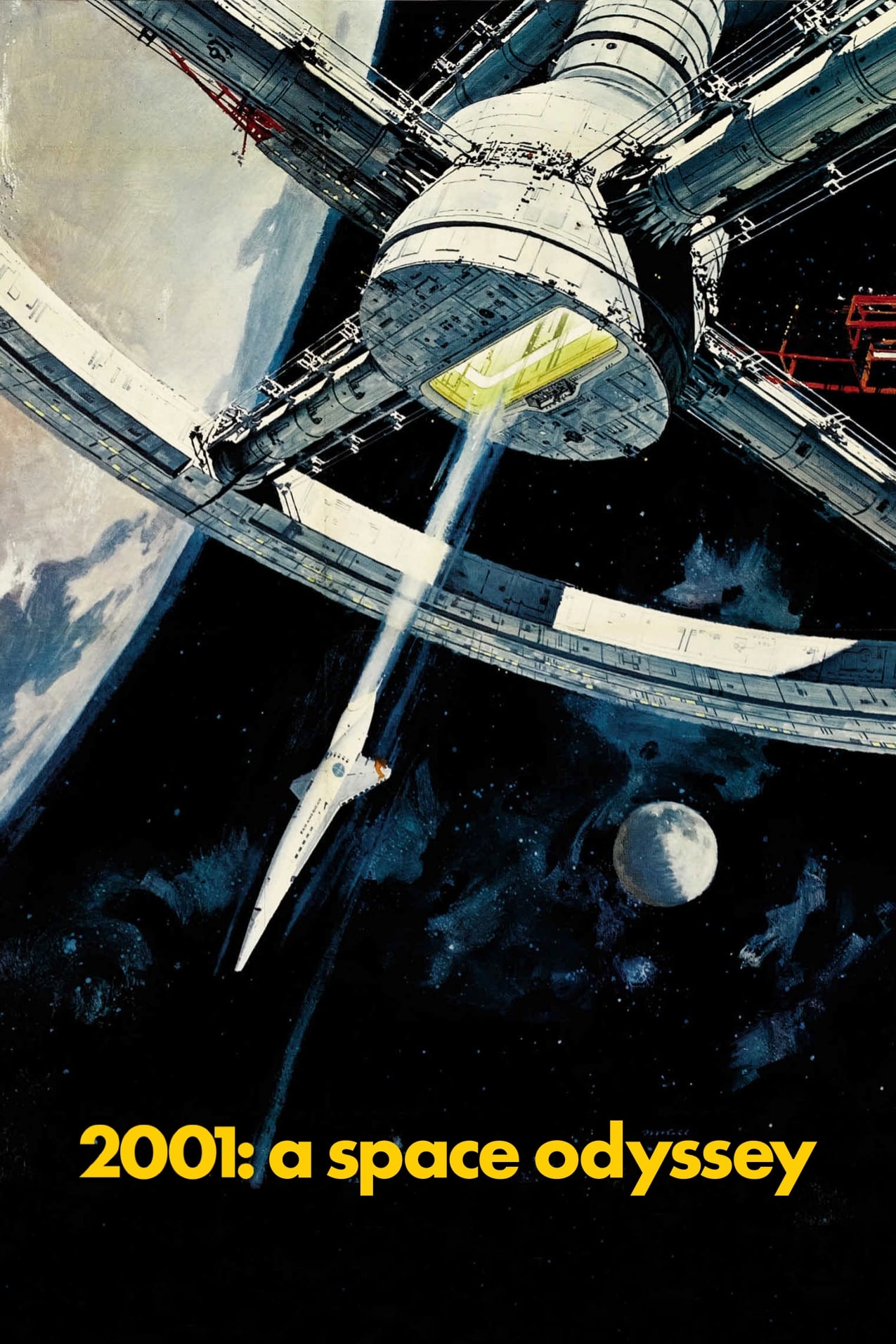
The production built large rotating sets to simulate zero gravity and used slit scan photography for abstract imagery. Scientific consultants informed spacecraft design and mission procedures that felt authentic. HAL 9000 presented a calm speaking artificial intelligence that became a benchmark for machine characters. The nonlinear structure invited interpretation and helped legitimize ambitious science fiction as serious cinema.
‘Planet of the Apes’ (1968)
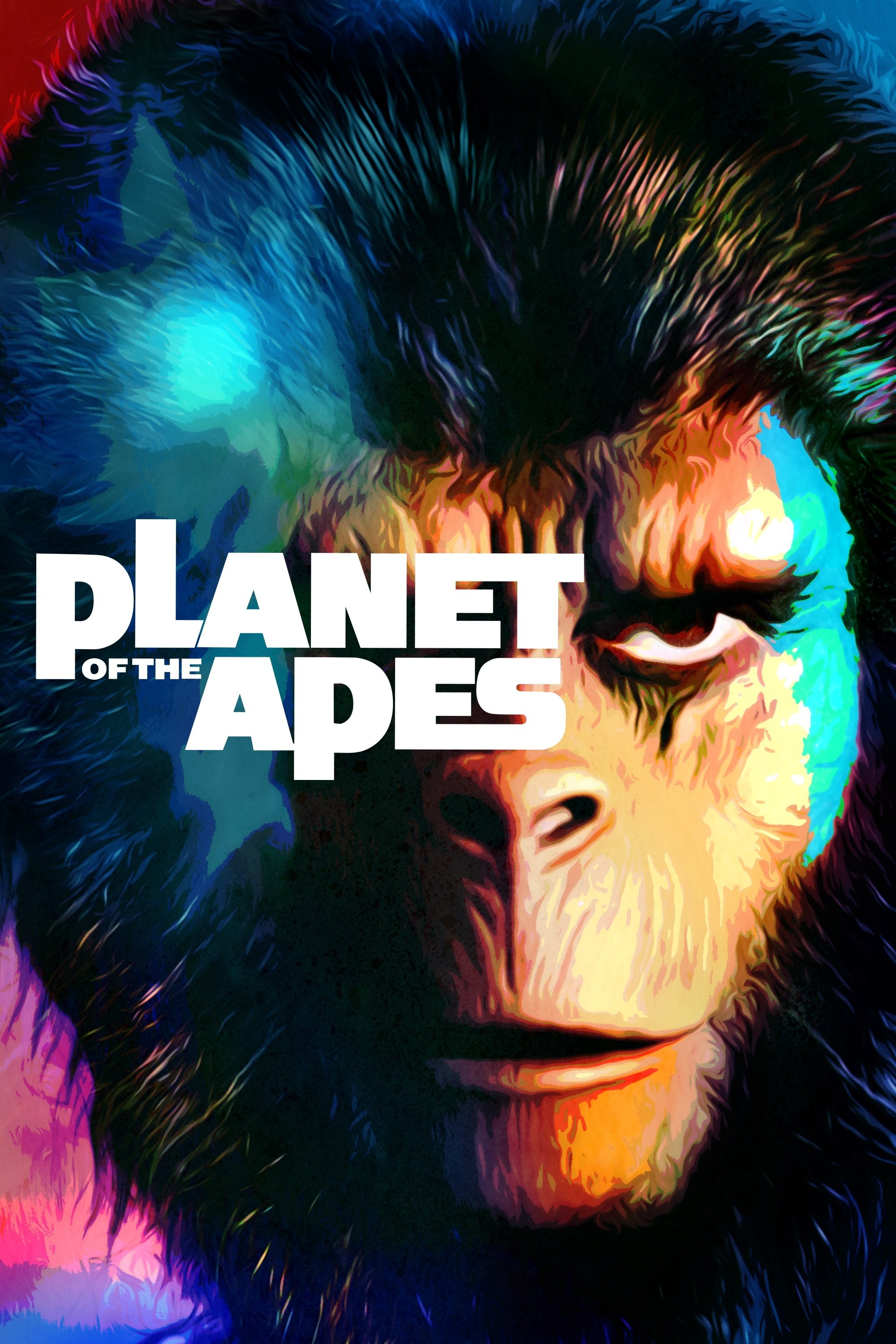
Innovative prosthetic makeup allowed performers to deliver nuanced expressions within ape characters. The film’s twist ending reshaped how audiences expected narratives to resolve. A long run of sequels and tie ins demonstrated the franchise potential of speculative worlds. Its social commentary continued through later reboots that returned to the same core questions.
‘Solaris’ (1972)
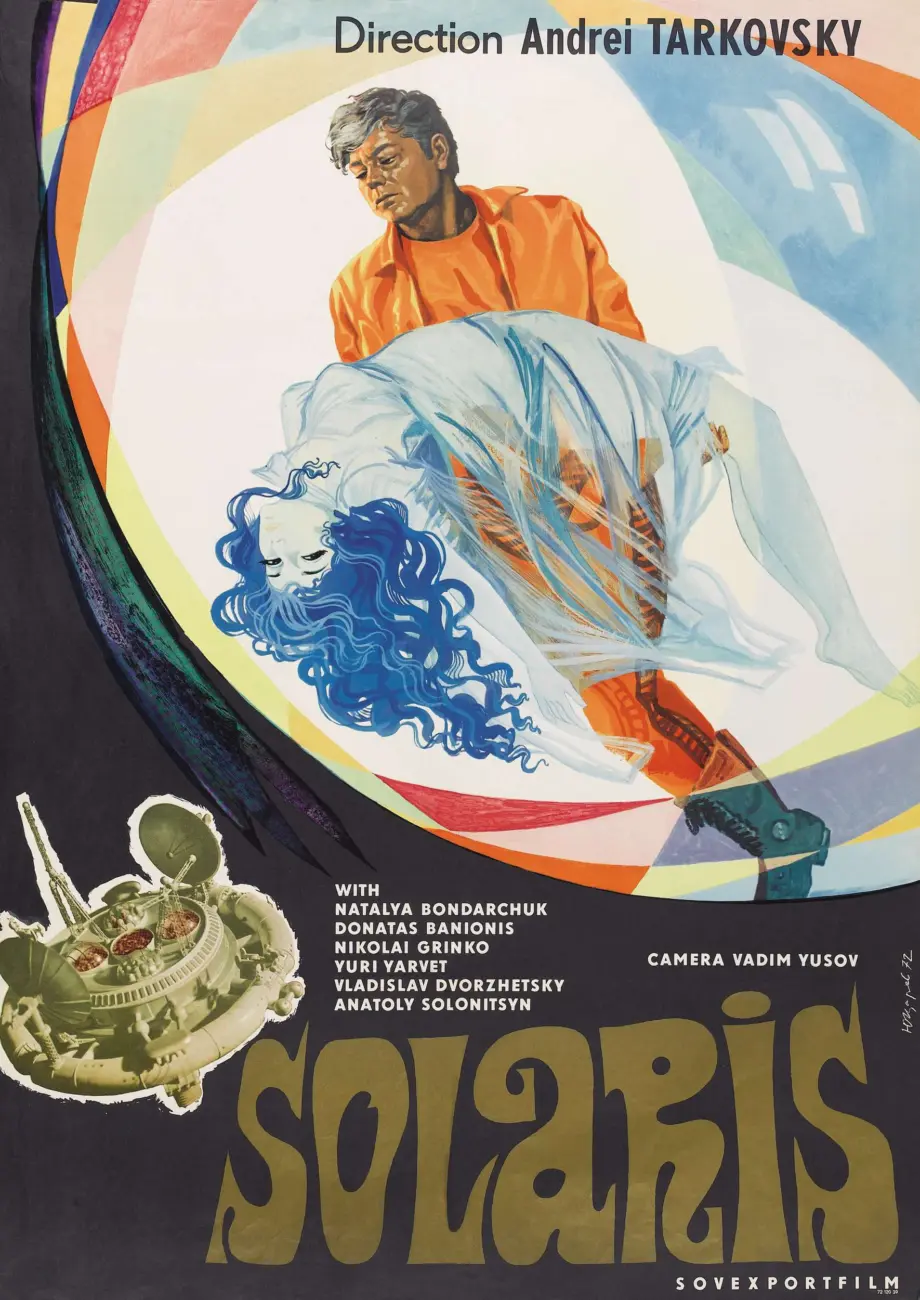
Andrei Tarkovsky emphasized memory and grief over spectacle, positioning science fiction to explore interior life. The production used restrained effects and extended takes to make the space station feel lived in and worn. The mysterious planet served as a catalyst for philosophical inquiry rather than a conventional antagonist. Its approach influenced later filmmakers who used the genre for meditative storytelling.
‘Westworld’ (1973)
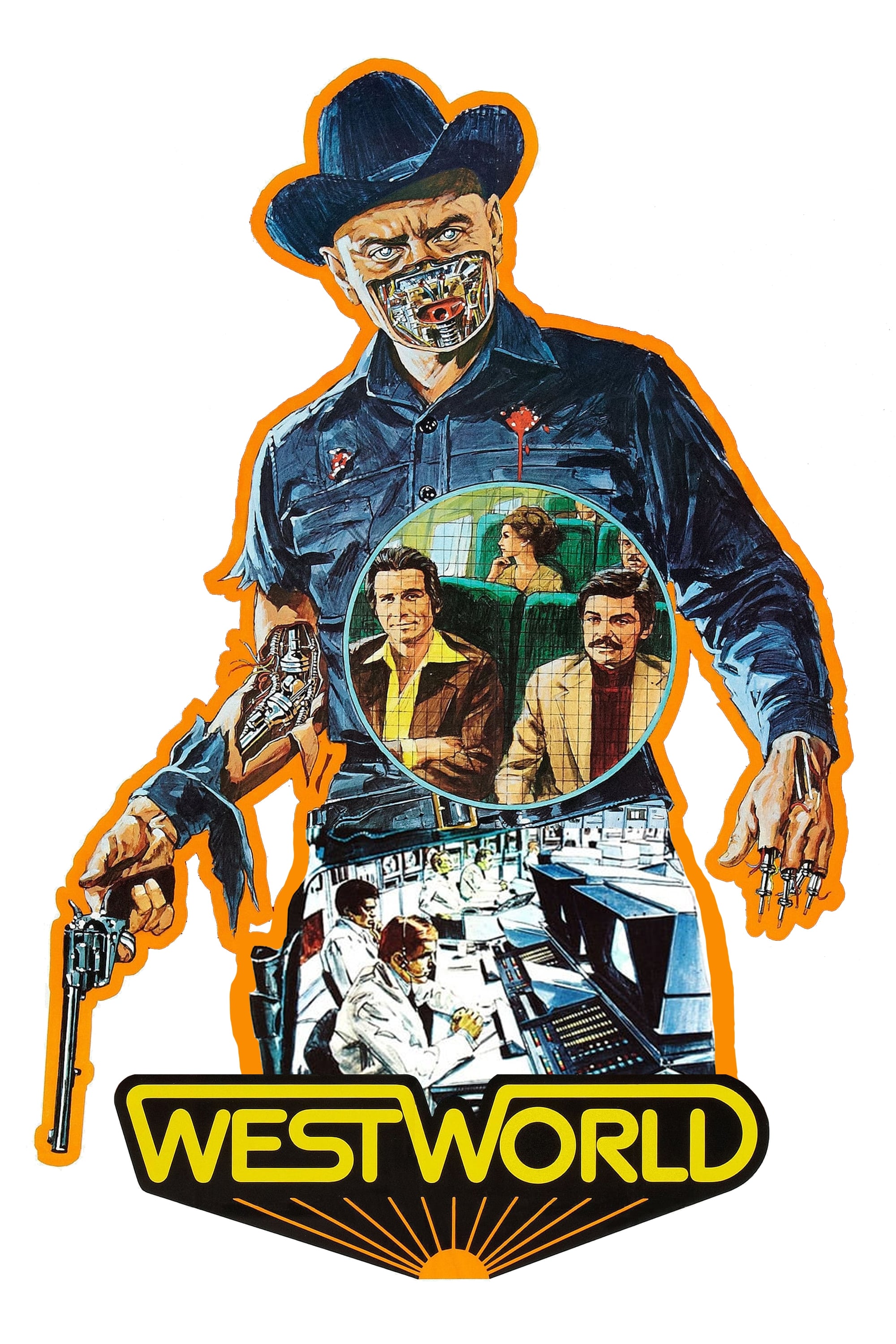
Michael Crichton’s story of a malfunctioning theme park introduced park systems and fail safes that felt technical and plausible. Early use of computer generated pixelation visualized an android’s point of view. The concept seeded later explorations of simulation, corporate risk, and emergent behavior. Its worldbuilding proved adaptable enough to inspire a major television reinterpretation decades later.
‘Star Wars’ (1977)
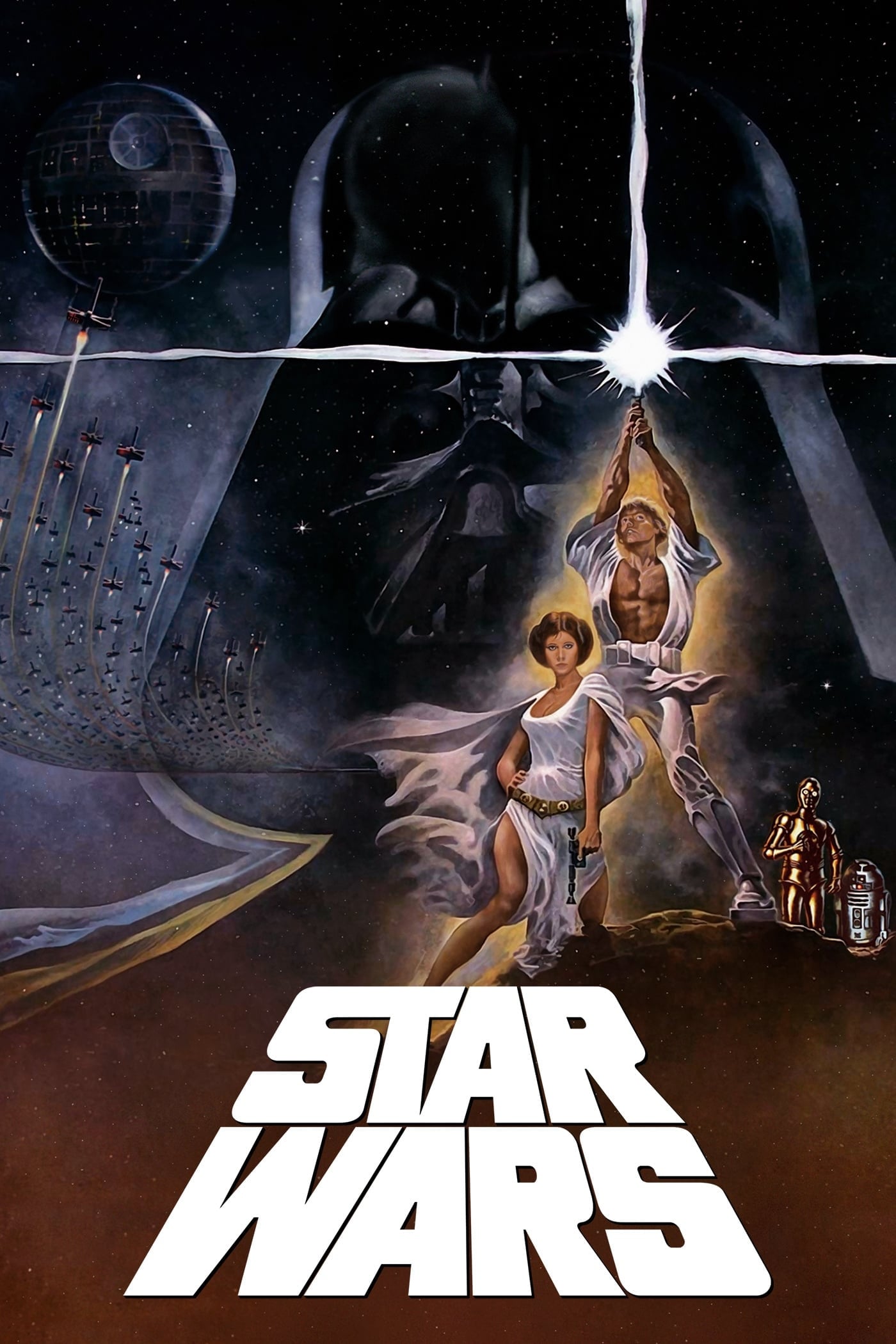
Model work, motion control cameras, and optical compositing produced dynamic space battles with unmatched clarity for the time. Sound design created distinct identities for ships, weapons, and droids using layered recordings. The film revived interest in space opera and demonstrated the merchandising power of a cinematic universe. Its success accelerated advancements in visual effects that other productions quickly adopted.
‘Close Encounters of the Third Kind’ (1977)
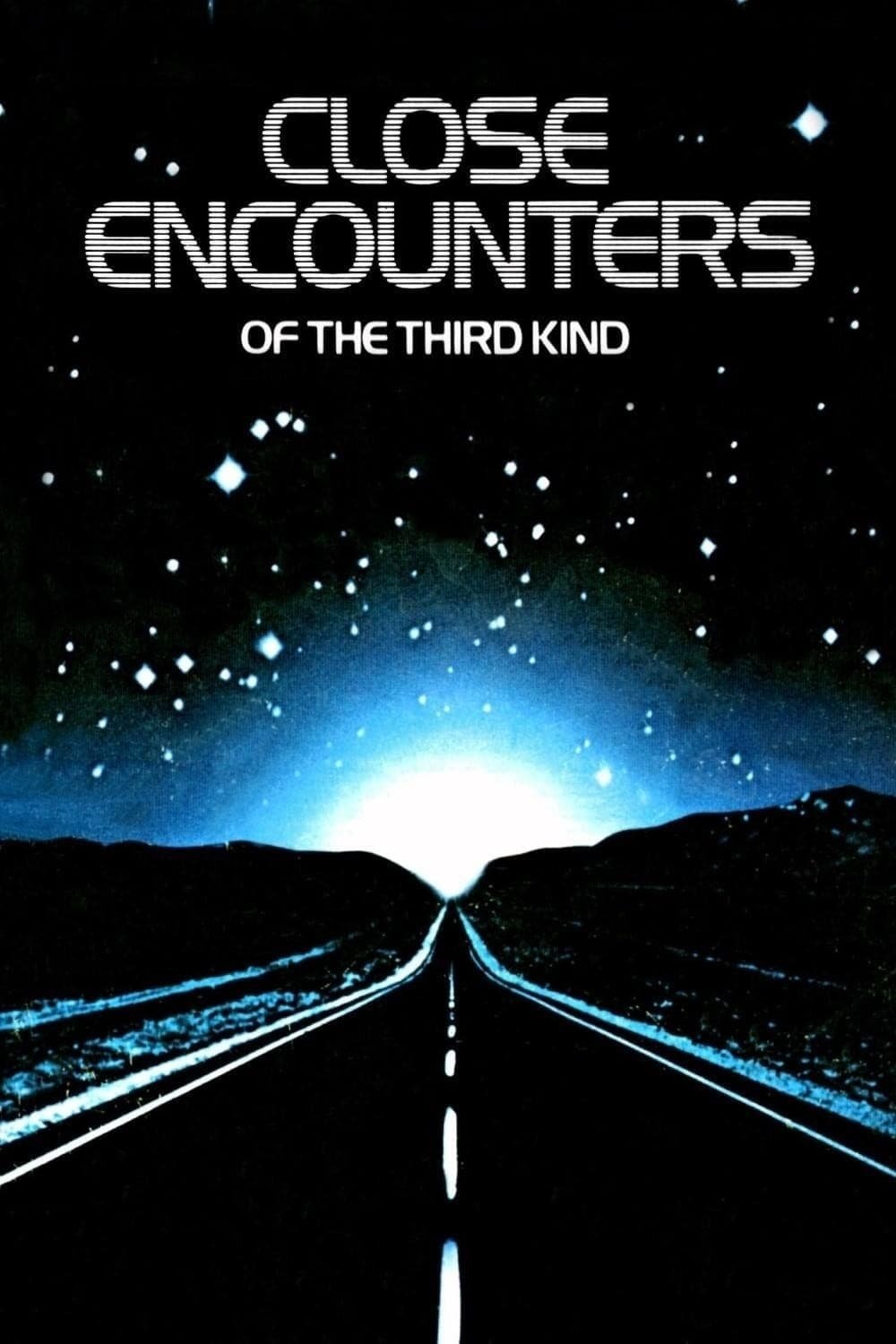
A realistic government response and civilian obsession grounded its contact scenario. Miniature effects and cloud tank techniques produced luminous skies and mothership imagery. The five note motif turned music into a communication tool within the story. The film normalized large scale collaboration between scientific experts and storytellers in mainstream productions.
‘Alien’ (1979)
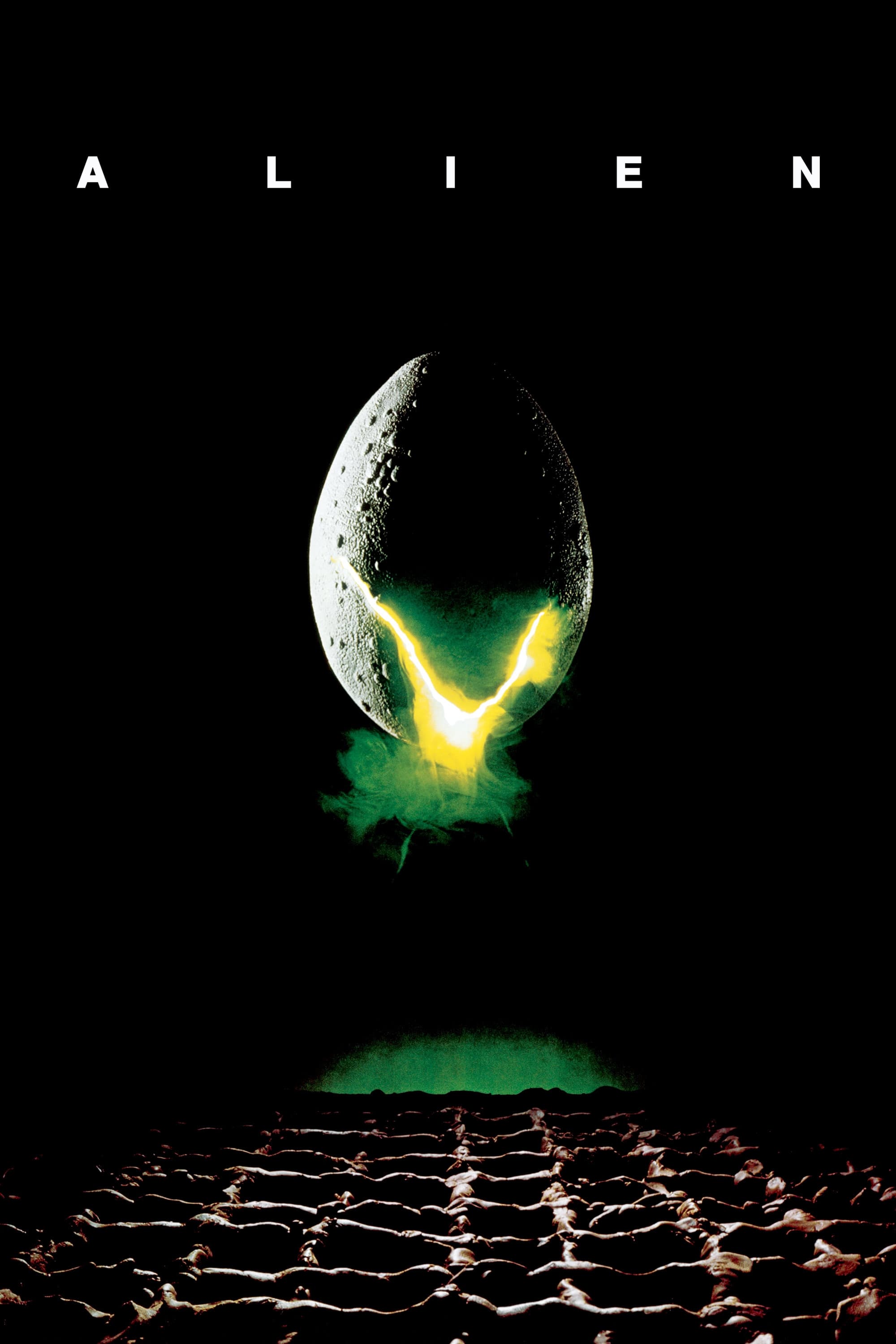
H. R. Giger’s biomechanical creature design fused organic and industrial forms into a new horror aesthetic. The ship’s cramped corridors and industrial textures influenced set construction across genres. The film balanced slow burn suspense with practical effects like chest bursting prosthetics that became iconic. Its success launched a durable franchise that pioneered crossover storytelling in games and comics.
‘Blade Runner’ (1982)
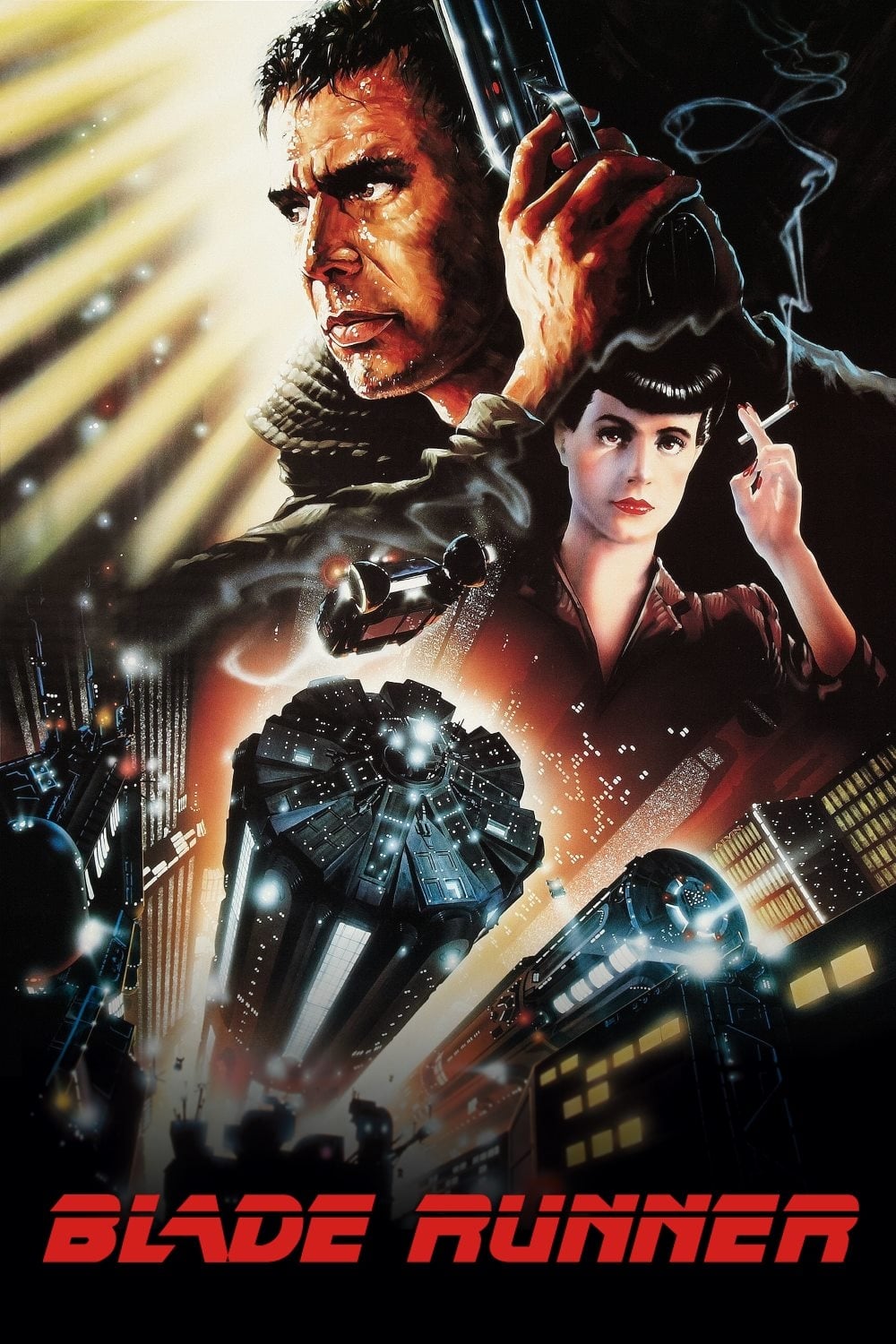
Layered matte paintings, rain soaked streets, and neon signage created a dense urban future that defined cyberpunk on screen. The production mixed analog effects like miniatures with optical work to achieve depth and scale. Multiple edits encouraged debate about narrative ambiguity and character identity. The film’s depiction of corporate skylines and off world advertising shaped city design in later media.
‘E.T. the Extra-Terrestrial’ (1982)
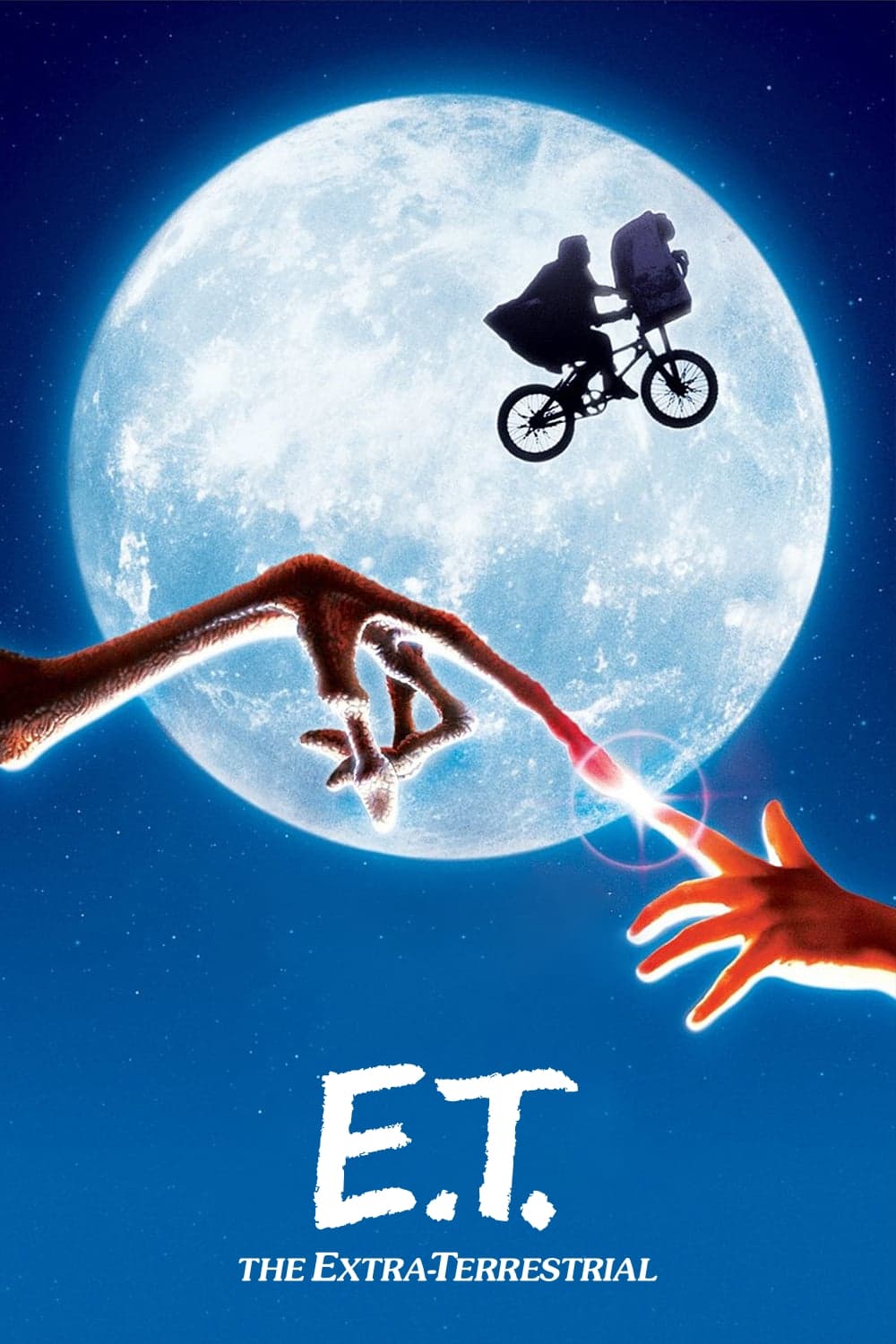
Practical puppetry and subtle performance captured an expressive alien that felt tactile and present. The suburban setting reframed contact as an intimate family story. John Williams’s themes were recorded to picture, letting the music rise with the action in key scenes. The film’s release strategy and audience response underscored the broad appeal of science fiction to family audiences.
‘The Terminator’ (1984)
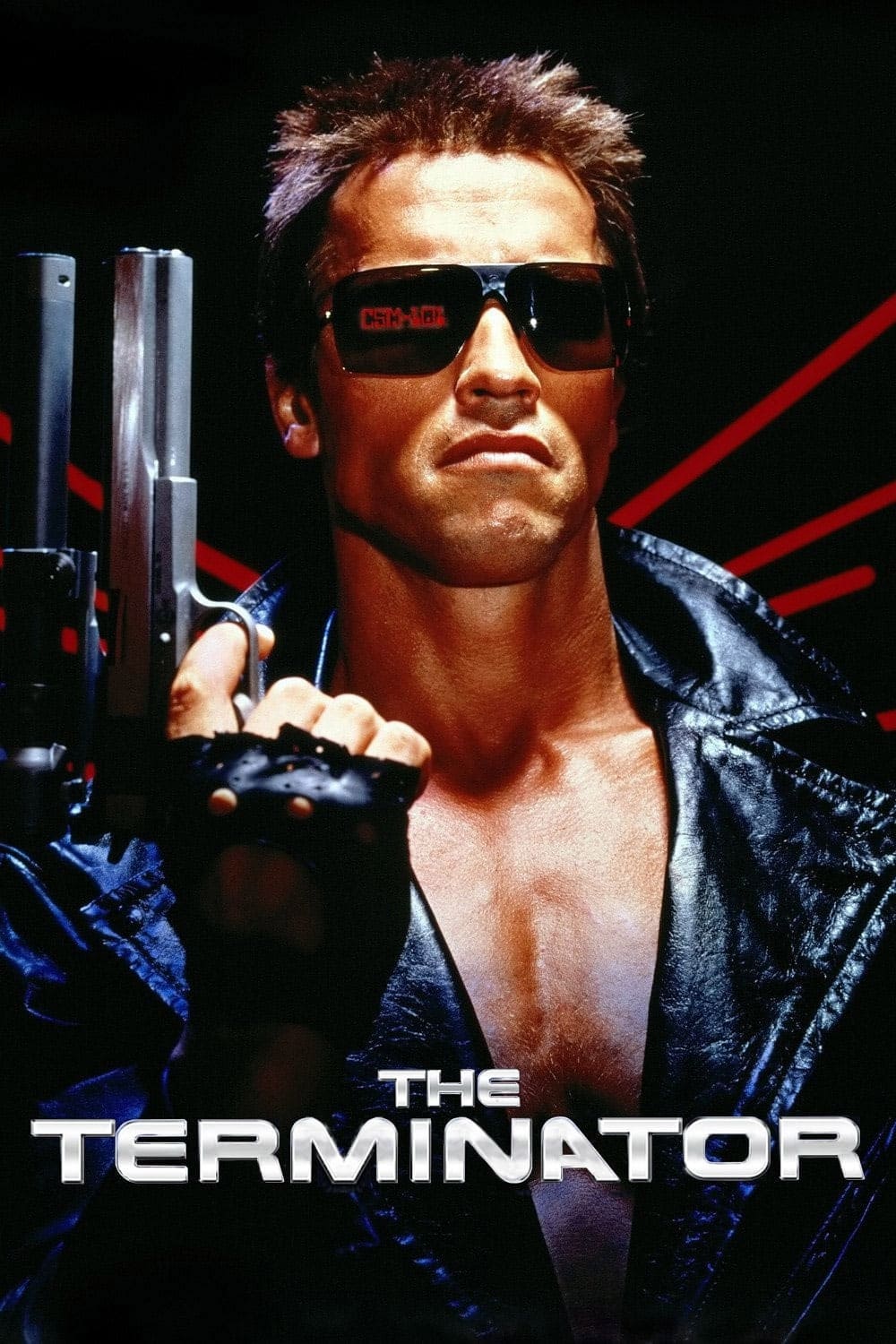
Stop motion endoskeleton shots combined with in camera effects sold a relentless machine threat. The narrative introduced time travel causality loops in a compact thriller structure. Animatronics and makeup effects created convincing transformation moments. Its premise scaled into a multimedia franchise that explored AI and fate across different formats.
‘Brazil’ (1985)
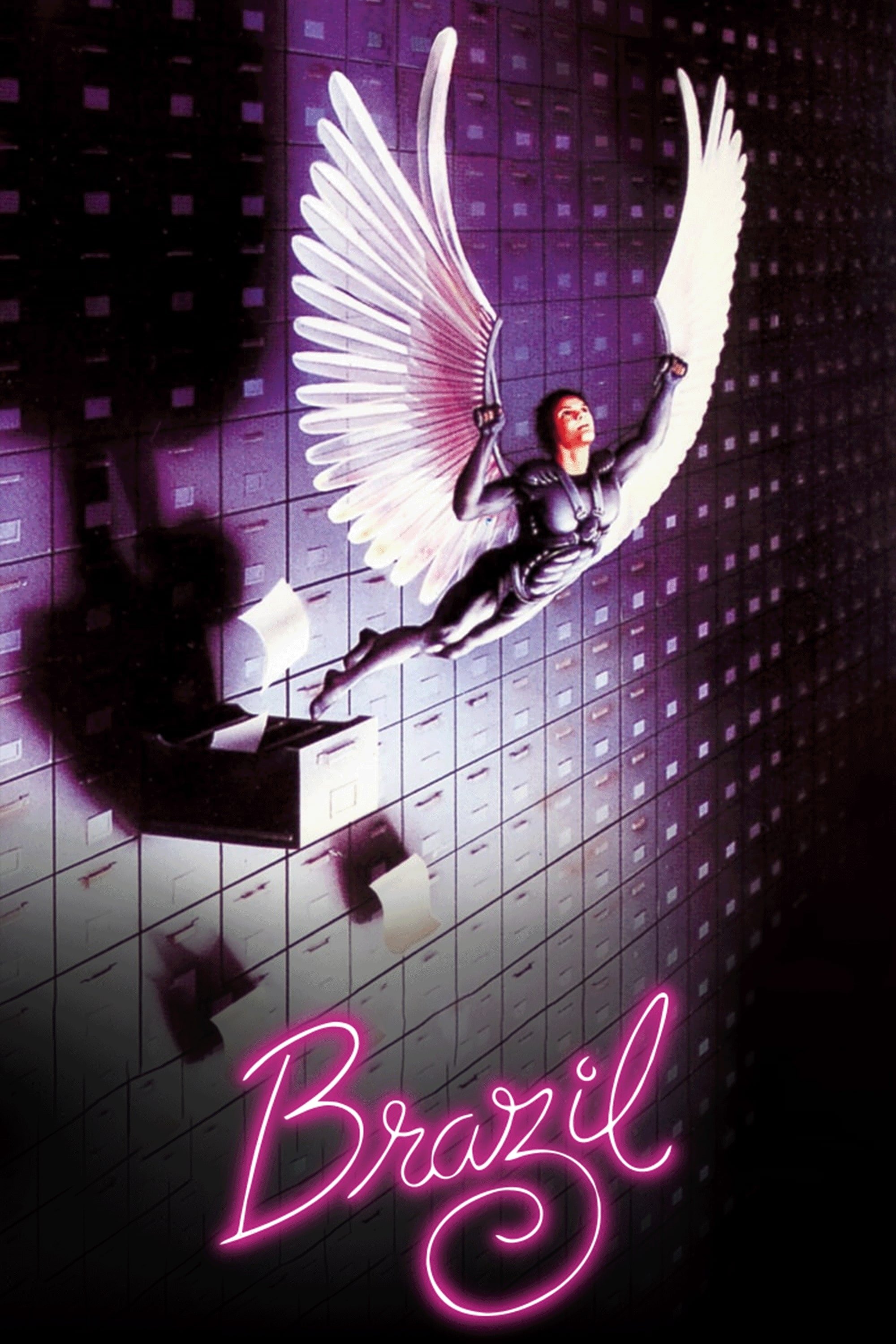
Production design blended retro office machinery with authoritarian bureaucracy to satirize administrative overreach. Miniatures and practical gags produced imaginative visual solutions within budget limits. The film’s multiple endings highlighted creative control issues in studio systems. Its aesthetic informed later dystopian comedies and design for oppressive institutions.
‘Akira’ (1988)
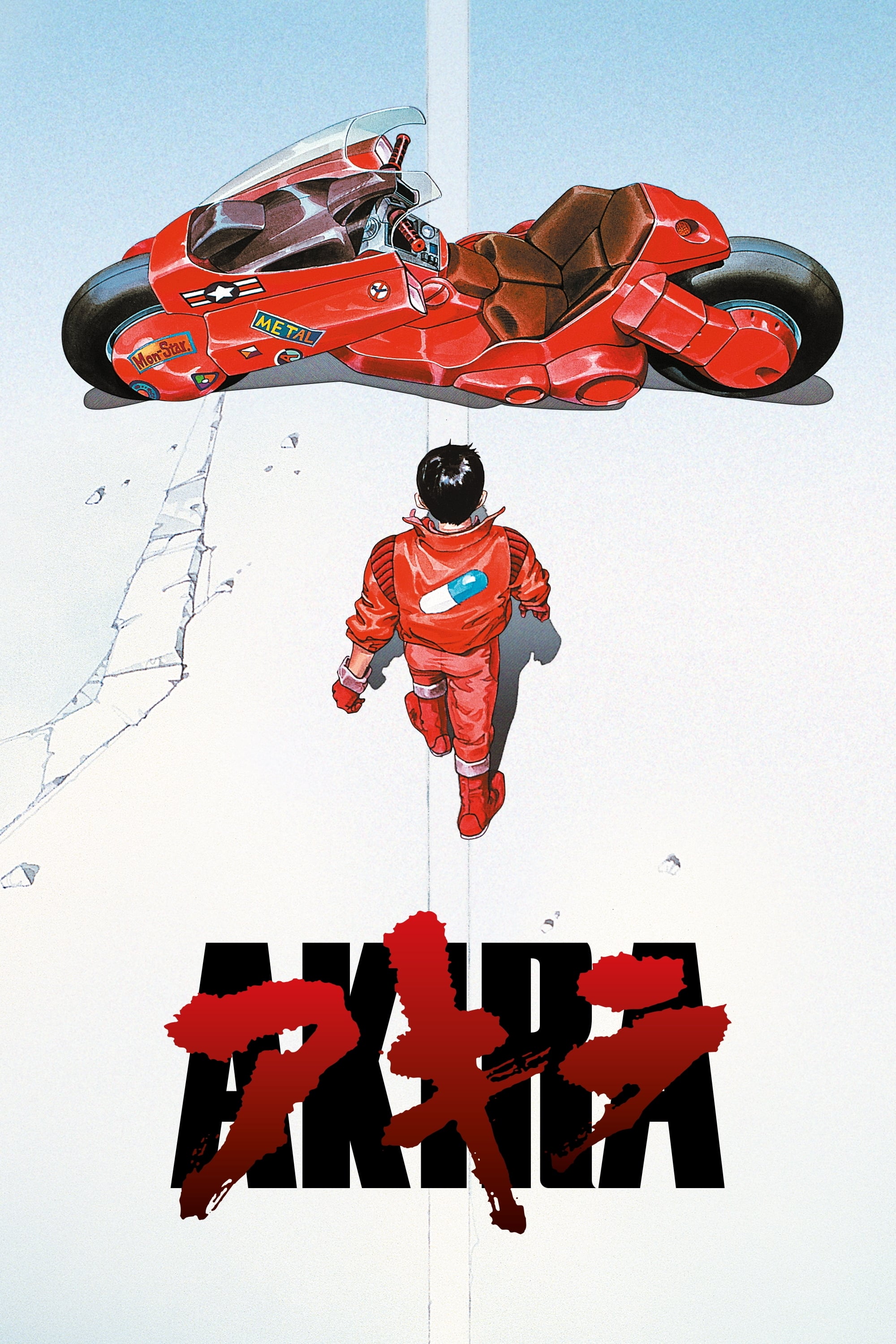
High cel counts, detailed backgrounds, and pre recorded dialogue sessions gave animation a cinematic weight. The film introduced kinetic bike chases and psychic destruction that pushed hand drawn effects to new levels. Its depiction of Neo Tokyo set a visual standard for urban futurism. International distribution expanded the global audience for Japanese animation.
‘Jurassic Park’ (1993)
Digital creatures were integrated with animatronic dinosaurs to create lifelike movement and texture. The film validated large scale use of computer graphics in live action. Location sound and foley emphasized scale through footsteps and breathing. Its pipeline innovations changed how studios planned effects heavy productions.
‘Ghost in the Shell’ (1995)

The film explored networked consciousness and identity through cybernetic characters and law enforcement procedures. Mixed media techniques combined cel animation with early digital compositing. City montages presented surveillance and data flow as ambient realities. Its ideas influenced later treatments of hacking, shells, and artificial bodies.
‘The Matrix’ (1999)
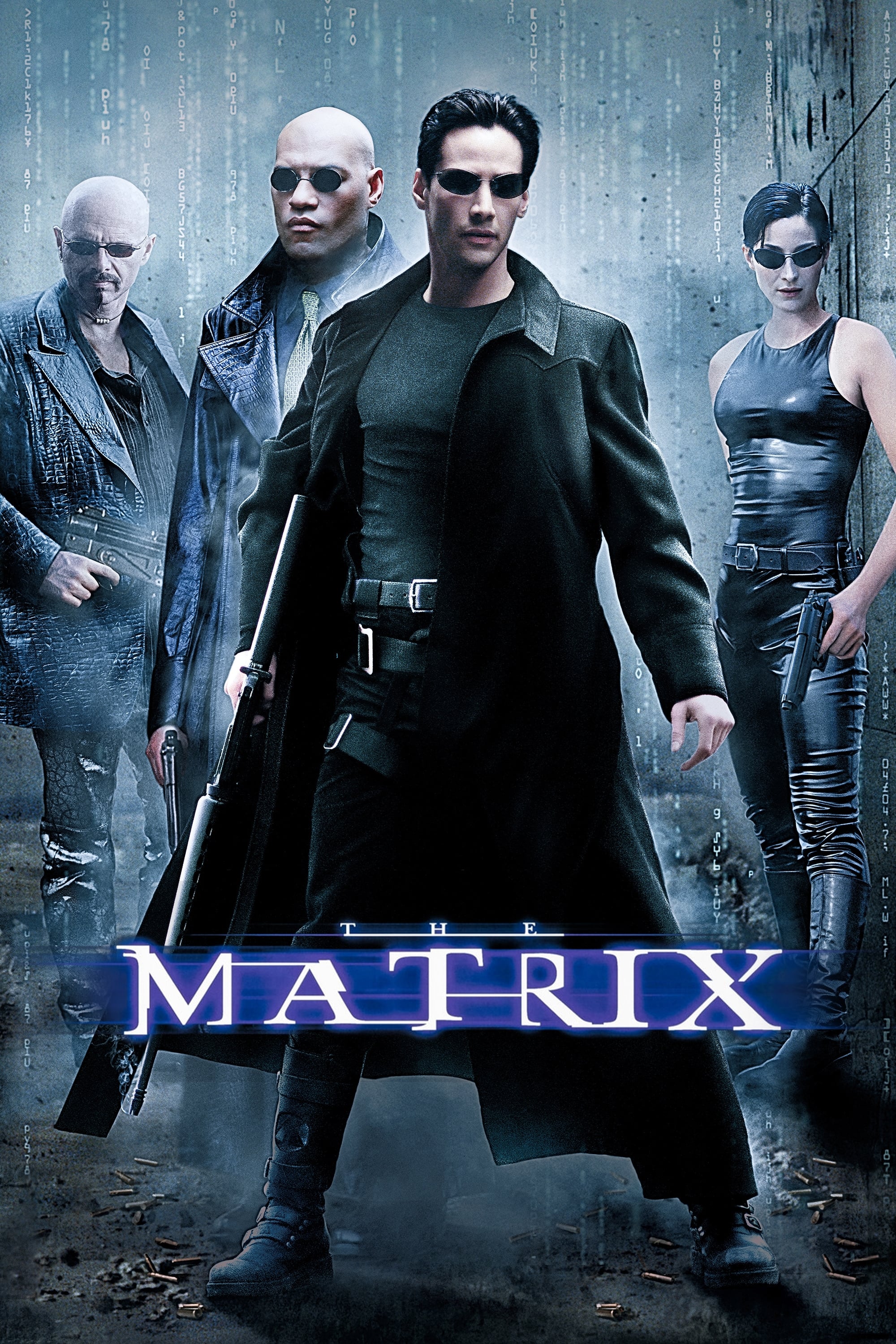
Multiple camera rigs created bullet time shots that froze motion while the viewpoint moved. Wire work and fight choreography brought Hong Kong action language into a science fiction setting. The story framed simulated reality as a system with rules that characters could bend. Its design choices in coats, interfaces, and coding aesthetics became instantly recognizable.
‘Minority Report’ (2002)
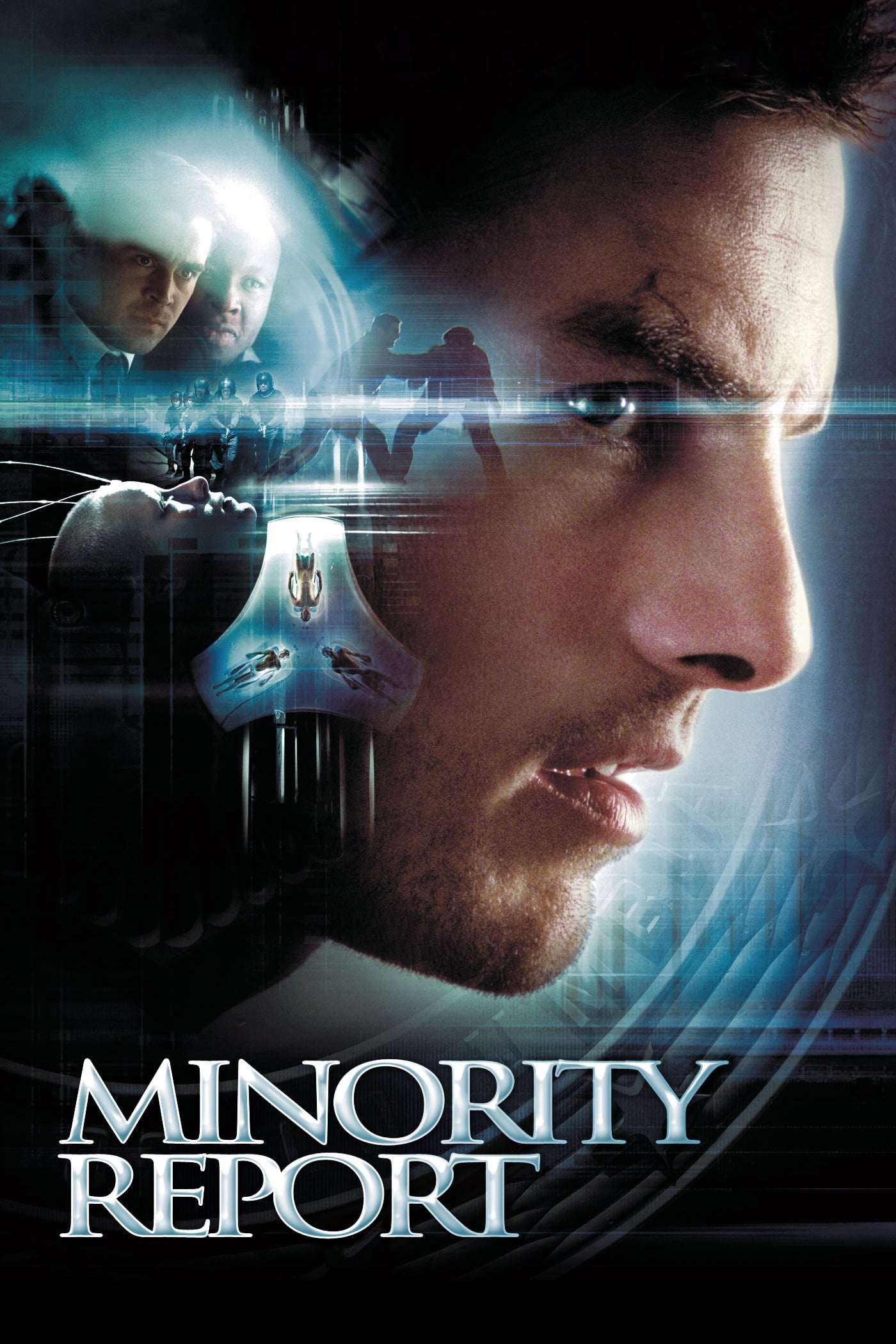
Gesture based interfaces were developed with technologists to feel plausible and functional. The precrime concept examined predictive policing with legal procedures and oversight. Personalized advertising and ubiquitous scanning foreshadowed real world debates about data and privacy. Practical sets and vehicles worked with digital extensions to keep action physical.
‘Children of Men’ (2006)
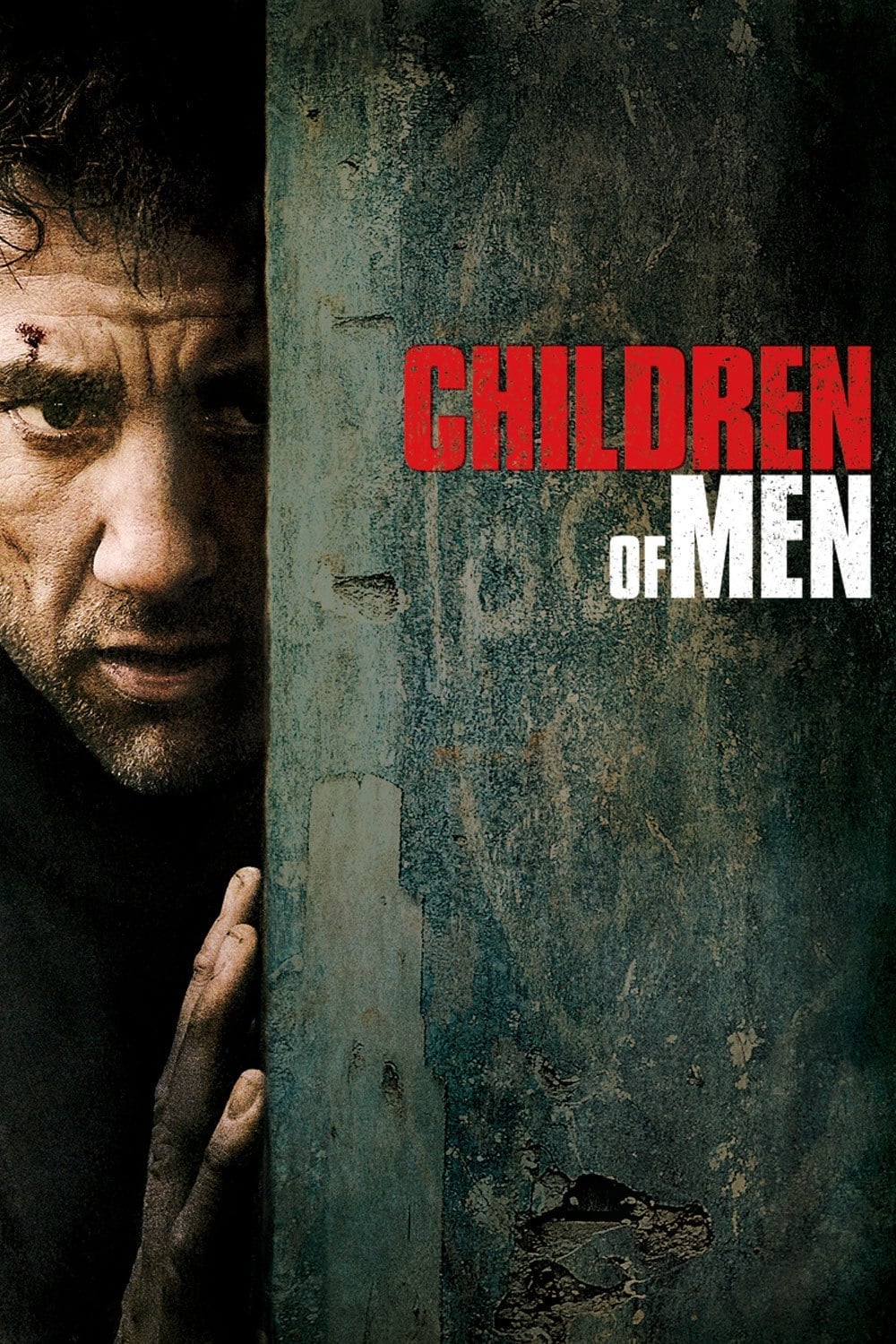
Extended tracking shots following characters through chaotic spaces heightened immersion. The film built a near future from decayed infrastructure, signage, and news to make events feel immediate. Immigration policy and fertility collapse were handled through documentary like details. Its camera style influenced action staging in subsequent films.
‘WALL-E’ (2008)
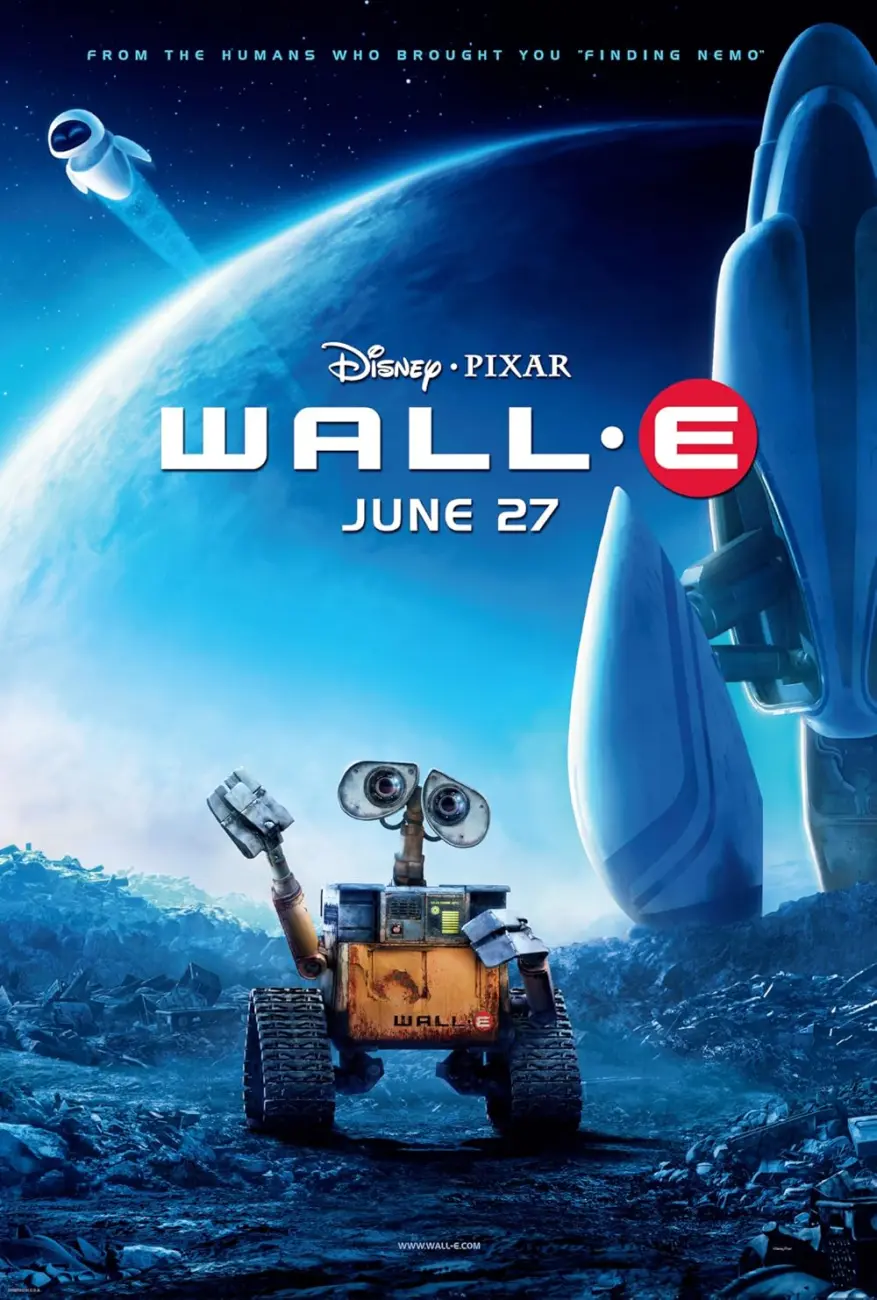
The opening act used minimal dialogue and expressive sound design to tell character and world building information. The film presented consumer waste and orbital habitats with careful attention to physics. Robot movement vocabulary drew from silent cinema and pantomime. Its environmental themes entered classroom discussions and public conversations about stewardship.
‘District 9’ (2009)
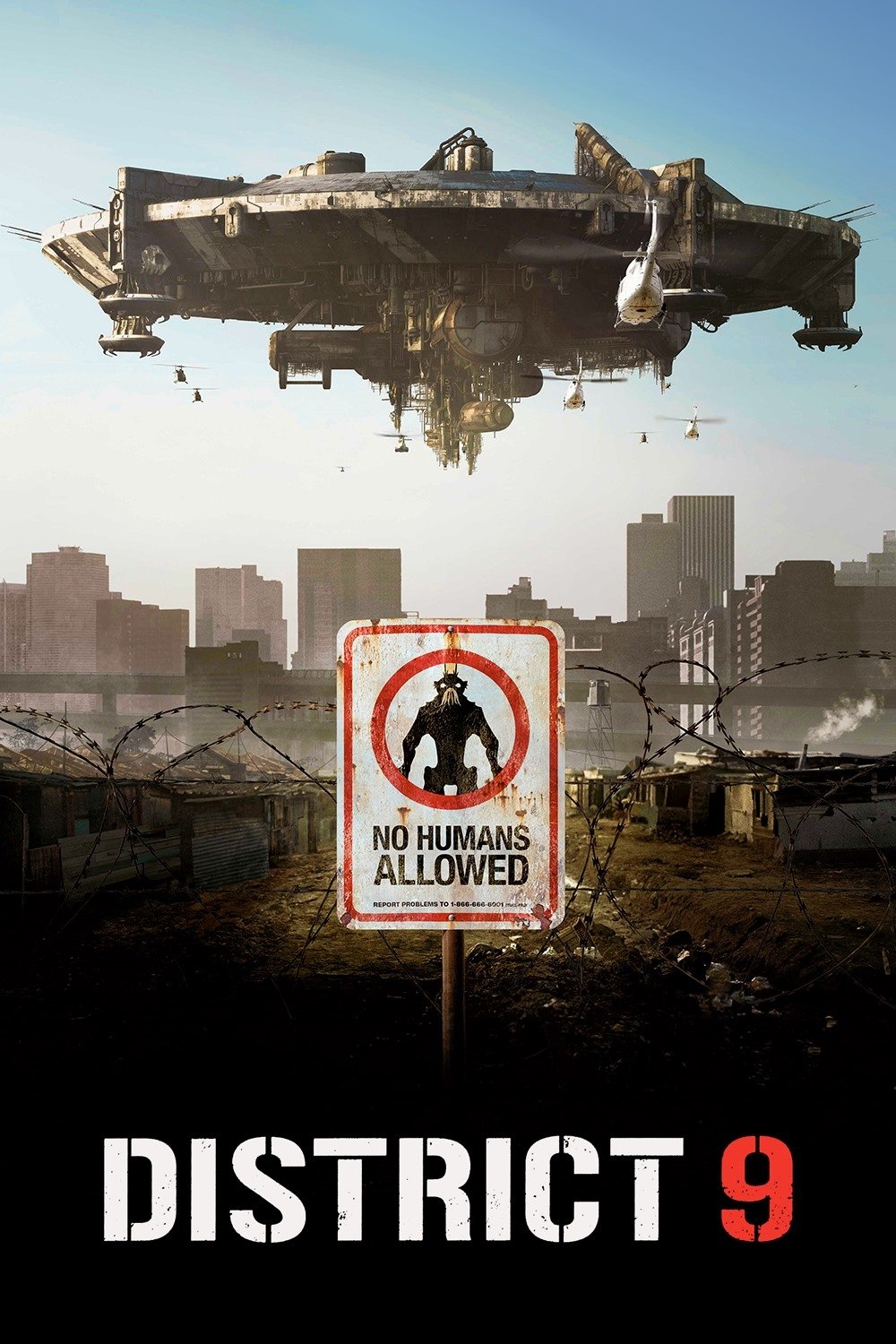
A mock documentary approach blended news footage with narrative scenes to ground extraterrestrial relocation. Affordable digital effects pipelines delivered convincing aliens at scale. The story linked science fiction tropes to contemporary social segregation. Its success showed that original concepts could break through without preexisting franchises.
‘Ex Machina’ (2014)
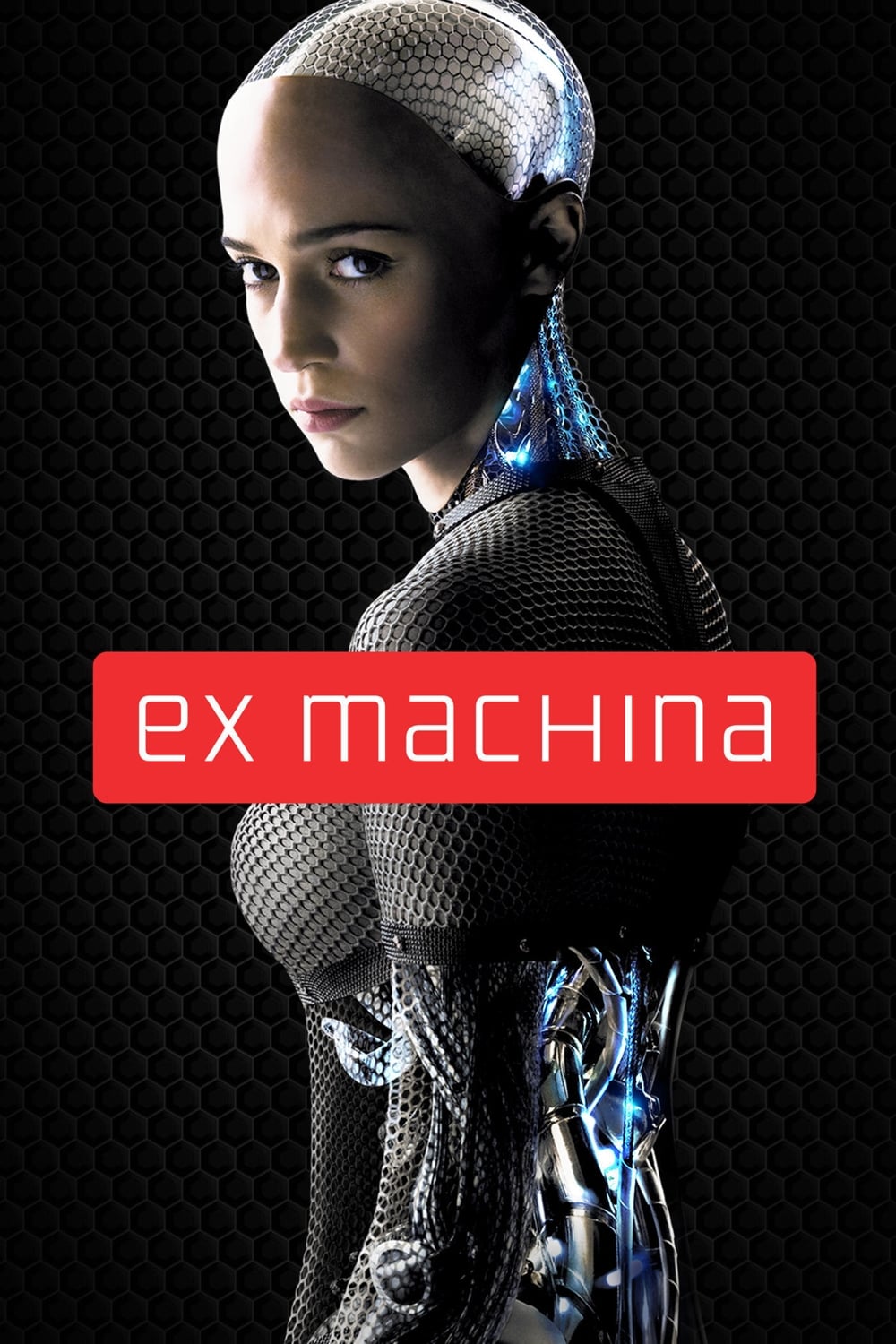
Limited locations and controlled lighting focused attention on conversational tests of artificial intelligence. Visual effects integrated translucent panels and internal mechanisms into a seamless human form. The script used corporate secrecy and research ethics to frame the experiment. The film’s approach demonstrated how contained settings can carry complex ideas.
‘Arrival’ (2016)
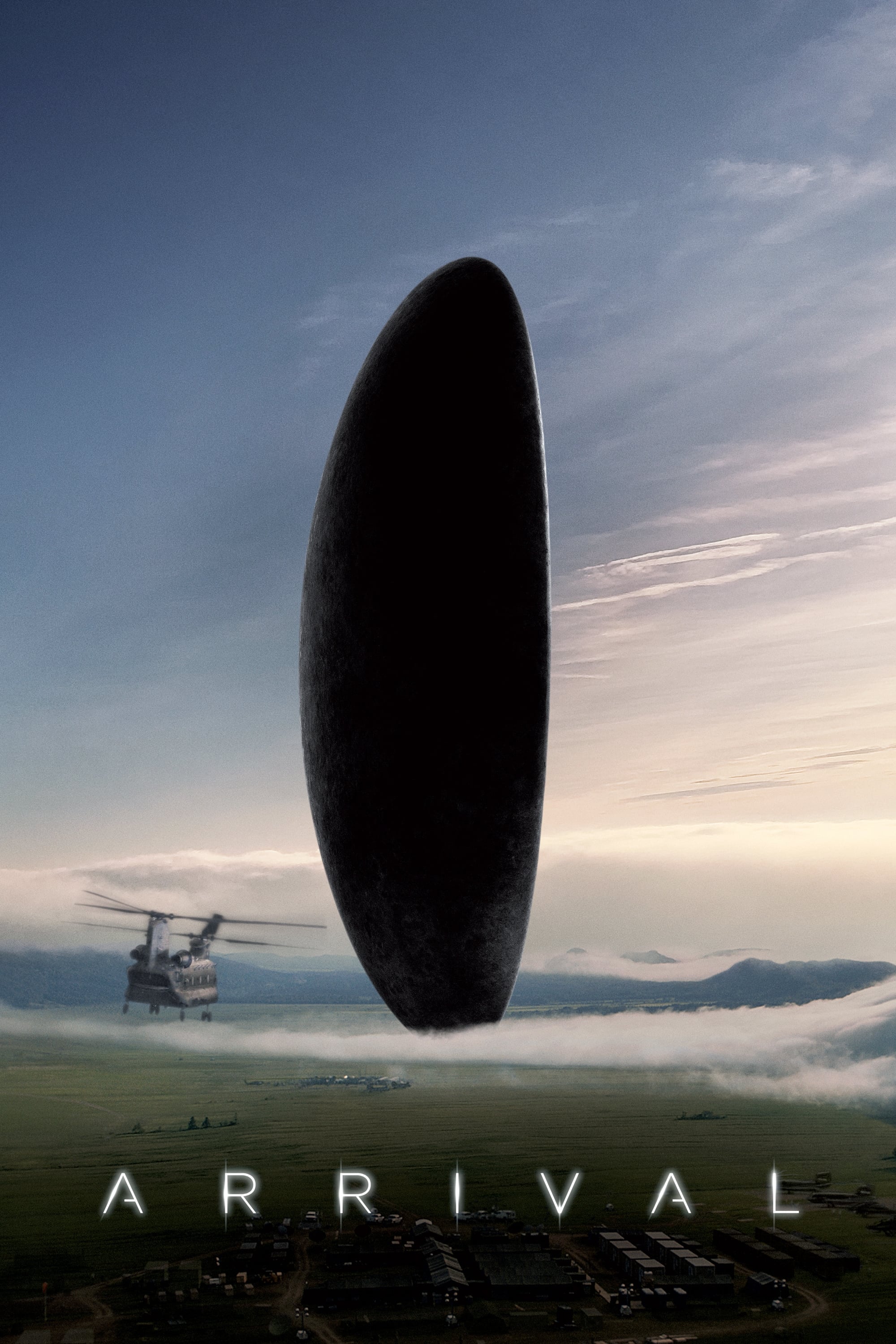
Linguistic methodology guided the contact scenario, with field techniques and notation systems embedded in the plot. Nonlinear perception of time was expressed through editorial structure and visual motifs. The heptapods’ written language was designed as a coherent system for on screen use. Its emphasis on translation reframed first contact as a problem of understanding rather than conflict.
‘The War of the Worlds’ (1953)
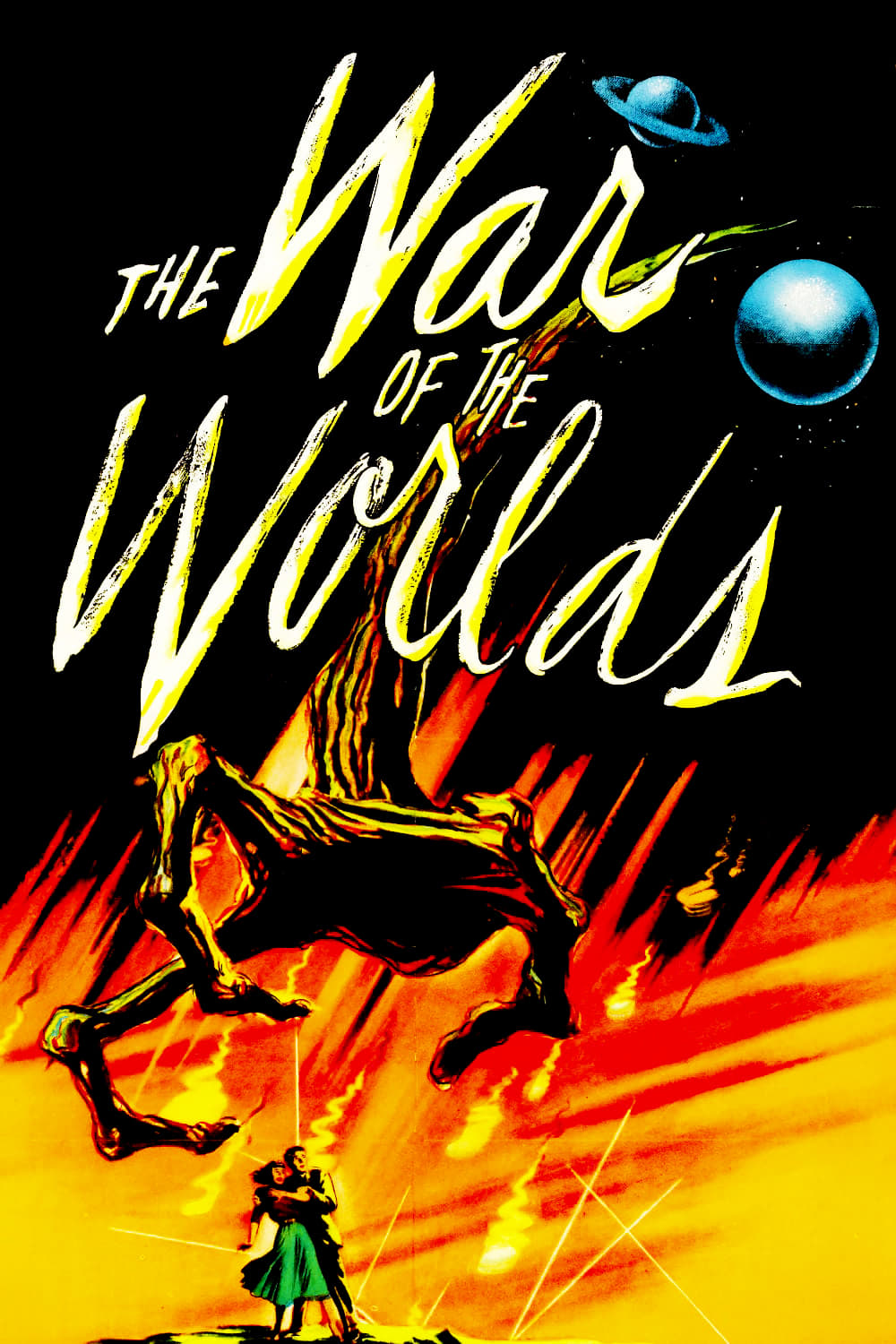
Paramount’s adaptation of H. G. Wells used miniature work, matte paintings, and clever sound design to bring tripod like Martian war machines to life. The film popularized the idea of invisible force shields around alien craft through practical effects and wire rigs. Its depiction of coordinated civil defense responses shaped later invasion playbooks on screen. Regular airings on TCM helped preserve its historical impact for new audiences.
‘Alphaville’ (1965)
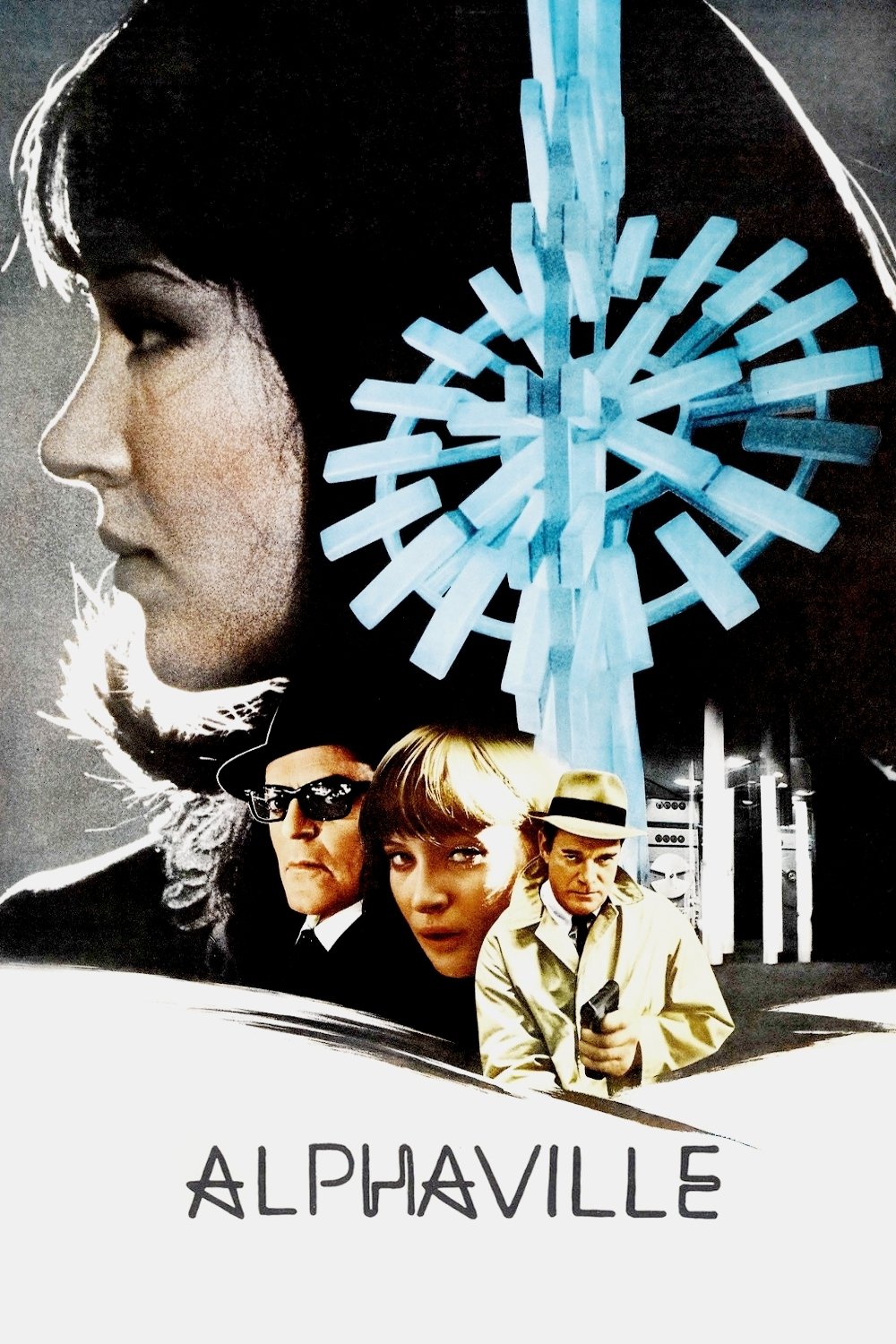
Jean Luc Godard shot a futuristic dystopia in real Paris locations, proving that concept and framing could create science fiction without elaborate sets. The supercomputer Alpha 60 delivered monotone philosophical directives that influenced later portrayals of authoritarian AI. Noir conventions like trench coats and stark lighting merged with speculative ideas about language and control. The film’s minimalist approach became a reference point in cinematography courses and retrospectives that often appeared on BBC Four.
‘Silent Running’ (1972)
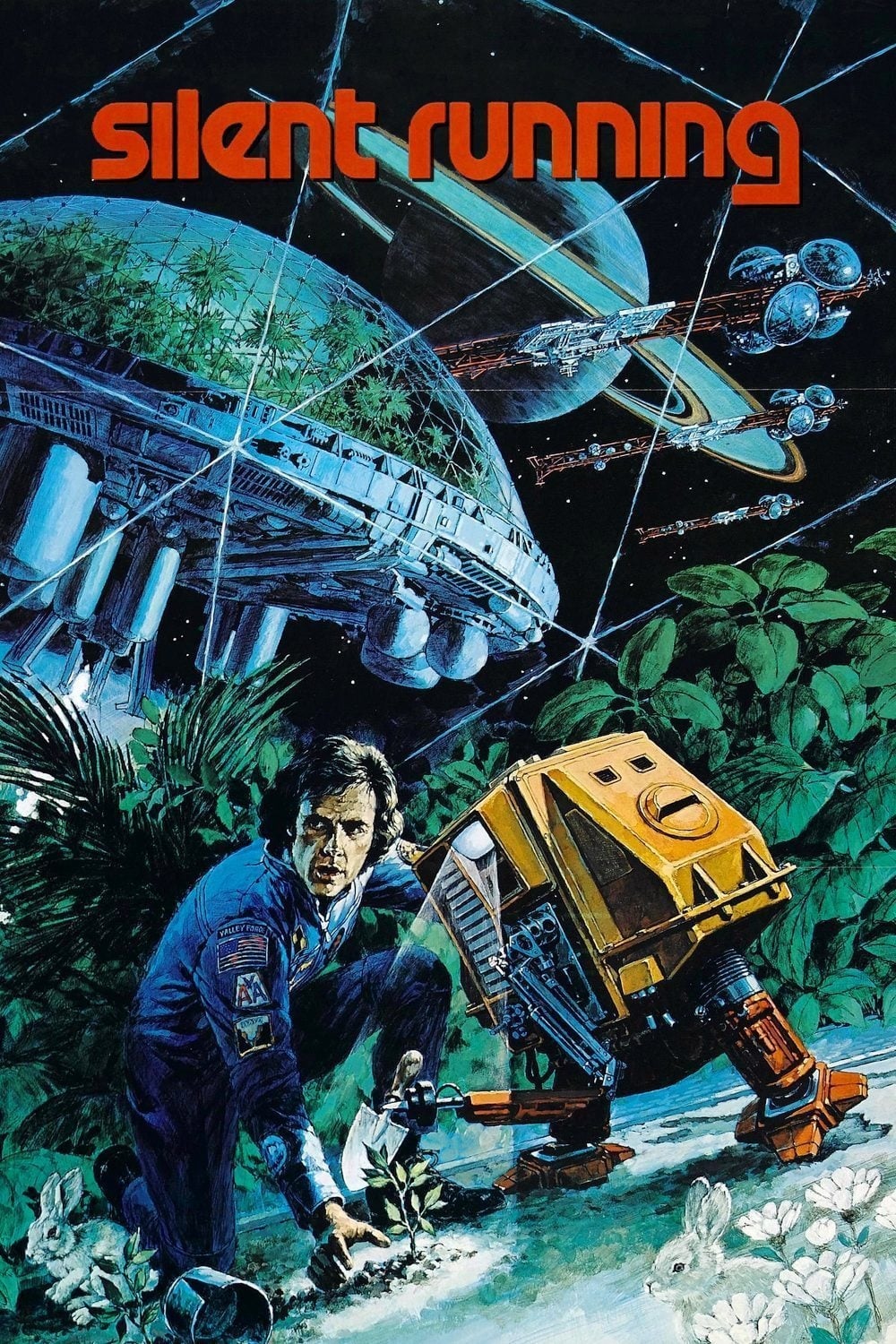
Douglas Trumbull extended space effects techniques to depict greenhouse domes preserving Earth’s last forests. Drone robots Huey, Dewey, and Louie used radio controlled puppetry to convey character without dialogue. The story introduced environmental ethics to space narratives through maintenance routines and delicate ecosystems. Its model work and botanical sets informed later depictions of orbital habitats that viewers discovered in reruns on Syfy.
‘Mad Max 2: The Road Warrior’ (1981)
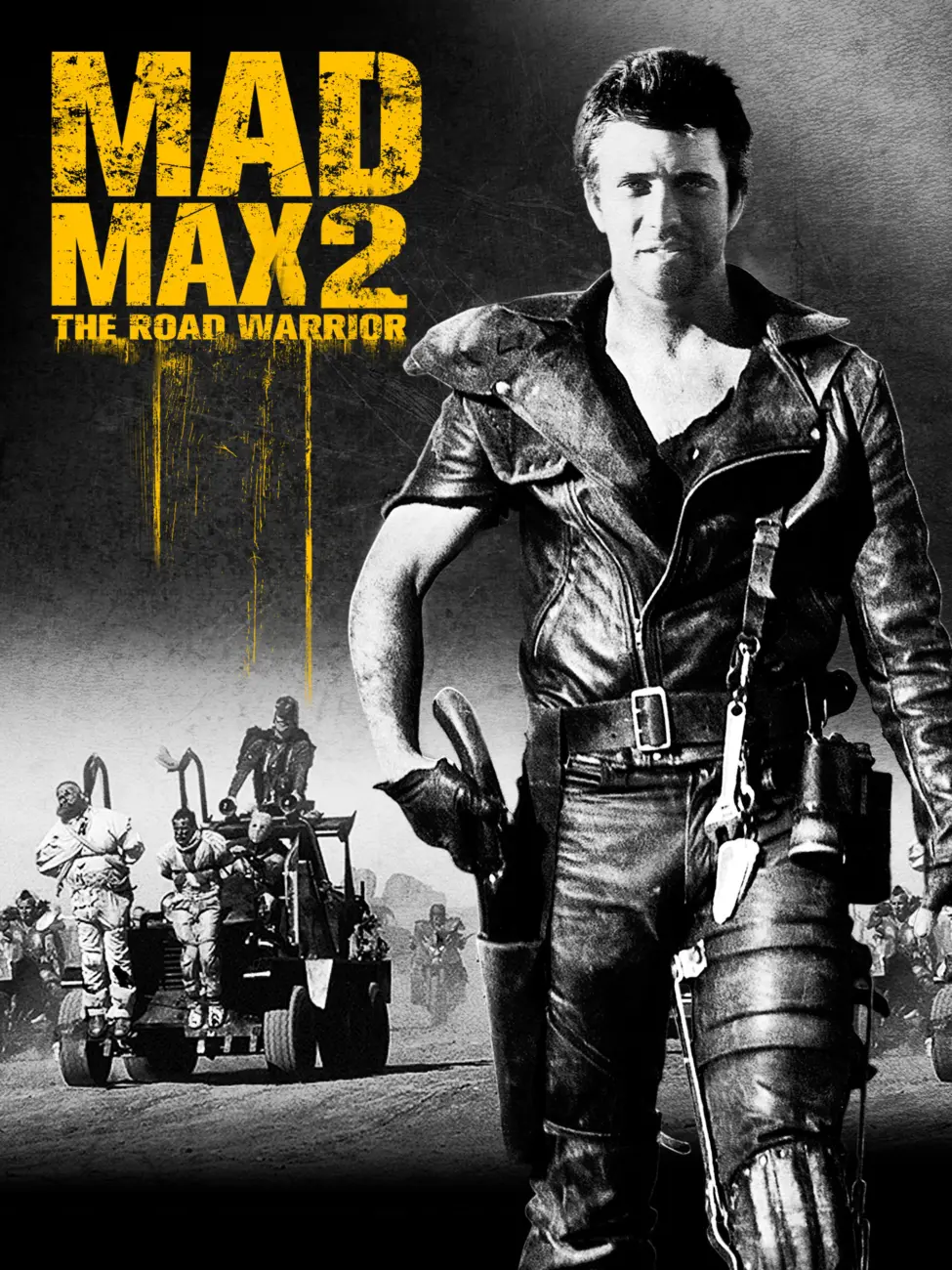
Coordinated stunt driving and vehicle design established a rugged post collapse aesthetic built from scavenged parts. The film’s fuel economy and convoy tactics grounded action in resource scarcity. Costume and prop language spread across games and comics that adopted its wasteland vocabulary. Its chase sequencing became a template for practical, in camera action widely studied through FX network broadcasts.
‘The Thing’ (1982)
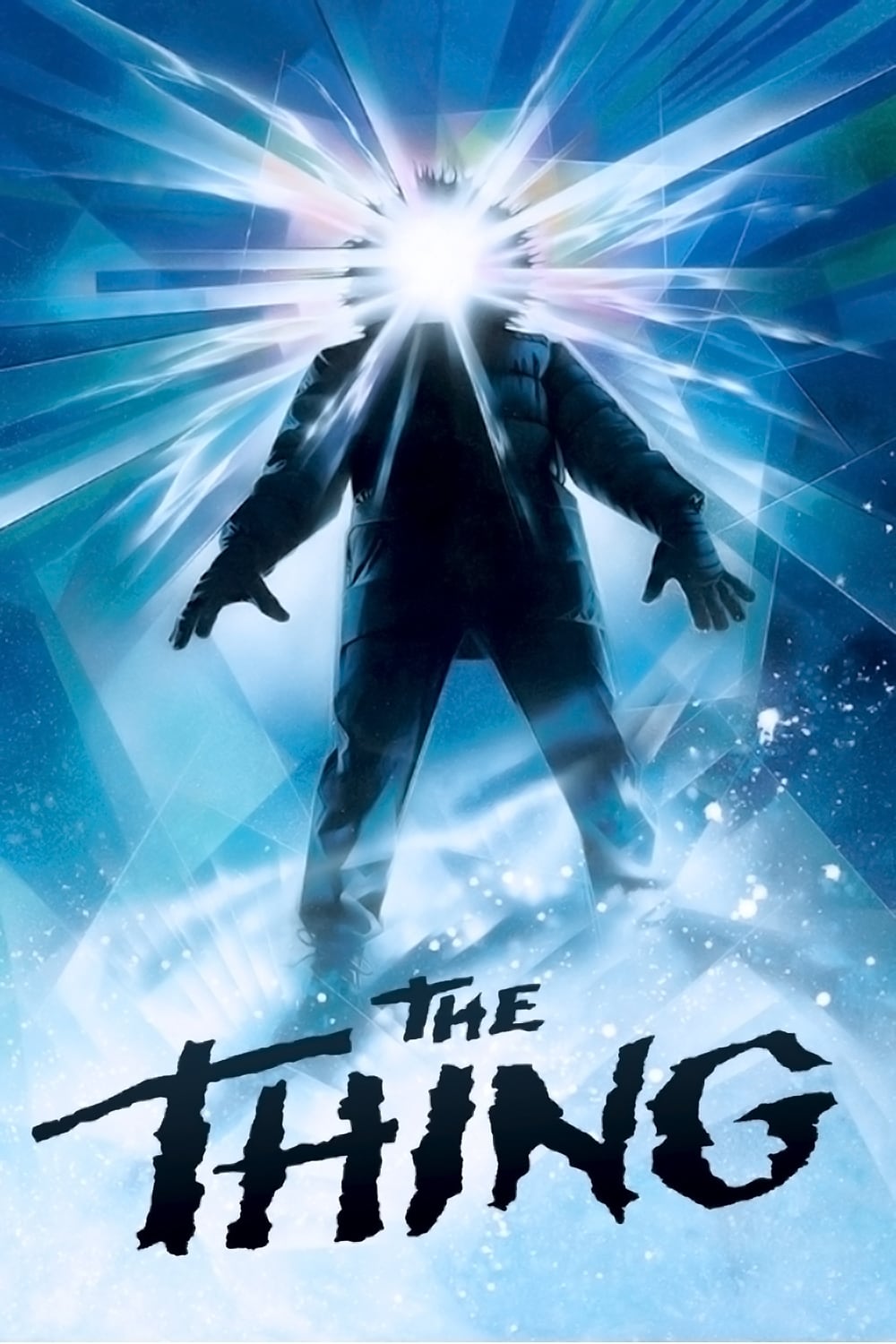
Rob Bottin’s animatronics and makeup effects created shape shifting organisms with tactile realism. Isolation protocols, blood test logic, and flamethrower safety procedures added procedural texture to the base setting. The film’s ambiguous trust dynamics influenced ensemble thrillers in confined spaces. Cult popularity grew through late night Syfy marathons that showcased its effects craftsmanship.
‘Back to the Future’ (1985)
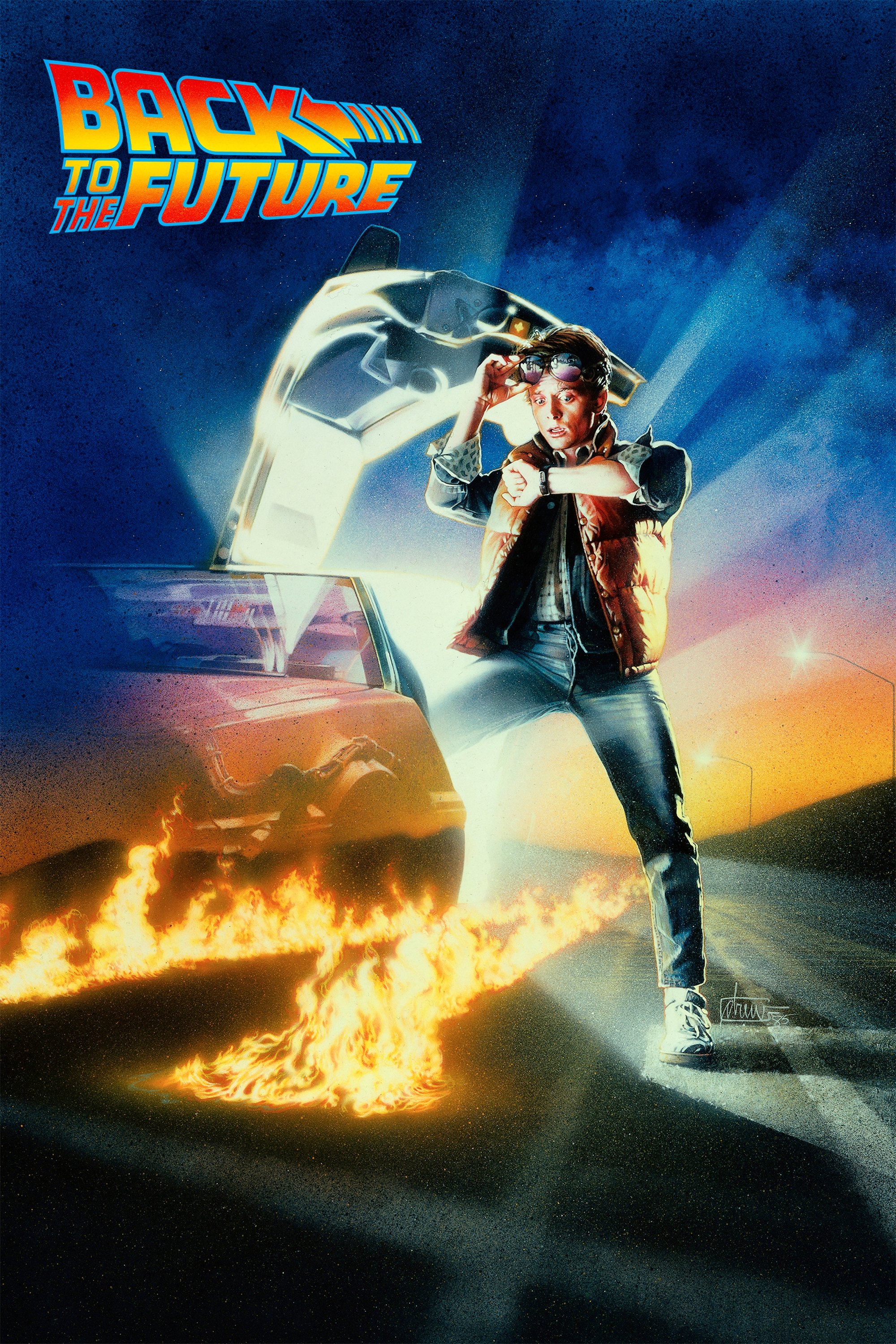
Temporal mechanics were explained through clear visual aids like chalkboard diagrams and photographic changes. The DeLorean’s time circuits and flux capacitor offered a memorable interface for time travel rules. Practical effects combined with optical work to stage transitions at 88 mph. The trilogy’s continuity maps became teaching examples for cause and effect storytelling frequently revisited on AMC.
‘The Fly’ (1986)
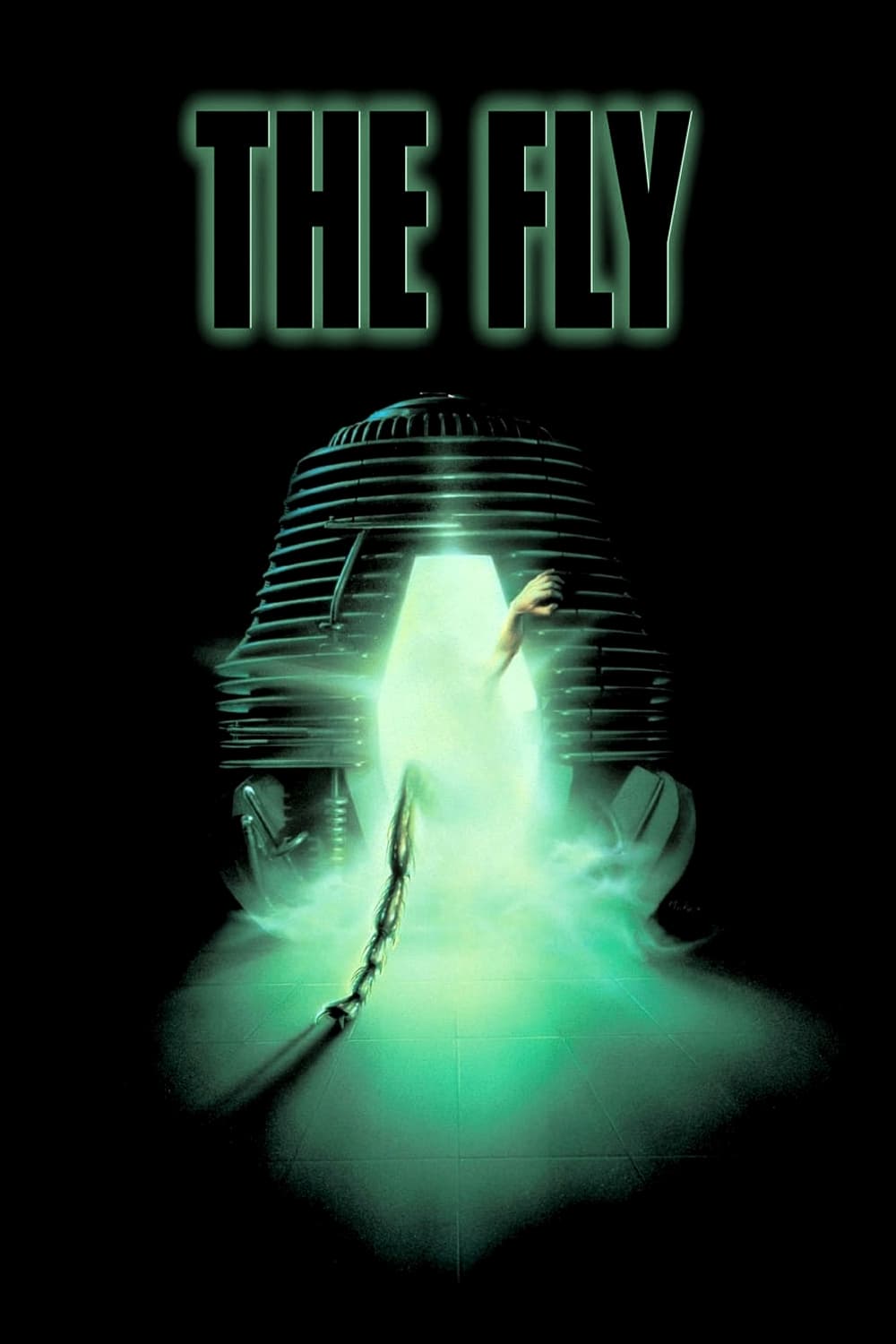
Chris Walas’s progressive prosthetics charted a scientist’s transformation with medical specificity. Laboratory props and computer terminals grounded the teleportation experiment in repeatable procedures. The narrative explored disease, mutation, and bodily autonomy within a controlled set of environments. Its practical gore effects influenced makeup curricula and appeared in curated blocks on IFC.
‘RoboCop’ (1987)
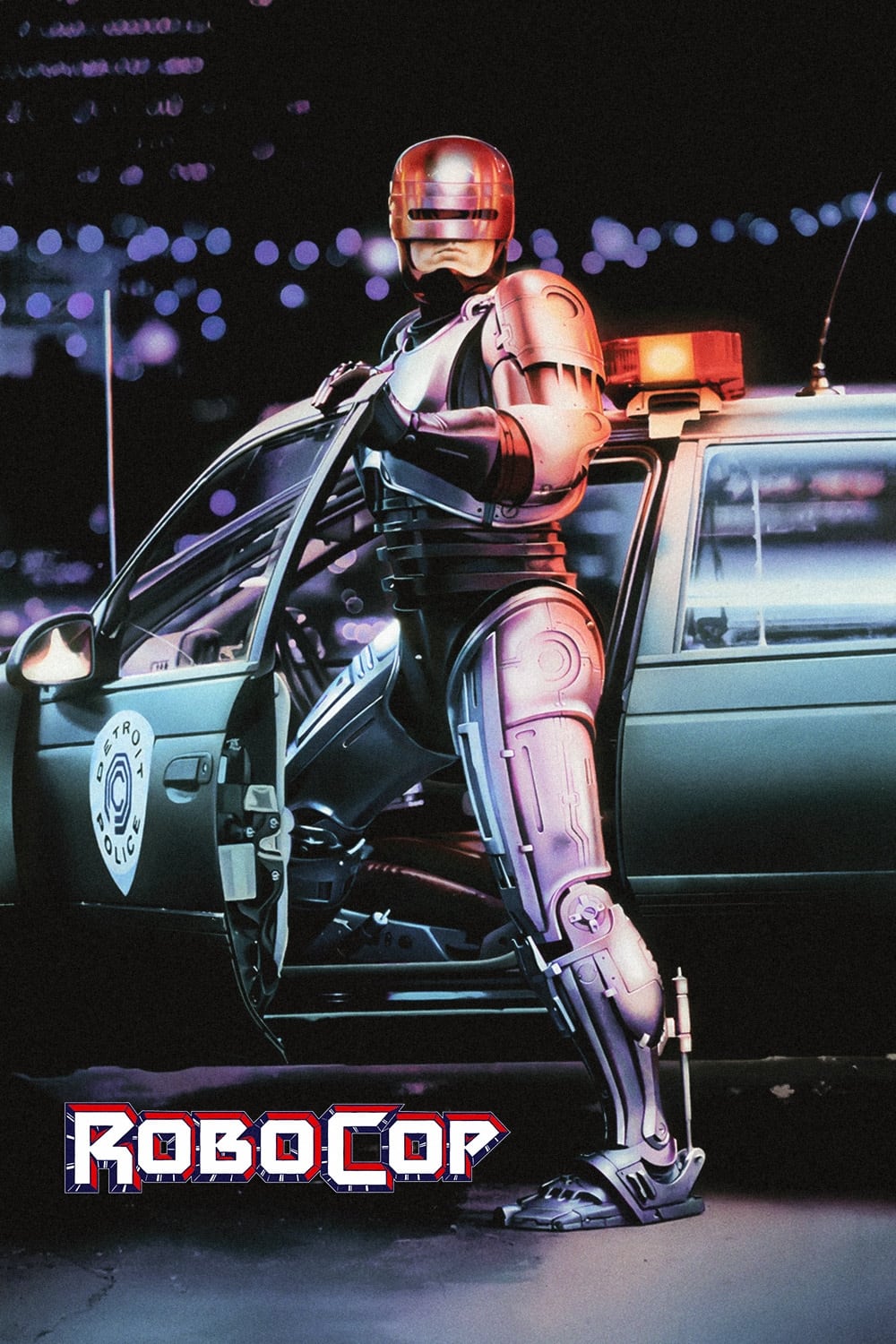
Stop motion and suit performance merged to portray a cyborg governed by hard coded directives. The film used in universe commercials and news to frame corporate privatization of public services. ED 209’s sound and motion profile demonstrated how character emerges from mechanical limitations. Its depiction of data retrieval and targeting overlays shaped later HUD design and enjoyed renewed attention on Paramount Network lineups.
‘The Abyss’ (1989)
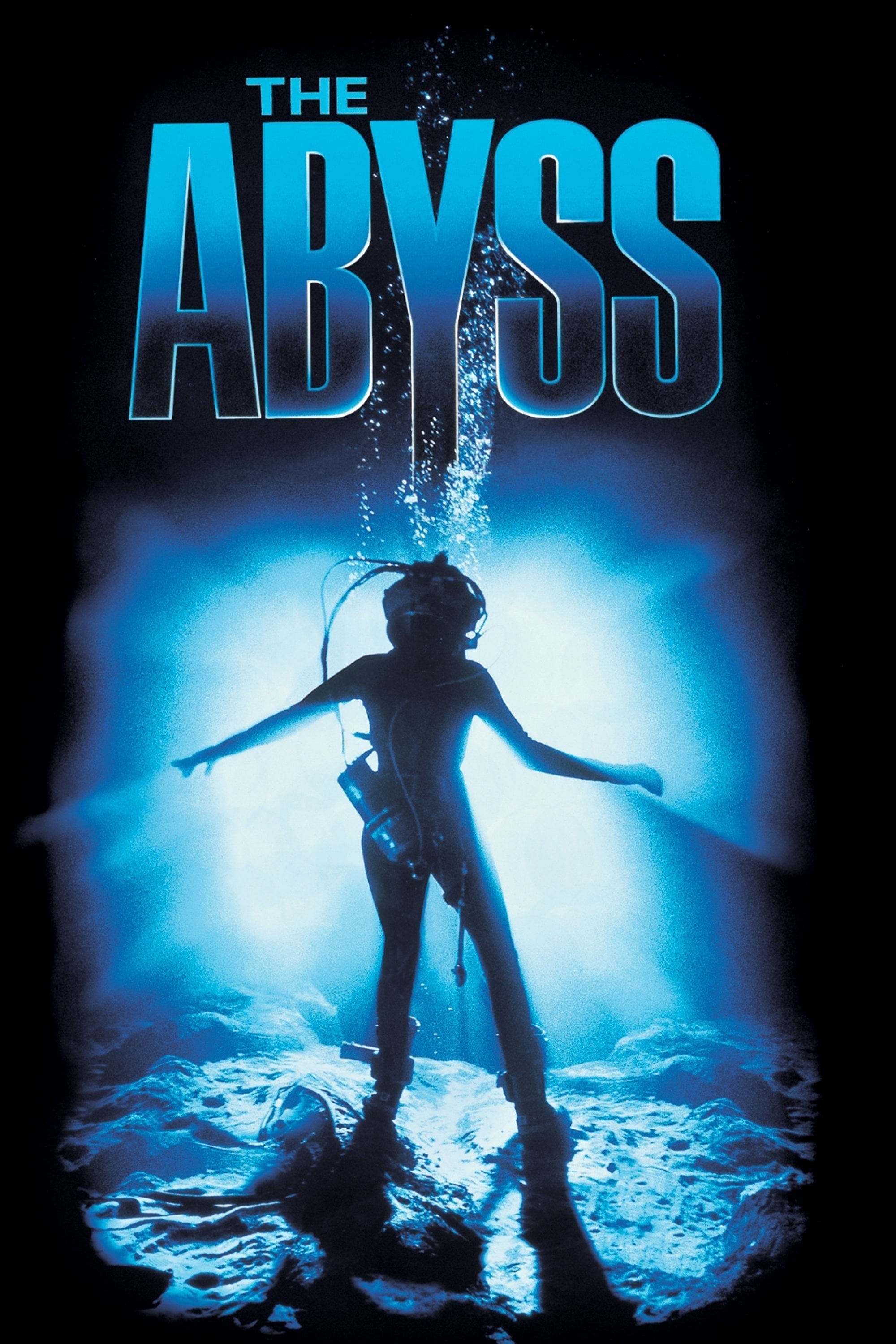
Industrial underwater sets and helmet communication systems enabled extended dialogue scenes at depth. The pseudopod sequence pioneered computer generated water simulation integrated with live action lighting. Decompression procedures and dive logistics introduced authentic constraints to the action. Extended editions circulated on HBO familiarized viewers with its deeper character and technology arcs.
‘Terminator 2: Judgment Day’ (1991)
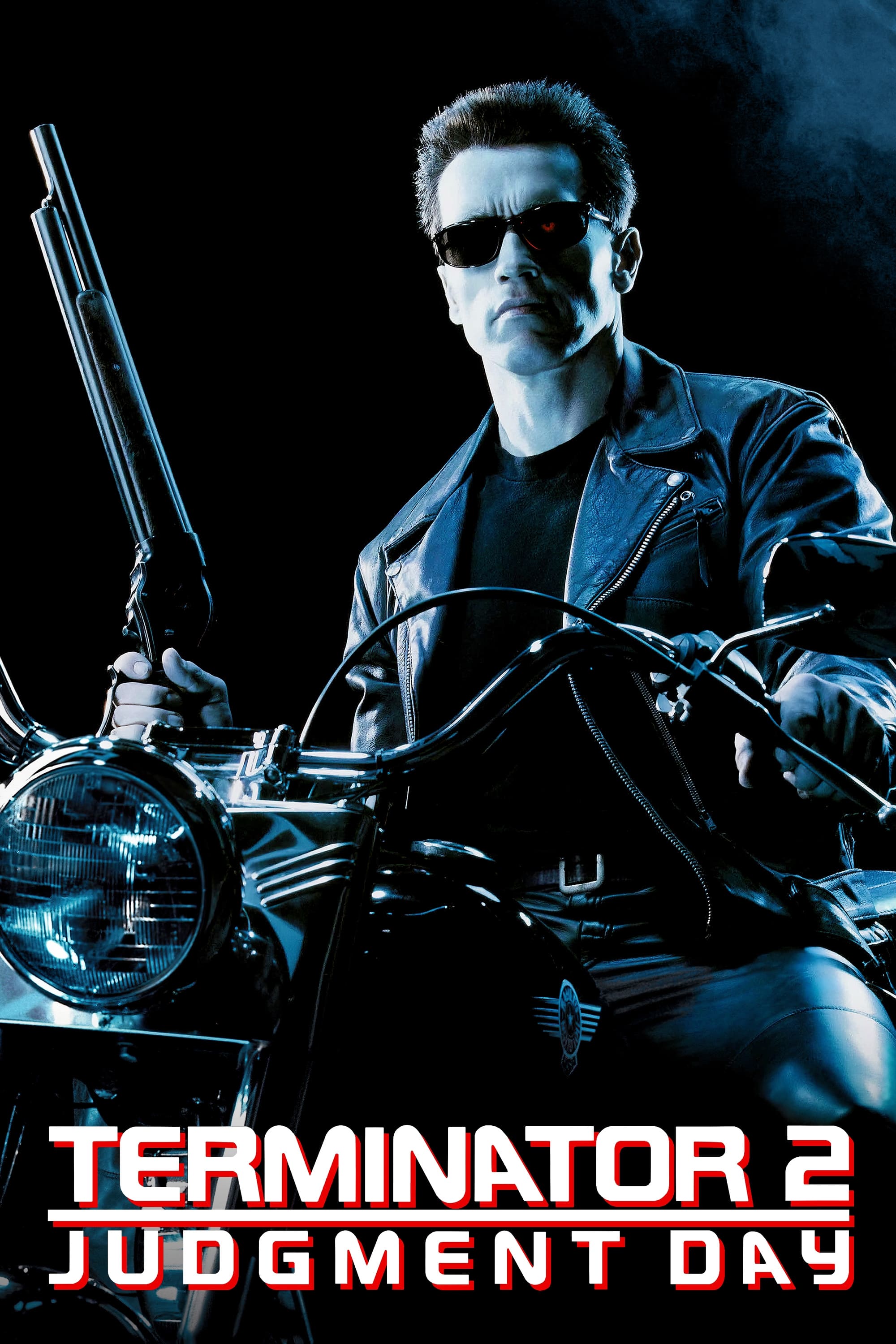
The T 1000 advanced liquid metal CGI with reflection, morphing, and interaction at scale. Practical pyrotechnics and freeway stunts kept momentum physical while digital elements enhanced transformation shots. The film refined paradox based time travel through mission parameters and protected targets. Its effects pipeline became a benchmark for hybrid workflows discussed widely in behind the scenes features on ABC.
‘Gattaca’ (1997)
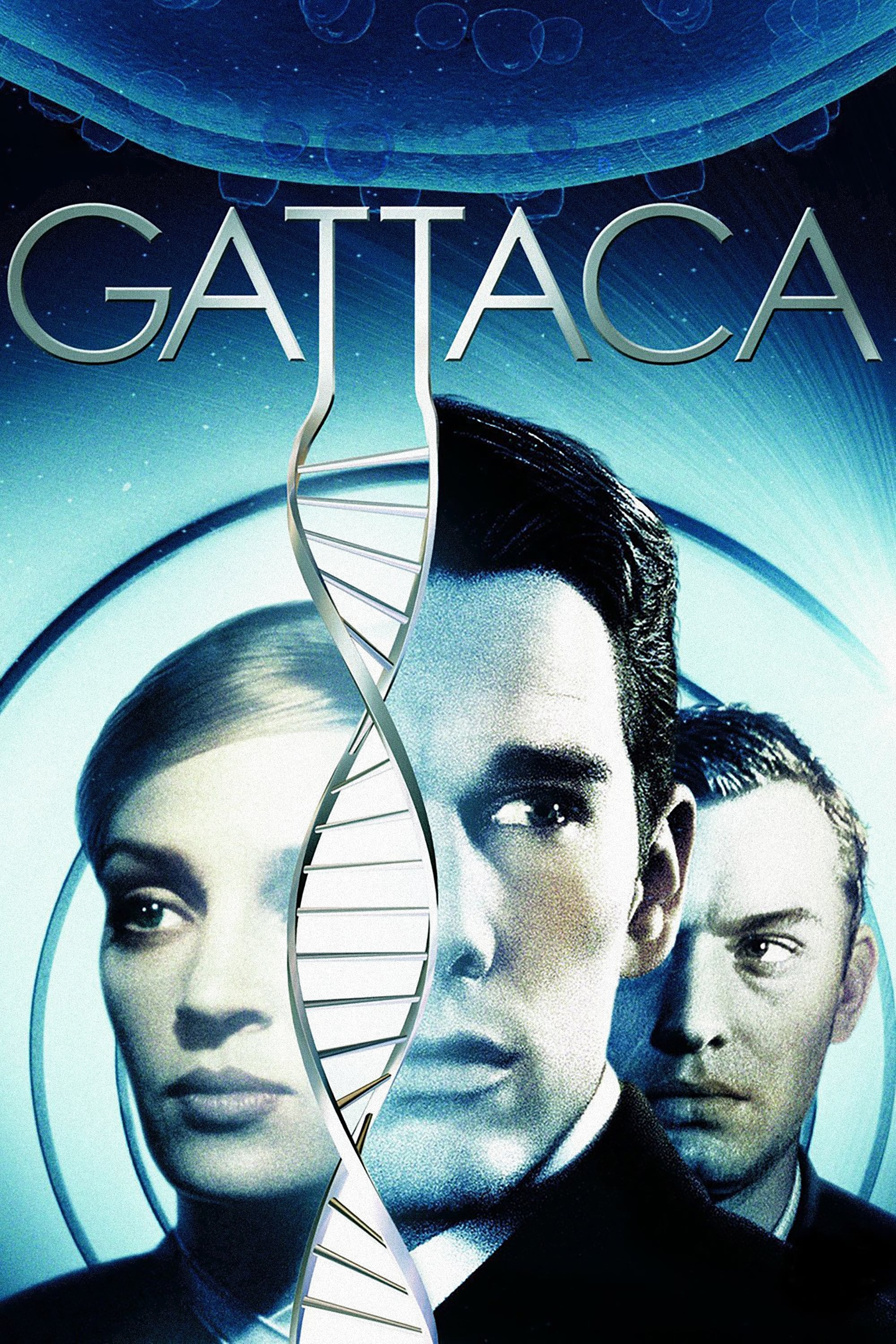
Production design used clean lines and mid century locations to suggest a controlled, gene stratified society. The plot operationalized identity checks, biometric samples, and workplace surveillance as everyday procedures. Attention to lab protocols and database queries made its world feel administratively credible. Classroom screenings and public broadcasts on PBS elevated its role in ethics discussions about genetics.
‘The Iron Giant’ (1999)
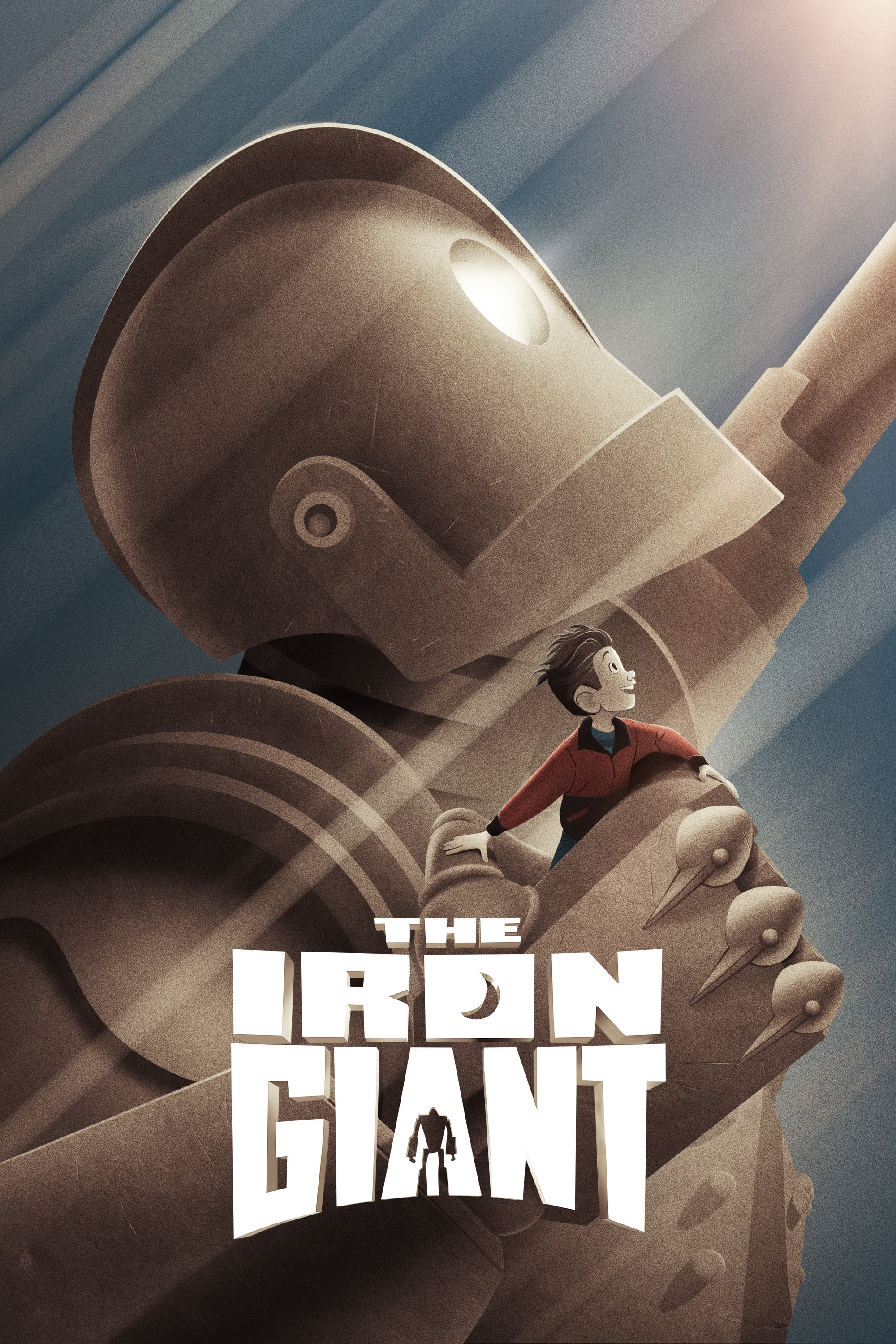
Hand drawn animation blended with computer assisted layouts to stage large scale motion with precise timing. Cold War setting, emergency drills, and military escalation were presented with procedural clarity. The robot’s learning curve followed consistent rules for language, memory, and choice. Regular showings on Cartoon Network introduced its craft to a broad family audience.
‘Avatar’ (2009)

Performance capture and virtual camera systems allowed directors to scout digital sets while actors worked in volume stages. Stereoscopic cinematography was baked into production design to enhance depth cues across Pandora’s biomes. The film established pipelines for real time visualization and asset sharing. Its technical breakthroughs were dissected in specials that aired on National Geographic.
‘Inception’ (2010)
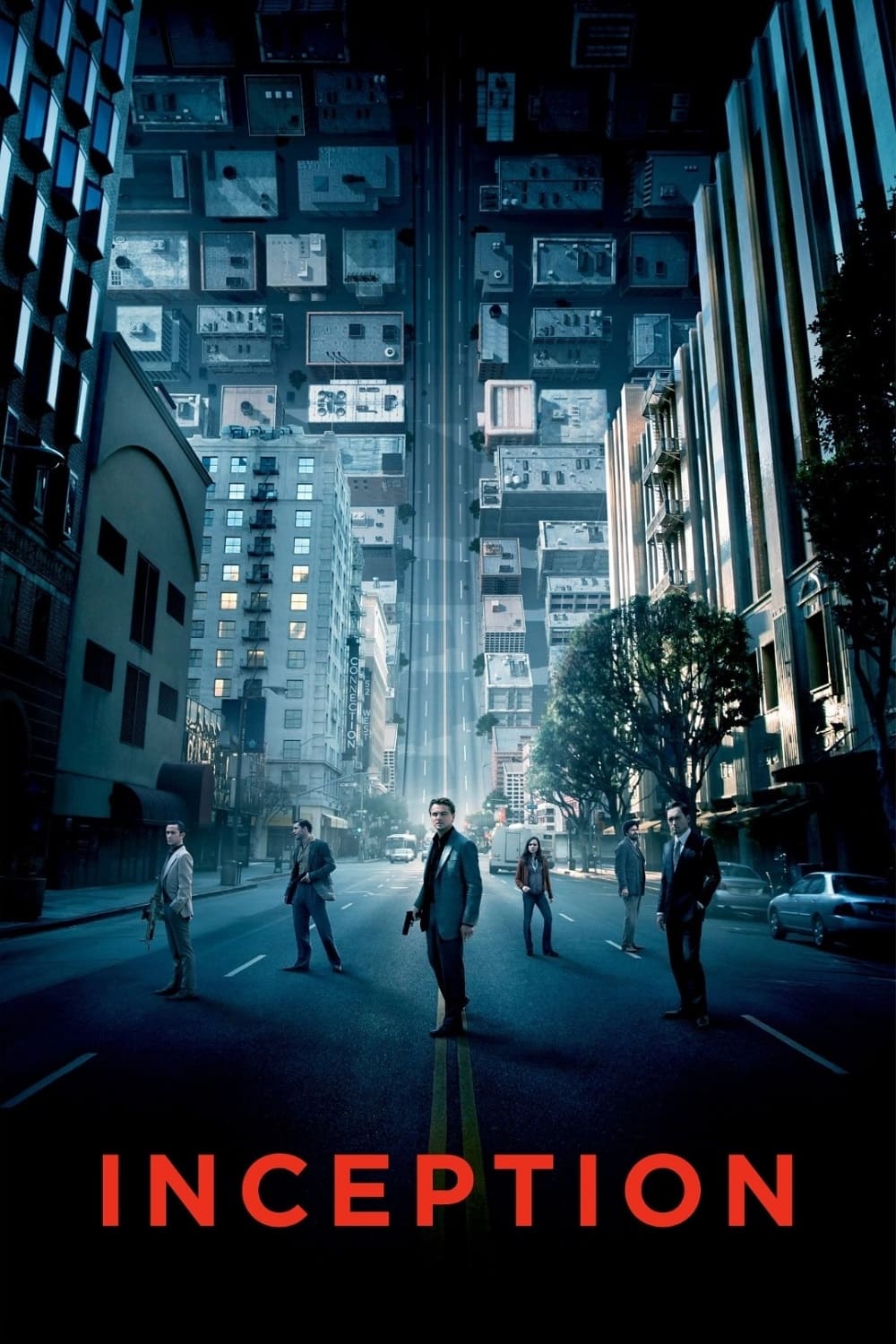
Layered dream levels followed synchronized time ratios explained through planning scenes and cues. Rotating hallway rigs and city folding shots combined practical rigs with controlled VFX to maintain spatial logic. The totem system established verifiable rules for subjective reality. Its approach to exposition and set piece design became a common case study on HBO featurettes.
‘Her’ (2013)
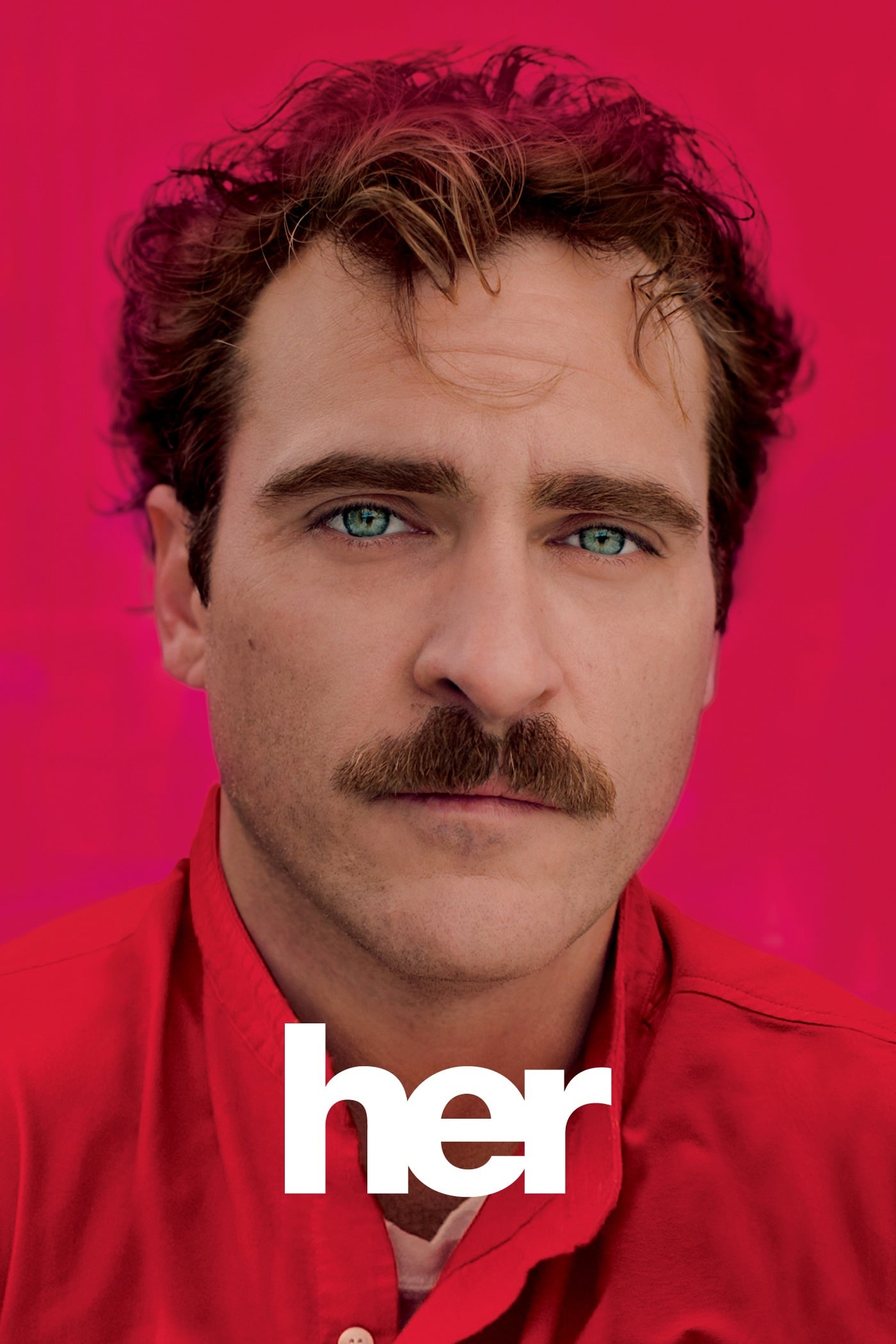
A near future operating system was built from voice interaction, cloud processes, and wearable interfaces. Production design pared back hardware to emphasize software presence in daily life. The narrative examined consent, updates, and scalability as relationship variables. Its understated world building reached wider audiences through thoughtful scheduling on BBC Two.
Share which sci fi films you think changed the game and tell us why in the comments.

