


The Most Influential Superhero Movies of All Time

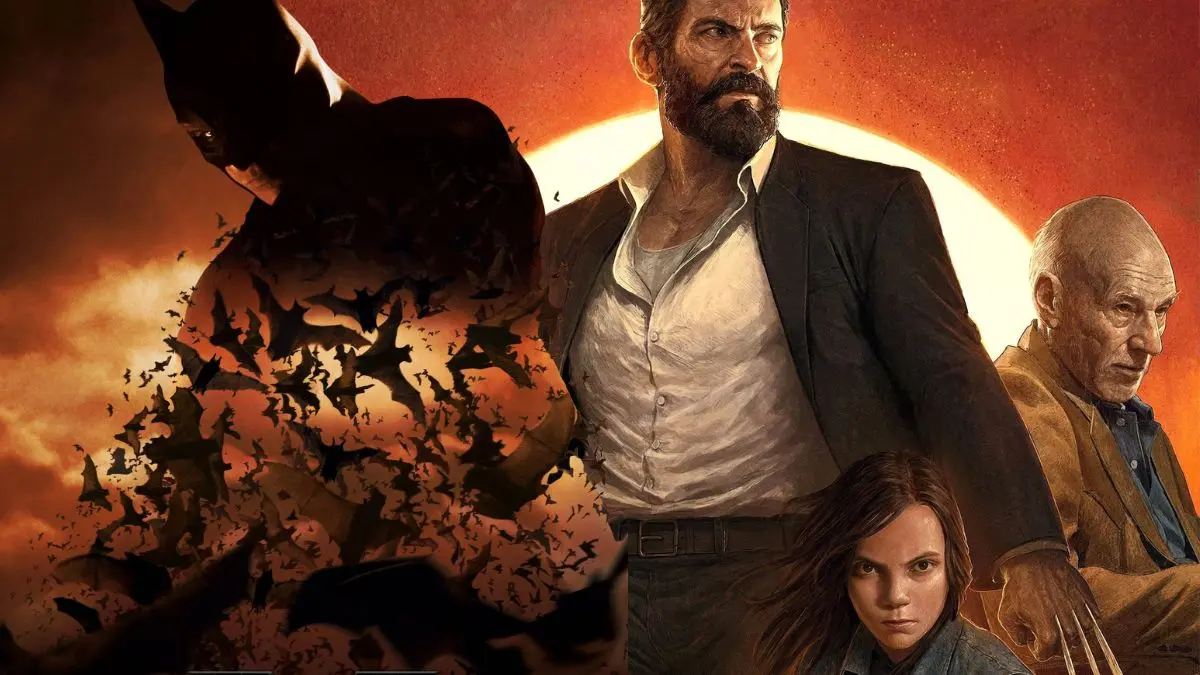


Superhero movies have shaped modern pop culture in ways few genres can match, bridging comics, animation, and big screen storytelling for audiences around the world. From early game changers that set the template to recent releases that expanded representation and scope, each of these films shifted what the genre could be. This list spotlights the moments that moved the industry forward in production, box office, and cultural reach. You will also find who brought these titles to theaters, since distributors played a quiet but crucial role in turning them into global events.
‘Superman’ (1978)
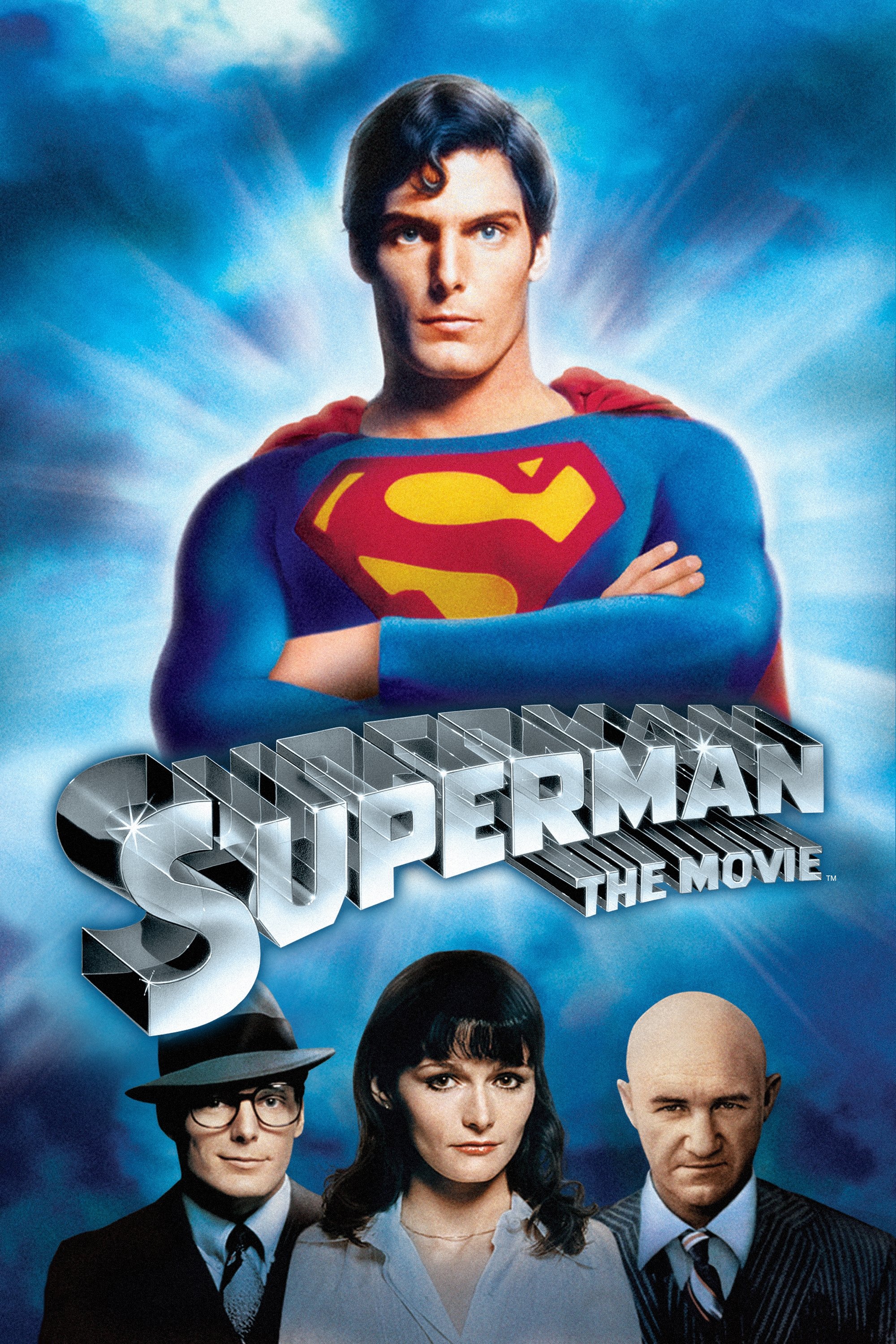
Richard Donner’s take on the Man of Steel proved a comic book hero could anchor a serious cinematic epic. The film combined groundbreaking optical effects with an earnest tone that guided future adaptations. John Williams’ theme and the crystal Krypton design became genre touchstones. Warner Bros put it in theaters worldwide and built the blueprint for superhero event releases.
‘Batman’ (1989)
Tim Burton’s gothic vision reset public expectations for comic book movies after years of camp. The production leaned into lavish sets and a darker atmosphere that broadened the audience. Its merchandising boom transformed studio strategy around character driven franchises. Warner Bros pushed a massive marketing campaign that set new standards for summer tentpoles.
‘The Crow’ (1994)
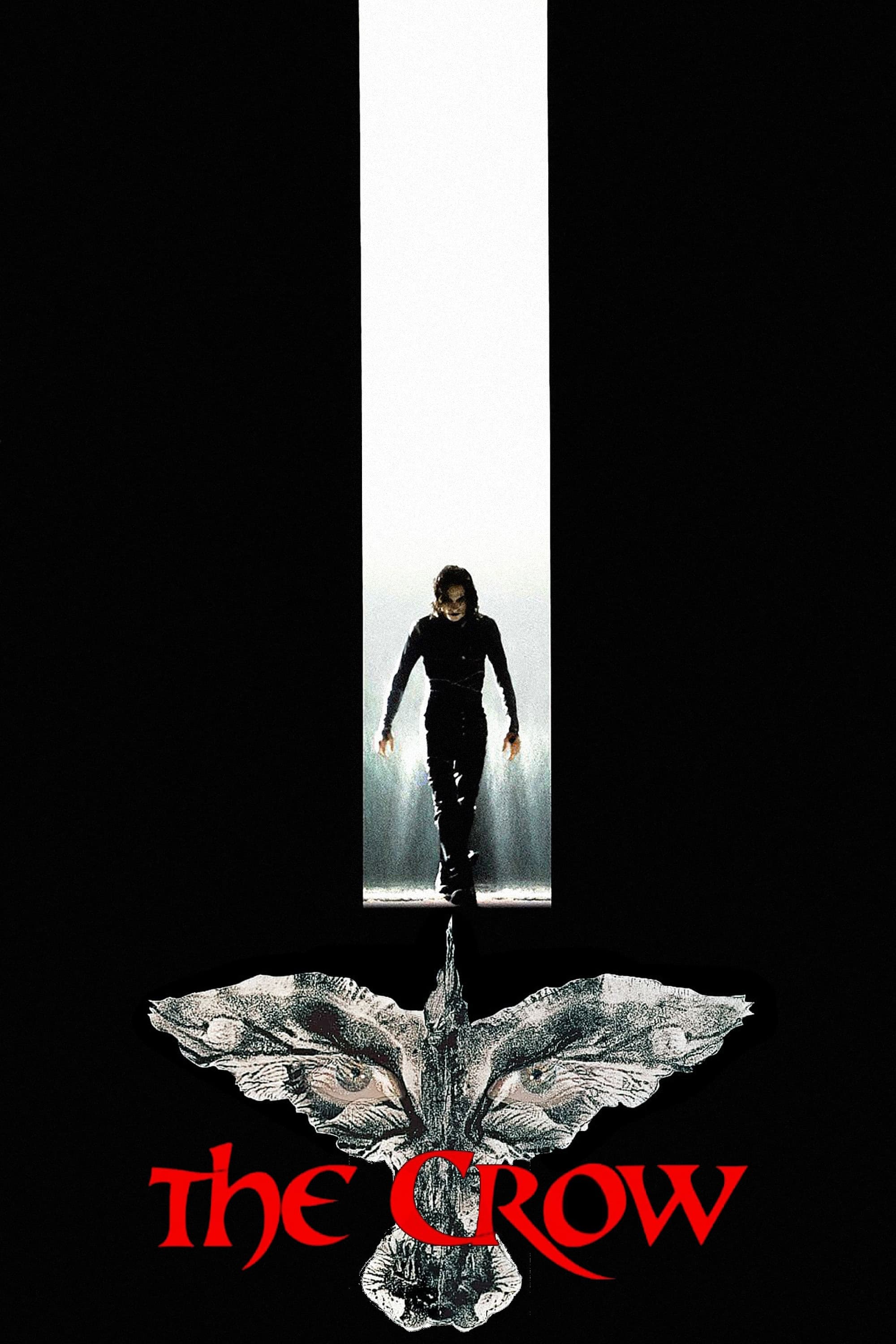
This adaptation brought a moody, grief driven narrative into mainstream superhero cinema. Its visual style mixed noir with music culture and influenced later urban vigilante stories. The film also sparked conversation about on set safety following Brandon Lee’s tragic death. Dimension Films under Miramax handled distribution and helped turn it into a cult phenomenon.
‘Blade’ (1998)
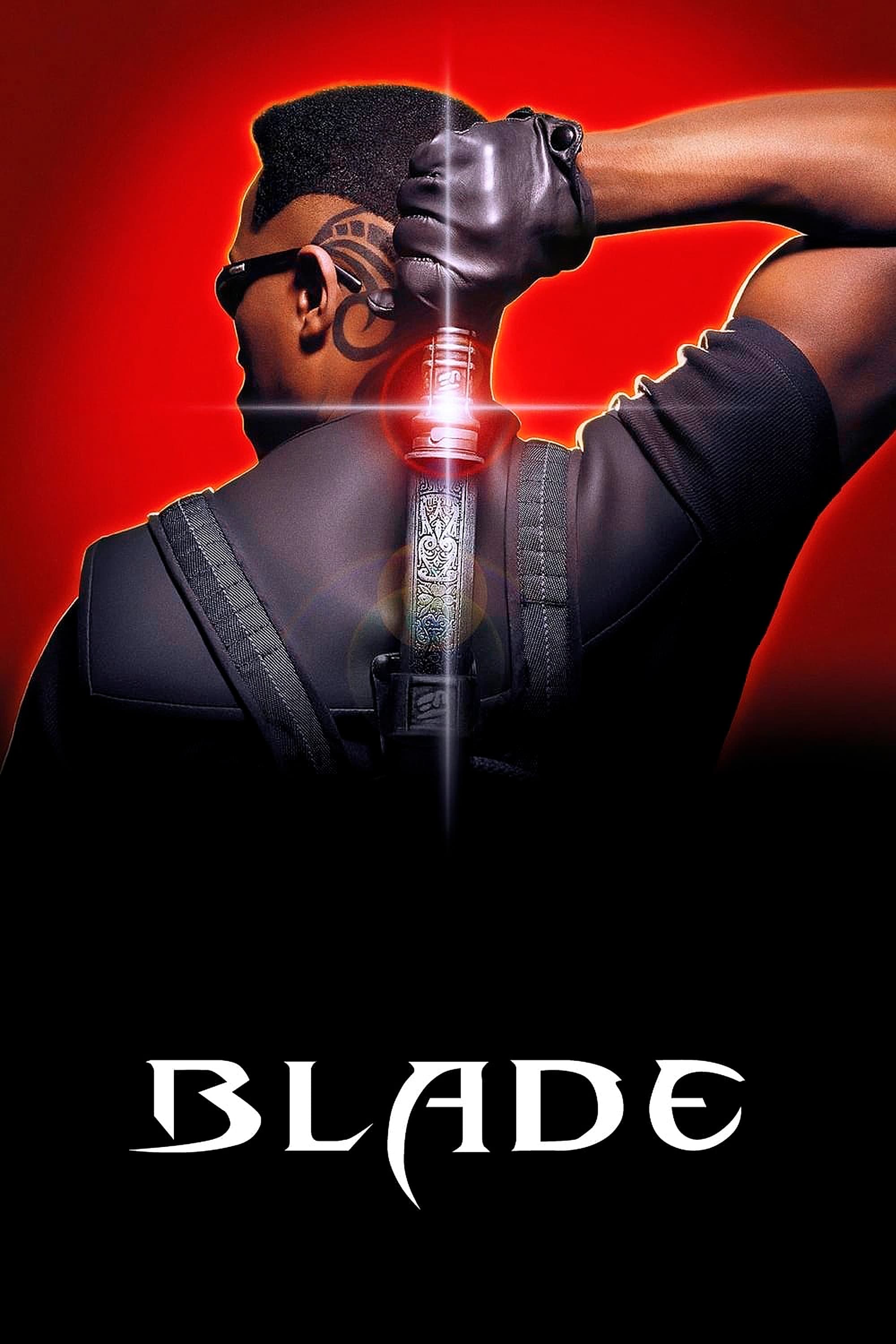
A half vampire hero led a sleek action film that proved Marvel characters could score at the box office before shared universes existed. The choreography and electronic soundtrack gave the genre a modern edge. Its success paved the way for larger Marvel adaptations in the early 2000s. New Line Cinema released it and demonstrated that R rated superhero action could travel.
‘X-Men’ (2000)
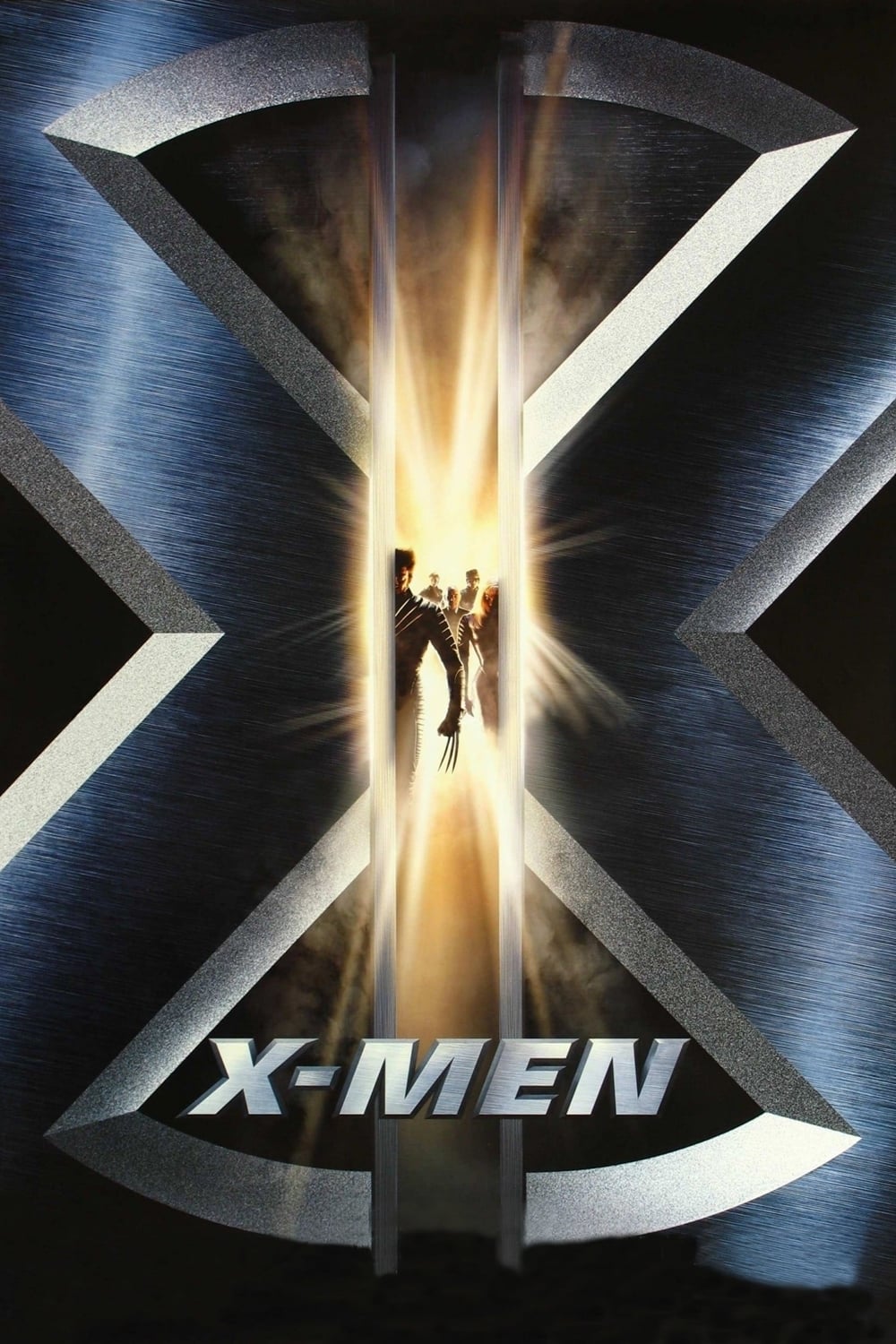
A team based approach introduced audiences to ensemble superhero storytelling at scale. The movie emphasized social allegory and character dynamics that carried through the series. It also helped normalize serious costumes and powers with then advanced visual effects. 20th Century Fox distributed the film and launched a long running franchise.
‘Unbreakable’ (2000)
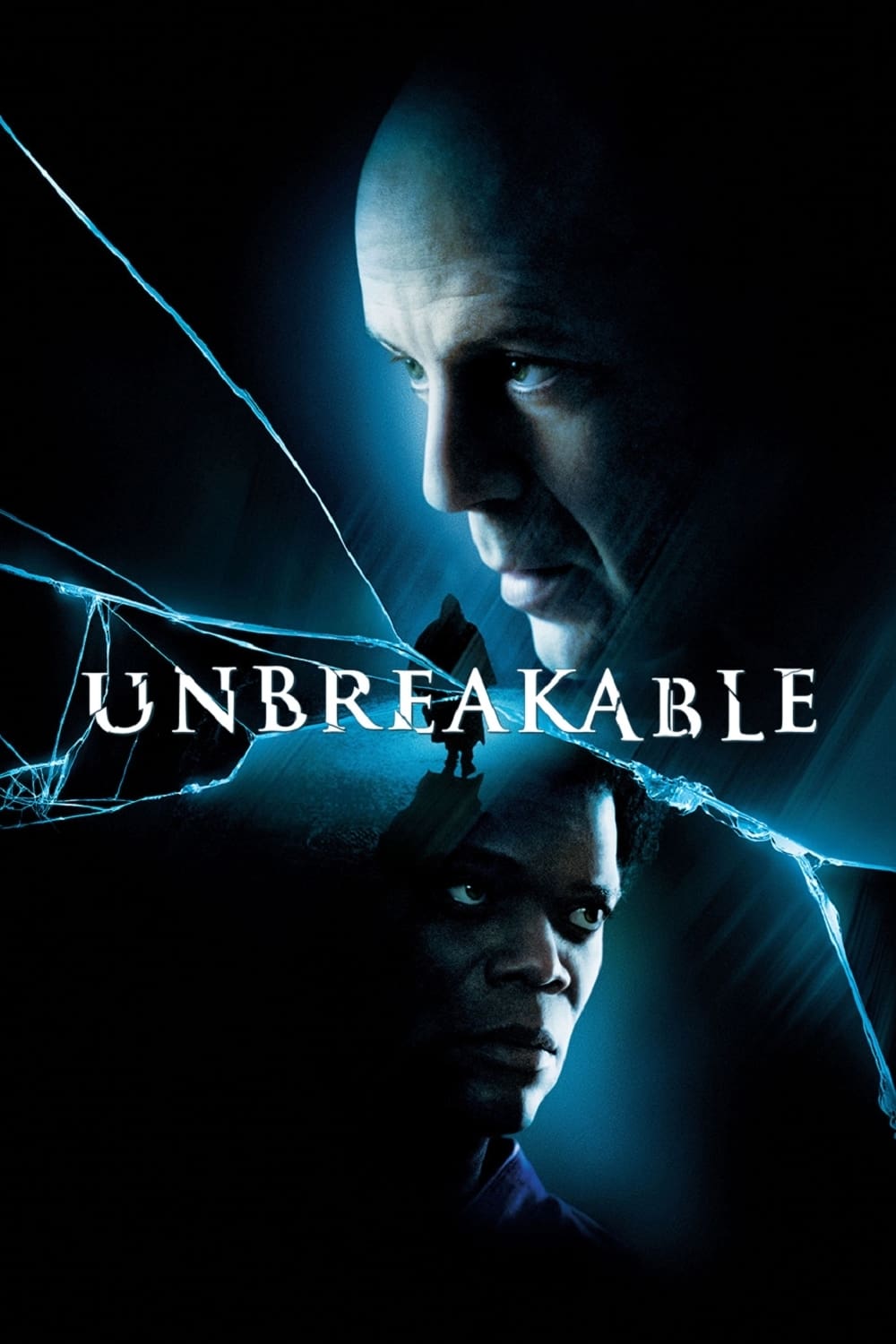
This grounded original explored superhero mythology through a slow burn mystery. It reframed origin stories as intimate drama rather than pure spectacle. The film later seeded a connected trilogy that expanded the concept of everyday superpowers. Touchstone Pictures released it domestically for Buena Vista and brought a different tone to the genre.
‘Spider-Man’ (2002)
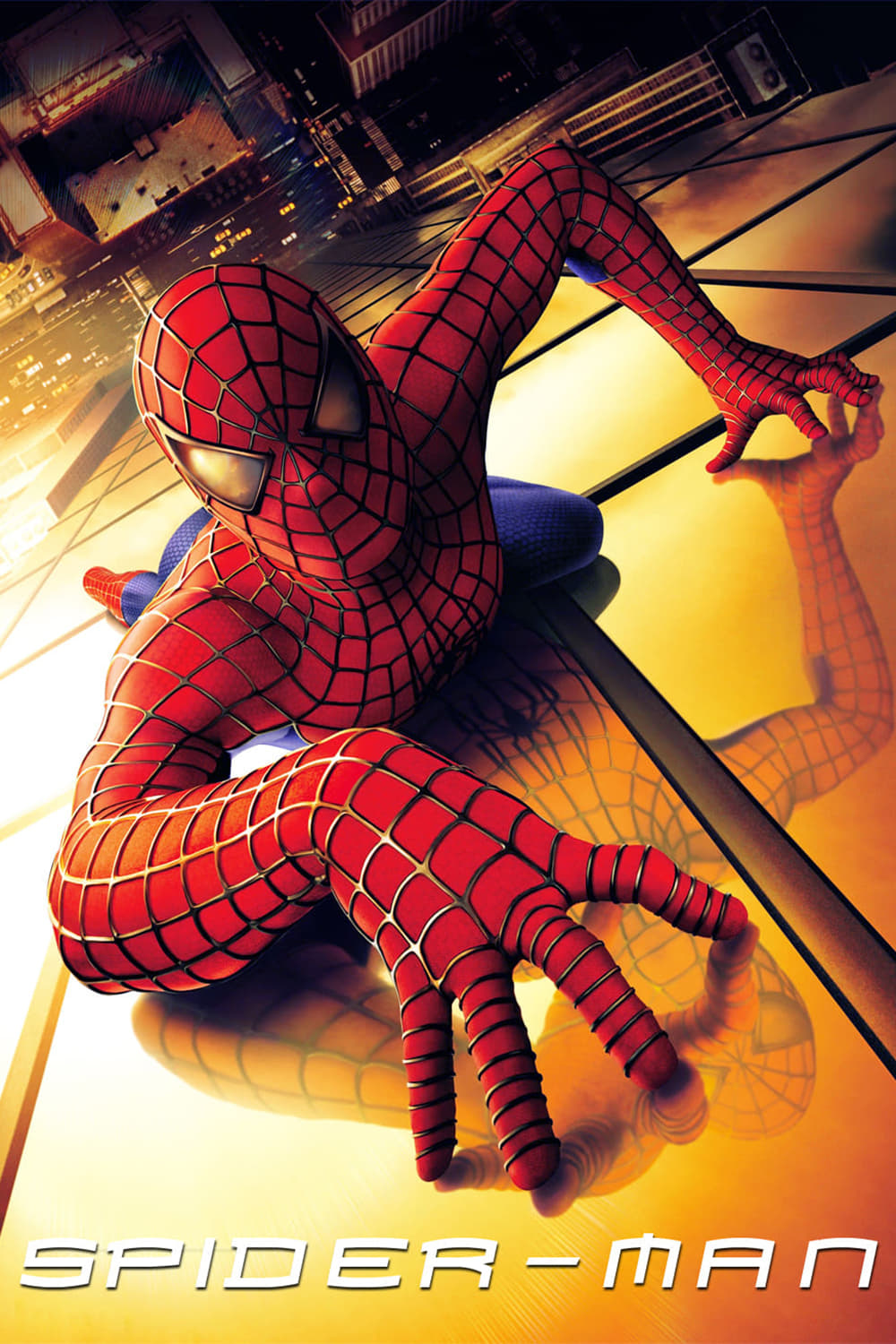
Sam Raimi’s film delivered a heartfelt origin with big city spectacle and memorable set pieces. The upside down kiss and web slinging shots became instant pop culture images. Its record setting opening weekend reset expectations for comic book blockbusters. Columbia Pictures through Sony Pictures Releasing sent it worldwide and anchored a major trilogy.
‘X2’ (2003)
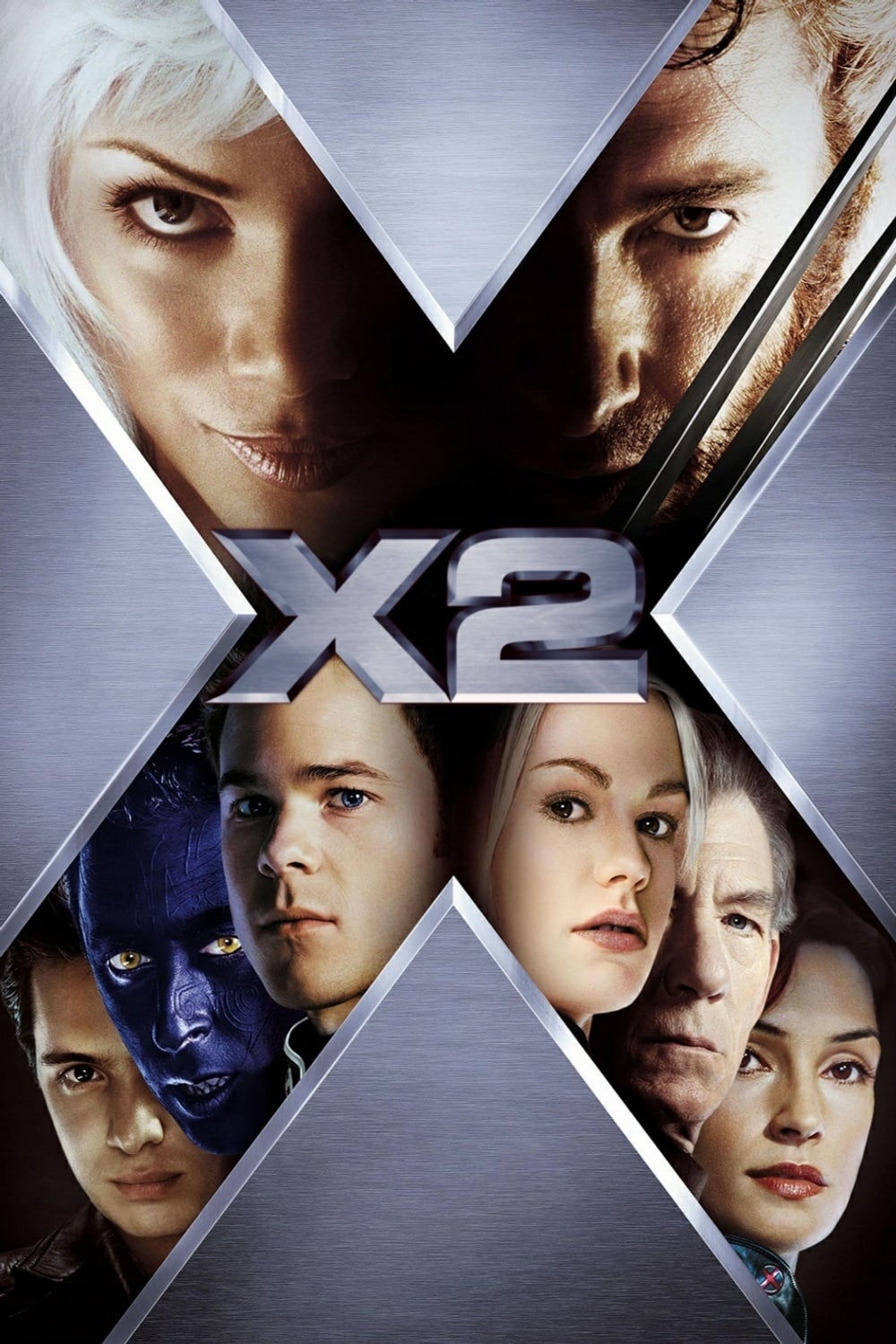
The sequel leaned into team chemistry and complex antagonists while expanding action scale. Nightcrawler’s opening sequence showed how powers could drive inventive set pieces. The story deepened themes of identity and prejudice that resonated with audiences. 20th Century Fox distributed it and cemented the viability of long form superhero sagas.
‘The Incredibles’ (2004)
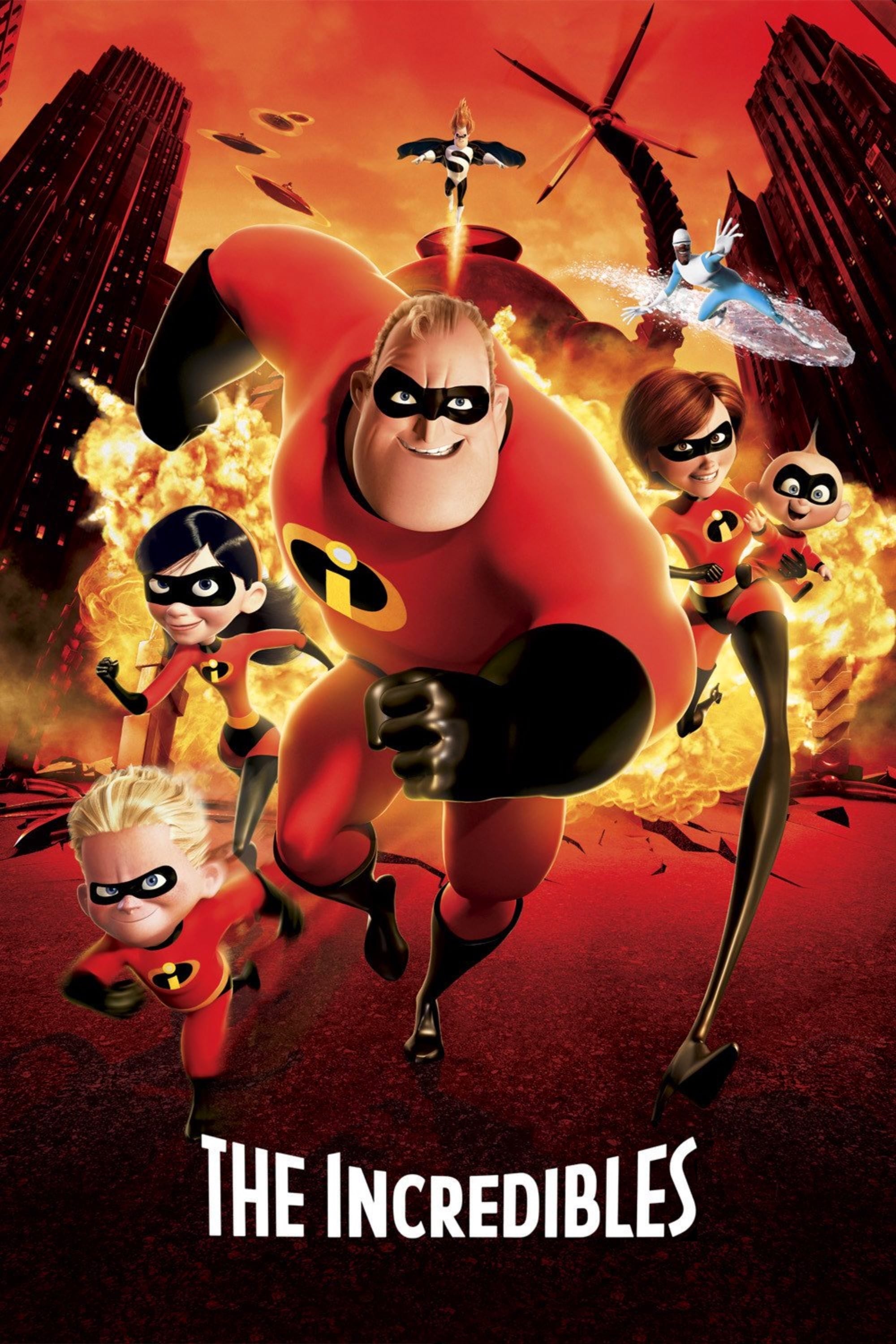
Pixar fused family comedy with a sharp take on secret identities and midlife reinvention. The movie showcased clean visual design and set a new bar for animated superhero action. Its elastic power set and retro futurist world influenced later animated series and films. Walt Disney Pictures via Buena Vista put it in theaters and helped it reach a wide family audience.
‘Batman Begins’ (2005)
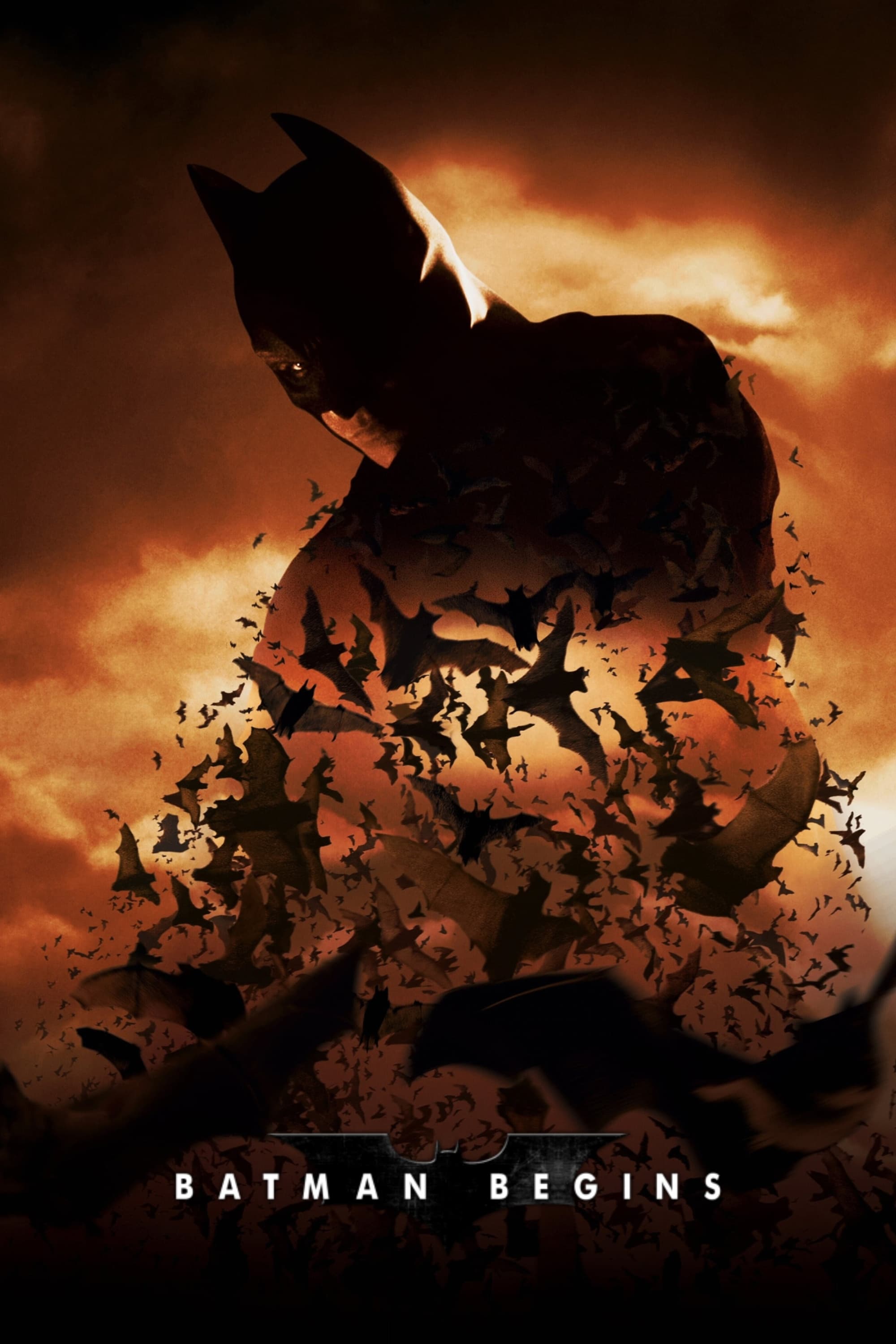
Christopher Nolan rebuilt the character with a grounded origin and practical world building. The film emphasized training, fear, and technology in believable ways. Its approach inspired more realistic tones across the genre for years. Warner Bros released it and set the stage for a genre defining trilogy.
‘Iron Man’ (2008)
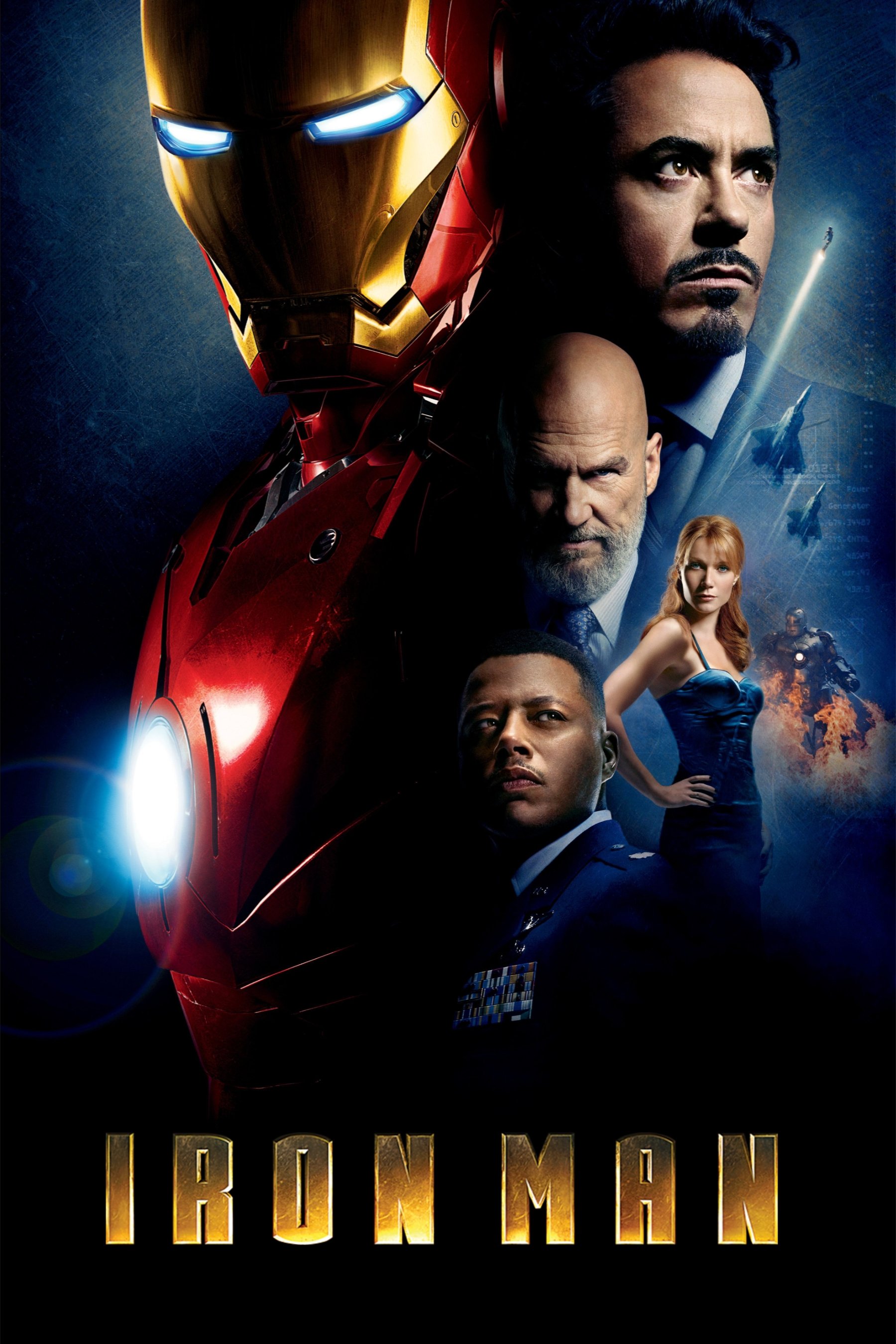
A charismatic lead and tech forward approach launched a connected storytelling experiment. The end credits scene quietly introduced a larger plan that would reshape franchise filmmaking. Practical effects blended with digital work to sell the suit as real world hardware. Paramount Pictures handled distribution for Marvel Studios and kicked off a cinematic universe.
‘The Dark Knight’ (2008)
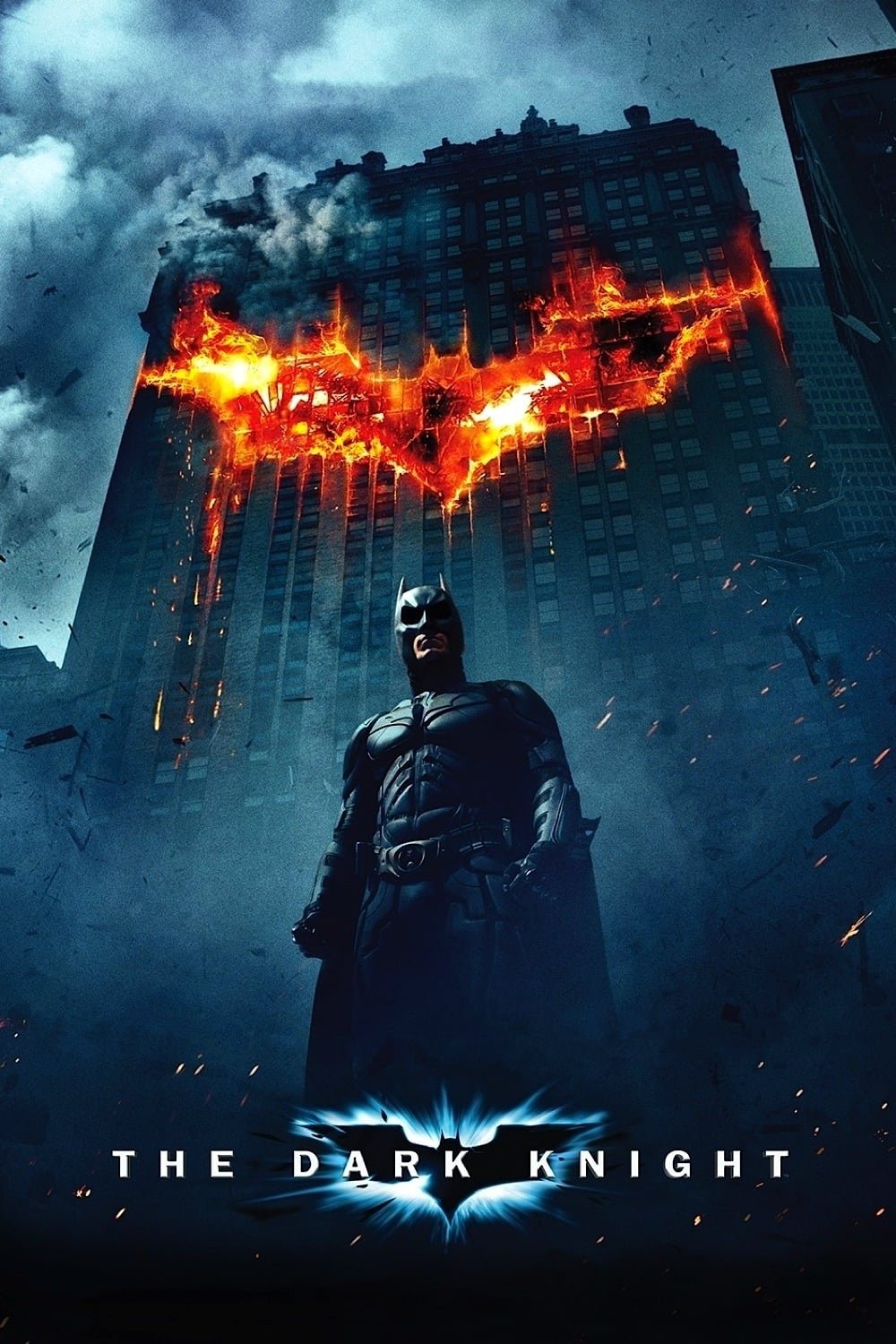
A crime saga structure and IMAX photography elevated superhero movies into prestige conversation. The film’s bank heist opening and city wide escalation showed new narrative ambition. Heath Ledger’s Joker became a benchmark for complex antagonists. Warner Bros rolled out an extensive release that drew massive global attention.
‘Watchmen’ (2009)
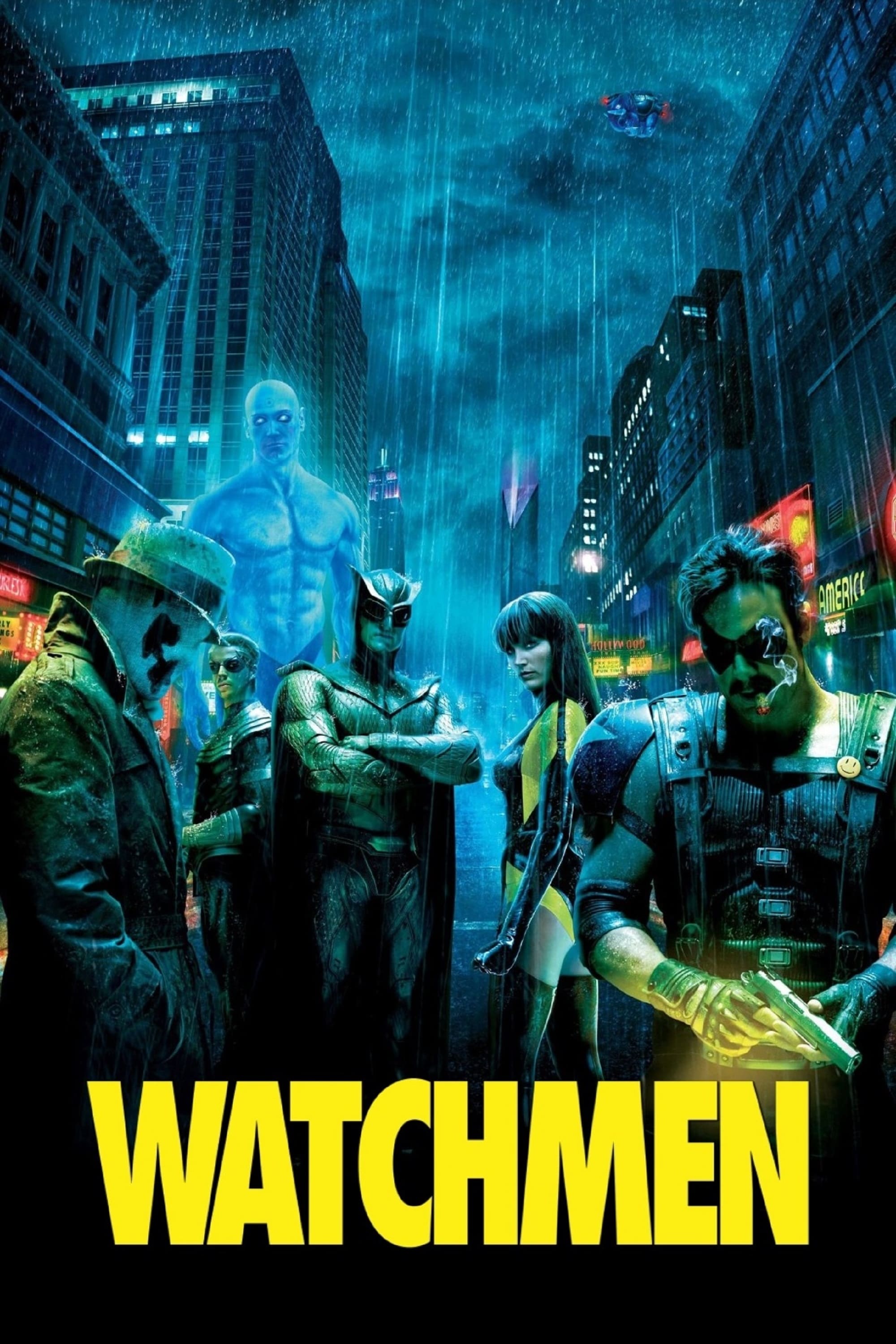
This adaptation brought a dense, self aware deconstruction of superheroes to theaters. The production recreated iconic imagery and pushed mature themes into the mainstream. Its alternate history lens widened what comic adaptations could cover. Warner Bros distributed it and supported a bold, adult oriented vision.
‘Kick-Ass’ (2010)
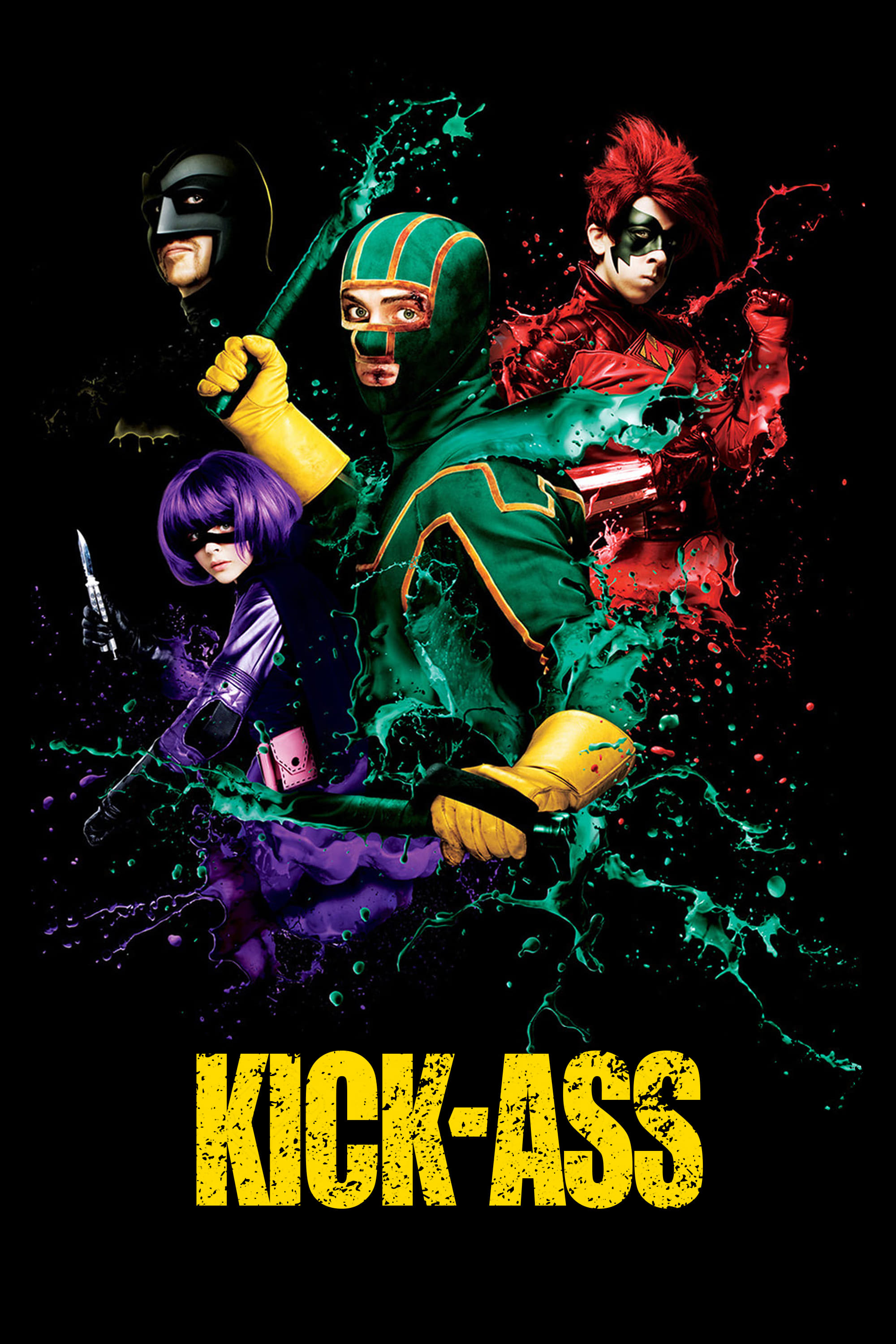
A scrappy take on vigilantes explored what ordinary people might do with costumes and courage. The fight choreography and needle drops gave it a distinct energy. It also influenced later films that blended satire with brutal action. Lionsgate released it and helped turn an edgy comic adaptation into a breakout.
‘The Avengers’ (2012)
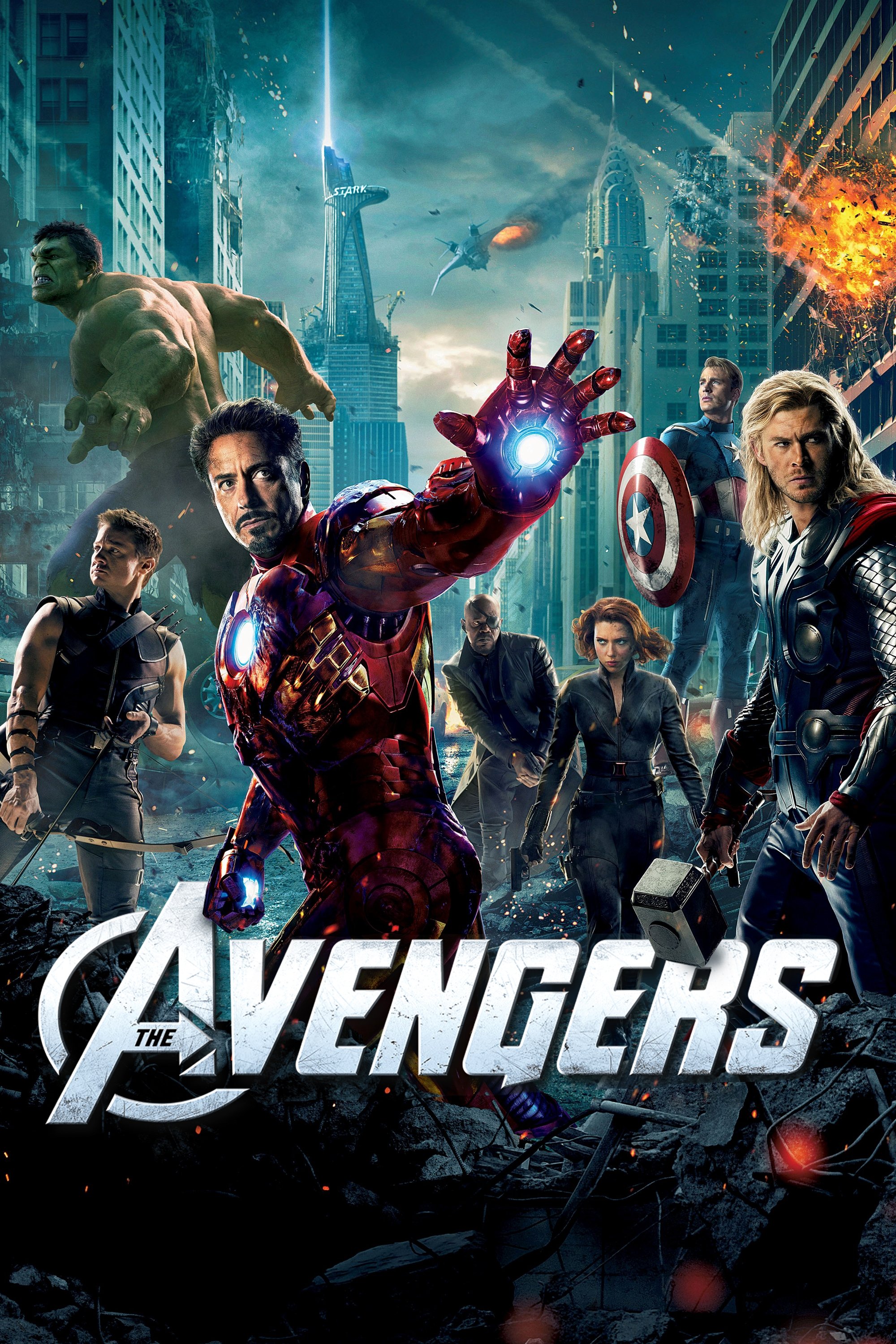
Multiple franchises converged into a single team up that proved large scale crossovers could work. The movie balanced character arcs with ensemble action and crowd pleasing moments. Its success validated a long form, chaptered approach to movie storytelling. Walt Disney Studios Motion Pictures distributed it globally and set box office milestones.
‘Man of Steel’ (2013)
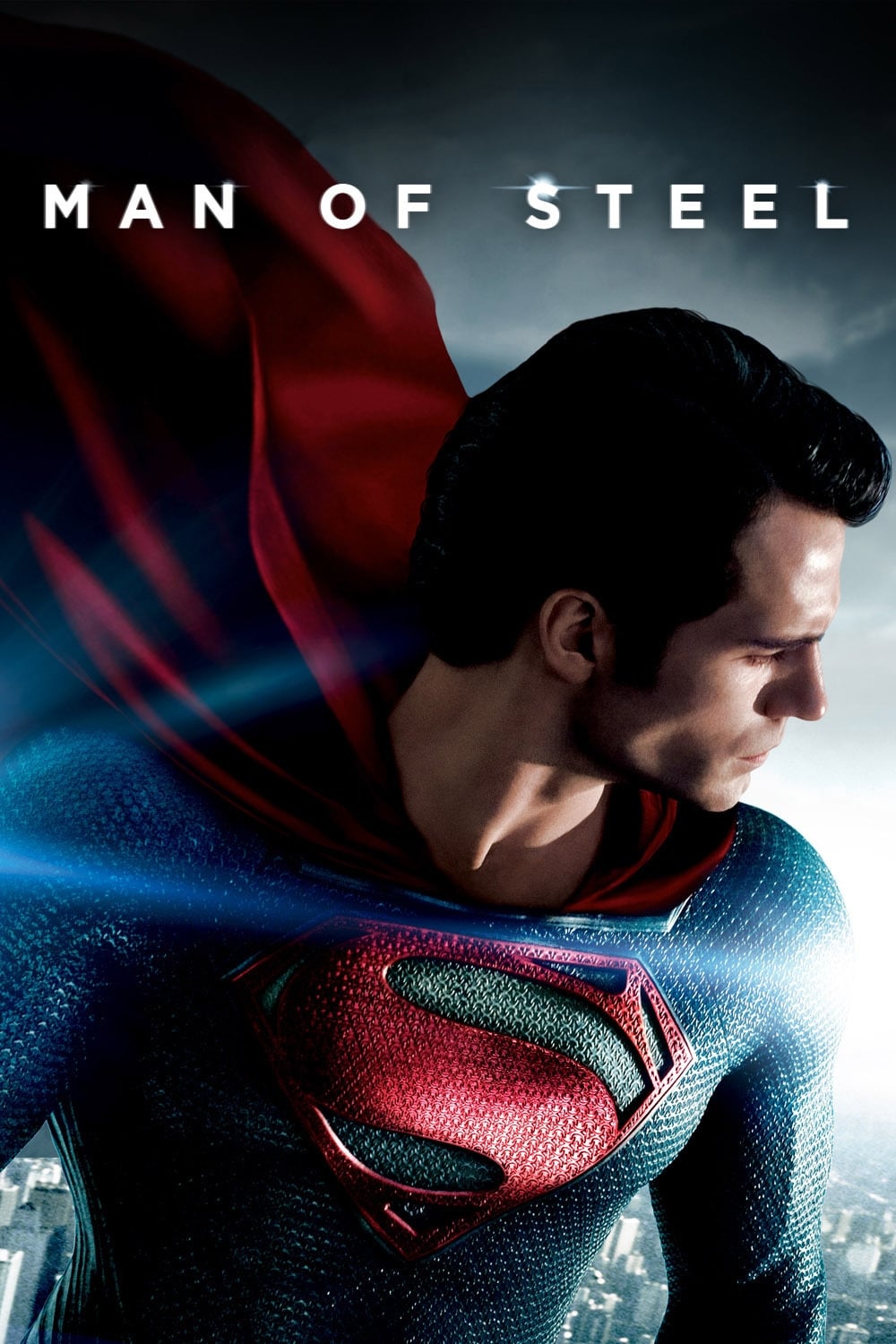
A modern retelling emphasized extraterrestrial heritage and weighty action design. The production used handheld style and large scale visual effects for a new Krypton and Smallville. The film set visual and tonal markers for a shared universe of heroes. Warner Bros released it and aligned the brand for future crossovers.
‘Guardians of the Galaxy’ (2014)
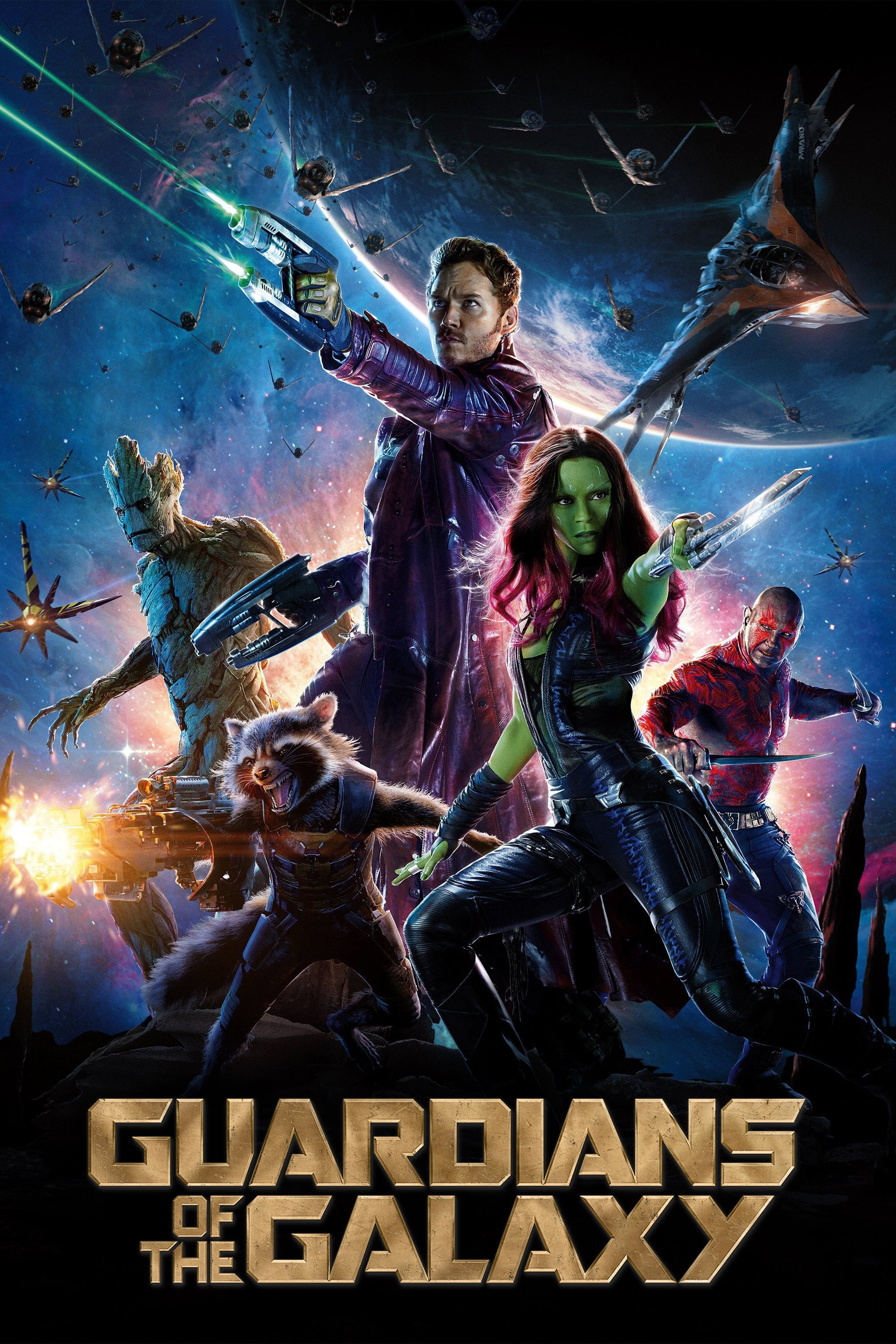
A spacefaring adventure introduced lesser known characters with humor and a memorable soundtrack. It expanded the genre beyond Earth bound stories and broadened the cosmic canvas. The film also elevated needle drop curation as a storytelling tool. Disney distributed it and turned an untested team into a global favorite.
‘Captain America: The Winter Soldier’ (2014)
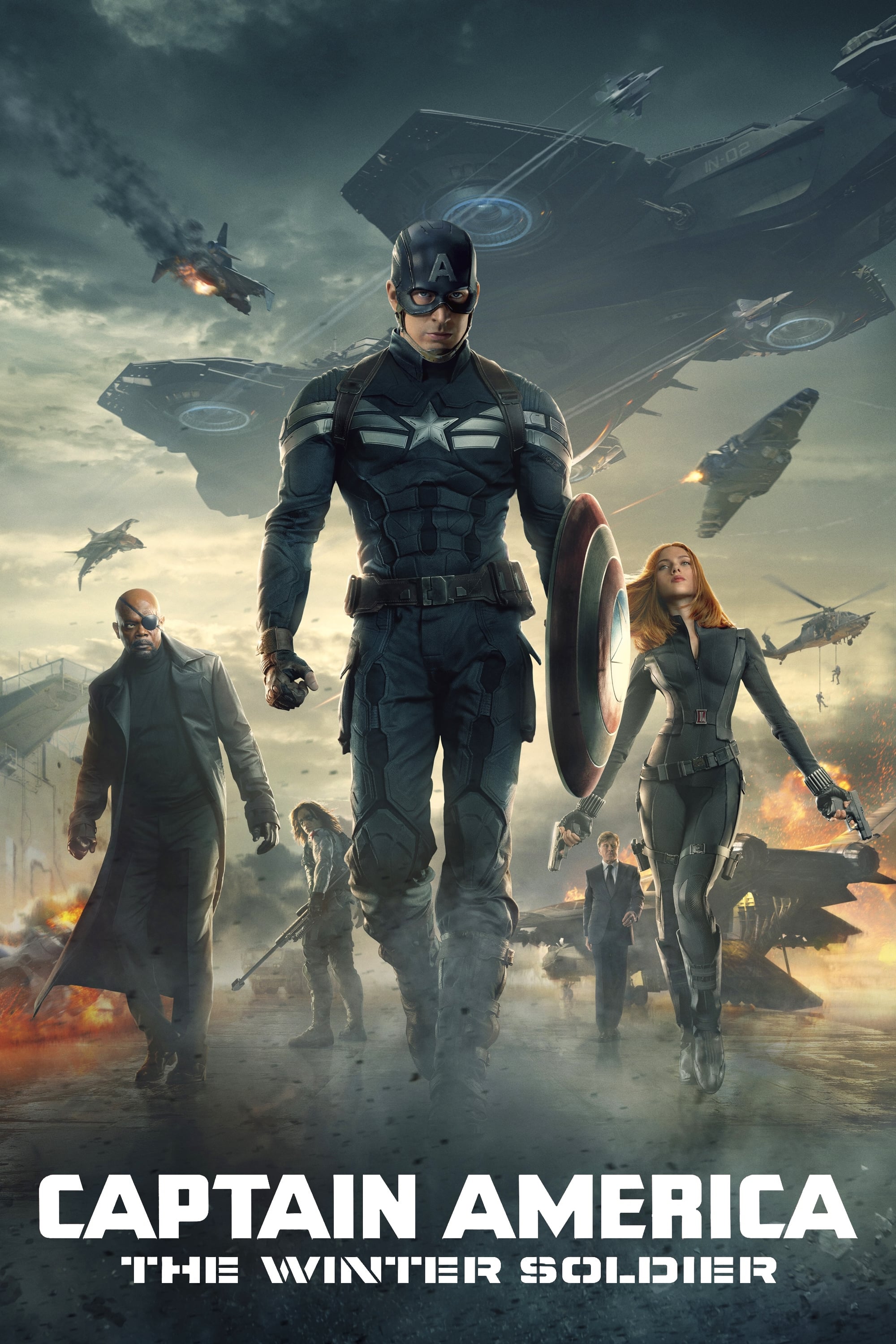
This entry fused superhero action with a paranoid thriller about surveillance and trust. The choreography emphasized grounded combat and practical stunt work. Its events rippled across connected films and television projects. Disney handled distribution and supported a sharp tonal shift within a running franchise.
‘Deadpool’ (2016)
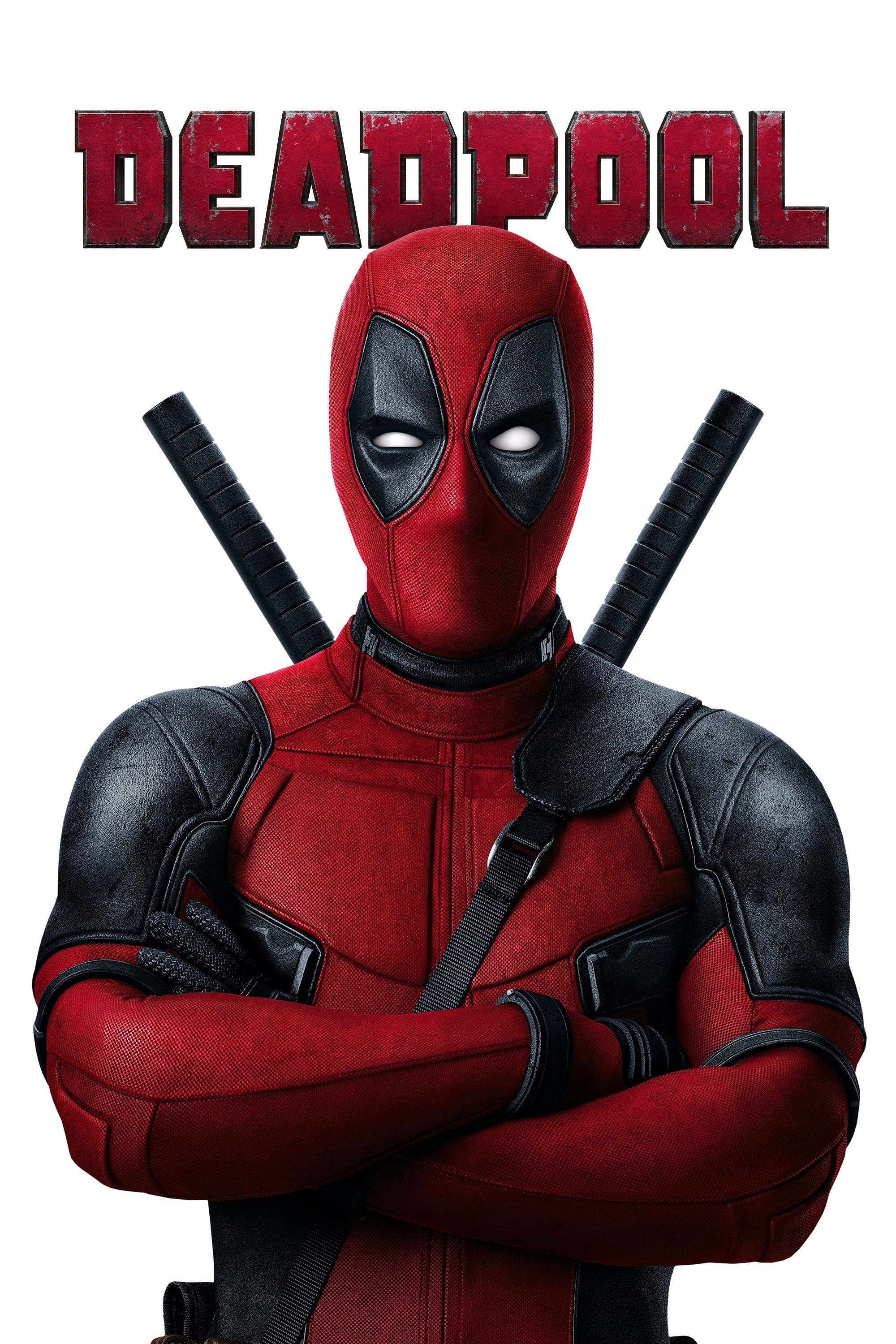
A meta heavy script embraced fourth wall humor and creative action on a modest budget. The R rated approach opened doors for adult oriented superhero comedies. Its viral marketing became a case study in character driven promotion. 20th Century Fox distributed it and saw unexpected returns that reshaped sequel planning.
‘Logan’ (2017)
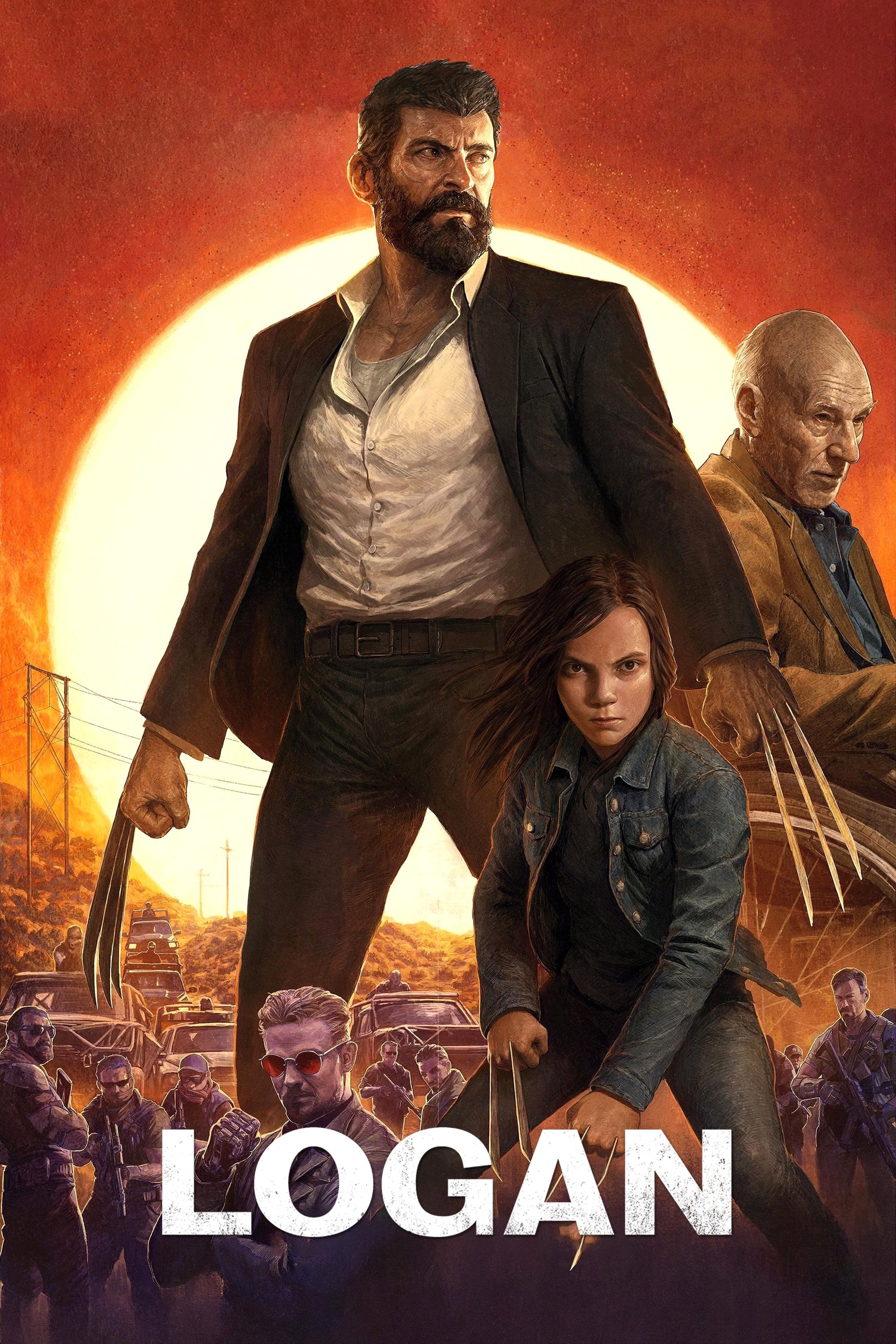
A stark, character focused farewell brought emotional closure to a long running hero. The western tone and R rated intensity proved the genre could carry somber stories. The film highlighted how legacy and mentorship could drive the narrative. 20th Century Fox released it and backed a daring final chapter.
‘Wonder Woman’ (2017)
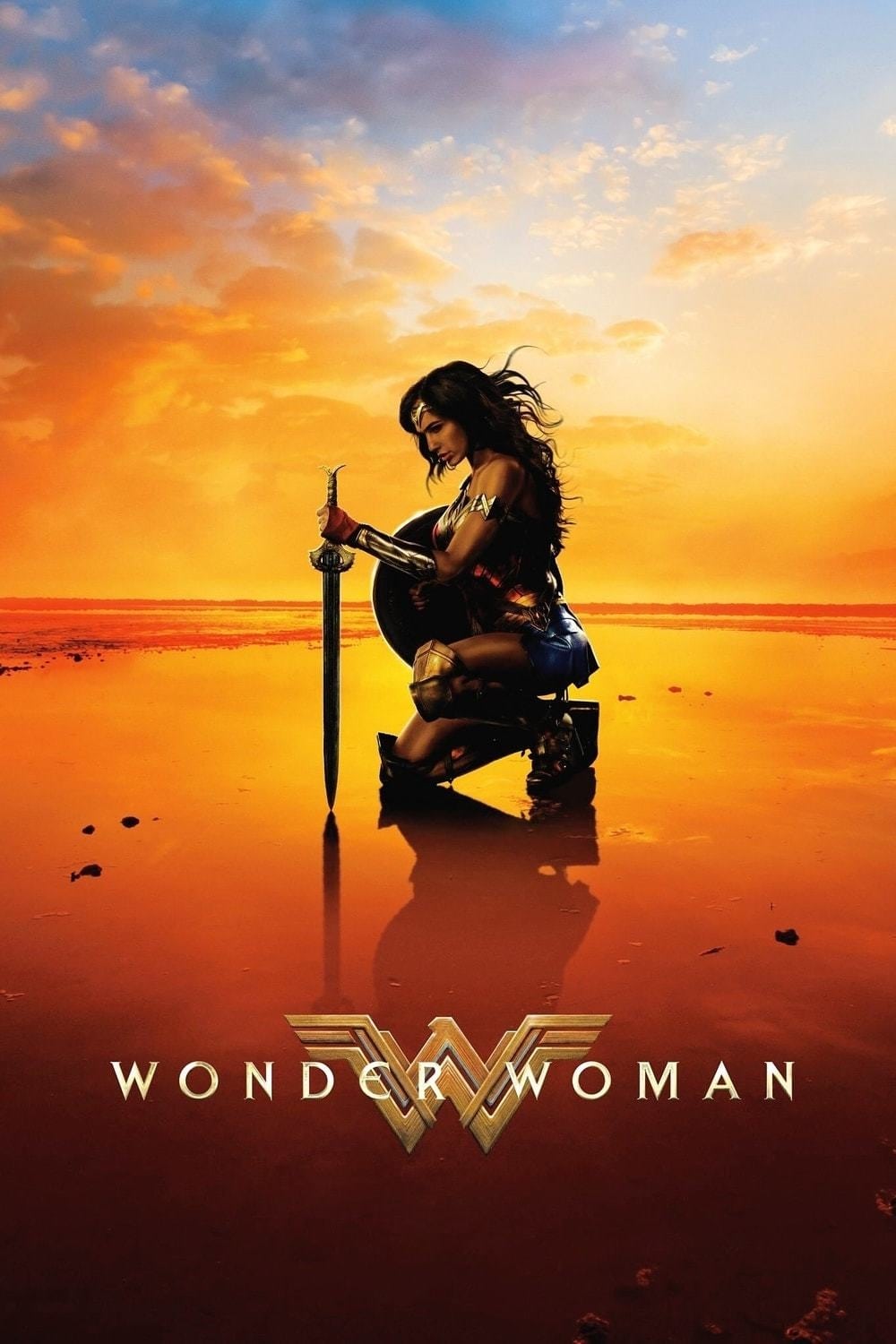
This World War I set origin centered compassion and heroism in a fresh way. The No Man’s Land sequence became a defining cinematic moment for the character. Its impact led to greater focus on women led superhero projects across studios. Warner Bros distributed it and supported a major new pillar for the brand.
‘Black Panther’ (2018)
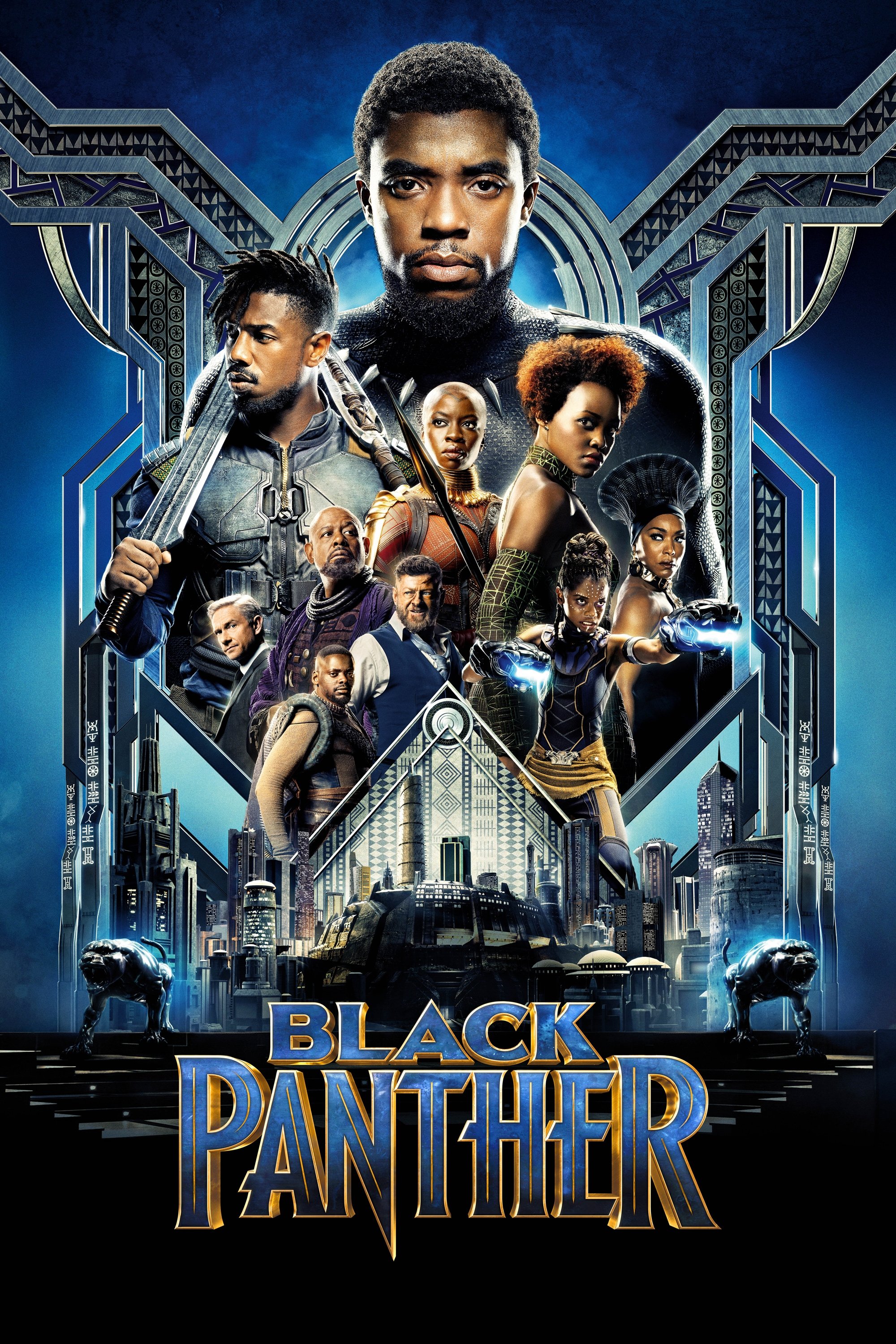
A richly realized fictional nation showcased culture, technology, and leadership on a grand scale. The film’s global success spurred wider conversations about representation and industry opportunity. Production design and costuming influenced fashion and design far beyond the screen. Disney released it worldwide and guided one of the era’s biggest cultural events.
‘Spider-Man: Into the Spider-Verse’ (2018)
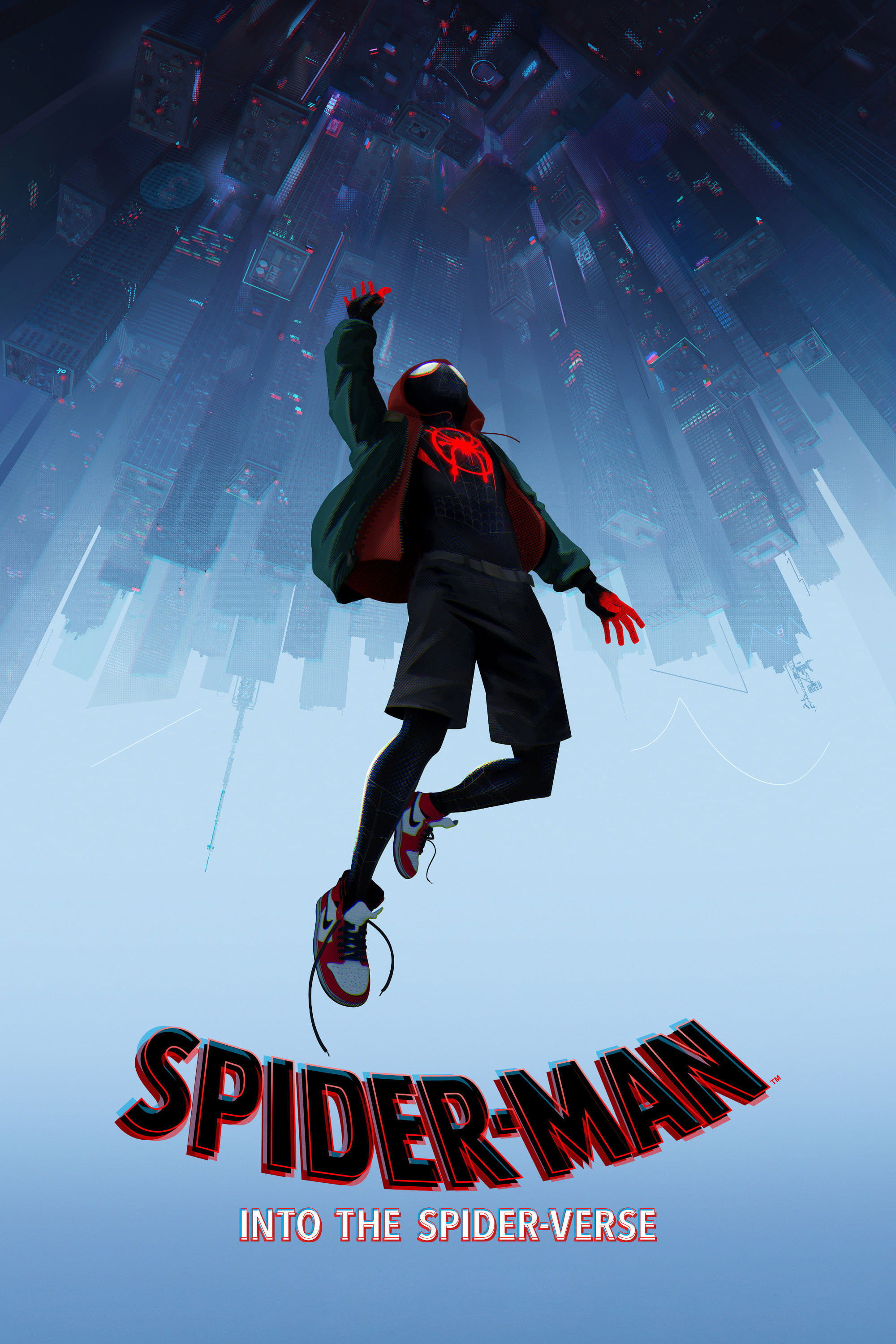
Innovative animation mixed comic book textures with frame rate experimentation for a fresh look. The multiverse concept introduced multiple Spider heroes while centering Miles Morales. Its style changed expectations for how animated action could feel and move. Sony Pictures Releasing brought it to theaters and helped make its aesthetic widely adopted.
‘Avengers: Endgame’ (2019)
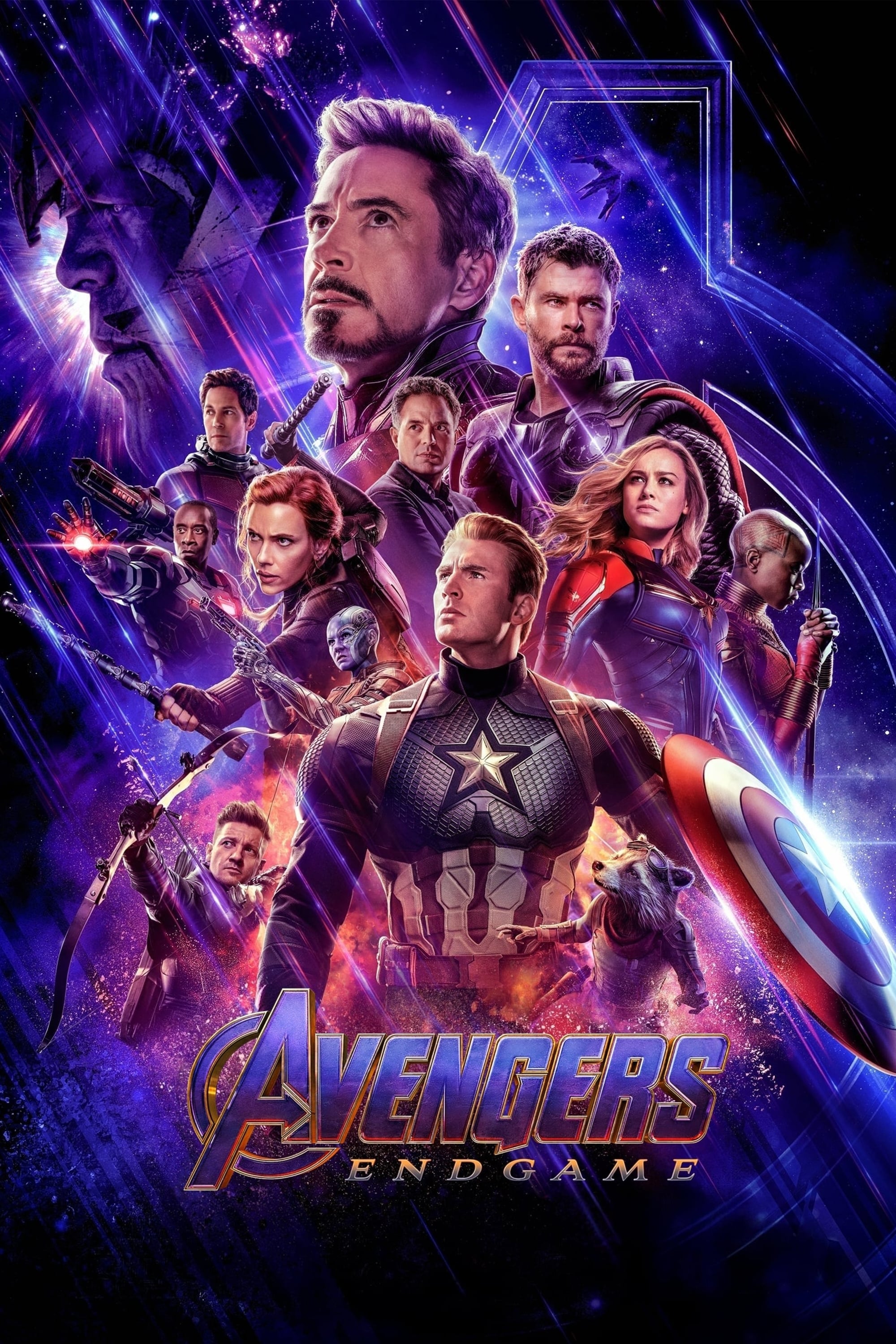
A twelve year story arc reached a culmination that connected dozens of characters and plotlines. The film balanced time travel mechanics with emotional payoffs for long time viewers. Its box office run set records and proved the durability of serialized storytelling. Disney distributed it worldwide and closed a historic cinematic chapter.
‘Joker’ (2019)
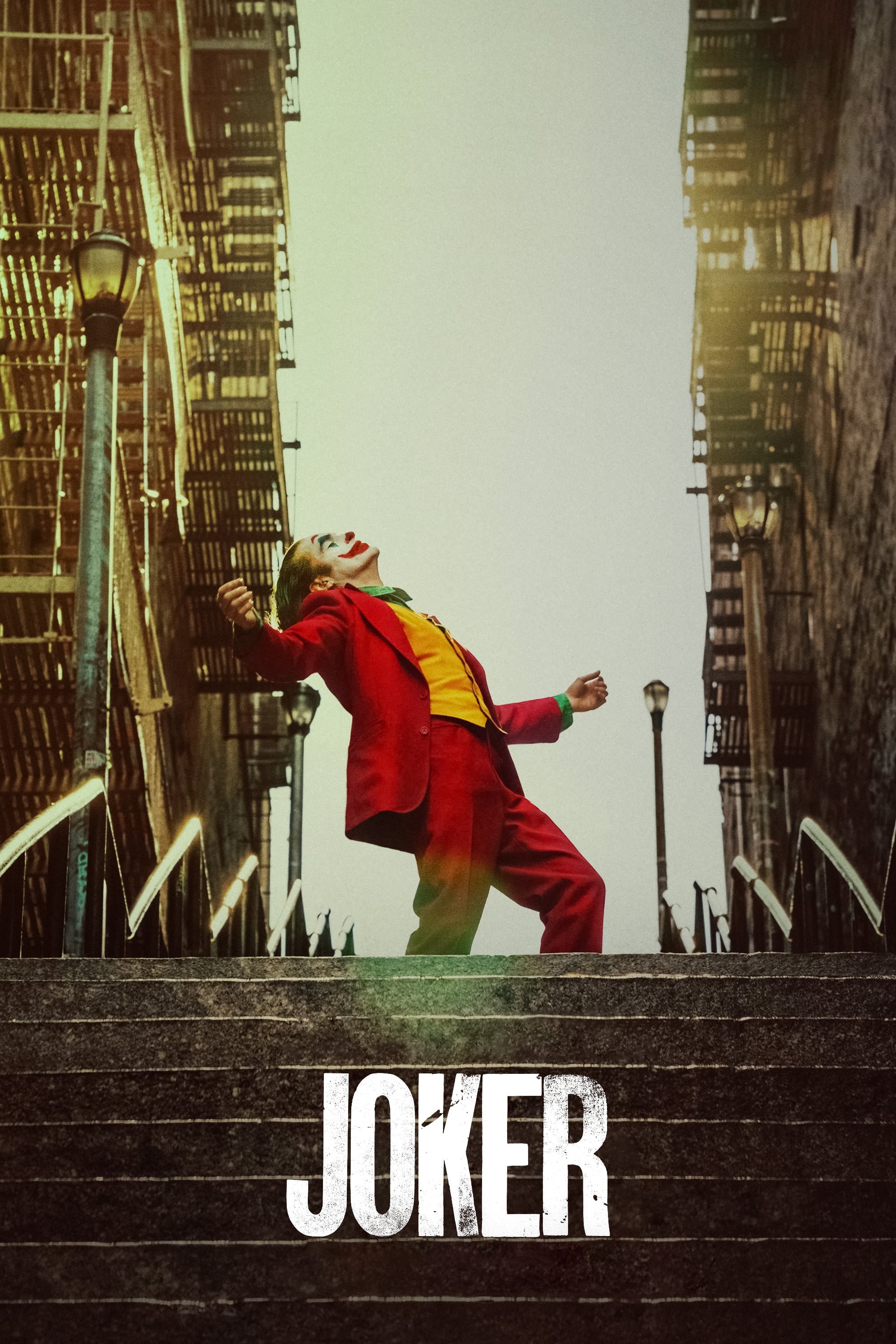
This character study presented a grounded origin that sat outside typical shared universe structures. The movie sparked debate about tone, influence, and standalone storytelling in the genre. Its awards run showed how comic book material could cross into arthouse acclaim. Warner Bros handled distribution and supported an unconventional approach to a famous figure.
‘Superman II’ (1980)
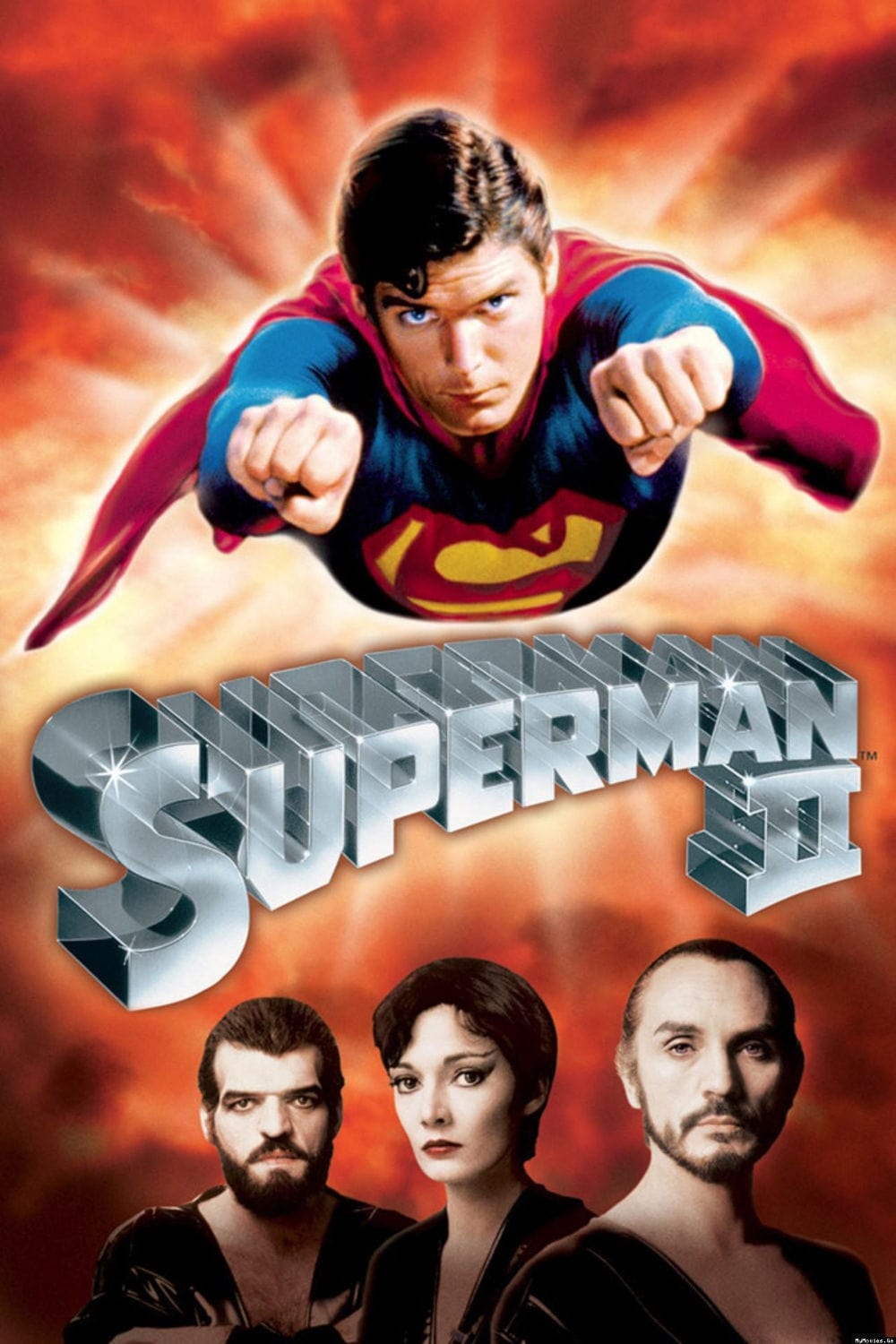
This sequel refined the balance of awe and character drama for big screen heroes. It popularized large scale superpowered battles in real world settings that later franchises would iterate on. The film’s villain trio helped standardize multi antagonist plotting in the genre. Warner Bros brought it to theaters and kept the momentum of a growing cinematic brand.
‘Batman Returns’ (1992)
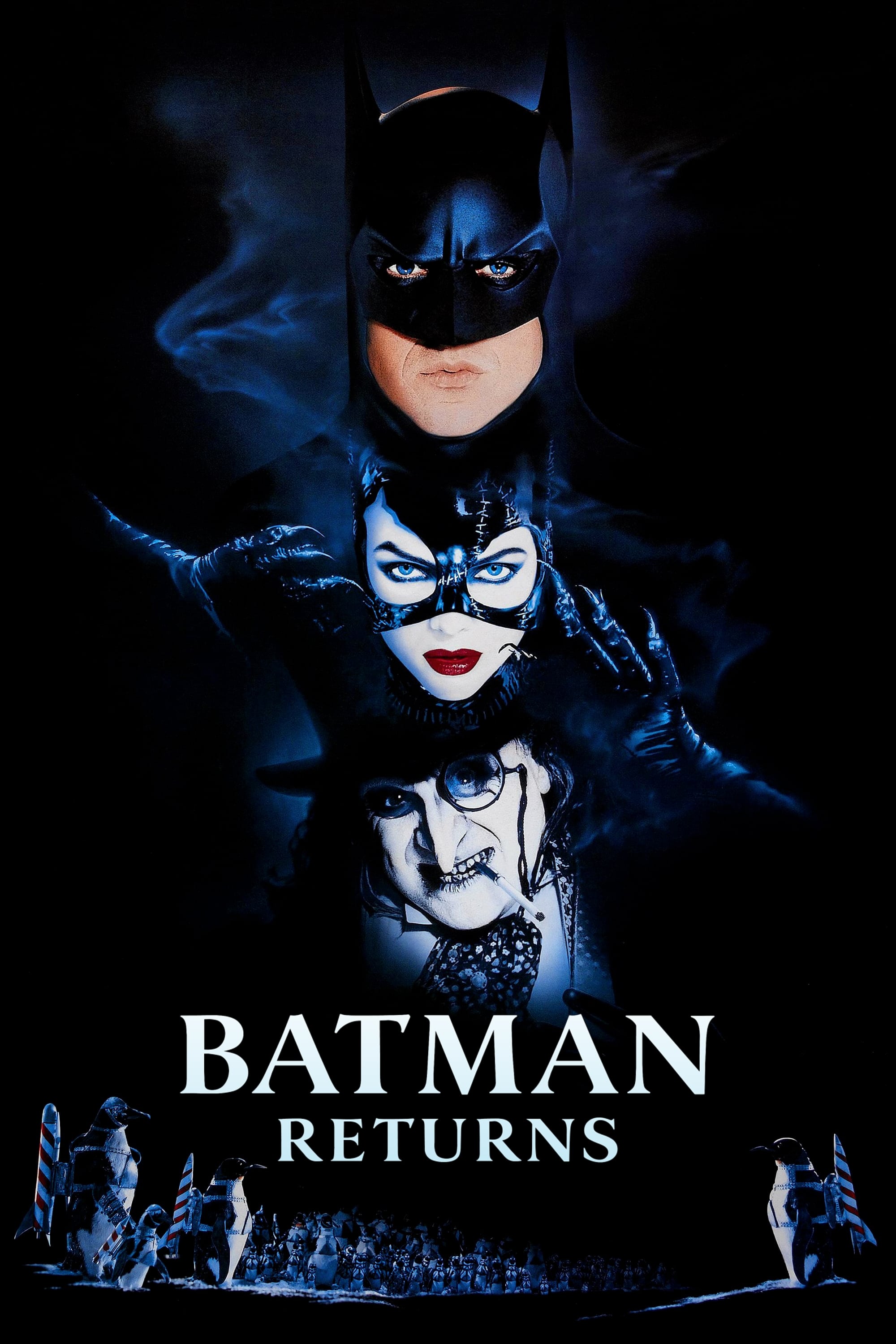
A darker winter set follow up expanded the idea that superhero worlds could sustain eccentric, auteur driven design. The production leaned into practical sets and expressive costuming that shaped later interpretations. Its holiday release window showed the genre could thrive beyond summer. Warner Bros handled distribution and turned the film into a major seasonal event.
‘The Mask’ (1994)
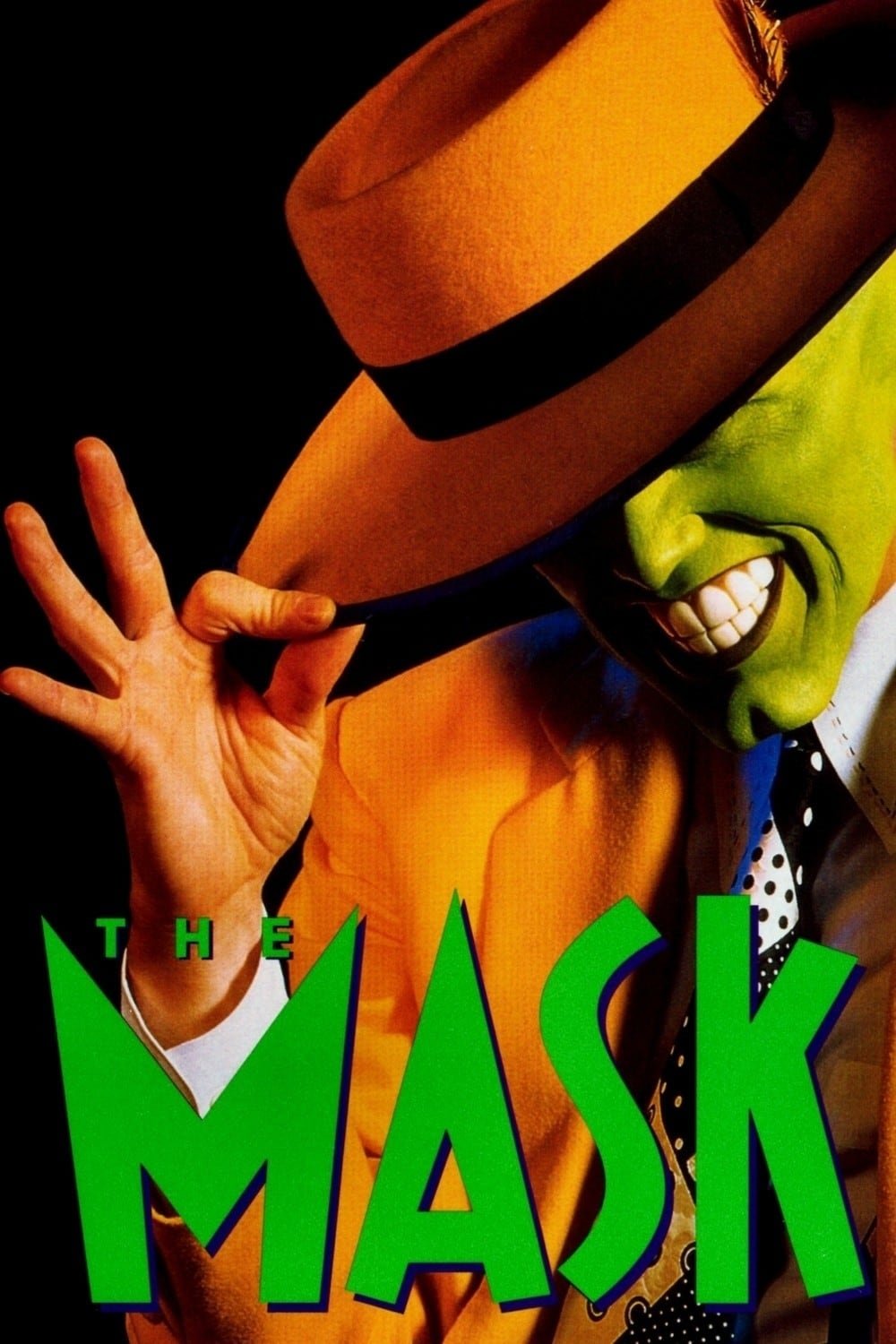
A hybrid of slapstick and comic fantasy pushed digital effects to support cartoon style action in live action. Its elastic transformations showed how VFX could drive character based comedy within superhero stories. The film helped studios see the potential in lighter tonal blends. New Line Cinema released it widely and found a broad audience for a nontraditional hero.
‘Spawn’ (1997)

A darker, independent comic adaptation introduced edgier imagery to mainstream superhero cinema. The visual effects and makeup design pursued a grittier supernatural aesthetic. The movie helped establish a pathway for creator owned properties on the big screen. New Line Cinema put it in theaters and expanded the field beyond marquee publishers.
‘Darkman’ (1990)
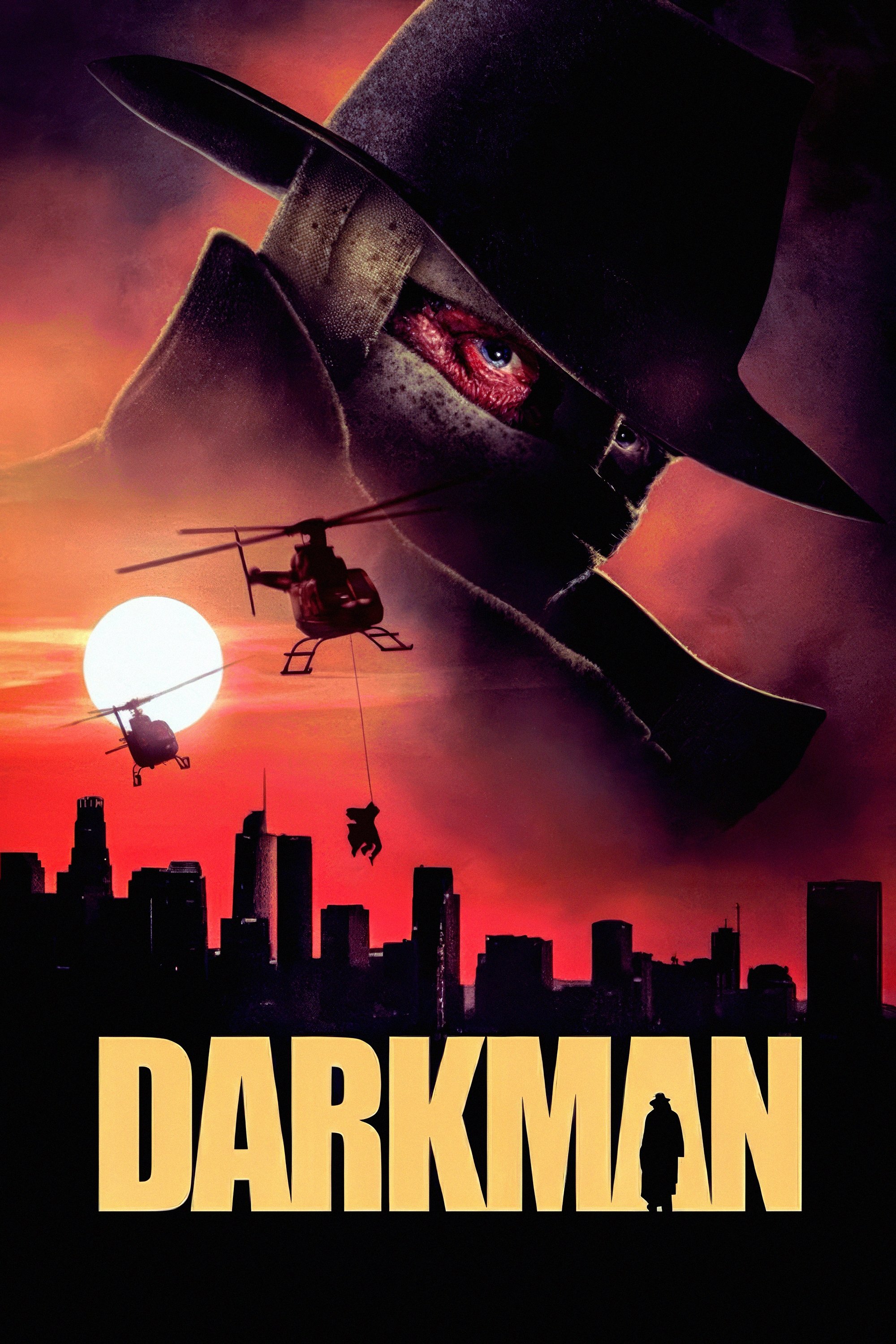
An original property leaned into pulp roots and practical stunt work to explore identity and revenge. The masked antihero approach influenced later films that mixed horror and heroism. Its success proved audiences were open to fresh superhero concepts outside existing brands. Universal Pictures distributed it and backed a bold genre experiment.
‘Teenage Mutant Ninja Turtles’ (1990)
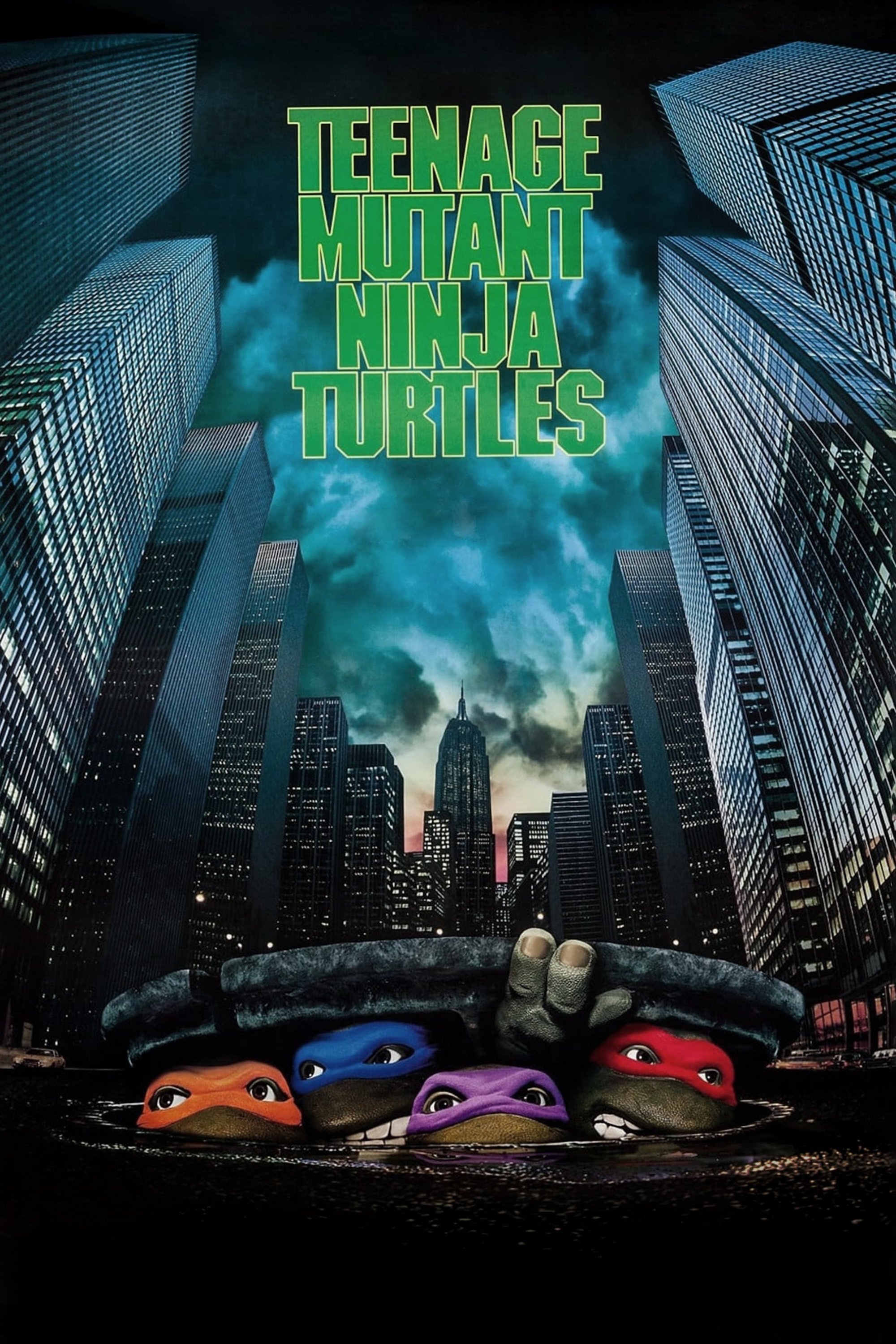
This adaptation fused martial arts, puppetry, and family friendly humor in a city level adventure. Its creature suits set a benchmark for tactile character effects in heroic stories. The film demonstrated the commercial reach of indie comic properties. New Line Cinema brought it to theaters and guided a robust franchise launch.
‘Hellboy’ (2004)
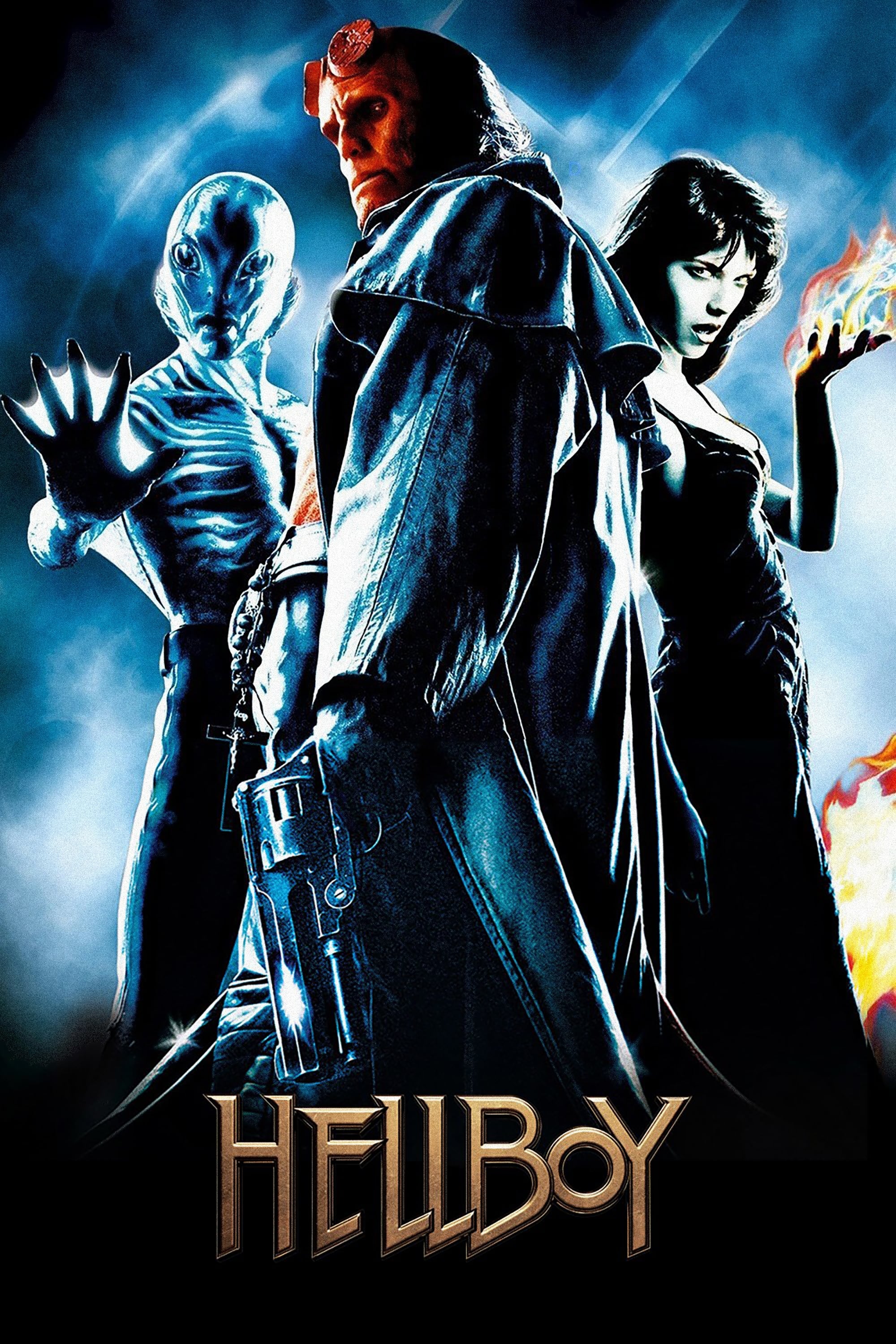
A visually distinctive world blended folklore, occult science, and team dynamics. Makeup and creature design emphasized practical craftsmanship alongside digital work. The adaptation showed that niche comics could translate with a strong creative voice. Sony Pictures Releasing handled the theatrical rollout and helped it connect with genre fans.
‘V for Vendetta’ (2005)
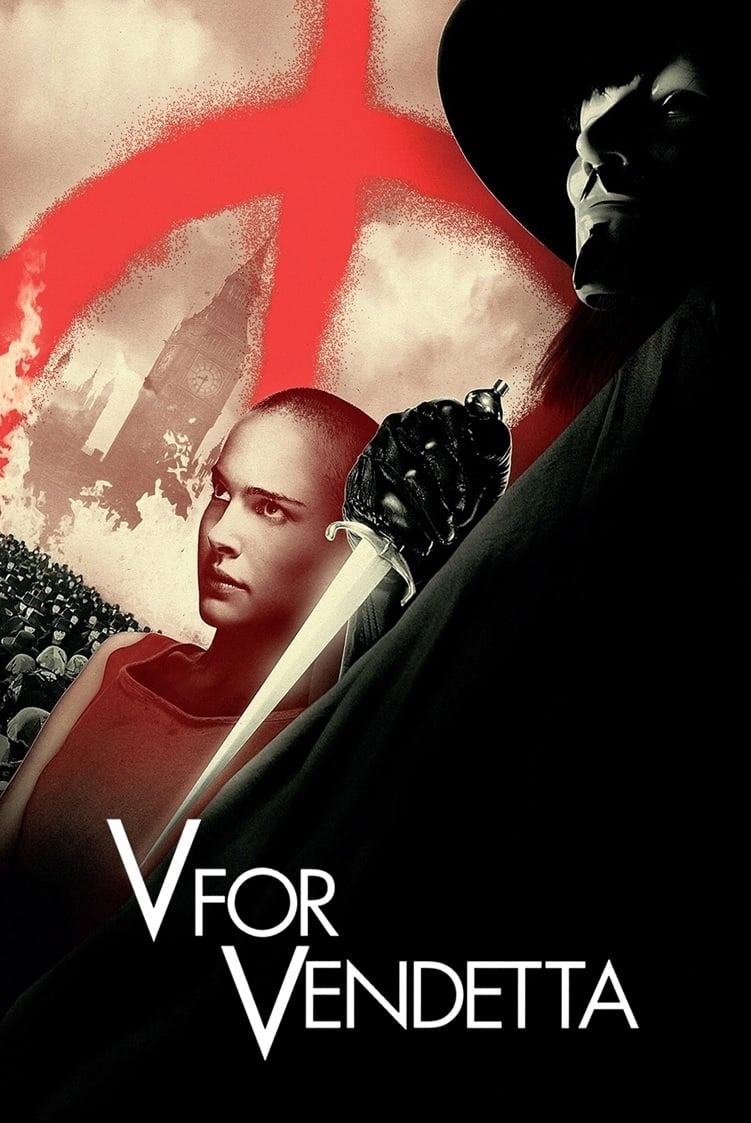
A dystopian narrative tied masks and symbolism to modern protest culture. The production’s emphasis on dialogue and ideology broadened the scope of superhero adjacent storytelling. Its iconography seeped into global discourse beyond cinema. Warner Bros managed distribution and supported a provocative, conversation driving release.
‘Thor’ (2011)
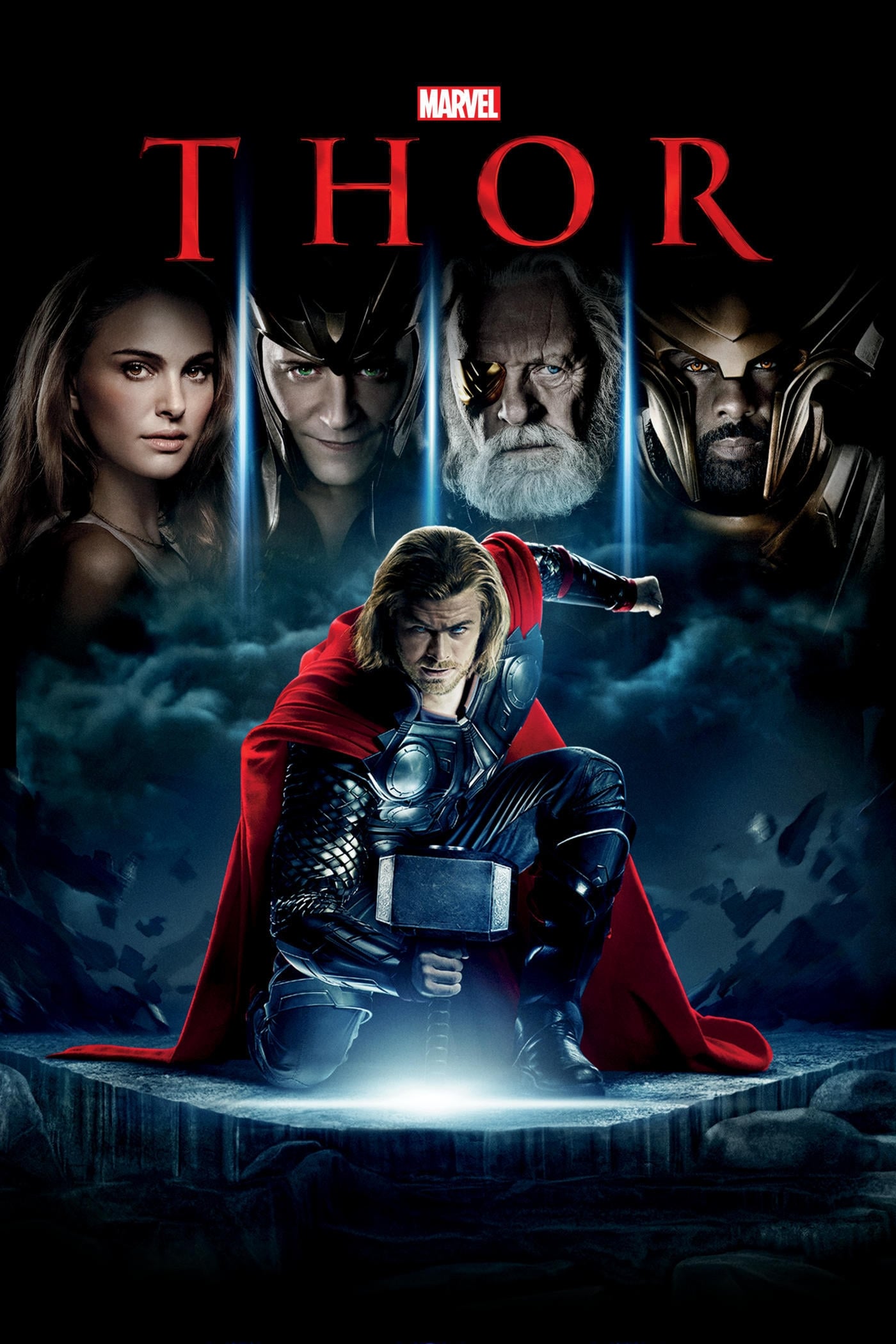
A mythic hero entered a shared universe with a mix of cosmic lore and grounded humor. The production bridged fantasy realms with small town character beats to make the world approachable. Its post credit connective tissue strengthened serialized planning across films. Paramount Pictures handled the theatrical release for Marvel Studios and expanded the universe’s reach.
‘The Amazing Spider-Man’ (2012)
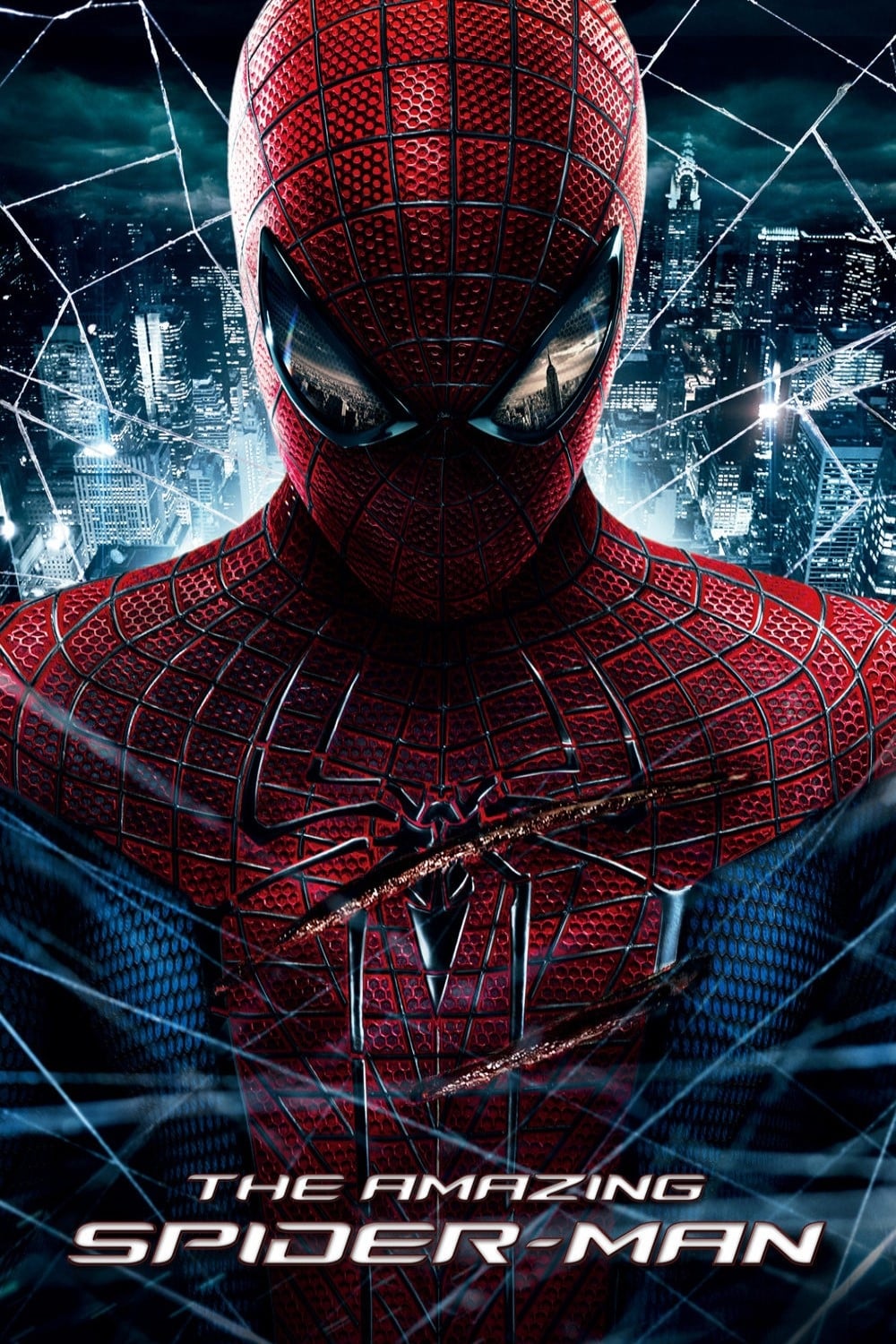
A reboot established a new tone with updated web tech and a focus on detective elements. The film refined first person web swinging that influenced later city traversal sequences. Its approach showed how quick reintroduction can refresh a flagship character for new viewers. Sony Pictures Releasing brought it to global theaters and reenergized a core franchise.
‘Dredd’ (2012)
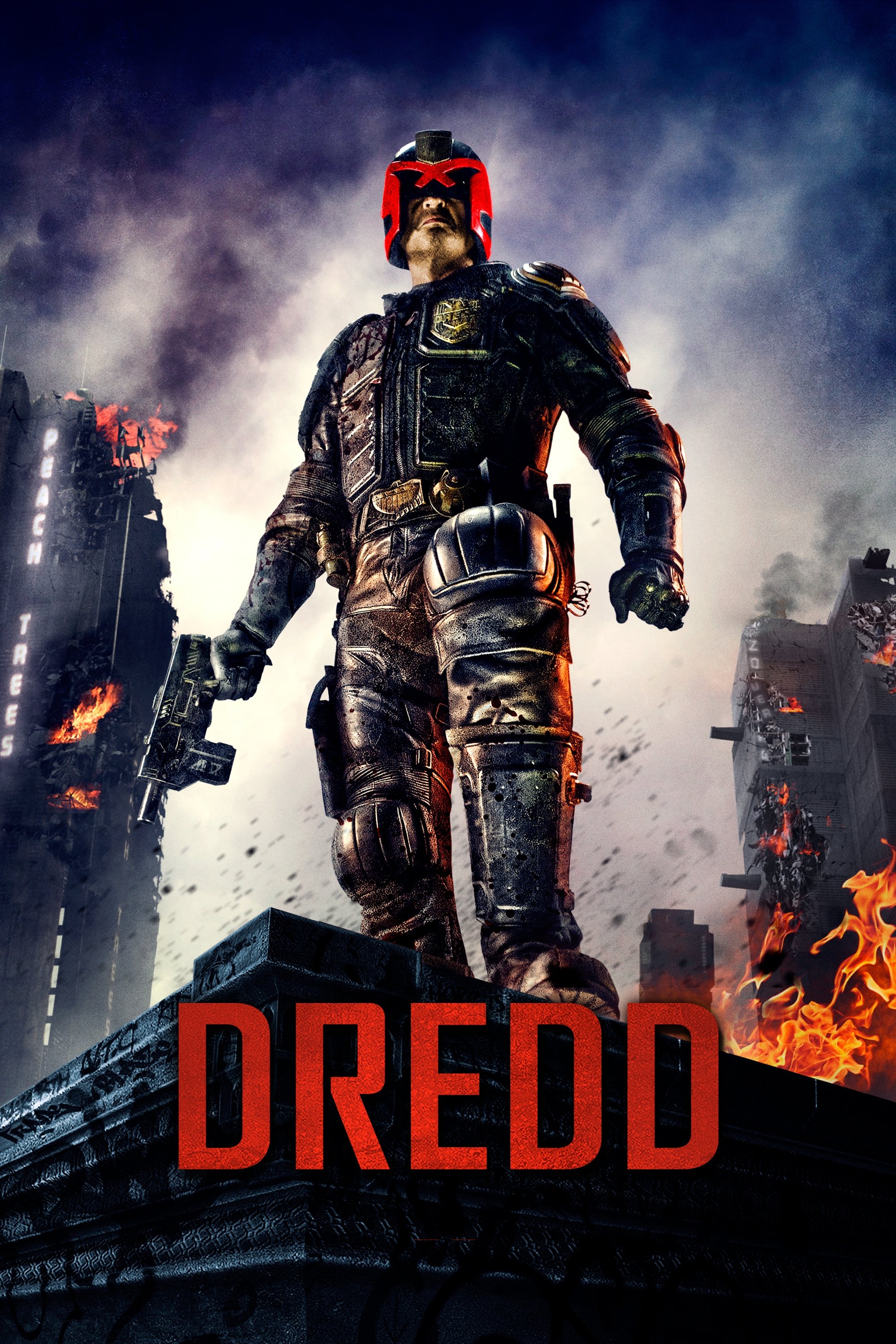
A focused, day in the life mission emphasized contained stakes and precise action design. Slow motion photography and urban scale world building created a distinct visual identity. The film’s home media surge highlighted alternative pathways to influence beyond initial box office. Lionsgate distributed it domestically and helped it find a durable following.
‘Aquaman’ (2018)
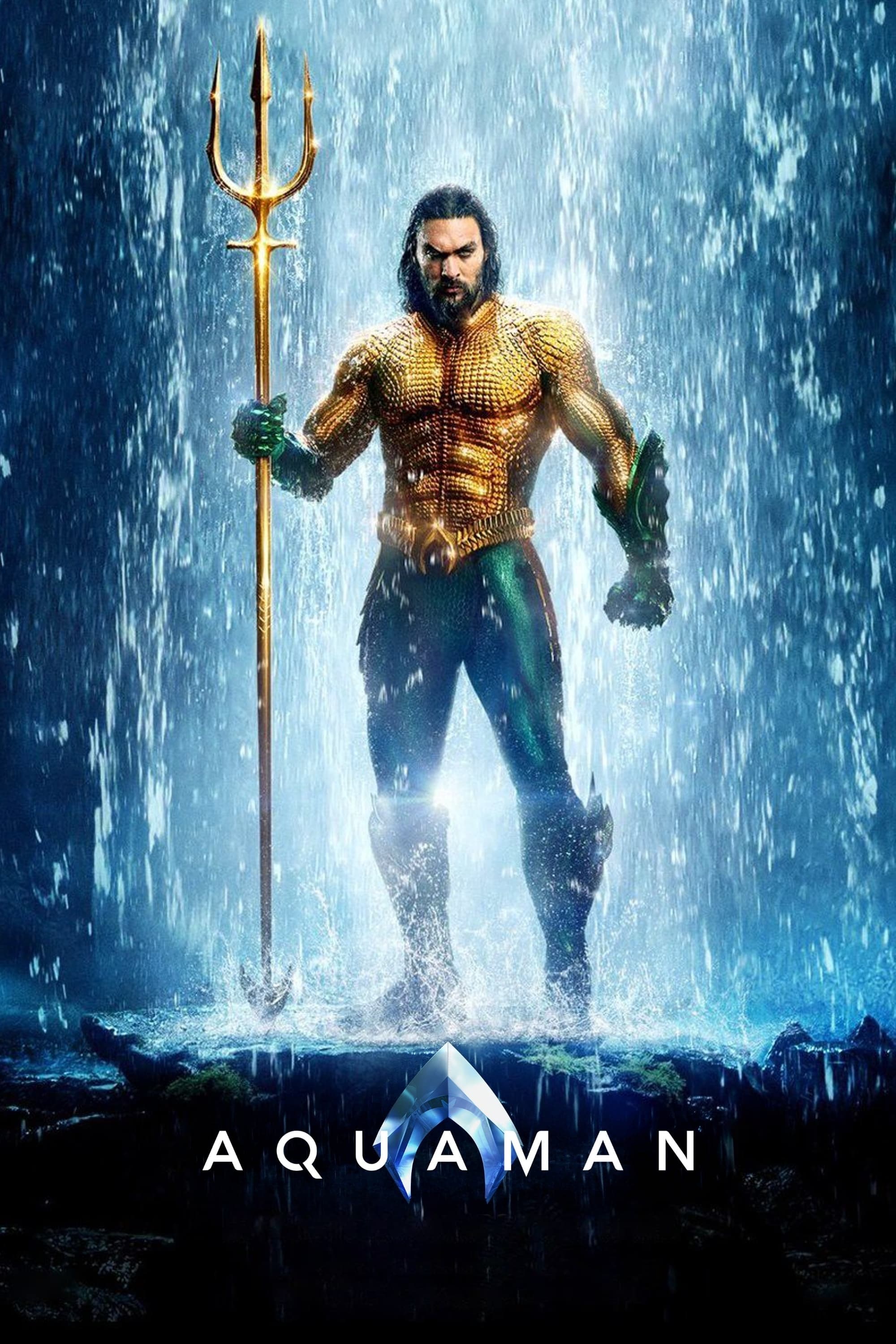
A globe spanning underwater adventure broadened the palette with bright production design and creature filled set pieces. The movie showcased how world building could harness digital environments without losing clarity. Its success demonstrated the appeal of standalone epics within larger continuities. Warner Bros distributed it worldwide and turned a lesser known hero into a top earner.
‘Shazam!’ (2019)
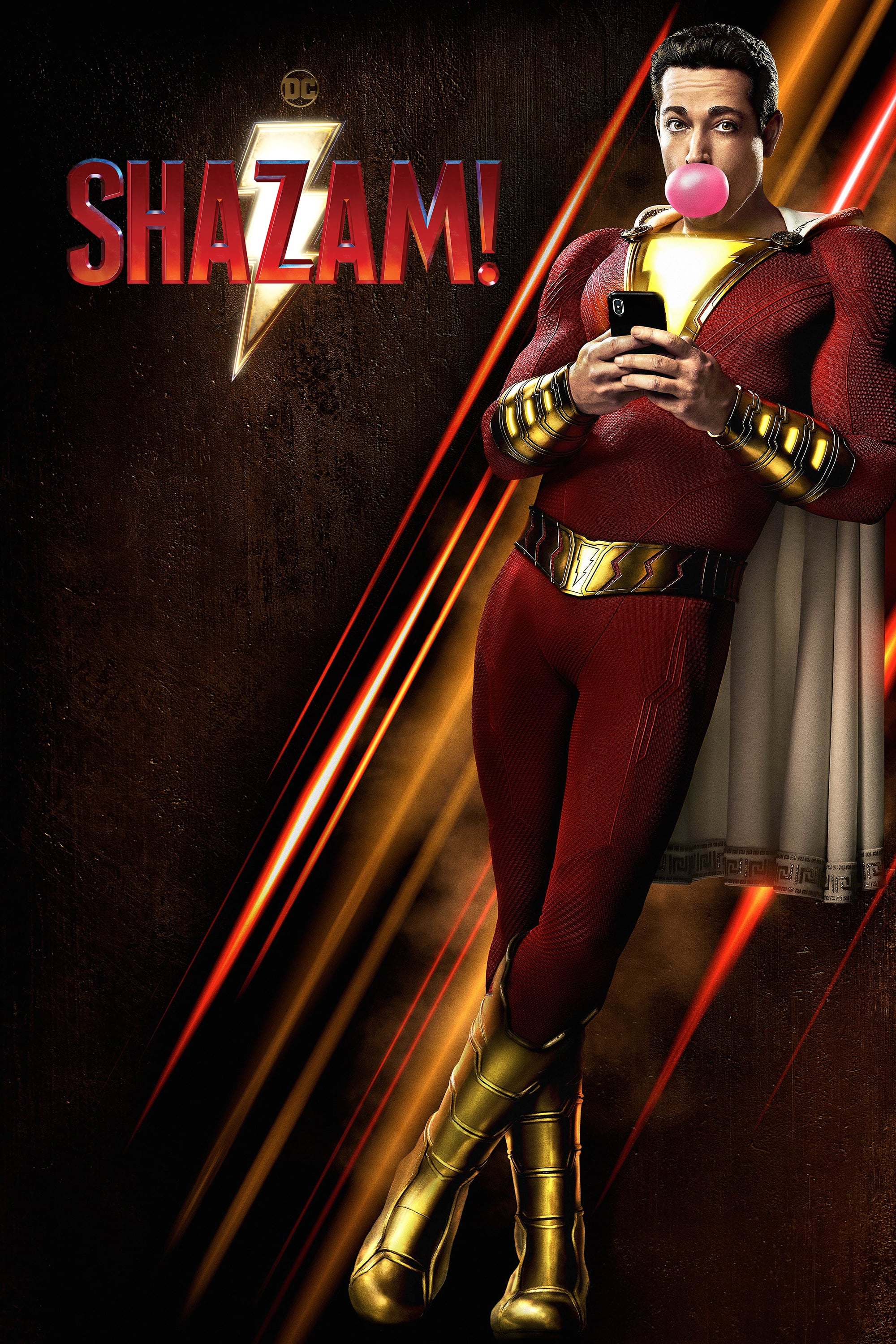
A foster family story placed everyday life at the center of superhero discovery. The film blended comedy with heartfelt themes around belonging and responsibility. Its modest scale proved mid budget entries could still feel fresh in a crowded field. Warner Bros handled the rollout and positioned it as a crowd pleaser within a heavier slate.
‘Doctor Strange’ (2016)
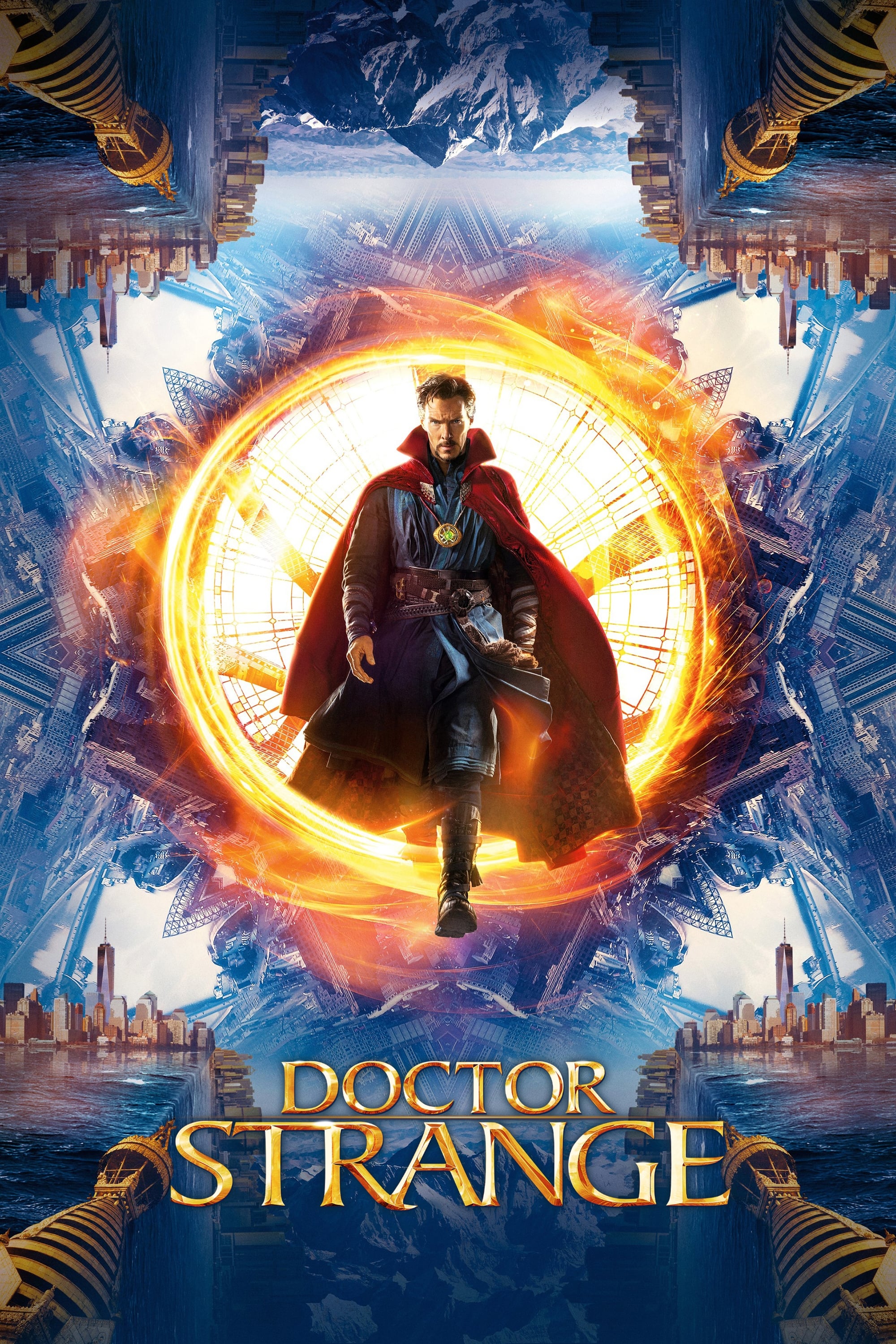
A focus on mystical arts introduced kaleidoscopic visuals and reality bending set pieces. The film expanded the genre’s toolkit with elaborate mirror world choreography. It also opened doors for cross dimensional storytelling used in later team ups. Disney released it globally and helped fold magic into a tech heavy universe.
‘The Batman’ (2022)
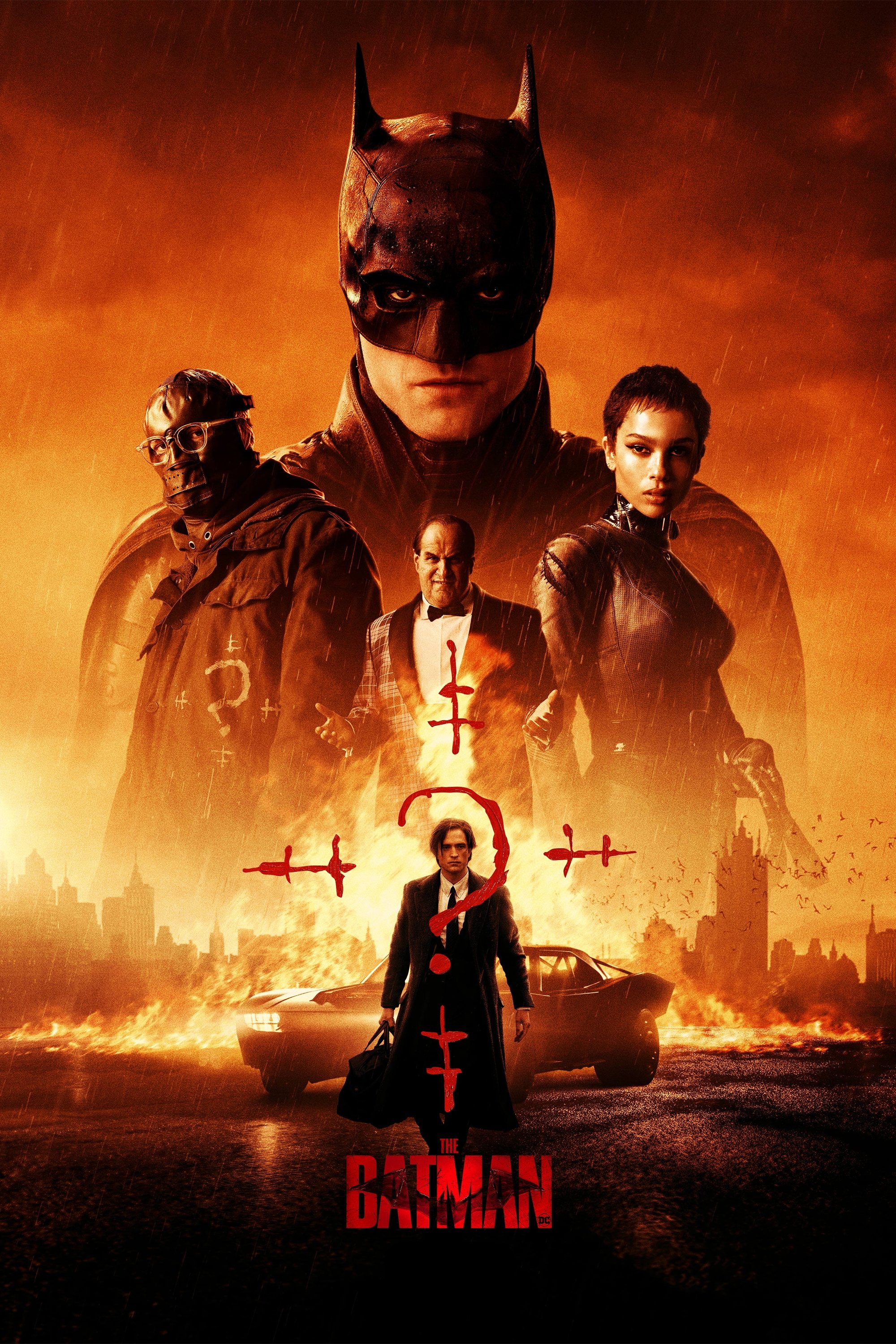
A detective driven narrative leaned into noir procedures and grounded investigation. The production emphasized practical effects, in camera lighting, and long takes to build atmosphere. Its approach reinforced the flexibility of iconic characters to support new subgenres. Warner Bros distributed it and supported a cinematic reset that connected with both new and longtime viewers.
Share your own picks for influential superhero films in the comments and tell us which ones changed the genre for you.

