


The Most Influential TV Shows of the 1980s

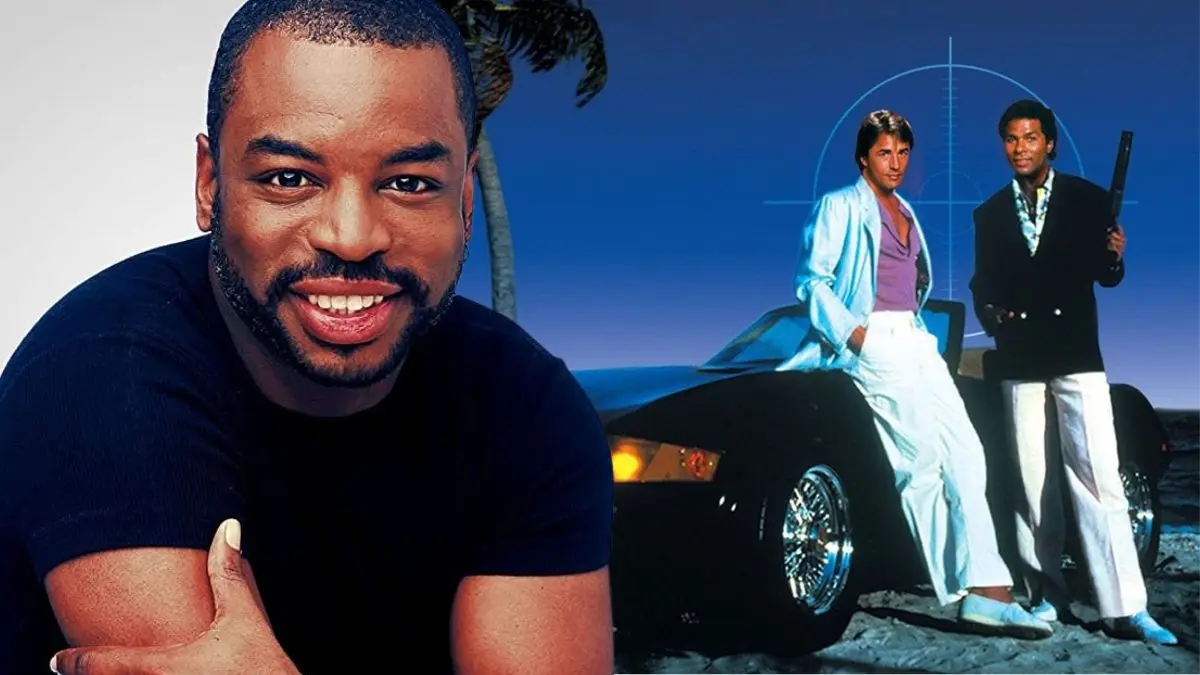


The 1980s reshaped television with shows that redefined comedy, drama, animation, and talk formats, and many of their innovations still guide how series are made and watched today. From pioneering ensemble casts to cinematic storytelling and merch-ready cartoons, these programs set templates for ratings success and creative risk. They also built devoted fan communities that followed characters across spin-offs, syndication, and global markets. Here are the shows that moved the medium forward and left a clear blueprint for what came next.
‘The Cosby Show’ (1984–1992)
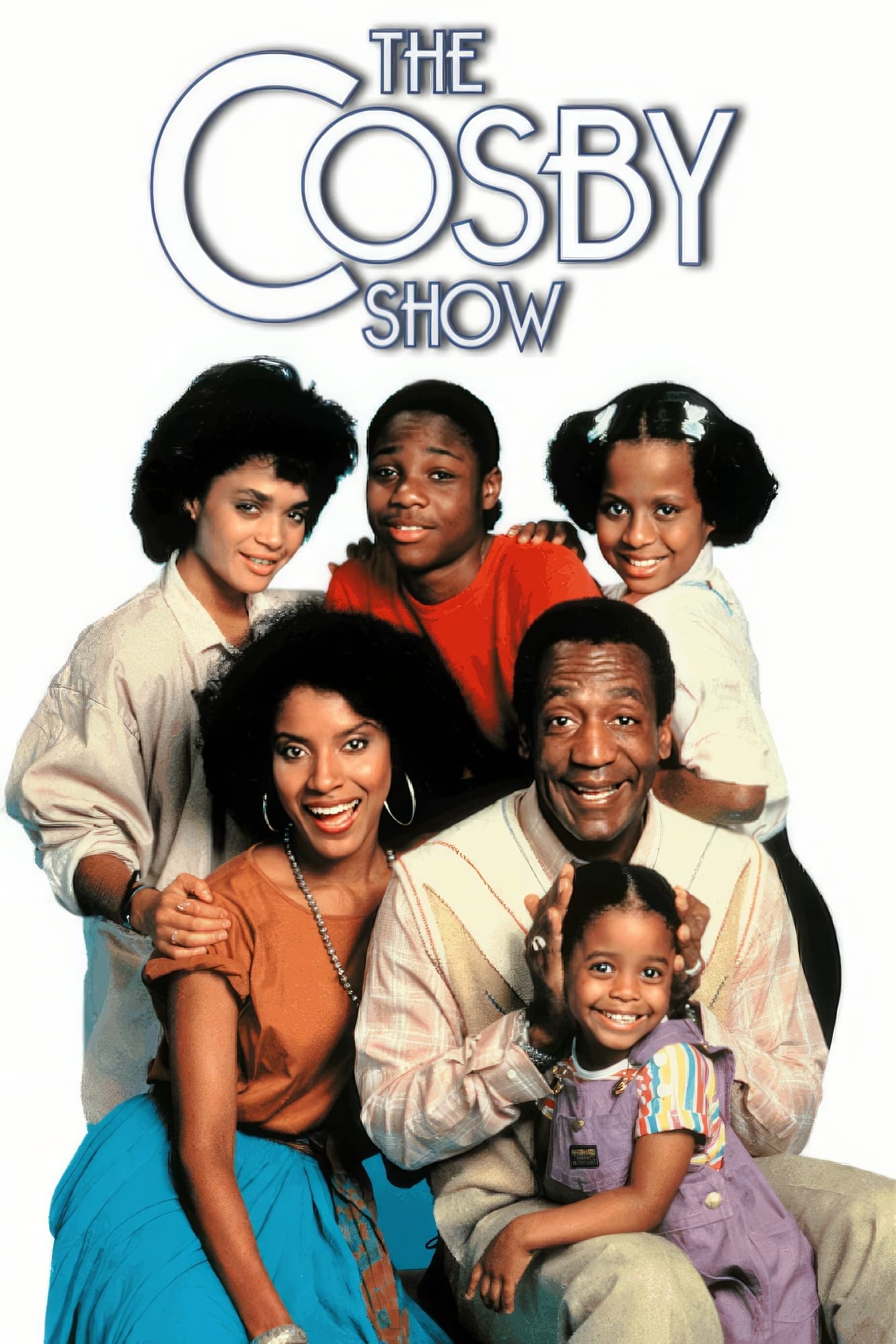
This sitcom revitalized the traditional family comedy with a focus on education, career, and multigenerational dynamics. It consistently topped weekly ratings and helped lift its entire night of programming. The show’s success opened doors for casts led by Black families in prime time. It anchored NBC’s schedule and fueled a broader surge in the network’s fortunes.
‘Cheers’ (1982–1993)
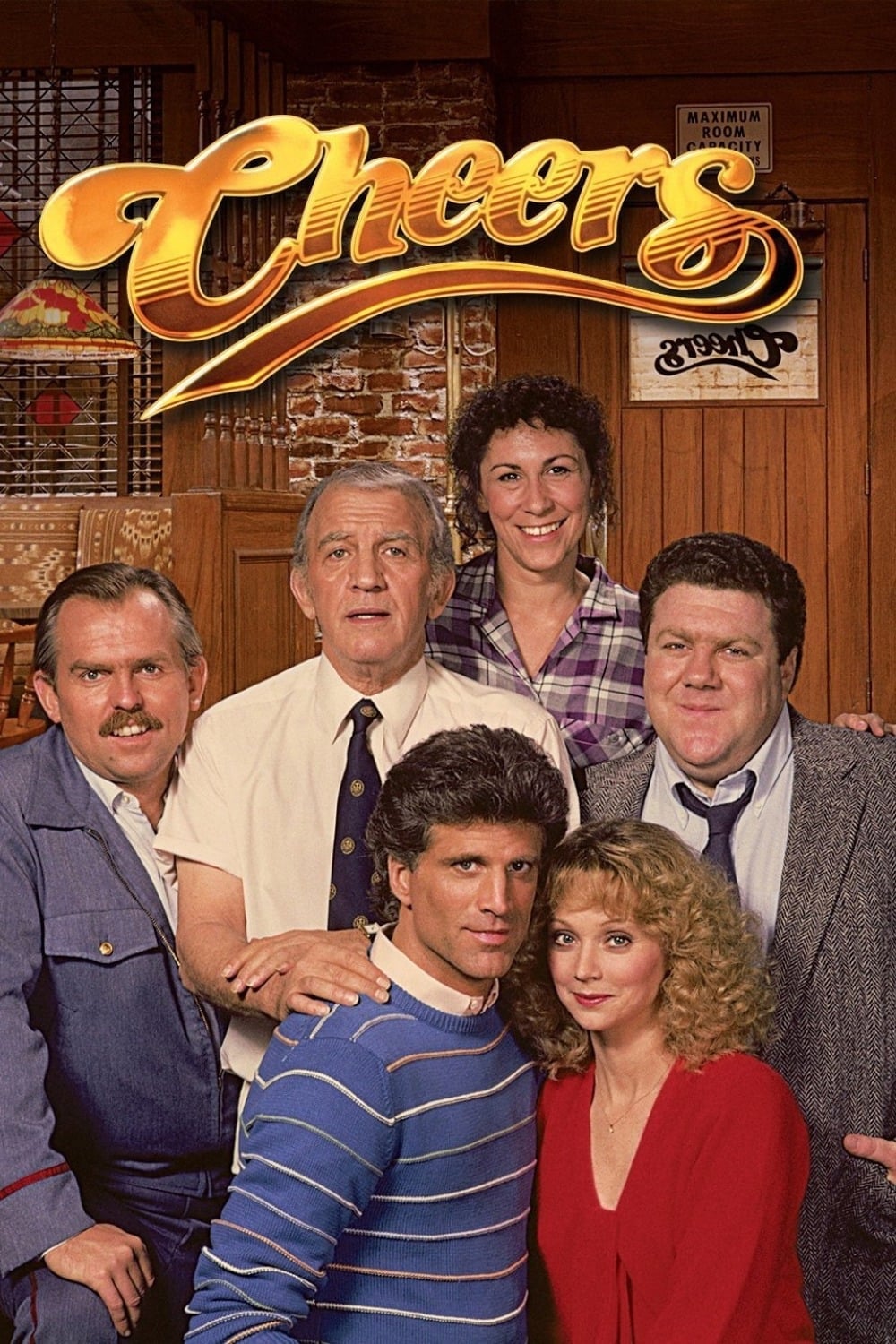
Set in a Boston bar with a tightly written ensemble, this series popularized character-driven humor built around workplace camaraderie. It expanded the use of serialized relationships that viewers followed week to week. The show also spun off additional hits that extended its universe. It became a signature part of NBC’s comedy identity.
‘Miami Vice’ (1984–1990)
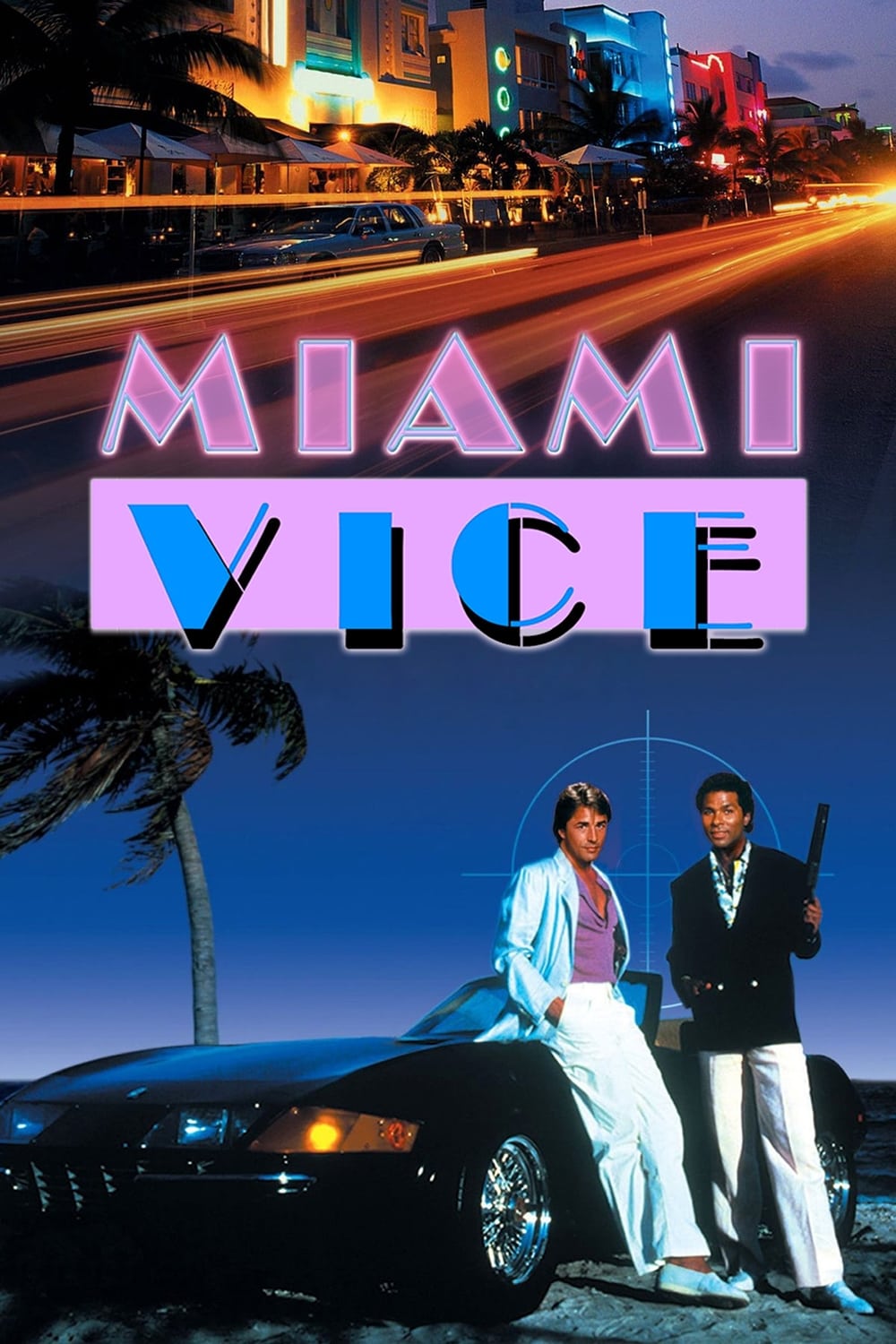
This crime drama integrated contemporary music, fashion, and location shooting to create a distinct visual style. It influenced how television used pop songs as storytelling elements and helped normalize music video aesthetics on weekly series. The show boosted soundtrack sales and cross-promotions for artists. It was a high-profile cornerstone of NBC’s action lineup.
‘Hill Street Blues’ (1981–1987)
This police drama advanced serialized arcs, overlapping storylines, and naturalistic camerawork. It proved audiences would follow complex narratives that rewarded long-term viewing. Its ensemble model became a template for later prestige dramas. The series was a critical engine for NBC and shaped expectations for the modern procedural.
‘The Simpsons’ (1989–present)
This animated sitcom brought prime-time animation back to mainstream popularity and expanded what television comedy could satirize. It built a universe of recurring townspeople and layered jokes that encouraged rewatching. The franchise grew into movies, merchandise, and international syndication. It launched as a breakthrough for Fox and remains a defining part of the network’s brand.
‘The Golden Girls’ (1985–1992)
This multi-camera comedy centered mature women and tackled topical subjects through sharp, character-first writing. It demonstrated the drawing power of seasoned leads and friendships outside the usual family or workplace setup. The series generated successful spin-offs and enduring rerun performance. It was a flagship title for NBC’s weekend slate.
‘Murder, She Wrote’ (1984–1996)
This mystery series established a reliable case-of-the-week format anchored by a bestselling author turned sleuth. It attracted a broad cross-generational audience and traveled well in syndication. Its structure made it a staple for reruns and international markets. It was a long-running tentpole for CBS.
‘St. Elsewhere’ (1982–1988)
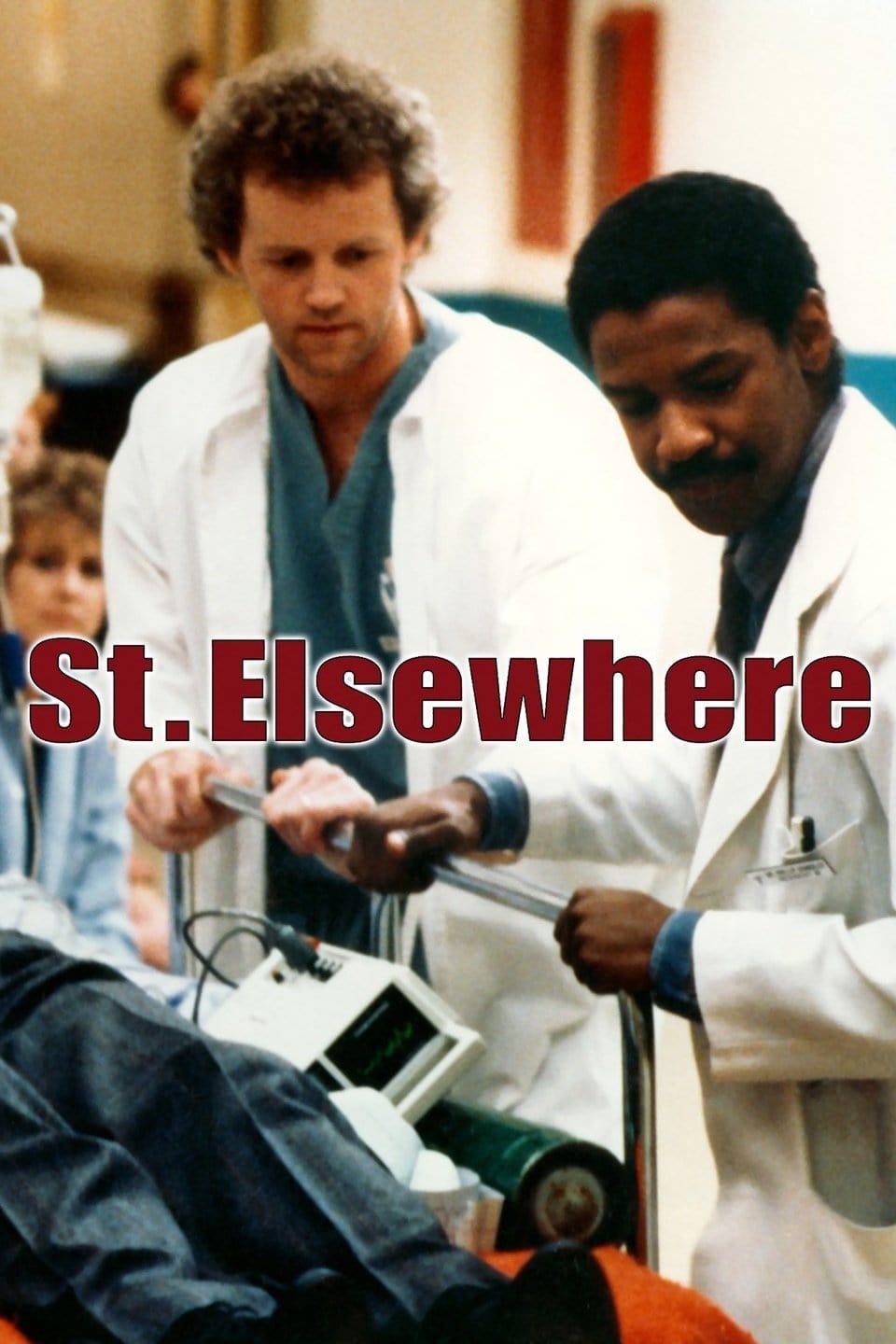
This hospital drama embraced experimental storytelling, crossovers, and a densely interwoven cast. It helped set expectations for medical series that balance personal arcs with ethical dilemmas. The finale became one of television’s most discussed endings. It served as an influential prestige drama for NBC.
‘L.A. Law’ (1986–1994)
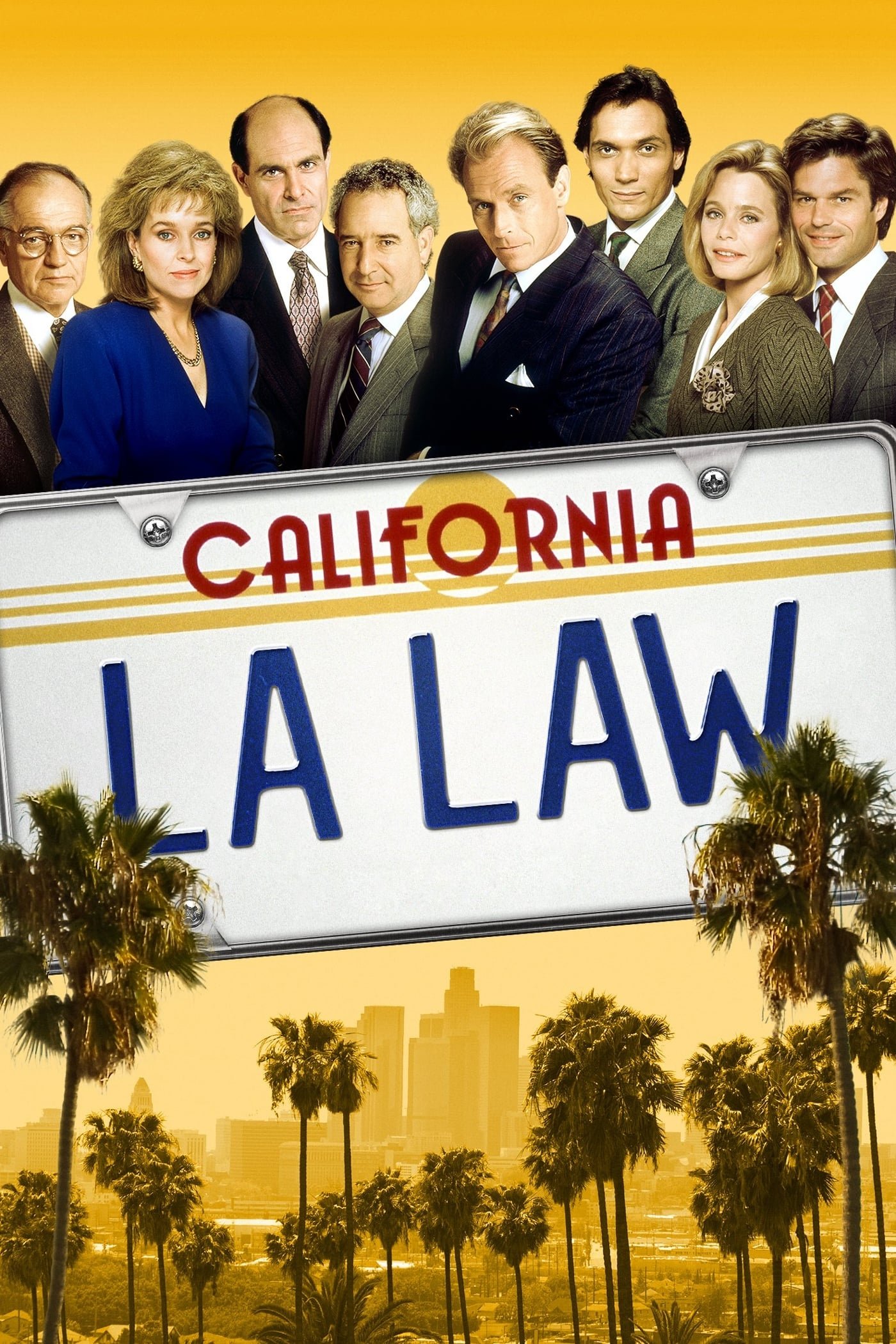
This legal series blended headline-inspired cases with serialized office politics and personal lives. It broadened interest in the legal procedural by balancing casework with character arcs. The show boosted the profile of the genre across prime time. It strengthened NBC’s slate of upscale dramas.
‘Moonlighting’ (1985–1989)
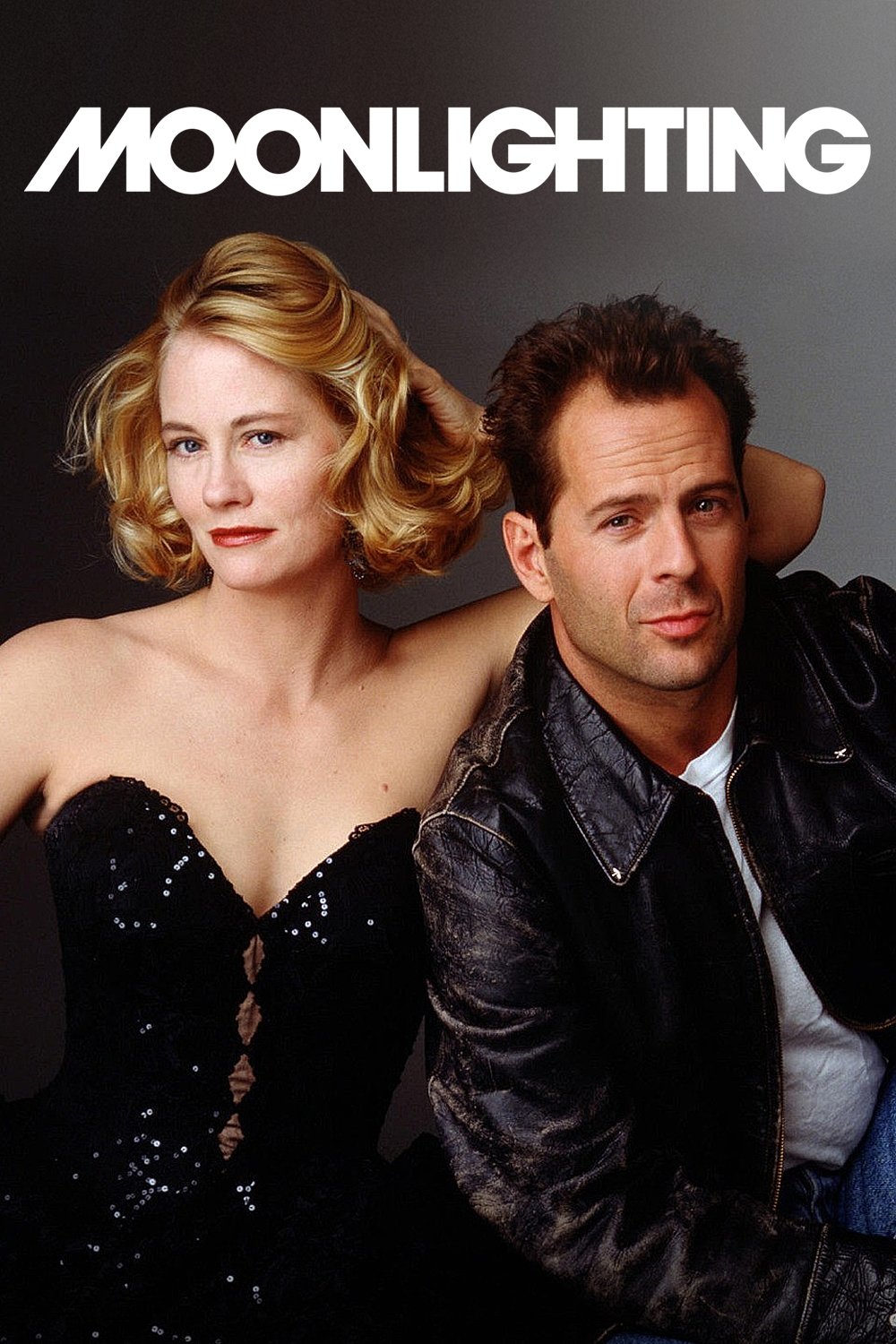
This detective show mixed romantic tension, rapid-fire dialogue, and fourth-wall experiments. It proved that stylistic risk and genre blending could thrive in a weekly format. The series influenced later dramedies that play with tone and structure. It stood out as a bold entry on ABC.
‘Magnum, P.I.’ (1980–1988)
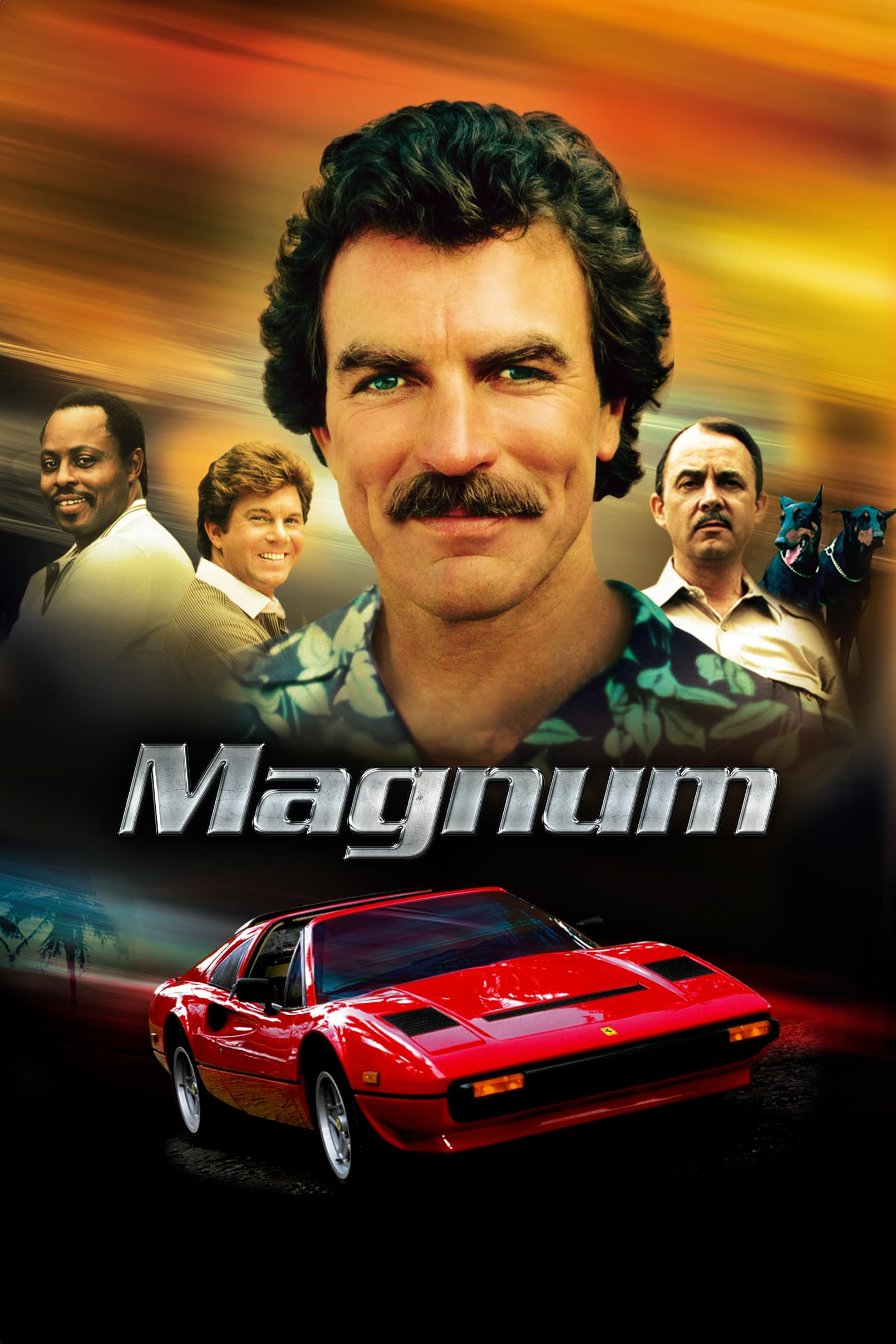
This action drama popularized a lighter take on detective work with ongoing character relationships and Hawaii location shoots. It balanced standalone cases with recurring villains and allies. The show established a stable formula for rewatchable syndication. It was a marquee attraction for CBS.
‘The A-Team’ (1983–1987)
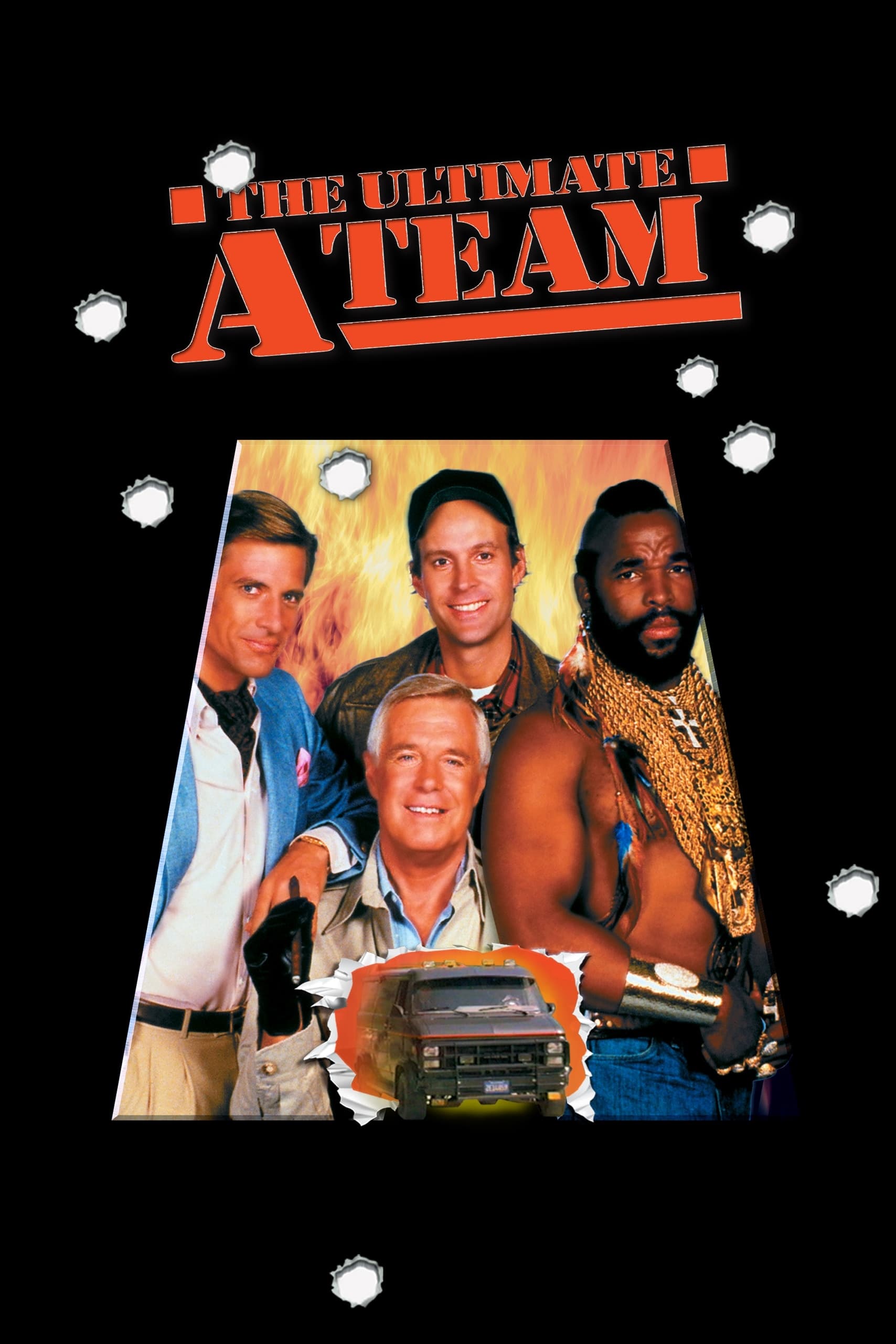
This series delivered team-based missions, signature catchphrases, and vehicular set pieces that appealed to younger and family audiences. It fostered a strong merchandising presence and repeatable episode structure. The format proved adaptable for reruns and international sales. It provided a high-energy anchor for NBC.
‘Knight Rider’ (1982–1986)

This action show paired a lone hero with an AI-equipped car and made technology the weekly hook. It spurred toy lines and licensed products tied to its gadgetry. The concept demonstrated the draw of tech-forward storytelling in prime time. It was a recognizable fixture of NBC’s schedule.
‘The Wonder Years’ (1988–1993)
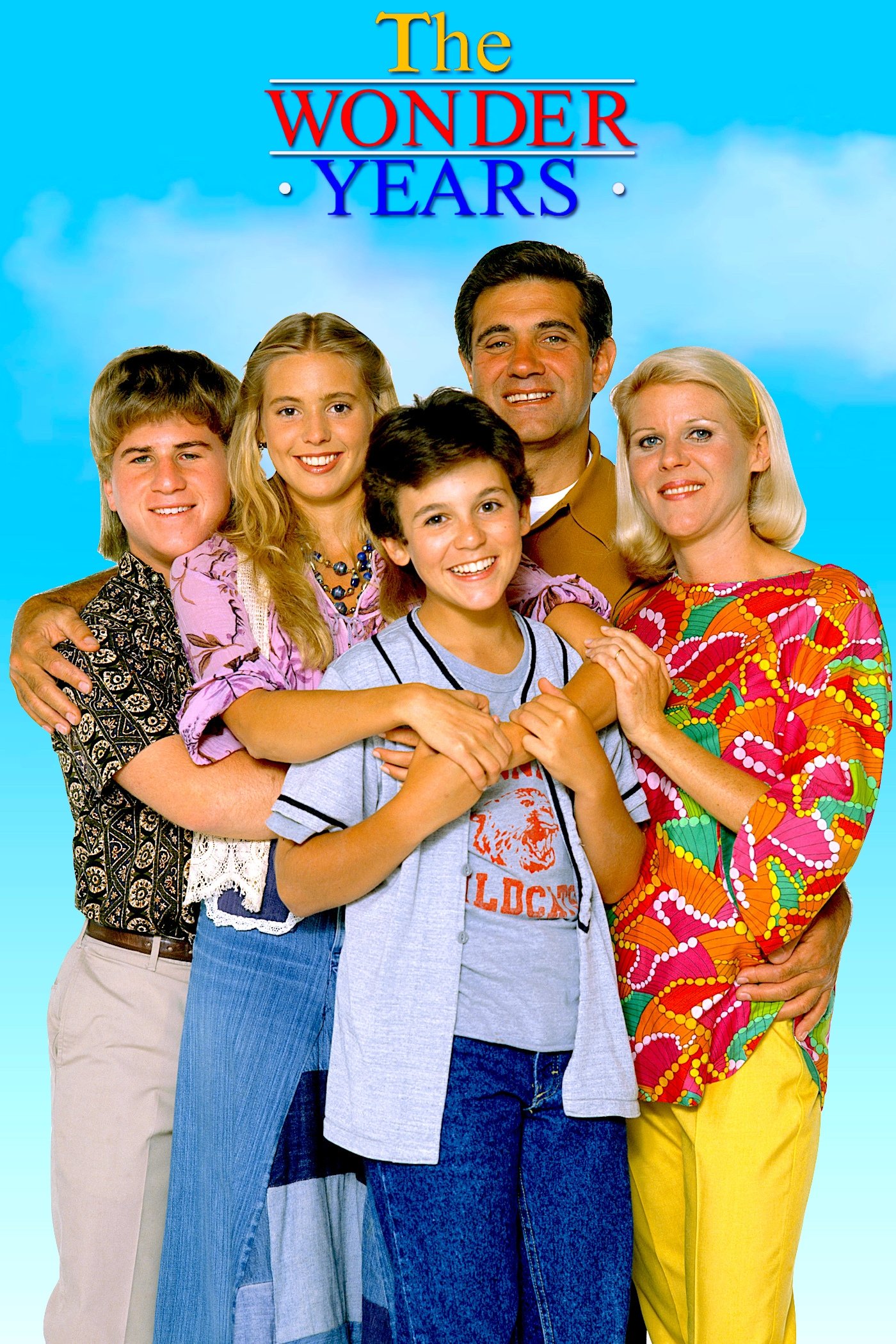
This coming-of-age dramedy used narration and period detail to tell intimate stories with a documentary feel. It showed how memory and voiceover could frame episodic arcs with emotional clarity. The approach became a model for later nostalgic series. It was a standout for ABC.
‘Family Ties’ (1982–1989)
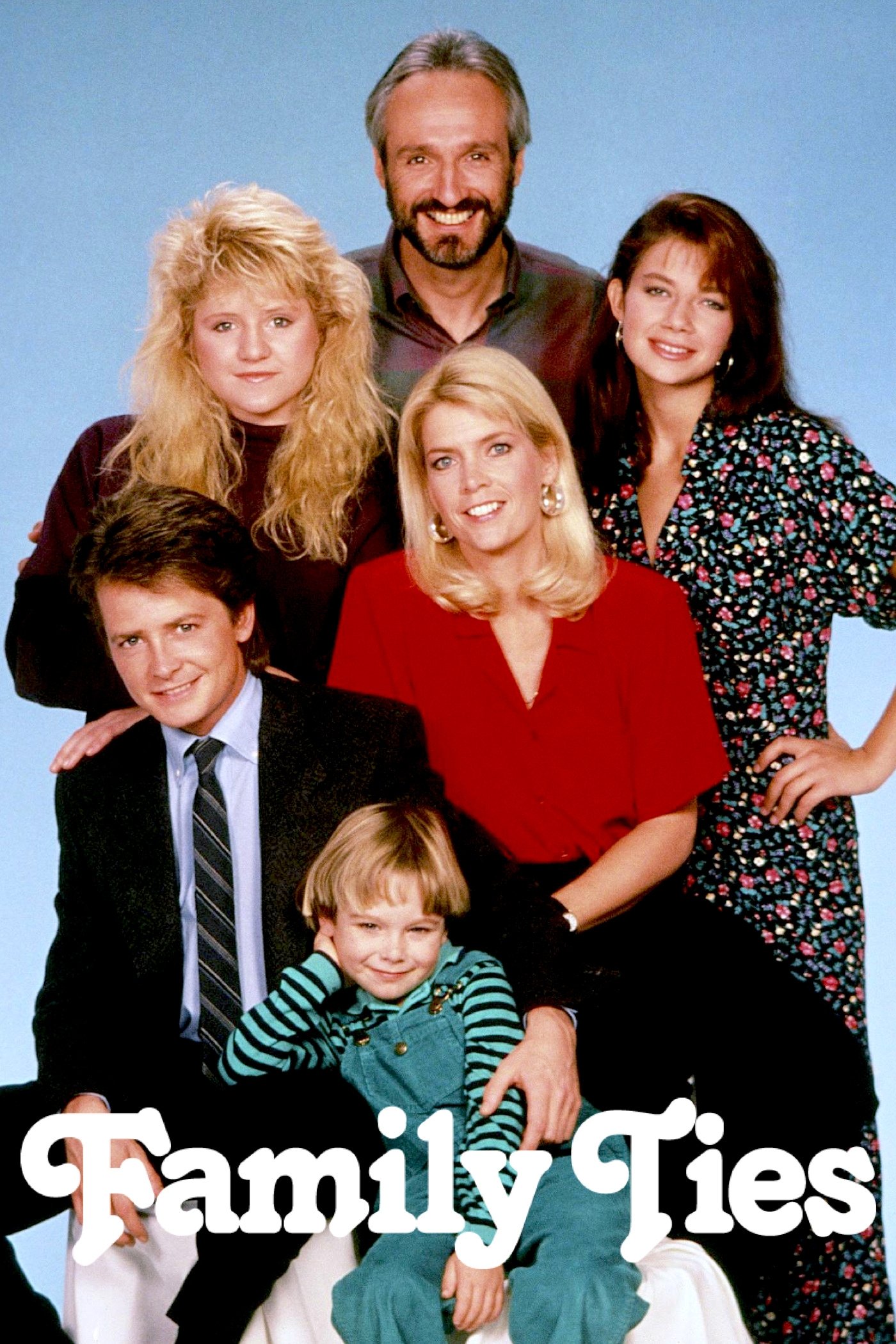
This family sitcom contrasted generational values through sharp character contrasts and school-to-home storylines. It helped launch major star power and consistently drew large audiences. The series maintained strong performance in repeats. It was a dependable pillar of NBC’s comedy block.
‘Full House’ (1987–1995)
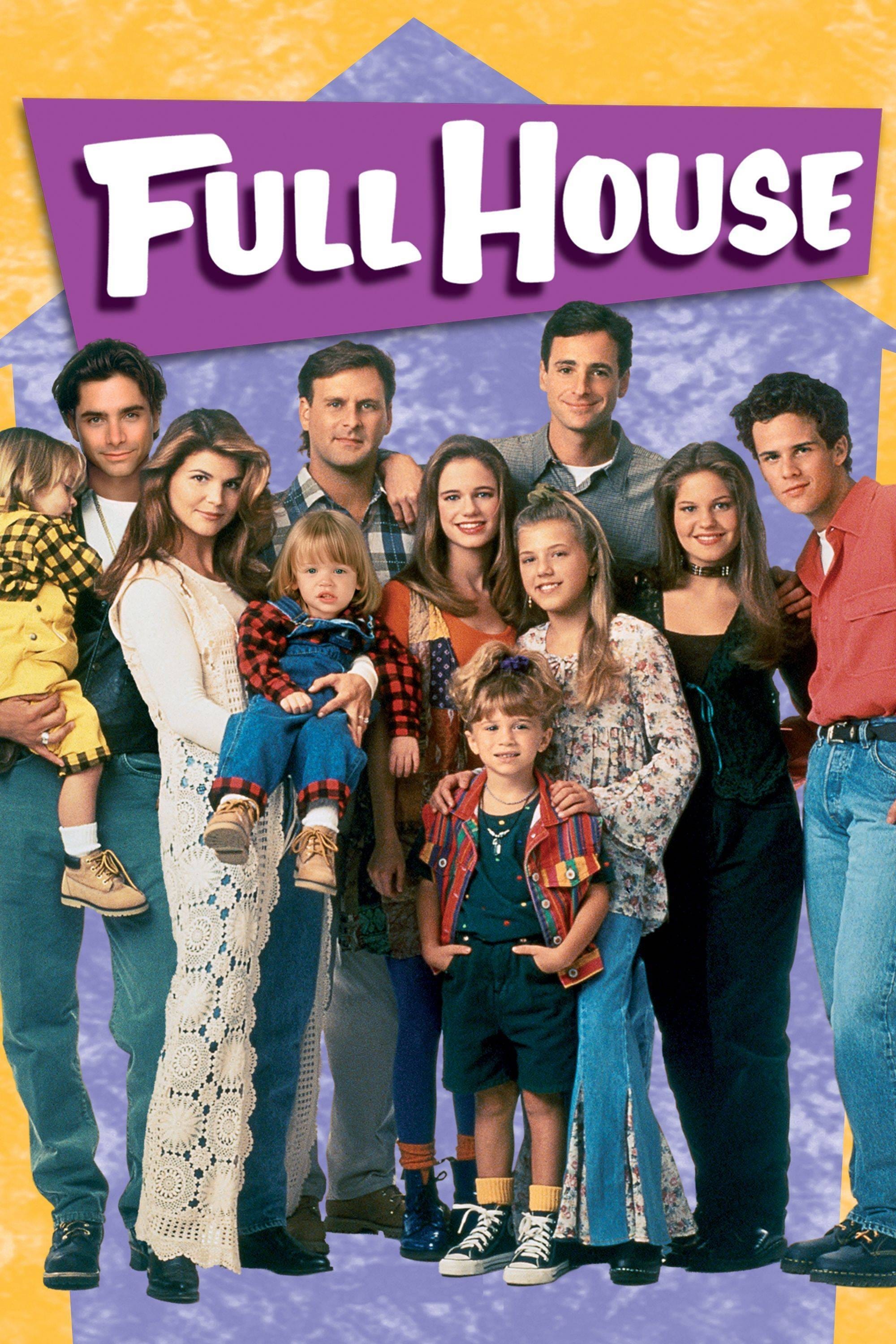
This family comedy built a broad audience with its multi-guardian household setup and clear moral resolutions. It developed characters whose catchphrases and arcs supported robust syndication. The show later fueled successful reboots and spinoffs on new platforms. It began as a reliable performer for ABC.
‘Growing Pains’ (1985–1992)
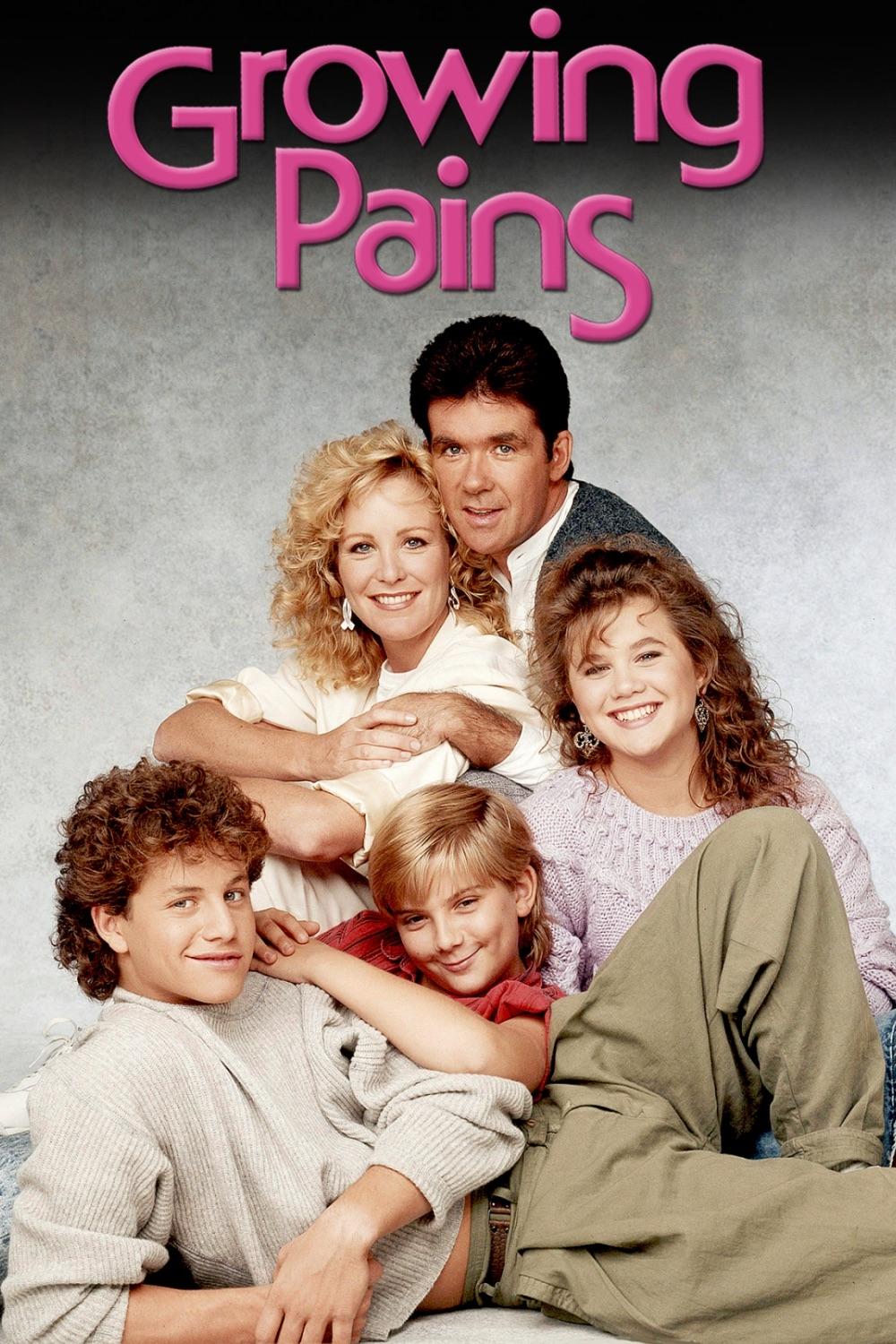
This sitcom balanced teen issues with workplace and home stories that parents and kids could watch together. Its format traveled well in reruns and overseas markets. The series also served as an early showcase for future film and TV leads. It supported ABC’s family-focused lineup.
‘Star Trek: The Next Generation’ (1987–1994)
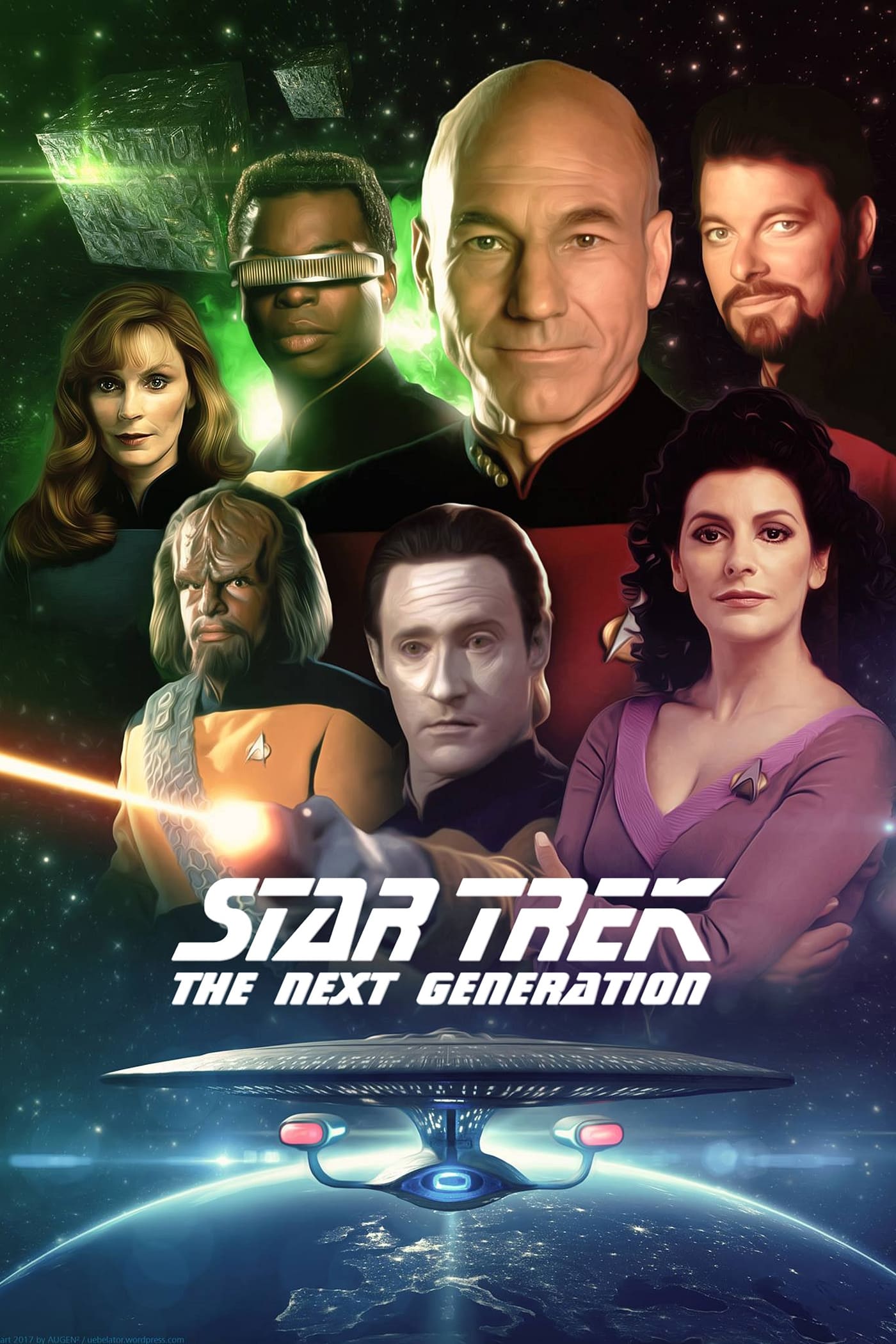
This science fiction series revitalized a legacy franchise with an ensemble cast and big-idea storytelling. It pioneered first-run syndication as a path to blockbuster ratings outside a single network grid. The show generated movies, further series, and a deep library for streaming. It redefined how syndication could rival network premieres.
‘Married… with Children’ (1987–1997)
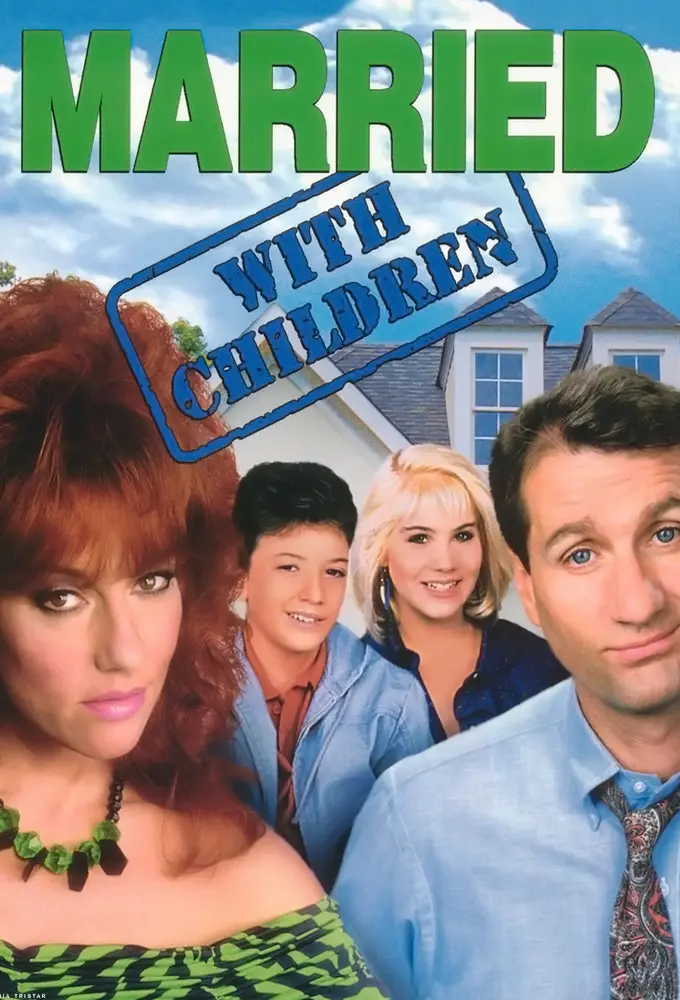
This sitcom introduced a sharper edge to family comedy with deliberately abrasive characters and running gags. It expanded what prime-time audiences accepted in subject matter and tone. The series became a foundational hit for its broadcaster. It helped Fox establish itself as a fourth major network.
‘The Oprah Winfrey Show’ (1986–2011)

This daytime talker scaled personal storytelling, author platforms, and service-oriented episodes into cultural events. It built a nationwide book club and product lift that brands tracked closely. The format shaped modern daytime programming and cross-media influence. It dominated first-run syndication across local stations.
‘He-Man and the Masters of the Universe’ (1983–1985)

This animated series linked storytelling to toy lines in a way that reshaped children’s programming business models. It demonstrated how weekday syndication could drive daily viewing habits. The property expanded through comics, specials, and home video. It flourished through first-run syndication rather than a single network.
‘The Transformers’ (1984–1987)
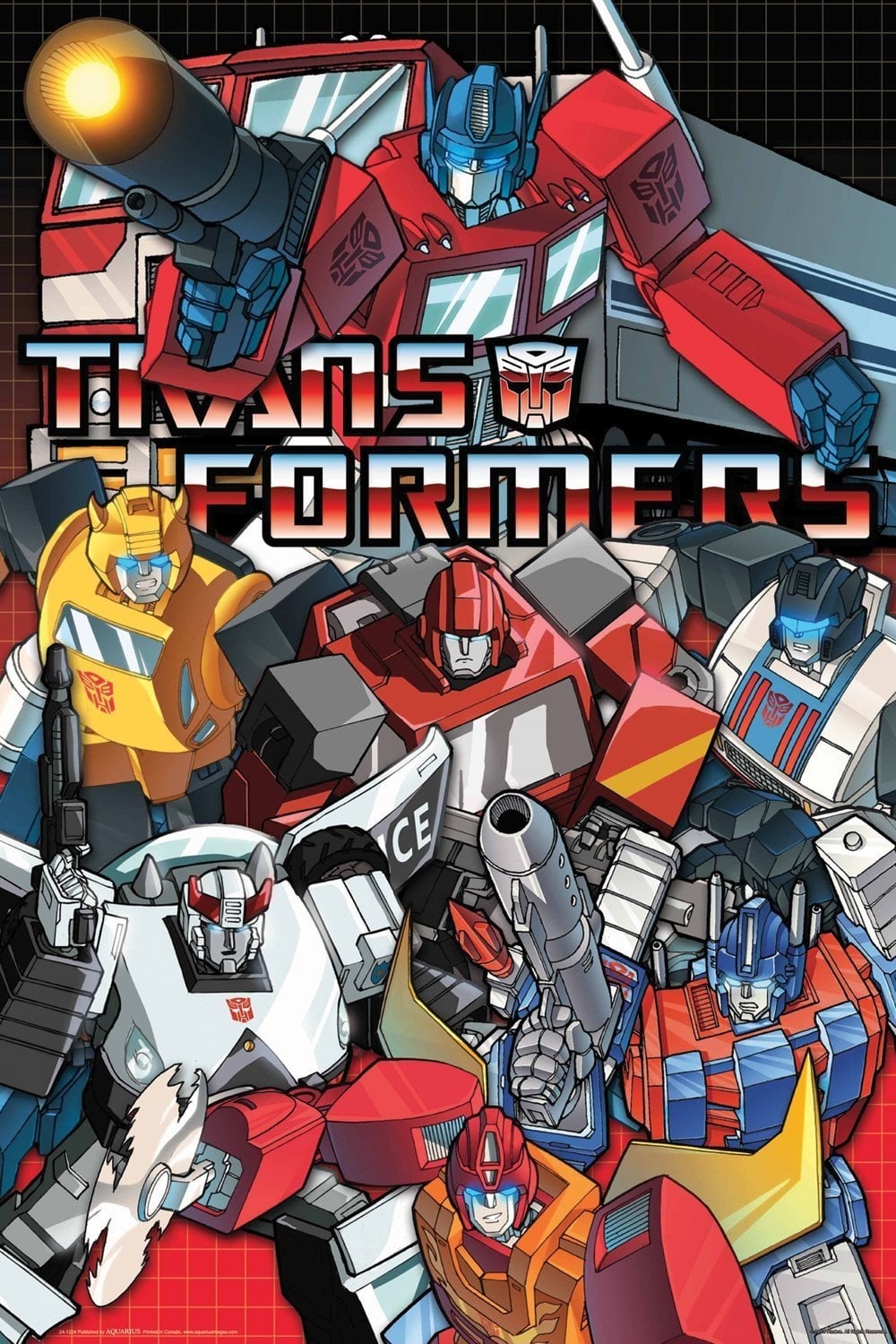
This animated show connected serialized robot lore to an extensive merchandise strategy. It cultivated a multi-platform franchise that continued through films, games, and later series. The episodic structure supported frequent reruns after school. It reached audiences primarily through first-run syndication.
‘DuckTales’ (1987–1990)
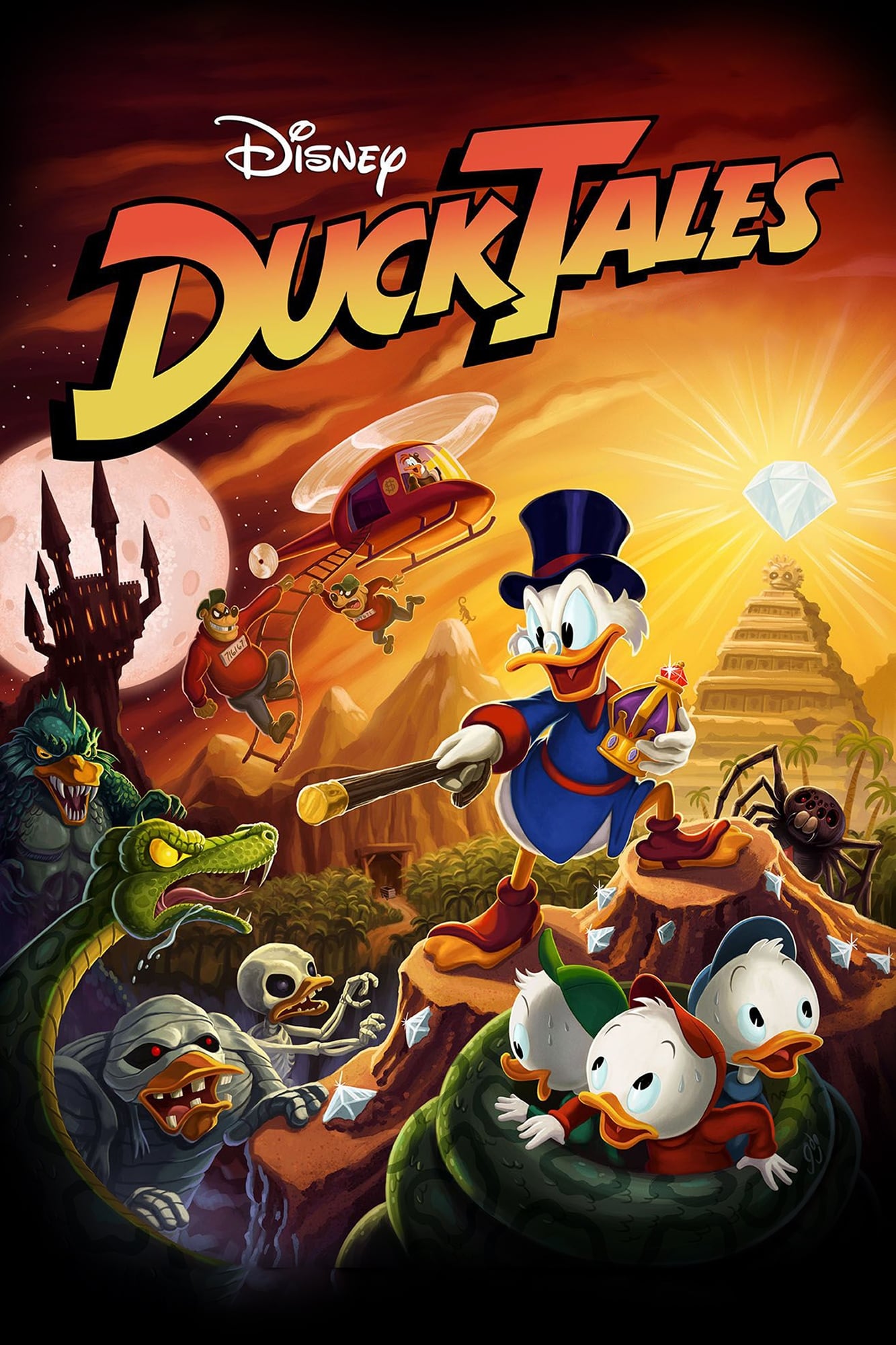
This adventure cartoon raised production values for weekday animation with cinematic music and globe-trotting plots. It helped prove that high-quality cartoons could anchor afternoon blocks. The brand expanded into games, specials, and later reimaginings. It premiered in first-run syndication before becoming a staple across Disney outlets.
‘Blackadder’ (1983–1989)
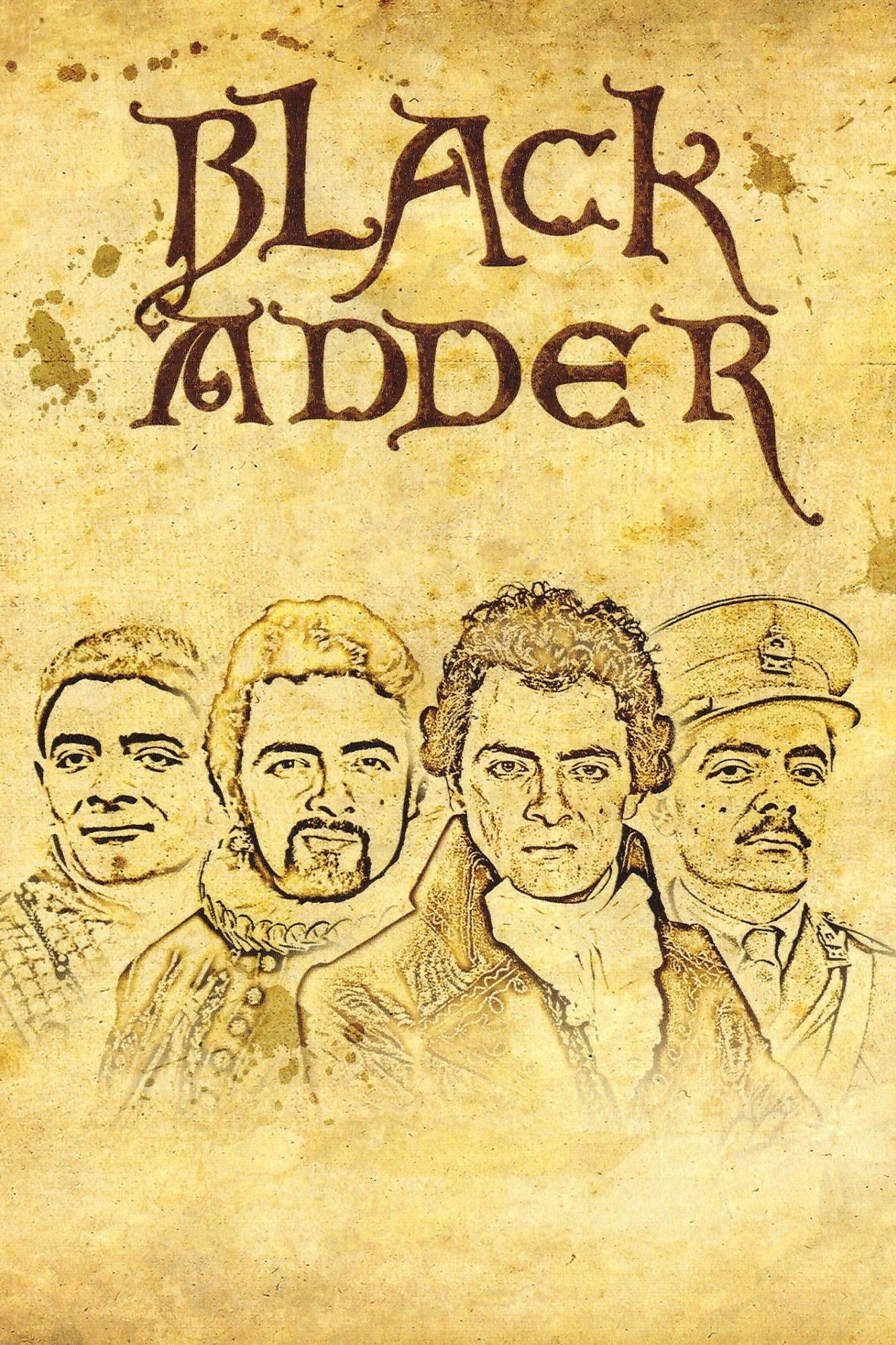
This British sitcom evolved through distinct historical settings with a consistent comic core and ensemble. It showed how anthology-style reinvention could keep a comedy fresh across multiple eras. The series influenced period comedy pacing and structure worldwide. It stood as a flagship for the BBC.
‘Degrassi Junior High’ (1987–1989)
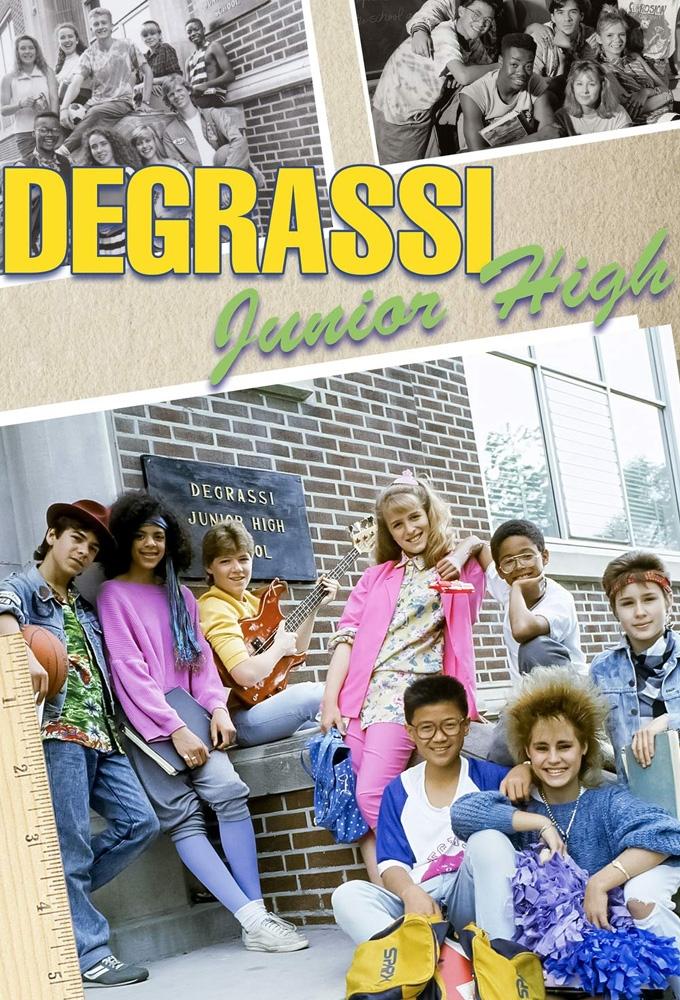
This Canadian drama took an unflinching approach to school and family issues with an age-appropriate cast. It became a classroom resource and built a loyal international following. The franchise later returned with multiple continuations that served new generations. It originated on CBC before expanding globally through syndication.
‘Late Night with David Letterman’ (1982–1993)

This talk show introduced a playfully subversive format with remote segments, Top Ten Lists, and running gags that reshaped after-hours television. It cultivated a new generation of comedy writers who later helmed major series. The program’s irreverent tone influenced how hosts interact with guests and audiences. It became a distinctive staple of NBC’s late-night block.
‘Cagney & Lacey’ (1982–1988)
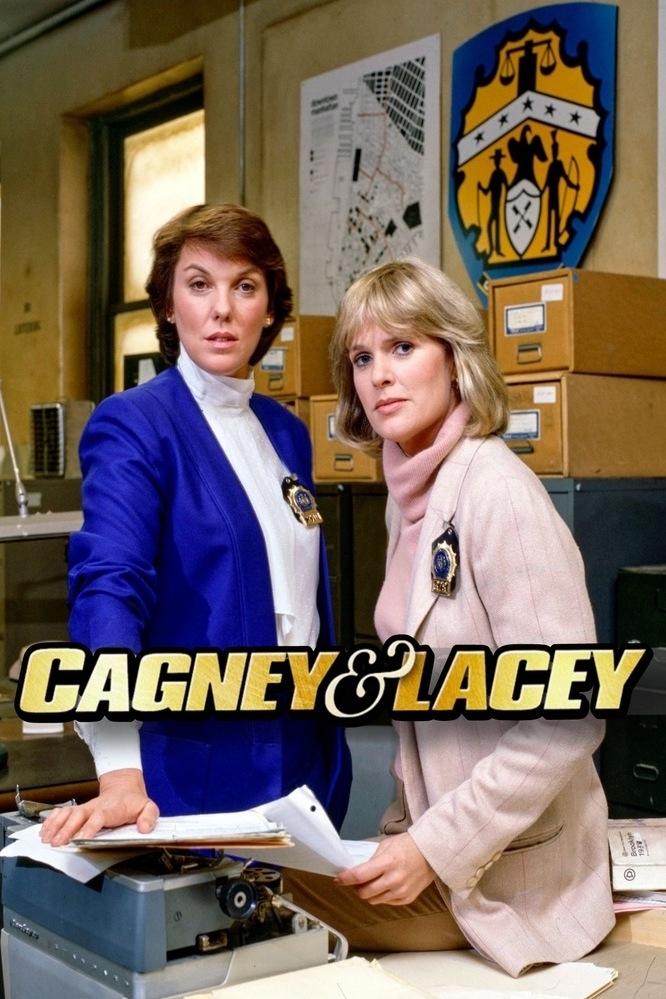
This police drama centered two female detectives and demonstrated the viability of character-driven procedural storytelling led by women. It addressed workplace dynamics and policy debates through episodic cases and ongoing arcs. The show earned repeated awards that raised the profile of hour-long dramas. It stood as a defining entry for CBS in prime time.
‘Roseanne’ (1988–1997)
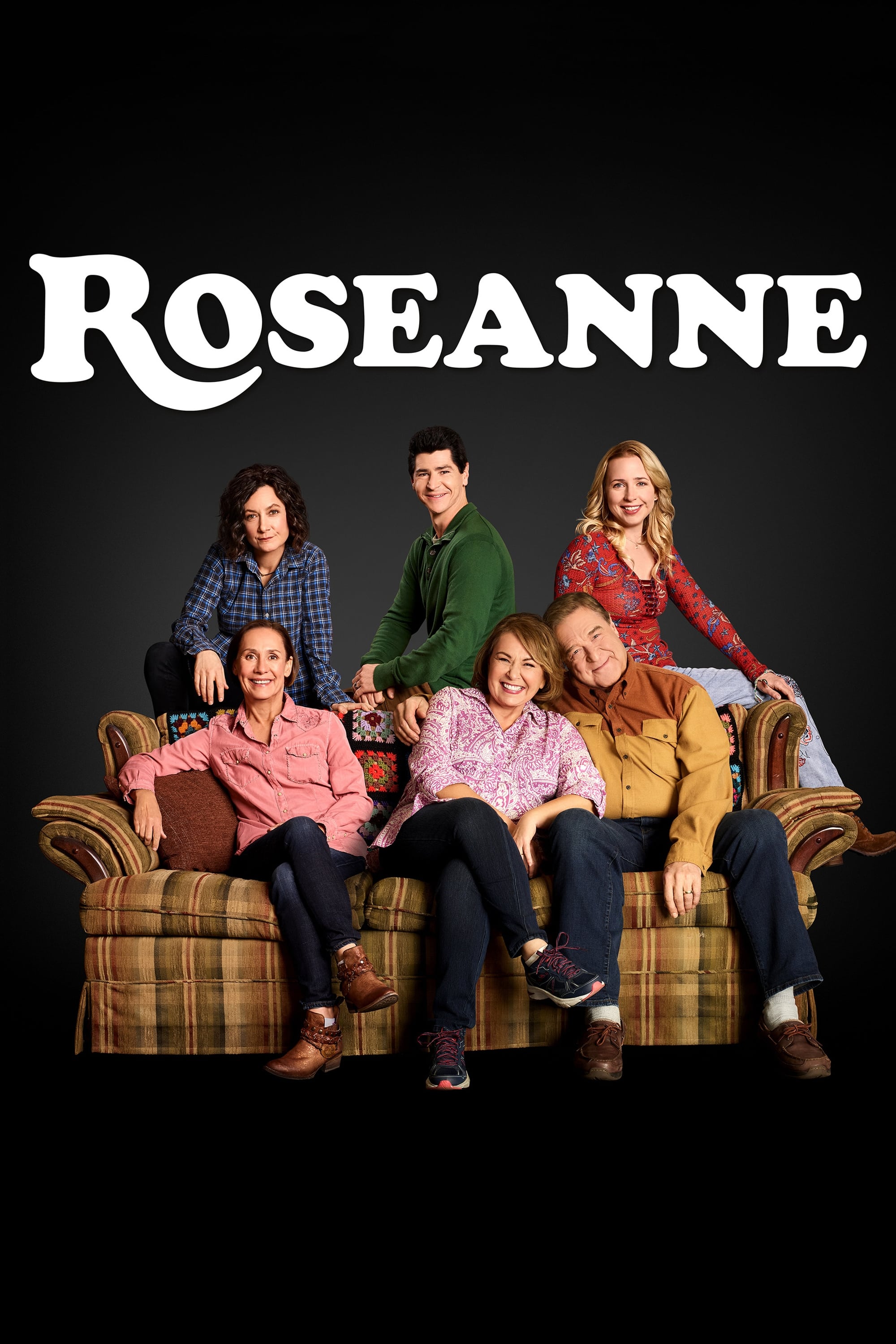
This family sitcom focused on working-class life with storylines that tracked finances, jobs, and parenting across seasons. It reshaped casting norms by emphasizing authenticity and layered character histories. The series consistently delivered high ratings and sustained rerun performance. It served as a major audience magnet for ABC.
‘Thirtysomething’ (1987–1991)
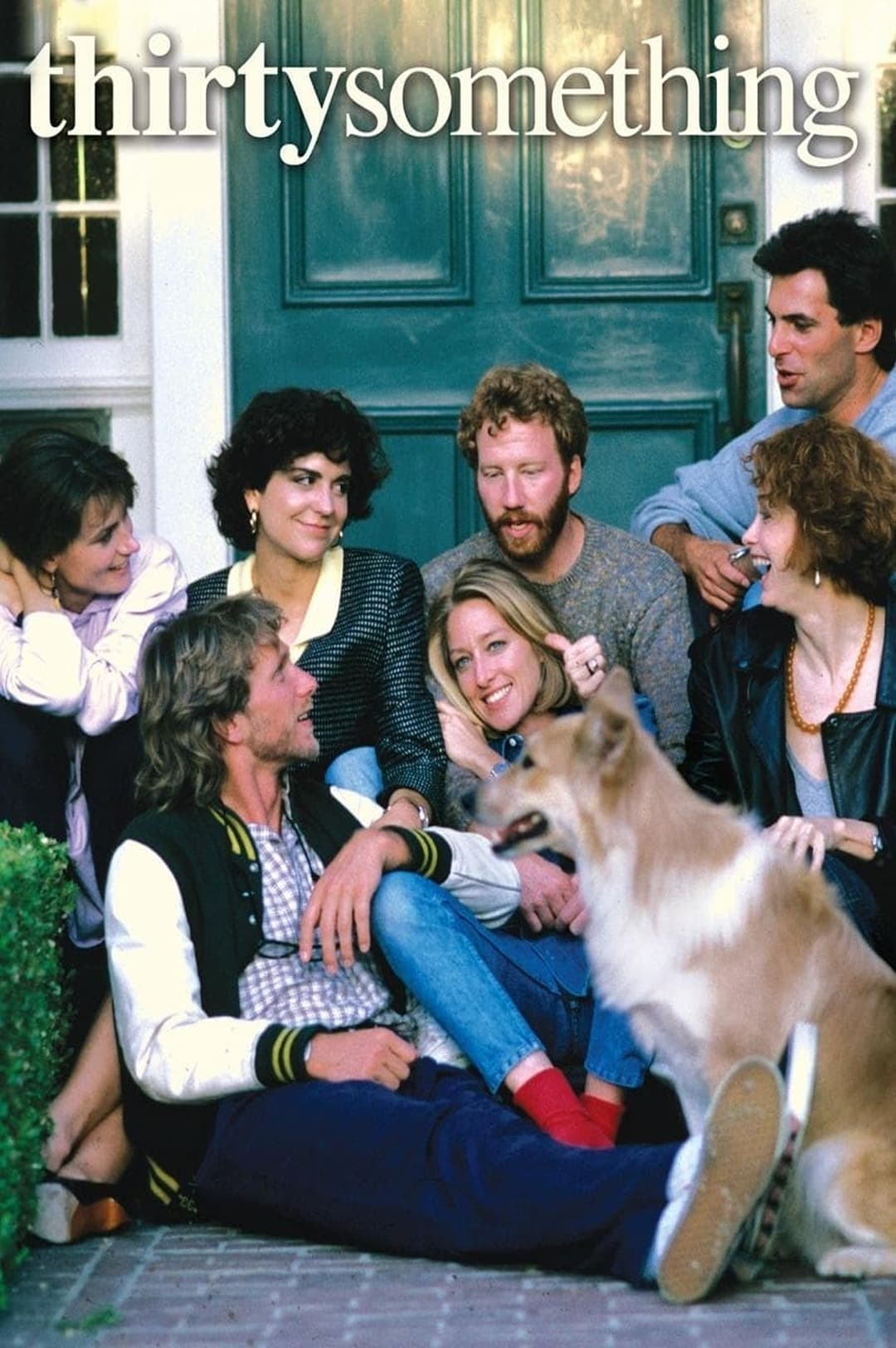
This ensemble drama followed careers, relationships, and creative work with a documentary-like intimacy. It normalized serialized adult storytelling that extended through season-long themes. The show’s production choices influenced later character dramas and branded advertising tie-ins. It was a prestige centerpiece for ABC’s schedule.
‘Frontline’ (1983–present)

This investigative documentary strand established a rigorous model for long-form journalism on television. It built a library of deep dives that stations used for community and classroom discussions. The series sustained partnerships with international outlets and filmmakers. It anchors PBS’s public-affairs lineup.
‘Reading Rainbow’ (1983–2006)

This children’s series combined on-location segments with book spotlights to support literacy and library use. It developed teacher guides and classroom materials that extended beyond broadcast. The show’s theme and format became a hallmark of educational programming. It was a trusted fixture on PBS.
‘Fraggle Rock’ (1983–1987)
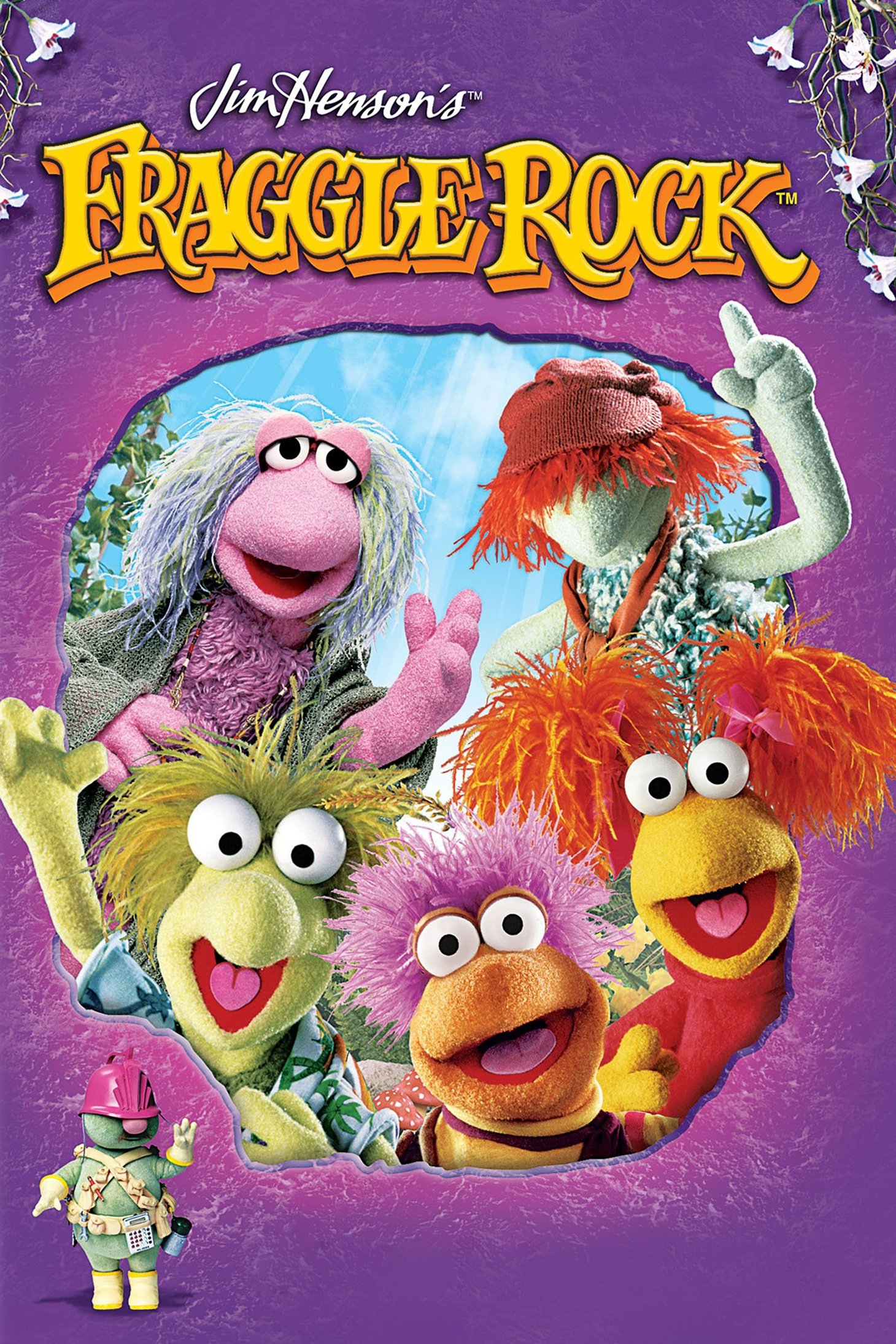
This puppet-driven fantasy created a connected ecosystem of species and cultures aimed at modeling conflict resolution for kids. It was produced with international co-partners to localize segments for different markets. The series expanded through albums, books, and touring stage shows. It was an early family hit for HBO.
‘Max Headroom’ (1987–1988)

This cyberpunk drama explored media consolidation and artificial personas through episodic investigations. Its visual style and newsroom framework anticipated later tech-focused thrillers. The show’s fictional ad breaks and worldbuilding influenced cross-media marketing. It brought high-concept science fiction to ABC’s prime time.
‘Wiseguy’ (1987–1990)
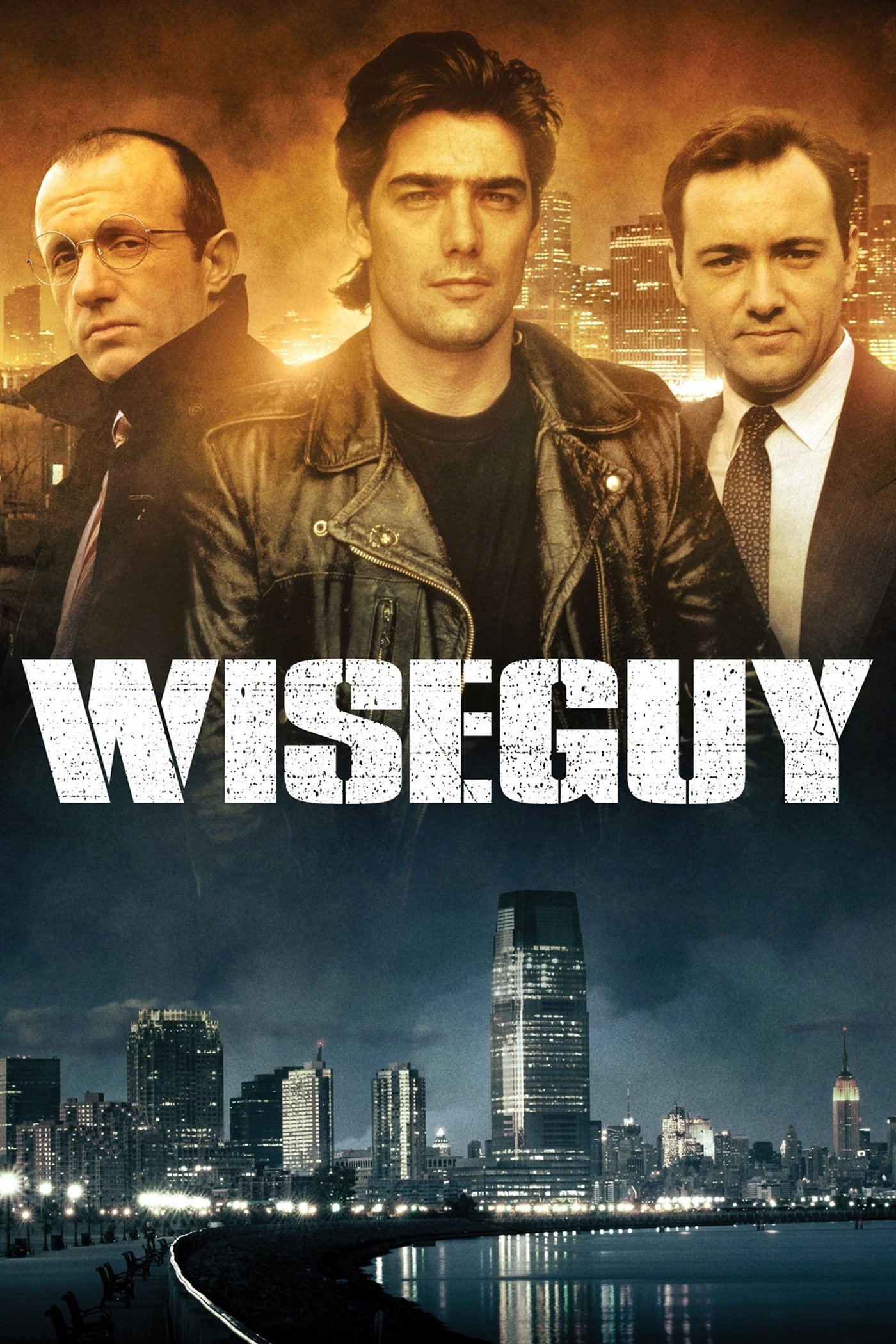
This crime series pioneered extended undercover arcs that ran for multiple episodes within a season. It balanced serialized investigations with evolving personal stakes for its lead. The structure influenced later organized-crime dramas and limited-series storytelling. It served as a notable experiment for CBS.
‘The Tracey Ullman Show’ (1987–1990)

This sketch and variety program integrated animated shorts that grew into a landmark franchise. It showcased a repertory approach that rotated characters and formats week to week. The production incubated talent pipelines for writers and performers. It became an early signature for Fox.
‘Only Fools and Horses’ (1981–2003)
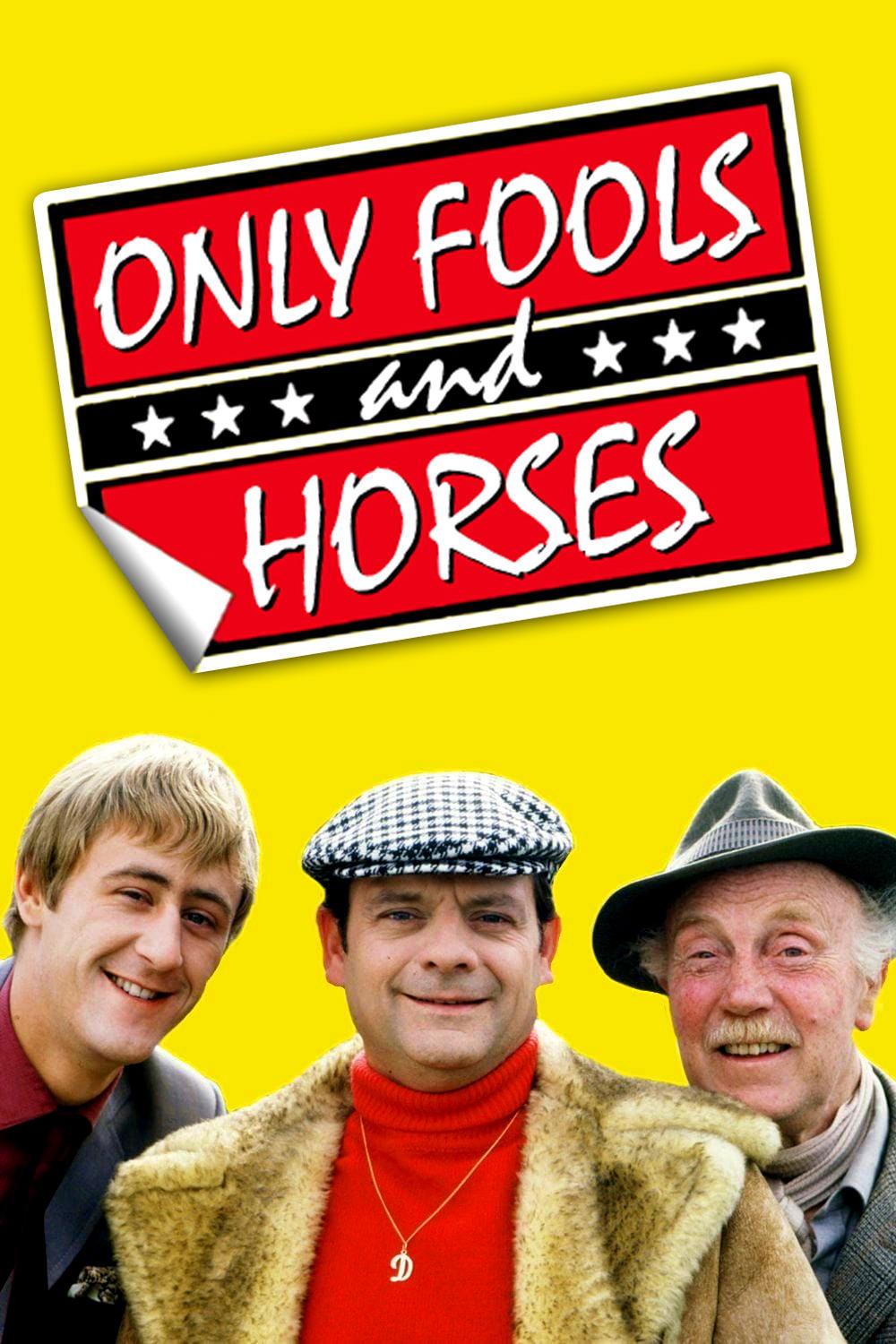
This British sitcom followed a family business hustling through changing economic times, using long Christmas specials to extend storylines. It built catchphrases and recurring characters that boosted rerun performance. The show’s feature-length episodes redefined how sitcoms could eventize broadcasts. It was a crown jewel for the BBC.
‘EastEnders’ (1985–present)

This continuing drama introduced faster pacing, ensemble focus, and socially relevant plots to a nightly format. It maintained audience engagement with cliffhangers and holiday episodes that drew large viewership. The series became a cultural touchstone with cast changes managed through long-term arcs. It is a marquee property for the BBC.
‘Spitting Image’ (1984–1996)
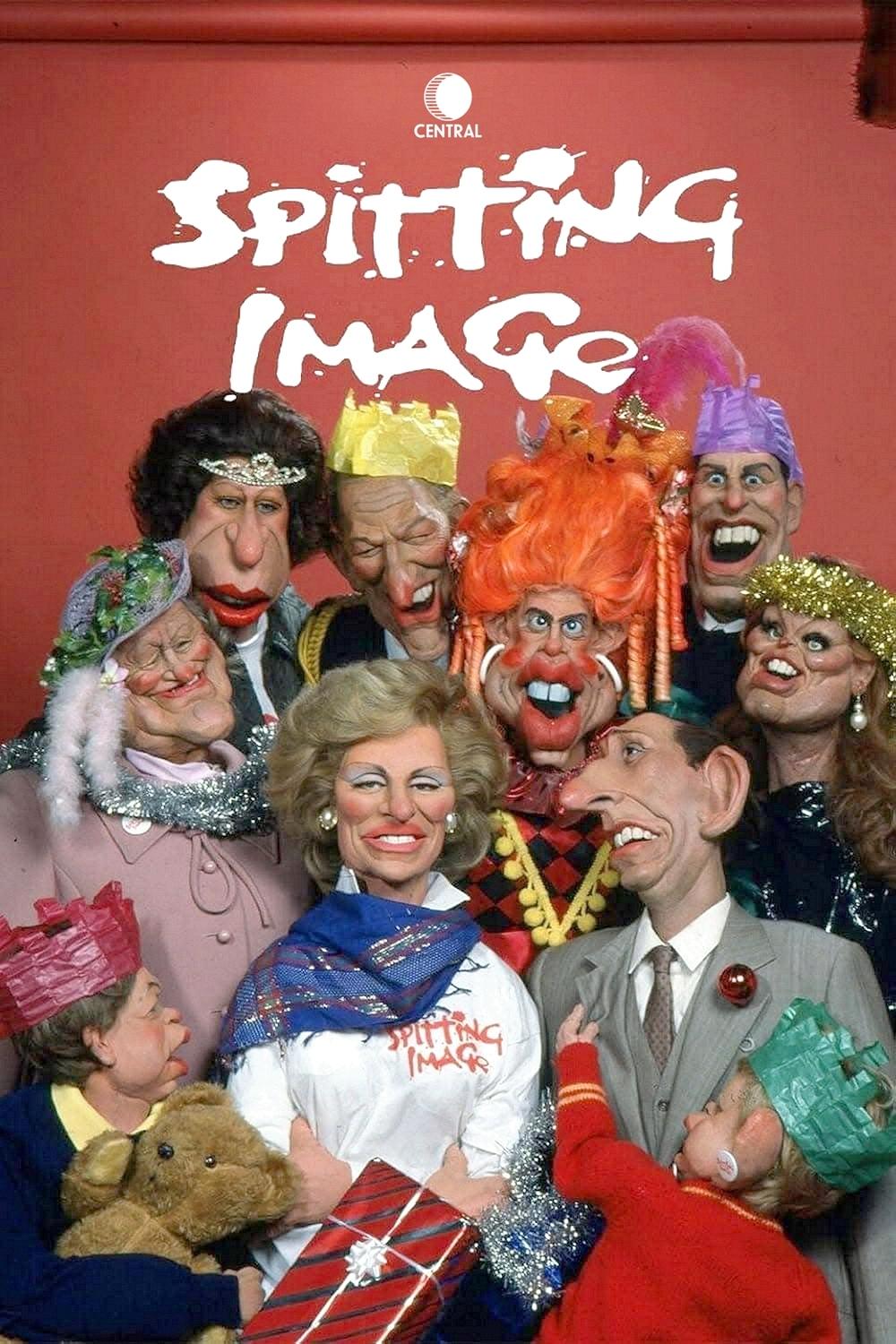
This satirical puppet show lampooned politics and celebrity with rapid-response sketches tied to current events. Its caricature designs influenced political comedy across multiple countries. The format adapted well to compilation specials and international versions. It was a headline-making presence for ITV.
‘Red Dwarf’ (1988–1999)

This science fiction comedy blended sitcom beats with spaceship adventures and genre parody. It used bottle episodes and effects-driven set pieces to stretch budgets in inventive ways. The show developed a convention circuit and a durable home-video market. It became a cult standout for the BBC.
‘Nightline’ (1980–present)

This late-night news program grew from special reports into a nightly forum for interviews and deep-dive segments. It set a template for rapid-turnaround coverage that still accommodated extended conversations. The series established a dependable space for international reporting and policy debate. It has been a consistent pillar for ABC’s news division.
Share your own picks for the decade’s game-changing small-screen moments in the comments.

