The Most Rewatchable TV Shows Ever Filmed


Some series invite quick drop-ins, others reward full marathons—either way, the shows people return to usually mix clear premises, consistent characters, and episodes that stand alone while still feeding longer arcs. Formats that reset cleanly, like sitcoms, case-of-the-week procedurals, and anthology hours, make it easy to jump back in without a refresher.
This list gathers comedies, dramas, animation, and anime that are easy to revisit. For each title you’ll find essentials—creators, networks, cast, and how the show actually works—so you can pick your next comfort rewatch with confidence.
‘Friends’ (1994–2004)
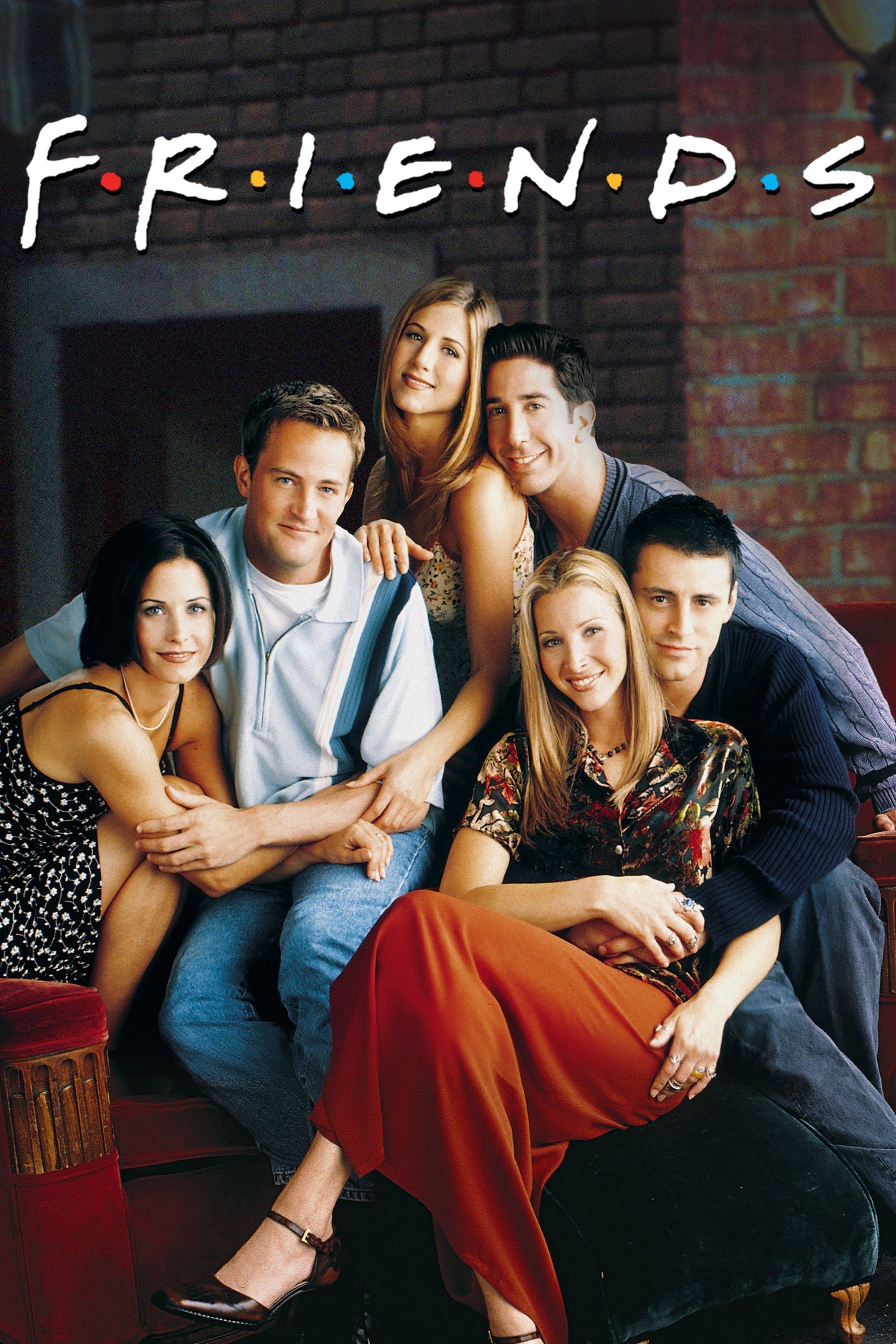
Created by David Crane and Marta Kauffman for NBC, ‘Friends’ follows six twentysomethings in Manhattan with a multi-camera setup and live audience. The core cast—Jennifer Aniston, Courteney Cox, Lisa Kudrow, Matt LeBlanc, Matthew Perry, and David Schwimmer—anchors apartment and café sets that rarely change.
Episodes use A-plot/B-plot structures about work, dating, and friendships, typically resolving by the tag. The series spun off ‘Joey’ and has remained a syndication staple, supported by recurring settings like Central Perk and holiday bottle episodes.
‘The Office’ (2005–2013)
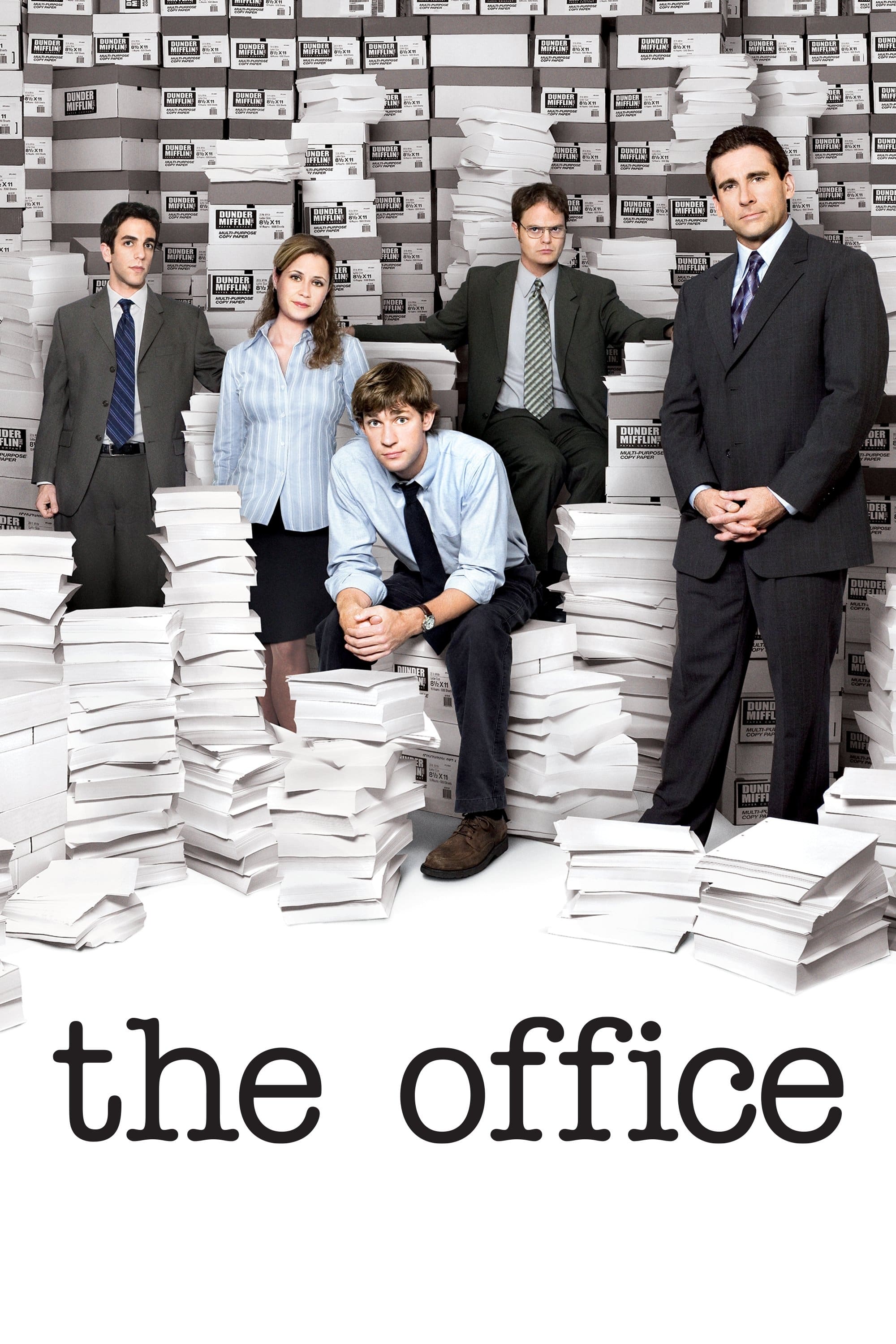
Developed by Greg Daniels from the Ricky Gervais–Stephen Merchant original, ‘The Office (U.S.)’ is a single-camera mockumentary set at Dunder Mifflin’s Scranton branch. The ensemble includes Steve Carell, Rainn Wilson, John Krasinski, Jenna Fischer, Mindy Kaling, and more.
Talking-head interviews, documentary zooms, and cold opens frame workplace stories—sales quotas, mergers, training days—that play as self-contained chapters. Recurring bits like ‘Threat Level Midnight’ and the Dundies give rewatches recognizable formats.
‘Seinfeld’ (1989–1998)
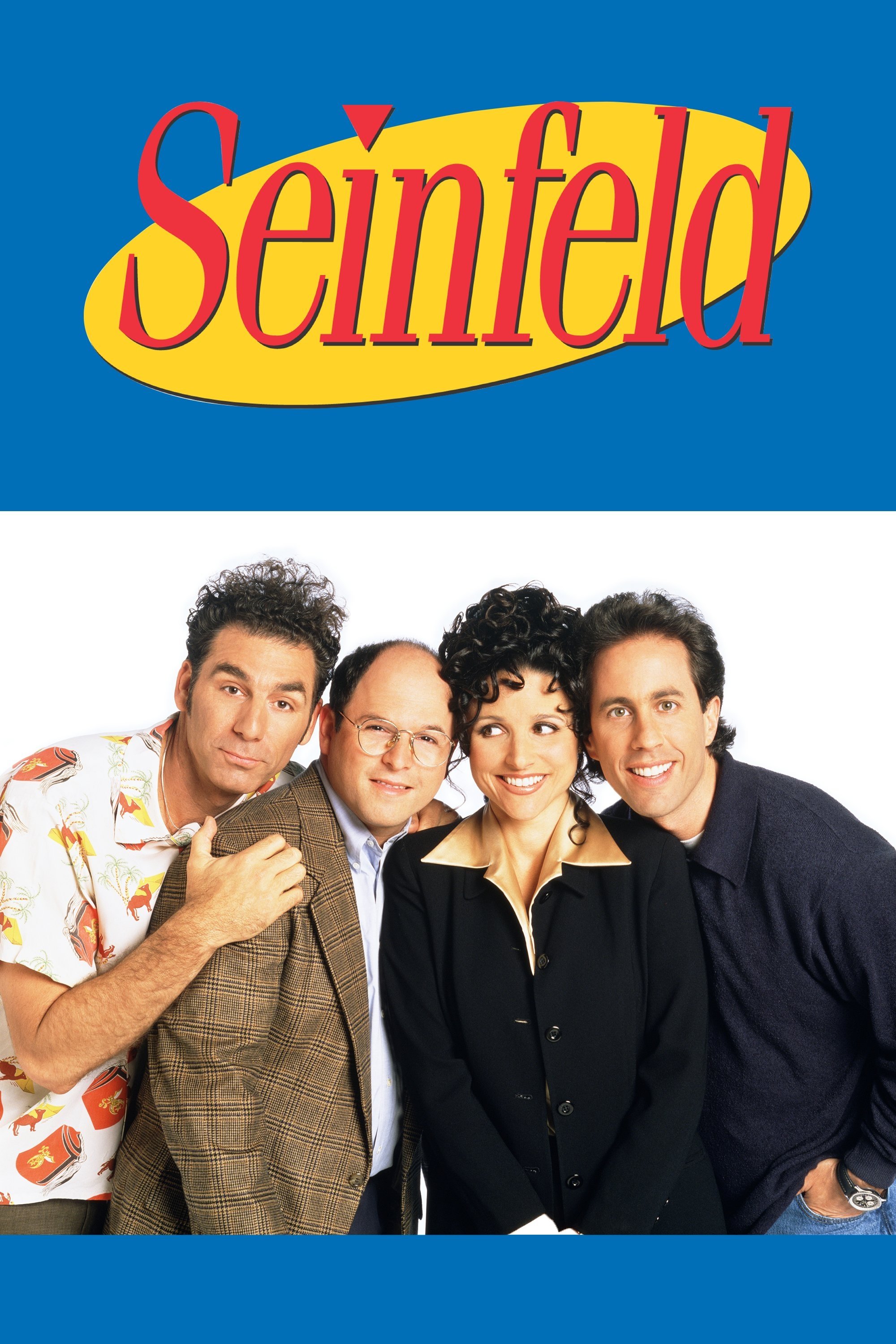
Created by Larry David and Jerry Seinfeld for NBC, ‘Seinfeld’ centers on four friends navigating social rules in New York City. Jerry Seinfeld, Julia Louis-Dreyfus, Jason Alexander, and Michael Richards lead tightly plotted half hours.
Most episodes track parallel storylines that converge in the final minutes, making drop-in viewing straightforward. Recurring characters and locations—Monk’s Café, the apartment, Yankee offices—create a stable comedic ecosystem.
‘The Simpsons’ (1989–present)
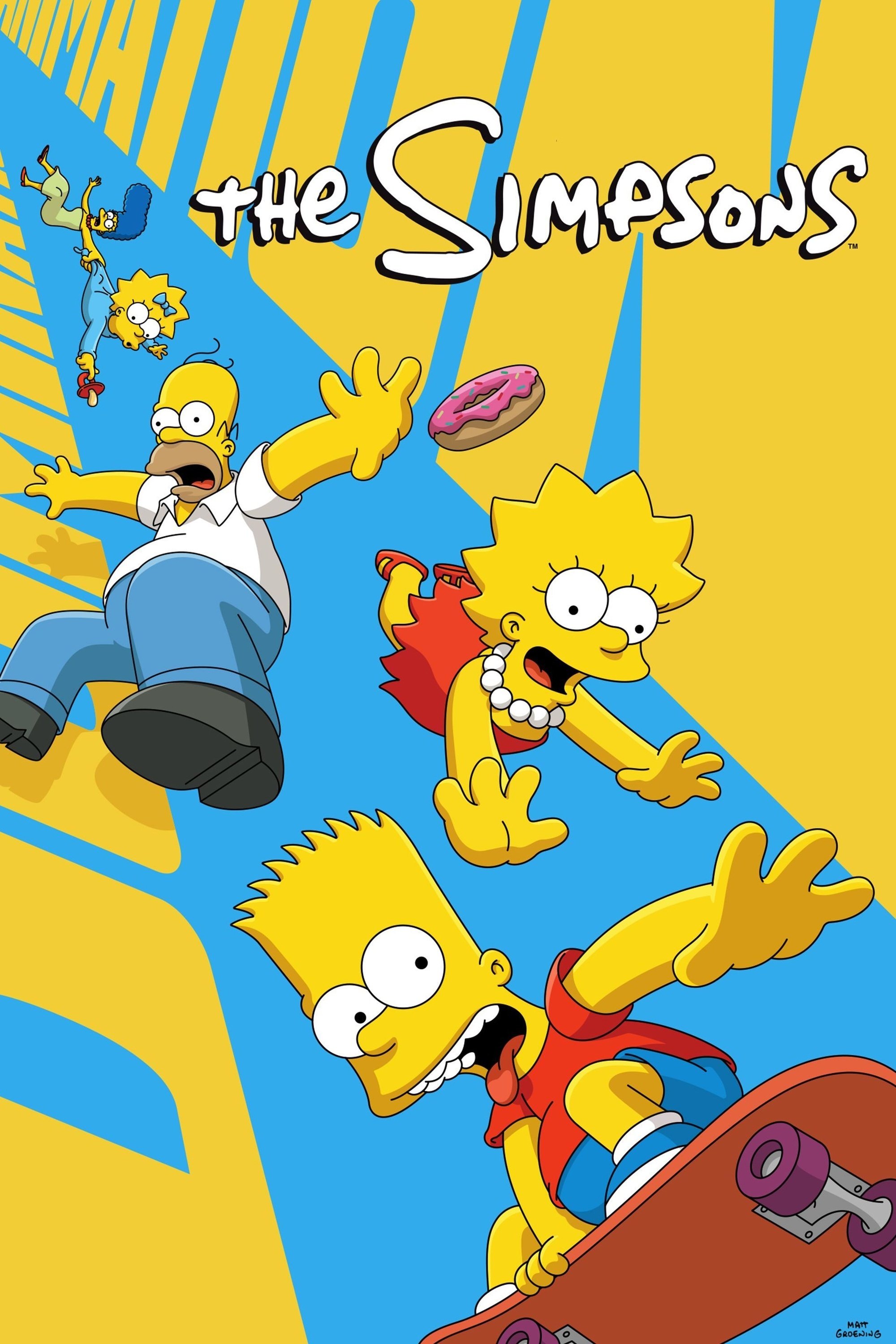
‘The Simpsons’, created by Matt Groening for Fox, follows the Simpson family and an expansive supporting cast in Springfield. Voice actors Dan Castellaneta, Julie Kavner, Nancy Cartwright, and Yeardley Smith headline.
Stories are largely self-contained with rapid-fire gags, cutaways, and parodies like ‘Treehouse of Horror’. Layered background jokes and guest voices reward both casual and close rewatches.
‘Parks and Recreation’ (2009–2015)
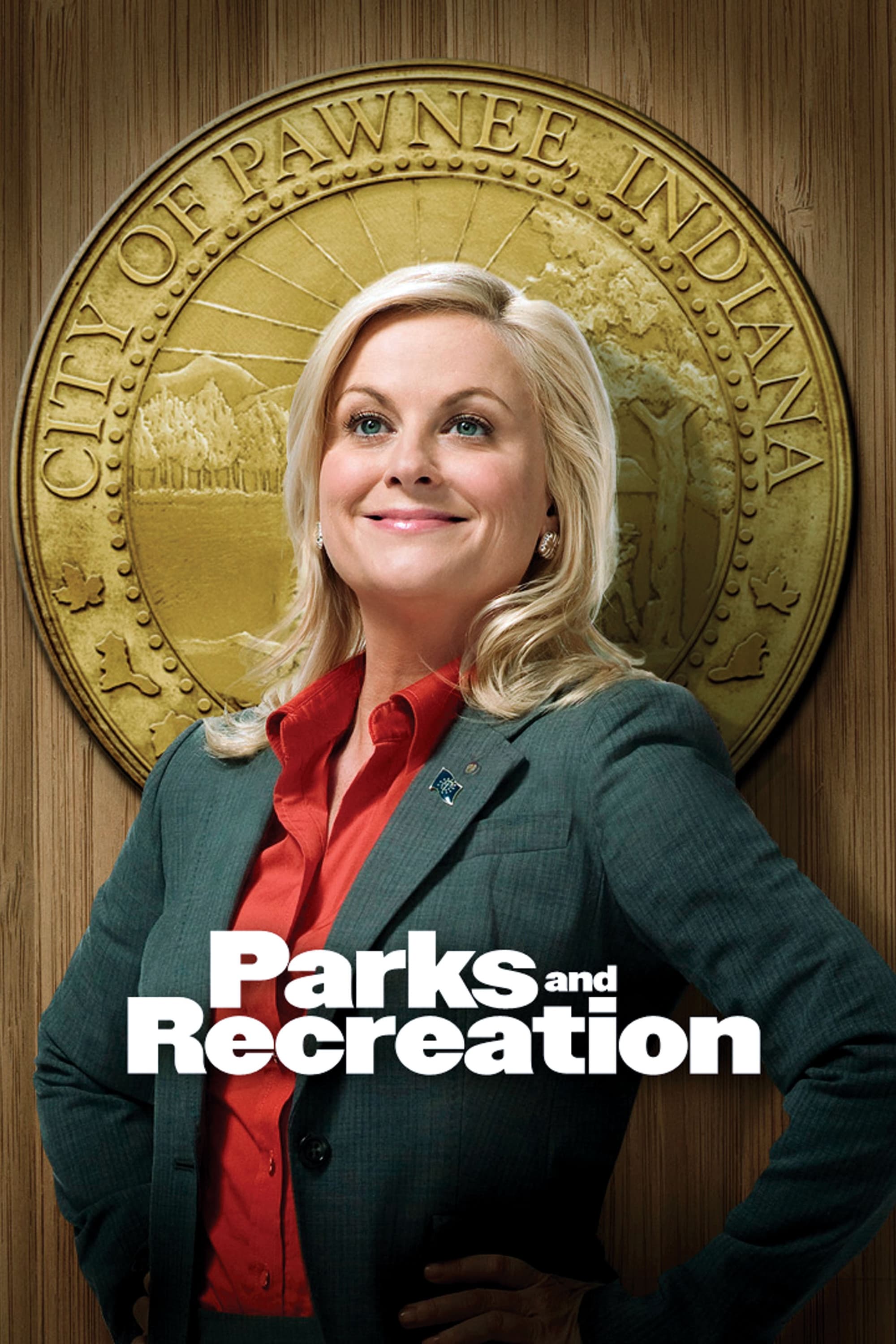
Created by Greg Daniels and Michael Schur for NBC, ‘Parks and Recreation’ uses a mockumentary format to follow Pawnee’s Parks Department. Amy Poehler, Nick Offerman, Rashida Jones, Chris Pratt, Aubrey Plaza, Aziz Ansari, and Adam Scott make up the central team.
Civic project plots—permits, festivals, councils—wrap neatly within episodes, while longer arcs track careers and relationships. Recurring locals and talking-head beats give episodes familiar rhythms for repeat viewing.
‘Brooklyn Nine-Nine’ (2013–2021)
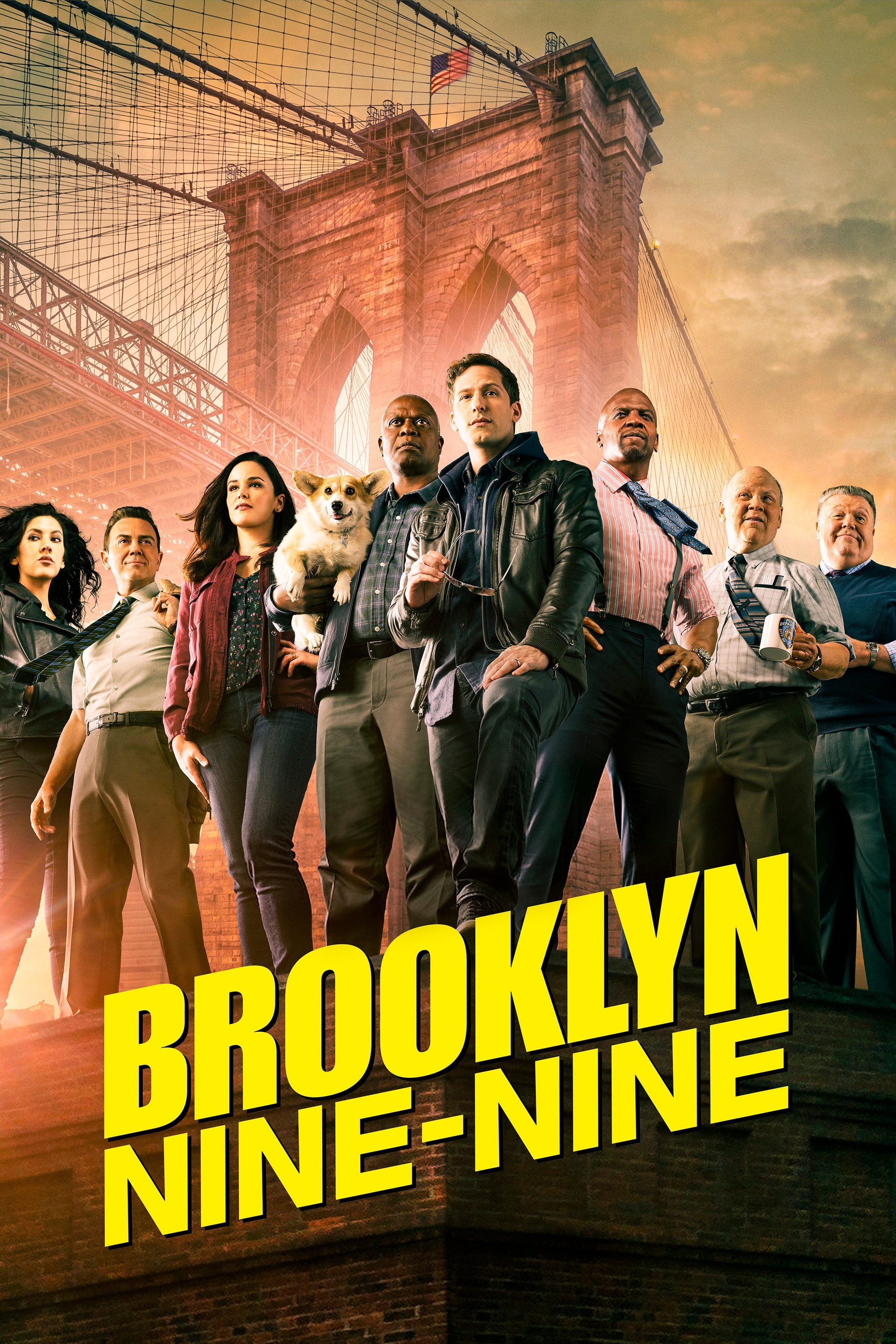
Created by Dan Goor and Michael Schur, ‘Brooklyn Nine-Nine’ is a single-camera comedy set in an NYPD precinct. Andy Samberg, Andre Braugher, Stephanie Beatriz, Terry Crews, Melissa Fumero, Joe Lo Truglio, and Chelsea Peretti lead.
Case-of-the-week stories pair with character subplots, making out-of-order viewing easy. Annual episodes like the Halloween Heist and precinct competitions provide repeatable formats across seasons.
‘Arrested Development’ (2003–2019)
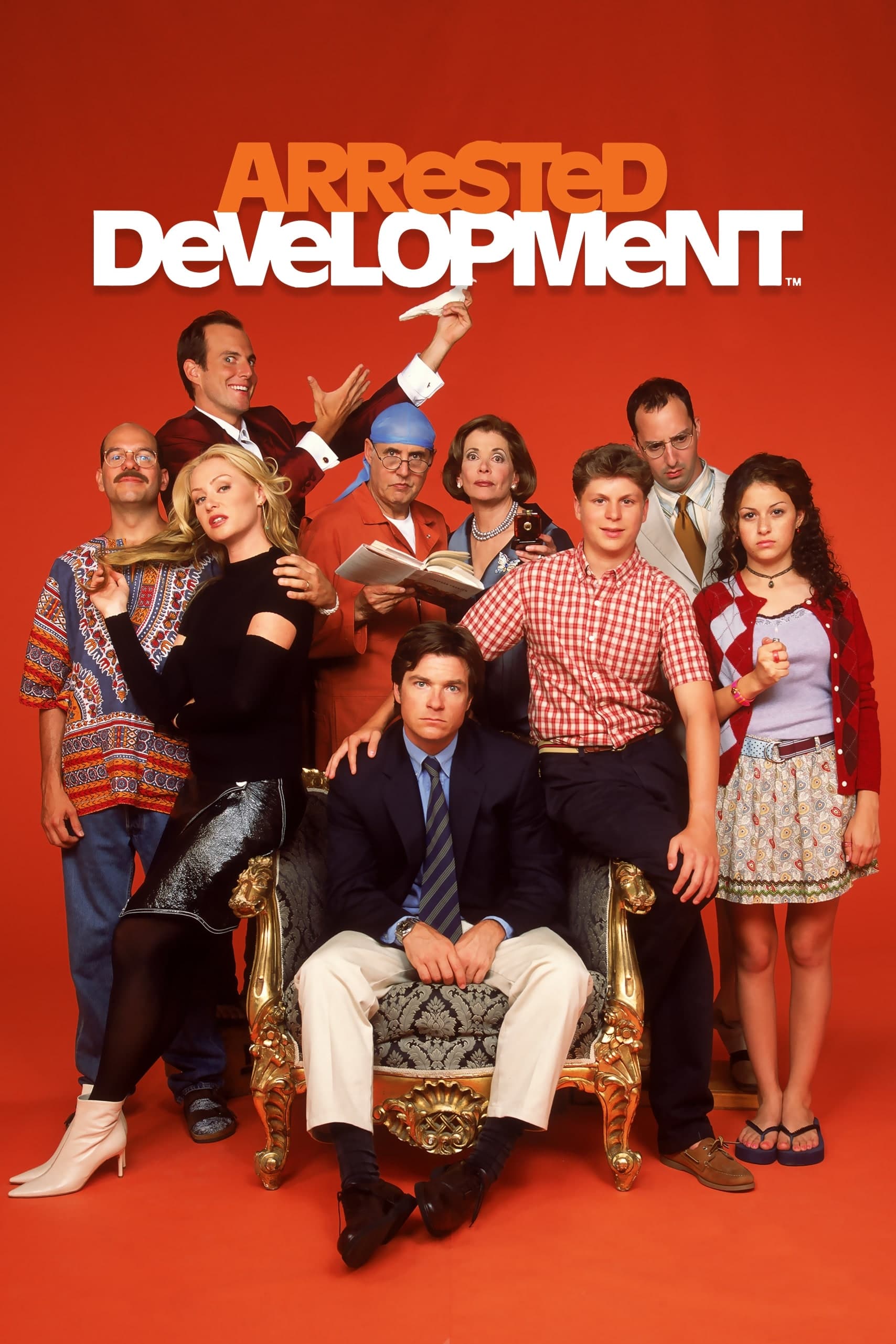
Mitchell Hurwitz’s ‘Arrested Development’ chronicles the Bluth family’s business and personal entanglements, narrated by Ron Howard. Jason Bateman, Portia de Rossi, Will Arnett, Michael Cera, Tony Hale, David Cross, Alia Shawkat, and Jessica Walter star.
Episodes are densely constructed with foreshadowing, wordplay, and visual callbacks that reveal new details on repeat. The series changed networks and experimented with structure while preserving the family-business premise.
‘Frasier’ (1993–2004)
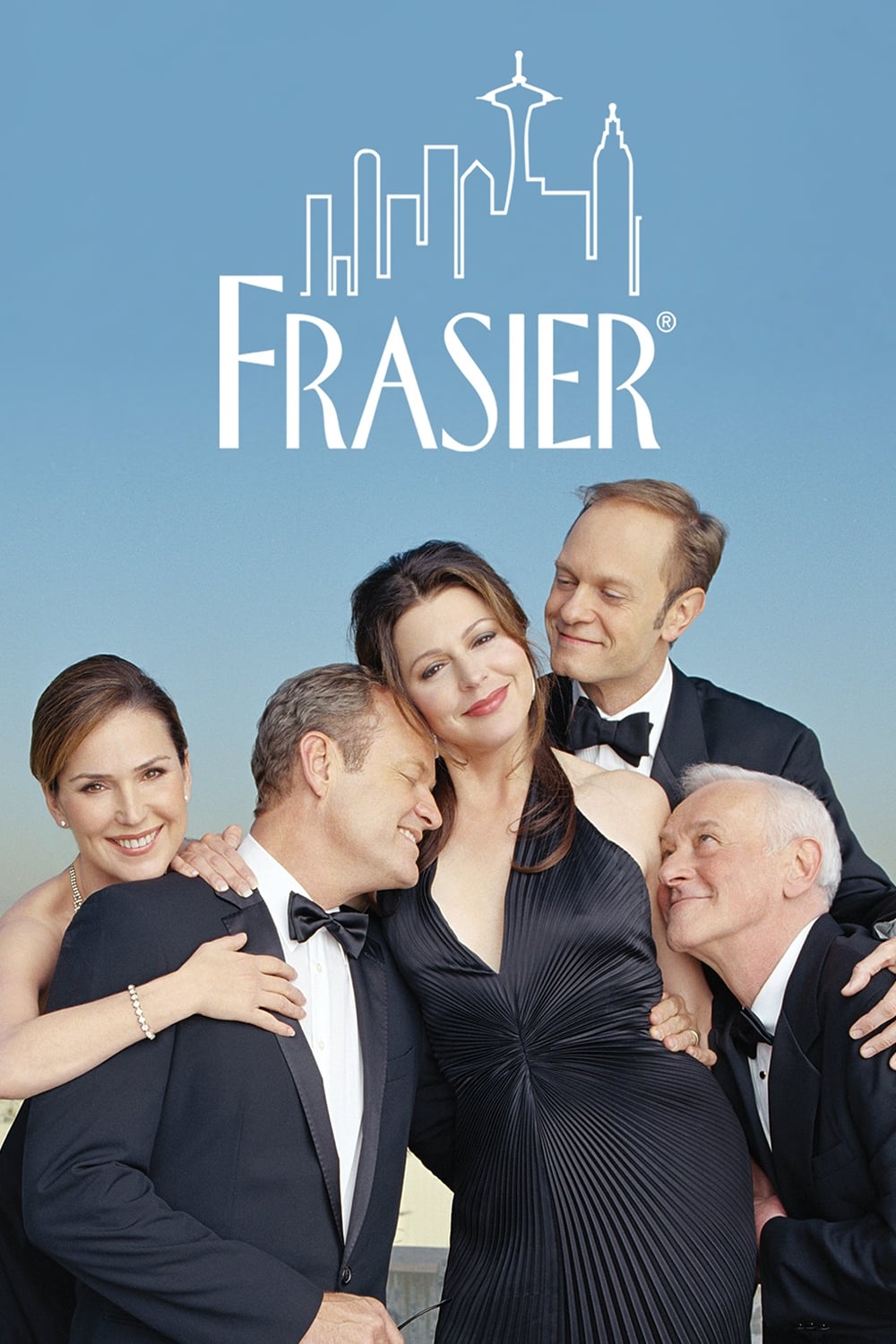
A spin-off of ‘Cheers’, ‘Frasier’ was created by David Angell, Peter Casey, and David Lee for NBC and follows a psychiatrist hosting a Seattle radio show. Kelsey Grammer stars alongside David Hyde Pierce, John Mahoney, Jane Leeves, and Peri Gilpin.
Stories lean on farce, therapy themes, and mistaken identities that resolve within the half hour. Apartment and radio-booth bottle episodes offer compact, dialogue-driven chapters.
‘Cheers’ (1982–1993)
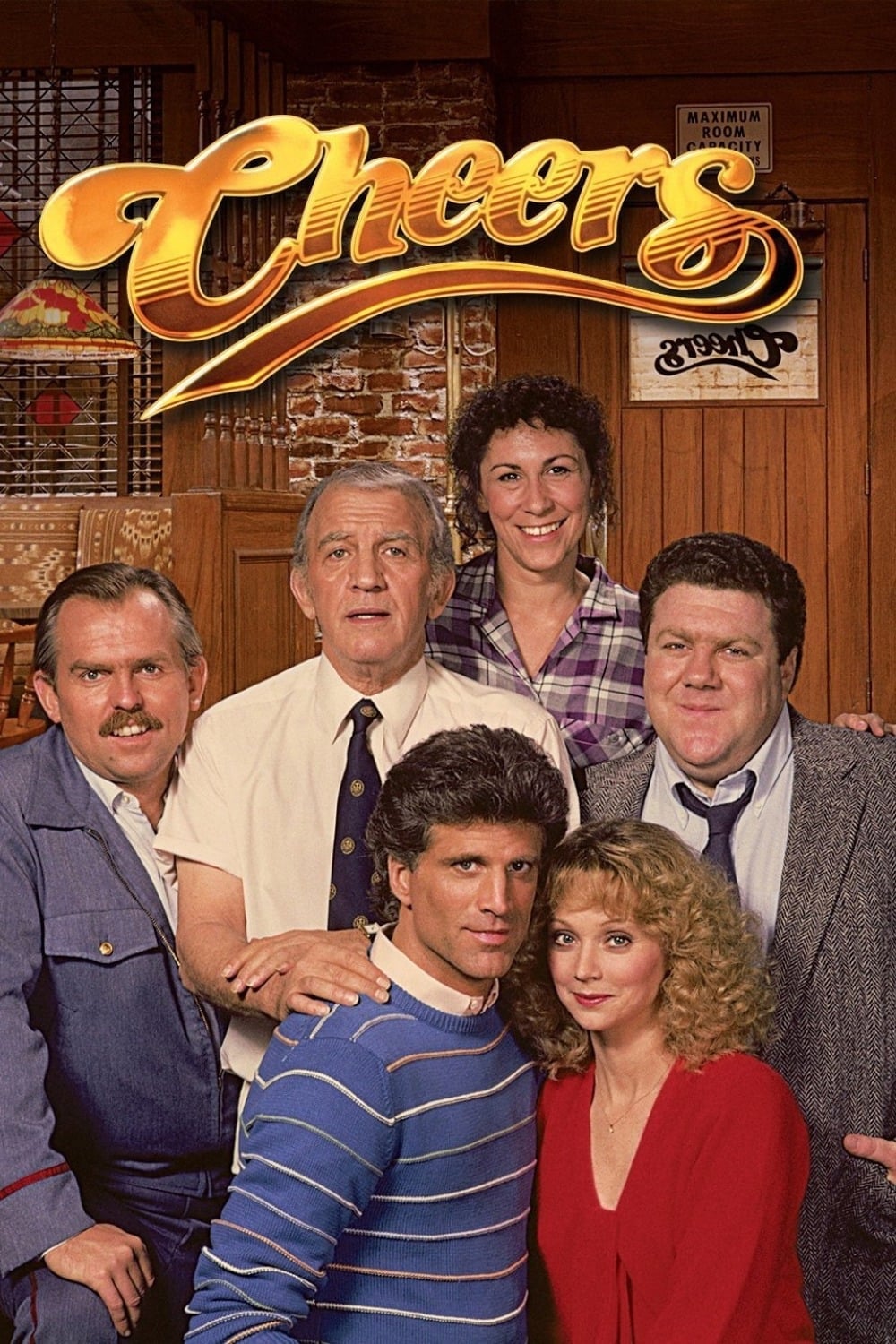
Developed by Glen Charles, Les Charles, and James Burrows, ‘Cheers’ is set in a Boston bar with a rotating ensemble. Ted Danson, Shelley Long, Rhea Perlman, George Wendt, John Ratzenberger, Woody Harrelson, Kirstie Alley, and Kelsey Grammer appear across seasons.
The fixed barroom sets support episodic plots about staff and patrons, usually returning to status quo by the tag. Running gags and workplace rhythms make episodes easy to revisit independently.
‘How I Met Your Mother’ (2005–2014)
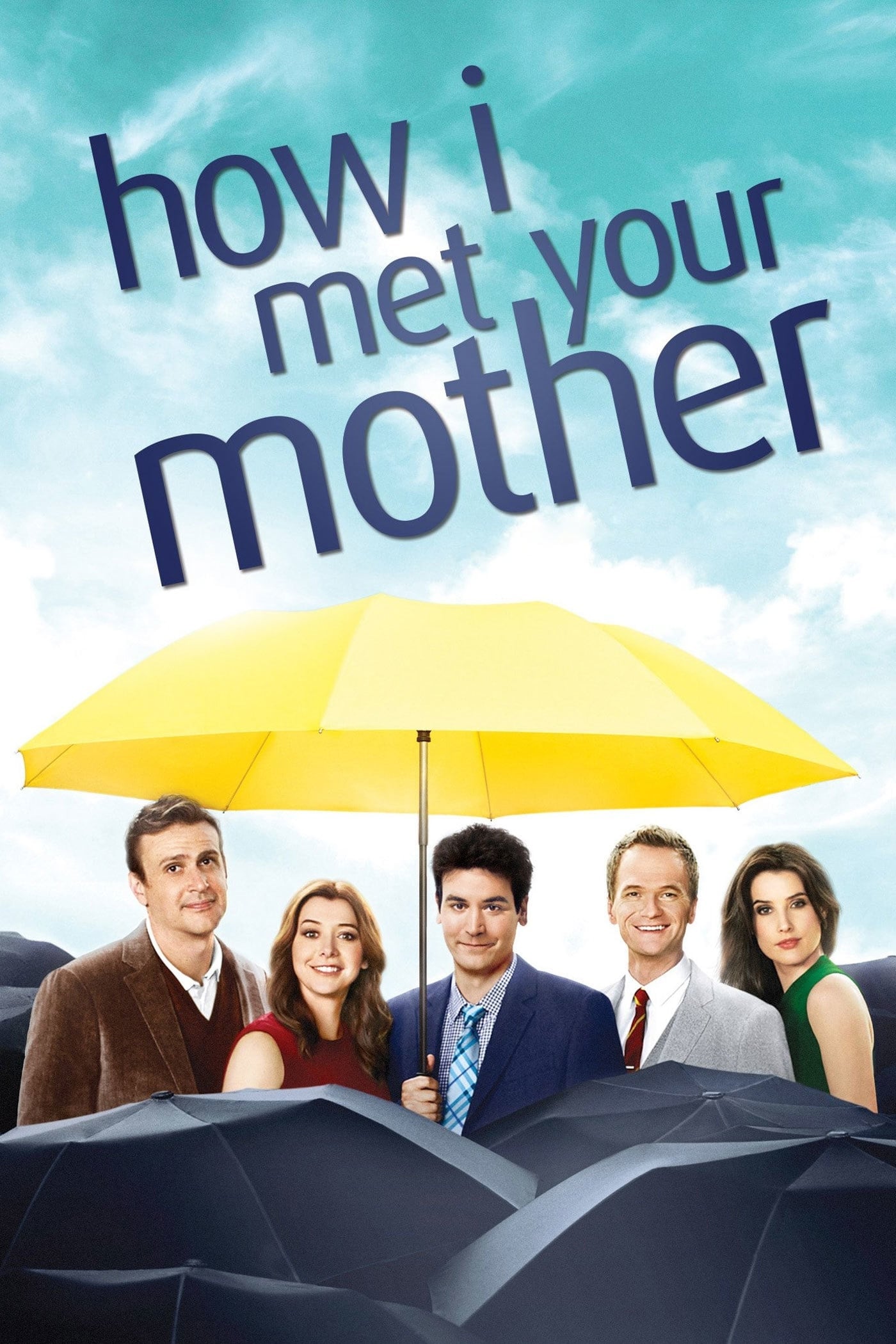
Created by Carter Bays and Craig Thomas for CBS, ‘How I Met Your Mother’ frames stories through an unreliable narrator. Josh Radnor, Jason Segel, Cobie Smulders, Neil Patrick Harris, and Alyson Hannigan star.
Nonlinear storytelling, recurring motifs, and MacLaren’s Pub tie standalone dating, work, and apartment plots together. Long-term mysteries unfold in the background while episodes deliver clear beginnings and endings.
‘Scrubs’ (2001–2010)
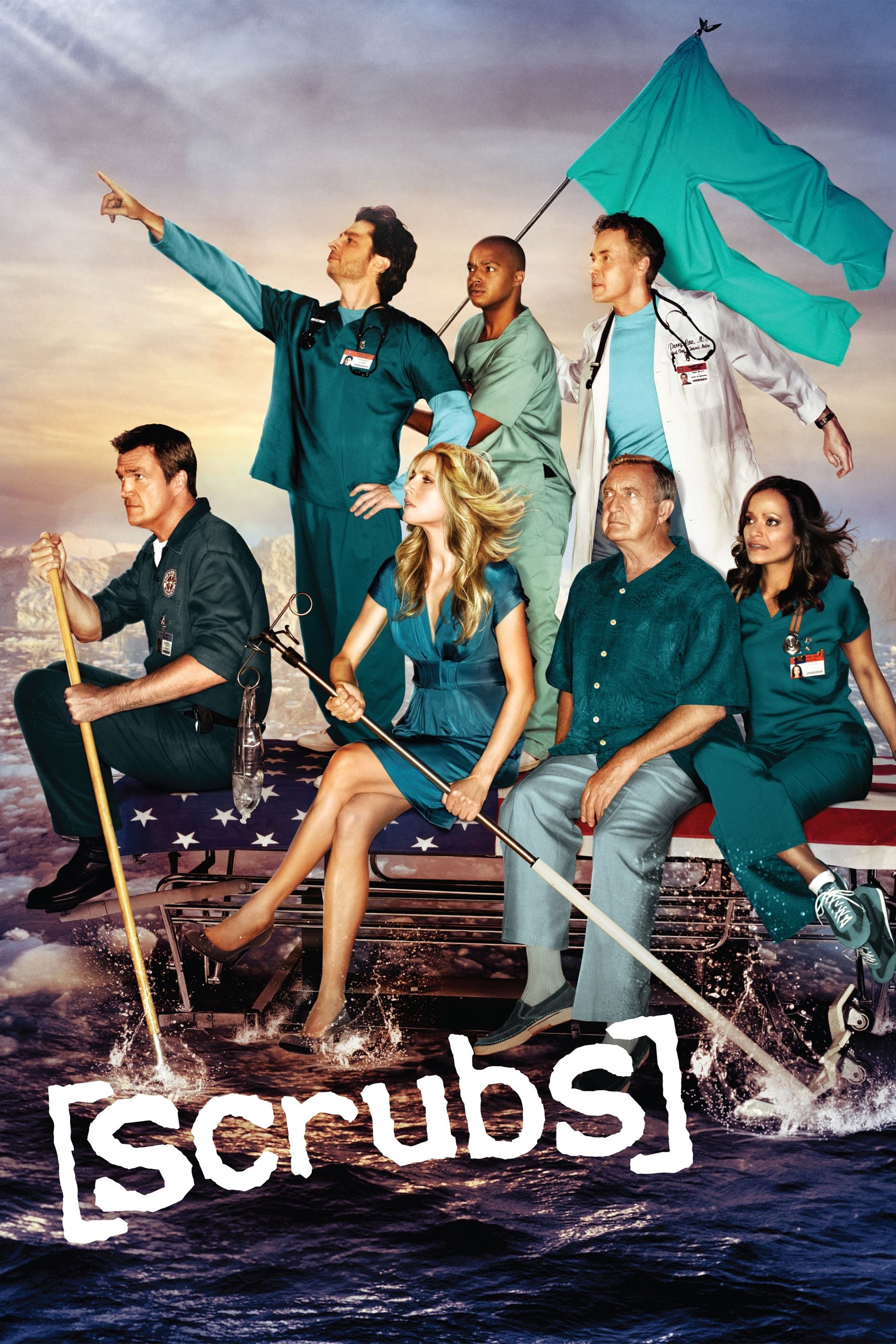
Bill Lawrence’s ‘Scrubs’ is a single-camera medical comedy-drama set at Sacred Heart Hospital. Zach Braff, Donald Faison, Sarah Chalke, and John C. McGinley headline.
Fantastical cutaways and voiceover narration frame diagnostic cases and ethical dilemmas that conclude within each episode. Rotating team lineups and clinic subplots keep the procedural core varied.
’30 Rock’ (2006–2013)
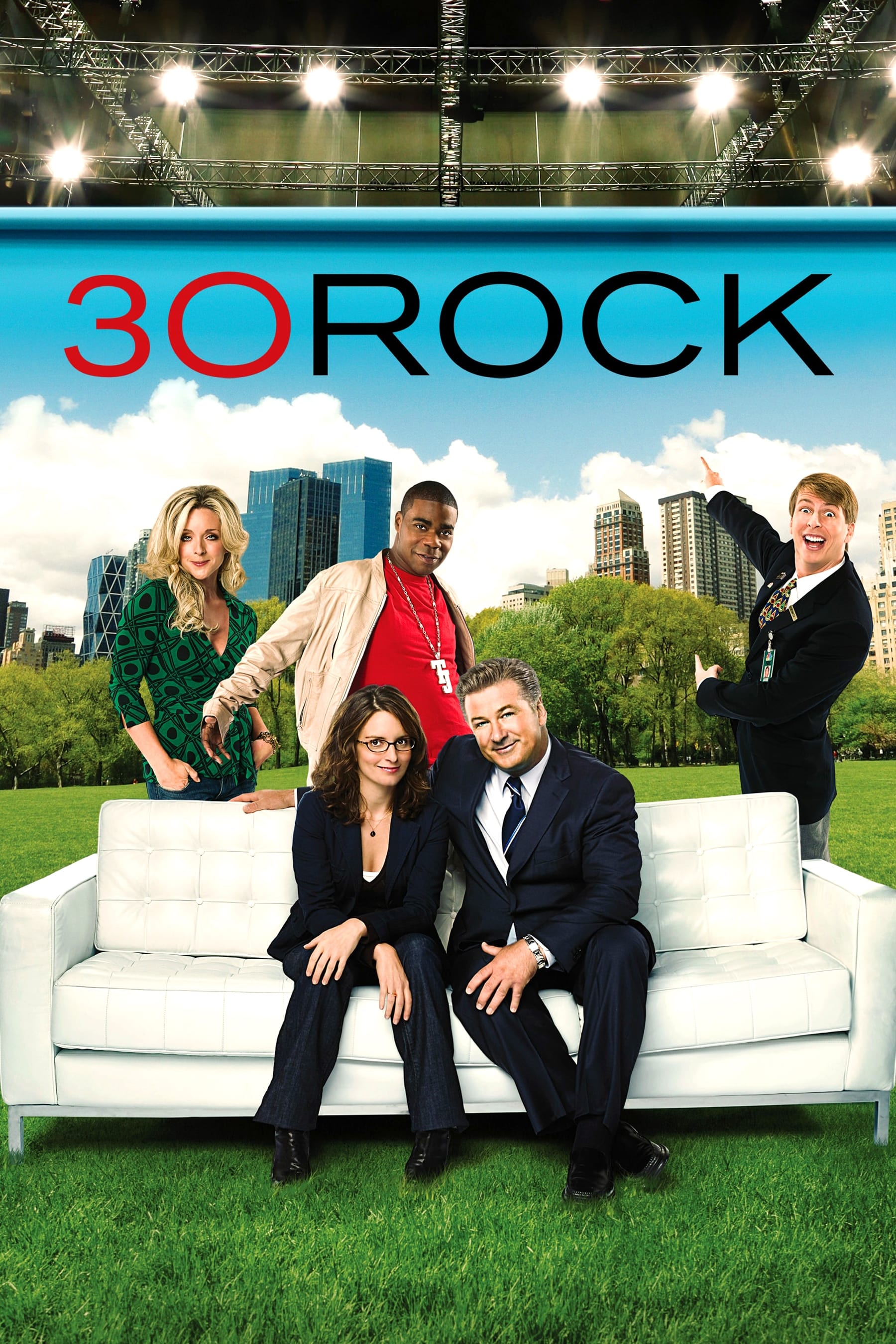
Created by Tina Fey for NBC, ’30 Rock’ looks behind the scenes at a network sketch show. The cast includes Tina Fey, Alec Baldwin, Tracy Morgan, Jane Krakowski, and Jack McBrayer.
Episodes revolve around production notes, sponsorship snafus, and live-show crises that reset quickly. Running gags, cutaways, and show-within-a-show bits give each entry a discrete structure.
‘Modern Family’ (2009–2020)
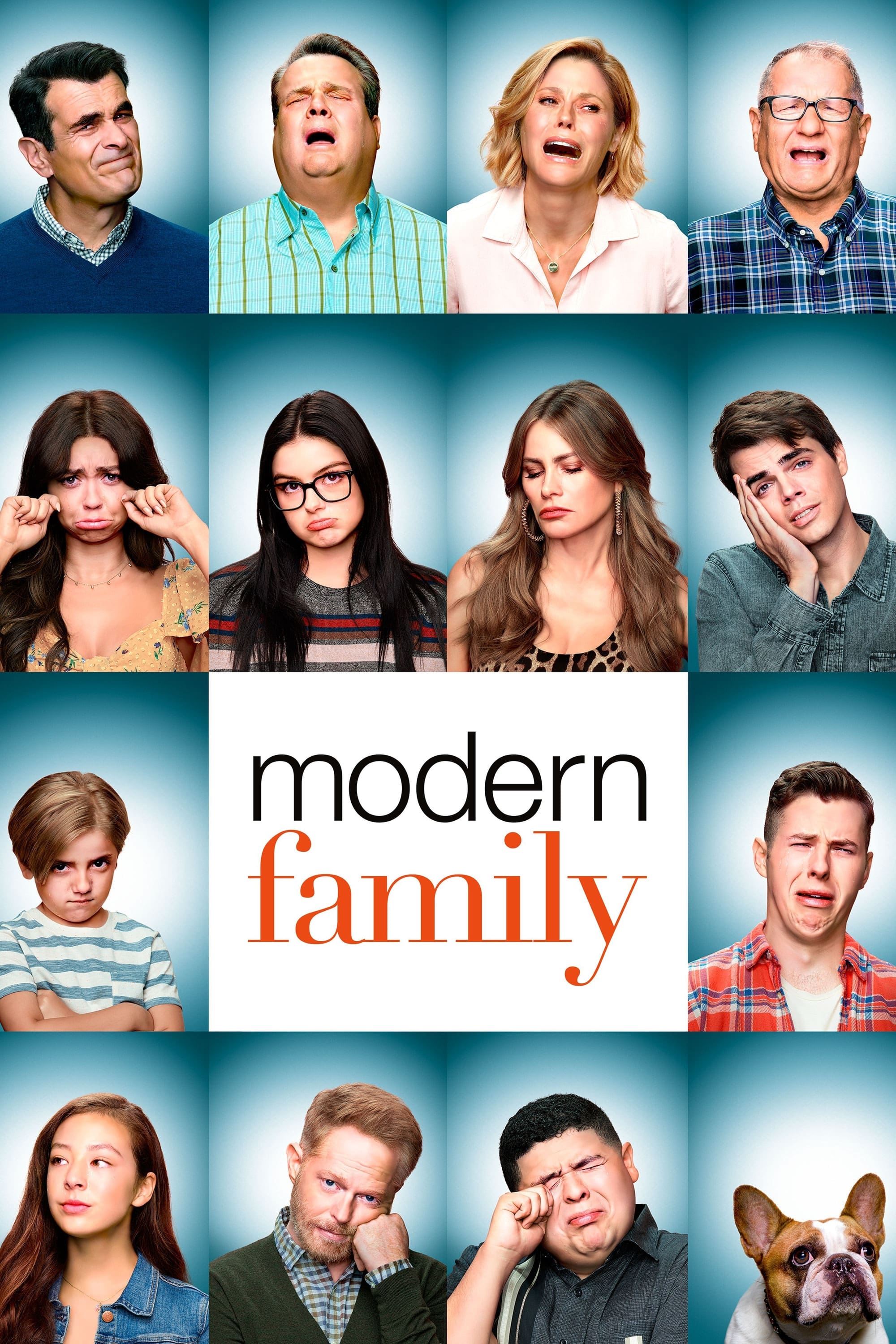
From Christopher Lloyd and Steven Levitan, ‘Modern Family’ uses a mockumentary lens to follow an extended family. Ed O’Neill, Sofia Vergara, Julie Bowen, Ty Burrell, Jesse Tyler Ferguson, and Eric Stonestreet form the ensemble.
Episodes weave three household storylines that converge in a final montage, offering closure each time. Recurring suburban settings—homes, schools, and family events—anchor self-contained plots.
‘New Girl’ (2011–2018)
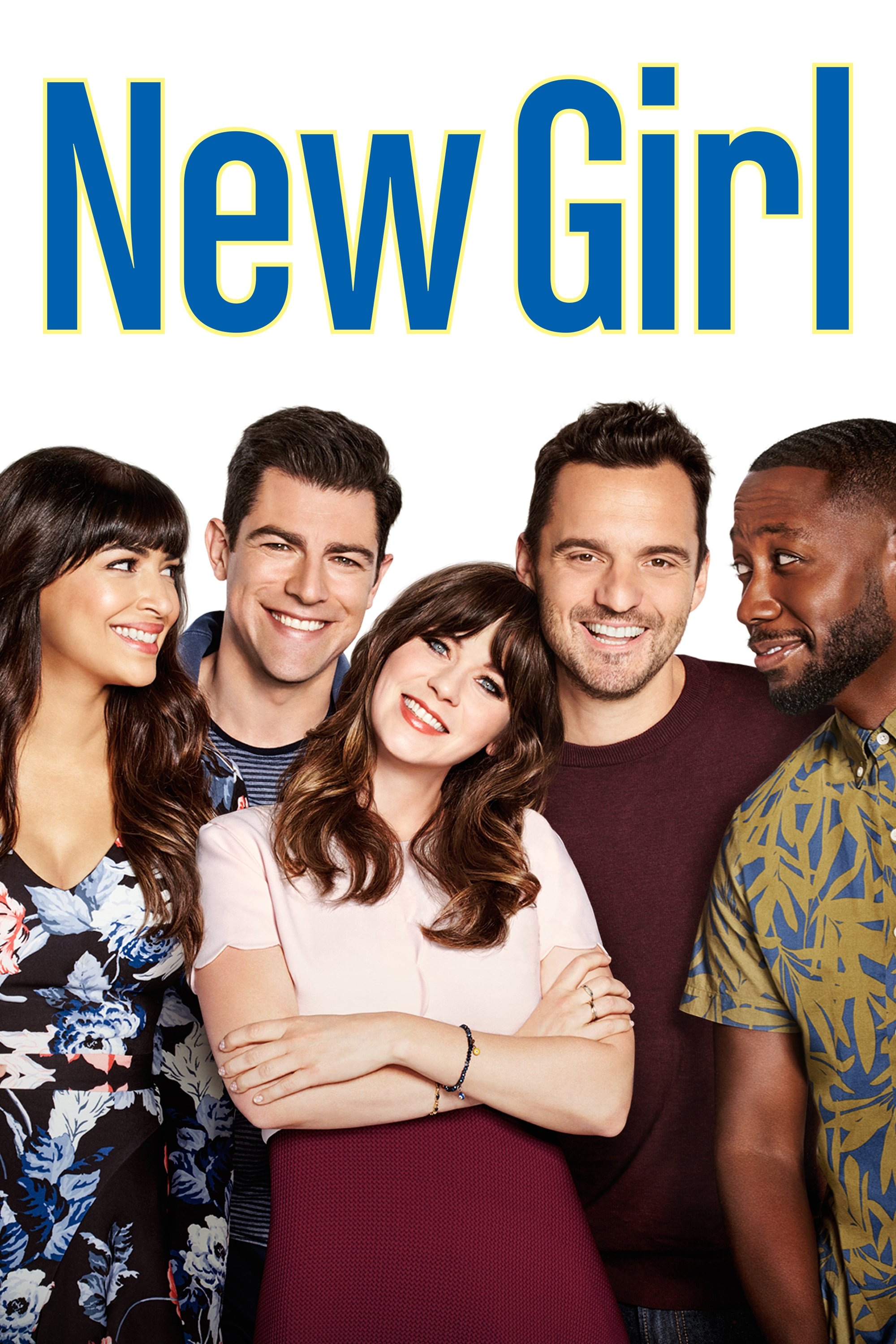
Created by Elizabeth Meriwether for Fox, ‘New Girl’ centers on roommates sharing a Los Angeles loft. Zooey Deschanel, Jake Johnson, Max Greenfield, Lamorne Morris, and Hannah Simone lead.
Roommate conflicts, dating misadventures, and workplace subplots typically resolve within the half hour. The loft, bar, and office settings provide consistent backdrops for modular episodes.
‘Community’ (2009–2015)
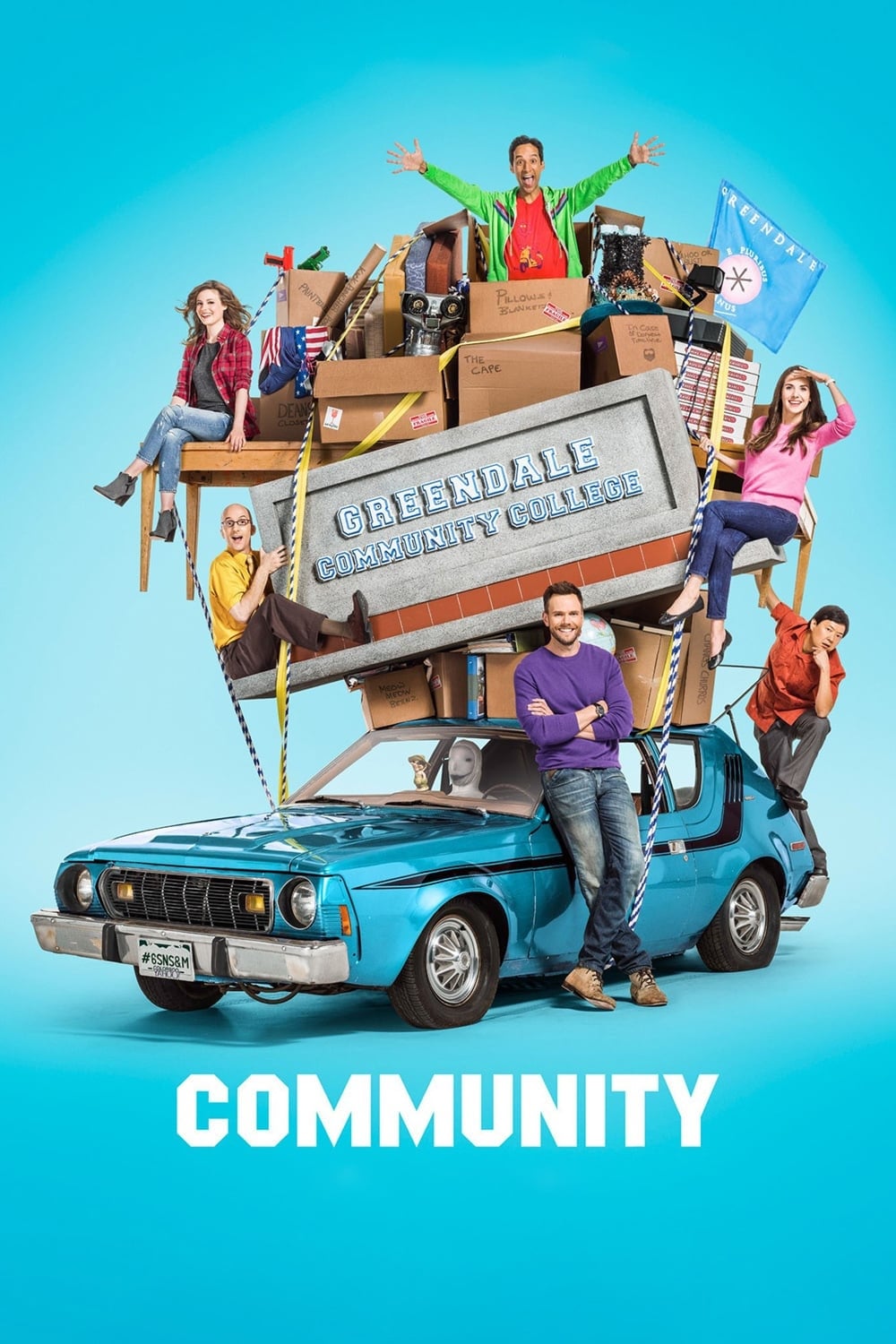
Dan Harmon’s ‘Community’ is set at Greendale Community College with a study-group ensemble. Joel McHale, Gillian Jacobs, Danny Pudi, Alison Brie, Donald Glover, Yvette Nicole Brown, Ken Jeong, and Chevy Chase star.
Meta storytelling and genre homages yield discrete, high-concept installments—mock documentaries, paintball showdowns, and game nights. Recurring campus clubs and classrooms create repeatable frameworks.
‘The Big Bang Theory’ (2007–2019)
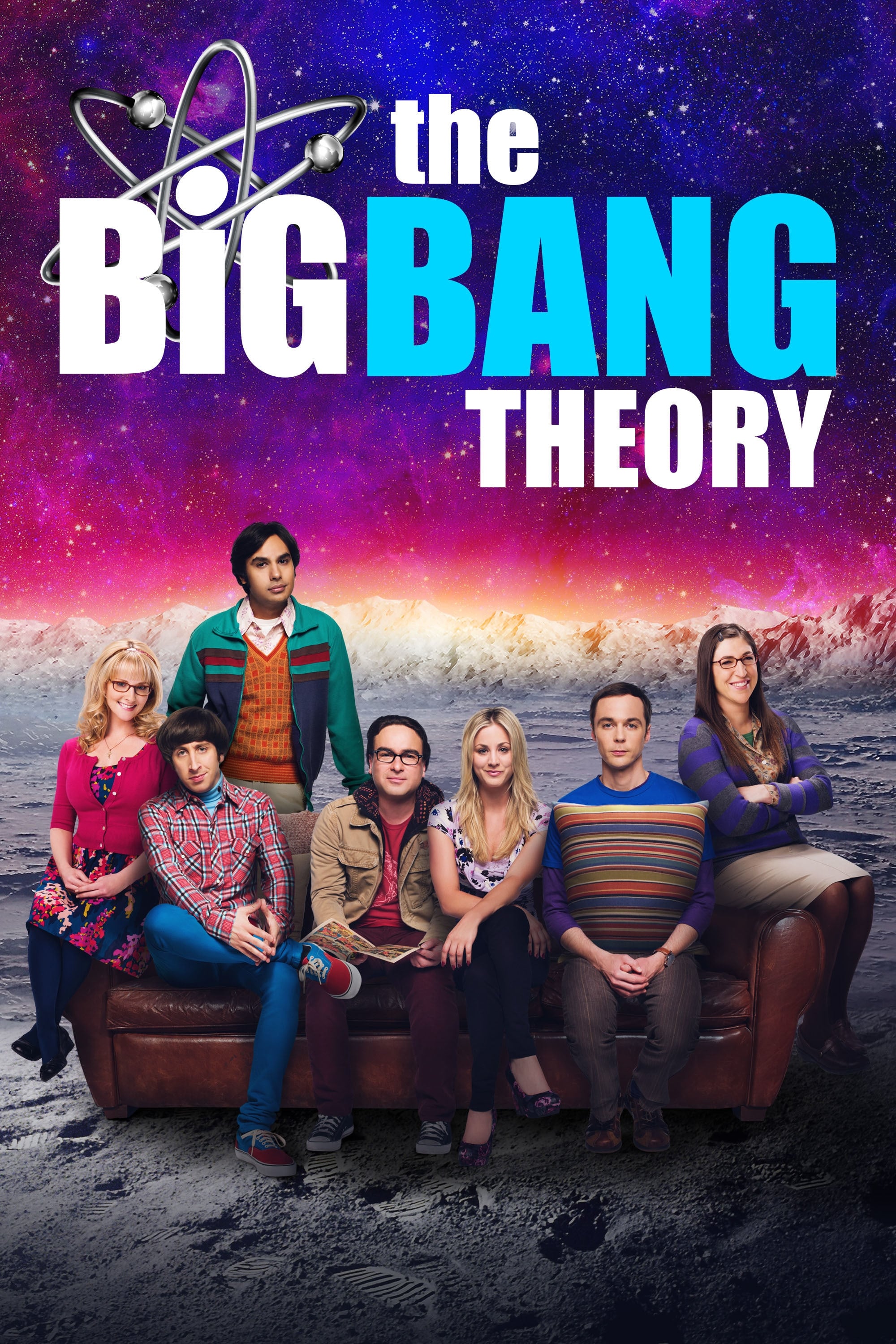
Created by Chuck Lorre and Bill Prady for CBS, ‘The Big Bang Theory’ follows scientists and friends in Pasadena. Jim Parsons, Johnny Galecki, Kaley Cuoco, Simon Helberg, Kunal Nayyar, Melissa Rauch, and Mayim Bialik star.
Sitcom engines include lab projects, comic-book store trips, and apartment gatherings that wrap by episode end. The prequel ‘Young Sheldon’ expands the universe while the parent series remains self-contained.
‘Everybody Loves Raymond’ (1996–2005)
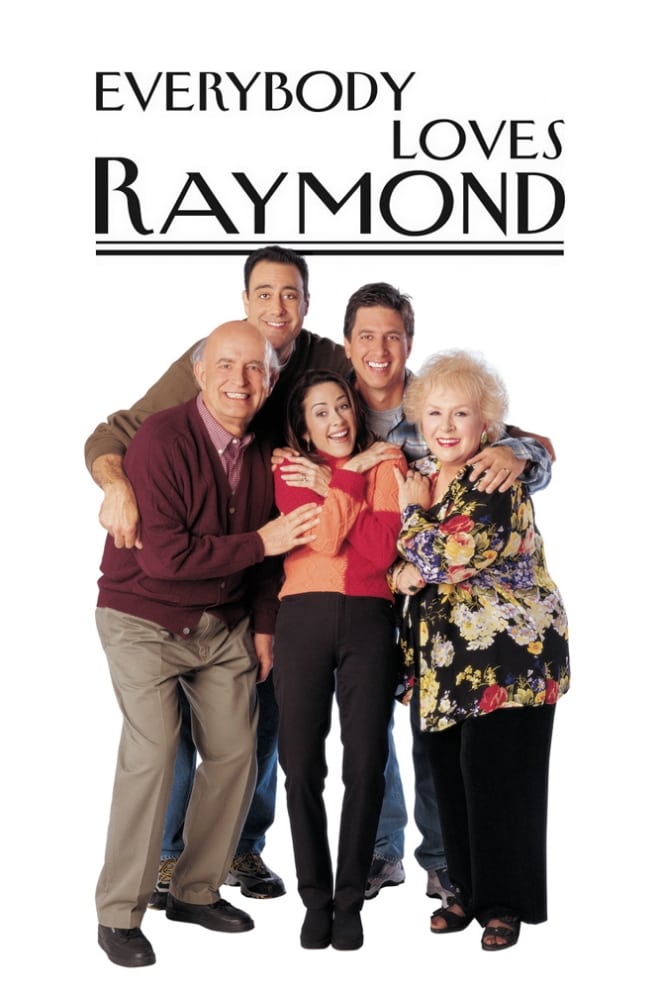
Created by Philip Rosenthal for CBS, ‘Everybody Loves Raymond’ centers on a sportswriter and his extended family living across the street. Ray Romano, Patricia Heaton, Brad Garrett, Doris Roberts, and Peter Boyle headline.
Domestic disputes, in-law visits, and parenting issues follow a reset-to-normal pattern each week. The multi-camera format and consistent home sets support straightforward, episodic stories.
‘Futurama’ (1999–present)
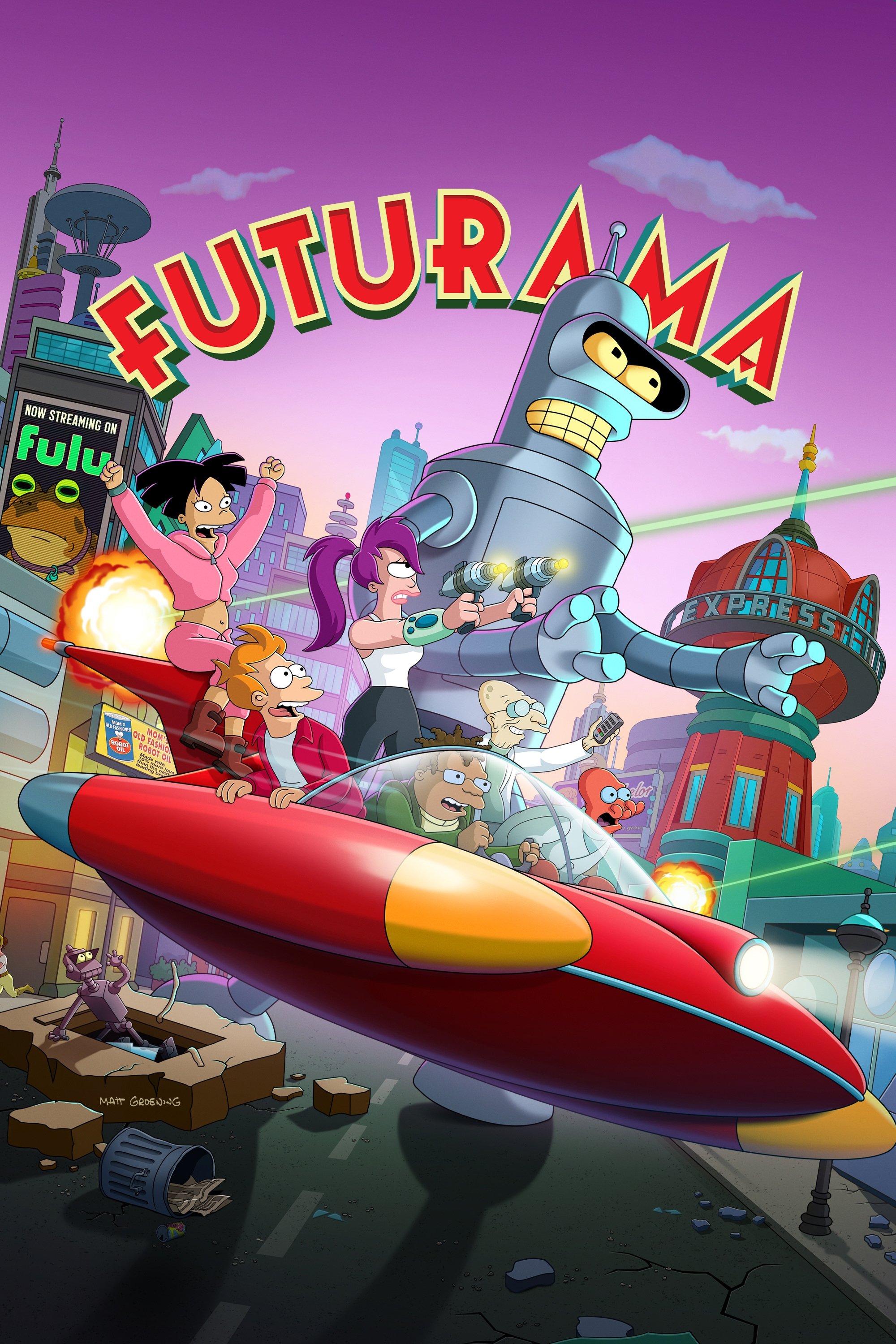
Created by Matt Groening with David X. Cohen, ‘Futurama’ follows a delivery crew in a sci-fi workplace setup. Billy West, Katey Sagal, and John DiMaggio lead the voice cast.
Episodes operate as standalone missions—deliveries, inventions gone wrong, alien encounters—punctuated by closing gags. The Planet Express home base and rotating clients provide clear case structures.
‘The X-Files’ (1993–2018)
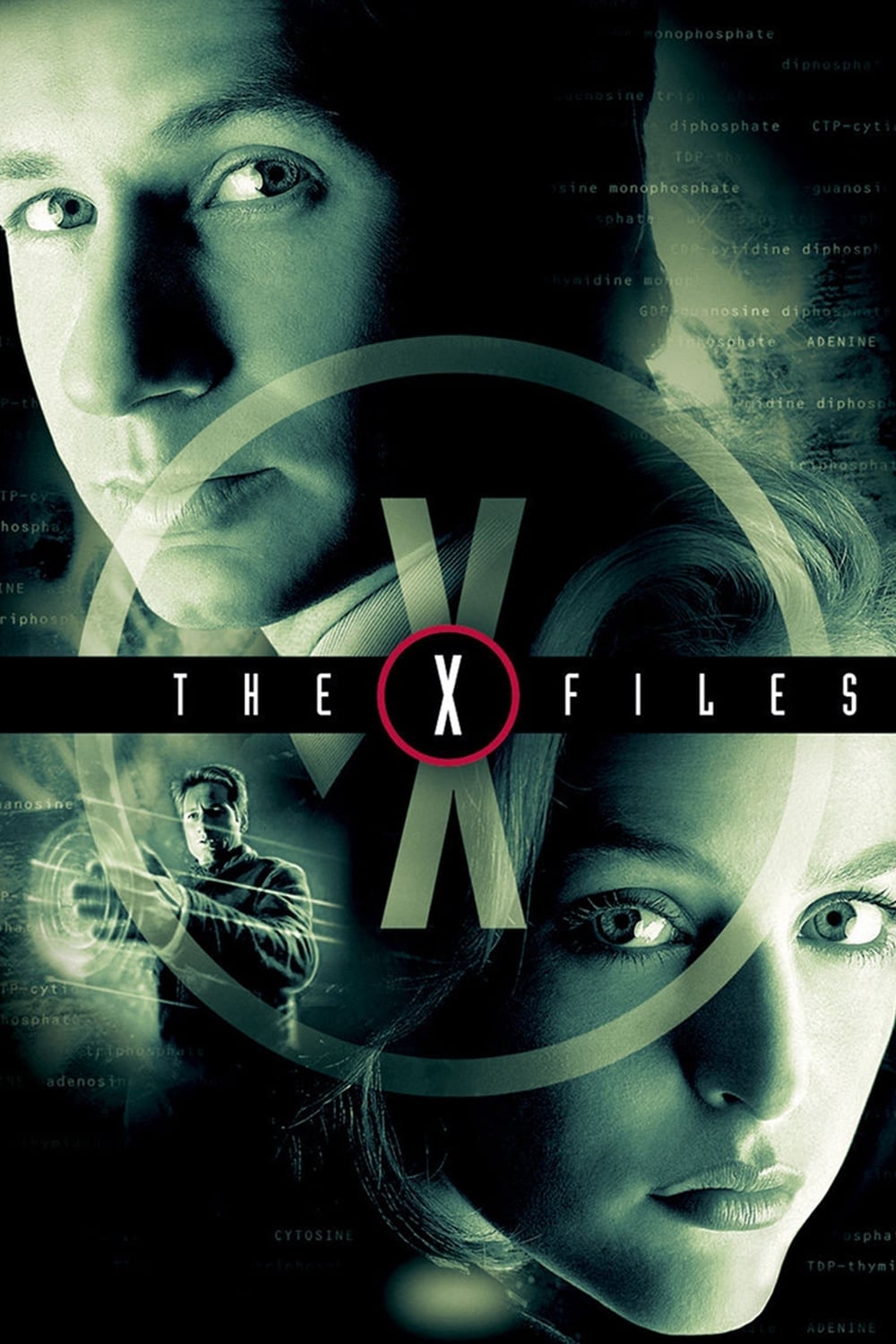
Chris Carter’s ‘The X-Files’ pairs FBI agents Fox Mulder and Dana Scully on paranormal investigations. David Duchovny and Gillian Anderson star.
The format alternates mythology arcs with “monster of the week” entries, allowing selective viewing. Recurring allies and adversaries add continuity without demanding strict order.
‘Buffy the Vampire Slayer’ (1997–2003)
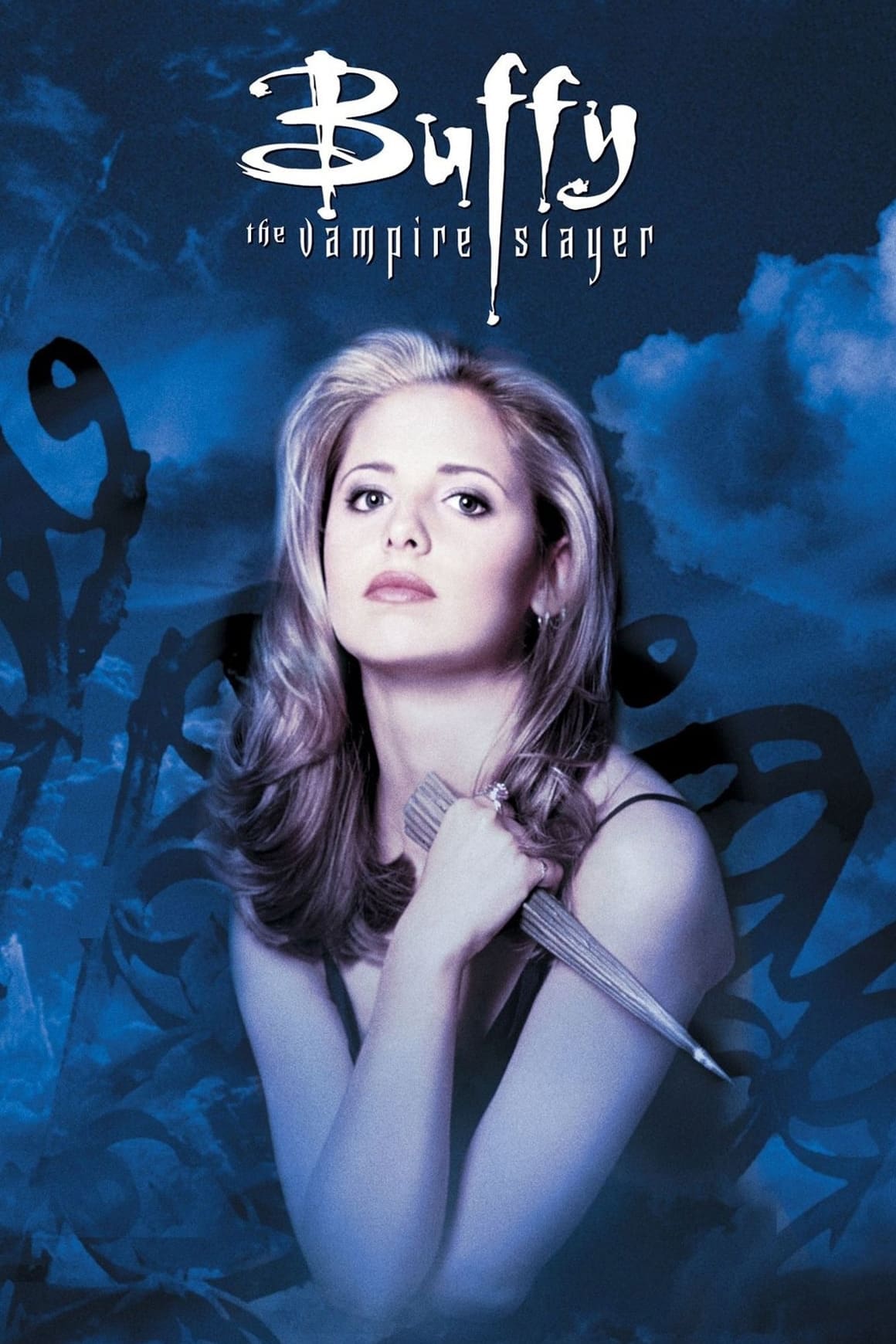
Created by Joss Whedon, ‘Buffy the Vampire Slayer’ follows a slayer and her friends balancing everyday life with supernatural threats. Sarah Michelle Gellar leads a cast including Alyson Hannigan, Nicholas Brendon, Anthony Head, and James Marsters.
Season-long “Big Bad” arcs sit alongside patrols, prophecies, and school-to-adult milestones that conclude within episodes. The spin-off ‘Angel’ extends the world while the parent show remains coherent on its own.
‘Star Trek: The Next Generation’ (1987–1994)
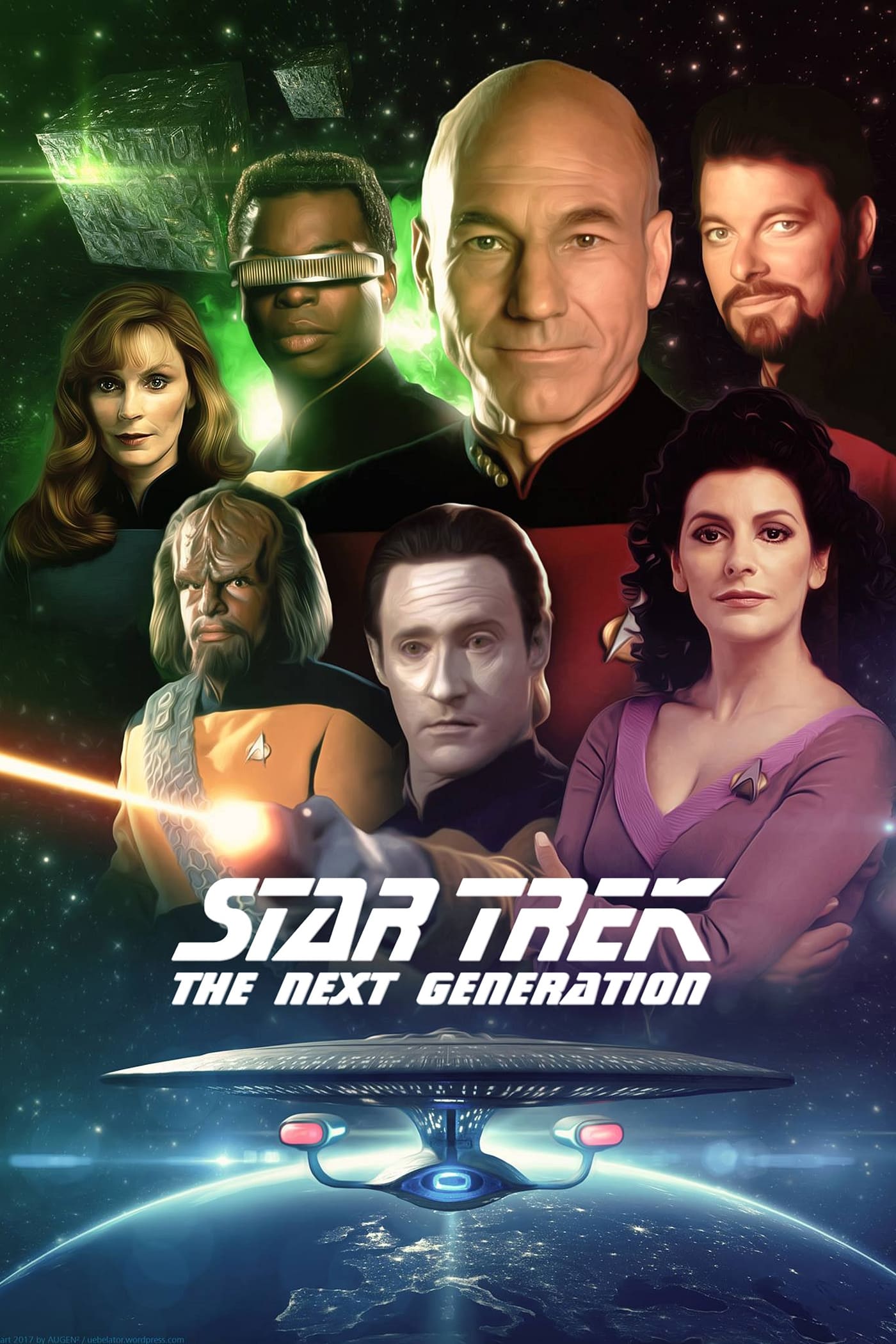
‘Star Trek: The Next Generation’ continues Gene Roddenberry’s universe aboard the USS Enterprise-D. Patrick Stewart, Jonathan Frakes, LeVar Burton, Brent Spiner, Gates McFadden, Marina Sirtis, and Michael Dorn star.
Exploration, diplomacy, and ethical dilemmas are presented as case-based missions that resolve by each hour’s end. Shipboard settings and a clear command structure keep stakes legible at any point.
‘Star Trek: Deep Space Nine’ (1993–1999)
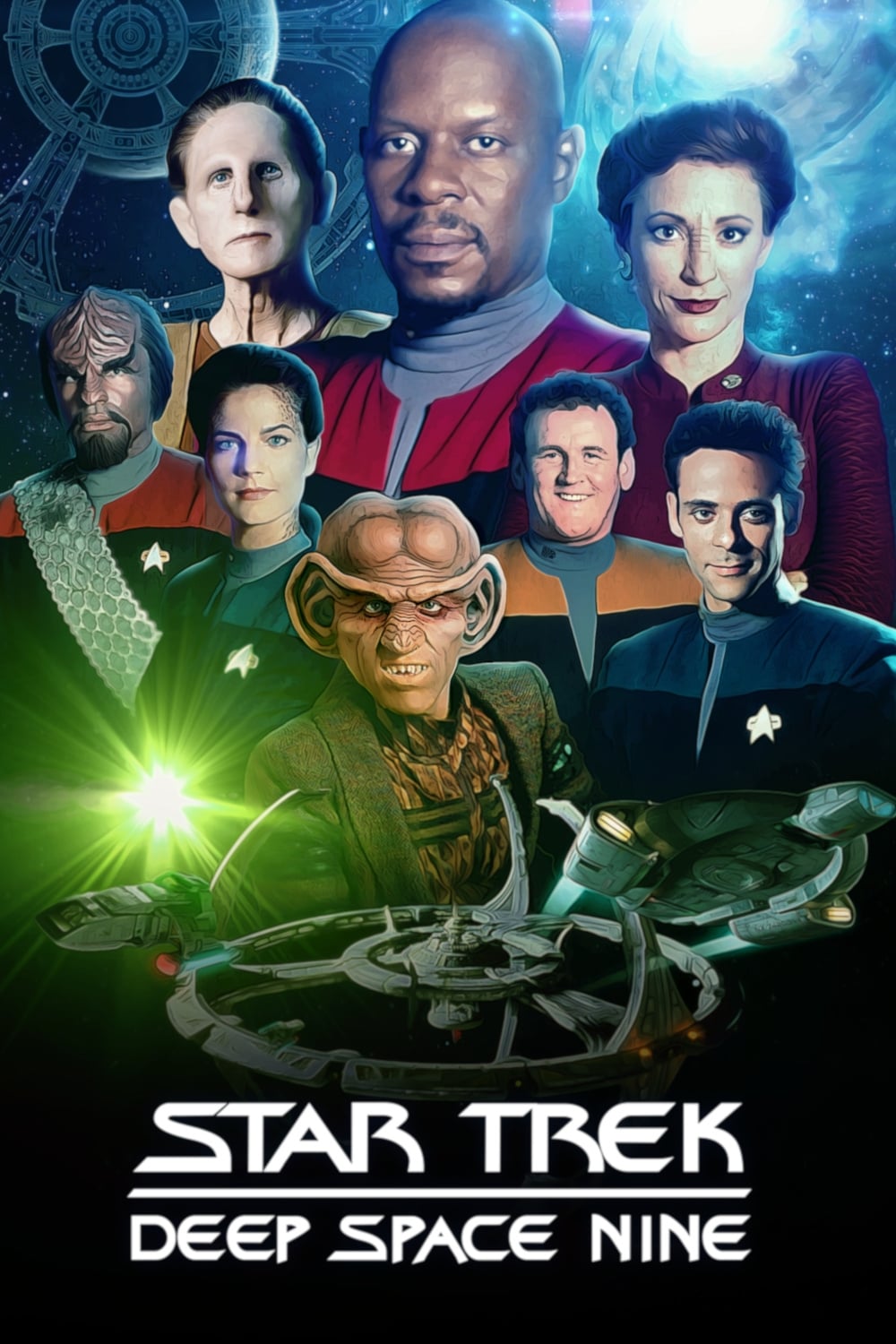
Developed by Rick Berman and Michael Piller, ‘Star Trek: Deep Space Nine’ is set on a strategically located space station led by Avery Brooks. Nana Visitor, Rene Auberjonois, Colm Meaney, Armin Shimerman, Alexander Siddig, and Terry Farrell round out the ensemble.
While it embraces serialized politics, the station backdrop supports trading, diplomacy, and holosuite adventures that stand alone. Recurring factions and shopfronts create a lived-in hub for repeat visits.
‘The Wire’ (2002–2008)
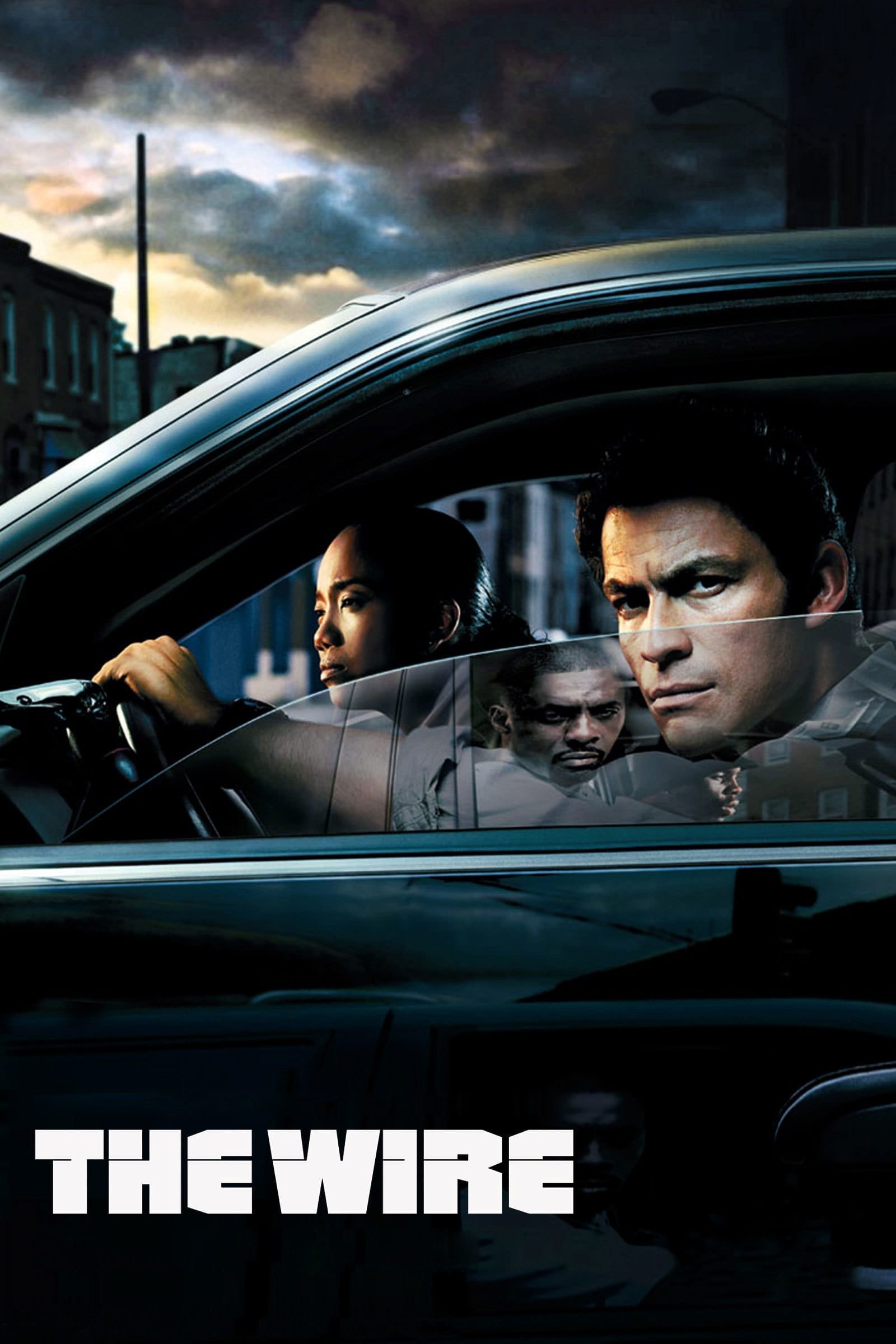
Created by David Simon for HBO, ‘The Wire’ examines institutions in Baltimore through interconnected police, schools, politics, docks, and media stories. Dominic West, Idris Elba, Sonja Sohn, Wendell Pierce, and Michael K. Williams appear across seasons.
Each season emphasizes a different civic system while episodes track investigations or community beats that play independently. Realistic procedures and clearly drawn units make selective revisits coherent.
‘Breaking Bad’ (2008–2013)
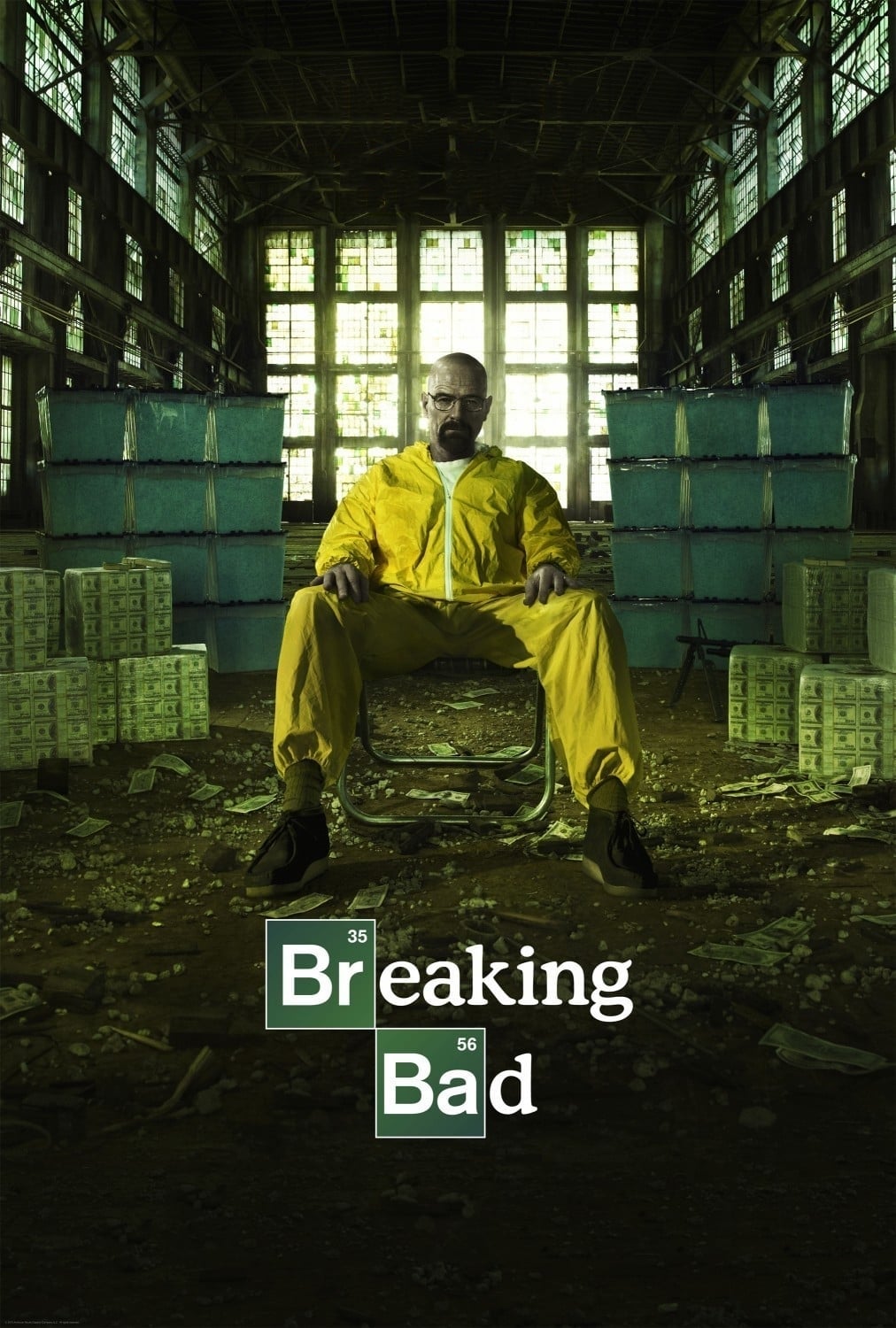
Vince Gilligan’s ‘Breaking Bad’ follows a chemistry teacher’s turn into criminal enterprise. Bryan Cranston, Aaron Paul, Anna Gunn, Dean Norris, and Giancarlo Esposito star.
Heists, negotiations, and lab problems create tight mini-arcs within the larger story. The franchise extends with ‘Better Call Saul’ and ‘El Camino’, while the original series functions on its own.
‘Better Call Saul’ (2015–2022)
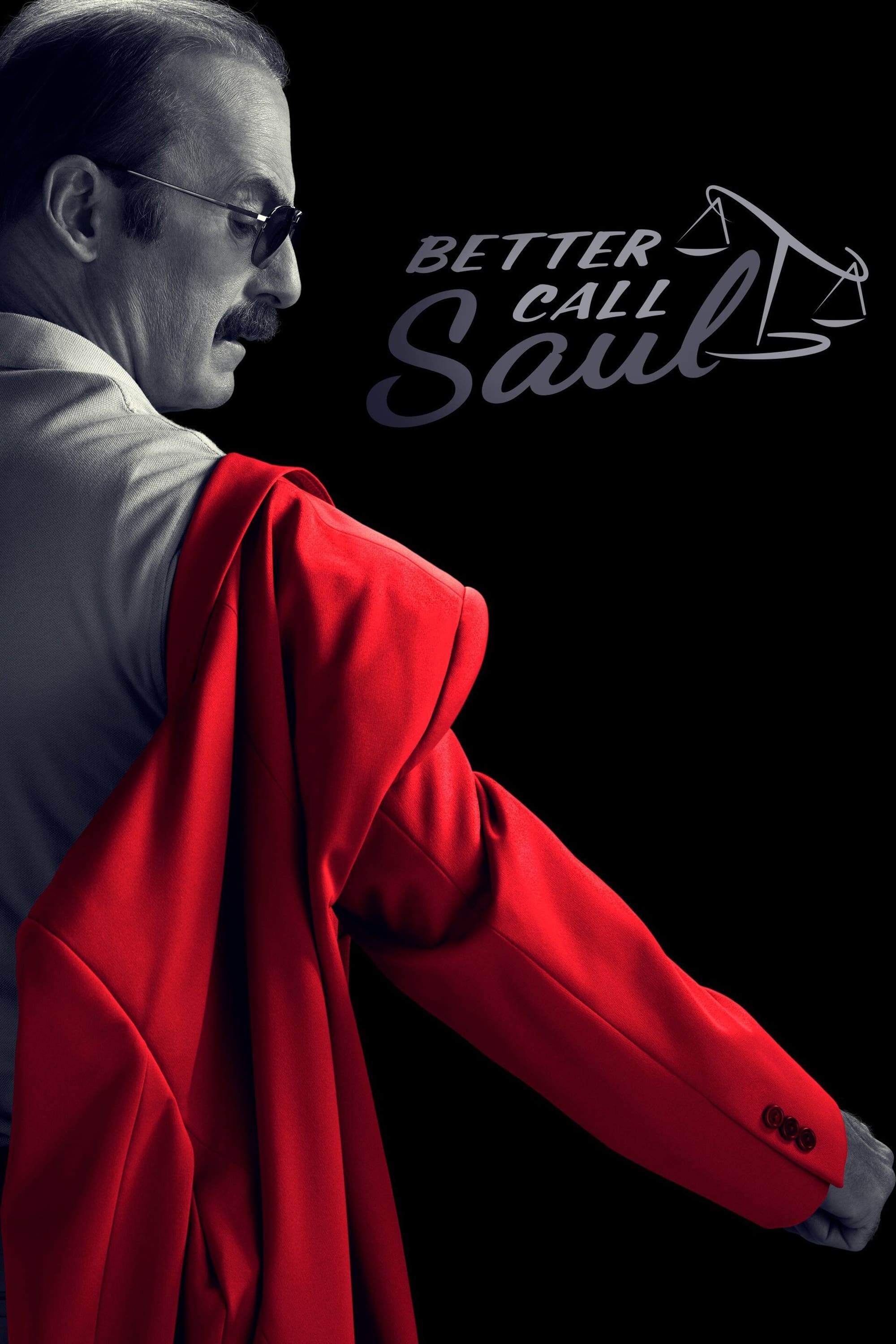
Created by Vince Gilligan and Peter Gould for AMC, ‘Better Call Saul’ chronicles Jimmy McGill’s evolution alongside legal and cartel worlds. Bob Odenkirk, Rhea Seehorn, Jonathan Banks, Michael Mando, and Tony Dalton star.
Episodes interweave courtroom maneuvers and meticulous schemes that land with clean turns or reversals. Characters introduced in ‘Breaking Bad’ are deepened while this series maintains separate case files.
‘Game of Thrones’ (2011–2019)
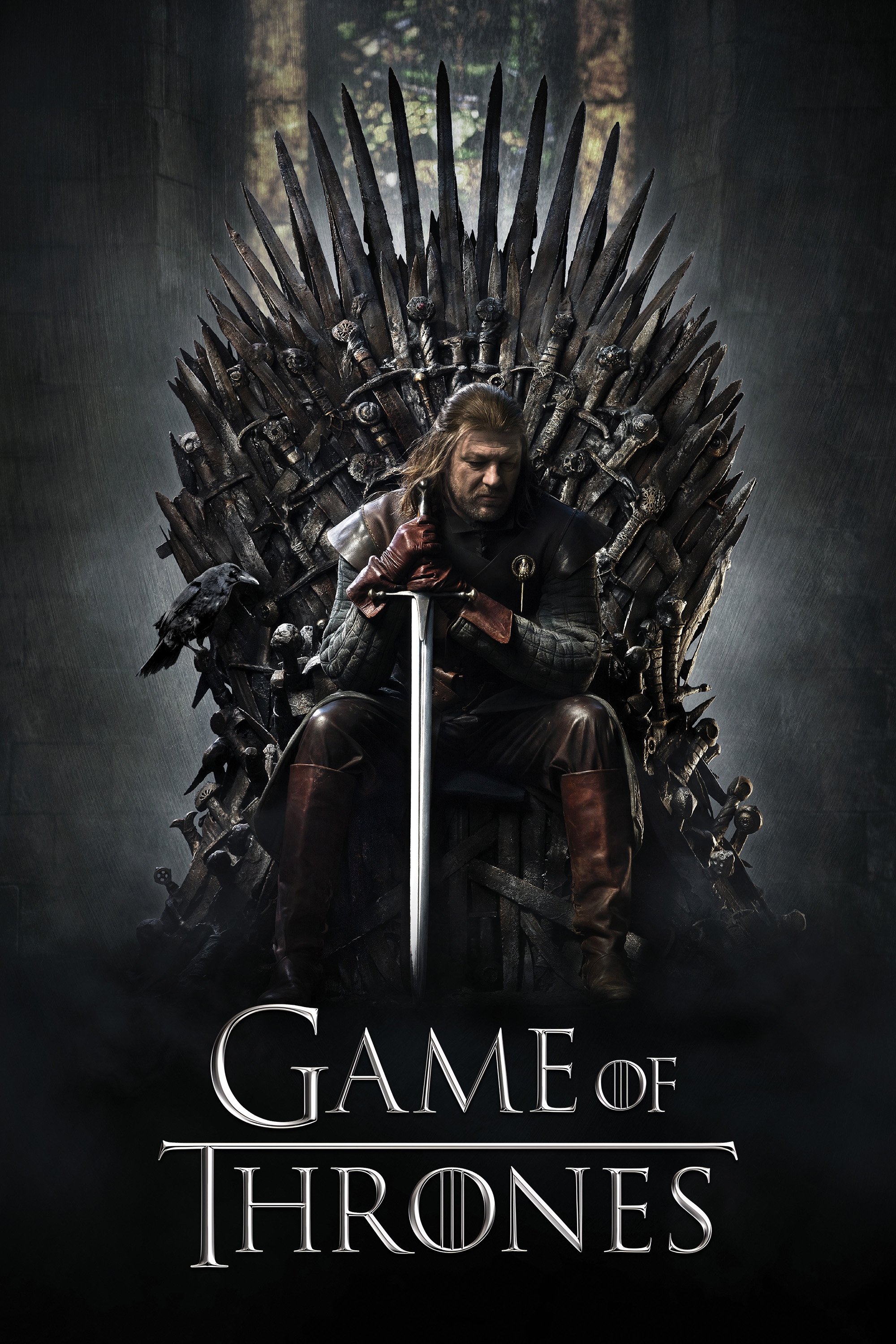
Developed by David Benioff and D. B. Weiss for HBO, ‘Game of Thrones’ adapts ‘A Song of Ice and Fire’ with a multinational ensemble. Production uses large-scale sets, location shoots, and staged battles.
Multi-plot chapters—court sessions, frontier defenses, and family claims—let viewers focus on specific regions or characters. The franchise continues with ‘House of the Dragon’, while episodes of the original stand as distinct arcs.
‘The Sopranos’ (1999–2007)
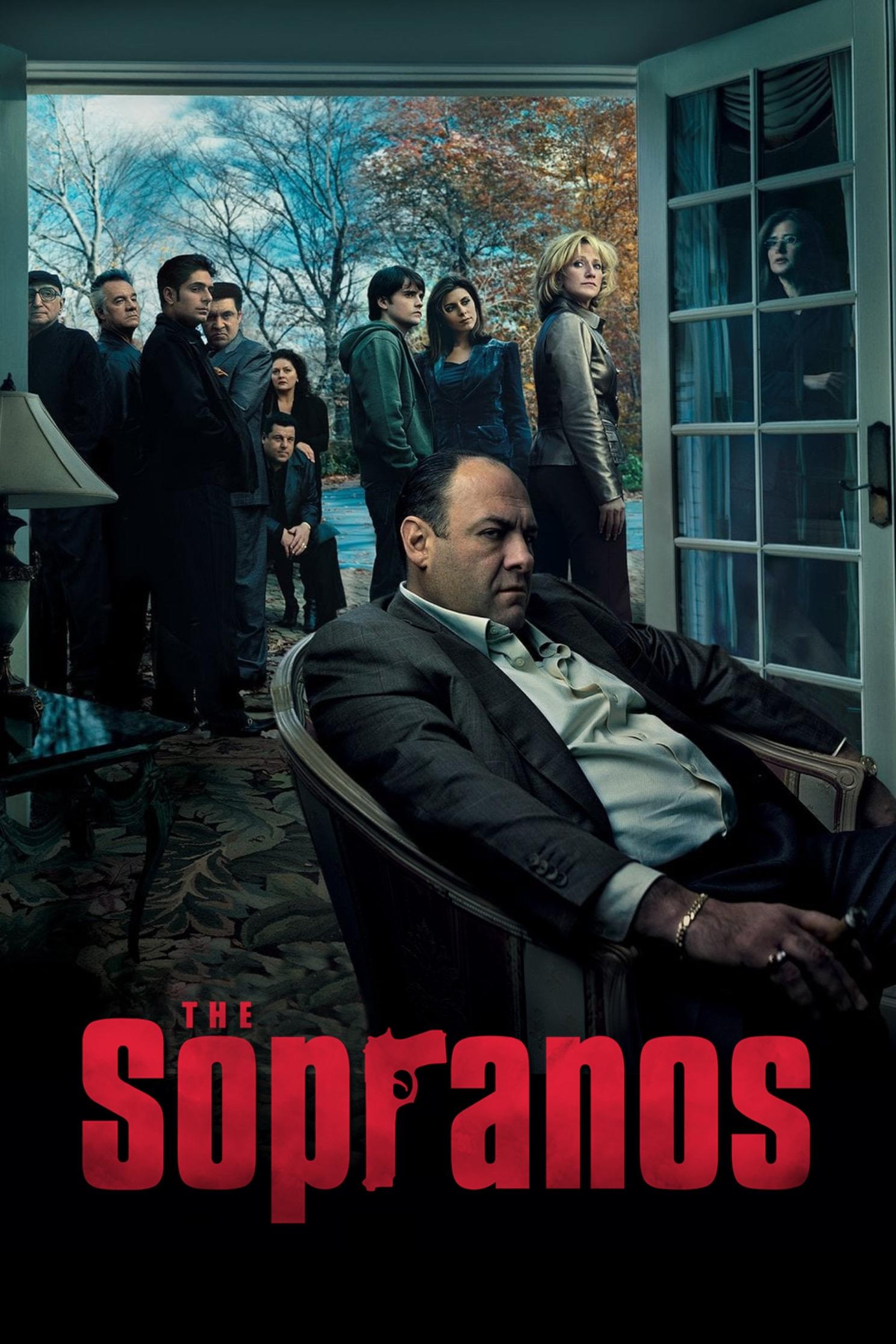
Created by David Chase for HBO, ‘The Sopranos’ follows a crime family and their inner circle in New Jersey. James Gandolfini, Edie Falco, Lorraine Bracco, and Michael Imperioli lead.
Episodes present discrete dilemmas—crew conflicts, business disputes, therapy breakthroughs—that pivot or resolve by the end. Home, workplace, and counseling settings provide clear narrative arenas.
‘Mad Men’ (2007–2015)
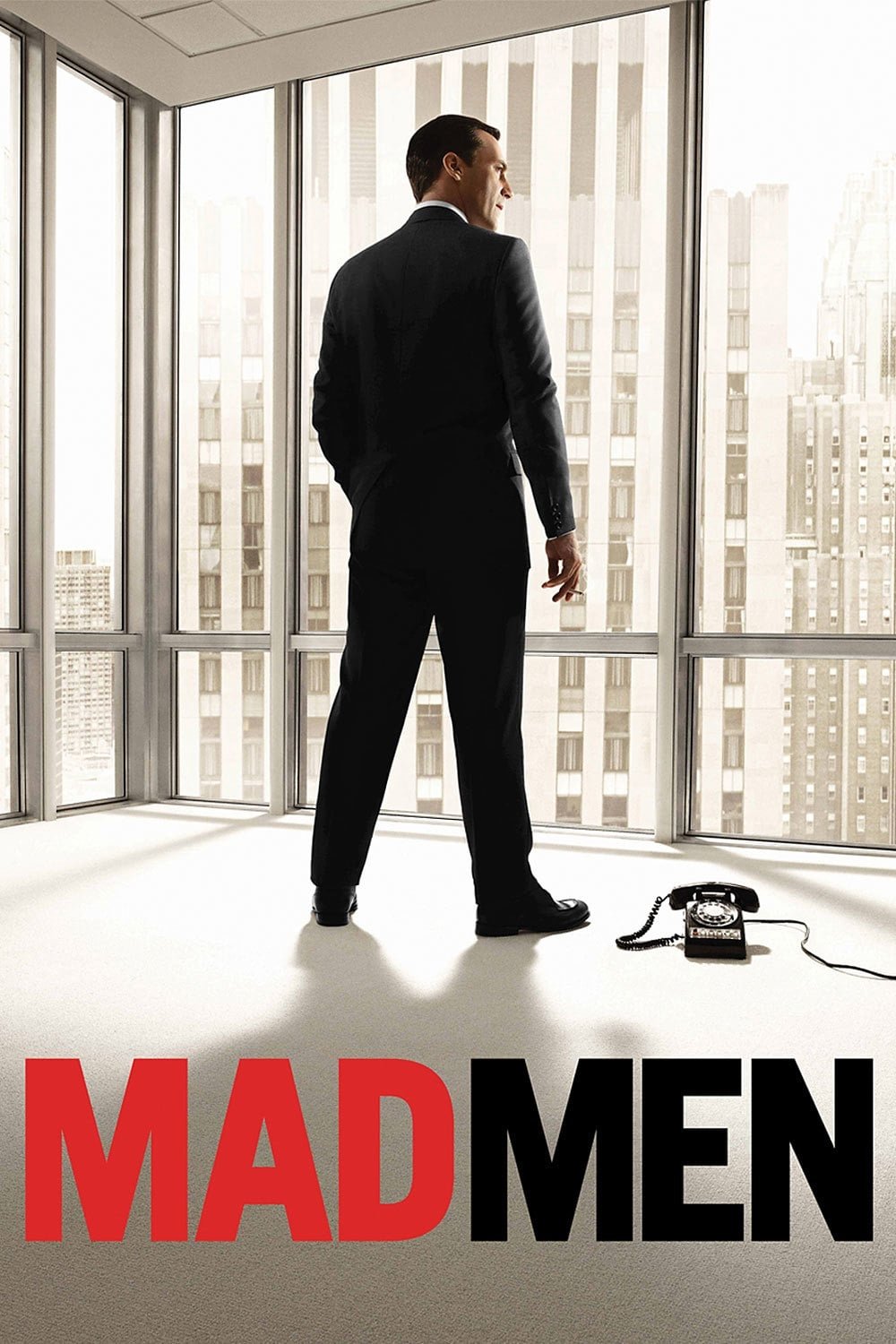
From Matthew Weiner for AMC, ‘Mad Men’ explores the advertising industry through agency teams and clients. Jon Hamm, Elisabeth Moss, John Slattery, and Christina Hendricks star.
Pitch meetings and campaign cycles structure episodes as complete workplace dramas. Recurring agencies and accounts give continuity without requiring strict order.
‘Sherlock’ (2010–2017)
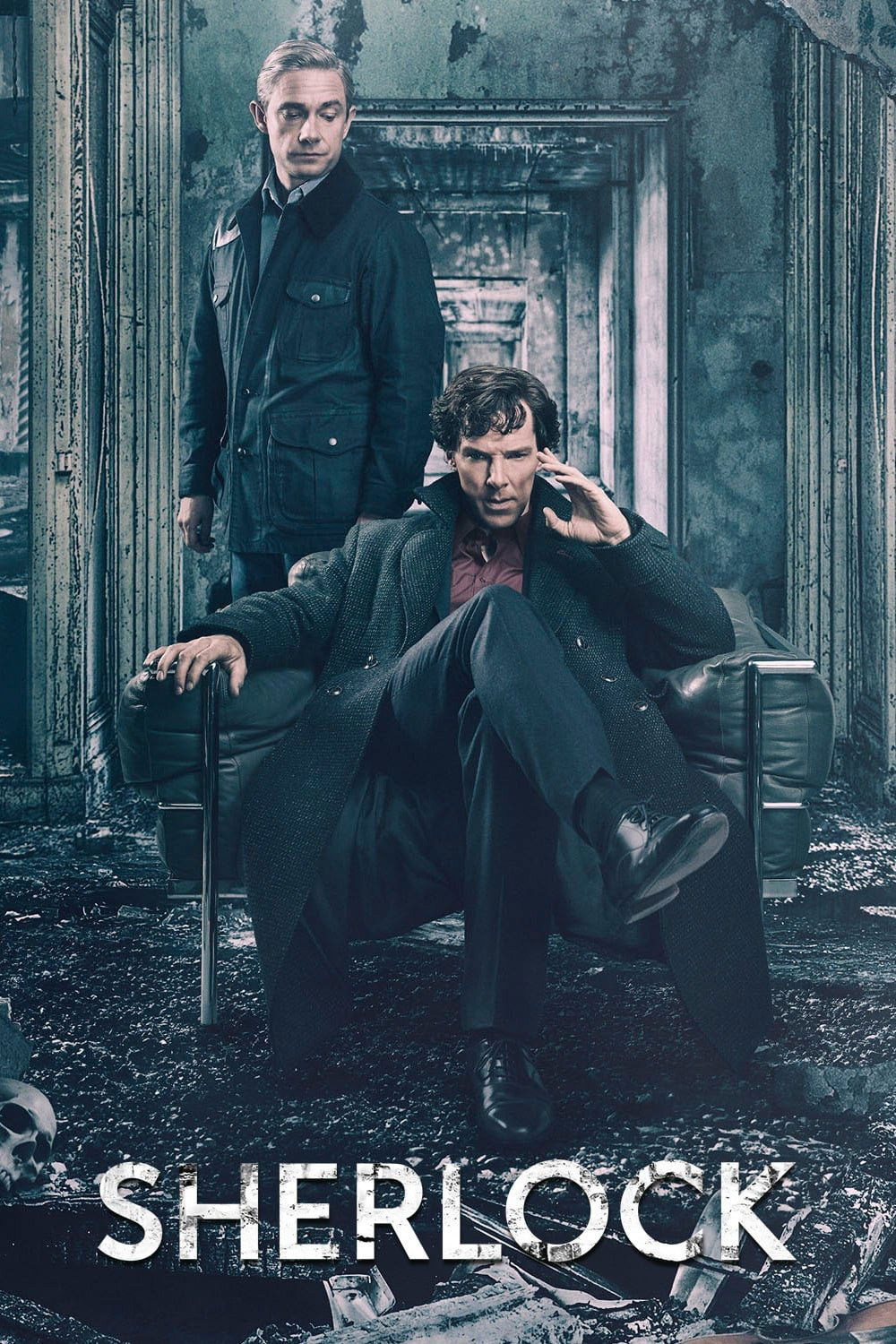
Co-created by Steven Moffat and Mark Gatiss for the BBC, ‘Sherlock’ updates Arthur Conan Doyle’s detective to contemporary London. Benedict Cumberbatch and Martin Freeman star.
Feature-length installments adapt classic cases into modern mysteries, each functioning as a standalone story. Visualizations of deduction and recurring adversaries create distinctive case files.
‘Doctor Who’ (1963–present)
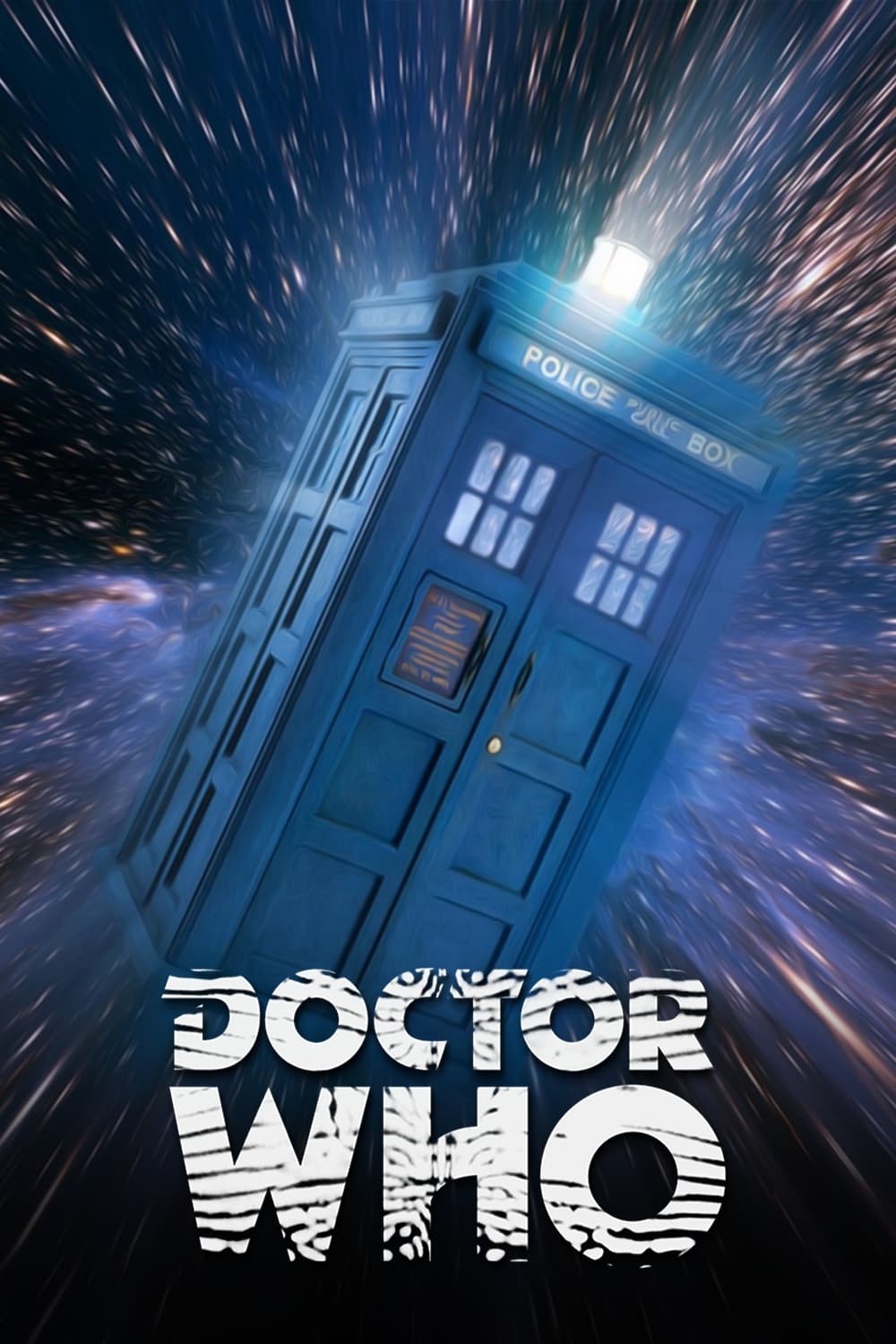
Produced by the BBC, ‘Doctor Who’ follows a time-traveling alien who regenerates into new forms. The TARDIS, rotating companions, and a flexible rogues’ gallery define the format.
Stories range from historical adventures to sci-fi mysteries, with most episodes or two-parters operating as self-contained journeys. Regenerations and changing showrunners refresh tone while preserving entry points.
‘Avatar: The Last Airbender’ (2005–2008)
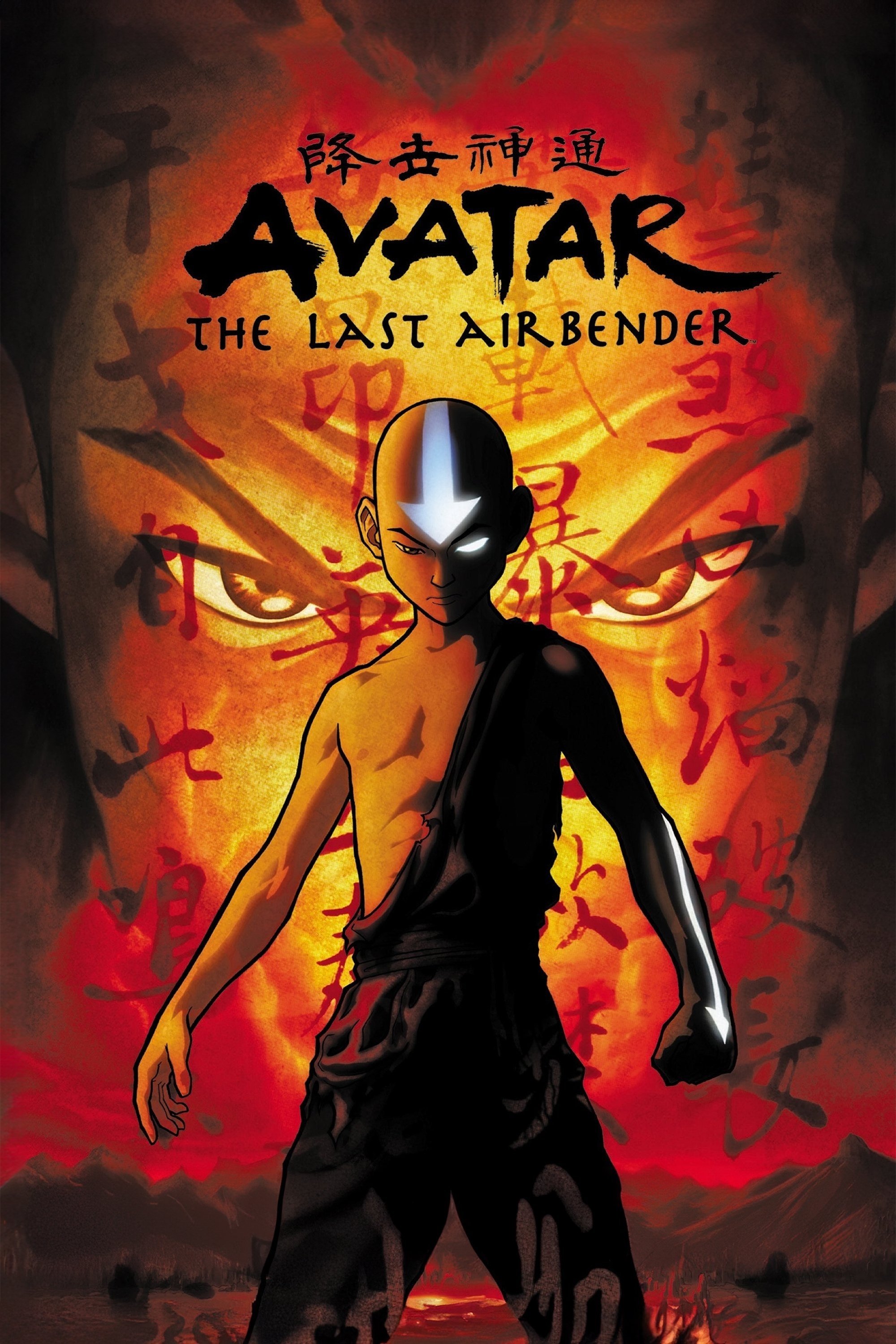
Created by Michael Dante DiMartino and Bryan Konietzko for Nickelodeon, ‘Avatar: The Last Airbender’ is set in a world where bending elements shapes society. Aang, Katara, Sokka, Toph, and Zuko form the core team.
Chapters combine quest-of-the-week adventures with a broader campaign, letting viewers revisit favorite towns or tournaments. Martial-arts choreography and bending rules provide consistent action logic.
‘The Legend of Korra’ (2012–2014)

‘The Legend of Korra’ continues the ‘Avatar’ universe with a new protagonist navigating city politics, pro-bending, and spiritual challenges. Janet Varney, David Faustino, P. J. Byrne, Seychelle Gabriel, and J. K. Simmons star.
Each book focuses on a distinct conflict—technology, anarchy, spirituality, or empire—while episodes deliver contained confrontations. Steampunk design and recurring arenas organize the action.
‘Cowboy Bebop’ (1998–1999)

Directed by Shinichirō Watanabe and animated by Sunrise, ‘Cowboy Bebop’ follows bounty hunters aboard the ship Bebop. Spike Spiegel, Jet Black, Faye Valentine, Ed, and Ein make up the crew.
“Sessions” play as self-contained noirs, heists, or capers underscored by Yoko Kanno’s music. The series blends genre pastiche with mission structures that are easy to revisit.
‘Fullmetal Alchemist: Brotherhood’ (2009–2010)
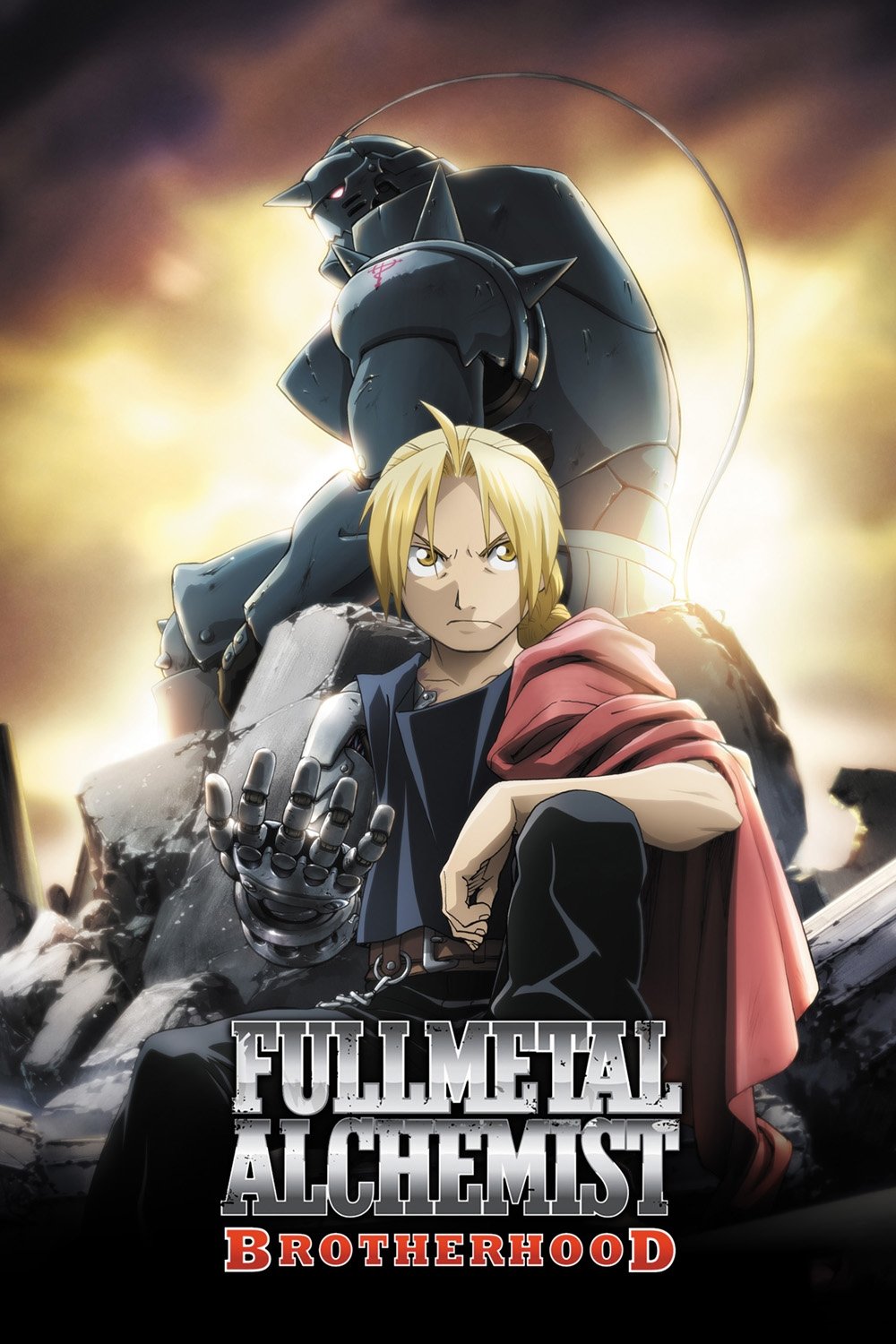
Produced by Bones and adapted from Hiromu Arakawa’s manga, ‘Fullmetal Alchemist: Brotherhood’ follows the Elric brothers on a continent-spanning quest. The narrative adheres to defined alchemy rules and a mapped geography.
Investigations, battles, and revelations are staged so each episode reaches a satisfying beat. A fixed endpoint and consistent internal logic support both full runs and targeted revisits.
‘Attack on Titan’ (2013–2023)
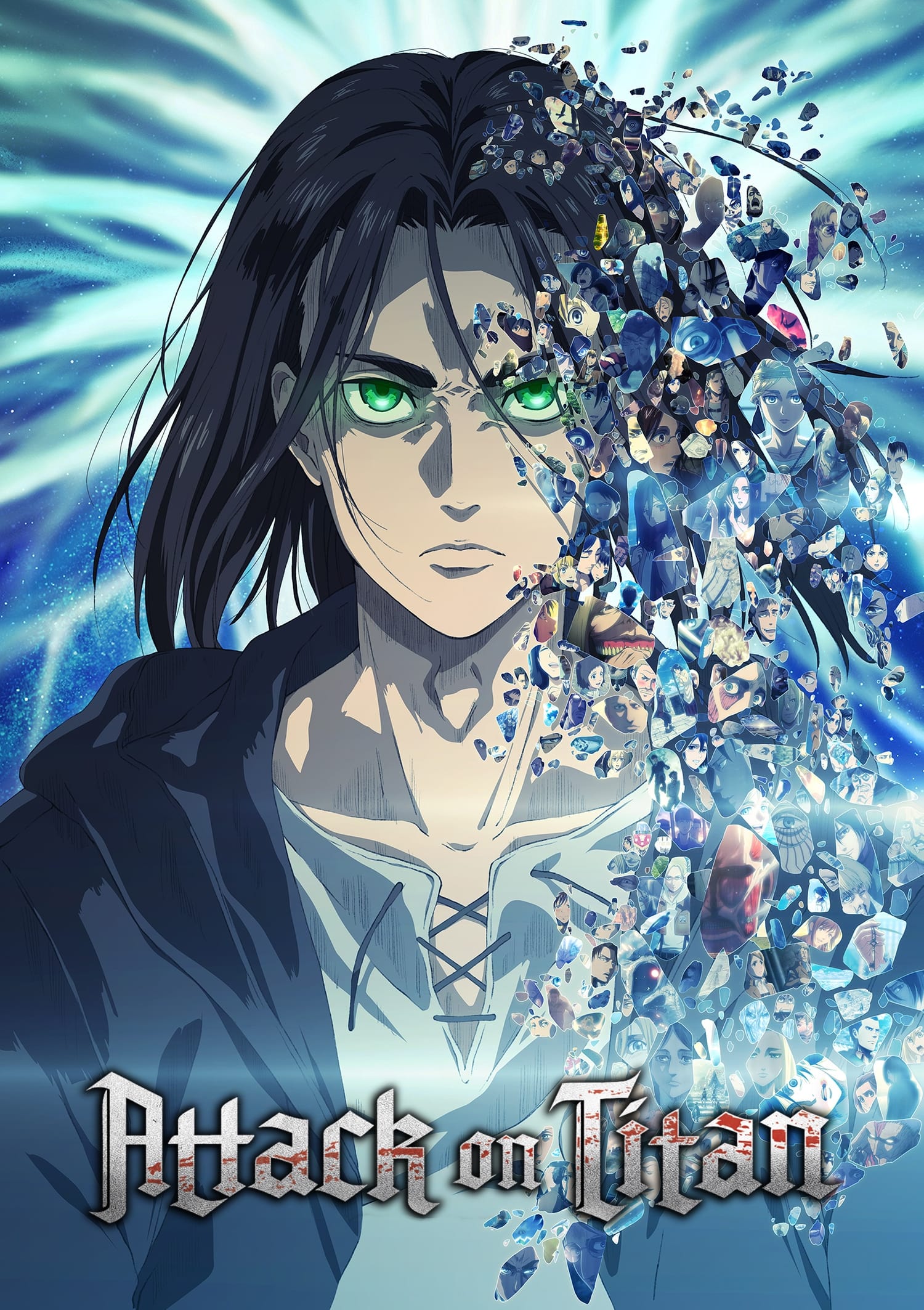
Based on Hajime Isayama’s manga and produced by major studios across seasons, ‘Attack on Titan’ follows the Survey Corps against towering foes and political conspiracies. Core characters include Eren Yeager, Mikasa Ackerman, and Armin Arlert.
Missions—wall defenses, expeditions, infiltrations—produce discrete tactical payoffs with clear geography and objectives. Shifting points of view and mystery reveals allow selective returns to key operations.
‘Death Note’ (2006–2007)
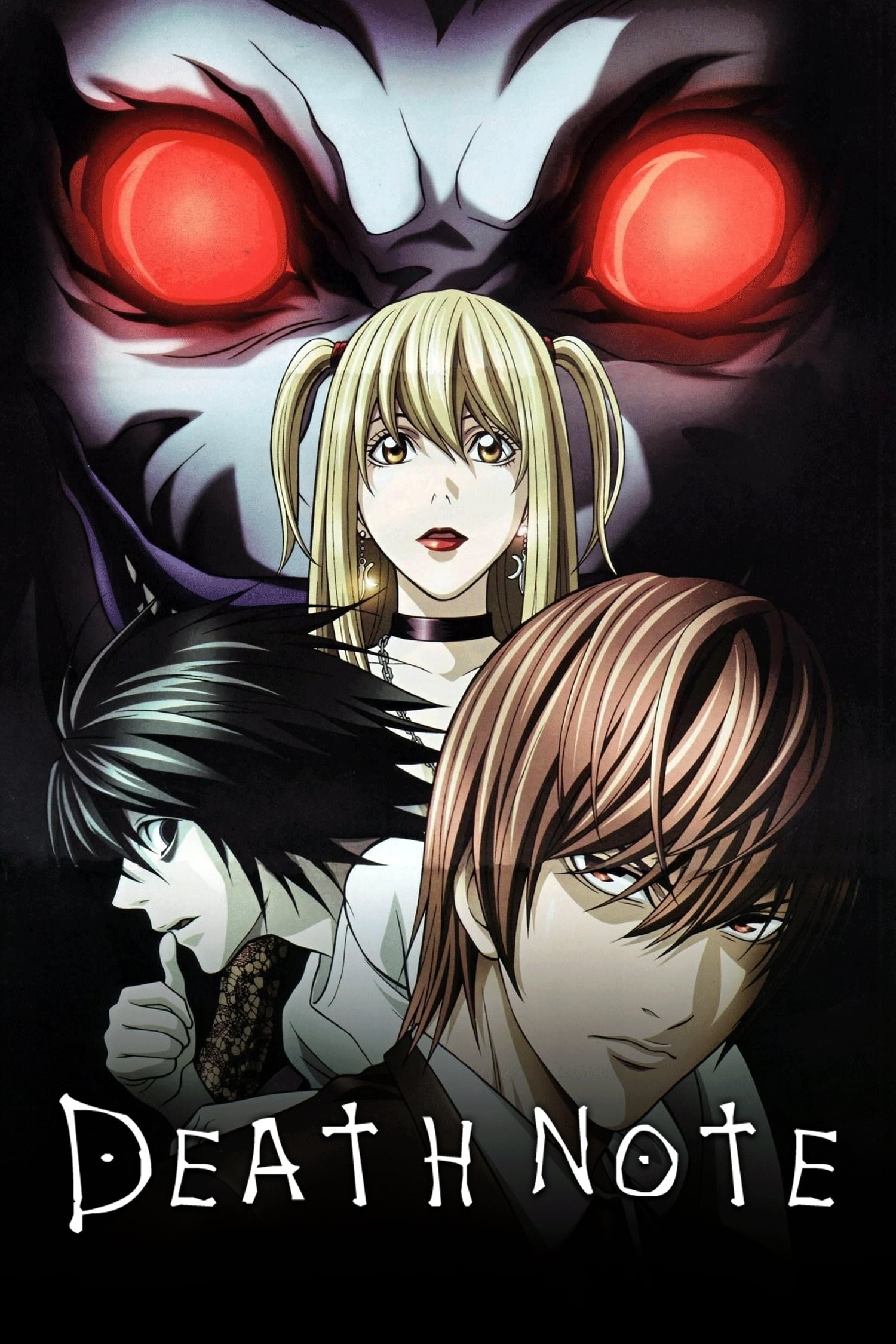
Animated by Madhouse from the manga by Tsugumi Ohba and Takeshi Obata, ‘Death Note’ centers on a duel between a student and a world-class detective. The show emphasizes logic puzzles and procedure.
Episodes often revolve around a single trap or public move, concluding with a twist that resets the board. Minimalist settings and a focused cast keep the storytelling compact.
‘One Piece’ (1999–present)
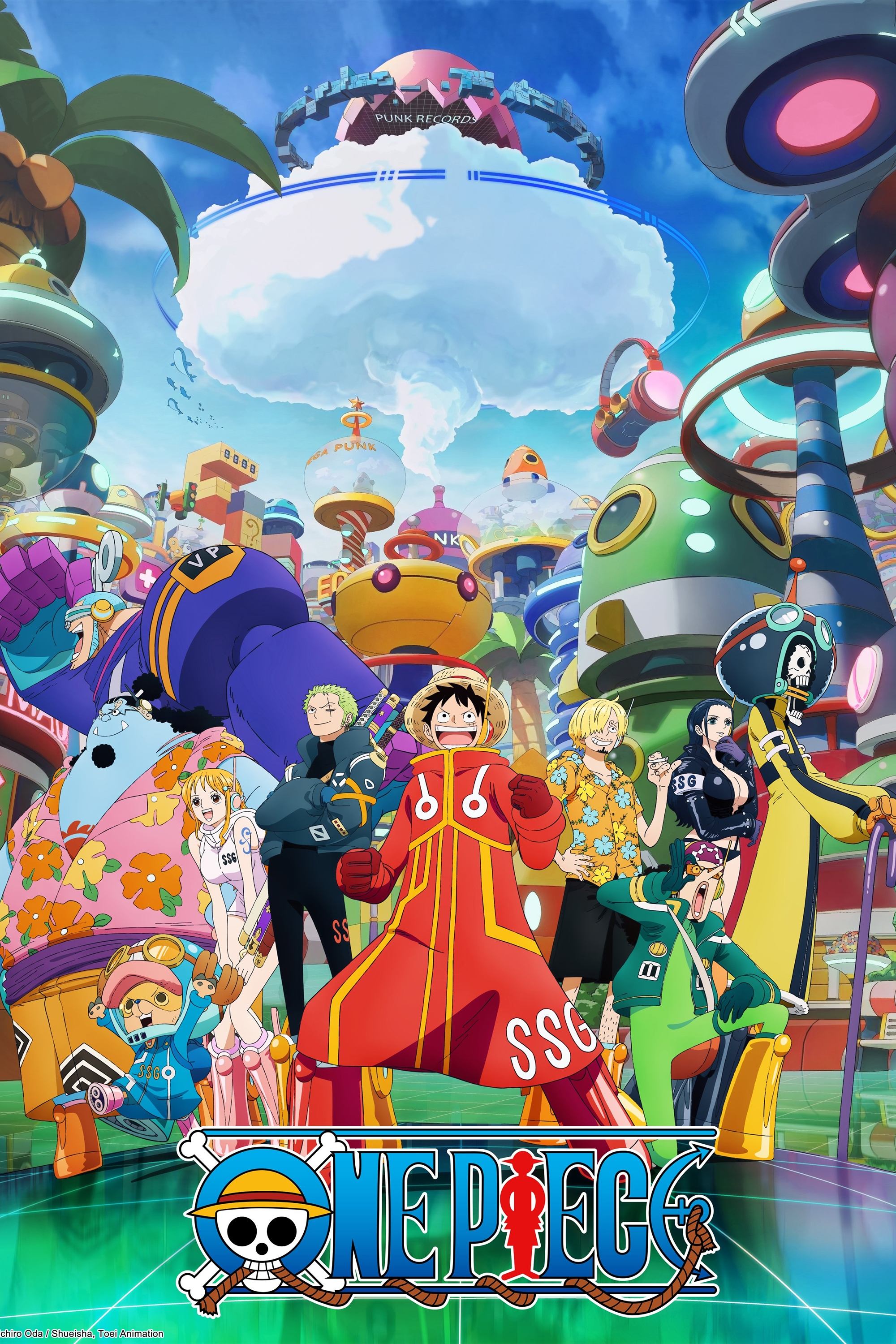
Animated by Toei and adapted from Eiichiro Oda’s manga, ‘One Piece’ chronicles the Straw Hat Pirates searching for treasure. Monkey D. Luffy’s crew grows across islands with distinct cultures and powers.
Arc-based storytelling packages episodes into mini-sagas, making it easy to revisit favorite islands. Clear power systems and comedic beats support standalone chapters.
‘Dragon Ball Z’ (1989–1996)

From Toei, ‘Dragon Ball Z’ follows Goku and allies through training, tournaments, and escalating battles. Transformations, named techniques, and team dynamics define its action vocabulary.
Arcs break into training phases, preliminary fights, and climactic showdowns, allowing targeted rewatches. A recurring roster of rivals and mentors structures progression.
‘The West Wing’ (1999–2006)
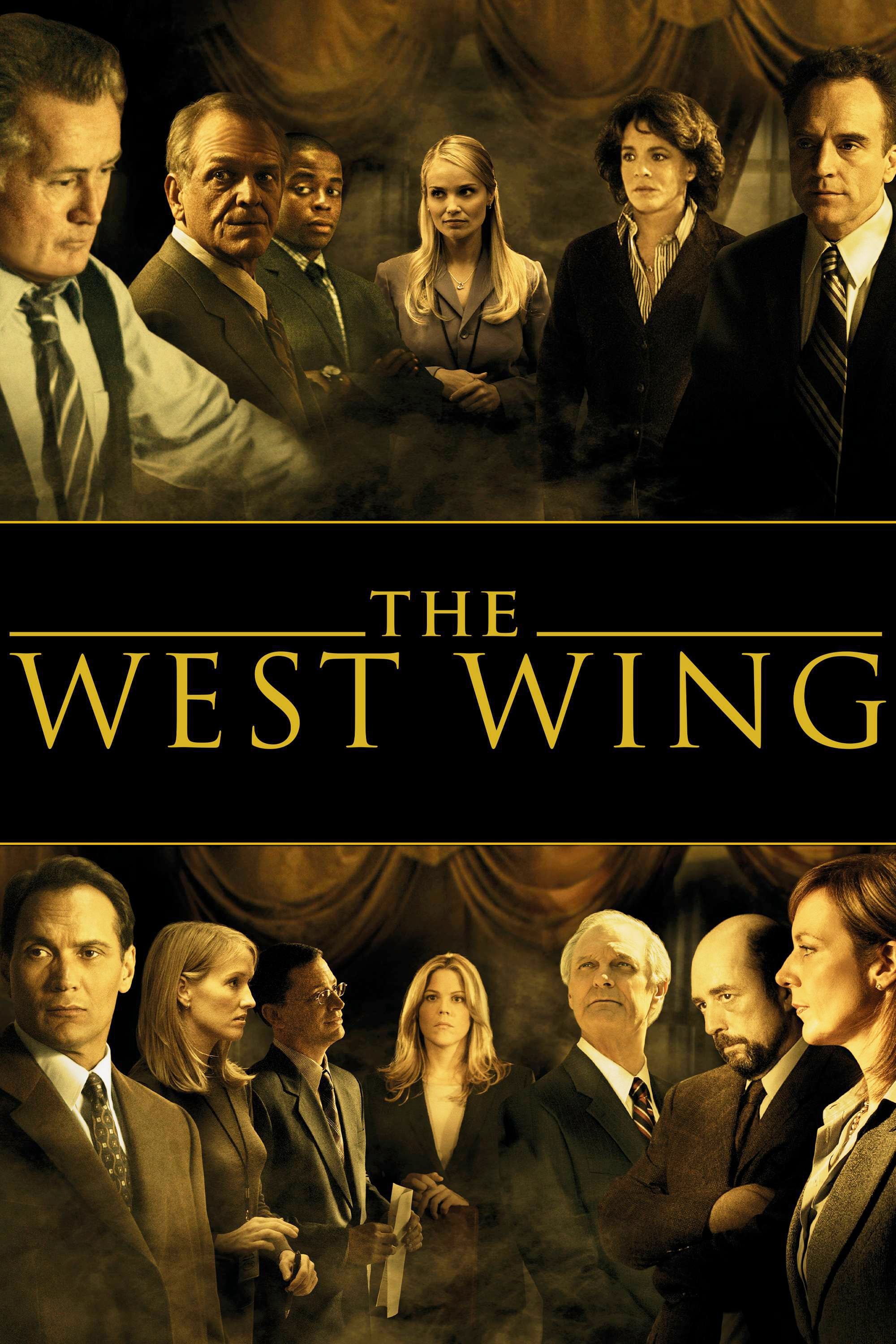
Created by Aaron Sorkin for NBC, ‘The West Wing’ portrays the day-to-day operations of a presidential administration. Martin Sheen, Allison Janney, Bradley Whitford, Richard Schiff, Rob Lowe, and Dulé Hill are key players.
Episodes track policy problems and political dilemmas resolved by end-of-day decisions. Departmental silos—communications, counsel, staff—make single-episode viewing coherent.
‘House’ (2004–2012)
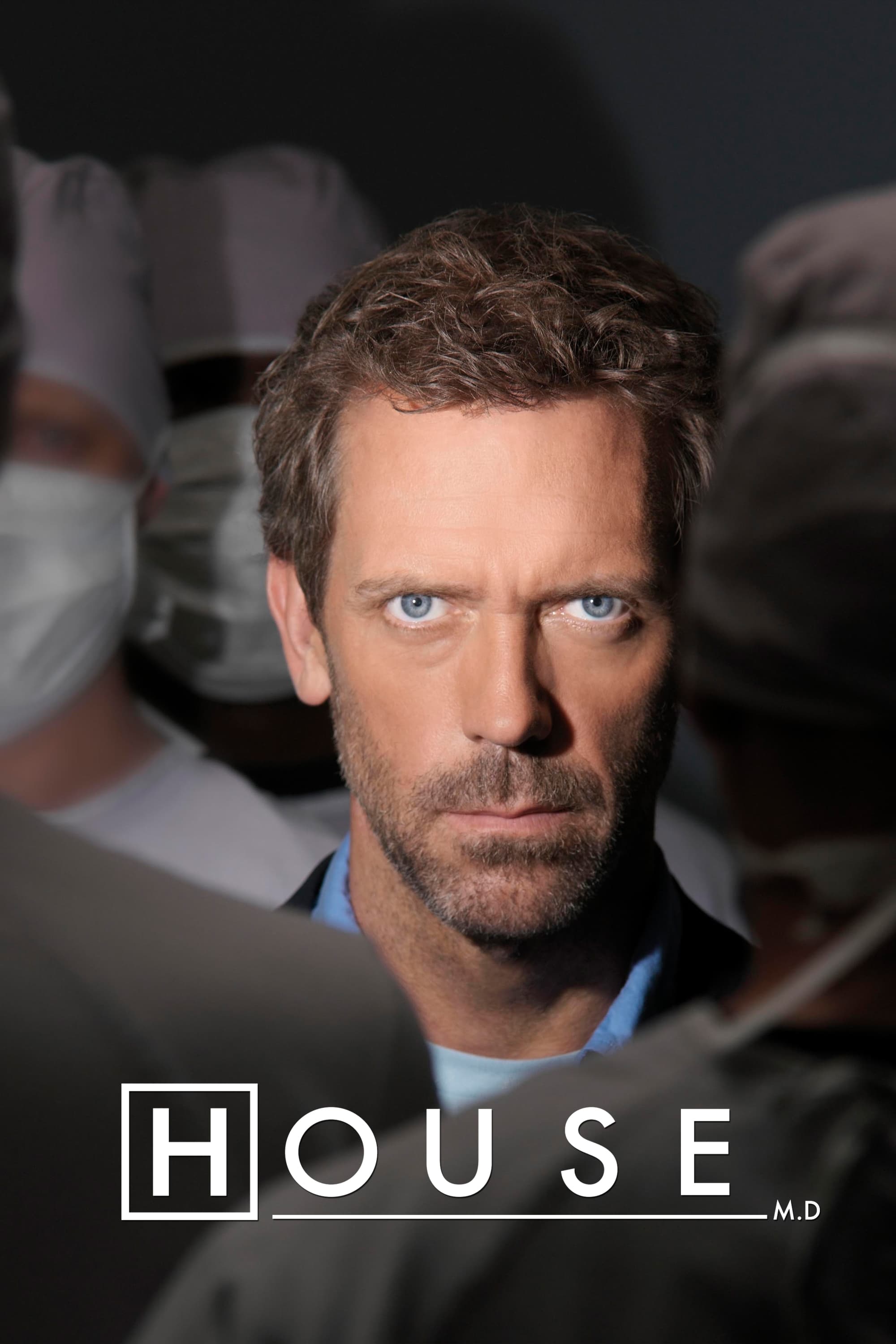
Created by David Shore for Fox, ‘House’ features Hugh Laurie as a diagnostician leading a rotating team at a teaching hospital. The series blends medical mystery with workplace dynamics.
Cases follow a defined pattern—initial symptoms, misdiagnoses, complications, and final insight—resulting in standalone hours. Team changes and clinic subplots add variety while preserving the core procedure.
‘Lost’ (2004–2010)
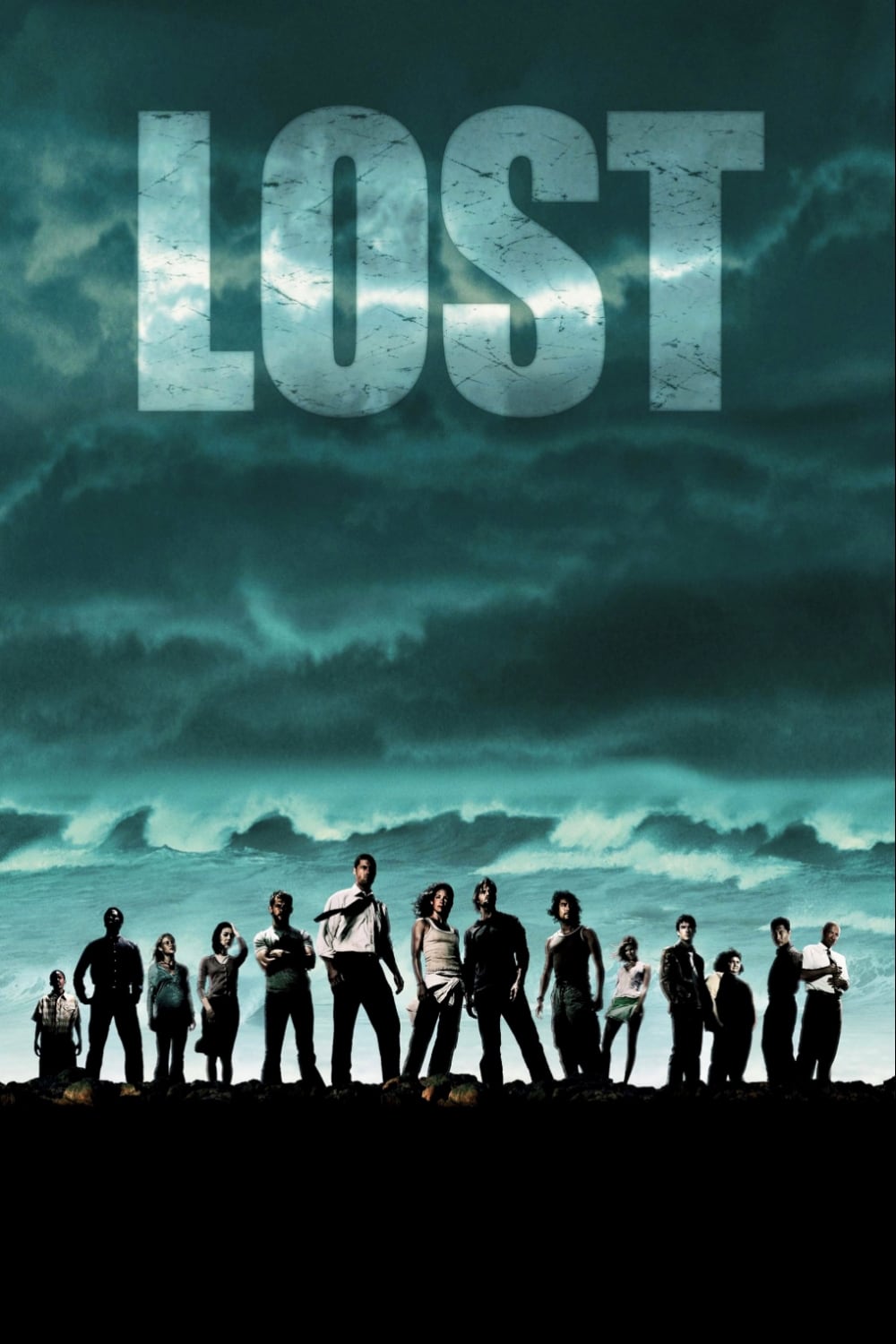
Developed by J. J. Abrams, Damon Lindelof, and Jeffrey Lieber for ABC, ‘Lost’ centers on survivors of a plane crash on a mysterious island. A large ensemble supports flashbacks, flash-forwards, and myth-arc entries.
Character-centric hours and bottle episodes—hatch, freighter, and camp stories—make selective revisits work well. Survival problems often resolve within the episode even as larger mysteries continue.
‘The Twilight Zone’ (1959–1964)
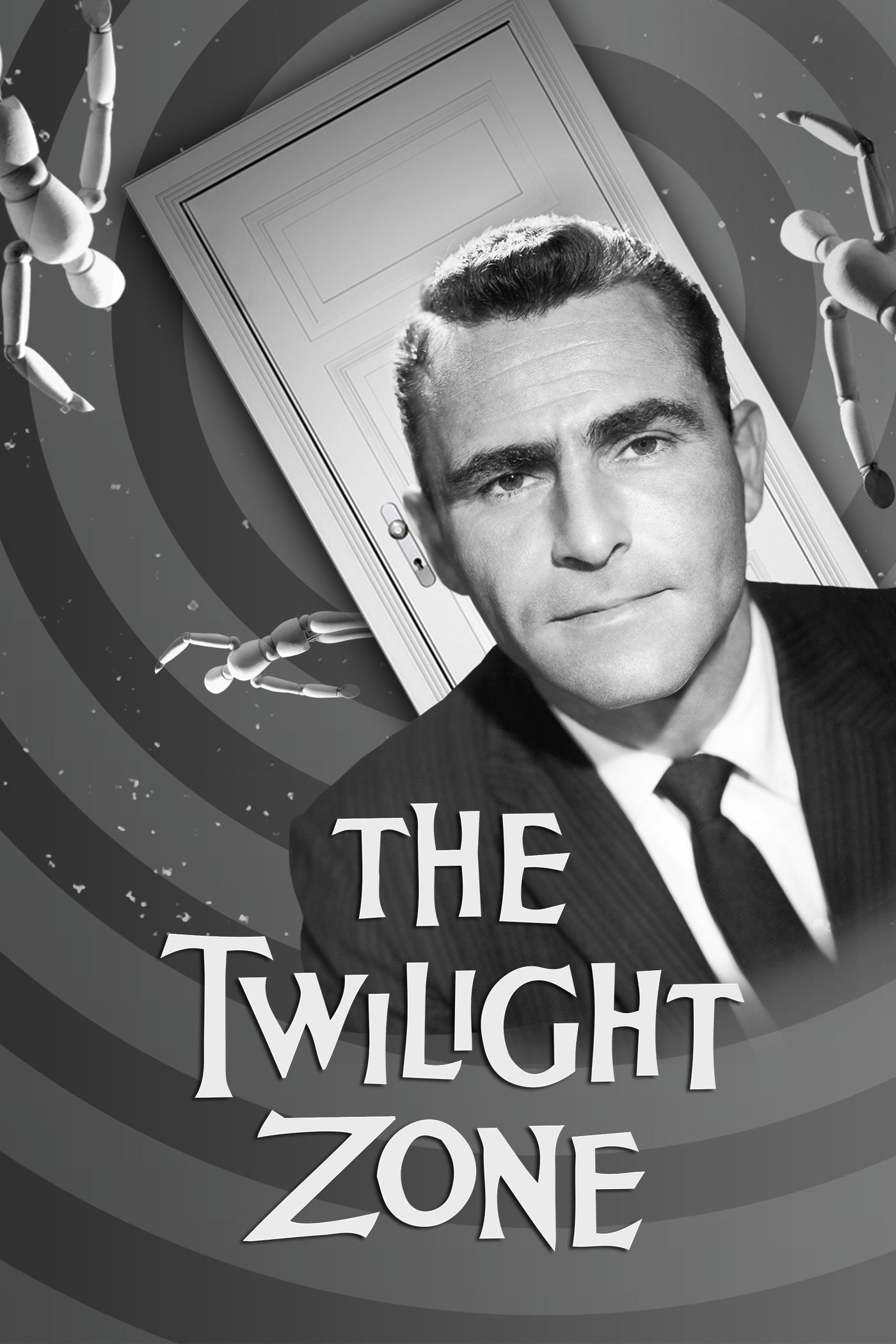
Created and hosted by Rod Serling for CBS, ‘The Twilight Zone’ is an anthology of speculative fiction with moral twists. Genres range from science fiction and fantasy to psychological horror.
Each installment is a complete parable with a beginning, middle, and end, ideal for one-off rewatches. Narration and compact staging keep stories accessible regardless of order.
‘M*A*S*H’ (1972–1983)
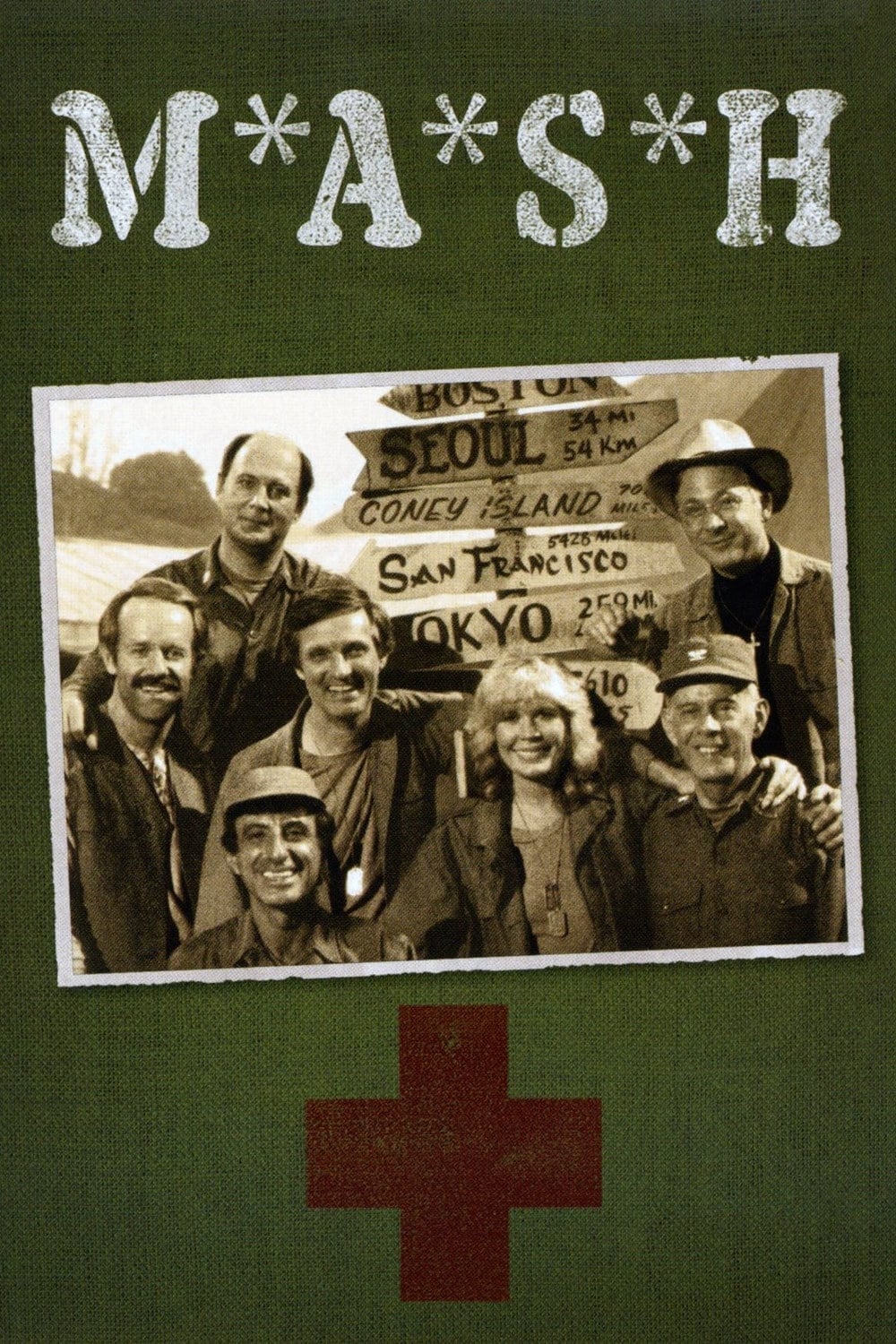
Developed by Larry Gelbart for CBS from the novel and film, ‘MAS*H’ follows a mobile army surgical hospital. Alan Alda, Loretta Swit, Jamie Farr, Mike Farrell, and Harry Morgan are among the principal cast.
Episodes blend surgical cases, camp life, and letters home, offering closure within the half hour. Rotations in cast and tone maintain a consistent framework of OR scenes, mess tent conversations, and triage emergencies.
‘The Fresh Prince of Bel-Air’ (1990–1996)
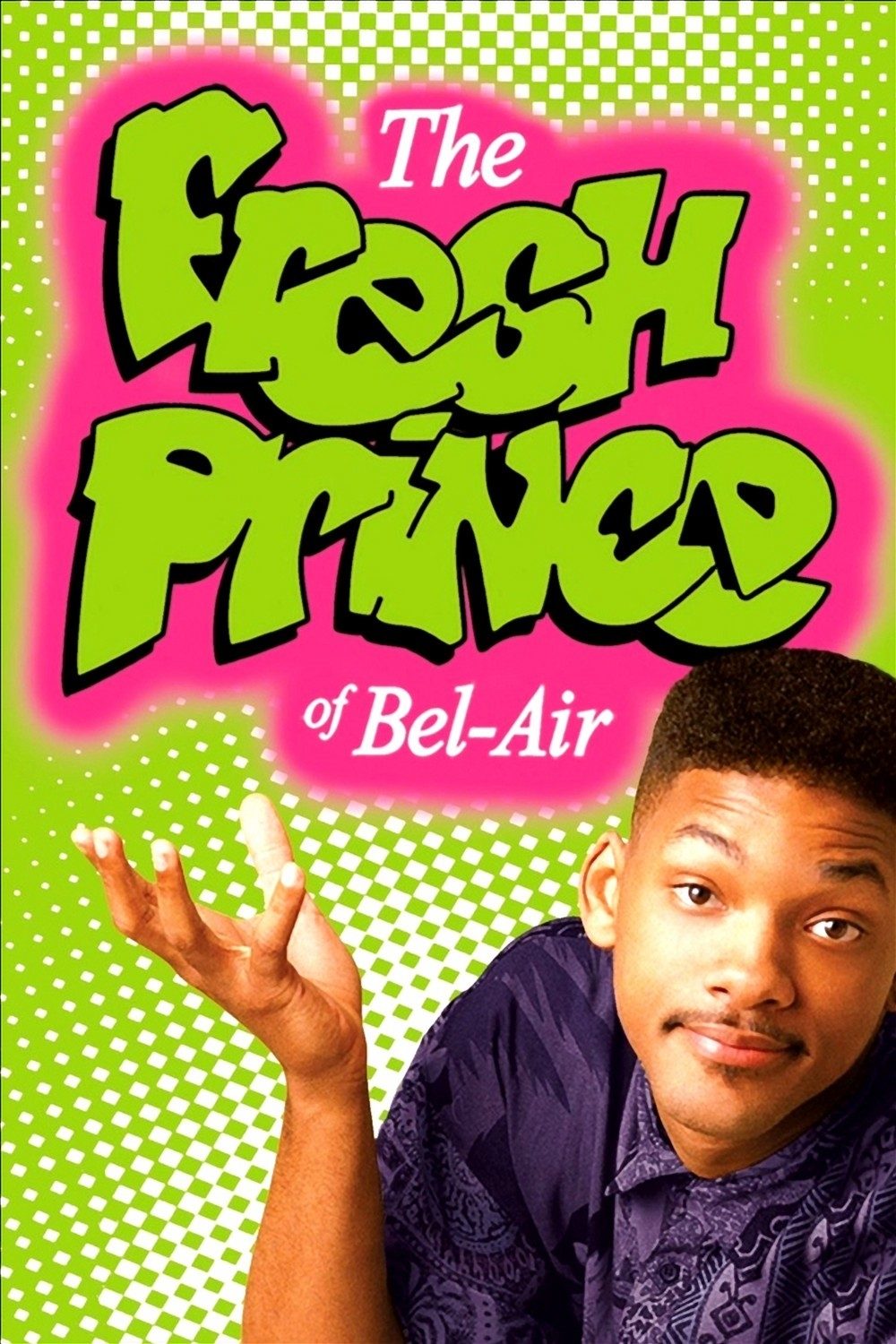
Created by Andy and Susan Borowitz for NBC, ‘The Fresh Prince of Bel-Air’ stars Will Smith as a teen who moves in with relatives in Bel-Air. The ensemble includes James Avery, Alfonso Ribeiro, Tatyana Ali, Karyn Parsons, and Joseph Marcell.
Stories pair school, family, and social conflicts with comedic set pieces that reset neatly. The Banks household and school settings provide reliable backdrops for repeatable episodes.
‘The Office’ (2001–2003)
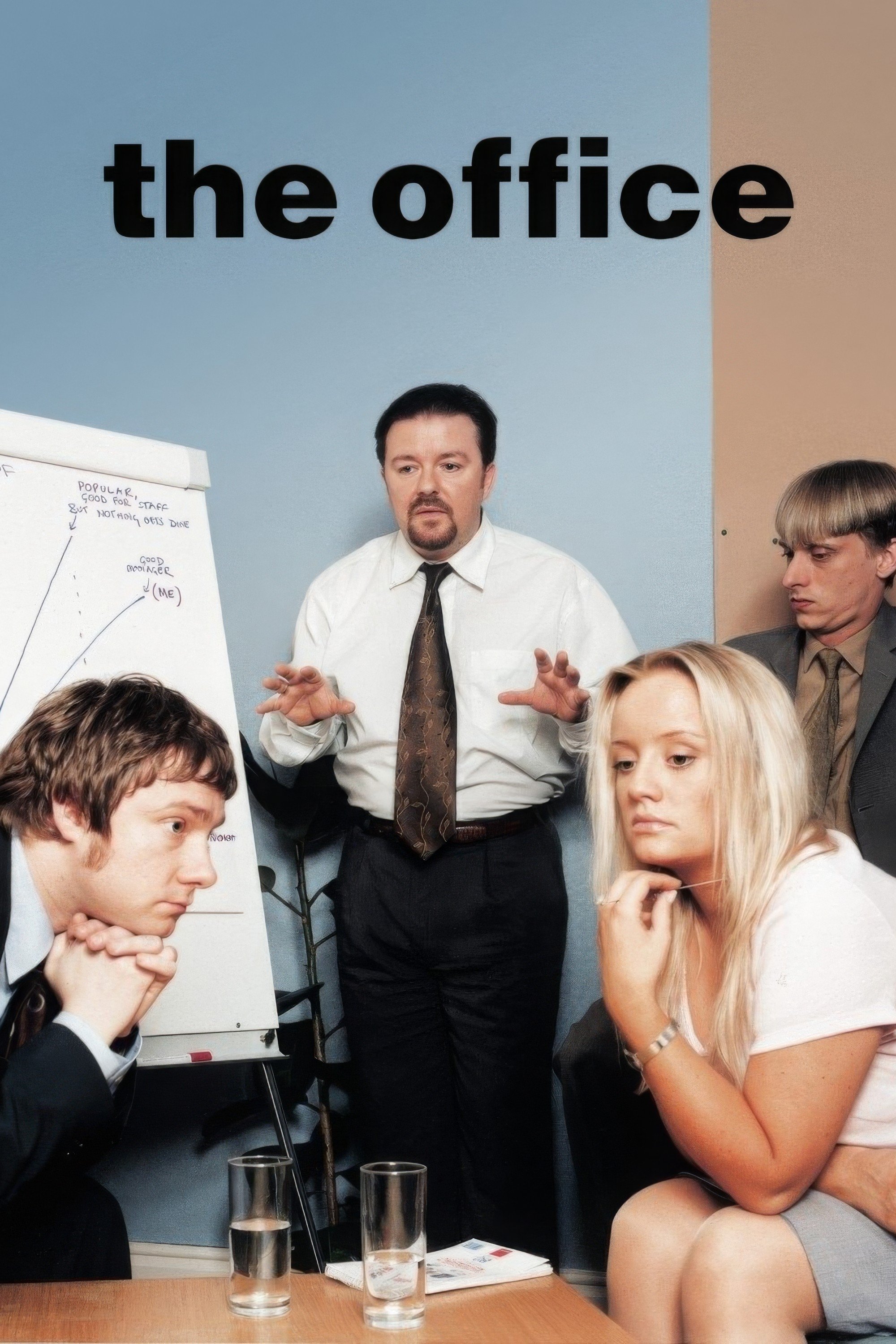
Created by Ricky Gervais and Stephen Merchant for BBC Two, ‘The Office (U.K.)’ is a mockumentary set at paper merchant Wernham Hogg. Ricky Gervais, Martin Freeman, Mackenzie Crook, and Lucy Davis lead.
With two compact series and specials, episodes cover performance reviews, training days, and office parties that stand alone. The format later inspired international versions, including ‘The Office (U.S.)’.
‘Peep Show’ (2003–2015)
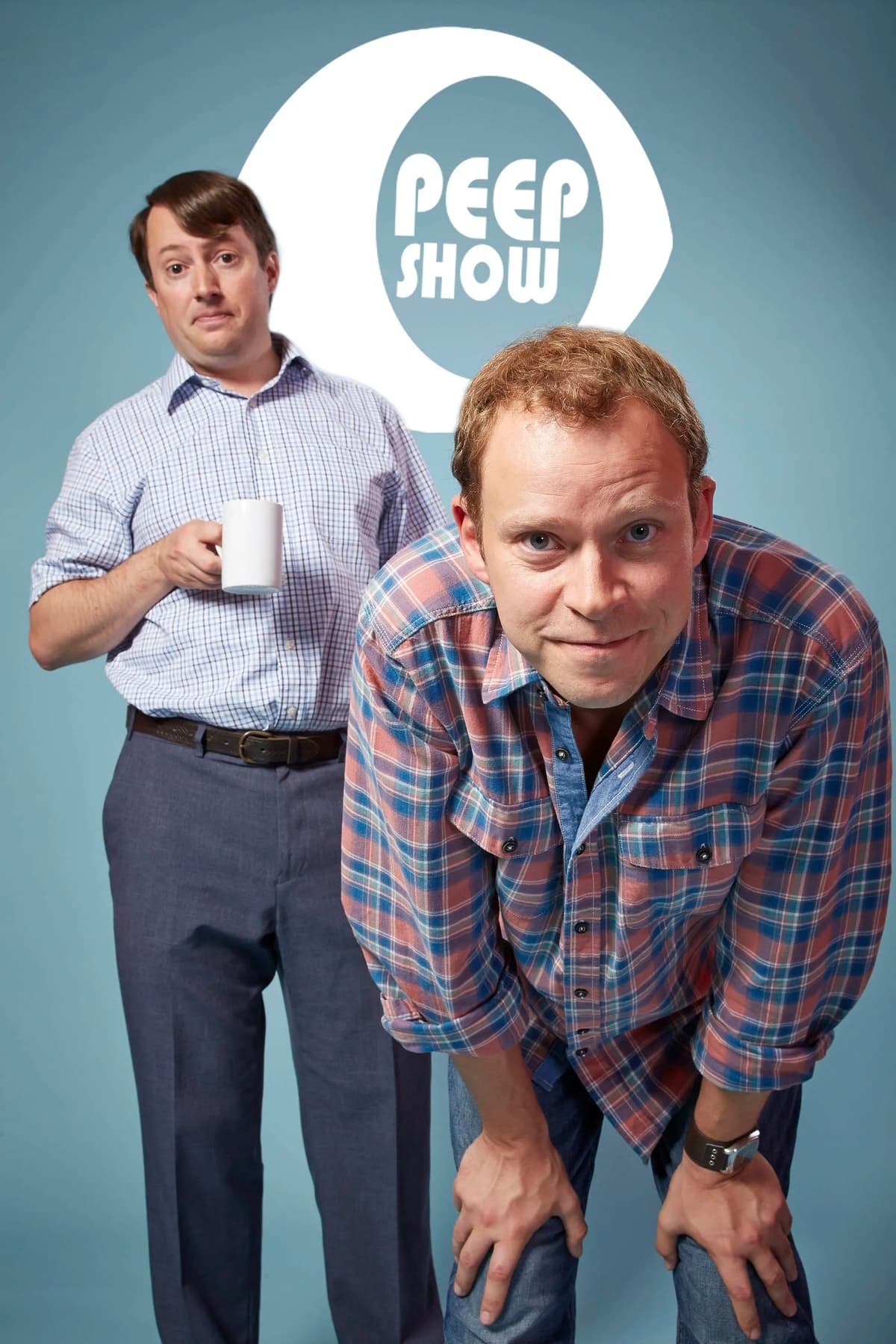
Created by Jesse Armstrong and Sam Bain for Channel 4, ‘Peep Show’ uses first-person camera and internal monologue to follow two flatmates. David Mitchell and Robert Webb star.
Episodes revolve around work mishaps, shared living complications, and ill-advised schemes, resolving within a lean runtime. The POV style and recurring locations—flat, office, pub—create a consistent template.
‘Archer’ (2009–2023)
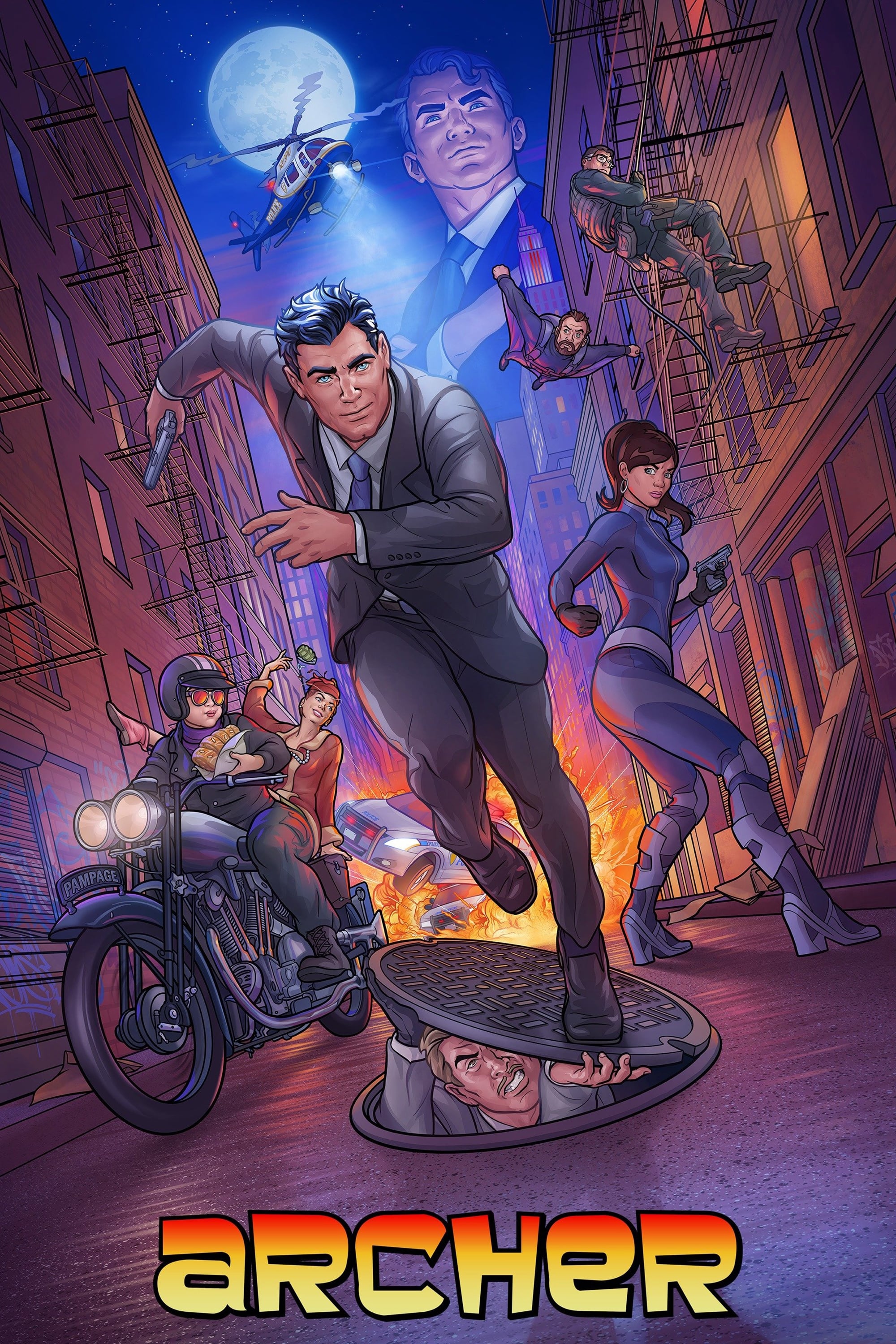
Created by Adam Reed for FX/FXX, ‘Archer’ is an animated spy series with H. Jon Benjamin, Aisha Tyler, Judy Greer, Chris Parnell, Amber Nash, and Jessica Walter. The show cycles through agency eras and genre riffs.
Mission-of-the-week structures—assassinations, extractions, heists—deliver discrete adventures. Anthology-style seasons preserve character dynamics while renewing settings.
‘It’s Always Sunny in Philadelphia’ (2005–present)
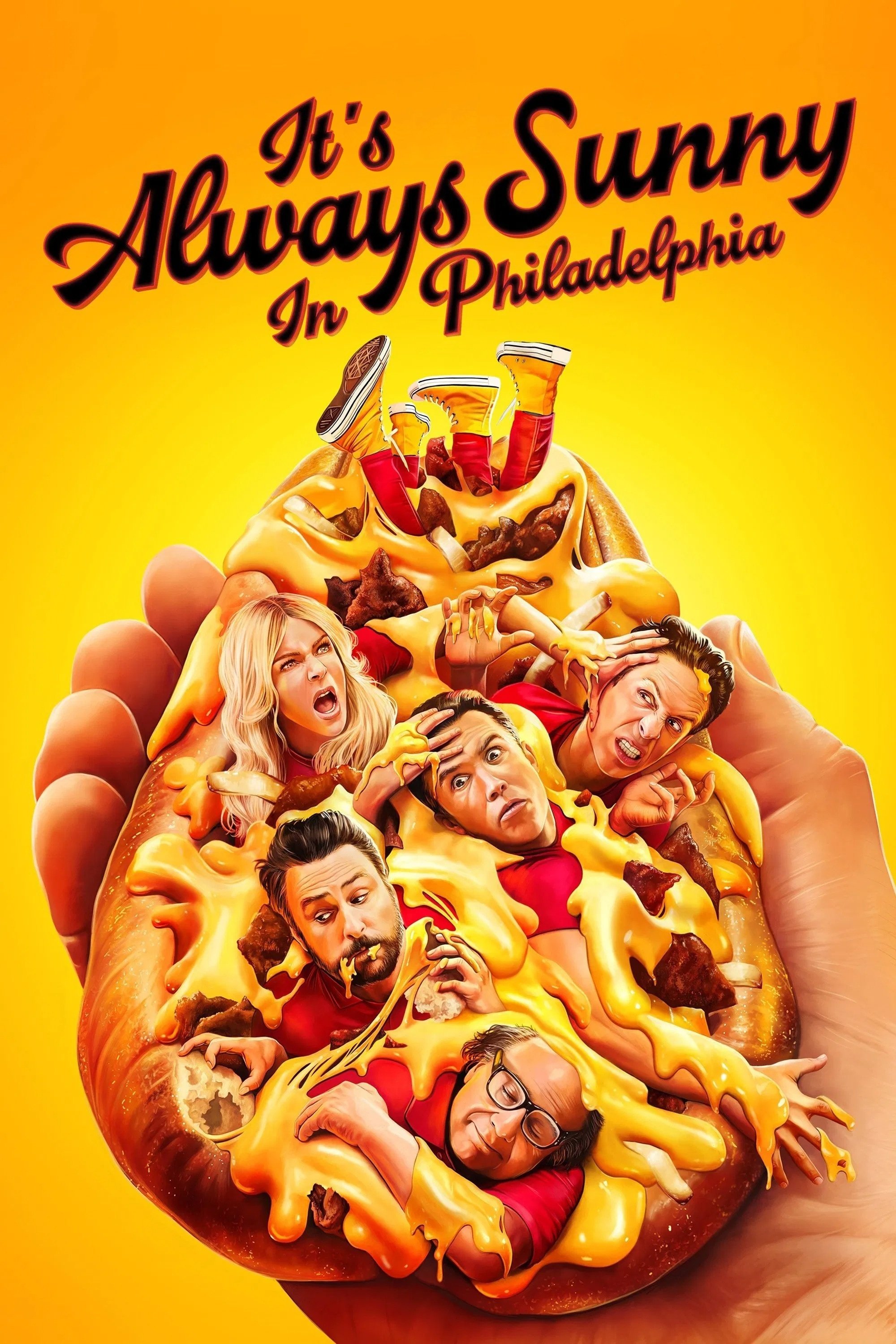
Created by Rob McElhenney for FX/FXX, ‘It’s Always Sunny in Philadelphia’ centers on a group running Paddy’s Pub. McElhenney, Glenn Howerton, Charlie Day, Kaitlin Olson, and Danny DeVito star.
Simple schemes escalate into full-blown fiascos, returning to status quo by the tag. The bar, apartments, and neighborhood locations keep stories modular and rewatchable.
‘Supernatural’ (2005–2020)
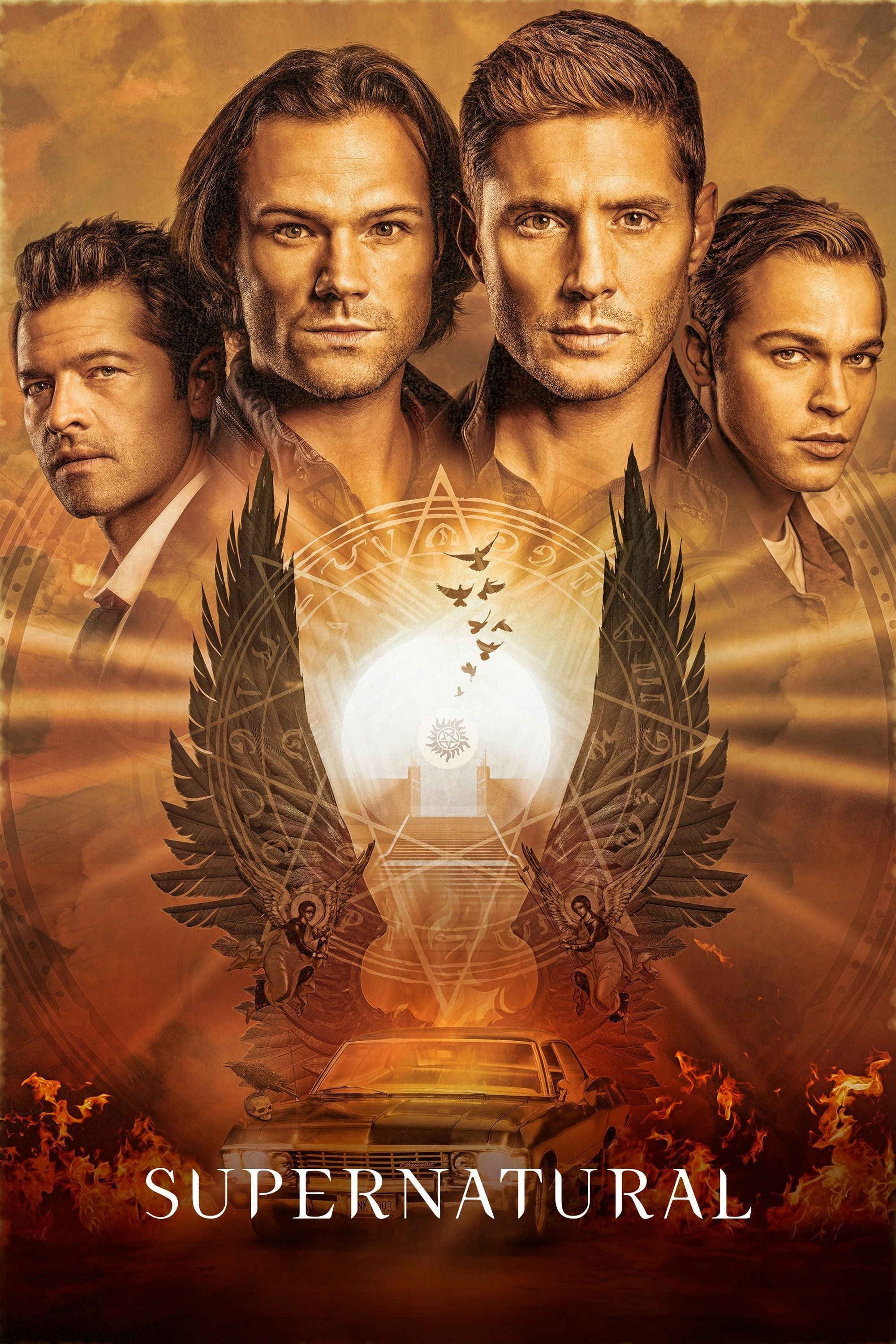
Created by Eric Kripke for The WB/The CW, ‘Supernatural’ follows brothers Sam and Dean Winchester on the road investigating paranormal cases. Jared Padalecki and Jensen Ackles star, supported by recurring allies and adversaries.
The series mixes monster-of-the-week hunts with mythology arcs about hunters, demons, and angels. Case structures make standalone episodes straightforward to revisit.
‘Downton Abbey’ (2010–2015)
Created by Julian Fellowes for ITV, ‘Downton Abbey’ follows the Crawley family and their staff in a country estate. Hugh Bonneville, Michelle Dockery, Elizabeth McGovern, and Maggie Smith headline.
Episodes cover household management, inheritance issues, and social changes, with storylines that reach clear beats each hour. Feature films continue the franchise, while the series offers many self-contained chapters.
Share your go-to comfort rewatches in the comments and tell us which episodes you always cue up first.