The Real Reason Odysseus Slaughters Penelope’s Suitors Will Make You Rethink ‘The Odyssey’s’ Ending


Few endings in classic literature spark as much debate as the bloody finale of Homer’s ‘Odyssey‘. After twenty years away from home, Odysseus does not simply reclaim his wife and throne, he wipes out every single suitor who dared to court Penelope in his absence. That choice still divides readers centuries later, and the reasons behind it are far more layered than simple revenge.
Understanding why Odysseus kills the suitors means digging into ancient Greek values, divine expectations, and a very personal sense of betrayal. It is a moment that blends justice, honor, and violence in a way that modern audiences still find shocking.
Odysseus and the Suitors’ Disrespect His Household
The core of the conflict comes down to how the suitors treated Odysseus’s home while he was gone. The suitors take advantage of Odysseus’s family and property, spending years pressuring Penelope to marry one of them while draining his estate of food and wealth. Penelope never hides her lack of interest, yet the suitors keep pushing anyway.
Their behavior is described as boorish, with the group drinking and eating everything Odysseus’s lands produce, all while Penelope repeatedly makes clear she does not want to remarry. That refusal to take no for an answer becomes a central piece of why Odysseus sees them as enemies rather than mere rivals.
By the time Odysseus finally reveals himself, the suitors have spent years occupying his palace uninvited. In Homer’s world, that kind of prolonged intrusion is not a minor social faux pas, it is treated as an outright violation of the household.
‘The Odyssey’ Suitors’ Plot Against Telemachus
The threat to Odysseus’s family goes beyond wasted wine and stolen livestock. The suitors actually plot to kill Telemachus, Odysseus’s son, in an attempt to clear the way for one of them to marry Penelope without interference. That plan alone raises the stakes from greedy houseguests to genuine conspirators against the royal bloodline.
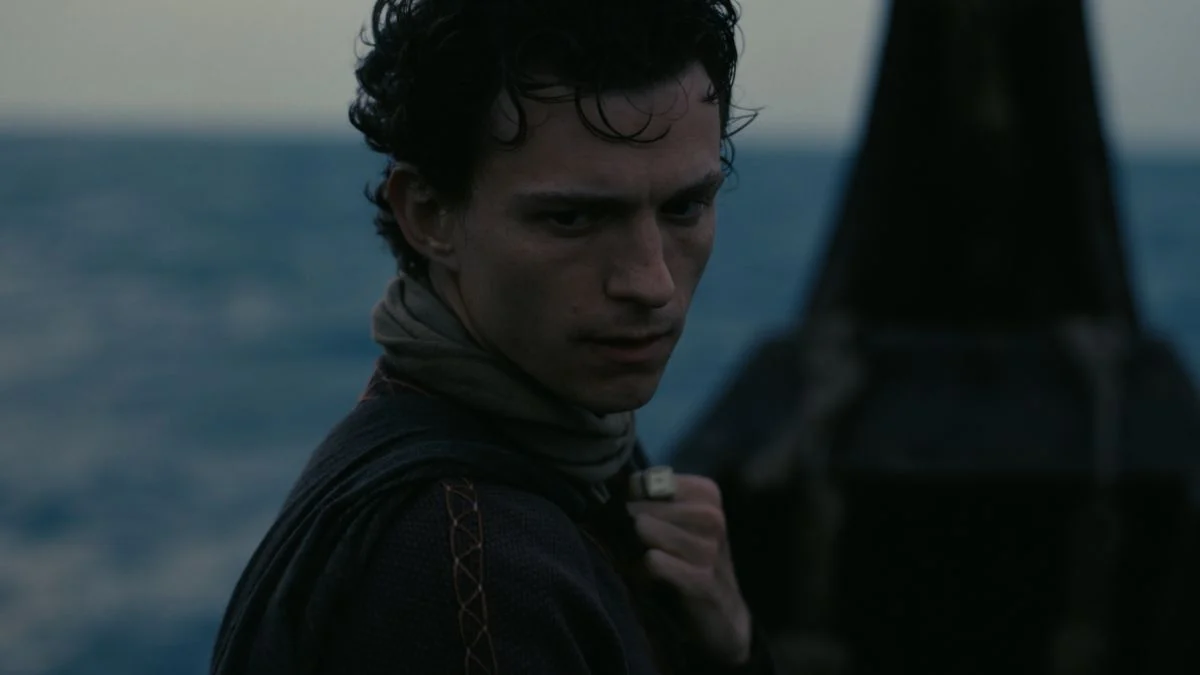
The group organizes themselves to ambush Telemachus, showing just how far they are willing to go to secure control of Ithaca. When Odysseus learns what has been happening at home, he does not react impulsively.
Instead of rushing in the way he might have earlier in his journey, Odysseus takes time to think through his moves, eventually working with Telemachus and loyal servants to retake the house. That careful planning suggests premeditation rather than a crime of passion, which only adds another layer to how readers interpret his actions.
Divine Justice Shapes Odysseus Actions Against the Suitors
Ancient Greek culture placed enormous weight on the sacred relationship between host and guest, known as xenia, and the suitors broke that bond in spectacular fashion. The suitors imposing themselves on Odysseus’s house and consuming his wealth were seen as ungrateful toward their host, which counted as a grievous sin against Zeus in his role as protector of that sacred bond. In that light, killing the suitors becomes less about personal vengeance and more about restoring cosmic order.
Ancient audiences generally viewed the killings as a justified restoration, since the act removed offenders who had polluted the household, brought Penelope’s home back into balance, and vindicated divine justice. That framing matters because it shifts the suitors’ deaths from a purely personal grudge into something closer to sanctioned punishment.
Still, not every ancient response was entirely comfortable with the scale of the violence. The scope of the slaughter, especially the killing of the maids, was seen by some as excessive, with certain ancient responses and later philosophical critiques expressing unease about the size and intensity of the violence. That tension between justified punishment and troubling excess is exactly what keeps scholars and casual readers arguing about the scene today.
How Odysseus Carries Out His Revenge
The actual mechanics of the slaughter show a level of strategy that mirrors Odysseus’s reputation as a cunning warrior. Disguised as a beggar, Odysseus fires an arrow into the throat of Antinous, killing him instantly before revealing his true identity to the stunned suitors in the room. From there, the suitors scramble to explain themselves and offer compensation, but Odysseus refuses any bargain.
Eurymachos tries to shift blame entirely onto Antinous, claiming he never actually wanted marriage but instead intended to rule Ithaca after killing Telemachus, and he even offers to pay Odysseus back in exchange for sparing the group’s lives, but Odysseus gives the suitors only the choice to fight for their lives instead. That refusal to negotiate underscores how far past the point of compromise Odysseus already is.
With help from Telemachus and a pair of loyal servants, the fighting escalates quickly. Telemachus kills Amphinomos, while Odysseus, Eumaeus, and Philotios each take down additional suitors, and Athena eventually intervenes to spread panic among the survivors so the remaining men can be overwhelmed.
Odysseus’s restraint amid obvious fury is part of what makes his leadership stand out in the scene, since he specifically targets Antinous, the most aggressive suitor, first in order to create maximum surprise and chaos among the rest. That tactical choice reinforces the idea that this was never a chaotic outburst, it was calculated from the very first arrow.
Whether you see Odysseus as a righteous king restoring order or a man whose punishment far outpaced the crime, the ending of ‘The Odyssey’ clearly still has people talking thousands of years later. What is your take on whether Odysseus went too far in dealing with Penelope’s suitors, or was every arrow justified?