


The Saddest Ending Scenes in TV History


Finales stick with people because they bring characters to a point that feels inevitable. The best ones give viewers a clear look at what these lives have added up to. They do it with quiet choices, with simple framing, and with details that land only after the credits roll.
Some endings resolve the story in a single image. Others unfold in a long sequence that ties every thread. Either way, the final scene becomes a shorthand for everything that came before. Here are ten endings that close the book with moments audiences still talk about.
‘Six Feet Under’ (2001–2005)
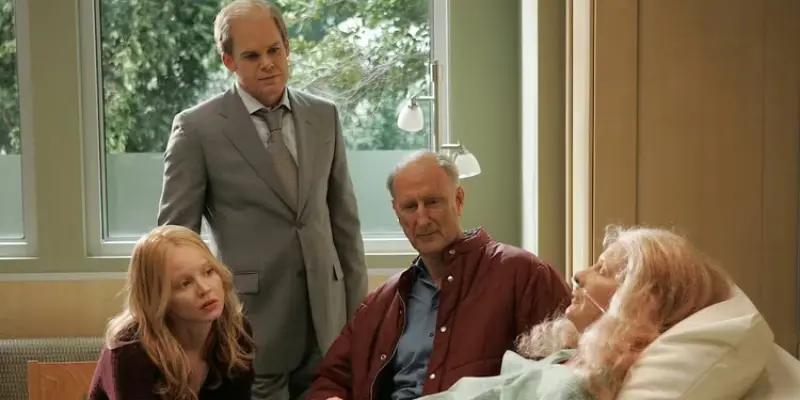
The ending follows Claire as she drives away while a montage shows the final moments of every major character. On screen obituaries appear with names and causes, and the camera moves in a calm rhythm that gives each farewell a distinct space. The song placement and the cut pattern lead viewers through the entire Fisher timeline in a single sustained sequence.
Production notes highlight how makeup and visual effects were used to age the cast across multiple eras. The finale was written and directed to mirror the series focus on rituals and family work, and the long shots in the car were designed to keep the viewer with Claire as the montage unfolds.
‘MAS*H’ (1972–1983)
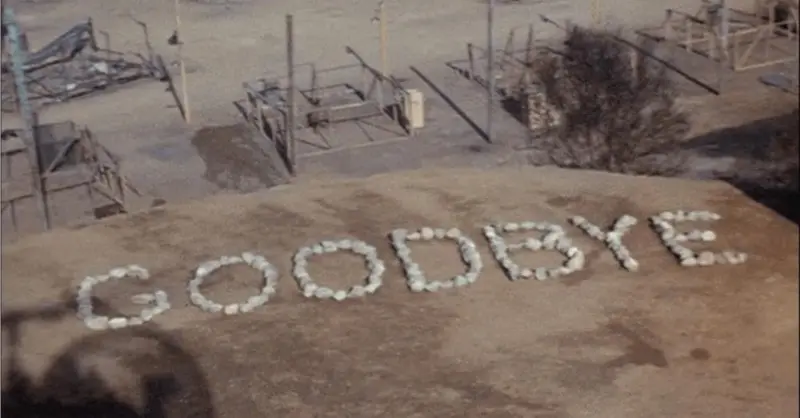
The final scene shows the last departures from the 4077th and the quiet reveal of stones arranged to spell goodbye. Hawkeye leaves the camp by helicopter while the camera holds on the message that sits where the operating tents once stood. The composition emphasizes the empty space and the ground where so many scenes took place.
The episode set audience records in the United States and became a reference point for television finales. It was staged to give each character a clear exit and used lingering shots to mark the dismantling of the camp piece by piece.
‘The Leftovers’ (2014–2017)
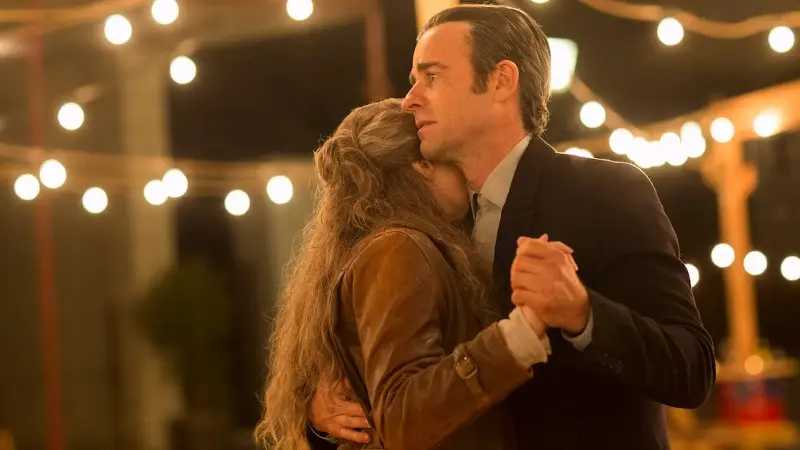
The closing conversation places Nora and Kevin together after years apart. Nora recounts her journey and what she found, and Kevin listens without interruption. The scene plays out in a small room with simple blocking that keeps attention on faces and pauses.
The finale brings the story back to domestic detail after global mystery. It was built around a two hander structure and uses minimal score, natural light, and close framings so the words and silences carry the emotional weight.
‘BoJack Horseman’ (2014–2020)

The last scene sits BoJack and Diane on a rooftop above a wedding reception. They look out over the city and talk about what comes next, neither promising more than they can give. The camera holds on medium shots and long beats rather than quick cuts.
The episode positions BoJack on a brief furlough, then returns him to the consequences set earlier in the season. The rooftop setting recalls earlier conversations in the series and closes with ambient city sound, leaving their connection defined by a simple shared moment.
‘Blackadder Goes Forth’ (1989)
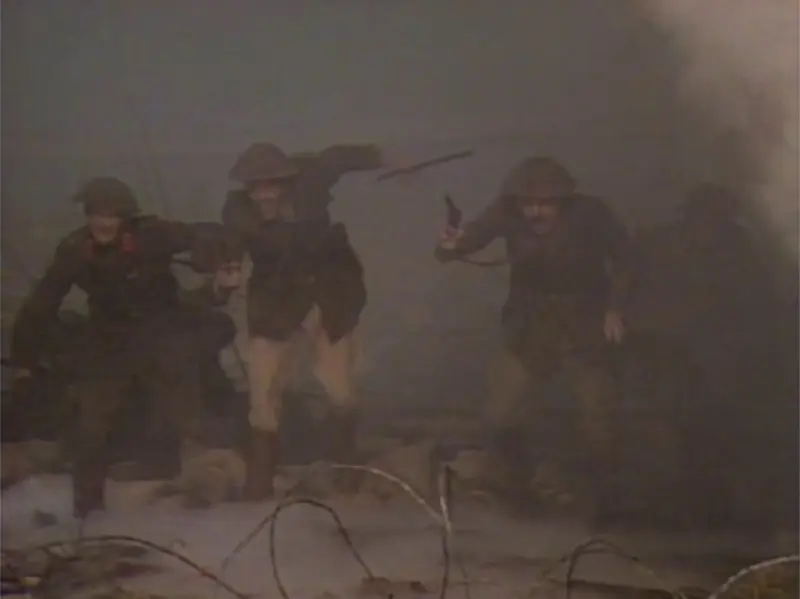
The final charge sends Blackadder and his unit over the top into no man’s land. The actors move in slow motion through smoke as the picture fades. A cut dissolves the battlefield into a quiet image of a poppy field.
The production used a studio setting for the trench with lighting and wind effects to create the last push. The choice to end on a dissolve rather than a hard cut changed the tone of the sequence and has been cited as a deliberate contrast to the comedy that precedes it.
‘The Americans’ (2013–2018)
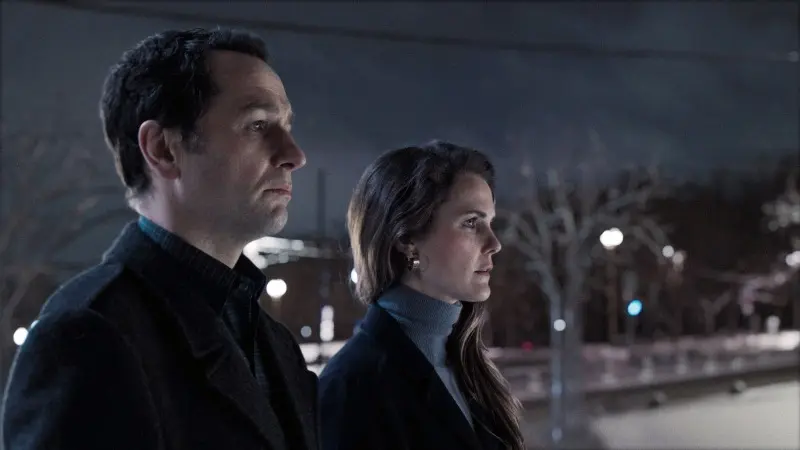
The ending brings Philip and Elizabeth to a night view of their homeland after a train escape. A key part of the finale leaves Paige behind, shown alone at a kitchen counter with a bottle and a blank future. The camera returns to the married pair as they look across the skyline and speak about what remains.
The episode was titled with a single word in all caps and structured around a series of conversations. It features a garage confrontation, a train platform split, and a final bridge scene, all staged with low light and spare dialogue to underline the cost of the last decisions.
‘The Shield’ (2002–2008)
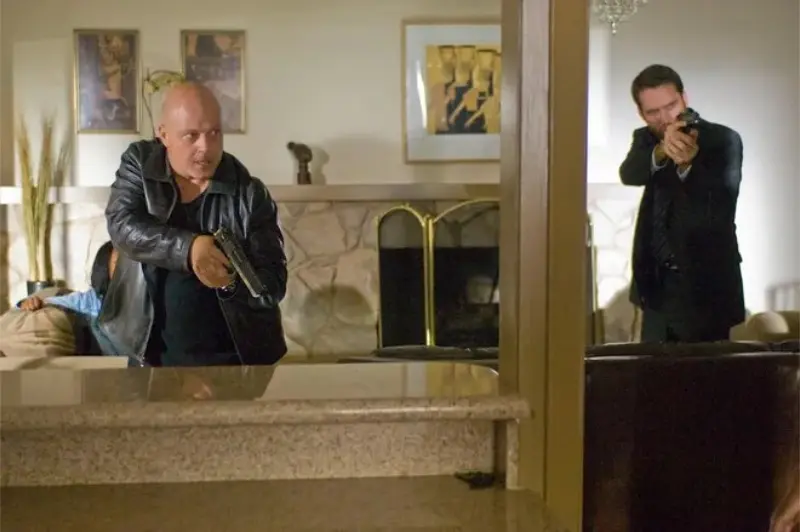
The last minutes place Vic Mackey in a fluorescent office where he begins a desk assignment tied to his immunity deal. He sits in a suit at a barren workstation under a clock, surrounded by the hum of an agency he cannot control. The sequence ends with him leaving the building after tucking away a sidearm.
The finale closes threads from the Strike Team arc and shows the outcomes for Shane and Ronnie before isolating Vic in a cubicle. The director returned from the pilot to stage the conclusion, using long takes, a fixed camera position, and room tone to emphasize the stillness of his new routine.
‘The Wire’ (2002–2008)
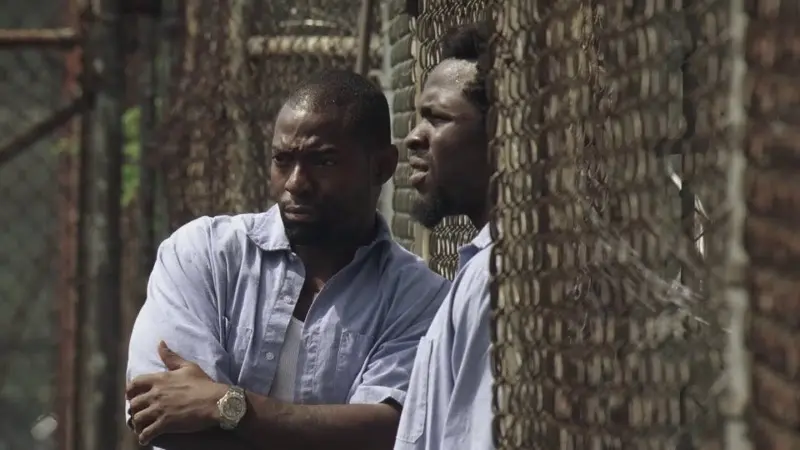
The final montage moves through Baltimore to show what happens after the last case. Viewers see Michael on the corners, Dukie in a new routine, and different faces filling familiar roles in city institutions. The images cycle from police offices to row houses to the docks and back to the newsroom.
The closing episode title uses a newsroom mark for the end of copy. It was directed to echo earlier season montages and to show replacement rather than resolution. Locations from every season reappear, and brief shots connect character beats with the systems that surround them.
‘The Good Place’ (2016–2020)
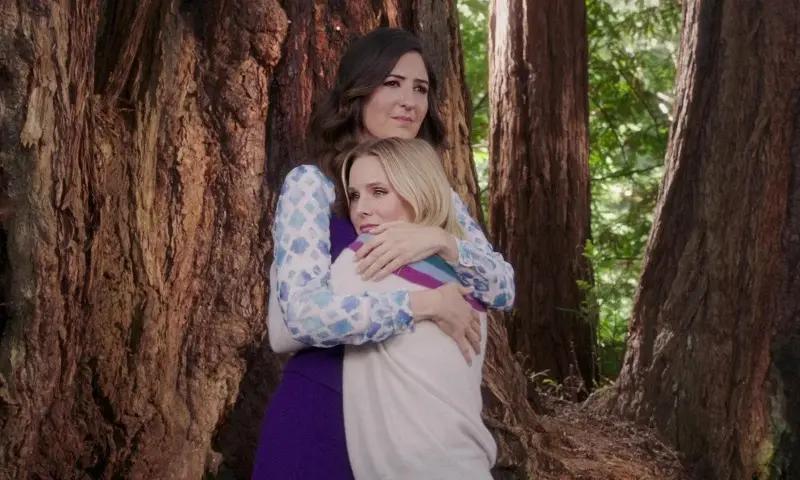
The ending lets each main character choose to walk through a final door when ready. The final images show small acts and simple pleasures, and the show returns to its neighborhood sets to close the loop. The pacing slows for quiet goodbyes with long shots on faces and hands.
The episode uses a structure of vignettes that follow each character’s decision, then brings the story back to earth for a closing note with a very human payoff. It was written and directed by the series creator, with extended runtime and a score that leans on soft strings and piano.
‘The Mary Tyler Moore Show’ (1970–1977)
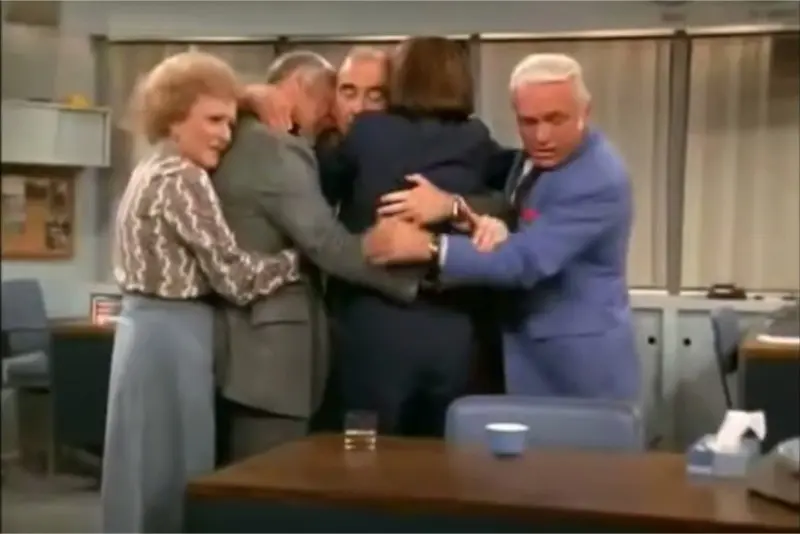
The newsroom staff gathers for a group hug that shuffles across the floor toward a box of tissues, which no one can reach without breaking the circle. After final goodbyes, Mary turns off the studio lights and exits with the rest of the team. The camera lingers on the empty set.
The production designed the scene to use the familiar newsroom space one last time. It relies on a single set, a live audience reaction, and a simple lighting cue to land the goodbye without cutaways to other locations.
Share the endings that moved you most in the comments and tell us which final scenes still sit with you.

