The Terrifying Reason Nikki Walks Backwards in ‘Obsession’ Is More Heartbreaking Than You Think

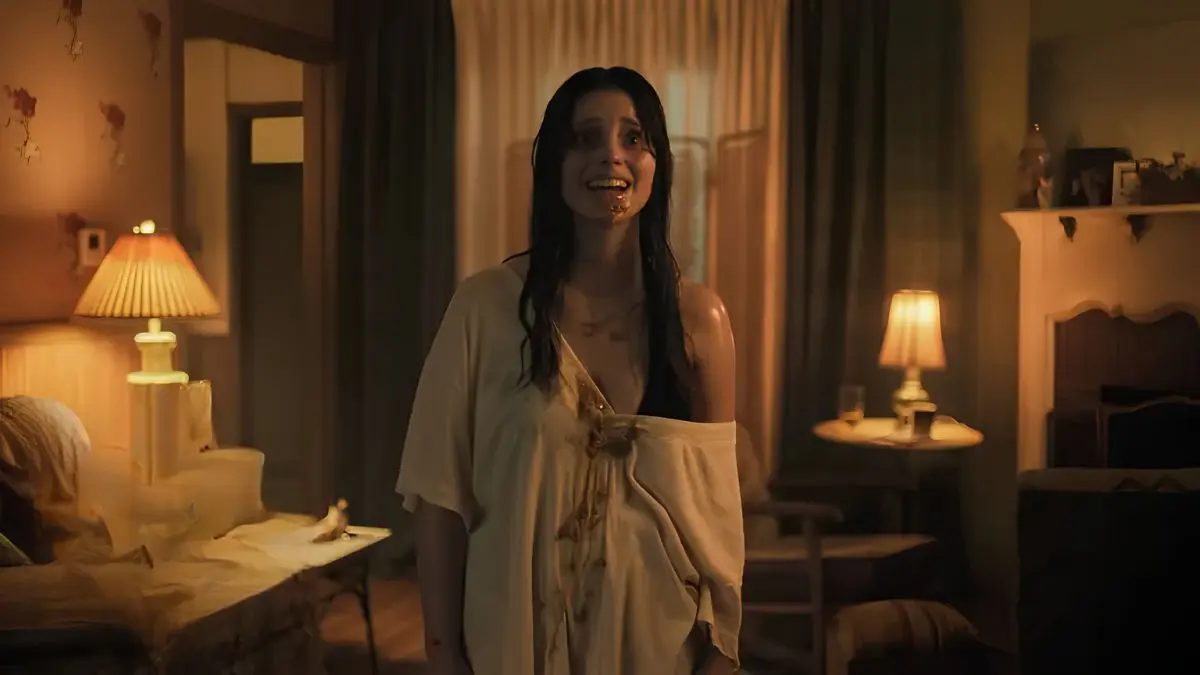

Horror fans are still shaking after sitting through one particular scene in Curry Barker’s ‘Obsession,’ and most viewers cannot stop asking the same question: why does Nikki walk backwards?
In the film, Bear makes a wish on a supernatural toy hoping Nikki will love him more than anything, and while the wish comes true, her behavior grows darker and more violent as time passes, with strange movements and outbursts signaling that a new entity has somehow taken over her body. The backward walk sits at the very center of that dread, and unpacking it reveals something far more devastating than a cheap horror trick.
‘Obsession’ has become one of the most talked-about genre films in recent memory, and the backwards walk is the moment everyone keeps circling back to. Director and writer Curry Barker distills the ambient gender-based resentment of modern internet culture into a horror film that functions as a pulp morality tale, with the intelligent and sarcastic young woman Bear knows being replaced by a volatile doppelgänger after he innocently wishes for her to love him more than anything in the world. What looks like a horror flourish on the surface is actually the film’s thematic core made physical.
The Symbolic Meaning Behind Nikki’s Backwards Walk
The backward movement has set off a wildfire of discussion online, and the most widely accepted reading is deeply unsettling. According to fan speculation, Nikki seemed to be held by another entity, and her walking backwards symbolized how Nikki was being pulled into darkness, both figuratively and literally. The direction of that walk is not random. It represents regression, a soul being dragged away from the person she was toward something ancient and consuming.
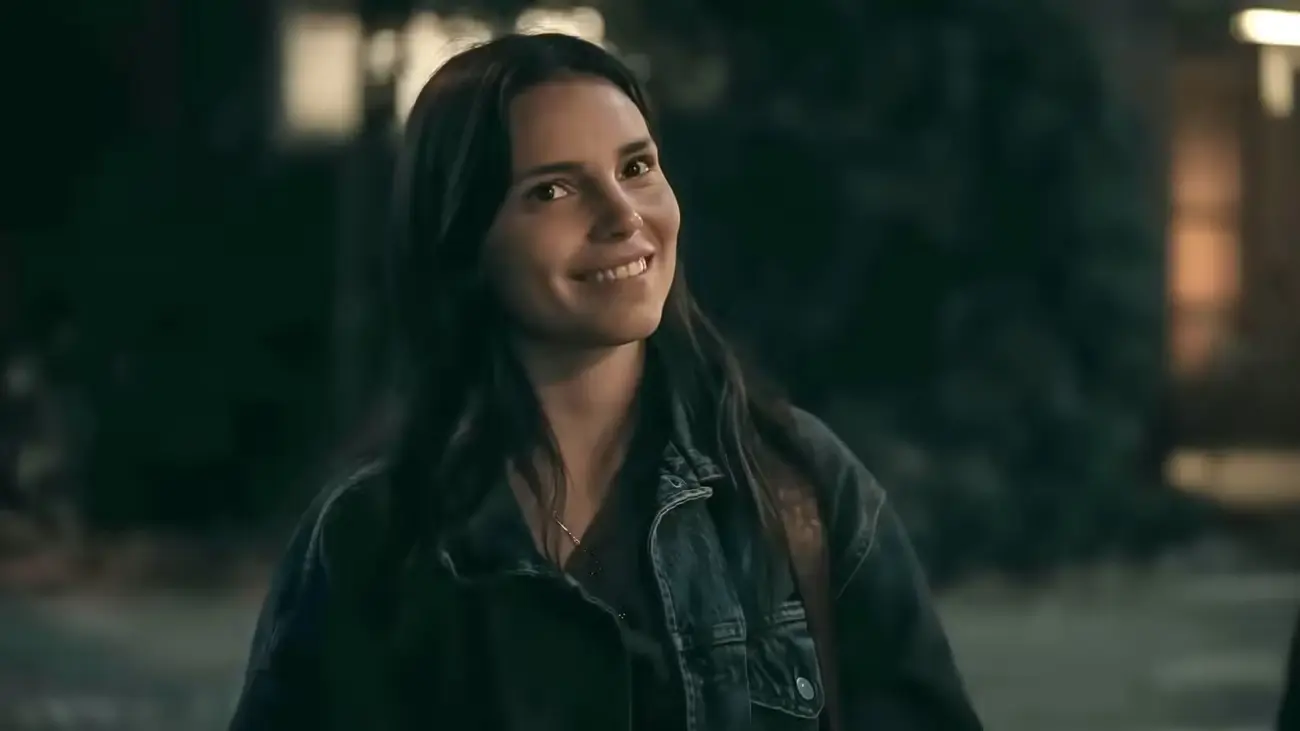
At her most terrifying, the possessed Nikki has difficulty acting like a human being at all, walking in strange ways when alone, staring without blinking for uncomfortably long periods, and at one point standing in exactly the same spot for roughly eight hours without any physical reaction. The backward walk fits into this larger pattern of inhuman behavior that the entity inhabiting Nikki cannot fully suppress or disguise.
The fact that the possessed version of Nikki only performs her backwards walk and reversed speech once further demonstrates that the entity does not inherently know how to behave like a human being and has to learn from experience what bizarre behavior to avoid, as though it is building that knowledge from scratch. In other words, the scene slips through because even the entity controlling Nikki has not yet learned to hide its true nature. That single lapse is what makes the moment so genuinely chilling.
Inde Navarrette on What the Scene Really Represents
The actress behind Nikki has made it clear this was not simply choreography. Inde Navarrette told The Hollywood Reporter that she and Curry Barker developed the character’s physical movements entirely themselves, without drawing inspiration from any other source, due to the limited time available during production. The result was something genuinely original, a physicality built from the inside out rather than borrowed from the horror playbook.
Navarrette also told The Hollywood Reporter that the moments when the real Nikki breaks through were very much Nikki herself fighting back from inside, explaining that even while appearing asleep, Nikki was still aware and overwhelmed by everything happening to her, which is why she seemed to beg Bear to end her suffering, with her shaking visibly expressing her fear and emotional pain. The backwards walk, seen through this lens, is not the entity asserting dominance. It is Nikki losing the fight.
The actress swaps from maniacal breakdowns to chilling complacency within seconds throughout the film, with Nikki’s movements at times teetering into the inhuman, especially in the sequence where she appears to be walking backwards. What Navarrette brings to the role is the constant reminder that a real person is trapped inside the horror, which is exactly what makes the backwards scene so devastating rather than simply scary.
How the Scene Fits Into the Film’s Deeper Themes
‘Obsession’ is not content to be a straightforward possession story, and Barker has said as much in interviews. Barker explained to DiscussingFilm that he wanted the film to feel grounded, describing what remains after accepting the reality of magic in this world as a pretty tragic story about a man and a woman, with leaning into that realism being critically important to him. The backwards walk belongs to that tragic layer of the film, not its genre mechanics.
The film is ultimately about consent and the importance of communication in dating and relationships, with Barker suggesting the entire situation could have been avoided if Bear had simply worked up the nerve to tell his friend how he feels. Nikki’s physical deterioration, including that eerie backwards movement, is the visual consequence of consent being bypassed entirely by a supernatural shortcut.
Navarrette’s powerhouse performance helps carry this weight by puncturing Nikki’s explosive outbursts with moments of heartbreaking clarity, consistently reminding the audience of the human being trapped inside. The backwards walk is the most concentrated expression of that duality: the monster moving forward while the real person is being dragged backward against her will.
Why the Scene Has Become a Cultural Moment
Few horror images from recent years have spread quite this quickly. Critics have praised Navarrette’s ability to shift between the obedient version Bear wished for, a horrifying eldritch horror walking backwards around corners, and the suddenly hysterical Nikki trapped inside, calling those transitions the stuff of acting legend. The scene has become a reference point for what horror performance can do when given the right material.
The film was produced for a budget of approximately one million dollars, was acquired by Focus Features out of the Toronto International Film Festival for a reported fifteen million dollars, and earned sixteen times its original budget during its opening weekend at the domestic box office.
For a scene that required no visual effects, no stunt work, and no elaborate set design, the backwards walk has done an extraordinary amount of heavy lifting for the film’s cultural footprint.
On Rotten Tomatoes, both critics and audiences have given ‘Obsession’ a 94 percent Fresh score, and the film earned an A-minus CinemaScore, a remarkably rare achievement for the horror genre. The backwards walk scene is a significant reason why people are not just recommending the film but physically pulling their friends into theaters to witness it.
Whether you read it as supernatural horror, psychological metaphor, or a masterclass in physical performance, it lands differently depending on what you bring into the theater, and that ambiguity is exactly what makes it stick, so if you’ve already seen it, what did that moment mean to you?