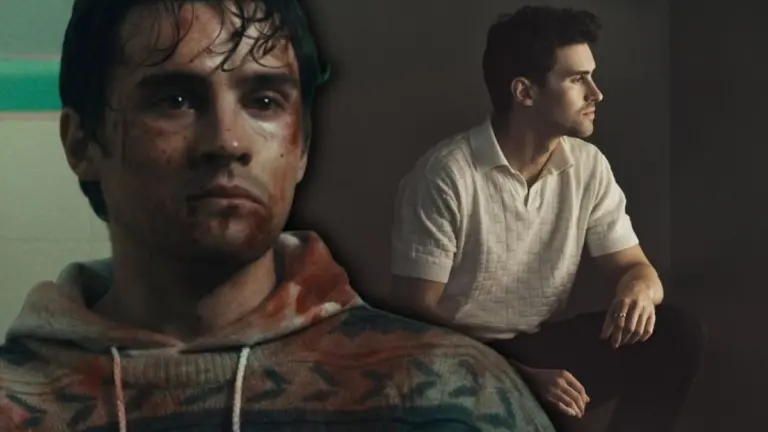
‘The Terror: Devil in Silver’ Ending Explained: The Monster Was Never Just a Monster

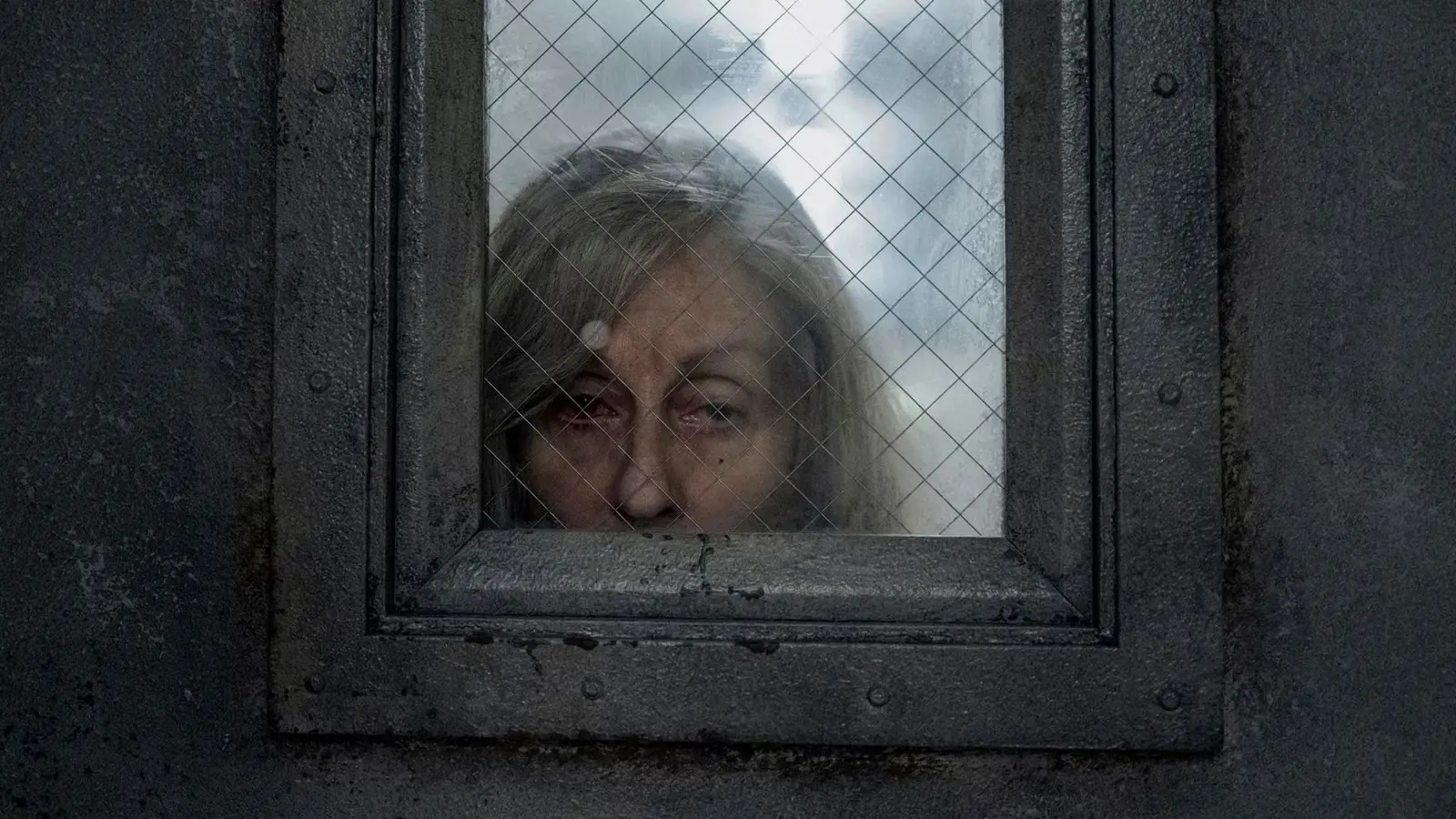

AMC’s horror anthology has always known that the scariest creatures are the ones built from human indifference. With its third installment, ‘The Terror: Devil in Silver’, that thesis gets its most contemporary and claustrophobic test yet, trading frozen Arctic seas and wartime internment camps for the decaying fluorescent hallways of a fictional Queens psychiatric hospital. The result is six episodes that horror fans and social critics alike have been dissecting since the season finale aired.
The show centers on Pepper, a working-class mover from Queens played by Dan Stevens, wrongfully committed to New Hyde Psychiatric Hospital, where he faces grim secrets and maybe the Devil himself. What unfolds is far more layered than a standard supernatural chiller, and the ending demands to be unpacked carefully.
What Really Lurks Behind the Silver Door at New Hyde Hospital
From the very first episode, the silver door at the end of New Hyde’s dimly-lit hallway functions as the show’s central image of dread. Behind it, a mysterious patient nobody has ever seen in the daylight slinks through the building at night, attacking fellow residents, with rumors swirling that the creature has the head of a buffalo and the body of a man, and that it may be the Devil itself.
The show is careful not to reduce the entity to simple monster-movie terms. A grimly funny prologue set before Pepper’s arrival makes it clear from the start that there really is a monster, maybe even the Devil himself, stalking the halls of New Hyde. But the central question the series keeps returning to is not what the creature is, but why it thrives in a place like this.
The creature seems able to take on different forms depending on its intended victim, which sometimes hampers ‘Devil in Silver’s’ effectiveness as a pure horror story, despite the unsettling atmosphere established in the early episodes by director Karyn Kusama. That shapeshifting quality, however, is precisely the point, because the show is building toward a revelation that is more psychological than supernatural.
Pepper’s Final Choice and the True Nature of the Entity
The ending of ‘The Terror: Devil in Silver’ reveals that the entity stalking the halls of New Hyde is a physical manifestation of the hospital’s collective suffering and Pepper’s own repressed violence. In the final confrontation, Pepper realizes that the only way to destroy the beast is to stop feeding the system of neglect that created it.
As his incarceration goes on, Pepper learns to care for his fellow patients and realizes the only way to escape the monster is for them to challenge it head on, going from an impulsive, reckless man to someone who must face up to his own demons and step up to care for people including his own family. This transformation is what makes the finale land with genuine emotional weight rather than settling for mere genre spectacle.
The season concludes with deliberate ambiguity about his physical freedom, but confirms his moral liberation from his inner demons. His decision to stand his ground against the entity to save others is the ultimate contradiction of the selfish survival instinct New Hyde tried to instill in him. Victory here is internal, costly, and earned slowly across all six episodes.
The Systemic Horror Running Beneath the Supernatural Threat
To fully understand what ‘Devil in Silver’ is doing, the monster cannot be separated from the institution that houses it. In Variety, Dan Stevens articulated exactly this tension, explaining that the monster “literalizes the violence that’s already present in the institution in its neglect, overmedication and dehumanization,” and that the series is asking: “What’s more monstrous: the creature in the hall or the system that’s trapping these vulnerable people?”
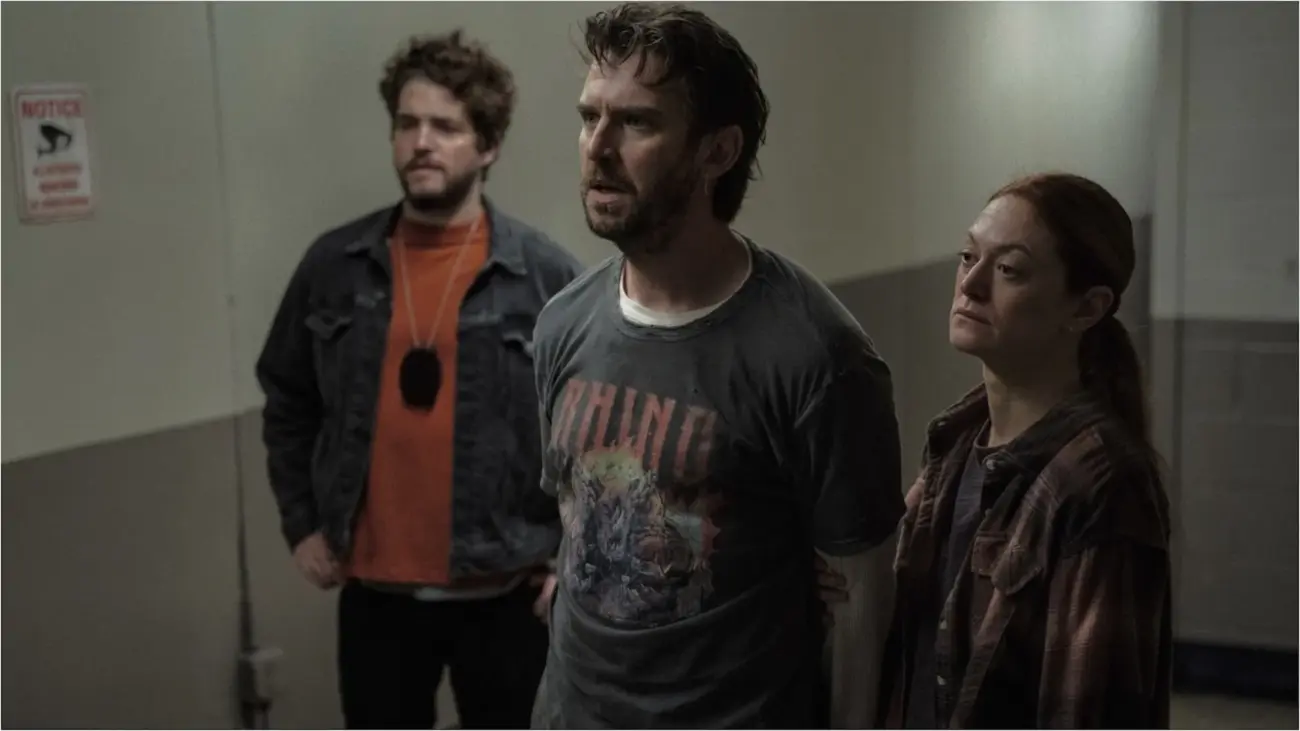
Pepper is committed to New Hyde because it is convenient for the cops rather than because he belongs there, and the story is very present in exploring how poverty, race, and bureaucratic indifference rather than illness determines who gets locked away. New Hyde becomes a metaphor for all the ways society disappears its undesirables.
New Hyde remains a place where society discards those it considers inferior, and the broken system, as Pepper’s roommate Coffee puts it, works precisely as its architects intended. The show refuses to let the supernatural element give anyone at the institutional level an excuse.
Dan Stevens, the Ensemble, and What Makes This Season Land
The character work surrounding the ending is what prevents ‘Devil in Silver’ from collapsing under the weight of its own allegory. The cast walks the fine line between committed performance and psych-hospital schtick without tripping over it, and over six smart, gnarly episodes the well-captured characters and their supernatural plights prove almost as gripping and frightening as the reality they are laying bare.
New Hyde’s patients include the quiet but insightful Coffee, the young hot-headed Loochie, and Dorry, the institution’s longest-serving resident, whose ties to the threat that festers in the walls come to light across the season. Each of them gives Pepper a reason to stop running and start fighting.
The other residents of New Hyde are fully three-dimensional figures with diagnoses, histories, and desires of their own, and bringing that humanity to the forefront was a deliberate priority for the show’s creative team, who wanted to avoid the flat stereotyping that plagues so many asylum-set horror stories. The commitment to that standard is felt in every scene of the finale.
How ‘Devil in Silver’ Fits Into ‘The Terror’ Anthology’s Larger Vision
The third season was created by Victor LaValle and is based on his 2012 novel of the same name, with LaValle and Chris Cantwell serving as writers and executive producers alongside director Karyn Kusama and executive producer Ridley Scott. The pedigree behind the camera is as formidable as the story in front of it.
The acclaimed first season adapted Dan Simmons’ history-inspired novel to frigid perfection, infusing a catastrophic 19th-century naval expedition with supernatural dread, while Season 2’s original concept, subtitled ‘Infamy’, drew from Japanese folklore centered on Japanese American individuals confined inside a World War II-era internment camp. Each season has used its monster as a mirror.
‘Devil in Silver’ cements the anthology’s reputation as prestige horror with something genuinely worth saying. LaValle described the season as a horror story based on all he has seen, and also a love letter to the resilience of the human spirit. That balance between darkness and earned hope is exactly what the ending delivers, leaving viewers with a finale that is as uncomfortable as it is cathartic.
If Pepper’s journey through New Hyde moved or disturbed you, share which moment hit hardest and whether the ambiguous final image felt like freedom or something far more complicated.