‘The Wolf of Snow Hollow’ Ending Explained, And Why The Real Killer Hits Harder Than Any Werewolf

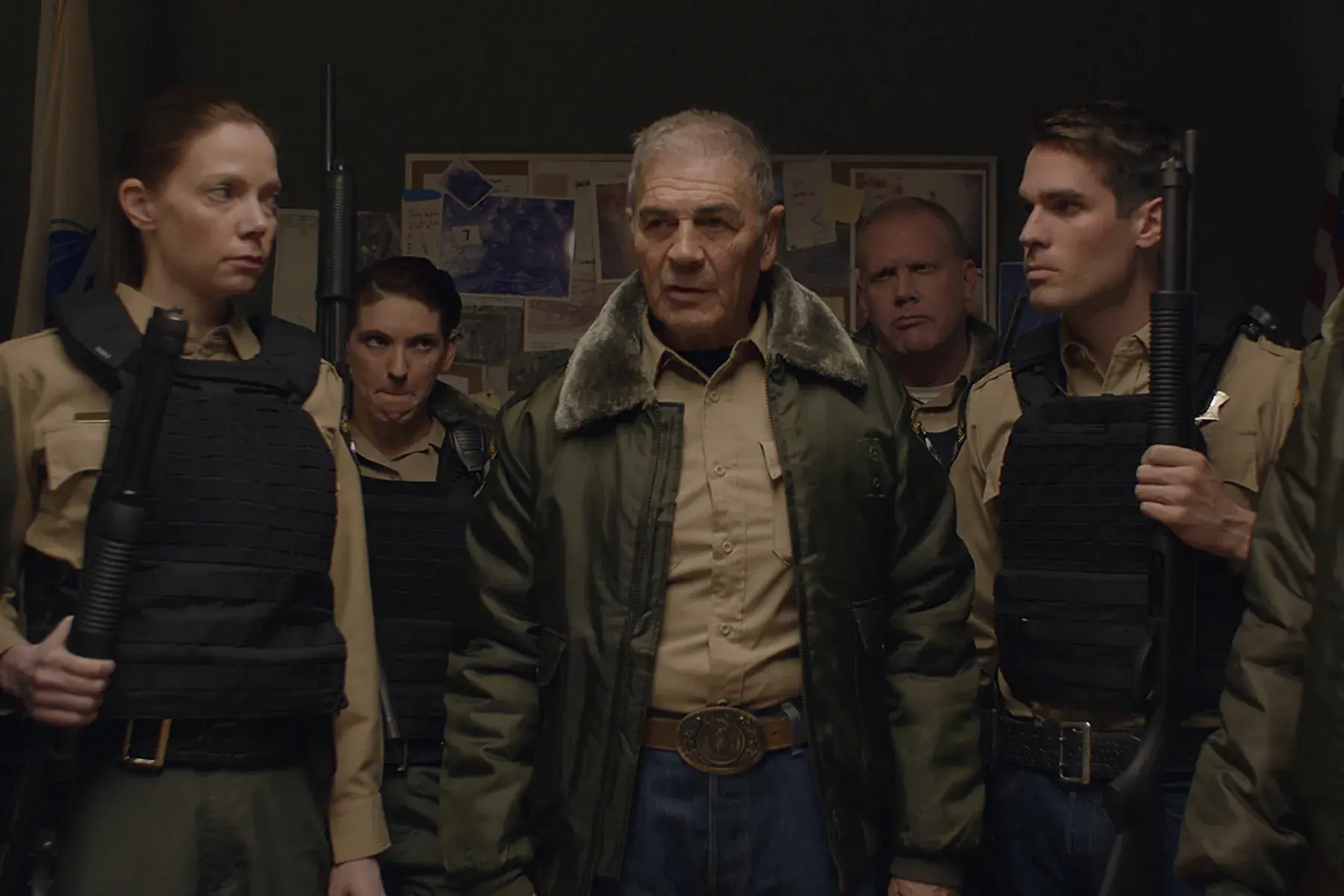

Jim Cummings spent the back half of 2020 sneaking a snowy little gem onto streaming, and ‘The Wolf of Snow Hollow’ is one of those horror oddities that grows louder in your head the longer you sit with it. Written and directed by Cummings, the film unfolds in a small Utah town that is seemingly terrorized by a werewolf, with Cummings starring alongside Riki Lindhome, Chloe East, Jimmy Tatro, and Robert Forster.
The marketing leaned hard into fangs and full moons, but the closing stretch tells a very different story. By the time the credits roll, the bait and switch has reframed every snowy crime scene that came before, and the question is no longer what the wolf is, but who it always was.
Inside The Snow Hollow Killer Reveal
For most of the runtime, the sheriff’s department is convinced it has the right man. A man living in a camper outside town is found dead of a heroin overdose, and the police believe that he is the killer due to his height, his knife collection, the presence of a pet wolf-dog, and the discovery of the body of a missing woman in his backyard. John Marshall wants to wrap the case and move on with his life.
The crack in that theory comes from the most ordinary place imaginable. While John is out distributing evidence from the closed case back to its original owners, PJ contacts Robson saying that his belongings contained a seam ripper that was not his. Deducing that the ripper is for taxidermy, Robson realizes that taxidermist Paul Carnury must be investigated, just as John stops by Paul’s house.
The confrontation pivots on a single tell. Paul seems eager for details of the case and asks John about his daughter, something he could not have known unless he was present when Jenna was attacked. John asks Paul to stand up to his actual height, revealing himself to be nearly 7 feet tall. The myth shrinks down to a man with a hobby, a grudge, and a knack for sewing.
Jim Cummings And The Werewolf Myth
Cummings has been open about treating the werewolf as a metaphor rather than a creature feature. Speaking with RogerEbert.com, he explained that the myth of the werewolf is really about anger, about a guy who does not have control over his anger once a month, so he goes out and kills people, which is closer to a serial killer story. That framing turns the entire genre on its head.
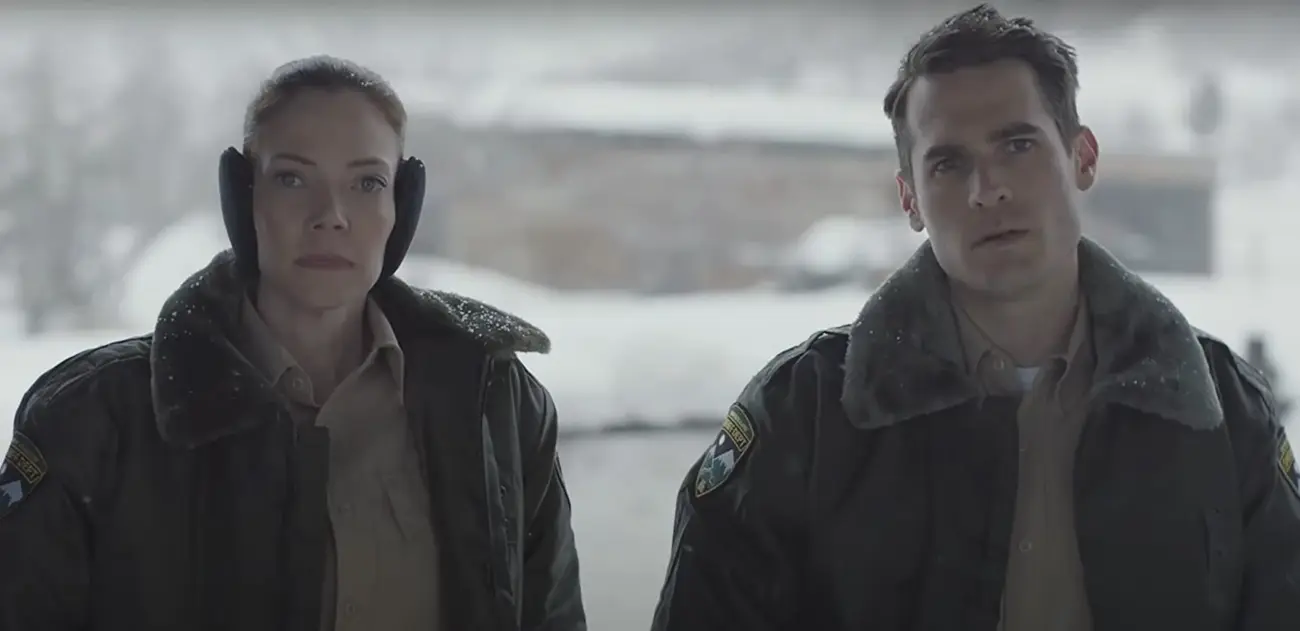
His pitch to himself was even more pointed. In a conversation with Dread Central, Cummings said he wanted to do Zodiac as a comedy, citing his love for the work of David Fincher. That mission statement explains the tonal whiplash, where the snow drinks blood in one scene and a deputy is panic shouting at coworkers in the next.
Critics picked up on the subtext quickly. Brian Tallerico of RogerEbert.com warned readers that this is undeniably and explicitly a werewolf movie about toxic masculinity, noting that John even has a speech about how the myth of the werewolf came about as a way to explain horrific violence against women, often committed in the light of the full moon because it allowed them to see what they were doing. The wolf, in other words, has always been an alibi.
What John Marshall’s Breakdown Really Means
The climactic showdown plays out as both catharsis and indictment. Paul slams the door on John and runs. John breaks into the house, discovering a workstation containing Hannah’s head. Paul stabs John in the stomach and lifts him off of the ground. Hearing sirens, he drops John, changes into a homemade wolf costume and flees into the woods. The costume reveal lands as both punchline and gut punch, since it confirms the killer was always a man pretending to be something larger.
The chase ends ugly, and intentionally so. Wounded, John pursues Paul, who is shot and incapacitated by Robson. John then shoots Paul repeatedly in the head before collapsing. Robson does the actual police work, while John empties his clip into a man already on the ground. The film refuses to let his rage look heroic.
That distinction matters when you remember who John has been all along. He is an insecure and fragile man whose social filters deteriorate under extreme pressure, an alcoholic with anger management issues, and there is not an aspect to his life that is not tense. The big reveal is not just that Paul was the wolf. It is that John has been one note away from his own monstrous outburst the entire time, and the case becomes almost conditional to getting control of himself.
The Final Scene Meaning And Robert Forster’s Last Gift
The denouement folds grief into closure. Hadley dies from heart complications midway through the film, and the resolution belongs to the people John has been failing. It is Julia who gets promoted to sheriff, a quiet rebuke to every man in the precinct who assumed the badge was theirs by default.
The choice of Forster carries its own weight, since this was his last completed performance. The film is dedicated to Forster, as it was the last of his career, completed shortly before his death. Producer Matt Miller had known Forster from a previous project and sent the script to his agent, and Forster chose to take the role because he viewed it as a dramatic movie about a father-son relationship, and complications of aging and health.
John’s final moments echo that read of the material. Alongside Robson, John helps Jenna in her transition to college life, leaving her with heartfelt gestures of protection. As he watches her step into this new chapter, he overhears two fellow students making inappropriate remarks, but chooses to walk away, realizing some battles are best left unengaged. It is the smallest, most adult choice the character makes, and it is the only kind of victory the film is willing to grant him.
The result is a horror picture that earned its mixed-genre reputation honestly. On Rotten Tomatoes the film holds an approval rating of 89% based on 74 reviews, with the critics’ consensus calling it an oddly haunting hybrid that treads somewhat unsteadily between horror and comedy. The wolf was never the trick. The trick was getting an audience to root for John long enough to flinch when he finally pulls the trigger, so tell us whether Paul Carnury’s costume reveal worked on you, or whether you spotted the taxidermist hiding in plain sight long before that seam ripper showed up.