


The Worst Comedy Movies of All Time

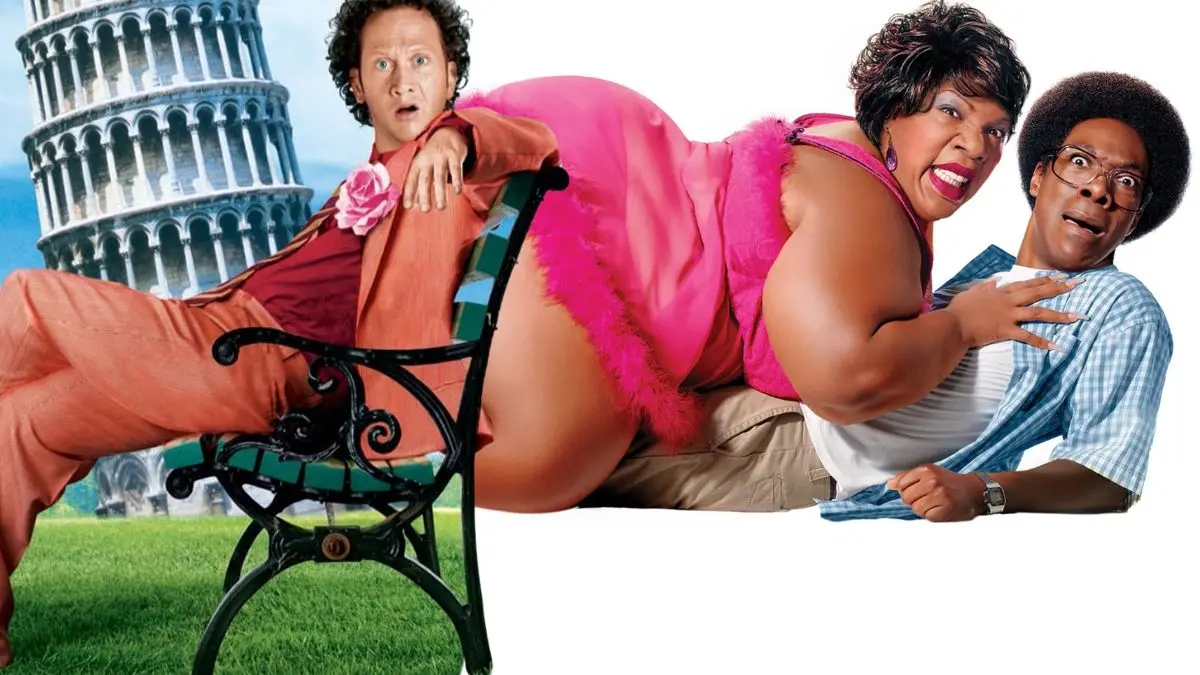


Sometimes a comedy misses the mark so completely that it becomes a reference point for what not to do. These films are remembered less for laughs and more for baffling creative choices, awkward scripts, and box office results that told their own story. Looking at how they were made and how they landed with audiences offers a useful snapshot of when star power, big budgets, or brand recognition could not save a project.
Here is a look at comedies that struggled from development through release. Each entry notes the premise, the talent involved, and how things played out in theaters and at award shows. You will also spot who handled distribution, since how a movie reaches audiences can tell you a lot about a studio’s expectations and rollout strategy.
‘Gigli’ (2003)
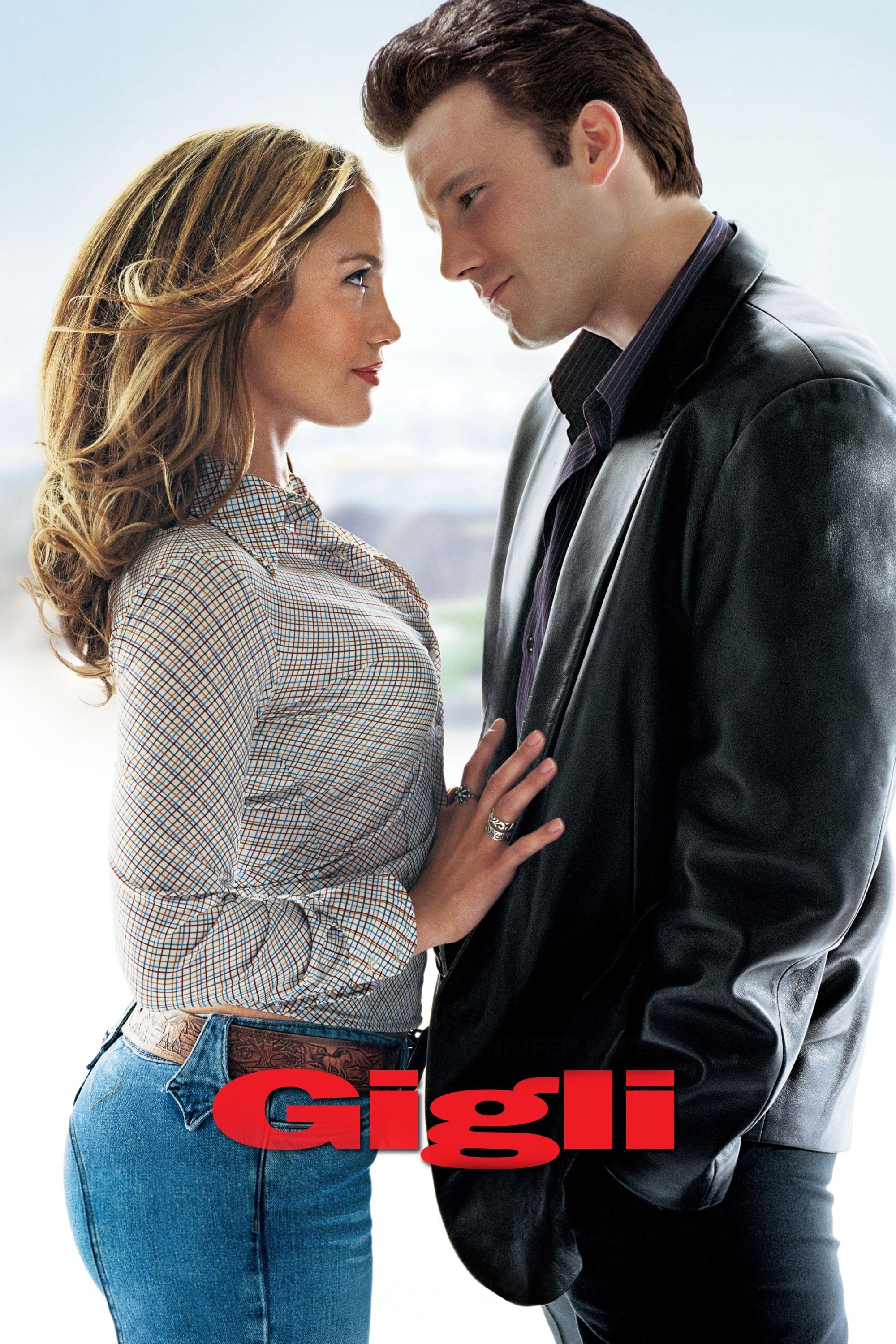
Ben Affleck plays a low level mob enforcer who is tasked with supervising a federal witness, with Jennifer Lopez as a fellow operative whose motives complicate the plan. The film went through heavy rewrites during production and test screenings led to significant reshoots that shifted the focus toward the lead romance.
It opened wide in late summer in a conventional rollout handled by Columbia Pictures, and its weekend performance fell far below projections. The film earned multiple Golden Raspberry nominations and quickly left theaters after a steep second weekend decline.
‘Movie 43’ (2013)
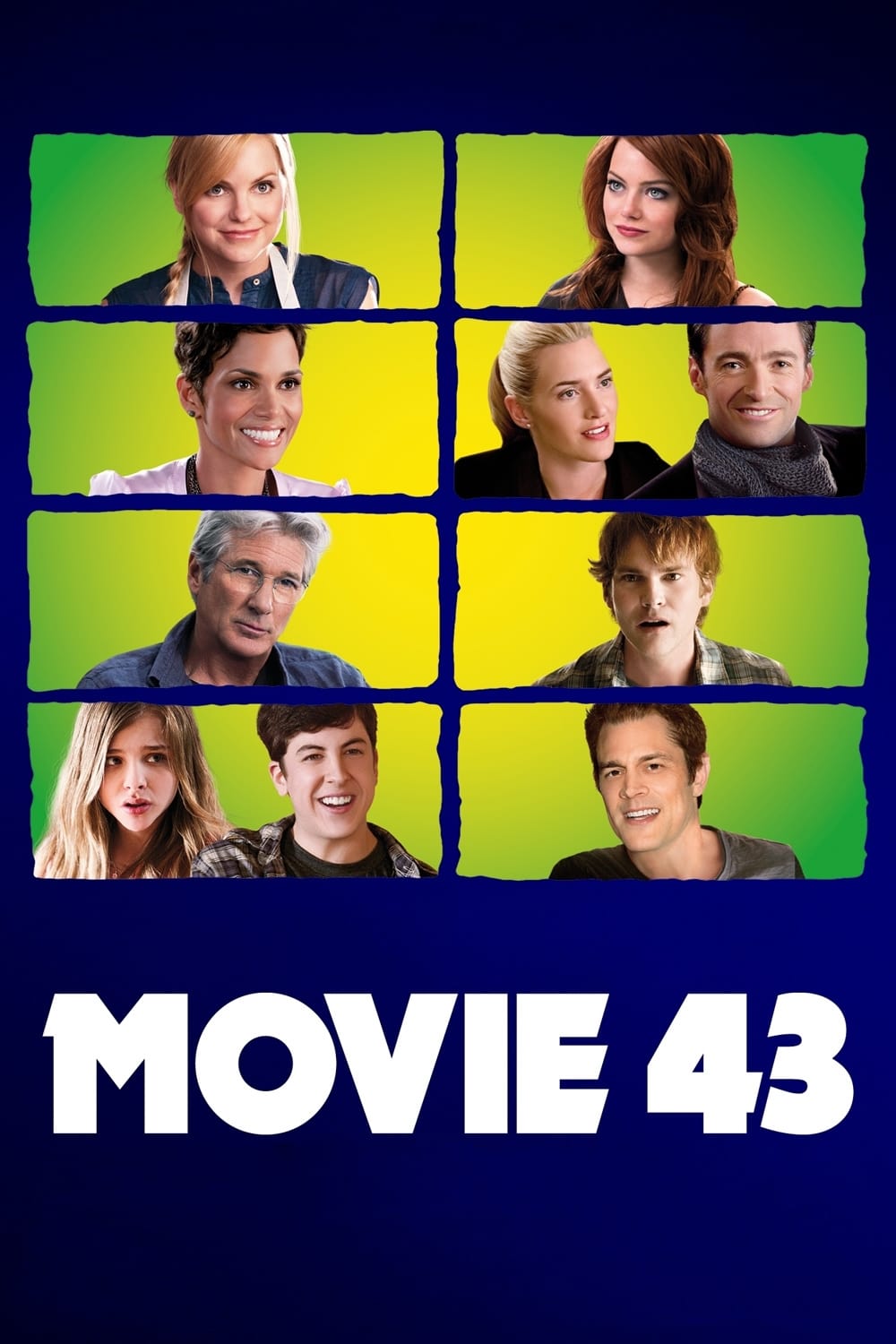
This anthology stitches together a series of sketch segments directed by multiple filmmakers and fronted by an ensemble of A list stars. Production stretched over a long period as different vignettes were shot at different times, with some actors participating only after scheduling workarounds.
Relativity Media distributed the film with a nationwide release that emphasized the cast in marketing materials. Reviews cited uneven tone across segments and audience exit polling reflected strong negative word of mouth that suppressed legs after opening weekend.
‘Jack and Jill’ (2011)

Adam Sandler appears as twin siblings whose annual holiday visit spirals into a series of misunderstandings, with Al Pacino playing an exaggerated version of himself. The production mixed soundstage work with location shoots in Los Angeles and featured extensive prosthetic makeup and visual effects to place both characters in shared scenes.
The film was released broadly by Columbia Pictures with heavy advertising across television and sports programming. It won several Golden Raspberry awards in the following season and had a front loaded performance that softened quickly after the debut.
‘Son of the Mask’ (2005)
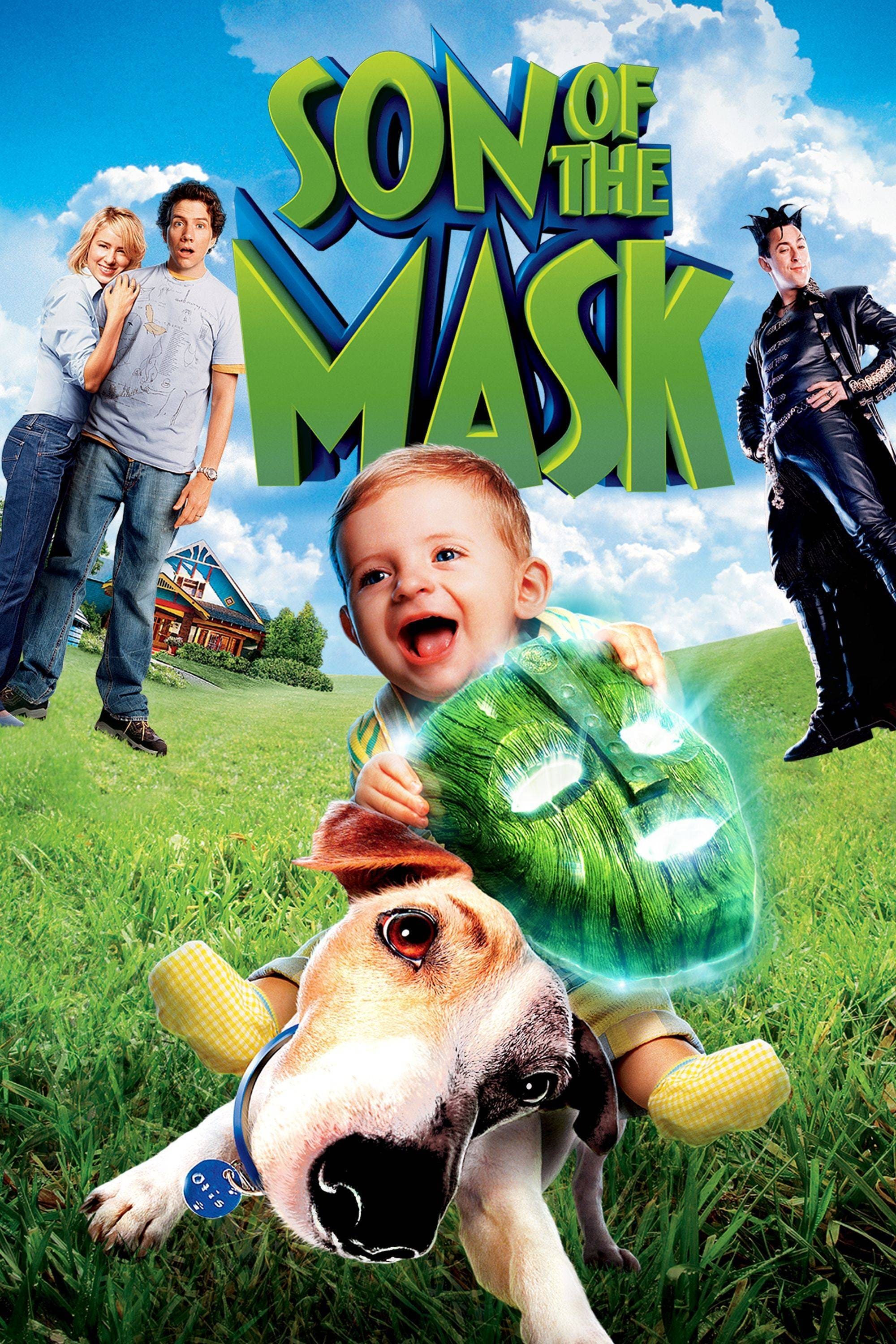
A visual effects heavy follow up to the Jim Carrey hit centers on a cartoonist father whose infant inherits the magical mask and unleashes chaos. Animation and live action elements were combined through a substantial VFX pipeline that required lengthy post production.
New Line Cinema handled domestic distribution with a family aimed marketing push. The movie opened below expectations for a brand extension and ancillary sales could not offset the cost of its effects work, which drew attention in trade reports.
‘Norbit’ (2007)
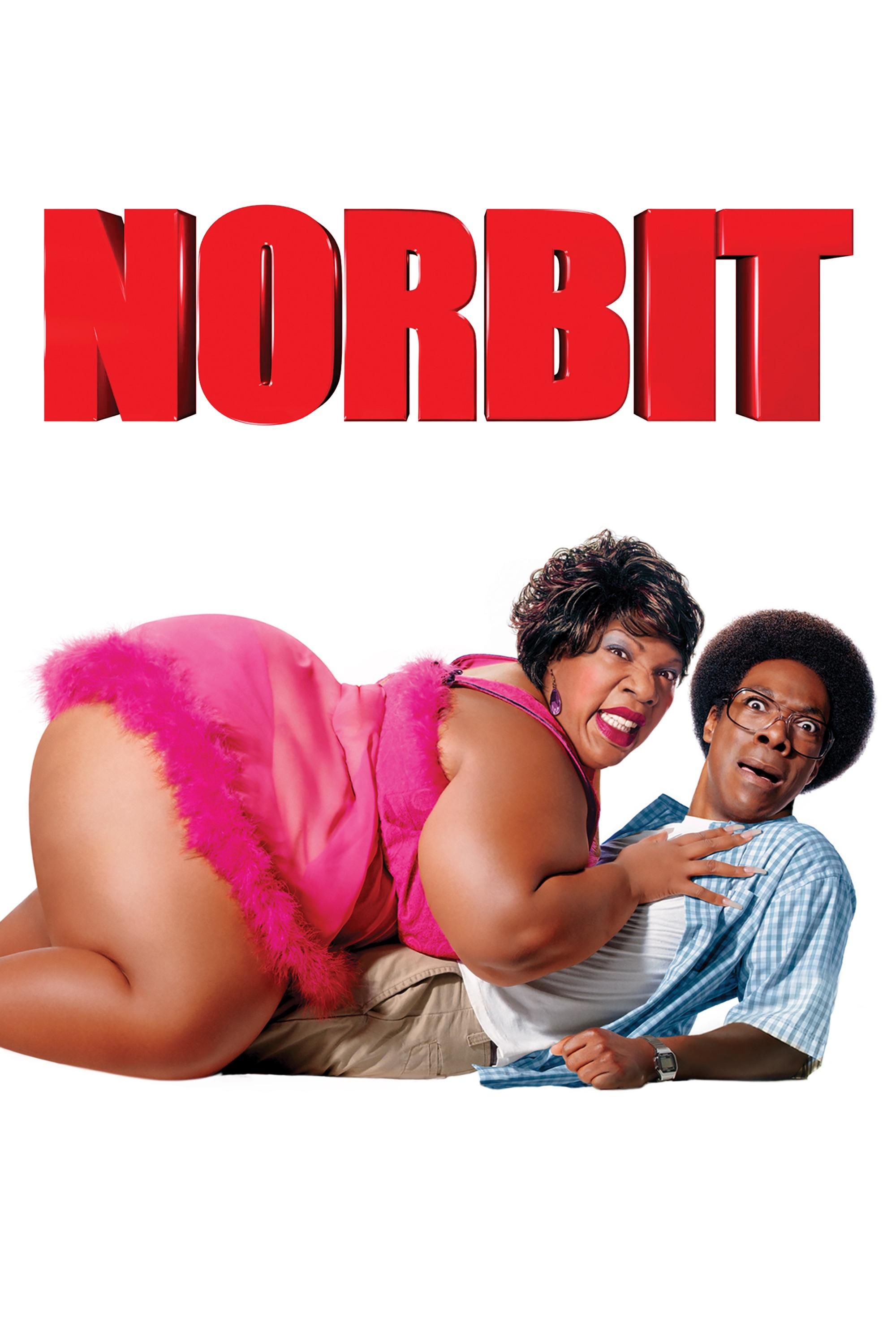
Eddie Murphy headlines a broad farce that uses heavy makeup and multiple character portrayals to tell the story of a meek man trapped in a disastrous marriage. Rick Baker’s makeup designs were a major craft component and the production emphasized elaborate set pieces.
DreamWorks produced the film while Paramount Pictures distributed it widely across North America. Despite a profitable opening frame, critical response was sharply negative and the film became a frequent awards season talking point for all the wrong reasons.
‘The Love Guru’ (2008)
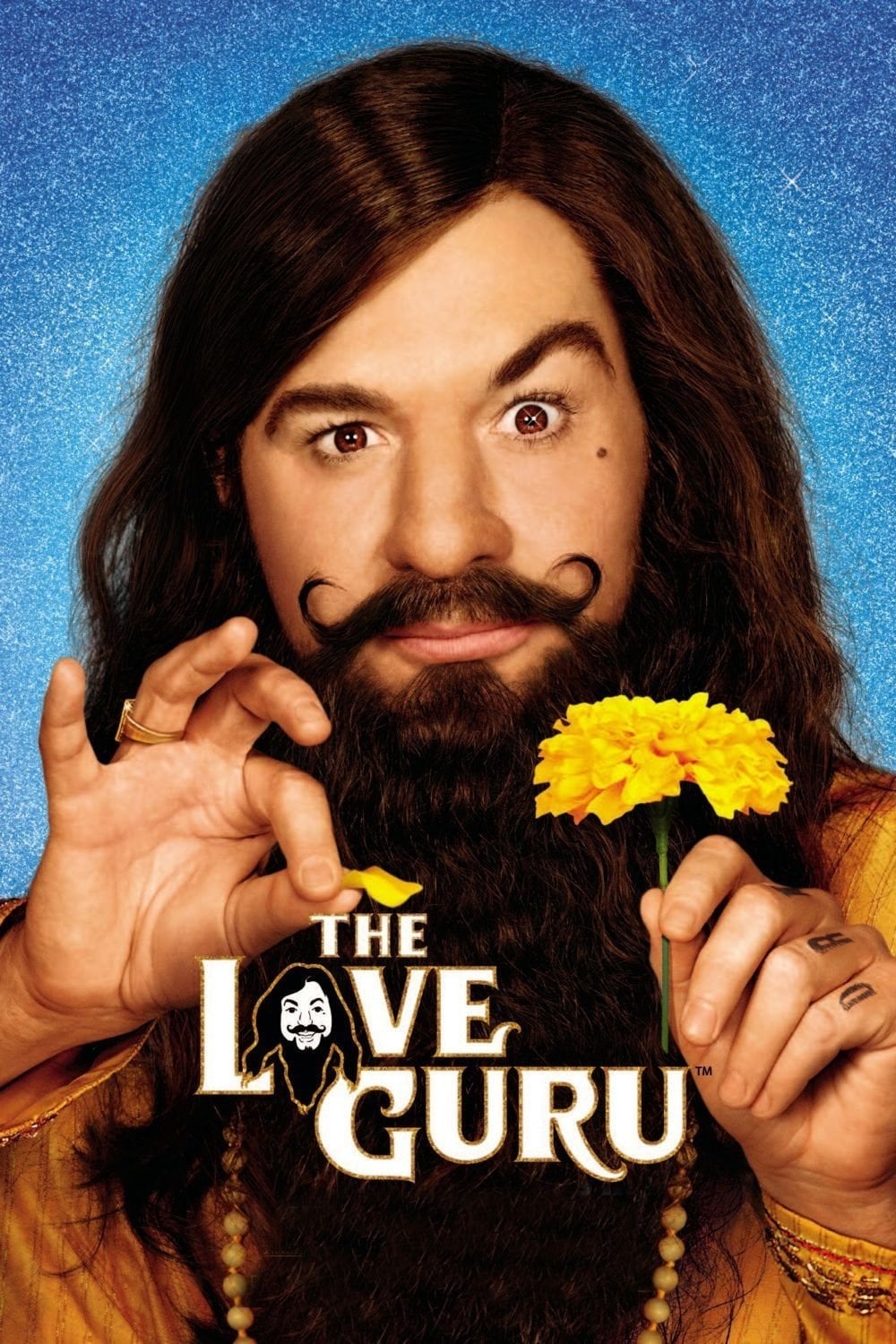
Mike Myers returns to character based comedy as a self help figure hired to fix a hockey star’s personal life, with Jessica Alba and Justin Timberlake in key roles. The screenplay draws on satirical self help tropes and includes musical interludes and sports comedy gags.
Paramount Pictures rolled out the movie in the early summer corridor with a marketing campaign built around the lead character. The film struggled to connect with audiences beyond opening day and later received several Razzie nominations that underlined its reception.
‘The Master of Disguise’ (2002)
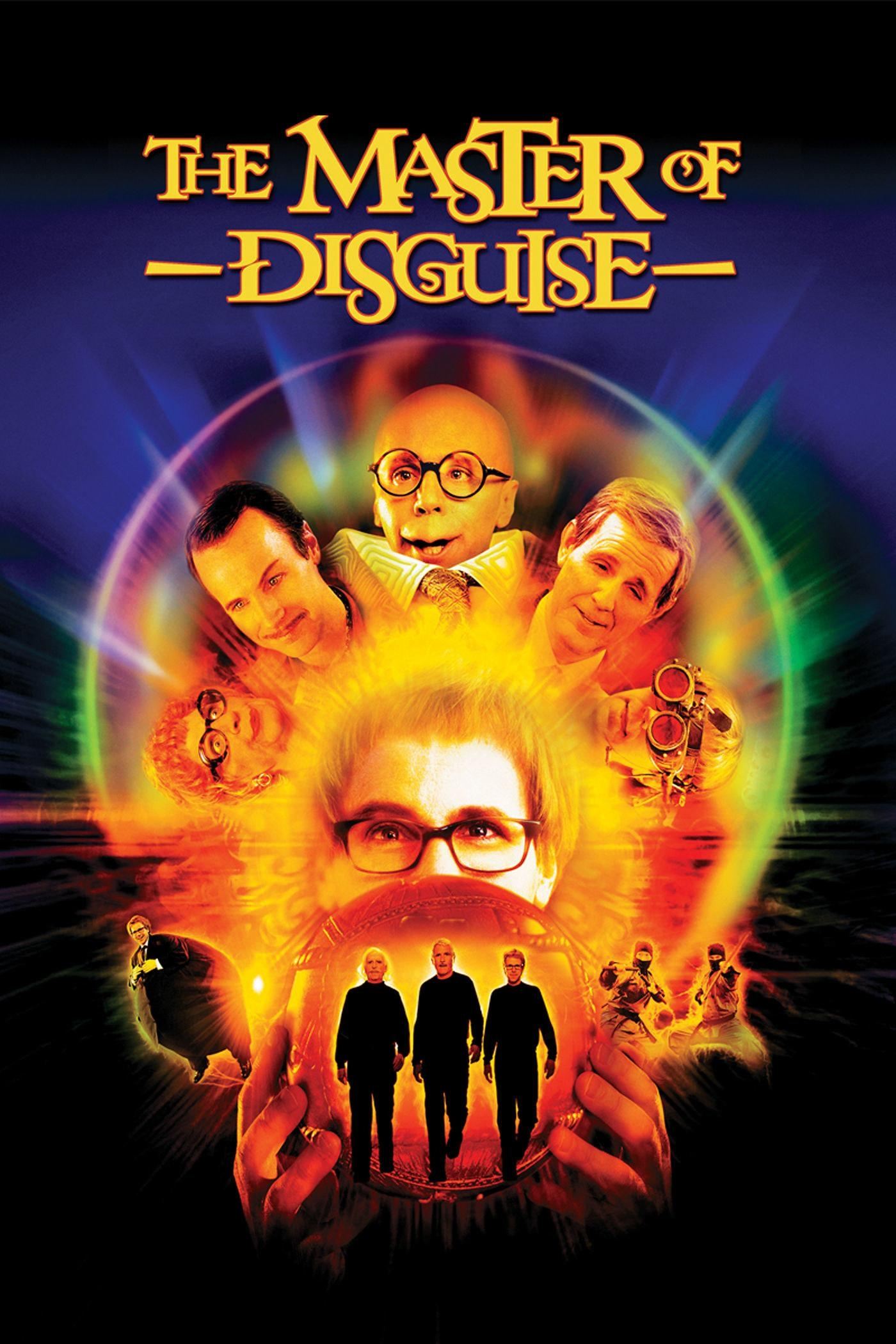
Dana Carvey stars as a clumsy descendant of a family of master impersonators who must learn the art to save his parents. The production leaned on practical costumes and character bits with a story that moves through rapid fire disguises.
Columbia Pictures distributed the film with a family friendly positioning and a modest late summer release. It posted a decent initial weekend on brand recognition then fell quickly as reviews skewed heavily negative and audience scores remained low.
‘Bio-Dome’ (1996)
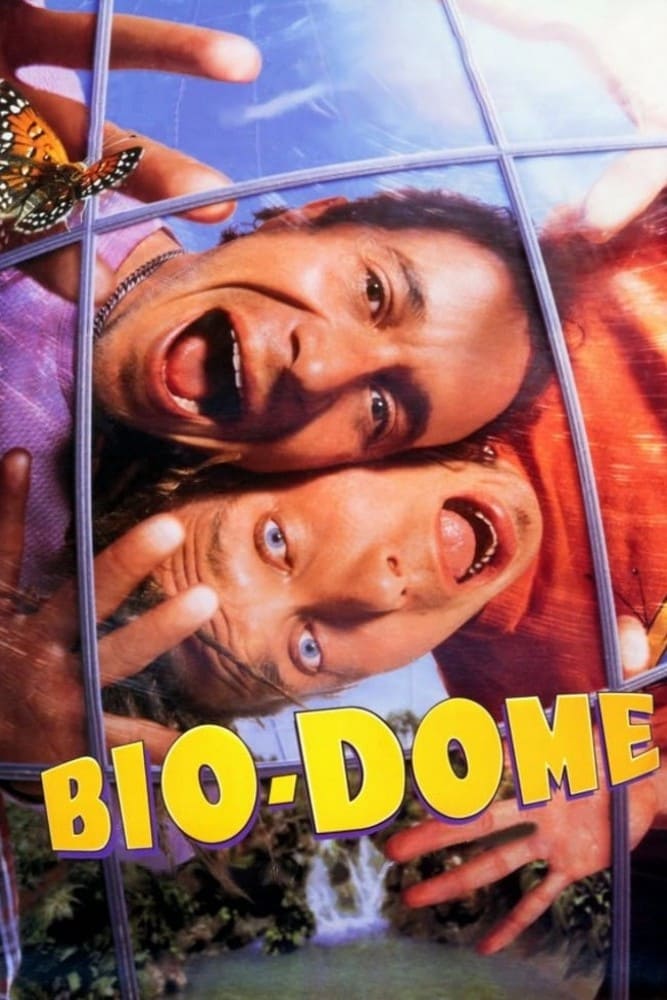
Pauly Shore and Stephen Baldwin play slackers who get trapped inside an ecological research facility and proceed to wreak havoc on scientific routines. The movie used a mix of soundstages and real locations to simulate the sealed environment.
MGM released the film through its domestic distribution arm and platformed it to multiplexes that catered to teen audiences. Reception was poor and word of mouth did not build beyond the first week, which left the title near the bottom of that season’s comedy performers.
‘Dumb and Dumberer: When Harry Met Lloyd’ (2003)
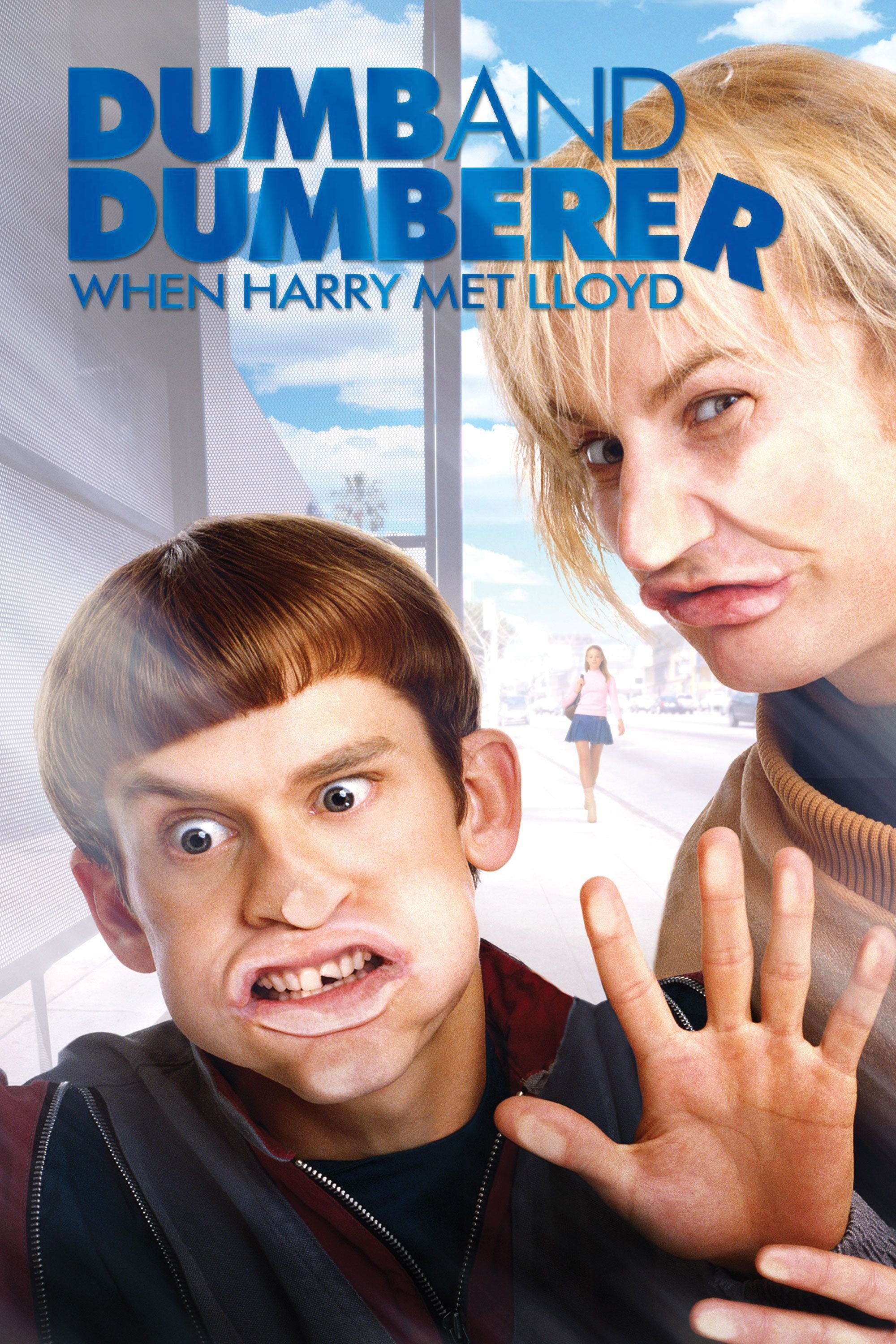
This prequel follows teenage versions of Harry and Lloyd as they stumble into a high school scam run by corrupt administrators. Without the original stars, the production focused on mimicry of mannerisms and callbacks to familiar gags.
New Line Cinema put the movie into early summer with a medium sized marketing spend focused on brand recognition. The opening was modest and declines were steep after Friday numbers, with reviews citing comparisons to the original that did it no favors.
‘Deuce Bigalow: European Gigolo’ (2005)
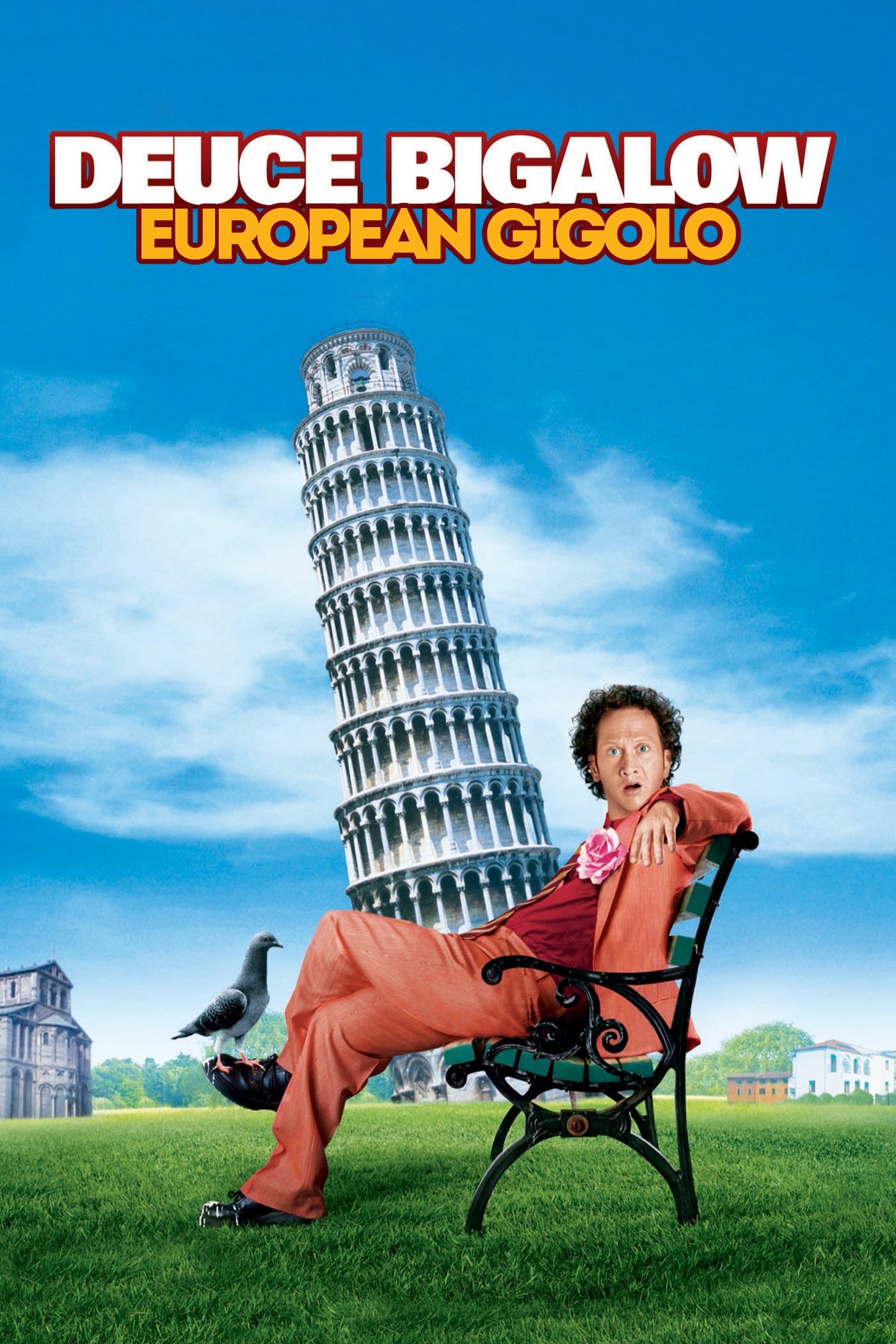
Rob Schneider’s fish out of water character returns and is pulled into a string of crimes while on a trip abroad, leading to set pieces around mistaken identity. The film’s shoot moved between European locations and Los Angeles units to control costs while mimicking travel.
Columbia Pictures released the sequel across a wide footprint with commercials built around returning characters. It earned multiple Razzie nominations and posted a shorter theatrical run than the first film, which signaled diminished interest.
‘Holmes & Watson’ (2018)
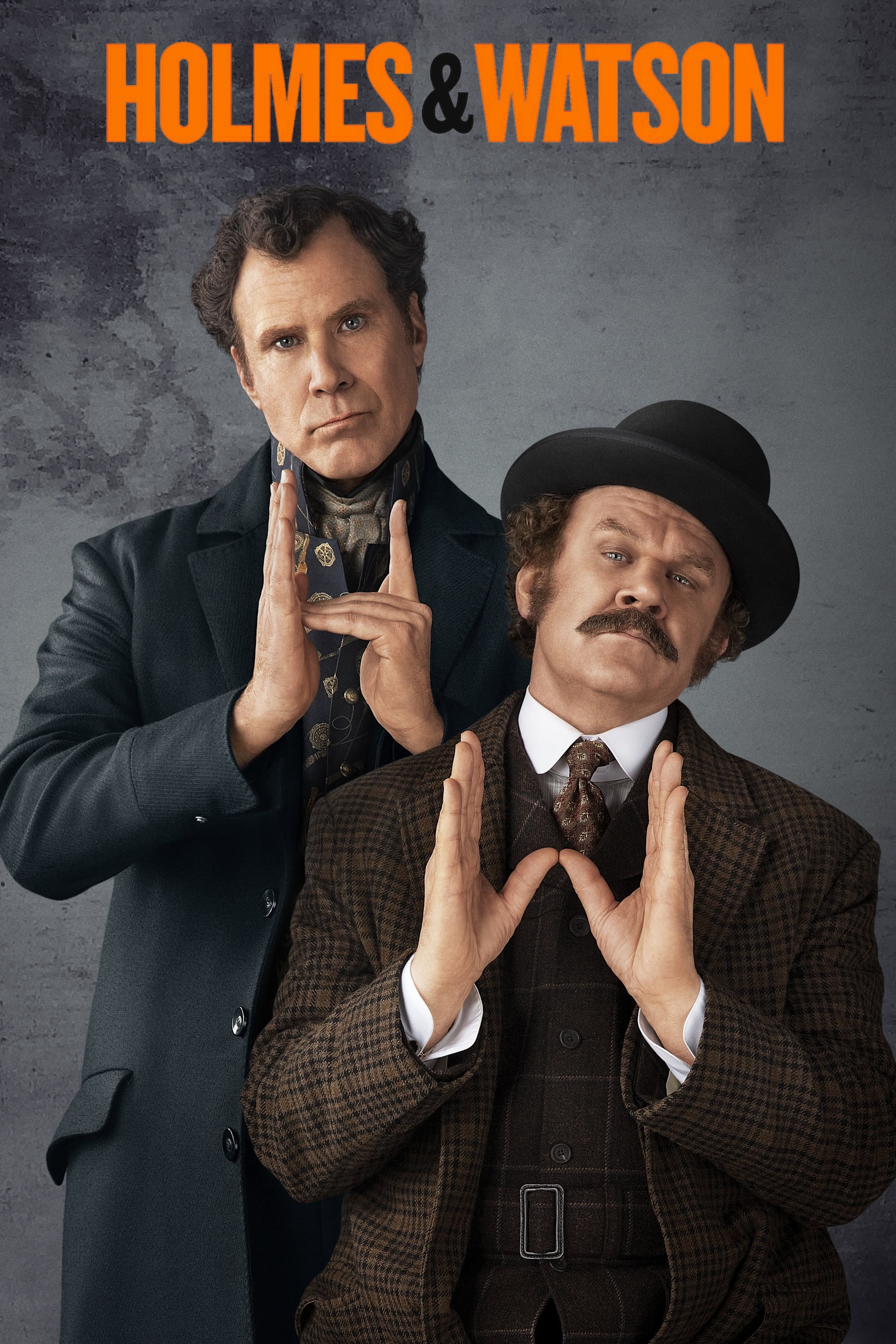
Will Ferrell and John C Reilly reunite as the famous detective duo in a spoof that assembles a murder mystery at Buckingham Palace. The production recreated period environments with extensive set construction and costuming.
Columbia Pictures handled distribution during the holiday corridor after date shifts that moved it out of earlier slots. Audience testing translated into poor word of mouth and the movie saw rapid declines after opening day despite the recognizable pairing.
‘Superbabies: Baby Geniuses 2’ (2004)
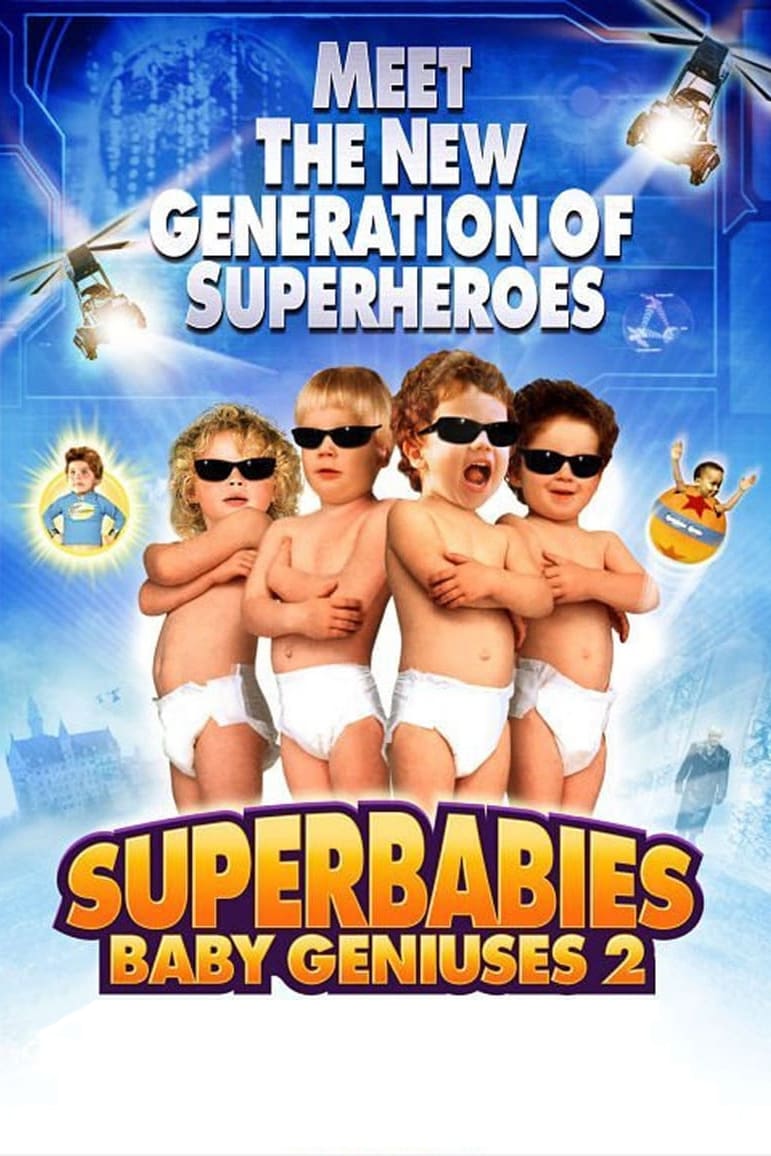
The follow up to the talking toddler caper adds a media tycoon villain and new infant heroes who speak to each other in a secret language. The shoot involved careful scheduling around child labor rules and heavy use of stand ins for staging.
Triumph Films released the movie domestically through Sony Pictures Releasing in late summer with a family matinee play. Reviews were extremely negative and the film exited theaters quickly, later finding most of its viewers through home video bins.
‘Epic Movie’ (2007)
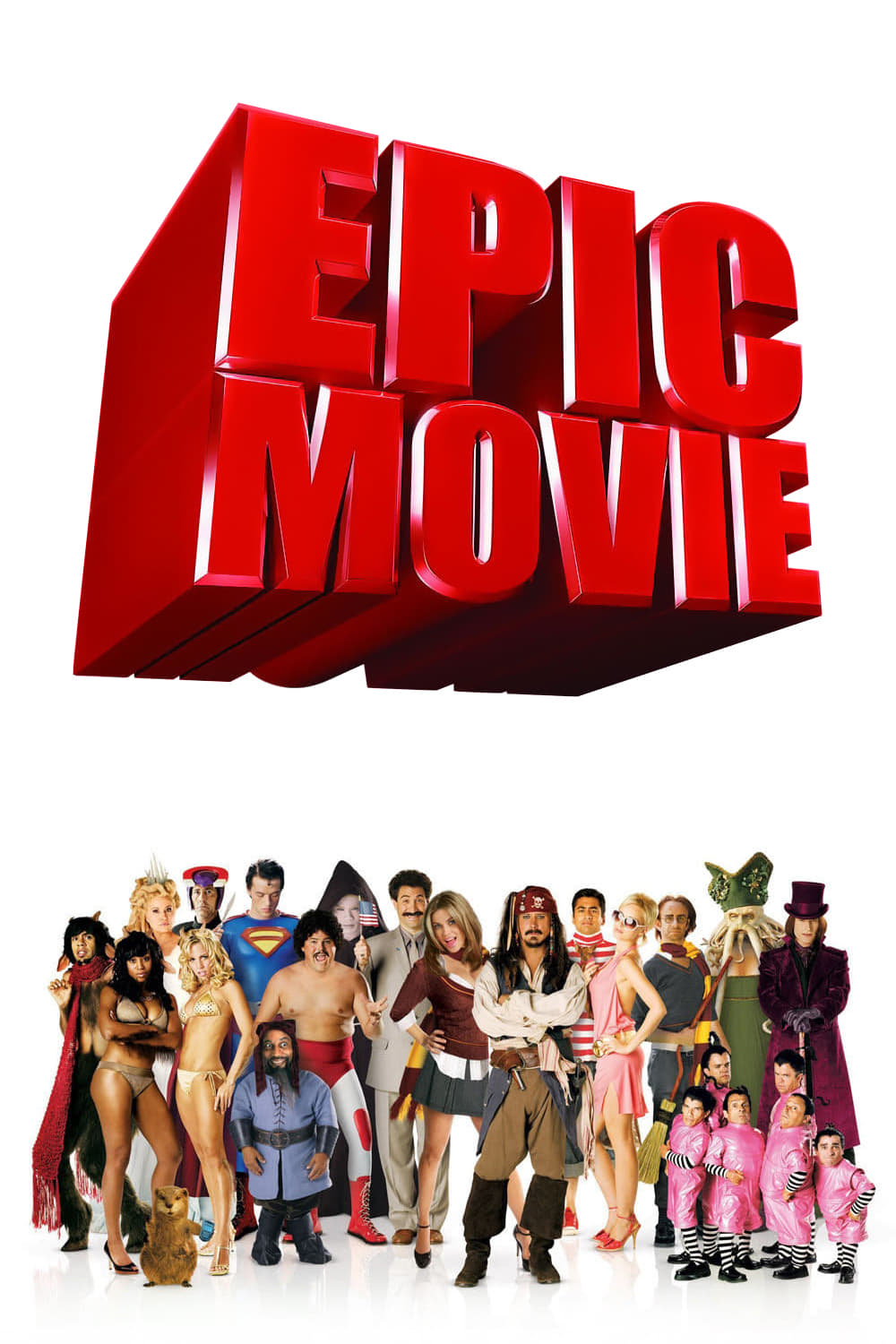
This spoof strings together parodies of popular fantasy and adventure hits, moving the cast through a series of recognizable set pieces. Production favored quick turnaround recreations of well known scenes rather than elaborate original environments.
The film was distributed by 20th Century Fox with a marketing push that leaned on trailer jokes referencing recent blockbusters. It opened at number one on a slow weekend then faded fast as audience scores were low and weekday grosses dropped sharply.
‘Meet the Spartans’ (2008)
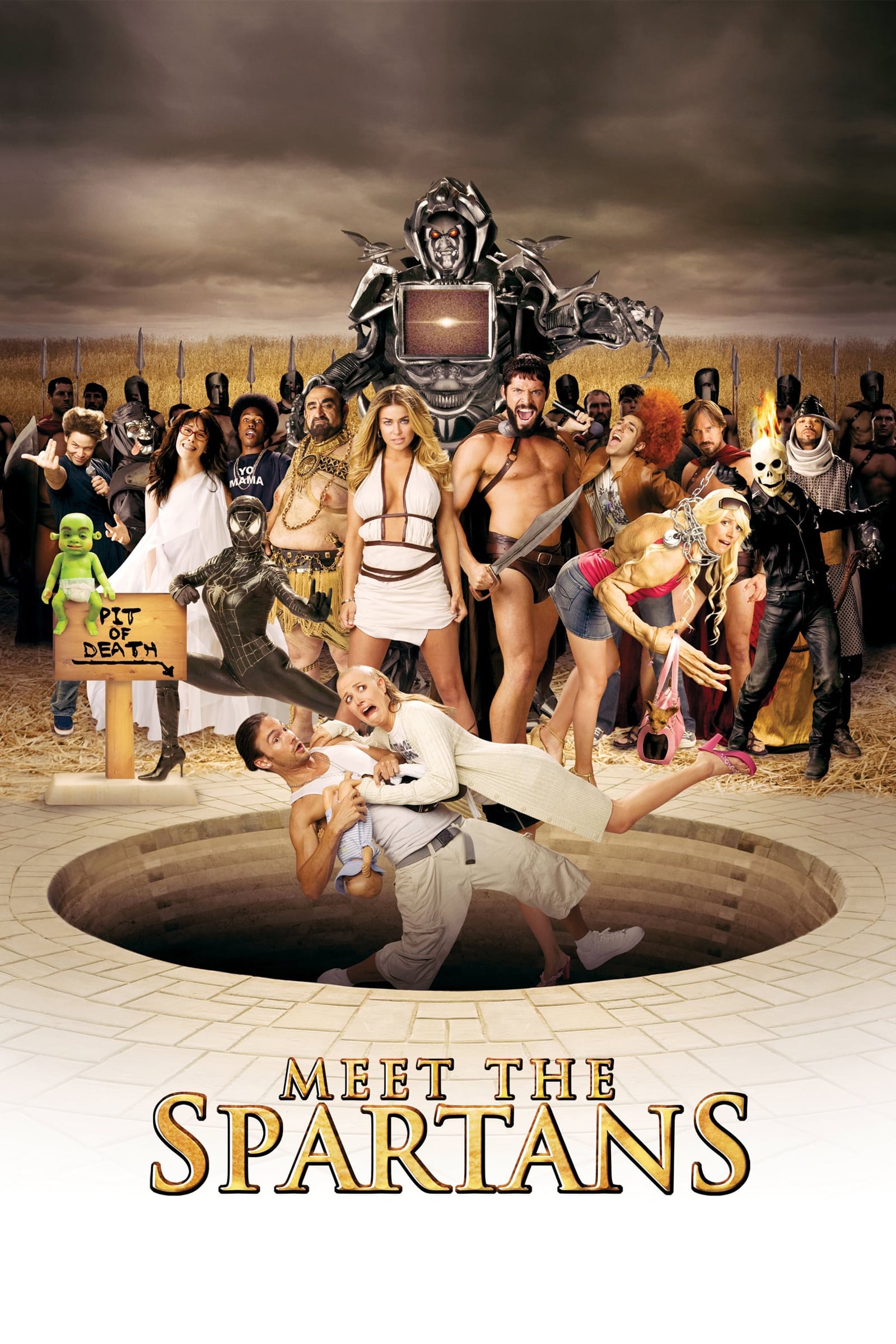
From the same spoof team, this entry targets sword and sandal epics along with pop culture figures of the moment. The production timeline was short to ensure that the jokes would remain current at release, which kept costs contained.
20th Century Fox sent the movie out in winter with saturation advertising that highlighted celebrity lookalikes. Despite a strong Friday fueled by curiosity, legs were weak and the film joined a run of parodies that performed front loaded and forgettable.
‘Date Movie’ (2006)
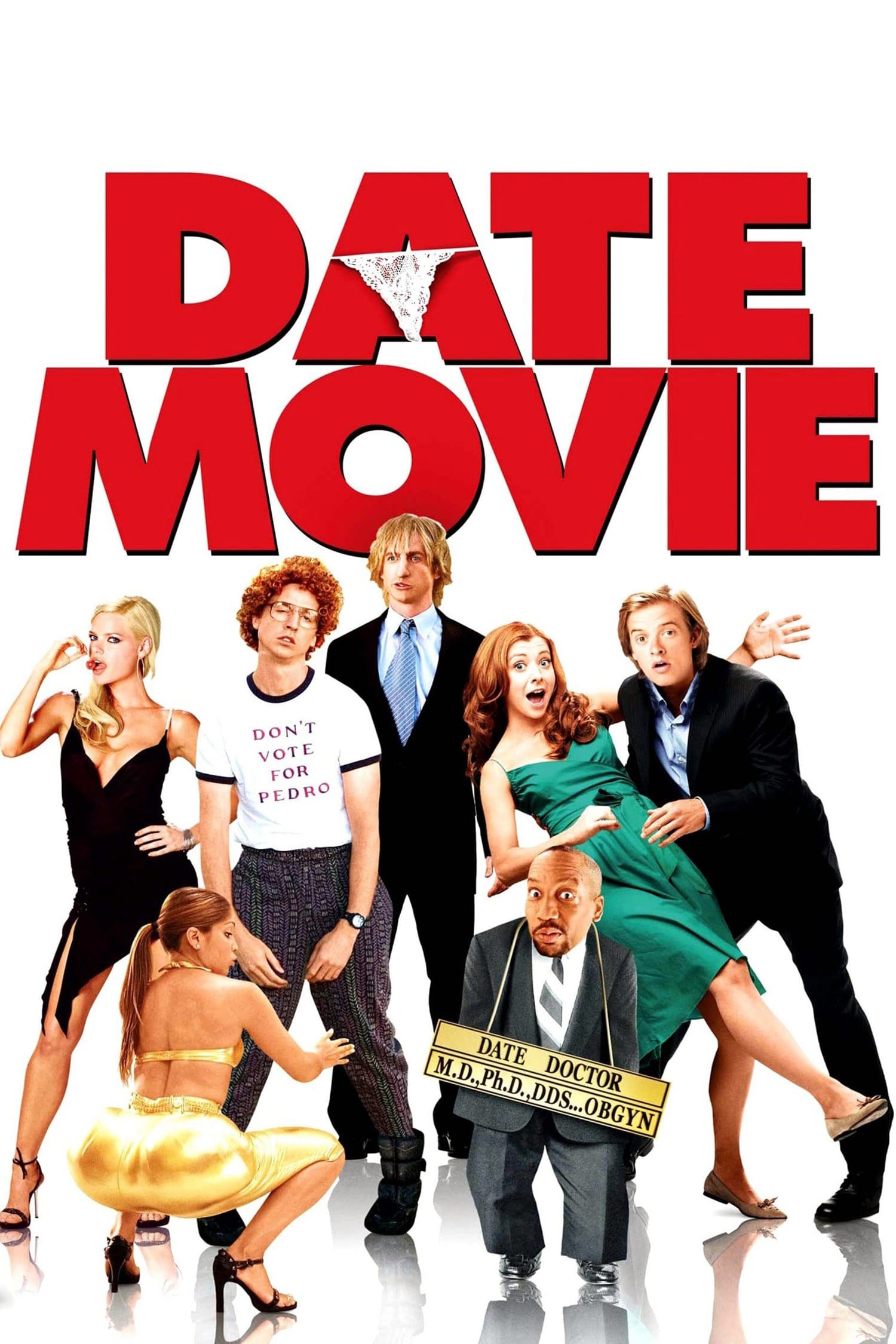
This parody runs through the beats of romantic comedies using a lead couple who encounter exaggerated versions of familiar tropes. The script pulls heavily from recent hits and uses quick cut gag sequences to keep momentum.
20th Century Fox distributed the film to capitalize on a post holiday window for teen audiences. The debut was serviceable for its budget, then steep daily drops and poor holds confirmed that interest did not extend beyond opening weekend.
‘Disaster Movie’ (2008)

Another entry in the spoof cycle, this one threads together a series of apocalyptic scenarios while referencing pop stars and tabloid stories. The production design recreated scenes from disaster films with a condensed schedule and limited effects work compared to its inspirations.
Lionsgate handled distribution with a late summer release designed to skim quick returns. The CinemaScore was among the lowest of that season and the movie vacated screens quickly as more competitive titles arrived.
‘Dance Flick’ (2009)
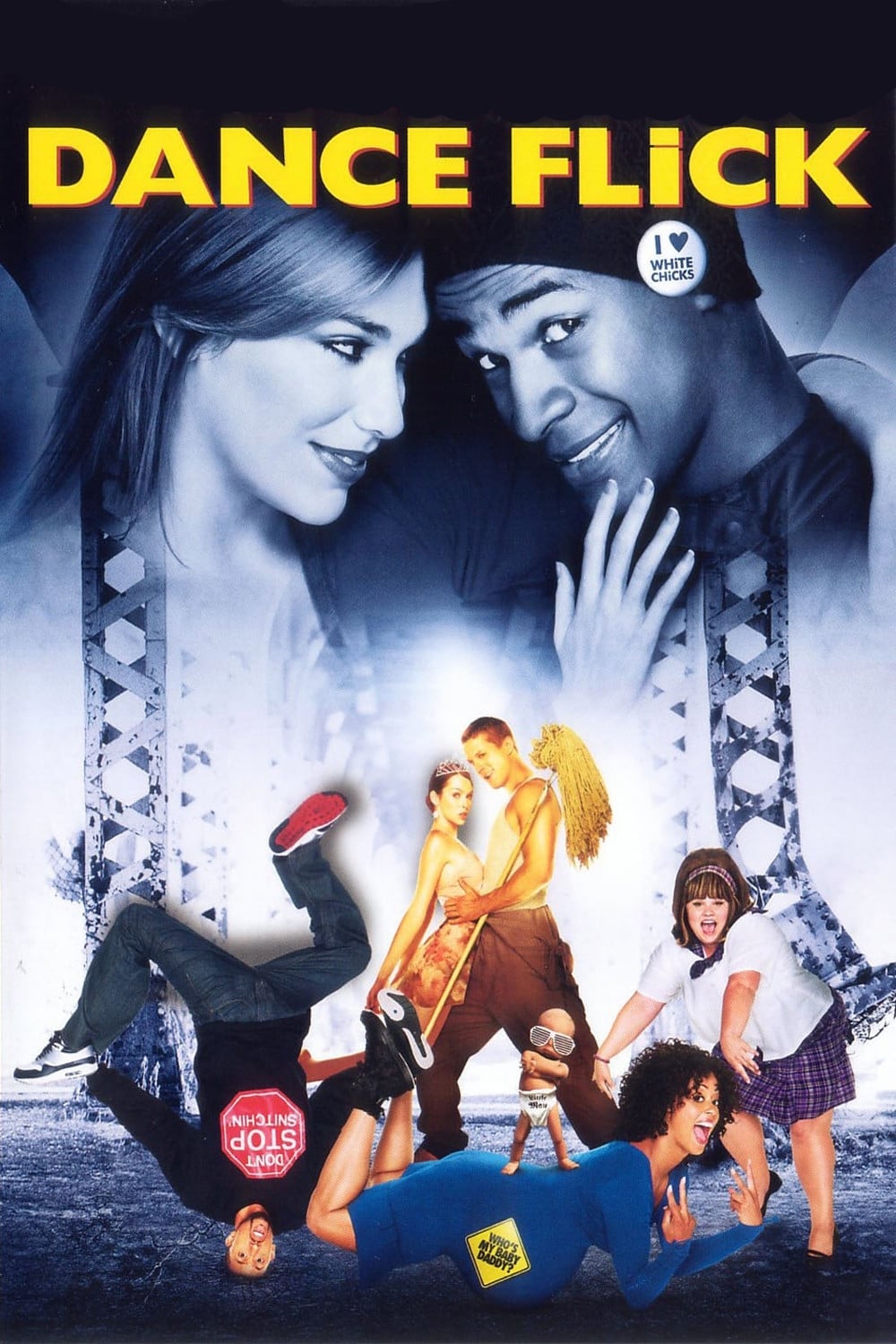
The Wayans family returns with a send up of dance dramas, centering on a mismatched duo who try to win a big showcase. Choreography and rehearsal were significant parts of the production calendar to parody famous routines convincingly.
Paramount Pictures distributed the film in the spring, pairing it with a trailer campaign that targeted teen moviegoers. It opened modestly and dropped off fast, with ancillary markets providing the bulk of its eventual audience.
‘Dirty Grandpa’ (2016)
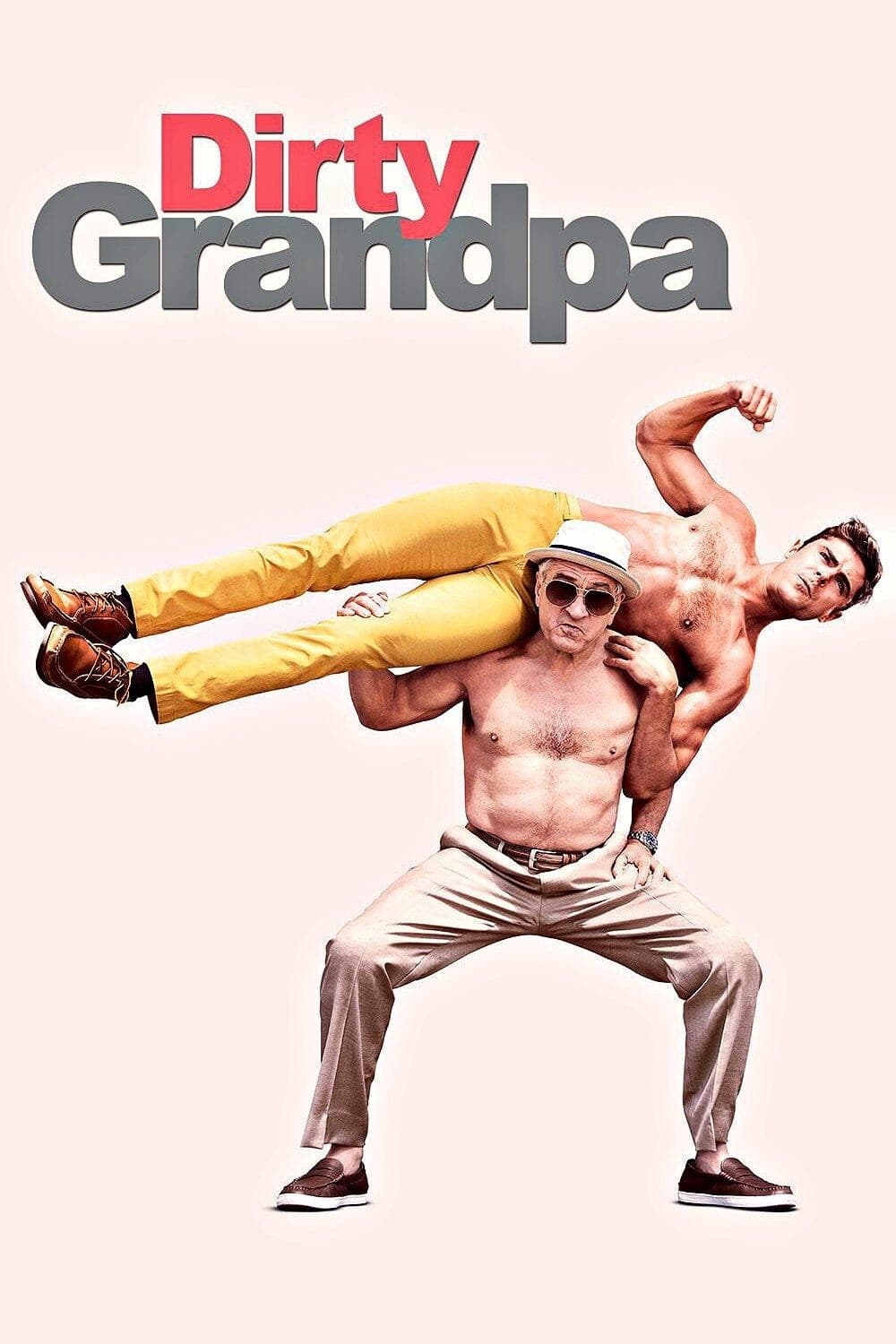
A straight laced attorney gets pulled into a chaotic road trip by his recently widowed grandfather, setting up a series of escalating misadventures. The shoot took place across several southeastern locations with a mix of practical gags and location based comedy.
Lionsgate released the movie in January, a frame often used for broader comedies. Despite a strong marketing hook built on the odd couple casting, reviews were poor and the movie experienced heavy second weekend erosion.
‘The Emoji Movie’ (2017)
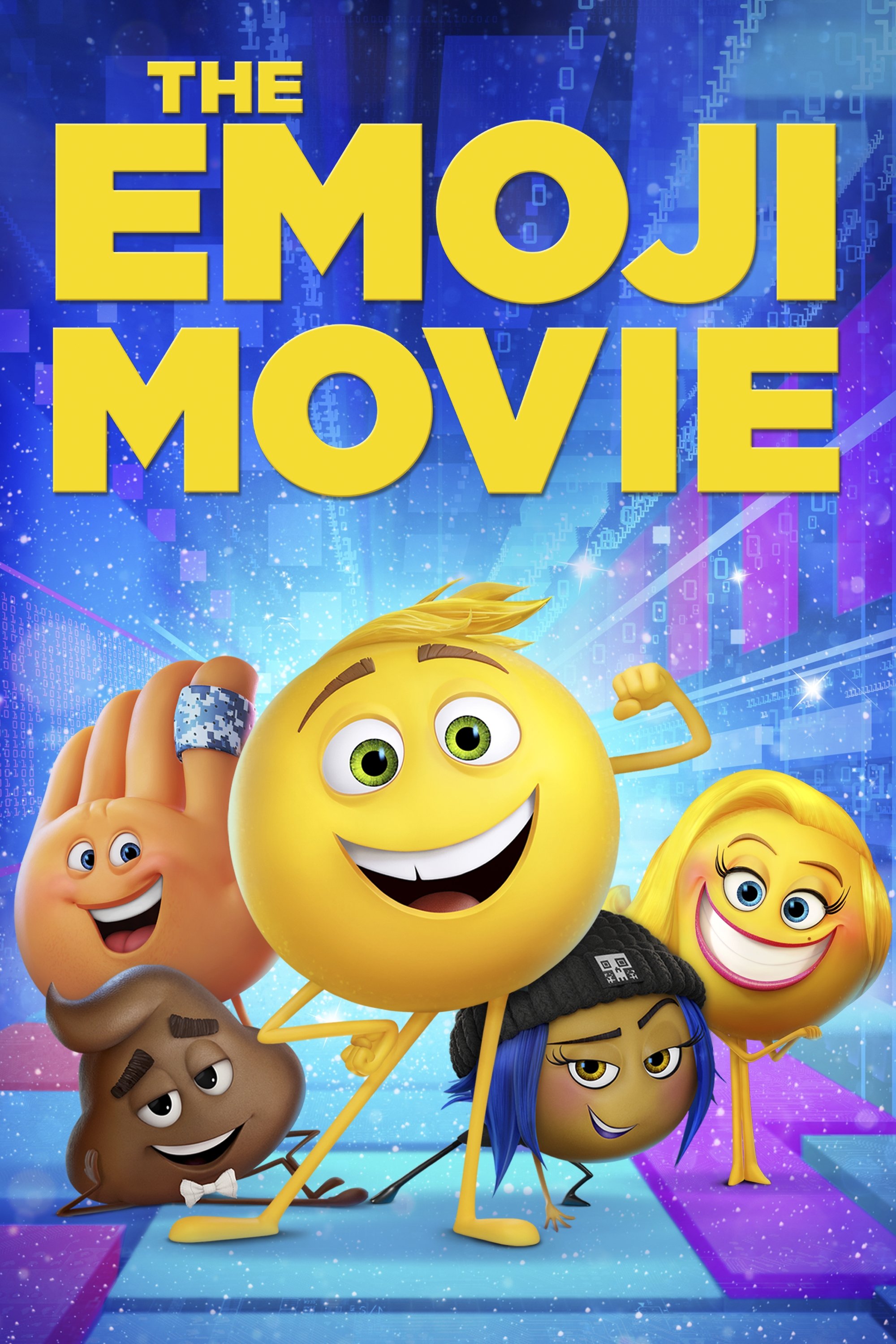
This animated feature imagines a world inside a smartphone where an outcast emoji goes on a quest to become normal. Production involved multiple story overhauls as the team searched for a narrative that could balance brand partnerships and a hero’s journey.
Sony Pictures Releasing put the film out under the Columbia Pictures banner with a family matinee strategy and extensive tie ins. It posted a decent opening driven by kids and parents, then trailed off as feedback remained weak and competition increased.
‘Caddyshack II’ (1988)
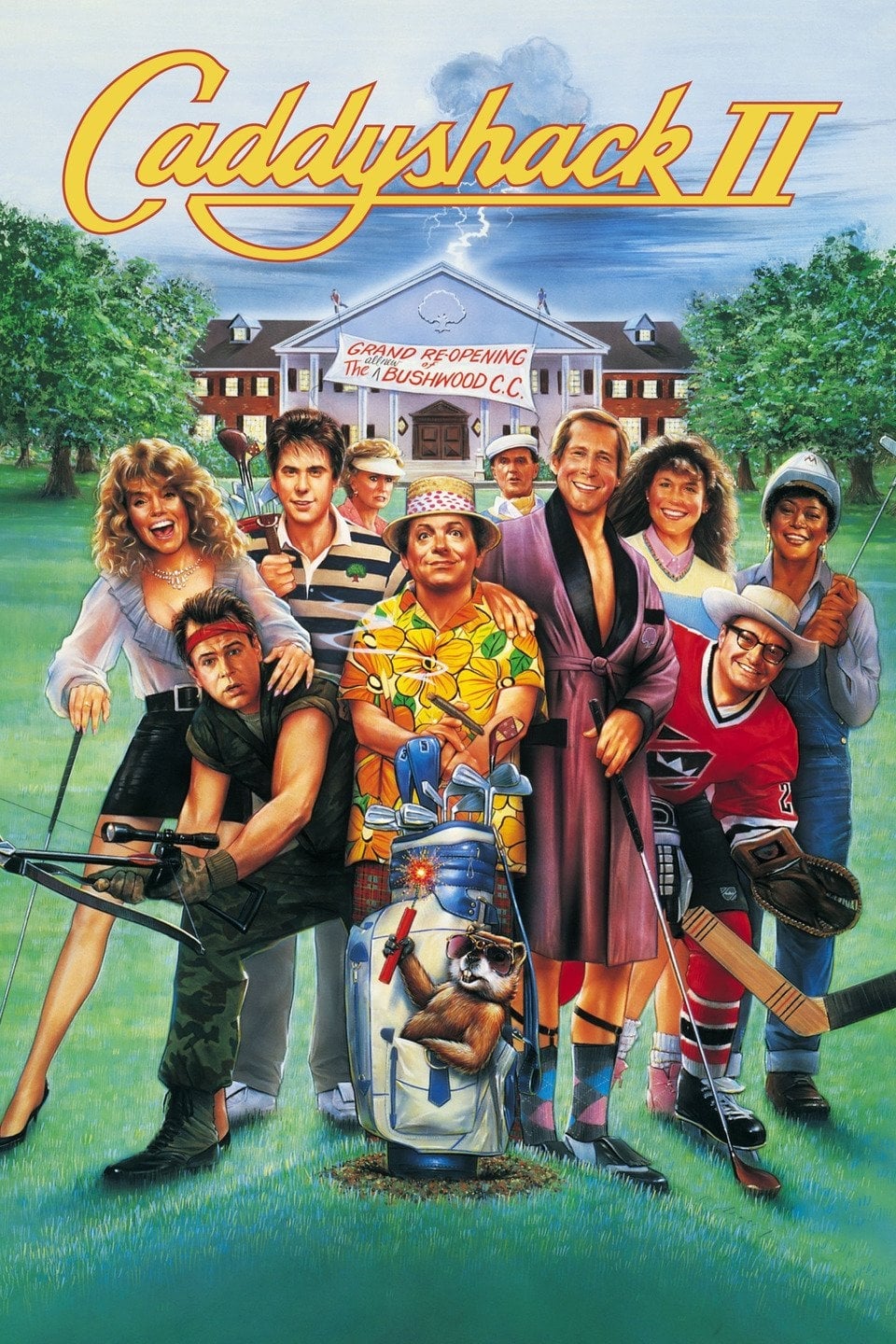
A sequel to the golf club classic follows new characters at Bushwood as a brash developer clashes with old guard members. Several original cast members did not return, which led to script changes and a different comedic tone.
Warner Bros released the movie in midsummer with marketing that leaned on the brand name. Attendance did not match the original’s staying power and the sequel became a cautionary tale about following a comedy classic without the key ingredients.
‘Stop! Or My Mom Will Shoot’ (1992)
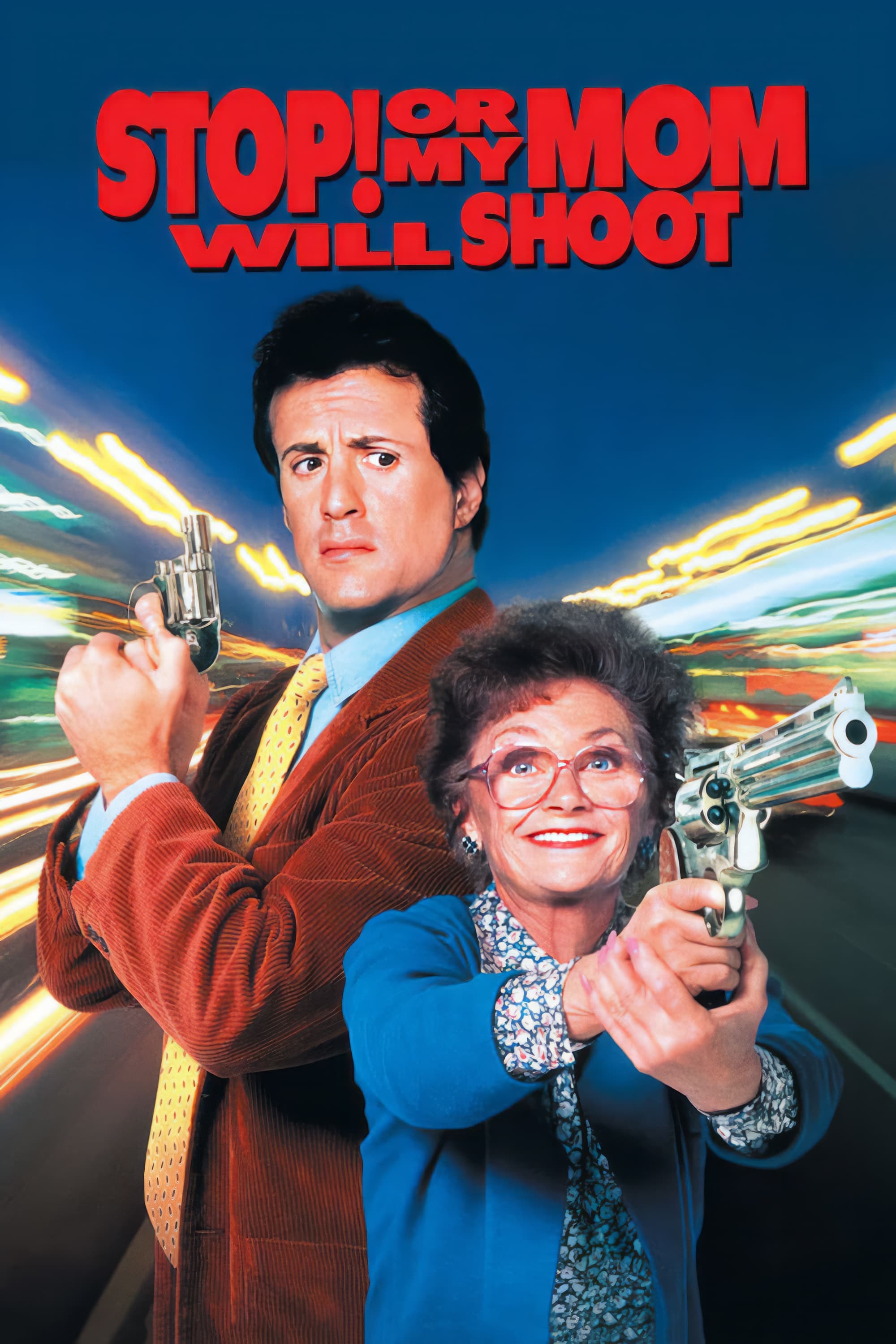
Sylvester Stallone plays a tough cop whose overbearing mother inserts herself into his cases, leading to chaotic outcomes. The movie mixed action beats with fish out of water humor and used Los Angeles locations for chase sequences.
Universal Pictures opened it widely after a campaign that highlighted the unlikely pairing. The film did not connect with either action fans or comedy fans in large numbers and it finished below expectations for a star driven vehicle.
‘The Adventures of Pluto Nash’ (2002)
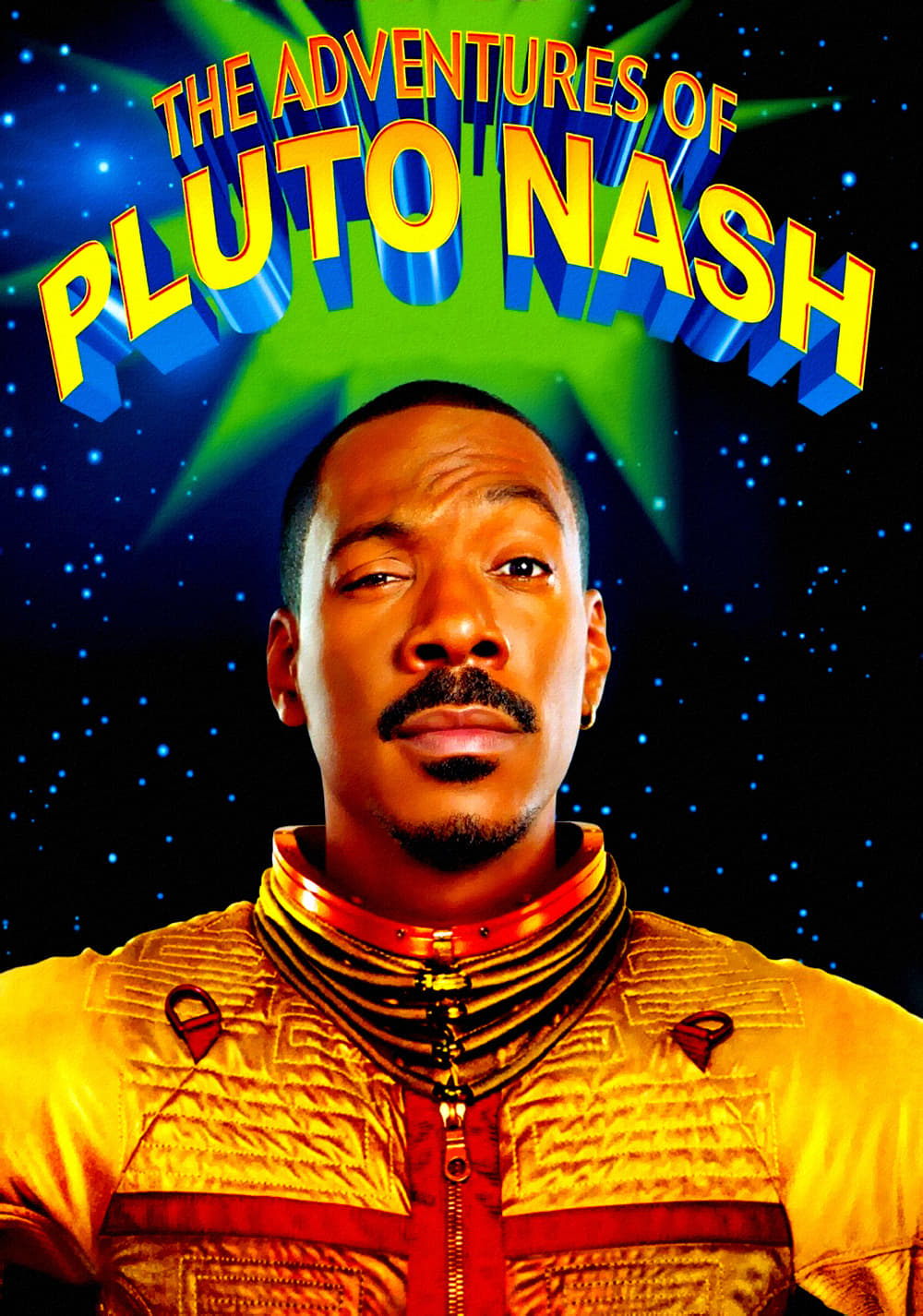
Set on the moon in a future where nightclubs and mobsters run side by side, Eddie Murphy’s entrepreneur hero fights to keep his business. The production invested heavily in sets and visual effects to realize its lunar city concept.
Warner Bros Pictures handled distribution after multiple date changes and a late season slot. The box office was notably low compared to the budget and the title became a frequent industry example of a costly misfire.
‘Boat Trip’ (2002)
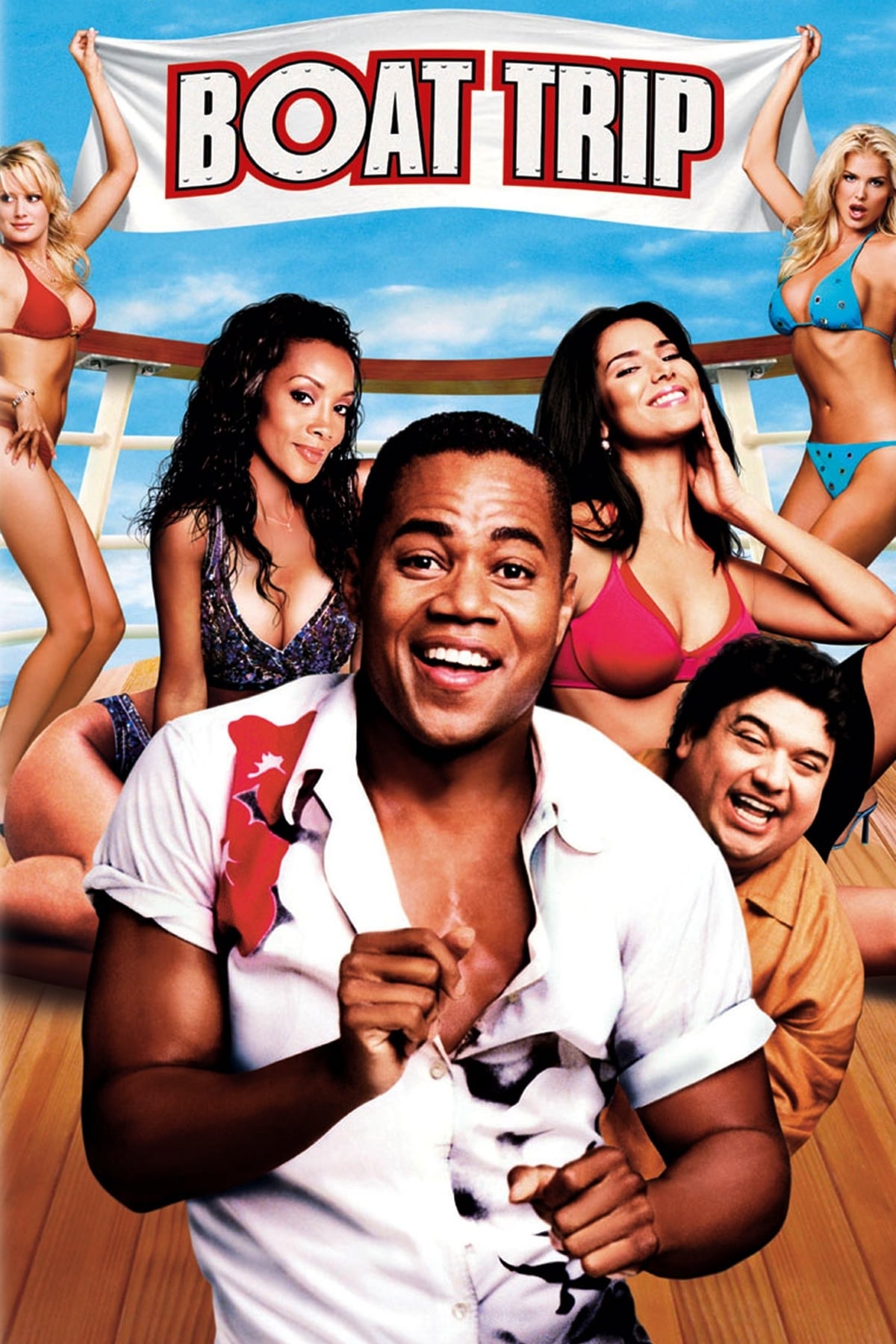
Two friends accidentally end up on a cruise that is not what they expected, and their attempts to blend in lead to a run of uncomfortable situations. The film was shot largely on a real ship to reduce set construction costs and to leverage natural backdrops.
Artisan Entertainment distributed the film domestically with a modest marketing spend. It opened in a limited number of theaters, received poor reviews, and did not expand significantly, which kept grosses minimal.
‘Nothing But Trouble’ (1991)
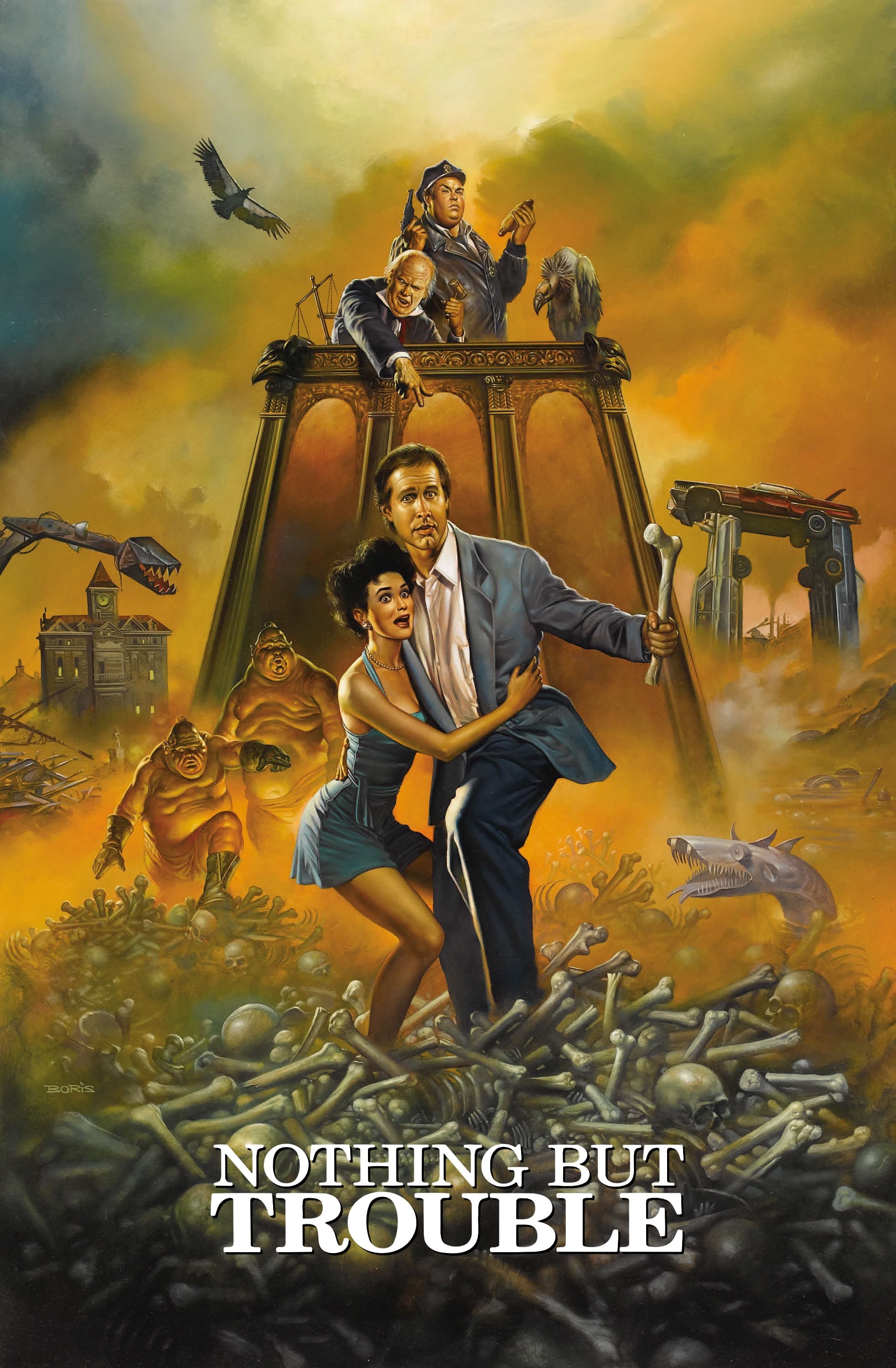
Chevy Chase and Demi Moore’s characters take a wrong turn into a bizarre small town run by eccentric officials, which sets off a night of traps and trials. Dan Aykroyd made his feature directing debut and oversaw elaborate prosthetics and production design.
Warner Bros released the film after test screenings prompted edits to the tone. The movie posted weak attendance in its first weeks and home video later became the primary way new viewers discovered it, often out of curiosity rather than strong word of mouth.
‘Leonard Part 6’ (1987)
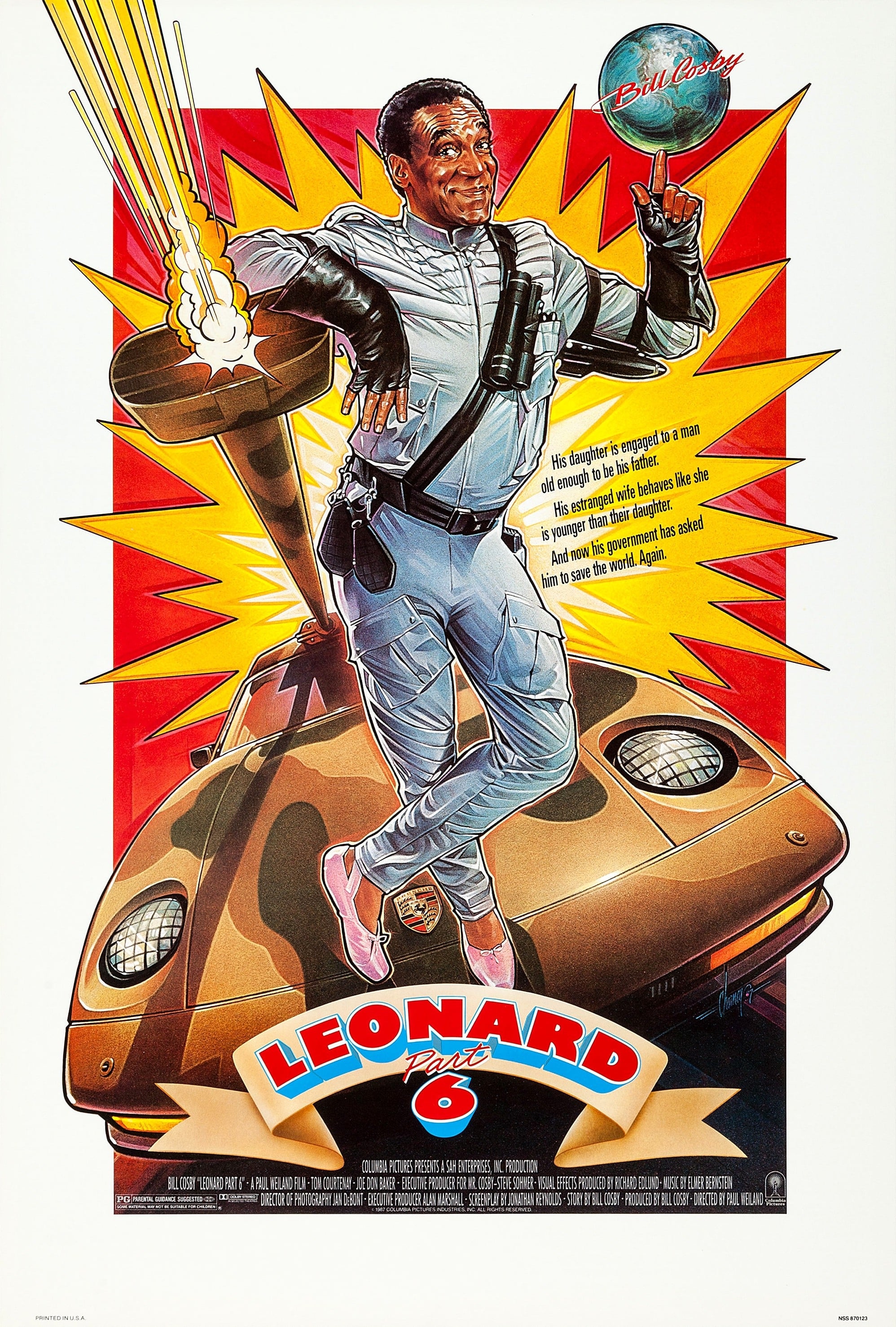
Bill Cosby headlines a spy spoof about a retired agent coaxed back into service to face a villain with unusual weaponry. The screenplay plays as a pastiche of espionage clichés with set pieces that aimed for family friendly slapstick.
Columbia Pictures handled the theatrical release with marketing that referenced the gag that earlier installments no longer exist. Reception was poor across the board and the film exited cinemas quickly, leaving most of its life to television airings.
Share your picks for comedy misfires in the comments so we can compare notes on which titles you would add to the list.

