


The Worst Comedy Movies of All Time


Not every comedy lands the way it’s meant to. Some projects promise big laughs with starry casts and high concepts, only to stumble when the jokes hit the screen. This list looks at films that struggled with audiences and critics, with a focus on what they attempted, who made them, and how they performed once they reached theaters or streaming.
You’ll find plot basics, key cast and crew, box office context, and notable fallout like awards or cancellations. To keep things clear, each entry also notes who handled distribution in a natural way, since a film’s release strategy often shapes how it’s received.
‘Gigli’ (2003)
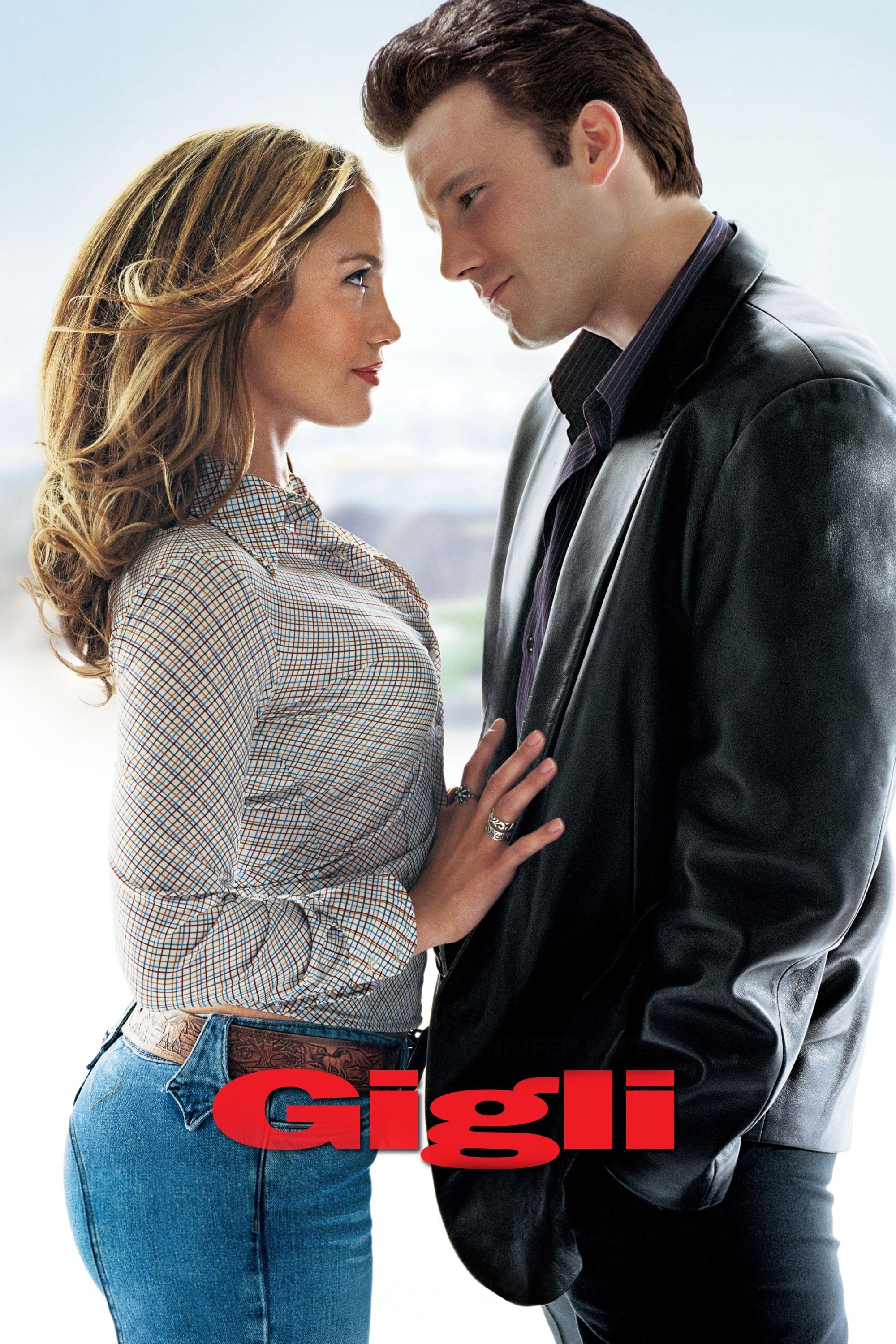
Directed by Martin Brest, ‘Gigli’ stars Ben Affleck as a low-level mob enforcer and Jennifer Lopez as a fixer who joins him on a kidnapping gone wrong. The film blends crime and romance with a focus on character banter and road-movie beats.
It featured a high-profile production and heavy reshoots, then opened widely with Columbia Pictures managing release. The film underperformed at the box office and later drew multiple Golden Raspberry Awards, which affected the careers of several key players for a time.
‘Movie 43’ (2013)
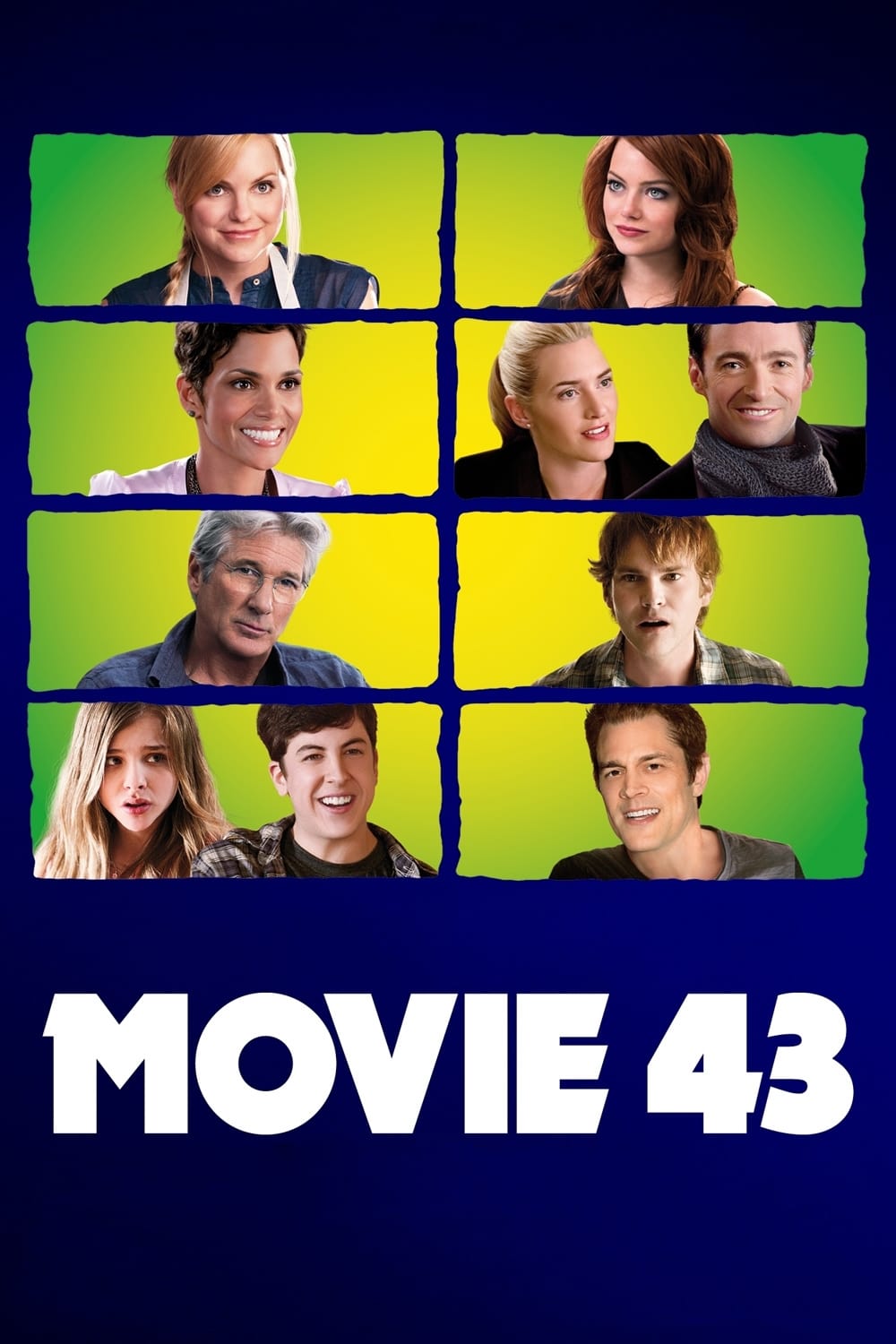
‘Movie 43’ is an anthology of interconnected sketches directed by multiple filmmakers, with appearances by Hugh Jackman, Kate Winslet, Halle Berry, and more. The concept stitches short comedic pieces together with a framing story about a desperate producer.
Relativity Media handled distribution for the U.S. rollout. Despite the ensemble cast, the film saw steep second-week drops and poor audience scores, and it earned several Razzie wins that season.
‘Son of the Mask’ (2005)
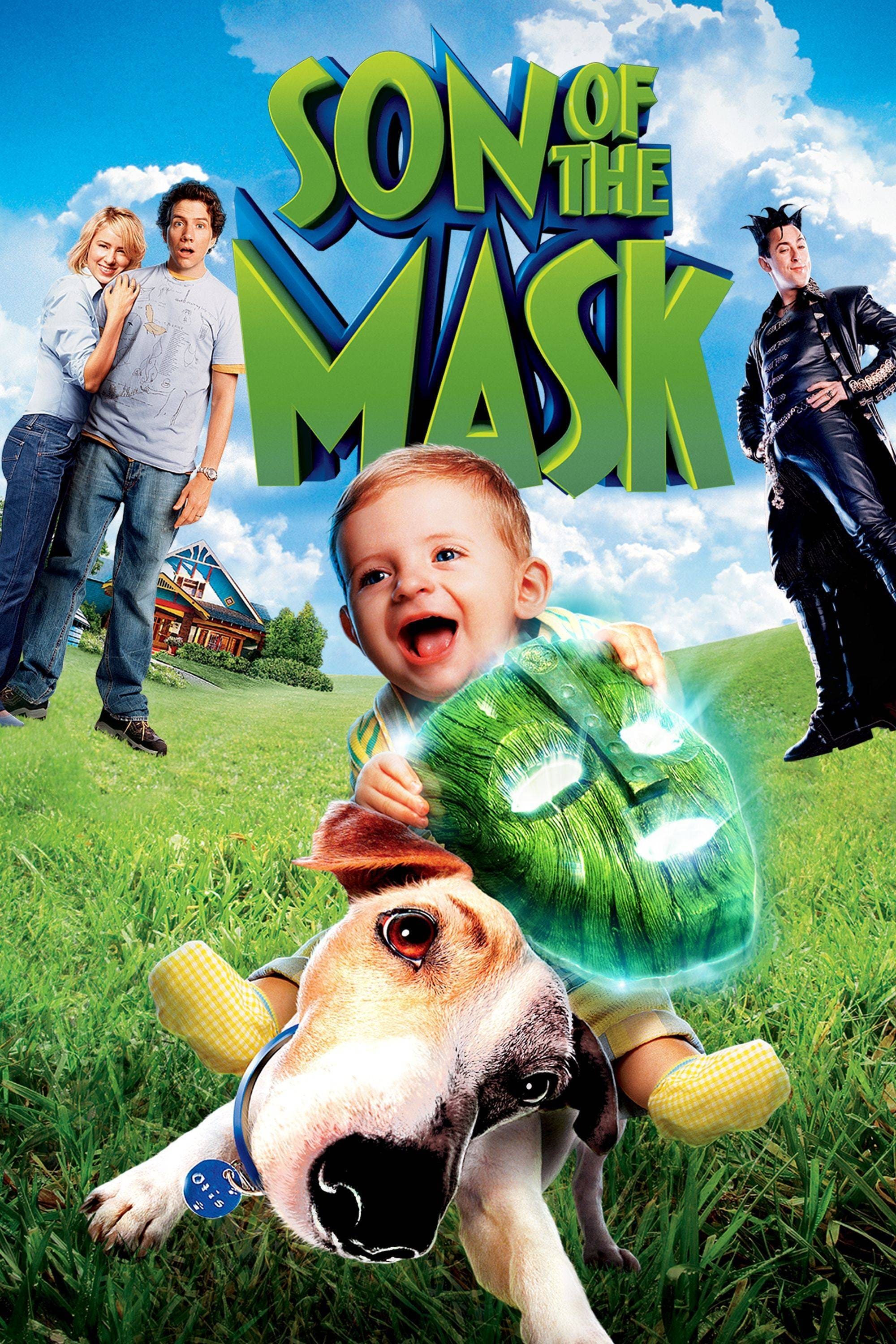
A follow-up to ‘The Mask’, this family-oriented entry stars Jamie Kennedy as a cartoonist who becomes host to the mischief-making Loki mask. Visual effects drive much of the humor as the story centers on a baby with mask powers.
New Line Cinema distributed the film in wide release. It posted modest openings relative to its effects budget and later became a frequent reference point in discussions about challenging comedy sequels.
‘Jack and Jill’ (2011)

Adam Sandler plays both twins Jack and Jill in ‘Jack and Jill’, a holiday-set farce about family tension and an over-the-top ad campaign. Al Pacino appears as himself in a running gag that anchors the plot’s showbiz angle.
Columbia Pictures released the film across major markets. It drew significant box office interest but picked up a sweep of Razzie trophies, which kept it in the spotlight long after the theatrical run.
‘Norbit’ (2007)
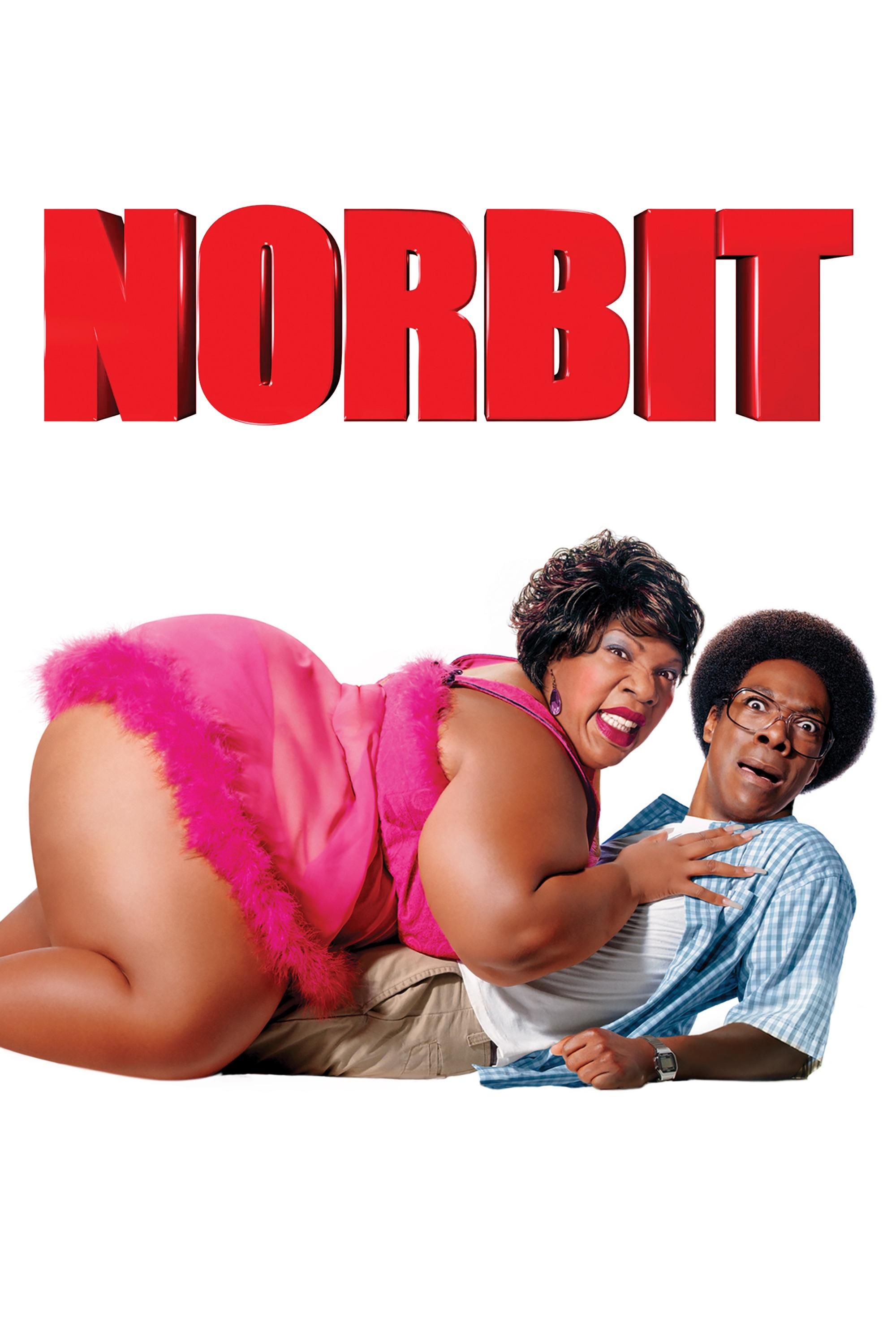
Eddie Murphy headlines ‘Norbit’ in multiple roles, including the timid title character and several members of an exaggerated ensemble. The narrative follows Norbit’s romance complications after a childhood friend returns to town.
Paramount Pictures backed the release after a big marketing push. The film grossed strongly in its opening frame yet received harsh critical notices and later Razzie attention, while its makeup work earned an Academy Award nomination.
‘The Love Guru’ (2008)
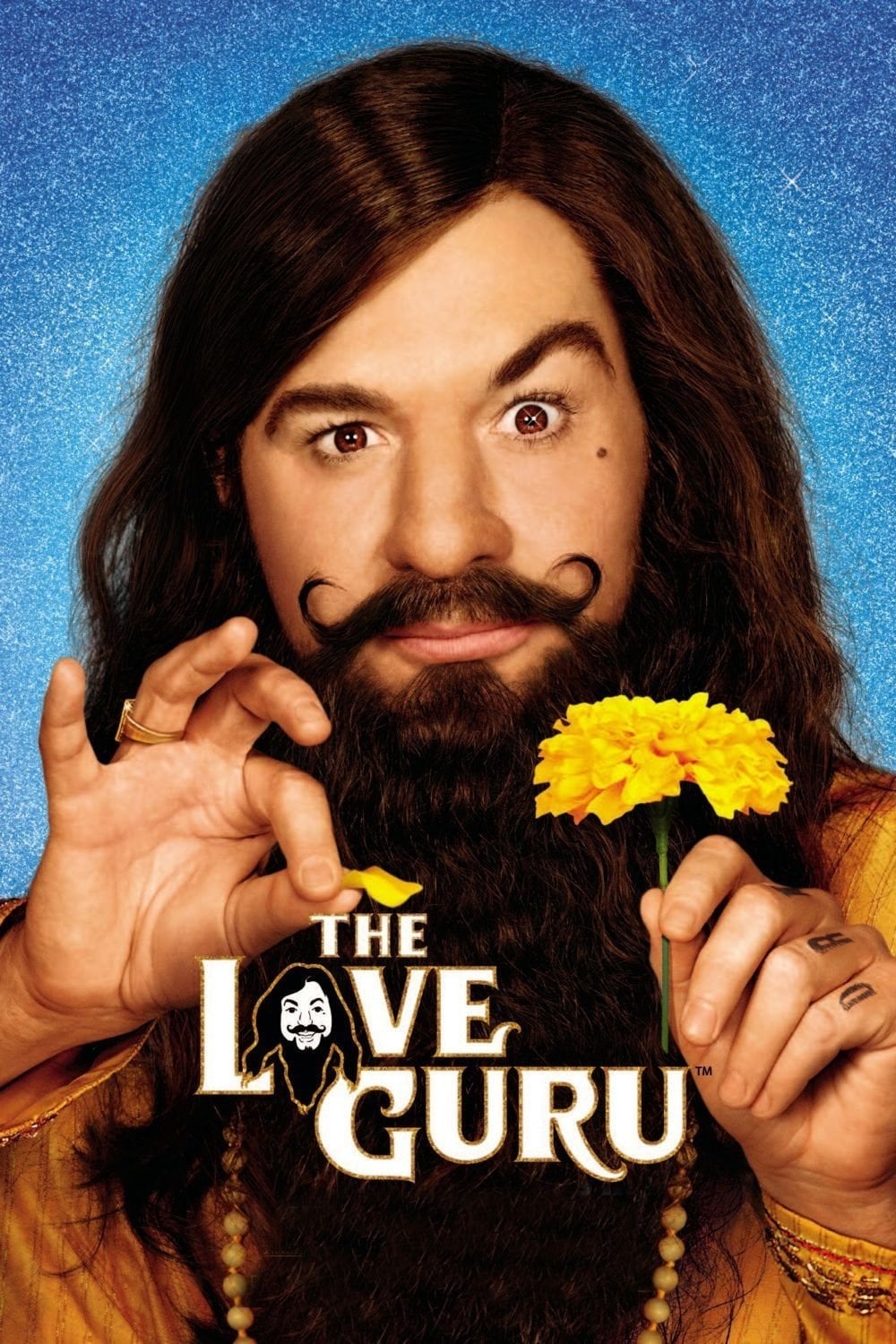
Mike Myers stars as Pitka, a self-styled spiritual advisor hired to fix a hockey star’s marriage in ‘The Love Guru’. The film mixes sports comedy with celebrity cameos and broad character work.
Paramount Pictures handled distribution with a summer release strategy. The film opened below expectations and secured Razzie recognition, which slowed momentum on further franchise plans.
‘Freddy Got Fingered’ (2001)
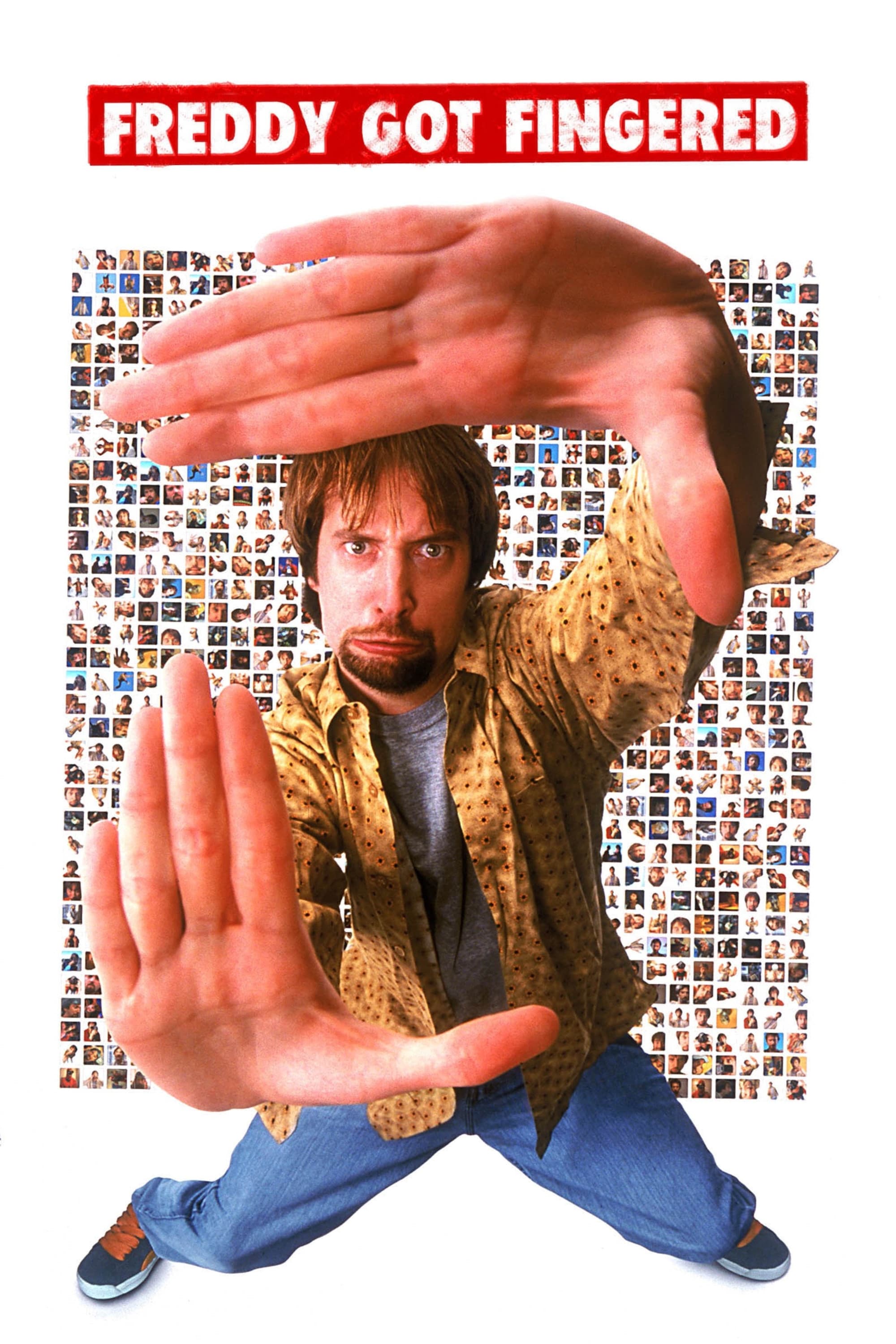
Tom Green directs and stars in ‘Freddy Got Fingered’, a shock-comedy about an aspiring animator whose outrageous behavior derails his relationships and career. The movie features surreal set pieces and gross-out gags linked by a loose plot.
It was distributed by 20th Century Fox after a marketing campaign centered on Green’s TV notoriety. The film’s box office fell quickly after its debut, and it later became a case study in abrasive studio comedies of its era.
‘Little Man’ (2006)
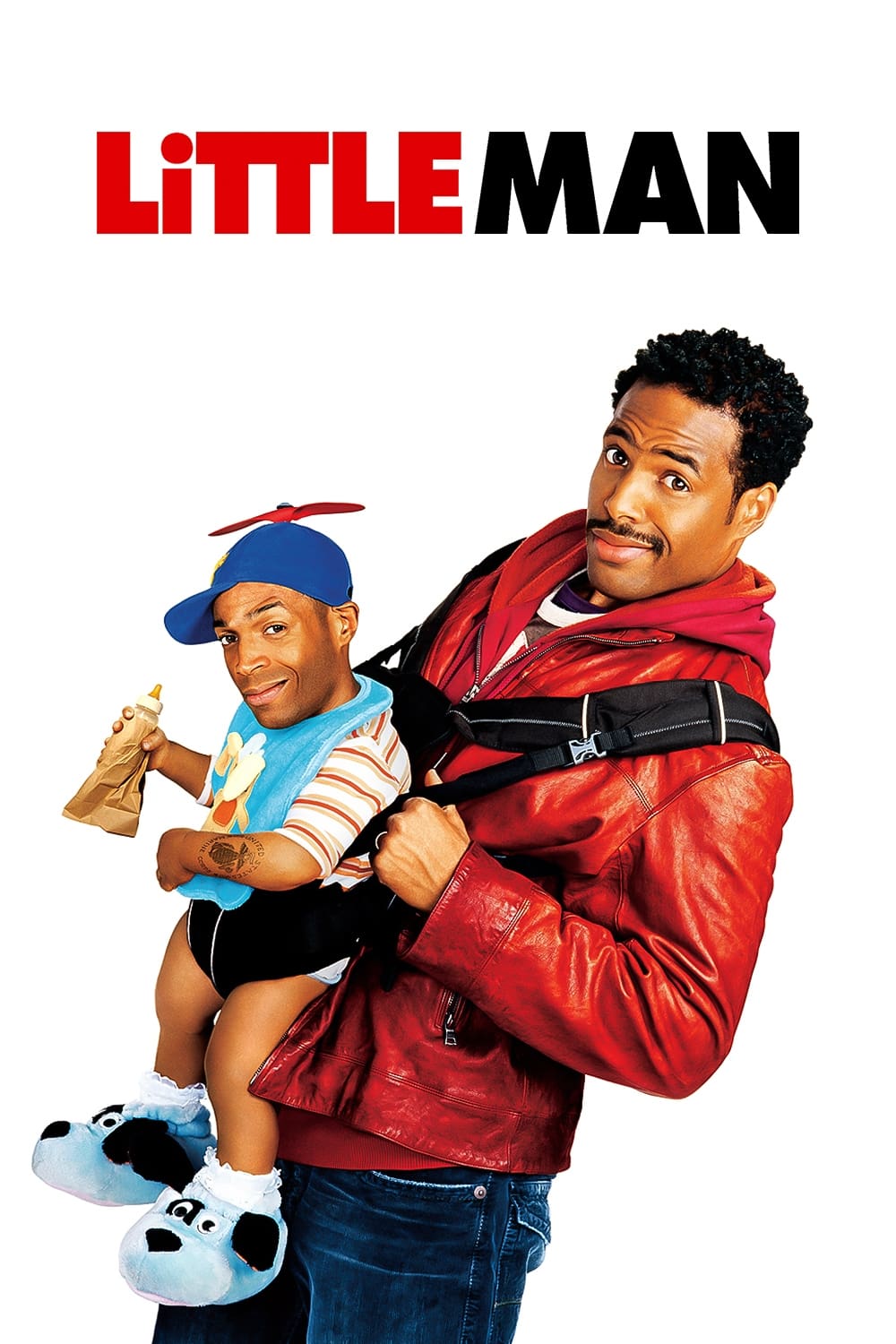
Shawn and Marlon Wayans lead ‘Little Man’, which follows a diminutive thief who poses as a baby to retrieve a stolen diamond. Extensive visual effects and body doubles create the film’s central illusion.
Columbia Pictures released the film widely. It delivered solid initial grosses but drew negative critical reception and Razzie nominations, while its VFX became a frequent talking point in home media circles.
‘Zoolander 2’ (2016)
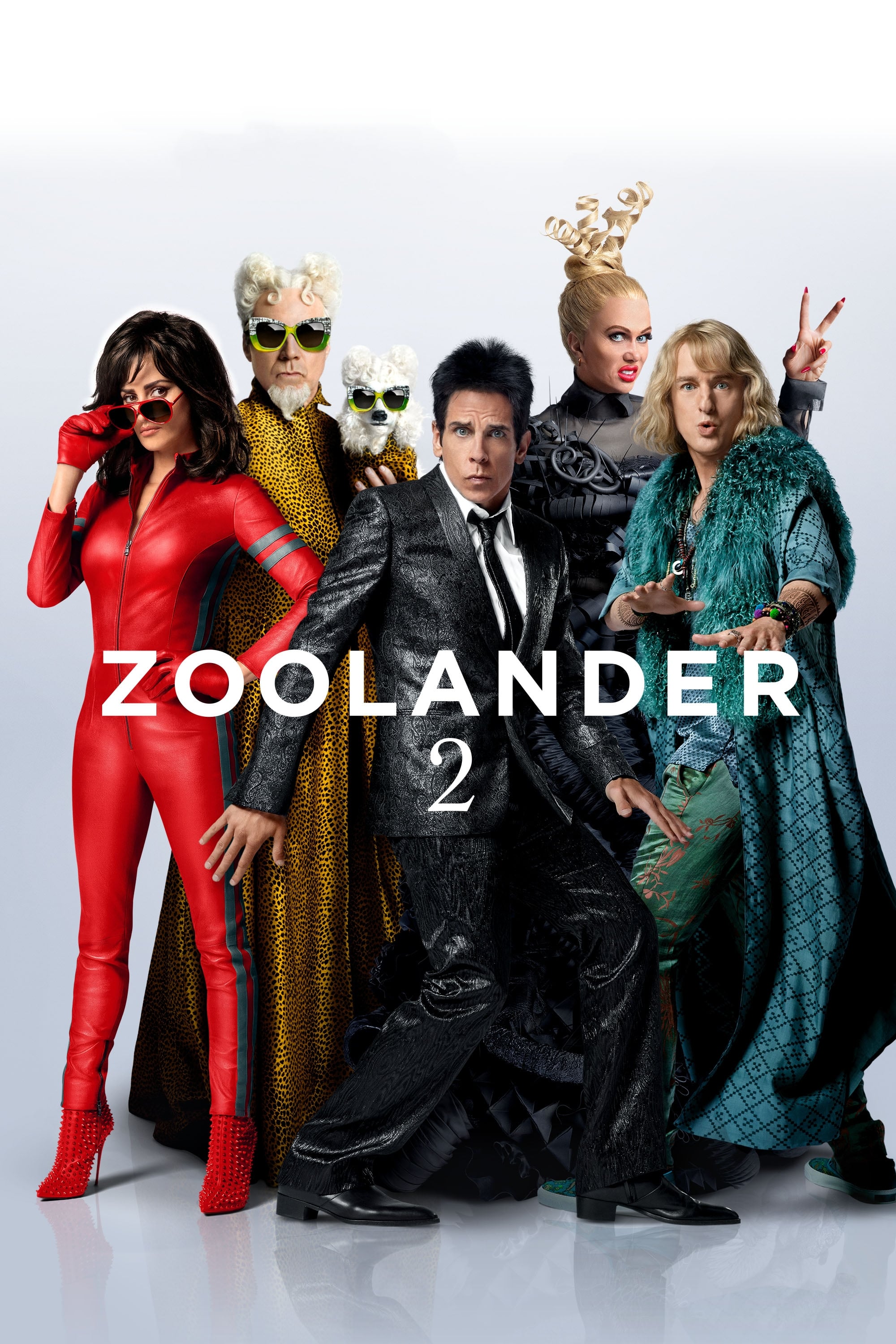
Ben Stiller returns as Derek Zoolander in ‘Zoolander 2’, a fashion-world caper that reunites the original cast and adds new cameos from across music and film. The story follows aging models drawn back for a conspiracy involving global pop stars.
Paramount Pictures distributed the film with substantial international play. It opened below pre-release tracking and earned poor word of mouth, which curtailed prospects for continuing the franchise.
‘Dirty Grandpa’ (2016)

‘Dirty Grandpa’ pairs Robert De Niro and Zac Efron for a road-trip comedy about a retired widower seeking one last wild spring break. The film hinges on shock humor and culture-clash setups.
Lionsgate handled domestic distribution. It posted a decent opening weekend for an R-rated comedy but faded quickly and collected multiple Razzie nominations, prompting a brisk pivot to home platforms.
‘The Ridiculous 6’ (2015)
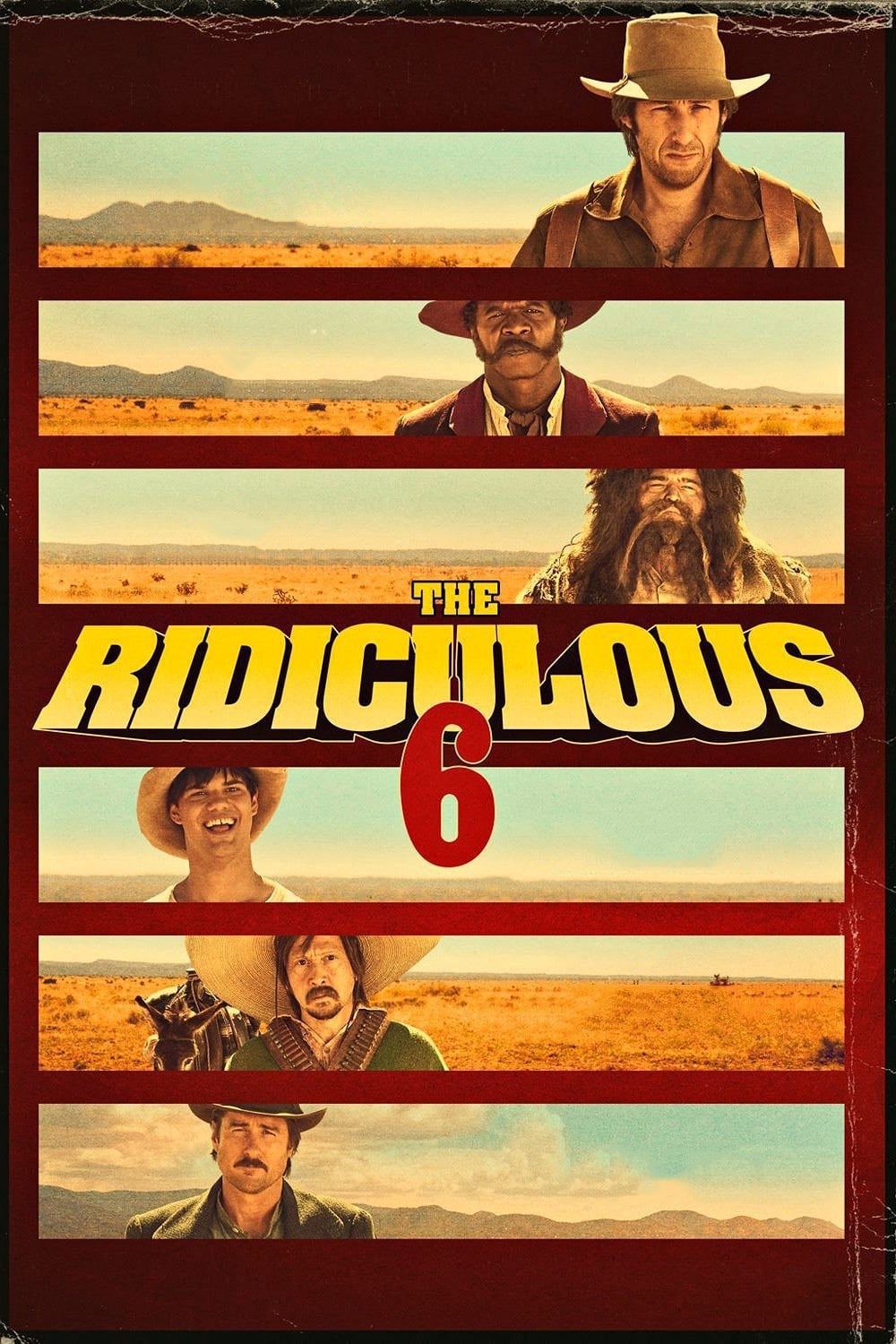
An ensemble western comedy, ‘The Ridiculous 6’ features Adam Sandler, Terry Crews, and Taylor Lautner as outlaws on a family quest. The film riffs on western tropes with sketch-like set pieces.
Netflix released it direct to streaming, making it one of the platform’s early high-profile original films in the comedy space. Despite heavy viewing claims, the film drew widespread critical pans and generated ongoing debate about streaming metrics.
‘Sex and the City 2’ (2010)

‘Sex and the City 2’ reunites the core cast for a story that moves from New York to an overseas luxury trip, blending friendship arcs with culture-clash scenarios. Fashion spectacle and ensemble chemistry drive the presentation.
Warner Bros. Pictures distributed the film globally. It opened big on brand strength but saw rapid drop-off and numerous negative notices, and it received Razzie nominations that undercut chances for another installment.
‘Paul Blart: Mall Cop 2’ (2015)

Kevin James returns as security guard Paul Blart in ‘Paul Blart: Mall Cop 2’, set at a Las Vegas convention where a heist unfolds. The film leans on slapstick and fish-out-of-water humor.
Columbia Pictures released the sequel in a pre-summer corridor. It recouped its moderate budget through domestic and international earnings, while critical response remained weak and awards chatter skewed toward Razzies.
‘Baby Geniuses’ (1999)

‘Baby Geniuses’ follows a scientist couple studying super-intelligent infants who communicate in a secret language. The plot turns into an escape-and-chase story when the babies outwit the adults around them.
TriStar Pictures distributed the film to family audiences. It drew low scores from reviewers but strong enough home video interest to justify a follow-up and later a direct-to-video continuation.
‘Date Movie’ (2006)
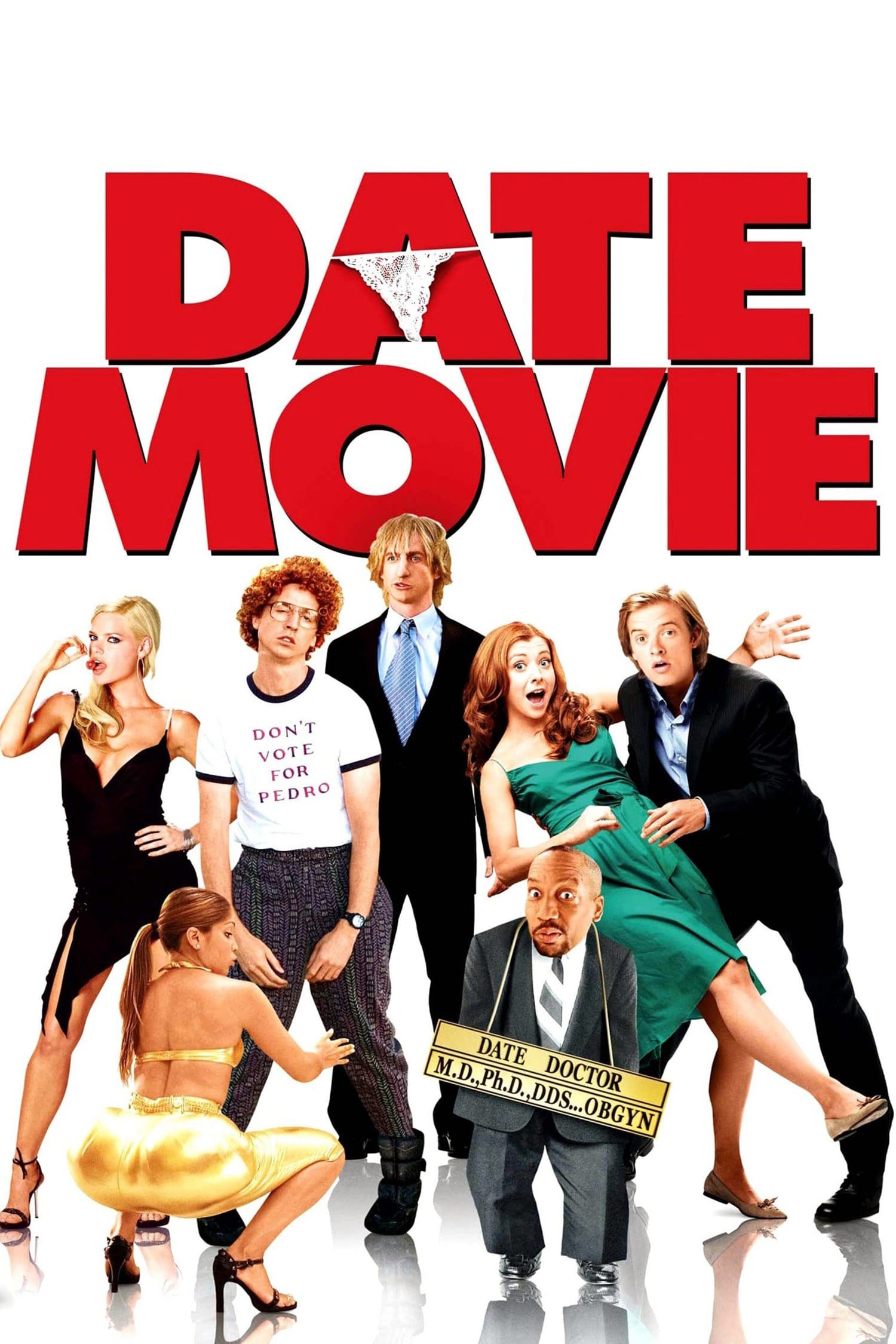
‘Date Movie’ spoofs romantic comedies through a plot about a woman’s makeover and whirlwind engagement. The film strings together parodies of well-known scenes and characters with rapid-fire gags.
20th Century Fox handled the theatrical release. It achieved a profitable run against a modest budget, though the critical reception was poor and it became associated with a wave of quick-turn spoof films.
‘Meet the Spartans’ (2008)
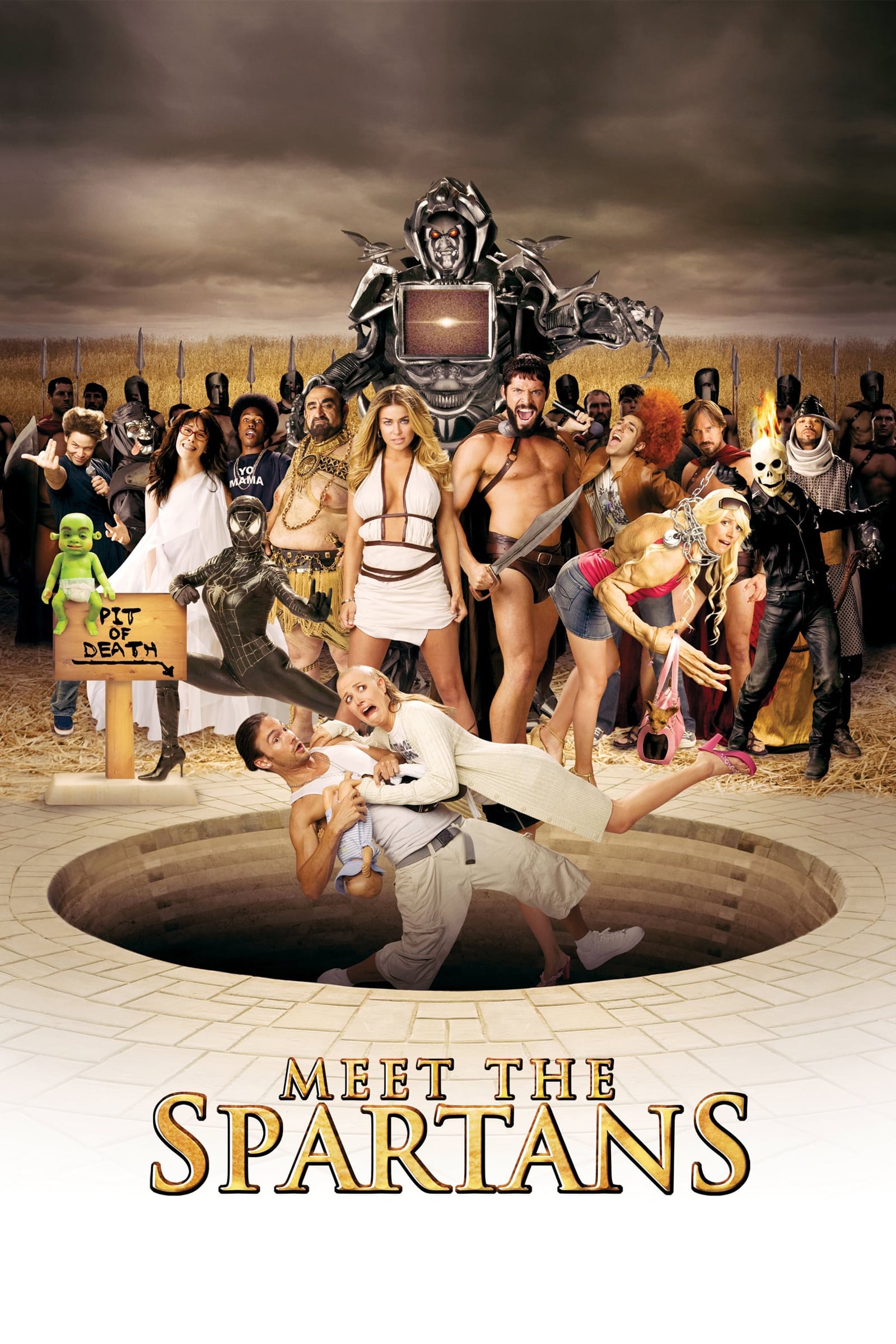
‘Meet the Spartans’ parodies sword-and-sandal epics with a focus on arena battles and celebrity culture references. The story tracks a band of warriors facing off against invading forces as sketch humor dominates the runtime.
20th Century Fox distributed the film across multiplexes. The opening weekend was strong for the genre, but reviews were overwhelmingly negative and audience retention slipped fast after debut.
‘Disaster Movie’ (2008)

‘Disaster Movie’ continues the spoof trend by riffing on apocalyptic blockbusters and teen adventures. The narrative follows a group of friends navigating a city beset by absurd catastrophes.
Lionsgate managed distribution domestically. Box office returns were limited compared to earlier parodies from the same team, and the film soon turned up in Razzie nomination lists for that year.
‘A Million Ways to Die in the West’ (2014)
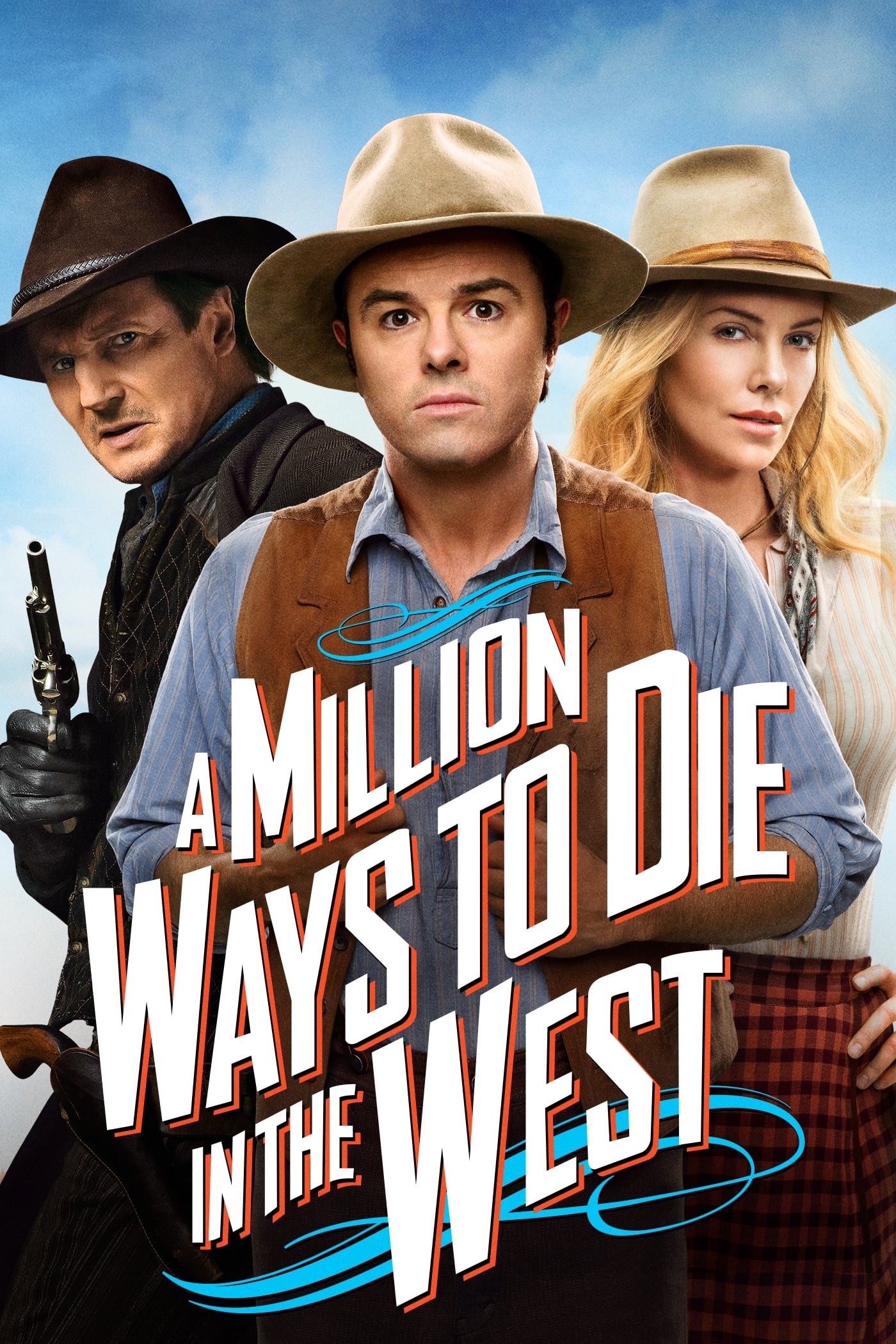
Seth MacFarlane stars in ‘A Million Ways to Die in the West’, a frontier comedy about a sheep farmer who must learn to shoot after crossing a notorious outlaw. The cast includes Charlize Theron, Liam Neeson, and Amanda Seyfried.
Universal Pictures released the film at the start of the summer season. It earned moderate grosses and soft audience scores, and a planned expansion into tie-in media remained minimal.
‘Holmes & Watson’ (2018)
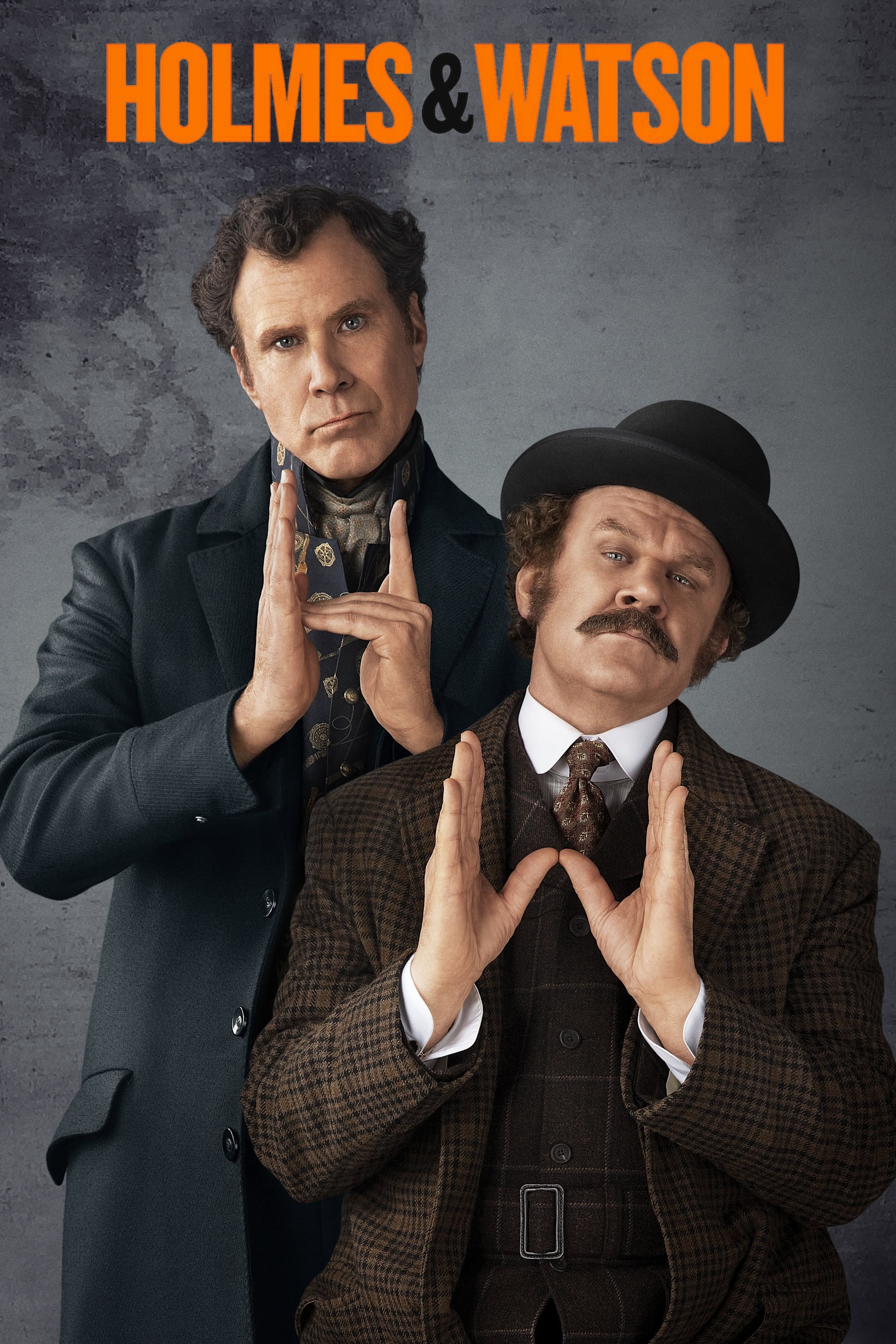
Will Ferrell and John C. Reilly play the famed detective duo in ‘Holmes & Watson’, which sends the pair through a mystery involving Buckingham Palace. The film combines slapstick with period spoof elements.
Columbia Pictures distributed the title during the holiday corridor. Reports surfaced of test screenings that prompted edits before release, and the finished film received Razzie awards attention soon after.
‘Dumb and Dumber To’ (2014)
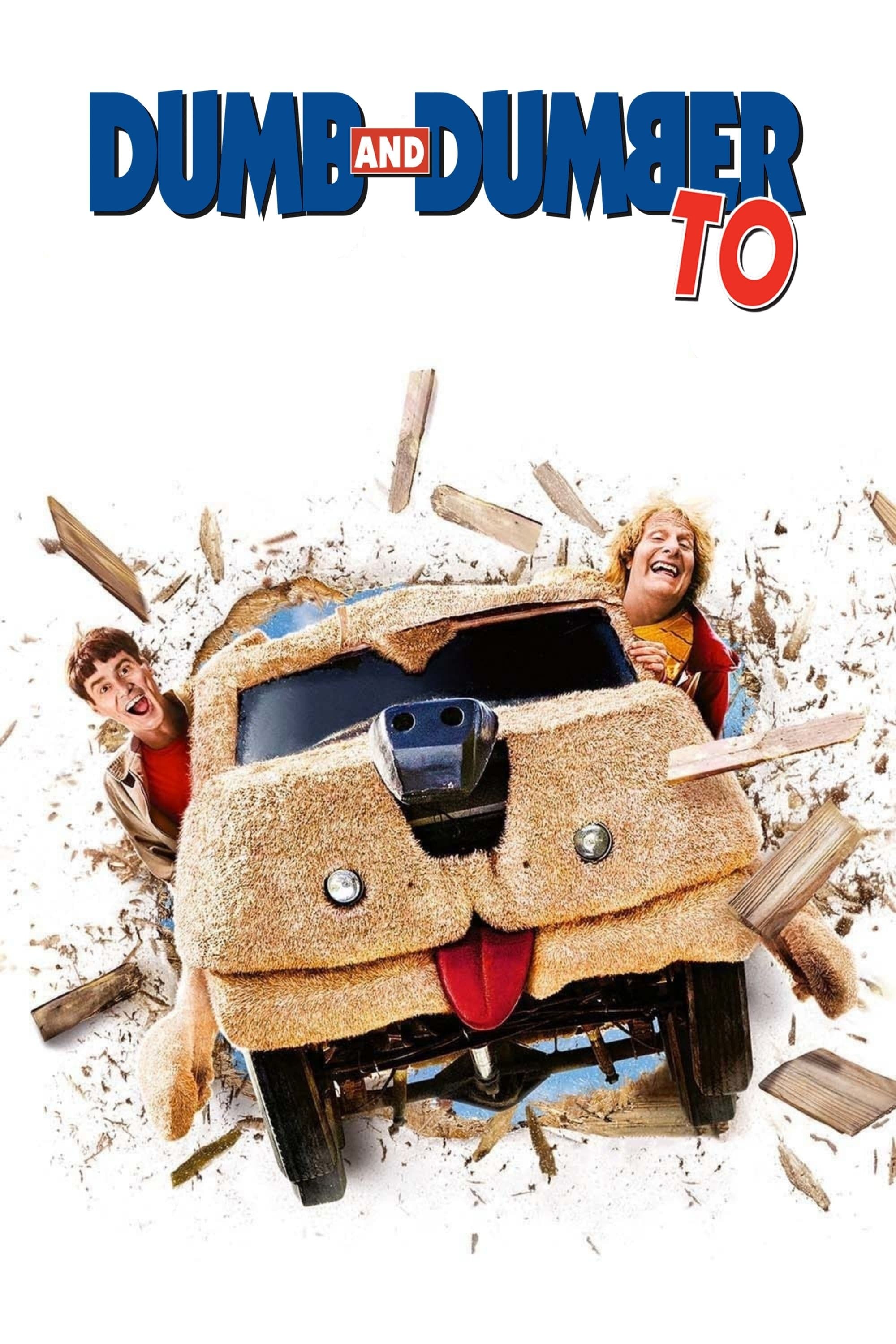
Jim Carrey and Jeff Daniels reunite for ‘Dumb and Dumber To’, which follows the pair on a road trip to find a long-lost child. The plot mirrors the original’s structure with updated set pieces and running gags.
Universal Pictures handled worldwide distribution. The film opened well on nostalgia interest and controlled costs, though reviews were muted and franchise activity paused afterward.
‘The Hottie & the Nottie’ (2008)
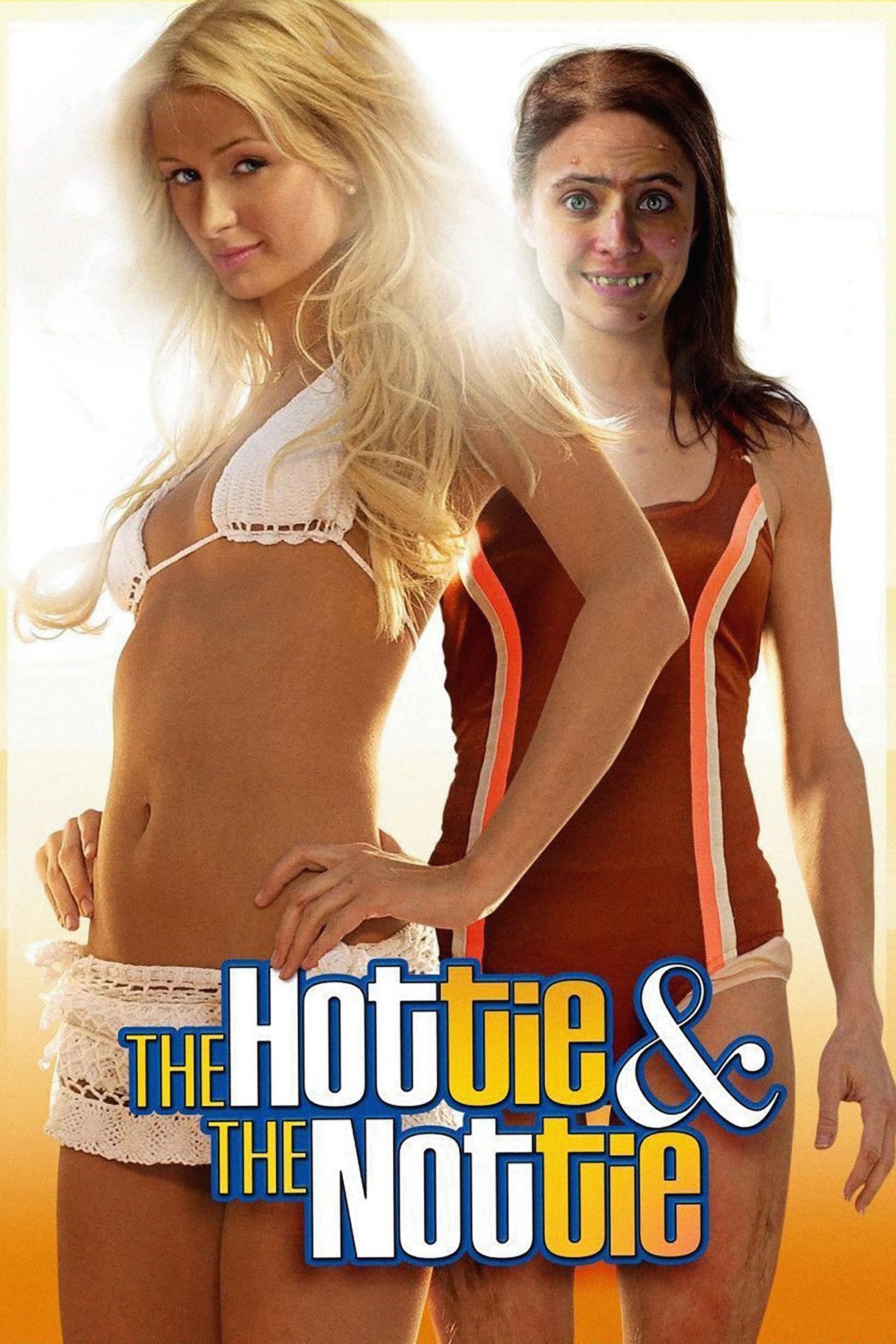
Paris Hilton stars in ‘The Hottie & the Nottie’, a romantic comedy centered on friendship dynamics and a makeover storyline. The narrative follows a man who must help his crush’s best friend find love.
Regent Releasing distributed the film with a limited rollout. It posted very small grosses and later became a frequent Razzie nominee, which extended its notoriety beyond its initial run.
‘Deck the Halls’ (2006)
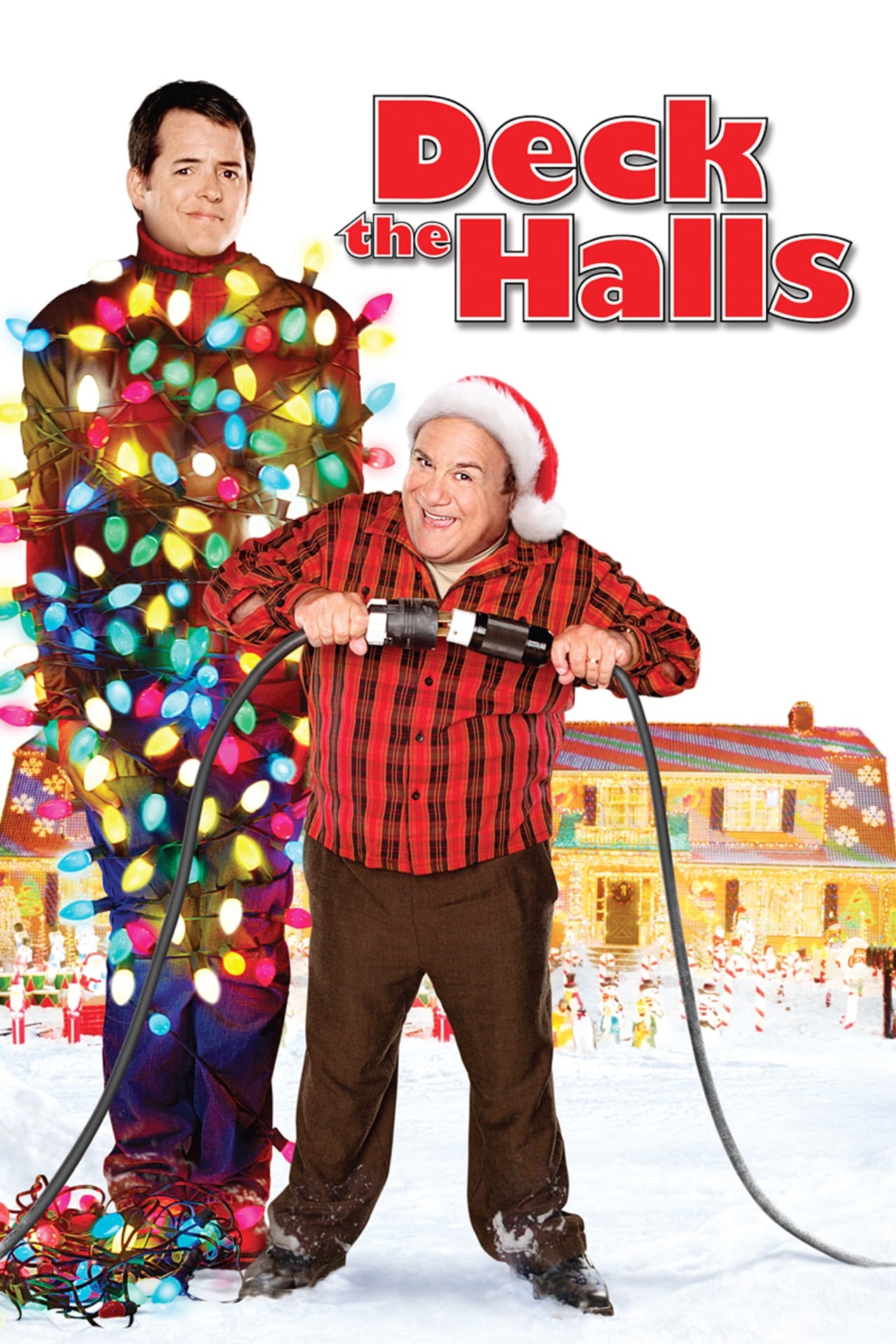
‘Deck the Halls’ features Matthew Broderick and Danny DeVito as neighbors locked in a Christmas decoration rivalry. The story balances family subplots with escalating sight gags around holiday displays.
20th Century Fox handled distribution during the festive season. The film delivered steady family attendance but low critical marks, and it found most of its audience on cable and home platforms after theaters.
‘The Master of Disguise’ (2002)
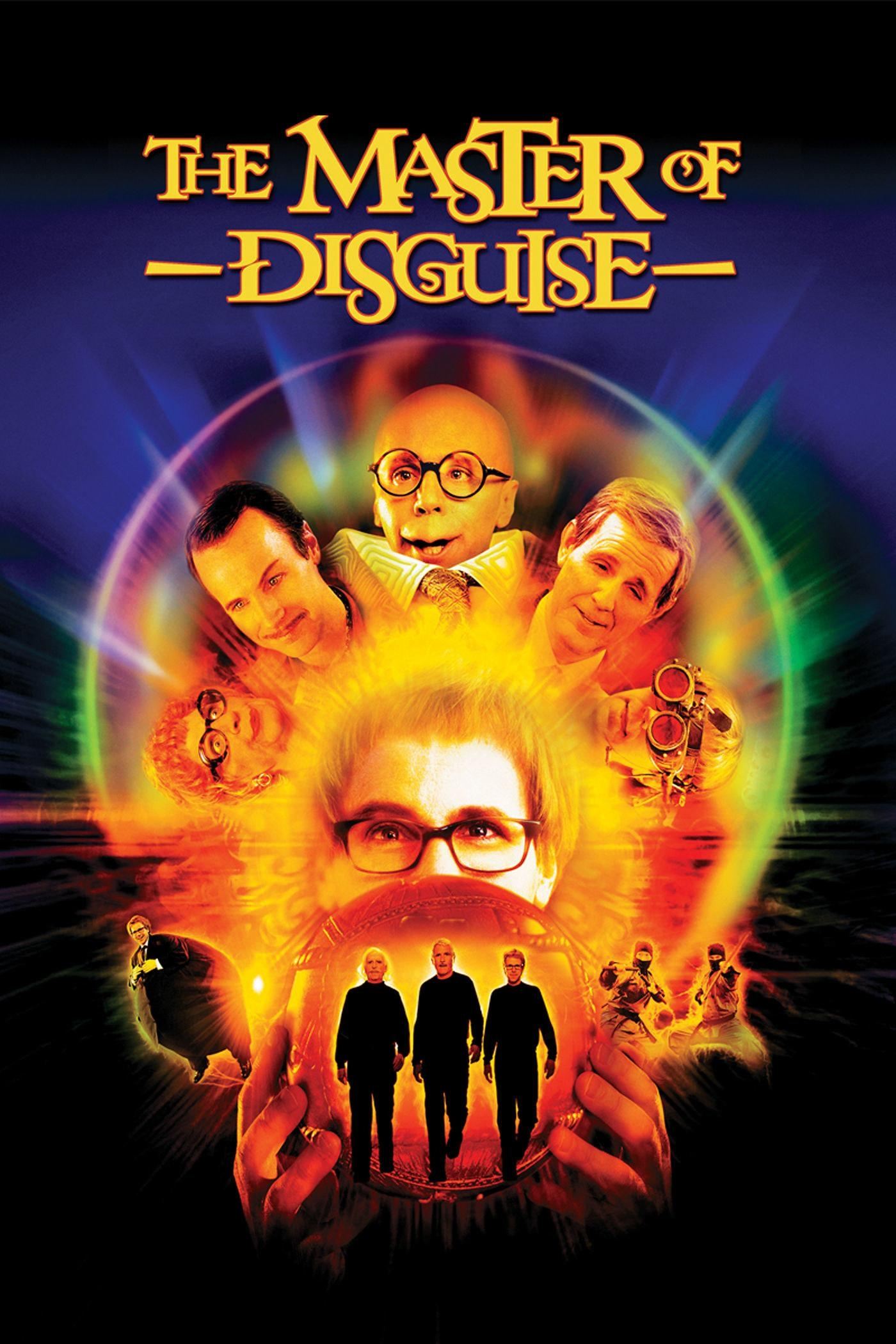
Dana Carvey headlines ‘The Master of Disguise’ as an earnest waiter who inherits a family talent for disguise to battle a flamboyant villain. The film relies on sketch-like transformations and character bits.
Columbia Pictures released it to capitalize on family attendance. While it maintained a presence in matinees, reviews were poor and the film became a talking point for studio-driven character comedies.
‘Bio-Dome’ (1996)
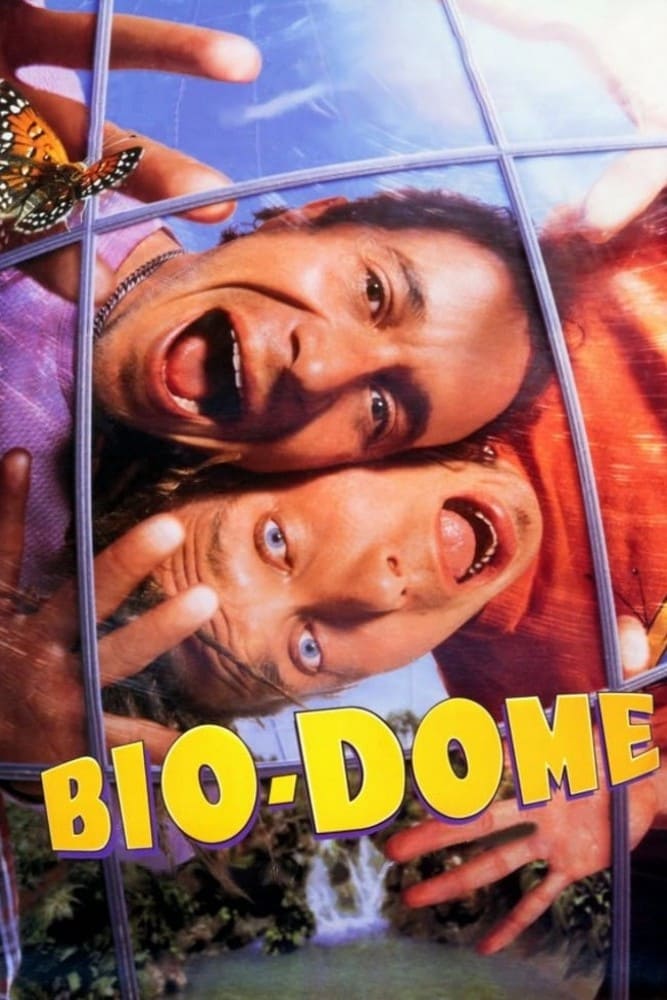
Pauly Shore and Stephen Baldwin star in ‘Bio-Dome’, where two slackers get trapped inside a sealed ecological experiment and disrupt the scientists’ work. The setup creates a bottle-episode style environment for confined antics.
Metro-Goldwyn-Mayer handled distribution. The film’s theatrical earnings were modest and it did not trigger a sequel, though it later circulated heavily on late-night cable lineups.
‘Caddyshack II’ (1988)
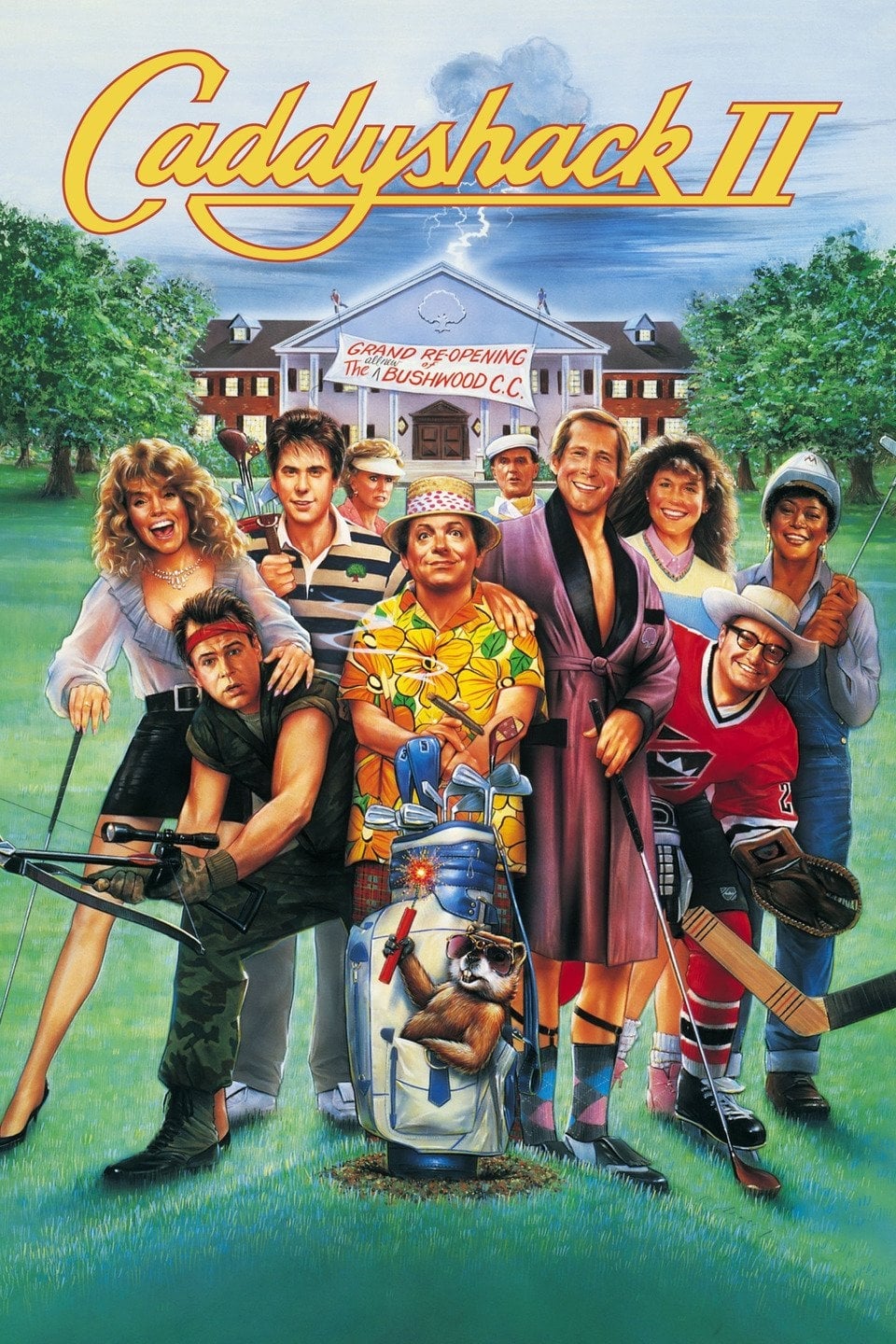
‘Caddyshack II’ returns to the golf-club setting with a mostly new cast and a plot about a brash developer clashing with old-guard members. The film integrates novelty gags and a climactic tournament.
Warner Bros. Pictures distributed the sequel across the summer slate. It earned significantly less than the original and gathered weak reviews, which led to the franchise going dormant afterward.
Share your picks for comedies that missed the mark in the comments and tell us which titles you think deserved a better shot or an even tougher critique.

