


The Worst Horror Sequels Of All Time



Horror follow-ups can be tough to pull off, and plenty of franchises have stumbled on the way to keeping a good thing going. The titles below each tried to extend a hit with new ideas, new settings, or a new tone, but ran into creative changes, production issues, or audience backlash. You will see returning stars placed in stranger situations, directors stepping into established mythologies, and studios racing to keep rights alive. These entries are useful snapshots of how hard it is to bottle the same lightning twice.
‘Exorcist II: The Heretic’ (1977)
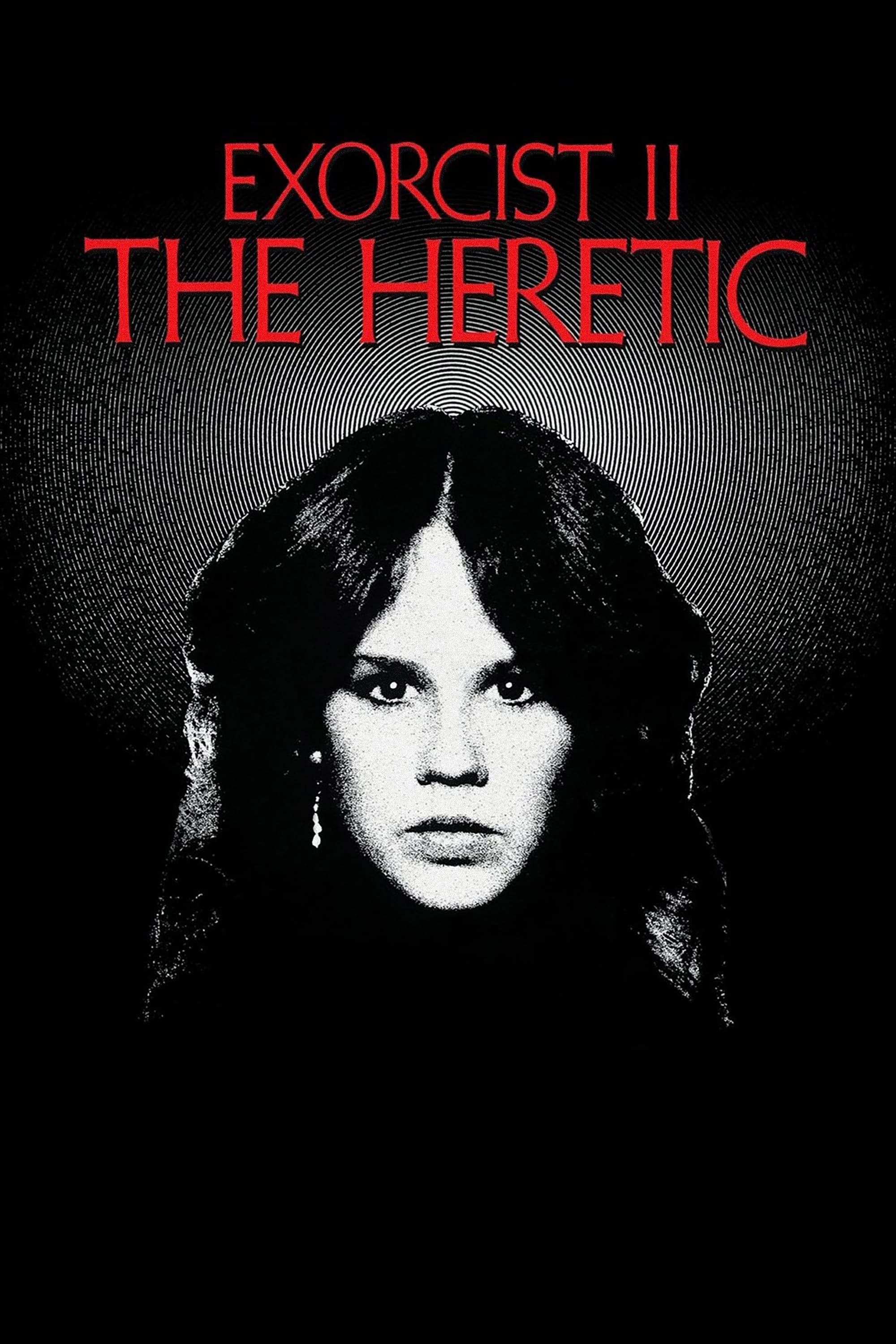
John Boorman took over the director’s chair and shifted the story toward psychological and metaphysical themes. Linda Blair returned as Regan MacNeil alongside Richard Burton as a troubled priest investigating the original possession. The production leaned heavily on hypnotic devices and elaborate sets that pushed the series into unusual territory. Despite the star power, chaotic previews and extensive re-editing hurt its reception and reputation.
‘Jaws: The Revenge’ (1987)
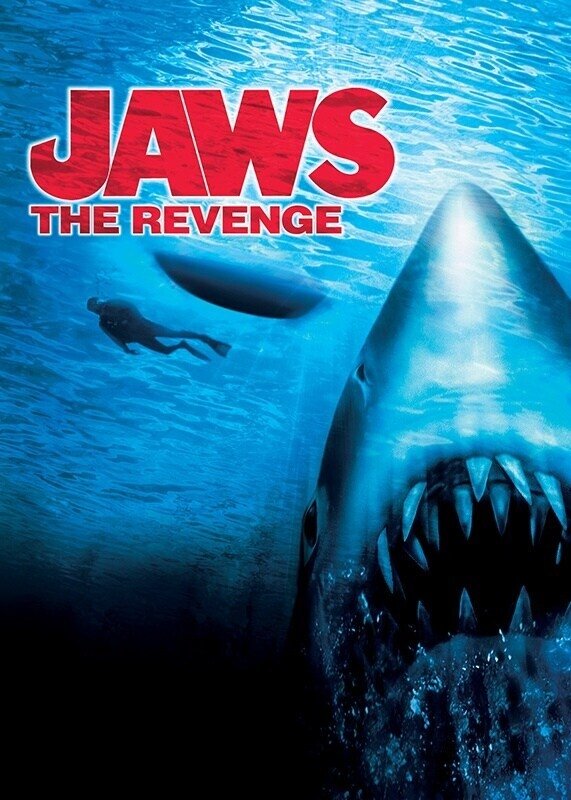
This installment follows Ellen Brody to the Bahamas after a family tragedy draws the shark back into their lives. Michael Caine co-stars as a pilot who becomes entwined with the hunt. The film used full-scale mechanical sharks and tropical locations to refresh the formula. Its abrupt alternate endings and continuity leaps made it one of the most discussed entries in the series.
‘Halloween: Resurrection’ (2002)
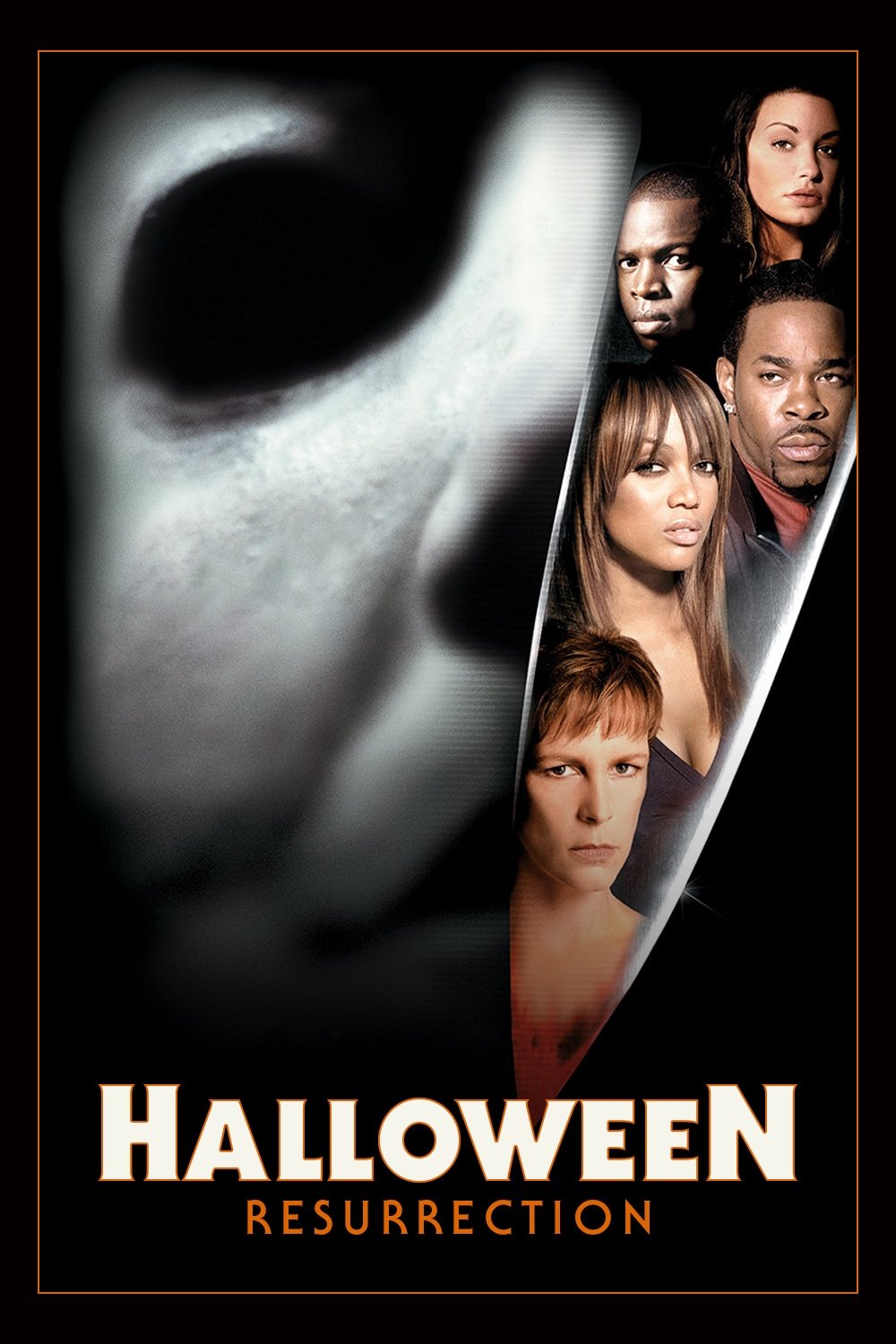
Rick Rosenthal returned to the franchise with a story centered on a live internet reality show inside Michael Myers’ childhood home. Jamie Lee Curtis appears in the opening stretch, with Busta Rhymes and Tyra Banks leading the new cast. The film leaned into early webcam culture and a house wired with cameras. Its twisty first act and show-within-a-show concept made it a controversial turn for the series.
‘Book of Shadows: Blair Witch 2’ (2000)
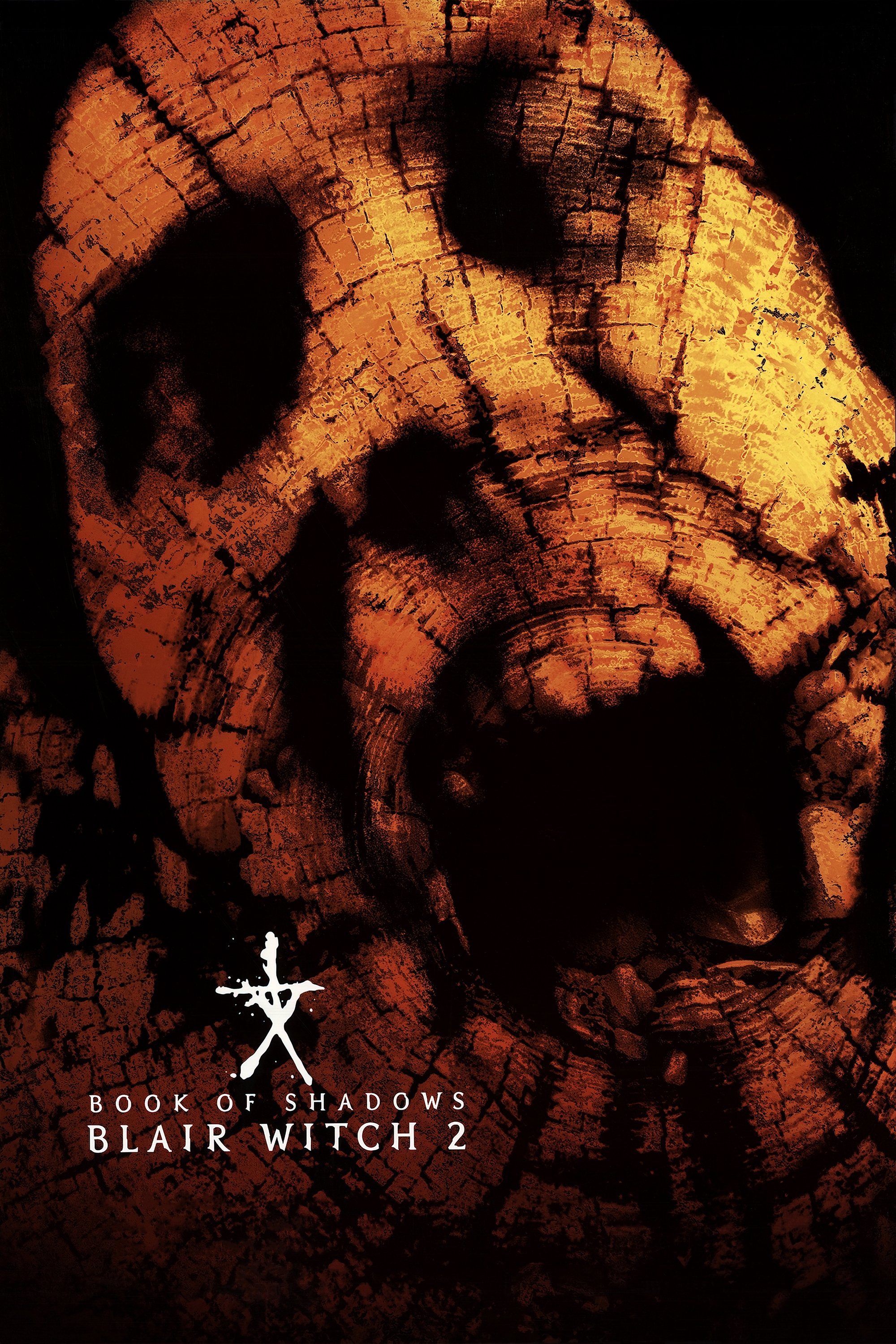
Joe Berlinger staged a meta follow-up set after the original film became a sensation in-universe. A group of tourists and locals retrace the Black Hills myth while losing their grip on what is real. Studio-mandated reshoots added flash-cut violence and a different structure from the initial cut. The clash between documentary instincts and commercial horror demands shaped the final result.
‘The Ring Two’ (2005)
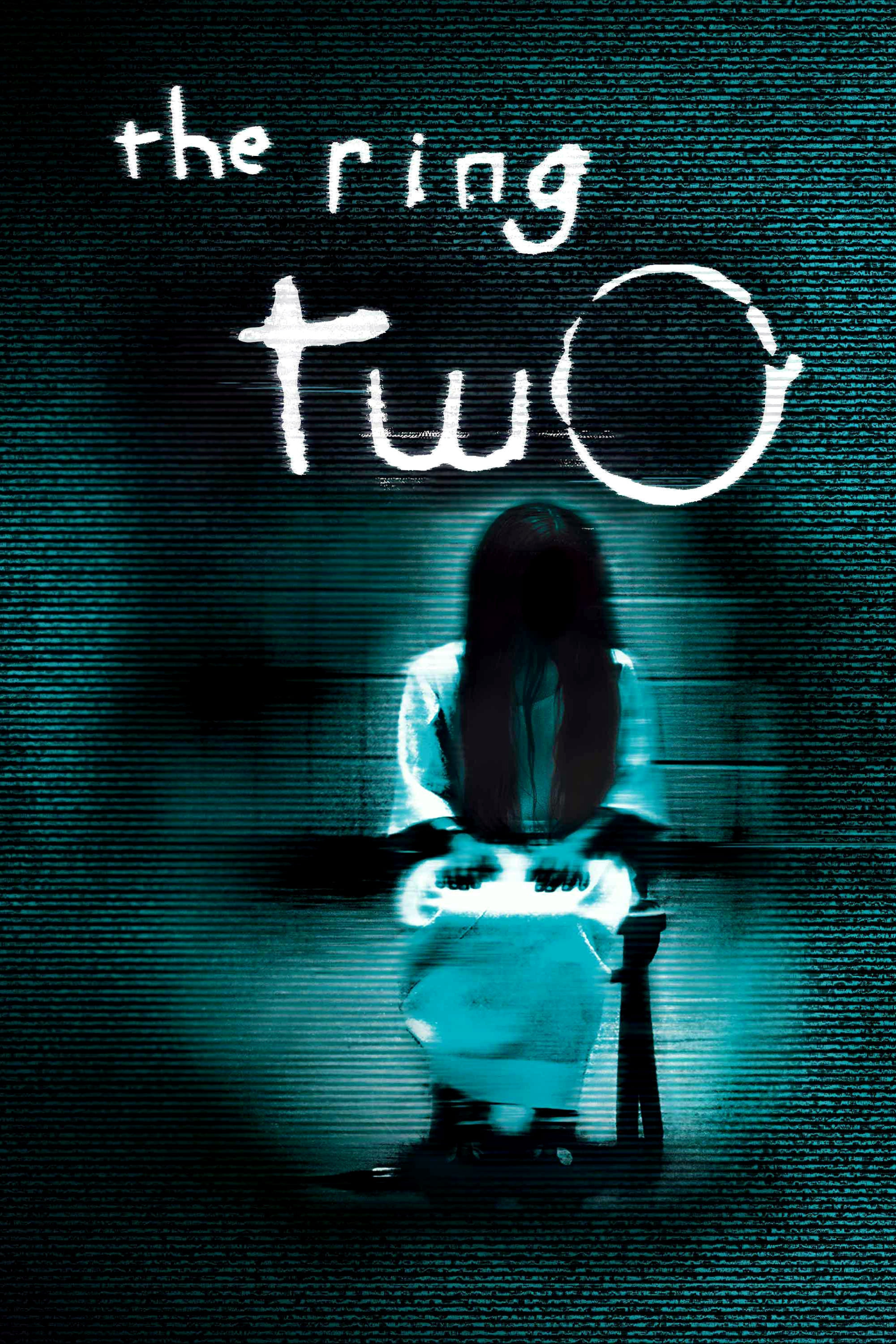
Hideo Nakata, who directed the Japanese original that inspired the remake, stepped in for the U.S. sequel with Naomi Watts returning. The story expands Samara’s backstory and emphasizes a mother-son struggle. Notable set pieces include a highway incident and a widely discussed deer attack sequence. Reports of heavy studio notes and multiple edits accompanied its rollout.
‘The Grudge 2’ (2006)
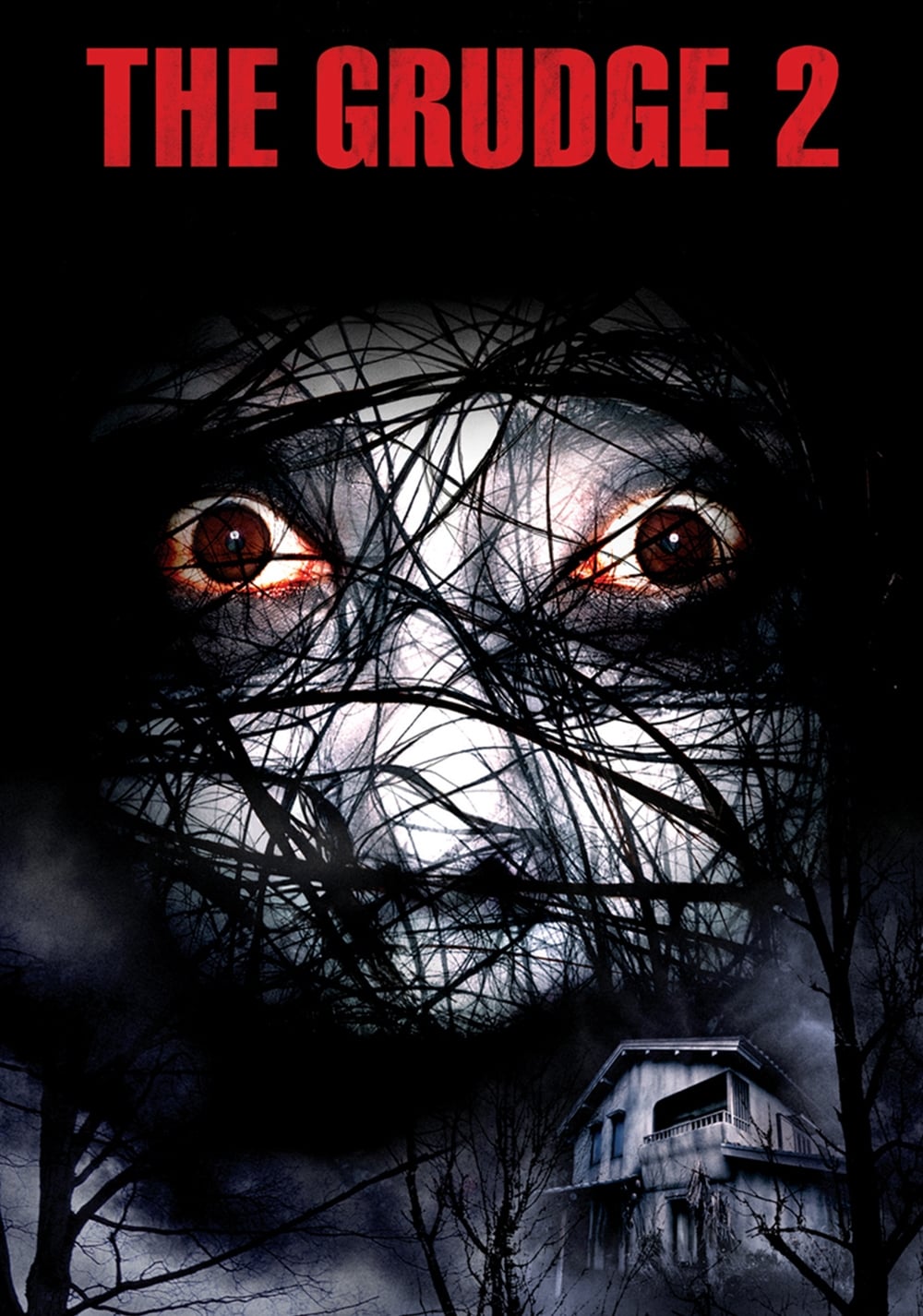
Takashi Shimizu continued his own curse mythology for the American audience with Amber Tamblyn joining the cast. The plot splits into parallel threads that show the Ju-On curse spreading beyond the original apartment. Tokyo locations, school corridors, and a Chicago epilogue broaden the setting. Its structure of interlocking timelines made the narrative feel larger but also more fragmented.
‘Hellraiser: Revelations’ (2011)
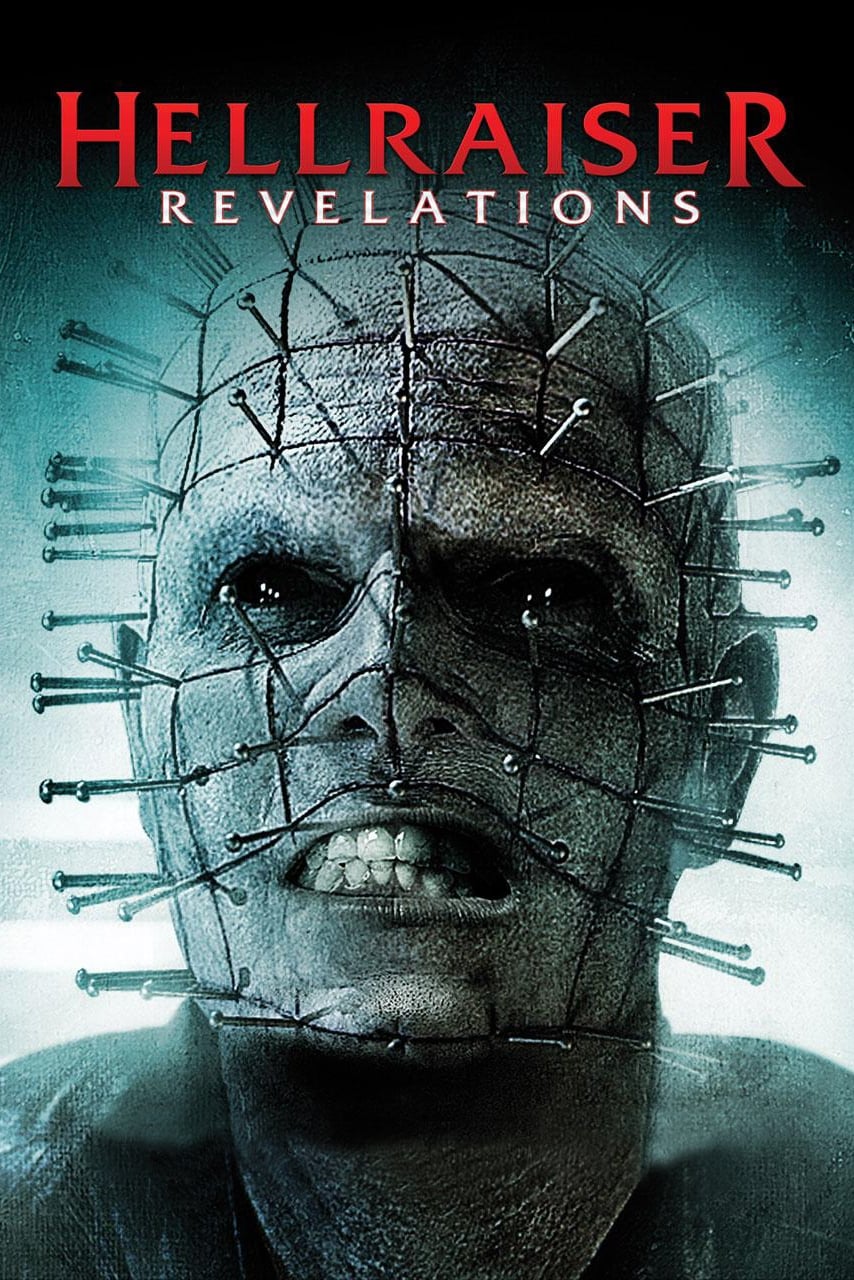
This entry was produced on a minimal budget to retain rights, resulting in a rapid shoot and a new actor as Pinhead. The story centers on two wayward friends, a cursed puzzle box, and a family unraveling under supernatural pressure. The absence of longtime star Doug Bradley was a major shift for the franchise. Limited theatrical exposure and quick home release defined its distribution.
‘Leprechaun 4: In Space’ (1997)
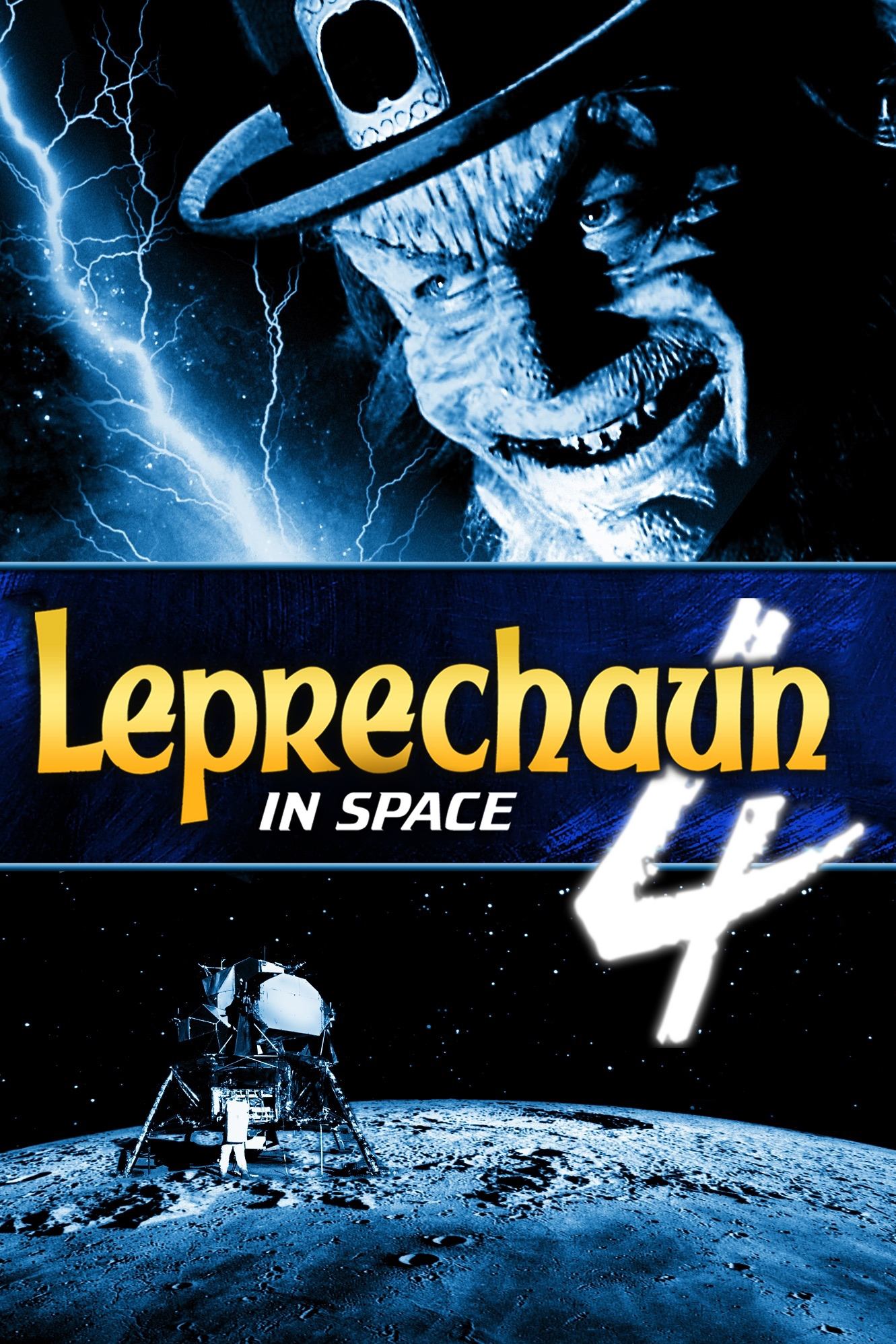
The franchise leaps to a sci-fi setting with soldiers, a mad scientist, and the title creature terrorizing a spaceship. Practical makeup gags and miniature effects replace the usual small-town menace. Warwick Davis returns in the lead with a comedic tone that leans into parody. The pivot to space marked one of the series’ most unexpected experiments.
‘Friday the 13th Part VIII: Jason Takes Manhattan’ (1989)

The premise promises a city rampage but spends most of its time aboard a cruise ship heading for New York. Kane Hodder continues under the mask with set pieces in alleys and subway tunnels once the action lands. Budget limits kept big city sequences brief and selective. Box office softness signaled franchise fatigue at this stage.
‘The Birds II: Land’s End’ (1994)
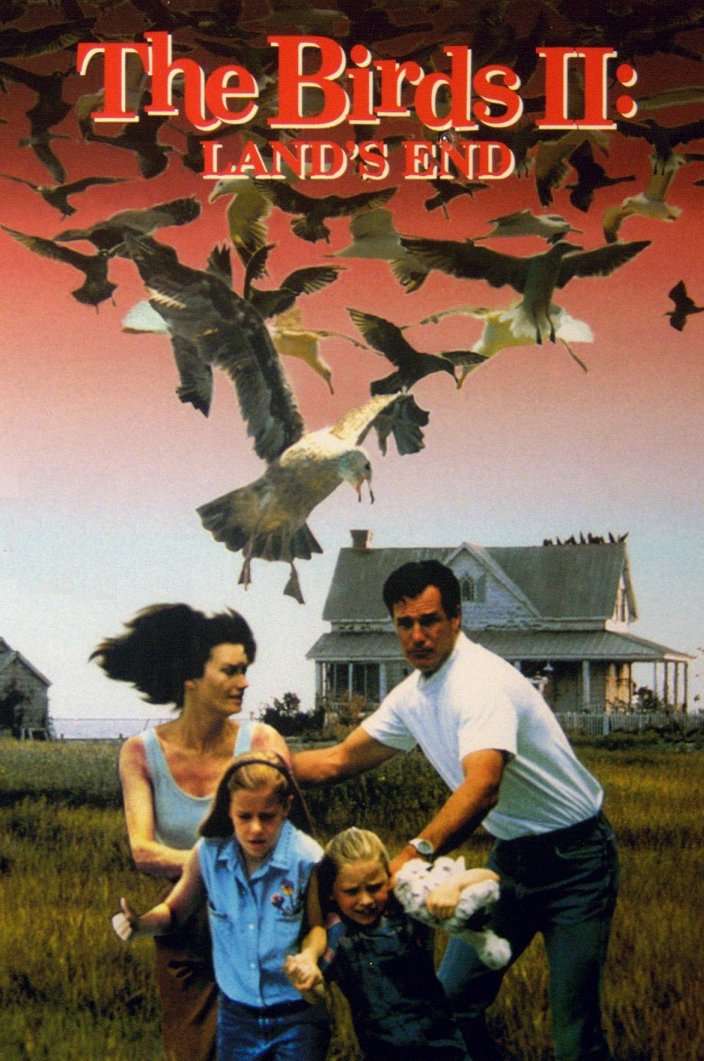
This sequel was produced for television with a coastal setting and a new family under siege. Tippi Hedren appears in a different role rather than as her original character. Director Rick Rosenthal used the pseudonym Alan Smithee after disagreeing with the final cut. The film’s small-screen origins shaped its effects, pacing, and release.
‘Jaws 3-D’ (1983)
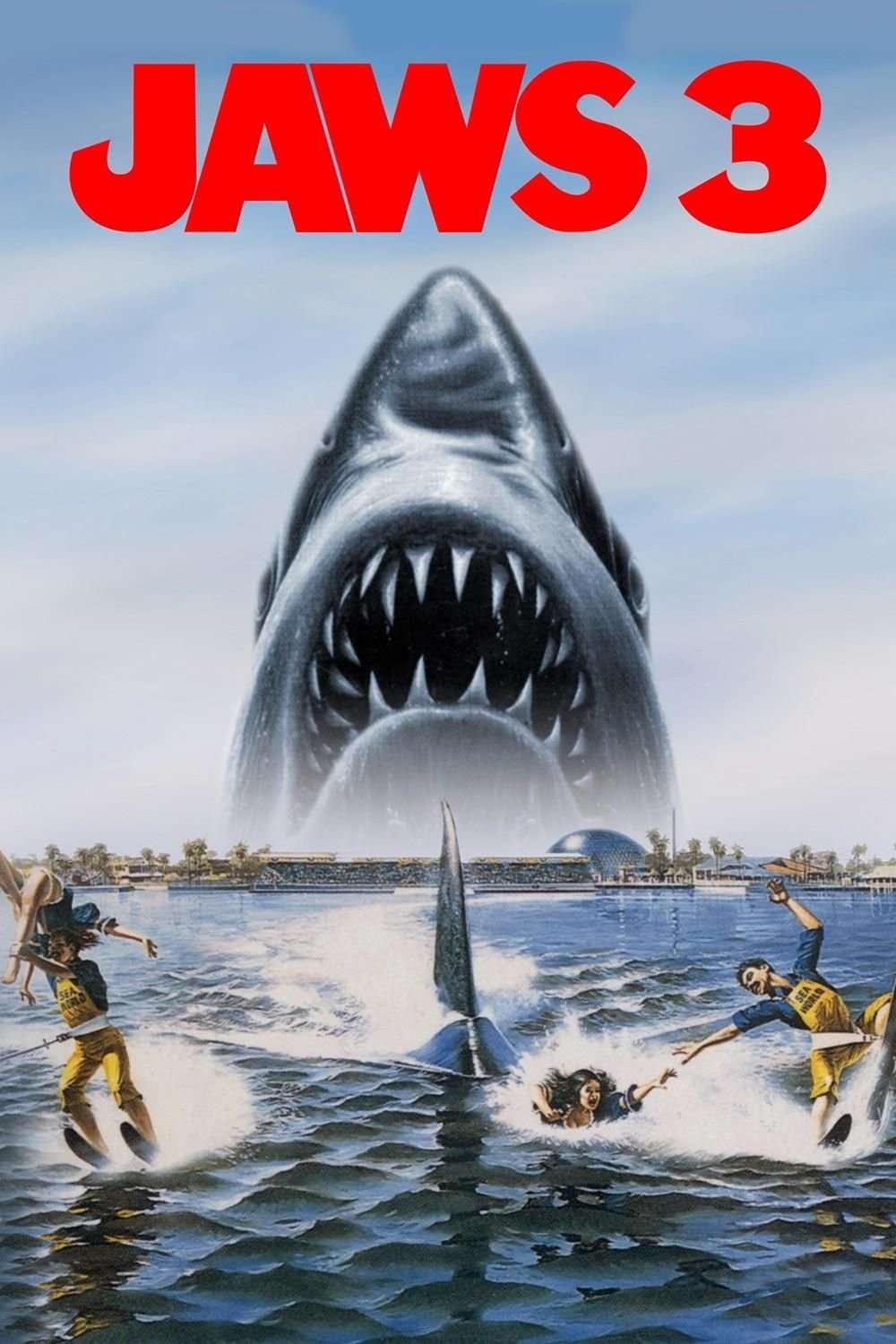
This third entry shifts the setting to a SeaWorld park where a great white infiltrates the lagoon. Dennis Quaid plays Mike Brody with Bess Armstrong and Louis Gossett Jr. rounding out the leads. The production built large scale aquatic sets and leaned on early 3D projection to sell underwater action. Alternate non 3D versions circulated on television and home video with different visual impact.
‘Poltergeist III’ (1988)
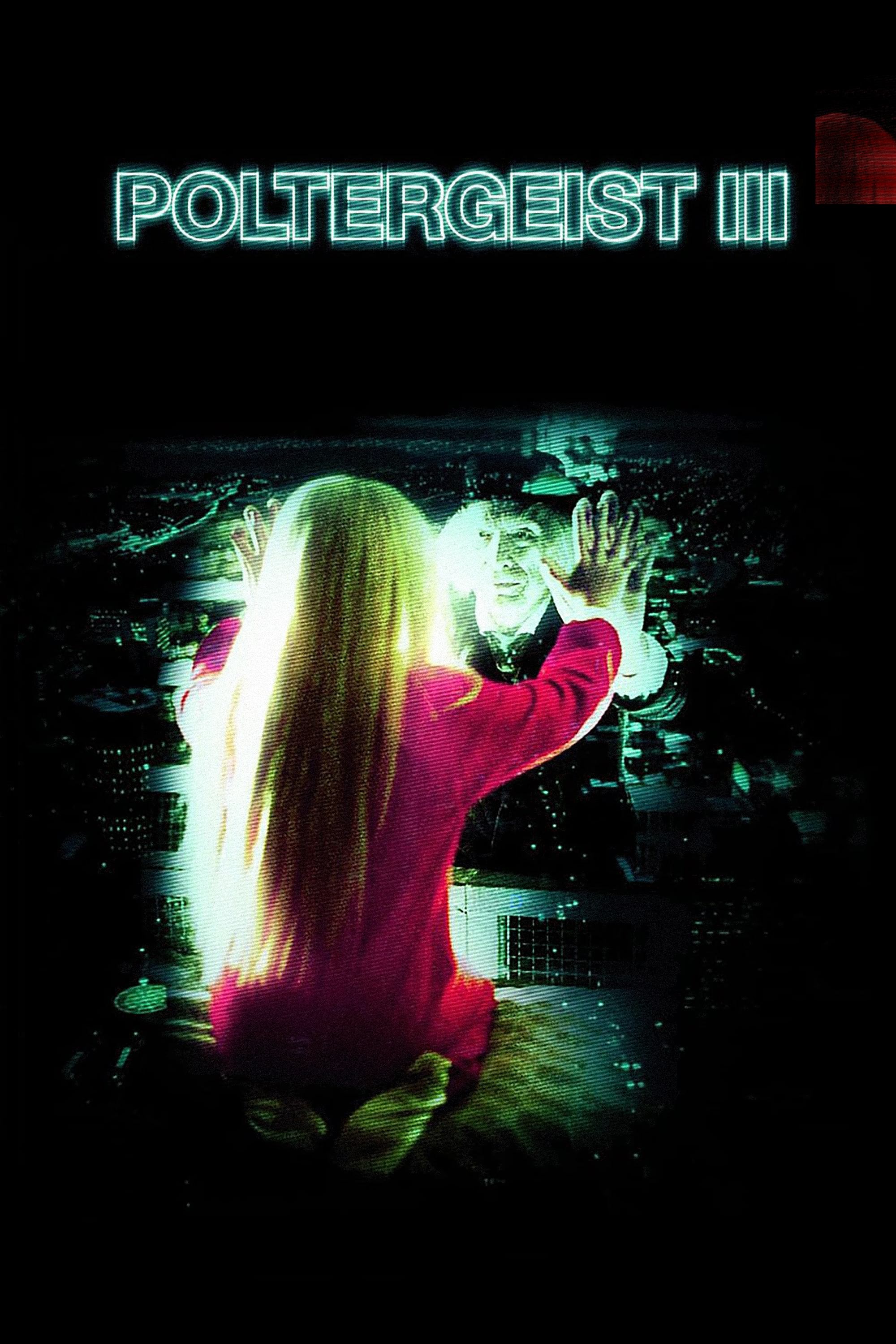
The story moves to a Chicago high rise where Carol Anne stays with relatives and encounters familiar forces. Tom Skerritt and Nancy Allen join returning actor Heather O’Rourke in a cast that works mostly within the tower’s mirrored architecture. Practical effects rely on in camera illusions like reverse photography and reflective gags. The film completed reshoots shortly before release as the series transitioned away from the original suburban setting.
‘The Fly II’ (1989)
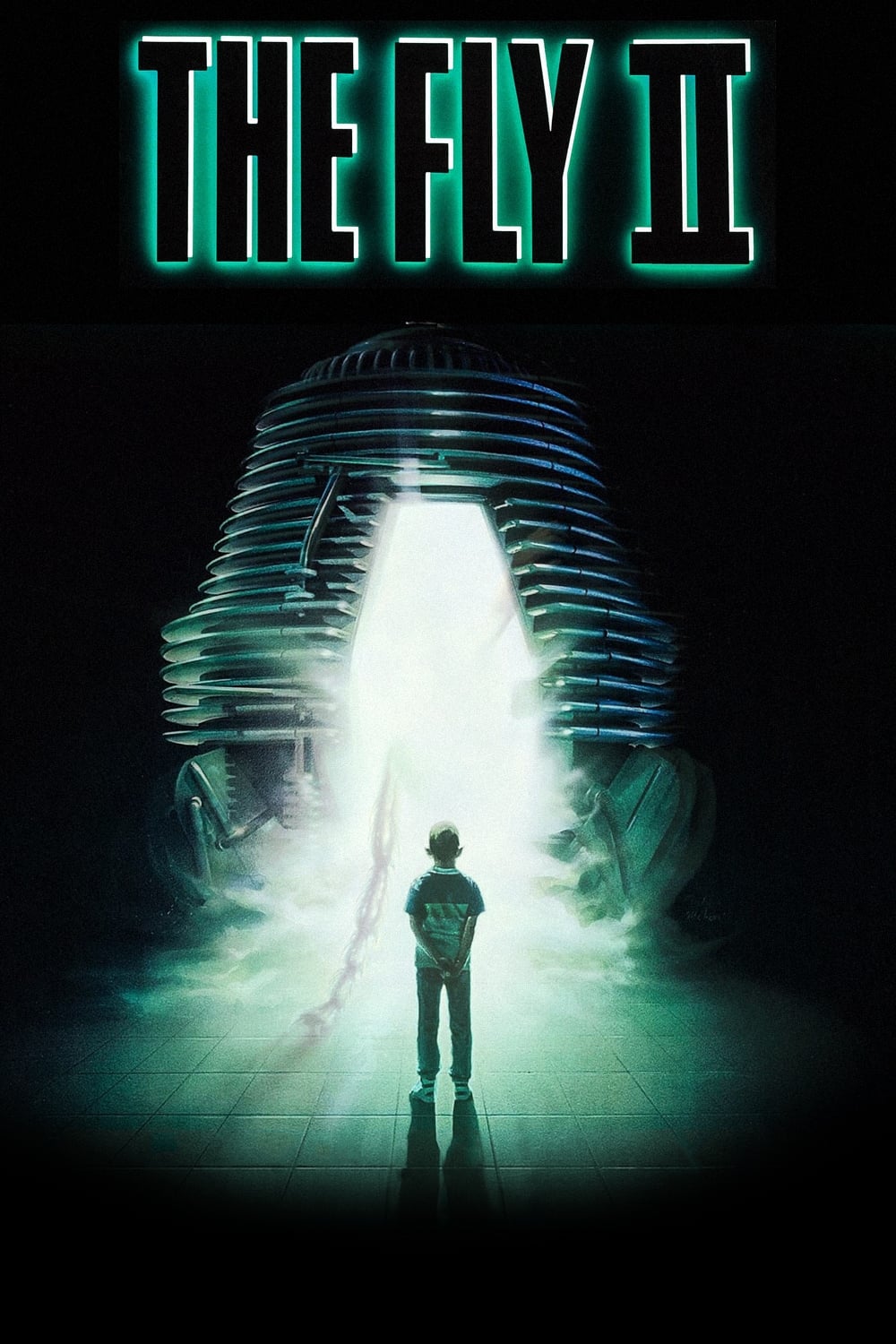
Eric Stoltz plays Martin Brundle, the son of Seth Brundle, who inherits the consequences of teleportation experiments. Daphne Zuniga co stars as a lab employee drawn into the project’s expansion. Chris Walas directs after creating effects for the prior film and scales up creature work with extensive animatronics. Corporate intrigue at the Bartok facility drives the story toward a larger finale.
‘An American Werewolf in Paris’ (1997)
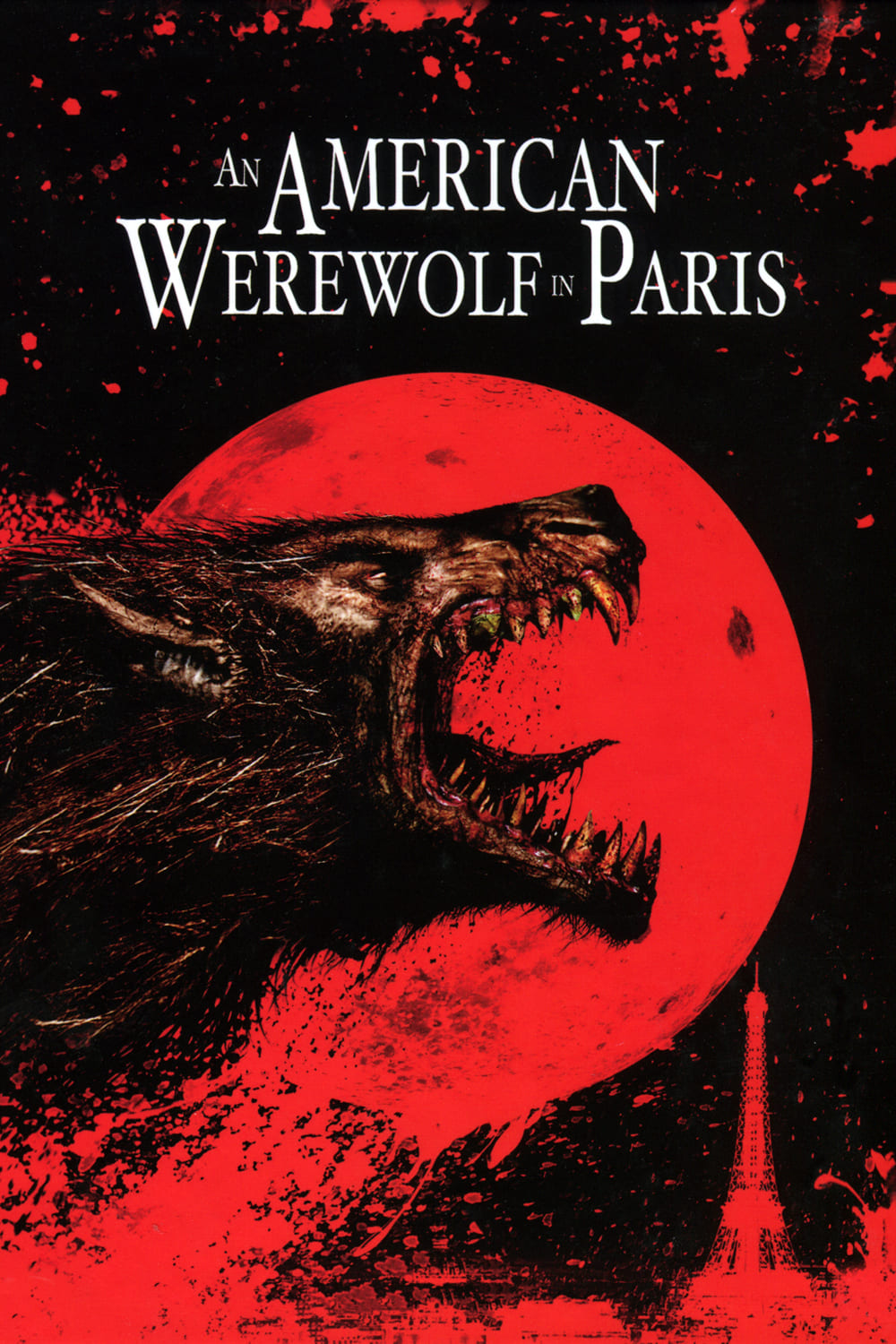
A group of travelers stumbles into a modern lycanthrope ring operating across the city. Tom Everett Scott and Julie Delpy lead the cast in a plot that updates the backpacker premise. The production uses digital transformations alongside traditional makeup to depict the werewolves. International locations and bungee jump sequences add set piece variety.
‘I Still Know What You Did Last Summer’ (1998)

Jennifer Love Hewitt and Freddie Prinze Jr. return as college age survivors who win a vacation that leads them to a storm tossed island resort. The cast adds Mekhi Phifer, Brandy, and Matthew Settle as new friends and suspects. The isolated hotel setting lets the story stack red herrings while the weather cuts off escape routes. The film expanded the original’s hook wielding antagonist through new misdirection scenes.
‘The Rage: Carrie 2’ (1999)
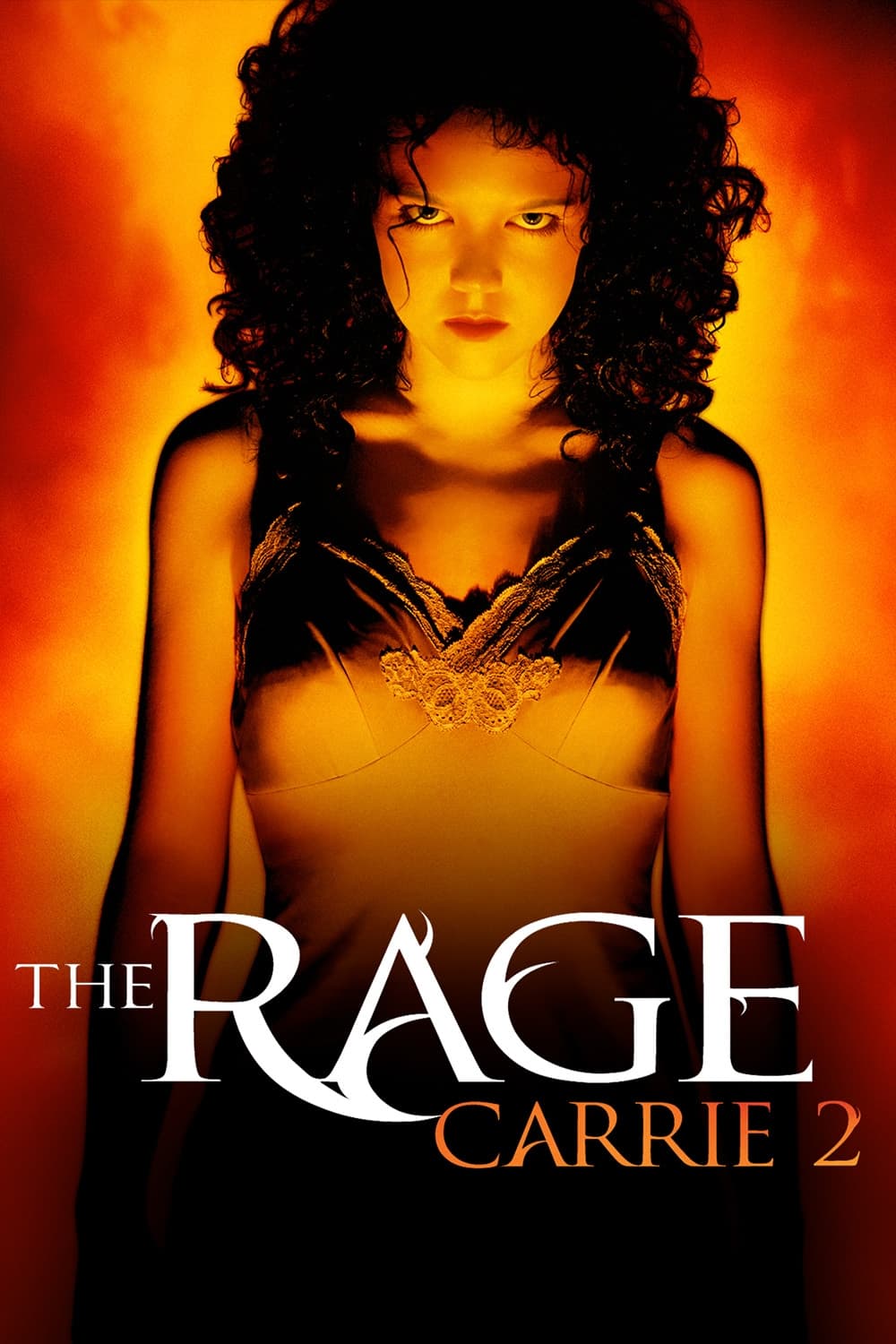
Set years after the events of the original story, this follow up centers on Rachel Lang, a teen with telekinetic abilities. Emily Bergl plays the lead with Amy Irving returning to connect threads between schools and families. The plot uses videotapes and sports team culture to frame the bullying escalation. Practical stunts combine with optical work for the climactic gym sequence.
‘Troll 2’ (1990)
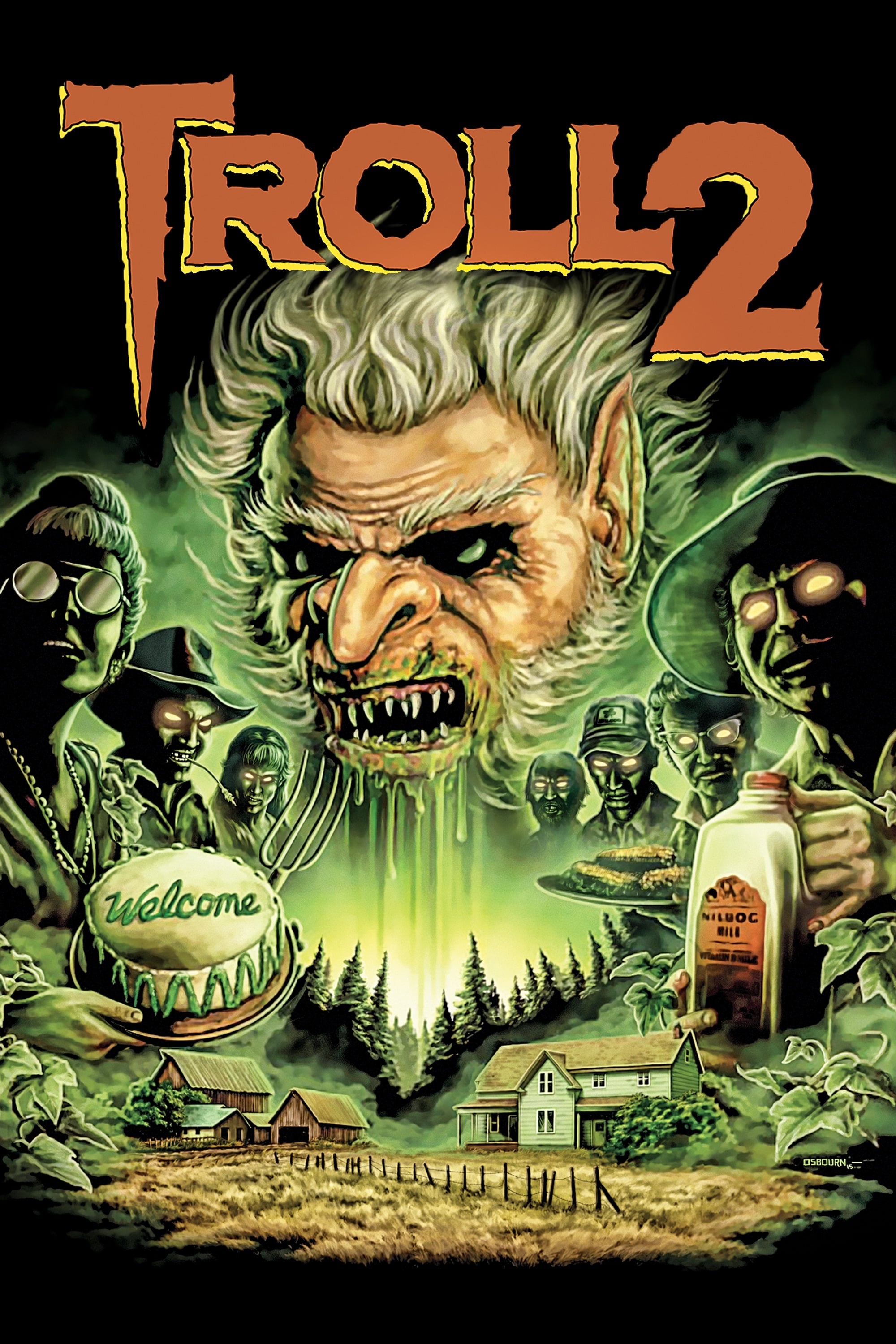
A vacationing family encounters vegetarian goblins in a rural town with a cult like community. Michael Stephenson and George Hardy star in a production shot in Utah with a largely nonprofessional cast. The screenplay was written by an Italian team and filmed in English with dialogue delivered phonetically by some actors. The release went straight to video in several regions before gaining a long afterlife on midnight circuits.
‘Piranha II: The Spawning’ (1982)
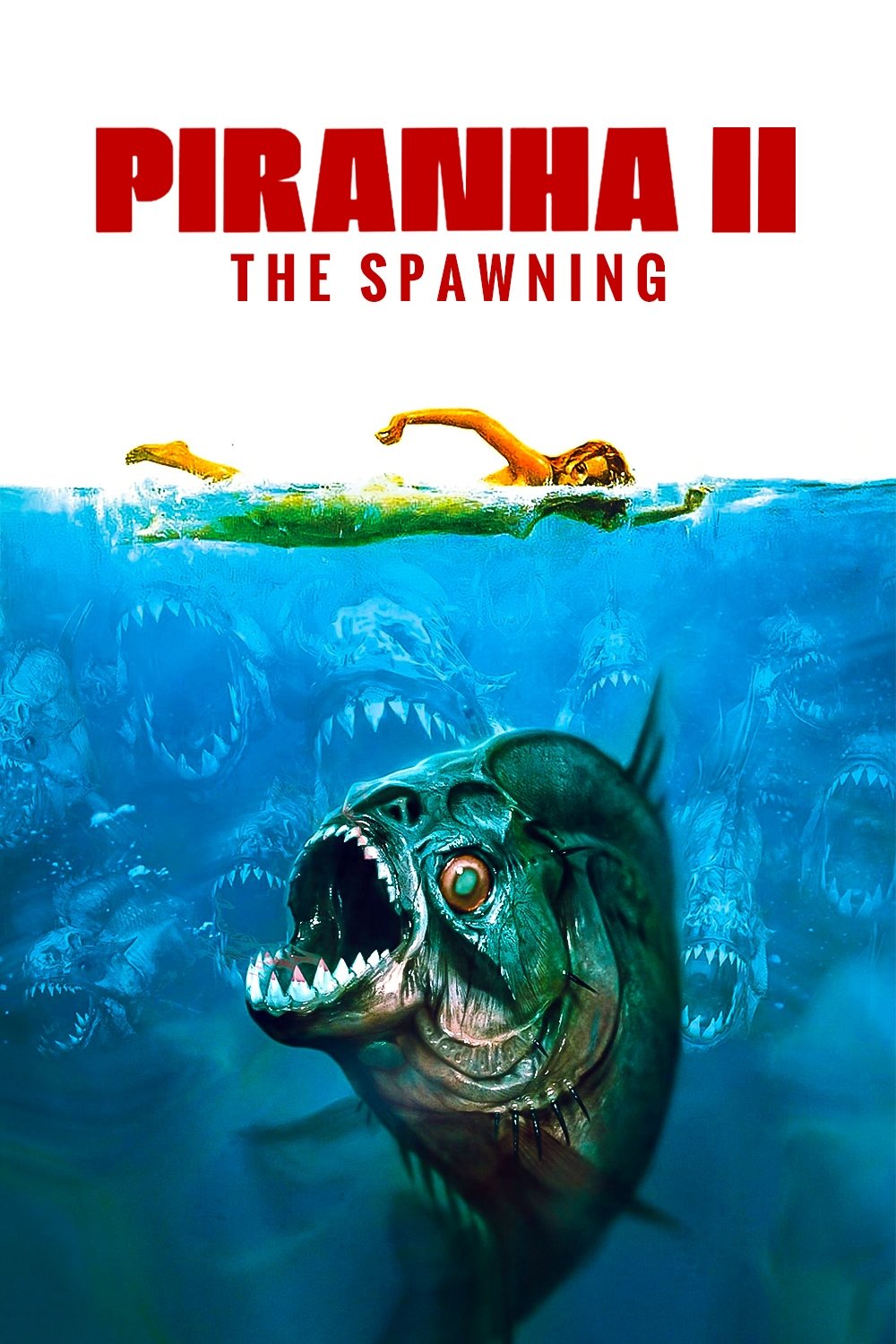
This sequel follows a resort dive instructor who uncovers a strain of flying piranha created in a lab. Tricia O’Neil and Lance Henriksen headline as the threat spreads from shipwrecks to beaches. Early direction involved James Cameron during a complex Caribbean shoot with multiple producers. Location photography highlights coastal hotels and underwater wreck interiors.
‘Children of the Corn II: The Final Sacrifice’ (1992)
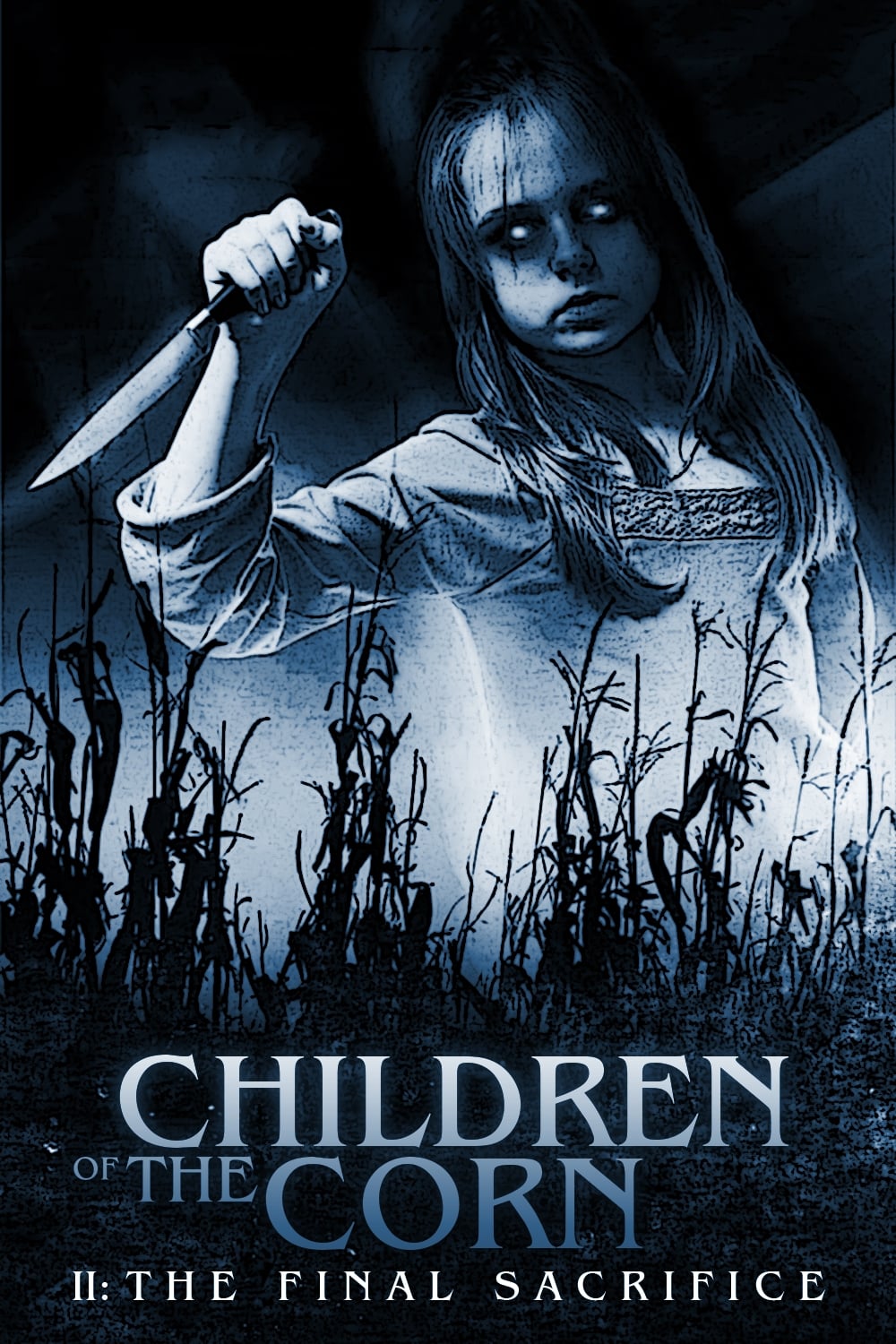
A reporter and his son arrive in a Nebraska town to investigate after the prior film’s events. Terrence Knox and Paul Scherrer lead a story that introduces new cult leaders and a traveling carnival. The production shot largely in North Carolina while doubling for Midwestern farmland. Practical gags and roadside set pieces amplify the small town menace.
‘Amityville 3-D’ (1983)
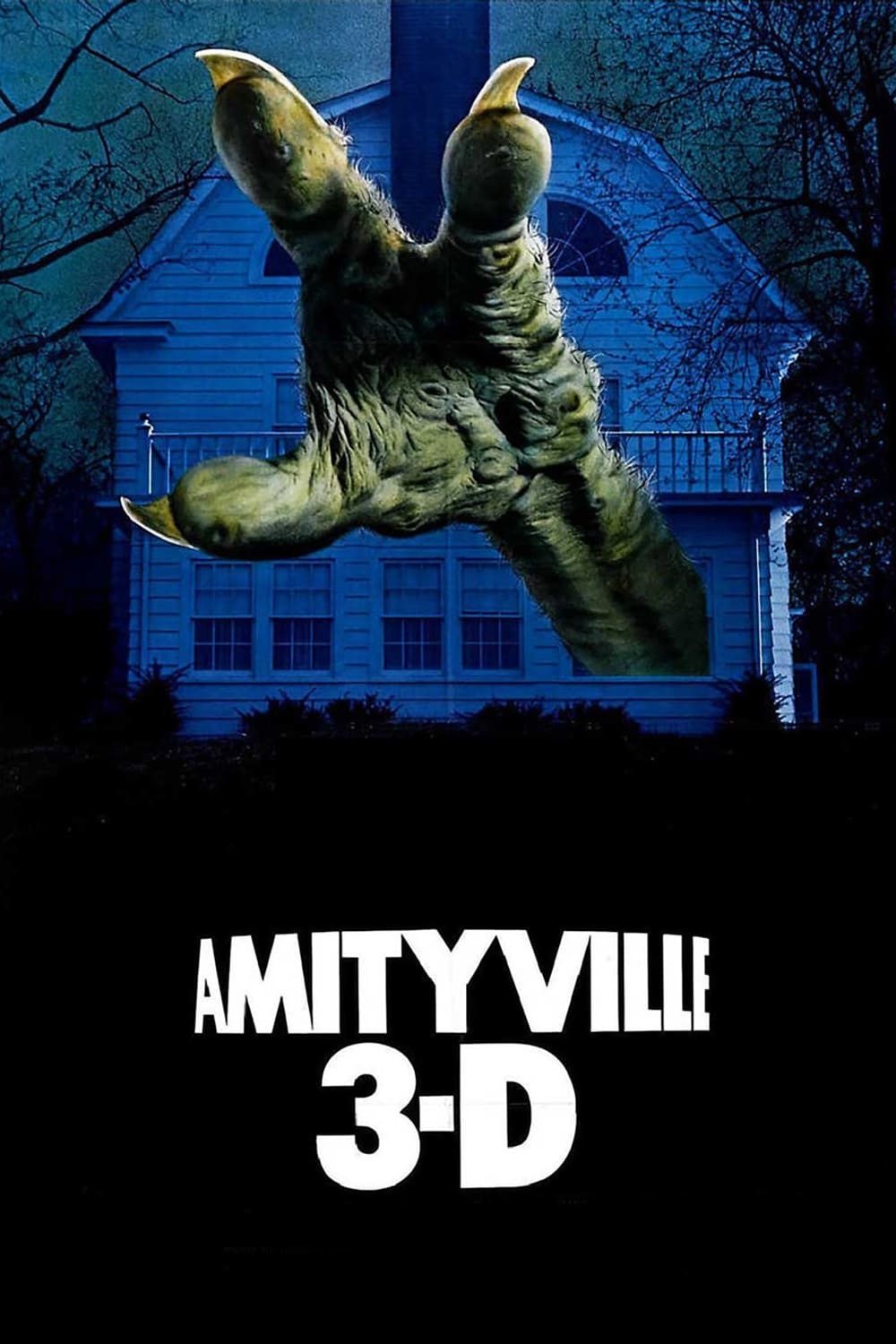
A skeptical journalist buys the notorious house to debunk hauntings and instead documents new disturbances. Tony Roberts and Tess Harper star with appearances by a young Meg Ryan and Lori Loughlin. The film uses Arrivision 3D rigs for objects hurling toward the lens and for basement creature reveals. It opened as a stand alone story that did not continue the prior family’s arc.
‘The Exorcist: Believer’ (2023)
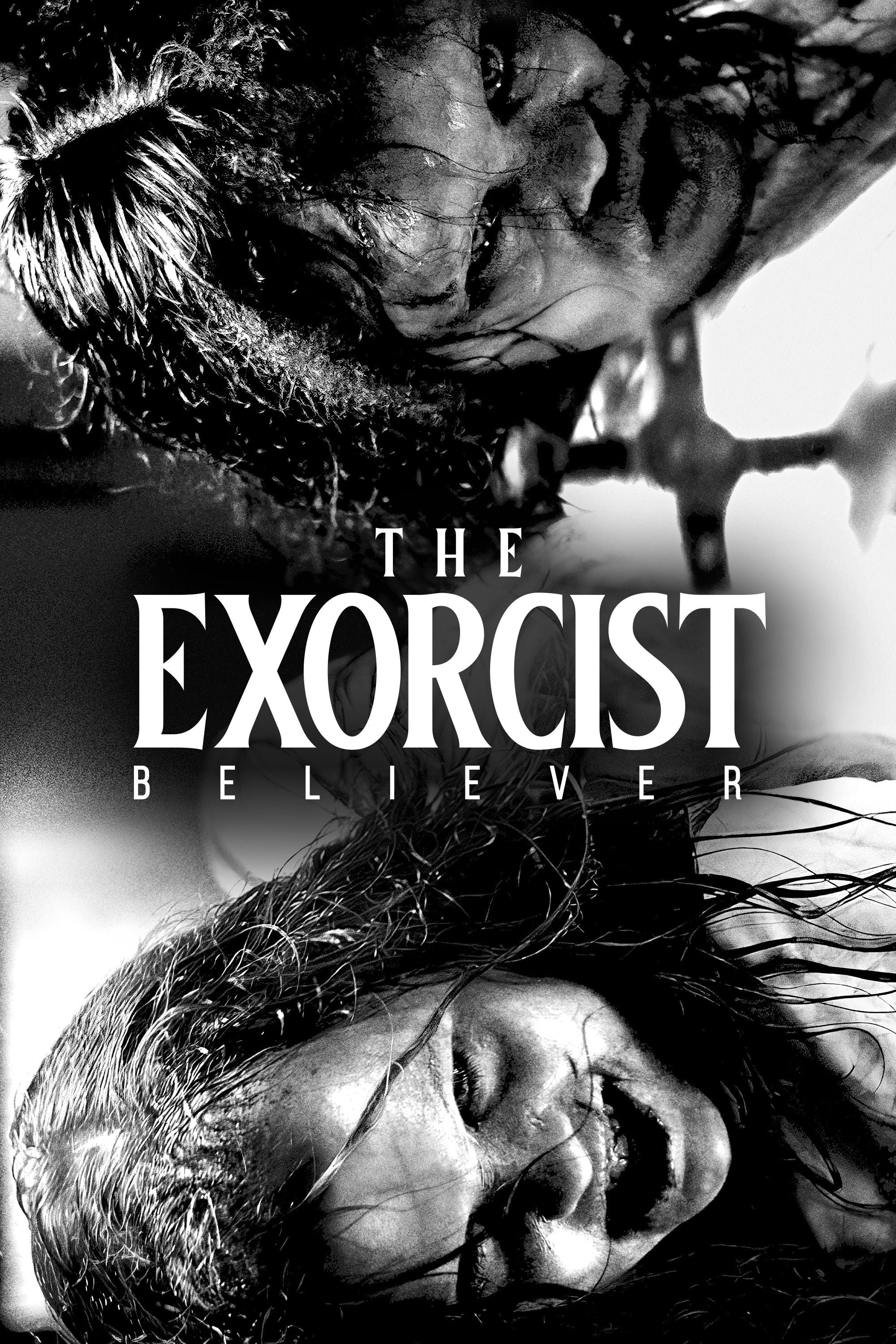
Two girls disappear in the woods and return with linked afflictions that draw in their families and past witnesses. Ellen Burstyn reprises her role, connecting the new investigation to earlier records of possession. The film features multinational clergy and a dual exorcism structure staged across community spaces. Wide release marketing emphasized legacy elements and parallel case files.
‘Saw 3D’ (2010)
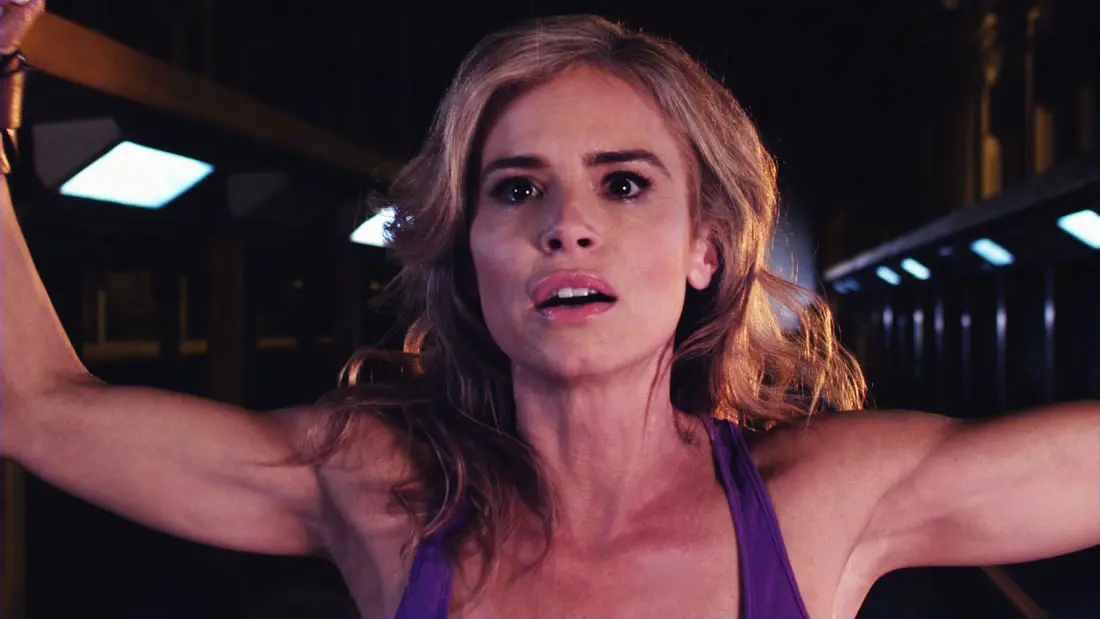
This entry brings back survivors who publicize their experiences as copycat traps appear around the city. Sean Patrick Flanery and Cary Elwes join Tobin Bell and Costas Mandylor in intersecting plotlines. The production employs stereoscopic photography with elaborate practical rigs designed for in camera 3D. The story threads converge at a public demonstration that escalates into a warehouse endgame.
‘Paranormal Activity 4’ (2012)
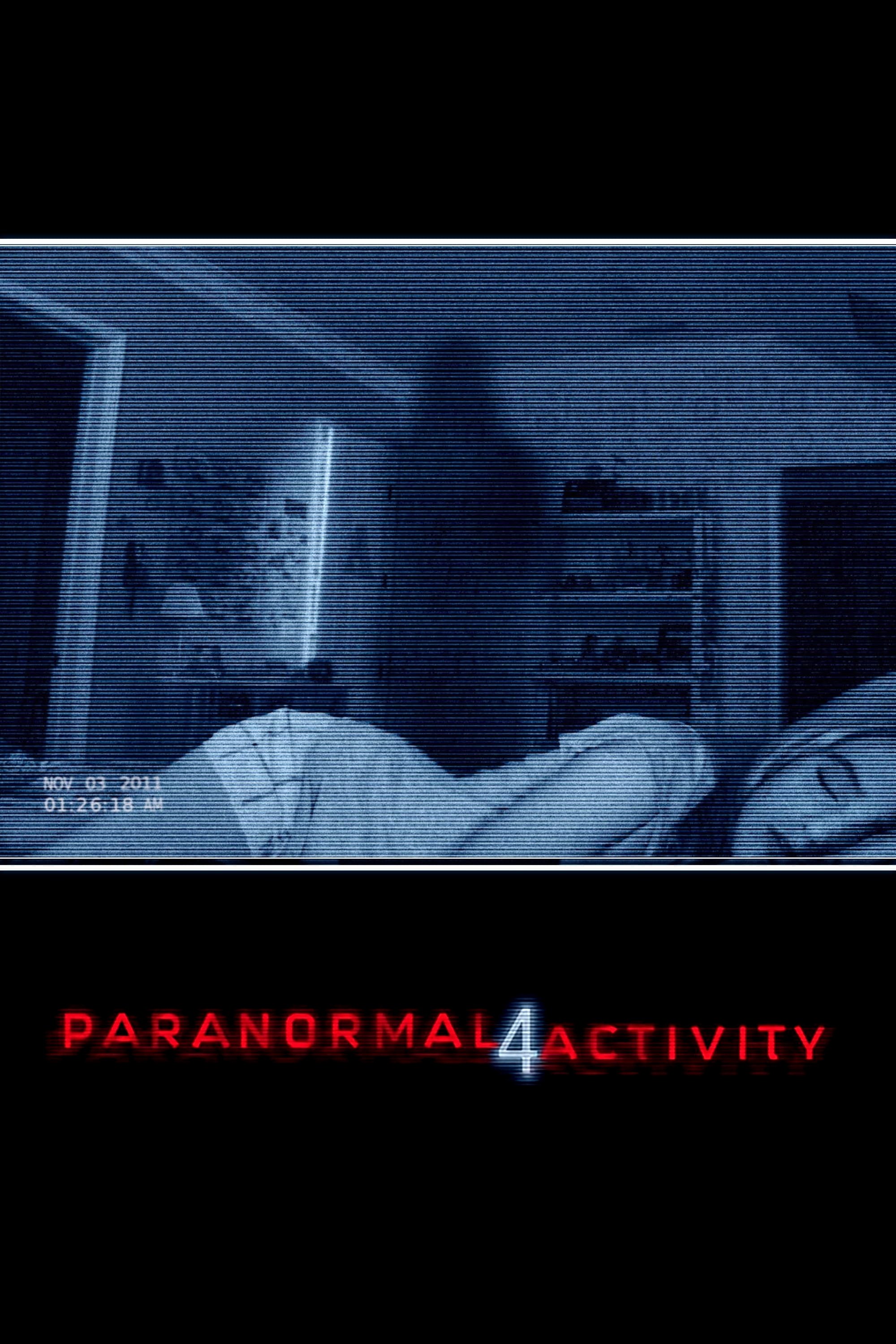
Set in a suburban neighborhood, the film follows a teenage girl who starts documenting strange occurrences after a young boy moves in next door. Kathryn Newton anchors the narrative through laptop cameras, smartphones, and Kinect night vision mapping. The timeline ties into earlier entries with new household layouts and garage based set pieces. Multiple cuts were previewed to refine jump scare timing for the theatrical release.
‘Jeepers Creepers 3’ (2017)
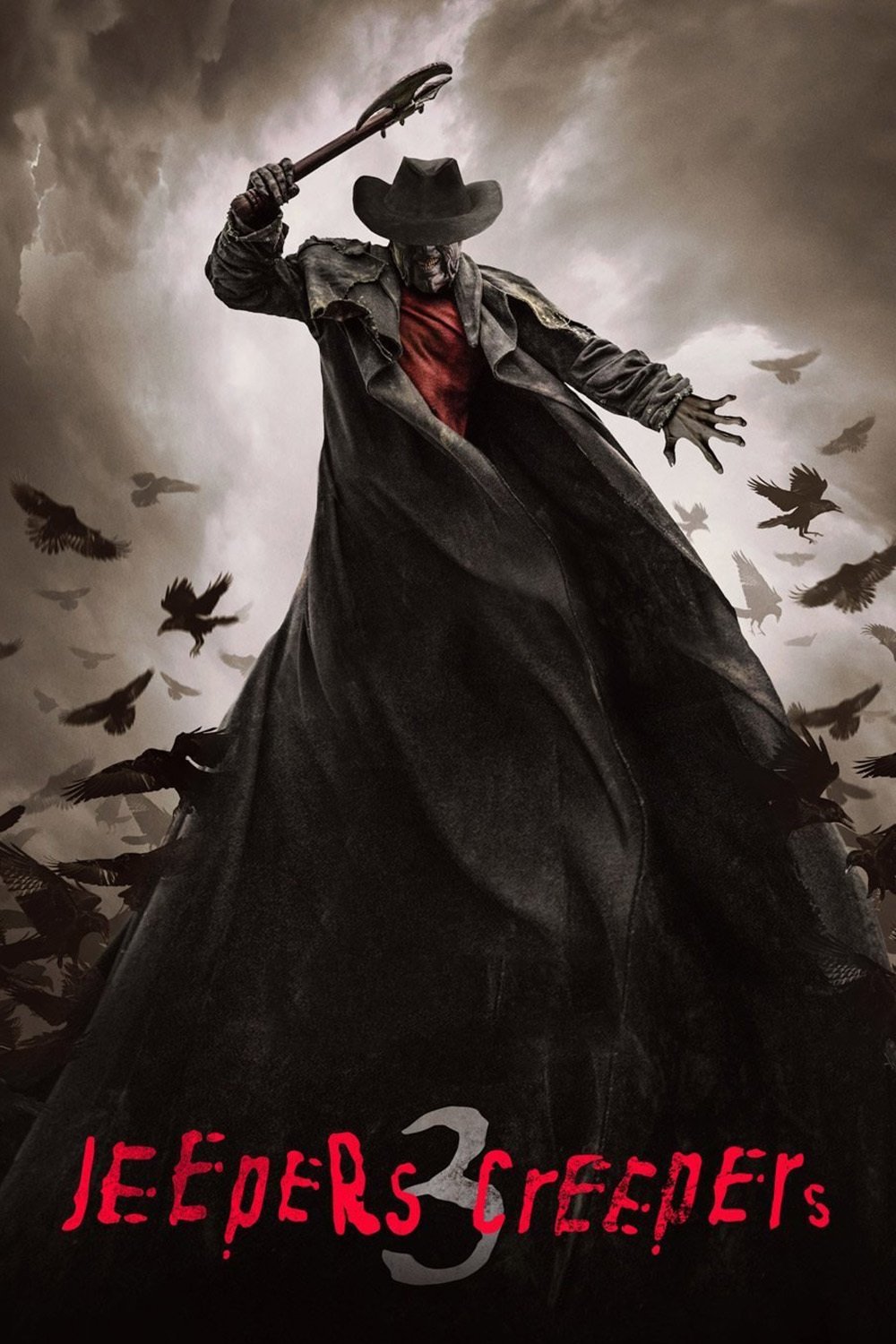
The plot positions law enforcement and a teenage group against the creature during its twenty third spring. Gina Philips appears briefly while Meg Foster and Stan Shaw headline a new ensemble. Production moved through several delays and ultimately premiered as a limited event screening before a television debut. The Creeper’s truck receives expanded attention with weaponized traps and chase choreography.
‘Scream 3’ (2000)
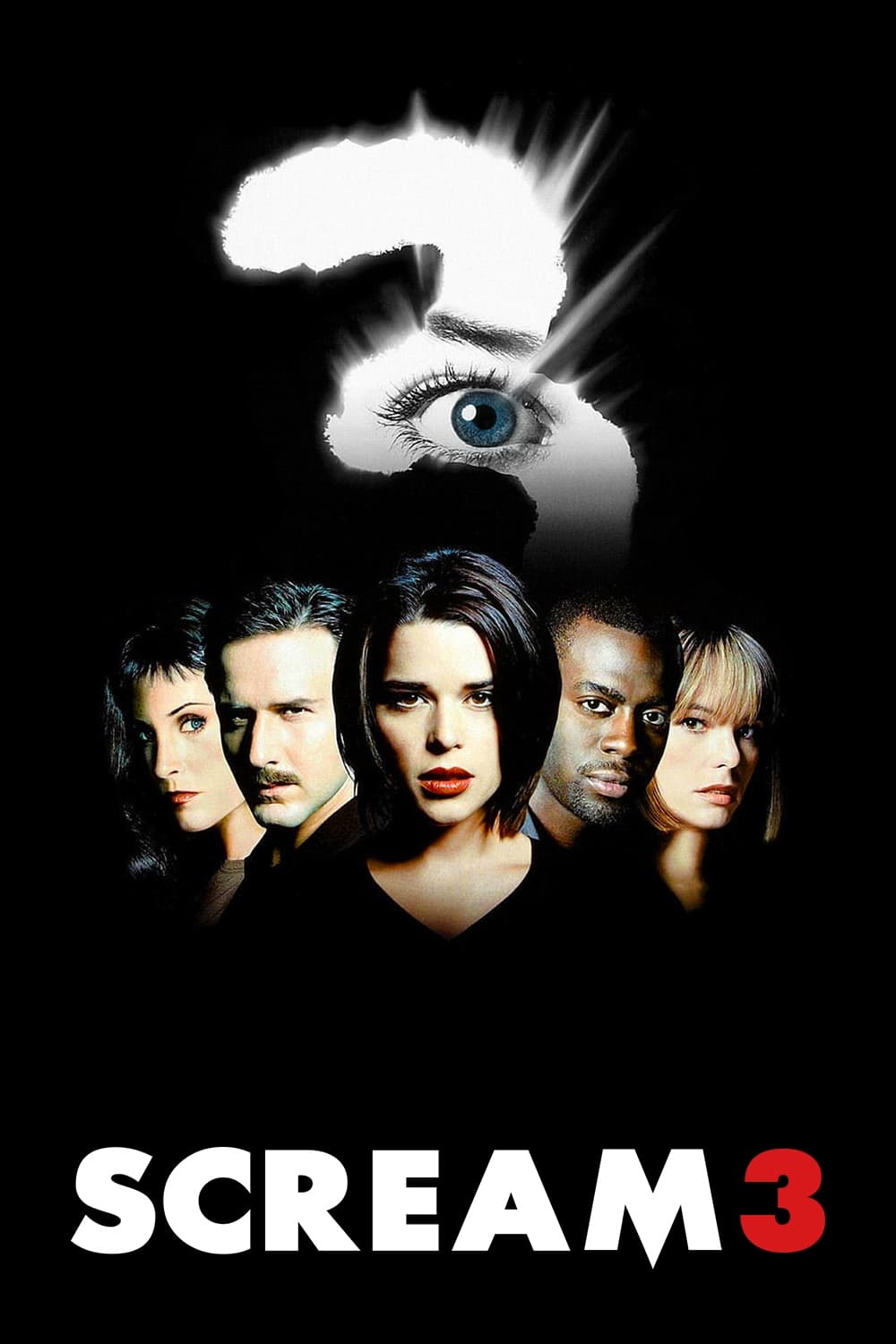
The third film shifts production to Hollywood where a new Ghostface targets the cast of a movie within the series. Neve Campbell, Courteney Cox, and David Arquette return alongside Parker Posey and Patrick Dempsey. The screenplay went through multiple drafts with changes to the killer’s identity during shooting. Studio security and script secrecy led to frequent on set revisions.
‘Halloween Ends’ (2022)
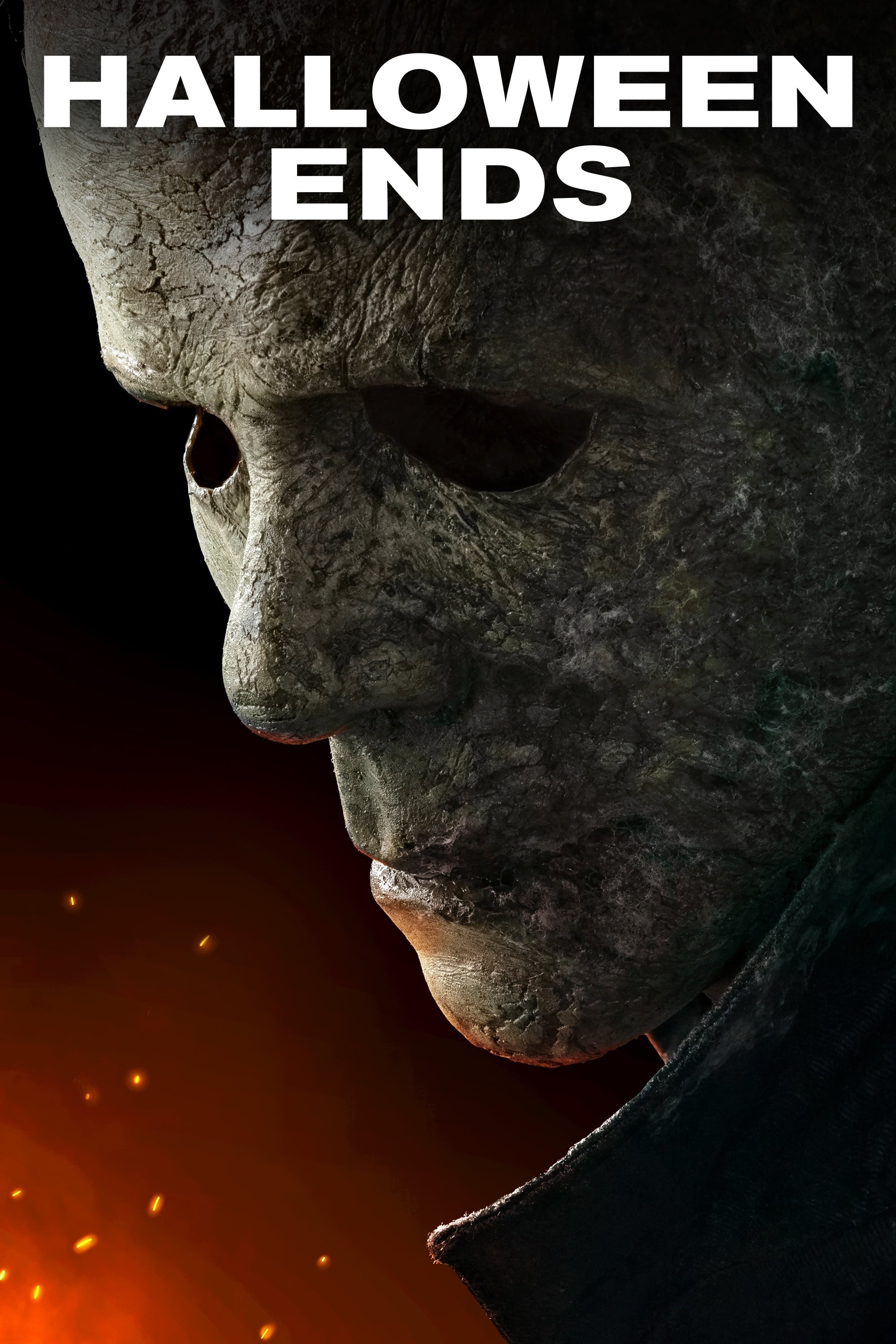
This entry centers on Haddonfield four years after the previous events with a new character named Corey drawing the town’s attention. Jamie Lee Curtis returns as Laurie Strode with Andi Matichak and Rohan Campbell in key roles. The story follows parallel threads about legacy trauma, mentorship, and a shifting threat. Principal photography took place in Georgia with practical stunts for the final confrontations.
‘Blair Witch’ (2016)
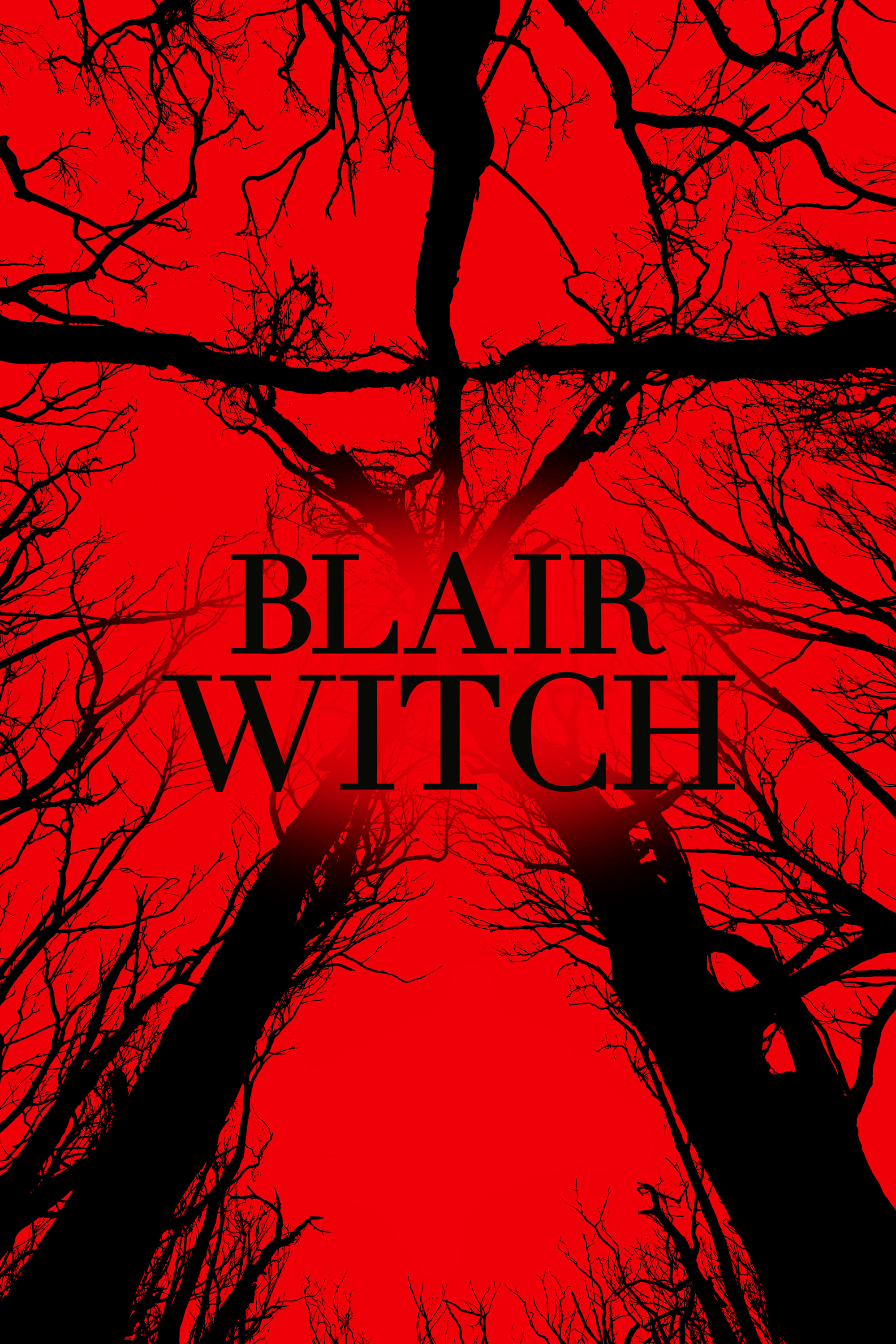
A new group enters the Black Hills after a video suggests Heather’s brother may find answers in the woods. Director Adam Wingard uses modern gear like drones, GPS trackers, and tiny ear cameras to expand the found footage look. The production was shot under a secret working title before the reveal at a festival. The marketing highlighted fresh glimpses of the house and the forest’s time distortions.
‘Poltergeist II: The Other Side’ (1986)
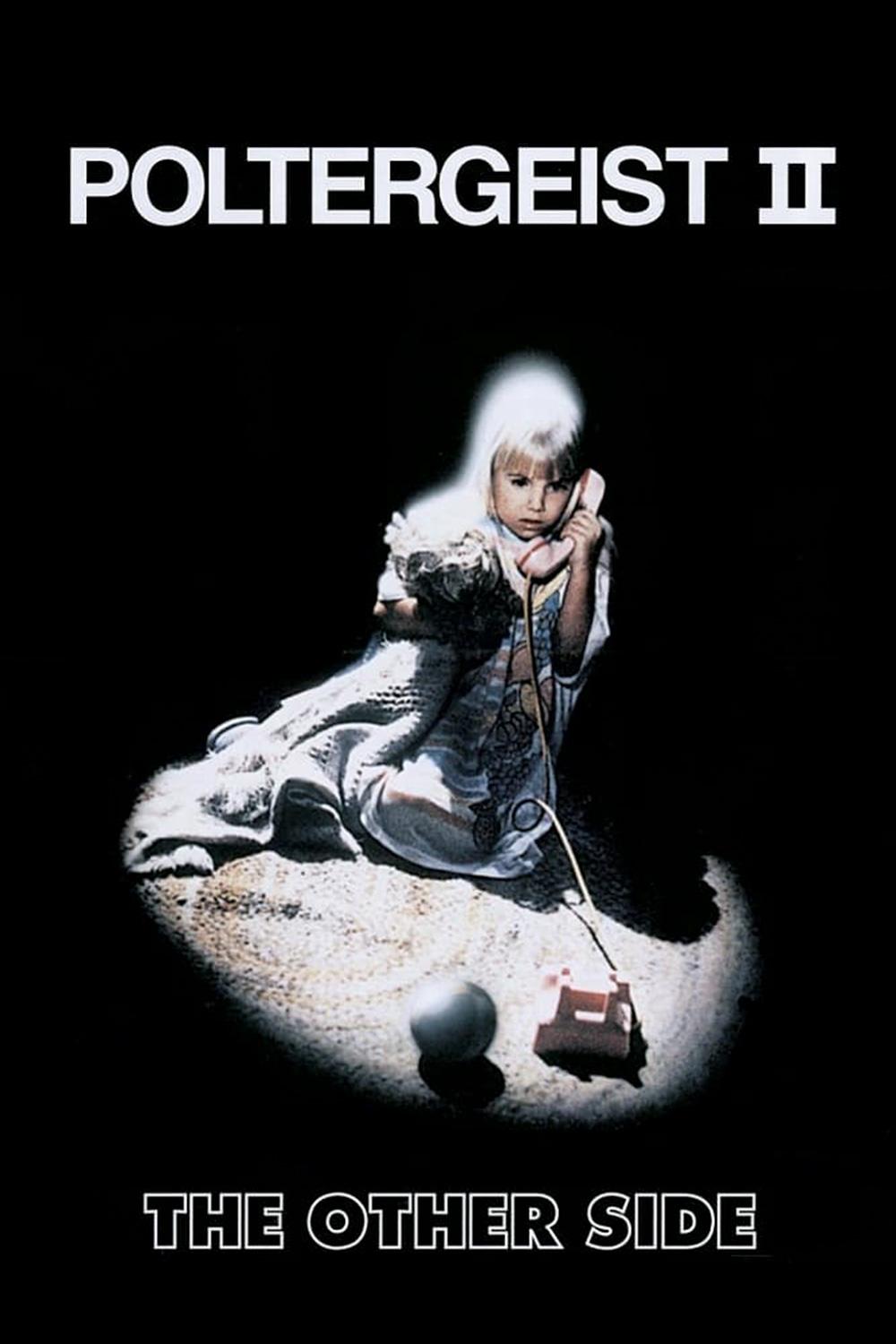
The Freeling family relocates but encounters Reverend Kane, a figure tied to the haunting’s deeper origins. JoBeth Williams, Craig T. Nelson, and Zelda Rubinstein reprise their roles with new visual effects centered on spirit realms. Special makeup by H. R. Giger contributed creature designs used in practical shots. The film explores the backstory of the burial site and the entity pursuing the child.
‘Candyman: Day of the Dead’ (1999)
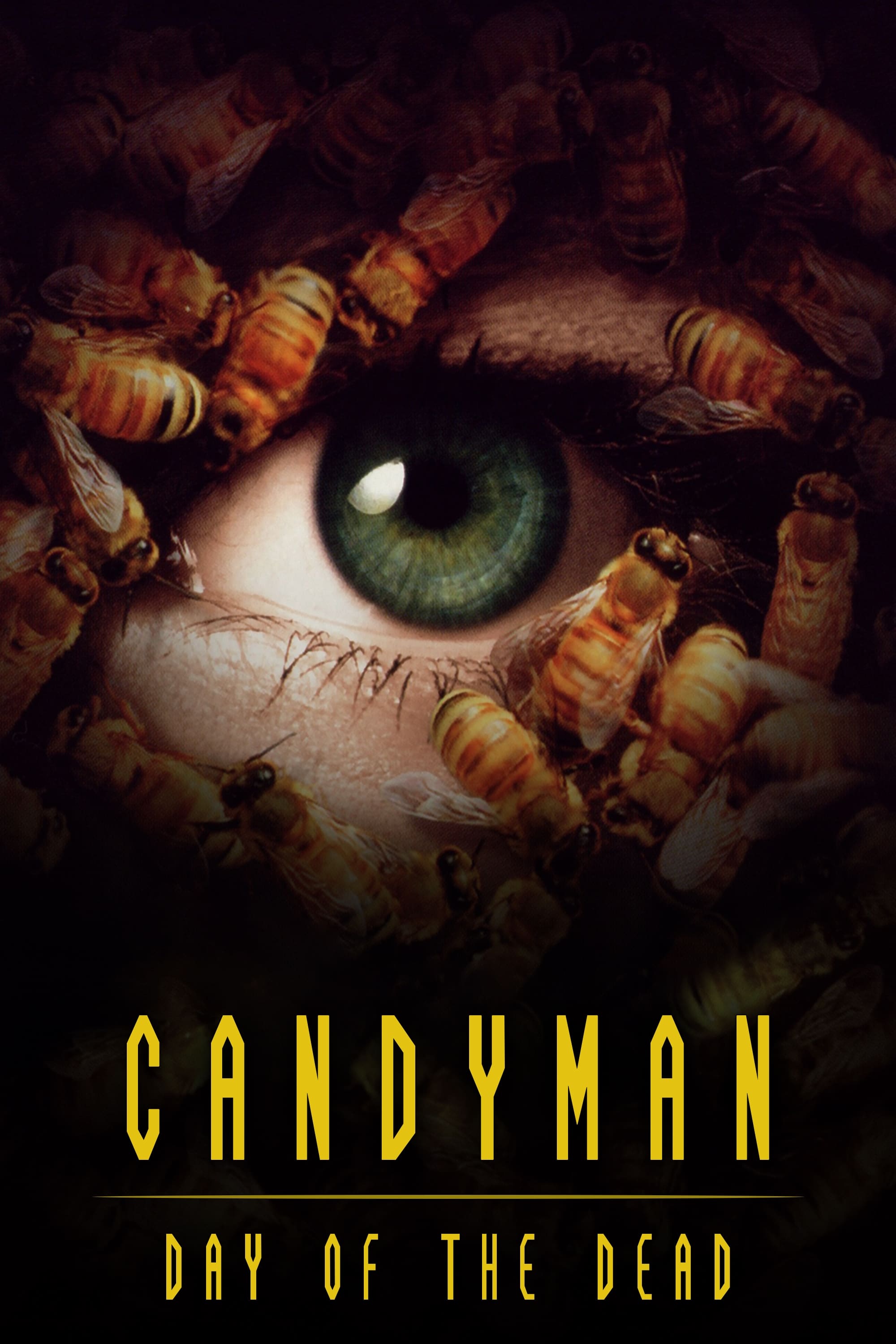
The story follows an artist in Los Angeles who confronts the legend while preparing a cultural festival exhibit. Tony Todd returns as the title figure with a narrative that links to the original family line. The production moved the setting from Chicago to new neighborhoods and galleries. Practical effects and makeup focus on bees, hooks, and mural imagery.
‘Hellraiser: Hellworld’ (2005)
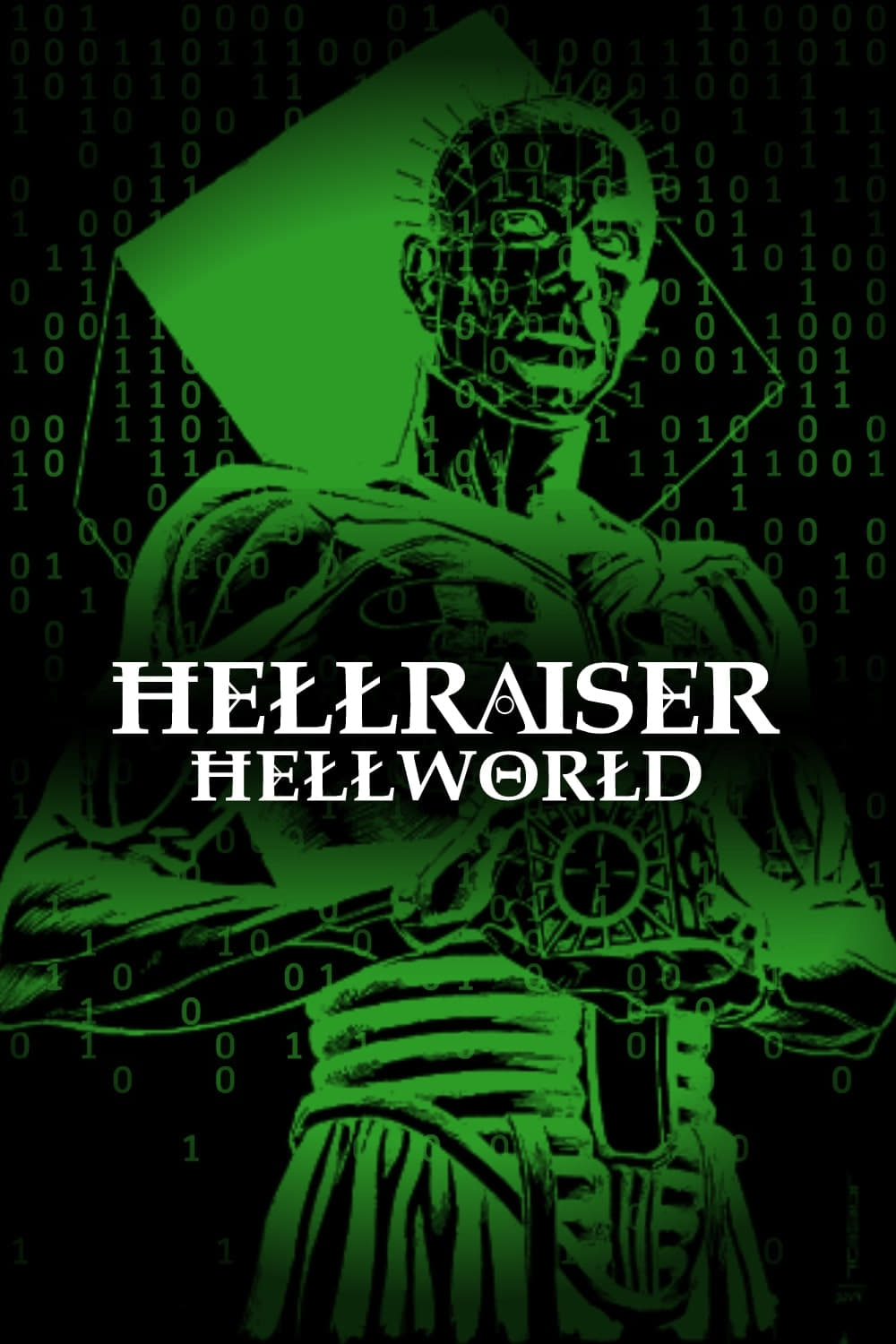
This sequel places a group of players at a themed mansion party built around an online game that references the puzzle box. Doug Bradley returns as Pinhead with Lance Henriksen as the host overseeing the night’s events. Filming occurred in Romania with interiors doubling for the elaborate estate. The plot uses false rooms, buried coffins, and dreamlike cuts to stage its reveals.
‘Children of the Corn: Genesis’ (2011)
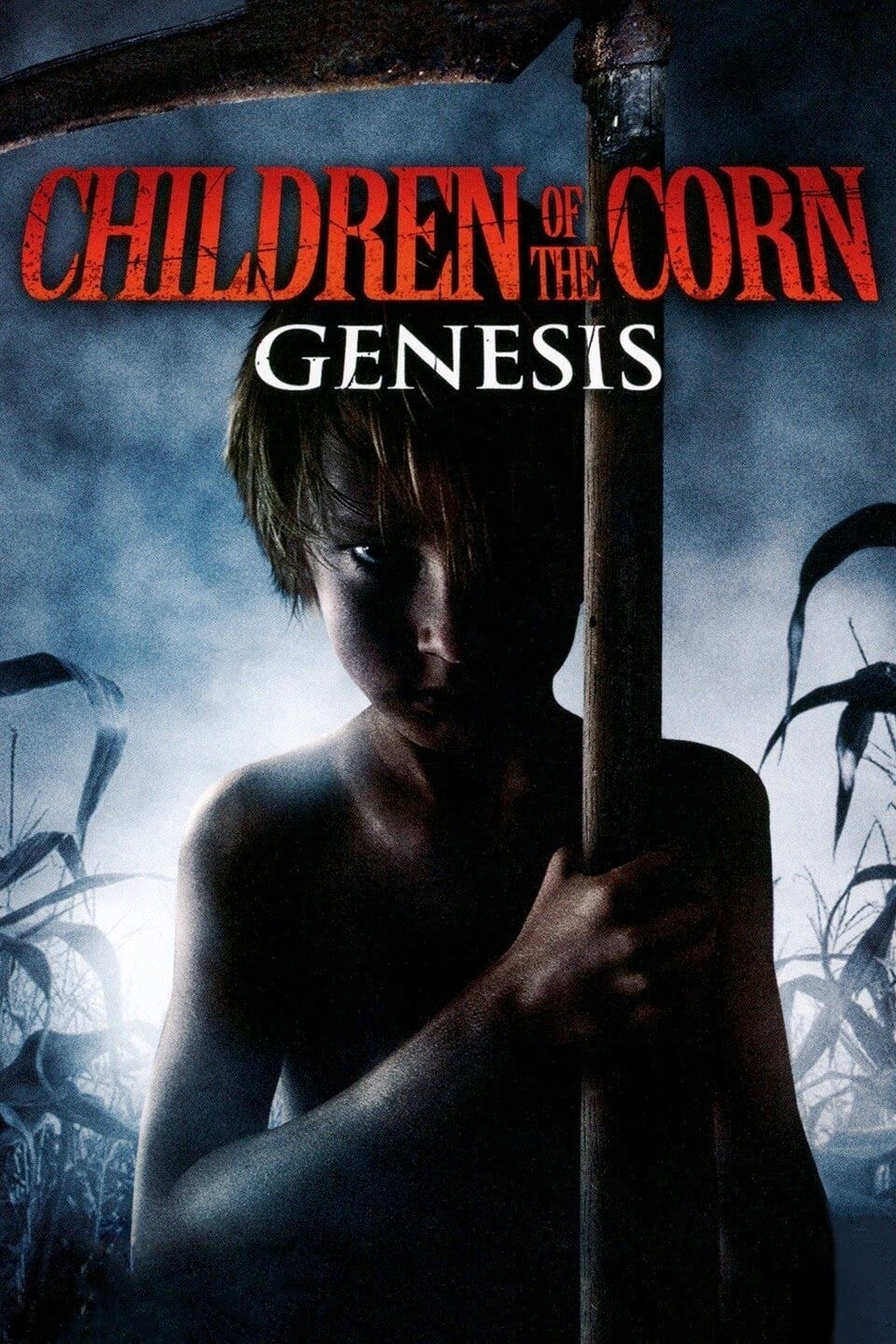
A stranded couple seeks help at a remote desert home where a preacher and a woman shelter a mysterious child. The story shifts the series from farmlands to California back roads and modular interiors. Small cast logistics and confined sets shape the action into a bottle scenario. Visual emphasis falls on telekinetic moments and creaking sheds rather than large crowds.
‘Species II’ (1998)
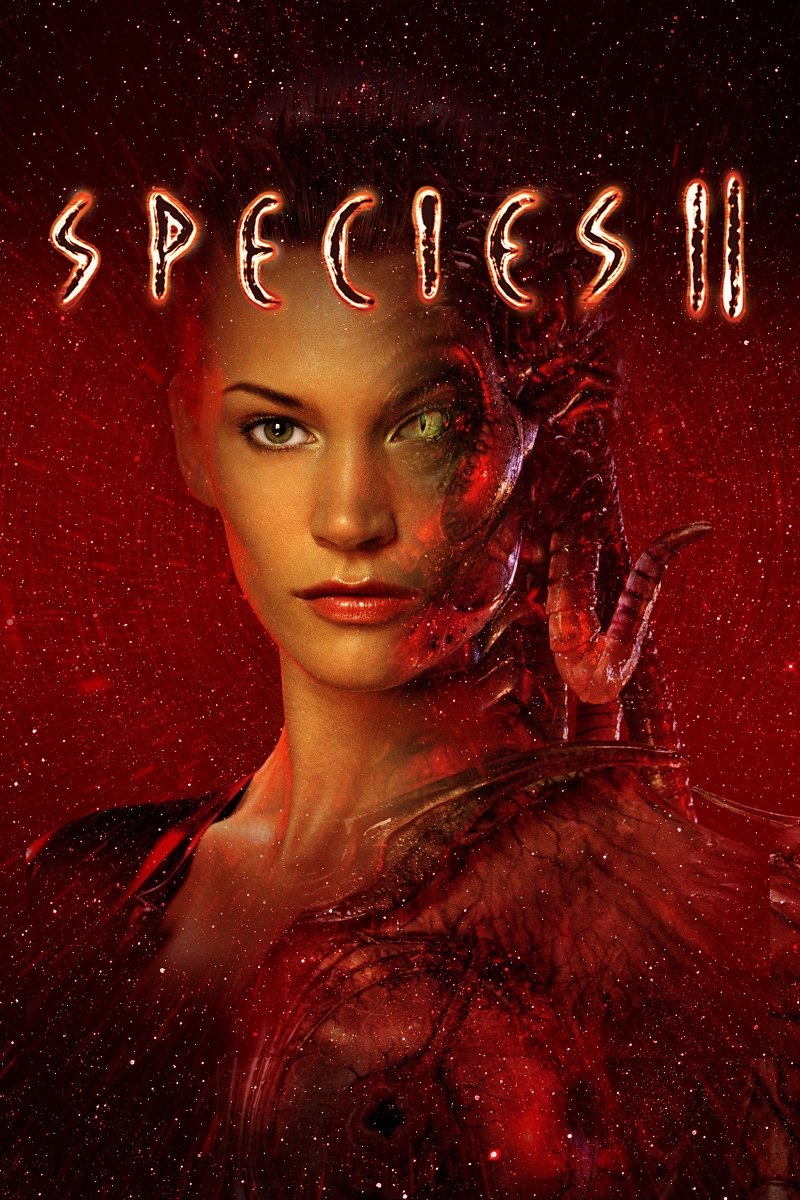
Astronauts return from a Mars mission carrying alien DNA that triggers a rapid transformation in one crew member. Michael Madsen and Natasha Henstridge reprise their roles with Marg Helgenberger as the government scientist. The sequel adds containment labs, quarantine procedures, and city chases to widen the scope. Practical creature suits and animatronics combine with optical enhancements for hybrid forms.
‘Silent Night, Deadly Night Part 2’ (1987)
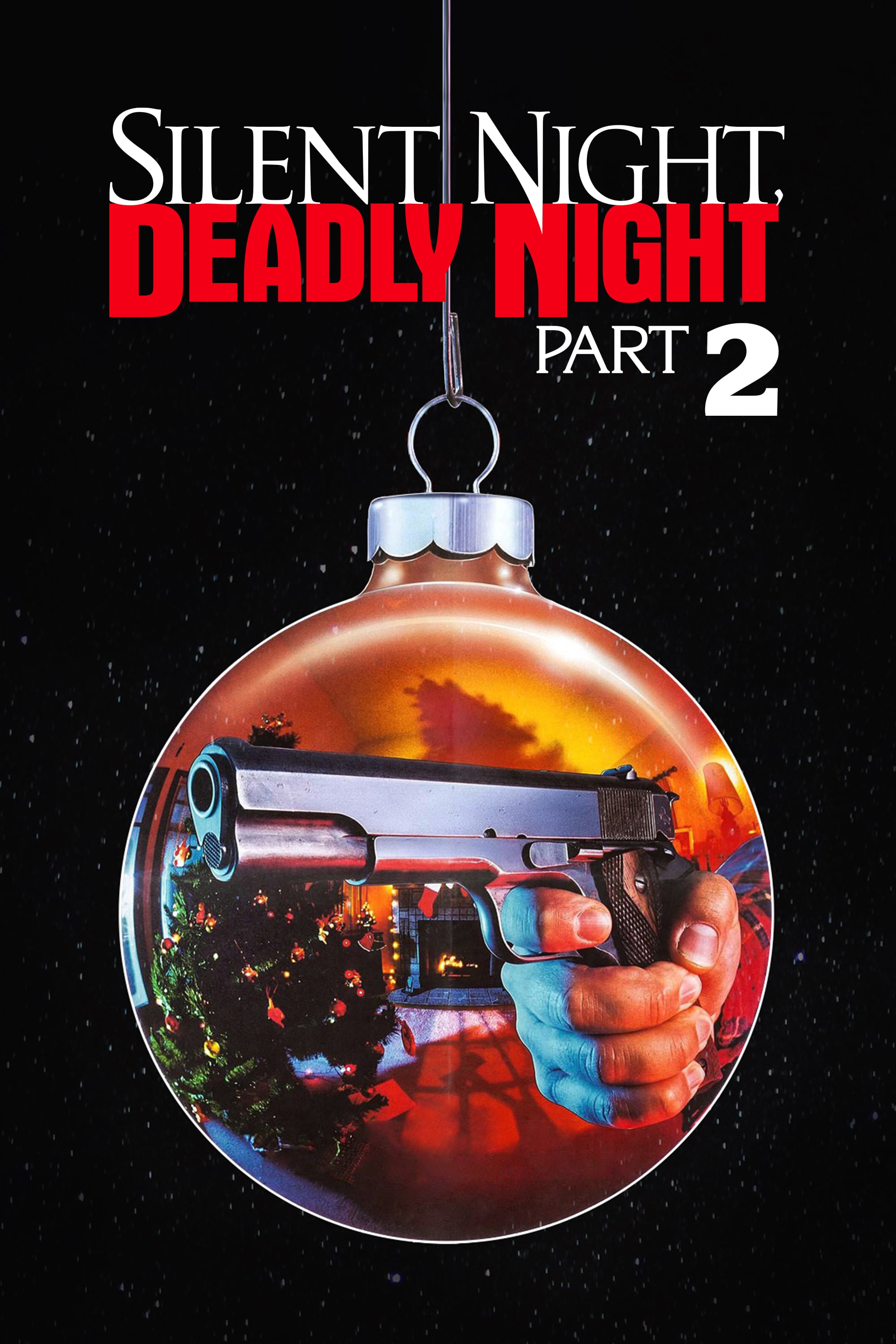
The follow up centers on Ricky Caldwell recounting events connected to his brother while under observation. Eric Freeman leads a cast that mixes new footage with extensive material from the first film. The structure frames the narrative through interviews and a later day escape. The production shot new suburban scenes and thrift store sequences to complete the runtime.
‘The Hills Have Eyes 2’ (2007)
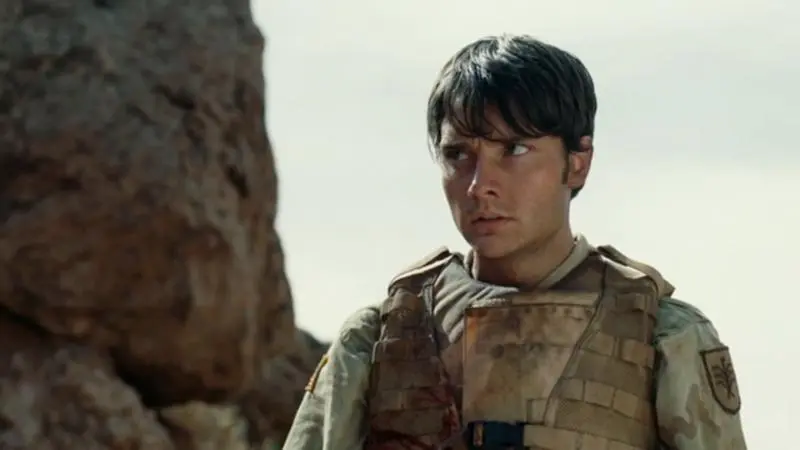
A National Guard unit on training exercises investigates a research post in a desert test range. Jessica Stroup and Michael McMillian headline as the group navigates tunnels and ravines. New mutations expand the family tree introduced in the prior remake. Location work in rugged canyons emphasizes steep climbs, mineshafts, and heat exposure.
‘I’ll Always Know What You Did Last Summer’ (2006)
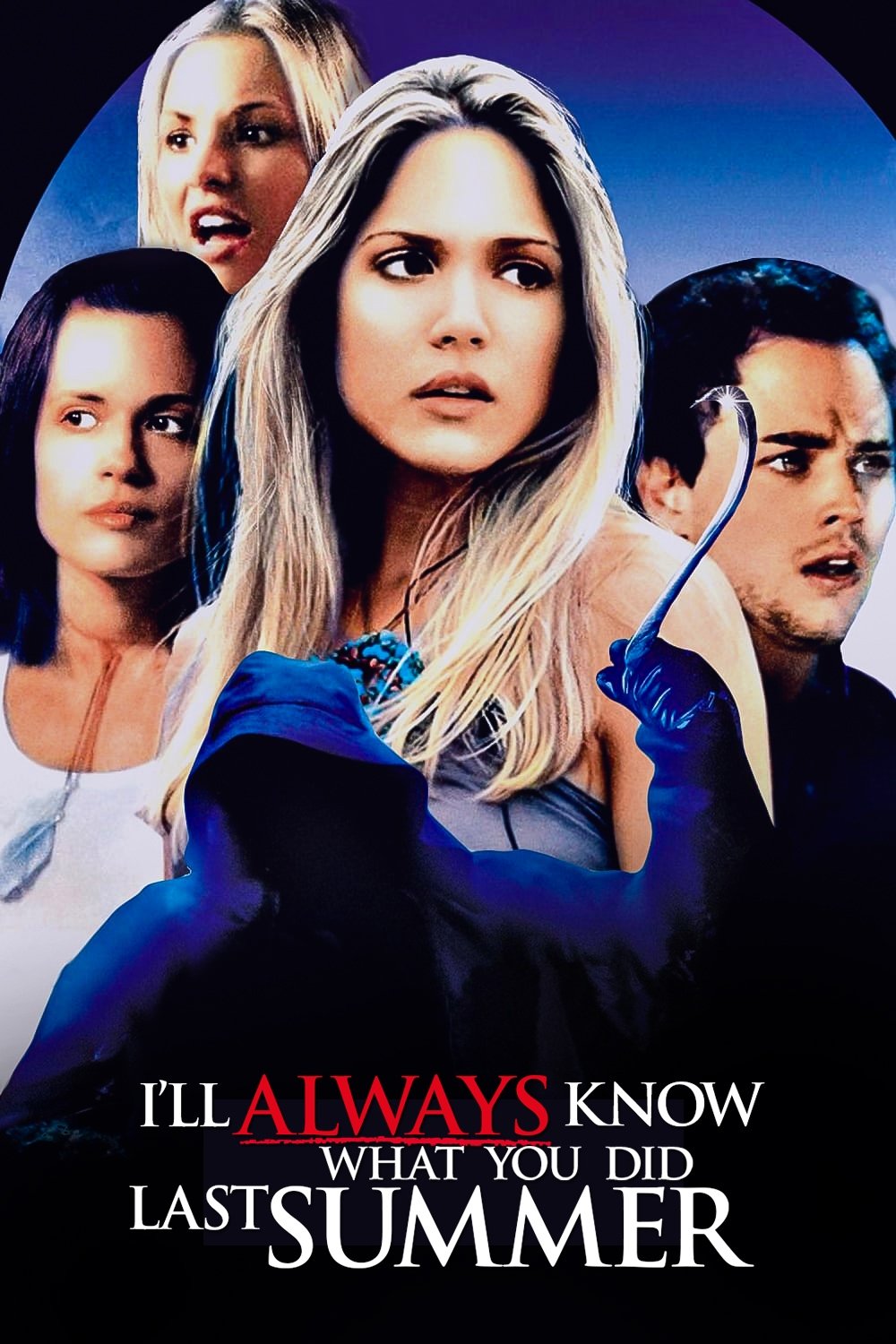
This installment relocates to a Colorado town where a prank leads to a secret kept by a new group of friends. Brooke Nevin, David Paetkau, and Torrey DeVitto lead the cast with the hook bearing figure resurfacing around a harvest festival. The production went direct to video with mountain settings and fairground chases. Cell phone messages and urban legends replace the coastal vibe from earlier entries.
‘Omen IV: The Awakening’ (1991)
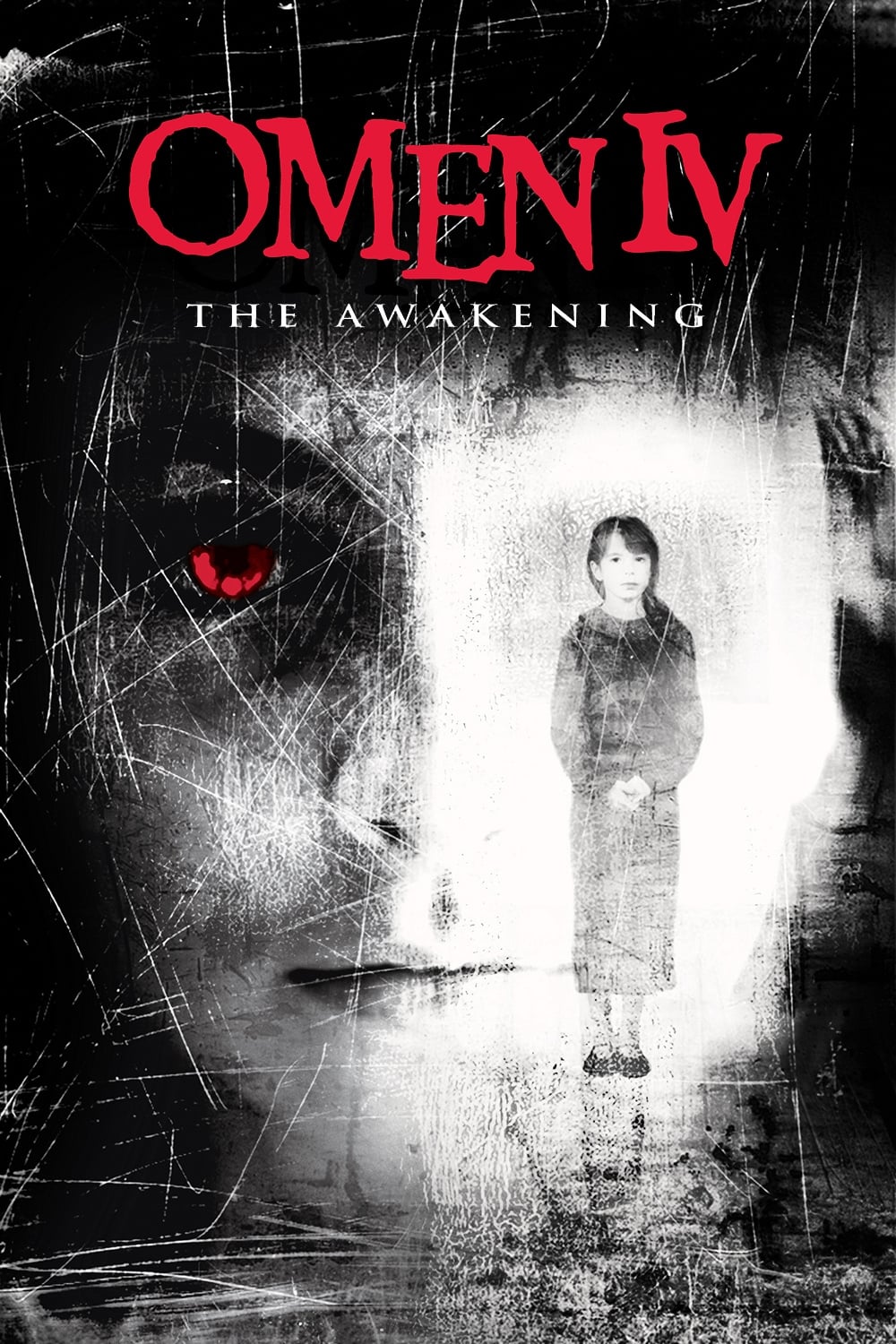
A couple adopts a girl who displays unsettling abilities linked to a familiar prophecy. The sequel was produced for television with locations in Canada doubling for American suburbs. Faye Grant and Michael Woods star while the story introduces investigators and clergy tracking signs. The plot leans on courtroom guardianship battles and private school incidents to advance the conspiracy.
‘Paranormal Activity: The Ghost Dimension’ (2015)
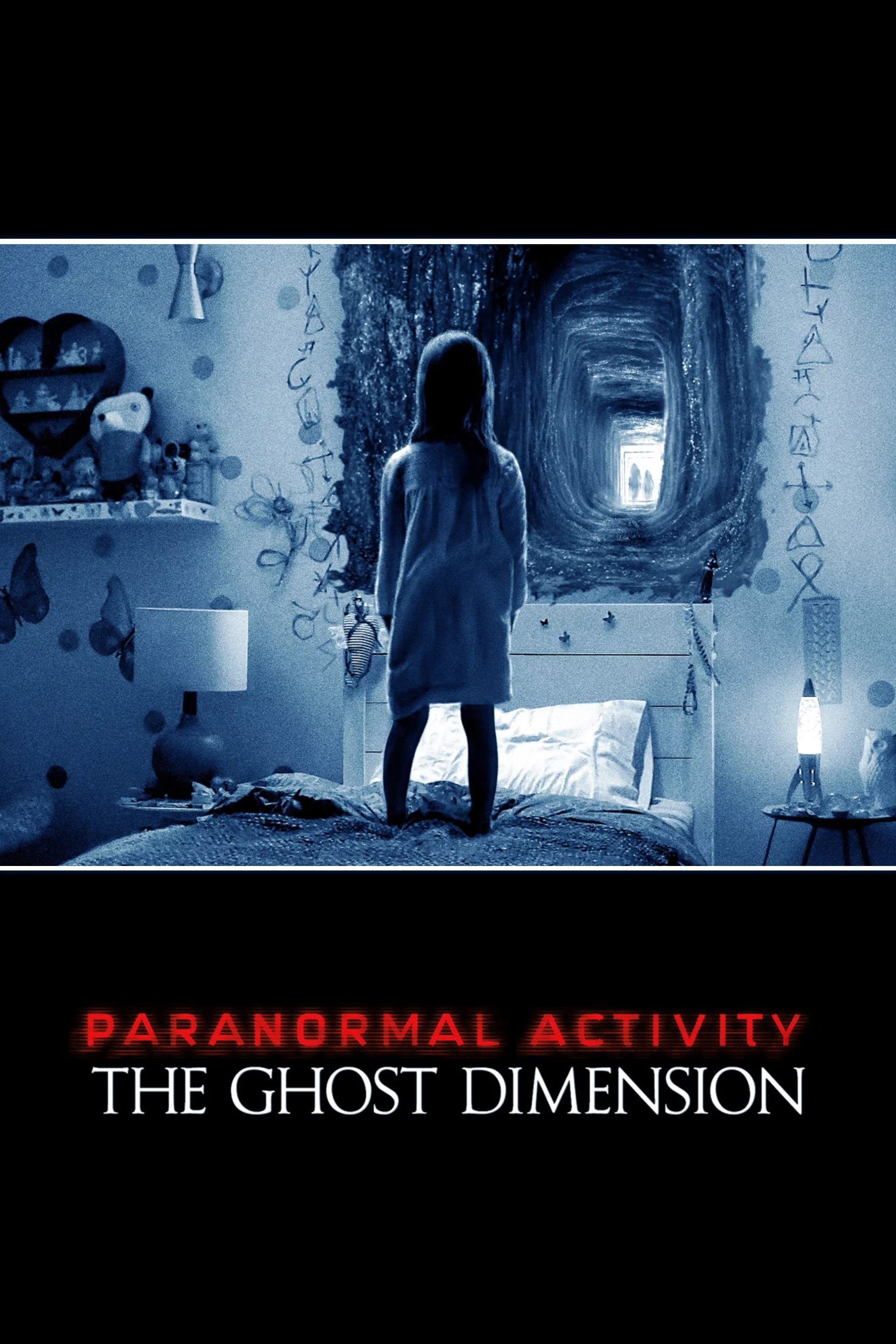
A family finds a special camera and tapes that reveal shadowy figures otherwise invisible to the eye. Chris J. Murray and Brit Shaw lead a cast interacting with the device and marked doorways in their home. The film uses stereoscopic photography to present the entity as a visible form. The timeline links back to earlier tapes and ritual symbols discovered in attic spaces.
‘Seed of Chucky’ (2004)
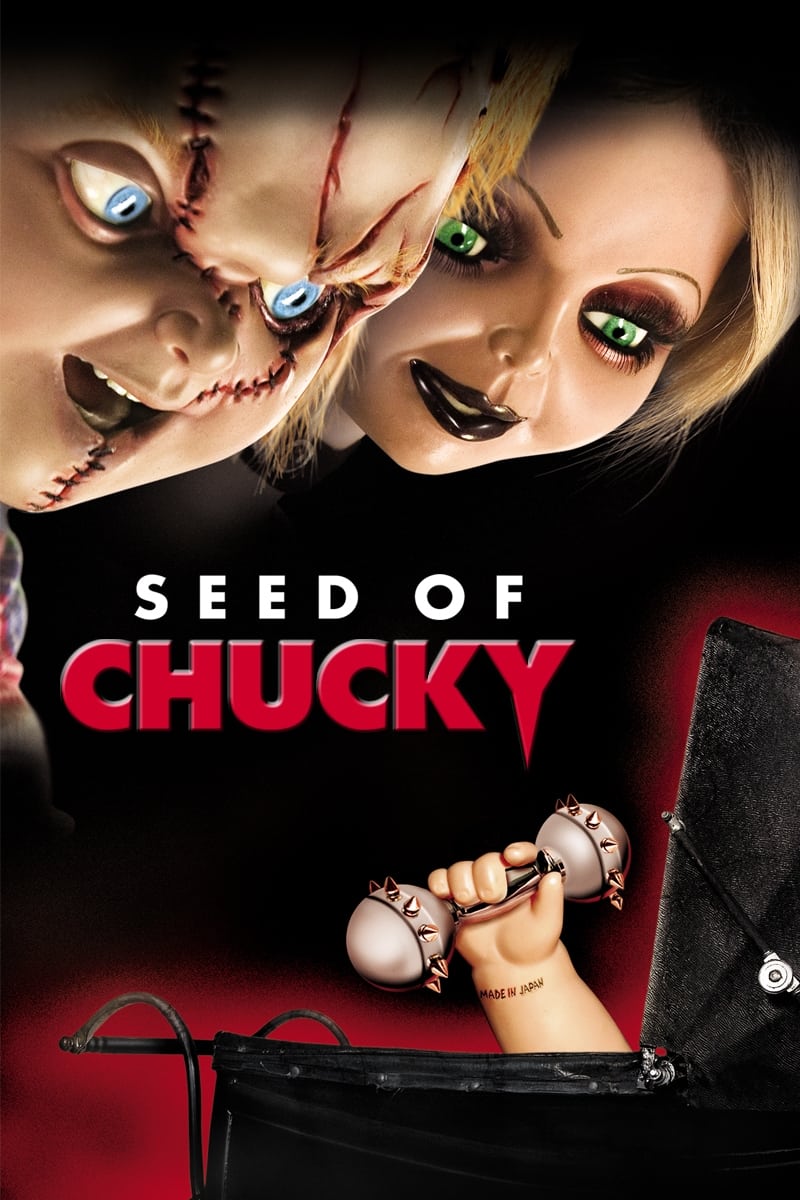
This entry introduces the child of Chucky and Tiffany who seeks their parents on a film set in Hollywood. Jennifer Tilly plays a dual role as herself and the doll’s partner with Brad Dourif and Billy Boyd voicing the puppets. Animatronic rigs and puppeteering handle complex face movements and fight choreography. The production builds soundstage sets that mirror celebrity homes and backlot streets.
‘Howling III: The Marsupials’ (1987)
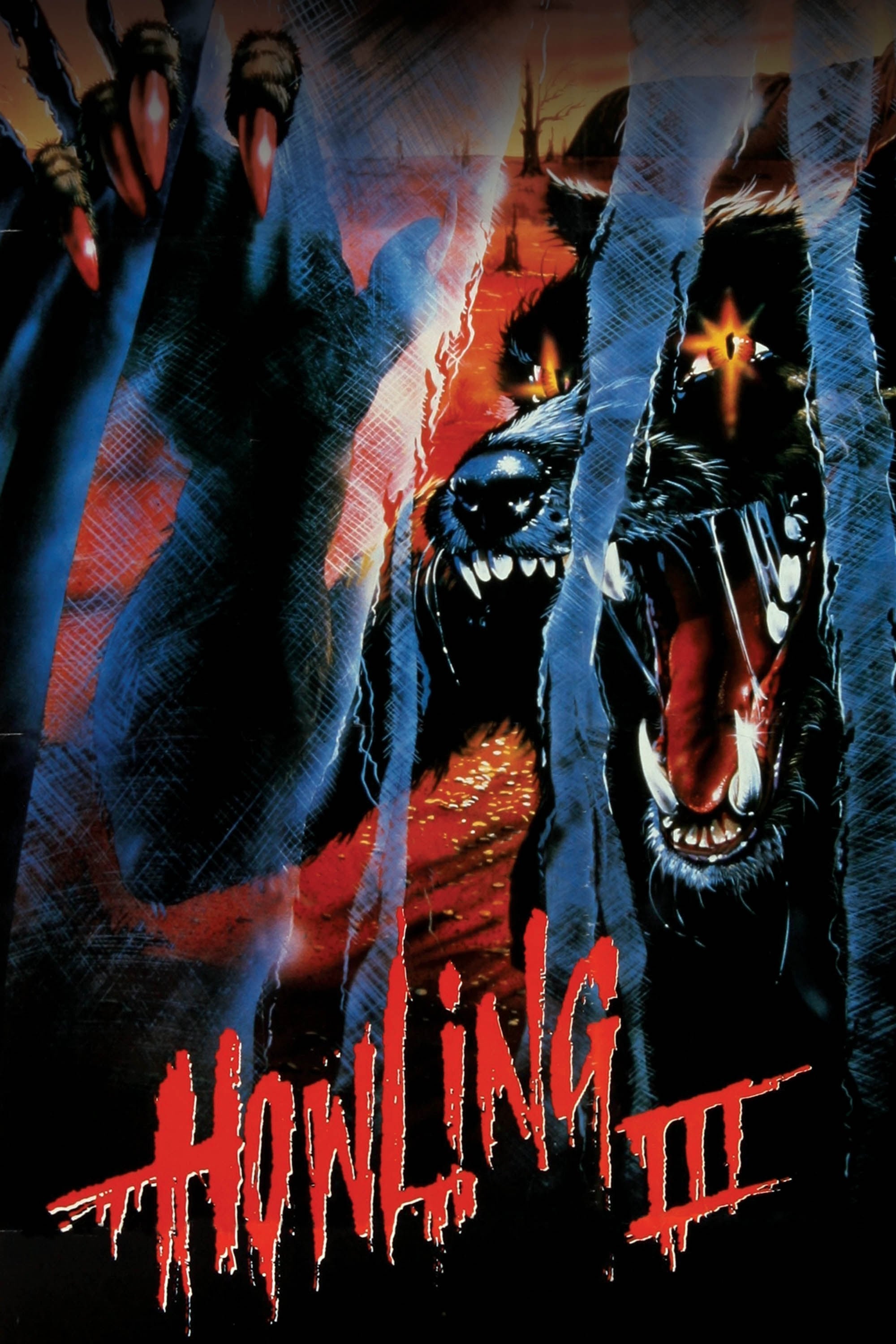
The sequel relocates to Australia where a film crew and researchers uncover a hidden community of were-marsupials. Barry Otto and Imogen Annesley star in a story that blends folklore with urban filmmaking. The production uses outback towns, theaters, and a wildlife preserve to vary the locations. Makeup effects emphasize pouches, bone crests, and hybrid physiology during transformations.
Share your picks for the horror sequels that missed the mark in the comments.

