


The Worst Martial Arts Movies of All Time

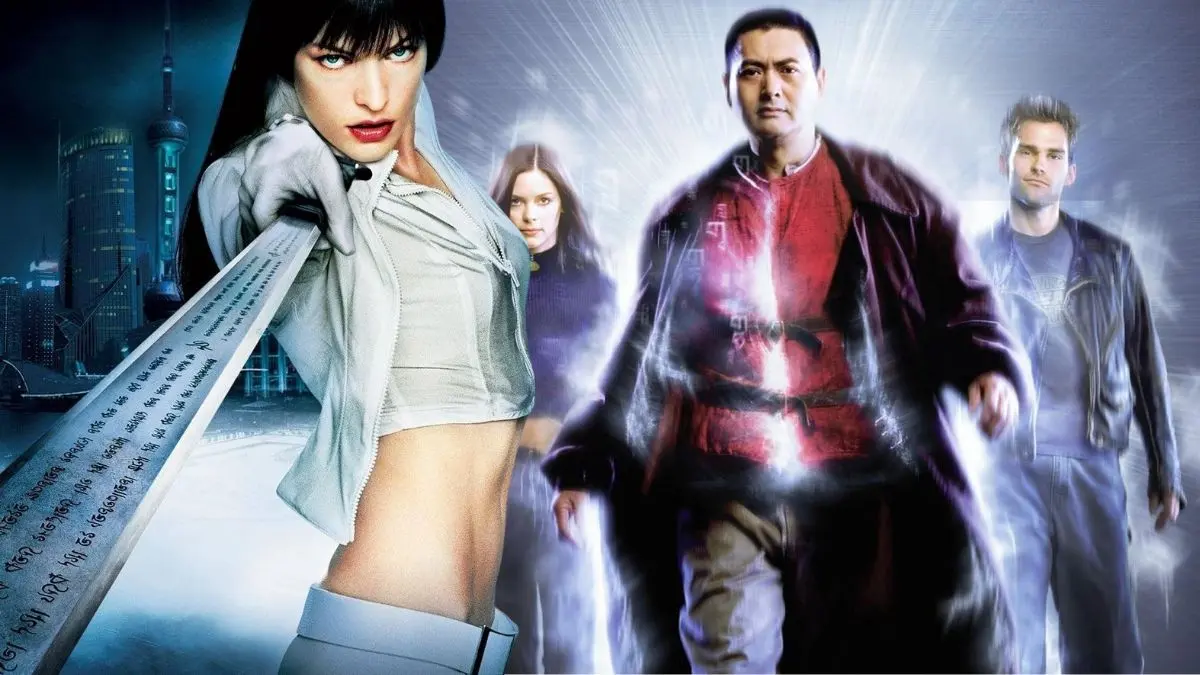


Some martial arts movies become instant favorites because they deliver sharp choreography and tight storytelling. Others miss the mark for a lot of different reasons, from uneven scripts to awkward adaptations of beloved source material. This list gathers titles that are widely remembered more for their missteps than their moves.
Each entry includes clear details about the plot setup, the people who made it, and where it landed in theaters or on home release. You will also see a quiet nod to the companies that brought these films to audiences, since distribution played a part in how and where viewers first encountered them.
‘Mortal Kombat: Annihilation’ (1997)
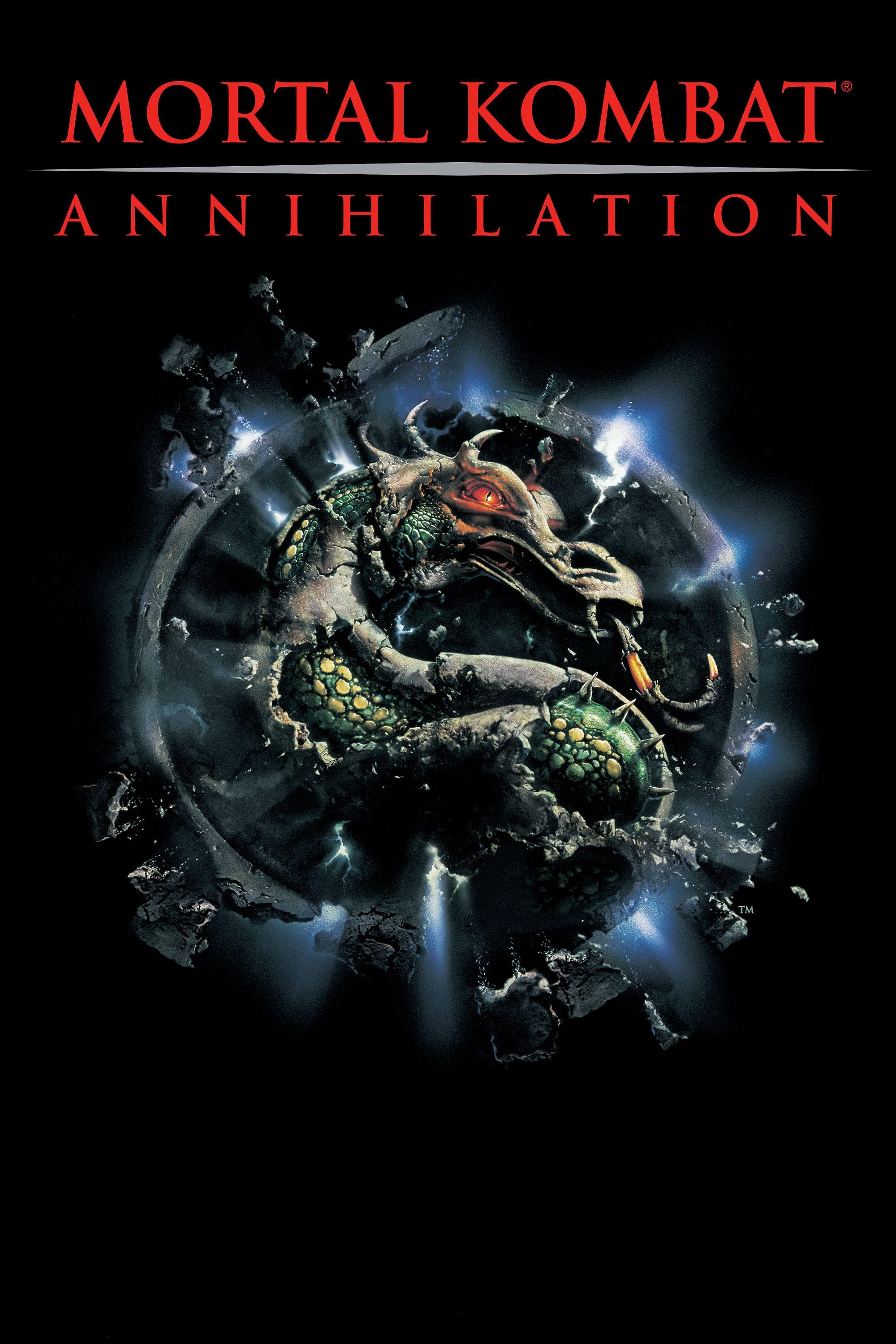
This sequel continues the tournament saga with familiar characters returning for another round of realm-spanning conflict. It features a large ensemble and expands locations beyond the previous film, using extensive visual effects and quick cut action to move between character arcs.
It reached cinemas across the United States through New Line Cinema, which had also backed the first adaptation. The production was mounted at a fast pace after the initial film’s success, and it leaned on a mix of studio work and location shooting to deliver its larger scope.
‘Dragonball Evolution’ (2009)
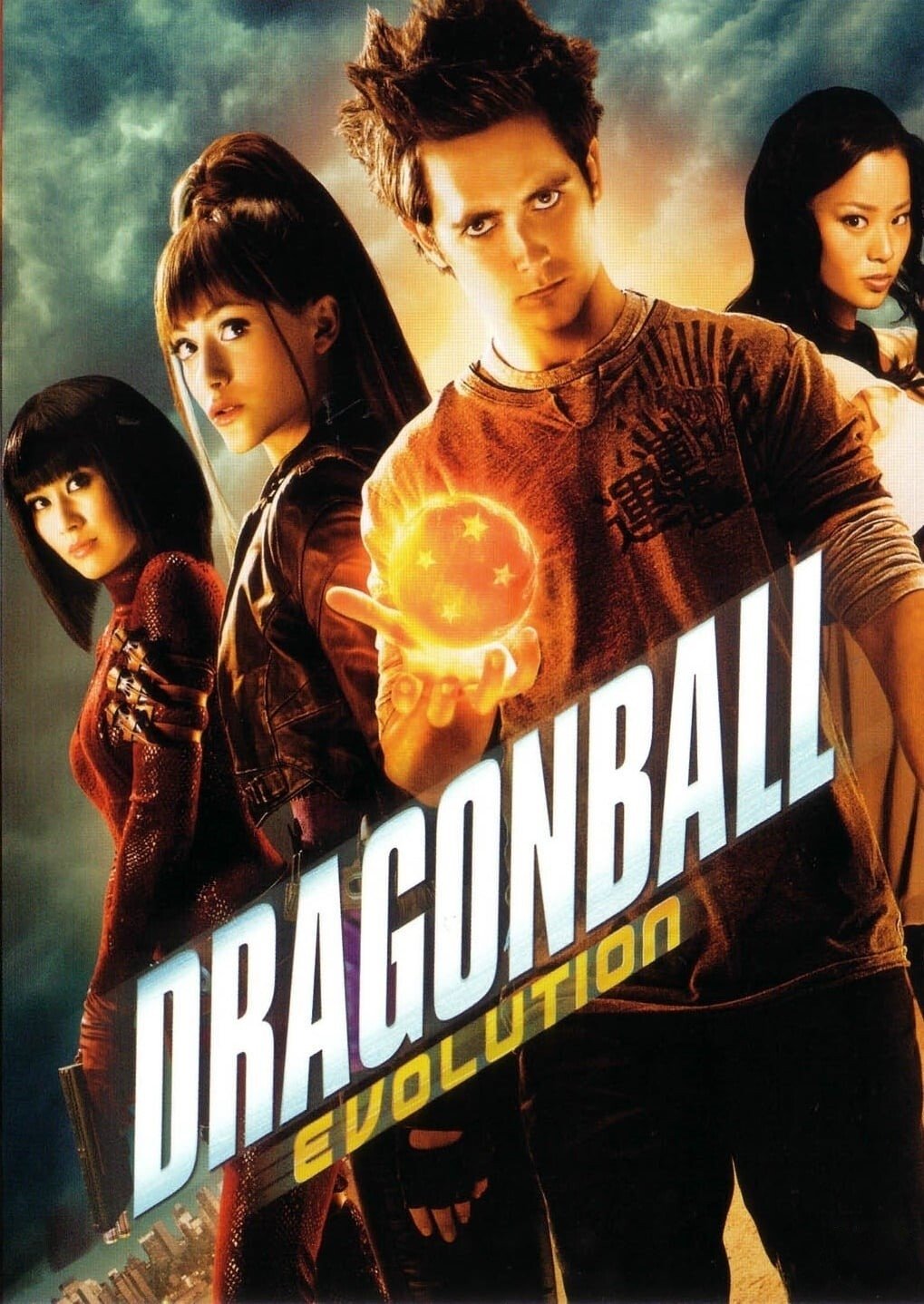
This live action take on the long running anime and manga follows a high school aged Goku as he searches for the Dragon Balls and trains under Master Roshi. The film blends martial arts training sequences with fantasy elements that introduce classic characters in new forms.
It was released worldwide by 20th Century Fox, bringing a major studio rollout to a property with a global fanbase. The production used North American locations and a condensed timeline, and it paired wire work with digital effects to translate signature moves for the screen.
‘Street Fighter’ (1994)
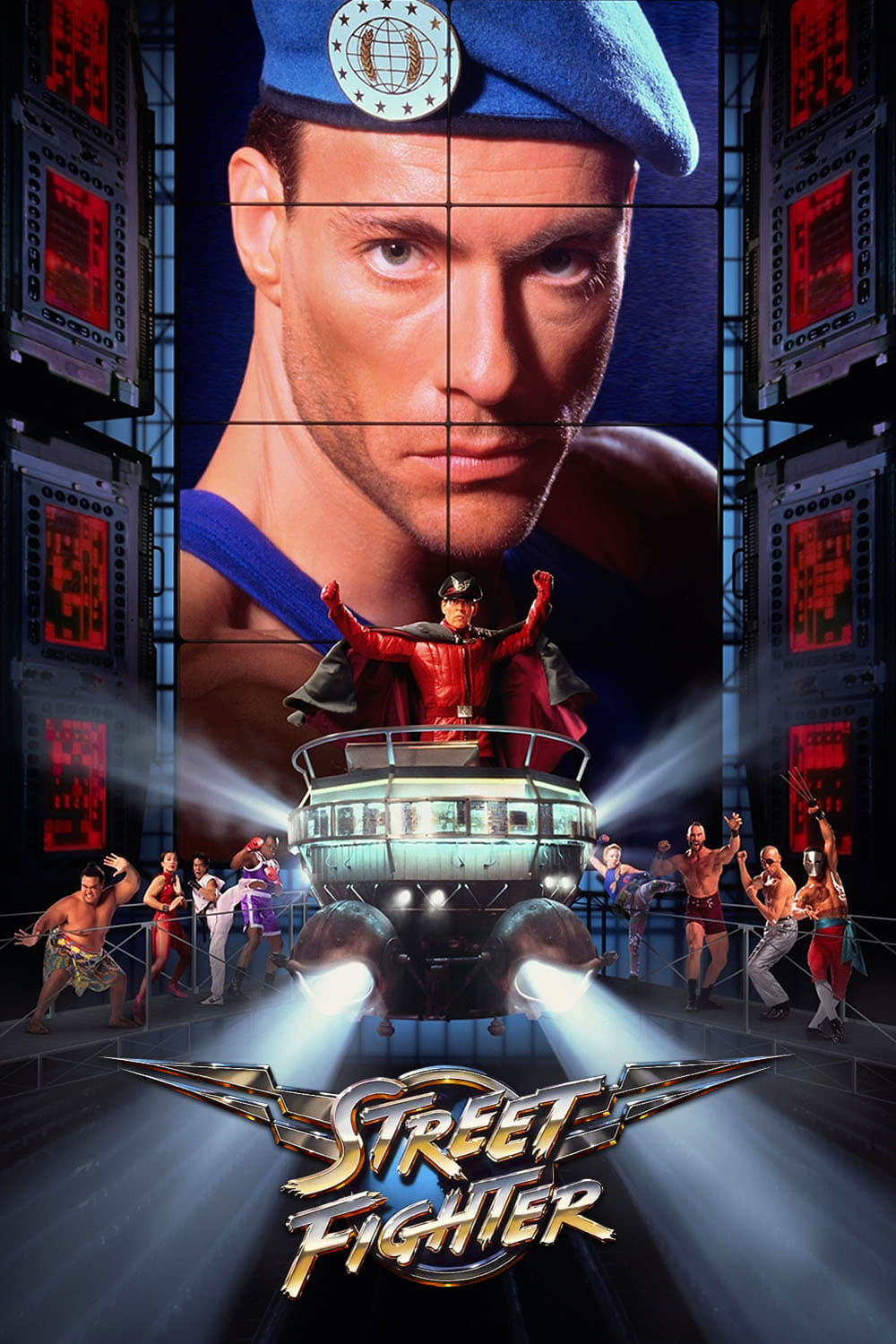
Inspired by the arcade phenomenon, this film centers on Colonel Guile’s mission to stop General Bison while weaving in fighters from the game as allies and adversaries. The story sets up a military siege with character cameos that reference signature costumes and special attacks.
Universal Pictures handled its theatrical release in many territories, positioning it as a holiday season action title. The production shot largely in Thailand and Australia, building large sets for Bison’s fortress and staging ensemble fight scenes that mix practical stunts with stylized moments.
‘Street Fighter: The Legend of Chun-Li’ (2009)
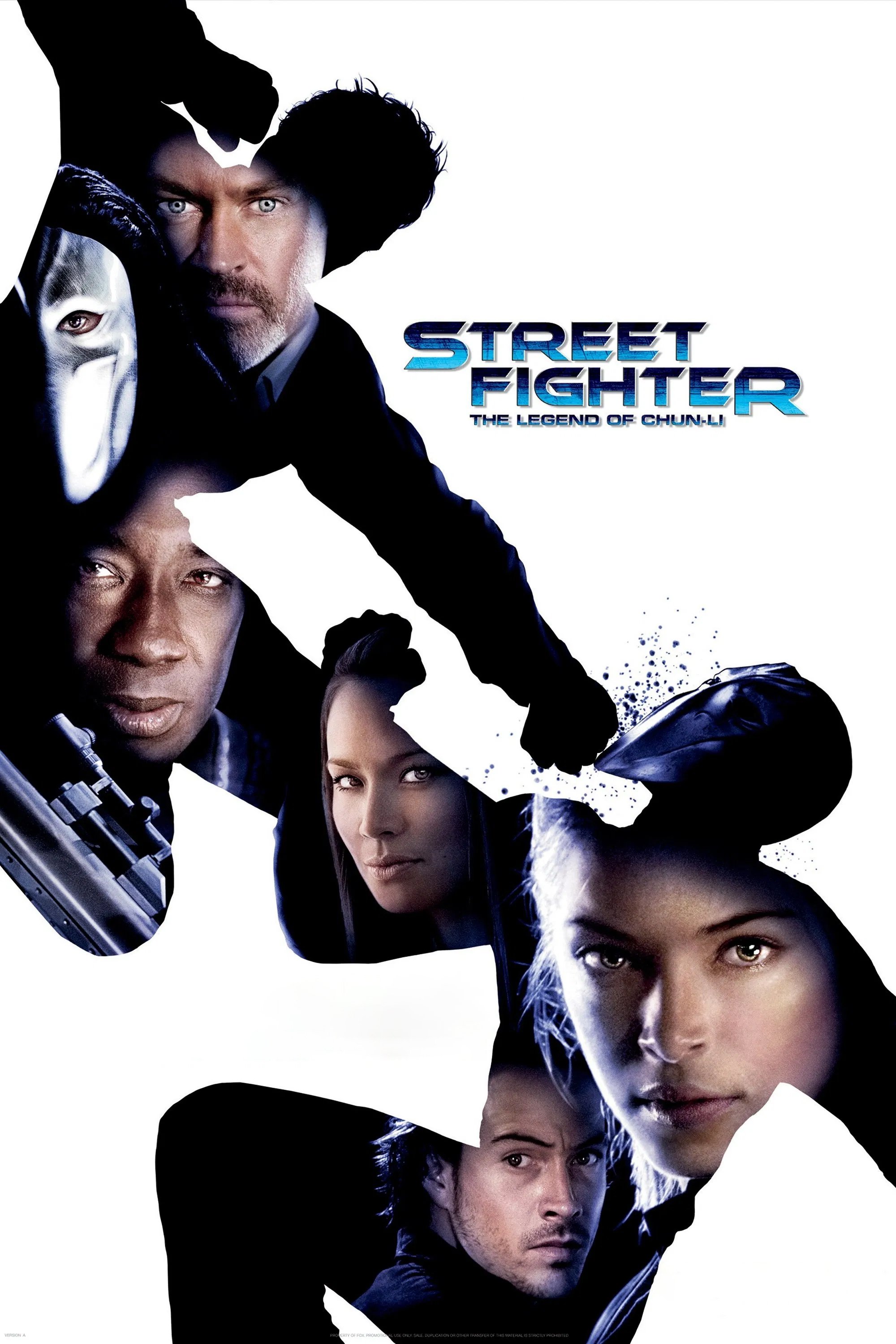
Set apart from the earlier adaptation, this entry focuses on Chun-Li’s origin story as she searches for her kidnapped father and crosses paths with a crime syndicate. The narrative moves through training interludes and citybound showdowns that place emphasis on her personal journey.
The film reached audiences through 20th Century Fox, which scheduled a wide release in North America. Scenes were filmed in locations like Bangkok and Vancouver, and the production balanced contemporary crime drama elements with nods to the franchise’s recognizable lore.
‘DOA: Dead or Alive’ (2006)
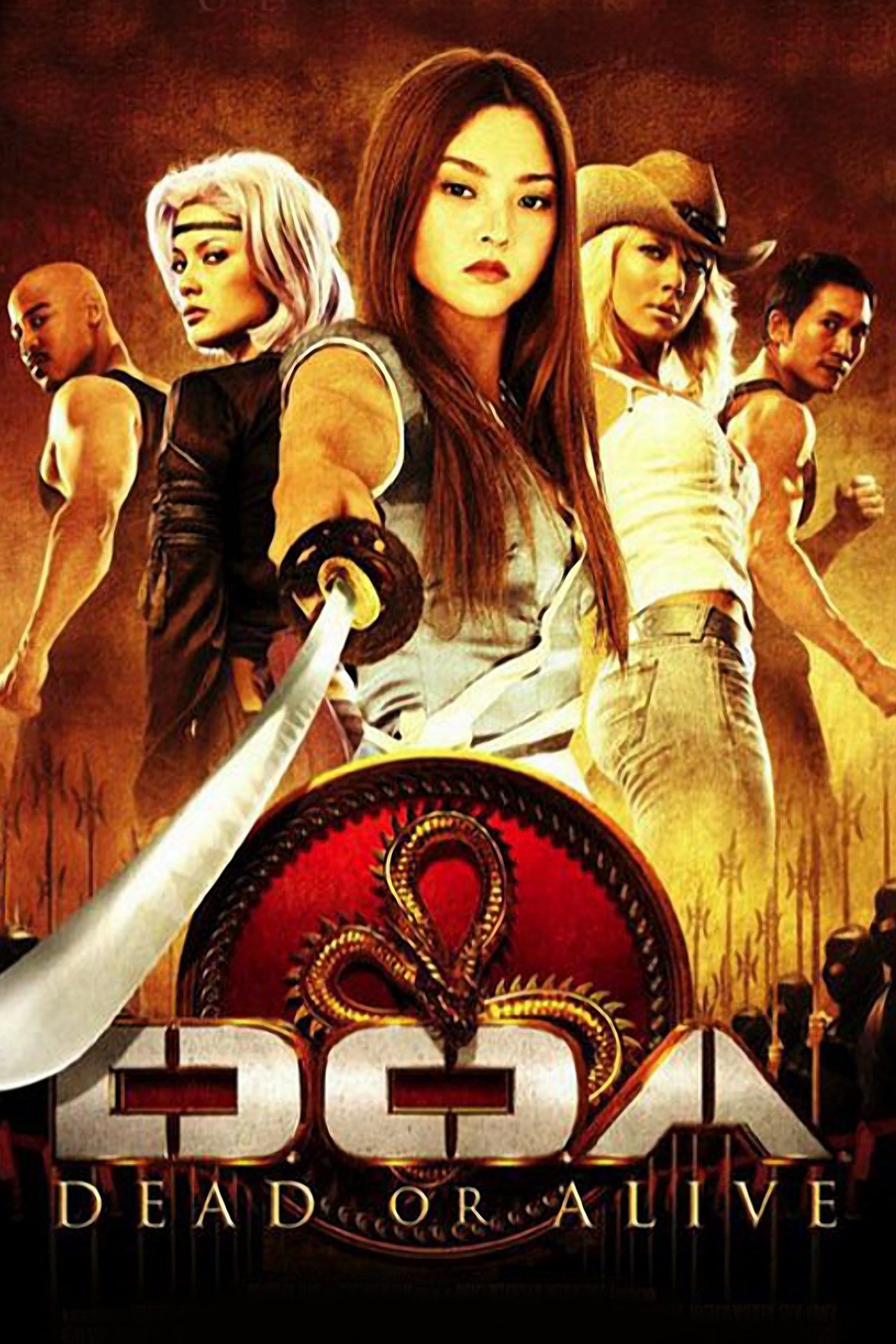
Based on the fighting game series, this story gathers champions on a remote island for an invitational tournament with hidden motives. The cast includes multiple lead fighters whose subplots intersect during elimination bouts and covert investigations.
In the United States, distribution was managed by The Weinstein Company under its Dimension label, with staggered release timing compared to international markets. The production relied on seaside sets and bright, sunlit visuals, combining wire stunts with quick cuts to present the matches.
‘Tekken’ (2010)
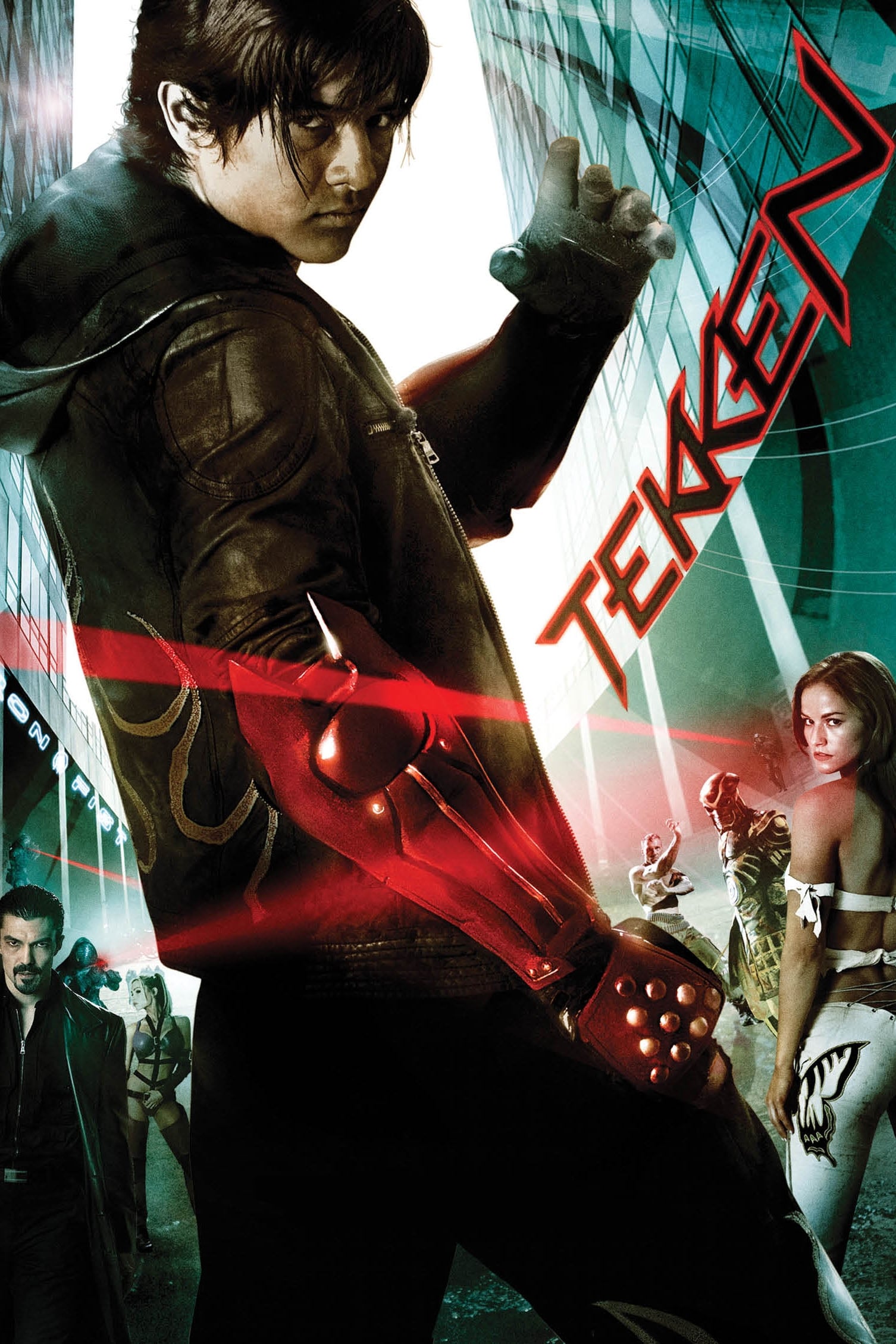
Set in a corporate controlled future, this adaptation follows Jin Kazama as he enters the Iron Fist Tournament to challenge the ruling conglomerate. The plot threads in family revelations and rivalries while showcasing fighters from the game in one-on-one bouts.
For U.S. viewers, the film was made widely available via home video by Anchor Bay Entertainment after limited theatrical exposure abroad. Fight scenes were staged in enclosed arenas with handheld coverage, and production design leaned into industrial textures to frame the tournament.
‘Double Dragon’ (1994)
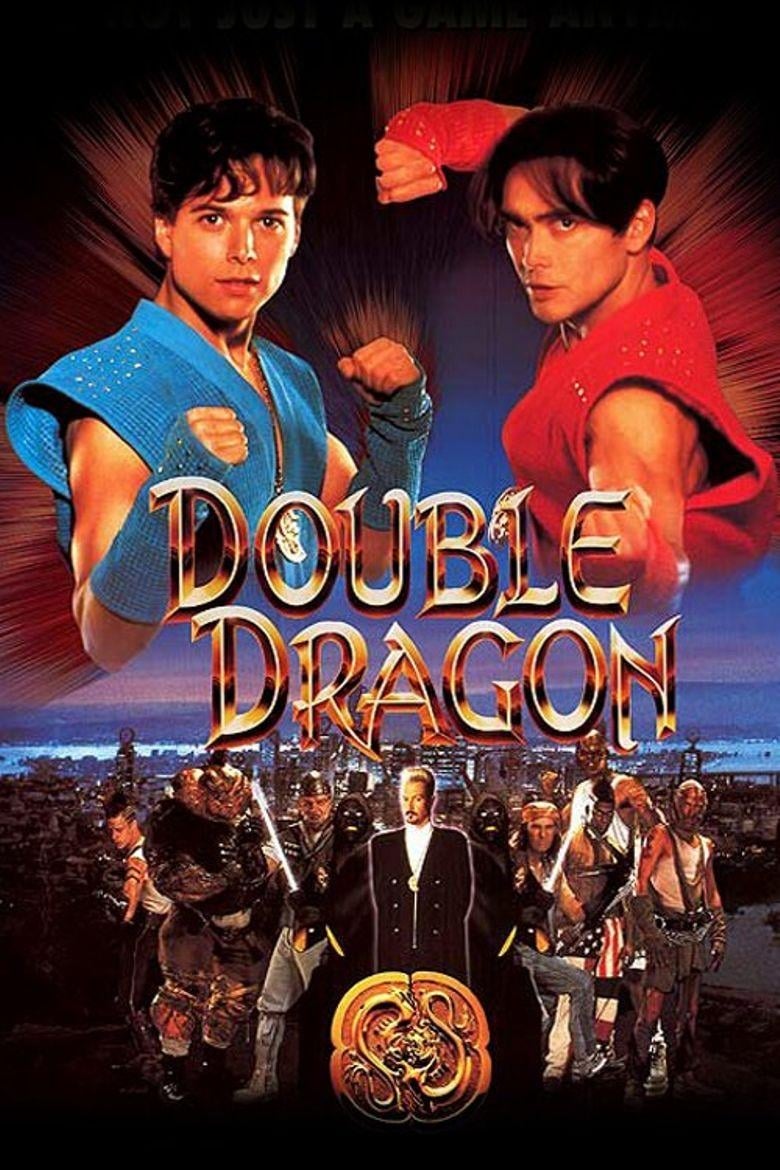
Loosely adapted from the side-scrolling game, this film tracks two brothers who protect a mystical medallion in a near-future Los Angeles. The story blends martial arts with chase sequences and comic-book-style villains who control the city’s gangs.
Gramercy Pictures released the movie domestically, placing it among the mid-90s wave of game adaptations. The production used extensive practical sets and costuming to imagine a post-earthquake city, and the choreography mixed kickboxing basics with wire assisted flips for key beats.
‘Bulletproof Monk’ (2003)

A modern day tale pairs a mysterious monk with a streetwise partner as they guard a powerful scroll from a persistent enemy. The narrative moves between urban hideouts and museum settings with training sequences that layer in mythic backstory.
Metro-Goldwyn-Mayer handled its theatrical launch in North America, slotting it into the spring movie calendar. The production shot across Canada and the United States, combining wire work with visual effects to stage midair fights and rooftop chases around recognizable cityscapes.
‘Ultraviolet’ (2006)
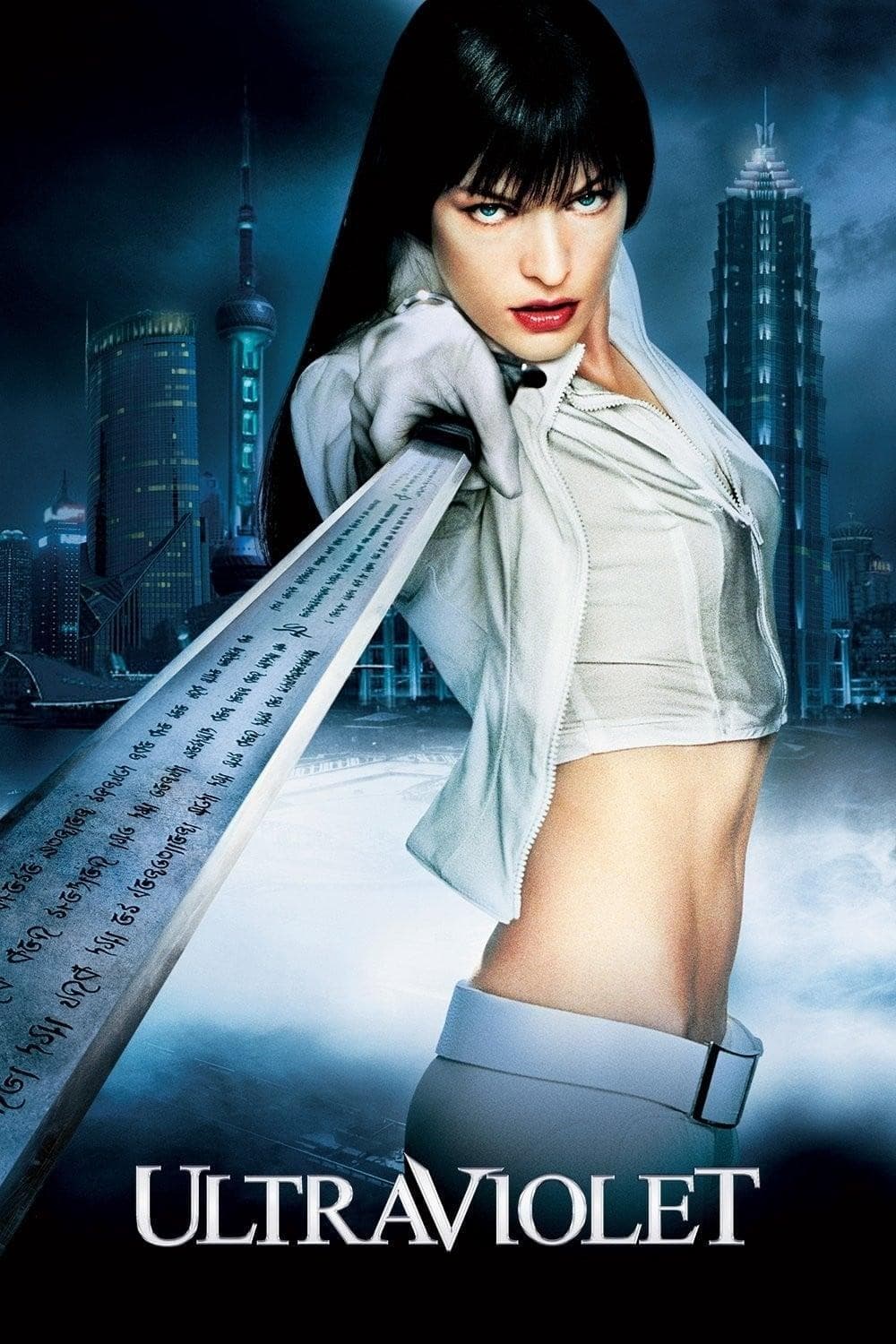
Set in a near future world of engineered humans, this film follows a rogue warrior who takes on a ruling regime while protecting a child tied to a scientific secret. The action leans on stylized swordplay and gun kata within digital environments.
Screen Gems, part of Sony’s distribution arm, brought the movie to U.S. theaters with a marketing push built around slick sci-fi imagery. The production emphasized green-screen stages and post-production compositing, and the choreography incorporated martial arts shapes adapted to futuristic weapons.
‘The Tuxedo’ (2002)
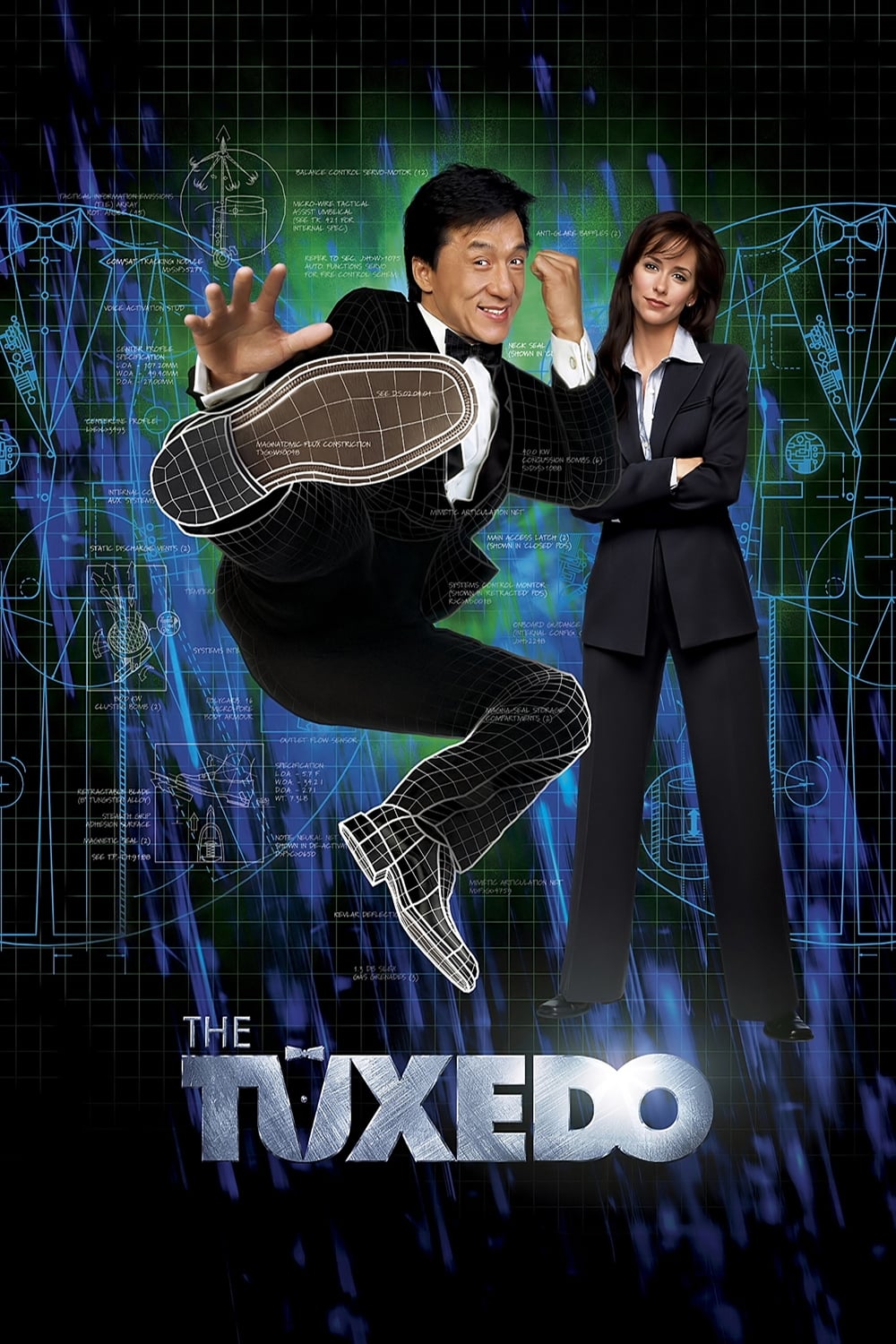
This action comedy pairs a covert operative with a high tech suit that gives its wearer exceptional combat abilities, shifting the focus to gadget powered fights. The plot follows a mission that spirals from espionage into larger threats, all while the suit copies techniques on command.
DreamWorks Pictures released the movie in the United States, positioning it as a mainstream audience play for a popular action star. Much of the physicality comes from choreographed set pieces enhanced by visual effects, with fights staged around the suit’s programmable boosts.
‘The Medallion’ (2003)
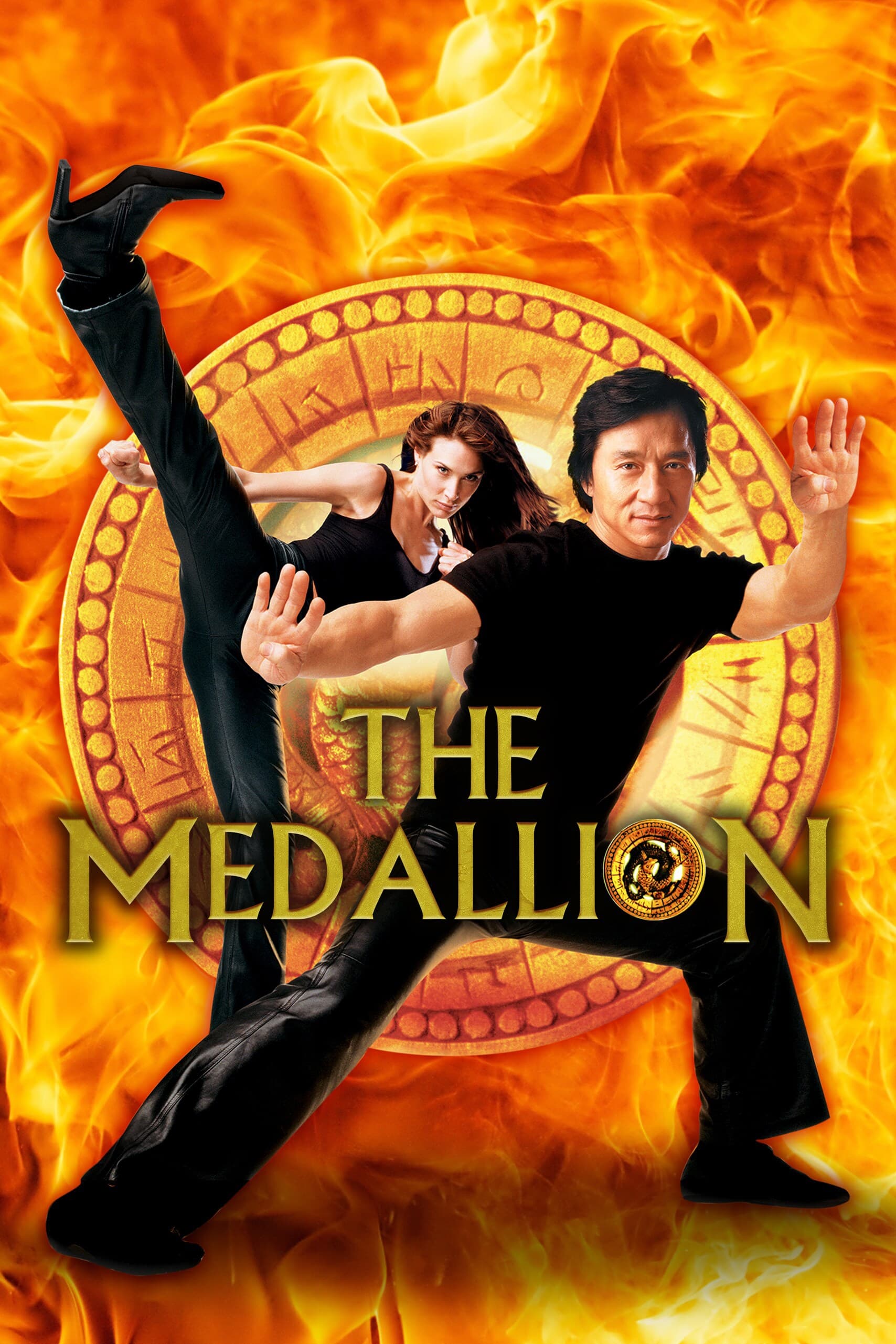
Blending supernatural elements with martial arts, this story follows a Hong Kong cop whose encounter with an ancient talisman grants unusual powers. The film bounces between pursuit scenes and fish-out-of-water comedy as he adjusts to his new abilities.
TriStar Pictures handled distribution for the U.S. release, giving it a late summer slot. Production took place in Hong Kong and Ireland, and the action alternates between foot chases, hand-to-hand exchanges, and wire assisted leaps that underline the mystical premise.
‘The Protector 2’ (2013)

This sequel reunites audiences with Kham as he becomes entangled in a conspiracy after being framed, pushing him into a string of showdowns across the city. The film highlights motorcycle stunts, multi-opponent brawls, and a continuing bond with his elephant that anchors his choices.
In North America, Magnet Releasing brought the movie to theaters and on demand, continuing its track record with international action titles. The production used 3D photography for select sequences and staged long takes that wind through complex sets built for continuous movement.
‘The King of Fighters’ (2010)
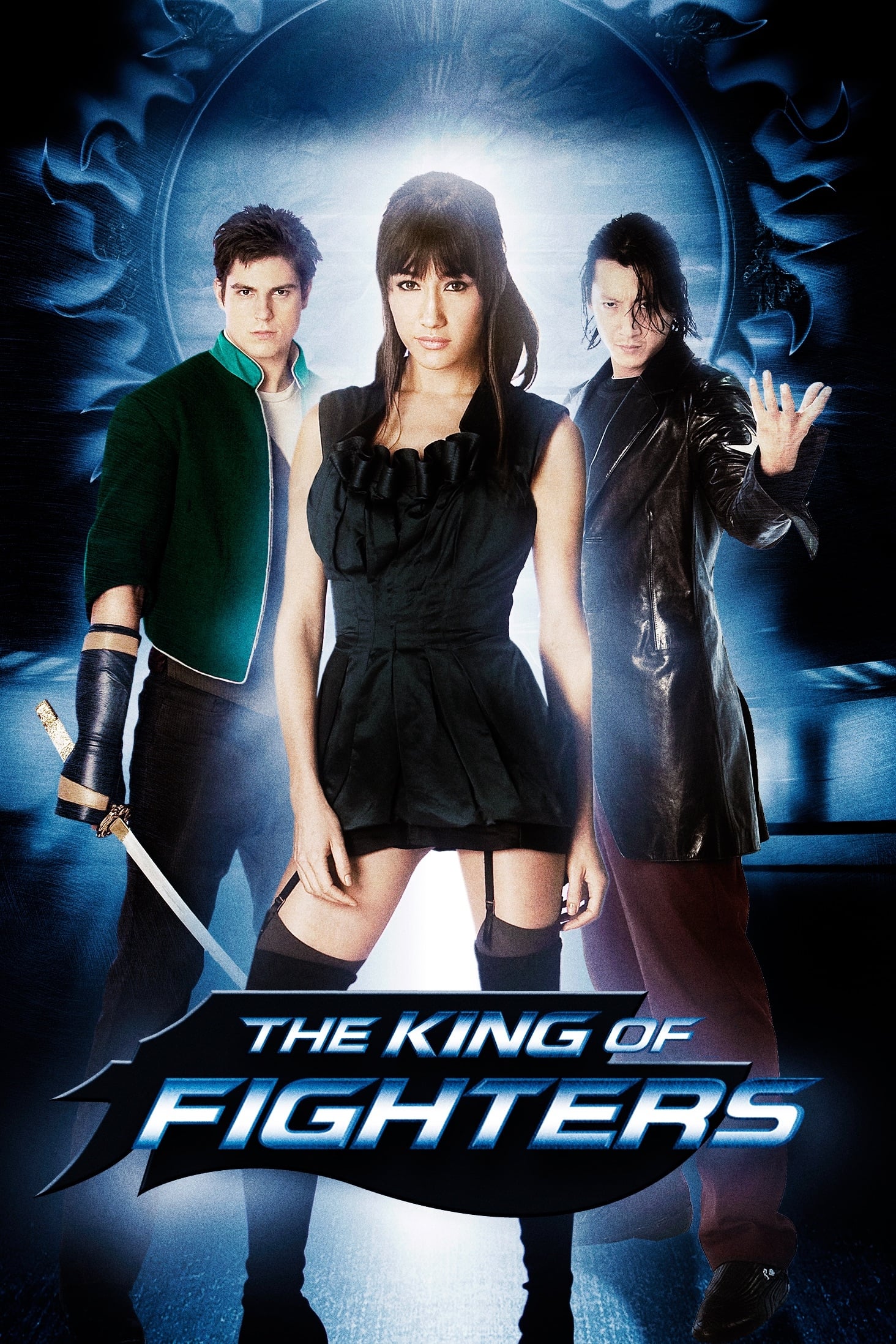
Drawing from the crossover fighting games, this film introduces an alternate dimension tournament accessed through special devices, bringing together characters from several teams. The plot weaves in artifacts and lineage as it explains how combatants shift between worlds during matches.
Well Go USA Entertainment distributed the movie for North American audiences, focusing on home video and specialty venues. The production shot in Canada with contemporary urban locations, and the fight scenes used a mix of wire work and visual effects to suggest supernatural boosts.
‘Warriors of Virtue’ (1997)
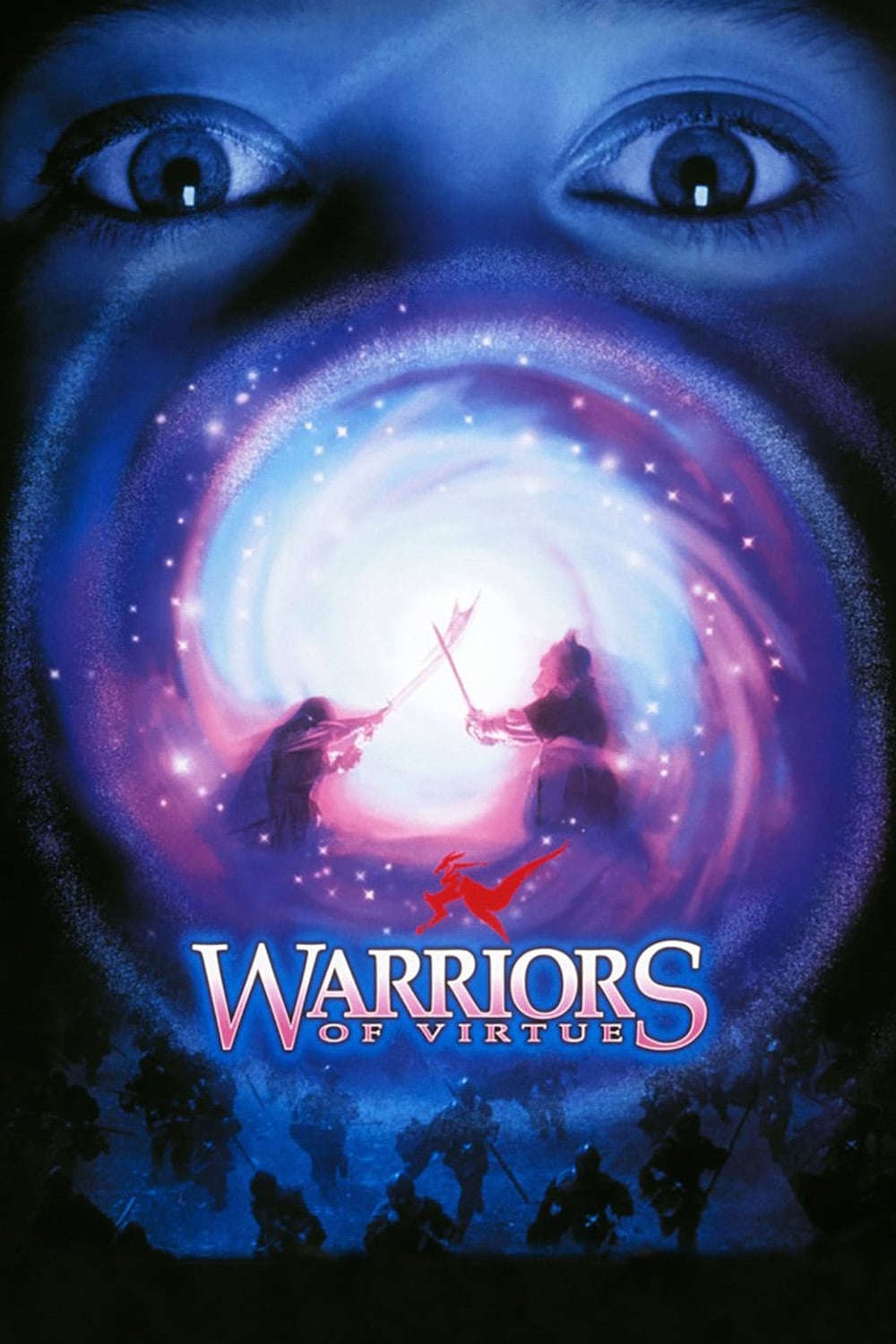
A fantasy adventure with martial arts flair, this story transports a teenager to a mystical realm protected by anthropomorphic kangaroo warriors who practice a code of elemental balance. The film combines creature suits, practical sets, and straightforward fight beats to move the quest along.
MGM released the movie in U.S. theaters, aiming at family audiences during the spring season. The production leaned heavily on animatronics and makeup effects for the heroes and villains, and the action emphasizes staff work and choreographed group encounters around village and forest sets.
‘Kung Pow! Enter the Fist’ (2002)
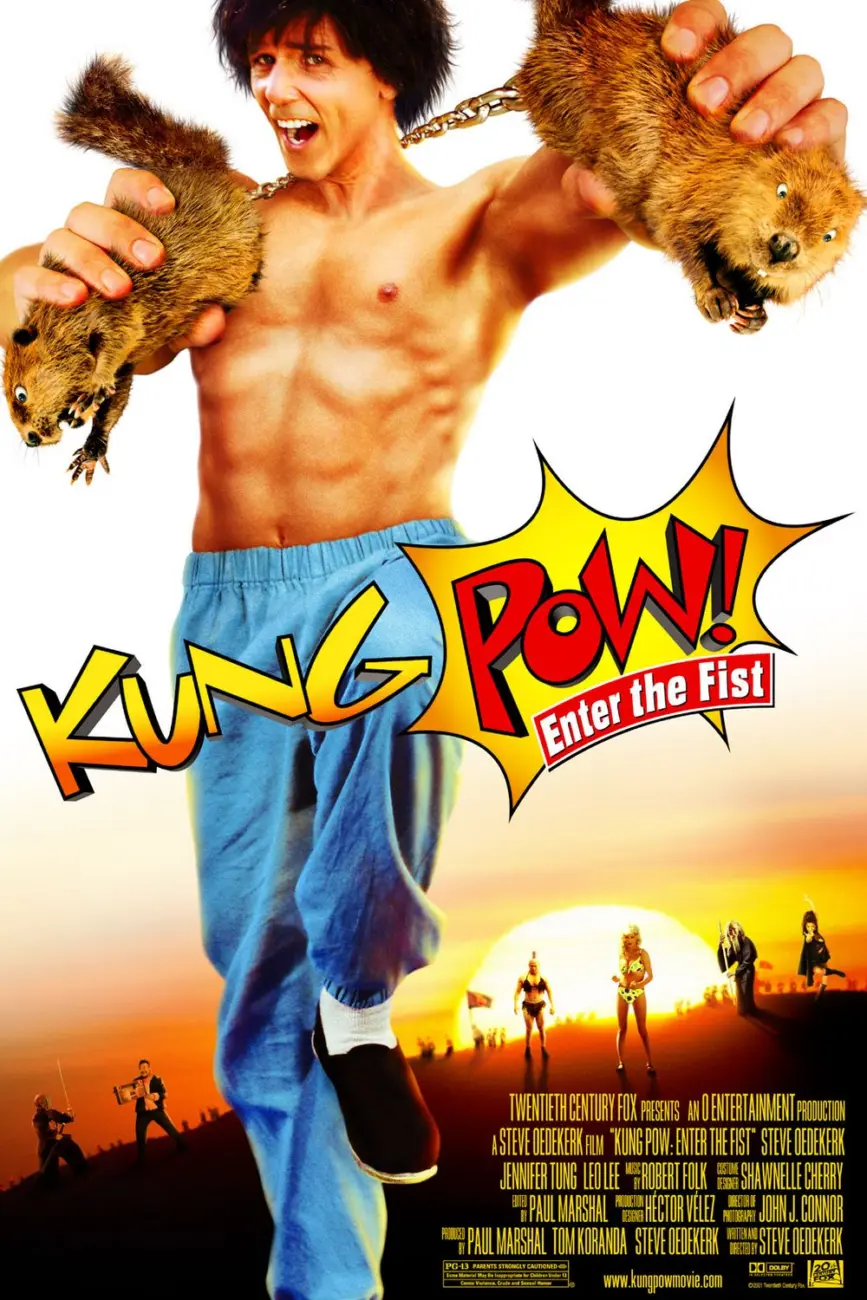
Built from footage of a 1970s martial arts film blended with newly shot material, this parody follows a chosen fighter on a quest against a series of eccentric opponents. The editing stitches old and new scenes together to form continuous fights and comedic setups.
20th Century Fox distributed the film in theaters, using a wide release to introduce the mash-up format to general audiences. The production relied on digital compositing to insert the lead into archival footage, and the martial arts beats mirror the source film’s choreography while adding fresh gags.
Share your picks in the comments and tell us which martial arts misfires you think deserve a spot here.

