


The Worst Post-Apocalyptic Movies of All Time

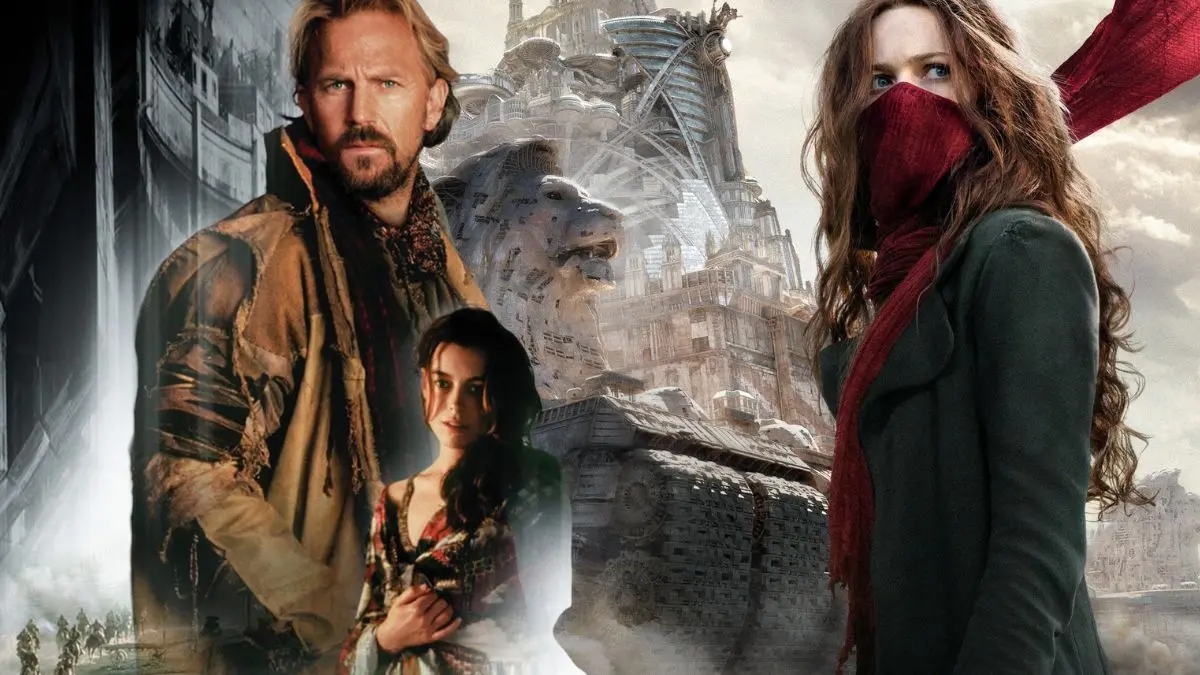


End-of-the-world stories can be thrilling when they show how people rebuild after everything falls apart. But not every trip through the wasteland lands the way audiences expect, and some projects are remembered more for behind-the-scenes stumbles, uneven execution, or ideas that never quite clicked than for compelling journeys of survival.
This list rounds up post-apocalyptic films that drew widespread criticism or disappointed at the box office despite star power, familiar source material, or ambitious worldbuilding. Each entry includes the key who-what-where details that shaped the final result, with a quick note on who brought it to theaters so you can place each title in its industry context.
‘The Postman’ (1997)
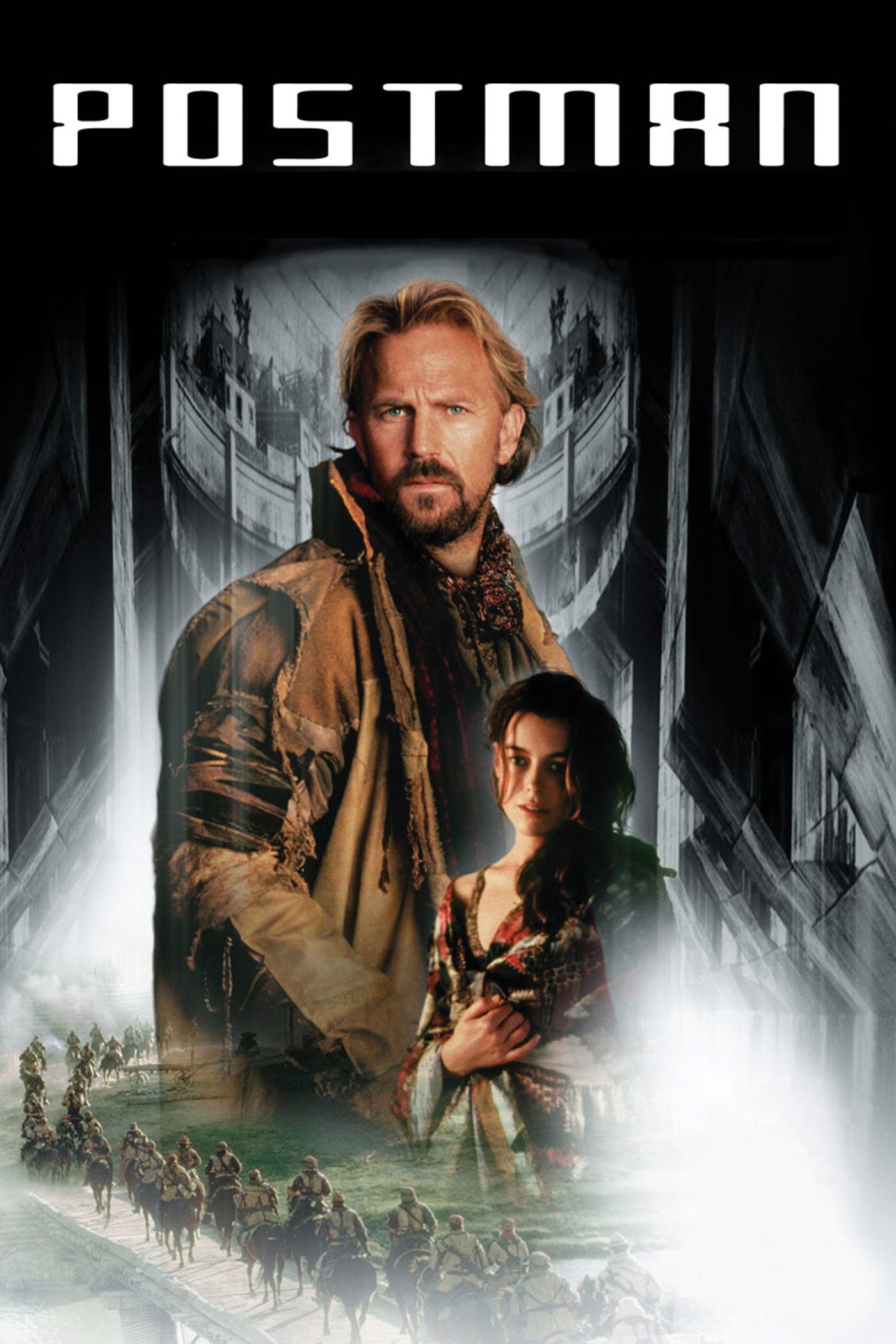
Kevin Costner directs and stars as a drifter who revives a shattered United States by delivering mail and reading old letters, adapting David Brin’s novel into a three-hour road epic. Production spanned desert locations across the American West with large practical sets and thousands of extras to depict scattered communities rebuilding civic life after a near-future collapse.
The film opened wide during the holidays with a major marketing push and a broad release pattern, rolling out in multiplexes nationwide. It was released by Warner Bros. Pictures, which positioned it as a prestige adventure with an awards-season footprint.
‘Battlefield Earth’ (2000)
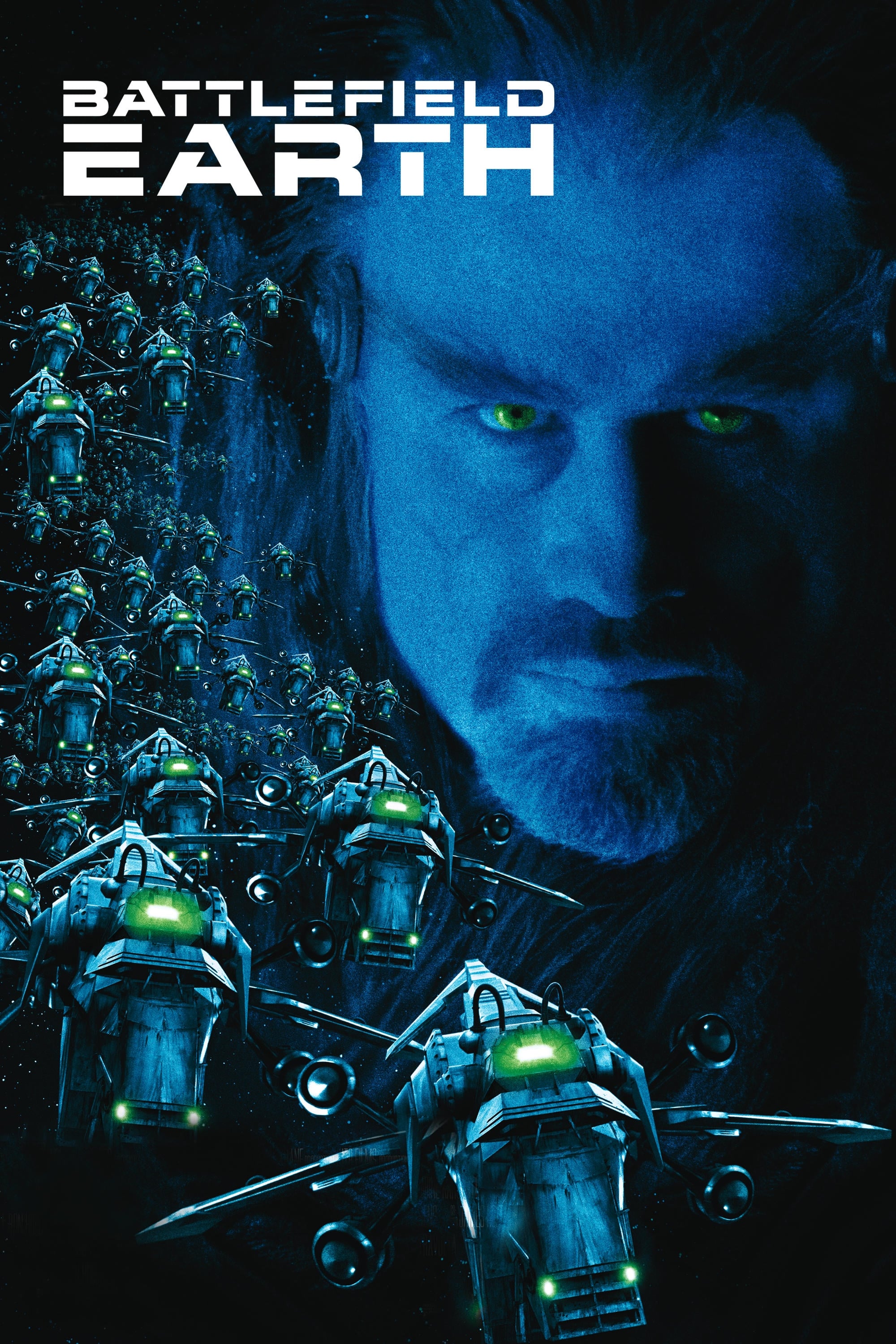
Set a millennium after an alien invasion, this adaptation of L. Ron Hubbard’s novel follows human rebels fighting the Psychlos in a world of ruined cities and scavenged tech. John Travolta led the cast, with Barry Pepper and Forest Whitaker, while director Roger Christian leaned on heavy prosthetics and stylized camera angles.
Despite a sizable production and elaborate makeup design, the movie struggled to connect with audiences during its early summer run. It reached theaters through Warner Bros. Pictures, which booked it on a wide number of screens at launch.
‘A Sound of Thunder’ (2005)
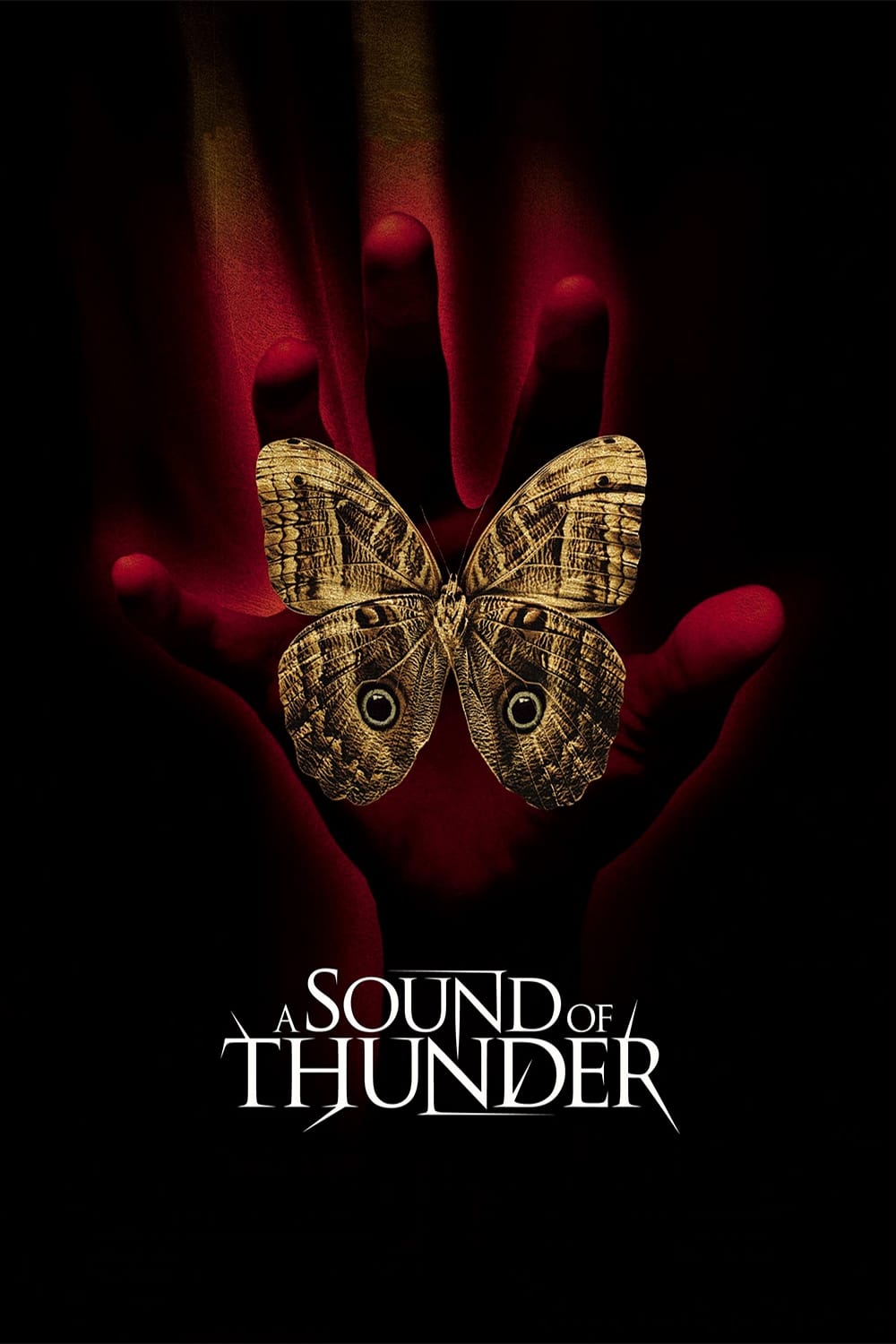
This take on Ray Bradbury’s classic short story centers on time-tourists who step on a butterfly and trigger cascading evolutionary changes that turn a modern city into a primeval danger zone. The production endured financing shifts and extensive digital replacements after flooding damaged sets, leaving visual effects work to carry entire sequences.
The feature ultimately arrived years after principal photography, with patched-together postproduction that drew attention to its CGI. It was released by Warner Bros. Pictures across key markets, with staggered international play following the domestic debut.
‘After Earth’ (2013)
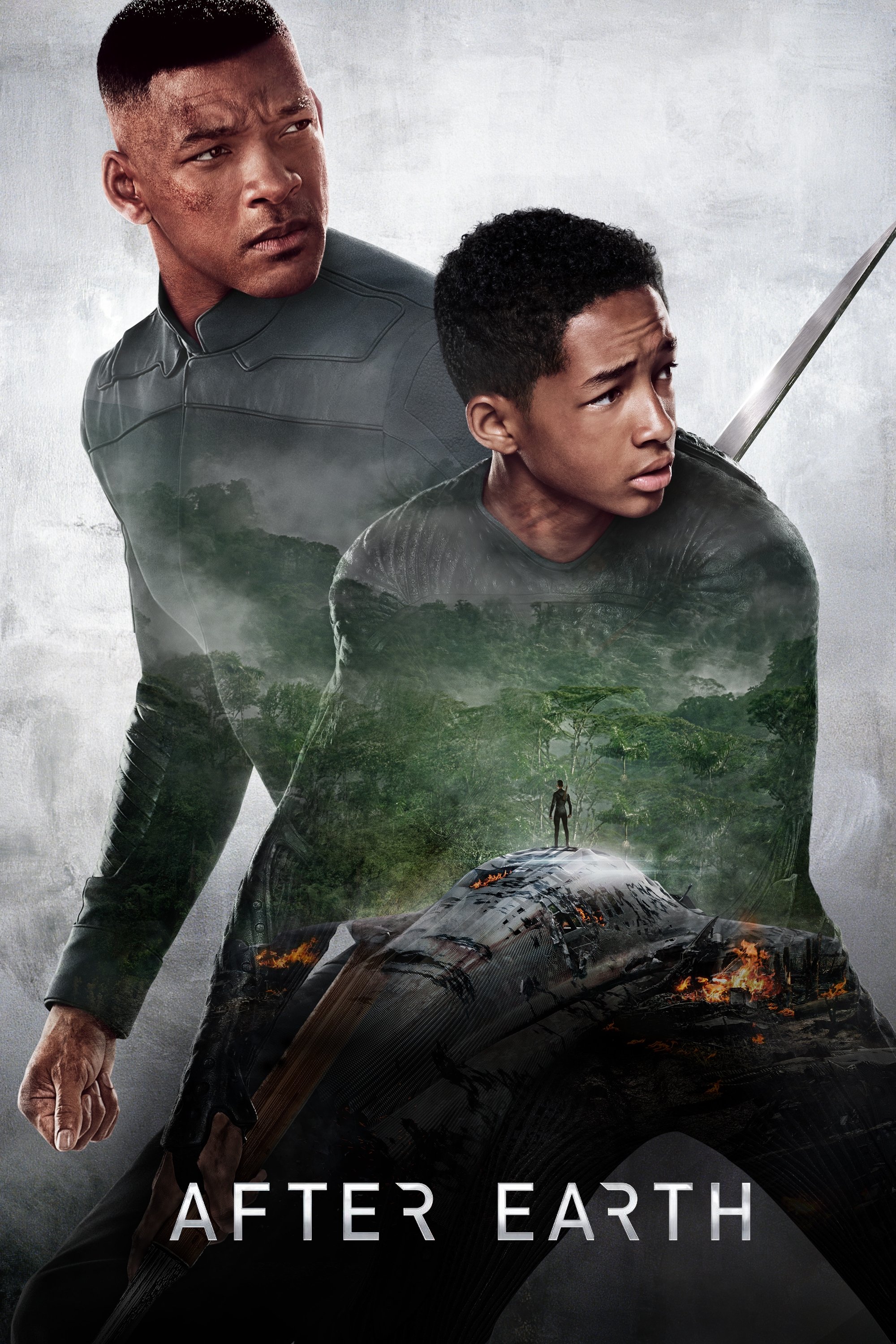
Set on a long-abandoned Earth, a teen cadet must cross hostile terrain to save his injured father after their ship crashes. M. Night Shyamalan directed from a story developed by Will Smith, and location work in Costa Rica and the United States combined with digital environments to depict a planet reclaimed by wildlife.
The film’s global rollout emphasized its star pairing and high-concept survival hook. Sony Pictures Releasing handled distribution under the Columbia Pictures banner, coordinating a wide opening in North America alongside day-and-date launches in major overseas territories.
‘Mortal Engines’ (2018)
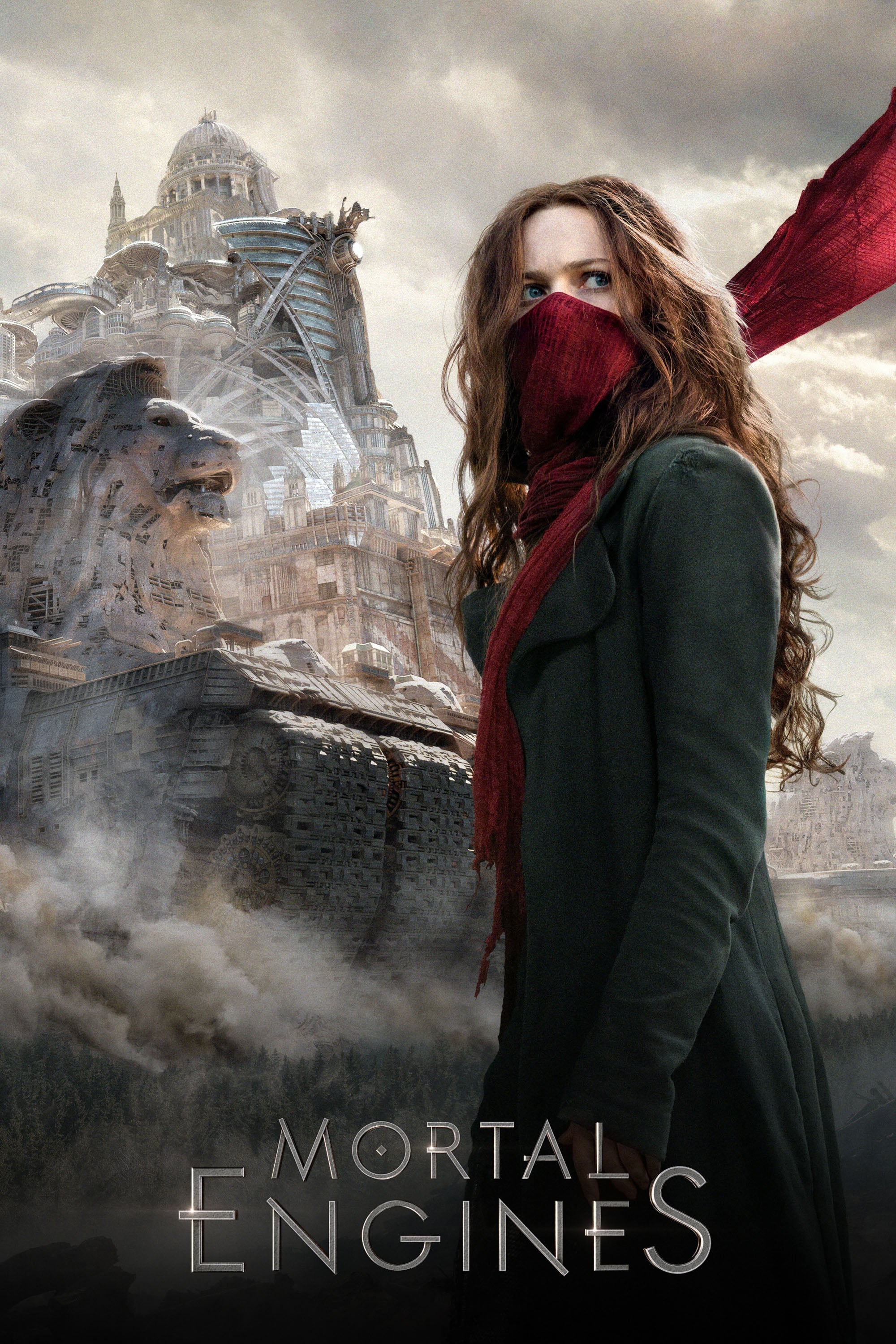
Based on Philip Reeve’s novel, this big-scale adventure imagines predator cities mounted on treads that hunt smaller towns across a ravaged landscape. Christian Rivers directed, with Peter Jackson producing, and the team built massive miniatures and detailed sets in New Zealand to blend with heavy VFX.
Despite its elaborate worldbuilding, the film underperformed relative to its production spend during the holiday corridor. Universal Pictures released it globally, pairing premium-format bookings with a standard multiplex footprint.
‘The Darkest Hour’ (2011)
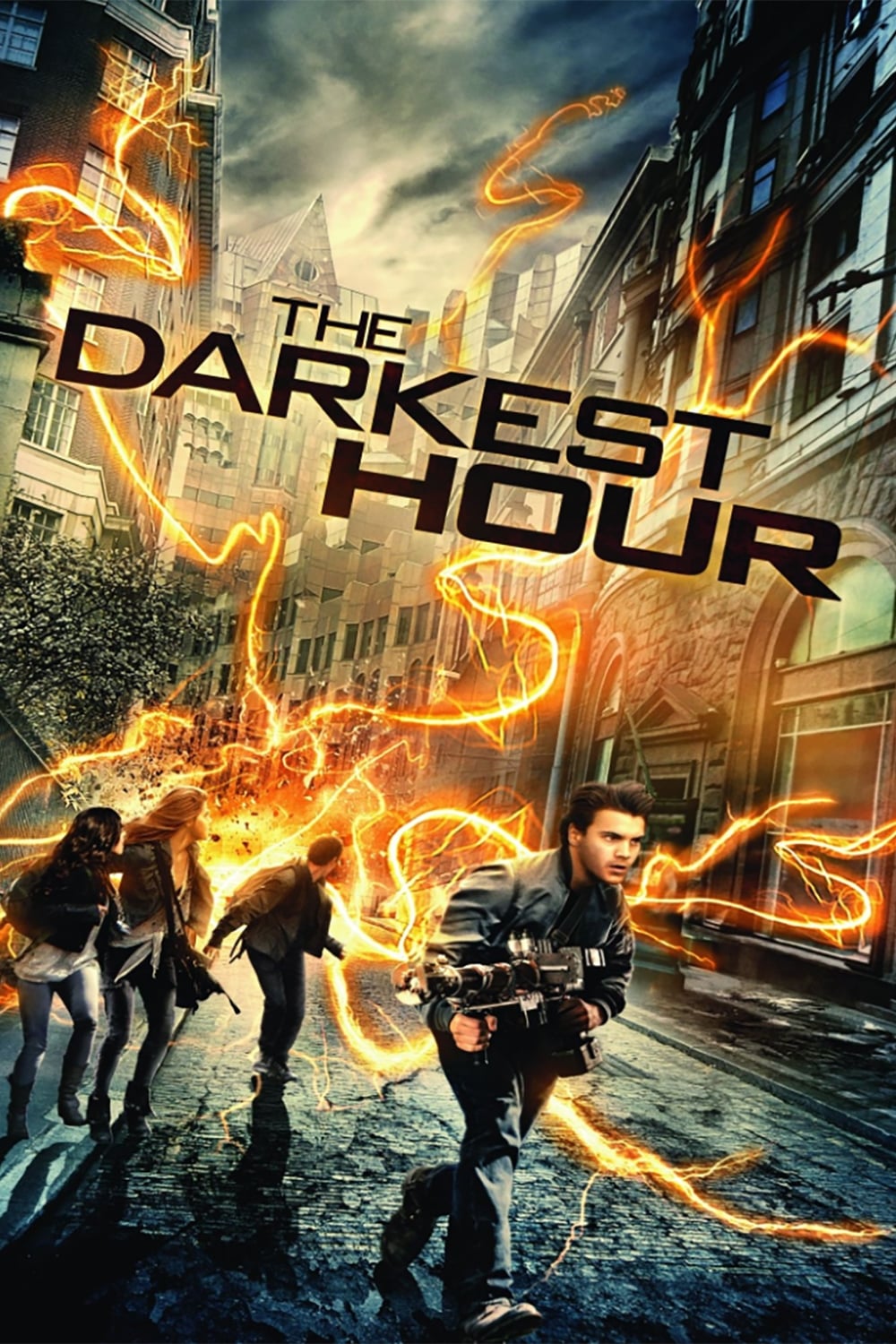
Two American entrepreneurs and their friends are stranded in Moscow when an energy-based alien invasion wipes out the population, leaving them to navigate an empty city. The movie leaned on location photography around the Russian capital and visual effects that render enemies as invisible waves that incinerate anything electrical.
A Christmas weekend launch positioned the title as counterprogramming for genre fans. Summit Entertainment distributed the release domestically before the company’s acquisition, with subsequent international distribution aligned to local holiday frames.
‘Priest’ (2011)
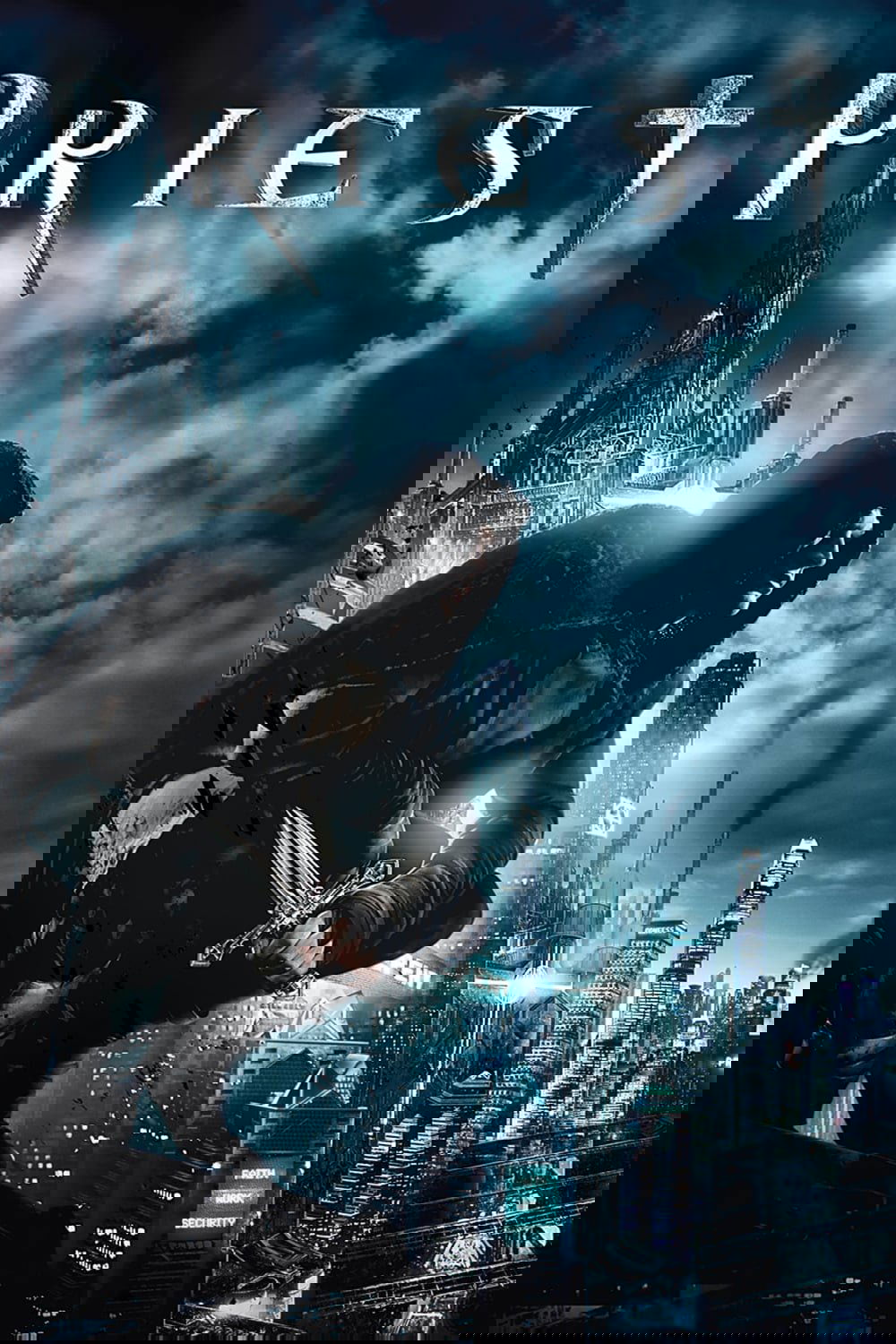
In an alternate future devastated by centuries of war with vampires, a warrior defies a theocratic city to rescue his niece. Scott Stewart directed with Paul Bettany in the lead, incorporating comic-book styling, wirework, and a mix of practical and digital sets that turn rail lines and wastelands into the main stage.
The feature was marketed around 3D exhibition and action beats, opening in early summer. Screen Gems handled the domestic release for Sony, while affiliated labels coordinated overseas play in genre-friendly markets.
‘Doomsday’ (2008)
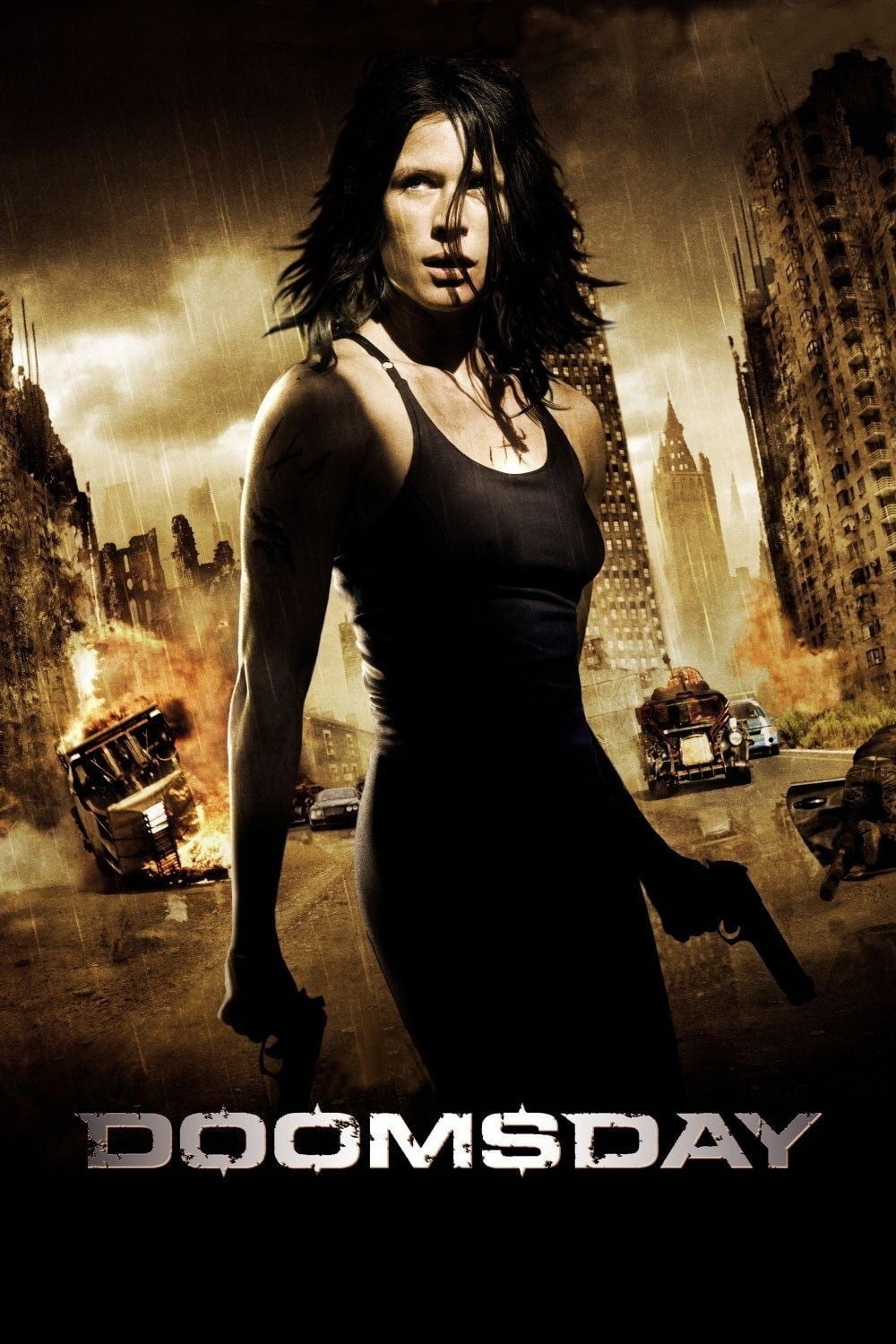
A lethal virus leads authorities to wall off Scotland, and years later an elite team crosses the barrier to find a cure in a territory ruled by brutal factions. Neil Marshall’s film mashes car chases, medieval cosplay, and punk aesthetics with on-location work in South Africa and the UK, backed by practical stunts.
It arrived in spring with a campaign anchored in its throwback action vibe. Rogue Pictures released the film domestically with Universal Pictures handling distribution support and marketplace positioning.
‘Reign of Fire’ (2002)
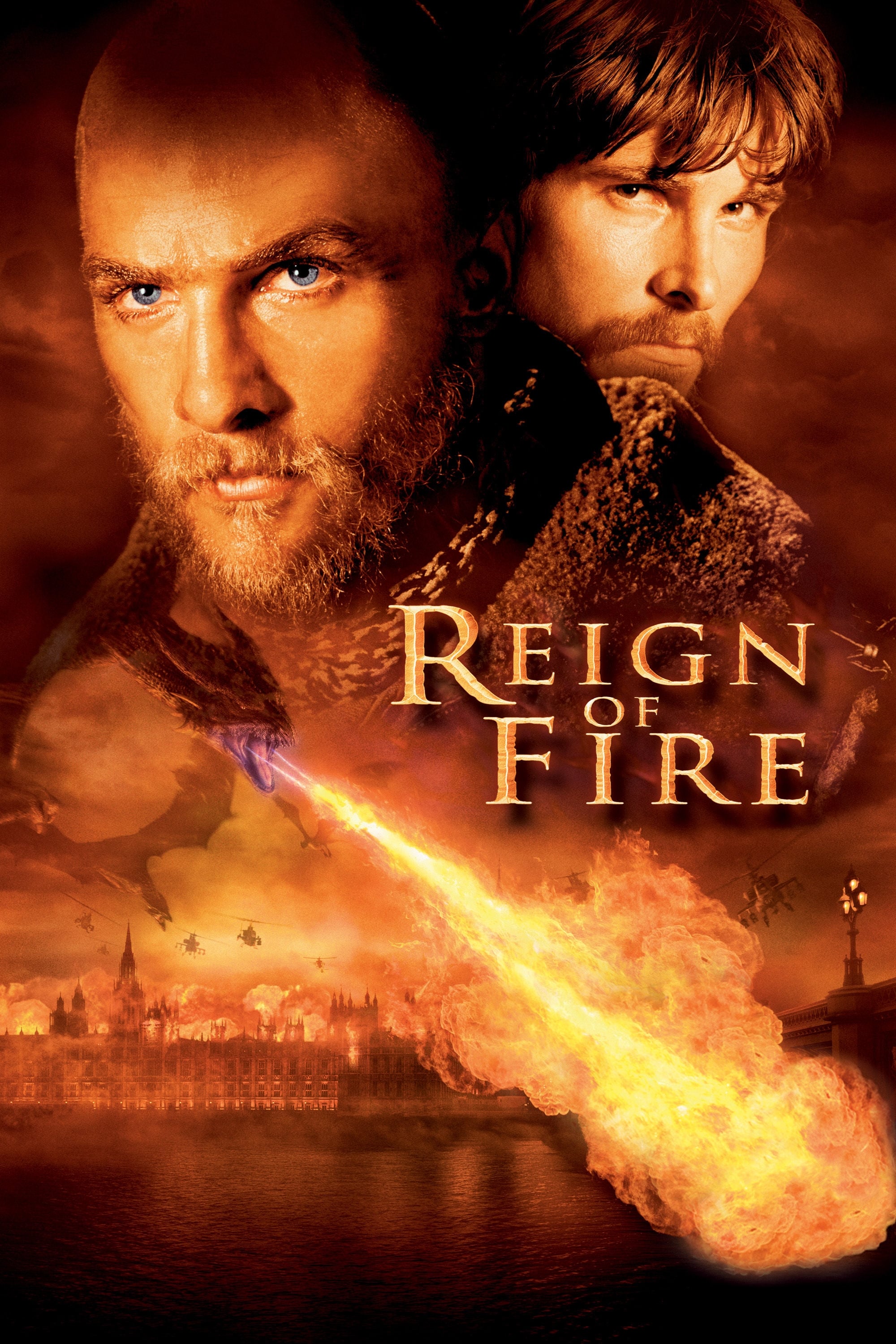
After hibernating dragons awaken and burn much of the planet, survivors in Britain clash over how to fight back, with Christian Bale and Matthew McConaughey leading the cast. The production combined Irish locations with large animatronic builds and then-cutting-edge CGI to convey aerial attacks and scorched landscapes.
The movie opened in midsummer, pitched as a creature feature with epic scale. Buena Vista handled distribution for Touchstone Pictures in North America, placing it widely in multiplexes alongside other seasonal tentpoles.
‘Terminator Salvation’ (2009)
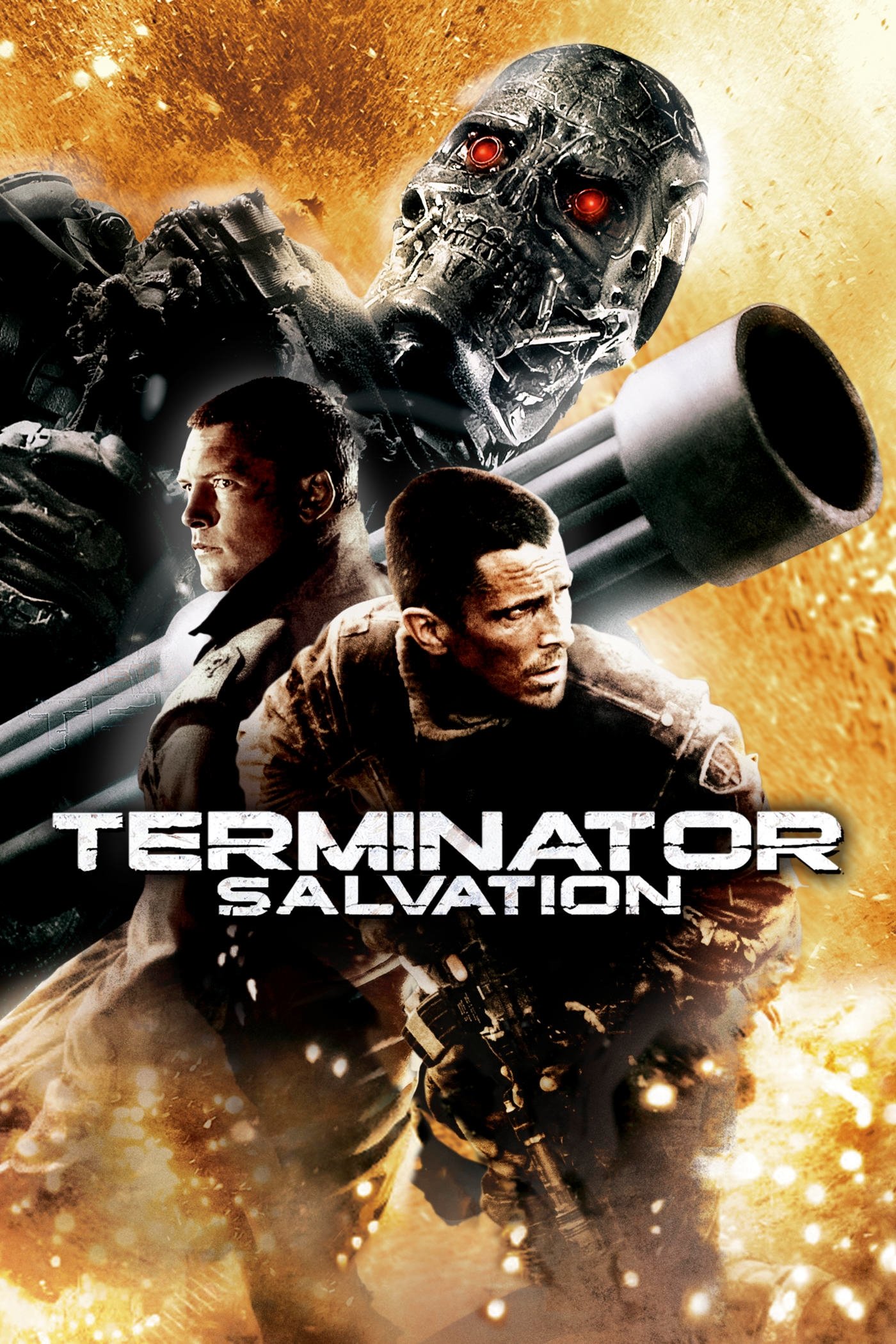
Set during the human resistance against Skynet, this entry shifts the series into the wasteland era with Christian Bale as John Connor and Sam Worthington as a mysterious ally. Large-scale sequences were staged in New Mexico and California with heavy practical pyrotechnics and hybrid animatronic digital machines.
The title rolled out over Memorial Day weekend with premium formats and a broad show count. Warner Bros. Pictures released it domestically, while a coordinated international plan brought it to major territories shortly after.
‘Escape from L.A.’ (1996)
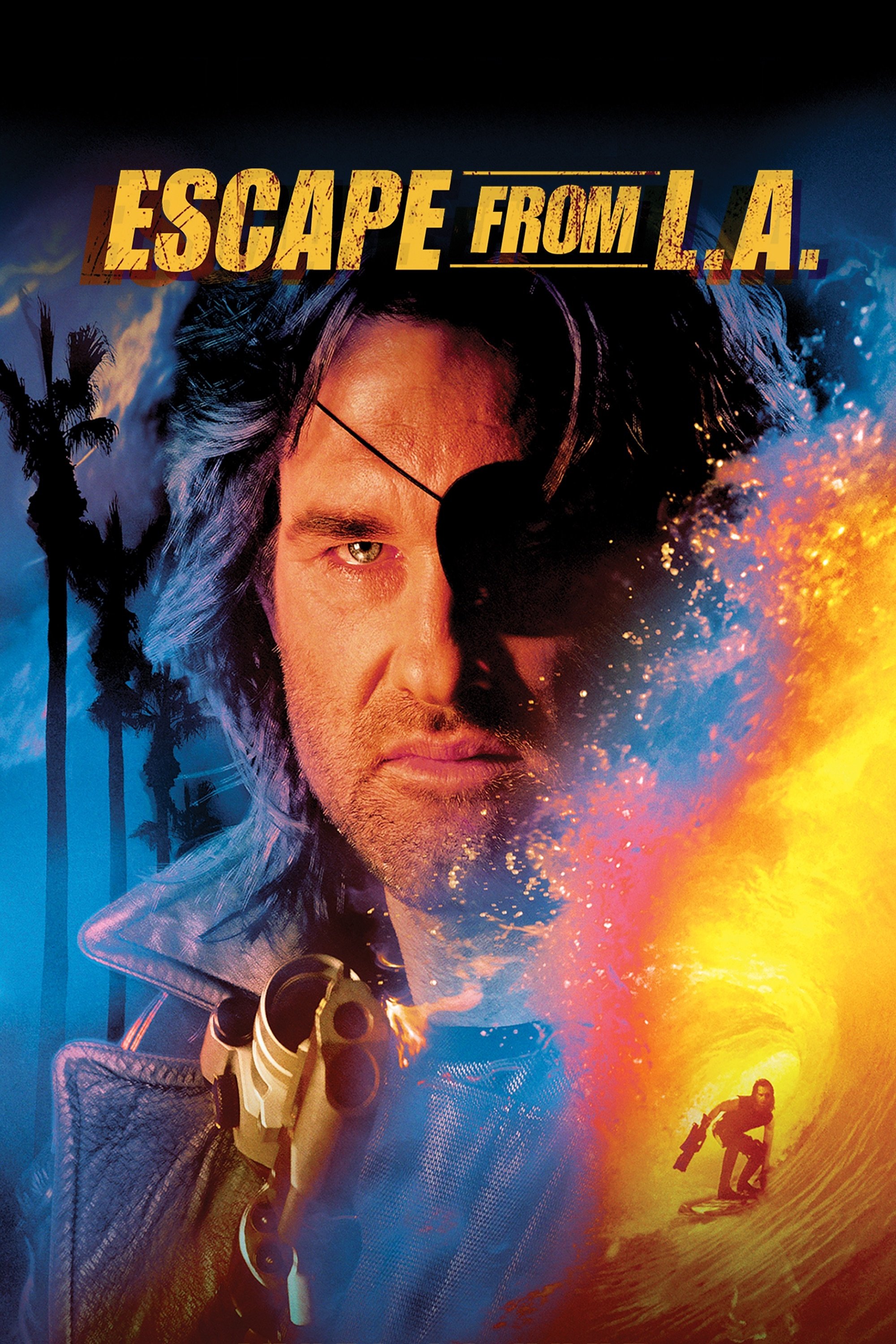
A massive earthquake isolates Los Angeles into an island prison state, drawing Kurt Russell’s Snake Plissken into another mission through a ruined urban playground. John Carpenter returned to the franchise with satirical touches, bluescreen composites, and early digital effects layered over practical stunts.
The film’s late-summer launch targeted fans of the original while courting action audiences with a familiar antihero. Paramount Pictures distributed the release across the United States with additional support for international bookings.
‘Resident Evil: Apocalypse’ (2004)
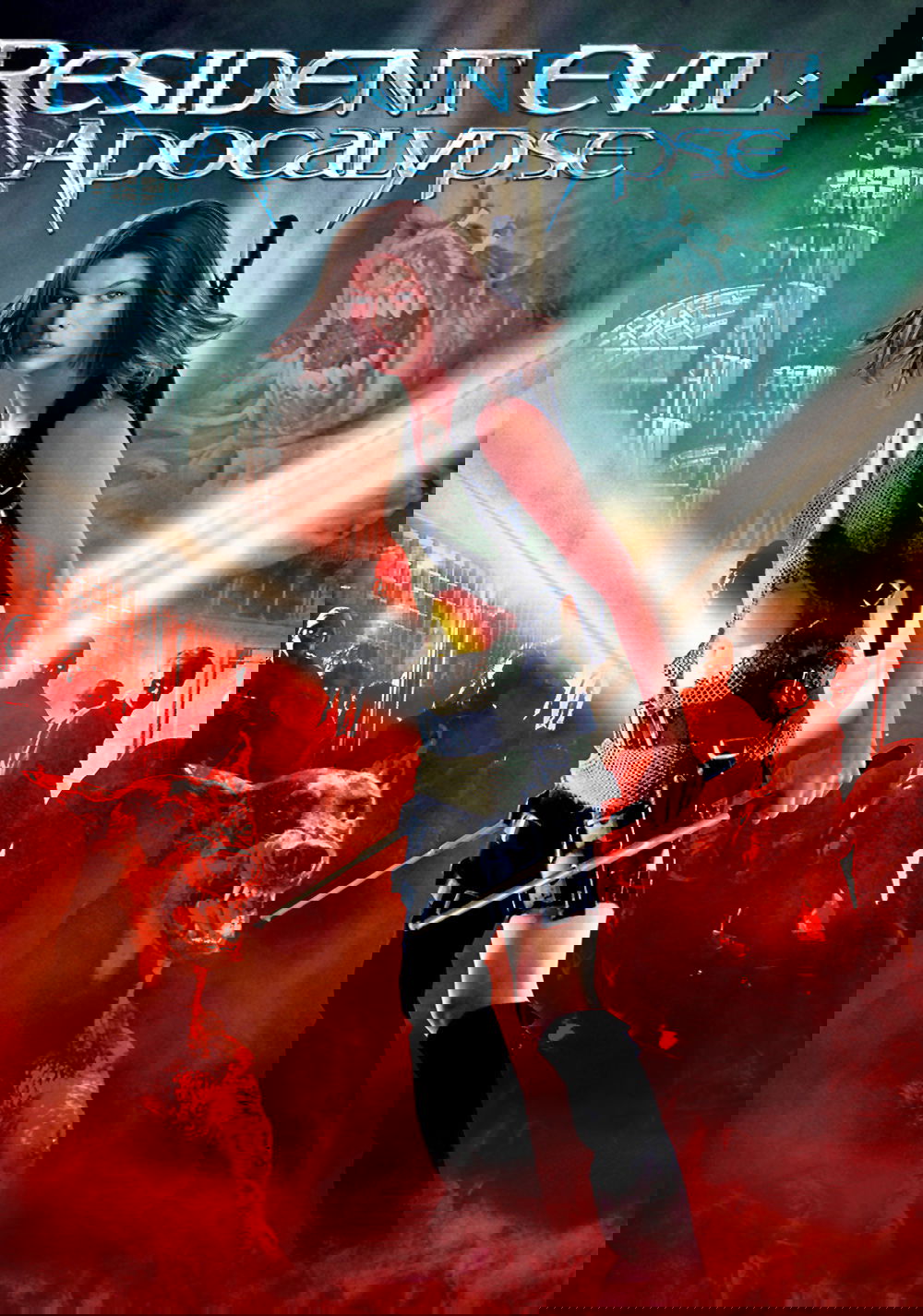
Raccoon City falls after a viral outbreak, sending survivors through quarantined streets while the Umbrella Corporation unleashes bio-weapons. The production shot in Toronto, leaning on nighttime location work, creature suits, and wire-assisted gunplay that defined the series’ aesthetic.
The sequel arrived in early fall with strong genre positioning and a focus on returning characters. Screen Gems released the film domestically for Sony, while international markets followed through regional Sony affiliates.
‘Resident Evil: The Final Chapter’ (2016)
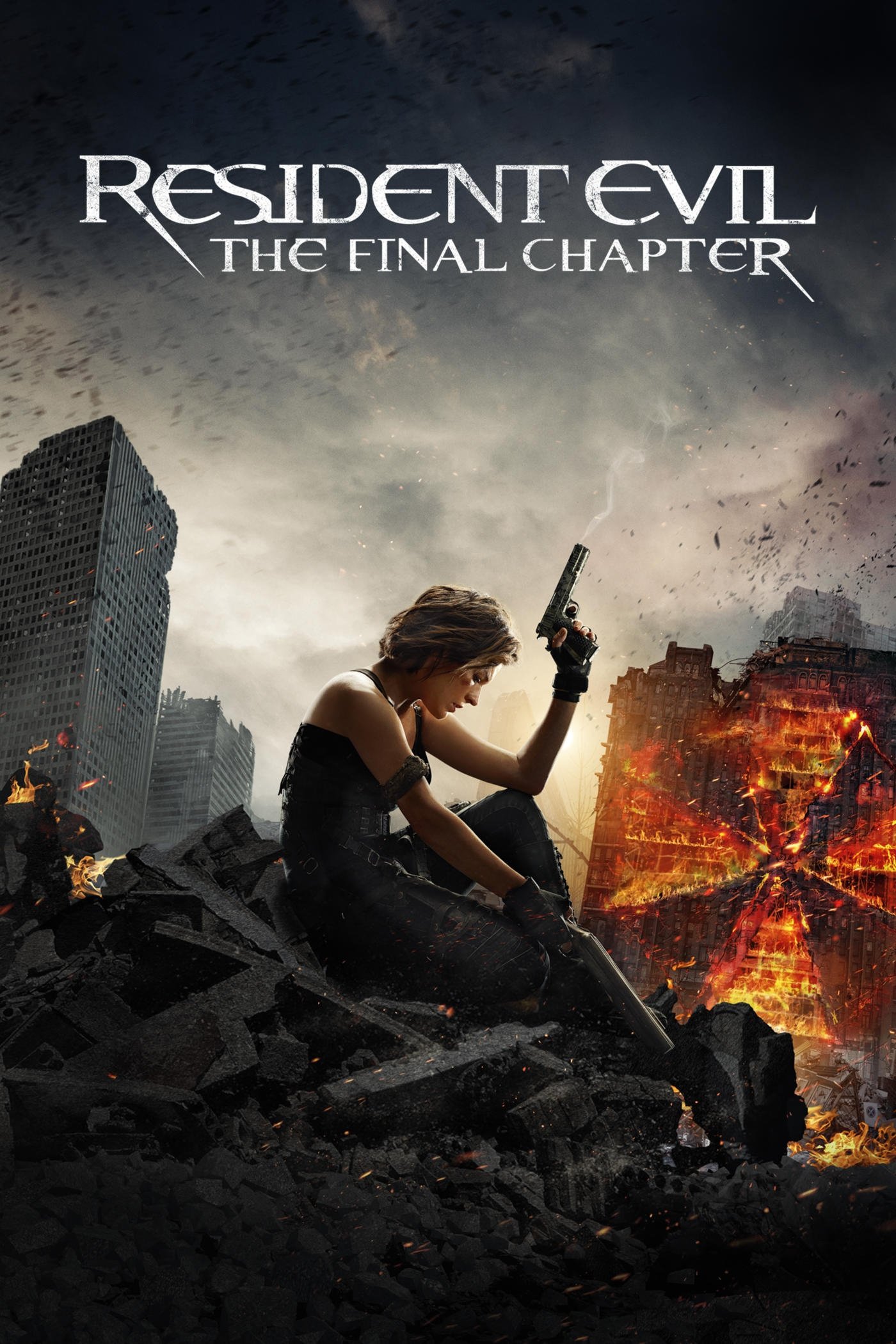
Alice returns to a devastated Washington and back to where it all started as the franchise closes its main storyline. The film shot in South Africa with large set pieces built for collapsing interiors, motorcycle chases, and swarms of infected rendered through dense visual effects.
The North American rollout came in January, paired with a robust international push where the series historically performed. Screen Gems oversaw the domestic release under Sony Pictures Releasing, with staggered dates across Asia and Europe.
‘The 5th Wave’ (2016)
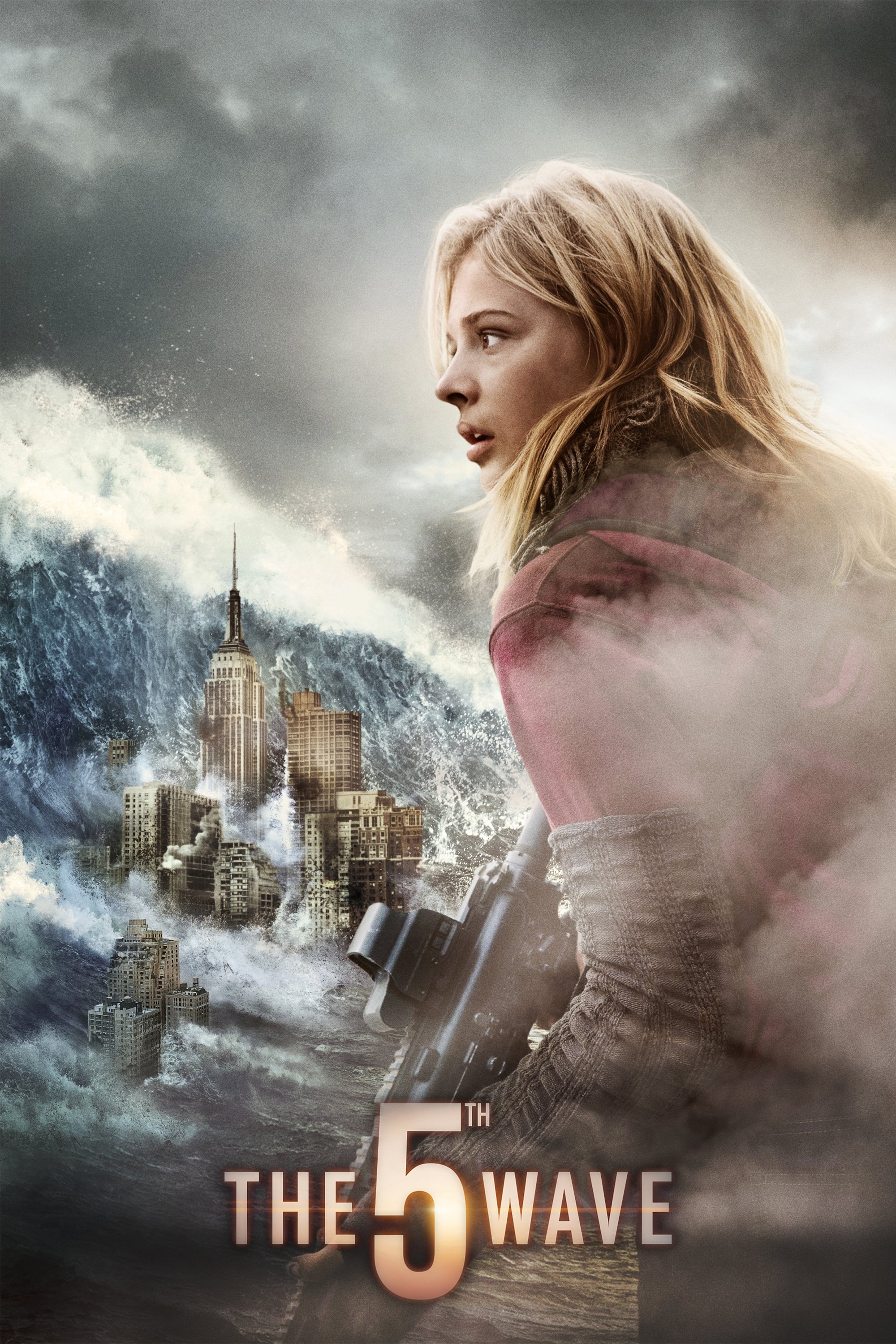
After successive alien attacks cripple the planet, a teenager searches for her brother amid military camps and hidden agendas. Based on Rick Yancey’s novel, the production used Georgia locations to stand in for Midwestern towns and bases, blending practical destruction with digital aftermath.
A winter corridor launch introduced the adaptation to its built-in readership with YA-focused marketing. Columbia Pictures handled the domestic release for Sony Pictures Releasing, which coordinated the film’s overseas schedule.
‘Chaos Walking’ (2021)
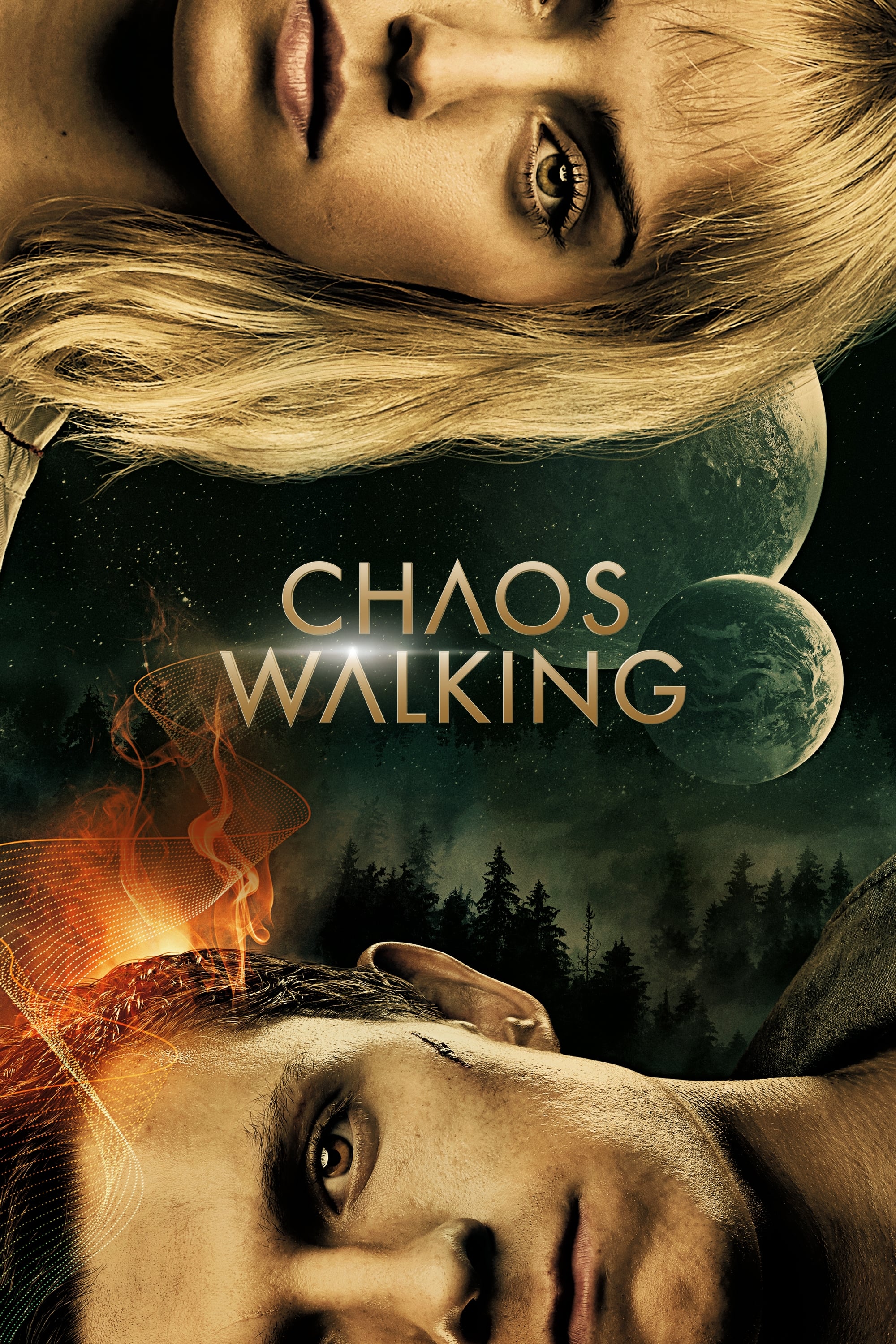
On a colonized world where all men’s thoughts are audible, two fugitives uncover the truth about what happened to earlier settlers. The project underwent reshoots and schedule shifts that extended postproduction, with location work in Quebec and a sound design track built around the premise of externalized inner voices.
Lionsgate brought the film to theaters in a challenging period for exhibition, pairing limited premium screens with standard auditoriums. The distributor’s rollout strategy reflected evolving market conditions at the time.
‘City of Ember’ (2008)
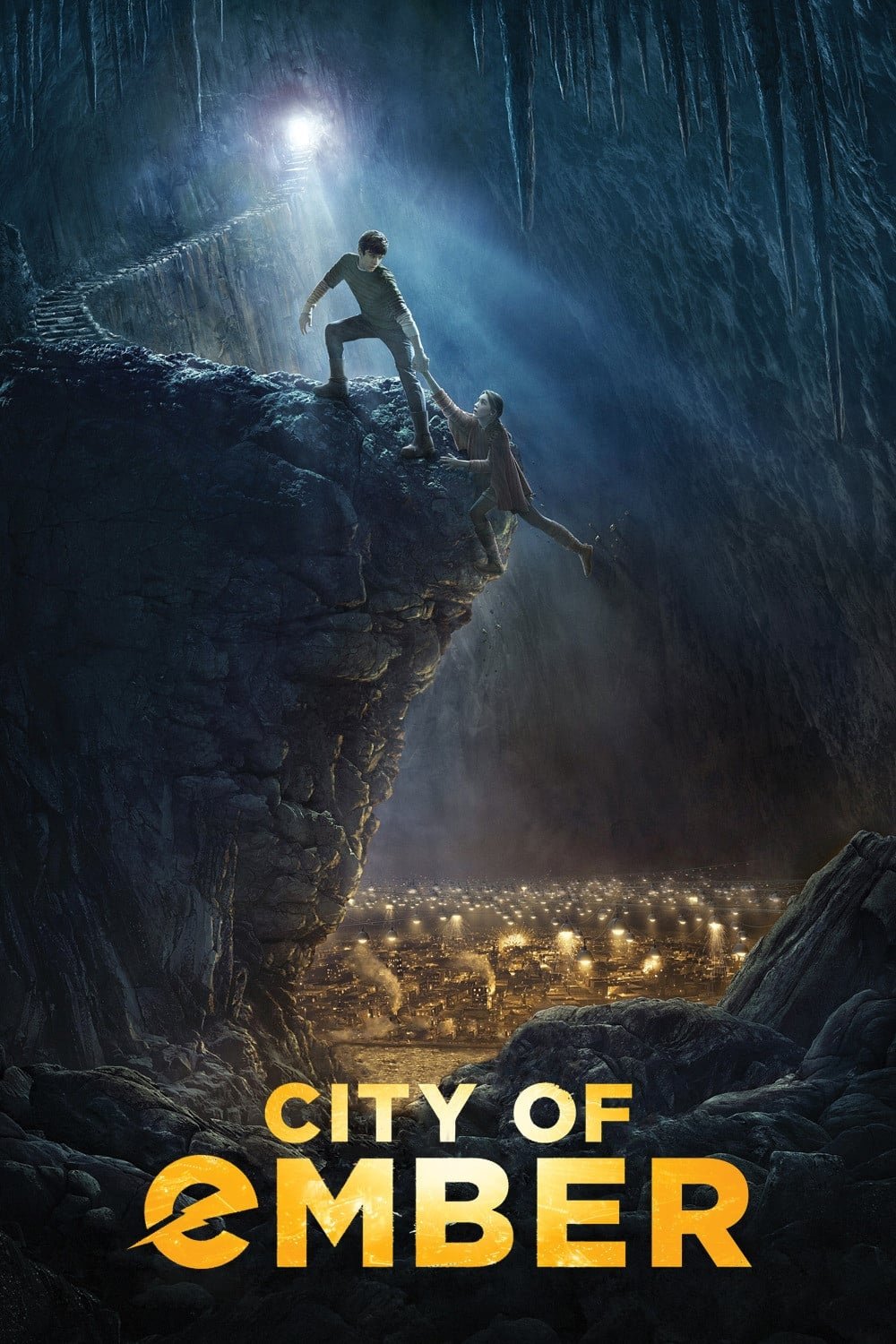
Two teens living in a failing underground city race to decode instructions that could lead survivors back to the surface after generations below ground. Sets recreated entire municipal blocks on soundstages, favoring practical lighting and mechanical design over heavy digital work to sell a dying power grid.
The feature opened in autumn with family adventure positioning and school-break playability in mind. 20th Century Fox distributed the release for Walden Media, with ancillary windows carrying the film to wider audiences.
‘The Divide’ (2011)
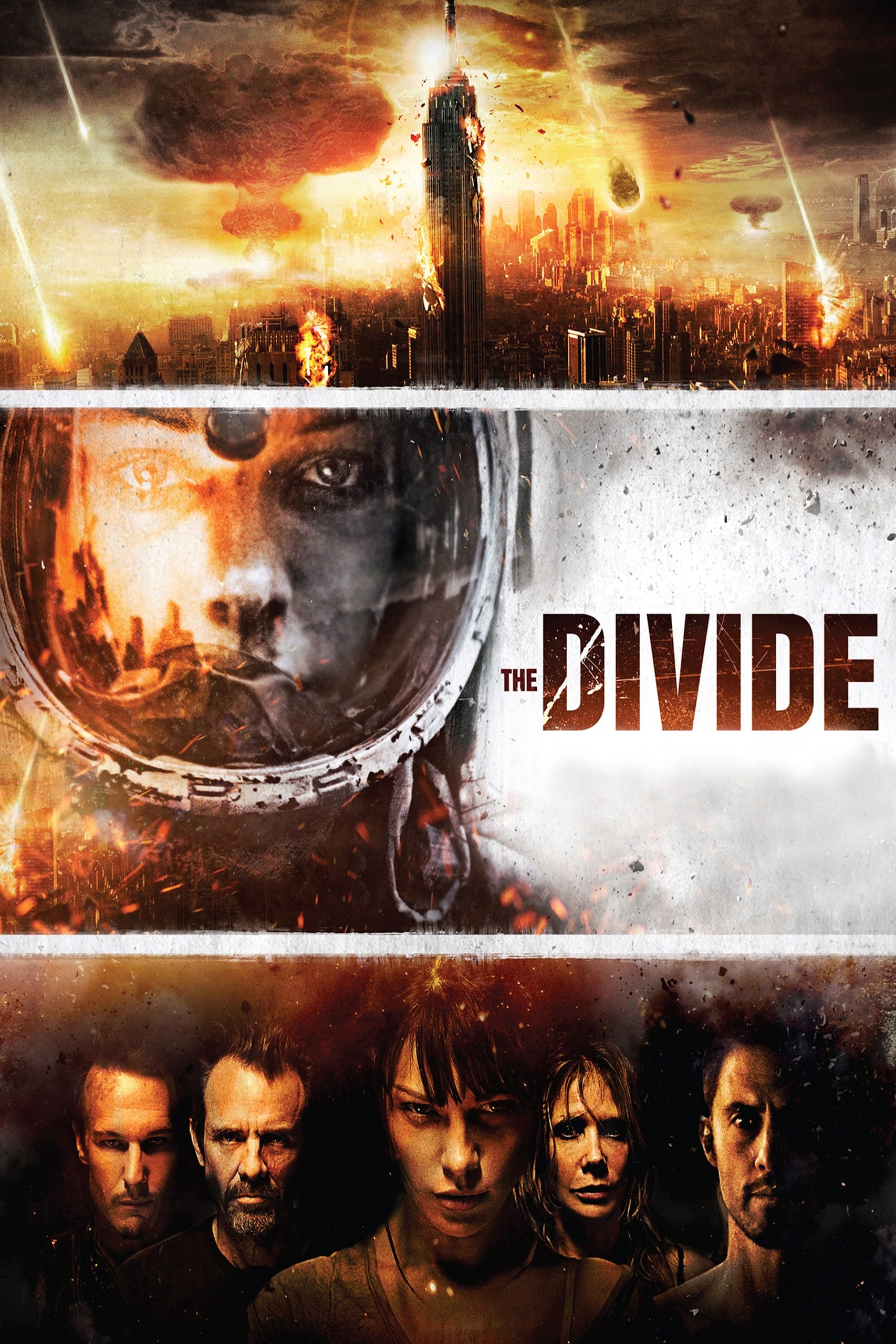
Residents of a New York apartment building retreat to a basement shelter after a nuclear event, where dwindling supplies and outside threats push them toward violent conflict. Shot primarily on enclosed sets, the film emphasizes claustrophobia, with makeup and production design tracking the group’s physical decline over time.
The title reached audiences through limited theatrical runs paired with video-on-demand availability. Anchor Bay Films handled the North American release, steering it through genre festivals before its commercial bow.
‘Future World’ (2018)
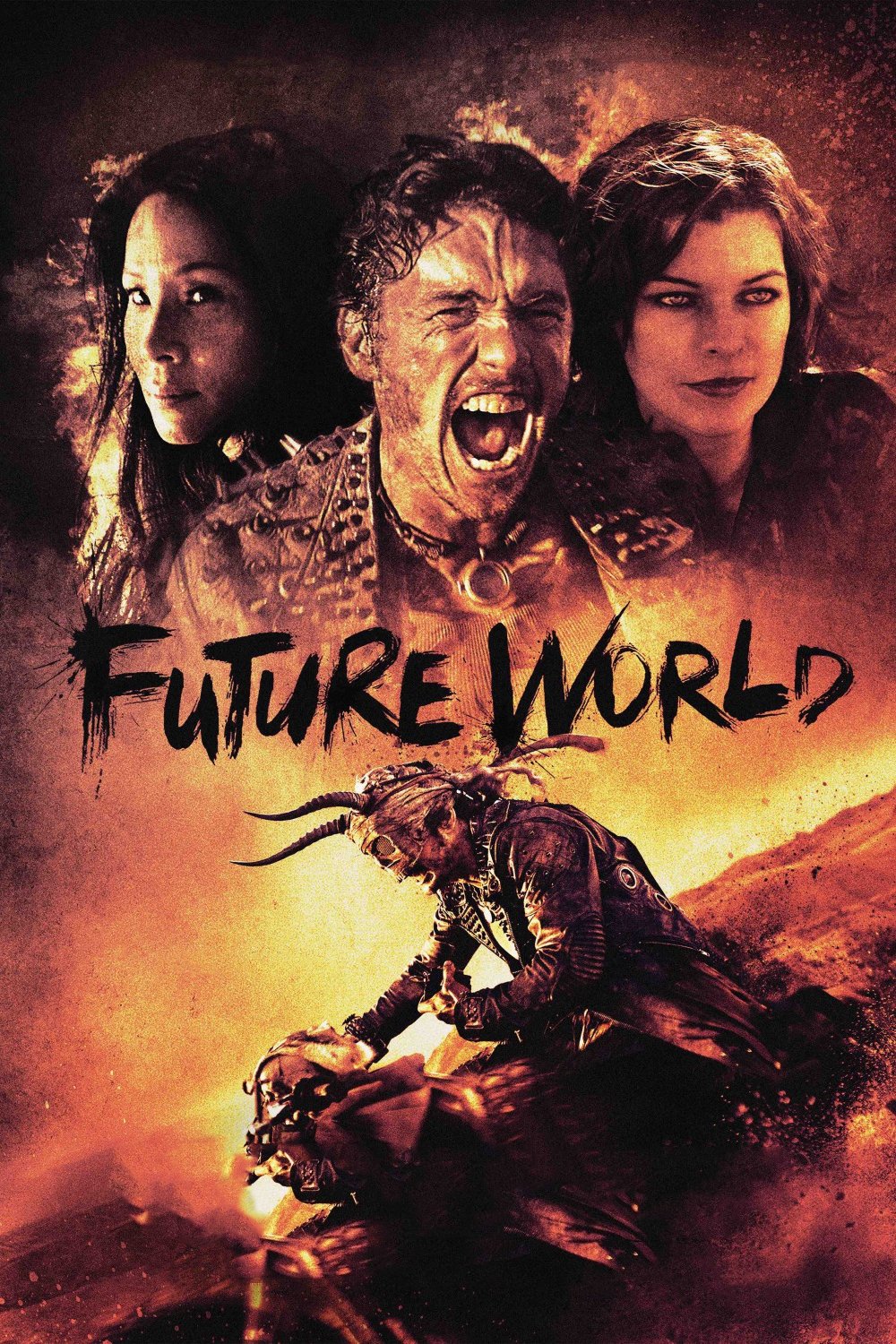
In a desert wasteland ruled by gangs and androids, a young man ventures out to find medicine for his dying mother, crossing paths with a warlord and a rogue synthetic. Co-directed by James Franco and Bruce Thierry Cheung, the movie uses California and desert locations to stage vehicular chases and scrapyard settlements.
The feature followed a modest theatrical strategy alongside day-and-date digital platforms. Lionsgate Premiere released it domestically, aligning the film with its genre-focused label slate.
‘Left Behind’ (2014)
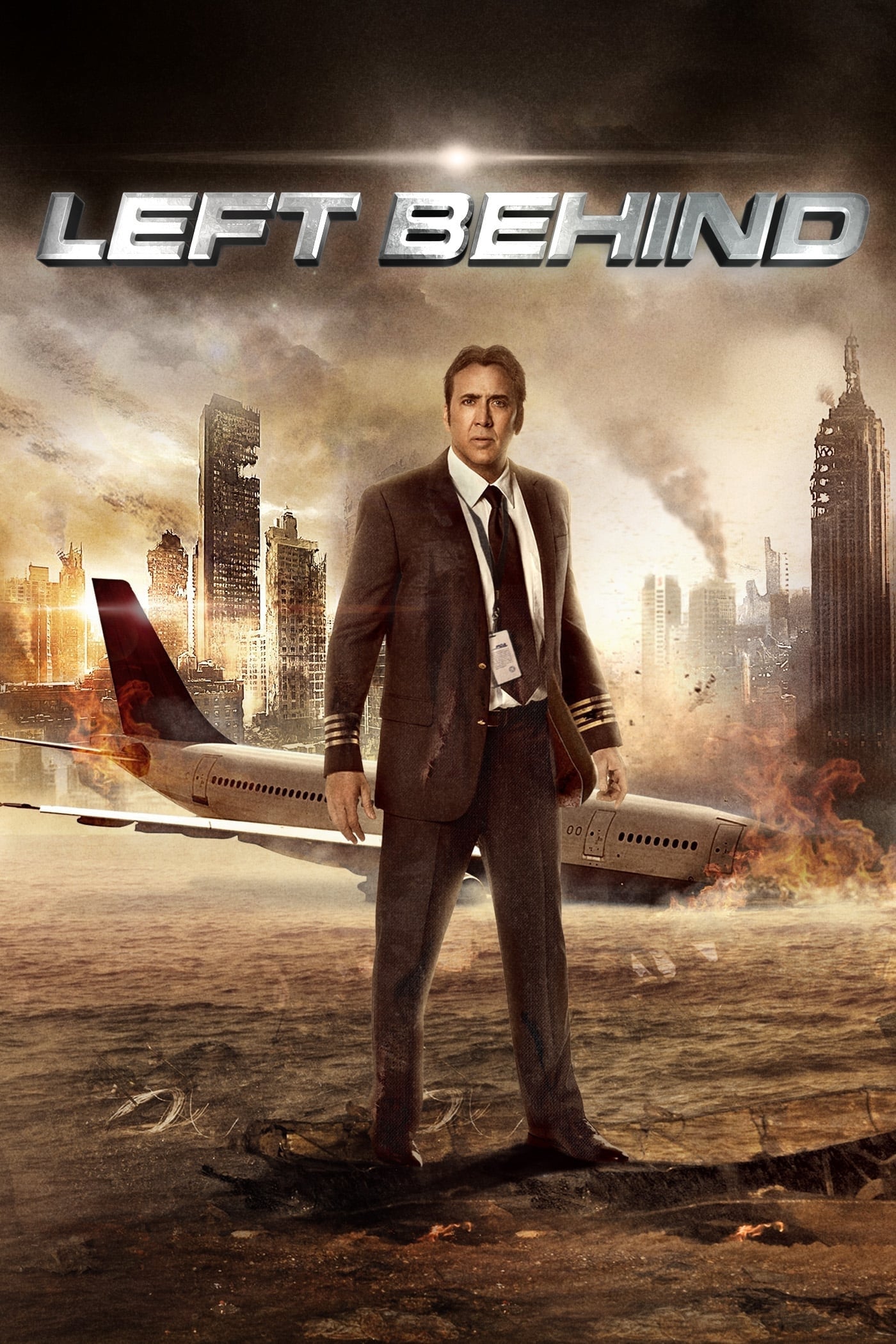
A sudden disappearance of millions leaves empty planes and chaotic cities, with a commercial pilot trying to land safely and reunite with his family. This reboot adapts the faith-based novel series with a contained disaster framework, shooting airline interiors on stages and airport sequences on closed runways.
The film pursued outreach to church communities while aiming for crossover attention through its lead casting. Freestyle Releasing handled the domestic theatrical launch with a nationwide booking footprint.
‘The Happening’ (2008)
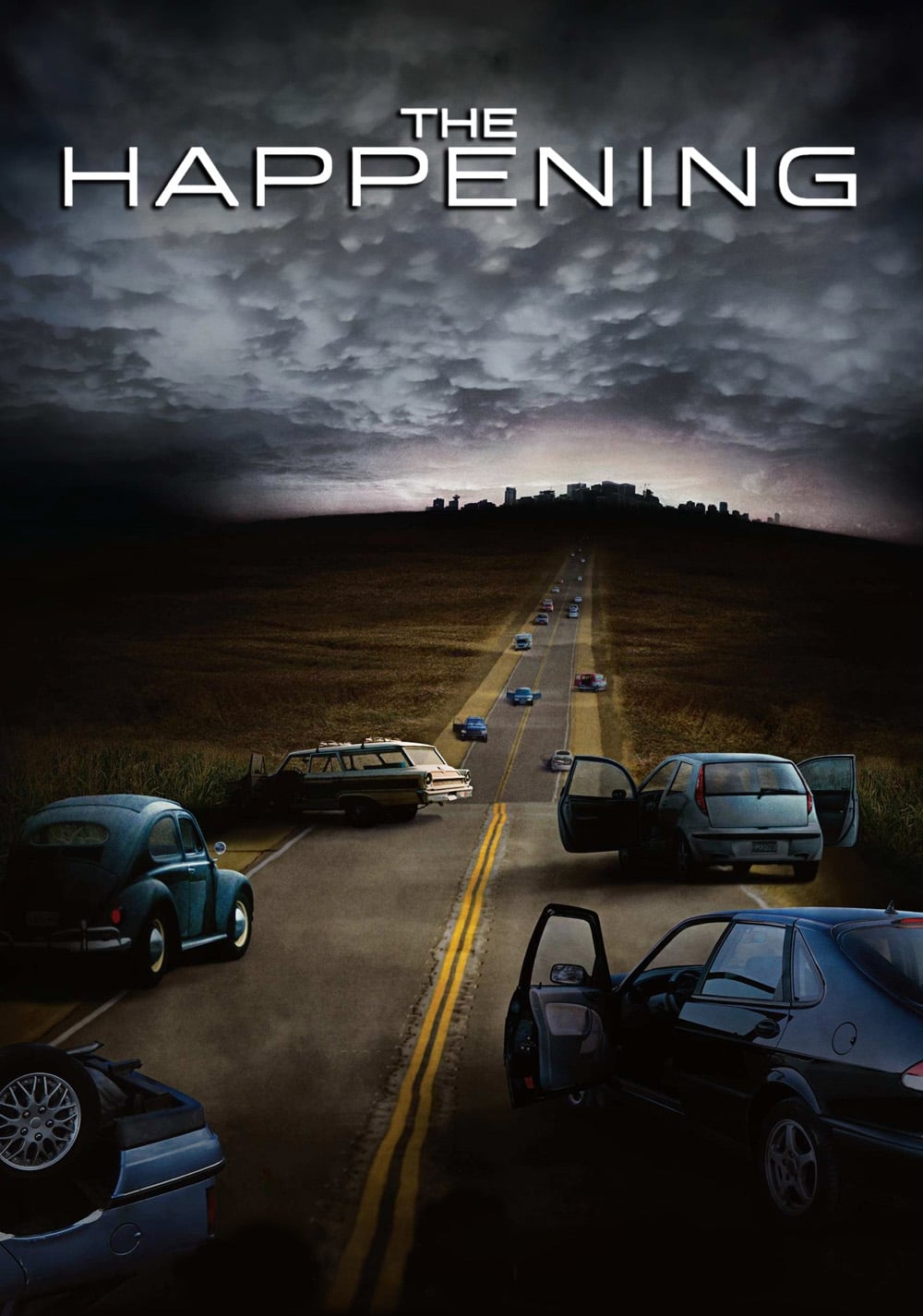
A mysterious wave of mass suicides sweeps across the northeastern United States, prompting a couple to flee cities and seek answers in rural towns. M. Night Shyamalan shot on location in Pennsylvania, New Jersey, and New York, favoring practical wind effects and a grounded visual approach over heavy CGI.
A summer release framed the film as a high-concept thriller with an R rating emphasized in marketing. 20th Century Fox distributed it widely, pairing standard screens with select premium engagements.
‘Oblivion’ (2013)
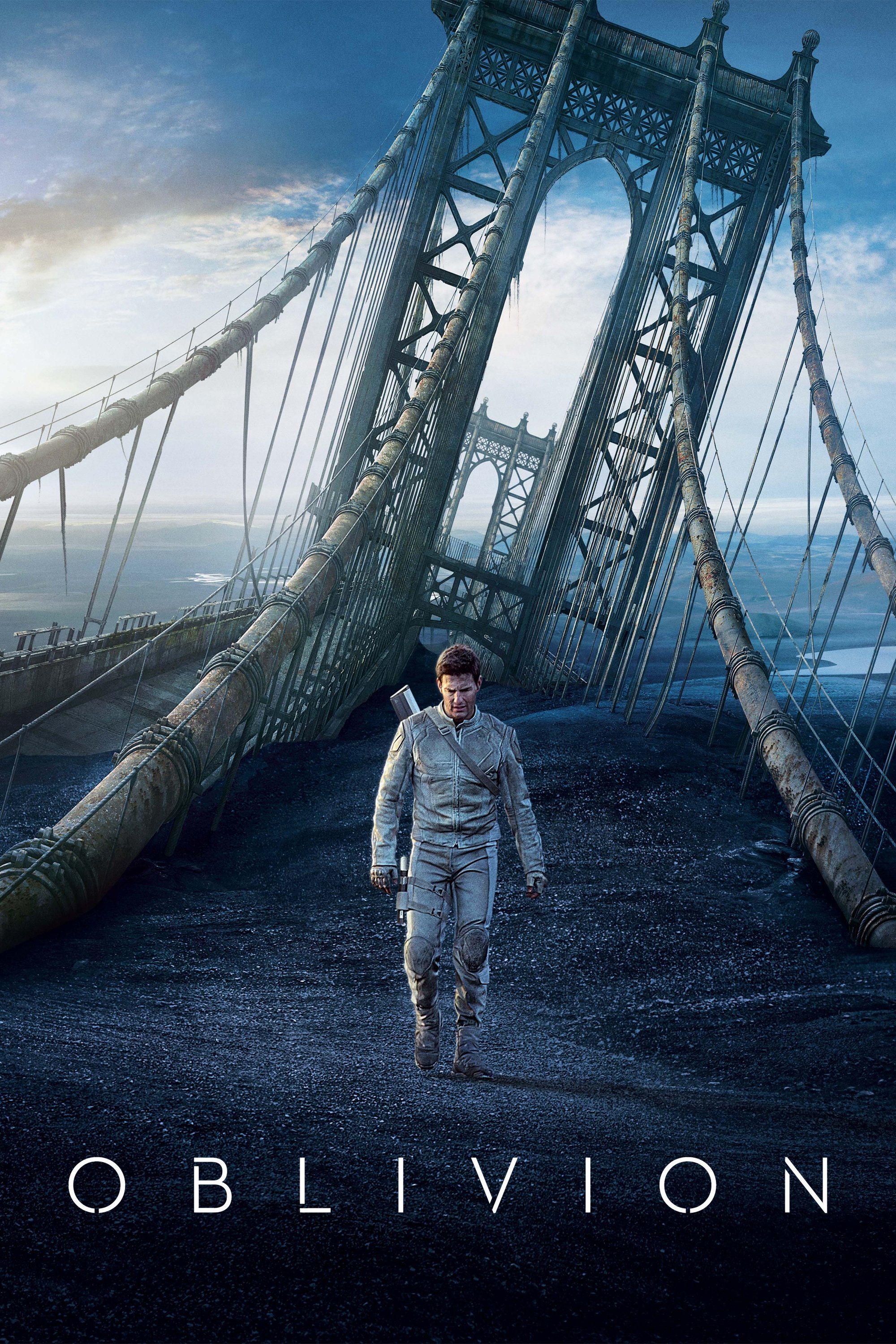
Set decades after a devastating war, a technician stationed on a depopulated Earth uncovers secrets about the conflict and his own assignment. Joseph Kosinski blended Icelandic landscapes with sleek production design and extensive LED-based projection to achieve in-camera skyboxes and reflections.
The film opened in spring following an international lead-in that built word of mouth ahead of North America. Universal Pictures distributed the feature worldwide, coordinating IMAX and large-format showings alongside traditional screens.
‘Geostorm’ (2017)
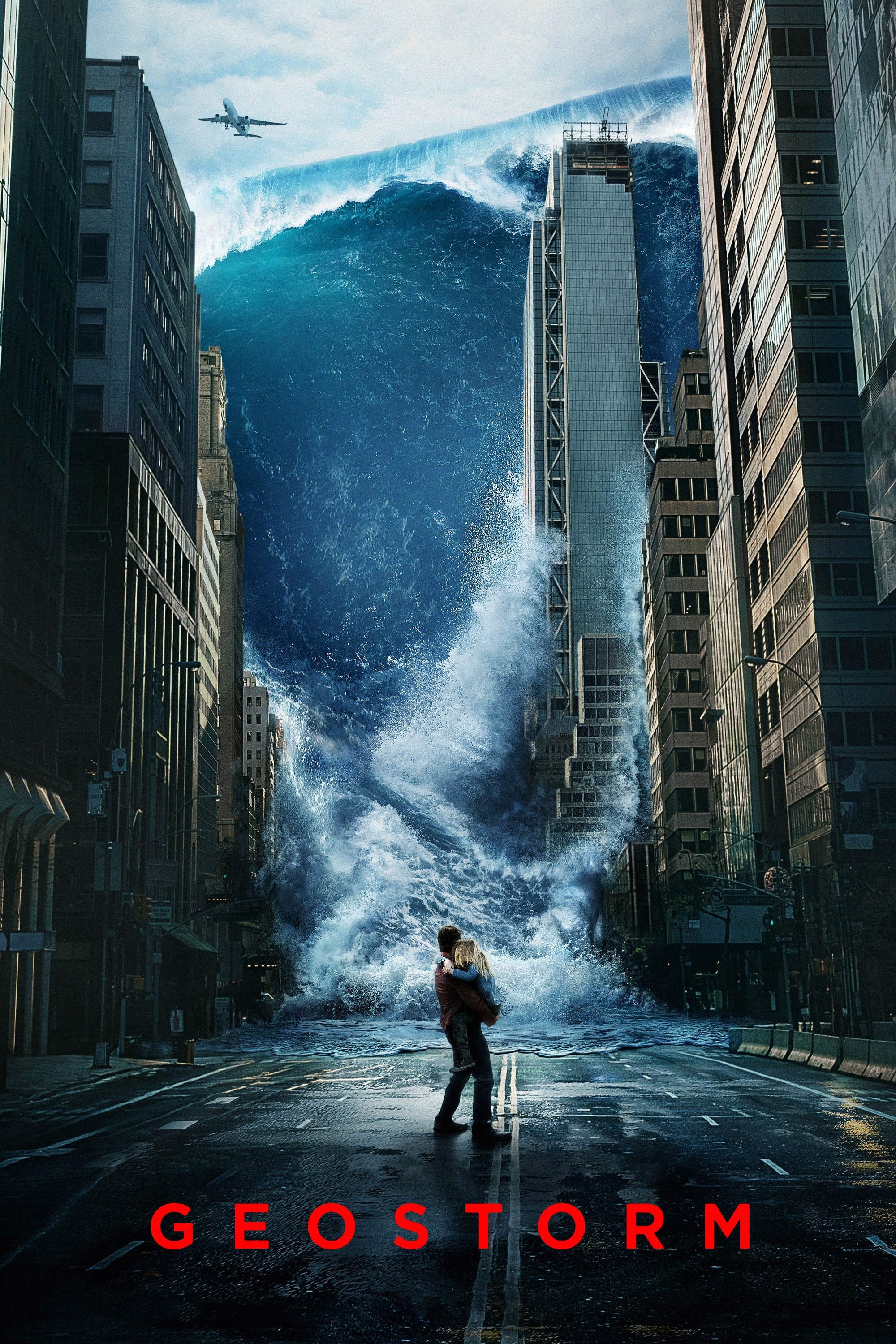
Although framed around climate-control satellites failing rather than a true aftermath, much of the story depicts cities on the brink and evacuation-level impact across the globe. Dean Devlin directed, with large-scale digital destruction sequences married to sets built for floods, freezes, and storms.
The movie reached theaters in October following reshoots and postproduction refinements. Warner Bros. Pictures released it broadly across the United States with a companion international rollout.
‘The Colony’ (2013)
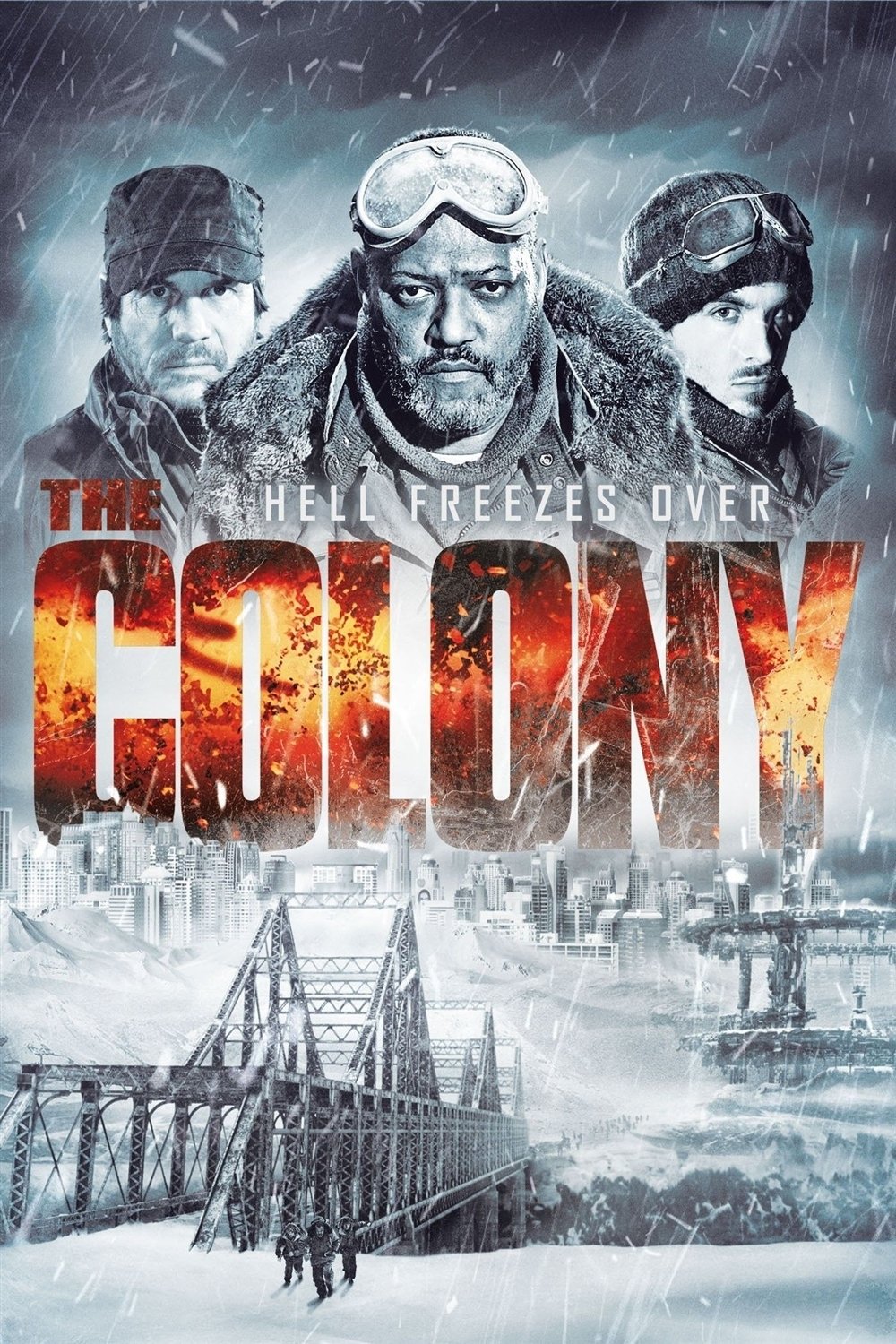
In a permanent winter brought on by climate intervention gone wrong, a small group of survivors responds to a distress call from another outpost and finds a new threat. The production utilized Ontario locations and repurposed industrial spaces to depict underground bunkers and iced-over corridors.
The film saw a limited theatrical release in North America paired with home-entertainment availability soon after. RLJ and Image Entertainment handled distribution in the United States, with eOne managing Canadian release plans.
‘The Bad Batch’ (2016)
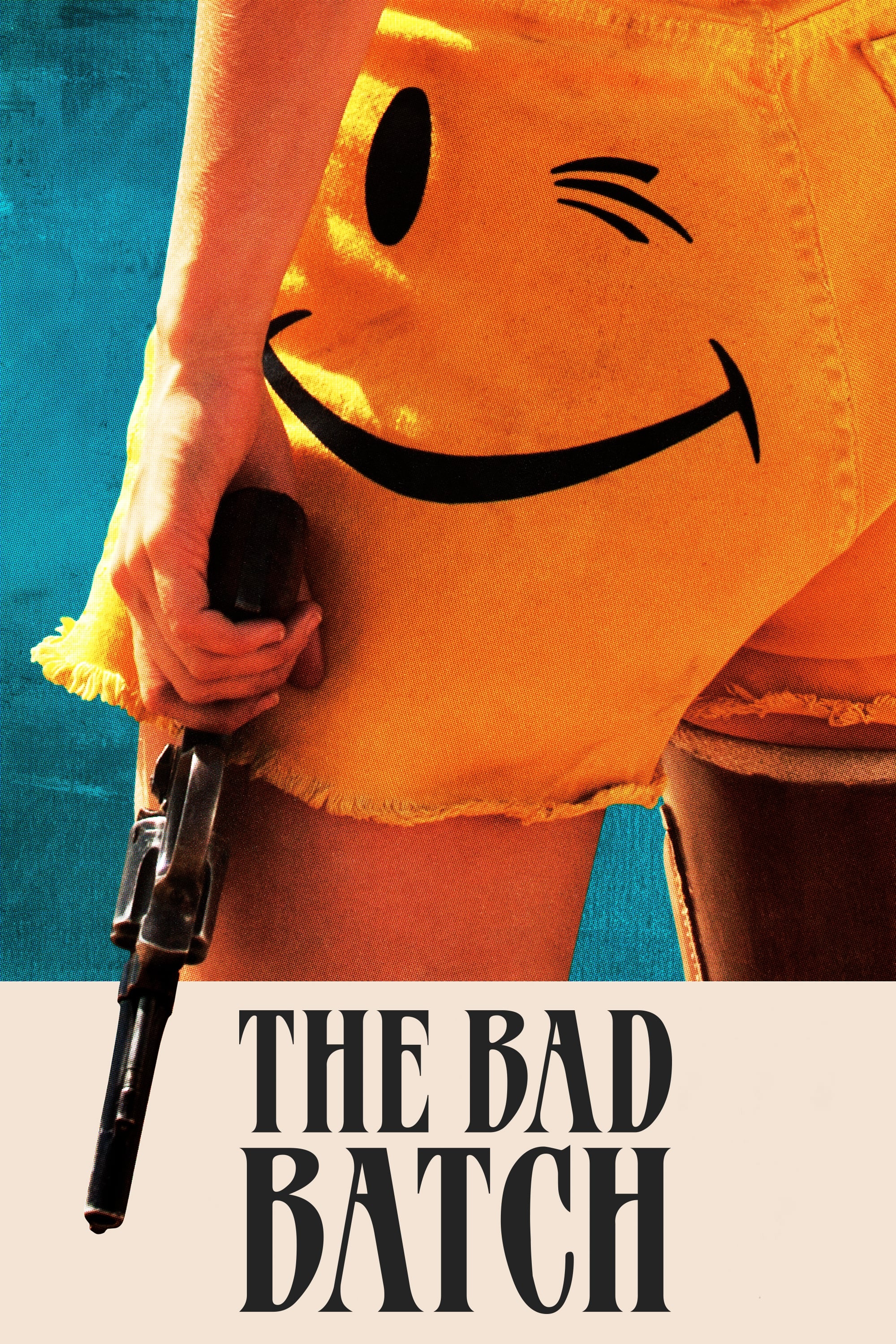
A drifter navigates a lawless Texas wasteland where communities survive on scavenging and cruel barter, with a synth-heavy score and striking sun-bleached imagery. Ana Lily Amirpour wrote and directed, shooting largely in California deserts with bold costume and art direction choices.
The film premiered on the festival circuit before a targeted theatrical run aimed at art-house and genre audiences. Neon distributed the movie domestically, positioning it as an auteur-driven take on post-apocalyptic survival.
‘Resident Evil: Welcome to Raccoon City’ (2021)
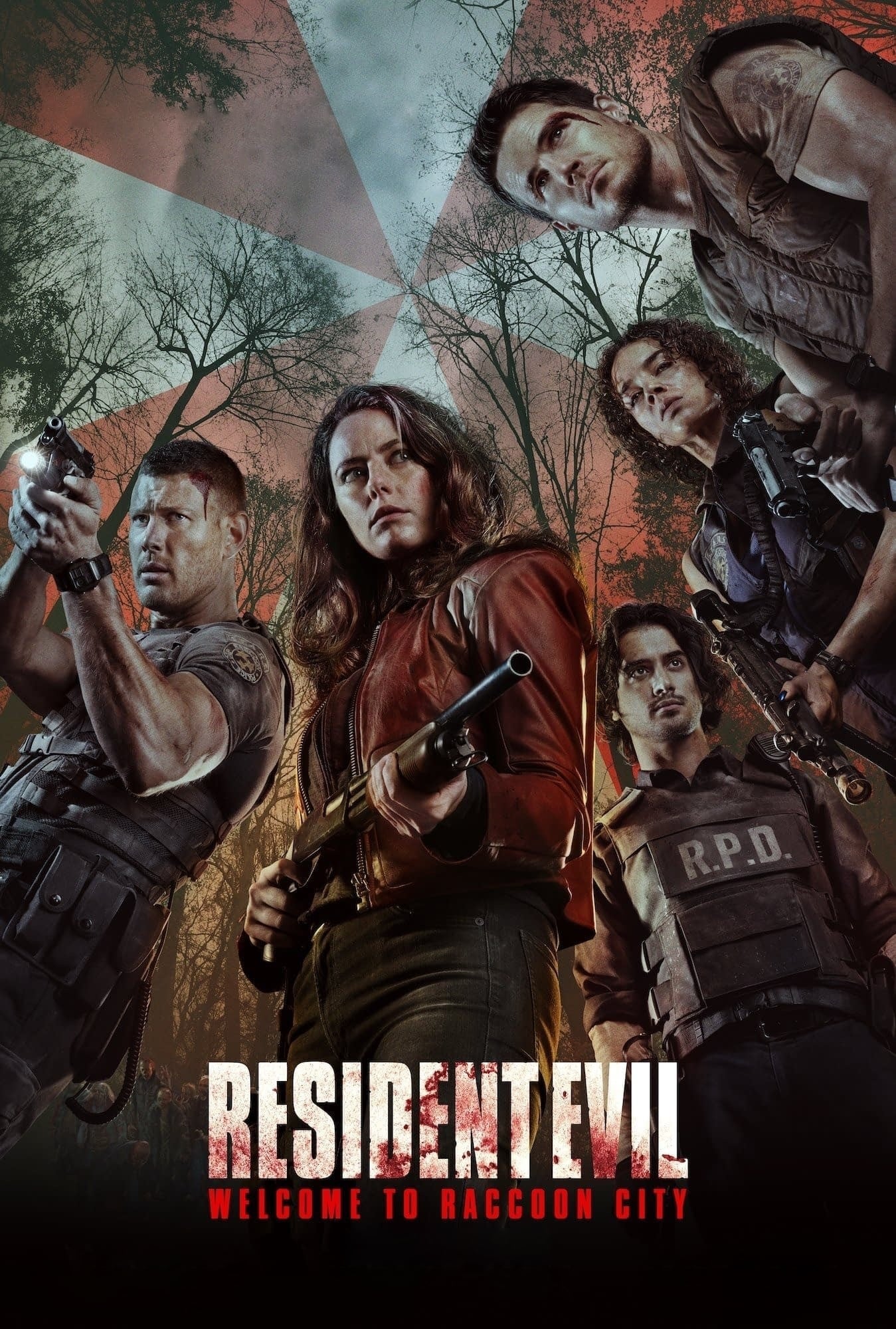
Rebooting the game adaptation, this installment returns to the initial outbreak and overrun police headquarters as the city collapses overnight. The production recreated iconic interiors on stages and leaned into practical creature effects where possible, complemented by digital enhancements for large crowds.
The film opened in late fall with a focus on franchise recognition and nostalgia for early game lore. Sony Pictures Releasing brought it to U.S. theaters, coordinating overseas dates through regional affiliates.
Share your picks for the bleakest big-screen misfires in the comments so we can compare notes on which wastelands you would warn others to avoid.

