


5 Things About ‘Andor’ That Made Zero Sense and 5 Things About It That Made Perfect Sense

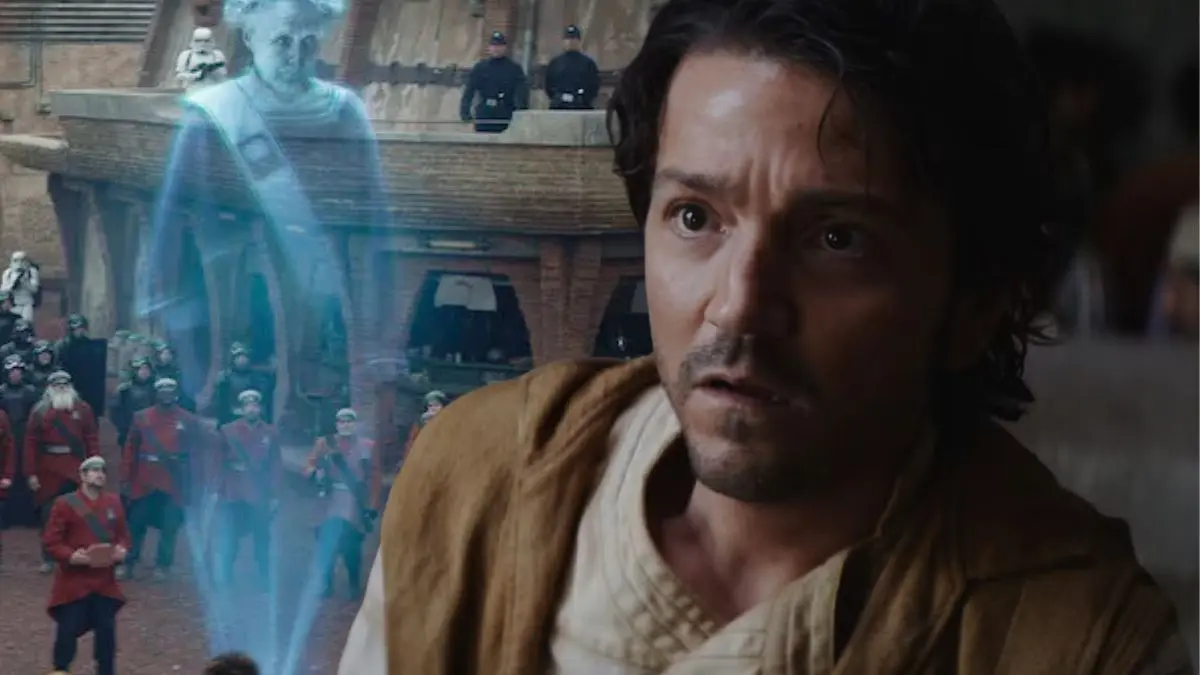


‘Andor’ dives into the everyday machinery of the Empire and the fragile networks that grow into the Rebellion, focusing on Cassian Andor’s path before ‘Rogue One’. It builds a grounded look at surveillance, labor camps, dirty money, and covert tradecraft across factory towns, luxury salons, and backwater planets.
A lot in ‘Andor’ lines up with real world systems and careful planning, which helps the story feel practical and tense. A few choices still raise head scratching questions in how records get kept, how prisons are engineered, and how security behaves in places that should be locked tight.
Zero Sense: Fest vs Kenari records
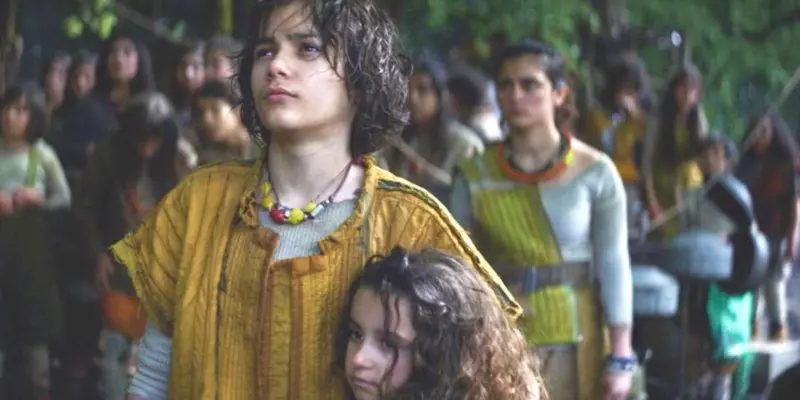
Canon materials once listed Fest as Cassian’s birthplace while the series establishes Kenari as his actual origin and shows Fest used as his official record. Even after the Ferrix investigation surfaces people who know Cassian’s Kenari past, Imperial files and corporate security profiles continue to carry Fest without a visible update or cross check.
The show explains that Maarva registers the boy under a different world to protect him after removing him from Kenari, and Cassian keeps using the false birthplace in work papers and travel identities. The part that sits oddly is that ISB analysts aggregate sector wide data and still treat the Fest entry as authoritative after multiple Ferrix interviews bring up Kenari by name.
Perfect Sense: Ferrix funeral customs

Ferrix turns its dead into bricks that are placed into walls, and the town holds a public procession led by a band and the anvil bell atop the clock tower. That practice grants a formal permit and route even under Imperial presence, which means a crowd can gather in daylight with instruments, banners, and a designated speaker.
Those customs create cover for message delivery and movement. The Daughters of Ferrix steward the ceremony, B2EMO projects Maarva’s words, and residents align along Rix Road with prearranged roles, which explains how a community event becomes a moment to pass signals, open side doors, and get people out.
Zero Sense: ISB data sharing gaps
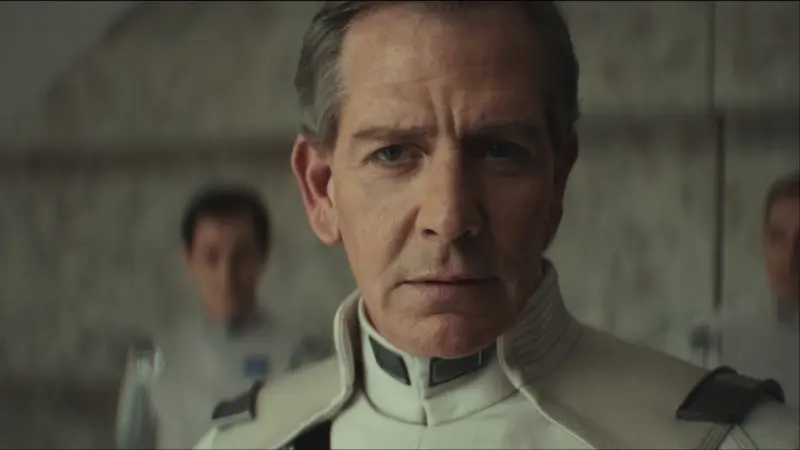
ISB supervisors track thefts and missing tech across multiple sectors, and Dedra Meero assembles a pattern that includes the Starpath unit, Ferrix incidents, and Aldhani. Yet jurisdiction fights inside the ISB keep cases siloed, and the service does not visibly run a clean photo and alias match that links Keef on Niamos to Cassian on Ferrix.
During the Ferrix crackdown the Empire installs listeners, flips informants, and scans traffic, but Cassian moves from Ferrix to Niamos without an automated flag that ties his image to earlier reports. The shoretrooper arrest records the alias on the spot and pushes him into sentencing without surfacing the Ferrix file, which makes the agency’s internal integration look thin.
Perfect Sense: PORD and harsh sentencing
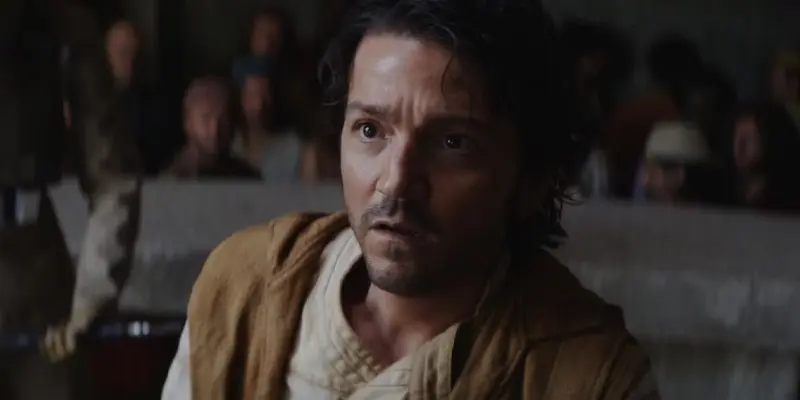
After Aldhani, the Public Order Resentencing Directive increases penalties for minor charges and pushes people into industrial prisons like Narkina 5. The change is announced through rapid legal updates that local courts apply immediately, which fits how authoritarian systems expand punishment to discourage unrest.
Cassian’s street sweep arrest on Niamos turns into a six year term because the new directive resets durations and removes early release. The same policy pressure explains the fatal “Level Two” incident when recycled prisoners discover their paperwork will never move, which triggers a shutdown and later stronger controls until the uprising.
Zero Sense: Narkina 5 floor grid vulnerabilities
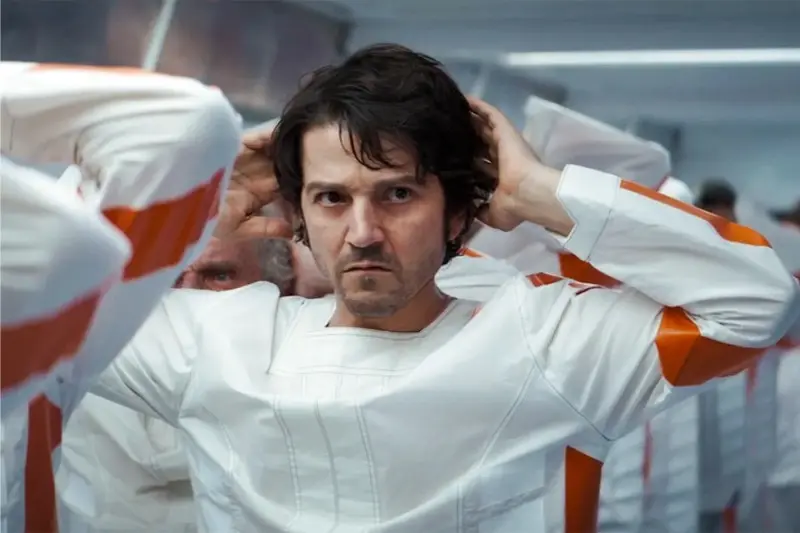
The prison relies on electrified floors, timed shifts, and visible production quotas to manage large rooms with very few guards. The entire system pivots on a central control hub that can cut power to levels and broadcast orders, which concentrates authority in a small booth above open work areas.
The escape begins when inmates interrupt the lift, surge the control platform, and seize the console while water floods a section that prevents the floor grid from coming back online. With no visible waterproofing at the work stations and no lockouts that isolate the hub from a single room failure, one captured panel lets the uprising spread across the complex.
Perfect Sense: Luthen’s cover and tradecraft
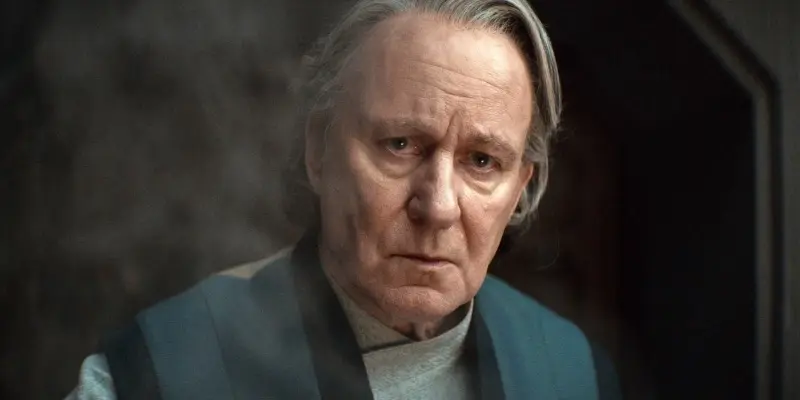
Luthen Rael runs an antiques gallery on Coruscant with a practiced sales persona, curated pieces, and a trusted aide in Kleya who handles the quiet side of the work. The gallery gives him plausible reasons to meet senators like Mon Mothma, move credits through a foundation, and maintain a steady visitor flow without raising alarms.
His Fondor craft carries a droid pilot module, switchable transponder profiles, and precise comms protocols that avoid names and locations, and he uses cut outs such as Lonni inside the ISB and face to face meetings with Saw Gerrera on remote ground. Dead drops, coded phrases, and compartmentalized cells match how a covert network stays resilient when a node is burned.
Zero Sense: Fondor’s hidden weapon suite
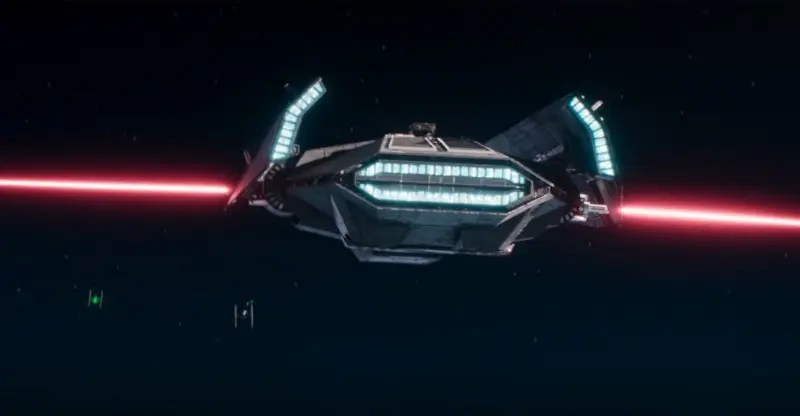
A customs stop shows the Fondor ejecting charged countermeasures that shred a tractor beam array and then firing paired energy beams that slice through TIE fighters. Civilian freighters in ‘Star Wars’ usually carry decoys or speed, not weapons that can carve Navy craft in open space.
The sequence also means a merchant tagged hull is flying with restricted hardware while using a standard traffic profile, yet no persistent pursuit follows beyond the damaged cruiser. Destroyed TIEs, a compromised customs ship, and an obvious signature should place the vessel on a permanent watch list with alerts on reentry to any Imperial lane.
Perfect Sense: Aldhani heist planning
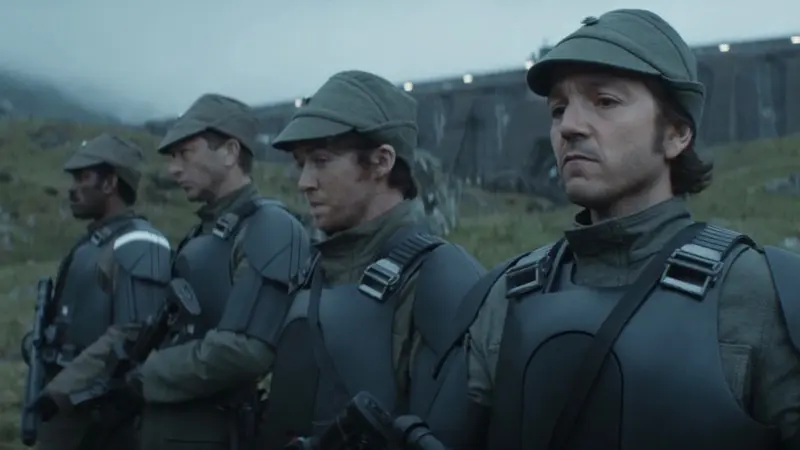
The team maps the garrison’s routines, learns parade ground commands, and drills with weight matched vault racks so the timing works under pressure. They choose the Eye as their window because the celestial event blinds sensors, draws off duty personnel to watch the sky, and provides natural confusion for any movement near the airfield.
Uniforms, pilgrim activity, and terrain all factor into the approach. A prepositioned freighter sits in a valley aligned with the launch rails, roles are assigned for navigation and medical support, and radio discipline keeps chatter clean until the alarm, which explains how they get into the vault and off the ground.
Zero Sense: Syril’s access to Dedra
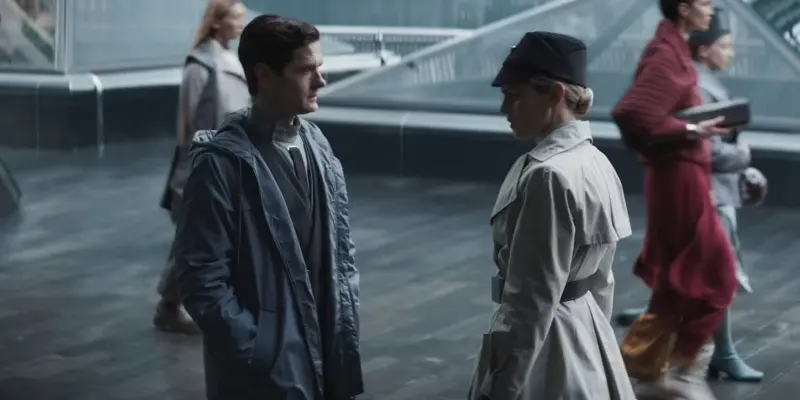
Syril Karn loses his corporate security post after Ferrix and later takes a desk job in the Bureau of Standards on Coruscant. He then studies public schedules and waypoints to meet Dedra Meero near her office without an invite, which places a dismissed officer within reach of a senior ISB supervisor.
The first confrontation happens in an open transit area with no visible protective detail, and he later shows up again near administrative floors for another exchange. Elsewhere the ISB uses coded cylinders, controlled lifts, and logged meetings, so the unplanned access looks out of step with the controls shown inside the building.
Perfect Sense: Mon Mothma’s financing maze
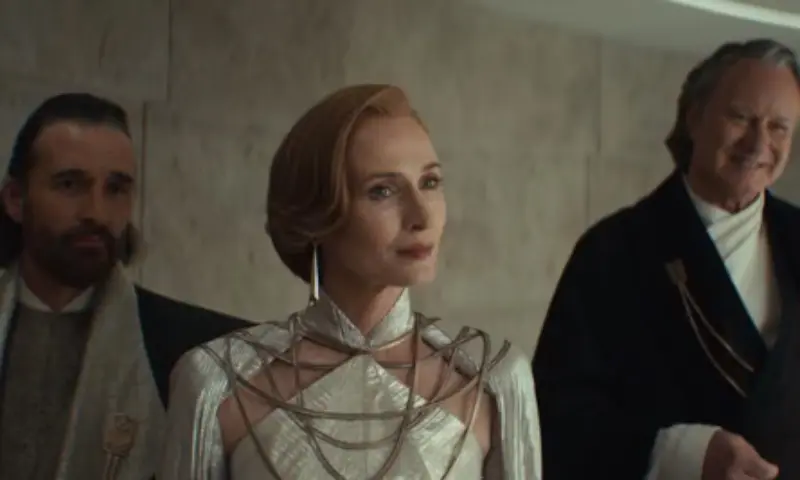
Mon Mothma routes support to rebel cells through a charitable foundation and brings in Tay Kolma to help mask transfers that now face tighter audits. A private lender named Davo Sculdun offers a loan through a discreet account, and the price is a social introduction that folds politics into family customs.
Imperial banking rules add new checks that flag large gaps, which forces backdated ledgers, proxy donations, and a new story to cover a shortfall of hundreds of thousands of credits. Closed door dinners and careful guest lists give her space to move money and information while keeping household routines steady enough to avoid extra scrutiny.
Share the moments in ‘Andor’ that left you puzzled or impressed in the comments so everyone can compare notes.

