


5 Things About ‘Ant-Man and the Wasp: Quantumania’ That Made Zero Sense and 5 Things About It That Made Perfect Sense

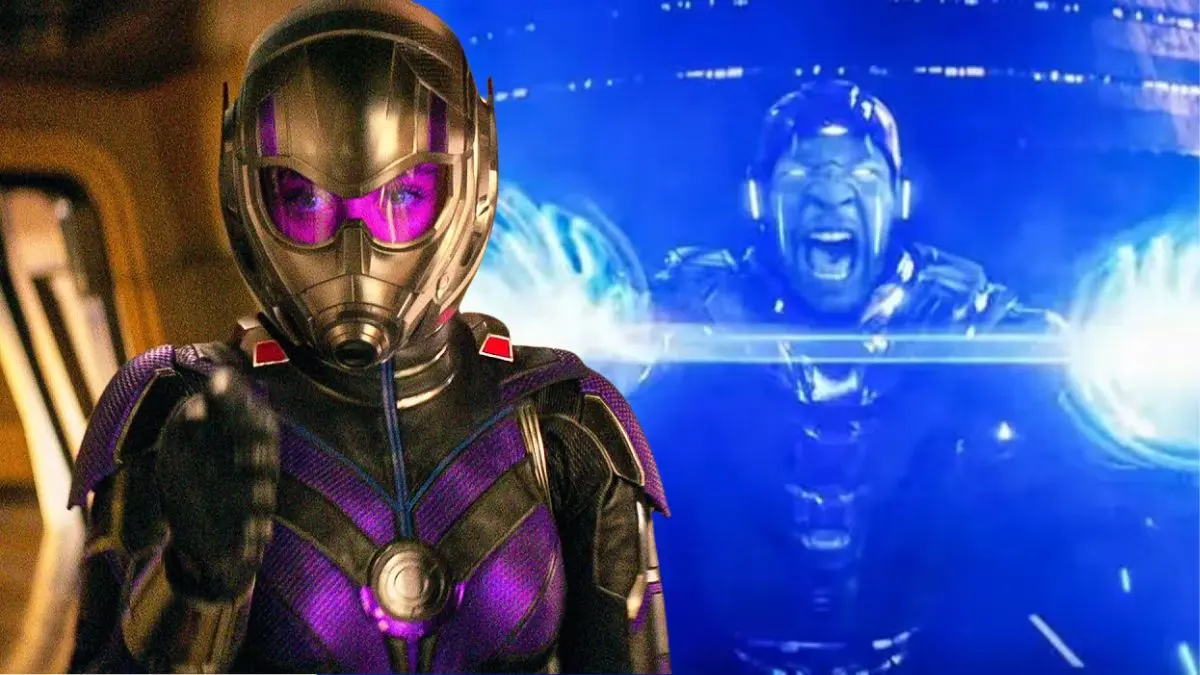


The Quantum Realm opens the door to new corners of the story, with Scott, Hope, Cassie, Hank, and Janet pulled into a place that bends time and reality. The film introduces a new central antagonist in Kang while threading in returning characters and long running tech ideas like Pym particles and ant communication.
That mix creates a lot to unpack. Some choices line up neatly with what previous entries set up, and others collide with the rules the series had already taught viewers. Here are five that strain the internal logic and five that fit the puzzle cleanly.
Zero Sense: Janet knew about Kang yet never warned her family
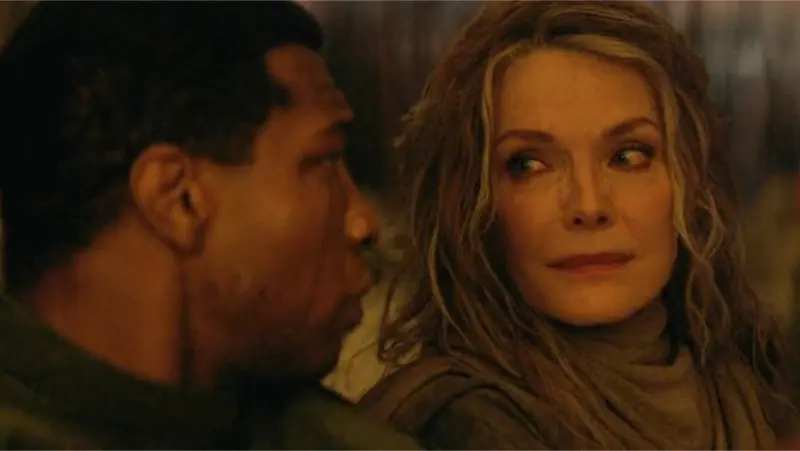
Janet spent decades with Kang in the Quantum Realm and learned that he sought to escape and restart his war across timelines. She also knew his ship and power core were the key to leaving. Despite that, she returned home and did not explain this threat to Hank, Hope, or Scott when they were actively working with Quantum tech.
Her silence becomes more puzzling when Cassie builds a signal that pings the Quantum Realm and pulls everyone inside. Janet had ample context to shut down that experiment early with specific information about Kang, his city, and the danger of broadcasting a beacon, which would have prevented the chain of events that follows.
Perfect Sense: Kang’s exile explains his tactics and his need for the power core
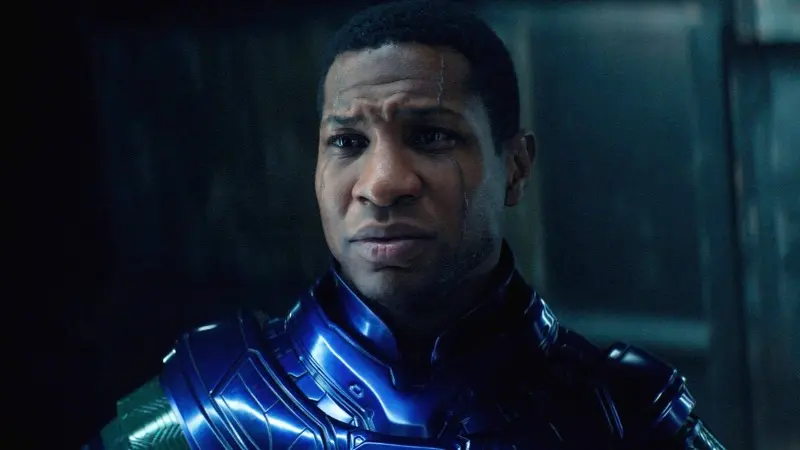
The film states that other versions of Kang banished this one to the Quantum Realm. That exile traps him in a place outside normal time, which is why he fixates on repairing the ship’s multiversal engine and power core to escape. His alliance with Janet to grow the core back to operational size follows directly from that need.
Once Janet learns who he is, his pivot to conquest inside the Realm also tracks. With no path out, he consolidates power, builds an army, and controls trade routes and technology so he can rebuild what he lost. Every move points back to a single goal, which is to leave, regain reach across timelines, and resume the campaign that got him exiled.
Zero Sense: The Quantum Realm shifts from hazardous void to bustling civilization with no bridge
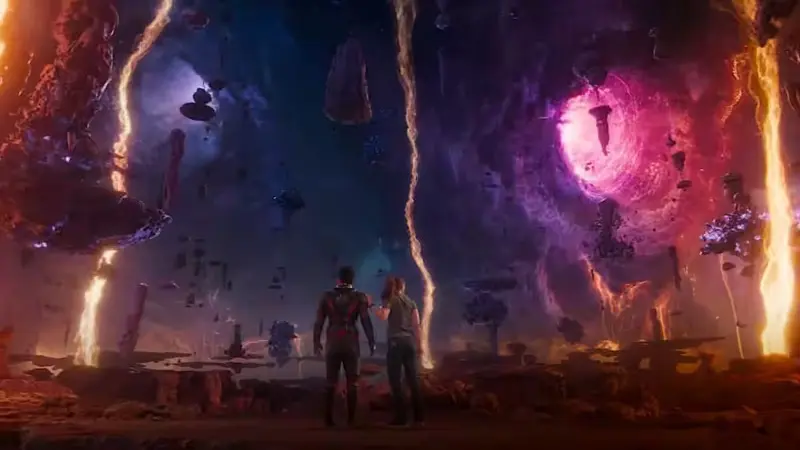
Earlier films described the Quantum Realm as a place where normal rules fail and survival requires special suits and precise navigation. In this film it functions as a layered civilization with cities, marketplaces, and a wide spectrum of species who breathe and speak without clear translation tools. The shift removes previously stressed survival limits without an in story adjustment.
Transport and scale rules also blur. Characters travel large distances quickly and navigate habitats that behave like regular ecosystems. The movie does not add a new device or protocol that would explain how language barriers vanish or how atmospheric needs align with human biology, which leaves a gap between prior depictions and this fuller world.
Perfect Sense: Time dilation lets Hank’s ants evolve into a hyper advanced society
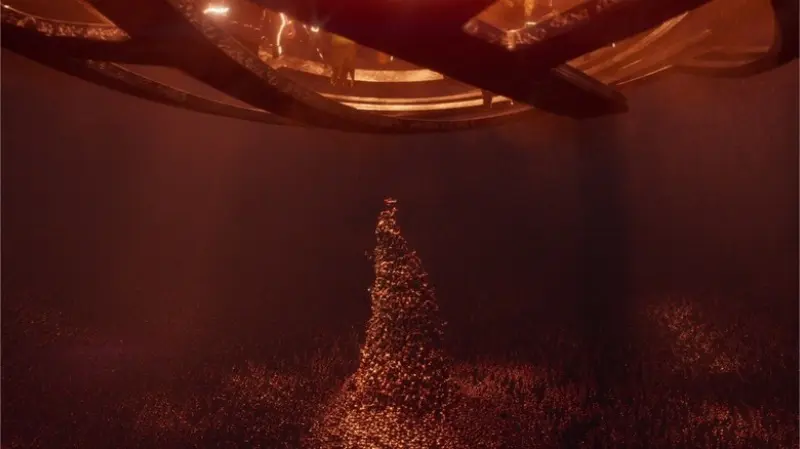
Hank’s ant colony is shown being pulled into the Quantum Realm and experiencing time very differently. The film explains that they lived through many years relative to the hours of the main plot, which would allow rapid cultural and technological progress. That is consistent with earlier explanations that time behaves unpredictably at deeper Quantum levels.
Those ants already responded to guided signals and simple tasks in earlier stories. Given extended subjective years, access to scavenged materials, and continuous instruction systems, it is reasonable that they could scale to complex engineering, coordinated swarms, and focused objectives. Their arrival as an organized force follows from that accelerated timeline.
Zero Sense: The probability storm introduces rules then resolves without clear cost
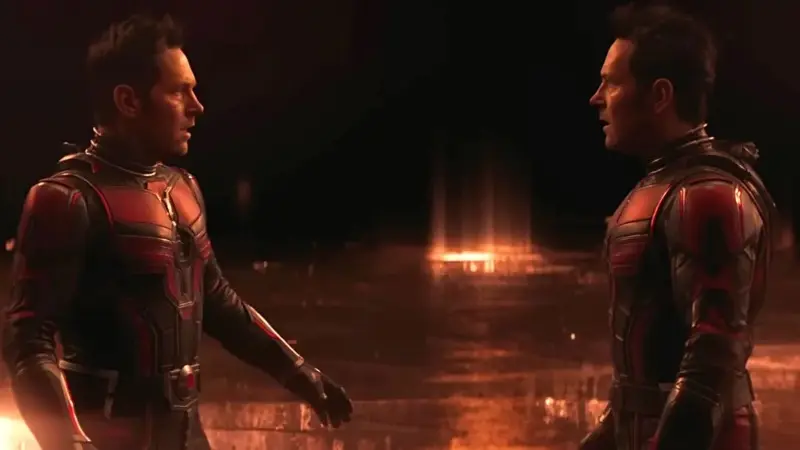
Scott enters a zone that splits him into countless probability copies as he approaches the power core. The scene states that each fork reflects a different choice, which should complicate coordination. Yet the copies rapidly converge on a shared plan and reform into a single outcome with no lasting fragmentation or penalty once the task ends.
The film does not define why one set of probabilities becomes dominant or why merging is possible without residue or memory conflict. It also shows Hope entering the same zone and bypassing duplication entirely, which undercuts the stated mechanic. Without a governing rule or device that mediates collapse, the storm functions as a one scene obstacle that leaves no footprint on the characters.
Perfect Sense: Cassie’s quick grasp of suits and Quantum tech draws from years of exposure
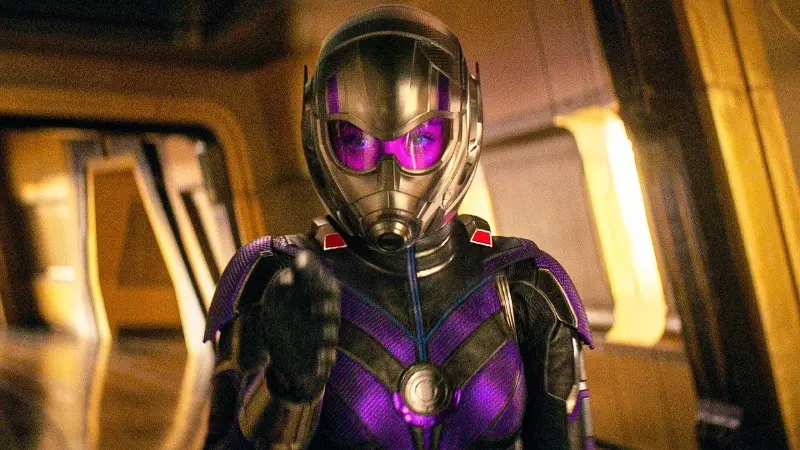
Cassie has grown up around Scott, Hope, Janet, and Hank, all of whom work with Pym particles and shrinking mechanics. She has handled gear, seen suits up close, and heard repeated explanations of safety protocols and field strategies. That background sets the stage for her to assemble a prototype and adapt under pressure.
Inside the Realm she adjusts to size changes, uses communication devices, and learns to pace her growth and shrink cycles. The film shows her failing, recalibrating, and then applying instruction from earlier training. The learning curve is steep but it sits on a foundation of access, mentorship, and long term curiosity around this technology.
Zero Sense: Kang’s power level swings wildly across key battles
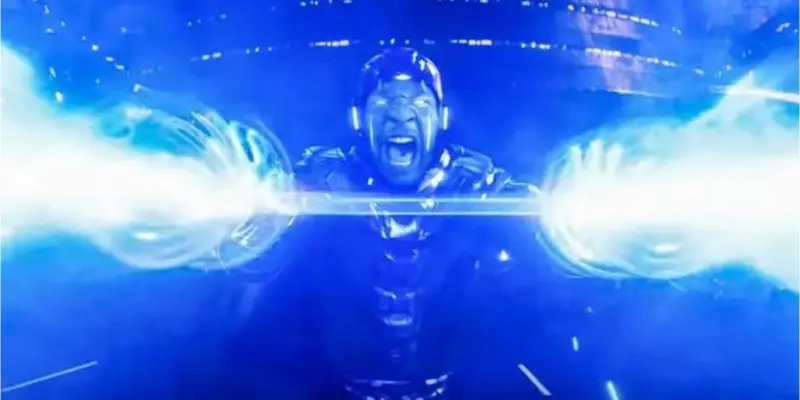
Kang displays overwhelming force when he suppresses rebels, disables fighters with energy blasts, and blocks incoming attacks with shields. Those moments establish that his suit and tech can neutralize multiple threats at once. In the climax he loses ground to ants and then to close quarters combat with Scott, even before the portal events finish playing out.
If his systems can project fields, manipulate vectors, and fire with precision, then the later loss should require a specific disruption beyond general pressure. The film does not show a clear hard counter that removes those abilities or a measurable drain on his energy reserves before the final exchange, which leaves his defeat under specified.
Perfect Sense: The rebellion against Kang operates like a classic occupation resistance
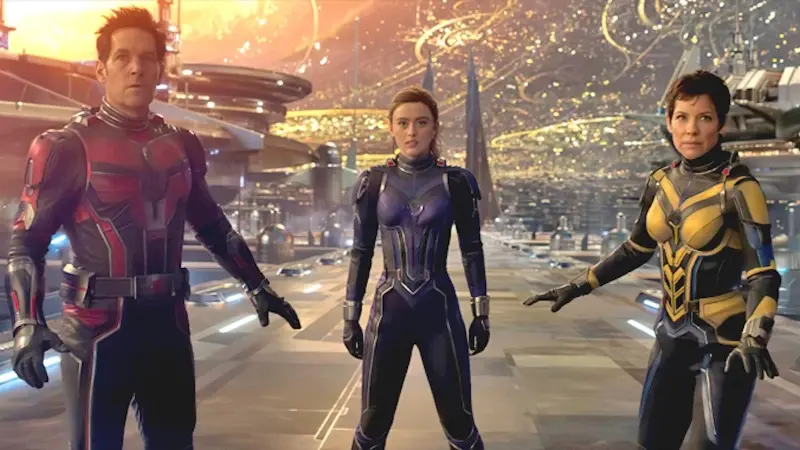
Communities inside the Quantum Realm have their resources extracted and movement restricted by Kang’s regime. Leaders rally civilians, sabotage supply chains, and coordinate with outside help when Scott’s group arrives. Those beats mirror common resistance patterns when a technologically superior force controls a region and leverage local knowledge to offset the imbalance.
Their tactics emphasize mobility, decentralized cells, and hitting infrastructure instead of direct confrontation. That strategy pairs with Pym tech and shrinking infiltration to create openings that a head on assault could not. The uprising’s structure is consistent with asymmetrical conflict and explains how a scattered population can challenge a concentrated authority.
Zero Sense: The Council of Kangs stinger clashes with the TVA framework set up in ‘Loki’
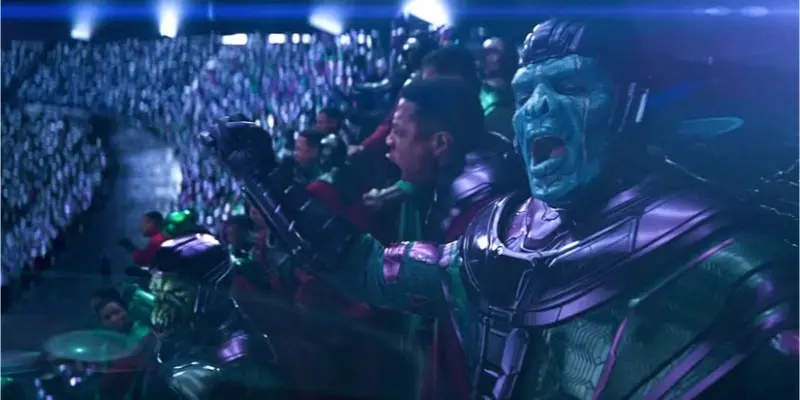
The mid credits scene shows many Kang variants coordinating across realities and reacting to the defeat of the exiled one. Earlier stories in ‘Loki’ established the TVA as an organization that pruned branching timelines to prevent multiversal chaos. The visible activity of the Council suggests large scale cross timeline collaboration that the TVA would normally block.
The film does not reconcile whether the TVA has lost control, changed policy, or been removed from the board in the period between shows and this plot. Without acknowledging that shift, the existence of a massive arena of variants in active contact sits at odds with prior enforcement that erased such branches before they could mature.
Perfect Sense: Bringing back Darren Cross as MODOK closes a lingering thread from ‘Ant-Man’
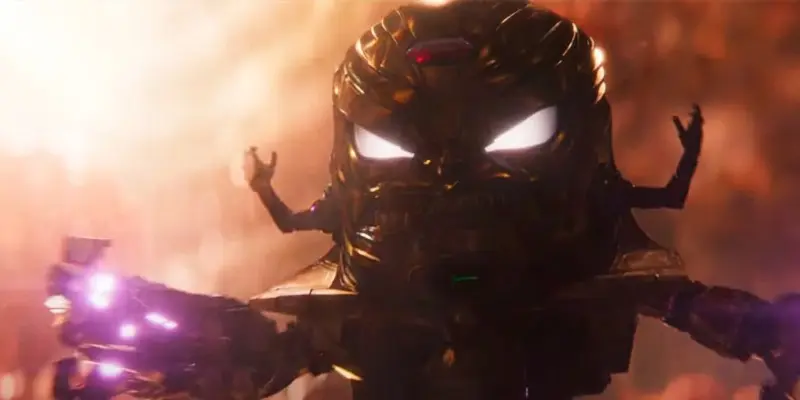
Darren Cross vanished into the Quantum Realm after his suit malfunctioned in ‘Ant-Man’. His return as MODOK provides a direct answer to where he went and how the Realm warped his body and purpose. That connection ties the first film’s corporate villain to the new setting and gives a recognizable face inside Kang’s hierarchy.
His fixation on Scott also aligns with unfinished business from their last fight. As an enforcer, he plugs into the plot as a mid tier obstacle who knows the hero’s tactics and thinks like a former rival executive. The resolution of his arc removes a loose end and shows how Quantum accidents can transform characters in ways that feed future conflicts.
Share your own picks for what did and did not add up in ‘Ant-Man and the Wasp: Quantumania’ in the comments.

