


5 Things About ‘Black Adam’ That Made Zero Sense and 5 Things About It That Made Perfect Sense

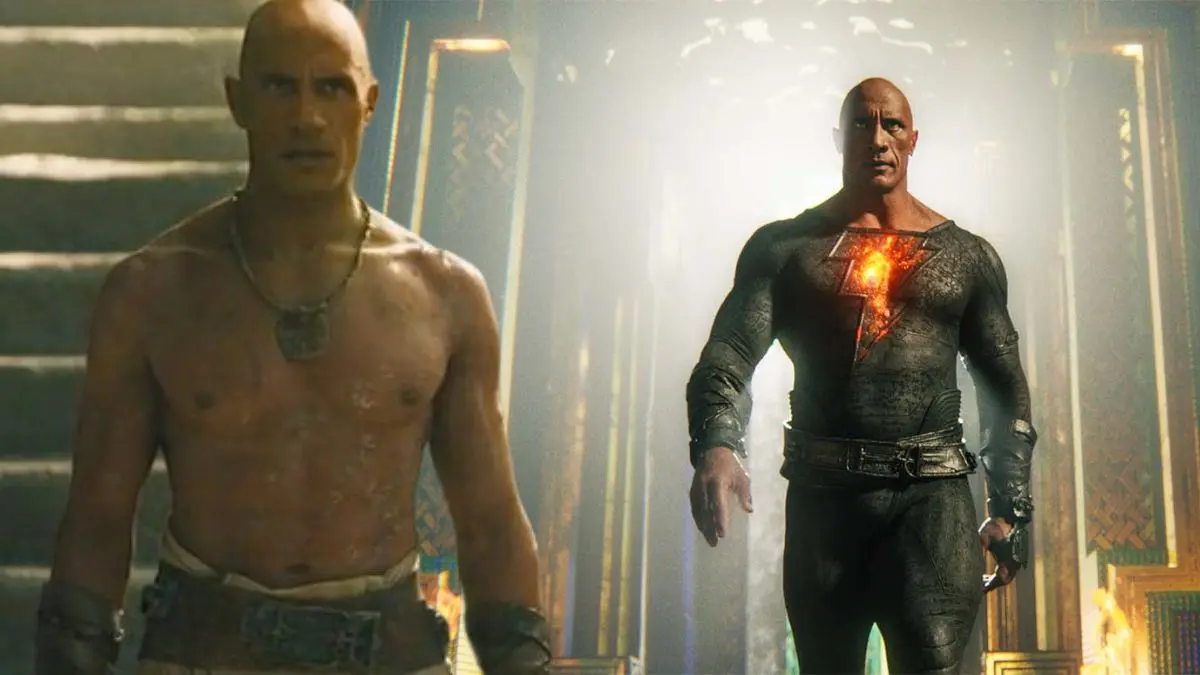


Sometimes a superhero story moves so fast that the details blur. ‘Black Adam’ throws ancient magic, modern geopolitics, and a demon powered villain into one wild ride, and that mix leaves a few loose threads along with some clean payoffs.
This list breaks down where the plot mechanics feel tangled and where the world building lines up neatly. Each point focuses on what the film actually shows on screen so you can trace how events connect and where they do not.
Zero Sense: Why Waller Sends the Justice Society So Fast
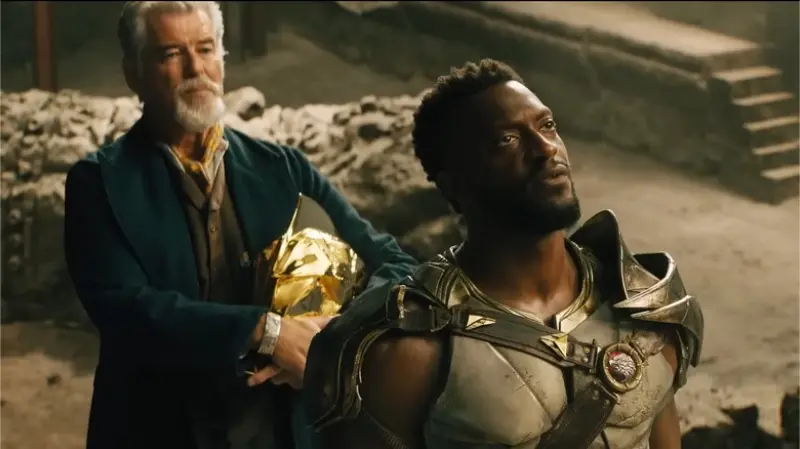
The film shows Intergang occupying Kahndaq for years with high tech weapons and checkpoints. No international body steps in during that period. The instant Teth Adam awakens, Amanda Waller deploys the Justice Society with a clear mission to contain him in Kahndaq. The rapid response to a single metahuman contrasts with the long standing inaction toward an armed occupation that controls the entire country.
The movie presents Waller as fully informed about Kahndaq and Intergang. She coordinates air transport, satellite support, and a remote prison arrangement within hours. The same network appears to have been available long before Adam emerged, yet it activates only after his lightning strikes the city. The selective urgency remains unexplained by any new treaty or directive introduced in the story.
Perfect Sense: Teth Adam Is Not The First Champion
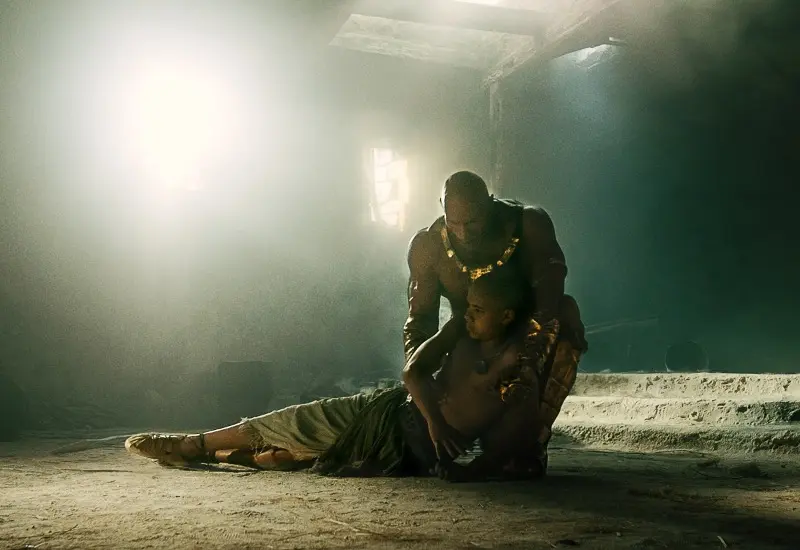
The flashbacks establish that the Wizards granted divine power to the young prince Hurut. The power then passed to his father Teth Adam after Hurut sacrificed himself to save him. That transfer explains why Adam carries both the strength of a champion and the burden of a tragedy that predates his final confrontation with the villain.
The revelation clarifies Adam’s violent methods and his distance from heroic ideals. He did not receive the gift as a reward for virtue. He lives with a power meant for another, which aligns with his struggle to accept the word that transforms him and the mantle that comes with it.
Zero Sense: Intergang Eternium Tech Everywhere
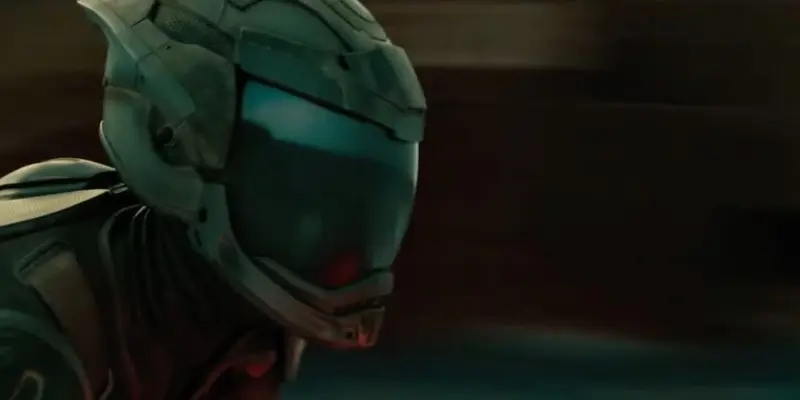
Intergang uses bikes, cannons, and mines that all run on Eternium and can pierce or disrupt magical defenses. Kahndaq streets, checkpoints, and convoys are fully supplied with this material. Despite that level of deployment, no supply chain or mining operation is shown beyond a single ancient source tied to the crown.
The film treats Eternium like a rare magical ore yet outfits an entire occupation force with it. There is no sequence that explains refining, manufacturing, or logistics. The audience sees finished weapons in large numbers without any visible infrastructure that would produce them inside or outside Kahndaq.
Perfect Sense: The Crown As A Map And A Key
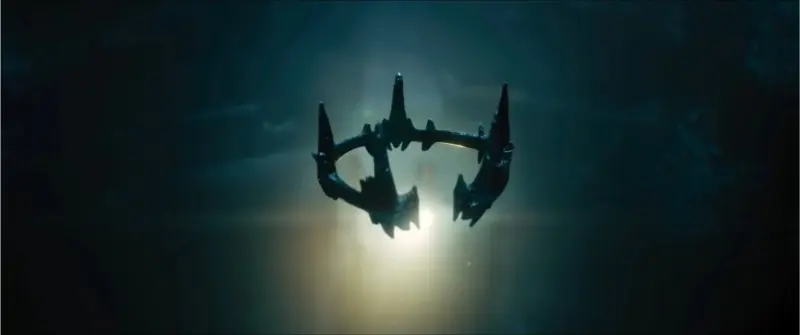
The crown carries the name of the demon and an inscription that reads life is the only path to death. The villain uses this to guide his plan. He needs to die while holding the crown so he can descend and be reborn as the champion of the underworld. The text and the ritual match the outcome the film delivers.
The artifact also explains why the heroes cannot simply destroy it. The crown is not just a symbol. It is a navigational device and an activation token in one object. Keeping it intact while denying the correct ritual keeps the world safe, which is why the heroes focus on who controls it rather than on breaking it.
Zero Sense: Power Scale Swings During Fights
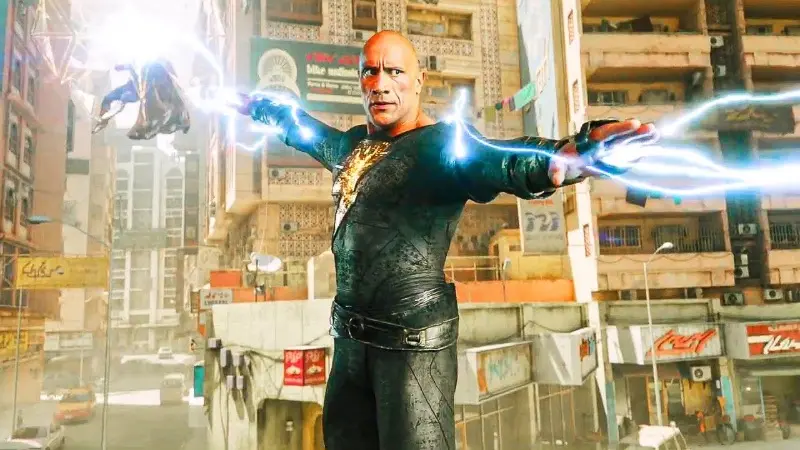
Early battles show Adam no selling bullets and missiles and trading hits with Hawkman as if the two are near equals. Later scenes let Adam overpower the demon host in seconds once he returns at full strength. The film never sets clear limits for Adam or Hawkman, which makes the back and forth feel inconsistent.
Doctor Fate’s shields sometimes hold against heavy fire and other times fall within moments. Cyclone and Atom Smasher alternate between crowd control and direct offense without a stated reason for the shift. The movie does not provide a rule set for fatigue, focus, or magical resistance, so the same attacks land with different results from one scene to the next.
Perfect Sense: Doctor Fate’s Foresight And Containment
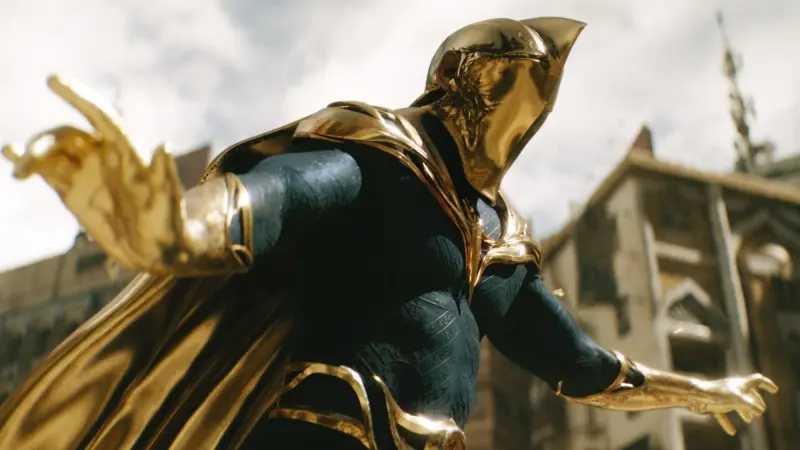
The Helm of Nabu grants visions and protective constructs. Doctor Fate uses both in a tactical way. He seals the temple battlefield with a barrier to keep civilians away and to create one on one space for the final push. He also manipulates outcomes by contacting Adam at the key moment to bring him back into play.
His strategy aligns with what the Helm represents in the lore shown on screen. Fate reads possible futures, selects a narrow path, and spends his own life to keep that path open. The shield work and the timed call match a plan built on predictive sight rather than raw strength.
Zero Sense: The Prisoner Transfer That No One Notices
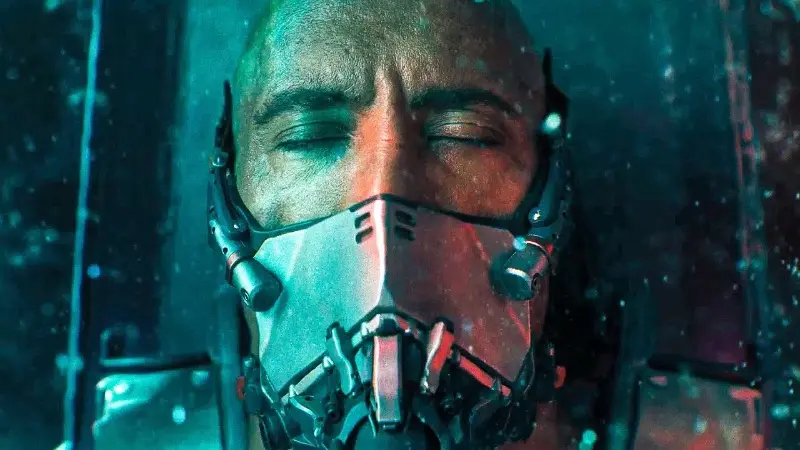
After Adam surrenders, a transport team escorts him to a remote black site under the ocean. The movie does not show any public response from Kahndaq despite a new protector leaving the country under guard. There are no protests, diplomatic notes, or media reports inside the story world.
The absence matters because the film repeatedly shows Kahndaq citizens filming Adam and cheering in the streets. That level of attention suggests someone would track the convoy or at least react to the sudden silence that follows. The world remains quiet until Adam returns for the final battle, which leaves a gap in the cause and effect chain.
Perfect Sense: Kahndaq Chooses Its Protector
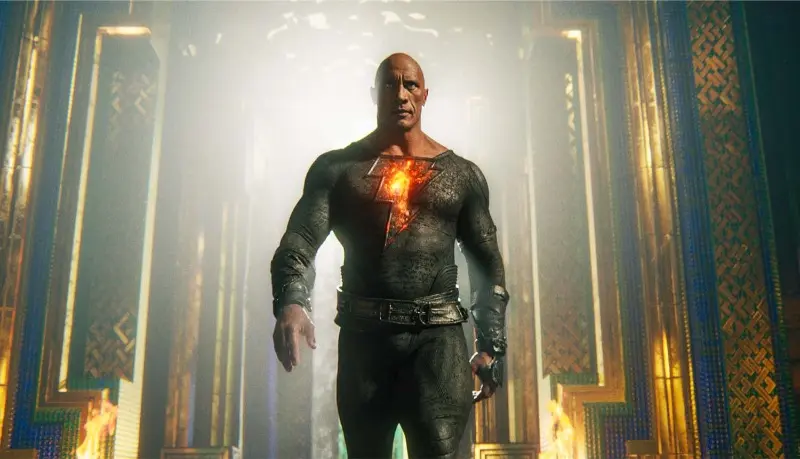
Residents of Kahndaq rally behind Adam after he saves a boy from soldiers and destroys Intergang armor in the city center. The response grows into a movement that treats him as a national guardian. That acceptance explains why the Justice Society cannot simply remove him without creating more conflict.
The movie uses that support to anchor the ending. Adam accepts a new role that is tied to the people rather than to a global agency. He establishes a boundary that outside forces must respect, which fits the theme of a nation claiming its own champion.
Zero Sense: The Demon Host Rises And The Army Reacts Slowly
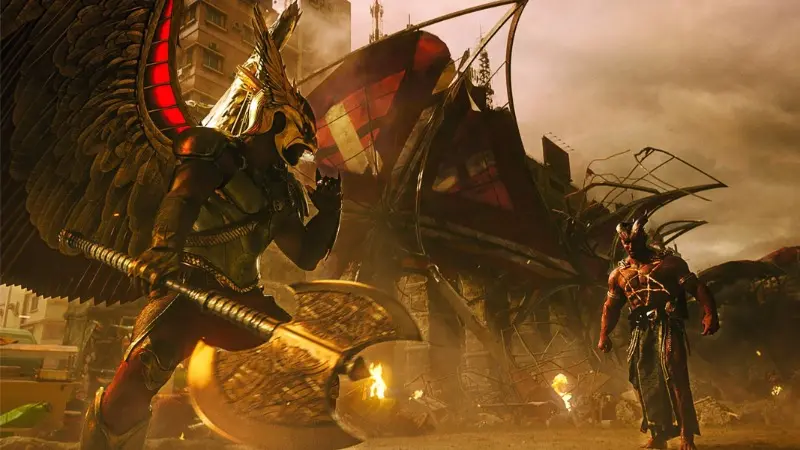
When the villain returns as a demon, the dead rise in Kahndaq and attack civilians. The city defense and global agencies do not respond with any rapid plan. The Justice Society splits duties on the fly, and civilians organize with improvised weapons in the streets.
The story does not present a reason for the delay. The threat is visible over the skyline and spreads block by block. With satellites and a standing task force already in motion, the lack of coordinated response stands out. The film leans on citizen bravery without showing any formal emergency system in action.
Perfect Sense: The Word That Sets Limits
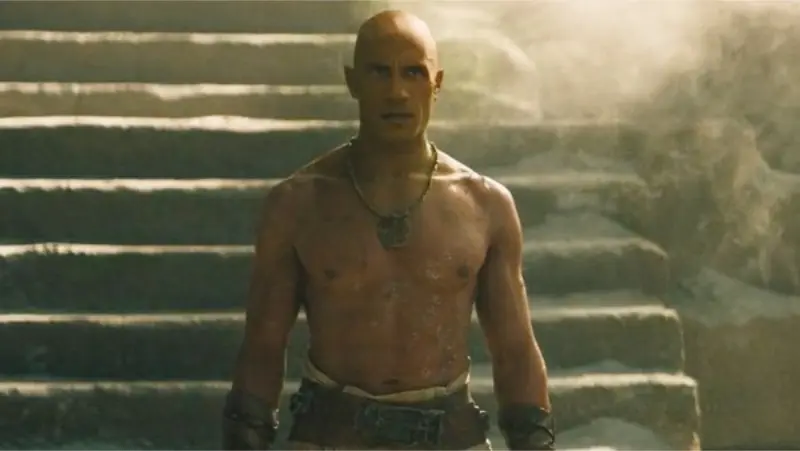
Adam must speak the word to transform, and it controls both his power and his restraint. When he says it underwater, he returns to his mortal form and nearly drowns, which proves the cost of using the magic without care. When he says it again later, he regains the full set of gifts needed to defeat the demon.
The rule also explains why the Wizards feared him. The word is a switch that bypasses normal checks on power. By showing Adam choose silence at one point and speech at another, the film ties character choice to a clear magical mechanic that governs every major turn.
Share your own picks in the comments and tell us what parts of ‘Black Adam’ made zero sense to you and what moments made perfect sense.

