


5 Things About ‘Boardwalk Empire’ That Made Zero Sense and 5 Things About It That Made Perfect Sense

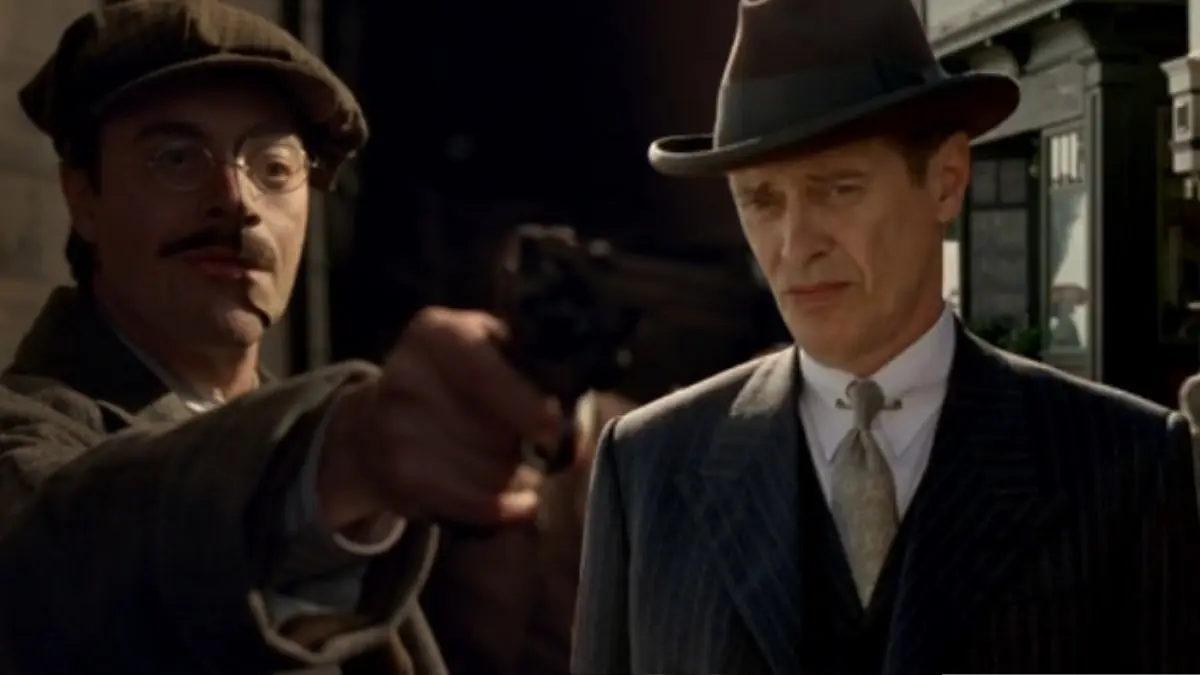


‘Boardwalk Empire’ dives into Prohibition politics, big city rackets, and the messy birth of modern organized crime. It mixes real history with fictional moves and stitches them into Atlantic City power plays that stretch from speakeasies to city hall.
Some parts follow the record closely while others bend timelines or logistics to keep the story moving. Here are five places where the details line up cleanly and five places where the history or mechanics do not quite add up.
Zero Sense: Early heroin timeline
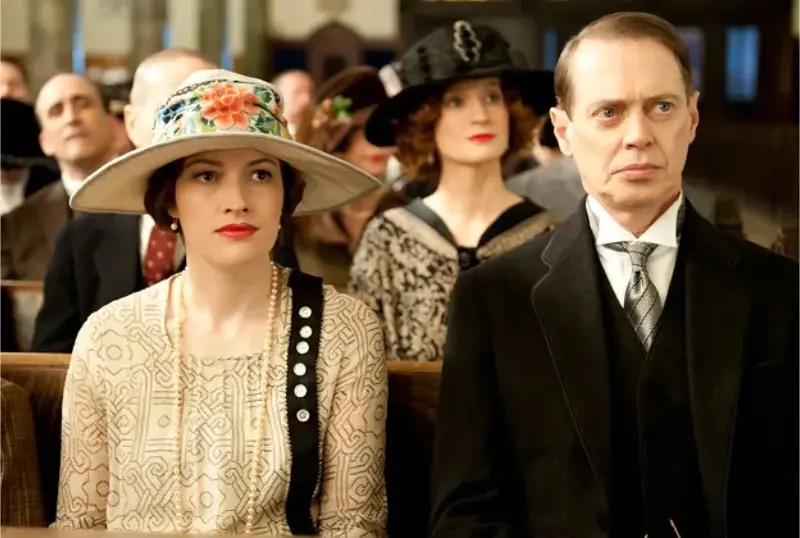
The show puts Lucky Luciano and Meyer Lansky into heroin experiments years before the trade scaled up in the American underworld. The timeline places small batch deals and distribution tests alongside rum running that was still the main money maker for most crews.
Historical accounts describe heroin controls under the Harrison Act in place since the 1910s with enforcement tightening through the 1920s. Large and reliable pipelines tied to transatlantic or transpacific sources are usually documented later, which makes the early push shown in ‘Boardwalk Empire’ arrive ahead of when most syndicates could actually sustain it.
Perfect Sense: How Prohibition actually worked
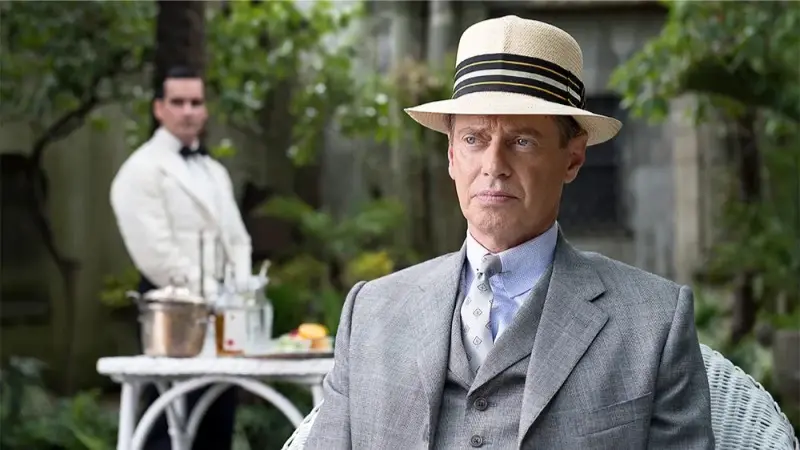
The Volstead framework banned manufacture and sale of beverage alcohol, but medicinal permits, sacramental wine, and industrial alcohol exemptions left exploitable gaps. Gangs stole denatured alcohol for redistilling, diverted bonded warehouses, and moved Canadian and Caribbean liquor through waterfronts, rail hubs, and back roads.
Atlantic City’s hospitality economy gave cover for all of it. Hotels, union halls, and political clubs doubled as distribution nodes, and local officials who controlled licenses and police assignments could make or break shipments without a single courtroom fight, exactly the leverage the show depicts again and again.
Zero Sense: Nucky and Capone working hand in glove
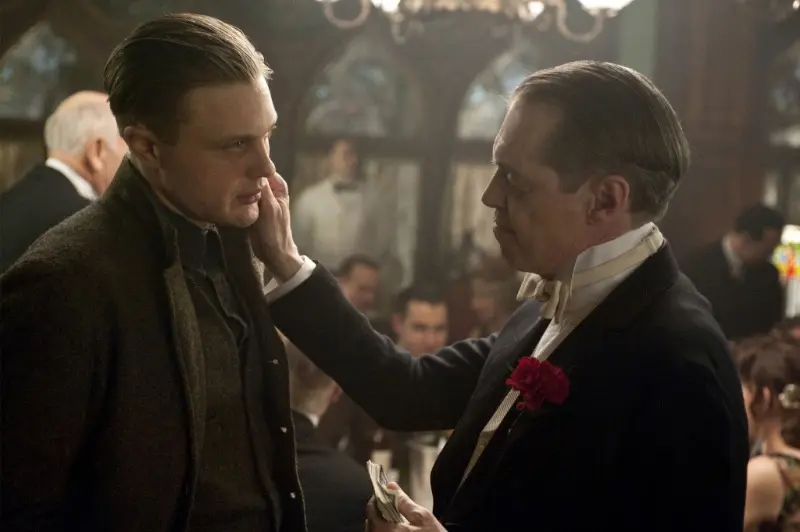
The series stages repeated direct deals and joint operations between Nucky Thompson and Al Capone. Those scenes imply a standing partnership that spans multiple seasons and major conflicts across states.
The record places Capone’s core operations and supply chains around Chicago and the Great Lakes with mainline sources from Canada and Midwestern plants. Atlantic City was an East Coast hub that hosted meetings and short term arrangements, but long running co management of rackets between a county boss in New Jersey and Chicago’s outfit is not supported to the degree the show suggests.
Perfect Sense: Machine politics in Atlantic City
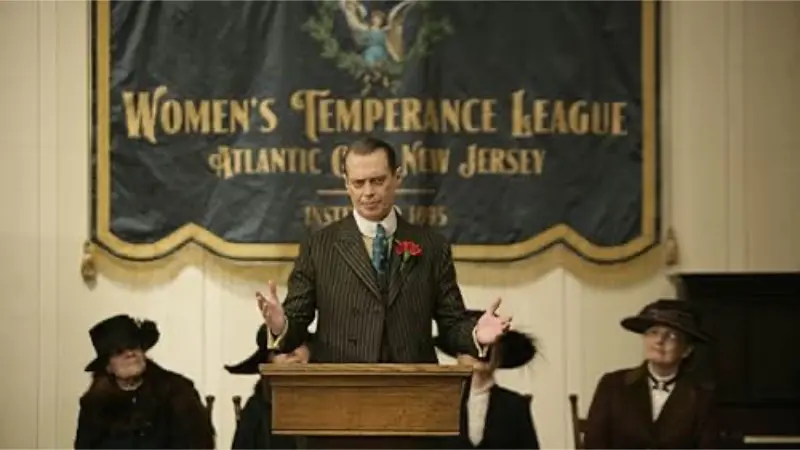
Nucky Thompson is modeled on Enoch Johnson, the county treasurer and Republican boss who distributed jobs, contracts, and protection in exchange for loyalty and votes. That setup explains why a treasurer in a resort town could control police priorities, construction, and court outcomes without holding a mayor’s office.
The series shows ward heelers tallying favors, fixing primaries, and trading public works for kickbacks. Those tactics match how coastal resort machines functioned, where tourist seasons and conventions produced cash and where county committees, not city councils, often held the real power.
Zero Sense: A single small town choking the entire pipeline
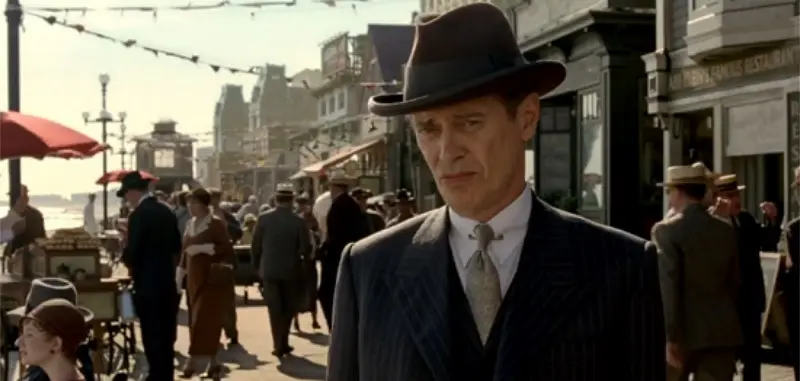
Gyp Rosetti’s grip on Tabor Heights is presented as a near total blockade of liquor moving between New York and Atlantic City. The action turns one road and one gas station into a decisive throttle on multistate smuggling.
Bootleg networks used redundant routes by land and water, including rum row ships offshore, shallow inlet landings, and parallel rail or highway paths. Shutting one township created risk and delay, but it would not fully halt shipments that could divert to other roads or shift to coastal runs, especially for organizations with boats and bribed harbor crews.
Perfect Sense: Firearms, cars, and tactics of the era
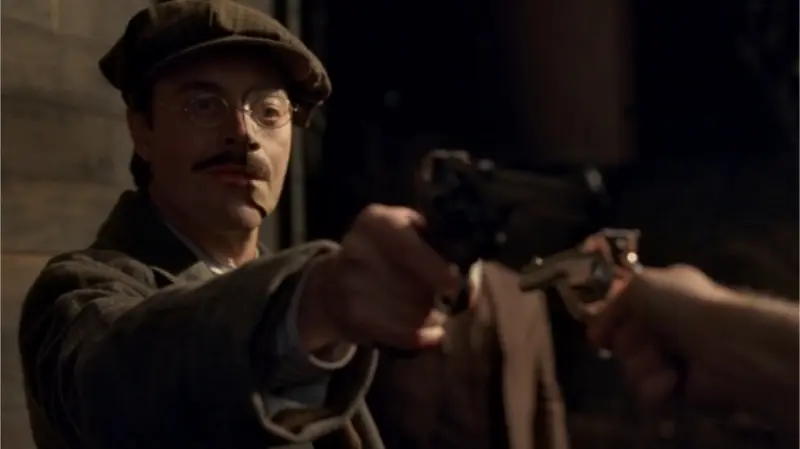
Gun choices fit the period with repeating shotguns, automatic pistols, and the Thompson submachine gun showing up once it was commercially available. Crews hide weapons in violin cases and suit bags, and lookouts use whistles and car horns to time ambushes, which reflects street level practices of the day.
Vehicles and cargo tricks also track with the record. Modded trunks, false panels, and overloaded touring cars appear throughout ‘Boardwalk Empire’, and police searches focus on toolkits, spare tires, and floorboards where runners commonly hid bottles and siphon rigs.
Zero Sense: City to city travel that moves too fast
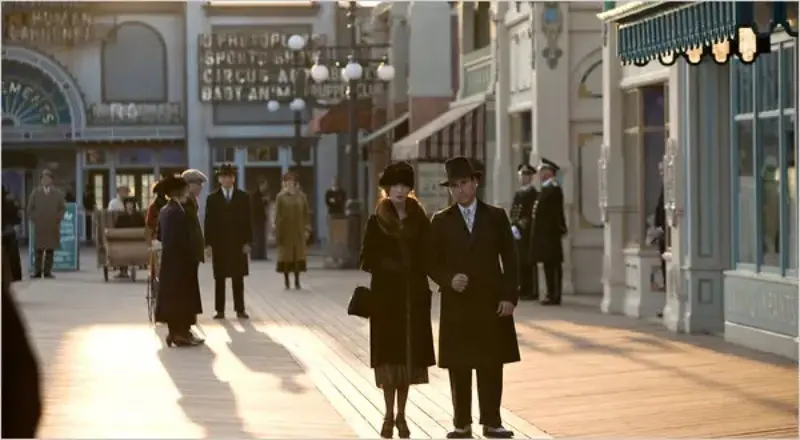
Characters often shuttle between Atlantic City, New York, and Chicago in ways that compress travel and recovery time. The story will show late night talks on the boardwalk followed by next day face to face meetings hundreds of miles away with little sign of the overnight train grind those trips required.
Period rail links between Atlantic City and New York were frequent and relatively quick, but Chicago runs still meant long hours on limited sleepers and connections. Business across those distances could be done, yet it rarely allowed same day swings that leave everyone rested and ready for new action.
Perfect Sense: Production design and wardrobe accuracy
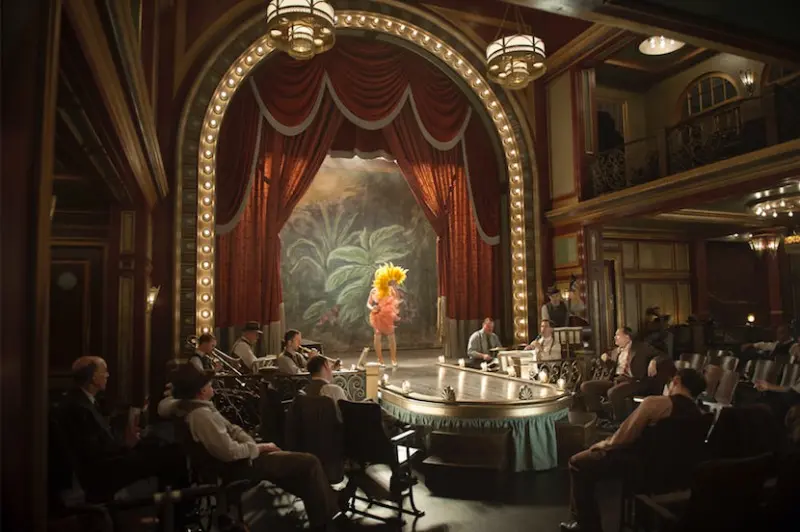
The series recreates a resort boardwalk with period storefronts, electric signage, wicker rolling chairs, and beach uniforms that match postcards and promotional photos from the era. Interiors use beadboard, pressed tin ceilings, oak counters, and cage style elevators that place scenes in real commercial and hotel spaces of the time.
Costumes track with social class and ethnicity. You see three piece suits with high button stances, club collars, cloche hats and bob cuts, work aprons in kitchens, and tailored coats for political photo ops. The visual language places characters in believable workplaces and neighborhoods without needing exposition.
Zero Sense: Custody and guardianship that skip legal steps
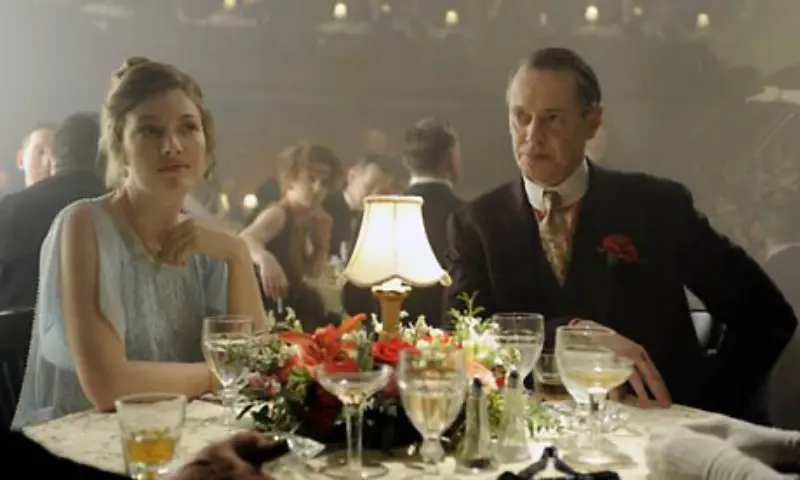
Gillian’s hold over her grandson reads as continuous and near absolute until the plot requires a change. The arrangement proceeds for long stretches without court orders or regularized guardianship documents that would have been necessary once family disputes became public and involved the police.
New Jersey adoptions and guardianships of the period required petitions, investigations, and signed decrees, and courts could consider moral character and home conditions when a child’s welfare was in dispute. The show often moves from private agreements to open conflict without showing the paperwork trail those fights usually created.
Perfect Sense: The 1931 pivot and the shape of the new order
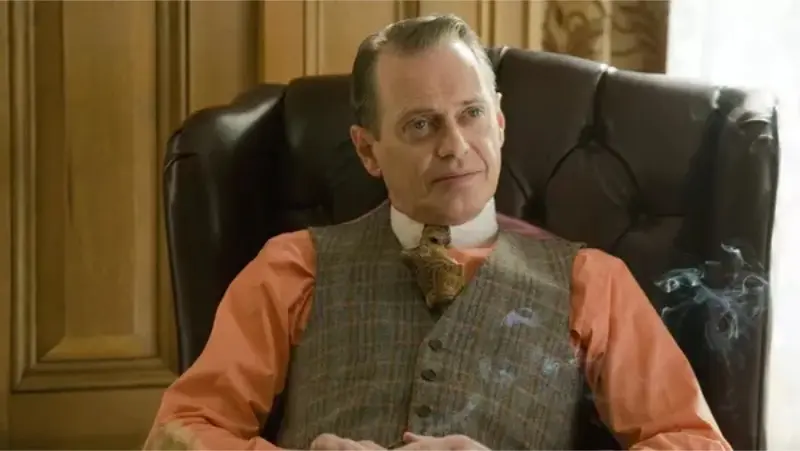
The closing arc lands on the break with old world bosses and the move toward a national coordinating body under younger leadership. That turn mirrors the consolidation that followed gang wars and assassinations and set up a commission style structure that parceled territories and income streams.
The economic shift also tracks with the final Prohibition years. As repeal neared and the Depression deepened, rackets diversified into gambling, labor racketeering, and drugs, which explains why liquor fades from center stage and why alliances in ‘Boardwalk Empire’ reorganize around new cash flows rather than saloon politics alone.
Share your take below on which parts of ‘Boardwalk Empire’ felt airtight and which ones tripped you up in the best way.

