


5 Things About ‘Daredevil’ That Made Zero Sense and 5 Things About It That Made Perfect Sense


Ben Affleck steps into the red suit as Matt Murdock while Jennifer Garner plays Elektra Natchios with Michael Clarke Duncan as Wilson Fisk and Colin Farrell as Bullseye. The film follows a blind lawyer who uses heightened senses to fight crime in Hell’s Kitchen while a powerful businessman pulls strings from a gleaming office tower. It mixes courtroom beats with brooding rooftops and church bells and it builds its action around sonar like perception and thrown weapons that land with unnerving precision.
Some choices line up neatly with comic roots and basic logic while others collide with legal realities and everyday cause and effect. Here are five places where the film undercuts its own setup and five that fit its world so well that they explain the character and the city around him.
Zero Sense: Playground courtship

Matt and Elektra meet and spar in a public playground where they trade names then launch into a display that includes acrobatics and staff strikes. The setting is open and busy with kids and parents nearby which places two highly trained fighters in full view without disguises or precautions.
A secret identity depends on routine behavior that avoids attention and this scene places unusual skills on display to a crowd that can describe faces and movements. The choice also links Matt directly to Elektra before any masks appear which simplifies any later attempt to connect the vigilante to the lawyer who keeps bumping into the same person.
Perfect Sense: Sensory deprivation tank
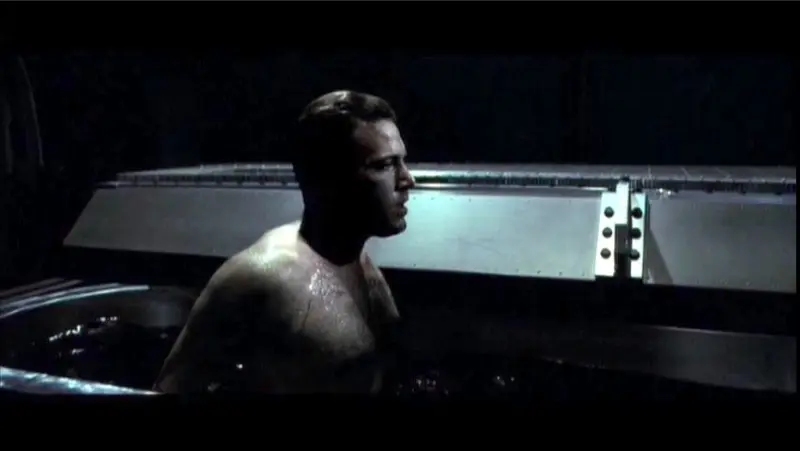
Matt sleeps in a sensory deprivation tank to blunt the constant flow of sound and touch that keeps his nervous system on edge. Removing light and muffling noise allows his body to rest and short circuits the feedback loop created by hypersensitive hearing and tactile input.
This device aligns with how reduced stimulation can lower stress and improve sleep when the senses never turn off. In story terms the tank explains how he resets after nights filled with sirens trains and heartbeats and it sets a baseline that makes sudden noise spikes a credible threat.
Zero Sense: Subway death contradiction
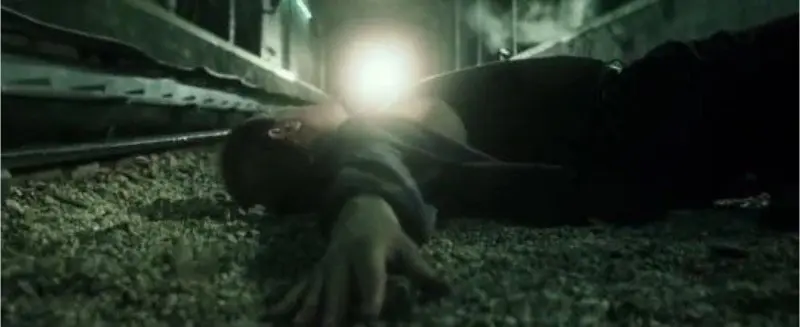
Early in the story Matt confronts a violent offender on a subway platform and does not pull him out of the path of an oncoming train. The scene shows the man’s fate sealed by inaction which establishes lethal outcomes as an accepted tool rather than a line he refuses to cross.
Later scenes emphasize limits on what Matt is willing to do and frame him as a protector who seeks accountability rather than execution. Allowing a death in the opening sequence conflicts with those later boundaries and creates a rule that shifts without any in story correction or consequence.
Perfect Sense: Church sanctuary and morality

Matt returns to a Catholic church for refuge and counsel and the film uses that space for confession and final battles. The presence of a priest who knows him anchors his choices in a framework built on guilt penance and the hope of redemption.
The church location also helps the action since high ceilings echo every sound and create vertical danger points like balconies and organ lofts. That environment suits a character who hears small changes in air and glass and it turns faith and acoustics into practical tools.
Zero Sense: Airplane incident

Bullseye kills a fellow passenger during a flight with a casual flick that causes fatal choking. The aircraft cabin is a controlled space with crew trained for medical emergencies yet the scene shows no diversion or urgent response and the killer walks away without delay.
Commercial flights operate under protocols that trigger reports to authorities and mandatory follow ups when a death occurs on board. The lack of investigation or security measures after a witnessed attack removes basic procedures that would place Bullseye in custody the moment the plane lands.
Perfect Sense: Kingpin’s corporate cover
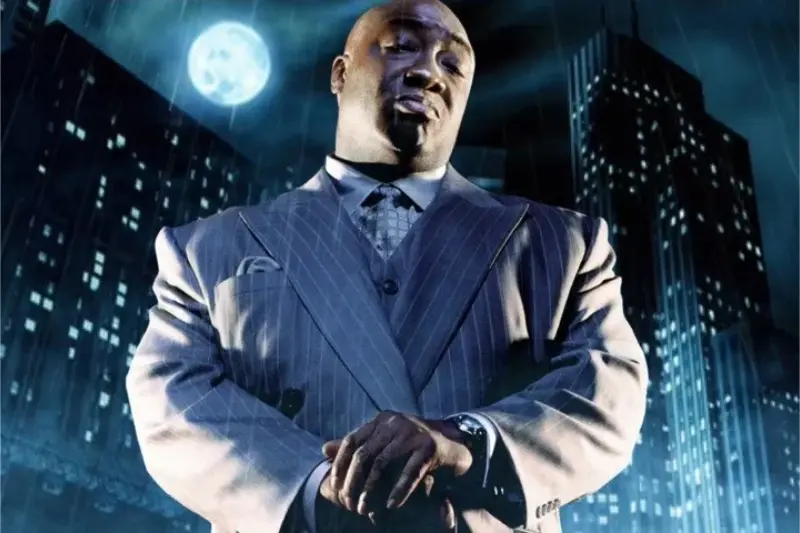
Wilson Fisk runs a legitimate business empire while coordinating organized crime through intermediaries and layers of loyalty. The film places him in a fortified office with legal teams and publicists which gives him insulation from street level violence.
This structure mirrors how white collar leadership can hide direct links to criminal acts through shell companies and trusted contractors. By contracting Bullseye for deniable operations Fisk maintains distance that frustrates detectives and lets him present a clean public image while keeping pressure on rivals.
Zero Sense: Elektra’s instant mastery
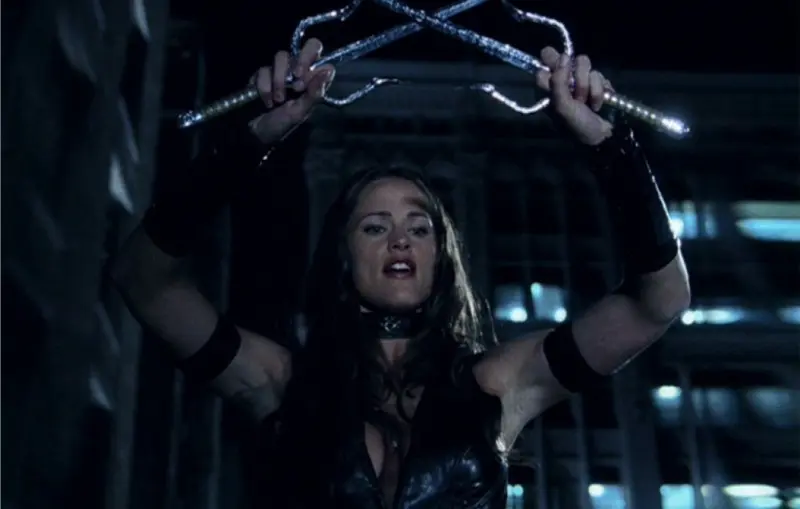
After her father’s death Elektra trains alone and soon confronts masked opponents with advanced acrobatics and weapon fluency. The timeline between loss and mastery is presented through brief sequences that skip the slow process of resistance training sparring and tactical planning.
Close quarters combat requires conditioning and skill progression across footwork timing and weapon retention against multiple angles of attack. The film shows few repetitions or coaching moments that would establish that growth which makes her sudden proficiency feel disconnected from the preparation depicted on screen.
Perfect Sense: Radar sense in the rain
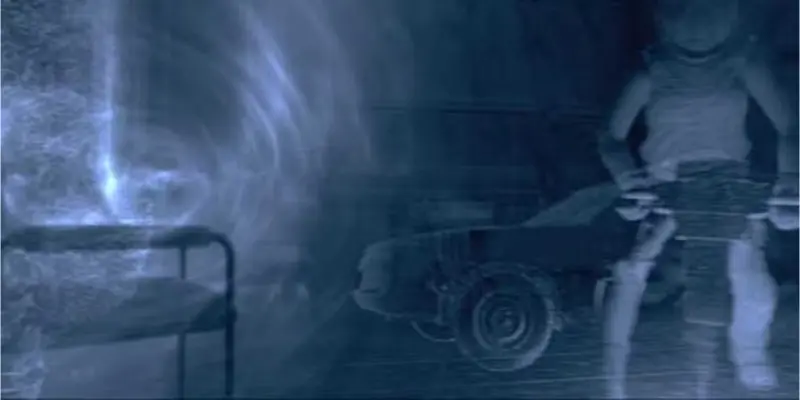
The movie visualizes Matt’s radar sense by letting raindrops map Elektra’s face and the surrounding world in shimmering lines. Sound acts like a probe that bounces off surfaces and returns shape and distance which the brain converts into a rough three dimensional outline.
This approach explains why textured environments read more clearly than open spaces and why steady noise can help rather than hurt in controlled amounts. It also clarifies why sharp bursts like shattering glass cause overload since irregular spikes can flood the signal and scramble interpretation.
Zero Sense: Law and vigilante ethics
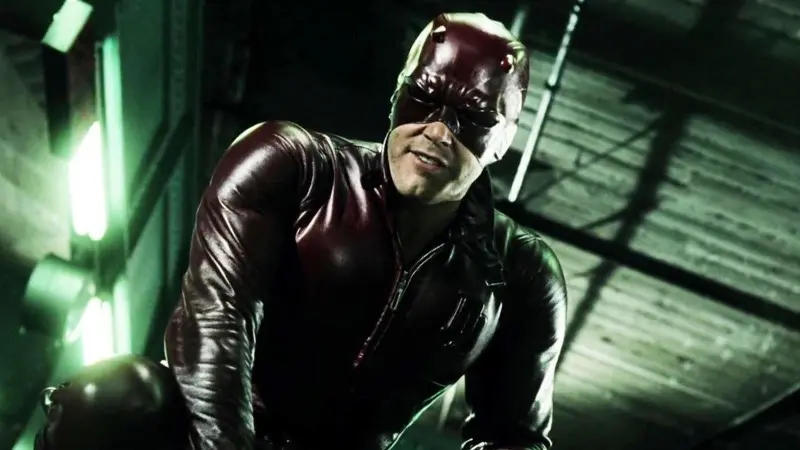
Matt learns the truth about a suspect through physiological tells like changes in heartbeat during testimony then pursues extrajudicial justice when the court outcome fails. Evidence gained through vigilante surveillance would not appear in a case file and any coercive follow up would jeopardize prosecutions.
Attorneys follow rules that restrict contact with represented parties and bar actions that could taint proceedings. The film links the same person to client advocacy and off hour retaliation which would trigger disciplinary review and undermine the legitimacy of every case touching those events.
Perfect Sense: Hell’s Kitchen power map

The story shows a neighborhood shaped by corporate interests criminal crews and city officials who look the other way. Money moves through construction contracts security firms and nightclubs and enforcement flows from hired specialists rather than visible armies.
This map explains how crime persists despite arrests since the leadership sits in boardrooms where nothing illegal appears on paper. It also clarifies why a masked investigator can matter because the pressure lands on the connectors who keep the system humming rather than on disposable street level actors.
Share your own picks for what made sense and what did not in ‘Daredevil’ in the comments.

