


5 Things About ‘Firefly’ That Made Zero Sense and 5 Things About It That Made Perfect Sense

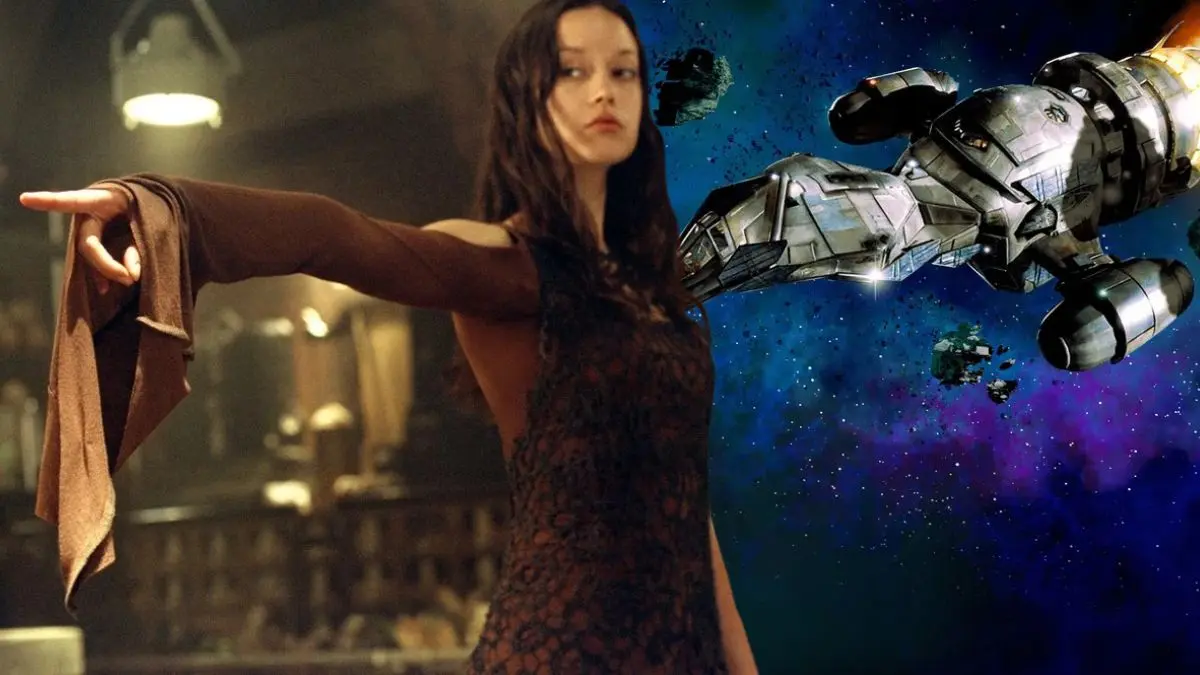


The world of ‘Firefly’ builds a lived in frontier that mixes spacecraft travel with small town grit. The show lays out clear rules for how people make a living on the edge and how a powerful central government keeps the rim in line. It also presents a believable crew with jobs, histories, and skills that fit the places they visit.
Even with that strong foundation, a few details do not line up neatly with what the show itself describes. Some technology works one way in one episode and another way in the next. A few institutions are presented as strict and professional, then behave loosely when the plot moves to the next stop. Here are five things that clash with the show’s own setup and five that hold together well.
Zero Sense: Reaver behavior keeps changing

The series presents Reavers as raiders who live at the edges of explored space and attack anything they find. In some episodes the crew describes them as constantly on the hunt and impossible to bargain with. In others they slip through mapped lanes or vanish when a single decoy works, which conflicts with earlier accounts that they pursue any target they see.
When the crew boards a derelict in ‘Bushwhacked’ the aftermath shows a methodical pattern that contradicts later depictions of chaotic swarming. The film ‘Serenity’ explains their origin, yet episode level details still vary on their tactics, from random chasing to organized ambush behavior, without the story showing changes in their numbers or tools that would explain the difference.
Perfect Sense: No aliens in the verse
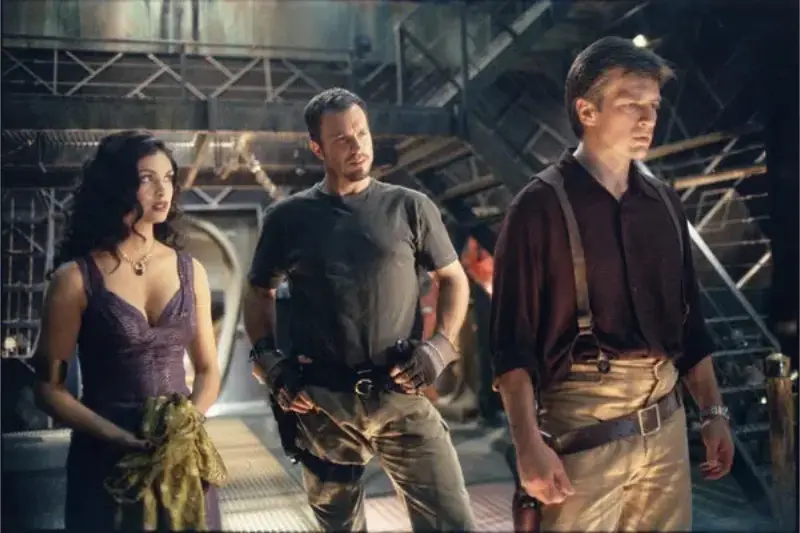
The show states that humanity expanded to a new star system and terraformed planets and moons. Every settlement, ship, and government body is human in origin, which matches the tools and problems the characters face.
The absence of nonhuman species lets the story focus on human culture, economics, and politics. Frontier diseases, crop failures, and local conflicts all come from human activity, and the lack of alien tech keeps ships, weapons, and medicine within a grounded range.
Zero Sense: Alliance presence on the rim shifts without cause
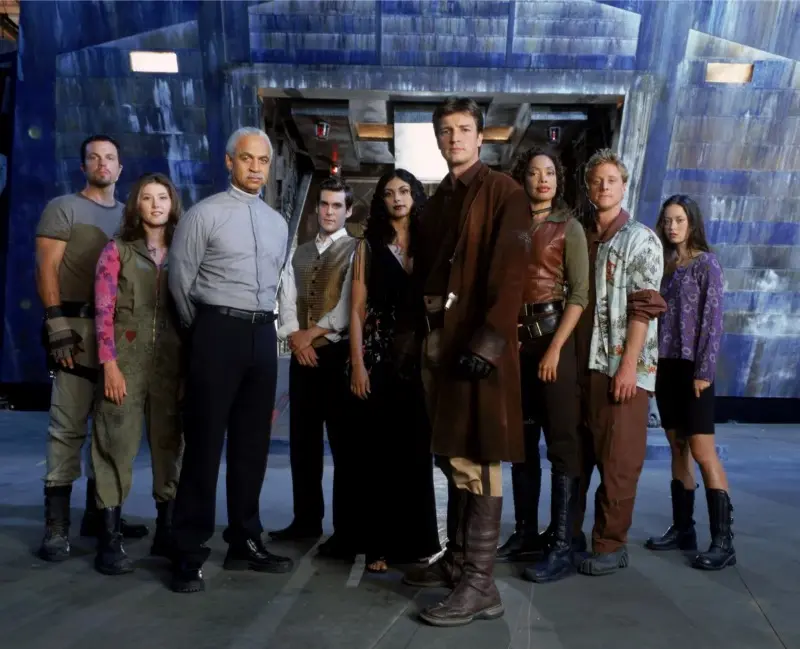
Alliance reach is shown as vast, with cruisers, federal marshals, and checkpoints across the lanes that connect worlds. Yet entire towns operate for long stretches without any patrols visiting, even after crimes that were broadcast or reported.
Some episodes feature instant response to minor infractions, while others show no follow up to major incidents involving known fugitives. The story does not always provide travel times or jurisdiction limits that would reconcile these different levels of attention in similar regions.
Perfect Sense: Chinese and American cultural fusion
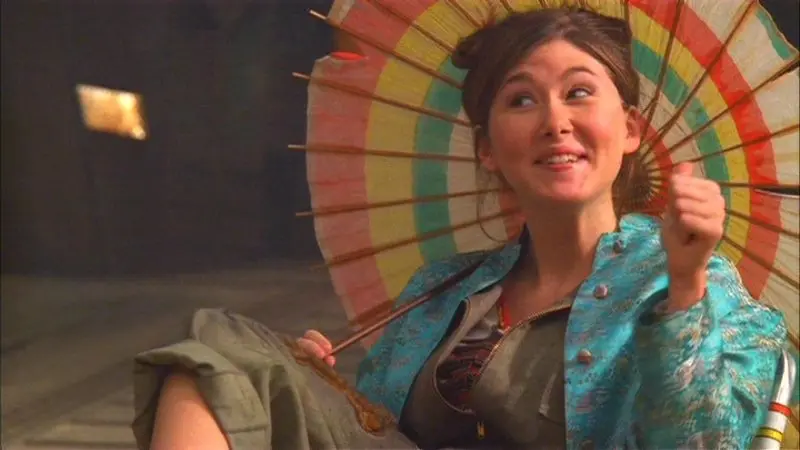
Language, signage, and social rituals blend English and Mandarin. Characters switch to Mandarin for swearing, street vendors display mixed scripts, and clothing and architecture borrow from both traditions.
This reflects the show’s premise that two dominant cultures shaped the diaspora that settled the system. It explains naming conventions, cuisine, and business etiquette across planets, and it provides a consistent reason for bilingual slang on ships and in markets.
Zero Sense: Companion Guild authority shifts scene to scene

Inara’s license grants her legal protections and recognized status, and clients treat a companion’s contract as binding. At other times local officials ignore the guild’s standing, even in places where the Alliance holds sway and would be expected to enforce formal agreements.
The show presents the guild as organized with standards, training, and political influence. Yet practical outcomes vary without clear context, such as whether a town is under Alliance law or a local magistrate, leaving the extent of the guild’s power uncertain when similar disputes arise.
Perfect Sense: Smuggling economics match frontier needs
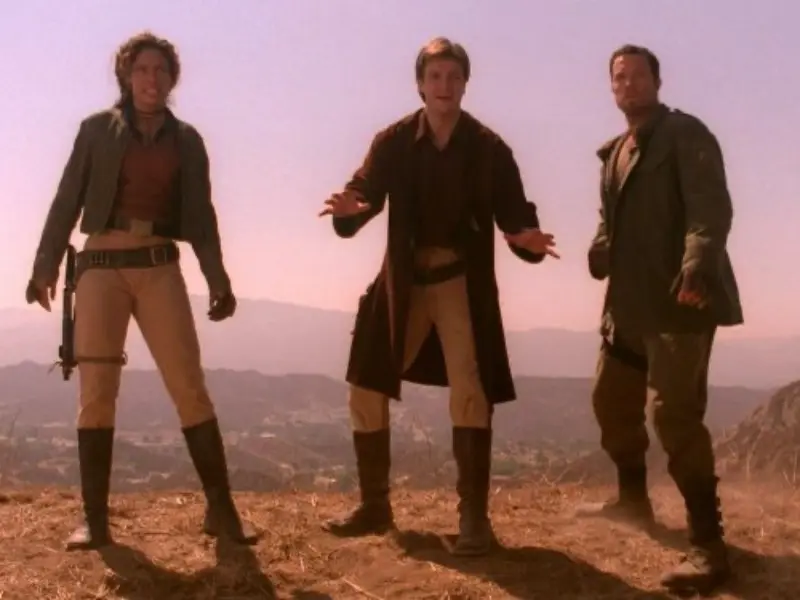
Jobs the crew accepts often involve medicine, spare parts, livestock, foodstuffs, and small machinery. These are items with high value to weight ratios or urgent delivery windows, which suits a fast transport working outside regulated channels.
Settlements on the rim lack steady supply lines, so short haul shipping with trusted pilots fills the gap. The fees, risks, and barter goods described by clients align with local scarcity, customs checks near the core, and the need to pay crews that can lift off quickly when plans change.
Zero Sense: Gravity and acceleration are rarely addressed
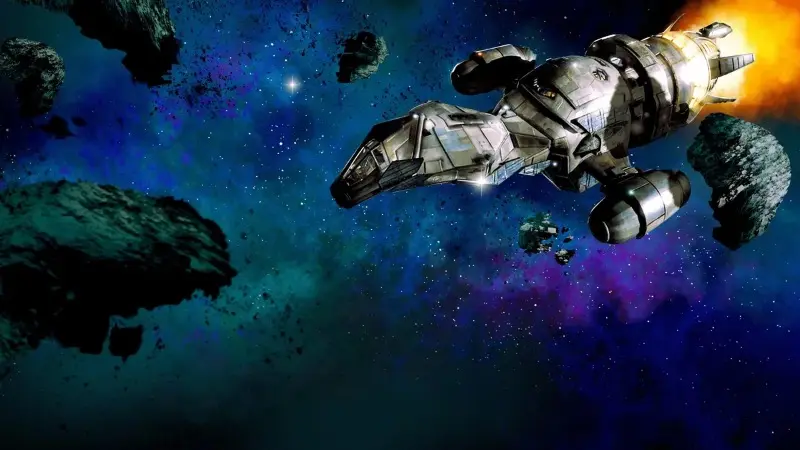
The ship performs sharp maneuvers, atmospheric entries, and rapid burns. Passengers walk normally with no visible restraints during moves that would create strong g forces.
Artificial gravity is implied by steady floors and cups that stay put, yet the show never establishes a system that counters acceleration in flight. Without visible couches, harnesses, or thrust alignment for major burns, cabin scenes often ignore effects that the setting otherwise portrays with attention to physical detail.
Perfect Sense: River’s abilities follow from documented experiments
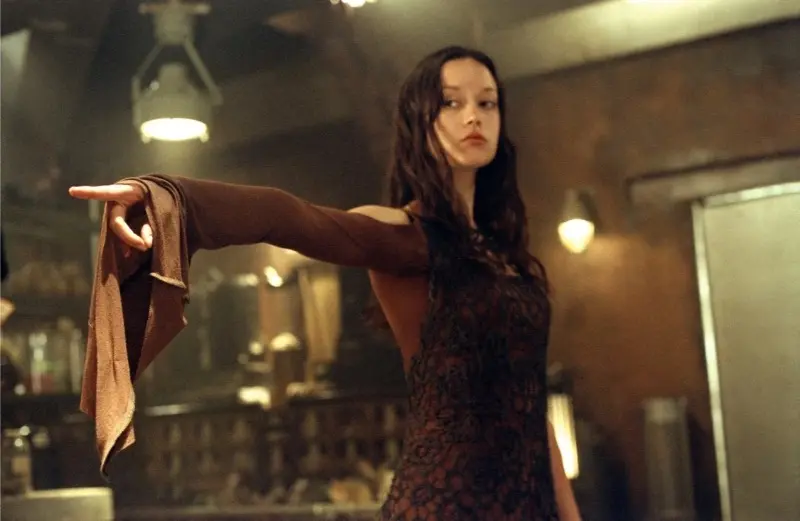
The show details that River attended an Academy that performed neurological procedures and behavioral conditioning. Files that the crew recovers describe invasive methods that increased pattern recognition and reduced normal filtering of stimuli.
Her reflexes, language bursts, and combat performance later tie back to this training and to exposure to information that she could not have accessed outside the program. The film ‘Serenity’ expands on what she was made to observe, which supports why specific words and locations trigger her responses across different episodes.
Zero Sense: Terraforming outcomes are overly uniform
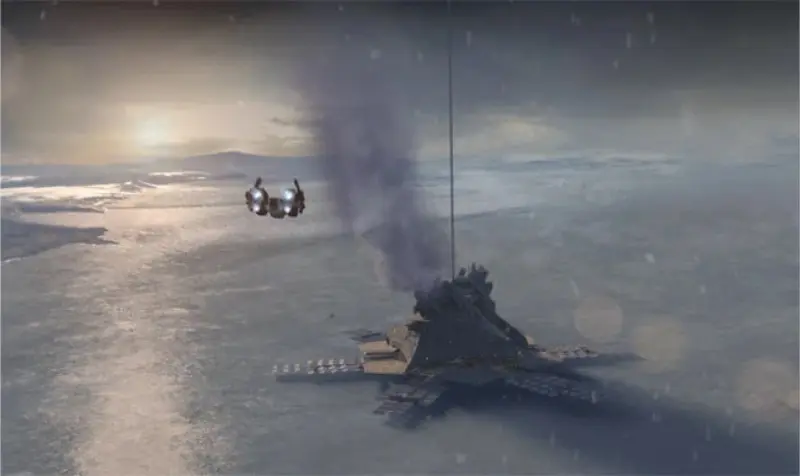
Planets and moons across the system differ in wealth and technology, but gravity, daylight cycles, and surface conditions often appear similar. People walk comfortably everywhere, and towns are built with the same construction gear and vehicles, which suggests consistent conditions.
The show mentions atmospheric plants and rapid terraforming, yet it does not present significant variation in gravity or daylight that would affect agriculture, transport, or building design. Similar skies and settlement layouts repeat across worlds that are described as separate and independently developed.
Perfect Sense: Mal and Zoe’s service history shapes crew structure
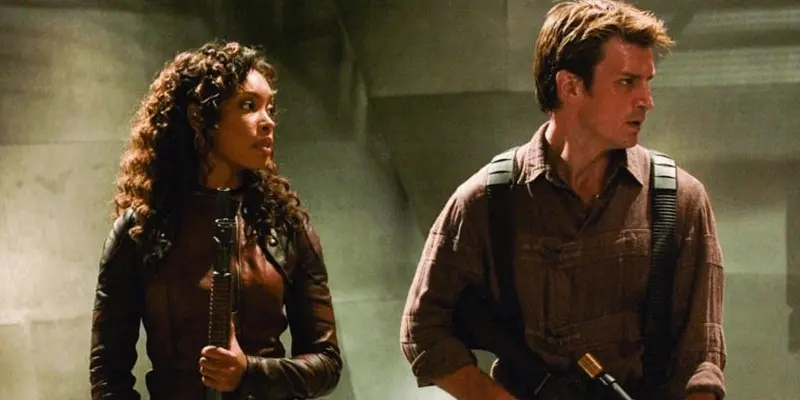
The captain and first mate share a record from the Battle of Serenity Valley. Their trust is based on years in uniform, and it informs how they split duties on jobs, handle watch rotations, and vet new hires.
Tactics on the ground match infantry experience, including flanking moves, fallback points, and clear fields of fire. The way they brief the crew, pick cover, and disengage when conditions turn bad reflects a unit background and explains the discipline seen during raids and escapes.
Share your own picks in the comments so everyone can compare notes on what rang false and what held together.

