


5 Things About ‘Hunter x Hunter’ That Made Zero Sense and 5 Things About It That Made Perfect Sense

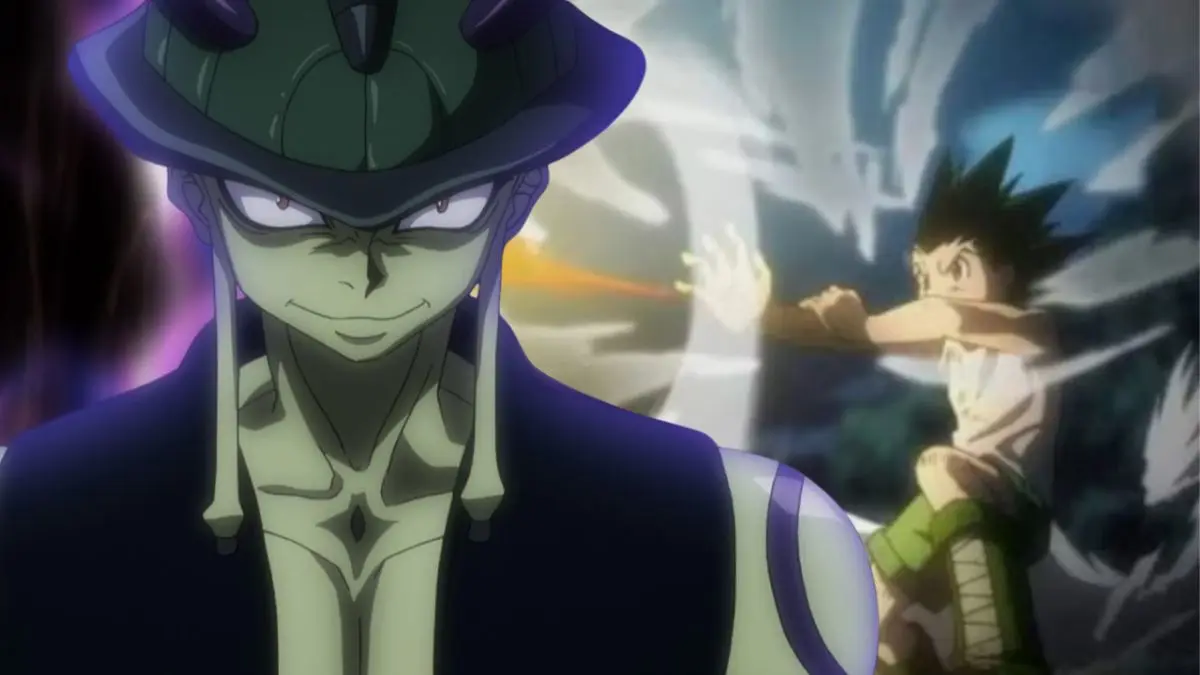


Few shonen series juggle intricate rules and unpredictable twists the way ‘Hunter x Hunter’ does. Its world runs on Nen, a system with clear categories and costs, yet the story also throws in creatures, games, and powers that reshape everything the characters think they know. That mix delivers some of the smartest payoffs in anime along with a few moments that raise more questions than answers.
This list looks at both sides of that coin. Five entries highlight choices that stretch the internal logic, and five celebrate ideas that fit the rules with satisfying clarity. Each point focuses on how the mechanics and world building work inside ‘Hunter x Hunter’, so you can trace exactly why something clicks or why it leaves a gap.
Zero Sense: Adult Gon through a single Limitation
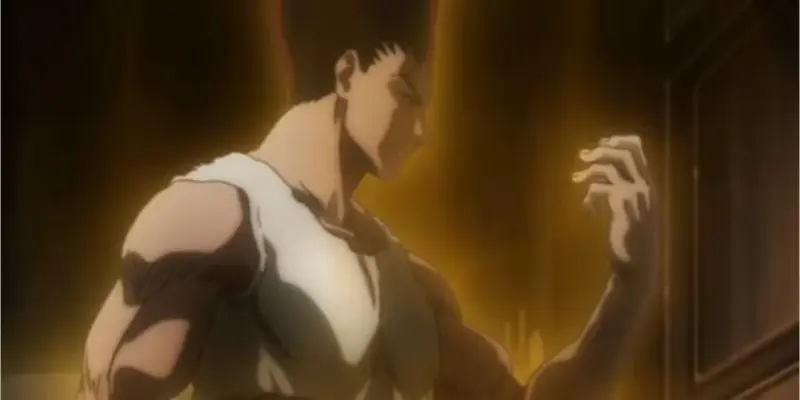
The story establishes that users can trade restrictions for power through vows and limitations. Gon uses this rule to convert all future growth into immediate strength and reaches a form that lets him defeat a Royal Guard. The transformation follows a rule the series states, yet it lets a teenager leap past years of training in a single moment and then ends his ability to use Nen entirely.
The result lands within the text but bends scale in a way nothing else does. Earlier arcs show slow gains through repetition and sparring, while this choice delivers an instant maximum output with a cost that only one character can negate later. It creates a precedent where one carefully worded condition can surpass any path of steady development.
Perfect Sense: Kurapika’s chains and vow design
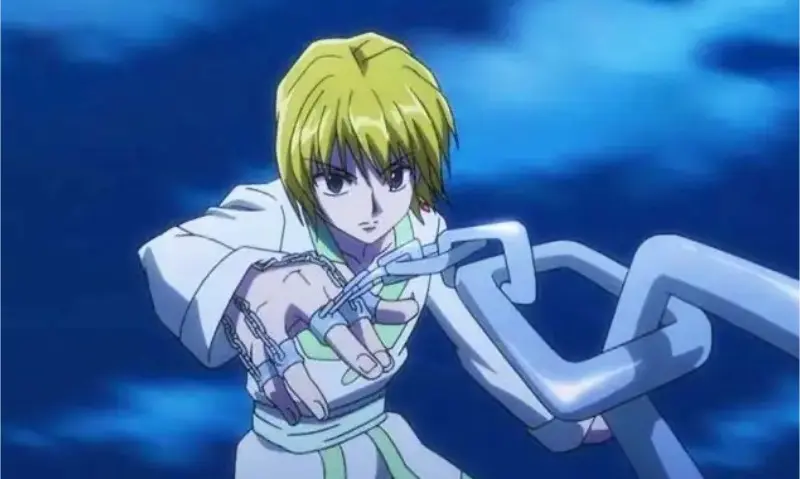
Kurapika limits his strongest chain to members of the Phantom Troupe and turns that restriction into raw efficiency. By binding the target group, he unlocks power that would be unsafe or unusable in general combat, which matches how Nen rewards specific and risky conditions. His other chains fill distinct roles, from defense to judgment, which keeps the toolkit coherent.
The result shows the Nen economy in action. Clear conditions add power, narrow scopes reduce collateral, and every move has a stated purpose. The chains work because the rules are strict, measurable, and enforced by the system itself, so outcomes feel earned rather than arbitrary.
Zero Sense: Chimera Ant evolution on a compressed clock
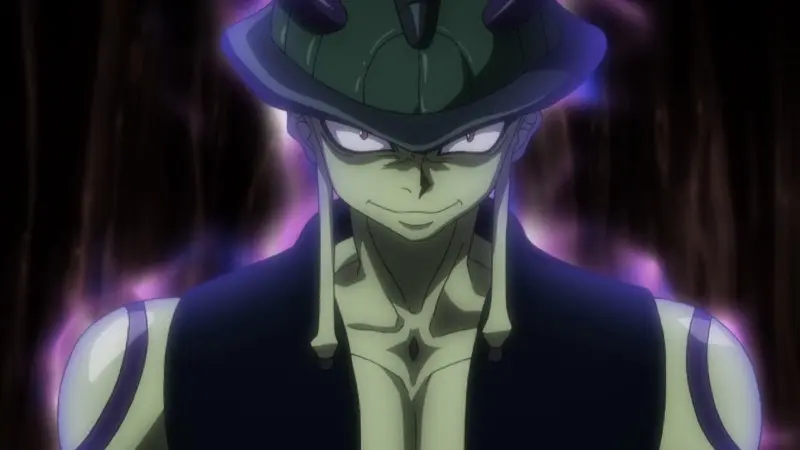
The Chimera Ants learn language, strategy, and complex combat within weeks after the Queen begins consuming humans. Soldiers inherit traits and even fragments of memory from prey, then refine those inputs into advanced tactics almost immediately. That pace outstrips any prior example of learning or training shown for human characters.
The hive also produces unique specialists at a speed that rivals lifetimes of martial training. Royal Guards emerge with overwhelming proficiency from the moment of birth, and lesser squads adapt after a handful of encounters. The arc explains these leaps through biology and inheritance, yet the timeline compresses growth to a degree unmatched elsewhere in the series.
Perfect Sense: Heavens Arena as a practical Nen curriculum
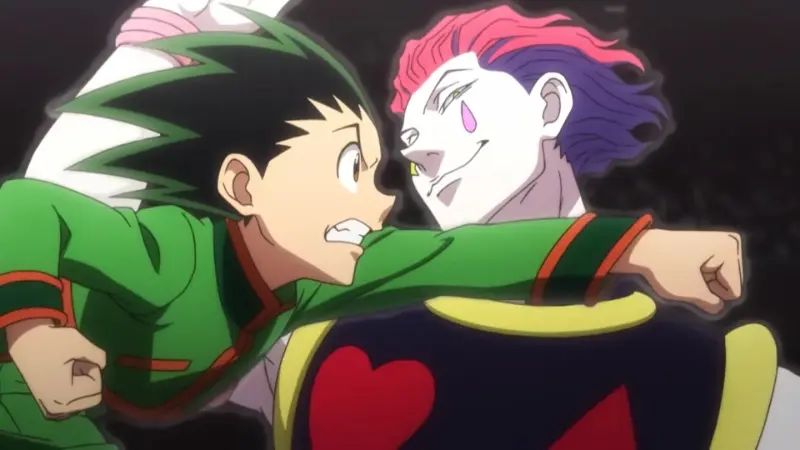
Heavens Arena teaches the basics in a controlled environment that tracks with how people actually learn. Ten, Zetsu, and Ren appear in drills and matches that reward correct usage and punish mistakes in clear ways. The building’s tiers push fighters into higher intensity only when they prove control at the current level, which mirrors a belt system in real combat sports.
The arena’s economy also supports this structure. Fighters earn money based on performance, so time in the tower funds longer training loops. Mentors show up where the talent concentrates, and referees enforce rules that keep matches within agreed boundaries, which keeps the pedagogy consistent and the progress measurable.
Zero Sense: Alluka’s wish rules and world scale
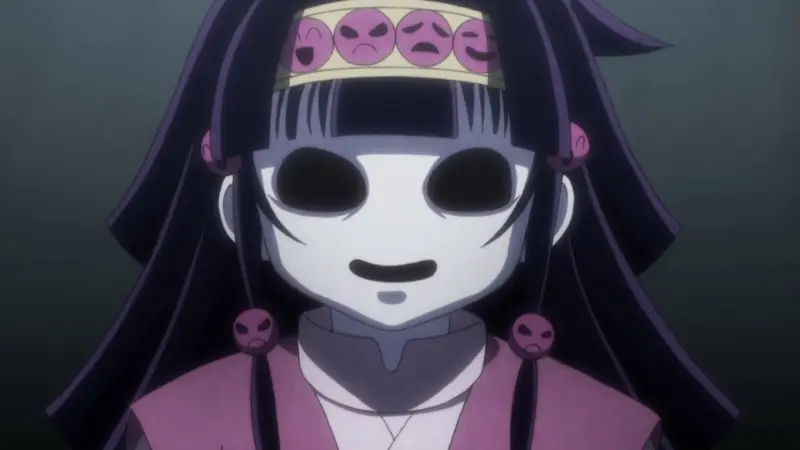
Alluka’s counterpart grants reality bending results after a sequence of requests, with risk scaling based on the size of the last wish. Refusing requests leads to lethal backlash that can spread to bystanders, while satisfying them allows the next person to make a wish of comparable weight. Killua can bypass the escalation with specific phrasing that only works for him.
Given what the power can do, its impact remains surprisingly contained. The family keeps Alluka hidden, yet once the ability becomes known to key figures it does not trigger broader global responses or systems of control that such a force would usually attract. The rules are itemized in detail, but the implications for governments, hunters, and black markets remain largely unaddressed.
Perfect Sense: Killua’s Godspeed from lifelong conditioning
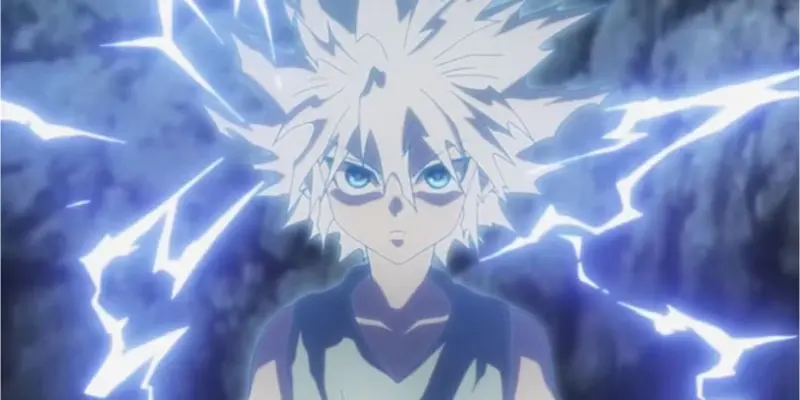
Killua is a transmuter who shapes aura into electricity after years of exposure to shocks as part of assassin training. Godspeed divides into movement and reflex modes that either drive his body forward or let his nerves fire automatically in response to stimuli. Every feature ties back to transmutation fundamentals and to conditioning that his background makes believable.
Even the limits line up with the rule set. Sustained output drains stamina, switching modes costs attention, and insulation or disruption can blunt the effect. The ability arrives as the logical endpoint of a specific childhood, a fitting Nen type, and clear tradeoffs that keep it strong without breaking other matchups.
Zero Sense: Kite’s return through Chimera Ant rebirth
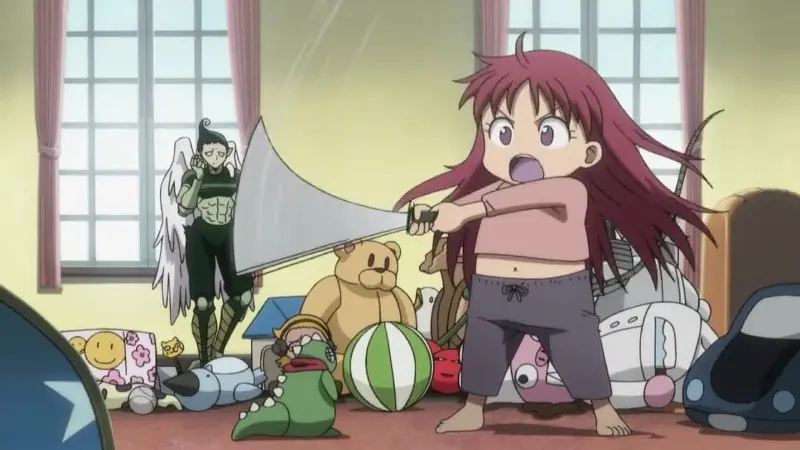
Kite is reborn as a Chimera Ant with retained identity after his death, explained through the Queen’s consumption of humans and the series rule that traits can carry over. The outcome restores a unique personality with memories and relationships that extend past a biological reset. The process references earlier hints about inheritance but never outlines a consistent threshold for memory transfer.
That gap matters because other ants show varied levels of human recall, from simple habits to near complete continuity. The story confirms the mechanism in broad strokes without defining why this case preserves so much more than most others. The exception fits the emotional arc yet leaves the technical side of the system under explained.
Perfect Sense: Gon’s Jajanken as a clean enhancer blueprint
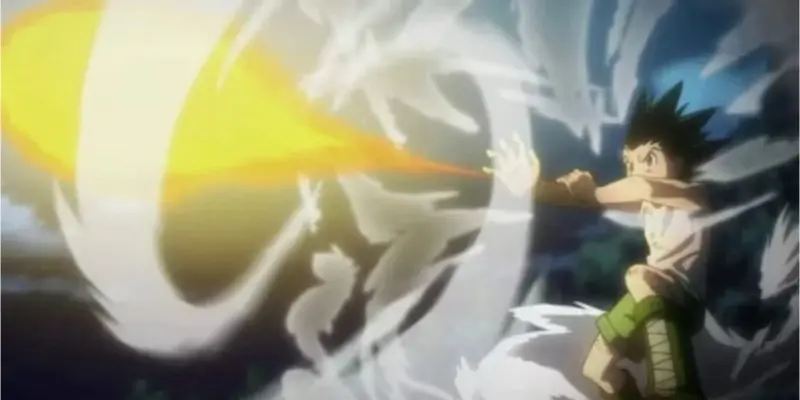
Gon builds a simple three option technique that reflects enhancer strengths. Rock is direct and powerful at close range, Scissors adds a cutting edge through transmutation, and Paper projects aura for mid range through emission. Charge time, range, and predictability give opponents clear openings, which matches how basic enhancer tools trade versatility for impact.
The move set also develops alongside training milestones. Shorter charge times arrive with better Ren, increased durability enables closer entries for Rock, and practice with emission marginally improves Paper without turning Gon into a different Nen type. The technique reads like a study plan that grows in a straight line from first principles.
Zero Sense: Greed Island items that leave the game
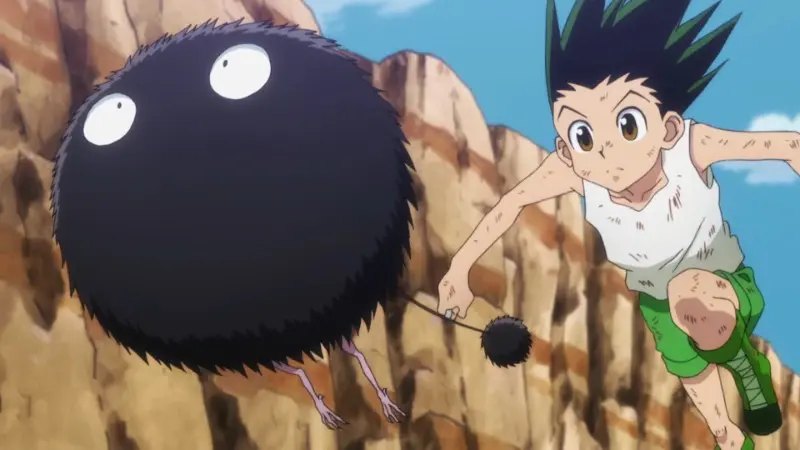
Greed Island turns aura into cards that can be stored, traded, and converted back into tangible items. Some cards are flagged to remain in the game, while others can exit after clearing conditions. That rule lets rare materials and artifacts enter the outside world with minimal friction, even though their origin depends on a closed Nen system that only a few people can access.
The wider economy feels largely unchanged despite the presence of exportable goods that should disrupt markets. Auction houses chase copies during the event, yet there is little follow through once players prove items can be taken out. The mechanics list categories and conditions with precision, but the long term ripple effects stay off screen.
Perfect Sense: Ant Nen aptitude through consumption and selection
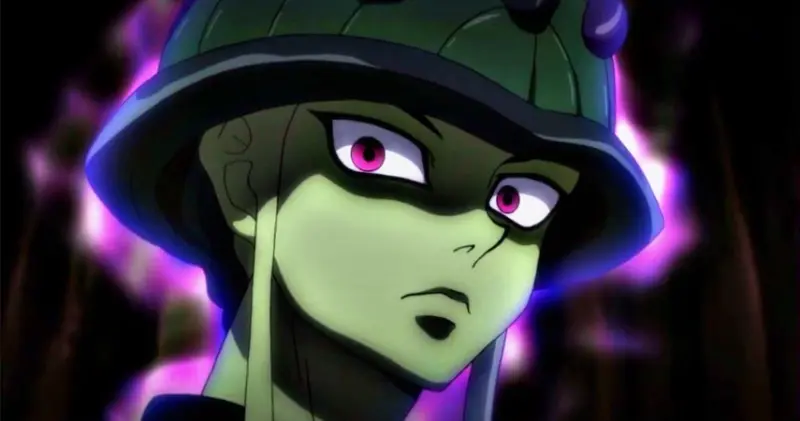
The series states that eating Nen users can awaken or accelerate Nen in Chimera Ants. Soldiers who consume strong prey display sharper aura control, and exceptional individuals develop abilities that express their personalities or instincts. The Royal Guards and the King sit at the top due to both selective feeding and design, which explains their immediate superiority.
This framework also explains why some ants plateau while others leap ahead. Access to better prey improves potential, training and experience refine the result, and individuality steers each Hatsu into a distinct shape. The arc stays consistent with Nen’s core idea that power reflects both input and intent, scaled by cost and opportunity.
Share the moments in ‘Hunter x Hunter’ that confused you and the ones that clicked for you in the comments.

