


5 Things About ‘Joker 2’ That Made Zero Sense and 5 Things About It That Made Perfect Sense


‘Joker 2’ continues Arthur Fleck’s story inside Gotham’s institutions and follows his connection with Harley Quinn as their lives intersect in Arkham. The film shifts between grounded scenes and subjective sequences, with music and performance woven into what the characters think and feel. It presents a confined world that centers on courtrooms, hospital corridors, and the stage inside Arthur’s head.
The title alludes to a clinical term about a shared state of mind, and the movie uses that idea to structure scenes that alternate between reality and imagined performance. It places Joaquin Phoenix and Lady Gaga at the center, relies on Arkham to shape the action, and builds a visual language that echoes the first ‘Joker’ with older cameras, analog screens, and a smudged version of Gotham.
Zero Sense: Compressed Arkham timeline
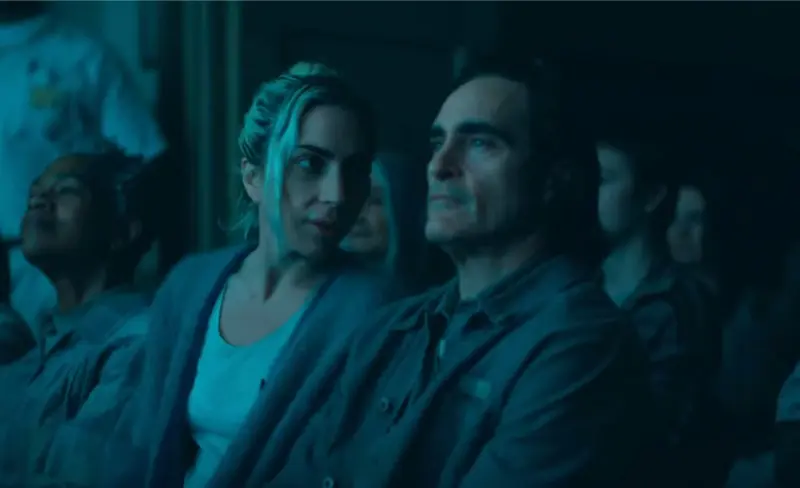
The film moves from intake and evaluation to major decisions in a short span of story time. It presents interviews, medication changes, and hearings with only brief pauses between them, and scenes often cut forward without showing the steps that link one stage of treatment to the next.
This compression hides routine milestones like extended observation notes, multidisciplinary reviews, or family history gathering. Without these connective beats on screen, the path from admission to big outcomes looks immediate even though the narrative shows weeks and months passing only in quick transitions.
Perfect Sense: Musical storytelling fits the shared delusion theme
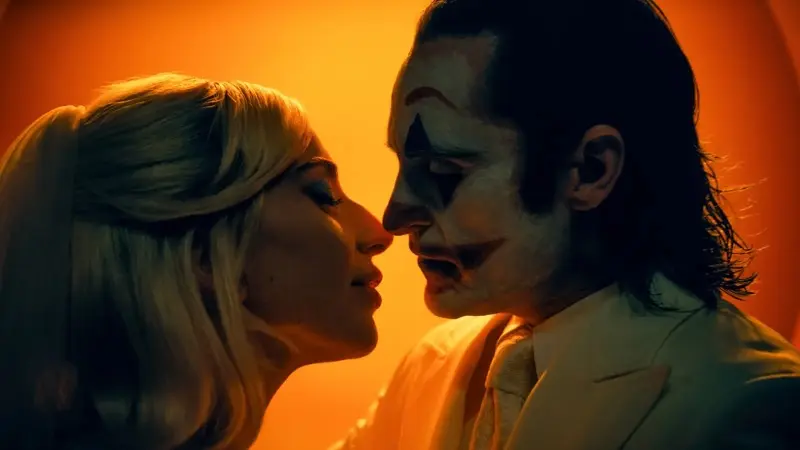
The clinical phrase in the title refers to a condition where two people reinforce the same false belief. The movie uses musical numbers as a visual and auditory sign of that synchronization, so songs appear when Arthur and Harley align in thought or when one pulls the other into a shared image.
Many performances are framed inside rooms we have already seen, with lighting changes and choreography signaling a shift into their inner world. This gives viewers a clear tool to separate exterior events from the couple’s private narrative while keeping both tracks visible in the same space.
Zero Sense: Security and access around a high risk patient
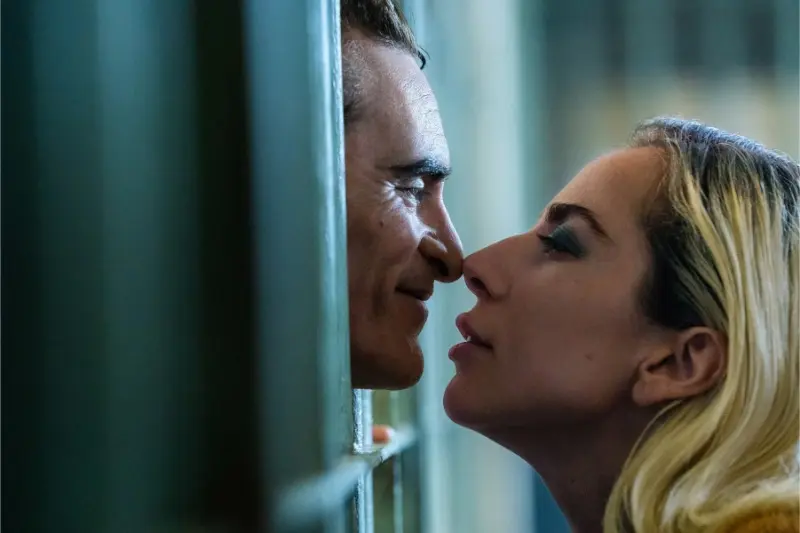
Arthur’s movement between Arkham wards, court lockups, and public facing areas happens with minimal screening and few restraints in several scenes. He interacts with staff and visitors at distances and durations that are not explained by special orders or observational status.
Group spaces appear open even during moments when the story identifies Arthur as a danger to himself or others. The film does not show added checks like controlled headcounts or staggered movement schedules that would normally reduce contact, which makes some interactions look unfiltered.
Perfect Sense: Arkham centered setting continues the first film’s endpoint
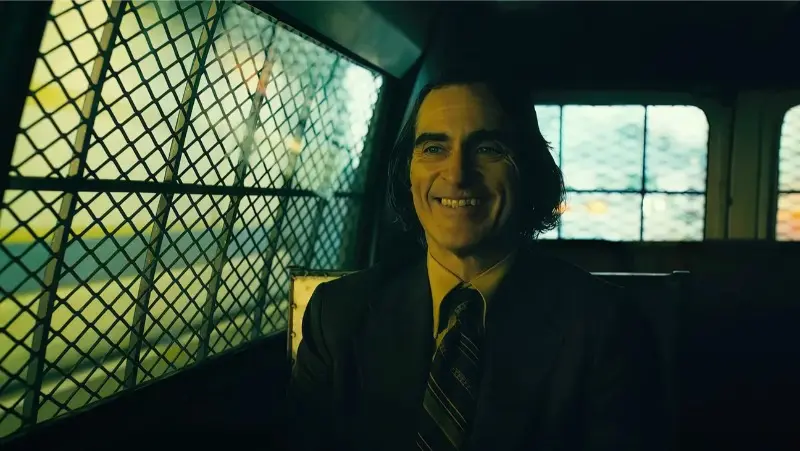
‘Joker’ ends with Arthur inside Arkham, and the sequel maintains that setting as the main stage for plot and character work. This keeps continuity with the last frame of the earlier film and uses the same institution to anchor new story beats.
By focusing on one site, the sequel can reuse staff, rooms, and procedures the audience already knows. This allows clearer callbacks to earlier therapy scenes and gives the musical sequences a consistent physical frame, since many numbers begin in the same hallways and visiting rooms.
Zero Sense: Sudden intensity in Arthur and Harley’s bond
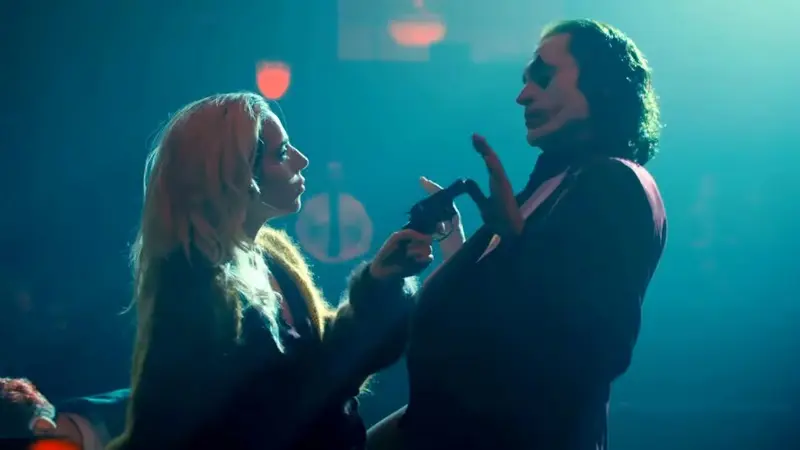
Their connection forms quickly after a handful of shared scenes. The film does not present a long record of earlier meetings, letters, or a gradual exchange of personal history that would map out how trust is built inside the facility.
Because prior contact is mostly implied, the jump from recognition to devotion can be hard to track through observable steps. The story places their strongest shared moments close together without extended intervals, which leaves the start of the bond thin on procedural detail.
Perfect Sense: A fresh Harley that fits this standalone continuity
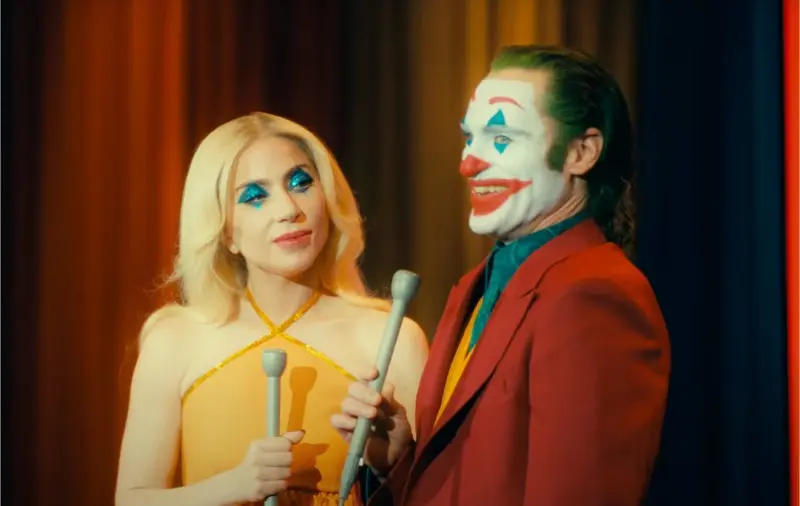
The movie introduces Harley as someone Arthur meets inside Arkham rather than repeating versions where she begins as his treating clinician. That choice fits the self contained Gotham of ‘Joker’ and avoids conflicts with other screen timelines.
Placing both leads in the same legal and clinical system simplifies logistics for scenes that involve hearings, medication checks, and supervised activities. It also lets the musical structure show a true duet, since both characters are subject to the same controls and are reacting from inside the same walls.
Zero Sense: Media exposure and public spectacle without clear authorization
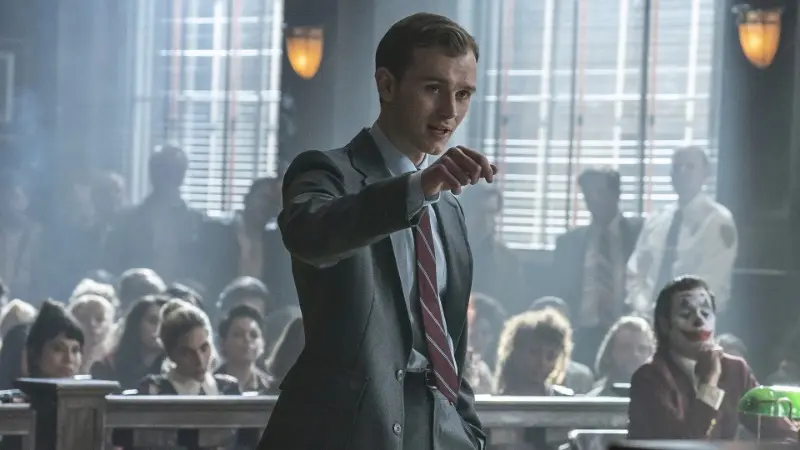
Large crowds, broadcast attention, and staged moments surround Arthur at key points, yet the story shows few approvals or custody plans that would permit that level of access. The chain of responsibility for cameras, reporters, and public appearances is left offscreen.
Without documents, court directives, or staff briefings in view, the presence of media near a defendant in a sensitive mental health case feels unaccounted for within the film’s procedures. The sequences move forward as if permissions exist, but the paperwork and safeguards are not depicted.
Perfect Sense: Period look and technology match the first film

Phones, television sets, print graphics, and police equipment are consistent with the earlier ‘Joker’ timeline, which keeps the sequel free from modern devices that would change how news, surveillance, and communication work in Gotham. This supports plot points that rely on limited recording and slower information flow.
Costumes and street dressing repeat the same city language, from worn transit interiors to flickering signage. That cohesion reduces the need for exposition because viewers already understand how the city operates, and it keeps attention on Arthur and Harley rather than on new world building.
Zero Sense: Reality and fantasy shifts lack explicit on screen markers
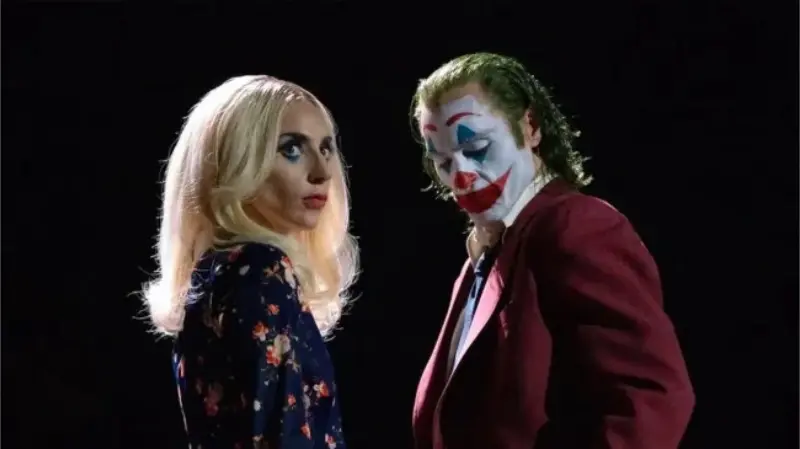
The film often moves into or out of imagined performance without an overt cue like a title card or a change of camera format. Lighting and music act as hints, but there are stretches where the boundary between a staged inner vision and an external event is not labeled in a concrete way.
Because the couple often shares the same mental image, even reaction shots can sit inside the fantasy. This makes it difficult to confirm the exact order of real events inside the story world, since verification is not provided by a neutral point of view within the scene.
Perfect Sense: The title and courtroom framework guide interpretation

The title tells viewers to expect paired cognition, which frames every duet, stare, and whispered plan as part of the same mental loop. Court evaluations and testimony then offer outside descriptions that can be used as reference points to check what likely happened.
Hearing transcripts, clinician notes, and cross examination scenes provide factual anchors in select places. When the film returns to song, those anchors stay in mind, so the audience can sort later scenes using the earlier record as a steady line through the couple’s shared story.
Share the moments that worked or did not work for you in ‘Joker 2’ in the comments so we can compare notes on which scenes landed and which ones left you puzzled.

