


5 Things About ‘Logan’ That Made Zero Sense and 5 Things About It That Made Perfect Sense

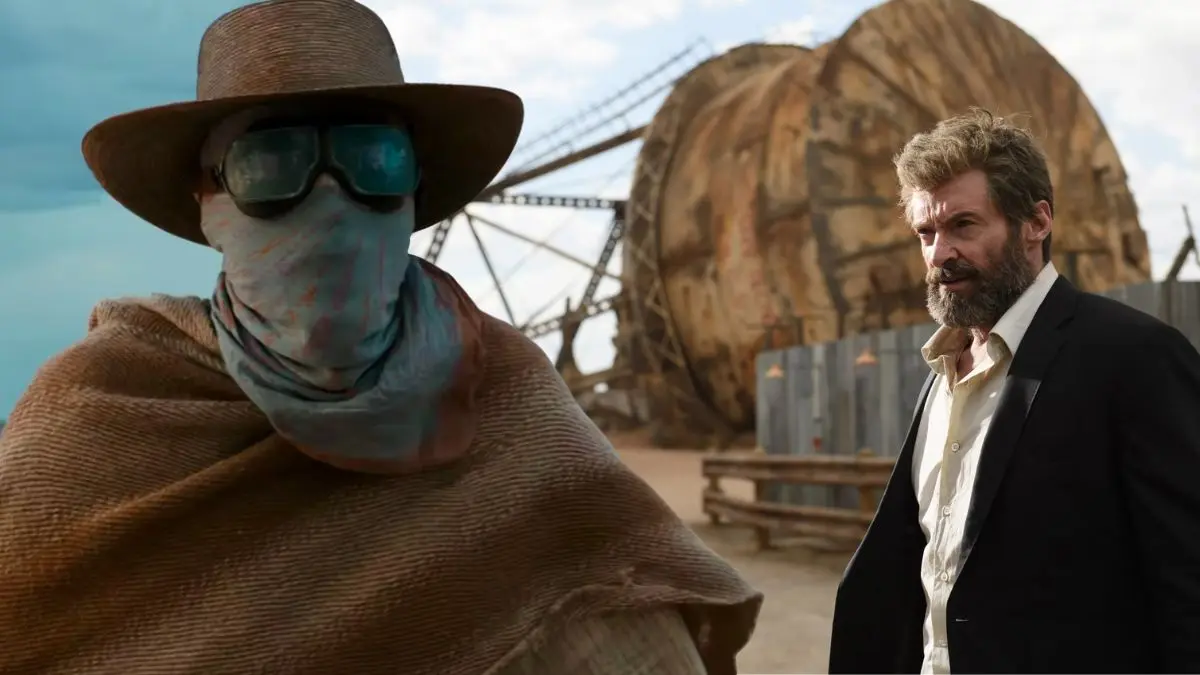


‘Logan’ closes a long chapter for a character audiences followed across many entries in the ‘X-Men’ film series. It tells a road story set near the border, with a dying hero, a broken mentor, and a child who inherits a dangerous legacy.
Along the way the film leaves questions about timelines and tech while also delivering choices that fit powers and history. Here are five head scratchers and five decisions that line up neatly with what the films and comics had already laid down.
Zero Sense: The mutant extinction timeline
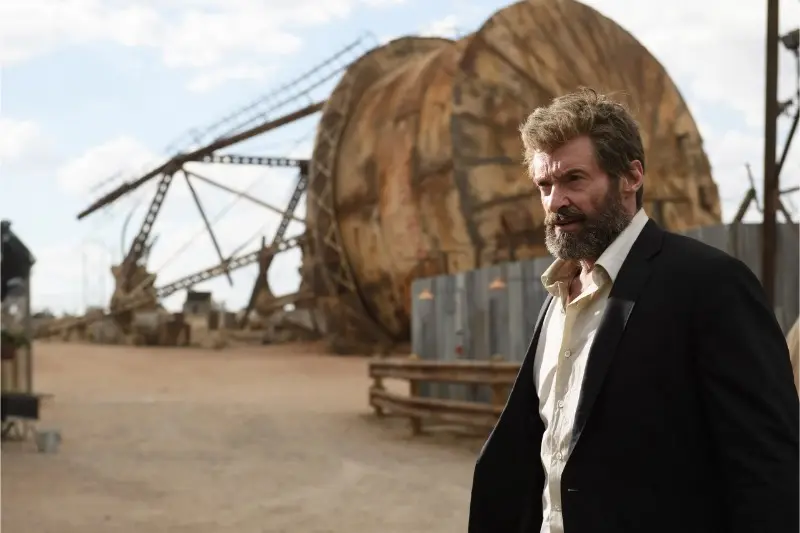
The film presents a world where no new mutants have appeared for years, yet earlier ‘X-Men’ films established shifting timelines and altered events that left the status of the species uncertain. The movie adds a food supply plot about engineered additives that suppress the X gene, but it lands late and without clear global scale or verification within the story world.
Viewers see the Westchester incident referenced as a turning point, yet the specific date, casualties, and policy fallout are left off screen. That choice makes it hard to connect this event with the broader political frameworks set up in prior ‘X-Men’ entries where registration, cures, and international responses usually drive the stakes.
Perfect Sense: Adamantium poisoning and aging

Logan’s body shows scarring, slow healing, and chronic pain, and the film spells out that something inside him is killing him. Adamantium is inert in most uses, yet in this story it functions as a long term toxin that his weakening healing factor can no longer neutralize, which aligns with comic explanations that prolonged exposure strains his biology.
A roadside doctor notes organ stress and possible heavy metal issues, and Logan himself carries a serum that boosts him only for brief bursts. Those details support a biological decline rather than an on off switch, which fits the cumulative wear we have seen since ‘The Wolverine’ and the altered timeline after ‘X-Men: Days of Future Past’.
Zero Sense: The adamantium bullet logic
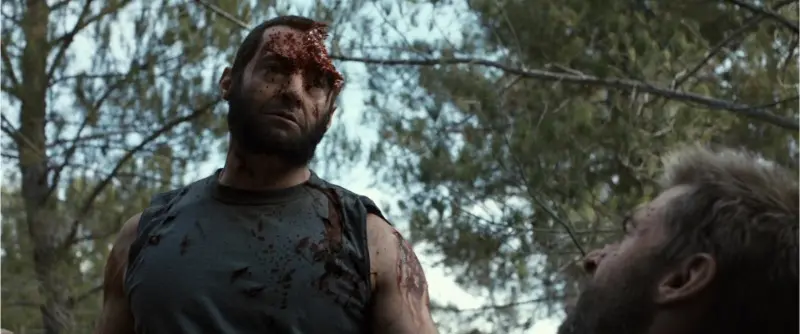
An adamantium round is set up as a fatal option, yet in ‘X-Men Origins: Wolverine’ such bullets caused memory loss rather than death. ‘Logan’ shifts the outcome by having the round destroy X-24’s brain outright, which creates a different rule set without on screen clarification.
The film could point to degraded healing, skull structure, or shot placement as variables, but it does not list those factors in dialogue. That leaves two conflicting portrayals of the same material and its effects on similar bodies that the audience must reconcile without explicit text.
Perfect Sense: Laura’s claws and fighting style

Laura’s anatomy reflects a known pattern in the comics. She has two claws in each hand and an additional claw in each foot, which is consistent with the female variant of the mutation designed for both offense and escape.
Her movement emphasizes agility, short bursts, and targeted strikes at joints and soft tissue. The film trains the camera on those techniques, which fits a child raised for covert work by a program that weaponized her rather than sending her into long slog battles.
Zero Sense: Caliban’s continuity and sunlight weakness

Caliban appears here as a tracker who is highly sensitive to light and vulnerable to UV exposure, yet in earlier films he had a different look and social role. The sudden shift suggests either a separate timeline version or a retcon that the movie does not explain within its own scenes.
His rapid decline under bright conditions and the improvised protection gear are clear, but the rules around his durability change from prior portrayals. Without an in story bridge, viewers must assume off screen developments that altered his limits and life history.
Perfect Sense: Westchester seizures as real threat

Professor X has the most powerful telepathic brain on the planet, and the film treats his uncontrolled seizures as mass paralysis events. People freeze, struggle to breathe, and suffer neurological distress, which is consistent with an amplified broadcast from a mind that once used devices to reach millions.
The narrative cites the Westchester incident and shows a smaller hotel episode that maps the danger clearly. A failing filter on a worldwide transmitter would always be catastrophic, so the outcome tracks with the scale of his powers from earlier ‘X-Men’ stories.
Zero Sense: The Eden map from a comic book

The coordinates for Eden come straight from an ‘X-Men’ comic within the film, and the children treat it as a real world destination. The story later ties the plan to a nurse who used the comic as a template, yet it remains unlikely that a corporate black ops group would not monitor or scrub a guide that their own staff used to plan escapes.
The comic page and the real ridge line line up neatly once the group arrives, which implies a level of predictive accuracy that a fictional map would not normally provide. The coincidence asks the audience to accept that a piece of pop culture in universe doubled as a workable extraction route without drawing surveillance.
Perfect Sense: The border setting and corporate cover
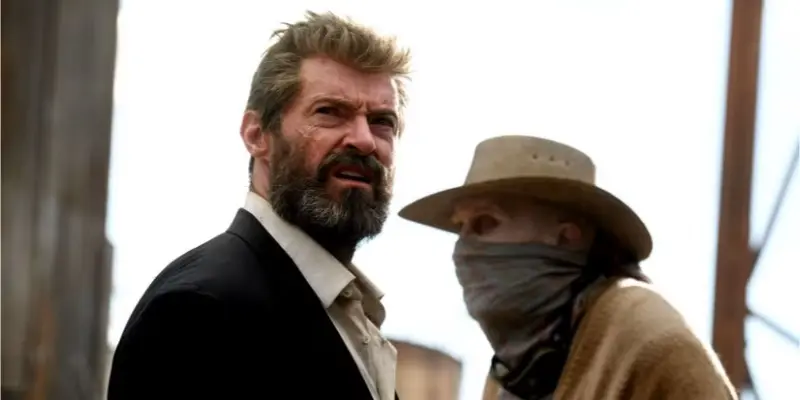
Alkali Transigen operates near the border and relies on private security rather than uniformed forces, which fits a program that wants legal distance and easy movement of people and materials. The setting offers access to clinics, cheap labor, and routes that keep attention away from national oversight bodies.
Travel between safe houses, motels, and side roads gives the group plausible deniability while moving subjects and supplies. That tracks with how covert programs in the series often avoid major cities and official facilities, keeping witnesses scarce and paper trails thin.
Zero Sense: Cross country chase logistics

The group moves from the border region through multiple states toward the far north with limited funds and a noisy car, yet the pursuers do not deploy aircraft, roadblocks, or coordinated interstate alerts until late in the story. The Reavers appear in waves on the ground, which grants the heroes large gaps to rest and recover.
A high value target extraction would ordinarily involve shared data across jurisdictions and wide area sensors. The film keeps the pursuit mostly personal and close quarters, which creates character moments but softens the scale that such a corporation would likely bring to a chase.
Perfect Sense: Weapon X legacy and Transigen

Transigen’s methods build on the Weapon X history already shown across earlier entries. The program uses files, footage, and procedures that look like an updated version of the same research pipeline that produced Logan’s metal skeleton and other experiments.
The presence of Donald Pierce, the Reavers, and a lab that commodifies children matches the franchise pattern of paramilitary groups hired to secure assets and erase leaks. That continuity joins the visual language of restraints, tanks, and recorded tests, which ties this story to the long running weaponization of mutants in the ‘X-Men’ world.
Share your own smart picks in the comments, which moments in ‘Logan’ puzzled you and which choices landed perfectly for you.

