


5 Things About ‘Mad Max’ That Made Zero Sense and 5 Things About It That Made Perfect Sense


‘Mad Max’ introduced audiences to a harsh near future that still feels close to the world outside the cinema. It set the tone with long Australian highways, scavenged machines, and a police force trying to hold a fraying line. The film was shot around rural Victoria with real roads and practical stunts, which gives the chases a grounded look that carries through every scene.
At the same time, the story moves fast and bends details to keep the action moving. Some choices streamline complex systems like courts and policing while others lean on movie mechanics. Below are ten specific elements that either clash with how things work or fit the world exactly as it is shown.
Zero Sense: The blower switch on the Pursuit Special
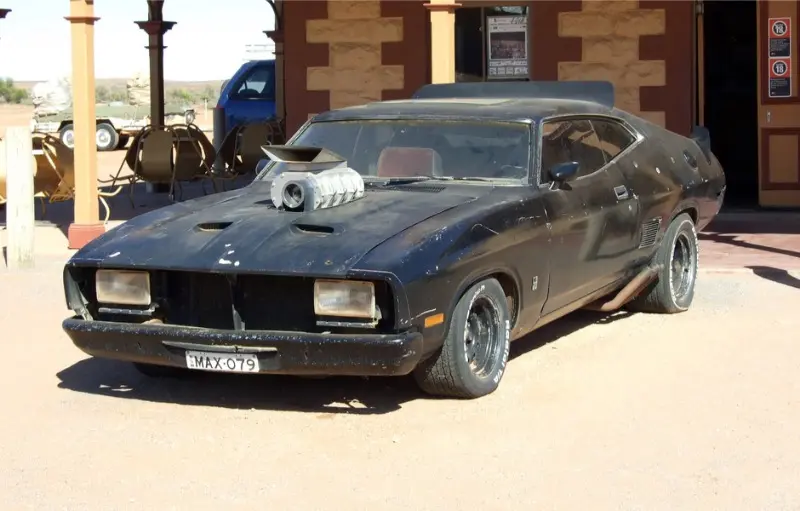
The black Pursuit Special shows a supercharger that appears to switch on with a dashboard toggle. Real mechanical superchargers are belt driven and stay engaged whenever the engine turns, so the on off moment shown on screen does not match how that hardware operates. The shot sells a burst of extra power that looks dramatic, but it does not reflect typical automotive behavior.
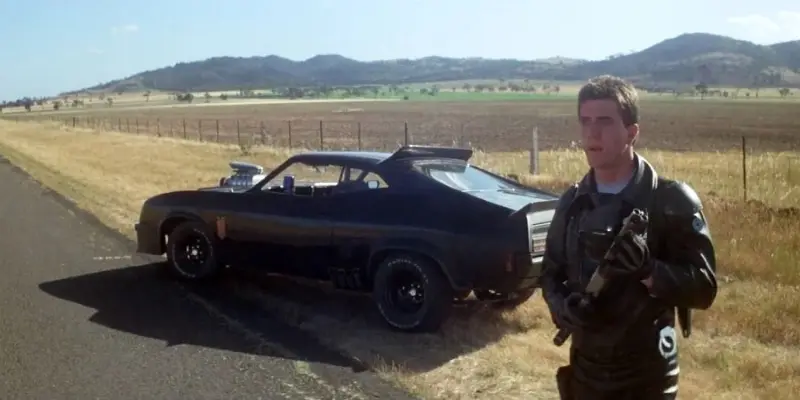
The car used in ‘Mad Max’ was a heavily modified Ford Falcon XB GT with a showpiece blower setup for the camera. The scoop and belt are featured prominently during closeups, and the film frames the switch as a key beat in chases. The emphasis creates a clear visual cue for acceleration even though the mechanism is not presented the way an actual road car would handle it.
Perfect Sense: A police force stretched thin
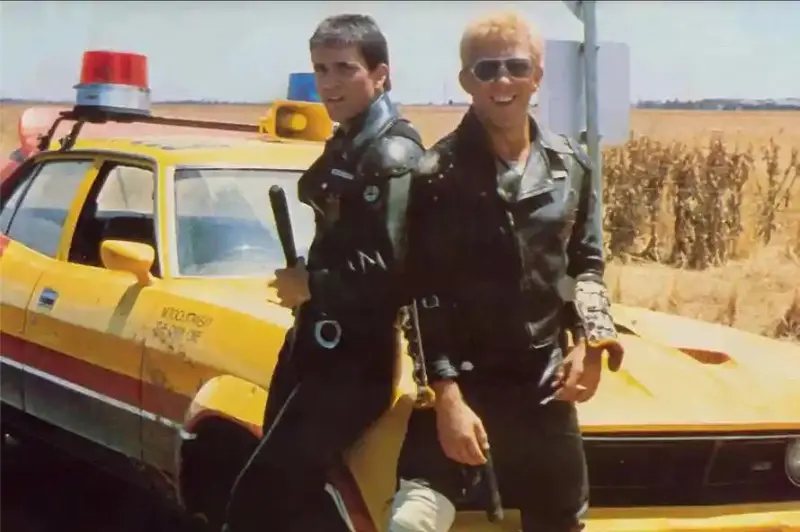
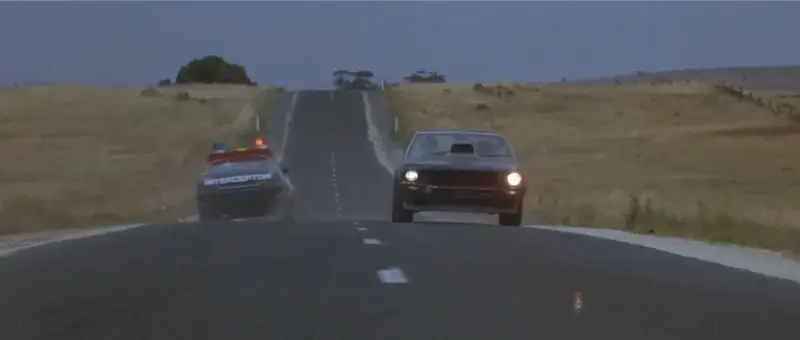
The Main Force Patrol operates out of a single Halls of Justice building with only a few pursuit cars and bikes. Dispatch calls show limited coverage along long stretches of highway, and officers often pursue suspects without reliable backup. This matches how a small unit would work across a wide rural region where every response takes time.
Patrol cars are patched together in the agency workshop and mechanics keep them going with whatever parts are on hand. The fleet includes aging sedans and one exotic interceptor rather than a full stable of identical vehicles. That mix fits a department under strain that keeps serviceable equipment running as long as possible.
Zero Sense: A court case that ends in an instant
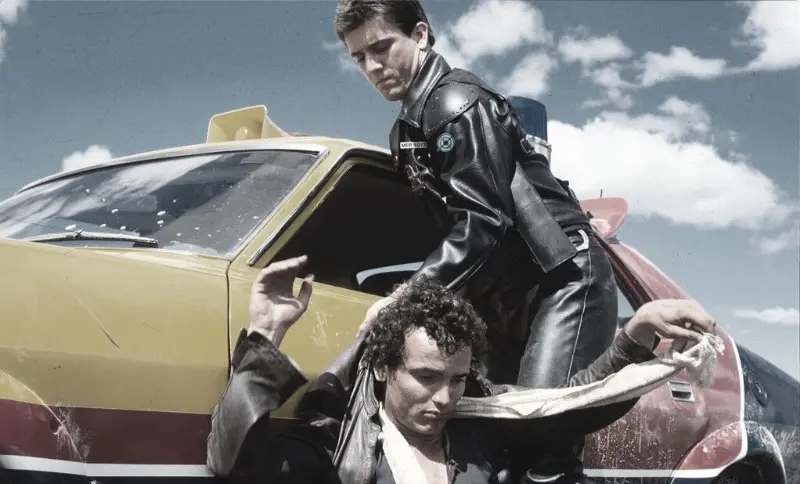
Johnny the Boy is arrested, processed, and released when witnesses refuse to testify. The film resolves this case within what feels like a single day, with no sign of continuances or other ways to move forward using officer statements and physical evidence. That speed trims away steps that usually take much longer.
The scene also shows no follow up such as protective measures for intimidated witnesses or attempts to revisit the case. Everything resets to zero the moment the charges collapse. The result is a clean break for the plot, but it removes tools that a real system would still try to use even with uncooperative witnesses.
Perfect Sense: Fear silences a fragile community
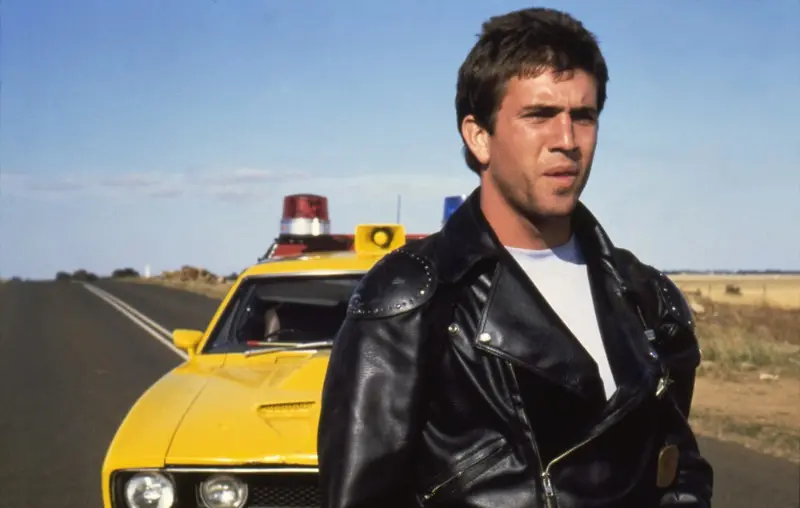
The refusal to testify lines up with life in a town where a violent gang is present and authorities cannot guarantee safety. Victims and bystanders know gang members can find them and act without delay. That knowledge keeps people quiet even when they are angry, which is why cases fall apart.
The quiet courthouse and the prosecutor’s short speech fit a place where the law still exists but cannot compel support. The government is present in name, yet citizens do not believe it can protect them. The film uses that pressure to show how order can weaken before it fully collapses.
Zero Sense: Compressed geography on the family trip
Max and Jessie drive to a coastal farmhouse, stop in a small town, and cross paths with the gang in quick succession. The edits suggest these locations are only minutes apart, which does not match the long highway distances shown earlier during patrol and pursuit. The map seems to shrink whenever the story needs characters to intersect.
The chase near the beach, the shop in town, and the farm feel like adjoining neighborhoods rather than separate communities. Travel time is rarely shown and roads are always clear. The effect is a compact play area that speeds up the plot while making the region’s actual scale hard to read.
Perfect Sense: The Nightrider thread drives the feud
The opening chase ends with the Nightrider’s death, and the gang treats that loss as a reason to target the police. Toecutter’s crew gathers at the wreck and marks the event as personal, which explains later ambushes and taunts aimed at officers rather than random drivers.
Funeral gestures and visits to the crash site keep that motive visible as the story moves on. The film ties early scenes to later attacks through this shared grievance, which makes the gang’s focus on the Main Force Patrol consistent across the narrative.
Zero Sense: The wreck countdown at the end
In the roadside finale, Johnny is chained to a wreck with a fuel trail leading to a fire. The timing he is given and the speed at which the flame reaches the car do not align with the task he is told to attempt. The setup creates a suspense beat, but the physics of fire and the stated window do not match.
The placement of the cuffs and the saw suggests a job that would take far longer than the flame requires to travel to the tank. The device works as a clear image of retribution, yet it does not track with the practical steps needed to escape in the time presented on screen.
Perfect Sense: Authentic machines and road culture
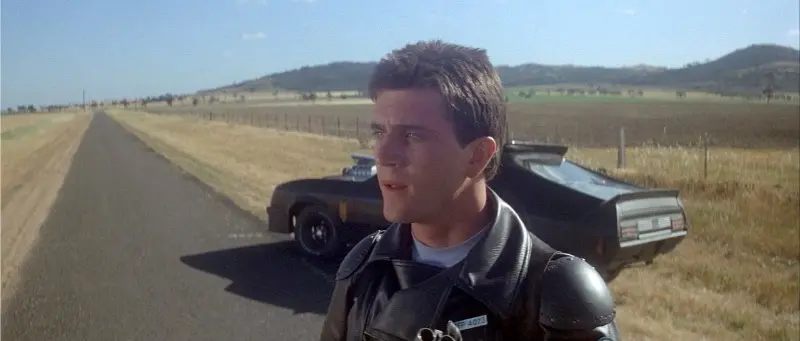
The film outfits officers with leather riding gear and puts them on powerful road bikes, while the gang rides similar machines with stripped bodywork and loud pipes. Patrol cars come from local muscle stock, including the Pursuit Special built from a Falcon platform. These choices reflect machines common to the setting rather than invented vehicles.
Locations include country highways, roadhouses, and wrecking yards that look like the real places they are. Stunts use these spaces without sets that would hide the landscape. That approach anchors the action in a recognizable version of Australia and keeps the world coherent from scene to scene.
Zero Sense: A society that swings between normal and broken
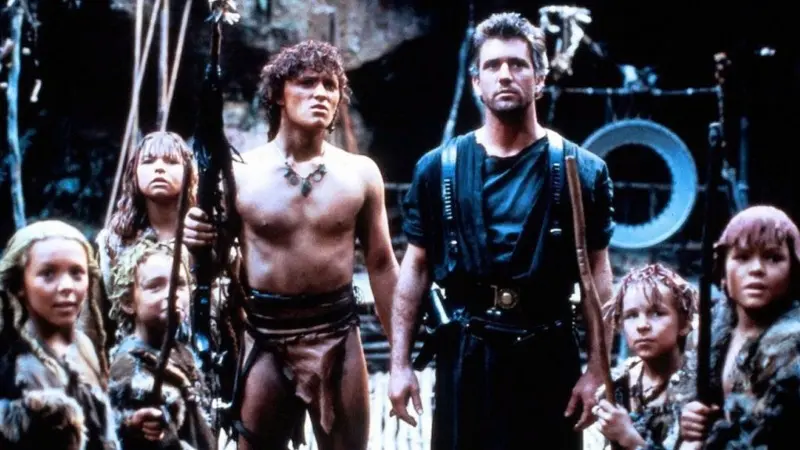
‘Mad Max’ shows open shops, family holidays, and regular traffic, yet the same towns tolerate armed bikers who act without restraint. The level of breakdown shifts from near normal to near anarchy depending on the scene. The story does not signal a single cause that explains each swing.
Fuel, food, and services remain steady while the police unit looks close to collapse. The contrast makes it hard to tell whether the crisis is localized or widespread. The film treats instability as background texture, which leaves daily life and public safety operating on different tracks.
Perfect Sense: A cause and effect path for Max
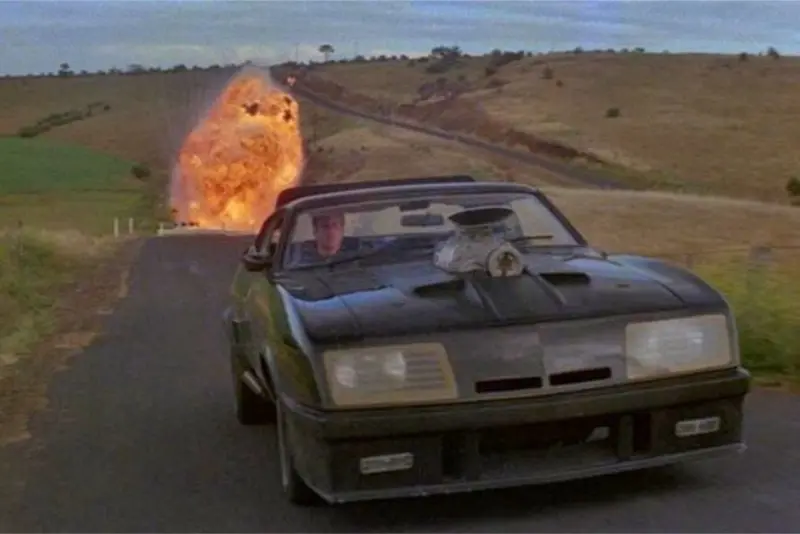
Max starts as a skilled officer who wants a quiet life with his family. After Goose is burned and Jessie is targeted, he resigns and leaves town. When the gang strikes again, he returns to the road in the Pursuit Special and goes after those responsible. Each turn follows a clear event that pushes him forward.
The film closes with Max stripped of uniform ties and fully committed to the road. The steps that lead there are marked by losses and direct responses, which sets up the lone figure the series is known for without a sudden change that lacks explanation.
Share your favorite detail from ‘Mad Max’ that either puzzled you or fit the world perfectly in the comments.

