


5 Things About ‘Oz’ That Made Zero Sense and 5 Things About It That Made Perfect Sense

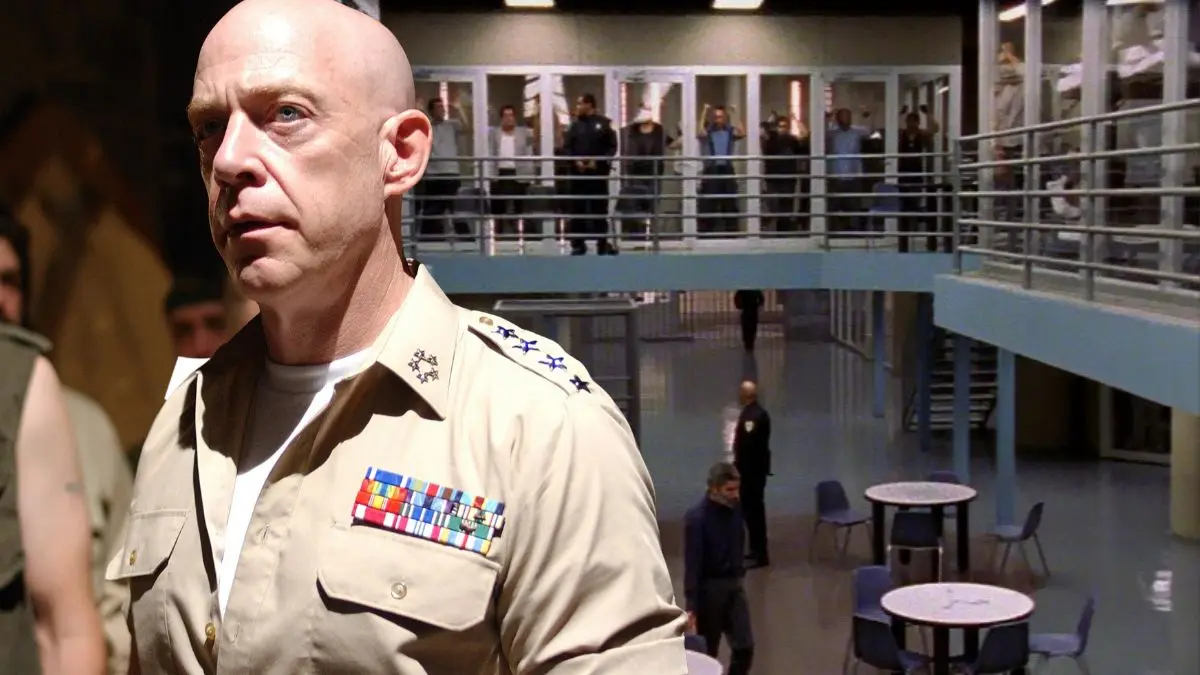


The world of ‘Oz’ drops viewers inside Oswald State Correctional Facility, with Emerald City as its glass-walled experiment in rehabilitation. The show packs every corner with gangs, politics, and survival tactics, so there is always a new move to follow and a consequence to track.
Across six seasons the series builds a dense record of program changes, investigations, riots, and legal turns. Along the way it sets rules for how Emerald City should work, then breaks them, while also nailing the everyday mechanics of prison life with sharp detail.
Zero Sense: Glass walls that hide too much
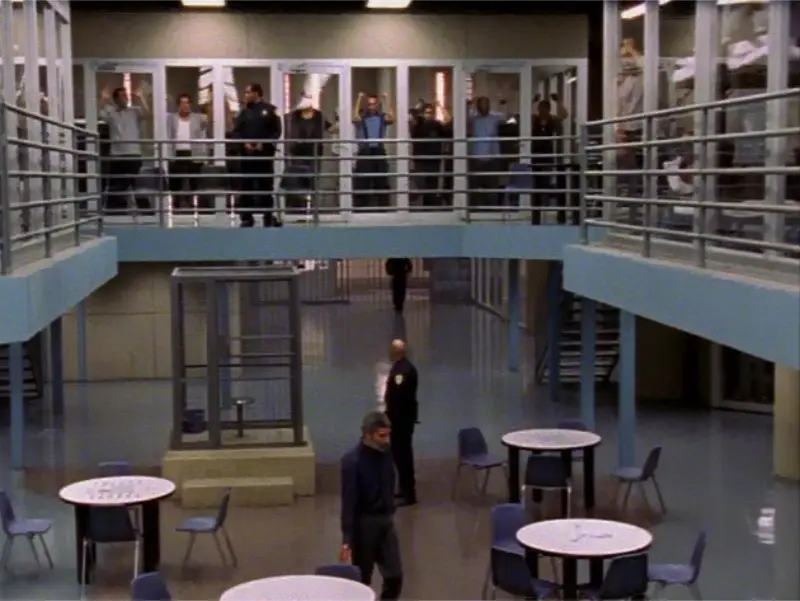
Emerald City is designed with transparent pods and constant observation. Cameras sit in common areas and staff monitors are shown in control rooms. Despite that setup, multiple stabbings happen in open spaces and bodies turn up in places that should be visible, with attackers getting away clean.
Security sweeps are announced and contraband checks are shown on screen. Yet shivs and drugs keep moving freely between pods, and assaults occur during routine activities like meals and rec time where sightlines are supposed to be strongest.
Perfect Sense: Gangs run the economy

The Aryans under Vern Schillinger, the Muslims under Kareem Said, the Italians under Nappa and later Pancamo, the Homeboys linked to Adebisi and later Burr Redding, the Latinos around Miguel Alvarez, and the Irish through the O’Reily brothers all maintain clear command chains. Each group controls corners of trade, protection, and retaliation, and leaders shift when someone is killed, transferred, or demoted.
Supplies like cigarettes, drugs, and favors move through those networks. New arrivals are quickly sorted, debts are tracked, and punishments are carried out through kitchen duty, laundry access, and visiting room leverage, which matches how closed economies function when cash is limited and goods become currency.
Zero Sense: Easy movement during lockdowns
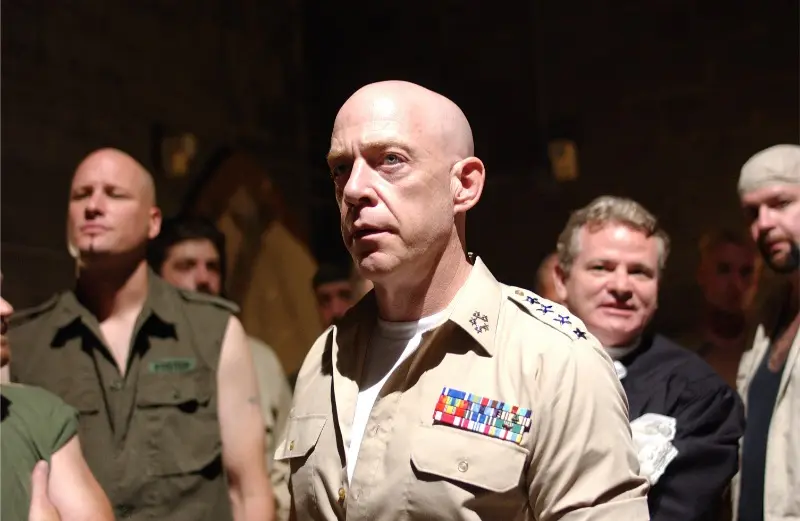
Episodes show lockdowns where inmates should be confined to pods and movements recorded. Even so, prisoners cross tiers at night and reach targets in other units, and messages or tools pass through sealed doors without staff noting a chain of custody.
Agamemnon Busmalis attempts multiple tunnel escapes over time, and the digging goes undetected for long stretches. The ground is disturbed and dirt needs disposal, yet routine inspections miss it until the last moment, which conflicts with the high-alert posture after earlier breakouts.
Perfect Sense: Administrative power swings
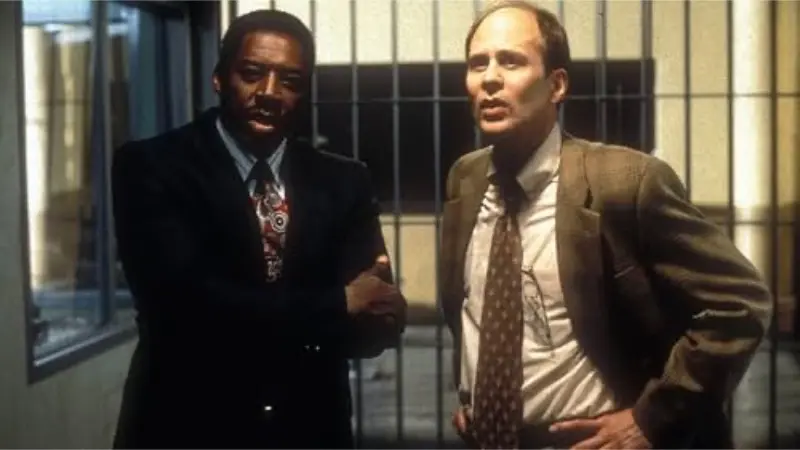
Tim McManus launches Emerald City with therapy, shared pods, and incentives. Later, Martin Querns takes over and adjusts rules to reduce open conflict, allowing certain leaders more room as long as fights drop and the body count slows. When control shifts again, policies revert and new enforcement drives begin.
Warden Leo Glynn answers to the governor and to budget pressures, so programs open and close based on outside politics as much as inside behavior. Transfers, parole reviews, and unit assignments often follow election cycles and headlines, which reflects how institutions change when leadership and funding priorities move.
Zero Sense: Medical access without consistent screening

Inmates receive surgeries, scans, and medication refills with minimal delay in some arcs. At other times urgent cases wait through long backlogs even when a doctor is on site. Files go missing and orders are not logged, yet scheduled procedures still happen without the required clearances.
Chain-of-custody for pharmaceuticals is shown with sign-offs and storage protocols. Despite that, tampering occurs repeatedly and dosages are swapped or poisoned without triggering lasting audits or process changes that would normally follow a controlled-substance breach.
Perfect Sense: Contraband supply lines
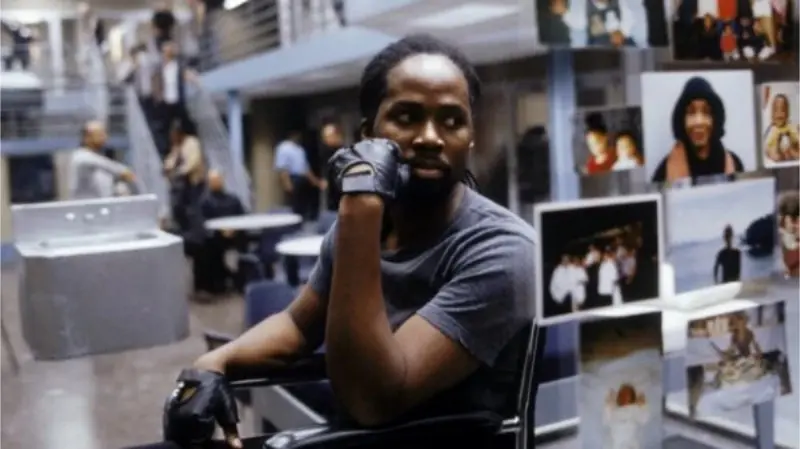
Visitors pass items through contact and noncontact visits using body concealment and packaging tricks. Mailroom checks are shown with staff slicing envelopes and testing pages, but liquids, gels, and powder forms still reach pods through altered bindings and small containers.
Staff corruption appears as a risk point with bribes, threats, and side deals. Kitchen, laundry, and maintenance jobs give inmates access to vents, carts, and dumpsters, which serve as reliable hiding spots and transfer routes. Those methods track with common contraband pathways in secure facilities.
Zero Sense: Rapid transfers after severe incidents
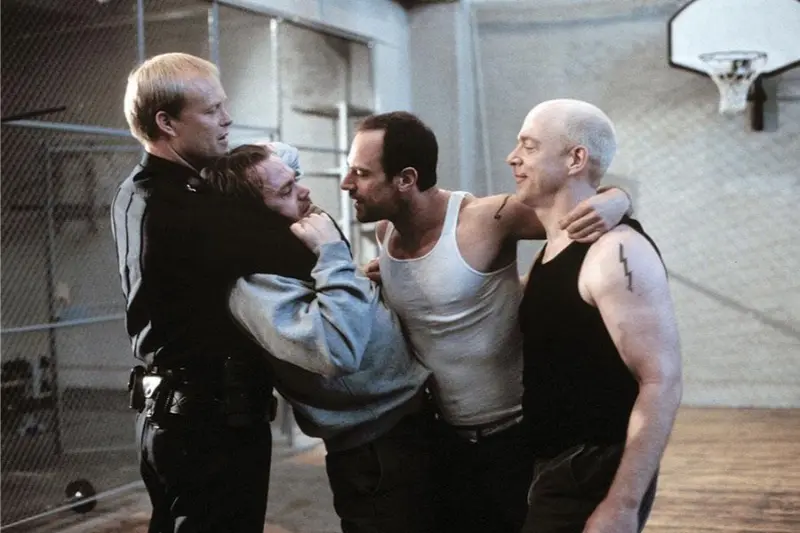
Key figures return to Emerald City or general population soon after serious assaults, riots, or murders. Inmates who commit high-profile attacks are placed in solitary or sent to psych, then reappear in shared pods within short spans without hearings or long-term classification changes.
The show depicts paperwork and hearings in detail when it serves a plot. In other arcs those steps fade, and inmates with active enemies are reassigned near the same rivals who triggered earlier violence, which conflicts with separation and classification practices meant to prevent reprisals.
Perfect Sense: Legal maneuvering and appeals
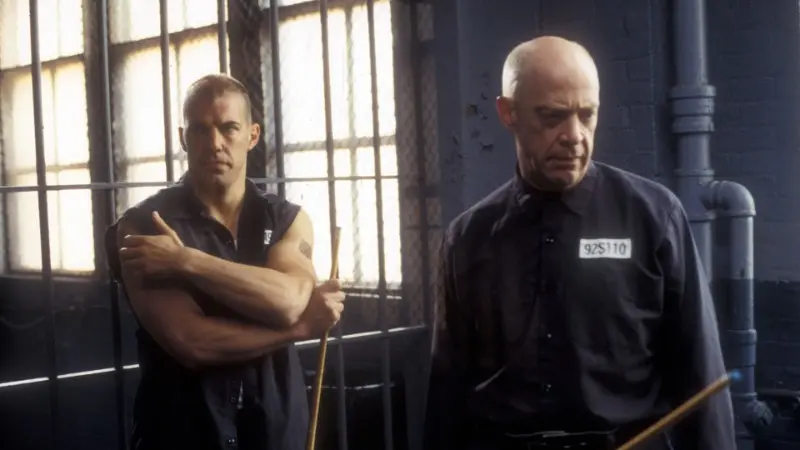
Tobias Beecher’s case moves from sentencing to appeals and parole hearings, with legal aid, victim statements, and disciplinary records shaping outcomes. Kareem Said uses civil action, public pressure, and hunger strikes to force policy reviews and access to services that were previously denied.
Miguel Alvarez’s hearings show how institutional behavior, gang ties, and mental health evaluations weigh against time served. Lawyers file motions to suppress, seek new evidence, and negotiate transfers, which mirrors the slow peel of post-conviction work inside a prison system.
Zero Sense: Staff boundaries that reset overnight
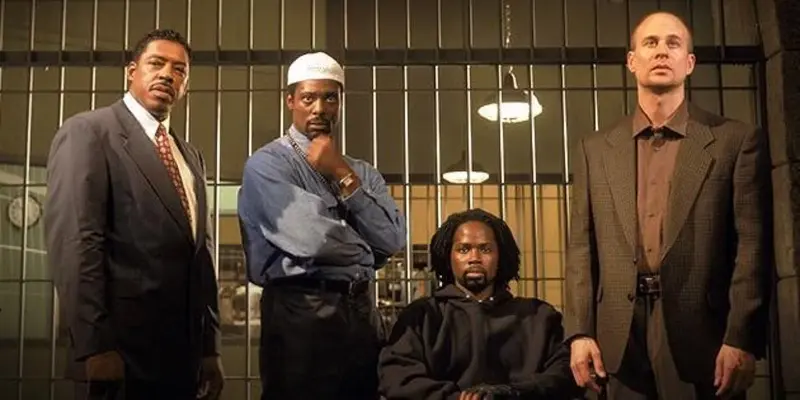
The series shows mandatory reporting rules and counseling for staff after assaults and coercion. Yet officers who cross lines with inmates return to posts near those same inmates in later episodes, and supervisors keep them in roles with direct contact instead of assigning them elsewhere.
Therapy and fitness-for-duty checks appear for some staff after traumatic events. In other cases the process is skipped, and the same employees run searches, deliver medications, or escort former victims without added oversight, which clashes with internal controls that follow critical incidents.
Perfect Sense: Mental health strain and limited capacity

Sister Peter Marie runs therapy sessions, victim-offender meetings, and addiction groups with long wait lists. Beds in the psych unit are scarce, so inmates cycle between evaluation and general population when symptoms stabilize, then return if their condition worsens, which reflects the stop-and-go nature of care under pressure.
Cyril O’Reily’s brain injury affects decision making and vulnerability to influence, so evaluations, competency questions, and medication plans become part of his arc. Group therapy scenes emphasize routine check-ins, peer conflict, and the constant push to keep treatment going despite overcrowding and staffing gaps.
Share your take below on which parts of ‘Oz’ felt off and which parts felt right, and tell us what we missed in the comments.

