


5 Things About ‘Raging Bull’ That Made Zero Sense and 5 Things About It That Made Perfect Sense

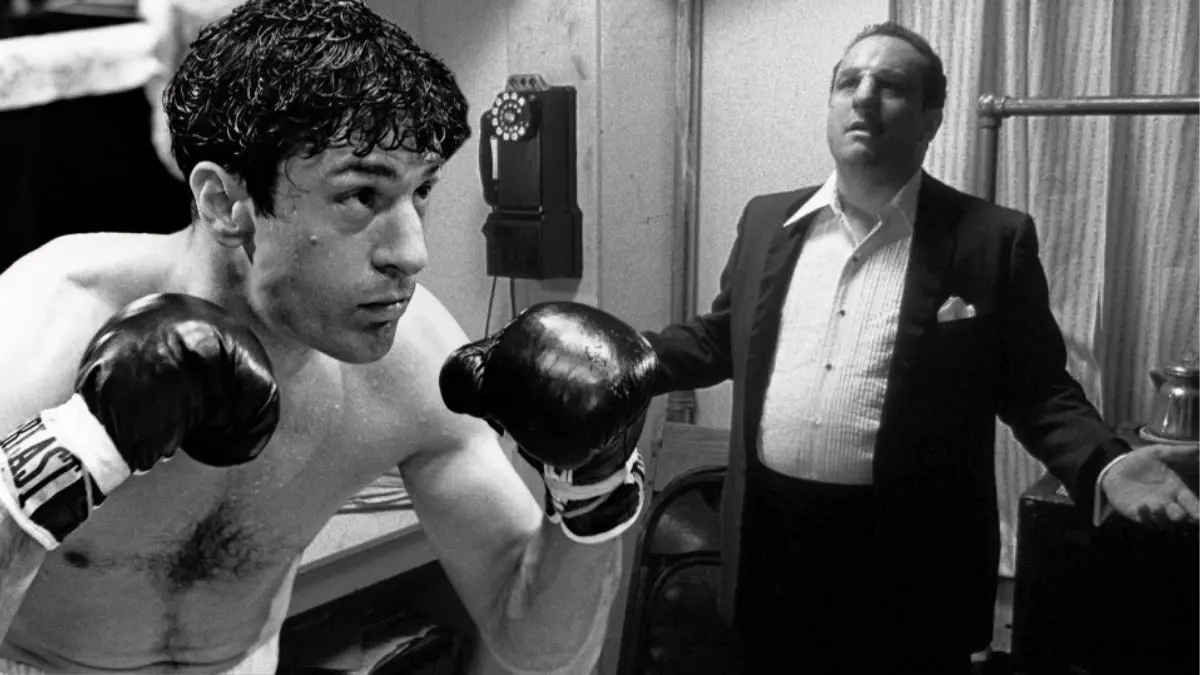


Martin Scorsese’s ‘Raging Bull’ tells the life of Jake LaMotta with a mix of faithful detail and deliberate stylization. The film blends real boxing history with creative choices that heighten mood and character, which means some parts track closely with the record while others bend time, place, and procedure along the way.
Below are ten focused points that sort out what the film changes or compresses and what it gets exactly right. Each one sticks to concrete information about boxing rules, production decisions, and historical timelines so you can see where the movie diverges and where it aligns.
Zero Sense: Squished fight timeline
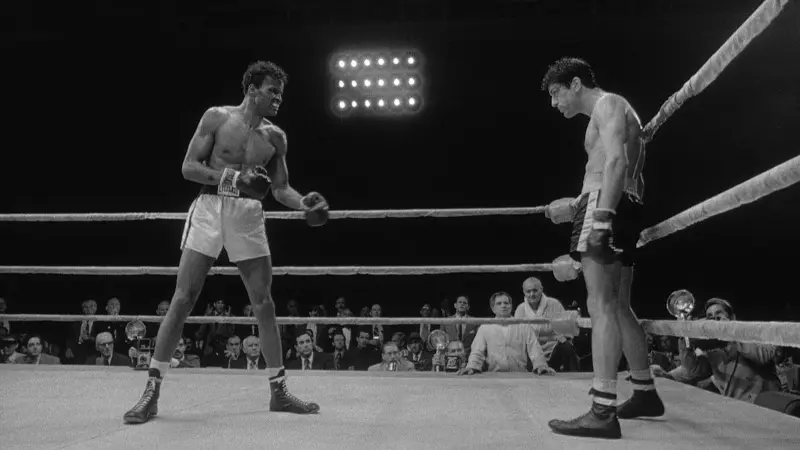
The film moves quickly from LaMotta’s title breakthrough to his final loss to Sugar Ray Robinson with little sense of how many years actually passed. In reality the middleweight title arrived in 1949 and the last LaMotta–Robinson bout landed two years later, which means multiple camps and a string of defenses sit between those moments even if they play as a near run-on in the movie.
Several real fights that shaped the title reign barely register or vanish entirely when the film accelerates. Planned and canceled rematches and defenses against top contenders in the early fifties are the kinds of events that shaped rankings and purses, yet the story’s pace leaves only the broad strokes.
Perfect Sense: Black-and-white photography
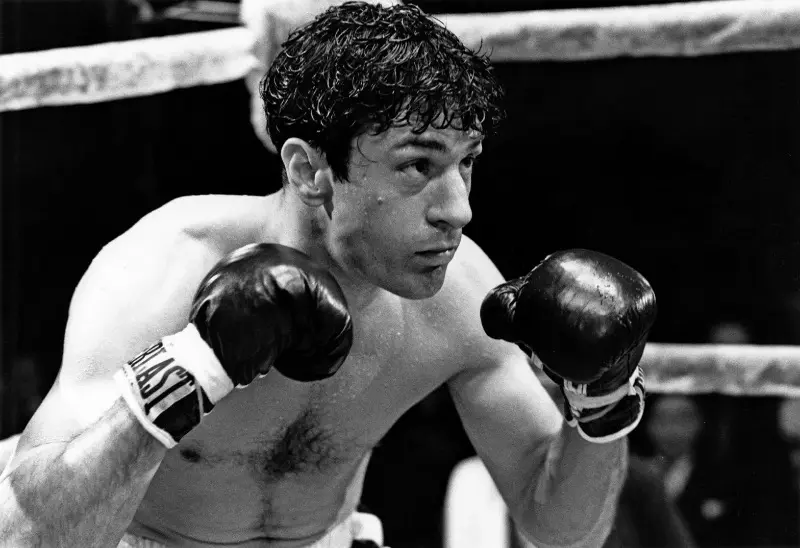
Choosing black and white matches the period look of newsreels and wire photos that covered boxing in the forties and fifties. It also keeps the lighting consistent with arc lamps and flashbulbs that were common in arenas of the time, which helps those ringside moments feel like the images sports pages actually printed.
The home-movie interludes switch to color stock to mimic personal 16 mm reels that families shot at the time. That contrast separates public life in the ring from private life at home and gives viewers a clear visual cue about which world they are in, which is a practical way to organize decades of material.
Zero Sense: Modern-looking gloves and ring hardware
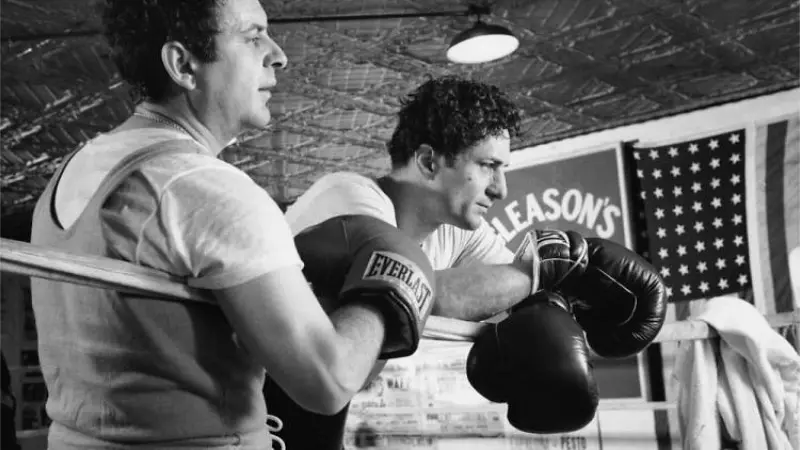
Middleweights of the era often fought with lighter gloves than what appears on screen, since some commissions in those years used smaller weights for that class. The film’s gloves read thicker, which changes the silhouette of a fist and the way leather bunches on impact.
Production safety standards commonly require heavier padding and newer rope systems, and those choices show up in the ring build. The result is a cleaner bounce off the strands and a softer glove profile than photographers recorded at venues in the forties and early fifties.
Perfect Sense: The Robinson series details

Jake LaMotta and Sugar Ray Robinson met six times, and the final bout ended by referee stoppage without a knockdown. The movie’s famous line about never going down is consistent with the bout history, since the record shows LaMotta was not floored in that series even as punishment accumulated in the late rounds.
The film also mirrors period officiating that allowed standing damage assessments in the corner and mid-round checks. That matches the way referees in big arenas evaluated sustained punishment before waving off a fight in that era.
Zero Sense: Courtship dates and legal realities
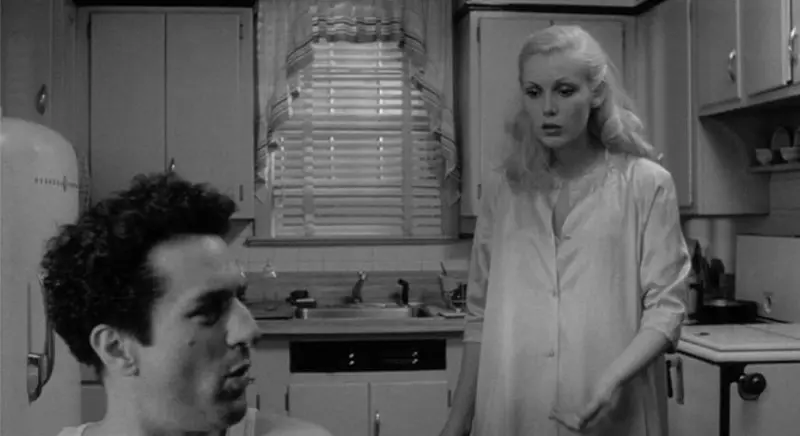
The film shifts the start of the relationship that would become Jake and Vickie LaMotta’s marriage, placing it earlier relative to certain fights than the public timeline suggests. That creates scenes where personal milestones appear to precede important bouts even though the historical order sits the other way around.
New York marriage law in those years allowed teenage marriages with parental consent at a specific minimum age. The movie implies ages and intervals that do not cleanly align with those requirements, which can blur how long the couple actually knew each other before marrying.
Perfect Sense: Physical transformation for later years
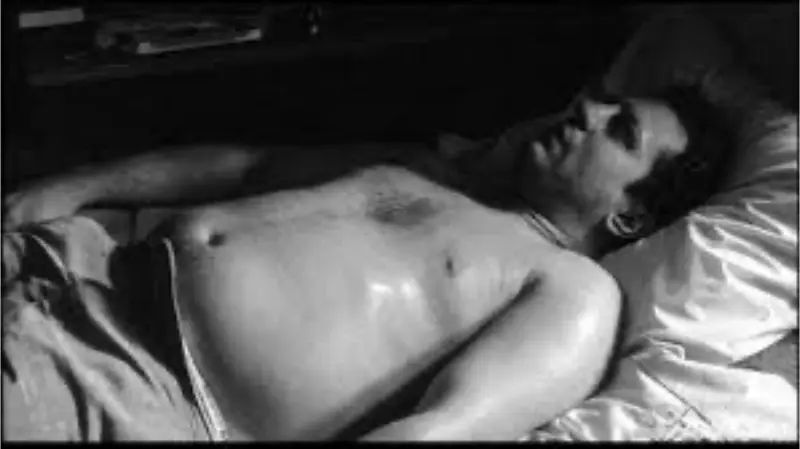
Robert De Niro altered his body across production to reflect the move from peak middleweight form to post-career club owner. The schedule included an extended break so he could return significantly heavier, which lets the film present a believable change in gait, breath, and posture without jumps in makeup alone.
He also trained like a real fighter before cameras rolled, working through rounds in the gym and sparring to build correct footwork and punch mechanics. That preparation shows up in simple details such as how a guard is set on the cheeks, how a clinch is initiated, and how a fighter resets after a break.
Zero Sense: Venue identities blur

The story stages multiple bouts on soundstages dressed as different arenas, which can flatten real differences between places like New York, Detroit, and Chicago. Each commission had its own norms for ring size, rope tension, and neutral-corner procedures, and those variables influenced how a fight flowed.
Because the same physical set stands in for several venues, the movie’s rings share dimensions and camera sightlines that do not reflect those regional quirks. Viewers get a consistent look, but the tradeoff is losing how a larger or tighter ring changes angles, pace, and escape routes.
Perfect Sense: Expressive sound effects from the ring

The track layers camera shutters, breath, leather, and crowd noise to match how photographers and spectators filled arenas in the mid-century. Microphone placement and selective reverb keep the referee’s voice and the bell clear while letting cheers fall off into the rafters the way they do in large halls.
Some impacts land with stylized roars and warped whooshes that are built from natural sounds. Those choices emphasize momentum and fatigue that broadcasters of the time could not capture with limited live mics, yet they still sit on a bed of authentic arena noise that keeps the world anchored.
Zero Sense: A single manager figure
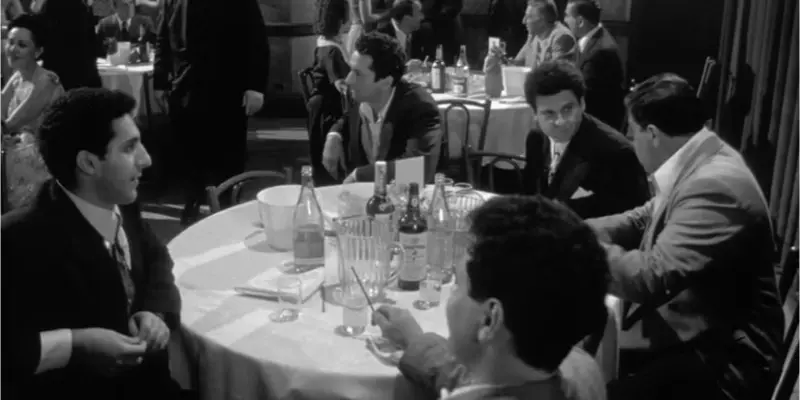
Joey LaMotta functions as a constant manager through long stretches, which simplifies a network that also included promoters, matchmakers, and venue operators. Real careers move through different hands because contracts, percentages, and regional access change, especially when a fighter starts headlining.
Consolidating that work into one face streamlines scenes about purses and opponents, but it also erases the gatekeepers who controlled calendars in those years. That can make it look like a manager alone could line up title shots or settle disputes that usually required several parties at the table.
Perfect Sense: Nightclub epilogue grounded in real work
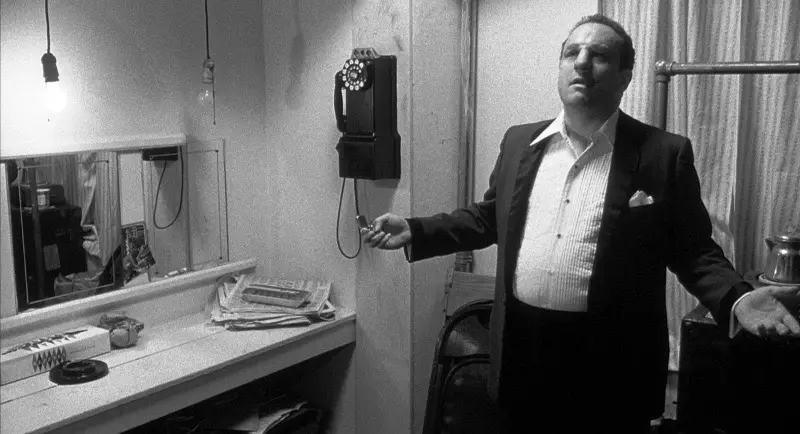
After boxing, Jake LaMotta earned money through clubs and personal appearances, and the film closes with him doing a stage routine. That fits the way many ex-fighters capitalized on name recognition in the fifties and sixties by entertaining crowds outside the ring.
His use of well-known material speaks to how nightclub acts actually operated at the time. Performers often mixed readings and set pieces with anecdotes from their own lives, which makes the closing scene’s content and setting an accurate fit for the period’s small-room circuit.
Share the moments from ‘Raging Bull’ that you think either misled or nailed the real history in the comments.

