


5 Things About ‘Shazam! Fury of the Gods’ That Made Zero Sense and 5 Things About It That Made Perfect Sense

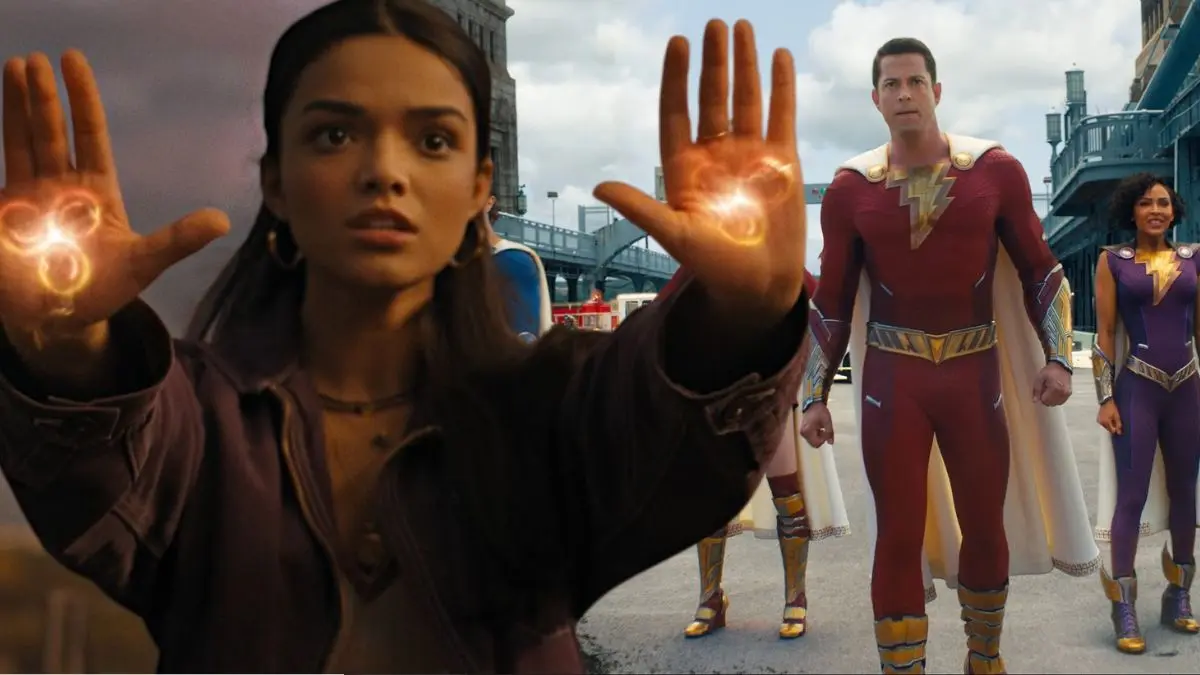


Superhero sequels have to juggle bigger threats, larger casts, and a lot of lore. ‘Shazam! Fury of the Gods’ does all of that with a mix of mythic stakes and goofy charm, which means the story is packed with moving parts that either click neatly or clang loudly. Looking closely at the details helps separate the clever ideas from the head scratchers.
This list walks through ten specific pieces of the movie. Each entry points to concrete events or rules shown on screen, then checks how they line up with the setup the story gives us. No theories, just what the film presents and how those pieces fit together.
Zero Sense: Solomon’s wisdom rarely shows up
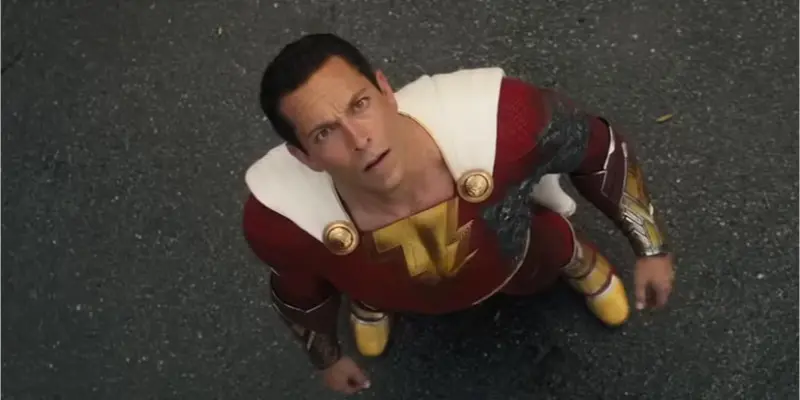
The character carries the wisdom of Solomon as one of his listed abilities, yet many key scenes show little strategic thinking. The bridge rescue involves scattered decisions rather than a plan that coordinates the team, and the lair scenes rely on trial and error to decode threats that an on call wisdom power should process quickly.
Group leadership also shows the champion deferring knowledge gaps to others even when the story labels him as the one with the wisdom trait. The team seeks outside help to understand the staff and the godly sisters, but the film does not present moments where the wisdom power generates tactics, deciphered runes, or predictive choices that guide the family.
Perfect Sense: The Daughters of Atlas have a clear motive
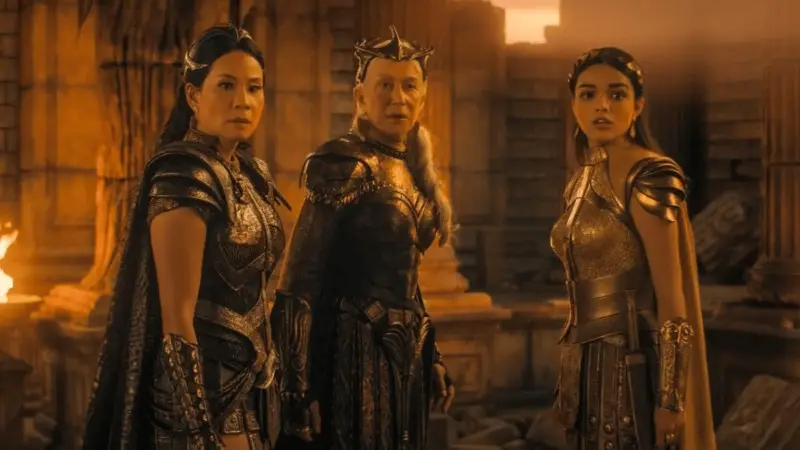
The movie states that magic was stolen from the gods and that the champions carry that power, which gives the sisters a specific goal. Recover the staff that channels godly energy, reclaim the seed that can restore their realm, and punish the thieves who hold what once belonged to their family.
Each sister’s method tracks with that motive. Hespera negotiates and tests opponents inside the dome to protect the plan, Kalypso pushes for total retribution using the dragon as a force multiplier, and Anthea uses spatial magic to locate and secure artifacts. The actions connect directly to the grievance and the tools that can resolve it.
Zero Sense: The staff drains and restores powers with shifting rules
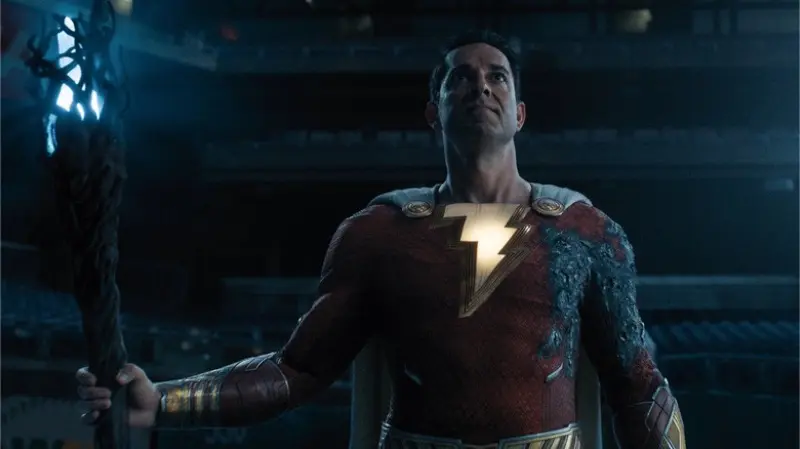
Early scenes show the staff instantly stripping a champion of powers in one touch, yet later confrontations require extended contact or multiple attempts to remove abilities. The speed and reliability of the drain change based on the moment, with no stated limit like charge levels or line of sight that would explain the variance.
Restoration also happens without a clear framework. The staff returns powers in the finale after being shattered and overcharged, but earlier dialogue frames it as broken and unreliable. The film does not lay out conditions such as a cooldown, a number of uses, or a specific ritual that would make its effect timing predictable.
Perfect Sense: The dragon and lightning showdown follows the film’s own logic
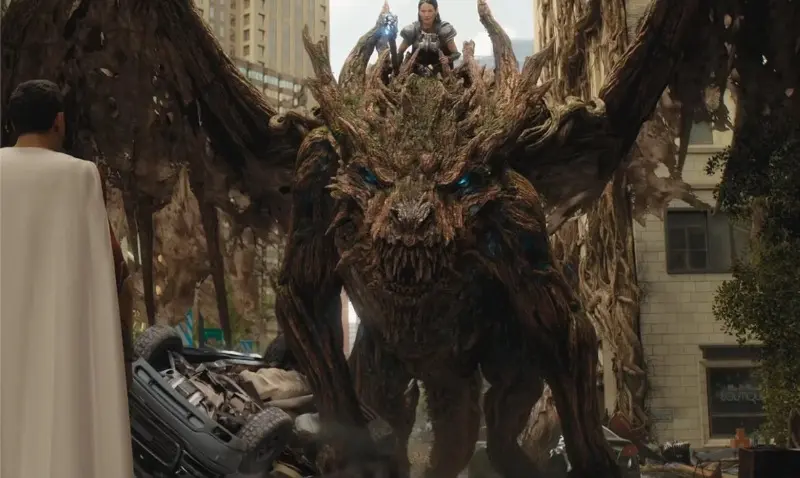
The dragon is introduced as a creature tied to ancient magic and powered by fear, with a body that resists conventional damage. The champion’s lightning is repeatedly shown to overload magical constructs and energize the staff, which sets up a direct counter to a monster that shrugs off ordinary attacks.
The finale applies that rule in a focused way. Channeling godly lightning through the staff creates a surge that the dragon cannot absorb indefinitely, while the dome and seed act as amplifiers that keep the energy contained until it releases. The outcome matches earlier demonstrations of how enchanted objects react to concentrated lightning.
Zero Sense: Anthea’s axis manipulation changes scale from scene to scene
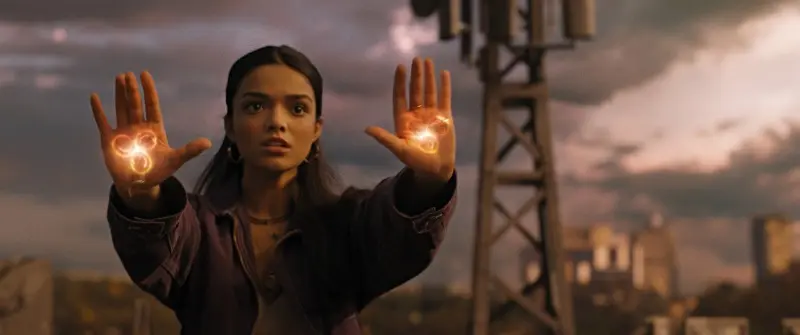
Anthea twists streets, rooms, and corridors by rotating space around different axes, but the scope of this power fluctuates without an explanation of range or cost. In some sequences she folds entire city blocks to block pursuit, while in others she uses brief nudges that barely alter a small area during a fight.
Timing also varies in ways the story does not define. The power can relocate vehicles and doorways instantly, yet later it takes long enough for opponents to counter or escape. The film does not present limits such as line anchors, recharge windows, or environmental anchors that would account for the inconsistent scale and speed.
Perfect Sense: The wizard’s journey back to choosing a champion tracks cleanly
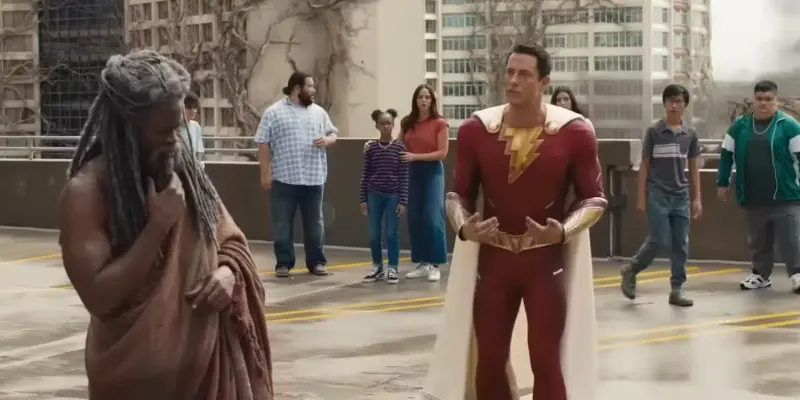
The wizard survives in captivity, which the film states outright, and witnesses how reckless power can be without character. His interactions with Freddy show why careful selection matters, and his guarded attitude toward the staff reflects lessons from earlier misuse.
By the end, the wizard recognizes growth in the team and acknowledges responsibility for setting clear rules. Returning agency to the rightful champion through the staff completes a line from failure to correction. The story uses his perspective to link the origin myth to the present conflict in a straight line.
Zero Sense: The Philadelphia dome behaves inconsistently
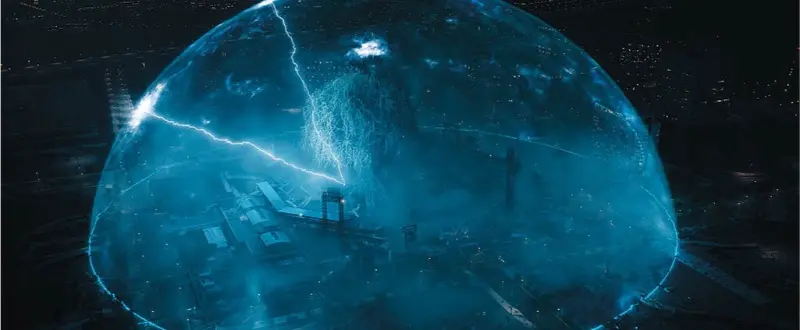
The dome is presented as an impenetrable barrier that seals the city and blocks outside intervention, yet activity near its edge changes from scene to scene. People and objects bounce off at one moment, then visual contact and communication cues appear to pass through at others without a clear standard for interference.
The structure also reacts to impact in different ways. Certain blasts ripple across the surface while other equally forceful hits leave no visible effect. The film does not give a consistent rule set for energy types, frequencies, or origin points that would explain why the barrier absorbs or reflects force unpredictably.
Perfect Sense: The Rock of Eternity and its doors keep the plot moving
The lair carries a stated function as a crossroads for magical pathways, which explains how characters reach the library, the Hall of Doors, and the gods’ realm. Using a living pen to communicate and a catalog of portals to travel fits a place built as a central switchboard for arcane traffic.
This design lets the story stage captures, escapes, and negotiations without random shortcuts. When the family explores the labyrinth, the lair’s mapped doors and booby traps provide a structured path. The same system allows the antagonists to breach the space once they obtain the staff, which aligns with the lair’s own rules.
Zero Sense: The resurrection solution bends the rules we were given
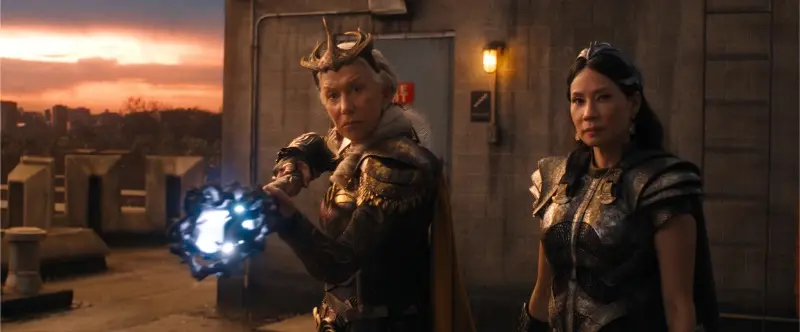
The movie shows the staff shattered and depleted after the final surge, which frames it as inert. The hero’s burial in godly ground then immediately precedes a revival when the staff is repaired and energized by divine touch. The jump from spent artifact to full restoration happens without prior setup about self healing properties or stored spark.
Earlier dialogue emphasizes that only specific beings can operate the staff and that magic is fading from the gods’ world. The closing act reverses both conditions in seconds, bringing a mortal back from death without a listed cost or exchange. The story does not outline any tradeoff or limit that would make the resurrection procedure part of the established system.
Perfect Sense: The final fix ties the staff, the seed, and the city together

The plot connects the seed to the growth of a new godly ecosystem and links the dome to the staff as its power source. When the staff is recharged and controlled, the dome collapses and the corrupted growth halts, which follows the earlier explanation that these effects are extensions of the same channel.
This also resolves the immediate civic threat shown throughout the film. Restoring controlled magic removes monsters, releases the city, and returns baseline order, which is exactly what the setup promises when an unstable artifact drives the crisis. The cleanup sequence mirrors how the problem began, using the same components in reverse.
Share your own picks that made no sense or made perfect sense in the comments.

