


5 Things About ‘Spider-Man 2’ That Made Zero Sense and 5 Things That Made Perfect Sense

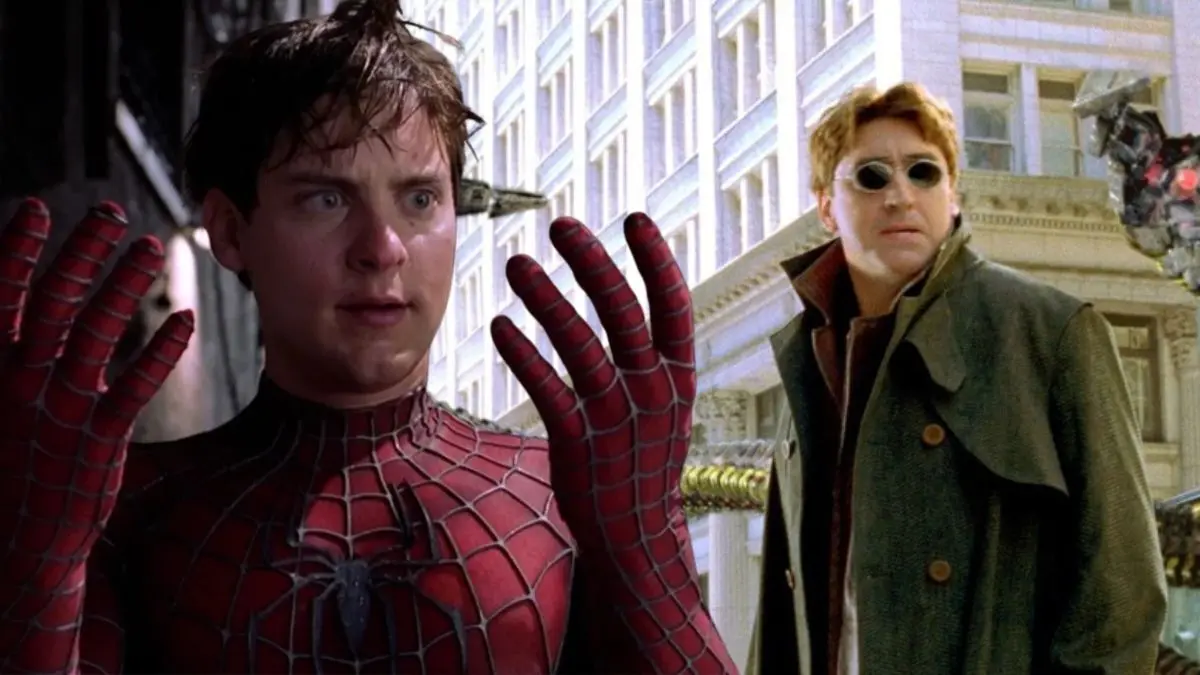


Spider-Man 2 is a fan-favorite superhero movie, often praised for its heart and action. Released in 2004, it follows Peter Parker as he struggles to balance his life as a student, photographer, and web-slinging hero.
But not everything in the film adds up. Some moments leave you scratching your head, while others feel spot-on. Here’s a breakdown of five things that made no sense and five that worked perfectly.
Train Scene Physics (Zero Sense)
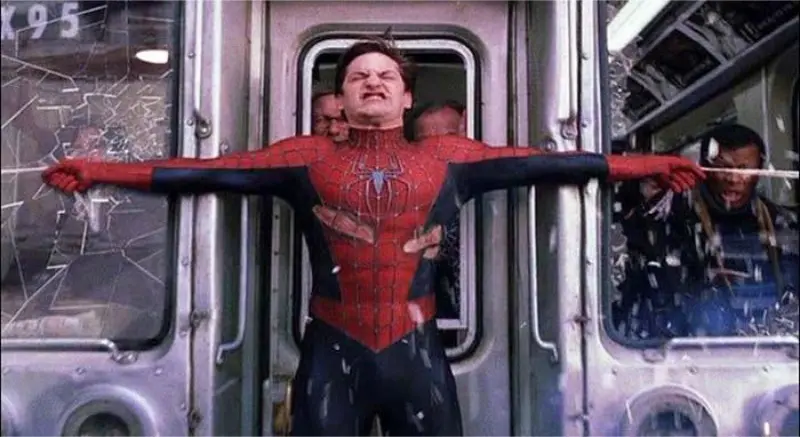
The iconic train scene where Spider-Man stops a runaway train is thrilling but doesn’t hold up. Peter uses his webbing and strength to halt a speeding train, yet the physics are shaky. A human body, even a super-powered one, would likely be torn apart by the force. The webbing would also need impossible strength to hold the train without snapping.
The scene looks cool, but it ignores basic science. Peter’s body and webs aren’t made of indestructible material. The train’s momentum would overpower even his enhanced abilities. It’s a fun moment, but it stretches believability too far.
Peter’s Struggle with His Powers (Perfect Sense)
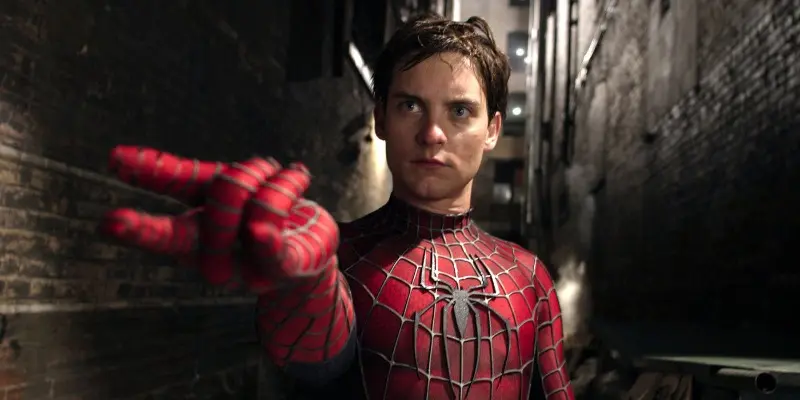
Peter’s powers fading due to stress and self-doubt feel very human. He’s juggling school, work, and saving the city, which takes a toll. His web-slinging fails when he’s at his lowest, reflecting how mental health can affect performance.
This ties into the film’s theme of sacrifice. Peter wants a normal life but can’t escape his responsibilities. The idea that his powers are tied to his confidence grounds the story. It makes his journey relatable, even for a superhero.
Doc Ock’s Tentacle Control (Zero Sense)
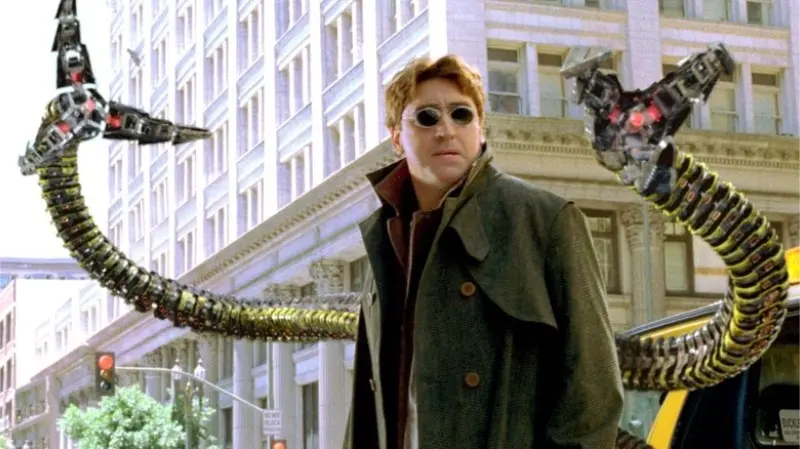
Dr. Otto Octavius’ mechanical arms gaining sentience after an AI chip is damaged is hard to swallow. The arms somehow “talk” to Otto and influence his actions, turning him into a villain. But how does a chip malfunction make metal arms develop a mind of their own?
The film doesn’t explain this leap. It’s convenient for the plot but feels like a stretch. Why would the arms have such advanced AI to begin with? It’s a cool villain setup, but the logic falls apart under scrutiny.
Mary Jane’s Emotional Arc (Perfect Sense)
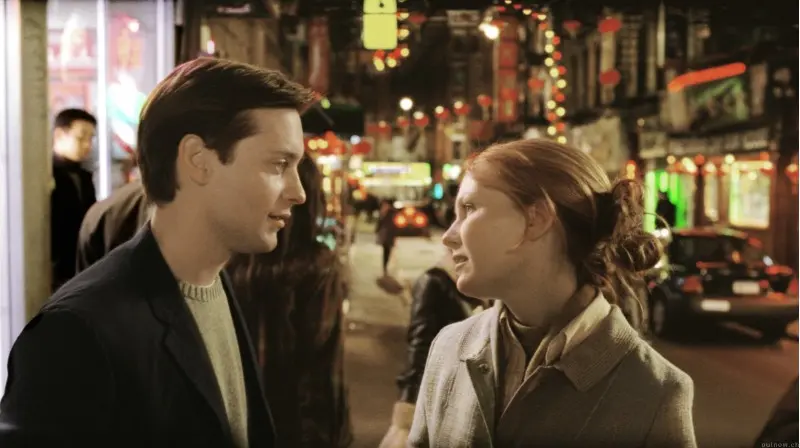
Mary Jane’s frustration with Peter’s distance makes her arc compelling. She loves him but feels pushed away by his secrecy and unreliability. Her choice to pursue her own path, like her acting career and new relationships, shows growth.
The film nails her perspective. She’s not just a love interest waiting for Peter. Her decisions reflect someone trying to find their own strength. This adds depth to her character and makes their romance more meaningful.
Harry’s Sudden Revenge Obsession (Zero Sense)
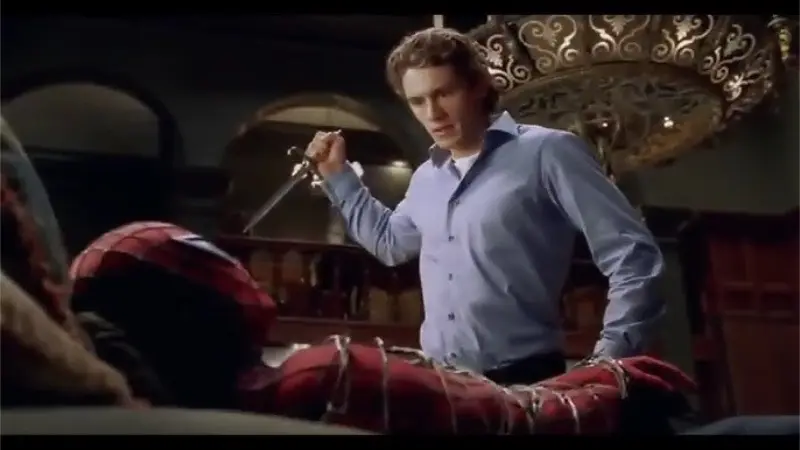
Harry Osborn’s quick turn to hating Spider-Man feels forced. He believes Spider-Man killed his father, Norman, but the shift happens too fast. One moment he’s Peter’s friend; the next, he’s plotting revenge without much evidence.
This rushed change skips emotional buildup. Harry’s grief is understandable, but his obsession feels like a plot device. The film needed more scenes to show his growing resentment. Instead, it jumps to extremes.
Aunt May’s Wisdom (Perfect Sense)
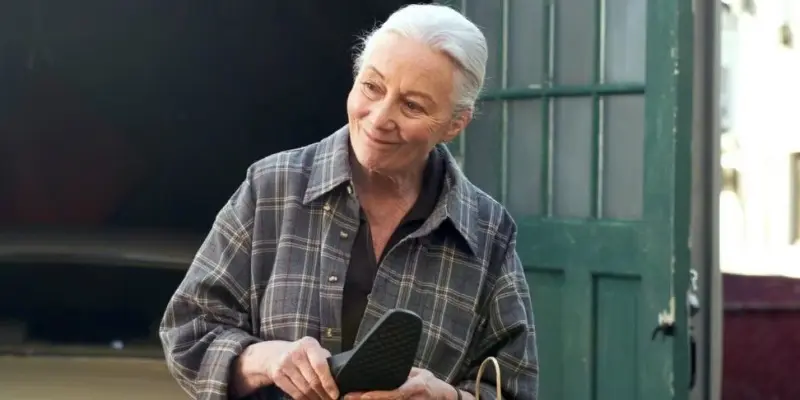
Aunt May’s speech about heroism is a standout moment. She tells Peter that being a hero means giving up personal dreams for the greater good. Her words push him to embrace his role as Spider-Man again.
This resonates because it’s grounded in her own loss and strength. She’s not just a wise old figure; her advice comes from experience. It’s a simple but powerful moment that ties the film’s themes together.
Pizza Delivery Timing (Zero Sense)
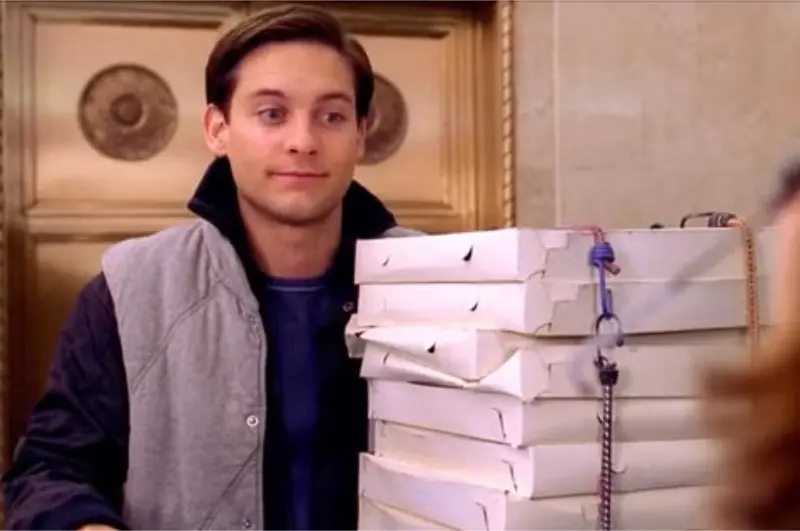
Peter’s pizza delivery job includes a scene where he has to deliver pizzas across the city in minutes. Even with super speed and web-slinging, the timeline is absurd. New York traffic and distance make it impossible, even for Spider-Man.
The scene is played for laughs, but it breaks realism. Peter would need to move at supersonic speeds to pull it off. It’s a small moment, but it feels like the film ignored basic logistics for a quick gag.
Doc Ock’s Redemption (Perfect Sense)
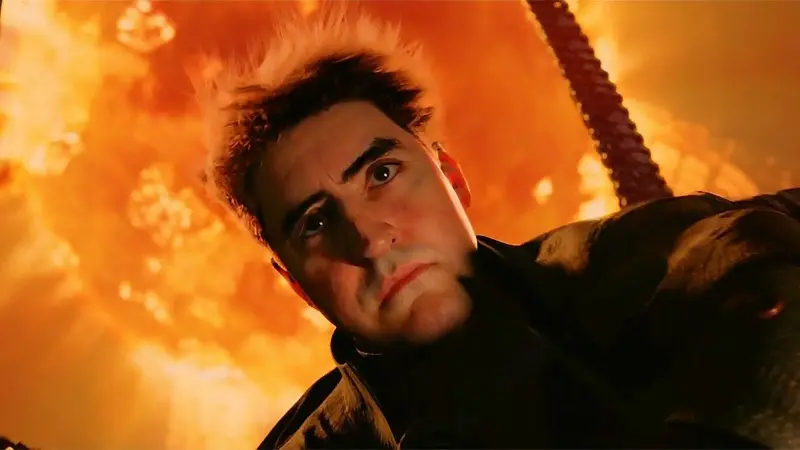
Dr. Otto Octavius’ redemption at the end feels earned. He’s not a pure villain; he’s a scientist driven mad by his creation. When he regains control and sacrifices himself to stop his machine, it fits his original good intentions.
This arc works because it shows his humanity. Otto’s not evil at heart, just misguided. His final act ties back to his earlier ideals, making his story tragic and satisfying.
Fusion Reactor Feasibility (Zero Sense)
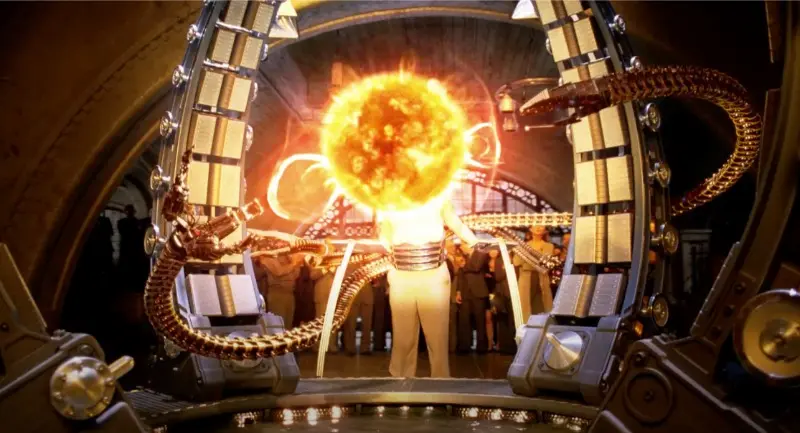
Doc Ock’s plan to create a fusion reactor in a small lab is pure sci-fi nonsense. The reactor is tiny but supposedly produces sun-like energy. Real fusion requires massive facilities and precise conditions, not a setup in a rundown building.
The film glosses over this for spectacle. The reactor’s instability and size defy science, even for a comic book movie. It’s a cool visual, but it makes no sense in practice.
Peter’s Moral Dilemma (Perfect Sense)
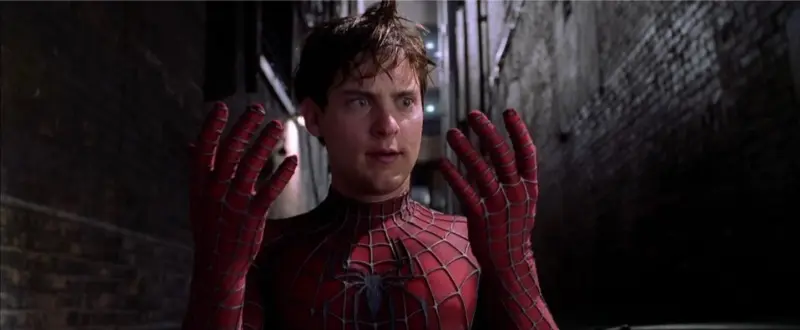
Peter’s choice to keep being Spider-Man despite losing so much is the film’s heart. He loves Mary Jane and wants a normal life, but he can’t abandon his duty. This struggle feels real and drives the story forward.
The film shows his pain clearly. Every choice costs him something—friends, love, or peace. This makes his decision to stay a hero powerful. It’s a classic superhero theme done with emotional weight.
What’s your take on Spider-Man 2’s hits and misses—share your thoughts in the comments!

