


5 Things About ‘Succession’ That Made Zero Sense and 5 Things About It That Made Perfect Sense




The sharp writing in ‘Succession’ gives viewers a close look at corporate maneuvering, family trusts, and media power, along with the messy fallout when those worlds collide. Across four seasons, the show packs in specific events that mirror real boardrooms and courtrooms while also bending reality to keep the drama moving.
Below are ten focused takeaways drawn from what happens on screen. Each one points to a concrete plot thread or business process so you can connect scenes to real practices in governance, law, and deal making without guesswork.
Zero Sense: The car accident fallout

Kendall’s late night crash in ‘Nobody Is Ever Missing’ involves a fatality and an immediate cover up effort that centers on hidden evidence and a quiet exit from the scene. In real investigations, a death tied to a submerged vehicle usually triggers a wide forensic sweep that pulls phone records, hotel logs, and digital location trails. The show moves quickly past routine accident reconstruction steps that often take months and can resurface during related civil or corporate actions.
The server’s disappearance links to the Roys through timing, venue, and known entourages around the wedding. A high profile family under active press scrutiny would normally face continuous media pressure synced with police statements and insurer inquiries. The story keeps most consequences off screen for long stretches, which reduces visible contact points like follow up interviews, subpoena timelines, and chain of custody notes for items Greg later preserves.
Perfect Sense: Family control through trusts

Logan’s hold over ‘Succession’ company Waystar Royco relies on a living trust, proxy control, and specific clauses that bind leadership decisions to named roles. Family controlled firms often use similar documents to concentrate voting power even when economic ownership is diluted. The show’s reference to supermajority triggers and emergency provisions matches how founders set thresholds that slow down hostile actions and give room to negotiate during shocks.
Board votes in the show highlight how proxies and trust language can override simple head counts. When signatures and appointments are contested, counsel compares executed pages, notarization, and effective dates to decide who can call meetings or certify minutes. That is standard corporate process, and the drama reflects how a single line in a trust can swing an entire agenda.
Zero Sense: The no confidence ambush

The attempted no confidence move against Logan compresses a complex sequence into a short ride and a sprint through offices. In actual practice, organizers circulate a written request, confirm notice periods, and check bylaws for quorum rules before they seat directors in a formal session. The episode treats those steps as rapid and casual, which sidelines routine checks like agenda distribution and whether emergency meetings allow leadership removal.
Share custodians and corporate secretaries usually maintain sealed packets that contain vote counts, abstentions, and conflict disclosures for the record. The show jumps past documentation that would be prepared ahead of time to withstand later litigation. Without those artifacts, an ousted leader could challenge the process on procedural grounds long before any market disclosure goes out.
Perfect Sense: Crisis hearings and document strategy
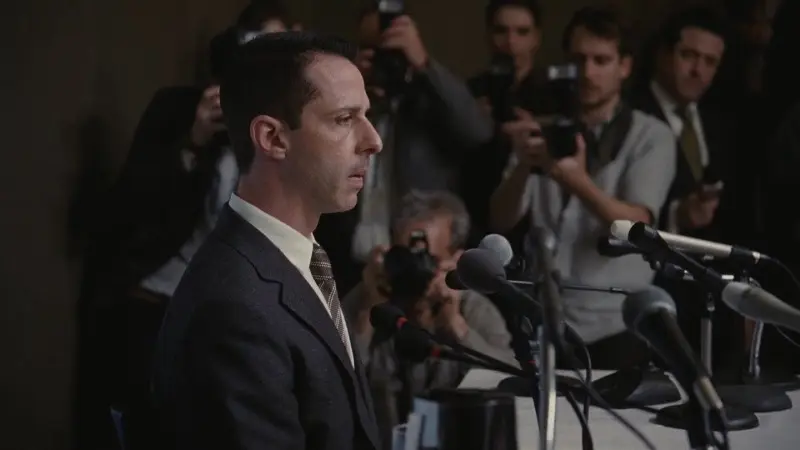
Waystar’s cruise scandal arcs through internal reviews, congressional hearings, and deposition prep in a way that reflects real playbooks. Counsel coaches witnesses on tight answers, preps binders, and maps privilege claims, while communications staff coordinates talking points to stay consistent across public and legal forums. The staged release of documents and selective redactions track common tactics used to manage exposure while satisfying production deadlines.
The show also depicts the push and pull between executives who want a clean narrative and lawyers who prioritize liability shields. That tension shows up in the timing of press statements, the routing of emails through counsel, and the creation of separate summaries for regulators. Those details line up with how large companies try to navigate oversight without adding new risks.
Zero Sense: Shiv’s leap from campaign to CEO track

Shiv moves from campaign consultant to front line candidate for chief executive with very little time in line operations. Large conglomerates usually groom internal contenders through profit and loss roles and multi year successions with performance reviews, compensation benchmarks, and board level evaluations. The speed of her promotion prospects does not show the normal portfolio of division results or outside director interviews that would come with a real short list.
Her external political work would also trigger enhanced vetting for conflicts, data handling, and access limits once she pivots back toward corporate control. Companies document those transitions to protect privileged information and to reassure lenders and insurers. The series does not dwell on these transitional controls even though they matter for a regulated media business.
Perfect Sense: Markets reacting to health shocks

When Logan suffers health crises, the stock moves and lenders call to recheck covenants. That is what public markets and credit desks do when a key person event hits a founder led firm. Traders reprice on leadership uncertainty while banks look at leverage ratios, material adverse change clauses, and liquidity buffers to decide whether to tighten terms.
Investor relations in the show pushes out controlled updates while the board gathers to confirm succession coverage. Those moves mirror disclosure practices that balance privacy with the need to steady counterparties. The depiction of intraday volatility and urgent calls from financiers matches how quickly sentiment can swing on verifiable health news.
Zero Sense: GoJo numbers and deal whiplash

The GoJo saga shows subscriber figures that later prove unreliable, with major valuation swings landing minutes before decisive votes. Serious acquirers and targets run extended diligence on revenue quality, cohort churn, and country level reporting, often with independent validation. The timeline places revelations and board decisions almost on top of each other, which leaves little room for the third party checks that are standard at this scale.
Material discrepancies on key metrics usually force updated disclosure and revised fairness opinions before boards certify a transaction. Bankers would rework models, counsel would draft new risk language, and financing partners would ask for revised terms. The show condenses those cycles into a very tight window that keeps meetings dramatic but underplays the paperwork that would follow.
Perfect Sense: A compromise CEO to close the deal

Tom’s elevation as a workable chief executive aligns with how buyers favor continuity figures who accept integration demands and reduce regulatory temperature. Acquirers often prefer leaders who will prioritize reporting lines, cost targets, and clean compliance records over family politics. That makes a closing process simpler and signals a low friction handover to employees and advertisers.
Boards also like a candidate who will sign performance packages tied to integration milestones rather than legacy control. The show ties Tom’s rise to specific commitments on cooperation and optics, which is consistent with the way a buyer assembles a slate to reassure stakeholders while consolidating authority.
Zero Sense: Greg’s shredding and the light touch

Greg’s document shredding and later bargaining land far fewer immediate consequences than similar conduct would attract in many investigations. Intentional destruction of materials tied to a known inquiry can prompt obstruction claims and strict preservation orders. The series places him in negotiating rooms quickly without showing the interim sanctions or contempt risks that often come with mishandled custodial duties.
Corporate legal teams usually assign monitors, image entire drives, and lock down printers once a hold notice is active. The path from shredding to leverage skips lengthy interviews, device audits, and potential disciplinary actions that would normally be on the table for an employee with custody of sensitive records.
Perfect Sense: Sibling splits weaken bargaining power

Major negotiations in ‘Succession’ repeatedly turn on whether the siblings present a united front. When principals show public fractures, buyers and lenders widen options by courting swing votes, varying terms by person, and timing offers to exploit mistrust. The show illustrates that play by tracking who controls meeting access, who holds signatures, and how small concessions shift momentum.
The final outcomes underline a basic rule in high stakes bargaining. Internal misalignment increases the cost of time and gives counterparties easy openings to set anchors and extract control rights. That is a realistic pattern in contested successions where process discipline breaks under pressure.
Share your own picks for what did not add up and what rang true in ‘Succession’ in the comments.

