


5 Things About ‘Suicide Squad’ That Made Zero Sense and 5 Things That Made Perfect Sense

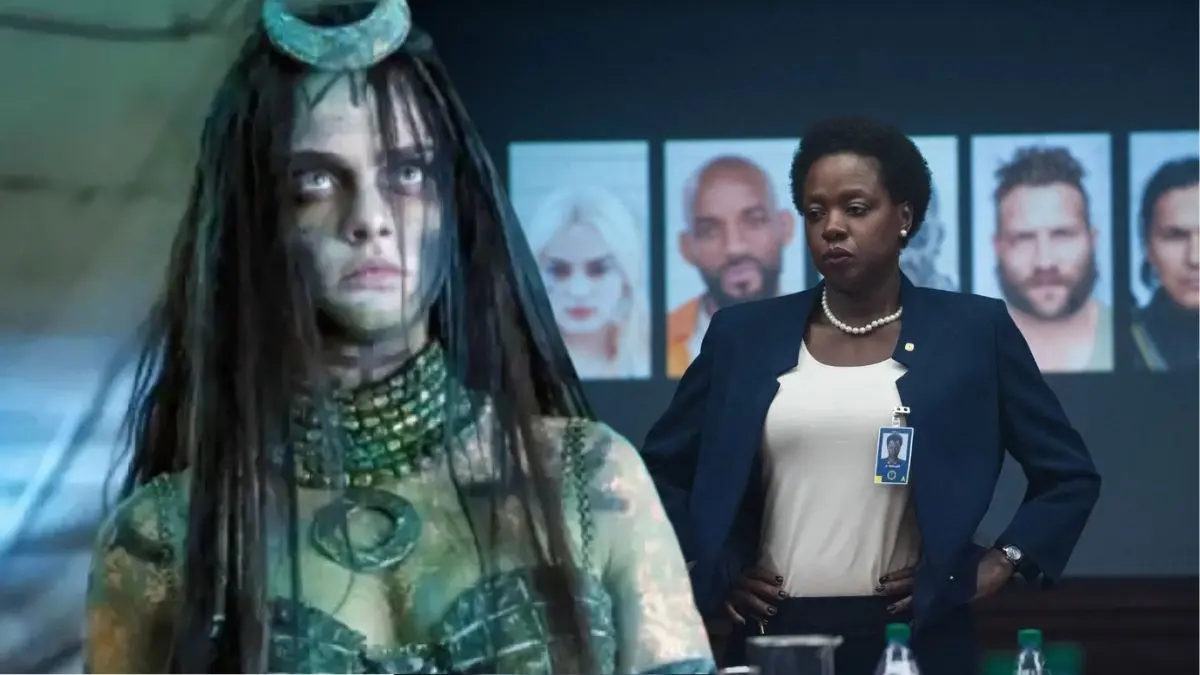


Suicide Squad is a loud, fast, and messy ride. It mixes supervillains, government plans, and a city under attack. Some parts click right away.
Other parts feel strange when you think about them. Here are five things that made zero sense and five that actually worked.
Zero Sense: Sending street-level villains to stop a god-like witch
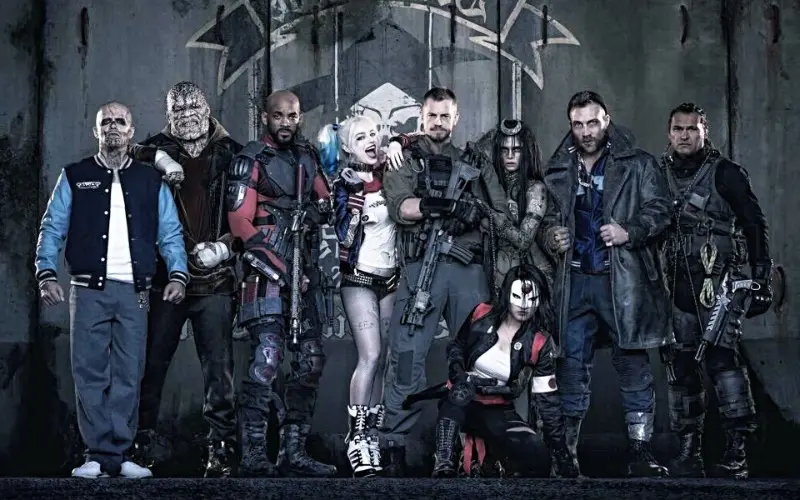
The main threat is a powerful ancient being with magic beyond human tech. Most of the team uses guns, a boomerang, or a baseball bat.
The matchup looks bad on paper and worse in practice. If the goal is to save a city, this lineup is a weak first choice.
Perfect Sense: Amanda Waller’s reason to form Task Force X
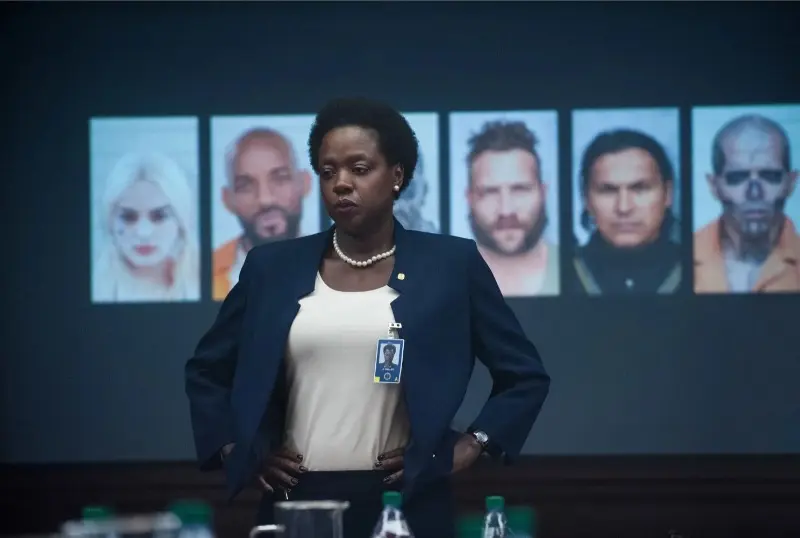
After superpowered events shake the world, the government wants a response it can deny. Criminals on leashes fit that need.
If something goes wrong, officials can disown them. It is cruel, but it tracks with real-world black ops logic.
Zero Sense: Waller’s control plan for Enchantress falls apart instantly
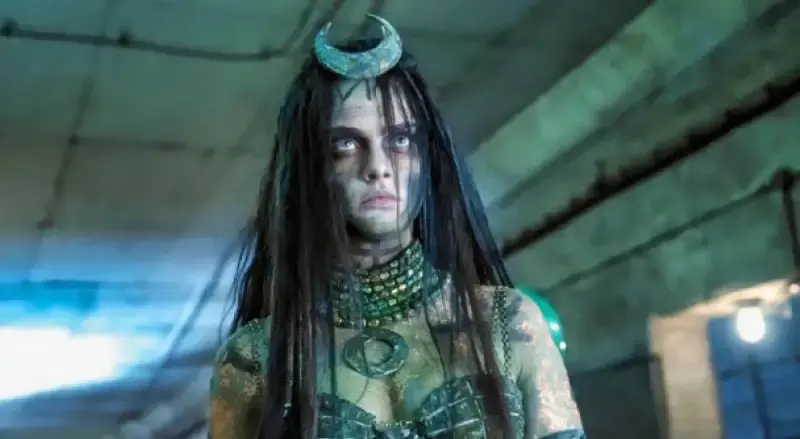
Waller keeps Enchantress in check with a heart in a briefcase. Yet the failsafe fails within minutes, and the entity escapes.
Keeping a cosmic-level threat tied to a human host with field access is risky. The setup almost guarantees a breach.
Perfect Sense: Deadshot’s motives and marksmanship
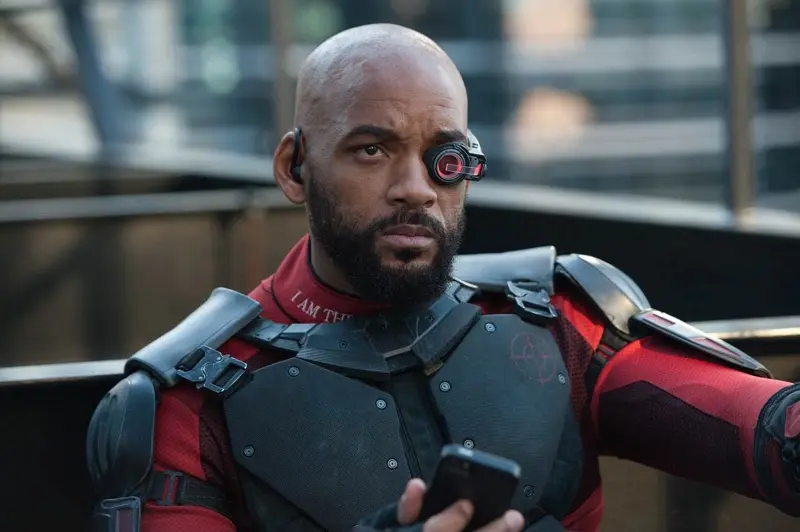
Deadshot wants a better future for his daughter. He demands money, protection, and a path to see her again.
His choices match his code. He is deadly, reliable under pressure, and motivated by family. That adds up.
Zero Sense: Slipknot’s introduction and death
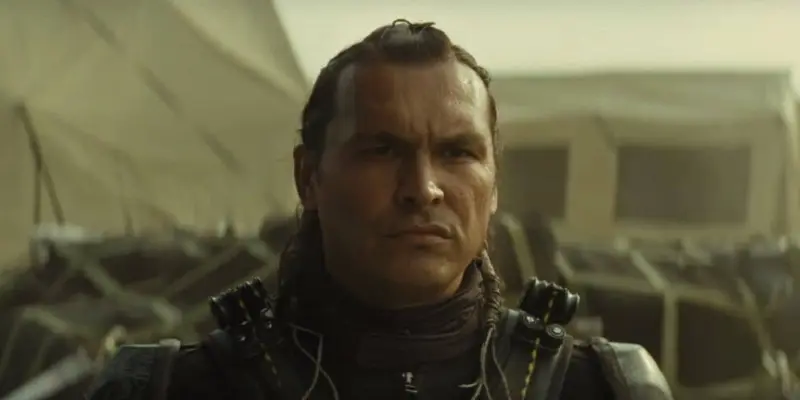
Slipknot appears with almost no setup, then dies to prove the neck-bomb is real. It feels like a demo, not a character arc.
In-universe, wasting a trained asset during a crisis is poor planning. It helps the audience, not the mission.
Perfect Sense: El Diablo’s restraint and final choice
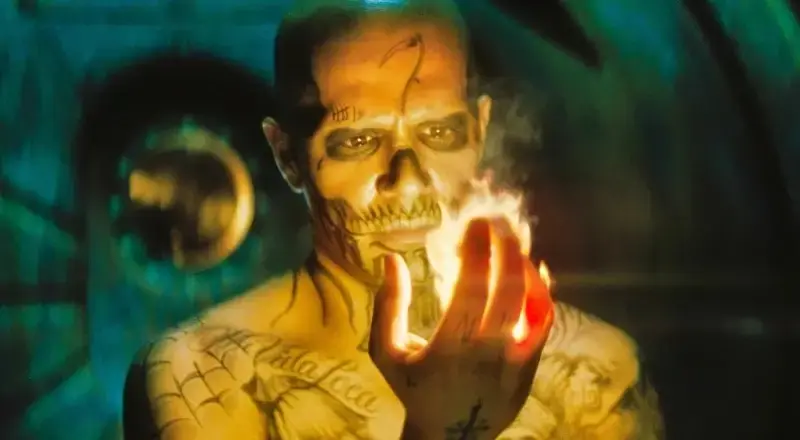
El Diablo avoids violence because he fears himself. His guilt drives him to hold back.
When the team needs him most, he chooses to act. That turn is consistent with trauma, growth, and responsibility.
Zero Sense: Joker’s rescue subplot is incoherent
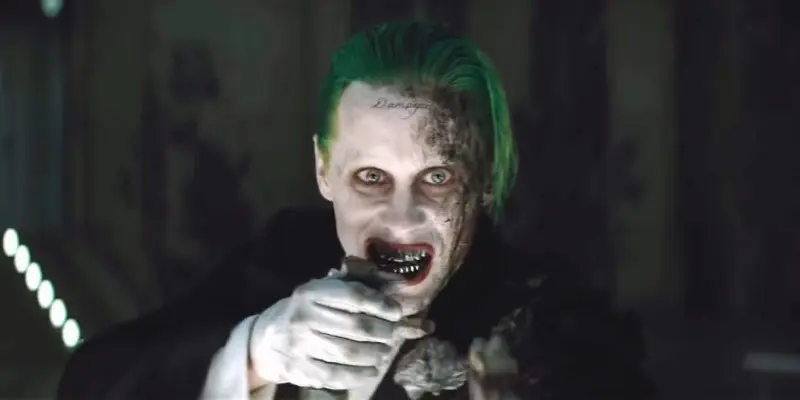
Joker infiltrates secure spaces, stages a rescue, crashes, vanishes, then reappears later. The timeline feels broken.
Security seems oddly thin for high-level sites. The chain of events looks stitched together and hard to follow.
Perfect Sense: Harley Quinn’s loyalty and survival instincts
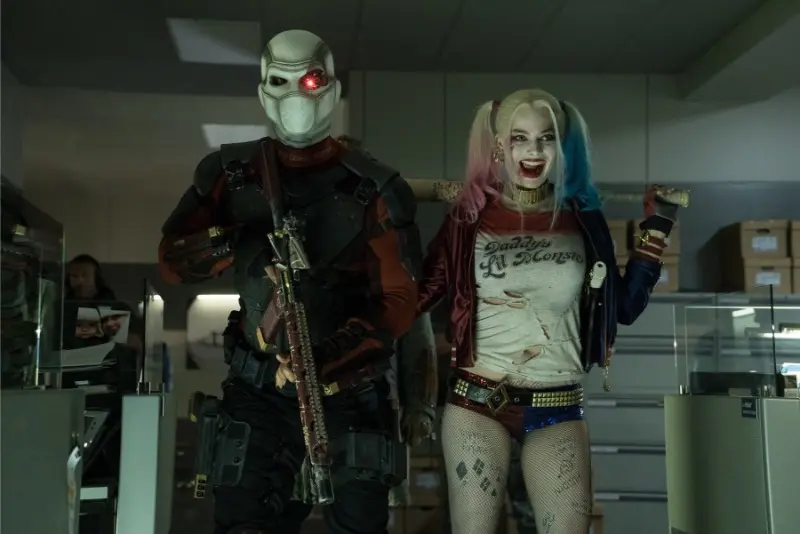
Harley runs toward love, but she also reads the room. When plans change, she adapts fast.
Her playful act masks sharp moves, like using a fake-out to get close to the target. That blend of chaos and cunning fits her.
Zero Sense: The world-ending machine and sky beam stakes
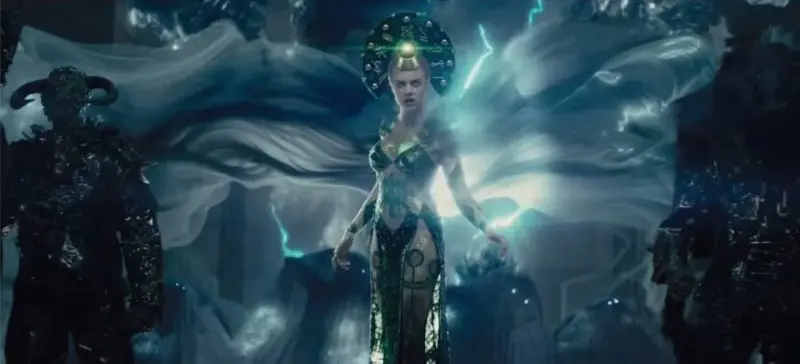
The machine’s function is vague. We see debris, a beam, and vague “it will end everything” talk, but little detail.
Clear stakes drive tension. Here, the how and why are fuzzy, so the danger feels generic.
Perfect Sense: The team finishing the mission despite the odds
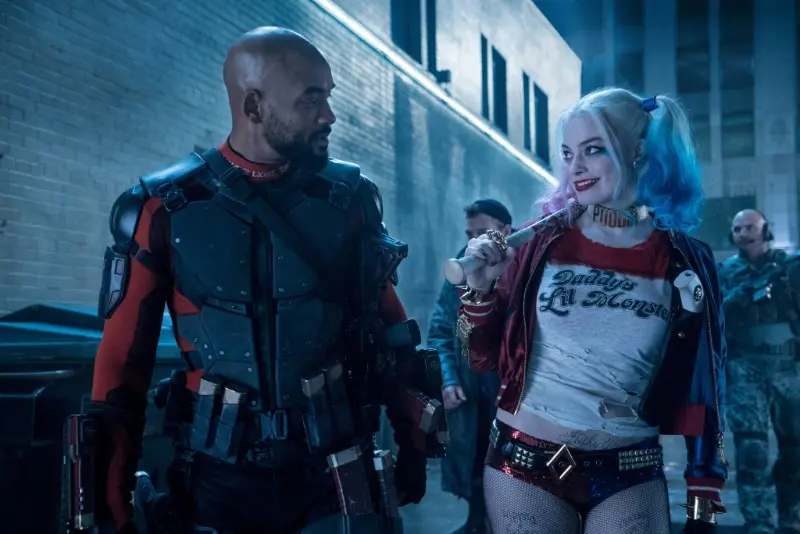
By the final act, shared danger forges a bond. They know the city, the enemy, and each other’s limits.
Completing the job offers leverage, lighter sentences, and pride. For outcasts seeking a place, that choice makes sense.
Share your take: which Squad moment confused you the most, and which one actually worked for you—drop your picks in the comments!

