


5 Things About ‘Ted Lasso’ That Made Zero Sense and 5 Things About It That Made Perfect Sense


‘Ted Lasso’ built a lovable world around AFC Richmond while mixing locker room comedy with real match days and league stakes. It packed in transfers, tactics, ownership drama, and media pressure that fans of English football recognize right away. That blend made the highs feel earned and the lows sting a bit more.
Along the way the show also bent reality to keep the story moving. Some choices matched how football clubs actually work while others skipped procedures and rules that are hard to ignore. Here are five parts that stretched logic and five that lined up with how the game and the people in it really operate.
Zero Sense: A top flight club hires a coach with no soccer background
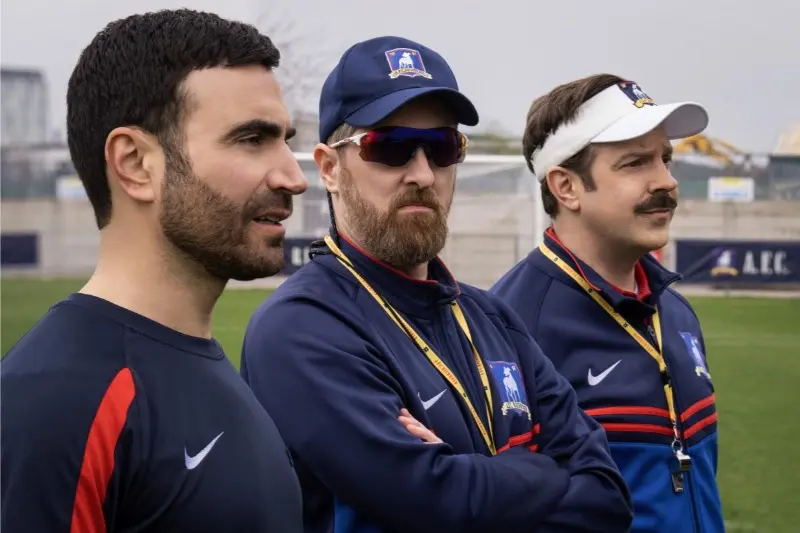
The Premier League expects a head coach to hold a UEFA Pro Licence or to be on a formal pathway with a time limited exemption. The show never shows Ted applying for or receiving that waiver and he arrives with no playing or coaching history in the sport. Clubs also run lengthy recruitment processes with shortlists and interviews that weigh qualifications and recent results.
Richmond presents Ted at a press conference and moves straight into training with him in charge. No compliance steps are shown for licensing or work permits that a non UK coach would need. A real club would assign staff to handle those checks and would document them with the league before the season kicks off.
Perfect Sense: Rebecca’s motive to undermine the club after the divorce

Rebecca gains ownership of Richmond in the divorce and immediately sets a plan that targets what her ex values most. She directs Higgins to assist and begins a series of decisions that weaken the squad on purpose. The story shows her using ownership powers that include hiring and firing while keeping public statements polished.
The show tracks the fallout inside the club with staff pulled between loyalty and job security. It also shows how personal motives can shape corporate choices without violating any written rule. That mix of quiet directives and outward professionalism is a common pattern in high stakes organizations.
Zero Sense: Nate’s jump from kit man to Premier League head coach
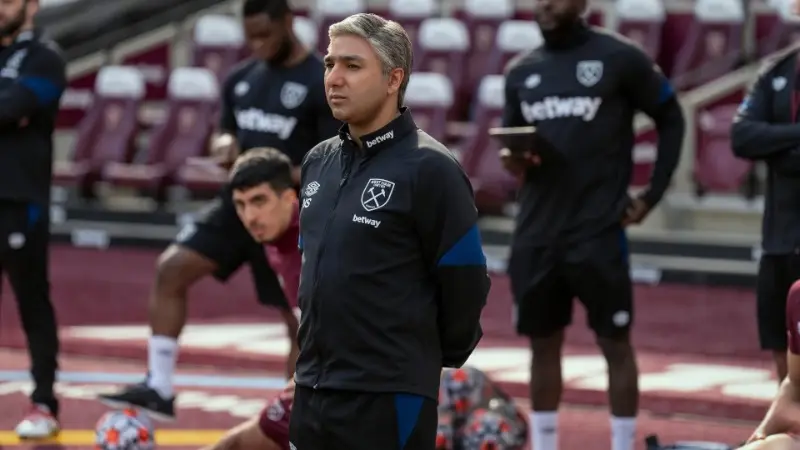
Nate moves from kit room duties to assistant under Ted within a season then lands the West Ham job. In England a head coach at that level is expected to carry senior badges and years of bench experience. Assistants who rise that quickly usually come with a record in the academy system or a track record as a caretaker.
The show portrays West Ham ownership handing him a first team job based on a handful of match day calls and media moments. It does not show formal interviews with technical directors or proof of licence level. The leap skips common steps like managing an under 23 side or taking a lower division post first.
Perfect Sense: Nate’s betrayal grows from insecurity and credit

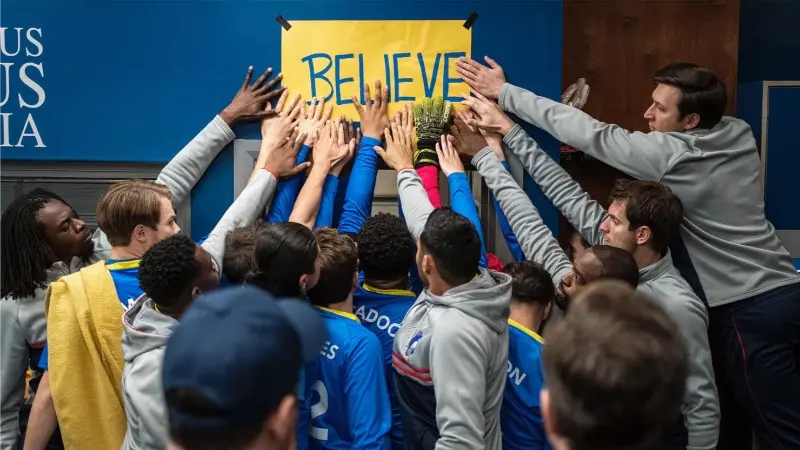
Nate asks for recognition, seeks public praise, and keeps track of who gets named after a win. The pressure peaks when he leaks Ted’s panic attack to a reporter and later rips down the Believe sign. Those actions follow earlier moments where he is sidelined during celebrations and criticized by family.
The arc maps to a workplace pattern where a fast rising employee feels unseen and pivots to a rival organization that offers status. The show ties each turn to specific incidents inside the club and to conversations at home. That chain of cause and effect makes the break believable without needing big speeches.
Zero Sense: Zava’s signing and exit skip contract reality
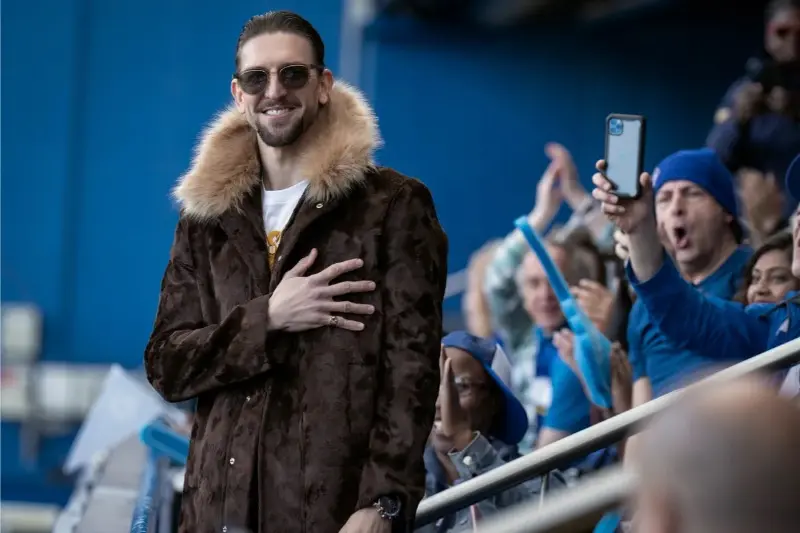
Richmond secures a global star mid season and then loses him abruptly when he chooses to step away. Elite signings involve medicals, image rights, commercial clauses, and transfer window timing. A mid season registration would require league paperwork and a clear salary structure that impacts the club budget.
When Zava walks away the show does not depict any release fee, insurance claim, or wage settlement. A real club would address sponsor deliverables tied to the star and adjust squad registration rules. None of that appears on screen which leaves a gap in how the departure would be handled.
Perfect Sense: The total football pivot uses real tactical ideas

Richmond trains position rotation, pressing triggers, and shared spatial responsibility. Sessions focus on scanning, passing lanes, and role interchange among midfielders and forwards. The team practices patterns that aim to overload zones and then switch play to the weak side.
Match footage then shows fullbacks stepping into midfield and a forward dropping to connect lines. The team’s improved results arrive after repeated training blocks rather than a single speech. That sequence reflects how a tactical model becomes second nature only after many small drills.
Zero Sense: Owner player relationship is treated like a small issue

Rebecca and Sam begin a relationship while he remains an active first team player. Professional clubs maintain codes of conduct to manage power imbalance, privacy, and media impact. This situation would trigger disclosure to club counsel and a plan to prevent conflicts in selection or contract talks.
The series shows a brief media flare up and then little structural response inside the club. There is no independent review, no change to reporting lines, and no formal guidance to staff. In a real setting the club would document boundaries and assign another executive to oversee any matters involving the player.
Perfect Sense: Ted’s panic attacks and therapy are handled with care

Ted suffers panic symptoms in public and later begins sessions with Dr Sharon. The story includes missed appointments, guarded conversation, and gradual trust building. It also shows the cost of avoidance and the relief that follows honest disclosure with colleagues.
The club makes room for private therapy while protecting player access to the doctor. The series shows the practical steps that help a staff member return to steady performance. That includes apologies, clearer boundaries, and planned follow ups rather than a quick fix.
Zero Sense: A mid season tactical overhaul yields a long unbeaten surge

Richmond shifts style during the campaign and then strings together a long run that moves the club up the table. Major overhauls usually require preseason conditioning and weeks of friendly matches. Fitness demands and muscle memory need time before players hold shape under pressure.
The show speeds through the adaptation curve and presents instant chemistry across the eleven. Real clubs often see teething issues such as spacing errors and dropped points before the model clicks. The pace of improvement on screen compresses the timeline beyond what teams usually achieve.
Perfect Sense: Community ownership fits the club’s identity by the end
Rebecca chooses to keep control while letting supporters buy a meaningful share of the club. Supporter stakes are a recognized structure in English football and can coexist with a primary owner. The approach anchors long term decisions in fan interests while keeping investment flexible.
The series closes with a club that still competes at the top while deepening its local ties. The outcome aligns with on screen themes about belonging and shared purpose. It also mirrors real practices where trusts and local investors hold a portion of the equity.
Share your own picks that made zero sense or perfect sense in the comments.

