


5 Things About ‘The Big Bang Theory’ That Made Zero Sense and 5 Things About It That Made Perfect Sense

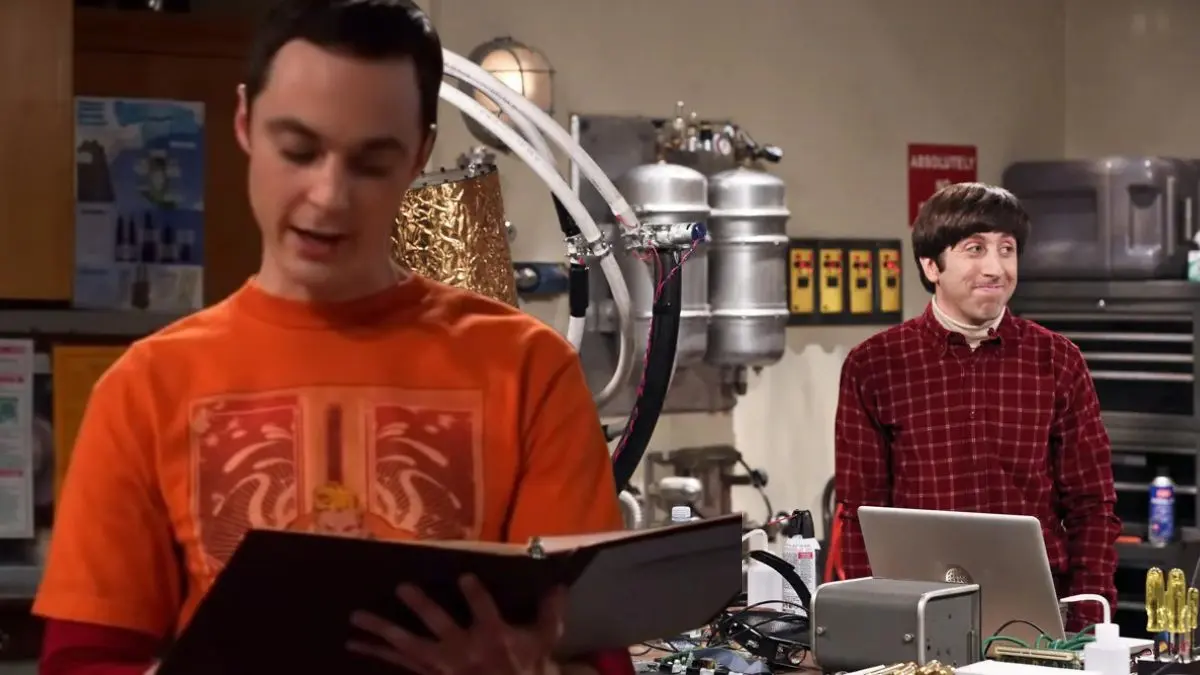


Sitcoms love wild setups, and ‘The Big Bang Theory’ packed in plenty of them. Over twelve seasons the series mixed lab life, relationships, and a lot of comic shop chatter into a weekly routine that fans could count on.
Along the way the show also stacked up choices that either bent reality a bit too far or lined up neatly with how these characters would really live and work. Here are five that stretched believability and five that landed just right.
Zero Sense: Penny’s rent and lifestyle

Penny starts out as a full time waitress at the Cheesecake Factory while chasing acting jobs, yet she keeps a large one bedroom across the hall from two salaried scientists in a desirable Pasadena building near a major research campus. Early episodes show her struggling with bills and needing help with expenses, which sits awkwardly next to steady apartment stability and frequent nights out with the group.
The numbers get hazier when her car troubles and job shifts pile up without visible changes to where or how she lives. The show later moves her into pharmaceutical sales with a strong paycheck, which fits her later life, but the long stretch where a service wage supports that unit and lifestyle never adds up in a clear way.
Perfect Sense: The roommate agreement
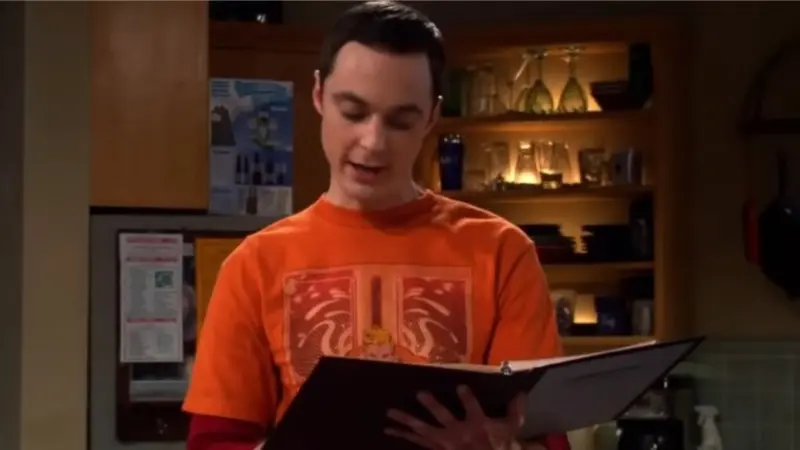
The roommate agreement spells out bathroom schedules, thermostat settings, emergency procedures, and even guest rules. That level of detail fits a cautious theoretical physicist who wants predictable routines and a tidy apartment, and it gives his experimentalist roommate a structure that limits friction.
Across seasons the document creates repeatable solutions for disputes about chores, noise, and hallway etiquette. The characters refer back to it during conflicts, they renegotiate clauses when life changes, and they treat it like a binding contract, which matches how meticulous scientists might manage shared space.
Zero Sense: Raj speaks overnight
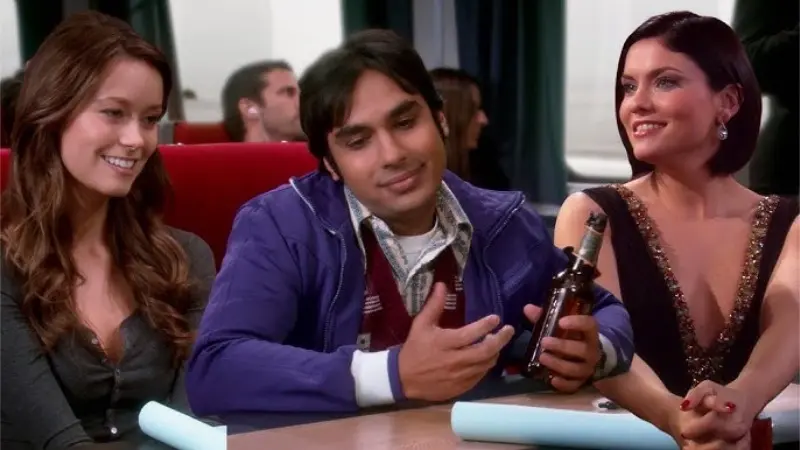
For years Raj cannot speak to women without alcohol, which is presented as a serious social anxiety. Then a single breakup and an emotional moment flip the switch and the condition disappears, with no gradual exposure plan, therapy arc, or relapse.
After that turning point he holds long conversations with women in every setting. The shift arrives suddenly and permanently, which skips over the slow progress that usually comes with working through an entrenched anxiety pattern.
Perfect Sense: Academic life at Caltech
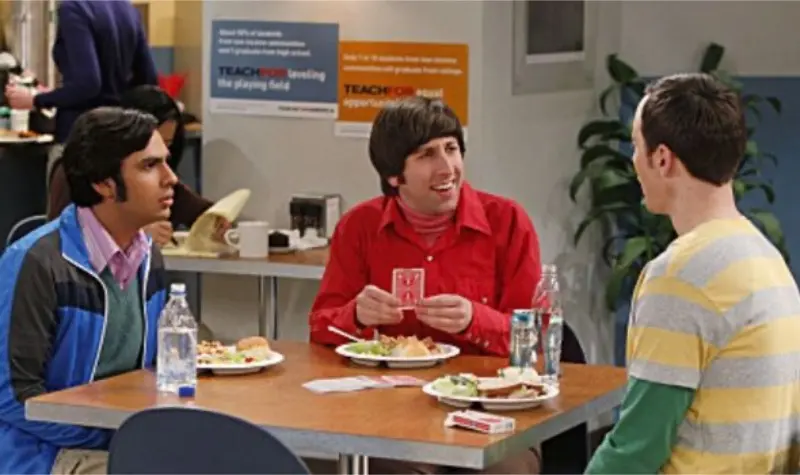
The show uses committee politics, grant chasing, and authorship disputes to drive stories that match real campus dynamics. The group juggles tenure chatter, struggles with whether a senior or junior name goes first on a paper, and navigates rival labs that compete for prestige and equipment time.
Faculty mixers, donor events, conference travel, and department head pressure all show up as recurring hurdles. These pieces turn the lab and the university into a believable workplace where careers rise or stall because of results, relationships, and timing.
Zero Sense: Sheldon behind the wheel

Sheldon repeatedly says he does not drive and has failed or avoided licensing, yet he takes the wheel in emergencies and manages a night run to the hospital. He handles freeway traffic, parking, and hospital drop off despite having little practice and a strong fear of driving.
The legal and practical parts never get addressed. There is no follow up about citations, insurance, or mandatory lessons after he operates a car without a license, which undercuts the careful rule keeping that defines so much of his daily life.
Perfect Sense: Howard’s engineering path
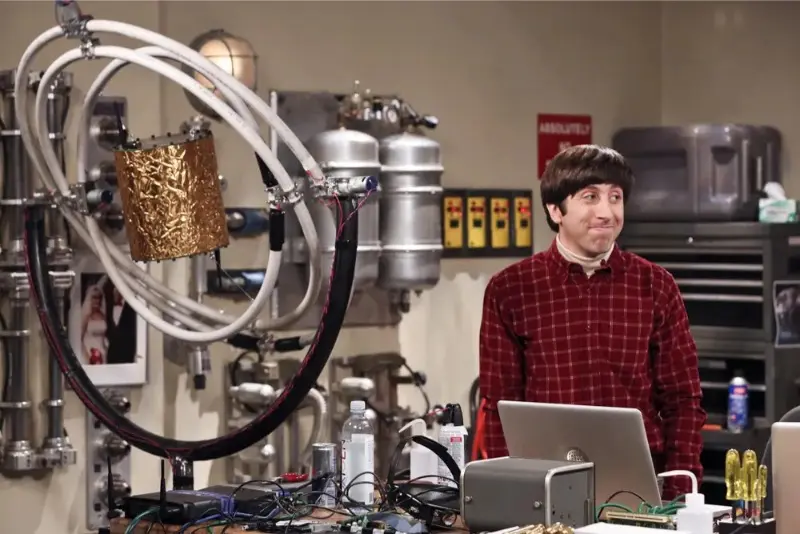
Howard works on real aerospace tasks, including life support hardware and mission components that connect him to contractors and federal programs. He spends time at facilities that mirror local labs and training centers, which sets up his selection for a specialized flight assignment as a payload expert.
When he trains and launches, the show tracks medical checks, simulators, and an international crew process. The story uses capsule seating, suit fittings, and mission communication that look like a condensed but recognizable version of a real preparation pipeline for a short duration research mission.
Zero Sense: That elevator downtime
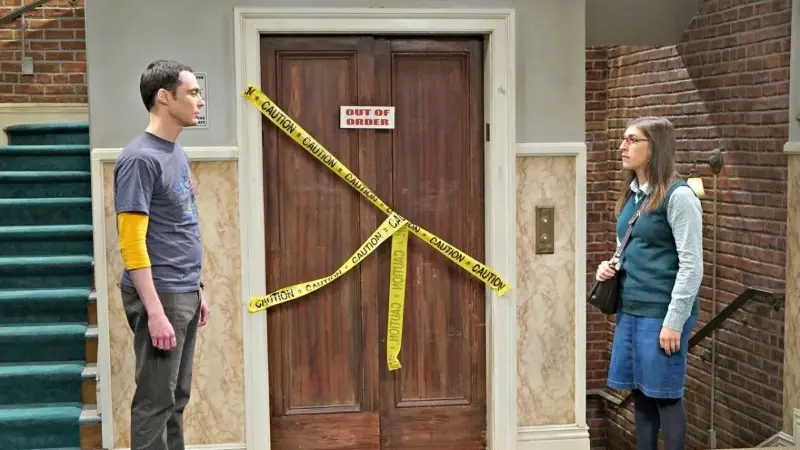
The building elevator is out of service for years after a botched experiment, and a quiet walk up becomes a running bit. A malfunction caused by volatile materials would trigger inspections, insurance demands, and pressure from tenants, yet repairs never happen until the final stretch of the series.
During all that time no one relocates, no landlord urgency appears on screen, and no temporary fix shows up beyond warning signs and tape. A multi year outage in a busy California rental with a steady cast of tenants is a reach.
Perfect Sense: Real science on the boards
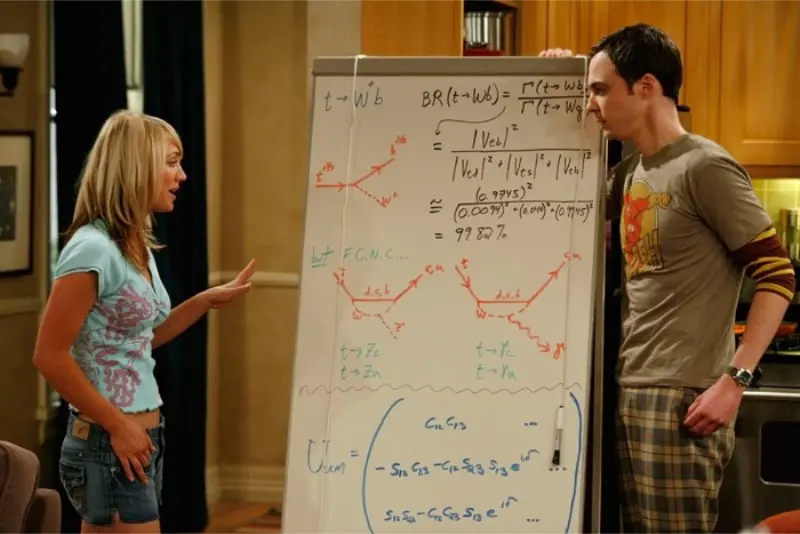
The whiteboards carry real equations and problem statements tied to the characters’ fields. Sheldon tackles string theory and later pivots when his research stalls, Leonard runs optics experiments with lasers, Howard builds and tests hardware, and Raj tracks astrophysics projects that involve data and telescope time.
Terminology like vacuum chambers, cryogenics, and error bars shows up in everyday talk. The boards change as projects move forward, and the characters refer to methods and instruments that match the work they claim to do, which keeps the science flavor grounded.
Zero Sense: Bernadette’s sudden shift

Bernadette enters as a soft spoken grad student and soon reappears with a higher register and a sharper attitude that never gets an in world explanation. The change happens quickly while she is still finishing her microbiology doctorate, and the new version stays for the rest of the run.
That pivot also rewrites how she handles conflict with Howard and the group. It feels like a reset that comes without any on screen reason such as a new job environment or a specific turning point that would explain a big shift in voice and interpersonal style.
Perfect Sense: Careers and milestones

Major life steps land in places that match the arc of twelve long seasons. Howard and Bernadette marry before children and then balance work and parenting, Leonard and Penny marry and eventually decide on a family, and Sheldon and Amy turn a research breakthrough into a career defining award that caps their partnership.
Those moments bring the ensemble to stable endpoints that reflect their fields and personalities. The physicists end with a celebrated publication and recognition, the engineer and the microbiologist settle into promotions and a household with kids, and the friend group remains intact with weekly routines that feel earned.
Share the one thing from ‘The Big Bang Theory’ that left you puzzled or made total sense in the comments.

