


5 Things About ‘The Boys’ That Made Zero Sense and 5 Things About It That Made Perfect Sense

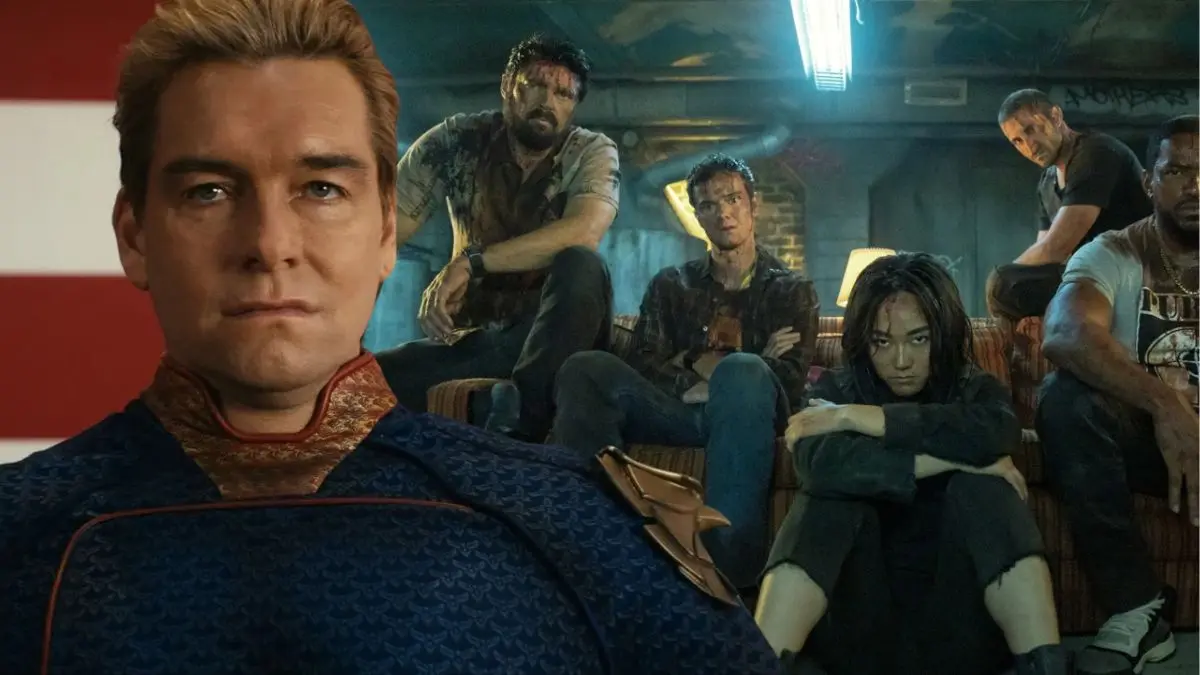


Superheroes in the world of ‘The Boys TV Series’ are built on corporate spin, messy politics, and powers that can level a city block. That mix gives the story bite, but it also leaves a trail of contradictions that viewers can spot without pausing the screen. Some moments break the rules the show sets up. Others stick to a clear internal logic that holds together from one crisis to the next.
Here are five things that do not add up alongside five that line up neatly with the world the story builds. Each point sticks to what the show actually puts on screen. No theories and no headcanon. Just what the characters do, what the companies say, and how power really works inside this universe.
Zero Sense: Homelander’s public fallout
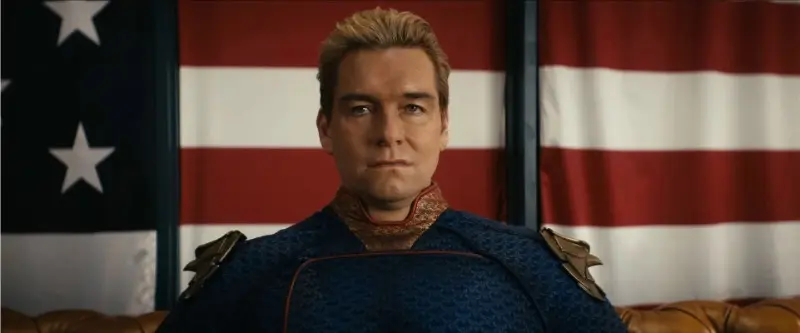
Homelander commits visible acts of violence in public settings, including killing a protester in front of a cheering crowd, yet his day to day standing barely dips inside Vought’s ecosystem. Major networks and branded events keep booking him. Merchandise still rolls out to stores. Corporate partners stay in frame with him at press calls.
The show presents multiple sources of footage and eyewitness accounts that could spread far beyond damage control. Starlight streams direct accusations. Rival factions inside Vought leak material. Independent outlets try to publish. Even with propaganda and fan forums, a figure that volatile keeping full access to platforms and sponsorships looks mismatched with the scale of what people in the story actually see.
Perfect Sense: Vought’s PR machine
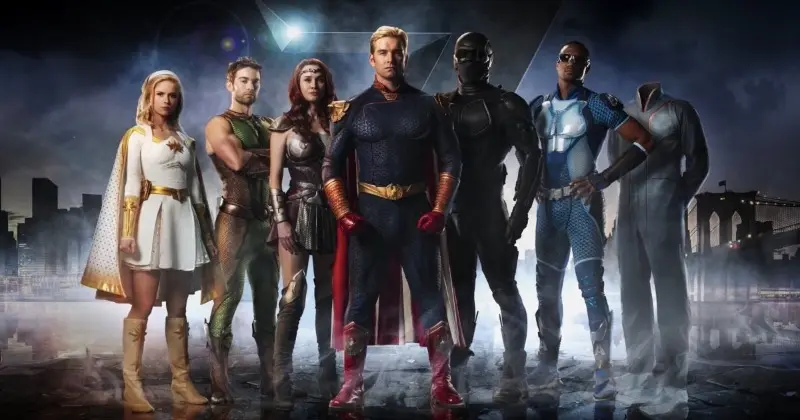
Vought shapes narratives with tools that real corporations use. It tests slogans with focus groups. It stages apology tours and photo ops. It blocks and unblocks access for reporters to guide headlines. It feeds curated clips to partner networks and pays influencers to repeat talking points.
When a scandal lands, the company shifts the frame rather than the facts. It releases a trailer for a new ‘Dawn of the Seven’ cut to change the conversation. It points to jobs, charity drives, and military contracts to keep regulators slow and investors calm. That approach mirrors crisis playbooks where speed, repetition, and message discipline can outweigh raw evidence for large parts of the audience.
Zero Sense: Starlight’s power dependency

Starlight draws strength from external electricity and can drain huge systems like stadium rigs. In other scenes she stands near active power sources and produces only small bursts or none at all. The proximity and output do not always match the results the show gives her in the moment.
She later channels enough current to lift off and emit a blast after tapping a serious load. In earlier moments with similar or even stronger lighting setups she treats the same kind of gear as barely useful. The on screen rules for intake, storage, and release shift based on the scene rather than clear limits that hold across fights.
Perfect Sense: Collateral damage and legal coverups
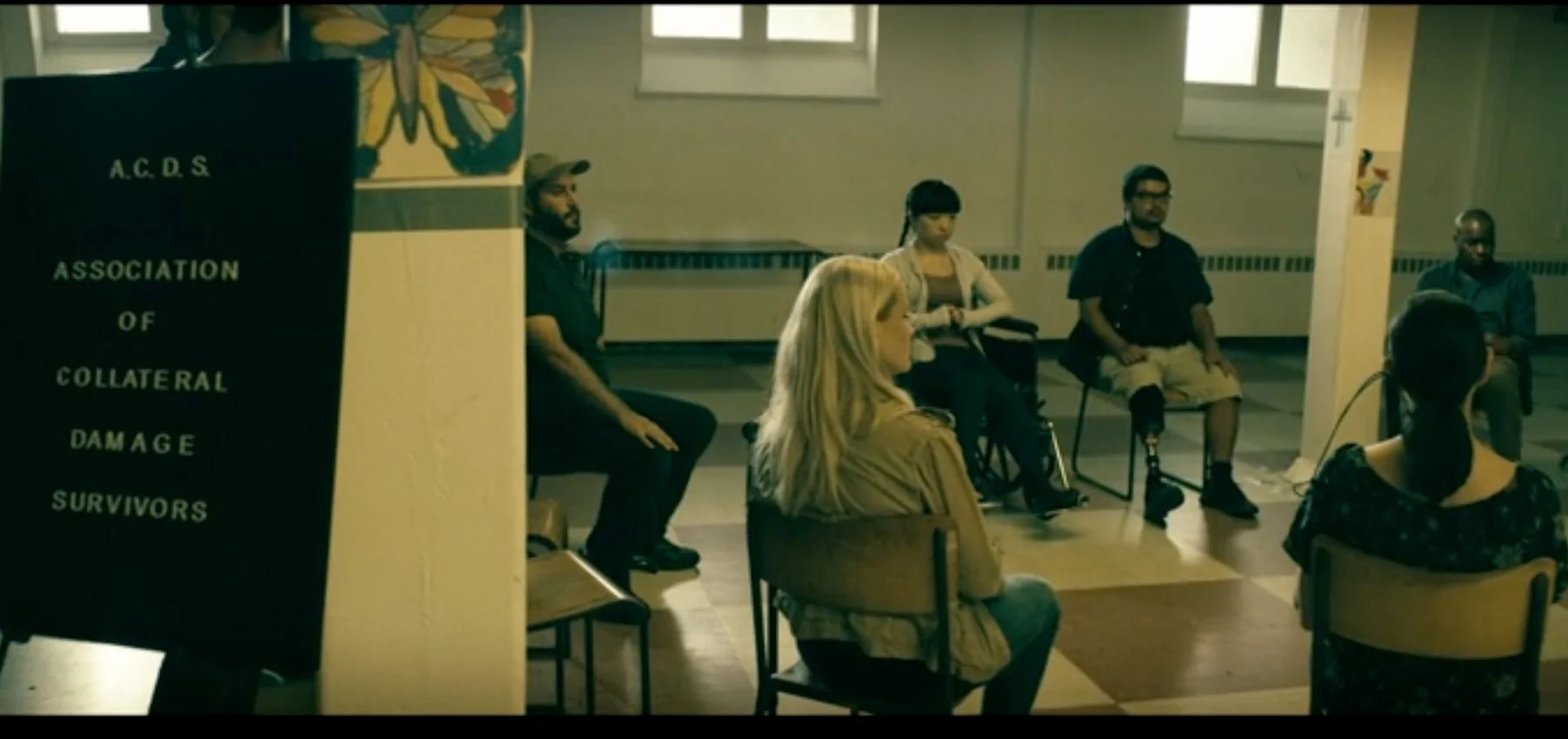
The world shows how ordinary people get silenced after superhuman disasters. Families receive payouts tied to nondisclosure agreements. Company lawyers step in before local police can build a case. Witnesses face threats from private security and lose jobs after speaking up.
Government offices route complaints into closed investigations that never produce a public report. Insurance carriers push survivors toward settlements that keep names off court dockets. The result is a city grid filled with damage and a paper trail that goes nowhere. That matches real processes where money, access, and time wear down most attempts at accountability.
Zero Sense: A Train and speed physics

A Train’s top speed turns victims into red mist in one scene. In another he can drag a target across city streets without ripping his own body apart. He can cross long distances instantly yet sometimes fails at simple grabs and extractions that his reflexes should make routine.
The show also softens shockwaves and heat effects when he sprints through crowded spaces. Glass stays intact. Nearby people remain upright. Vehicles do not flip. The physics of air compression, friction, and force change to fit the beat, which undercuts the consistent danger that speed should create every time he moves.
Perfect Sense: Compound V’s pipeline
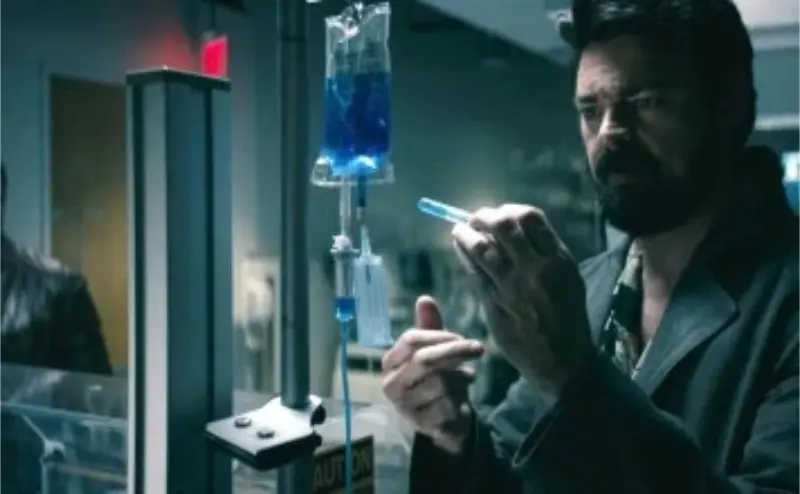
The story lays out a clean supply chain for power. Vought engineers Compound V in secret labs. The company doses infants through front organizations and medical programs. That process builds a roster of heroes whose abilities vary in range and control because the serum affects each person differently.
Later formulations enter the picture as temporary versions with heavy side effects. Military buyers, political actors, and criminals all try to get access because the product turns any plan into a force multiplier. That path from research to distribution to black market matches how proprietary tech leaks when profit and leverage overlap.
Zero Sense: Kimiko’s healing curve

Kimiko regenerates after extreme injuries that would kill most supes, then gets sidelined for long stretches by close range hits that the audience has seen her shrug off in prior fights. The timeline for recovery tilts between near instant and days of weakness without a change in the core ability.
Her loss and restoration of powers mark clear turning points, yet even before and after those moments the speed and completeness of healing shift with little warning. Blades, bullets, and explosions alternate between brief setbacks and decisive stoppages. The pattern breaks the expectation that a single factor governs how fast she comes back.
Perfect Sense: The Boys’ tradecraft

The team does not win with brute force alone. It builds cases with surveillance, lab tests, and document trails. It plants listening devices, tracks shipments, and maps relationships across Vought divisions. It uses leverage like recorded confessions and financial records to flip insiders.
When that is not enough, it turns to specialized tools. Frenchie rigs custom charges for specific compounds and vaults. Mother’s Milk gathers procedural details that open legal doors or expose conflicts of interest. Temporary enhancements appear only when the target demands it, and even then the team pairs them with planning rather than spectacle. The method shows a consistent playbook for asymmetric fights.
Zero Sense: Travel and jurisdiction shortcuts
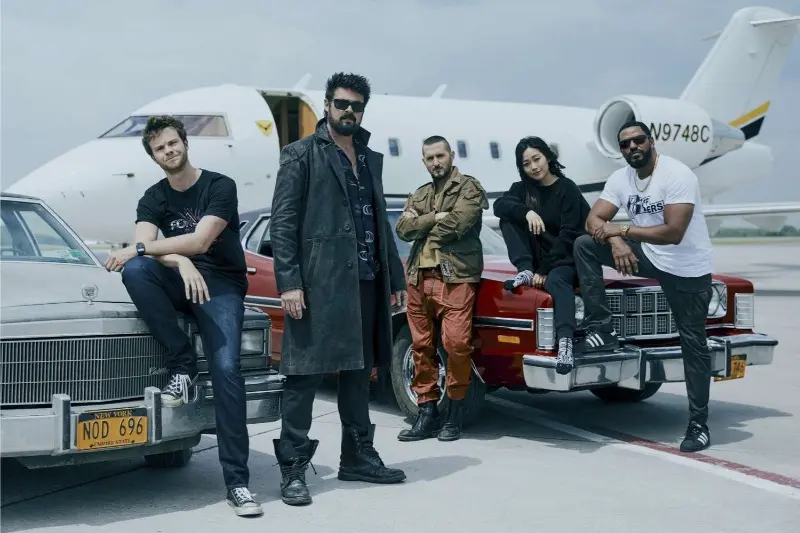
Characters jump between cities and even countries on tight clocks with minimal friction. They cross borders while carrying contraband. They breach high security labs and airfields and exit without the kind of lockdowns that real agencies would trigger after the first alarm.
Multiple agencies have reasons to watch these actors. Local police track homicides. Federal offices monitor terrorism leads. Private forces guard intellectual property. Yet sweep times, checkpoint layers, and interagency alerts rarely block movement. The gap between the scale of the threat and the ease of travel leaves the map feeling smaller than the story says it is.
Perfect Sense: Fan culture and algorithmic clout
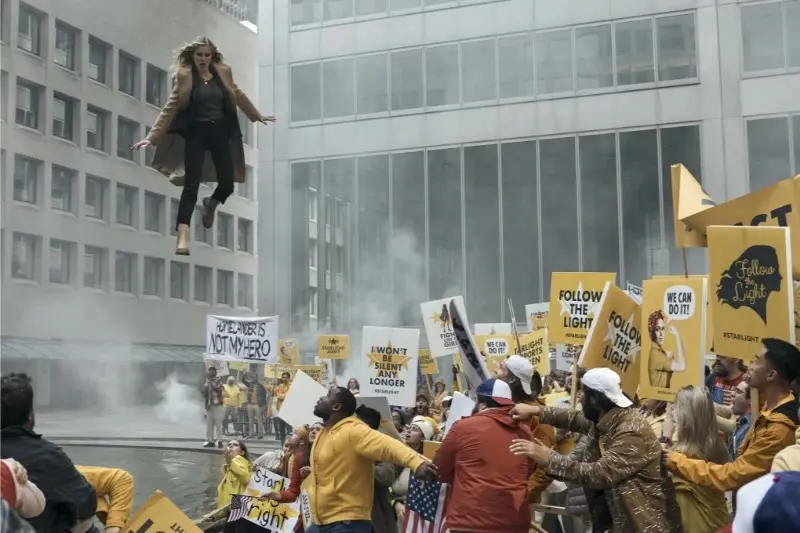
The series shows how fandom can insulate a figure from scandal. Micro communities form around livestreams, hashtags, and short clips. Influencers package selective edits that paint critics as traitors. Engagement rewards conflict, which keeps controversial heroes at the center of every feed.
Vought feeds this loop with merch drops, meet and greets, and access for creators who pull numbers. Polling and dashboards steer which beats get amplified during a crisis. That dynamic explains why reputations bend slowly even when evidence is public. Attention serves as the currency, and the platforms pay out based on volume rather than nuance.
Share your favorite sense or nonsense moment from ‘The Boys TV Series’ in the comments and tell us what we should tackle next.

