


5 Things About ‘The Dark Knight’ That Made Zero Sense and 5 Things That Made Perfect Sense

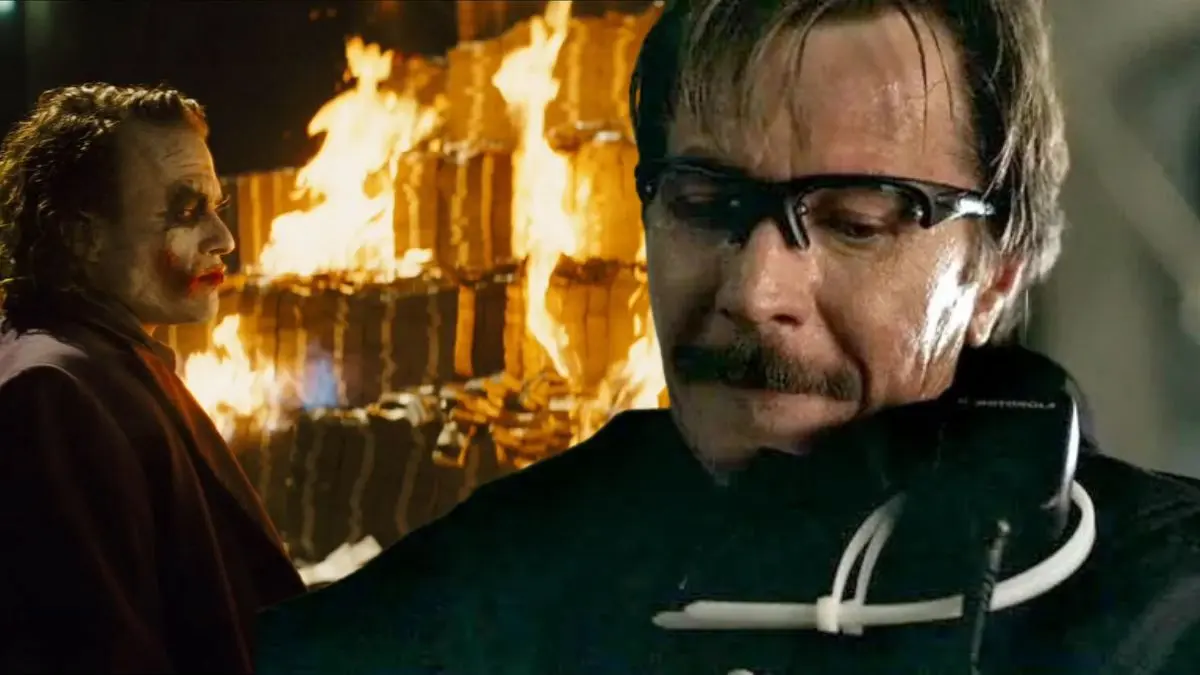


Christopher Nolan’s Batman story is tight, bold, and smart. It also leaves a few head-scratchers.
Some choices add weight and clarity. Others stretch logic to the breaking point. Here are both sides.
Zero sense: The Joker’s plan needs impossible luck
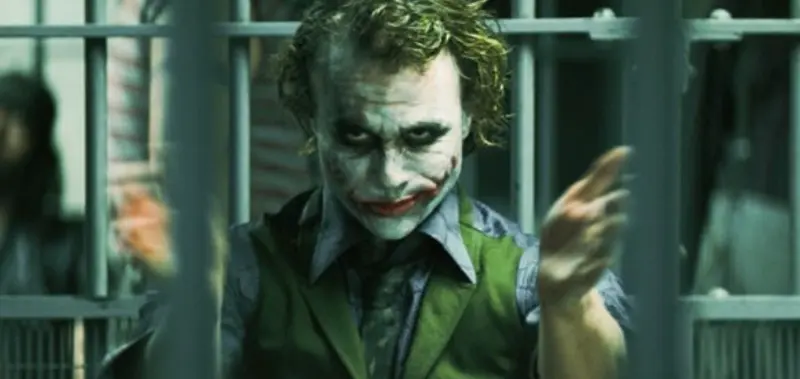
The Joker’s moves rely on perfect timing and many people doing exact things. He gets caught on purpose, has a phone bomb in a thug’s stomach, and counts on police choices he can’t control. That is a lot of blind luck.
He also predicts how Batman, Dent, and Gordon will react. He plans for every twist. Real life is messy. His plan should have failed many times.
Perfect sense: Batman taking the blame for Dent
The city needed Dent as a symbol. If the truth came out, the mob cases would fall apart and hope would die. Batman taking the fall protects that hope.
It fits Bruce’s code. He cares more about Gotham than his name. Becoming “the villain” to save the city tracks with his mission.
Zero sense: Rebuilding a fingerprint from shattered bullets
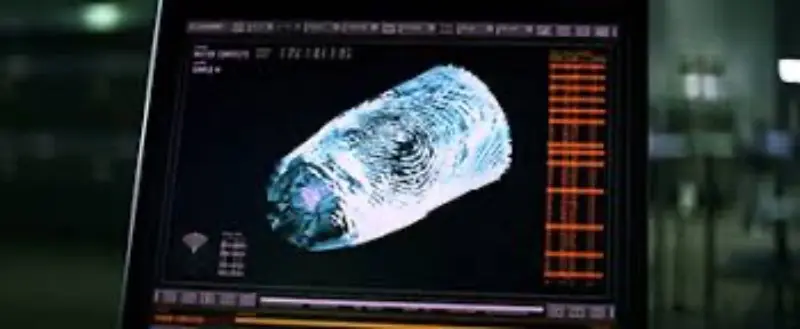
Batman shoots bricks, gathers fragments, and somehow rebuilds a full print. That is not how ballistics or fingerprints work. The data would be too damaged and incomplete.
Even if you could map the grooves, matching a clean print from that mess is a leap. The scene looks cool, but the science is movie magic.
Perfect sense: The Joker burning the money
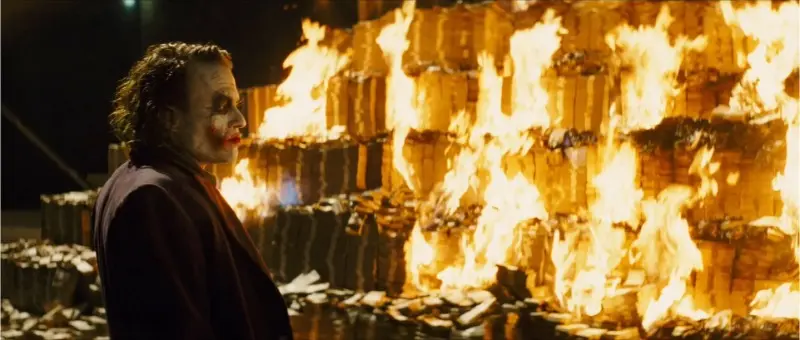
The Joker says he is not about cash. He wants chaos and moral collapse. Torching the pile proves it.
This act also scares the mob. They can’t buy him or predict him. That makes him far more dangerous.
Zero sense: Gordon faking his death without telling his family
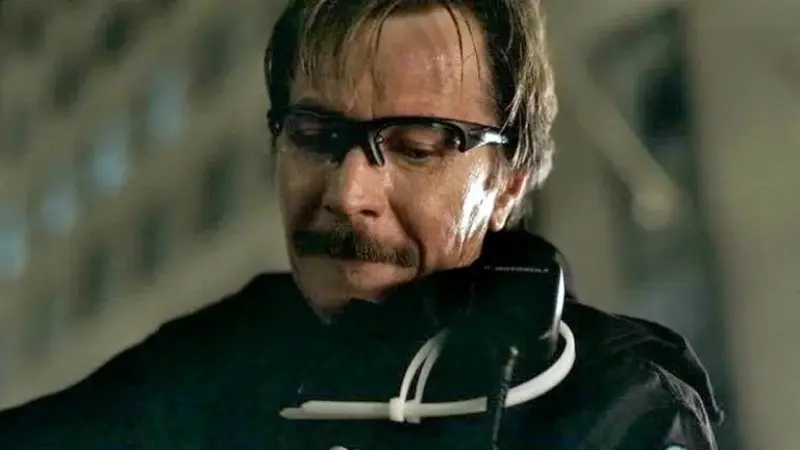
Gordon stages his death to trap the Joker. He hides it from almost everyone, even his wife. That choice causes panic at home for no reason.
It also risks the plan. A shaken family draws attention and wastes police time. Looping in one trusted contact for the family would make more sense.
Perfect sense: The ferry dilemma
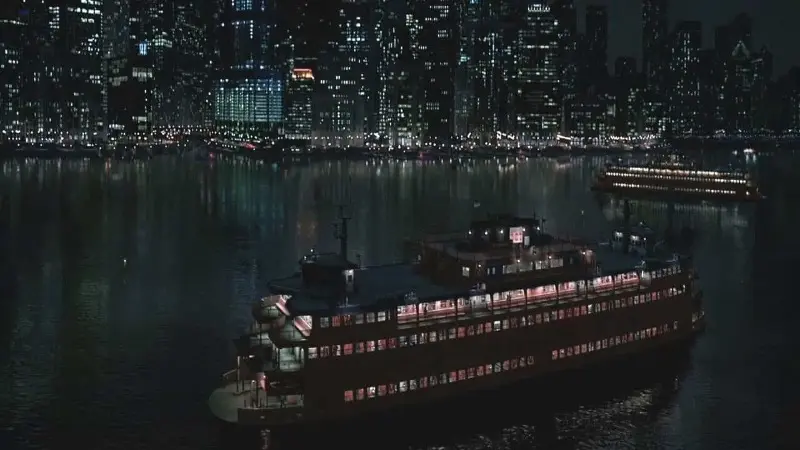
The ferry choice is the film’s core test. It puts regular people under pressure and asks them to choose who they are. That fits the Joker’s claim that “civilized people” drop their rules when scared.
The result shows Gotham still has a line. No one pushes the button. That outcome supports Batman’s faith in the city.
Zero sense: Citywide phone sonar that works overnight
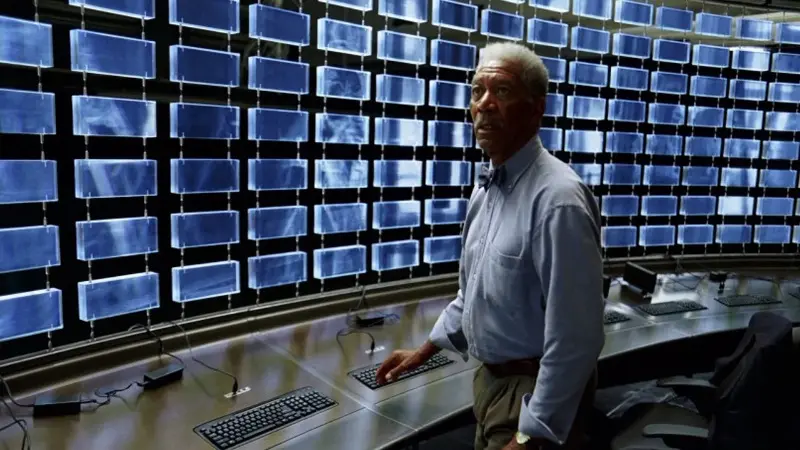
Wayne turns every phone into a live sonar grid. It maps a whole city in real time. That jumps past any known tech and privacy limits.
It also runs flawlessly right away. No lag, no outages, no calibration. For a prototype, that is hard to swallow.
Perfect sense: The Joker needs Batman alive
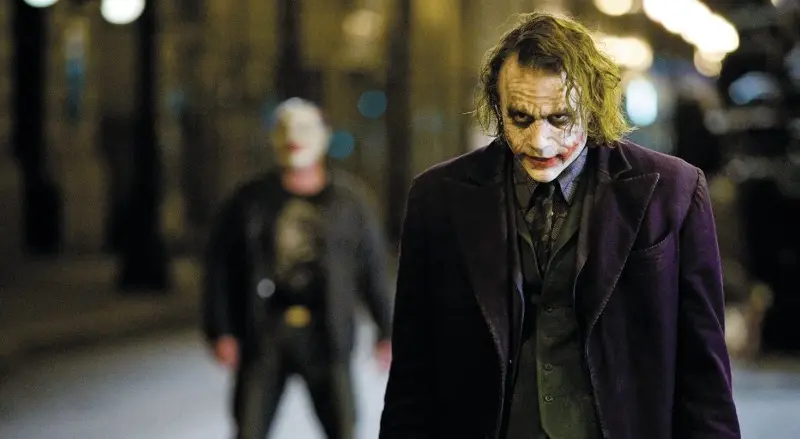
The Joker says they “complete” each other. He wants Batman on the board to break him, not kill him. He is after a moral win, not a body count alone.
Keeping Batman alive keeps the game going. It fits his taste for drama and long cons. Their conflict is the point.
Zero sense: Two-Face’s sudden spiral

Harvey goes from model DA to coin-flip killer fast. He suffers trauma and a great loss, but the speed of his turn is extreme. There is little time for a believable slide.
He also navigates the city, kidnaps, and stages confrontations while badly hurt. The logistics strain belief.
Perfect sense: Bruce seeing Dent as Gotham’s way out
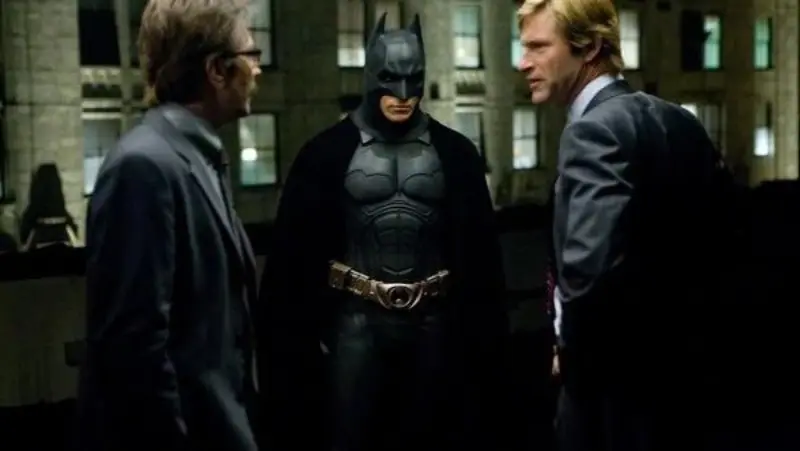
Bruce wants a normal life. Dent offers a legal, public answer to crime. If Dent wins, Batman can retire.
This thinking tracks with Bruce’s goal from the start. Batman was meant to be a stopgap, not forever. Dent gives him that exit plan.
Share your own “made sense” and “made no sense” moments from Gotham in the comments—let’s see which scenes you debate the most.

