


5 Things About ‘The Godfather II’ That Made Zero Sense & 5 Things That Made Perfect Sense

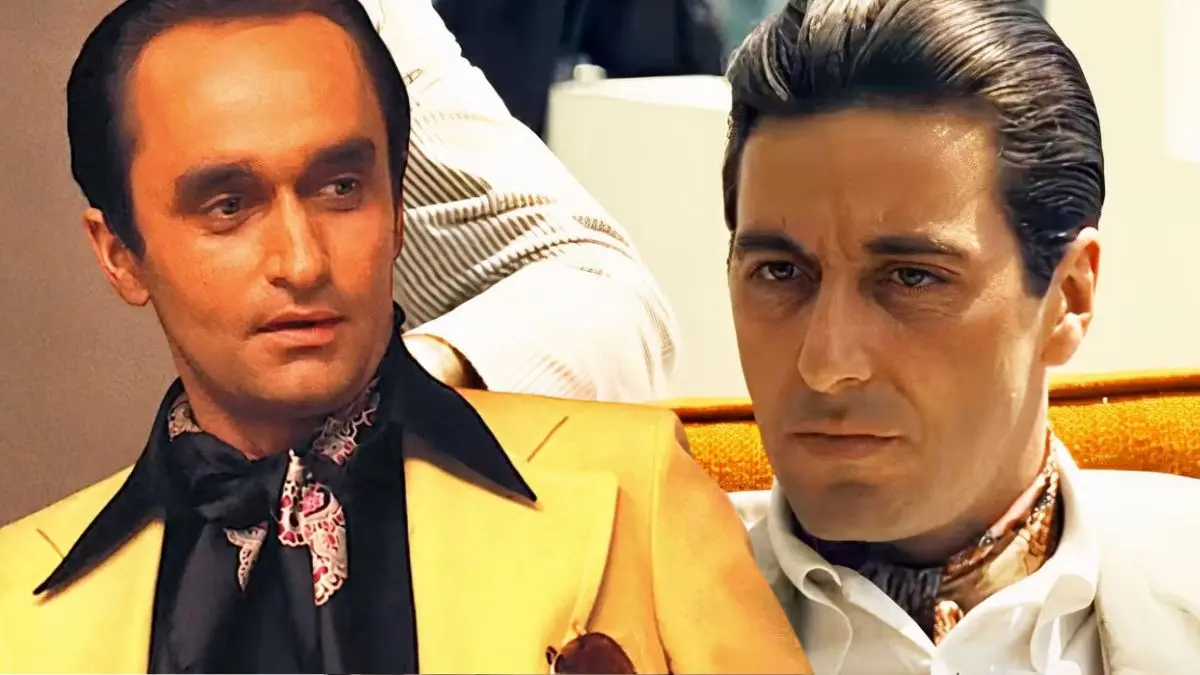


If any film has earned the right to be studied like scripture, it’s The Godfather Part II. It’s a towering sequel-prequel hybrid—equal parts family chronicle, political thriller, and meditation on the price of power. Its best choices feel inevitable, its worst missteps are the kind that invite passionate debate.
That tension is part of the fun. Below, we break down five things in The Godfather Part II that made absolutely no sense—and five that couldn’t have made more sense if Vito himself had ordered them. Bring a cannoli; leave your disbelief at the door.
The Tahoe Compound’s Paper-Thin Security
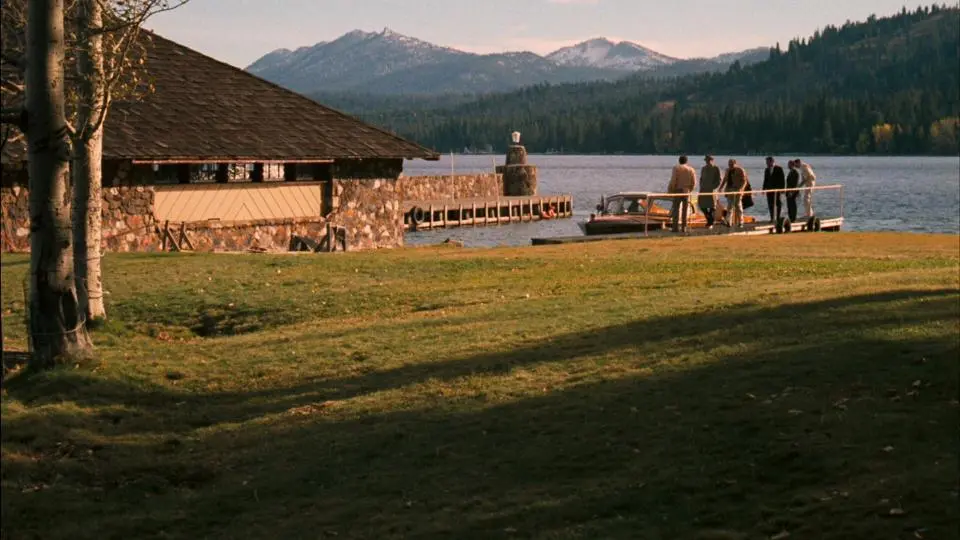
Michael’s Lake Tahoe estate is supposed to be a fortress, yet assassins get close enough to riddle his bedroom with bullets from the treeline. Even with an inside leak, it stretches belief that a don as paranoid as Michael—fresh off consolidating power at the end of The Godfather—would leave line-of-sight windows, soft perimeters, and such predictable nightly routines.
Sure, the film later ties the betrayal to Fredo, which explains how the timing and layout leaked. But inside intel doesn’t automatically equal easy access. The near-murder feels less like the result of elite operational planning and more like the script needing a lightning bolt to kick the story into motion.
Fredo’s “I Didn’t Know It Was a Hit” Defense
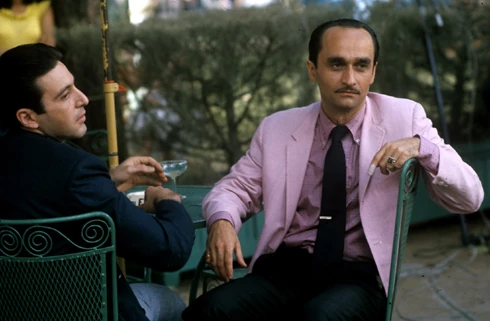
Fredo insists he didn’t realize he was enabling an attempt on Michael’s life, just that he was “helping” with business introductions. That strains credulity. He grew up in this world; the moment he’s secretly meeting Johnny Ola and slipping details about Michael’s habits, he’s playing with gasoline near a match.
The film wants us to see Fredo as weak rather than wicked—and that’s emotionally rich. But the particular line between naiveté and willful blindness is drawn a little too generously. By the time Michael kisses him at New Year’s, the audience’s patience for the “I didn’t know” plea is as thin as Tahoe ice.
A Senator Framed With Zero Fallout
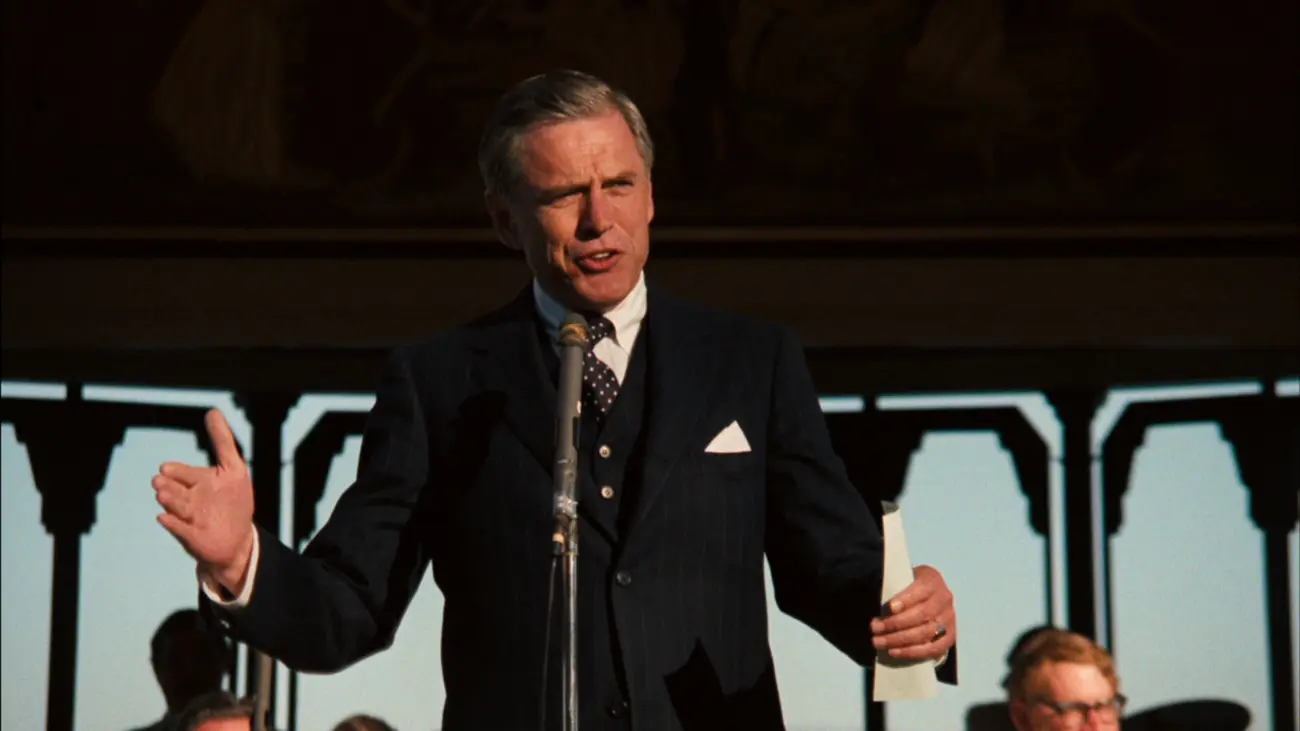
The brothel setup of Senator Geary—waking to a dead escort and a room conveniently swaddled in plausible deniability—works as noir melodrama. As a real-world operation against a sitting U.S. senator, it’s a logistical fever dream. Forensics? Staff? Political enemies? A scandal this large doesn’t just evaporate because Tom Hagen gives a calm, lawyerly speech.
Yes, the point is that the Corleones own the local machinery. But a mess that big would ripple beyond Nevada—press, federal heat, rival power brokers. The film elides the aftershocks with the wave of a consigliere’s hand, and it’s one of the rare times the saga asks for more suspension of disbelief than it earns.
The Senate Hearing Collapses Overnight
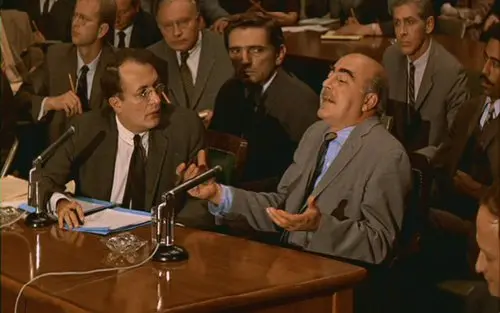
Michael is hauled before a Senate committee, a made man is ready to flip, and America’s appetite for televised takedowns is whetted. Then—poof—the appearance of Pentangeli’s brother in the gallery melts the case like snow in Palermo. Dramatically potent? Absolutely. Procedurally tidy to the point of fantasy? Also yes.
The psychology tracks within the code of omertà, but the legal mechanics don’t. Grandstanding senators don’t abandon quarry this juicy without backup witnesses, paper trails, or perjury traps. The hearing’s sudden fizzle plays like myth rather than machinery—a great scene that prioritizes operatic dread over institutional reality.
Pentangeli’s Convenient Off-Screen Exit
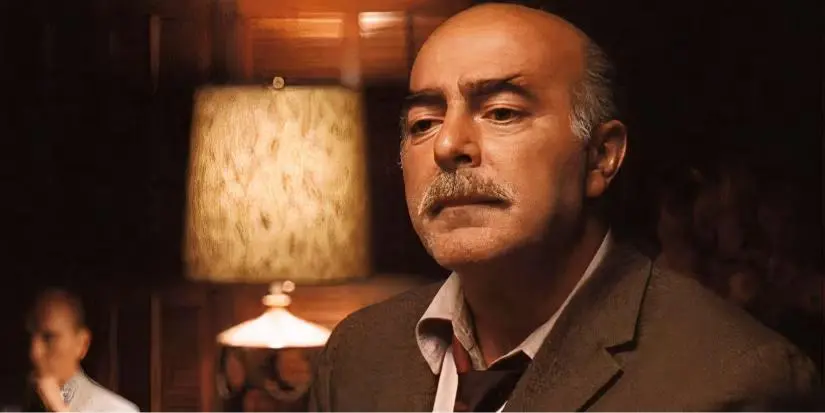
Frank Pentangeli’s bathhouse suicide, modeled on ancient Rome, is haunting—and oddly frictionless. He’s under government protection, yet manages to arrange a ritual death with a blade, a handler looking the other way, and no intervention? For a man central to a Senate spectacle, the guardrails feel suspiciously loose.
It’s thematically resonant—Frank reclaims his dignity and spares his family. But the logistics are left blurry in a way that serves the poetry more than the plot. In a film so obsessed with process, this major “how” is whisked past like steam over hot tiles.
“Not While Mama’s Alive”
Michael’s choice not to touch Fredo while their mother still lives is brutal, rooted, and perfectly clear. It codifies the Corleone blend of Sicilian piety and transactional cruelty: family rituals shield even a traitor—until they don’t. When the protection expires, so does Fredo’s time.
This rule gives the film a terrible clock. Every tender scene with Mama becomes a countdown, every lakeside prayer drips with dread. It’s the kind of precise cultural detail that makes The Godfather Part II feel less like a crime story and more like a tragic liturgy.
The Cuba Gamble as 1958 Realpolitik
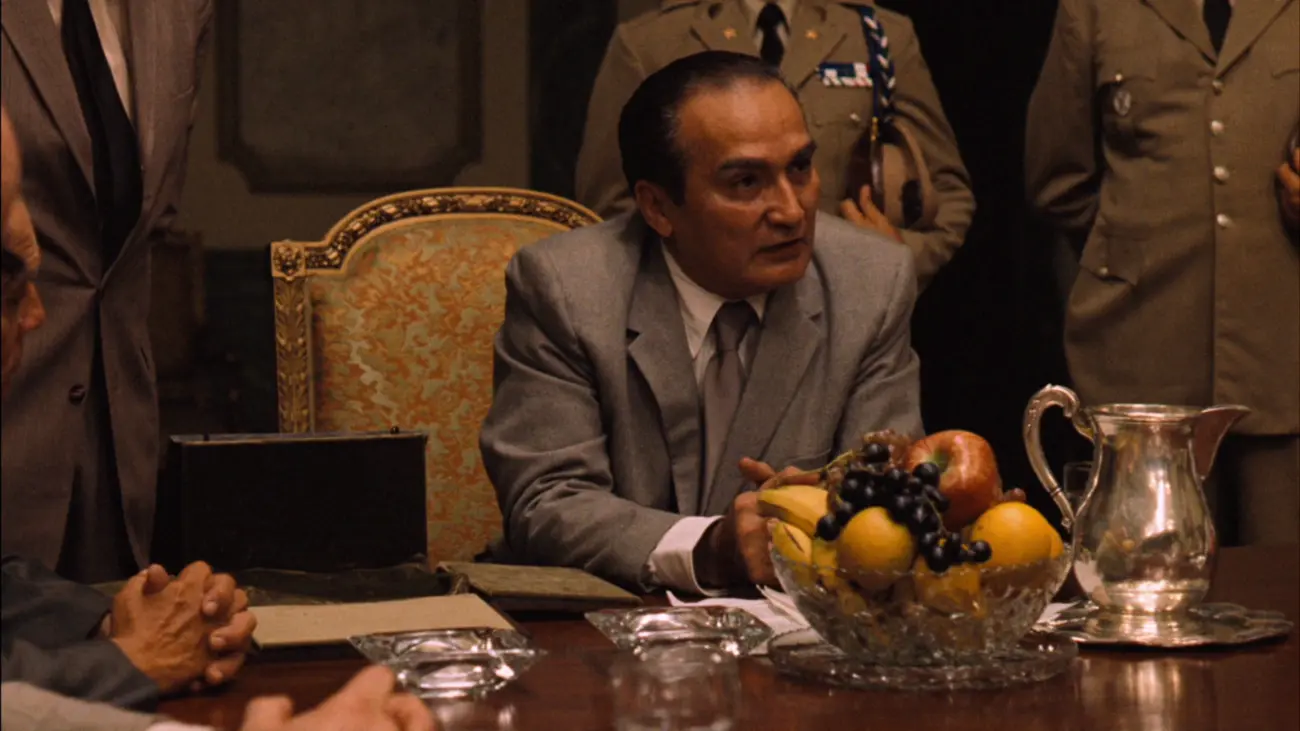
Pouring money into Havana as Batista’s regime totters might look reckless, but it’s exactly how men like Michael and Hyman Roth operate: bet big on access, assume you can buy tomorrow, and exit before the music stops. The city’s mobbed-up casinos and government contacts make the scheme plausible within their worldview.
When the revolution crests faster than expected, the collapse doesn’t undercut the plan—it validates the film’s thesis that capital chases power until power turns on it. The Cuba arc elegantly fuses personal betrayal with geopolitical upheaval, and the fit is seamless.
Two Timelines, One Theme
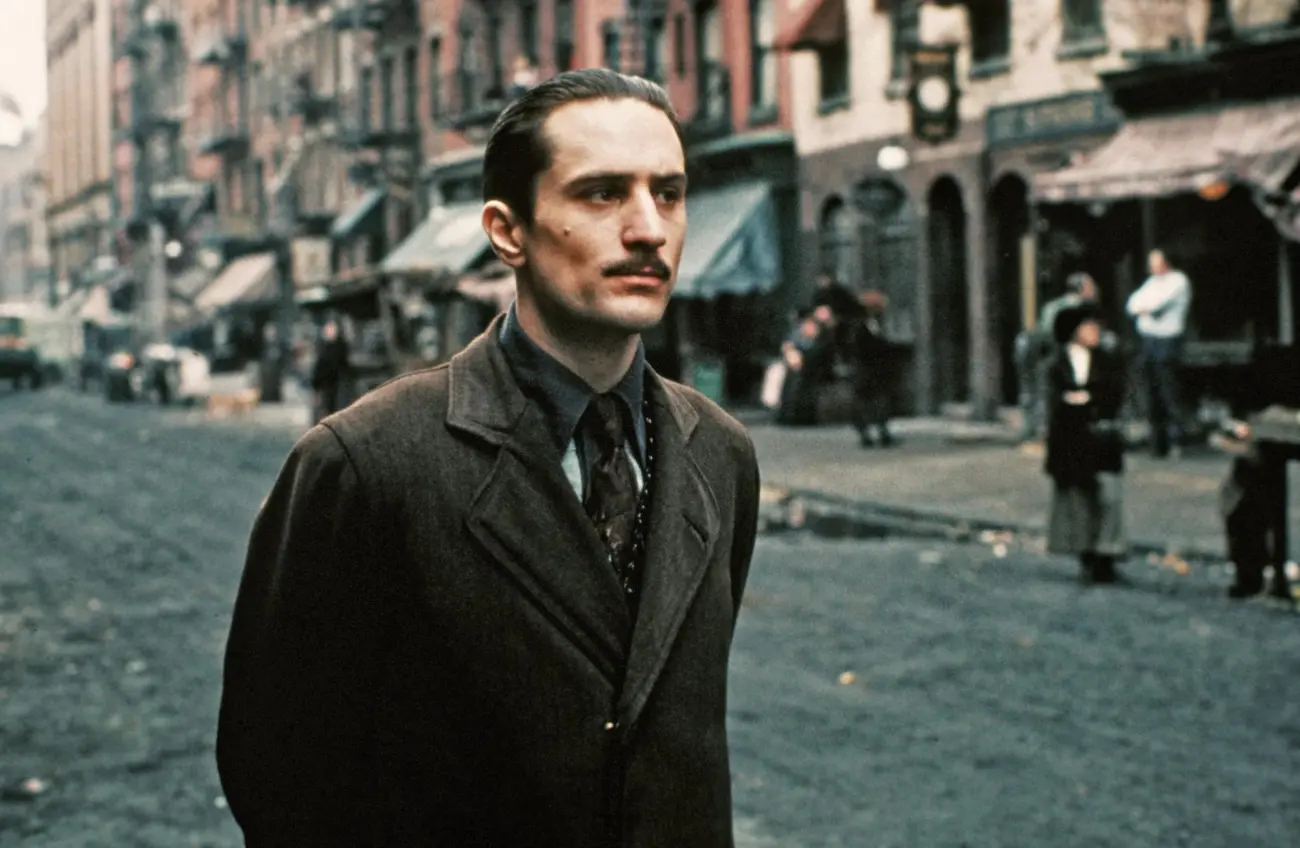
Cross-cutting young Vito’s rise with Michael’s moral freefall isn’t a gimmick; it’s the movie’s soul. Vito builds a family to survive America, then to thrive in it. Michael preserves the family name by hollowing out the family itself. The parallel structure turns plot into argument.
Even when the chronology gets fuzzy around the edges, the design is crystalline. Each Vito victory casts a longer shadow over Michael’s victories, which look more like amputations. The braid of eras teaches you how to watch the film as it plays.
Roth as the Face of Corporate Crime
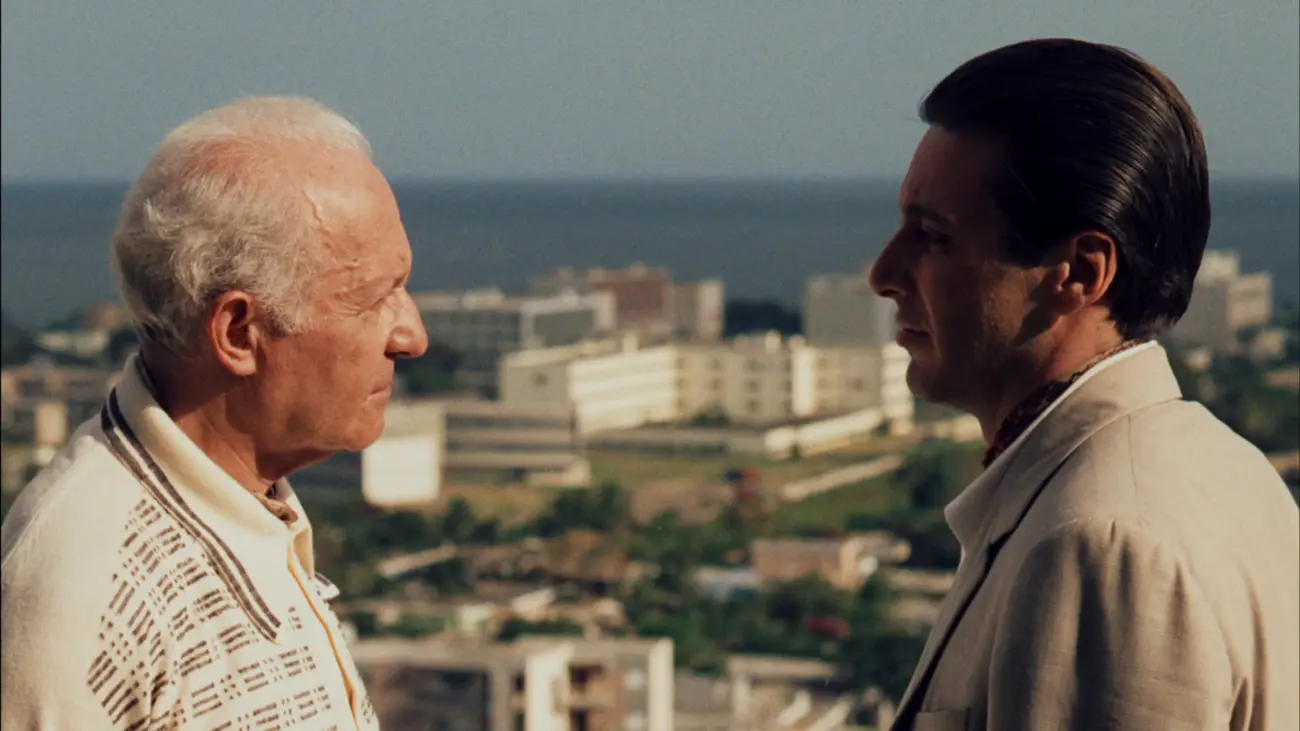
Hyman Roth isn’t a cackling villain; he’s a boardroom shark who eats with a cardigan on. He talks about percentages, hospitals, and “the business we’ve chosen.” In other words, he’s modernity—crime scaled, laundered, and ruthlessly rational. That portrayal feels chillingly true.
By pitting Michael against someone who treats murder like mergers, the film predicts the corporatization of everything. Roth’s blandness is the point: evil that smiles for shareholders. Within the saga’s moral universe, his character makes immaculate sense.
Michael’s Icy Descent
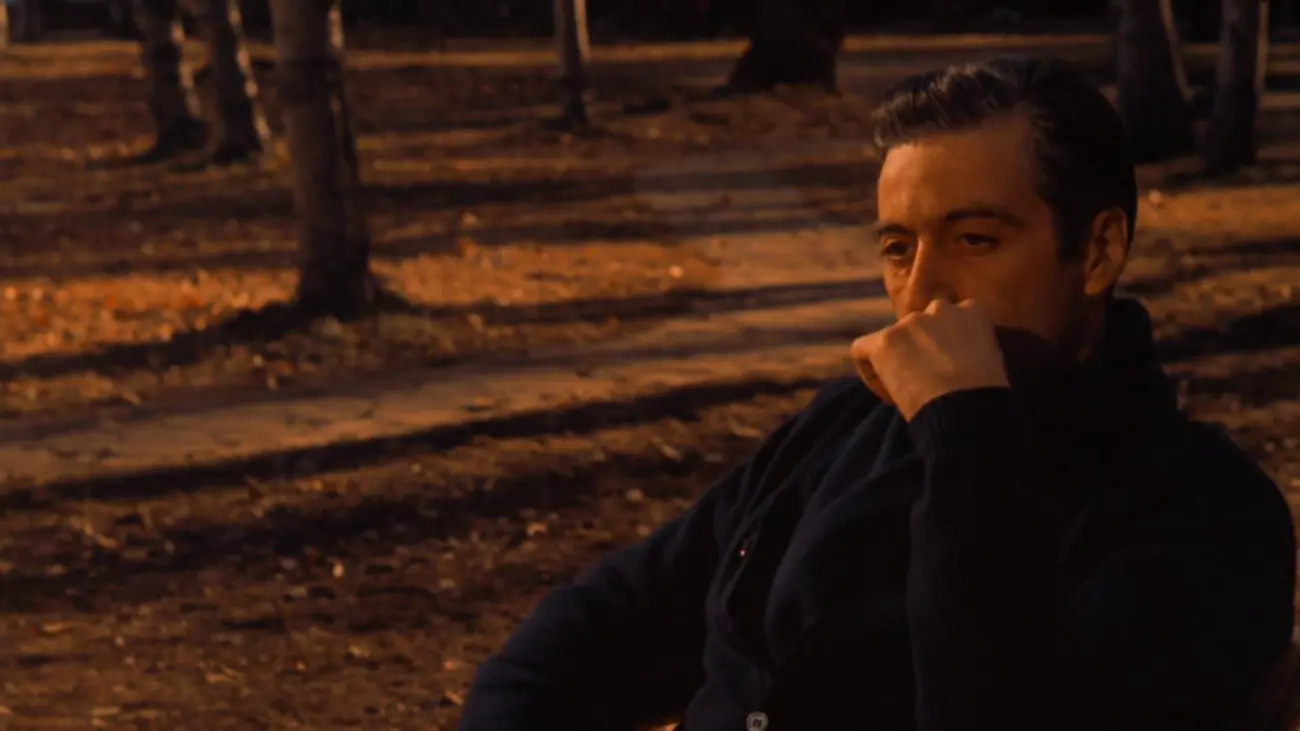
At the end of The Godfather, the door closes. In The Godfather Part II, we see what’s on the other side: a man who mistakes control for safety until he controls nothing and trusts no one. The final image—Michael alone, memory as his only company—lands like a verdict written in winter.
Every choice he makes flows from that wound: protect the family, then the business, then only himself. The logic is brutal but airtight, and it’s why the sequel feels both inevitable and devastating. This was always where that closed door led.
Got your own picks for what did—or absolutely didn’t—make sense in The Godfather Part II? Drop your takes in the comments and keep the family debate going.

