


5 Things About ‘The Simpsons’ That Made Zero Sense and 5 Things About It That Made Perfect Sense


‘The Simpsons’ has told thousands of jokes across hundreds of episodes, but the show also built a universe with its own rules, habits, and running gags. Over time that universe created patterns that sometimes clash with everyday logic. Viewers can spot moments where stories collide or details shift from one version to the next.
At the same time, the show uses television traditions that explain why certain choices keep repeating. Production needs, flexible continuity, and a love of parody all shape how Springfield works. Here are five examples that created confusion and five that explain why the confusion exists.
Zero Sense: Ages That Never Change
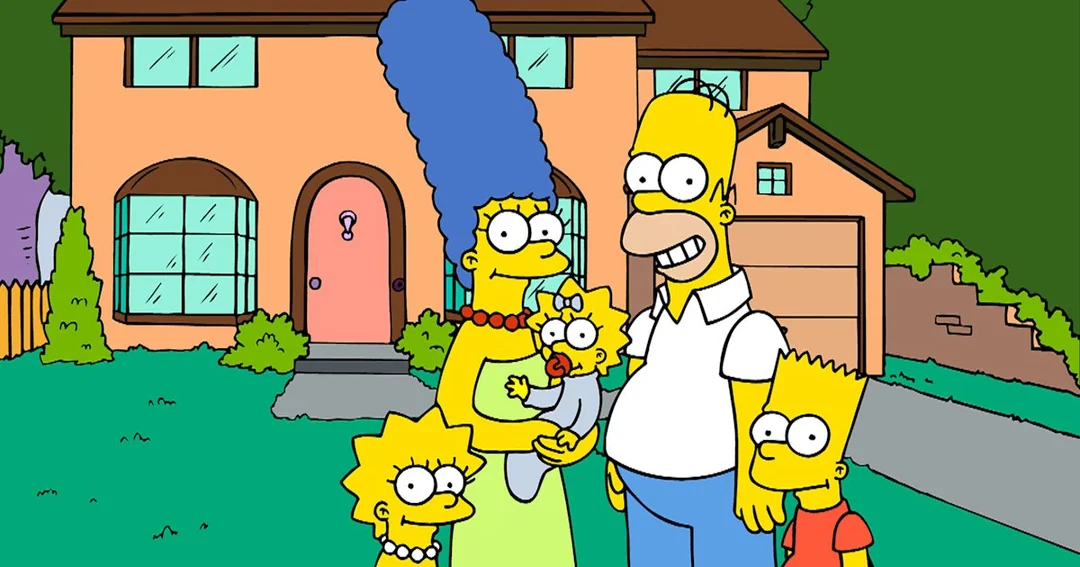
Bart remains 10, Lisa remains 8, and Maggie stays a baby even as the world around them updates its pop culture, technology, and news. Early episodes cite Homer at around his late thirties while later jokes keep him there with no in-story birthday that sticks. Family milestones like anniversaries, grade promotions, and birthdays reset whenever a plot needs them.
Flashbacks create further conflict. In one version Marge and Homer meet and marry around an earlier era with specific music and fashion, while another episode places their courtship in a later decade with grunge jokes and new life details. The same parents raise the same kids at the same ages even as the calendar inside Springfield quietly shifts to match current times.
Perfect Sense: A Floating Timeline For Episodic Stories
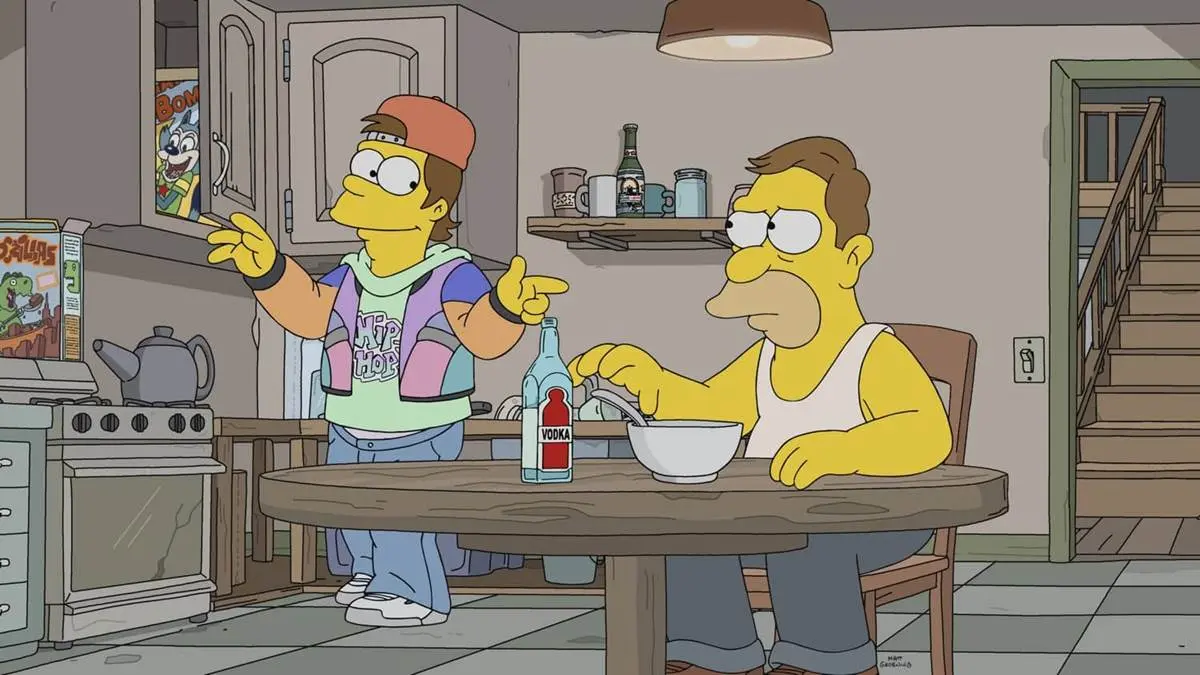
Episodic comedies use a floating timeline so characters stay recognizable across many seasons. Keeping Bart in fourth grade and Lisa in second grade preserves story setups like classroom dynamics, principal conflicts, and sibling roles. Writers can plug in new ideas without reworking the family structure every year.
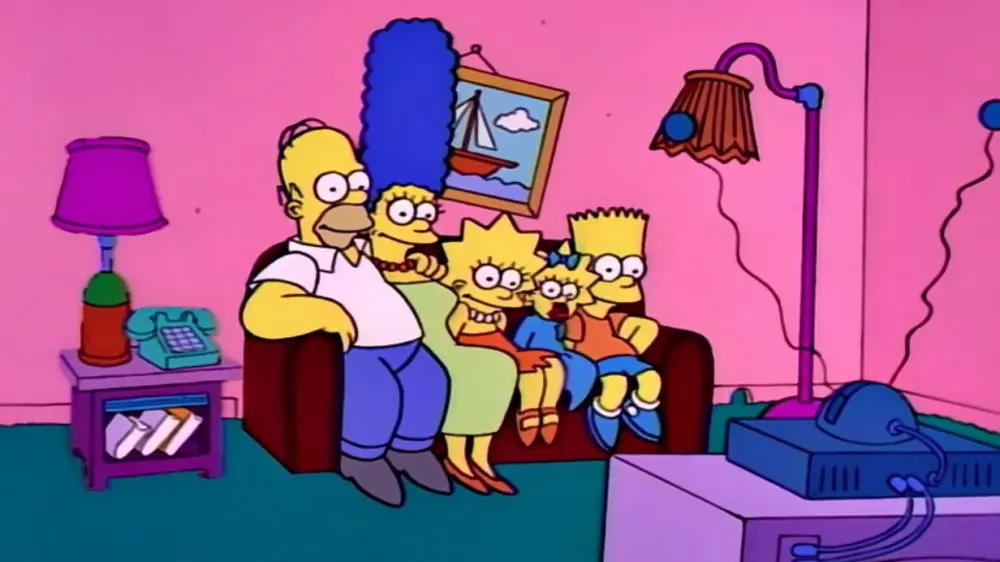
The show supports this structure with built in resets. The chalkboard gag, the couch gag, and the opening montage reestablish the status quo in seconds. Holiday episodes, clip shows, and anthology events keep continuity loose so plots can end cleanly and begin fresh the next week.
Zero Sense: Springfield’s Map Changes When Needed
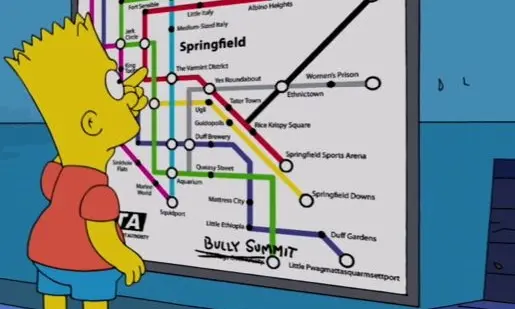
Springfield has a harbor with a boardwalk in some stories and miles of rural fields in others. The town includes a gorge where characters attempt stunts, a mountain visible from downtown, and a shoreline suitable for beach trips, yet driving directions rarely match the same layout twice. City districts like the power plant, the tire fire, the railyard, and the rich neighborhood drift to whatever location a joke requires.
Neighbor towns add to the confusion. Shelbyville appears across a river in one episode and across rolling suburbs in another. Road trips to Capital City, Ogdenville, or North Haverbrook shift in distance and orientation as plots demand a quick commute or an overnight journey.
Perfect Sense: The Unnamed State Is A Running Device
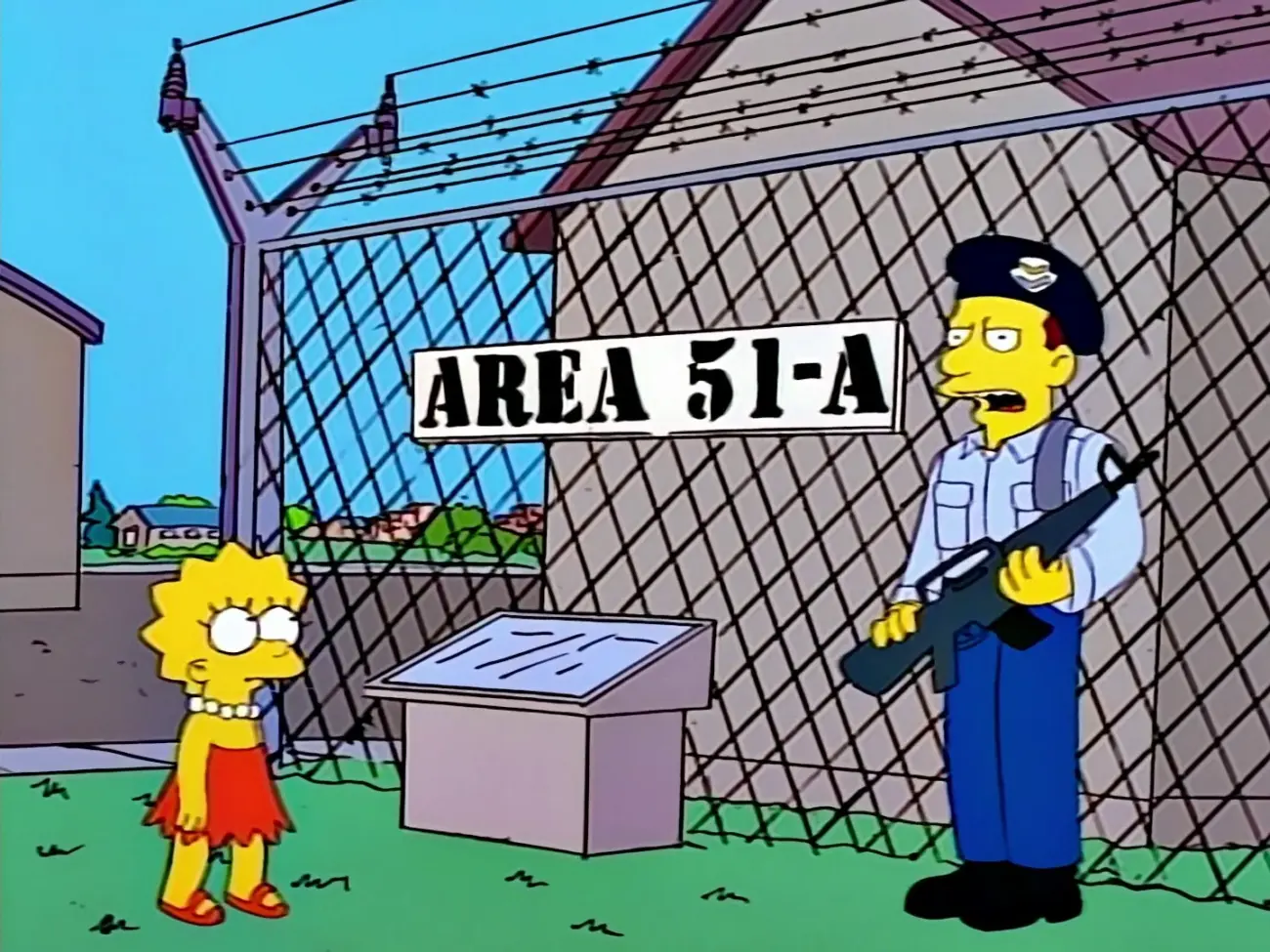
The show never fixes Springfield inside a real state. Writers use the common town name and the flexible map to parody any region in the country without breaking a prior claim. This lets episodes place Springfield near mountains for an outdoor story, near the ocean for a seafood festival, or near farmland for a small town rivalry.
Recurring gags reinforce the device. Signs, maps, and dialogue tease the state identity without confirming it. When a plot benefits from a coastline, a desert stretch, or a forest preserve, the town adapts so the story can reach its set piece and move on.
Zero Sense: Homer And Marge Backstory Retcons
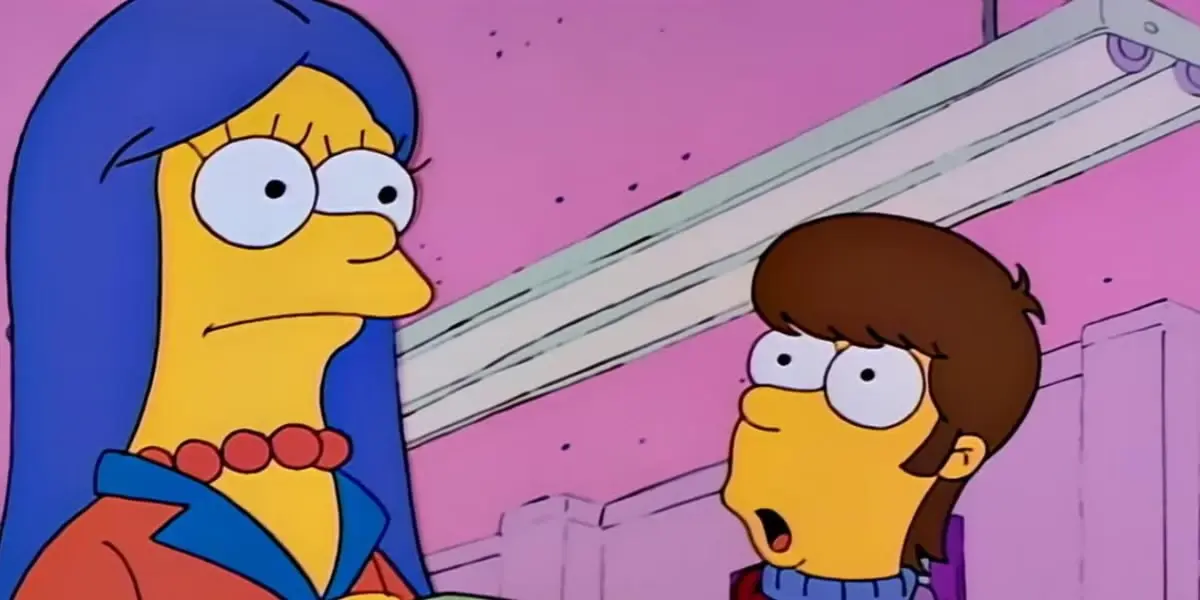
One flashback episode shows Homer and Marge as teenagers who date, separate, and reunite around earlier pop trends with a quick wedding and a stressful start at the power plant. Another later episode resets their origin to the alternative music boom, giving Homer a brief spin as a grunge parody and shifting their timeline to fit different cultural references. The same couple gains two distinct histories that cannot both be true.
Other flashbacks ripple from those changes. The timing of Bart’s birth, Homer’s first day at the plant, and the family’s first house fluctuate to match whichever origin the episode is using. The show preserves familiar home interiors and school settings while sliding the life events that led there.
Perfect Sense: Flashbacks Double As Culture Parodies
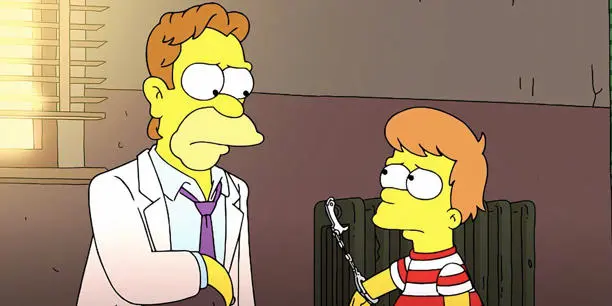
Flashback episodes serve two jobs at once. They deliver character history and also spoof a specific decade’s music, fashion, and technology. Moving the courtship to a new period unlocks fresh parody targets while keeping the heart of the family the same. The audience gets a tour of a different era without losing the core dynamic.
This approach keeps the series relevant. Writers can revisit first dates, early jobs, and new baby jitters whenever a later cultural moment offers stronger jokes. The backstory becomes a toolbox that supports new themes while landing in the same present day kitchen by the final scene.
Zero Sense: Jobs And Skills That Vanish
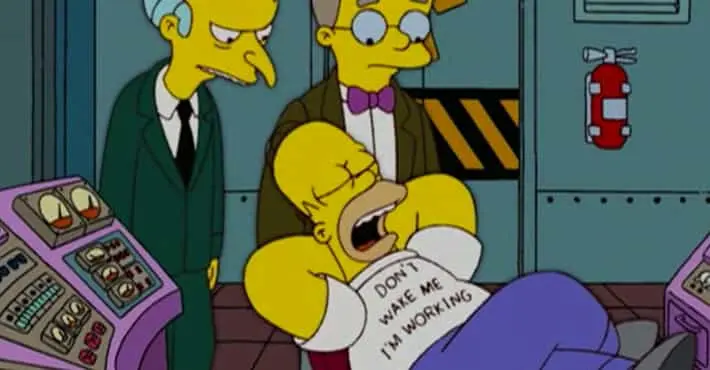
Homer cycles through careers that would permanently change most lives. He becomes an astronaut in ‘Deep Space Homer’, runs a monorail in ‘Marge vs. the Monorail’, turns food critic in ‘Guess Who’s Coming to Criticize Dinner?’, launches a snowplow business in ‘Mr. Plow’, and boxes in ‘The Homer They Fall’. The new expertise rarely sticks once the credits roll.
The kids experience similar resets. Lisa learns advanced subjects or picks up an instrument beyond her sax for a single story, while Bart masters a sport or a trade just long enough to headline a plot. The following week they return to their usual grades and routines with no lasting effects from those skills.
Perfect Sense: Genre Pastiche Needs A Clean Slate
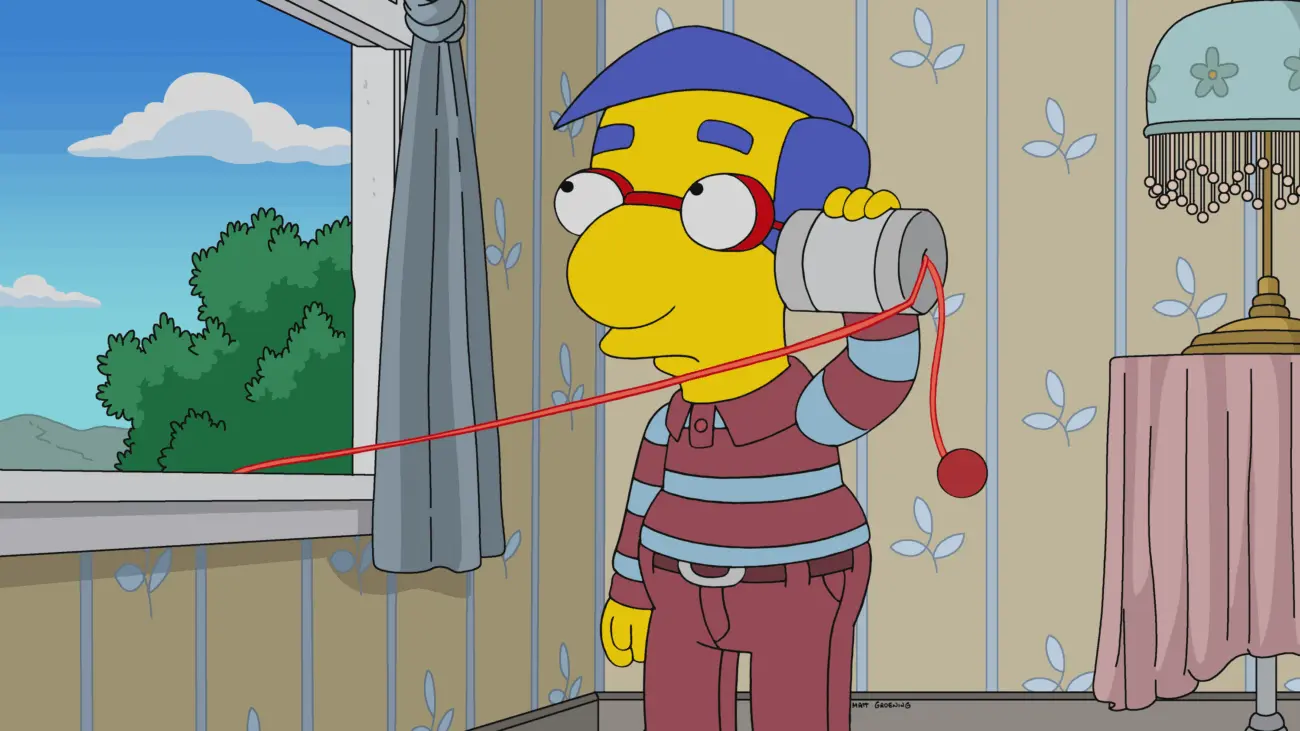
The series embraces one off adventures that parody action films, sports dramas, news exposés, and workplace comedies. A clean slate lets the show try a space mission, a casino heist, or a local election without rewriting every later episode. The family’s house, school, and jobs act like a stage set that supports each new genre.
Anthology formats make the reset explicit. ‘Treehouse of Horror’ stories ignore canon so horror and science fiction riffs can go anywhere. ’22 Short Films About Springfield’ treats the town as a sketch showcase, proving the characters can jump into any format and return to normal by the end.
Zero Sense: Principal Skinner’s Identity Flip
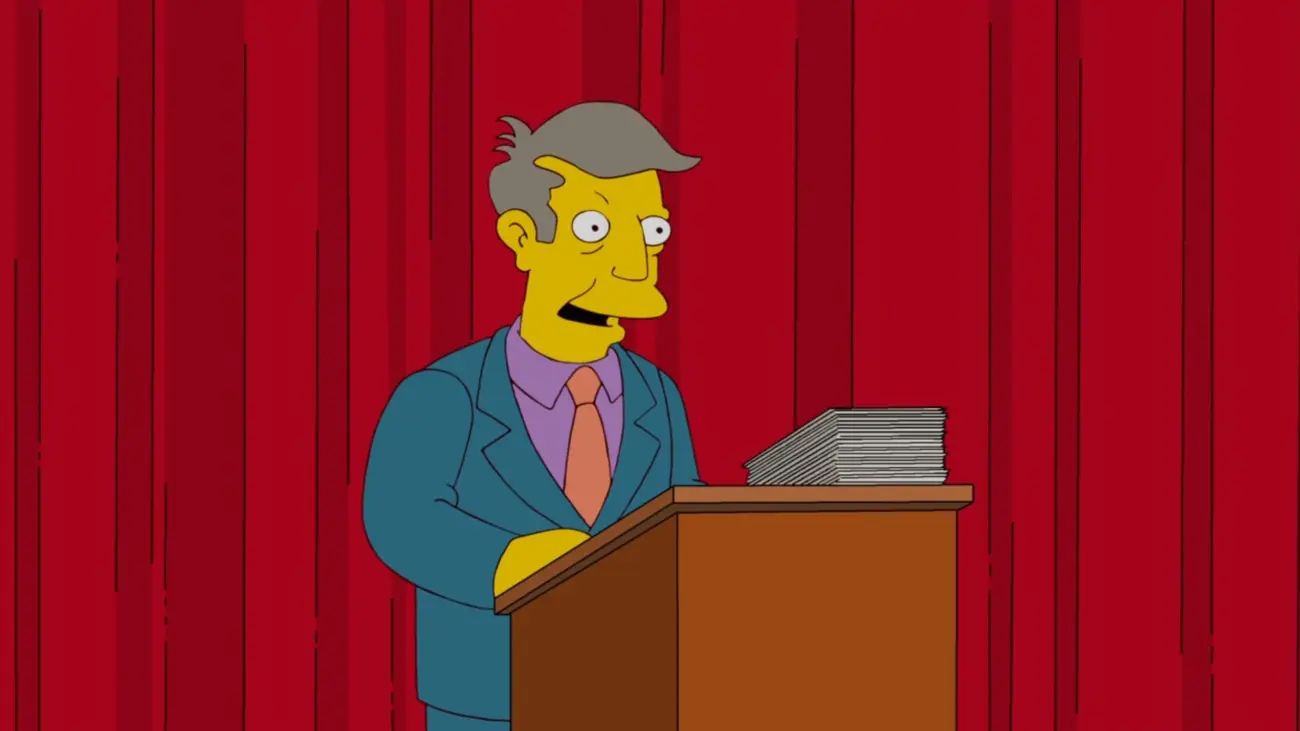
In ‘The Principal and the Pauper’ the man known as Seymour Skinner is revealed as Armin Tamzarian, a replacement who took the real Skinner’s name. The town holds a hearing, accepts the impostor as the permanent principal, and forces the original out. Later episodes resume as if the reveal never happened.
The character keeps his old habits, relationships, and history with only rare references to the impostor story. The staff and students treat him as the longtime principal with no sign that an identity crisis rocked the school. The event stands alone despite its scale.
Perfect Sense: Lampshading Continuity Inside The Story
The episode builds a fix into its ending. Town leaders declare that the man everyone knows as Skinner will remain Skinner and that the matter should not come up again. By stating that rule in dialogue, the show gives itself permission to continue using the version of the character that supports the most stories.
This technique appears elsewhere. Characters acknowledge memory resets, holiday time loops, or strange coincidences in quick jokes. The show uses those lines to close open loops so future plots can treat the past as flexible without reexplaining the exception each time.
Share the ‘The Simpsons’ moments that baffled you or clicked perfectly in the comments.

