


5 Things About ‘The Walking Dead’ That Made Zero Sense and 5 Things About It That Made Perfect Sense

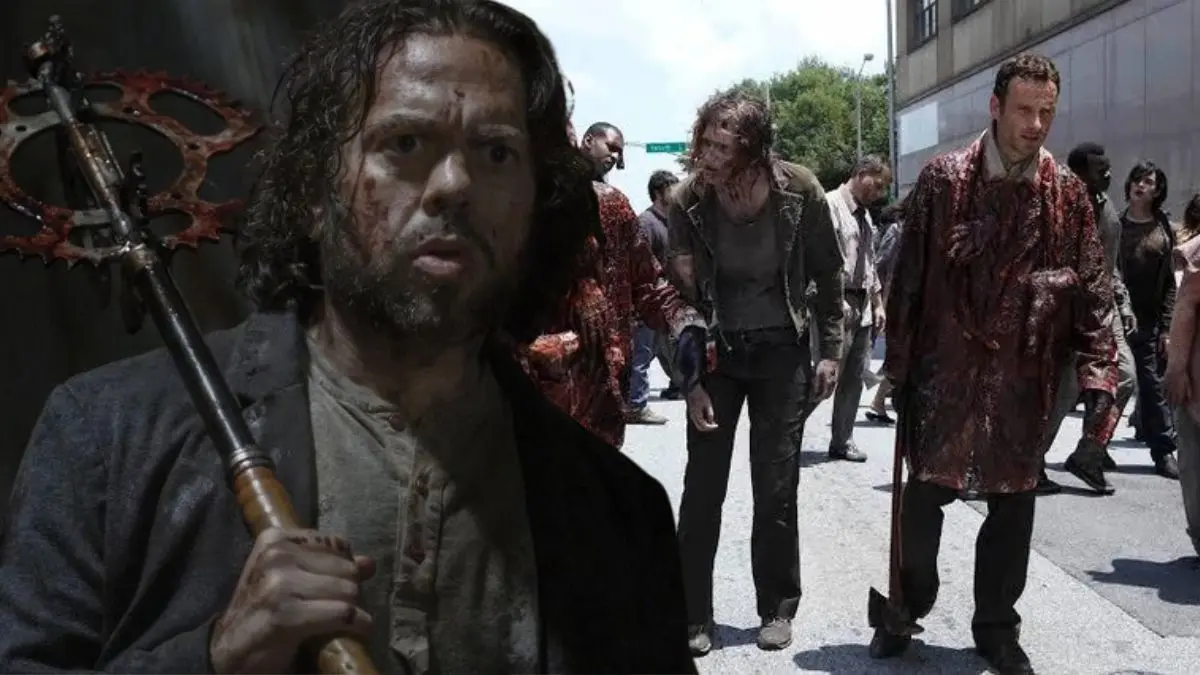


A long running story like ‘The Walking Dead’ builds a massive world with its own rules, along with a lot of practical details that keep people alive. Over the years the show laid out how walkers behave, how communities survive, and how groups compete for resources while trying to make some kind of normal life.
Along the way there were choices that lined up cleanly with what the world had already taught us. There were also moments that did not fit the setup, especially when real world basics like fuel or medical care came into play. Here are five examples on each side.
Zero Sense: Perpetual fuel and batteries
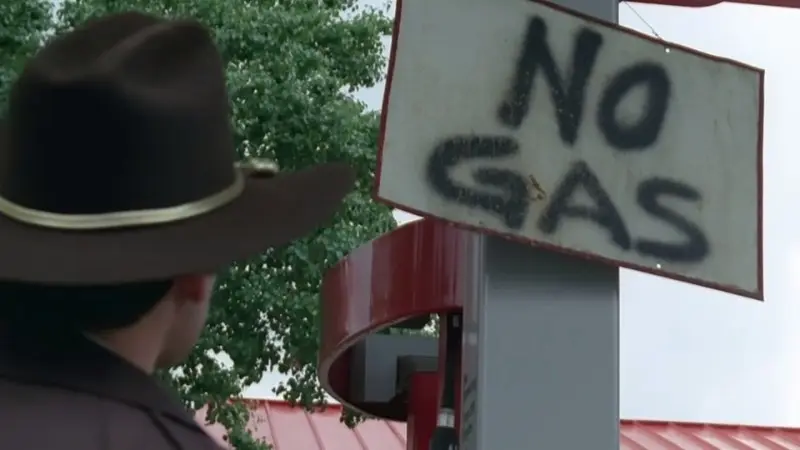
Gasoline oxidizes and loses volatility in a matter of months without stabilizers. Ethanol blends pull in water and go stale even faster. Lead acid car batteries self discharge within a year or two if they are not maintained and they sulfate when left dead, which ruins capacity.
Yet vehicles in ‘The Walking Dead’ often start after long gaps with a quick siphon from an abandoned car. Characters rarely explain how they keep fuel fresh, where they get stabilizers, or how they rotate or recharge aging batteries during multi year time jumps. Some spinoffs like ‘Fear the Walking Dead’ and other entries eventually show new sources of fuel, while the main show often uses running vehicles long after the point when untreated gasoline would have gone bad.
Perfect Sense: Quiet weapons as the default
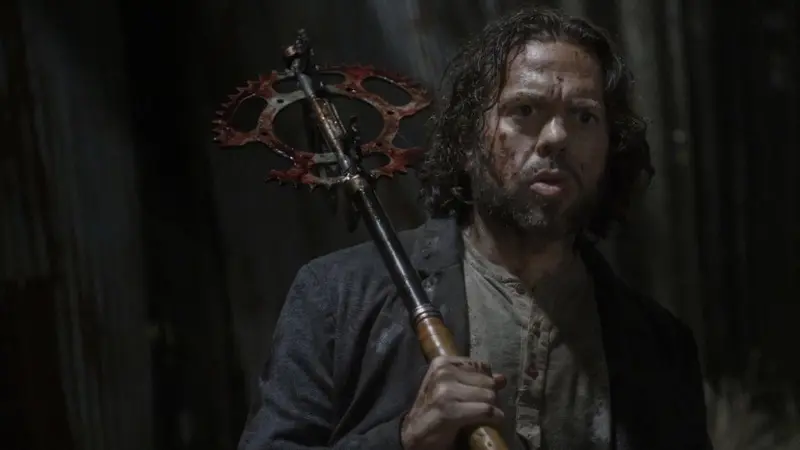
Walkers are shown to home in on loud sound. The core group relies on knives, spears, and crossbows for close work, which avoids drawing distant herds and preserves ammunition for emergencies. Crossbow bolts can be recovered and reused, which fits the show’s repeated scavenging routines.
Suppressors appear on rifles and pistols later, and characters use bows for hunting to avoid alerting nearby walkers or rival patrols. The practice lines up with the world’s constant noise discipline, where alarms and music are reserved for planned diversions rather than routine fights.
Zero Sense: Walker camouflage rules that shift
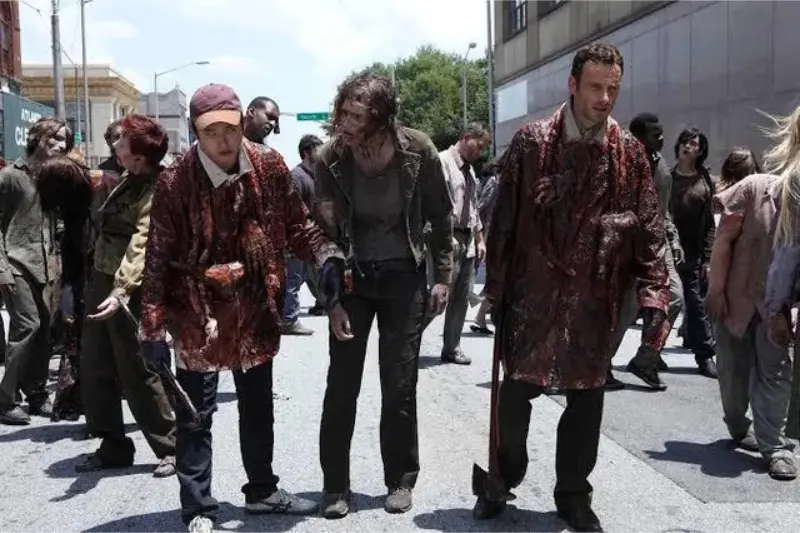
The show introduces the idea that covering yourself in walker gore masks human scent. Early on a heavy rain instantly ruins the disguise, which tells viewers the trick is temporary. Later, characters use the same tactic under light rain or with less prep and still get through, while in other scenes the trick fails even when the setup looks similar.
The Whisperers move safely for long stretches while wearing skins and copying walker movement, which suggests scent and behavior together are the key. The main group sometimes follows that same recipe but gets different results without a clear change in conditions. The rules around how long the masking lasts and what breaks it are not presented with the same clarity each time.
Perfect Sense: Everyone is infected and the brain is the switch

The series establishes that every living human carries the pathogen. Any death without brain destruction leads to reanimation. That single rule explains why mercy killings target the skull and why groups quickly secure bodies after battles and illnesses.
It also explains why bites still kill. A bite introduces massive bacterial contamination and tissue damage that triggers fever, organ failure, and death. Immediate amputation can work when a limb is bitten and the cut happens before the infection spreads, which is why an on the spot removal saved a character who was bitten on the leg.
Zero Sense: How far sound and scent really travel
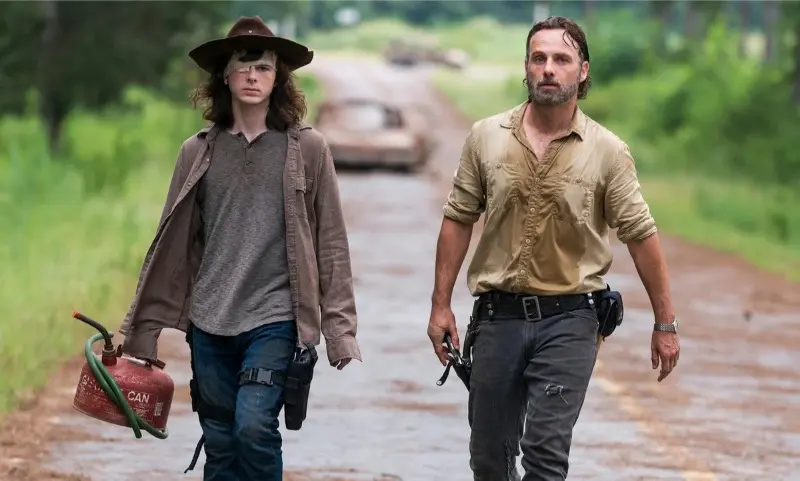
Characters regularly use fireworks, speakers on carts, or blaring cars to drag herds across miles. In other moments, gunfire inside a town does not pull in distant walkers that should have been within range based on earlier sequences. The distance at which a herd responds seems to change between episodes.
Wind, humidity, terrain, and buildings affect how sound carries and how scent disperses. The world of the show brings these up at times but does not keep them in view consistently. As a result, similar noises sometimes bring massive herds and other times bring almost none, even in open country.
Perfect Sense: Walled towns and working farms
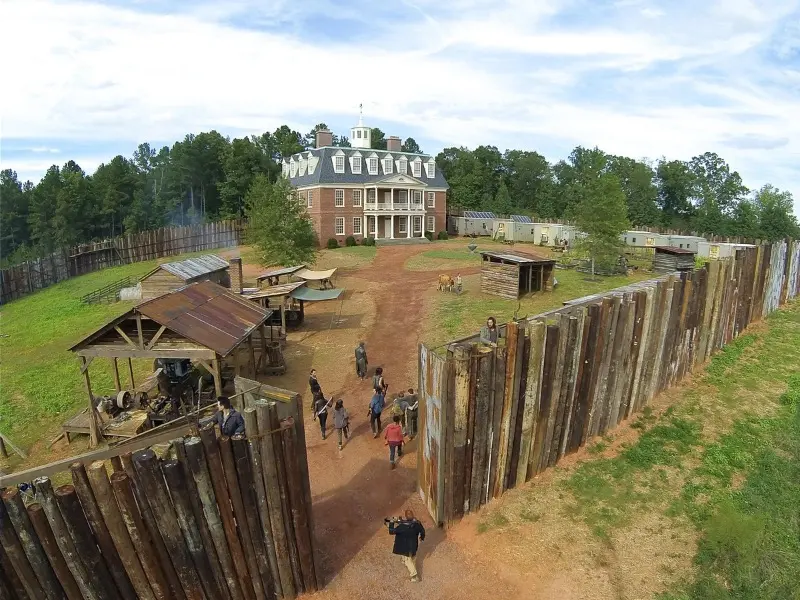
Alexandria, Hilltop, and the Kingdom show the only sustainable path in a long emergency. Walls reduce surprise attacks and funnel walkers where defenders want them. Crops, seed saving, livestock, and preserved foods replace short haul pantry raids once the easy canned goods have been picked over.
Hilltop’s windmill and blacksmithing revive pre industrial tools and repair skills. Small workshops turn scrap into nails, hinges, and farming implements. These details match the slow move from scavenging to production that any multi year survival effort would need.
Zero Sense: Field medicine that beats the odds
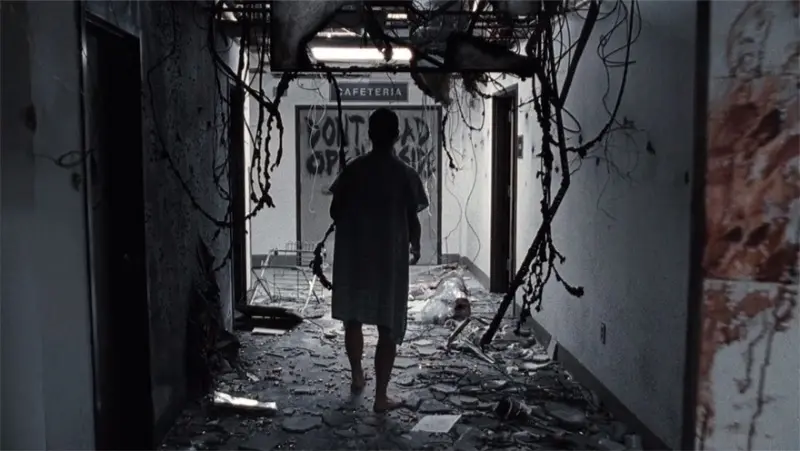
The series shows survivals after major trauma that would usually need full sterile operating rooms, advanced imaging, blood banking, and long courses of antibiotics. A complex head wound and several deep gunshot injuries are treated by a handful of clinicians with limited supplies, yet recovery timelines are short and complications are rare.
Real world emergency care relies on broad spectrum antibiotics, sterile technique, and reliable anesthesia. The show sometimes reflects the limits, as with fatal outcomes during childbirth or sepsis after delayed treatment, but many severe cases clear up faster than the available tools would normally allow.
Perfect Sense: Protection economies and industrial leverage
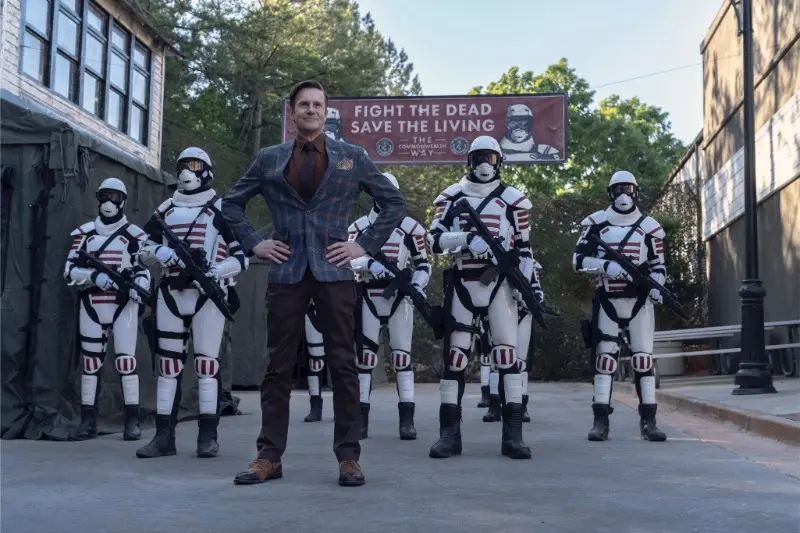
The Saviors extract food, labor, and goods from surrounding settlements in exchange for not attacking them. That arrangement mirrors protection rackets that appear when formal law breaks down. Control of roads and chokepoints turns into control of trade and harvests.
Industrial capacity becomes power. The Sanctuary repurposes pre collapse equipment, while Eugene’s cartridge manufacturing demonstrates how one workshop can change battlefield math. Communities that make ammunition, armor, or tools hold advantages over groups that only scavenge.
Zero Sense: Travel times that shrink when the plot needs speed
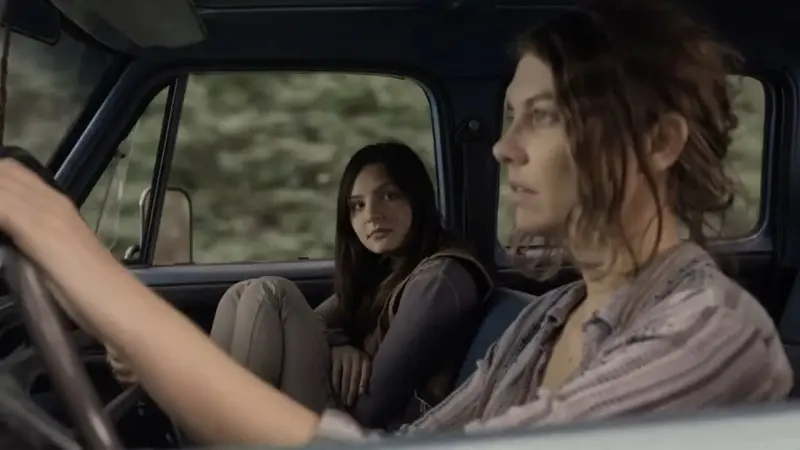
The main series moves from Georgia into Virginia and later involves journeys across state lines. Characters sometimes make quick round trips that would normally take several days on foot or by horse, especially when fuel is scarce or roads are blocked.
Long range missions need maps, waypoints, forage plans, and secure sleeping sites. The show occasionally shows that planning but often compresses it. Travel that should require sustained preparation and recovery shows up as brief interludes between set pieces.
Perfect Sense: Silent communication and controlled lures
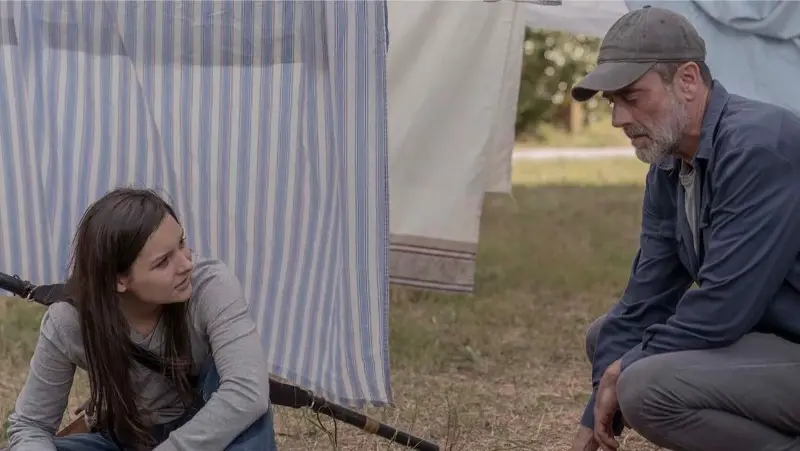
Connie and Kelly use sign language inside mixed teams, which is an ideal fit for a world where a single shout can bring trouble. Hand signals let patrols coordinate flanking, retreats, and rescues without pulling in walkers.
Groups also build repeatable lure systems. Timed alarms, remote speakers, and pre staged car traps allow defenders to redirect a herd and then shut the noise off once the path is clear. This pairs well with walls and choke points, which the communities refine over time.
Share the moments from ‘The Walking Dead’ that stood out to you and tell us which ones you think belong on each side in the comments.

