


5 Things About ‘The Wolf of Wall Street’ That Made Zero Sense and 5 Things About It That Made Perfect Sense




‘The Wolf of Wall Street’ turns the rise and fall of Jordan Belfort into a whirlwind of sales scripts, stock manipulation, and outrageous personal excess. It is based on Belfort’s own memoir, which gives the movie a thick layer of real events and insider process, even when the storytelling pushes scenes to the edge of plausibility for impact.
That mix leaves plenty to pick apart. Some moments conflict with how drugs work, how banks behave, or how markets actually move. Others line up closely with the way microcap deals, secrecy havens, and federal investigations really operated in the era the story covers.
Zero Sense: Quaaludes everywhere

The film shows quaaludes in constant circulation long after legitimate supply was shut down in the United States. Methaqualone was removed from normal medical channels in the country, which meant pharmacies and standard distributors no longer carried it and doctors could not legally prescribe new stock. Routine access by a young brokerage workforce through ordinary means would have been unrealistic once that change took hold.
The drug’s effects also make the level of functional movement in some scenes look unlikely. Methaqualone taken with alcohol produces heavy sedation, loss of coordination, and impaired motor control, which makes extended phone use and complex movement difficult in the time window when the drug peaks. The movie plays those moments for spectacle, but the pharmacology points the other way.
Perfect Sense: Expired stash explanation
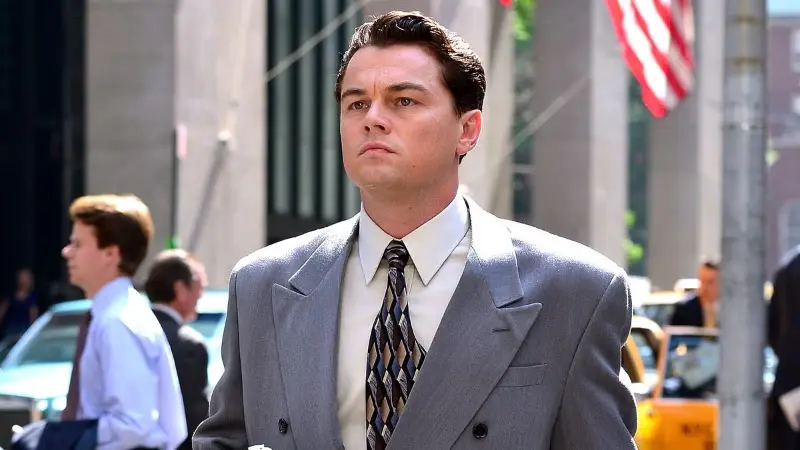
The script mentions old Lemmon tablets and foreign sources, which fits how the substance lingered outside legitimate channels. After official supply ended, black market sellers moved leftover inventories and imported pills from places where production or counterfeiting still occurred. That pipeline explains how a small circle could keep obtaining tablets even when legal sales had stopped.
The film’s expired batch detail also lines up with what happens in real drug markets after controls tighten. Stockpiles sit in storage and potency drifts, which matches the delayed onset gag and the characters’ misunderstanding of timing. The story does not rely on new prescriptions or current manufacturers to make those scenes work.
Zero Sense: Swiss banks taking obvious suitcase cash

The movie treats private Swiss banking like a simple walk-in cash drop that requires little more than a code name. Even in that era, banks asked for identity documents and basic forms about the source of funds, and many accounts required introductions through lawyers or fiduciaries. Tellers did not normally accept stacks of currency from unknown visitors without formal steps.
Cross-border movement of large sums in physical cash also triggers reporting at airports and land crossings. The taped-to-the-body tactic in the film would raise risk at customs because declaration thresholds were designed to catch exactly that behavior. People moving hidden money typically preferred financial instruments and intermediated transfers over crude physical smuggling.
Perfect Sense: Nominees and secrecy tools
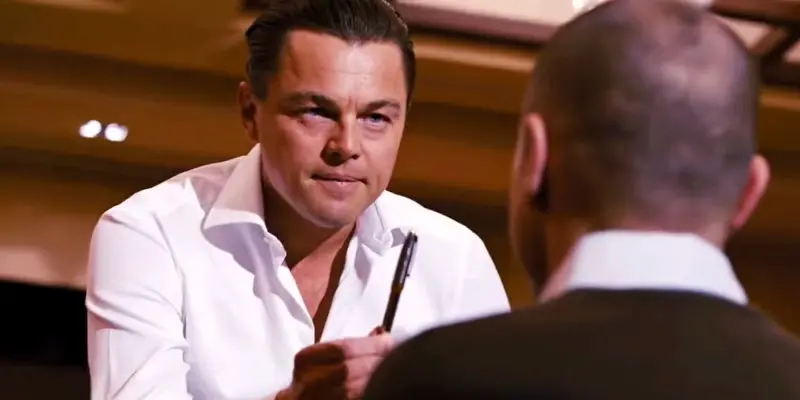
The use of trusted foreigners and relatives as named account holders reflects real methods used to separate beneficial owners from paper trails. Private banks offered numbered accounts and code words while keeping actual identities within the institution, and attorneys could serve as the face of an account while the true controller stayed out of client lists shown to outsiders. That structure made it harder for investigators to tie assets to the person directing the money.
The film also shows layered entities and instructions that limit what bank staff say on the phone, which matches practices at the time. Intermediaries could move funds among accounts held by nominees, and internal bank records would not be shared without legal pressure through the right channels. Those details explain why investigators often pursued overseas cooperation and subpoenas to break through the screen.
Zero Sense: A bucket shop running a mainstream IPO

Stratton Oakmont is shown steering the ‘Steve Madden’ offering while also orchestrating the price action through its sales floor. The conflict between underwriting and aggressive promotion would normally pull in heightened review from regulators and the exchange, since allocation, stabilization, and trading rules aim to limit manipulation during the early days of a public listing. A firm with a troubling compliance history would face even more scrutiny.
The movie compresses complex safeguards that surround offerings. Real IPOs involve a syndicate, an allocation process, lockups on insider sales, and tools like an overallotment option used by the lead to stabilize trading in a narrow window. Those mechanics reduce the chance a single shop can freely whip the price with phone banks once shares open.
Perfect Sense: Small dealers powered microcap deals

Microcap and small cap deals in that period often relied on aggressive retail distribution from smaller broker dealers. Cold calling and house lists pushed demand into thinly traded names, and firms could warehouse shares in proprietary accounts to feed early momentum. Stratton’s participation in the ‘Steve Madden’ deal is part of that landscape and explains how the sales floor became the engine for opening day volume.
Firms also used scripts, quotas, and internal contests to direct brokers toward specific symbols, which concentrated buy orders and made prices more responsive to coordinated calls. That environment allowed a motivated shop to influence the tape in the first sessions after a listing, especially when institutional coverage and liquidity were limited.
Zero Sense: The storm run and the helicopter on deck

The yacht sequence shows a decision to push into a severe Mediterranean storm with a helicopter perched on the upper deck. A helicopter sitting high on a vessel raises the center of gravity and adds windage, which hurts stability when waves stack and gusts hit the superstructure. Sound seamanship would treat that configuration as a liability in heavy weather.
The choice to jettison the aircraft mid-storm also carries significant risk. Removing weight abruptly changes balance while crew members operate on an exposed deck where green water can sweep people overboard. That kind of move would be an emergency step with a narrow margin for error rather than a routine fix for rough seas.
Perfect Sense: The yacht loss really happened

The sinking of Belfort’s yacht aligns with a real incident in which his vessel went down during bad weather. The account of an engine problem followed by worsening seas and structural stress matches how a large motor yacht can quickly transition from damaged to unrecoverable once water ingress starts. Rescue by helicopter crews also fits standard responses in that region for maritime distress calls.
Survivors being airlifted off as conditions deteriorate mirrors established search and rescue procedures. Air assets vector to the location using the distress signal, winch passengers in sequence, and leave the hull to the sea once it is no longer safe to remain aboard. The broad beats in the movie mirror those operational steps.
Zero Sense: A brazen bribe offer on a boat
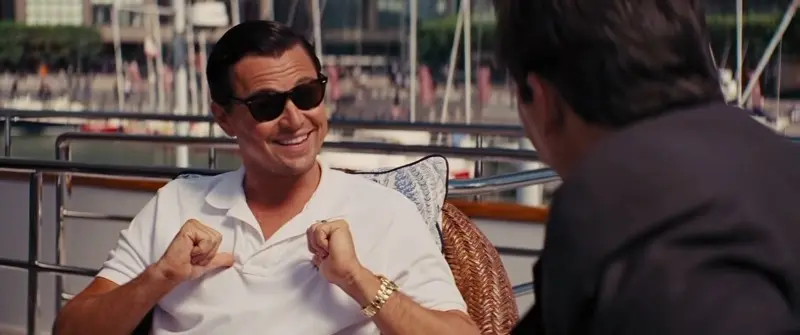
The scene where a target hands an agent a thinly veiled payoff would invite immediate escalation in a real investigation. Federal agents work under rules that require documentation and supervisor awareness, and a direct offer of money or favors can create new felony exposure on top of the underlying case. Subjects advised by counsel usually avoid private meetings that allow ambiguous exchanges.
Bribery attempts also become leverage for prosecutors because recorded conversations and marked instruments build straightforward evidence. A suspect who tries to buy influence hands investigators a clean narrative that is easy for a jury to understand. That risk makes such overt gestures uncommon among people accustomed to legal exposure.
Perfect Sense: How the investigation closes in

The movie’s portrait of wiretaps, recorded calls, and cooperation agreements tracks the toolkit used in financial crime cases. Investigators lean on insiders who flip, capture scripted sales pitches over the phone, and pull trading records that map house accounts to suspicious orders. Those steps build the chain that ties brokers, managers, and specific trades to a scheme.
International pressure on secrecy jurisdictions grew during the period covered by the story, which made cross-border wires and nominee accounts less safe over time. Mutual legal assistance, targeted subpoenas, and shifts in bank cooperation chipped away at the walls that had protected hidden funds. That changing landscape explains why the net tightens by the end of the film.
Share your take in the comments on which scenes in ‘The Wolf of Wall Street’ felt off and which ones nailed the era.

