


5 Things About ‘Transformers: Age of Extinction’ That Made Zero Sense and 5 Things That Made Perfect Sense

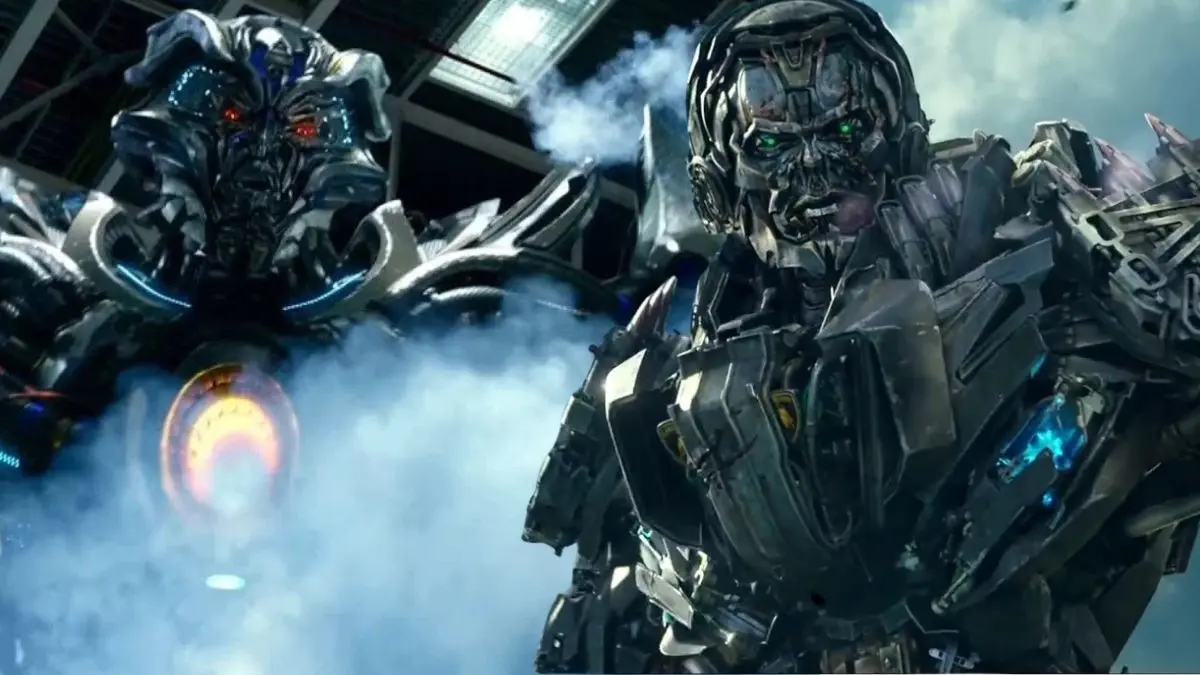


Some ideas in Transformers: Age of Extinction hit hard. Others felt like they broke the rules of the world. This list looks at both sides.
We go back and forth between “Zero Sense” and “Perfect Sense.” The goal is simple: call out what worked, and what didn’t, in clear terms.
Zero Sense: Transformium does everything, somehow
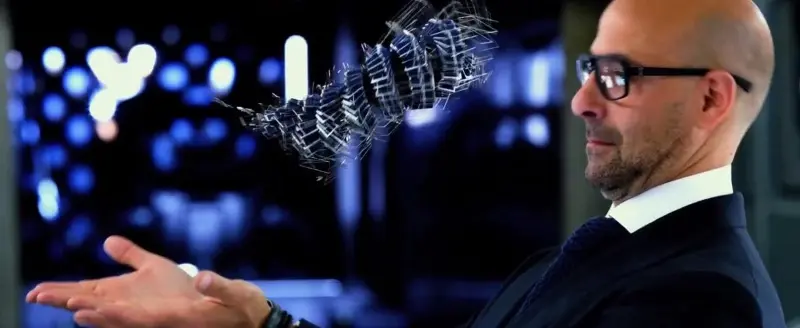
KSI’s “Transformium” turns into anything in seconds. It changes shape, size, and even textures at will. The film never sets limits, so it feels like magic, not tech.
Because there are no rules, tension drops. If matter can do anything, then problems have easy fixes. That weakens every action beat that uses it.
Perfect Sense: Human backlash after Chicago
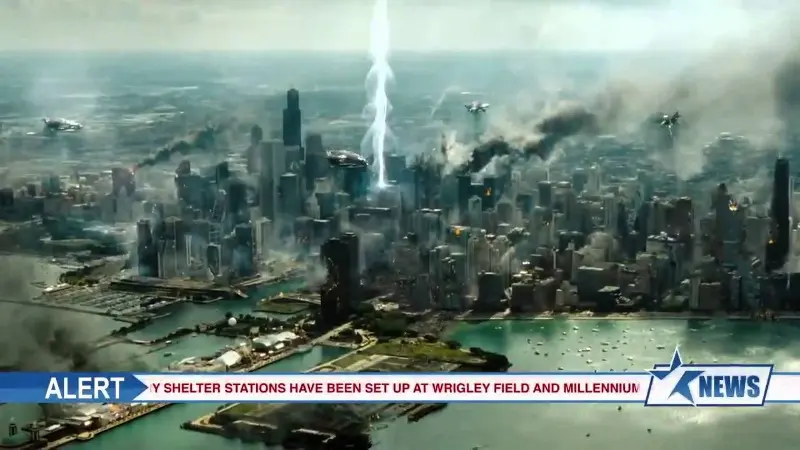
After the last war, people fear all Transformers. The government’s hard stance tracks with that trauma. It is a believable swing from “ally” to “never again.”
This shift raises stakes for Autobots. It also explains why they hide and why trust is broken. The world reacts like a real world would.
Zero Sense: Working with Lockdown to kill Autobots
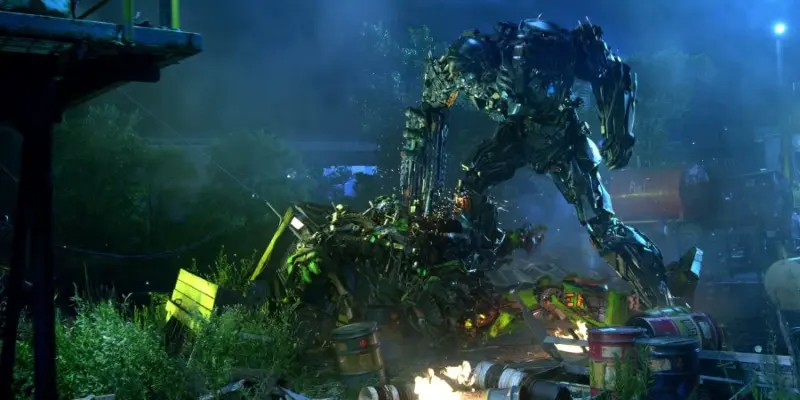
Cemetery Wind teaming with an alien bounty hunter to wipe out former allies feels extreme. The risk to civilians and national security is massive.
A secret deal like that would face layers of oversight. In the movie, it moves too fast with thin checks. The plan feels reckless beyond reason.
Perfect Sense: KSI’s corporate arms race
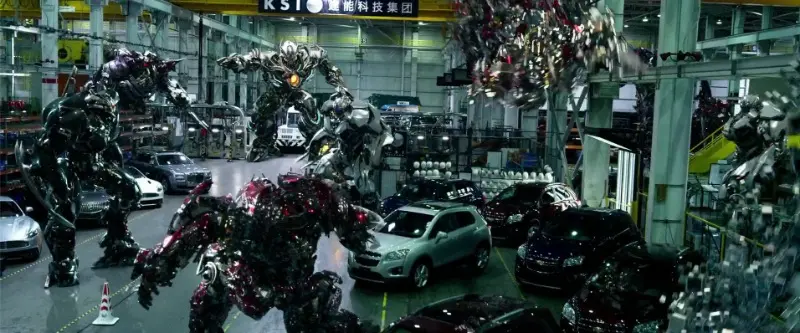
A defense contractor trying to build its own Transformers is logical. There is profit, power, and prestige in being first.
Reverse-engineering enemy tech is standard in war history. KSI’s goals fit that pattern. Greed and ambition drive the plot in a grounded way.
Zero Sense: The “Romeo and Juliet law” scene
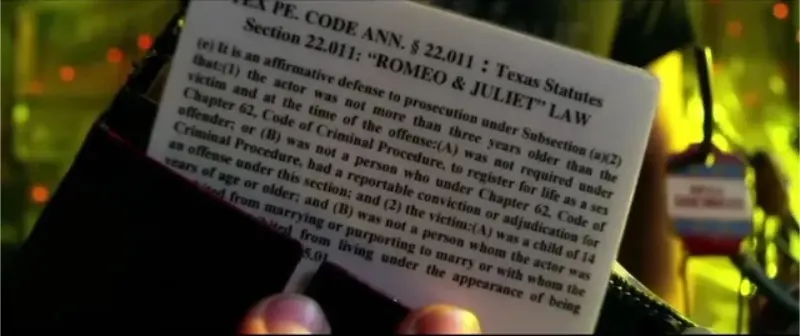
The movie stops to explain a legal loophole for a 20-year-old dating a 17-year-old. It is awkward and out of place.
This detail adds no real stakes to the main story. It derails momentum and raises questions no one needed the film to answer.
Perfect Sense: Lockdown’s neutral mission
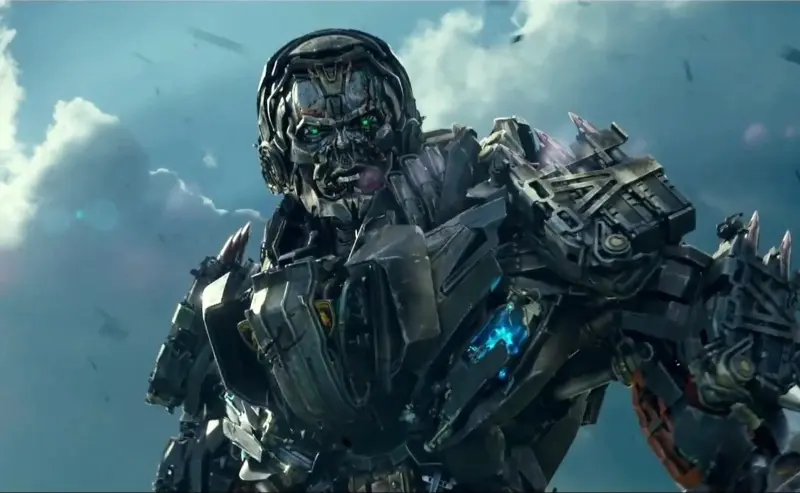
Lockdown is not Decepticon or Autobot. He has a job and sticks to it. That focus makes him feel dangerous and credible.
His tools, tactics, and attitude match a pro hunter. He wants his target, not chaos. The clarity of his aim makes his scenes tight.
Zero Sense: Dinobots join after a quick fight
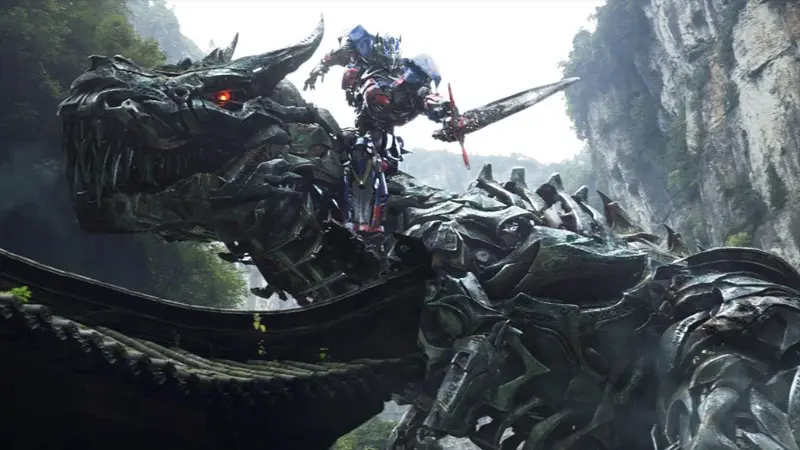
Optimus frees the Dinobots, fights briefly, and then they obey. There is little setup for trust or shared values.
With almost no dialogue or backstory, their turn feels sudden. The alliance looks cool but lacks cause and effect on screen.
Perfect Sense: Megatron rides KSI to become Galvatron
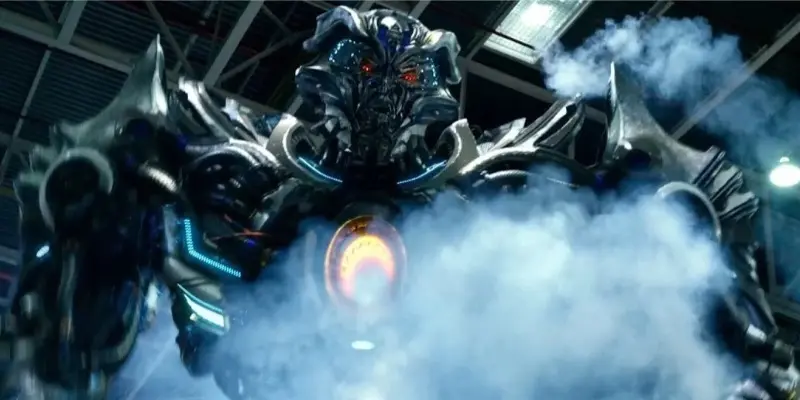
Using captured Decepticon code lets Megatron slip into KSI’s program. That is a smart twist on “the call is coming from inside the house.”
It pays off past lore about his will to survive. The corporate hubris at KSI gives him the door he needs. The result feels earned.
Zero Sense: The Hong Kong finale’s physics (and map)

The magnet ship flips cars and people at random. The rules change shot to shot. Geography jumps too, with scenes cutting across the city like teleporting.
When space and physics slide, tension dips. Viewers cannot track danger if the movie won’t pick a lane and stay in it.
Perfect Sense: Cade Yeager’s scrappy inventor skills

Cade fixes machines, improvises tools, and reads hardware under pressure. That background lets him help Autobots in practical ways.
His skills give him agency without turning him superhuman. He earns his wins with wrenches, not superpowers. That feels right for a human lead.
Share your own “zero sense” and “perfect sense” moments from Age of Extinction in the comments—what did the movie nail, and what drove you nuts?

