


5 Things About ‘Transformers: Dark of the Moon’ That Made Zero Sense and 5 Things That Made Perfect Sense

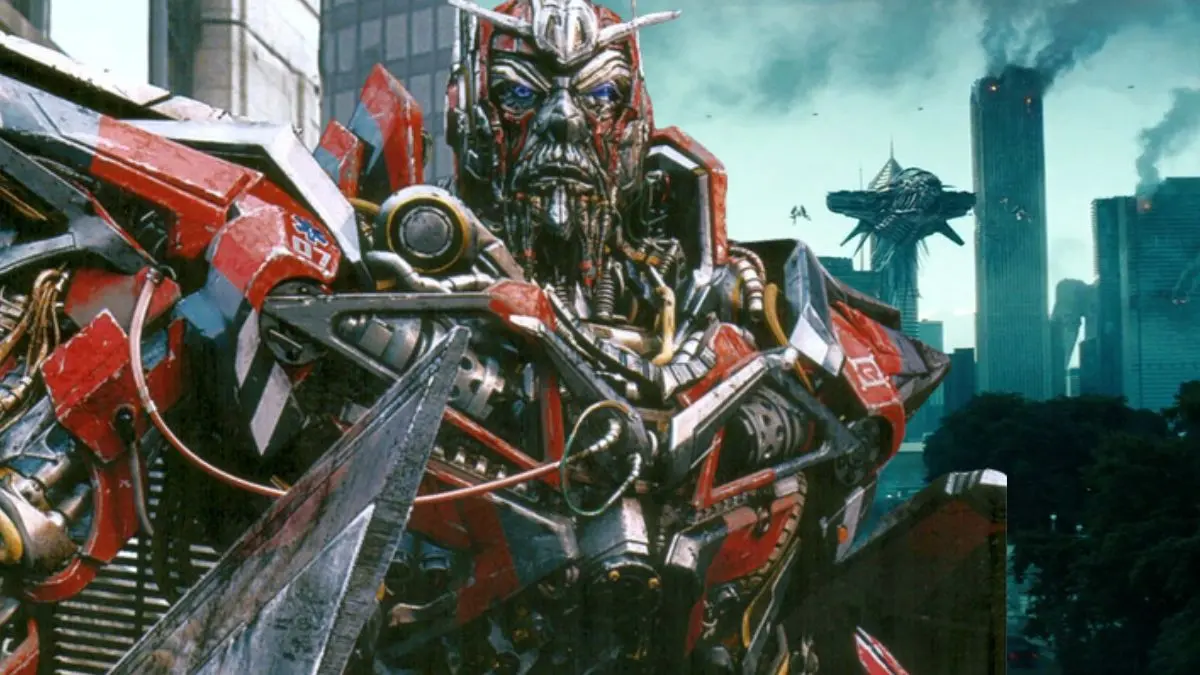


The movie swings big. It mixes real history with alien wars and a huge city battle. That scale is fun, but it also creates gaps.
Some choices feel sharp and logical. Others feel like shortcuts to push the story forward. Here are five of each, taking a balanced look.
Zero Sense — Hiding the Moon Discovery from the Autobots
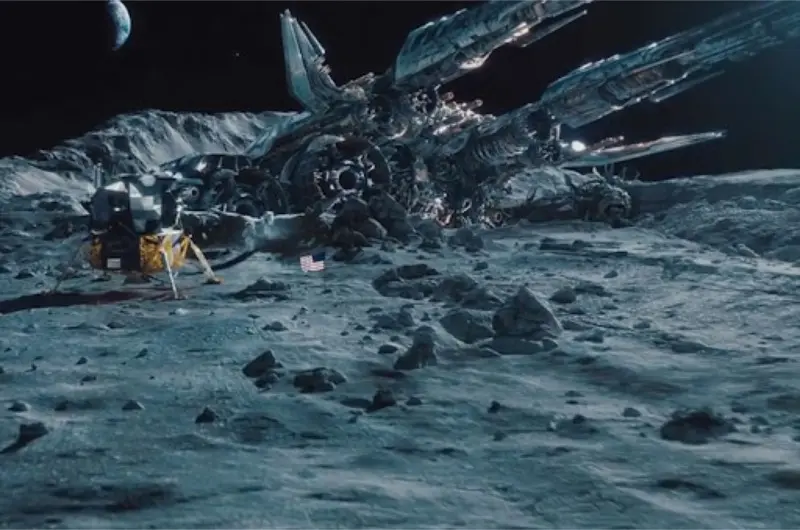
Apollo 11 finds the Ark on the Moon, and the U.S. keeps it secret for decades. Even after the Autobots arrive, they are left in the dark. That is hard to buy.
They have advanced scanners and ties with U.S. intelligence. Keeping a crashed Cybertronian ship hidden from them strains logic. It feels like a twist first, logic second.
Perfect Sense — Cold War Secrecy Around a Game-Changing Find
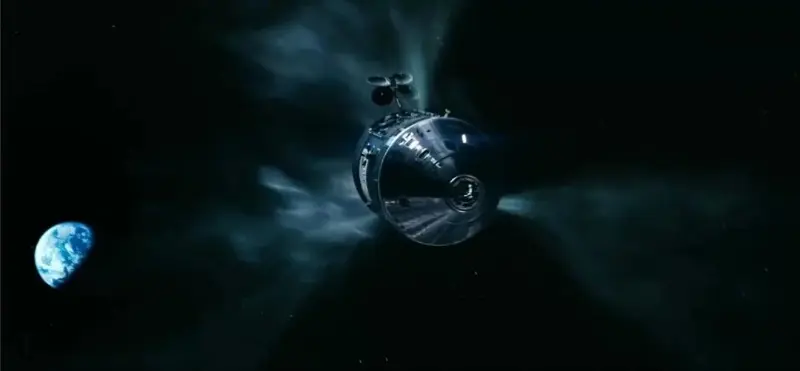
In the 1960s, the U.S. and the USSR hid everything that could tip the balance. A strange craft on the Moon would be the biggest secret of all.
Limiting access would reduce panic and stop spies. That part fits the time and the politics. The secrecy itself makes sense, even if it later clashes with Autobot relations.
Zero Sense — The Space Bridge Pulling Cybertron Next to Earth
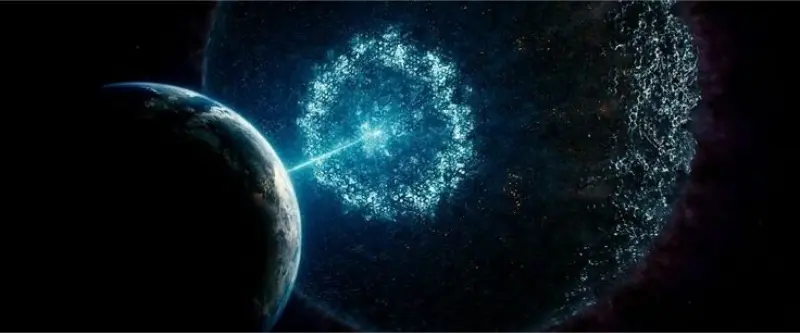
Bringing a planet close would wreck tides and weather in minutes. The film shows buildings falling, but daily life elsewhere seems normal for too long.
A gravity event that big would be global and instant. The local-only chaos makes the threat look cool on screen but does not add up.
Perfect Sense — Sentinel Prime’s Ruthless, Logical Betrayal
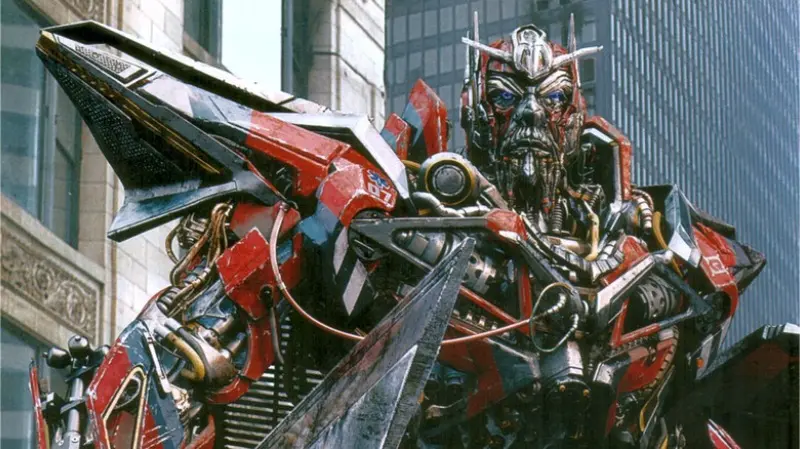
Sentinel wants Cybertron back, at any cost. Teaming with the Decepticons is a cold choice, not a random heel turn.
He sees humans as labor and Earth as a tool. He picks the path that saves his species fast. That motive is consistent and clear.
Zero Sense — Optimus Prime Stuck in Cables During the Climax
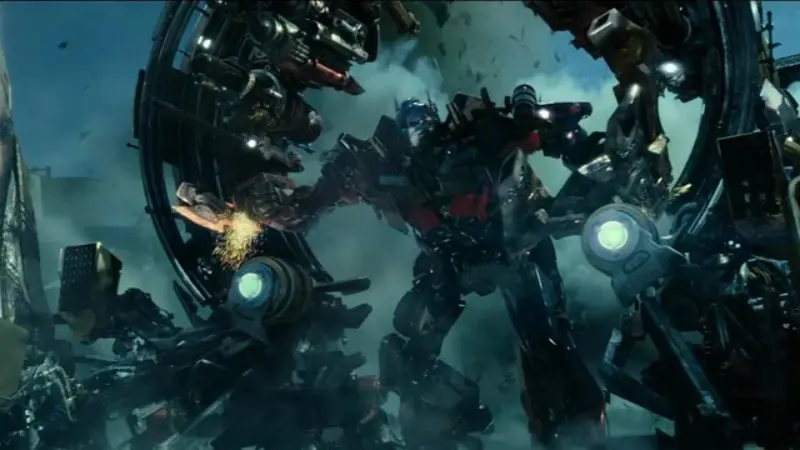
The hero gets tangled in wires and hangs there for a long time. He has flight gear and blades, yet he cannot cut free.
It looks like a pause button on the strongest fighter. The stall exists to time his last-minute save. It feels forced.
Perfect Sense — The Autobots Faking Their Destruction
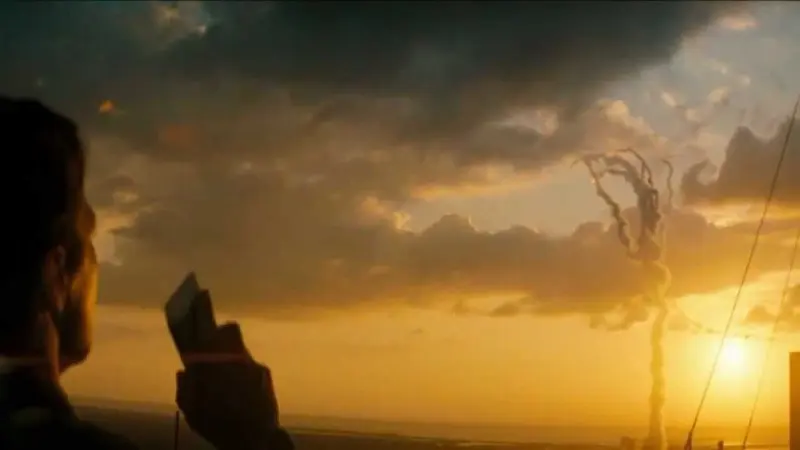
They appear to die when their ship is hit, then return later. This is a classic feint to expose the enemy’s plan.
By “leaving,” they force the Decepticons to move. That draws the real targets into the open. Tactically, it tracks.
Zero Sense — Chicago as a Closed-Off War Zone with Minimal World Response
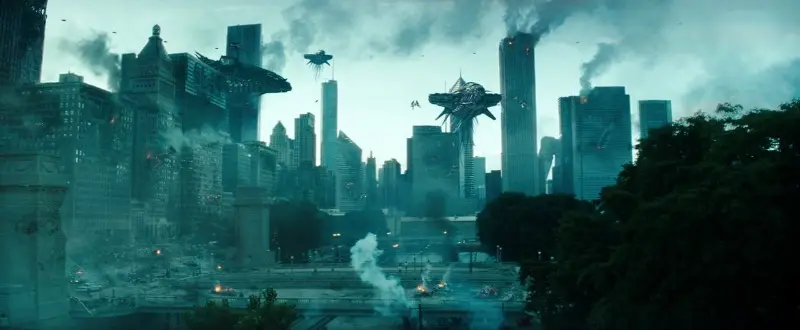
A major U.S. city is occupied. Yet we see little coordinated global action. Air corridors are empty, and allied units rarely appear.
Even with a cordon, many nations would surge help. The narrow battle space makes production easier but feels unreal for the stakes shown.
Perfect Sense — Decepticons Using Human Collaborators
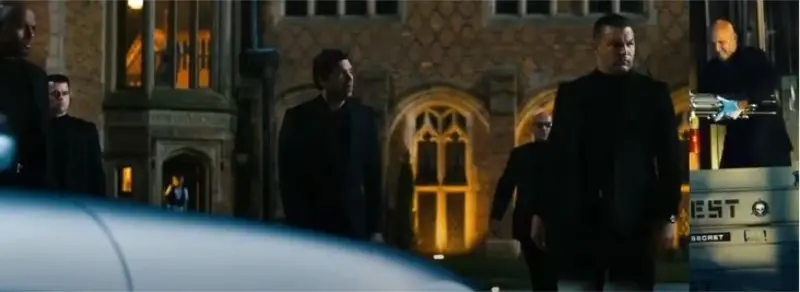
The villains lean on a wealthy insider to move parts and block defenses. Humans provide IDs, warehouses, and access that machines lack.
This is how covert ops work. You recruit people with reach. The partnership method is believable, even if the plan is brutal.
Zero Sense — Carly Talking Megatron into Turning on Sentinel
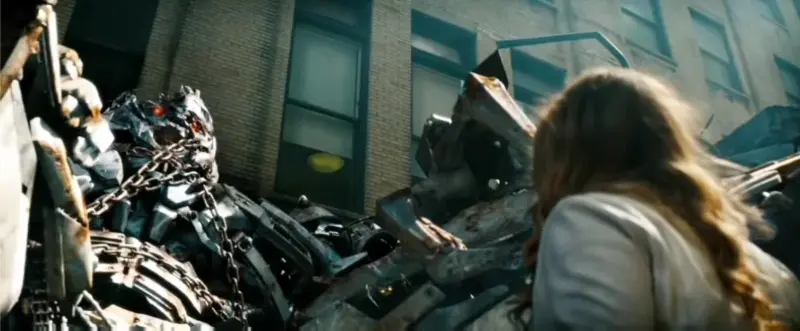
A human taunts a warlord, and he changes course in seconds. One speech flips a key alliance at the peak of the fight.
It undercuts Megatron’s fear factor and strategy. The turn is fast and tidy, built to set up the kill rather than earned by the story.
Perfect Sense — Sam’s Post-Hero Identity Struggle
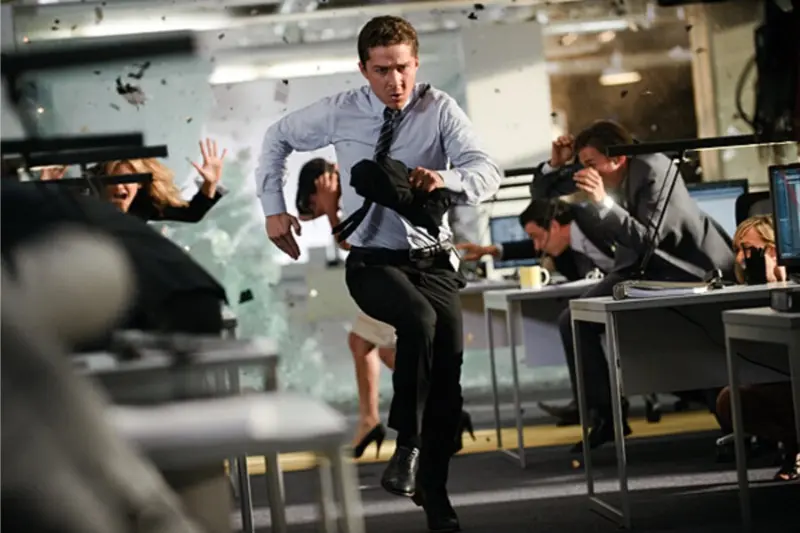
He saved the world but cannot land a steady job. He wants purpose and respect. That tension is simple and real.
Big events leave people adrift. Wanting a role after fame or trauma is common. His frustration grounds the movie.
Share your own “zero sense” and “perfect sense” moments from the film in the comments—what did we miss?

