


5 Things About X-Men: Apocalypse That Made Zero Sense and 5 Things That Made Perfect Sense

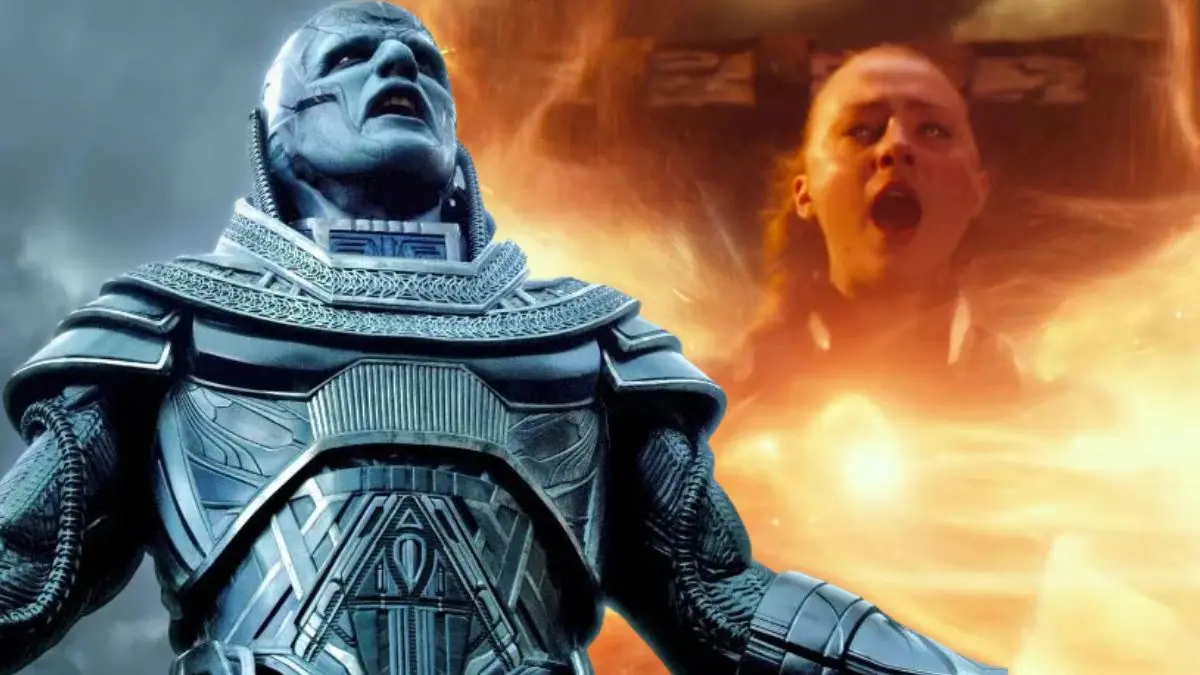


X-Men: Apocalypse (2016) is a bold chapter in the X-Men franchise, packed with mutants, epic battles, and a world-threatening villain. It dives into the origins of mutantkind and introduces a powerful foe, but not everything in the film lands smoothly. Some moments leave you scratching your head, while others feel spot-on for the story and characters.
With a mix of head-scratching plot holes and well-executed ideas, the movie is a rollercoaster of highs and lows. Let’s break down five things that made no sense and five that worked perfectly, exploring what went wrong and what shone through.
Zero Sense: Apocalypse’s Plan to Destroy the World
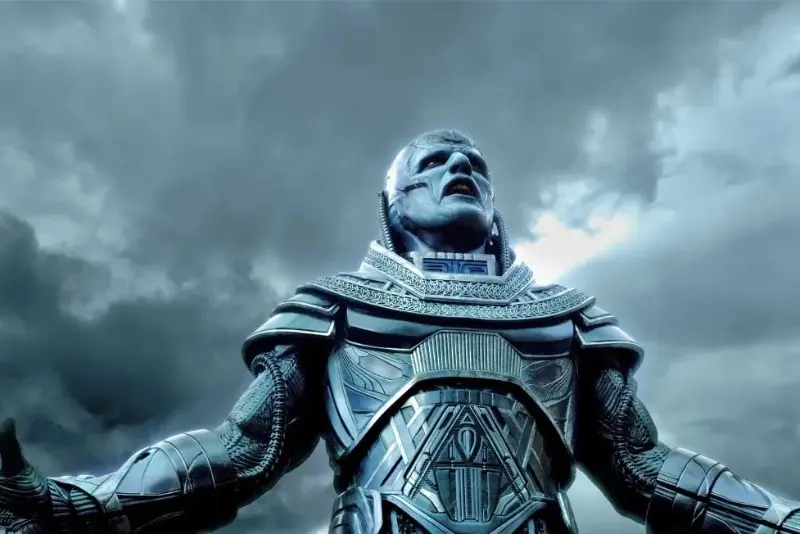
Apocalypse, the ancient mutant, wants to wipe out humanity and rebuild the world in his image. But his plan feels vague and poorly thought out. He recruits powerful mutants like Magneto and Storm, yet he doesn’t explain how they’ll rule or what his new world will look like. It’s all talk, no substance, leaving his motivations murky.
The lack of a clear goal makes his actions confusing. He destroys cities and causes chaos, but there’s no sense of what he’s building toward. A villain this powerful needs a sharper plan to feel like a real threat, not just a generic destroyer.
Perfect Sense: Magneto’s Emotional Arc
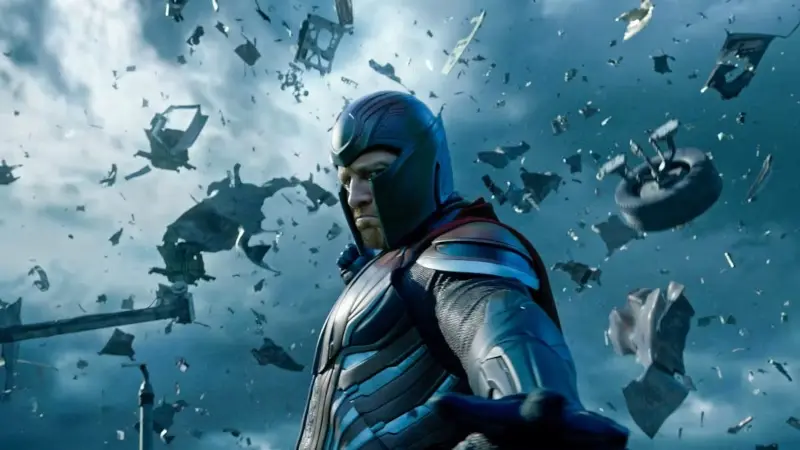
Magneto’s story in the film hits hard. After losing his family, he’s drawn back into violence, joining Apocalypse out of grief and anger. His pain feels real, and Michael Fassbender’s performance sells every moment of his heartbreak and rage.
The way Magneto shifts from a quiet life to embracing his destructive power makes sense for his character. His arc ties into the X-Men theme of choice—whether to fight for good or give in to despair. It’s a highlight that grounds the film’s chaos.
Zero Sense: The Four Horsemen’s Loyalty

Apocalypse recruits his Four Horsemen—Magneto, Storm, Psylocke, and Angel—but their loyalty to him comes out of nowhere. He barely interacts with them, yet they follow him without question. Psylocke and Angel, in particular, have no backstory to explain why they’d join a world-ending cult.
This blind devotion feels forced and skips over character development. A few lines of dialogue or a clearer reason for their allegiance could have made their roles believable, but instead, they’re just pawns with no depth.
Perfect Sense: Quicksilver’s Rescue Scene
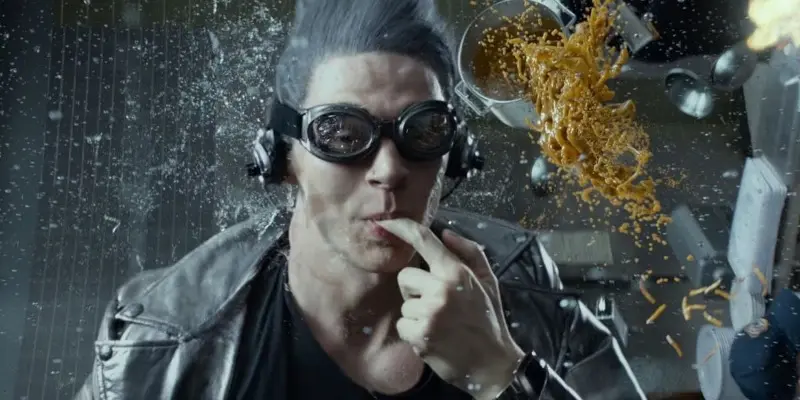
Quicksilver’s slow-motion rescue sequence is a showstopper. When Xavier’s school is attacked, he zips through the exploding building, saving everyone with style and humor. The scene, set to “Sweet Dreams,” is visually stunning and perfectly captures his speed and personality.
It’s not just flashy—it shows Quicksilver’s growth as a hero. He’s no longer just a cocky kid; he’s using his powers to save lives. This moment steals the show and feels like a natural evolution for the character.
Zero Sense: Charles and Moira’s Reunion
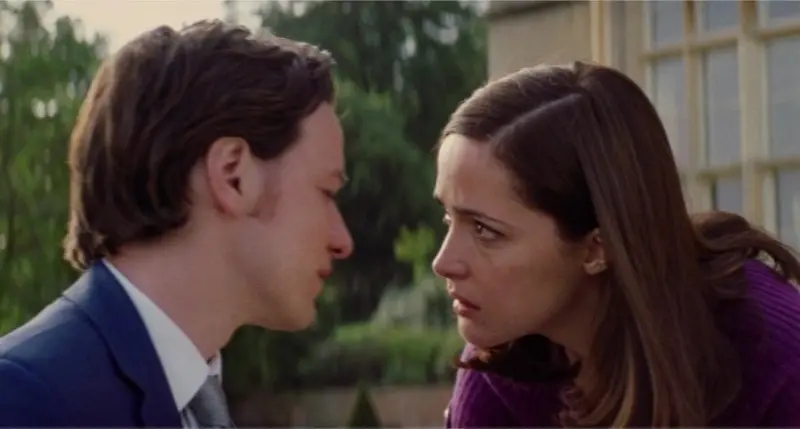
Charles Xavier reunites with Moira MacTaggert, but their chemistry feels off. The film hints at a past romance, yet their interactions are stiff and lack emotional weight. Moira doesn’t remember their history due to Charles wiping her memory, but the story doesn’t explore this tension well.
The reunion feels like a plot device rather than a meaningful moment. Their awkward scenes don’t add to the story, and the attempt at romance falls flat, leaving you wondering why it was included at all.
Perfect Sense: The Young X-Men Team-Up
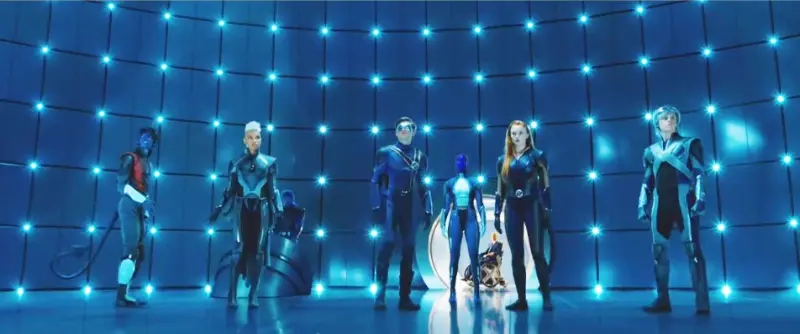
The introduction of young Cyclops, Jean Grey, and Nightcrawler feels fresh and exciting. Their teamwork against Apocalypse’s forces shows their potential as the next generation of X-Men. Each character gets a moment to shine, from Jean’s power to Nightcrawler’s teleportation.
Their dynamic sets up future stories while staying true to the X-Men’s core: misfits coming together. The film nails their chemistry, making you root for them as they step into their roles as heroes.
Zero Sense: Apocalypse’s Power Inconsistency
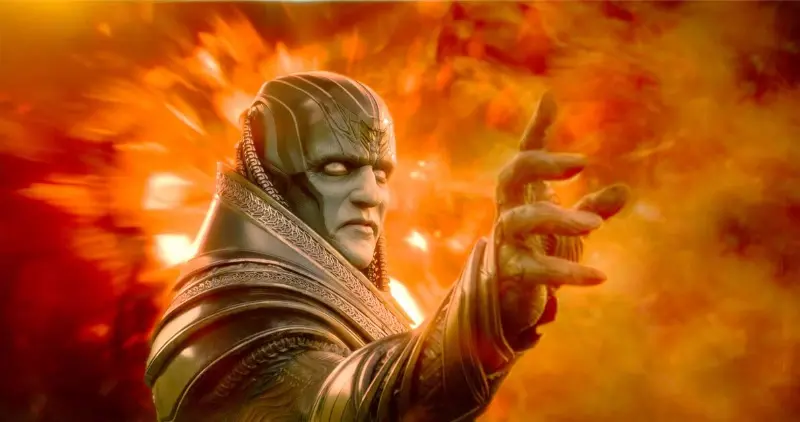
Apocalypse is billed as the most powerful mutant ever, but his abilities are inconsistent. He can manipulate matter, control minds, and enhance other mutants, yet he’s easily outsmarted and defeated. His powers seem to change based on what the plot needs, which weakens his threat.
This inconsistency makes the final battle feel underwhelming. A villain with limitless power should be harder to beat, but Apocalypse’s vague abilities make his defeat too convenient and unsatisfying.
Perfect Sense: Jean Grey’s Phoenix Moment
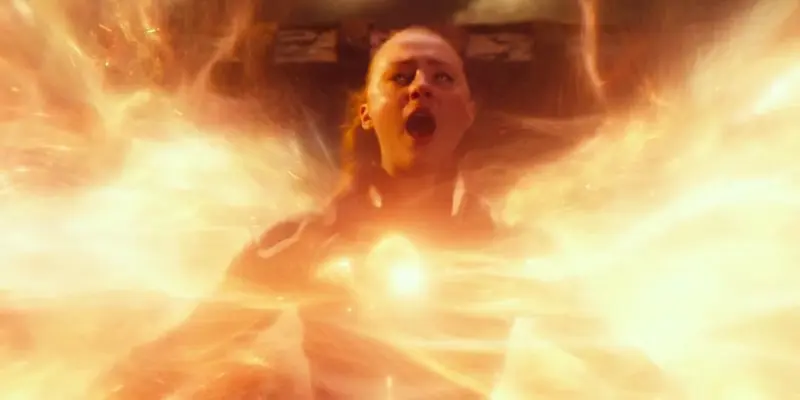
Jean Grey unleashing her Phoenix powers to defeat Apocalypse is a standout moment. It’s a thrilling payoff to her struggle with her immense, uncontrollable abilities throughout the film. Sophie Turner’s performance captures Jean’s fear and strength as she embraces her full potential.
This scene sets up her future arc while delivering a climactic finish. It feels earned, tying into the X-Men theme of accepting who you are, and it’s one of the film’s most memorable moments.
Zero Sense: The Weapon X Subplot

The Weapon X subplot, featuring Wolverine’s brief appearance, feels shoehorned in. He escapes a facility, goes on a rampage, and then disappears, adding nothing to the main story. It’s a fan-service moment that distracts from the plot.
The time spent on this scene could have been used to flesh out other characters or Apocalypse’s plan. Instead, it feels like a random detour that halts the movie’s momentum for no clear reason.
Perfect Sense: The 1980s Setting

The 1980s backdrop adds a fun, nostalgic vibe to the film. From the music to the fashion, the era is woven into the story without feeling overdone. It grounds the characters’ experiences, like Quicksilver’s love for arcade games or the Cold War tensions influencing Magneto’s choices.
The setting also ties into the X-Men’s themes of societal change. Mutants are feared in a world on the brink of upheaval, making the stakes feel real and the story more relatable.
What’s your take on X-Men: Apocalypse—which moments made you cheer or left you confused? Share your thoughts in the comments!

