


5 Things About ‘X-Men Origins: Wolverine’ That Made Zero Sense and 5 Things That Made Perfect Sense

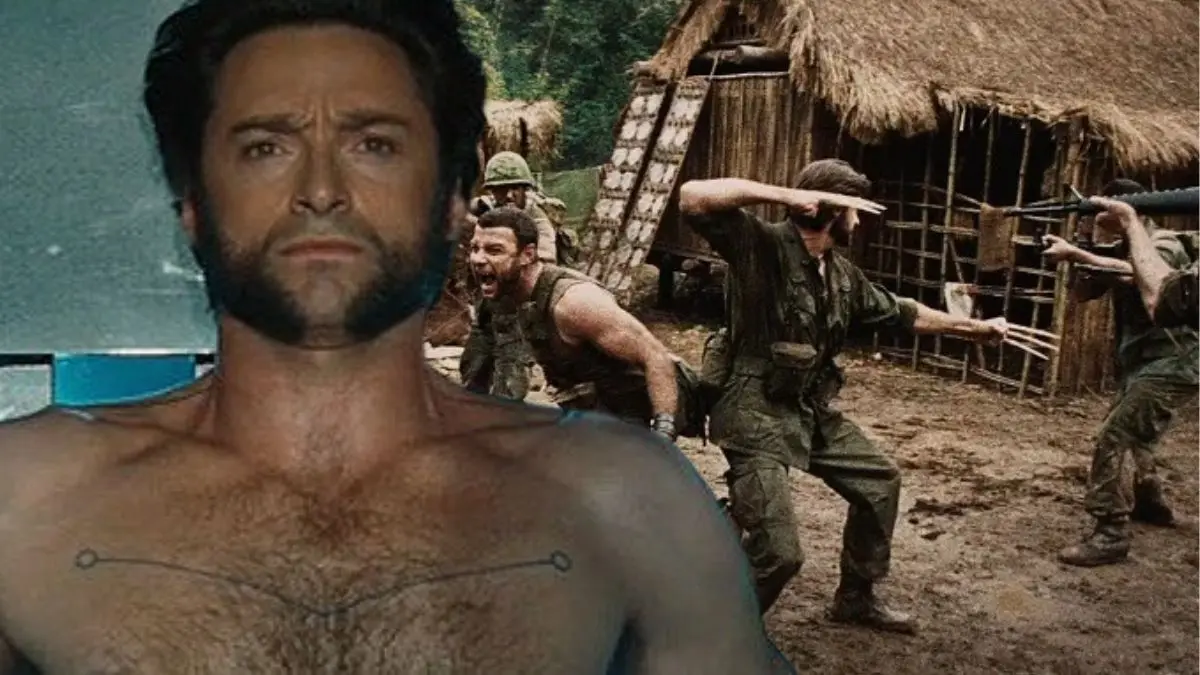


‘X-Men Origins: Wolverine’ (2009) aimed to dive into the backstory of one of Marvel’s most iconic mutants, Logan, also known as Wolverine. Fans were excited to see Hugh Jackman reprise his role, but the movie left many scratching their heads with its choices, while others felt spot-on for the character and the X-Men universe.
The film tried to balance gritty action, emotional depth, and comic book lore, but it didn’t always hit the mark. Some moments were confusing or poorly executed, while others captured Wolverine’s essence perfectly. Here’s a look at five things in the movie that made no sense and five that worked brilliantly.
Deadpool’s Mutilation (Zero Sense)

The movie’s take on Deadpool, played by Ryan Reynolds, was a massive misstep. Wade Wilson starts as a witty, talkative mercenary, but by the end, his mouth is sewn shut, and he’s turned into a mute, weaponized mutant with no personality. This completely betrays the character’s core as the “Merc with a Mouth,” alienating fans familiar with the comics.
It’s baffling why the filmmakers thought stripping Deadpool of his defining trait—his humor—would work. The decision to make him a silent, generic villain felt like a misunderstanding of what makes Deadpool special, especially since Reynolds’ earlier scenes showed he could nail the role.
Wolverine’s Healing Factor (Perfect Sense)
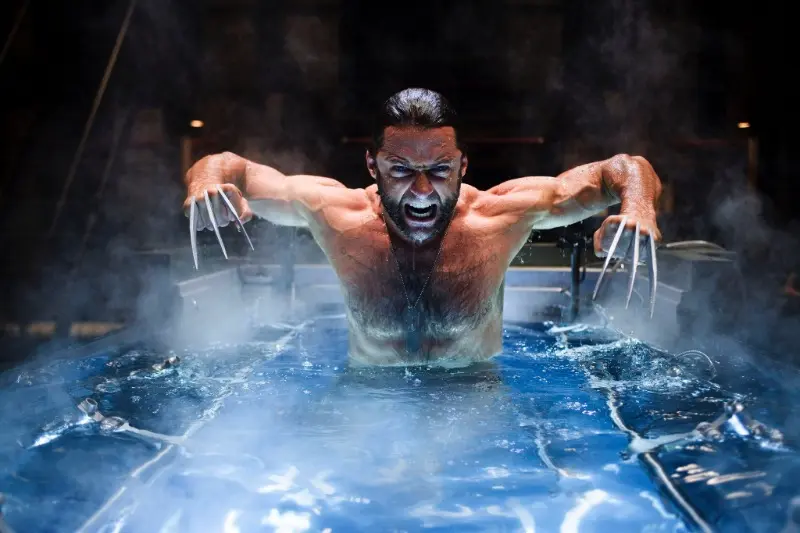
Wolverine’s rapid healing ability is a cornerstone of his character, and the movie nails it. From surviving brutal battles to regenerating after intense injuries, Logan’s healing factor is shown in gritty detail, emphasizing his near-invincibility and pain-filled existence.
The film uses this trait to ground his emotional and physical struggles. Whether he’s taking bullets or recovering from explosions, the healing factor ties directly to his survival instincts and the toll of his long life, making it a perfect fit for his origin story.
Gambit’s Random Appearance (Zero Sense)
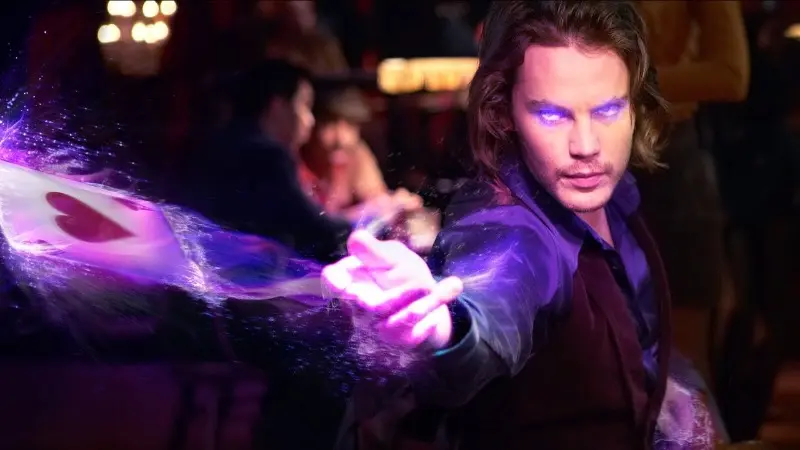
Gambit, played by Taylor Kitsch, shows up in the movie with little explanation or purpose. He’s introduced as a card-throwing mutant in New Orleans, but his role feels tacked on, with no clear connection to the main plot or Wolverine’s journey.
His brief screen time adds nothing substantial to the story. The filmmakers seemed to include him just to check off another popular X-Men character, leaving fans frustrated by the wasted potential of a fan-favorite mutant.
Logan’s Bond with Victor (Perfect Sense)

The sibling dynamic between Logan and Victor Creed (Sabretooth), played by Liev Schreiber, is a highlight. Their shared history as brothers who fought in wars together adds depth to both characters, showing their love-hate relationship rooted in shared trauma.
The movie leans into their contrasting personalities—Logan’s restraint versus Victor’s savagery—making their clashes feel personal. This brotherly bond grounds the film’s emotional weight and gives their final showdown real stakes.
The Adamantium Bullet (Zero Sense)
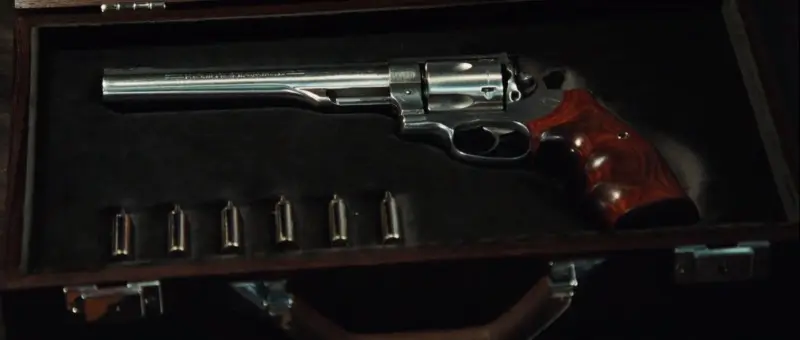
The idea that an adamantium bullet could erase Wolverine’s memories is a head-scratcher. The movie suggests a single shot to the head wipes out Logan’s past, despite his healing factor repairing brain damage in other scenes.
This plot device feels forced to explain his amnesia in later X-Men films. It’s inconsistent with his established powers and comes off as a lazy way to tie up the story without exploring the emotional or psychological causes of his memory loss.
Logan’s Rage and Pain (Perfect Sense)

Wolverine’s raw anger and emotional pain are portrayed powerfully. Hugh Jackman captures Logan’s inner turmoil, from losing loved ones to grappling with his violent nature, making him a tragic yet relatable hero.
The film shows how his rage drives his actions, whether he’s seeking revenge or protecting others. This emotional core resonates with audiences and stays true to the character’s comic book roots, making it one of the movie’s strongest elements.
The Weapon X Program’s Logic (Zero Sense)
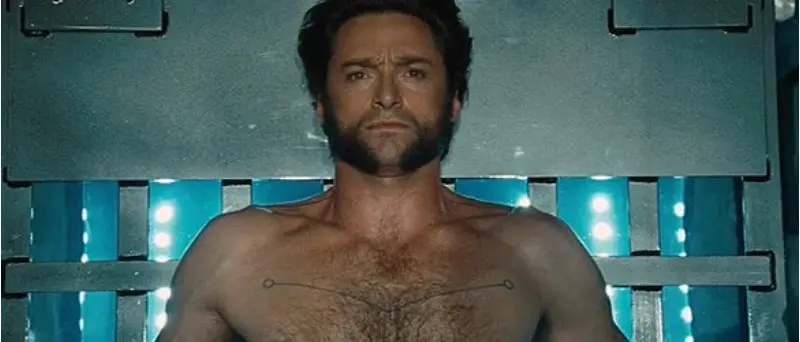
The Weapon X program, meant to create super-soldiers, makes little sense in execution. Why would Stryker invest so much in Wolverine, only to betray him and create a controllable Deadpool instead? The program’s goals feel muddled and poorly thought out.
The experiments and motivations behind Weapon X lack clarity. The movie never explains why Stryker’s plans shift so drastically, leaving the audience confused about the program’s purpose and Wolverine’s role in it.
The 1970s Setting (Perfect Sense)
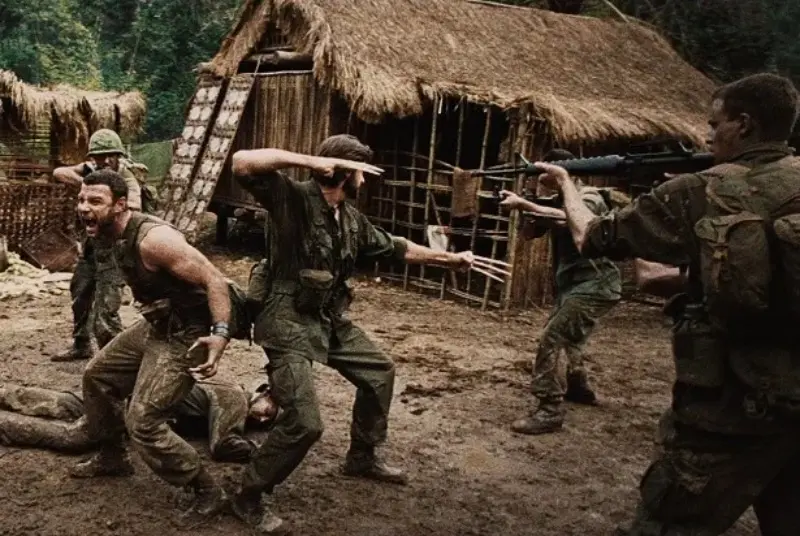
Setting the bulk of the movie in the 1970s works well to establish Wolverine’s long lifespan. The gritty, retro aesthetic fits Logan’s nomadic, rough-around-the-edges vibe and ties into his history of living through multiple eras.
It also grounds the story in a time before the X-Men, showing Logan as a loner before he joins the team. The setting adds authenticity to his origin and makes his journey feel like a distinct chapter in his life.
The Mutant Cameos (Zero Sense)
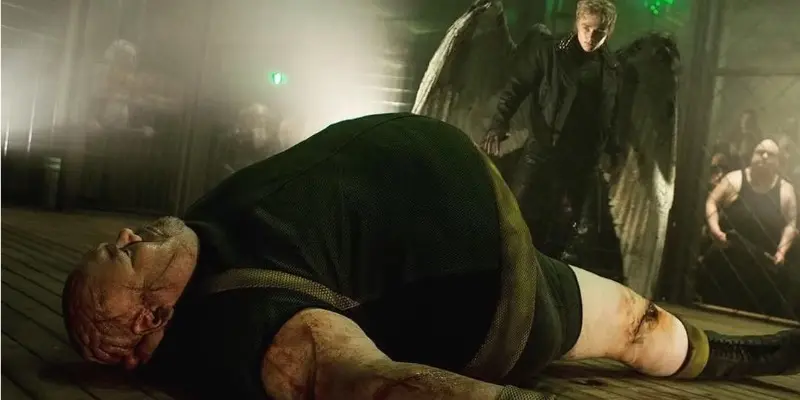
The film crams in several mutants, like Blob and Agent Zero, with little context or development. These characters appear briefly, contribute minimally, and disappear, making their inclusion feel like fan service gone wrong.
Their presence distracts from the main story and dilutes the focus on Wolverine. Instead of adding depth to the world, these cameos feel like a checklist of mutants thrown in without purpose, confusing casual viewers.
Kayla’s Love Story (Perfect Sense)
The romance between Logan and Kayla Silverfox is a heartfelt anchor for the film. Their chemistry feels genuine, and her tragic fate drives Logan’s quest for vengeance, adding emotional weight to his journey.
Kayla’s role as a grounding force for Logan’s humanity makes sense for his character. The film uses their relationship to show his softer side, making her loss a pivotal moment that shapes his path forward.
What’s your take on ‘X-Men Origins: Wolverine’—which moments made you cheer or left you confused? Share your thoughts in the comments!

